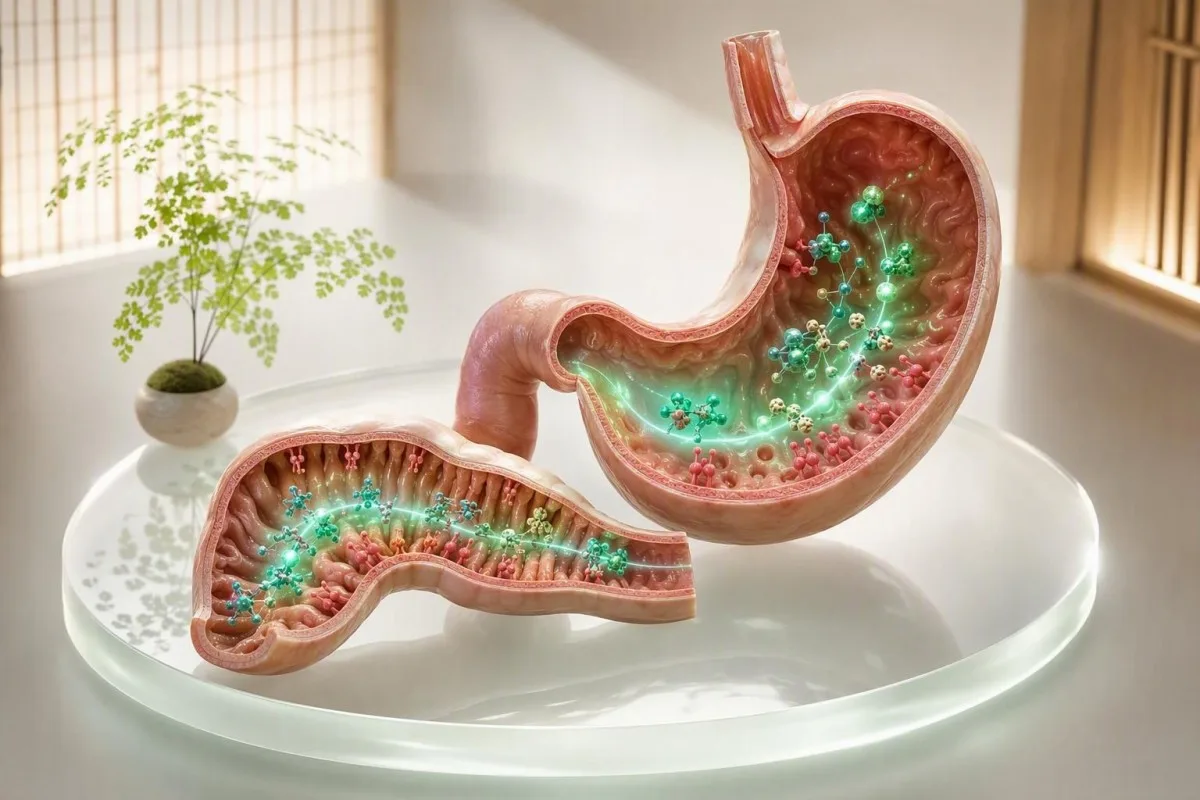
Vitamini B12 ya uhakika hutoka kwa vyakula vya wanyama au bidhaa zilizoimarishwa mahususi; lishe bora haiwezi kushughulikia kila tatizo la ufyonzwaji. Hivi ndivyo ninavyowasaidia wagonjwa kulinganisha chaguo za chakula, dalili, dawa, na matokeo ya maabara.


- Uhitaji wa kila siku wa B12 ni 2.4 mcg kwa watu wazima wengi, 2.6 mcg wakati wa ujauzito, na 2.8 mcg wakati wa kunyonyesha.
- Vyakula bora zaidi ni pamoja na kamba, ini, samaki, nyama, maziwa, mayai, na vyakula vilivyoimarishwa na B12; vyakula vya mimea visivyoimarishwa si vyanzo vya uhakika.
- Ini ya ng’ombe hutoa karibu 70 mcg ya B12 kwa kila huduma ya 85 g iliyopikwa, wakati 250 mL ya maziwa hutoa karibu 1.3 mcg.
- Kiwango cha juu cha ufyonzwaji maana yake ni kwamba kipengele cha ndani kwa kawaida hufyonza karibu 1.5-2 mcg tu kutoka kwa mlo; takriban 1% ya kipimo kikubwa cha mdomo bado kinaweza kuingia kwa njia ya kawaida.
- B12 ya damu chini ya 200 pg/mL (148 pmol/L) kwa kawaida huunga mkono upungufu, wakati 200-300 pg/mL mara nyingi huhitaji asidi ya methylmalonic au muktadha wa B12 hai.
- Dawa za Metformin na asidi-kandamizaji inaweza kupunguza kiwango cha B12 kwa muda, hasa matumizi yanapoendelea kwa miaka kadhaa.
- Dalili za neva kama vile ganzi, mabadiliko ya ku tembea, matatizo ya kumbukumbu, au kupoteza hisia ya mtetemo huhitaji uchunguzi wa kimatibabu hata kama hakuna upungufu wa damu.
- Chakula pekee hakiwezi kurekebisha upungufu unaosababishwa na upungufu wa damu wa pernicious, upasuaji wa tumbo, hali mbaya ya kunyonya chakula, au dalili kali za mfumo wa neva.
Ni vyakula vipi vinavyotoa vitamini B12 ya uhakika zaidi?
Vyakula vyenye kiwango kikubwa cha B12 kwa karibu huachanishwa na vyakula vya wanyama na vyakula vilivyoimarishwa kwa makusudi na cobalamin. Vyakula vya baharini (clams), ini, samaki, nyama, maziwa, mtindi, jibini, mayai, nafaka za kifungua kinywa zilizoimarishwa, na vinywaji vya mimea vilivyoimarishwa ni chaguo za kuaminika wakati lebo inathibitisha kiwango cha B12.
Vyakula vya baharini (clams) vilivyopikwa vinaweza kutoa takriban 84 mcg kwa kila 85 g, na ini la nyama ya ng'ombe iliyopikwa kuhusu 70 mcg kwa kila 85 g; vyote vinazidi mahitaji ya mtu mzima mara nyingi. Bado ninahimiza utofauti badala ya kutegemea ini mara kwa mara, kwa sababu ini pia lina kiwango cha juu sana cha vitamini A iliyotengenezwa tayari na si chakula cha kawaida cha kila siku wakati wa ujauzito.
Samaki ni njia ya vitendo katikati: samaki aina ya trout waliopikwa hutoa takriban 5.4 mcg kwa kila 85 g, lax (salmon) kuhusu 2.6 mcg, na tonasi ya makopo takriban 2.5 mcg. Mgonjwa ambaye hapendi dagaa anaweza kukidhi mahitaji ya chakula kwa kula samaki mara mbili kwa wiki pamoja na maziwa, mayai, au vyakula vilivyoimarishwa; yetu mwongozo wa B12 dhidi ya folate inaeleza kwa nini folate haiwezi kuchukua nafasi ya cobalamin.
Kantesti ni Mchambuzi wa mtihani wa damu wa AI ambayo huweka matokeo ya B12 pamoja na kiwango cha wastani cha corpuscular, haemoglobin, folate, utendaji wa figo, na muktadha wa dawa. Hiyo ni muhimu kwa sababu mtu anayekula samaki mara mbili kwa wiki bado anaweza kupungukiwa ikiwa tatizo ni sababu ya ndani badala ya ulaji.
Kuna kiasi gani cha B12 katika vyakula vya kila siku?
Mlo mmoja wa samaki, nyama, au maziwa unaweza kutoa sehemu au yote ya lengo la 2.4 mcg kwa watu wazima, lakini kiasi hutofautiana sana kulingana na chakula na sehemu ya mlo. Lebo na meza za utungaji wa chakula ni makadirio, si uhakikisho wa kile kinachofikia mzunguko wa damu.
Kikombe cha 250 mL cha maziwa ya ng'ombe hutoa takriban 1.3 mcg, 170 g ya mtindi wa kawaida kama 1.0 mcg, yai moja kubwa kama 0.5 mcg, na 85 g ya nyama ya ng'ombe iliyopikwa konda kama 2.4 mcg. Kwa hivyo, bidhaa za maziwa zinaweza kusaidia ulaji kwa maana, ingawa mayai mawili wakati wa kifungua kinywa kwa kawaida hayafikii mahitaji ya siku nzima.
Mara nyingi mimi huona mwelekeo wa kupotosha kwa watu wanaojielezea kama 'watu wengi wanaokula mboga': mayai na jibini mara kwa mara vinaweza kuzuia upungufu mkubwa, lakini bado ulaji wao unabaki chini ya lengo kwa miezi. Hii ni moja ya sababu uchovu unastahili kutazamwa kwa upana zaidi ikiwa ni pamoja na uchaguzi wa vyakula vyenye madini chuma na sio tu vitamini nyingi.
Thomas Klein, MD, anashauri wagonjwa kurekodi kiwango halisi cha sehemu kwa siku 7 kabla ya kuamua kuwa lishe inatosha. Jarida la chakula linaloonyesha 0.5-1.0 mcg tu kila siku ni muhimu zaidi kwa kimatibabu kuliko kauli ya kutatanisha, 'Ninakula kiafya.'
Je, vyakula vilivyoimarishwa na B12 vinatosha kwa vegan?
Vyakula vilivyoimarishwa na B12 vinaweza kukidhi mahitaji ya vegan zinapoliwa mara kwa mara kwa viwango vilivyopimwa, lakini vyakula vya mimea visivyoimarishwa haviwezi kufanya hivyo kwa uhakika. Bahari, uyoga, vyakula vilivyochachuka, na hamira ya lishe bila lebo ya B12 iliyoongezwa sio mbadala wa kutegemewa.
Vinywaji vingi vya mimea vilivyoimarishwa vinatoa 0.4-1.0 mcg kwa 250 mL, wakati sehemu ya nafaka iliyoimarishwa inaweza kutoa 1.0-6.0 mcg. Soma lebo ya ndani kila wakati: bidhaa hutofautiana kulingana na nchi, mapishi, na saizi ya huduma, na 'ina vitamini' haimaanishi kuwa ina B12.
Cyanocobalamin ni kiimarisho cha kawaida kwa sababu inabaki imara wakati wa kuhifadhi na kupika. Uhakiki wa 2010 na O'Leary na Samman katika Nutrients unaelezea kwa nini analojia zinazopatikana katika baadhi ya mwani zinaweza kufanana na B12 kwa kemikali lakini hazitegemewi kusaidia hali ya B12 ya binadamu (O'Leary & Samman, 2010).
Kantesti ni jukwaa la tafsiri ya vipimo vya damu la AI hutumiwa kusaidia wasomaji kuweka muundo wa lishe, B12, na alama zinazohusiana katika mwonekano mmoja. Watu wanaofuata lishe ya mimea wanapaswa pia kuzingatia kipimo cha damu cha upungufu wa virutubisho kilichopangwa badala ya kusubiri ganzi au uchovu.
Mahitaji ya kila siku ya B12 ni yapi kulingana na umri na hatua ya maisha?
Watu wazima wengi wanahitaji 2.4 mcg ya vitamini B12 kila siku, wakati ujauzito unahitaji 2.6 mcg na kunyonyesha kunahitaji 2.8 mcg. Malengo haya huzuia upungufu kwa watu walio na unyonyaji wa kawaida; sio dozi za matibabu kwa upungufu uliokwisha kuonekana.
Kiwango cha Chakula Kinachopendekezwa cha Marekani ni 0.4 mcg kutoka kuzaliwa hadi miezi 6, 0.9 mcg kwa miaka 1-3, 1.2 mcg kwa miaka 4-8, 1.8 mcg kwa miaka 9-13, na 2.4 mcg kutoka umri wa miaka 14. Kiwango cha kumbukumbu cha virutubisho vya watu wazima cha Uingereza ni cha chini zaidi kwa 1.5 mcg kila siku, kwa hivyo programu za lishe za kimataifa zinaweza kuonyesha malengo tofauti bila moja kuwa kosa.
Watu wazima wazee mara nyingi wanahitaji kiwango sawa cha lishe lakini wana nafasi kubwa zaidi ya ulaji mbaya wa B12 unaohusishwa na chakula kutokana na kupungua kwa asidi ya tumbo, gastritis, au dawa. Hamu ya kawaida ya kula haiondoi hii; mwongozo wetu wa viwango vya B12 kwa watoto pia unaonyesha kwa nini muktadha maalum kwa umri ni muhimu.
B12 huhifadhiwa kwenye ini, kwa kawaida kwa 2-5 mg, ndiyo sababu ulaji uliopungua unaweza kuchukua miaka 2-5 kujitokeza. Ucheleweshaji huo ni mgumu kinyama: dalili zinaweza kuonekana muda mrefu baada ya kuanza kwa lishe yenye vikwazo.
B12 hufyonzwaje baada ya kula?
Ufyonzaji wa B12 unahitaji asidi ya tumbo, vimeng'enya vya kongosho, na kipengele cha ndani kutoka kwa seli za tumbo kabla ya kunyonya kwenye utumbo mdogo wa mwisho. Tatizo katika hatua yoyote moja linaweza kufanya lishe yenye B12 nyingi kutotosheleza.
B12 iliyofungwa na chakula hutolewa kutoka kwa protini tumboni, hufungamana kwanza na haptocorrin, kisha huhamishwa hadi kipengele cha ndani kwenye utumbo mdogo. Changamano cha kipengele cha ndani na B12 hufyonzwa kwenye utumbo mdogo wa mwisho kupitia mchakato unaodhibitiwa na kipokezi; ndiyo sababu ugonjwa au kuondolewa kwa sehemu hiyo ya utumbo huleta madhara.
Ufyonzaji wa kipengele cha ndani hutosheka kwa takriban 1.5-2 mcg kwa kila mlo, wakati karibu 1% ya kipimo kikubwa cha mdomo kinaweza kupenya kupitia upenyezaji usiokwenda sambamba. Njia hiyo ndogo isiyo na kikwazo ndiyo inayoelezea kwa nini wataalamu wa matibabu wakati mwingine hutumia vipimo vya 1,000-2,000 mcg vya mdomo, si kwa sababu mtu yeyote anahitaji mara 1,000 ya mahitaji ya lishe.
Kwa watu wenye kuhara sugu, kupoteza uzito bila kueleweka, au kushukiwa kuwa na ugonjwa wa coeliac, hesabu ya ulaji haitoshi. Kujadili wakati sahihi wa changamoto ya gluten kabla ya kupima kunaweza kuzuia uchunguzi unaokatiwa tamaa kimakosa.
Ni nini kinachozuia ufyonzwaji wa B12 hata kwa lishe nzuri?
Upungufu wa damu wa Pernicious, upasuaji wa tumbo au utumbo, ugonjwa wa coeliac, ugonjwa wa Crohn, matumizi ya muda mrefu ya metformin, na kukandamiza asidi kunaweza kupunguza ufyonzaji wa B12. Katika mazingira haya, kuongeza samaki au nafaka zilizotiwa virutubisho kunaweza kupunguza kasi ya kushuka lakini kunaweza kusirekebisha upungufu.
Gastritis ya kiotomatiki inaweza kuharibu seli za tumbo zinazozalisha kipengele cha ndani na kusababisha upungufu wa damu wa pernicious, shida ya ufyonzaji badala ya kushindwa kwa lishe. Mwongozo wa NICE NG239, uliochapishwa mwaka 2024, unapendekeza kuzingatia upimaji wa kingamwili dhidi ya kipengele cha ndani wakati gastritis ya kiotomatiki inashukiwa, ingawa matokeo mabaya hayaiakanushi kikamilifu.
Upungufu wa B12 unaohusishwa na Metformin ni halisi lakini unatofautiana. Katika Utafiti wa Matokeo ya Mpango wa Kuzuia Kisukari, B12 ya chini au ya karibu na kiwango cha chini ilikuwa ya kawaida zaidi na metformin kuliko placebo baada ya miaka 5, na hatari iliongezeka kwa muda mrefu wa kukabiliwa (Aroda et al., 2016); ndiyo sababu vipimo vya damu baada ya metformin haipaswi kuzingatia tu sukari.
Mgonjwa wa miaka 63 niliekagua alikula salmon kila wiki na alikunywa maziwa kila siku, hata hivyo alikuwa na B12 ya 156 pg/mL na vidole vya miguu vikiwa na ganzi baada ya miaka ya metformin na omeprazole. Chakula hakikukuwa sehemu iliyokosekana—ufyonzaji ndio ulikuwa.
Ni vipimo vipi vya damu vinavyoelezea upungufu unaowezekana wa B12?
B12 ya damu chini ya 200 pg/mL, au 148 pmol/L, kwa kawaida huunga mkono upungufu, wakati 200-300 pg/mL ni eneo la kutokuwa na uhakika ambalo hunufaika na muktadha wa uthibitisho. Asidi ya methylmalonic, homocysteine, B12 hai, hesabu kamili ya damu, na folate zinaweza kutatua kutokuwa na uhakika.
Asidi ya methylmalonic kwa kawaida huongezeka wakati B12 katika seli haitoshi; MMA juu ya 0.40 micromol/L mara nyingi huchukuliwa kuwaimeongezeka, ingawa mipaka ya maabara hutofautiana. Uharibifu wa figo unaweza kuongeza MMA bila sababu nyingine, kwa hivyo eGFR ya 35 mL/min/1.73 m² hubadilisha maana ya matokeo sawa.
Macrocytosis ni dalili, sio hitaji. MCV juu ya 100 fL inaweza kutokea na upungufu wa B12, lakini upungufu wa mapema unaweza kuwa na MCV ya kawaida, na upungufu wa chuma unaweza kuficha sehemu ya ukubwa wa seli; linganisha matokeo na yetu mwongozo wa ufuatiliaji wa MCV ya juu.
Kantesti ni Zana ya uchambuzi wa vipimo vya damu inayotumia AI ambao unasoma B12 na MMA, MCV, RDW, creatinine, na mabadiliko ya muda mrefu badala ya kutumia mpaka mmoja. mfumo wa utambuzi katika Devalia et al. (2014) pia unasaidia matumizi ya dalili za kliniki na vipimo vya mstari wa pili wakati B12 ya damu haitatui swali.
Je, upungufu wa B12 unaweza kusababisha dalili bila upungufu wa damu?
Ndiyo, upungufu wa B12 unaweza kusababisha dalili za neva na utambuzi kabla ya hemoglobin kushuka au MCV kuongezeka. Kutetemeka, kuungua kwa miguu, kupunguza usawa, kupoteza hisia ya mtetemo, hali ya chini ya akili, na ukungu wa ubongo vinafaa kutathminiwa zinapoendelea.
Hemoglobin ya 13.2 g/dL na MCV ya 92 fL hazitathibitishi upungufu wa B12 wa utendaji kwa mtu mwenye paresthesia inayoendelea. Kupona kwa neva haitabiriki zaidi wakati dalili zimekuwepo kwa miezi mingi, ndiyo sababu sikushauri kusubiri upungufu wa damu dhahiri.
Folate inaweza kurekebisha muonekano wa hesabu ya damu wakati uharibifu wa neva unaohusiana na B12 unaendelea. Hili ndilo tatizo la kimatibabu nyuma ya onyo kuhusu asidi ya foliki yenye kiwango cha juu; angalia maelezo yetu ya folate ya juu inayoficha B12 kwa undani wa vitendo.
Tathmini ya haraka ya siku hiyo hiyo ni ya busara kwa ugumu wa kutembea unaozidi kuwa mbaya, kuchanganyikiwa mpya, udhaifu mkali, au mabadiliko ya haja kubwa na ndogo. Dalili hizo zina sababu kadhaa, lakini B12 inapaswa kuwa sehemu ya utambuzi tofauti wa haraka badala ya jaribio la nyongeza.
Ni lini chakula kinaweza kurekebisha B12 ya chini, na ni lini matibabu yanahitajika?
Chakula kinaweza kurekebisha upungufu mdogo usio na dalili kwa mtu aliye na unyonyaji kamili, lakini upungufu uliothibitishwa kutokana na malabsorption mara nyingi huhitaji matibabu ya kipimo cha juu kwa mdomo au sindano. Chaguo hutegemea sababu, ukali, kufuata, na matokeo ya neva—sio tu nambari ya seramu.
Kwa uhaba wa lishe bila dalili kali, waganga wanaweza kutumia cyanocobalamin ya mdomo au methylcobalamin kwa vipimo kama 50-150 mcg kila siku kwa matengenezo, na vipimo vikubwa zaidi wakati wa kurekebisha upungufu. Ratiba kamili hutofautiana kote nchini na zinapaswa kufuata itifaki ya daktari anayetibu.
Upungufu wa damu wa Pernicious, upasuaji kamili wa tumbo, ugonjwa mkuu wa utumbo mdogo, au dalili kubwa za neva kawaida hubadilisha mazungumzo. Ulinganisho wetu wa kina wa sindano na vidonge vya B12 unaelezea kwa nini vidonge vya kipimo cha juu bado vinaweza kufanya kazi kupitia unyonyaji tulivu, wakati sindano zinaweza kupendekezwa wakati uhakika au kasi inapohesabiwa.
Kwa uzoefu wangu, mpango wa kwanza wa chakula ni kuzuia bora lakini tiba duni ya uokoaji kwa malabsorption yenye dalili. Muda wa kuangalia tena unapaswa kujumuisha dalili na viashiria vya utendaji, sio tu matokeo ya B12 ambayo huongezeka haraka baada ya sindano.
Je, B12 iliyotiwa methyl ni bora kuliko cyanocobalamin?
Methylcobalamin na cyanocobalamin zote zinaweza kurekebisha upungufu wa B12 wakati kipimo na unyonyaji vinatosha; ushahidi haujaonyesha kuwa B12 iliyotiwa methyl kawaida ni bora zaidi. Cyanocobalamin ni thabiti, imesomwa sana, na hutumiwa mara kwa mara katika vyakula vilivyoimarishwa.
Mwili hubadilisha cobalamin kuwa fomu za kazi za coenzyme zinazotumiwa na methionine synthase na methylmalonyl-CoA mutase. Lugha ya uuzaji inayozunguka bidhaa 'zilizotiwa methyl' mara nyingi huenda zaidi ya ushahidi wa kimatibabu wa kulinganisha; unyonyaji, kipimo, gharama, na uthabiti kawaida huamua zaidi.
Hydroxocobalamin hutumiwa mara kwa mara kwa sindano katika mifumo kadhaa ya afya kwa sababu inakaa mwilini kwa muda mrefu kuliko cyanocobalamin. Watu wenye ugonjwa sugu wa figo au matatizo ya kipekee ya kimetaboliki wanahitaji ushauri wa kibinafsi, kwa sababu MMA na uchaguzi wa matibabu unaweza kuwa mgumu zaidi.
Kwa ulinganisho wa vitendo wa kemia ya bidhaa, mantiki ya kipimo, na ufuatiliaji wa maabara, soma methylated B12 dhidi ya cyanocobalamin. Usisimamishe sindano zilizoagizwa kwa sababu lebo ya nyongeza inaahidi aina 'ya asili' zaidi.
Siku ya vitendo ya kula vyakula vingi vya B12 huonekanaje?
Mlo mchanganyiko unaweza kufikia 2.4 mcg ya B12 na milo ya kawaida, wakati mlo wa mboga unahitaji ratiba ya makusudi ya chakula kilichoimarishwa au nyongeza. Mpango unaotegemewa zaidi ni ule unaoweza kurudia kupitia safari, wiki zenye shughuli nyingi, na mabadiliko ya hamu ya kula.
Mfano mmoja wa omnivorous ni mtindi wakati wa kifungua kinywa (1.0 mcg), yai wakati wa chakula cha mchana (0.5 mcg), na 85 g lax wakati wa chakula cha jioni (2.6 mcg). Hii inatoa takriban 4.1 mcg kabla ya kuruhusu mabadiliko ya chakula, huku kueneza ulaji katika milo kunafaa kwa watu wengi.
Mfano ulioimarishwa wa mimea unaweza kutumia kinywaji cha mimea kinachotoa 1.0 mcg, nafaka inayotoa 1.5 mcg, na chachu ya lishe iliyoimarishwa inayotoa 1.0 mcg. Changamoto ni uthabiti: kubadilisha chapa kunaweza kuondoa virutubishi ghafla, kwa hivyo weka picha ya lebo katika vidokezo vyako vya afya.
B12 ni sehemu ya muundo mpana zaidi wa virutubisho vinavyoyeyuka kwa maji, protini, chuma, na ulaji wa nishati. Yetu mwongozo wa vitamini mumunyifu katika maji husaidia kuzuia kosa la kawaida la kutibu vitamini moja kama maelezo kamili ya uchovu.
Ni nani anapaswa kuwa makini hasa na B12 ya chini?
Wegani, wazee, watu wanaotumia metformin au dawa za kudhibiti asidi kwa muda mrefu, wagonjwa baada ya upasuaji wa tumbo au utumbo mdogo, na watu wenye ugonjwa wa utumbo unaowaka wana hatari kubwa zaidi ya upungufu wa B12. Hatari huongezeka wakati sababu zaidi ya moja ipo.
Matumizi ya muda mrefu ya vizuizi vya pampu ya protoni yanaweza kupunguza kutolewa kwa B12 kutoka kwa protini ya chakula kwa kupunguza asidi ya tumbo. Uhusiano huo sio sababu ya kusimamisha dawa iliyoagizwa ghafla, lakini ni sababu ya kuuliza ikiwa ufuatiliaji unafaa baada ya miaka 2 au zaidi ya matumizi ya mfululizo.
Watu wenye umri wa zaidi ya miaka 60 wanaweza kupata shida ya kunyonya cobalamin ya chakula hata kwa lishe tofauti, wakati mwingine pamoja na gastritis ya atrophic. Kiwango cha chini cha B12 katika kundi hili sio lazima 'umri tu'; inaweza kuwa ishara ya kuchunguza dalili, dawa, na historia ya kinga.
Yetu mwongozo wa ufuatiliaji wa muda mrefu wa PPI inaelezea majadiliano yanayohusiana ya maabara, ikiwa ni pamoja na magnesiamu na chuma. Kuchanganya B12 ya chini na upungufu wa chuma usio na maelezo kunaweza kuwaelekeza wataalamu kuelekea sababu ya tumbo badala ya mapungufu mawili ya lishe yasiyohusiana.
Ni lini viwango vya B12 vinapaswa kupimwa tena baada ya kubadilisha lishe au matibabu?
Upimaji upya mara nyingi hufanyika wiki 8-12 baada ya mabadiliko ya lishe au matibabu ya mdomo, huku ukali wa dalili na njia ya matibabu inaweza kuhalalisha ukaguzi wa kliniki mapema zaidi. Matokeo ya B12 ya serum yanaweza kuongezeka haraka baada ya kuongeza virutubisho na inaweza isithibitishe kupona kwa tishu yenyewe.
Hesabu kamili ya damu inaweza kuonyesha mwitikio wa reticulocyte ndani ya kama wiki 1 baada ya matibabu madhubuti kwa upungufu wa damu wa megaloblastic, huku hemoglobin kawaida huwa bora kwa wiki kadhaa. Dalili za neva hupona polepole zaidi na wakati mwingine haikamiliki, hasa baada ya upungufu wa muda mrefu.
Kuongeza virutubisho kwa kusimamisha na kuanza kunaweza kufanya B12 ya serum ionekane kawaida siku ya kupima huku MMA, dalili, au macrocytosis zikiwa bado zinatia wasiwasi. Hii ni moja ya sababu ya kumwambia daktari hasa ulivyochukua, kipimo, na tarehe ya kipimo cha mwisho kabla ya kutafsiri matokeo.
Kantesti AI inaweza kulinganisha B12, MCV, hemoglobin, RDW, folate, na creatinine katika ripoti kadhaa ili kubaini ikiwa mabadiliko yana maana ya kimatibabu. Kwa wasomaji wanaojifunza ujuzi huu, yetu mwongozo wa uchambuzi wa mwelekeo wa vipimo vya damu inaeleza kwa nini matokeo moja pekee mara chache huwa hadithi nzima.
Ni mawazo ya upotoshaji gani kuhusu B12 yanaweza kuchelewesha utunzaji unaofaa?
Dhana la B12 kubwa zaidi ni kwamba kula vyakula zaidi vya wanyama kutarekebisha kila matokeo ya chini. Lishe husaidia ulaji, lakini haiwezi kurejesha kipengele cha ndani, kubadili ugonjwa wa matumbo, au kuchukua nafasi ya tathmini ya dalili za neva kwa usalama.
Hadithi nyingine ni kwamba matokeo ya juu ya serum B12 daima huashiria hali bora. Matokeo ya juu ya 900 pg/mL kwa kawaida huakisi virutubisho au sindano, lakini kuongezeka kwa kasi bila kueleweka pia kunaweza kutokea na magonjwa ya ini, magonjwa ya figo, au baadhi ya hali za damu; muktadha una umuhimu zaidi kuliko hofu.
Kuanzia Septemba 1, 2026, pia ningeonya dhidi ya kutumia uboreshaji wa nishati baada ya kibao kimoja kama uthibitisho wa uchunguzi. Athari za placebo, usingizi, hali ya chuma, ugonjwa wa tezi, unyogovu, na mabadiliko ya sukari yanaweza kubadilisha nishati kwa wiki 1-4 bila kuthibitisha upungufu wa B12.
Maudhui ya kimatibabu ya Kantesti hurekebishwa kwa msaada kutoka kwa Bodi ya Ushauri wa Matibabu, yetu, lakini tafsiri ya AI haichukui nafasi ya uchunguzi kwa dalili za neva zinazoendelea. Wasomaji wanaweza kukagua mbinu ya uthibitisho wa kimatibabu yetu ili kuelewa jinsi tunavyounda madokezo ya kufuatilia badala ya kufanya utambuzi.
Ni hatua gani salama zaidi zinazofuata ikiwa unashuku kuwa na B12 ya chini?
Ikiwa una ganzi inayoendelea, matatizo ya uwiano, mabadiliko ya utambuzi, macrocytosis isiyoeleweka, au matokeo ya B12 chini ya 200 pg/mL, panga uchunguzi wa kimatibabu badala ya kutegemea chakula pekee. Matibabu ya mapema ni muhimu sana wakati mishipa inaweza kuhusika.
Lete orodha ya dawa, virutubisho, mfumo wa lishe, utambuzi wa mfumo wa mmeng'enyo, upasuaji, ulaji wa pombe, na ripoti za zamani za maabara. Daktari anaweza kisha kuamua kama kurudia B12, kuagiza MMA au homocysteine, kuangalia folate na hesabu kamili ya damu, au kuchunguza upungufu wa pernicious na malabsorption.
Thomas Klein, MD, anapendekeza kuepuka asidi ya juu ya folic kama matibabu ya kibinafsi kwa macrocytosis isiyoeleweka hadi B12 itakapofanyiwa tathmini kwa busara. Ikiwa huna dalili hatari na ulaji wa chakula ni mdogo, mpango wa chakula au virutubisho wenye kipimo na matokeo ya kurudia katika wiki 8-12 mara nyingi ni wa busara.
Kantesti huunganisha mienendo ya ripoti za maabara na maswali yanayoeleweka kwa miadi yako, huku ikiweka uamuzi wa mwisho wa utambuzi kwa daktari wako. Gundua mwongozo wa kumbukumbu ya biomarker yetu kwa sheria za maabara zinazoweza kuonekana pamoja na matokeo ya B12.
Maswali Yanayoulizwa Mara Kwa Mara
Chakula gani kina wingi wa vitamini B12?
Vazi na ini la ng'ombe ni miongoni mwa vyakula vyenye kiwango cha juu zaidi cha vitamini B12. Muhogo uliopikwa wa gramu 85 unaweza kutoa takriban mcg 84 za B12, wakati sehemu hiyo hiyo ya ini la ng'ombe hutoa takriban mcg 70; zote zinazidi sana lengo la kila siku la watu wazima la 2.4 mcg. Ini haipaswi kutumiwa kama chakula cha kila siku wakati wa ujauzito kwa sababu ya kiwango chake cha juu sana cha vitamini A iliyoundwa tayari. Kwa milo ya kawaida, samaki, nyama, bidhaa za maziwa, mayai, na vyakula vilivyoimarishwa vilivyo na lebo ni vyanzo vya vitendo zaidi.
Je! Wale wanaokula mboga pekee wanaweza kupata vitamini B12 ya kutosha kutokana na chakula pekee?
Waganda wanaweza kukidhi mahitaji ya vitamini B12 kutoka kwa chakula tu wanapotumia bidhaa zilizoimarishwa na B12 kwa kiasi kilichopimwa. Mboga, uyoga, mwani, tempe, na hamira ya lishe ambayo haijaimarishwa si vyanzo vya kuaminika vya B12 kwa sababu kiwango chao cha kobalamini haipo, hakilingani, au kinaweza kujumuisha vibadala ambavyo havifanyi kazi. Vinywaji vingi vya mimea vilivyoimarishwa hutoa 0.4-1.0 mcg kwa 250 mL, lakini muundo hutofautiana kulingana na nchi na chapa. Dawa ya ziada ya B12 mara nyingi ni njia rahisi na ya kutegemewa zaidi ya kulinda lishe ya waganda.
Mtu mzima anapaswa kupata B12 kiasi gani kila siku?
Watu wazima wengi wanahitaji 2.4 mcg ya vitamini B12 kila siku kulingana na Mapendekezo ya Lishe ya Marekani (United States Recommended Dietary Allowance). Mimba huongeza lengo hadi 2.6 mcg kila siku, na kunyonyesha huiongeza hadi 2.8 mcg kila siku. Kiwango cha rejeleo cha lishe kwa watu wazima wa Uingereza ni 1.5 mcg kila siku, kwa hivyo lebo za lishe za nchi maalum zinaweza kutofautiana. Thamani hizi ni malengo ya kuzuia kwa ufyonzwaji wa kawaida na ni za chini sana kuliko dozi za matibabu zinazotumiwa kwa upungufu uliogunduliwa.
Je, ninaweza kutibu upungufu wa B12 kwa kula nyama na mayai mengi zaidi?
Kuongeza nyama, samaki, maziwa, mayai, au vyakula vilivyoimarishwa kunaweza kusahihisha upungufu wa B12 unaosababishwa tu na ulaji mdogo wa chakula, lakini huenda isifanye kazi wakati unyonyaji unapodhoofika. Anemia ya Pernicious, coeliac disease, Crohn's disease, upasuaji wa tumbo, upasuaji wa utumbo mdogo, metformin, na matibabu ya muda mrefu ya kuzuia asidi yanaweza kupunguza unyonyaji licha ya lishe iliyojaa B12. Serum B12 chini ya 200 pg/mL au 148 pmol/L kwa ujumla huhitaji tathmini ya kimatibabu ya sababu. Dalili za neva kama vile kufa ganzi, usawa duni, au mabadiliko ya utambuzi hazipaswi kutibiwa kwa chakula pekee.
Nini husaidia kunyonya B12?
[CE] Kunyonya kwa Vitamin B12 kunategemea usindikaji wa kutosha wa tumbo, vimeng'enya vya kongosho, kipengele cha ndani, na utendaji kazi wa utumbo mdogo wa mwisho. Kipengele cha ndani hufyonza kwa bidii takriban 1.5-2 mcg tu ya B12 kutoka kwa mlo, wakati takriban 1% ya dozi kubwa ya mdomo inaweza kuingia kupitia upenyezaji tulivu. Kula B12 na chakula kuna mantiki, lakini hakuna mchanganyiko maalum wa chakula unaoweza kukabiliana na ukosefu wa kipengele cha ndani au ugonjwa mkubwa wa utumbo mdogo. [CE] B12 ya mdomo ya kipimo kikubwa au sindano inaweza kuhitajika wakati unyonyaji umeathirika.
Kiwango cha B12 kinachochukuliwa kuwa cha chini ni kipi?
Matokeo ya kiwango cha vitamini B12 kwenye damu chini ya 200 pg/mL, sawa na takriban 148 pmol/L, kwa kawaida huunga mkono upungufu wa B12, ingawa maabara hutumia vipimo tofauti. Matokeo kutoka 200-300 pg/mL mara nyingi huchukuliwa kuwa ya mpakani au yasiyo dhahiri na yanaweza kuhitaji asidi ya methylmalonic, homocysteine, B12 hai, hesabu kamili ya damu, folate, utendaji wa figo, na muktadha wa dalili. Asidi ya methylmalonic zaidi ya takriban 0.40 micromol/L huunga mkono upungufu wa B12 wa seli lakini pia inaweza kuongezeka kwa kupungua kwa utendaji wa figo. Hemoglobin ya kawaida au MCV haiondoi kwa uhakika dalili za awali za neva zinazohusiana na B12.
Pata Uchambuzi wa Vipimo vya Damu kwa AI Leo
Jiunge na zaidi ya watumiaji 2 milioni duniani kote wanaoamini Kantesti kwa uchambuzi wa papo hapo na sahihi wa vipimo vya maabara. Pakia matokeo yako ya vipimo vya damu na upate tafsiri ya kina ya viashiria vya 15,000+ ndani ya sekunde.
📚 Machapisho ya Utafiti Yanayorejelewa
Klein, T., Mitchell, S., & Weber, H. (2026). Kipimo cha Urobilinogen kwenye Mkojo: Mwongozo Kamili wa Uchambuzi wa Mkojo 2026. Kantesti uchambuzi wa damu kwa AI ya utafiti wa matibabu.
Klein, T., Mitchell, S., & Weber, H. (2026). Mwongozo wa Uchunguzi wa Chuma: TIBC, Kueneza Chuma na Uwezo wa Kufunga. Kantesti uchambuzi wa damu kwa AI ya utafiti wa matibabu.
📖 Marejeo ya Nje ya Tiba
⚕️ Kanusho la Kimatibabu
Makala haya ni kwa madhumuni ya elimu tu na si ushauri wa kimatibabu. Wasiliana na mtoa huduma aliyehitimu kila wakati kwa maamuzi ya utambuzi na matibabu.
E-E-A-T Trust Signals
Uzoefu
Mapitio ya kimatibabu inayoongozwa na daktari ya mifumo ya tafsiri ya maabara.
Utaalamu
Kuzingatia dawa za maabara kuhusu jinsi viashiria (biomarkers) vinavyobadilika katika muktadha wa kliniki.
Mamlaka
Imeandikwa na Dk. Thomas Klein kwa mapitio ya Dk. Sarah Mitchell na Prof. Dk. Hans Weber.
Uaminifu
Tafsiri inayotegemea ushahidi yenye njia zilizo wazi za ufuatiliaji ili kupunguza tahadhari za hofu.