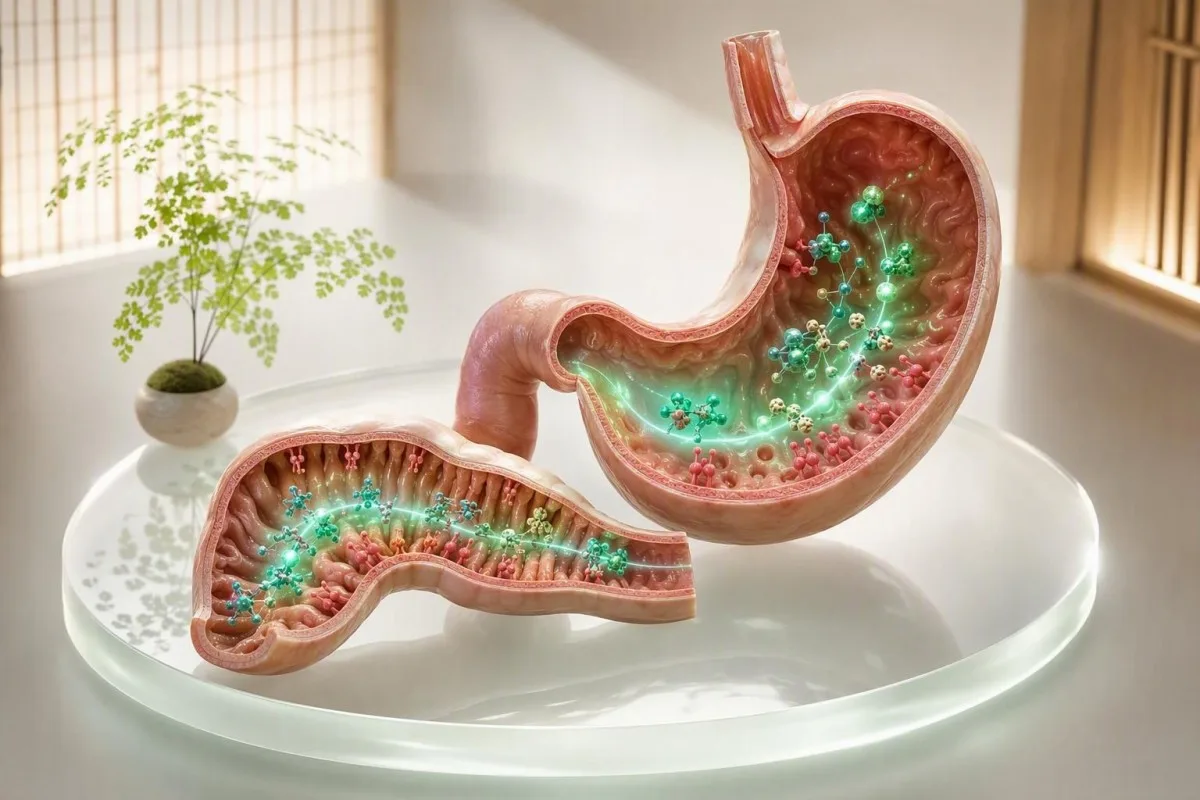
Spoľahlivý vitamín B12 pochádza zo živočíšnych potravín alebo špecificky obohatených produktov; výživná strava nedokáže prekonať každý problém s vstrebávaním. Tu je návod, ako pomáham pacientom zosúladiť výber potravín, príznaky, lieky a výsledky laboratórnych testov.


- Denná potreba B12 je 2,4 mcg pre väčšinu dospelých, 2,6 mcg počas tehotenstva a 2,8 mcg počas dojčenia.
- Najlepšie potravinové zdroje zahŕňajú mušle, pečeň, ryby, mäso, mliečne výrobky, vajcia a potraviny obohatené B12; neobohatené rastlinné potraviny nie sú spoľahlivými zdrojmi.
- Hovädzia pečeň poskytuje asi 70 mcg B12 na 85 g varenej porcie, zatiaľ čo 250 ml mlieka poskytuje asi 1,3 mcg.
- Strop vstrebávania znamená, že vnútorný faktor zvyčajne absorbuje iba asi 1,5-2 mcg z jedla; približne 1% veľkej perorálnej dávky sa stále môže pasívne vstrebať.
- Sérový B12 pod 200 pg/ml (148 pmol/L) bežne naznačuje nedostatok, zatiaľ čo 200-300 pg/ml často potrebuje kontext metylmalónovej kyseliny alebo aktívneho B12.
- Metformín a lieky potláčajúce kyseliny môže časom znížiť hladinu B12, najmä ak sa používa niekoľko rokov.
- Neurologické príznaky ako sú necitlivosť, zmenená chôdza, problémy s pamäťou alebo strata citlivosti na vibrácie, vyžadujú lekárske posúdenie, aj keď chudokrvnosť nie je prítomná.
- Samotná strava nemusí napraviť nedostatok spôsobený zhubnou anémiou, žalúdočnou operáciou, závažným malabsorpčným syndrómom alebo významnými neurologickými príznakmi.
Ktoré potraviny poskytujú najspoľahlivejší vitamín B12?
Potraviny s vysokým obsahom B12 sú takmer výlučne živočíšne potraviny a potraviny cielene obohatené o kobalamín. Mušle, pečeň, ryby, mäso, mlieko, jogurt, syr, vajcia, obohatené raňajkové cereálie a obohatené rastlinné nápoje sú spoľahlivé voľby, ak etiketa potvrdzuje obsah B12.
Varené mušle môžu poskytnúť približne 84 mcg na 85 g, a varená hovädzia pečeň asi 70 mcg na 85 g; obe mnohonásobne prevyšujú potrebu dospelých. Stále odporúčam rozmanitosť, namiesto častého spoliehania sa na pečeň, pretože pečeň má tiež výnimočne vysoký obsah pripraveného vitamínu A a nie je bežnou dennou potravinou počas tehotenstva.
Ryby sú praktickým stredným riešením: varený pstruh poskytuje asi 5,4 mcg na 85 g, losos asi 2,6 mcg, a tuniak v konzerve približne 2,5 mcg. Pacient, ktorý nemá rád morské plody, si obvykle môže splniť svoje nutričné potreby dvoma porciami rýb týždenne plus mliečne výrobky, vajcia alebo obohatené potraviny; naše príručke B12 vs folát vysvetľuje, prečo folát nemôže nahradiť kobalamín.
Kantesti je Analyzátor krvných testov s umelou inteligenciou ktorá umiestňuje výsledok B12 vedľa priemerneho objemu červených krviniek, hemoglobínu, folátu, funkcie obličiek a kontextu liekov. To je dôležité, pretože osoba, ktorá konzumuje ryby dvakrát týždenne, môže stále trpieť nedostatkom, ak je problémom vnútorný faktor a nie príjem.
Koľko B12 je v bežných potravinách?
Jedna porcia rýb, mäsa alebo mliečnych výrobkov môže poskytnúť časť alebo celú cieľovú dávku 2,4 mcg pre dospelých, ale množstvá sa výrazne líšia podľa potraviny a porcie. Etikety a tabuľky zloženia potravín sú odhady, nie záruka toho, čo sa dostane do obehu.
250 ml hrnček kravského mlieka dodá približne 1,3 mcg, 170 g obyčajného jogurtu, čo je približne 1,0 mcg, jedno veľké vajce, čo je približne 0,5 mcg, a 85 g uvareného chudého hovädzieho mäsa, čo je približne 2,4 mcg. Mliečne výrobky preto môžu zmysluplne podporiť príjem, hoci dve vajcia na raňajky zvyčajne nepokryjú potrebu na celý deň.
Často vidím zavádzajúci vzorec u ľudí, ktorí sa označujú ako 'väčšinou vegetariáni': príležitostné vajcia a syr môžu zabrániť vážnemu vyčerpaniu, napriek tomu ich príjem zostáva mesiace pod cieľovou hodnotou. Toto je jeden z dôvodov, prečo si únava zaslúži širší pohľad, ktorý zahŕňa výber potravín bohatých na železo a nielen multivitamín.
Thomas Klein, MD, radí pacientom, aby 7 dní zaznamenávali skutočné porcie predtým, ako sa rozhodnú, že strava je primeraná. Potravinový denník odhaľujúci iba 0,5-1,0 mcg denne je klinicky užitočnejší ako vágné tvrdenie 'jem zdravo'.'
Sú obohatené potraviny vitamínom B12 dostatočné pre vegánov?
Potraviny obohatené o B12 môžu uspokojiť potreby vegánov, ak sa konzumujú dôsledne v odmeraných množstvách, ale neobohatené rastlinné potraviny to spoľahlivo nedokážu. Morské riasy, huby, fermentované potraviny a výživové droždie bez pridaného štítku B12 nie sú spoľahlivými náhradami.
Mnohé obohatené rastlinné nápoje poskytujú 0,4 – 1,0 mcg na 250 ml, zatiaľ čo obohatená porcia cereálií môže dodať 1,0 – 6,0 mcg. Prečítajte si vždy miestny etiketu: produkty sa líšia podľa krajiny, receptúry a veľkosti porcie a 'obsahuje vitamíny' automaticky neznamená, že obsahuje B12.
Kyanokobalamín je najbežnejší obohacujúci prostriedok, pretože zostáva stabilný počas skladovania a varenia. Prehľad z roku 2010 od O'Learyho a Sammana v časopise Nutrients popisuje, prečo analógy nachádzajúce sa v niektorých riasach môžu chemicky pripomínať B12, ale nespoľahlivo podporujú stav B12 u ľudí (O'Leary & Samman, 2010).
Kantesti je platforma na interpretáciu krvného testu AI používané na to, aby čitatelia mohli vidieť stravovací režim, B12 a súvisiace markery v jednom pohľade. Ľudia, ktorí dodržiavajú rastlinnú stravu, by mali tiež zvážiť plánované vyšetrenie krvi na doplnenie živín namiesto čakania na brnenie alebo vyčerpanie.
Aké sú denné požiadavky na B12 podľa veku a životnej etapy?
Väčšina dospelých potrebuje 2,4 mcg vitamínu B12 denne, zatiaľ čo tehotenstvo vyžaduje 2,6 mcg a dojčenie 2,8 mcg. Tieto ciele zabraňujú nedostatku u ľudí s bežným vstrebávaním; nie sú to dávky na liečbu zisteného nedostatku.
Odporúčaná denná dávka v Spojených štátoch je 0,4 mcg od narodenia do 6 mesiacov, 0,9 mcg vo veku 1 – 3 rokov, 1,2 mcg vo veku 4 – 8 rokov, 1,8 mcg vo veku 9 – 13 rokova 2,4 mcg od 14 rokov. Referenčný nutričný príjem pre dospelých vo Veľkej Británii je nižší pri 1,5 mcg denne, takže medzinárodné nutričné aplikácie môžu zobrazovať rôzne ciele bez toho, aby to bola chyba.
Starší ľudia často potrebujú rovnaké množstvo stravy, ale majú vyššiu šancu na malabsorpciu B12 viazanú na potravu v dôsledku zníženej žalúdočnej kyseliny, gastritídy alebo liekov. Normálna chuť do jedla toto nevylučuje; náš sprievodca po hladinách B12 u detí tiež ukazuje, prečo je vekovo špecifický kontext dôležitý.
B12 sa ukladá v pečeni, zvyčajne v množstve 2-5 mg, preto deplete intake môže trvať 2-5 rokov, kým sa prejavia. Toto oneskorenie je klinicky nepohodlné: príznaky sa môžu objaviť dlho po začatí reštriktívnej diéty.
Ako funguje vstrebávanie B12 po jeho zjedení?
Absorpcia B12 vyžaduje žalúdočnú kyselinu, pankreatické enzýmy a vnútorný faktor z žalúdočných buniek pred prijatím v konečnom ileu. Problém v ktoromkoľvek z týchto krokov môže spôsobiť, že strava s vysokým obsahom B12 bude nedostatočná.
Potravinový B12 sa uvoľňuje z bielkovín v žalúdku, najprv sa viaže na haptocorrin, potom sa v tenkom čreve prenáša na vnútorný faktor. Komplex vnútorný faktor-B12 sa absorbuje v terminálnom ileu procesom sprostredkovaným receptorom; preto ochorenie alebo odstránenie tohto segmentu čreva má následky.
Absorpcia vnútorného faktora sa nasýti pri približne 1,5-2 mcg na jedlo, zatiaľ čo asi 1% veľkej perorálnej dávky sa môže preniesť pasívnou difúziou. Táto malá pasívna dráha vysvetľuje, prečo lekári niekedy používajú perorálne liečebné dávky 1 000-2 000 mcg, nie preto, že by niekto potreboval 1 000-násobok nutričného príjmu.
Pre ľudí s chronickou hnačkou, nevysvetliteľným úbytkom hmotnosti alebo podozrením na celiakiu nestačí výpočet príjmu. Diskusia o správnom načasovaní gluten challenge pred testovaním môže zabrániť falošne upokojujúcemu výsledku vyšetrenia.
Čo blokuje vstrebávanie B12 aj pri dobrej strave?
Perniciózna anémia, žalúdočná alebo črevná operácia, celiakia, Crohn's disease, dlhodobé užívanie metformínu a potlačenie kyslosti môžu znížiť absorpciu B12. V týchto prípadoch môže zvýšenie príjmu rýb alebo obohatených cereálií spomaliť pokles, ale nemusí odstrániť nedostatok.
Autoimunitná gastritída môže ničiť žalúdočné bunky produkujúce vnútorný faktor a spôsobiť perniciózna anémia, poruchu absorpcie, nie zlyhanie stravy. Usmernenie NICE NG239, publikované v roku 2024, odporúča zvážiť testovanie protilátok proti vnútornému faktoru pri podozrení na autoimunitnú gastritídu, hoci negatívny výsledok ju úplne nevylučuje.
Nízka hladina B12 spojená s metformínom je reálna, ale variabilná. V štúdii Diabetes Prevention Program Outcomes Study bola nízka alebo hranične nízka hladina B12 po 5 rokoch častejšia pri metformíne ako pri placebe a riziko sa zvyšovalo s dlhším užívaním (Aroda et al., 2016); preto vyšetreniami krvi po metformíne by sa nemali zameriavať len na glukózu.
63-ročná pacientka, ktorú som hodnotil, jedla lososa týždenne a denne pila mlieko, napriek tomu mala B12 156 pg/mL s necitlivými prstami na nohách po rokoch užívania metformínu a omeprazolu. Potrava nebola chýbajúcim článkom – bola to absorpcia.
Ktoré krvné testy objasnia možný nedostatok B12?
Hladina B12 v sére pod 200 pg/mL, alebo 148 pmol/L, bežne naznačuje nedostatok, zatiaľ čo 200-300 pg/mL je nejednoznačná zóna, ktorá profituje z potvrdzujúceho kontextu. Kyselina metylmalónová, homocystein, aktívny B12, kompletný krvný obraz a folát môžu vyriešiť neistotu.
Kyselina metylmalónová sa zvyčajne zvyšuje, keď je B12 v bunkách nedostatočné; MMA nad 0,40 mikromol/l sa často považuje za zvýšenú, hoci laboratórne hraničné hodnoty sa líšia. Oslabená funkcia obličiek môže zvýšiť MMA nezávisle, takže eGFR 35 mL/min/1,73 m² mení význam toho istého výsledku.
Makrocytóza je pomôcka, nie požiadavka. MCV nad 100 fL sa môže vyskytnúť pri nedostatku B12, ale skorý nedostatok môže mať normálne MCV a nedostatok železa môže čiastočne maskovať zväčšenie buniek; porovnajte výsledok s naším sprievodcom pre vysoké MCV.
Kantesti je Nástroj na analýzu krvných testov poháňaný AI ktorý interpretuje B12 s MMA, MCV, RDW, kreatinínom a dlhodobými zmenami namiesto použitia jediného hraničného limitu. Diagnostický rámec v štúdii Devalia et al. (2014) podobne podporuje použitie klinických príznakov a druhotných testov, keď sérové B12 nedokáže vyriešiť otázku.
Môže nedostatok B12 spôsobiť príznaky bez anémie?
Áno, nedostatok B12 môže spôsobiť nervové a kognitívne príznaky skôr, ako klesne hemoglobín alebo stúpne MCV. Brnenie, pálenie nôh, znížená rovnováha, strata vnemu vibrácií, zlá nálada a „mozgová hmla“ si zaslúžia posúdenie, ak pretrvávajú.
Hemoglobín 13,2 g/dl a MCV 92 fL nevylučujú funkčný nedostatok B12 u osoby s progresívnou parestéziou. Neurologická obnova je menej predvídateľná, keď symptómy trvajú mnoho mesiacov, preto neodporúčam čakať na zjavnú anémiu.
Folát môže normalizovať vzhľad krvného obrazu, zatiaľ čo poškodenie nervov súvisiace s B12 pokračuje. Toto je klinický problém za varovaním pred vysokou dávkou kyseliny listovej; pozrite si naše vysvetlenie vysoký folát maskujúci B12 pre praktické detaily.
Urgentné posúdenie v ten istý deň je rozumné pri rýchlo sa zhoršujúcich ťažkostiach s chôdzou, novej zmätenosti, výraznej slabosti alebo zmene funkcie čriev a močového mechúra. Tieto príznaky majú niekoľko príčin, ale B12 by mal byť súčasťou rýchlej diferenciálnej diagnostiky, nie experimentu s doplnkom stravy.
Kedy môže strava napraviť nízku hladinu B12 a kedy je potrebná liečba?
Potrava môže napraviť hranične nízky príjem u niekoho s neporušeným vstrebávaním, ale potvrdený nedostatok spôsobený malabsorpciou si často vyžaduje vysokodávkovú perorálnu liečbu alebo injekcie. Voľba závisí od príčiny, závažnosti, dodržiavania liečby a neurologických nálezov – nielen od čísla v sére.
Pri nedostatočnom príjme stravy bez závažných príznakov môžu lekári použiť perorálny cyanokobalamín alebo metylkobalamín v dávkach ako napr. 50-150 mcg denne na udržiavaciu liečbu, s vyššími dávkami pri korekcii nedostatku. Presné režimy sa líšia v závislosti od krajiny a mali by nasledovať protokol ošetrujúceho lekára.
Perniciózna anémia, úplná gastrektómia, závažné ochorenie ilea alebo podstatné neurologické príznaky zvyčajne menia diskusiu. Naše podrobné porovnanie injekcií a tabliet B12 vysvetľuje, prečo vysokodávkové tablety môžu stále fungovať prostredníctvom pasívneho vstrebávania, zatiaľ čo injekcie môžu byť preferované, keď je dôležitá istota alebo rýchlosť.
Podľa mojich skúseností je plán založený na strave vynikajúcou prevenciou, ale slabou záchrannou terapiou pri symptomatickej malabsorpcii. Načasovanie opätovného kontrolného vyšetrenia by malo zahŕňať príznaky a funkčné markery, nielen výsledok B12, ktorý sa po injekcii rýchlo zvýši.
Je metylovaný B12 lepší než kyanokobalamín?
Metylkobalamín aj cyanokobalamín môžu obidva korigovať nedostatok B12, ak sú dávka a vstrebávanie adekvátne; dôkazy neukazujú, že metylovaný B12 je univerzálne lepší. Cyanokobalamín je stabilný, široko študovaný a bežne používaný v obohatených potravinách.
Telo premieňa kobalamín na aktívne koenzymatické formy používané metionín syntázou a metylmalonyl-CoA mutázou. Marketingový jazyk okolo 'metylovaných' produktov často predbehne porovnávacie klinické dôkazy; vstrebávanie, dávka, náklady a konzistencia sú zvyčajne rozhodujúcejšie.
Hydroxokobalamín sa bežne používa injekčne v niekoľkých zdravotníckych systémoch, pretože v tele zostáva dlhšie ako cyanokobalamín. Ľudia s chronickým ochorením obličiek alebo nezvyčajnými metabolickými poruchami potrebujú individuálne poradenstvo, pretože MMA a výber liečby sa môžu skomplikovať.
Pre praktické porovnanie chémie produktov, logiky dávkovania a laboratórneho sledovania si prečítajte metylovaný B12 verzus cyanokobalamín. Neprestávajte predpísané injekcie kvôli tomu, že štítok doplnku sľubuje 'prirodzenejšiu' formu.
Ako vyzerá praktický deň stravovania s vysokým obsahom B12?
Zmiešaná strava môže dosiahnuť 2,4 mcg B12 bežnými jedlami, zatiaľ čo vegánsky režim si vyžaduje cielené plánovanie obohatených potravín alebo doplnku. Najspoľahlivejší plán je ten, ktorý môžete opakovať počas cestovania, zaneprázdnených týždňov a zmien chuti do jedla.
Jedným všežravým príkladom je jogurt na raňajky (1,0 mcg), vajce na obed (0,5 mcg) a 85 g lososa na večeru (2,6 mcg). To poskytuje približne 4,1 mcg pred zohľadnením variácie medzi jedlami, pričom rozloženie príjmu počas jedál je pre väčšinu ľudí pohodlné.
Obohatený vegánsky príklad by mohol použiť rastlinný nápoj, ktorý poskytuje 1,0 mcg, cereálie, ktoré poskytujú 1,5 mcg, a obohatený nutričný droždí, ktorý poskytuje 1,0 mcg. Problémom je konzistencia: zmena značiek môže nutrient náhle odstrániť, preto si ponechajte fotografiu etikety vo svojich zdravotných poznámkach.
B12 patrí do širšieho vzorca príjmu vo vode rozpustných živín, bielkovín, železa a energie. Naše sprievodca vitamínmi rozpustnými vo vode pomáha predchádzať bežnej chybe, že sa jedna vitamín považuje za úplné vysvetlenie únavy.
Kto by mal byť obzvlášť ostražitý voči nízkej hladine B12?
Vegáni, starší dospelí, ľudia užívajúci metformín alebo dlhodobé potláčače kyseliny, pacienti po chirurgickom zákroku na žalúdku alebo ileu a ľudia s zápalovým ochorením čriev majú vyššie riziko nedostatku B12. Riziko sa zvyšuje, keď je prítomný viac ako jeden faktor.
Dlhodobé užívanie inhibítorov protónovej pumpy môže znížiť uvoľňovanie B12 z bielkovín v potrave znížením žalúdočnej kyslosti. Táto súvislosť nie je dôvodom na náhle ukončenie predpísaného lieku, ale je dôvodom na otázku, či je monitorovanie vhodné po 2 rokoch alebo viac nepretržitého užívania.
Ľudia vo veku nad 60. rokom života sa môžu u starších osôb vyvinúť malabsorpcia potravy s kobalamínom aj pri rozmanitej strave, niekedy spolu s atrofickou gastritídou. Nízka hladina B12 v tejto skupine nie je automaticky 'len vekom'; môže to byť signál na preskúmanie príznakov, liekov a autoimunitnej anamnézy.
Naše sprievodca dlhodobým sledovaním PPI načrtáva súvisiace laboratórne diskusie vrátane horčíka a železa. Kombinácia nízkej hladiny B12 s nevysvetliteľným nedostatkom železa môže lekárov nasmerovať k žalúdočnej príčine namiesto dvoch nesúvisiacich diétnych nedostatkov.
Kedy by sa mali hladiny B12 opätovne testovať po zmene stravy alebo liečby?
Opakované testovanie sa často vykonáva 8-12 týždňov po zmene stravy alebo perorálnej liečby, zatiaľ čo závažnosť príznakov a spôsob liečby môžu oprávňovať skoršie klinické posúdenie. Hladina B12 v sére môže po suplementácii rýchlo stúpnuť a nemusí sama osebe dokazovať regeneráciu tkaniva.
Kompletný krvný obraz môže ukázať odpoveď retikulocytov v priebehu približne 1 týždeň po účinnej liečbe megaloblastickej anémie, zatiaľ čo hemoglobín sa zvyčajne zlepšuje počas niekoľkých týždňov. Nervové príznaky sa zvyčajne zotavujú pomalšie a niekedy neúplne, najmä po dlhodobom nedostatku.
Prerušovaná suplementácia môže spôsobiť, že hladina B12 v sére bude v deň testovania vyzerať normálne, zatiaľ čo MMA, príznaky alebo makrocytóza zostanú znepokojujúce. To je jeden z dôvodov, prečo lekárovi presne povedať, čo ste užívali, dávku a dátum poslednej dávky pred interpretáciou výsledkov.
Kantesti AI dokáže porovnať B12, MCV, hemoglobín, RDW, folát a kreatinín z viacerých správ, aby zistil, či je zmena klinicky významná. Pre čitateľov, ktorí sa túto zručnosť učia, naše sprievodca analýzou trendov z krvných testov vysvetľuje, prečo jeden izolovaný výsledok zriedka predstavuje celý obraz.
Aké mylné predstavy o B12 môžu oddialiť správnu starostlivosť?
Najväčším omylom ohľadom B12 je, že konzumácia viacerých živočíšnych potravín vyrieši každý nízky výsledok. Strava pomáha pri príjme, ale nedokáže obnoviť vnútorný faktor, zvrátiť ochorenie čriev ani bezpečne nahradiť vyhodnotenie neurologických príznakov.
Ďalším mýtom je, že vysoký výsledok B12 v sére vždy znamená vynikajúci stav. Výsledok nad 900 pg/mL často odráža doplnky alebo injekcie, ale pretrvávajúce nevysvetlené zvýšenie sa môže vyskytnúť aj pri ochorení pečene, ochorení obličiek alebo niektorých hematologických stavoch; kontext je dôležitejší ako panika.
Od 1. septembra 2026 by som tiež varoval pred používaním zlepšenia energie po jednej tablete ako diagnostického dôkazu. Placebo efekty, spánok, stav železa, ochorenie štítnej žľazy, depresia a zmeny hladiny glukózy môžu ovplyvniť energiu počas 1-4 týždňov bez potvrdenia nedostatku B12.
Klinický obsah spoločnosti Kantesti je kontrolovaný s podporou nášho Lekárska poradná rada, ale interpretácia AI nikdy nenahrádza vyšetrenie progresívnych neurologických príznakov. Čitatelia si môžu pozrieť naše prístup k klinickej validácii , aby pochopili, ako formulujeme následné otázky, namiesto aby sme stanovili diagnózu.
Aké sú najbezpečnejšie ďalšie kroky, ak máte podozrenie na nízku hladinu B12?
Ak máte pretrvávajúce znecitlivenie, problémy s rovnováhou, kognitívne zmeny, nevysvetlenú makrocytózu alebo výsledok B12 pod 200 pg/mL, naplánujte si lekárske vyšetrenie namiesto spoliehania sa len na stravu. Včasná liečba je obzvlášť dôležitá, keď sú postihnuté nervy.
Prineste si zoznam liekov, doplnkov, stravovacích návykov, diagnóz tráviaceho systému, operácií, konzumácie alkoholu a predchádzajúcich laboratórnych správ. Lekár sa potom môže rozhodnúť, či zopakuje B12, objedná MMA alebo homocysteín, skontroluje folát a kompletný krvný obraz, alebo vyšetrí pernicióznu anémiu a malabsorpciu.
Thomas Klein, MD, odporúča vyhýbať sa vysokým dávkam kyseliny listovej ako samoliečbe nevysvetlenej makrocytózy, kým sa B12 primerane neposúdi. Ak nemáte žiadne varovné príznaky a príjem stravy je zjavne nízky, primeraný plán stravy alebo doplnkov s opakovaným výsledkom v 8-12 týždňov je často rozumný.
Kantesti spája trendy laboratórnych správ s pochopiteľnými otázkami pre vašu návštevu, pričom konečné diagnostické rozhodnutie ponecháva na vášho lekára. Preskúmajte naše referenčná príručka biomarkerov pre laboratórne termíny, ktoré sa pravdepodobne objavia spolu s výsledkom B12.
Často kladené otázky
Ktoré jedlo má najviac vitamínu B12?
Medzi potraviny s najvyšším obsahom vitamínu B12 patria mušle a hovädzia pečeň. Jedna uvarená 85 g porcia mušlí môže poskytnúť približne 84 mcg B12, zatiaľ čo rovnaká porcia hovädzej pečene poskytuje približne 70 mcg; obe výrazne prevyšujú cieľ 2,4 mcg pre dospelých. Pečeň by sa nemala považovať za bežné jedlo počas tehotenstva kvôli jej veľmi vysokému obsahu predformovaného vitamínu A. Na bežné jedlá sú praktickejšími zdrojmi ryby, mäso, mliečne výrobky, vajcia a označené fortifikované potraviny.
Môžu vegáni získať dostatok vitamínu B12 len z potravy?
Vegáni môžu pokryť potrebu vitamínu B12 z potravy len vtedy, ak pravidelne a v odmeraných množstvách konzumujú potraviny obohatené o B12. Neobohatená zelenina, huby, morské riasy, tempeh a lahôdkové droždie nie sú spoľahlivými zdrojmi B12, pretože ich obsah kobalamínu je neprítomný, nekonzistentný alebo môže obsahovať neaktívne analógy. Mnohé obohatené rastlinné nápoje poskytujú 0,4-1,0 mcg na 250 ml, ale zloženia sa líšia podľa krajiny a značky. Doplnok B12 je často jednoduchšou a spoľahlivejšou ochranou pre vegánske diéty.
Koľko B12 by mal dospelý človek prijať denne?
Väčšina dospelých potrebuje 2,4 mcg vitamínu B12 denne podľa amerických odporúčaných denných dávok (United States Recommended Dietary Allowance). Tehotenstvo zvyšuje cieľovú hodnotu na 2,6 mcg denne a dojčenie ju zvyšuje na 2,8 mcg denne. Referenčný príjem živín pre dospelých v Spojenom kráľovstve je 1,5 mcg denne, takže nutričné štítky špecifické pre danú krajinu sa môžu líšiť. Tieto hodnoty sú cieľmi prevencie pre normálne vstrebávanie a sú oveľa nižšie ako liečebné dávky používané pri diagnostikovanom deficite.
Môžem si doplniť nedostatok vitamínu B12 jedením viac mäsa a vajec?
Zvýšenie príjmu mäsa, rýb, mliečnych výrobkov, vajec alebo obohatených potravín môže napraviť nedostatok B12 spôsobený iba nízkym príjmom stravy, ale nemusí fungovať, ak je narzené vstrebávanie. Perniciózna anémia, celiakia, Crohnova choroba, žalúdočná operácia, operácia ilea, metformín a dlhodobá liečba potláčajúca kyslosť môžu znížiť vstrebávanie napriek strave bohatej na B12. Hladina B12 v sére pod 200 pg/mL alebo 148 pmol/L vo všeobecnosti vyžaduje klinické posúdenie príčiny. Neurologické príznaky, ako je necitlivosť, zlá rovnováha alebo kognitívne zmeny, by sa nemali liečiť iba stravou.
Čo pomáha pri vstrebávaní vitamínu B12?
Vstrebávanie vitamínu B12 závisí od adekvátneho spracovania v žalúdku, pankreatických enzýmov, vnútorného faktora a funkčného terminálneho ilea. Vnútorný faktor aktívne vstrebáva z jedla len asi 1,5 – 2 mcg B12, zatiaľ čo približne 1% veľkej perorálnej dávky môže preniknúť pasívnou difúziou. Konzumácia B12 s jedlom je rozumná, ale žiadna špecifická kombinácia potravín nemôže prekonať absenciu vnútorného faktora alebo závažné ochorenie ilea. Pri narušenom vstrebávaní môže byť potrebná vysoká perorálna dávka B12 alebo injekcie.
Aká hladina vitamínu B12 sa považuje za nízku?
Sérová hladina vitamínu B12 pod 200 pg/mL, čo zodpovedá približne 148 pmol/L, bežne podporuje deficit B12, hoci laboratóriá používajú rôzne rozsahy metód. Výsledky od 200-300 pg/mL sa často považujú za hraničné alebo nejednoznačné a môžu si vyžadovať kyselinu metylmalónovú, homocystein, aktívny B12, kompletný krvný obraz, folát, funkciu obličiek a kontext symptómov. Kyselina metylmalónová nad približne 0,40 mikromol/L podporuje bunkový deficit B12, ale môže sa zvýšiť aj pri zhoršenej funkcii obličiek. Normálny hemoglobín alebo MCV spoľahlivo nevylučuje skoré nervové príznaky súvisiace s B12.
Získajte analýzu krvných testov s podporou AI už dnes
Pridajte sa k viac než 2 miliónom používateľov na celom svete, ktorí dôverujú Kantesti pri okamžitej a presnej analýze laboratórnych testov. Nahrajte svoje výsledky krvných testov a získajte komplexnú interpretáciu biomarkerov 15,000+ v priebehu sekúnd.
📚 Citované publikácie výskumu
Klein, T., Mitchell, S., & Weber, H. (2026). Urobilinogén v moči: Sprievodca kompletnou analýzou moču 2026. Kantesti AI Medical Research.
Klein, T., Mitchell, S., & Weber, H. (2026). Sprievodca štúdiami železa: TIBC, saturácia železa a väzbová kapacita. Kantesti AI Medical Research.
📖 Externé lekárske referencie
⚕️ Vyhlásenie o lekárskej starostlivosti
Tento článok je určený len na vzdelávacie účely a nepredstavuje lekárske poradenstvo. Pri rozhodnutiach o diagnostike a liečbe sa vždy poraďte s kvalifikovaným poskytovateľom zdravotnej starostlivosti.
Signály dôvery E-E-A-T Trust Signals
Skúsenosti
Klinické hodnotenie vedené lekárom pracovných postupov interpretácie laboratórnych výsledkov.
Odbornosť
Laboratórna medicína so zameraním na to, ako sa biomarkery správajú v klinickom kontexte.
Autoritatívnosť
Napísané Dr. Thomasom Kleinom, recenzia Dr. Sarah Mitchell a prof. Dr. Hans Weber.
Dôveryhodnosť
Interpretácia založená na dôkazoch s jasnými následnými krokmi na zníženie poplachu.