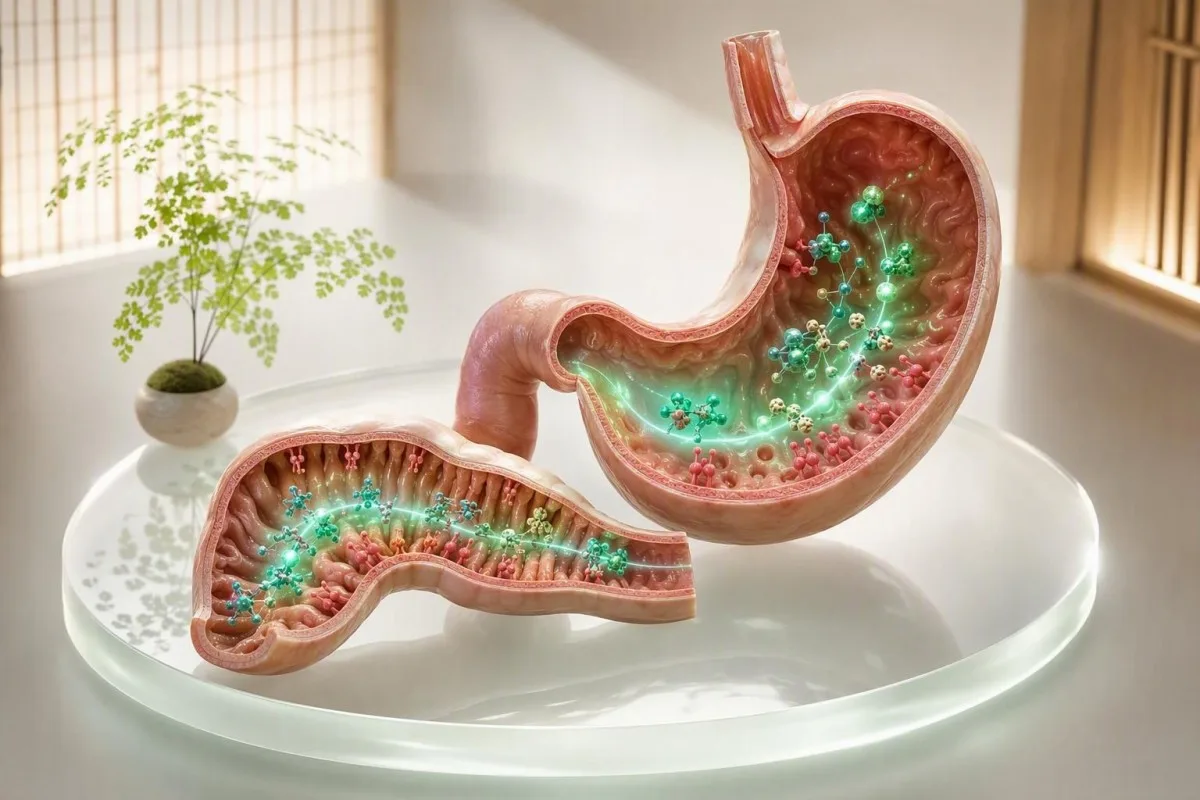
Pålitelig vitamin B12 kommer fra animalske matvarer eller spesifikt berikede produkter; en næringsrik diett kan ikke overvinne ethvert absorpsjonsproblem. Slik hjelper jeg pasienter med å matche matvalg, symptomer, medisiner og laboratorieresultater.


- Daglig B12-behov er 2,4 mcg for de fleste voksne, 2,6 mcg under graviditet, og 2,8 mcg under amming.
- Beste matkilder inkluderer muslinger, lever, fisk, kjøtt, meieriprodukter, egg og B12-berikede matvarer; uberikede plantebaserte matvarer er ikke pålitelige kilder.
- Okselever gir omtrent 70 mcg B12 per 85 g kokt porsjon, mens 250 ml melk gir omtrent 1,3 mcg.
- Absorpsjonstak betyr at iboende faktor vanligvis bare absorberer omtrent 1,5-2 mcg fra et måltid; omtrent 1% av en stor oral dose kan fortsatt komme inn passivt.
- S-B12 under 200 pg/mL (148 pmol/L) støtter vanligvis mangel, mens 200-300 pg/ml ofte trenger metylmalonsyre eller aktiv B12-kontekst.
- Metformin og syreundertrykkende medisiner kan senke B12 over tid, spesielt når bruken fortsetter i flere år.
- Nevrologiske symptomer som nummenhet, endret gange, hukommelsesproblemer eller tap av vibrasjonssans krever medisinsk vurdering selv om anemi er fraværende.
- Mat alene kan ikke korrigere mangel forårsaket av perniciøs anemi, gastrisk kirurgi, alvorlig malabsorpsjon eller betydelige nevrologiske symptomer.
Hvilke matvarer gir det mest pålitelige vitamin B12?
Matvarer med høyt innhold av B12 er nesten utelukkende animalske matvarer og matvarer som er bevisst tilsatt kobalamin. Muslinger, lever, fisk, kjøtt, melk, yoghurt, ost, egg, beriket frokostblanding og berikede plantebaserte drikker er pålitelige valg når etiketten bekrefter B12-innhold.
Kokte muslinger kan gi omtrent 84 mcg per 85 g, og kokt storfekjøttlever omtrent 70 mcg per 85 g; begge overgår voksenkravet mange ganger. Jeg oppfordrer likevel til variasjon fremfor å stole på lever hyppig, fordi lever også er usedvanlig rik på ferdig dannet vitamin A og ikke er en tilfeldig daglig matvare under graviditet.
Fisk er en praktisk mellomting: kokt ørret gir omtrent 5,4 mcg per 85 g, laks omtrent 2,6 mcg, og hermetisk tunfisk omtrent 2,5 mcg. En pasient som misliker skalldyr kan vanligvis dekke matbehovet med to porsjoner fisk ukentlig pluss meieriprodukter, egg eller beriket mat; vår Veiledning for B12 versus folat forklarer hvorfor folat ikke kan erstatte kobalamin.
Kantesti er en AI-blodprøveanalysator som plasserer et B12-resultat sammen med gjennomsnittlig corpuscular volum, hemoglobin, folat, nyrefunksjon og medisin kontekst. Det har betydning fordi en person som spiser fisk to ganger i uken fortsatt kan bli mangelfull hvis problemet er iboende faktor snarere enn inntak.
Hvor mye B12 er i hverdagslig mat?
En enkelt porsjon fisk, kjøtt eller meieriprodukter kan gi en del eller hele målet på 2,4 mcg for voksne, men mengdene varierer sterkt avhengig av matvare og porsjonsstørrelse. Etiketter og matkomposisjonstabeller er estimater, ikke en garanti for hva som når sirkulasjonen.
En kopp kumelk på 250 ml gir omtrent 1,3 mikrogram, 170 g naturell yoghurt ca. 1,0 mikrogram, ett stort egg ca. 0,5 mikrogram, og 85 g kokt, magert storfekjøtt ca. 2.4 mcg. Melkeprodukter kan derfor meningsfullt bidra til inntaket, selv om to egg til frokost vanligvis ikke dekker hele dagens behov.
Jeg ser ofte et misvisende mønster hos personer som beskriver seg selv som 'stort sett vegetarianere': sporadiske egg og ost kan forhindre alvorlig mangel, men inntaket deres er likevel under målet i måneder. Dette er en grunn til at tretthet fortjener en bredere vurdering som inkluderer jernrike matvalg og ikke bare et multivitamin.
Thomas Klein, MD, råder pasienter til å registrere faktiske porsjoner over 7 dager før de konkluderer med at kostholdet er tilstrekkelig. En matdagbok som bare viser 0,5-1,0 mikrogram daglig er mer klinisk nyttig enn den vage uttalelsen 'jeg spiser sunt'.'
Er B12-berikede matvarer nok for veganere?
B12-berikede matvarer kan dekke behovet for veganere når de spises konsekvent i målte mengder, men uberikede plantematvarer kan ikke pålitelig gjøre det. Tang, sopp, fermenterte matvarer og næringsgjær uten B12-merke er ikke pålitelige erstatninger.
Mange berikede plantebaserte drikker gir 0,4–1,0 mcg per 250 ml, mens en porsjon beriket frokostblanding kan gi 1,0–6,0 mcg. Les den lokale etiketten hver gang: produkter varierer etter land, oppskrift og serveringsstørrelse, og 'inneholder vitaminer' betyr ikke automatisk at det inneholder B12.
Cyanokobalamin er det vanligste tilsetningsstoffet fordi det forblir stabilt under lagring og matlaging. Gjennomgangen fra 2010 av O'Leary og Samman i Nutrients beskriver hvorfor analoger som finnes i noen alger kan ligne B12 kjemisk, men ikke pålitelig støtter menneskers B12-status (O'Leary & Samman, 2010).
Kantesti er en AI-blodprøvetolkningsplattform ble brukt for å hjelpe leserne med å sette kostholdsmønster, B12 og relaterte markører i ett perspektiv. Personer som følger et plantebasert kosthold bør også vurdere en planlagt blodprøve for næringsmangel i stedet for å vente på prikking eller utmattelse.
Hva er de daglige B12-kravene etter alder og livsstadium?
De fleste voksne trenger 2,4 mcg vitamin B12 daglig, mens graviditet krever 2,6 mcg og amming krever 2,8 mcg. Disse målene forhindrer mangel hos personer med vanlig absorpsjon; de er ikke behandlingsdoser for etablert mangel.
Den amerikanske Recommended Dietary Allowance er 0,4 mcg fra fødsel til 6 måneder, 0,9 mcg i alderen 1–3 år, 1,2 mcg i alderen 4–8 år, 1,8 mcg i alderen 9–13 år, og 2,4 mcg fra 14 års alder. Det britiske referansenæringsinntaket for voksne er lavere på 1,5 mcg daglig, så internasjonale ernæringsapper kan vise forskjellige mål uten at noen av dem er en feil.
Eldre voksne trenger ofte samme kostholdsmengde, men har større sjanse for matbundet B12-malabsorpsjon på grunn av redusert magesyre, gastritt eller medisinering. En normal appetitt utelukker ikke dette; vår guide til B12-nivåer hos barn viser også hvorfor aldersspesifikk kontekst betyr noe.
B12 lagres i leveren, vanligvis ved 2-5 mg, noe som er grunnen til at uttømt inntak kan ta 2-5 år å bli åpenbart. Den forsinkelsen er klinisk upraktisk: symptomer kan oppstå lenge etter at en restriktiv diett startet.
Hvordan fungerer B12-absorpsjon etter at du har spist det?
B12-absorpsjon krever magesyre, pankreasenzymer og iboende faktor fra maveceller før opptak i siste del av tynntarmen (ileum). Et problem på et hvilket som helst trinn kan gjøre en diett med høyt B12-innhold utilstrekkelig.
Matbundet B12 frigjøres fra protein i magesekken, binder først haptocorrin, og overføres deretter til iboende faktor i tynntarmen. Den iboende faktor-B12-komplekset absorberes i den terminale ileum gjennom en reseptor-mediert prosess; dette er grunnen til at sykdom eller fjerning av det tarmenavsnittet har konsekvenser.
Iboende faktor-absorpsjon mettes ved omtrent 1,5-2 mcg per måltid, mens omtrent 1% av en stor oral dose kan krysse ved passiv diffusjon. Den lille passive banen forklarer hvorfor klinikere noen ganger bruker 1000-2000 mcg orale behandlingsdoser, ikke fordi noen trenger 1000 ganger kostholdsbehovet.
For personer med kronisk diaré, uforklarlig vekttap eller mistenkt cøliaki, er en inntaksberegning ikke nok. Å diskutere riktig tidspunkt for en glutenutfordring før testing kan forhindre en falskt beroligende utredning.
Hva blokkerer B12-absorpsjon selv med en god diett?
Pernisiøs anemi, mage- eller tarmkirurgi, cøliaki, Crohns sykdom, langvarig metformin og syreblokkering kan redusere B12-absorpsjonen. I disse situasjonene kan økt inntak av fisk eller beriket frokostblanding bremse nedgangen, men kanskje ikke korrigere mangel.
Autoimmun gastritt kan ødelegge iboende faktor-produserende maveceller og forårsake pernicious anemia, en absorpsjonsforstyrrelse snarere enn en kostnadssvikt. NICE-retningslinje NG239, publisert i 2024, anbefaler å vurdere testing for anti-iboende faktor-antistoffer når autoimmun gastritt er mistenkt, selv om et negativt resultat ikke fullstendig utelukker det.
Metformin-assosiert lav B12 er reell, men variabel. I Diabetes Prevention Program Outcomes Study var lav eller grense-lav B12 vanligere med metformin enn placebo etter 5 år, og risikoen økte med lengre eksponering (Aroda et al., 2016); dette er grunnen til at blodprøver etter metformin ikke bør fokusere utelukkende på glukose.
En 63 år gammel pasient jeg vurderte spiste laks ukentlig og drakk melk daglig, men hadde likevel B12 på 156 pg/mL med numne tær etter flere års bruk av metformin og omeprazol. Maten var ikke det manglende trinnet – absorpsjonen var det.
Hvilke blodprøver avklarer en mulig B12-mangel?
Serum B12 under 200 pg/mL, eller 148 pmol/L, støtter vanligvis mangel, mens 200-300 pg/mL er en ubestemt sone som drar nytte av bekreftende kontekst. Metylmalonsyre, homocystein, aktiv B12, full blodtelling og folat kan løse usikkerhet.
Metylmalonsyre stiger vanligvis når cellulær B12 er utilstrekkelig; en MMA over 0,40 mikromol/L blir ofte ansett som forhøyet, selv om laboratorieavskjæringer varierer. Nyresvikt kan øke MMA uavhengig, så en eGFR på 35 mL/min/1,73 m² endrer betydningen av samme resultat.
Makrocytose er et tegn, ikke et krav. En MCV over 100 fL kan forekomme ved B12-mangel, men tidlig mangel kan ha normal MCV, og jernmangel kan delvis maskere celleforstørrelse; sammenlign resultatet med vår veiledning for oppfølging av høy MCV.
Kantesti er en Analyseverktøy for blodprøver drevet av KI som tolker B12 med MMA, MCV, RDW, kreatinin og langsgående endringer heller enn å bruke en enkelt avskjæring. Diagnostisk rammeverk i Devalia et al. (2014) støtter tilsvarende bruk av kliniske trekk og tester på andre nivå når serum B12 ikke avgjør spørsmålet.
Kan B12-mangel forårsake symptomer uten anemi?
Ja, B12-mangel kan forårsake nerve- og kognitive symptomer før hemoglobin faller eller MCV stiger. Prikking, brennende føtter, redusert balanse, tap av vibrasjonssans, nedstemthet og hjernetåke fortjener vurdering når de vedvarer.
Et hemoglobin på 13,2 g/dL og MCV på 92 fL utelukker ikke funksjonell B12-mangel hos en person med progressiv parestesi. Nevrologisk bedring er mindre forutsigbar når symptomene har vært til stede i mange måneder, derfor anbefaler jeg ikke å vente på åpenbar anemi.
Folat kan normalisere blodbildet mens B12-relatert nerveskade fortsetter. Dette er det kliniske problemet bak advarselen om høydose folsyre; se vår forklaring på høy folat som maskerer B12 for praktisk detalj.
Akutt vurdering samme dag er fornuftig ved raskt forverret gangvansker, ny forvirring, uttalt svakhet, eller endringer i blære- og tarmfunksjon. Disse symptomene har flere årsaker, men B12 bør være en del av en rask differensialdiagnose snarere enn et supplement-eksperiment.
Når kan mat korrigere lav B12, og når trengs behandling?
Mat kan korrigere et marginalt lavt inntak hos en person med intakt absorpsjon, men bekreftet mangel på grunn av malabsorpsjon krever ofte høydose oral behandling eller injeksjoner. Valget avhenger av årsak, alvorlighetsgrad, etterlevelse og nevrologiske funn – ikke bare serumverdien.
Ved diettmangel uten alvorlige symptomer kan klinikere bruke oral cyanokobalamin eller metylkobalamin i doser som 50-150 mcg daglig for vedlikehold, med høyere doser ved korrigering av mangel. Nøyaktige regimer varierer mellom land og bør følge den behandlende klinikerens protokoll.
Pernisiøs anemi, total gastrektomi, alvorlig ileumsykdom, eller betydelige nevrologiske symptomer endrer vanligvis samtalen. Vår detaljerte sammenligning av B12-injeksjoner og tabletter forklarer hvorfor høydose tabletter fortsatt kan virke gjennom passiv absorpsjon, mens injeksjoner kan foretrekkes når sikkerhet eller hastighet er viktig.
Etter min erfaring er en mat-først plan utmerket forebygging, men dårlig akuttbehandling for symptomatisk malabsorpsjon. Tidspunkt for re-testing bør inkludere symptomer og funksjonelle markører, ikke bare et B12-resultat som stiger raskt etter en injeksjon.
Er metylerte B12 bedre enn cyanokobalamin?
Metylkobalamin og cyanokobalamin kan begge korrigere B12-mangel når dose og absorpsjon er tilstrekkelig; bevis viser ikke at metylert B12 er universelt overlegent. Cyanokobalamin er stabilt, bredt studert, og vanlig brukt i berikede matvarer.
Kroppen omdanner kobalamin til aktive koenzymformer brukt av metioninsyntase og metylmalonyl-CoA mutase. Markedsføringsspråk rundt 'metylerte' produkter overgår ofte sammenlignende kliniske bevis; absorpsjon, dose, kostnad og konsistens er vanligvis mer avgjørende.
Hydroksokobalamin brukes vanligvis ved injeksjon i flere helsesystemer fordi det forblir i kroppen lenger enn cyanokobalamin. Personer med kronisk nyresykdom eller uvanlige metabolske forstyrrelser trenger individuell rådgivning, fordi MMA og behandlingsvalg kan bli mer komplisert.
For en praktisk sammenligning av produktkjemi, doselogikk og laboratoriefølging, les metylert B12 versus cyanokobalamin. Ikke stopp forskrevne injeksjoner fordi en kosttilskudd-etikett lover en mer 'naturlig' form.
Hvordan ser en praktisk dag med B12-rik mat ut?
En blandet diett kan gi 2,4 mcg B12 med vanlige måltider, mens et vegansk kosthold krever bevisst planlegging av berikede matvarer eller et tilskudd. Den mest pålitelige planen er en du kan gjenta gjennom reiser, travle uker og appetittendringer.
Et omnivorisk eksempel er yoghurt til frokost (1,0 mikrogram), et egg til lunsj (0,5 mikrogram), og 85 g laks til middag (2,6 mcg). Dette gir omtrent 4,1 mcg før mat-tabellvariasjon tas i betraktning, mens fordeling av inntak over måltider er praktisk for de fleste.
Et beriket vegansk eksempel kan bruke en plantebasert drikk som gir 1,0 mikrogram, frokostblanding som gir 1,5 mcg, og beriket ernæringsgjær som gir 1,0 mikrogram. Utfordringen er konsistens: bytte av merker kan plutselig fjerne næringsstoffet, så ta vare på et bilde av etiketten i helsenotatene dine.
B12 hører hjemme i det bredere mønsteret av vannløselige næringsstoffer, protein, jern og energiinntak. Vår vannløselige vitaminguide bidrar til å forhindre den vanlige feilen med å behandle ett vitamin som hele forklaringen på tretthet.
Hvem bør være spesielt oppmerksom på lav B12?
Veganere, eldre voksne, personer som bruker metformin eller langtids syrehemmere, pasienter etter mage- eller ileumkirurgi, og personer med inflammatorisk tarmsykdom har høyere risiko for B12-mangel. Risikoen øker når mer enn én faktor er til stede.
Langvarig bruk av protonpumpehemmere kan redusere frigjøringen av B12 fra matprotein ved å senke magesyre. Sammenhengen er ikke en grunn til å stoppe en foreskrevet medisin brått, men det er en grunn til å spørre om overvåking er hensiktsmessig etter 2 år eller mer av kontinuerlig bruk.
Personer over 60 år kan utvikle mat-kobalamin malabsorpsjon selv med et variert kosthold, noen ganger sammen med atrofisk gastritt. Et lavere B12-nivå i denne gruppen er ikke automatisk 'bare alder'; det kan være et signal om å undersøke symptomer, medisiner og autoimmun historie.
Vår langsiktige PPI-overvåkingsguide beskriver tilhørende laboratoriediskusjoner, inkludert magnesium og jern. Å kombinere lav B12 med uforklart jernmangel kan peke klinikere mot en mageårsak snarere enn to urelaterte kostholdsdefekter.
Når bør B12-nivåene testes på nytt etter endring av diett eller behandling?
Re-testing skjer ofte 8–12 uker etter en kostholds- eller oral behandlingsendring, mens symptomalvorlighetsgrad og behandlingsmetode kan begrunne tidligere klinisk gjennomgang. Et serum B12-resultat kan stige raskt etter tilskudd og beviser ikke nødvendigvis vevstilheling alene.
En full blodstatus kan vise en retikulocyttrespons innen omtrent 1 uke etter effektiv behandling for megaloblastisk anemi, mens hemoglobin vanligvis forbedres over flere uker. Nervelidelser leges vanligvis saktere og noen ganger ufullstendig, spesielt etter langvarig mangel.
Stopp-og-start-tilskudd kan få serum B12 til å se normalt ut på testdagen, mens MMA, symptomer eller makrocytose fortsatt er bekymringsfullt. Dette er en grunn til å fortelle klinikeren nøyaktig hva du tok, dosen og datoen for siste dose før resultatene tolkes.
Kantesti AI kan sammenligne B12, MCV, hemoglobin, RDW, folat og kreatinin på tvers av flere rapporter for å identifisere om en endring er klinisk meningsfull. For lesere som lærer denne ferdigheten, vår blodprøve-trendanalyseguide forklarer hvorfor et isolert resultat sjelden er hele historien.
Hvilke B12-misforståelser kan forsinke riktig behandling?
Den største misoppfatningen om B12 er at mer animalsk mat vil fikse alle lave resultater. Kosthold hjelper inntaket, men det kan ikke gjenopprette iboende faktor, reversere tarmsykdom, eller trygt erstatte evaluering av nevrologiske symptomer.
En annen myte er at et høyt serum B12-resultat alltid betyr utmerket status. Et resultat over 900 pg/mL reflekterer vanligvis kosttilskudd eller injeksjoner, men vedvarende uforklart forhøyelse kan også forekomme ved leversykdom, nyresykdom eller visse hematologiske tilstander; kontekst betyr mer enn panikk.
Fra 1. september 2026 vil jeg også advare mot å bruke energiforbedring etter én tablett som diagnostisk bevis. Placeboeffekter, søvn, jernstatus, tyreoideasykdom, depresjon og glukoseendringer kan alle påvirke energi over 1-4 uker uten å bekrefte B12-mangel.
Kantesti's kliniske innhold gjennomgås med støtte fra våre Medisinsk rådgivende styre, men en AI-tolkning erstatter aldri undersøkelse for progredierende nevrologiske symptomer. Lesere kan gjennomgå våre tilnærming til klinisk validering for å forstå hvordan vi utformer oppfølgingsspørsmål heller enn å stille en diagnose.
Hva er de tryggeste neste trinnene hvis du mistenker lav B12?
Hvis du har vedvarende nummenhet, balanseproblemer, kognitiv endring, uforklart makrocytose, eller et B12-resultat under 200 pg/mL, bestill medisinsk vurdering i stedet for å stole kun på mat. Tidlig behandling er spesielt relevant når nerver kan være involvert.
Ta med en liste over medisiner, kosttilskudd, kostholdsmønster, fordøyelsesdiagnoser, operasjoner, alkoholinntak og tidligere laboratorierapporter. En kliniker kan deretter bestemme om B12 skal gjentas, MMA eller homocystein bestilles, folat og full blodtelling sjekkes, eller pernisiøs anemi og malabsorpsjon undersøkes.
Thomas Klein, MD, anbefaler å unngå høydose folsyre som selvbehandling for uforklart makrocytose før B12 er rimelig vurdert. Hvis du ikke har noen faresignaler og kostholdsinntaket er klart lavt, er en målt mat- eller kosttilskuddsplan med et gjentatt resultat om 8–12 uker ofte fornuftig.
Kantesti kobler trender i laboratorierapporter til forståelige spørsmål for avtalen din, samtidig som den endelige diagnostiske avgjørelsen overlates til din kliniker. Utforsk våre biomarkørreferanseguide for laboratorietermene som sannsynligvis vil dukke opp sammen med et B12-resultat.
Ofte stilte spørsmål
Hvilken matvare inneholder mest vitamin B12?
Muslinger og bifflever er blant matvarene som inneholder mest vitamin B12. En tilberedt 85 g porsjon med muslinger kan gi omtrent 84 mcg B12, mens samme porsjon med bifflever gir omtrent 70 mcg; begge overstiger langt det daglige målet på 2,4 mcg for voksne. Lever bør ikke behandles som en hverdagsmat under graviditet på grunn av det svært høye innholdet av ferdigdannet vitamin A. For vanlige måltider er fisk, kjøtt, meieriprodukter, egg og merket beriket mat mer praktiske kilder.
Kan veganere få nok B12 fra mat alene?
Veganere kan dekke vitamin B12-behovet fra mat alene når de regelmessig bruker produkter beriket med B12 i målte mengder. Uberiket grønnsaker, sopp, tang, tempeh og næringsgjær er ikke pålitelige B12-kilder fordi kobalamininnholdet deres er fraværende, inkonsekvent, eller kan inkludere inaktive analoger. Mange berikede plantebaserte drikker gir 0,4–1,0 mcg per 250 ml, men formuleringer varierer etter land og merke. Et B12-tilskudd er ofte en enklere og mer pålitelig sikring for veganske dietter.
Hvor mye B12 bør en voksen få hver dag?
De fleste voksne trenger 2,4 mcg vitamin B12 daglig ifølge United States Recommended Dietary Allowance. Graviditet øker målet til 2,6 mcg daglig, og amming øker det til 2,8 mcg daglig. UKs anbefalte daglige inntak for voksne er 1,5 mcg daglig, så landspesifikke næringsdeklarasjoner kan variere. Disse verdiene er forebyggingsmål for normal absorpsjon og er mye lavere enn behandlingsdoser som brukes for påvist mangel.
Kan jeg fikse B12-mangel ved å spise mer kjøtt og egg?
Å øke inntaket av kjøtt, fisk, meieriprodukter, egg eller berikede matvarer kan korrigere B12-mangel forårsaket utelukkende av lavt kostholdsinntak, men det virker kanskje ikke når absorpsjonen er nedsatt. Pernisiøs anemi, CE (coeliac disease), Crohns sykdom, gastrisk kirurgi, ilealkirurgi, metformin og langvarig syrehemmende behandling kan redusere absorpsjonen til tross for en B12-rik diett. Serum B12 under 200 pg/mL eller 148 pmol/L begrunner generelt klinisk vurdering av årsaken. Nevrologiske symptomer som nummenhet, dårlig balanse eller kognitiv endring bør ikke behandles med mat alene.
Hva hjelper B12-absorpsjon?
Absorpsjon av vitamin B12 avhenger av tilstrekkelig magesekker, pankreasenzymer, iboende faktor og et fungerende terminalt ileum. Iboende faktor absorberer aktivt bare omtrent 1,5-2 mcg B12 fra et måltid, mens omtrent 1% av en stor oral dose kan komme inn gjennom passiv diffusjon. Å spise B12 med mat er rimelig, men ingen spesifikk matkombinasjon kan kompensere for manglende iboende faktor eller alvorlig ileussykdom. Høy dose oral B12 eller injeksjoner kan være nødvendig når absorpsjonen er nedsatt.
Hvilket B12-nivå regnes som lavt?
Et serum vitamin B12-resultat under 200 pg/mL, tilsvarende ca. 148 pmol/L, støtter vanligvis B12-mangel, selv om laboratorier bruker forskjellige analyseområder. Resultater fra 200-300 pg/mL anses ofte som grenseverdier eller ubestemmelige og kan kreve måling av metylmalonsyre, homocystein, aktivt B12, fullstendig blodstatus, folat, nyrefunksjon og symptomkontekst. Metylmalonsyre over ca. 0,40 mikromol/L støtter cellulær B12-mangel, men kan også stige ved redusert nyrefunksjon. Et normalt hemoglobin eller MCV utelukker ikke pålitelig tidlige B12-relaterte nervesymptomer.
Få AI-drevet analyse av blodprøver i dag
Bli med over 2 millioner brukere over hele verden som stoler på Kantesti for øyeblikkelig, nøyaktig analyse av laboratorietester. Last opp blodprøveresultatene dine og få omfattende tolkning av 15,000+-biomarkører på sekunder.
📚 Refererte forskningspublikasjoner
Klein, T., Mitchell, S., & Weber, H. (2026). Urobilinogen i urintest: Fullstendig veiledning for urinalyse 2026. Kantesti KI medisinsk forskning.
Klein, T., Mitchell, S., & Weber, H. (2026). Veiledning for jernstudier: TIBC, jernmetning og bindingskapasitet. Kantesti KI medisinsk forskning.
📖 Eksterne medisinske referanser
⚕️ Medisinsk ansvarsfraskrivelse
Denne artikkelen er kun for informasjonsformål og utgjør ikke medisinsk rådgivning. Rådfør deg alltid med en kvalifisert helsepersonell for beslutninger om diagnose og behandling.
E-E-A-T tillitssignaler
Experience
Klinisk gjennomgang ledet av lege av arbeidsflyter for laboratorietolkning.
Expertise
Fagområde laboratoriemedisin med fokus på hvordan biomarkører oppfører seg i klinisk kontekst.
Authoritativeness
Skrevet av Dr. Thomas Klein med gjennomgang av Dr. Sarah Mitchell og Prof. Dr. Hans Weber.
Trustworthiness
Evidensbasert tolkning med tydelige oppfølgingsveier for å redusere uro.