Schizophrenia symptoms can include hallucinations, delusions, disorganized speech, reduced motivation, and cognitive difficulties. Early changes alone do not establish schizophrenia: clinical assessment does, and immediate danger, severe confusion, or inability to meet basic needs requires urgent help.

ຂໍ້ສະຫຼຸບສຳຄັນ
- Schizophrenia symptoms include changes in perception, beliefs, speech, motivation, and thinking; 1 symptom or an abnormal laboratory result cannot establish the diagnosis.
- Early signs such as withdrawal, poor sleep, or falling performance are nonspecific. Record changes over 7 days if helpful, but do not delay assessment for new psychotic experiences.
- Hallucinations are perceptions without a corresponding external stimulus. Experiences occurring only while falling asleep or waking have a different clinical meaning from persistent daytime voices.
- Negative symptoms include reduced emotional expression, speech, motivation, pleasure, and social engagement—5 commonly described domains, not evidence that someone is lazy.
- Diagnostic timing differs: DSM-5-TR generally requires at least 6 months of continuous disturbance, while ICD-11 requires characteristic symptoms for at least 1 month. Help should start before either threshold is reached.
- ការធ្វើតេស្តឈាម can investigate medical contributors and monitor treatment safety; there are 0 validated routine blood-test thresholds that diagnose schizophrenia.
- Emergency help is needed for imminent self-harm, dangerous commands someone may act on, severe confusion, or inability to eat or drink. In the UK, call 999 or 112 for immediate danger.
- ການຮັກສາ commonly combines medication, psychological care, and practical support. NICE recommends at least 16 planned sessions for individual CBT for psychosis.
Which early signs of schizophrenia deserve assessment?
Early signs of schizophrenia can include social withdrawal, declining functioning, unusual experiences, and changes in sleep or thinking, but none is diagnostic alone. A new cluster affecting 2 or more areas of daily life deserves attention, especially when the person is frightened or losing their usual abilities.

Change from the person's baseline matters more than whether a behavior seems unusual to someone else. For example, a hypothetical student who stops attending 3 previously enjoyable activities, struggles to follow conversations, and becomes increasingly suspicious needs a different assessment from someone who has always preferred solitude.
Sleep disruption is a clue, not a verdict. A hypothetical adult sleeping 3 hours nightly during examinations may develop poor concentration or unusual perceptions through exhaustion; our guide to poor sleep and tests explains why sleep history also changes how accompanying laboratory findings are interpreted.
Kantesti ແມ່ນເຄື່ອງວິເຄາະກວດເລືອດດ້ວຍ AI that can explain accompanying laboratory findings, but cannot determine whether early behavioral changes represent schizophrenia. Our company and purpose describe our role; a 7-day symptom record is something to share with a clinician, not an input that produces a psychiatric diagnosis.
NICE recommends referral without delay when distress and declining social functioning occur alongside transient or attenuated psychotic symptoms, or certain other risk indicators (NICE, 2014). An assessment after 1 concerning episode may identify depression, trauma, substance effects, or a developing psychotic disorder; it does not automatically attach a schizophrenia label.
What do hallucinations feel like, and what else causes them?
Hallucinations are sensory experiences without a corresponding external stimulus; hearing voices is common in schizophrenia, but hallucinations also occur in other conditions. The assessment separates at least 3 questions: what happened, when it happened, and whether it creates distress or danger.
Auditory experiences can sound like commentary, conversation, music, or instructions, and may seem internal or external. Over a 24-hour period, a clinician may ask whether experiences happen while fully awake, how long they last, and whether environmental sounds could explain them; location inside the head does not make them automatically harmless.
Sleep-transition experiences differ from persistent waking hallucinations and can occur without a psychotic disorder. If unusual perceptions happen only while falling asleep or waking, excessive daytime sleepiness and related symptoms may point toward a sleep assessment; our narcolepsy testing explanation describes why clinicians use more than 1 sleep-related clue.
Sensory impairment, bereavement, medicines, intoxication, withdrawal, and neurological illness can also cause hallucinations. A hypothetical 72-year-old with new visual experiences and fluctuating attention over 2 days needs assessment for delirium or another medical cause rather than an assumption of late-onset schizophrenia.
Command voices require a safety assessment, not an automatic assumption that someone will act on them. Ask about 3 concrete factors: what the voice says, whether the person feels compelled to obey, and whether they can stay safe; commands involving harm with intent or inability to resist warrant immediate help.
How are delusions different from worry or unusual beliefs?
Delusions are beliefs held with strong conviction despite compelling contrary evidence, assessed within the person's cultural and social context. Clinicians examine at least 3 dimensions—conviction, openness to alternatives, and consequences—rather than diagnosing schizophrenia because a belief sounds unfamiliar or implausible to an observer.
Persecutory delusions can involve beliefs that others are monitoring, targeting, or plotting against the person; referential delusions can involve interpreting ordinary events as personally directed messages. A hypothetical person changing travel routes 4 times to avoid an alleged surveillance team may need assessment of both the belief and the resulting disruption.
Real threats must not be dismissed as delusions. Abuse, discrimination, stalking, and exploitation can occur, including in people with established psychiatric diagnoses; 1 unusual detail does not invalidate an entire account, and a clinician should investigate plausible safety concerns rather than use psychiatric history as a shortcut.
Mood timing changes the differential diagnosis. A hypothetical adult who develops grandiose beliefs during 5 days of markedly increased energy and little need for sleep may have a manic episode; our mood swings and laboratories explains why testing can address contributors without distinguishing bipolar disorder from schizophrenia.
Repeated confrontation often damages trust without resolving a firmly held belief. A supporter can use 2 steps: acknowledge the fear or distress, then offer practical help without endorsing the explanation; discussing whether the person is eating, sleeping, or feeling safe is usually more useful than trying to win an argument.
What are the negative symptoms of schizophrenia?
Negative symptoms of schizophrenia describe reductions in ordinary emotional expression, speech, motivation, pleasure, or social engagement. These 5 domains are commonly termed blunted affect, alogia, avolition, anhedonia, and asociality; they describe difficulties in functioning, not character flaws or a person's capacity to care.

Avolition means difficulty initiating or sustaining purposeful activity, even when the person understands its value. A hypothetical adult may want to prepare breakfast yet remain unable to begin for 2 hours; simply adding pressure can miss problems with initiation, planning, fatigue, or anticipation of reward.
Reduced expression does not reliably reveal the intensity of someone's internal feelings. A person who gives 1-word answers or shows little facial movement may still feel affection, anxiety, or sadness; communication should allow extra time and avoid interpreting a quiet response as indifference or refusal to participate.
Secondary negative symptoms can arise from depression, sedating medicines, ongoing paranoia, substance use, or a low-stimulation environment. Our low motivation laboratory guide addresses selected medical contributors, but 1 thyroid or vitamin result cannot distinguish primary negative symptoms from these overlapping causes.
Pleasure can be uneven: some people struggle more with anticipating enjoyment than with enjoying an activity once it starts. A practical experiment is 1 short, supported activity chosen by the person, followed by asking how it actually felt; the result guides support, not a diagnosis or a promise of recovery.
Which cognitive and speech changes can accompany schizophrenia?
Cognitive changes can affect attention, working memory, processing speed, and planning, while disorganized speech can make connections between ideas difficult to follow. These are distinct problems: an assessment should separate at least 2 issues—trouble organizing thought and trouble performing a task under everyday demands.

Disorganized speech may involve frequent derailment, answers loosely connected to questions, or speech that becomes difficult to understand. A hypothetical conversation moving through 4 unrelated topics can raise concern, but language proficiency, hearing, anxiety, developmental differences, and the person's usual communication style must be considered before interpreting it.
Working-memory difficulty can make multistep tasks unexpectedly hard. Someone may remember the first of 3 instructions but lose the remaining steps; offering one instruction at a time, using reminders, and reducing distractions are accommodations that can help before the precise cause of the difficulty is established.
A lifelong attention pattern is different from a recent decline. Our adult ADHD symptom guide explains why a history extending back to childhood matters; a new deterioration over 2 months should not be explained away by an unconfirmed ADHD label.
At Kantesti, we treat laboratory explanations of fatigue or brain fog as separate from psychiatric diagnostic reasoning. A hypothetical person with corrected anemia who remains unable to follow a 10-minute conversation still needs follow-up; improvement in a laboratory value does not prove that cognitive symptoms have resolved or identify their cause.
How do schizophrenia symptoms in adults vary with age?
Schizophrenia symptoms in adults vary in onset, severity, and impact; the same symptom can have different implications at different ages. A first presentation at 22 and a first presentation at 72 both need assessment, but later onset increases the need to investigate medical, neurological, medication, and sensory contributors.

Schizophrenia commonly begins in late adolescence or early adulthood, but age alone cannot confirm or exclude it. For a hypothetical 24-year-old, clinicians may reconstruct the relationship between missed work, unusual beliefs, substance exposure, and sleep across several months instead of relying only on what happens during 1 appointment.
First-onset psychosis in an older adult should prompt careful review of medicines, cognition, physical health, hearing, and vision. Our ຄູ່ມືຜົນຂ້າງຄຽງຂອງຢາໃນຜູ້ສູງອາຍຸ explains why a newly added treatment or a dose change 2 weeks earlier can be a more useful clue than a broad psychiatric label.
People can have episodic worsening, persistent difficulties, or substantial improvement with treatment and support. A hypothetical adult managing work for 5 years before a recurrence does not erase the original diagnosis; equally, a first psychotic episode does not establish what the person's long-term course will be.
Schizophrenia is not a split personality, and psychosis does not mean someone is inherently violent. Risk assessment concerns specific circumstances—such as intoxication, severe fear, access to means, or expressed intent—not a diagnosis alone; 1 frightened presentation should not define how family members or services treat a person.
How does clinical assessment establish schizophrenia?
Schizophrenia is diagnosed clinically, using the symptom pattern, duration, functioning, and exclusion of better explanations—not a blood test or online checklist. DSM-5-TR generally requires at least 6 months of continuous disturbance; ICD-11 requires characteristic symptoms for at least 1 month, with additional requirements in both systems.
DSM-5-TR requires at least 2 characteristic symptoms during a significant portion of a 1-month period, or less if successfully treated, with at least one being delusions, hallucinations, or disorganized speech. It also requires functional deterioration and a longer course of disturbance; the criteria are not a self-scoring tool.
ICD-11 uses a different structure and requires at least 2 characteristic symptoms, including at least one from its core group, present most of the time for 1 month or more. WHO's clinical requirements emphasize the overall presentation and differential diagnosis rather than mechanically translating every DSM rule into ICD terminology (WHO, 2024).
Assessment often takes more than 1 conversation, particularly when symptoms are new or the history is unclear. With appropriate consent and attention to confidentiality, information from relatives, previous records, and the person's own account can clarify timing; lack of agreement between accounts should be explored rather than treated as proof that someone is unreliable.
ບໍ່ຄວນລໍຖ້າໃຫ້ຜ່ານເກນການວິນິດໄສ 6 ເດືອນຈຶ່ງໃຫ້ການຊ່ວຍເຫຼືອ. ໃນໄລຍະທຳອິດ ອາດວິນິດໄສໄວ້ກວ້າງໆກ່ອນ ຂະນະທີ່ດຳເນີນການຮັກສາແລະກວດຫາສາເຫດ; ບົດຄວາມຂອງພວກເຮົາ ຫຼັກການ AI ທີ່ຮັບຜິດຊອບ ສະທ້ອນໃຫ້ເຫັນວ່າເຫດໃດການແປຜົນກວດທາງຫ້ອງປະຕິບັດການແບບອັດຕະໂນມັດຈຶ່ງຕ້ອງບໍ່ໃຊ້ແທນດຸນພິນິດທາງຄລີນິກທີ່ກຳລັງພັດທະນານີ້.
Can blood tests detect schizophrenia or explain symptoms?
ບໍ່ມີການກວດເລືອດປະຈຳໃດທີ່ວິນິດໄສໂຣກຈິດແປກແຍກ, ແລະຜົນກວດປົກກະຕິກໍບໍ່ສາມາດຕັດໂຣກນີ້ອອກໄດ້. ການກວດທາງຫ້ອງປະຕິບັດການມີ 2 ຈຸດປະສົງທີ່ແຕກຕ່າງກັນໃນສະຖານະການນີ້: ການກວດຫາປັດໄຈທາງການແພດທີ່ອາດເປັນສາເຫດ ແລະການກຳນົດຄ່າພື້ນຖານດ້ານສຸຂະພາບກາຍ ຫຼືຄວາມປອດໄພຂອງຢາ; ທັງສອງຈຸດປະສົງນີ້ບໍ່ໄດ້ປ່ຽນແຜງກວດຕົວຊີ້ວັດຊີວະພາບໃຫ້ກາຍເປັນການກວດຄັດກອງໂຣກຈິດແປກແຍກ.

ການເລືອກກວດແມ່ນອີງຕາມປະຫວັດແລະການກວດຮ່າງກາຍ ບໍ່ແມ່ນສັ່ງກວດເປັນແຜງບໍ່ຈຳກັດ. ແພດອາດພິຈາລະນາກວດ CBC, ອິເລັກໂທຣໄລຕ໌, ການກວດໄຕຫຼືຕັບ, ການກວດການເຮັດວຽກຂອງຕ່ອມໄທຣອຍ, B12 ຫຼືການກວດອື່ນໆ; ບົດຄວາມຂອງພວກເຮົາ ຮໍໂມນຕ່ອມໄທຣອຍ ສະແດງໃຫ້ເຫັນວ່າເຫດໃດການວັດຄ່າຂອງຕ່ອມໄທຣອຍ 2 ຄ່າທີ່ກ່ຽວຂ້ອງກັນຈຶ່ງໃຫ້ຂໍ້ມູນຫຼາຍກວ່າຜົນຄ່າດຽວທີ່ແຍກອອກມາ.
ການຂາດ B12 ອາດມີສ່ວນເຮັດໃຫ້ເກີດອາການທາງລະບົບປະສາດ ຫຼືດ້ານການຮັບຮູ້, ບາງຄັ້ງອາດບໍ່ມີພາວະເລືອດຈາງທີ່ຊັດເຈນ. ຕົວຢ່າງສົມມຸດ, ຄ່າ B12 160 pg/mL ເມື່ອທຽບກັບຊ່ວງອ້າງອີງ 200–900 pg/mL ຂອງຫ້ອງປະຕິບັດການນັ້ນ ຄວນໄດ້ຮັບການປະເມີນທາງການແພດ; ບົດຄວາມຂອງພວກເຮົາ ການແປຜົນ B12 ທີ່ກ້ຳກຶ່ງ ອະທິບາຍເຫດຜົນທີ່ຊ່ວງຄ່າຂອງວິທີກວດແລະການກວດຕິດຕາມຈຶ່ງສຳຄັນ ໂດຍບໍ່ອ້າງວ່າການຂາດສານນີ້ອະທິບາຍອາການທຸກຢ່າງໄດ້.
Kantesti ແມ່ນແພລດຟອມ AI ສຳລັບການອ່ານຜົນກວດເລືອດ ທີ່ສາມາດຊ່ວຍອະທິບາຍບົດບາດ 2 ດ້ານຂອງການກວດທາງຫ້ອງປະຕິບັດການນີ້ ໂດຍບໍ່ປ່ຽນຜົນກວດໃຫ້ກາຍເປັນປ້າຍວິນິດໄສທາງຈິດເວດ. ພວກເຮົາແນະນຳໃຫ້ຜູ້ອ່ານນຳລາຍງານຜົນກວດຕົ້ນສະບັບ, ລາຍຊື່ຢາ ແລະລຳດັບເວລາຂອງອາການໄປພົບແພດຜູ້ປະເມີນ; ການແປຜົນຄວນຄົງໄວ້ເຊິ່ງຄວາມບໍ່ແນ່ນອນ ເມື່ອອາການແລະຜົນກວດບໍ່ສອດຄ່ອງກັນຢ່າງຊັດເຈນ.
ການວັດຄ່າໃນງານວິໄຈກ່ຽວກັບກິດຈະກຳພູມຄຸ້ມກັນ, ການເຜົາຜານສານ, ໂປຣຕີນ ຫຼືຄວາມສຳພັນທາງພັນທຸກຳ ບໍ່ແມ່ນເກນວິນິດໄສປະຈຳທີ່ໄດ້ຮັບການຮັບຮອງສຳລັບໂຣກຈິດແປກແຍກ. ຜົນກວດທີ່ພົບຕົວຊີ້ວັດການອັກເສບສູງ 1 ຊະນິດ ອາດສະທ້ອນເຖິງຂະບວນການອື່ນຫຼາຍຢ່າງທີ່ບໍ່ກ່ຽວຂ້ອງກັນ; ຄຳກ່າວອ້າງທີ່ຟັງເບິ່ງຄືທາງການຄ້າວ່າແຜງກວດສາມາດຢືນຢັນພາວະຈິດຫຼອນໄດ້ ຄວນຖືກຕັ້ງຄຳຖາມກ່ຽວກັບການຮັບຮອງຈາກອົງກອນອິດສະຫຼະ ແລະຂໍ້ຈຳກັດຂອງຈຸດປະສົງການນຳໃຊ້ທີ່ລະບຸໄວ້ຢ່າງຊັດເຈນ.
What conditions can resemble schizophrenia?
ພາວະຈິດຫຼອນອາດເກີດຈາກຄວາມຜິດປົກກະຕິທາງອາລົມ, ສານເສບຕິດ, ຢາ, ພາວະສັບສົນສະເພາະກິດ ແລະພະຍາດທາງລະບົບປະສາດ ຫຼືພະຍາດທາງການແພດອື່ນໆ, ນອກຈາກຄວາມຜິດປົກກະຕິໃນກຸ່ມໂຣກຈິດແປກແຍກແລ້ວ. ໄລຍະເວລາເປັນສິ່ງສຳຄັນ: ອາການທີ່ເກີດຂຶ້ນໃນ 2 ມື້ພ້ອມກັບຄວາມສົນໃຈທີ່ປ່ຽນແປງຂຶ້ນລົງ ຕ້ອງໃຊ້ການກວດຫາສາເຫດທີ່ແຕກຕ່າງຈາກອາການປ່ຽນແປງຄ່ອຍໆຕະຫຼອດຫຼາຍເດືອນ ໂດຍທີ່ຍັງຮູ້ສຶກຕົວດີ.
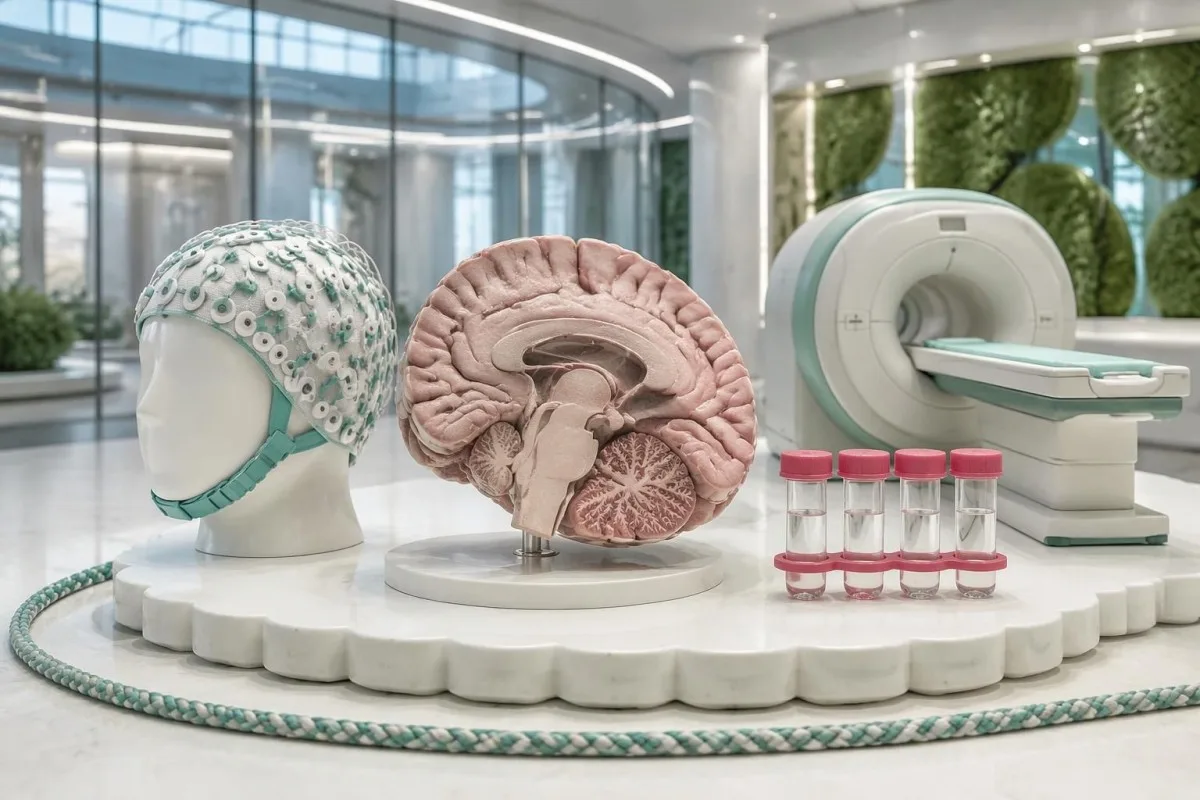
ພາວະສັບສົນສະເພາະກິດໂດຍທົ່ວໄປມີຄວາມຜິດປົກກະຕິດ້ານຄວາມສົນໃຈ ແລະອາການເກີດຂຶ້ນແບບສະເພາະກະທັນຫັນແລະປ່ຽນແປງຂຶ້ນລົງ, ແລະອາດມີອາການເຫັນພາບຫຼອນ ຫຼືມີຄວາມເຊື່ອທີ່ຜິດປົກກະຕິ. ຕົວຢ່າງສົມມຸດ, ບຸກຄົນທີ່ສະຫຼັບລະຫວ່າງການສົນທະນາຮູ້ເລື່ອງກັບອາການສັບສົນຢ່າງຊັດເຈນໃນໄລຍະ 24 ຊົ່ວໂມງ ຕ້ອງໄດ້ຮັບການປະເມີນທາງການແພດຢ່າງຮີບດ່ວນ; ການເຄີຍຖືກວິນິດໄສວ່າເປັນໂຣກຈິດແປກແຍກມາກ່ອນ ບໍ່ໄດ້ໝາຍຄວາມວ່າຈະບໍ່ເກີດພາວະສັບສົນສະເພາະກິດ.
ອາການຊັກເກີດໃໝ່, ການເຄື່ອນໄຫວຜິດປົກກະຕິ, ລະດັບຄວາມຮູ້ສຶກຕົວຫຼຸດລົງ ຫຼືຄວາມສາມາດດ້ານການຮັບຮູ້ຖົດຖອຍຢ່າງໄວວາ ອາດເຮັດໃຫ້ສົງໄສພະຍາດອັກເສບໃນສະໝອງ ຫຼືສາເຫດທາງລະບົບປະສາດອື່ນ. ບົດຄວາມຂອງພວກເຮົາ ການກວດຫາພະຍາດສະໝອງອັກເສບຈາກພູມຕ້ານທານຕົນເອງ ອະທິບາຍວ່າ MRI, EEG ແລະນ້ຳໄຂສັນຫຼັງອາດຊ່ວຍໃນການກວດຫາໄດ້ແນວໃດ; ການພົບແອນຕິບໍດີໃນເລືອດຊີຣຳເປັນບວກ 1 ຊະນິດ ບໍ່ສາມາດຢືນຢັນການວິນິດໄສນັ້ນໄດ້ດ້ວຍຕົນເອງ.
ສາເຫດທາງການແພດທີ່ພົບໄດ້ຍາກຄວນໄດ້ຮັບການກວດຫາແບບເຈາະຈົງເມື່ອຮູບແບບອາການທີ່ປະກອບກັນສອດຄ່ອງ ບໍ່ແມ່ນຄັດກອງທຸກຄົນແບບກວ້າງຂວາງ. ອາການທ້ອງຮຸນແຮງເປັນຄັ້ງໆຮ່ວມກັບການປ່ຽນແປງທາງລະບົບປະສາດ ຫຼືຈິດເວດ ອາດເປັນເຫດໃຫ້ກວດຫາໂພເຟຍເຣຍ; ບົດຄວາມຂອງພວກເຮົາ ຄຳອະທິບາຍການກວດຫາໂພເຟຍເຣຍ ອະທິບາຍເຫດຜົນທີ່ການກວດປັດສະວະໃນເວລາທີ່ເໝາະສົມຈຶ່ງອາດສຳຄັນກວ່າການກວດເລືອດທົ່ວໄປ 1 ແຜງ.
ປະຫວັດການໃຊ້ສານແລະຢາຄວນຖາມໃຫ້ລະອຽດ ແລະບໍ່ຕັດສິນ. ຖາມວ່າໄດ້ໃຊ້ຫຍັງ, ປະລິມານໂດຍປະມານເທົ່າໃດ ແລະໃຊ້ເມື່ອໃດ ໃນ 48 ຊົ່ວໂມງກ່ອນໜ້າ ແລະໃນອາທິດກ່ອນໜ້ານັ້ນ; ກັນຊາ, ສານກະຕຸ້ນ, ຄອຕິໂຄສະເຕີຣອຍ ແລະພາວະຖອນສານ ສາມາດປ່ຽນແນວທາງການວິນິດໄສໄດ້, ໃນຂະນະທີ່ຜົນກວດສານພິດເປັນລົບບໍ່ສາມາດຕັດການສຳຜັດສານທຸກຊະນິດ ຫຼືຂໍ້ຈຳກັດດ້ານໄລຍະເວລາການກວດພົບທຸກປະການອອກໄດ້.
When do schizophrenia symptoms require urgent help?
ຂໍຄວາມຊ່ວຍເຫຼືອສຸກເສີນທັນທີ ຖ້າມີອັນຕະລາຍສະເພາະໜ້າ, ມີເຈດຕະນາຂ້າຕົວຕາຍ, ມີຄຳສັ່ງອັນຕະລາຍທີ່ບຸກຄົນອາດປະຕິບັດຕາມ, ສັບສົນຮຸນແຮງ ຫຼື ບໍ່ສາມາດຕອບສະໜອງຄວາມຈຳເປັນພື້ນຖານໄດ້. ໃນສະຫະລາຊະອານາຈັກ ໃຫ້ໂທ 999 ຫຼື 112 ໃນກໍລະນີສຸກເສີນ; ອາການທາງຈິດທີ່ເກີດຂຶ້ນໃໝ່ໂດຍບໍ່ມີອັນຕະລາຍສະເພາະໜ້າ ກໍຍັງຄວນໄດ້ຮັບການປະເມີນຢ່າງຮີບດ່ວນ ແທນການລໍຖ້ານັດກວດທາງຫ້ອງປະລິກວດຕາມປົກກະຕິ.
ພາວະຄາຕາໂທເນຍທີ່ອາດເປັນໄປໄດ້ຕ້ອງໄດ້ຮັບການປະເມີນຢ່າງຮີບດ່ວນ, ລວມທັງເມື່ອບຸກຄົນເຄື່ອນໄຫວໜ້ອຍຜິດປົກກະຕິ, ຢຸດເວົ້າ, ຄົງທ່າທາງທີ່ຜິດປົກກະຕິ ຫຼື ປະຕິເສດການດື່ມນ້ຳ. ຜູ້ໃຫຍ່ສົມມຸດຄົນໜຶ່ງທີ່ບໍ່ດື່ມຫຍັງເລີຍເປັນເວລາ 24 ຊົ່ວໂມງ ແລະ ຢູ່ນິ່ງເກືອບຕະຫຼອດ ບໍ່ຄວນຖືວ່າເປັນພຽງການຂາດແຮງຈູງໃຈ; ໄຂ້, ອາການແຂງເກັງ ຫຼື ການຕອບສະໜອງຫຼຸດລົງ ຍິ່ງເພີ່ມຄວາມກັງວົນ.
ການເວົ້າລຳບາກທີ່ເກີດຂຶ້ນກະທັນຫັນ, ແຂນຂາຂ້າງໜຶ່ງອ່ອນແຮງ, ລົ້ມໝົດສະຕິ ຫຼື ປວດຫົວຮຸນແຮງຄັ້ງໃໝ່ ຕ້ອງໄດ້ຮັບການປະເມີນທາງການແພດສຸກເສີນ. ຂອງພວກເຮົາ ສັນຍານເຕືອນຂອງໂຣກຫຼອດເລືອດສະໝອງ ອະທິບາຍວ່າ ອາການທາງປະສາດສະເພາະຈຸດອັນໃໝ່ 1 ຢ່າງ ບໍ່ຄວນຖືວ່າເກີດຈາກພະຍາດທາງຈິດ, ແມ່ນແຕ່ເມື່ອມີອາການຫຼອນ ຫຼື ມີການວິນິດໄສພະຍາດສຸຂະພາບຈິດມາກ່ອນ.
ອາການທາງຈິດທີ່ເກີດໃໝ່ຫຼັງຄອດເປັນພາວະສຸກເສີນທາງການແພດ, ໂດຍສະເພາະຖ້ານອນໜ້ອຍ, ອາລົມປ່ຽນແປງໄວ ຫຼື ມີພຶດຕິກຳສັບສົນ. ຖ້າພໍ່ແມ່ຄົນໜຶ່ງເກີດການປ່ຽນແປງເຫຼົ່ານີ້ 1 ອາທິດຫຼັງຄອດ, ໃຫ້ຂໍຮັບການປະເມີນຢ່າງຮີບດ່ວນ ແລະ ຈັດໃຫ້ທັງພໍ່ແມ່ແລະທາລົກມີການດູແລທີ່ປອດໄພ; ຢ່າລໍຖ້າເບິ່ງວ່າອາການເຂົ້າກັບໂຣກຈິດແພຣາໄນດ໌ຫຼືບໍ່.
ຖ້າບໍ່ມີອັນຕະລາຍສະເພາະໜ້າ, ໃຫ້ຕິດຕໍ່ບໍລິການວິກິດການໃນທ້ອງຖິ່ນ, ແພດປະຈຳຕົວ ຫຼື ບໍລິການແຊກແຊງໄລຍະຕົ້ນໂດຍໄວ. ໃນອັງກິດ NHS 111 ມີທາງເລືອກສຳລັບສຸຂະພາບຈິດ; ໃນສະຫະລັດ 988 ໃຫ້ການຊ່ວຍເຫຼືອໃນພາວະວິກິດ ແລະ 911 ຮັບມືກັບອັນຕະລາຍສະເພາະໜ້າ, ສ່ວນຜູ້ອ່ານໃນບ່ອນອື່ນຄວນໃຊ້ບໍລິການສຸກເສີນ ຫຼື ວິກິດການໃນທ້ອງຖິ່ນ ແລະ ຫຼີກລ່ຽງການປະປ່ອຍຜູ້ທີ່ບໍ່ປອດໄພສະເພາະໜ້າໄວ້ຄົນດຽວ ເມື່ອສາມາດຢູ່ນຳໄດ້ຢ່າງປອດໄພ.
How can you help someone who may be experiencing psychosis?
ຊ່ວຍໂດຍການຮັບຟັງຢ່າງສະຫງົບ, ກວດເບິ່ງຄວາມປອດໄພສະເພາະໜ້າ ແລະ ສະເໜີຊ່ອງທາງທີ່ຊັດເຈນເພື່ອເຂົ້າຮັບການປະເມີນ, ແທນການໂຕ້ຖຽງເລື່ອງຄວາມເຊື່ອ ຫຼື ປະກາດການວິນິດໄສ. ການສົນທະນາເບື້ອງຕົ້ນທີ່ເປັນປະໂຫຍດຄວນກວມເອົາຄວາມຈຳເປັນດ້ານປະຕິບັດ 3 ຢ່າງ: ບຸກຄົນຮູ້ສຶກປອດໄພຫຼືບໍ່, ກຳລັງກິນແລະນອນຫຼືບໍ່, ແລະ ຈະຍອມຮັບການຊ່ວຍເຫຼືອແບບໃດ.

ປະໂຫຍກສັ້ນໆ ແລະ ສະພາບແວດລ້ອມທີ່ງຽບລົງ ສາມາດຊ່ວຍໃຫ້ສື່ສານງ່າຍຂຶ້ນເມື່ອຄວາມສົນໃຈຖືກກະທົບ. ສະເໜີທາງເລືອກທີ່ເປັນໄປໄດ້ 2 ຢ່າງ ເຊັ່ນ ຕິດຕໍ່ແພດຮ່ວມກັນ ຫຼື ໄປກັບບຸກຄົນນັ້ນເພື່ອເຂົ້າຮັບການປະເມີນ, ແທນການຮຽກຮ້ອງຫຼາຍຢ່າງພ້ອມກັນ; ຫຼີກລ່ຽງການຢືນອັດແໜ້ນ, ການແຕະຕ້ອງກະທັນຫັນ ຫຼື ການຂົ່ມຂູ່ເພື່ອບັງຄັບໃຫ້ຮ່ວມມື.
ຮັບຮູ້ຄວາມທຸກໃຈໂດຍບໍ່ຢືນຢັນຄຳອະທິບາຍທີ່ຍັງບໍ່ໄດ້ພິສູດ. ຖ້າບຸກຄົນເຊື່ອວ່າອາຫານຂອງຕົນຖືກປົນເປື້ອນ, ຜູ້ດູແລສາມາດຮັບຮູ້ຄວາມຢ້ານນັ້ນ ແລະ ສະເໜີອາຫານທີ່ບຸກຄົນຍອມຮັບ ພ້ອມກັບຈັດຫາຄວາມຊ່ວຍເຫຼືອ; ການຖາມວ່າໃນ 24 ຊົ່ວໂມງຜ່ານມາກິນຫຍັງໄປແດ່ ຈະຊ່ວຍກວດຫາຄວາມສ່ຽງດ້ານປະຕິບັດໂດຍບໍ່ຕ້ອງໂຕ້ຖຽງເລື່ອງຄວາມເຊື່ອ.
ກຳນົດເວລາໂດຍຫຍໍ້ອາດຊ່ວຍໃຫ້ການນັດໝາຍເກີດປະໂຫຍດຫຼາຍກວ່າລາຍຊື່ຄຳສັບວິນິດໄສທີ່ຍາວ. ບັນທຶກຂໍ້ມູນ 5 ປະເພດ: ການປ່ຽນແປງທີ່ສັງເກດໄດ້, ເວລາເລີ່ມໂດຍປະມານ, ການນອນ, ສານທີ່ໃຊ້ ຫຼື ການປ່ຽນຢາ, ແລະ ຜົນກະທົບຕໍ່ການໃຊ້ຊີວິດປະຈຳວັນ; ແຍກສິ່ງທີ່ທ່ານສັງເກດເຫັນໂດຍກົງອອກຈາກສິ່ງທີ່ຜູ້ອື່ນລາຍງານ ແລະ ຂໍອະນຸຍາດຈາກບຸກຄົນນັ້ນເມື່ອເປັນໄປໄດ້.
ຂອງ Kantesti ຄຳແນະນຳດ້ານຄວາມເປັນສ່ວນຕົວ ແລະ ຂໍ້ມູນ ມີຄວາມກ່ຽວຂ້ອງເມື່ອເອກະສານລາຍງານຜົນກວດທາງຫ້ອງປະລິກວດທີ່ນຳໄປປະກອບມີຂໍ້ມູນສ່ວນຕົວທີ່ລະອຽດອ່ອນ. ແບ່ງປັນສະເພາະສິ່ງທີ່ຈຳເປັນ ແລະ ຂໍຄວາມຍິນຍອມເມື່ອເປັນໄປໄດ້; ການເຂົ້າເຖິງລາຍງານຂອງສະມາຊິກຄອບຄົວ 1 ຄົນ ບໍ່ໄດ້ອະນຸຍາດໃຫ້ອັບໂຫຼດບັນທຶກຂອງເຂົາໂດຍອັດຕະໂນມັດ, ແລະ ຄວນຈັດການຄວາມກັງວົນດ້ານຄວາມປອດໄພສຸກເສີນຜ່ານບໍລິການທາງຄລີນິກ ແທນການໃຊ້ເຄື່ອງມື AI.
What treatment helps after a first psychotic episode?
ການປິ່ນປົວອາການທາງຈິດຄັ້ງທຳອິດໂດຍທົ່ວໄປປະກອບດ້ວຍຢາຕ້ານອາການທາງຈິດ, ການປິ່ນປົວທາງຈິດວິທະຍາ ແລະ ການສະໜັບສະໜູນດ້ານປະຕິບັດ, ປັບໃຫ້ເໝາະກັບການວິນິດໄສ, ຄວາມມັກ ແລະ ຄວາມປອດໄພ. NICE ແນະນຳ CBT ແບບບຸກຄົນ ໂດຍມີການນັດໝາຍທີ່ວາງແຜນໄວ້ຢ່າງໜ້ອຍ 16 ຄັ້ງ ແລະ ການແຊກແຊງຄອບຄົວເມື່ອເໝາະສົມ; ການປິ່ນປົວຄວນແກ້ໄຂທັງການໃຊ້ຊີວິດປະຈຳວັນ ແລະ ສຽງຫຼອນ ຫຼື ຄວາມຫຼົງຜິດ.

ການເລືອກຢາແມ່ນການຕັດສິນໃຈທາງຄລີນິກຮ່ວມກັນ, ລວມທັງການປຶກສາກ່ຽວກັບຜົນຕໍ່ລະບົບເຜົາຜານສານອາຫານ, ອາການຜິດປົກກະຕິດ້ານການເຄື່ອນໄຫວ, ອາການງ່ວງຊຶມ, ຜົນຕໍ່ຮໍໂມນ ແລະ ຂໍ້ພິຈາລະນາດ້ານຫົວໃຈແລະຫຼອດເລືອດ. NICE ແນະນຳໃຫ້ຖືການສັ່ງຢາຕ້ານອາການທາງຈິດເປັນການທົດລອງຢາສະເພາະບຸກຄົນຢ່າງຊັດເຈນ, ໂດຍທົ່ວໄປປະເມີນການຕອບສະໜອງຫຼັງໃຊ້ຂະໜາດຢາທີ່ເໝາະສົມເປັນເວລາ 4–6 ອາທິດ ພ້ອມກັບທົບທວນການທົນຕໍ່ຢາຕະຫຼອດໄລຍະ (NICE, 2014).
ການປິ່ນປົວທາງຈິດວິທະຍາບໍ່ຈຳເປັນຕ້ອງໃຫ້ແພດຢືນຢັນຄວາມຫຼົງຜິດ ຫຼື ບອກບຸກຄົນວ່າປະສົບການຂອງຕົນເປັນພຽງຈິນຕະນາການ. CBT ສຳລັບອາການທາງຈິດສຳຫຼວດຄວາມທຸກໃຈ, ການຕີຄວາມ, ວິທີຮັບມື ແລະ ການໃຊ້ຊີວິດ; NICE ລະບຸວ່າການແຊກແຊງຄອບຄົວຄວນມີການນັດໝາຍທີ່ວາງແຜນໄວ້ຢ່າງໜ້ອຍ 10 ຄັ້ງ ໃນໄລຍະ 3 ເດືອນ ຫາ 1 ປີ, ປັບໃຫ້ເໝາະກັບສະພາບຂອງຄອບຄົວ.
ແນະນຳໃຫ້ໃຊ້ໂຄລຊາປີນສຳລັບໂຣກຈິດແພຣາໄນດ໌ທີ່ດື້ຕໍ່ການປິ່ນປົວ after inadequate response to 2 adequate antipsychotic trials, subject to clinical assessment and local requirements. The APA guideline also recommends clozapine when suicide risk remains substantial despite other treatments (APA, 2020); our clozapine safety monitoring guide explains why monitoring is treatment-specific.
Recovery goals should be personal and measurable rather than limited to symptom counts. A hypothetical first goal might be returning to 2 supported study sessions weekly or preparing a regular meal; occupational, educational, housing, and social support can address barriers that medication alone does not remove, and prescriptions should never be changed through an automated laboratory interpretation.
Why are physical-health checks part of schizophrenia care?
Physical-health checks identify medication effects and health risks that deserve care independently of psychiatric symptoms. NICE recommends baseline assessment and repeat glucose or HbA1c and lipid testing at 12 weeks, 1 year, and annually during antipsychotic treatment; individual medicines and existing conditions may require additional monitoring.

Weight, blood pressure, movement symptoms, nutrition, and activity deserve discussion alongside laboratory results. NICE recommends weighing weekly for the first 6 weeks of antipsychotic treatment, then at 12 weeks, 1 year, and annually; early changes can support a timely conversation about treatment options rather than blame about willpower.
HbA1c of 6.5% equals 48 mmol/mol and is a diabetes diagnostic threshold, usually requiring confirmation when there are no clear symptoms. Our ອາການເຕືອນລະດັບນ້ຳຕານໃນເລືອດສູງ explains why thirst, frequent urination, weight loss, or acute illness can change urgency; this threshold says nothing about the severity of psychosis.
Some antipsychotics raise prolactin, which can affect sexual function, menstruation, fertility, or other aspects of health. A result 2 times the laboratory upper limit needs interpretation with symptoms, medicines, sampling conditions, and sometimes repeat testing; our mildly elevated prolactin guide explains why one result should not trigger unsupervised medication changes.
Smoking changes can alter clozapine exposure, because combustion products—not nicotine alone—affect its metabolism. A hypothetical person stopping cigarettes during a 1-week admission needs the prescribing team's attention; diet and supplements also deserve review, but no meal plan, vitamin panel, or supplement regimen has been established as a substitute for schizophrenia treatment.
ຜົນງານວິໄຈທີ່ເຜີຍແຜ່ ແລະຂໍ້ຈຳກັດຂອງການແປຜົນການກວດທາງຫ້ອງປະລິກ
The research references below distinguish schizophrenia guidance from supporting laboratory education. The 2 Zenodo guides explain serum proteins and immune tests; they are not schizophrenia diagnostic studies, and their DOIs do not establish peer review, psychiatric screening accuracy, or evidence that these tests should be ordered for early behavioral changes.
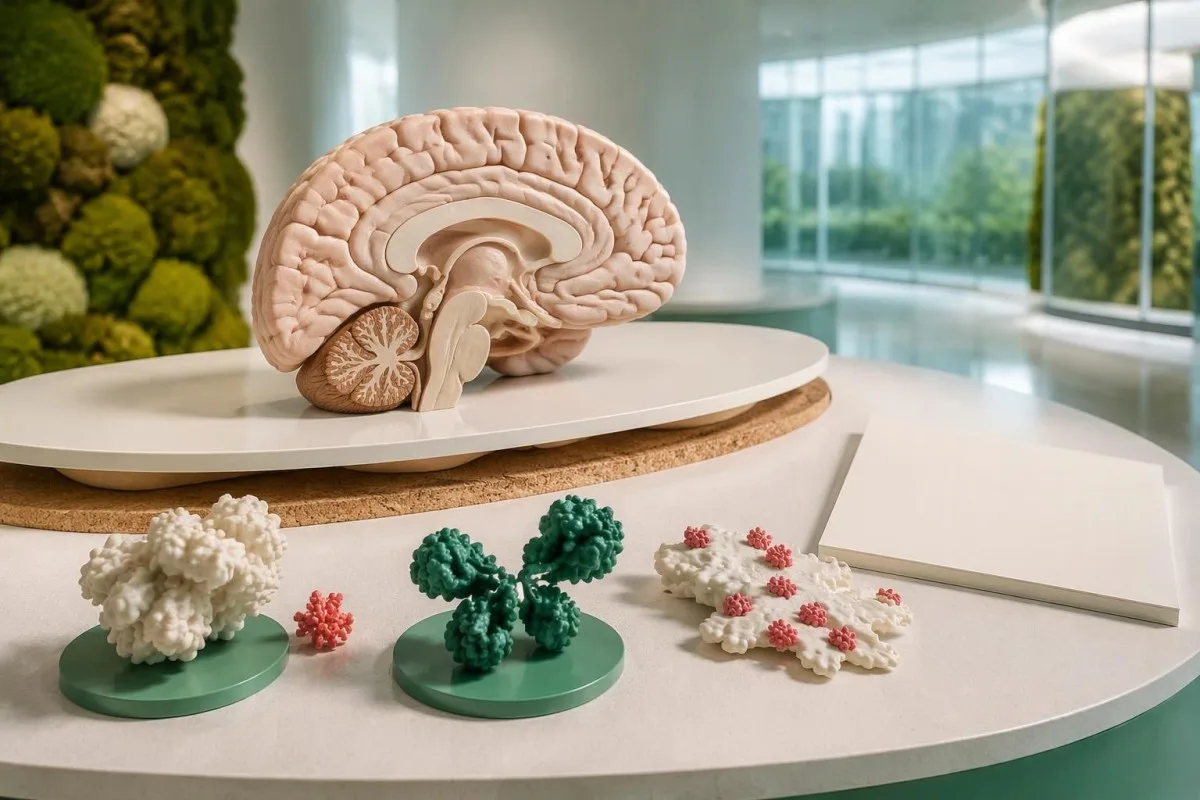
Kantesti ແມ່ນບໍລິການອ່ານຄວາມໝາຍຜົນກວດ AI that explains reported measurements rather than diagnosing psychiatric disorders. Our ການກຳກັບດູແລດ້ານເຕັກນິກແລະຄລີນິກ describes the scope of our methodology; performance on laboratory interpretation is not evidence of accuracy for schizophrenia assessment, and those are 2 separate validation questions.
Serum albumin, globulins, and the A/G ratio reflect broad physiological processes, not a schizophrenia signature. Our ຄູ່ມືໂປຣຕີນໃນເລືອດ (serum proteins) provides context for that laboratory family; a hypothetical A/G ratio of 0.9 must be interpreted against its laboratory interval and clinical setting, not converted into a psychiatric risk score.
Complement and ANA testing answer targeted immune questions, and indiscriminate testing can produce findings unrelated to the presenting symptoms. Our ຄູ່ມື complement ແລະ ANA explains those limits; an isolated ANA titer of 1:80 does not establish an autoimmune explanation for psychosis or justify immune treatment without supporting clinical evidence.
Kantesti's role is to help readers understand accompanying reports while keeping diagnosis and urgent care with qualified clinicians. For a first episode—or a change after 5 stable years—bring the symptom timeline and original results to assessment; the NICE, WHO, and APA references below support the clinical discussion, while the repository publications support narrower laboratory education.
ຄໍາຖາມທີ່ຖືກຖາມເລື້ອຍໆ
ອາການເບື້ອງຕົ້ນຂອງພະຍາດຈິດແຍກຕົວມີຫຍັງແດ່?
ອາການເບື້ອງຕົ້ນທີ່ອາດບົ່ງຊີ້ເຖິງໂຣກຈິດແພດດຣະມີ ລວມມີການແຍກຕົວອອກຈາກຜູ້ອື່ນ, ຄວາມສາມາດໃນການດຳເນີນຊີວິດຫຼຸດລົງ, ການຮັບຮູ້ທີ່ຜິດປົກກະຕິ, ຄວາມລະແວງສົງໄສ ແລະການປ່ຽນແປງດ້ານຄວາມຄິດ ຫຼືການນອນ, ແຕ່ອາການເຫຼົ່ານີ້ບໍ່ຈຳເພາະພໍທີ່ຈະວິນິດໄສວ່າເປັນໂຣກຈິດແພດດຣະມີ. ການມີອາການຫຼາຍຢ່າງຮ່ວມກັນ ເຊິ່ງກະທົບຕໍ່ຊີວິດ 2 ດ້ານຂຶ້ນໄປ ອາດເຮັດໃຫ້ການປະເມີນມີປະໂຫຍດເປັນພິເສດ, ແຕ່ນີ້ບໍ່ແມ່ນເກນສຳລັບການວິນິດໄສ. ການໄດ້ຍິນສຽງໃໝ່ໆ, ຄວາມເຊື່ອທີ່ຜິດປົກກະຕິແລະຍຶດໝັ້ນຢ່າງແຮງ ຫຼືການຫຼຸດຖອຍລົງຢ່າງຊັດເຈນ ຄວນໄດ້ຮັບການປະເມີນທາງຄລີນິກໂດຍໄວ. ຢ່າລໍຖ້າໃຫ້ມີອາການເປັນເດືອນໆ ຫຼືລໍຖ້າຜົນກວດເລືອດກ່ອນຈຶ່ງຂໍຄວາມຊ່ວຍເຫຼືອ.
ທ່ານສາມາດເປັນໂຣກຈິດແຍກໂລກໄດ້ບໍ ໂດຍບໍ່ໄດ້ຍິນສຽງຫຼອນ?
ບຸກຄົນໜຶ່ງອາດເປັນໂຣກຈິດແປປວນ (schizophrenia) ໂດຍບໍ່ໄດ້ຍິນສຽງຫຼອນ ເພາະອາການຫຼອນທາງການໄດ້ຍິນບໍ່ແມ່ນສິ່ງຈຳເປັນໃນທຸກຮູບແບບຂອງການສະແດງອາການ. DSM-5-TR ກຳນົດໃຫ້ມີອາການສະເພາະຢ່າງໜ້ອຍ 2 ຢ່າງໃນໄລຍະທີ່ອາການກຳເລີບ ໂດຍຢ່າງໜ້ອຍໜຶ່ງອາການຕ້ອງເປັນອາການຫຼົງຜິດ, ອາການຫຼອນ ຫຼື ການເວົ້າຈາສັບສົນ ພ້ອມກັບເກນດ້ານໄລຍະເວລາແລະການເຮັດໜ້າທີ່ອື່ນໆ. ດັ່ງນັ້ນ ບາງຄົນອາດມີອາການຫຼົງຜິດທີ່ເດັ່ນຊັດ ຫຼື ເວົ້າຈາສັບສົນ ໂດຍບໍ່ມີອາການຫຼອນທາງການໄດ້ຍິນ. ແພດຍັງຕ້ອງປະເມີນຄຳອະທິບາຍອື່ນໆທີ່ກ່ຽວກັບຈິດເວດ, ການໃຊ້ສານ ແລະ ພາວະທາງການແພດ.
ການກວດເລືອດສາມາດວິນິດໄສໂຣກຈິດຫຼອນໄດ້ບໍ?
ບໍ່ມີການກວດເລືອດຕາມປົກກະຕິຊະນິດໃດທີ່ສາມາດວິນິດໄສ ຫຼື ຕັດພະຍາດຈິດແຍກຕົວອອກໄດ້ ແລະບໍ່ມີຄ່າເກນຂອງຕົວບົ່ງຊີ້ທາງຊີວະພາບຕາມປົກກະຕິທີ່ຜ່ານການຢືນຢັນສຳລັບຈຸດປະສົງນີ້ (0 ຄ່າ). ການກວດເລືອດອາດຊ່ວຍກວດຫາປັດໃຈທາງການແພດທີ່ມີສ່ວນກ່ຽວຂ້ອງ ຫຼື ຕິດຕາມຄວາມປອດໄພຂອງຢາ, ແຕ່ນັ້ນເປັນຄຳຖາມທາງຄລີນິກຄົນລະປະເດັນກັນ. ຕົວຢ່າງເຊັ່ນ ການກວດຕໍ່ມໄທຣອຍ ຫຼື ວິຕາມິນ B12 ອາດເໝາະສົມເມື່ອປະຫວັດຊີ້ວ່າອາດມີບັນຫາເຫຼົ່ານັ້ນ. ຜົນກວດທາງຫ້ອງປະລິກວິເຄາະທີ່ປົກກະຕິ ບໍ່ໄດ້ໝາຍຄວາມວ່າຄວນເມີນສະເພາະອາການປະສາດຫຼອນ, ອາການຫຼົງຜິດ ຫຼື ການຫຼຸດຖອຍຂອງຄວາມສາມາດໃນການໃຊ້ຊີວິດທີ່ເກີດຂຶ້ນຕໍ່ເນື່ອງ.
ການຂາດແຮງຈູງໃຈແລະການແຍກຕົວອອກຈາກສັງຄົມເປັນອາການຂອງໂຣກຈິດແຕກບໍ?
Low motivation and social withdrawal can occur among the negative symptoms of schizophrenia, but they also occur with depression, sleep problems, medicines, stress, and other conditions. Clinicians commonly describe 5 negative-symptom domains: reduced expression, speech, motivation, pleasure, and social engagement. The assessment considers the person's baseline, associated symptoms, and alternative causes rather than counting behaviors on a checklist. New or persistent changes affecting daily life deserve assessment without assuming schizophrenia.
ອາການຕ້ອງເປັນດົນປານໃດຈຶ່ງຈະວິນິດໄສວ່າເປັນໂຣກຈິດແບບ schizophrenia?
ໄລຍະເວລາທີ່ກຳນົດຂຶ້ນກັບກອບການວິນິດໄສ ແລະຮູບແບບອາການໂດຍລວມ. ໂດຍທົ່ວໄປ DSM-5-TR ກຳນົດໃຫ້ມີຄວາມຜິດປົກກະຕິຕໍ່ເນື່ອງຢ່າງໜ້ອຍ 6 ເດືອນ, ລວມທັງໄລຍະອາການກຳເລີບທີ່ມັກຈະຍາວນານຢ່າງໜ້ອຍ 1 ເດືອນ, ຫຼືສັ້ນກວ່ານັ້ນຫາກຮັກສາໄດ້ຜົນ. ICD-11 ກຳນົດໃຫ້ມີອາການຈຳເພາະເປັນສ່ວນໃຫຍ່ຂອງເວລາຢ່າງໜ້ອຍ 1 ເດືອນ ພ້ອມກັບຂໍ້ກຳນົດອື່ນໆໃນການວິນິດໄສ. ເກນໄລຍະເວລາເຫຼົ່ານີ້ໃຊ້ເປັນແນວທາງໃນການວິນິດໄສ ບໍ່ແມ່ນເປັນເກນວ່າຄວນຂໍຄວາມຊ່ວຍເຫຼືອເມື່ອໃດ: ຄວນໄດ້ຮັບການປະເມີນໂດຍໄວ ຫາກເກີດອາການໄຊໂຄຊິສຄັ້ງທຳອິດ.
ຜູ້ທີ່ອາດມີພາວະຈິດແຍກຈາກຄວາມເປັນຈິງຄວນໄປຮັບການດູແລສຸກເສີນເມື່ອໃດ?
ຈຳເປັນຕ້ອງໄດ້ຮັບການດູແລສຸກເສີນ ຫາກມີຄວາມສ່ຽງຈະທຳຮ້າຍຕົນເອງໃນໄວໆນີ້, ມີຄຳສັ່ງອັນຕະລາຍທີ່ອາດປະຕິບັດຕາມ, ສັບສົນຮຸນແຮງ, ຕອບສະໜອງຫຼຸດລົງ ຫຼື ບໍ່ສາມາດດູແລຄວາມຕ້ອງການພື້ນຖານໄດ້. ໃນສະຫະລາຊະອານາຈັກ ໃຫ້ໂທ 999 ຫຼື 112 ເມື່ອມີອັນຕະລາຍທັນທີ; ໃນສະຫະລັດ ໃຫ້ໂທ 911 ເມື່ອເກີດເຫດສຸກເສີນ ຫຼື 988 ເພື່ອຂໍຄວາມຊ່ວຍເຫຼືອໃນພາວະວິກິດ. ອາການທາງລະບົບປະສາດທີ່ເກີດຂຶ້ນກະທັນຫັນ, ໄຂ້ຮ່ວມກັບອາການແຂງເກັງ ແລະ ອາການທາງຈິດທີ່ເກີດຂຶ້ນໃໝ່ຫຼັງຄອດ ກໍຈຳເປັນຕ້ອງໄດ້ຮັບການປະເມີນຈາກແພດຢ່າງຮີບດ່ວນ. ອາການທາງຈິດທີ່ເກີດຂຶ້ນໃໝ່ ແມ່ນແຕ່ບໍ່ມີອັນຕະລາຍທັນທີ ກໍຄວນຕິດຕໍ່ແພດ ຫຼື ບໍລິການຊ່ວຍເຫຼືອໃນພາວະວິກິດໃນທ້ອງຖິ່ນໂດຍໄວ.
ຮັບຄຳອະທິບາຍຜົນກວດເລືອດຂອງທ່ານ
ອັບໂຫຼດລາຍງານຜົນກວດຂອງທ່ານ ແລະ AI ຂອງ Kantesti ຈະອະທິບາຍ biomarker ແຕ່ລະຕົວດ້ວຍພາສາເຂົ້າໃຈງ່າຍພາຍໃນບໍ່ກີ່ວິນາທີ. ມີຜູ້ໃຊ້ຫຼາຍກວ່າ 2 ລ້ານຄົນທົ່ວໂລກ.
ເອກະສານອ້າງອີງ
- Klein, T., Mitchell, S., & Weber, H. (2026). ຄູ່ມືໂປຣຕີນໃນເຊຣັມ: ການກວດເລືອດ Globulins, Albumin ແລະ ອັດຕາສ່ວນ A/G. ການຄົ້ນຄວ້າທາງການແພດດ້ວຍ AI ຂອງ Kantesti. ດອຍ
- Klein, T., Mitchell, S., & Weber, H. (2026). ຄູ່ມືການກວດເລືອດ C3 C4 Complement ແລະຄ່າໄຕເຕີ ANA. ການຄົ້ນຄວ້າທາງການແພດດ້ວຍ AI ຂອງ Kantesti. ດອຍ
- National Institute for Health and Care Excellence (2014). Psychosis and schizophrenia in adults: prevention and management (CG178). ແນວທາງຄລີນິກຂອງ NICE.
- World Health Organization (2024). Clinical descriptions and diagnostic requirements for ICD-11 mental, behavioural and neurodevelopmental disorders. ອົງການອະນາໄມໂລກ.
- American Psychiatric Association (2020). The American Psychiatric Association Practice Guideline for the Treatment of Patients With Schizophrenia, Third Edition. American Psychiatric Association Publishing. ດອຍ
- 2 ລ້ານ+ການກວດທີ່ວິເຄາະ
- 127+ປະເທດ
- 100+ພາສາ
ກ່ຽວກັບທີມແພດ


ສັນຍານຄວາມໄວ້ໃຈ E-E-A-T
ປະສົບການ
ການທົບທວນຄລີນິກຂອງແພດຜູ້ນຳພາ ກ່ຽວກັບຂັ້ນຕອນການຕີຄວາມໝາຍຜົນການກວດໃນຫ້ອງທົດລອງ.
ຄວາມຊ່ຽວຊານ
ວິຊາການແພດທົດລອງ (ການແພດທາງຫ້ອງທົດລອງ) ເນັ້ນໃສ່ວ່າຕົວຊີ້ວັດ (biomarkers) ມີພຶດຕິກຳແນວໃດໃນບັນບົດທາງຄລີນິກ.
ຄວາມເປັນອຳນາດ
ກວດທົບທວນທາງການແພດໂດຍ ດຣ. Thomas Klein, ໂດຍມີສ່ວນຮ່ວມຈາກ ດຣ. Sarah Mitchell ແລະ ສາດສະດາຈານ ດຣ. Hans Weber.
ຄວາມໜ້າເຊື່ອຖື
ການຕີຄວາມໝາຍອີງຕາມຫຼັກຖານດ້ວຍເສັ້ນທາງຕິດຕາມທີ່ຊັດເຈນ ເພື່ອຫຼຸດການຕົກໃຈ.






ຂໍ້ປະຕິເສດຄວາມຮັບຜິດຊອບທາງການແພດ
ບົດຄວາມນີ້ມີຈຸດປະສົງເພື່ອການສຶກສາເທົ່ານັ້ນ ແລະບໍ່ແມ່ນຄຳແນະນຳທາງການແພດ. ຄວນປຶກສາຜູ້ໃຫ້ບໍລິການດ້ານສຸຂະພາບທີ່ມີຄຸນວຸດທິສະເໝີ ສຳລັບການວິນິດໄຊ ແລະ ການຕັດສິນໃຈດ້ານການຮັກສາ.
ໄດ້ຮັບການເຜີຍແຜ່ · ຕິດຕໍ່ທີມບັນນາທິການ
ຈັດພິມໂດຍ Kantesti Ltd, ຈົດທະບຽນໃນອັງກິດ ແລະເວວສ໌, ເລກທີບໍລິສັດ. 17090423, ລອນດອນ, ສະຫະລາຊະອານາຈັກ.
