قد تشمل أعراض الفصام الهلوسة والأوهام والكلام غير المنظم وضعف الدافعية والصعوبات المعرفية. لا تكفي التغيرات المبكرة وحدها لإثبات الإصابة بالفصام: فالتقييم السريري هو ما يثبتها، أما الخطر الوشيك أو الارتباك الشديد أو العجز عن تلبية الاحتياجات الأساسية فيتطلب مساعدة عاجلة.

أهم النقاط
- أعراض الفصام تشمل تغيرات في الإدراك والمعتقدات والكلام والدافعية والتفكير؛ ولا يمكن لعرض واحد أو نتيجة مختبرية غير طبيعية إثبات التشخيص.
- العلامات المبكرة مثل الانسحاب واضطراب النوم أو تراجع الأداء، هي علامات غير محددة. سجّل التغيرات على مدى 7 أيام إن كان ذلك مفيدًا، لكن لا تؤخر التقييم عند ظهور تجارب ذهانية جديدة.
- الهلوسة هي إدراكات لا يقابلها منبّه خارجي. والتجارب التي تحدث فقط أثناء الاستغراق في النوم أو الاستيقاظ لها دلالة سريرية مختلفة عن سماع أصوات مستمرة أثناء النهار.
- الأعراض السلبية تشمل انخفاض التعبير العاطفي والكلام والدافعية والمتعة والتفاعل الاجتماعي—وهي 5 مجالات موصوفة شائعًا، ولا تدل على أن الشخص كسول.
- توقيت التشخيص يختلف: يتطلب DSM-5-TR عمومًا وجود اضطراب مستمر لمدة 6 أشهر على الأقل، بينما يتطلب ICD-11 أعراضًا مميزة لمدة شهر واحد على الأقل. ينبغي أن تبدأ المساعدة قبل بلوغ أي من هذين الحدين.
- تحاليل الدم يمكنه التحقق من العوامل الطبية المساهمة ومراقبة سلامة العلاج؛ لا توجد عتبات معتمدة لفحوصات الدم الروتينية تشخّص الفصام.
- المساعدة الطارئة مطلوبة عند وجود خطر وشيك لإيذاء النفس، أو أوامر خطرة قد ينفذها الشخص، أو ارتباك شديد، أو عجز عن الأكل أو الشرب. في المملكة المتحدة، اتصل بالرقم 999 أو 112 عند وجود خطر فوري.
- العلاج يجمع عادةً بين الأدوية والرعاية النفسية والدعم العملي. توصي NICE بما لا يقل عن 16 جلسة مخططة للعلاج المعرفي السلوكي الفردي للذهان.
ما العلامات المبكرة للفصام التي تستدعي التقييم؟
العلامات المبكرة للفصام قد تشمل الانسحاب الاجتماعي، وتراجع الأداء، وتجارب غير مألوفة، وتغيرات في النوم أو التفكير، لكن لا تُعدّ أي منها تشخيصية بمفردها. تستدعي مجموعة جديدة من التغيرات تؤثر في مجالين أو أكثر من مجالات الحياة اليومية الانتباه، خاصةً عندما يشعر الشخص بالخوف أو يفقد قدراته المعتادة.

التغير عن خط الأساس المعتاد للشخص أهم من كون سلوك ما يبدو غير مألوف لشخص آخر. على سبيل المثال، يحتاج طالب افتراضي يتوقف عن حضور 3 أنشطة كان يستمتع بها سابقًا، ويجد صعوبة في متابعة المحادثات، ويزداد ارتيابه إلى تقييم مختلف عن تقييم شخص لطالما فضّل العزلة.
اضطراب النوم مؤشر، وليس حكمًا قاطعًا. قد يعاني بالغ افتراضي ينام 3 ساعات ليلًا خلال فترة الامتحانات من ضعف التركيز أو تصورات غير مألوفة بسبب الإرهاق؛ ودليلنا عن قلة النوم والفحوصات يوضح سبب تأثير تاريخ النوم أيضًا في كيفية تفسير النتائج المخبرية المصاحبة.
Kantesti هو محلل فحوصات دم بالذكاء الاصطناعي التي يمكن أن تفسر النتائج المخبرية المصاحبة، لكنها لا تستطيع تحديد ما إذا كانت التغيرات السلوكية المبكرة تمثل فصامًا. يوضح قسمنا عن الشركة والهدف دورنا؛ وسجل الأعراض لمدة 7 أيام هو أمر يُشارك مع الطبيب، وليس مدخلًا يُنتج تشخيصًا نفسيًا.
توصي NICE بالإحالة دون تأخير عندما يترافق الضيق وتراجع الأداء الاجتماعي مع أعراض ذهانية عابرة أو مخففة، أو مع مؤشرات خطر أخرى معينة (NICE, 2014). قد يحدد التقييم بعد نوبة واحدة مثيرة للقلق الاكتئاب أو الصدمة أو تأثيرات المواد أو اضطرابًا ذهانيًا آخذًا في التطور؛ لكنه لا يضع تلقائيًا تشخيص الفصام.
كيف تبدو الهلوسة، وما الأسباب الأخرى لها؟
الهلوسة هي تجارب حسية دون وجود محفز خارجي مقابل؛ ويشيع سماع الأصوات لدى المصابين بالفصام، لكن الهلاوس تحدث أيضًا في حالات أخرى. ويفصل التقييم بين 3 أسئلة على الأقل: ماذا حدث، ومتى حدث، وهل يسبب ضيقًا أو خطرًا.
قد تبدو التجارب السمعية كتعليق أو محادثة أو موسيقى أو تعليمات، وقد تبدو داخلية أو خارجية. على مدى 24 ساعة، قد يسأل الطبيب عما إذا كانت التجارب تحدث أثناء اليقظة التامة، وكم تدوم، وما إذا كان يمكن تفسيرها بأصوات البيئة؛ فوجودها داخل الرأس لا يجعلها غير مؤذية تلقائيًا.
تجارب الانتقال بين النوم واليقظة تختلف عن الهلاوس المستمرة أثناء اليقظة، وقد تحدث دون اضطراب ذهاني. إذا لم تحدث التصورات غير المألوفة إلا عند الاستغراق في النوم أو الاستيقاظ، فقد يشير النعاس المفرط نهارًا والأعراض المرتبطة به إلى الحاجة إلى تقييم النوم؛ ويوضح شرح فحوصات الخدار سبب استخدام الأطباء أكثر من مؤشر واحد متعلق بالنوم.
يمكن أن يسبب القصور الحسي والفقدان والحداد والأدوية والتسمم والانسحاب والمرض العصبي الهلاوس أيضًا. يحتاج شخص افتراضي عمره 72 عامًا يعاني تجارب بصرية جديدة وتذبذبًا في الانتباه على مدى يومين إلى تقييم الهذيان أو سبب طبي آخر، بدلًا من افتراض إصابته بالفصام المتأخر الظهور.
Command voices require a safety assessment, not an automatic assumption that someone will act on them. Ask about 3 concrete factors: what the voice says, whether the person feels compelled to obey, and whether they can stay safe; commands involving harm with intent or inability to resist warrant immediate help.
كيف تختلف الأوهام عن القلق أو المعتقدات غير المألوفة؟
Delusions are beliefs held with strong conviction despite compelling contrary evidence, assessed within the person's cultural and social context. Clinicians examine at least 3 dimensions—conviction, openness to alternatives, and consequences—rather than diagnosing schizophrenia because a belief sounds unfamiliar or implausible to an observer.

Persecutory delusions can involve beliefs that others are monitoring, targeting, or plotting against the person; referential delusions can involve interpreting ordinary events as personally directed messages. A hypothetical person changing travel routes 4 times to avoid an alleged surveillance team may need assessment of both the belief and the resulting disruption.
Real threats must not be dismissed as delusions. Abuse, discrimination, stalking, and exploitation can occur, including in people with established psychiatric diagnoses; 1 unusual detail does not invalidate an entire account, and a clinician should investigate plausible safety concerns rather than use psychiatric history as a shortcut.
Mood timing changes the differential diagnosis. A hypothetical adult who develops grandiose beliefs during 5 days of markedly increased energy and little need for sleep may have a manic episode; our mood swings and laboratories explains why testing can address contributors without distinguishing bipolar disorder from schizophrenia.
Repeated confrontation often damages trust without resolving a firmly held belief. A supporter can use 2 steps: acknowledge the fear or distress, then offer practical help without endorsing the explanation; discussing whether the person is eating, sleeping, or feeling safe is usually more useful than trying to win an argument.
ما الأعراض السلبية للفصام؟
Negative symptoms of schizophrenia describe reductions in ordinary emotional expression, speech, motivation, pleasure, or social engagement. These 5 domains are commonly termed blunted affect, alogia, avolition, anhedonia, and asociality; they describe difficulties in functioning, not character flaws or a person's capacity to care.

Avolition means difficulty initiating or sustaining purposeful activity, even when the person understands its value. A hypothetical adult may want to prepare breakfast yet remain unable to begin for 2 hours; simply adding pressure can miss problems with initiation, planning, fatigue, or anticipation of reward.
Reduced expression does not reliably reveal the intensity of someone's internal feelings. A person who gives 1-word answers or shows little facial movement may still feel affection, anxiety, or sadness; communication should allow extra time and avoid interpreting a quiet response as indifference or refusal to participate.
Secondary negative symptoms can arise from depression, sedating medicines, ongoing paranoia, substance use, or a low-stimulation environment. Our low motivation laboratory guide addresses selected medical contributors, but 1 thyroid or vitamin result cannot distinguish primary negative symptoms from these overlapping causes.
Pleasure can be uneven: some people struggle more with anticipating enjoyment than with enjoying an activity once it starts. A practical experiment is 1 short, supported activity chosen by the person, followed by asking how it actually felt; the result guides support, not a diagnosis or a promise of recovery.
ما التغيرات المعرفية وتغيرات الكلام التي قد تصاحب الفصام؟
Cognitive changes can affect attention, working memory, processing speed, and planning, while disorganized speech can make connections between ideas difficult to follow. These are distinct problems: an assessment should separate at least 2 issues—trouble organizing thought and trouble performing a task under everyday demands.

Disorganized speech may involve frequent derailment, answers loosely connected to questions, or speech that becomes difficult to understand. A hypothetical conversation moving through 4 unrelated topics can raise concern, but language proficiency, hearing, anxiety, developmental differences, and the person's usual communication style must be considered before interpreting it.
Working-memory difficulty can make multistep tasks unexpectedly hard. Someone may remember the first of 3 instructions but lose the remaining steps; offering one instruction at a time, using reminders, and reducing distractions are accommodations that can help before the precise cause of the difficulty is established.
A lifelong attention pattern is different from a recent decline. Our adult ADHD symptom guide explains why a history extending back to childhood matters; a new deterioration over 2 months should not be explained away by an unconfirmed ADHD label.
At Kantesti, we treat laboratory explanations of fatigue or brain fog as separate from psychiatric diagnostic reasoning. A hypothetical person with corrected anemia who remains unable to follow a 10-minute conversation still needs follow-up; improvement in a laboratory value does not prove that cognitive symptoms have resolved or identify their cause.
كيف تختلف أعراض الفصام لدى البالغين باختلاف العمر؟
Schizophrenia symptoms in adults vary in onset, severity, and impact; the same symptom can have different implications at different ages. A first presentation at 22 and a first presentation at 72 both need assessment, but later onset increases the need to investigate medical, neurological, medication, and sensory contributors.

Schizophrenia commonly begins in late adolescence or early adulthood, but age alone cannot confirm or exclude it. For a hypothetical 24-year-old, clinicians may reconstruct the relationship between missed work, unusual beliefs, substance exposure, and sleep across several months instead of relying only on what happens during 1 appointment.
First-onset psychosis in an older adult should prompt careful review of medicines, cognition, physical health, hearing, and vision. Our تأثيرات الأدوية لدى كبار السن explains why a newly added treatment or a dose change 2 weeks earlier can be a more useful clue than a broad psychiatric label.
People can have episodic worsening, persistent difficulties, or substantial improvement with treatment and support. A hypothetical adult managing work for 5 years before a recurrence does not erase the original diagnosis; equally, a first psychotic episode does not establish what the person's long-term course will be.
Schizophrenia is not a split personality, and psychosis does not mean someone is inherently violent. Risk assessment concerns specific circumstances—such as intoxication, severe fear, access to means, or expressed intent—not a diagnosis alone; 1 frightened presentation should not define how family members or services treat a person.
كيف يثبت التقييم السريري الإصابة بالفصام؟
Schizophrenia is diagnosed clinically, using the symptom pattern, duration, functioning, and exclusion of better explanations—not a blood test or online checklist. DSM-5-TR generally requires at least 6 months of continuous disturbance; ICD-11 requires characteristic symptoms for at least 1 month, with additional requirements in both systems.
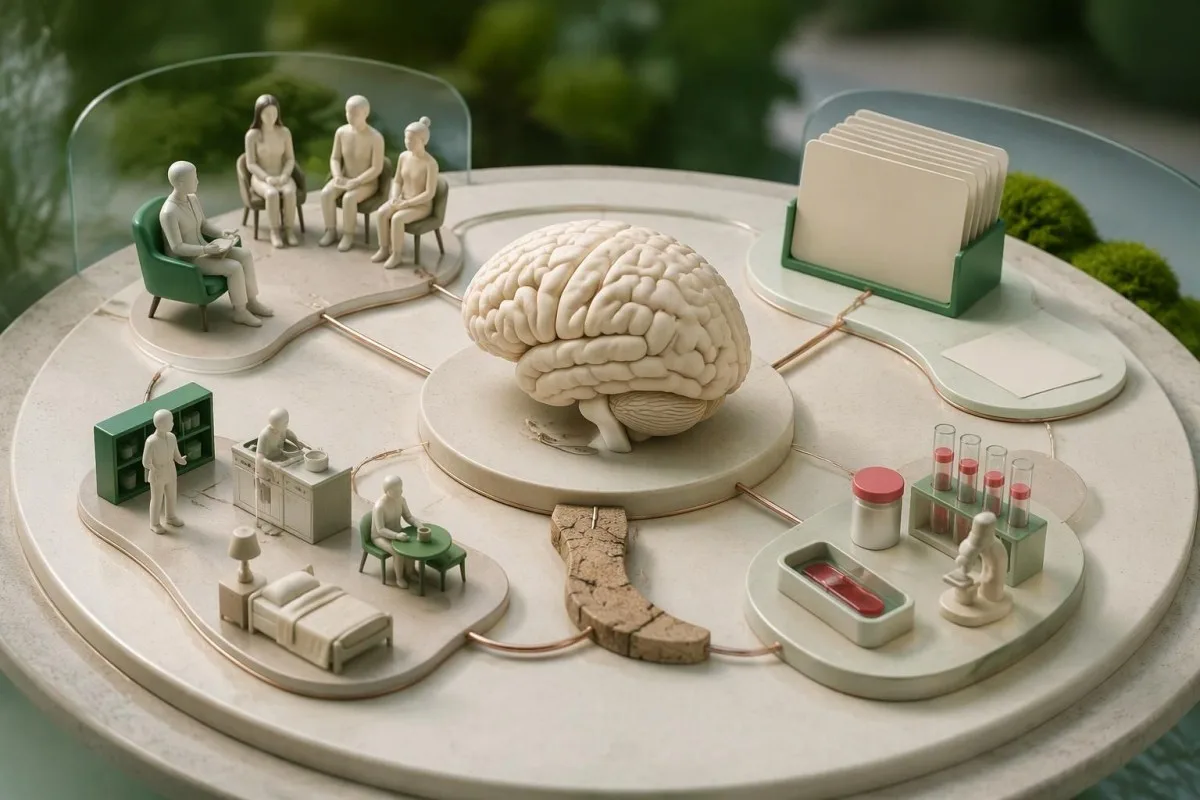
DSM-5-TR requires at least 2 characteristic symptoms during a significant portion of a 1-month period, or less if successfully treated, with at least one being delusions, hallucinations, or disorganized speech. It also requires functional deterioration and a longer course of disturbance; the criteria are not a self-scoring tool.
ICD-11 uses a different structure and requires at least 2 characteristic symptoms, including at least one from its core group, present most of the time for 1 month or more. WHO's clinical requirements emphasize the overall presentation and differential diagnosis rather than mechanically translating every DSM rule into ICD terminology (WHO, 2024).
Assessment often takes more than 1 conversation, particularly when symptoms are new or the history is unclear. With appropriate consent and attention to confidentiality, information from relatives, previous records, and the person's own account can clarify timing; lack of agreement between accounts should be explored rather than treated as proof that someone is unreliable.
Support should not wait for a 6-month diagnostic threshold to pass. A first episode may initially receive a broader working diagnosis while treatment and investigation proceed; our مبادئنا للذكاء الاصطناعي المسؤول reflect why automated laboratory interpretation must not substitute for this evolving clinical judgment.
هل يمكن لفحوصات الدم اكتشاف الفصام أو تفسير الأعراض؟
No routine blood test diagnoses schizophrenia, and normal results do not rule it out. Laboratories serve 2 different purposes in this setting: investigating plausible medical contributors and establishing physical-health or medication-safety baselines; neither purpose turns a biomarker panel into a schizophrenia screening test.

Testing is selected from the history and examination, rather than ordered as an unlimited panel. A clinician may consider a CBC, electrolytes, kidney or liver tests, thyroid function, B12, or other investigations; our لهرمونات الغدة الدرقية shows why 2 related thyroid measurements can be more informative than one isolated result.
B12 deficiency can contribute to neurological or cognitive symptoms, sometimes without marked anemia. In a hypothetical example, B12 of 160 pg/mL against that laboratory's 200–900 pg/mL interval warrants medical review; our تفسير حدّي لمستوى B12 explains why assay ranges and follow-up testing matter, without claiming that deficiency explains every symptom.
Kantesti هي منصة لتفسير تحليل الدم بالذكاء الاصطناعي that can help explain these 2 laboratory roles without converting results into a psychiatric label. We encourage readers to bring the original report, medicine list, and symptom timeline to the assessing clinician; an interpretation should preserve uncertainty when symptoms and laboratory findings do not fit neatly together.
Research measurements of immune activity, metabolism, proteins, or genetic associations are not validated routine diagnostic thresholds for schizophrenia. A result showing 1 elevated inflammatory marker may reflect many unrelated processes; commercial-sounding claims that a panel can confirm psychosis should be questioned for independent validation and clear intended-use limits.
ما الحالات التي قد تشبه الفصام؟
Psychosis can arise from mood disorders, substances, medicines, delirium, and neurological or other medical illnesses, as well as schizophrenia-spectrum disorders. Timing is central: symptoms developing over 2 days with fluctuating attention require a different workup from a gradual change over several months with preserved alertness.
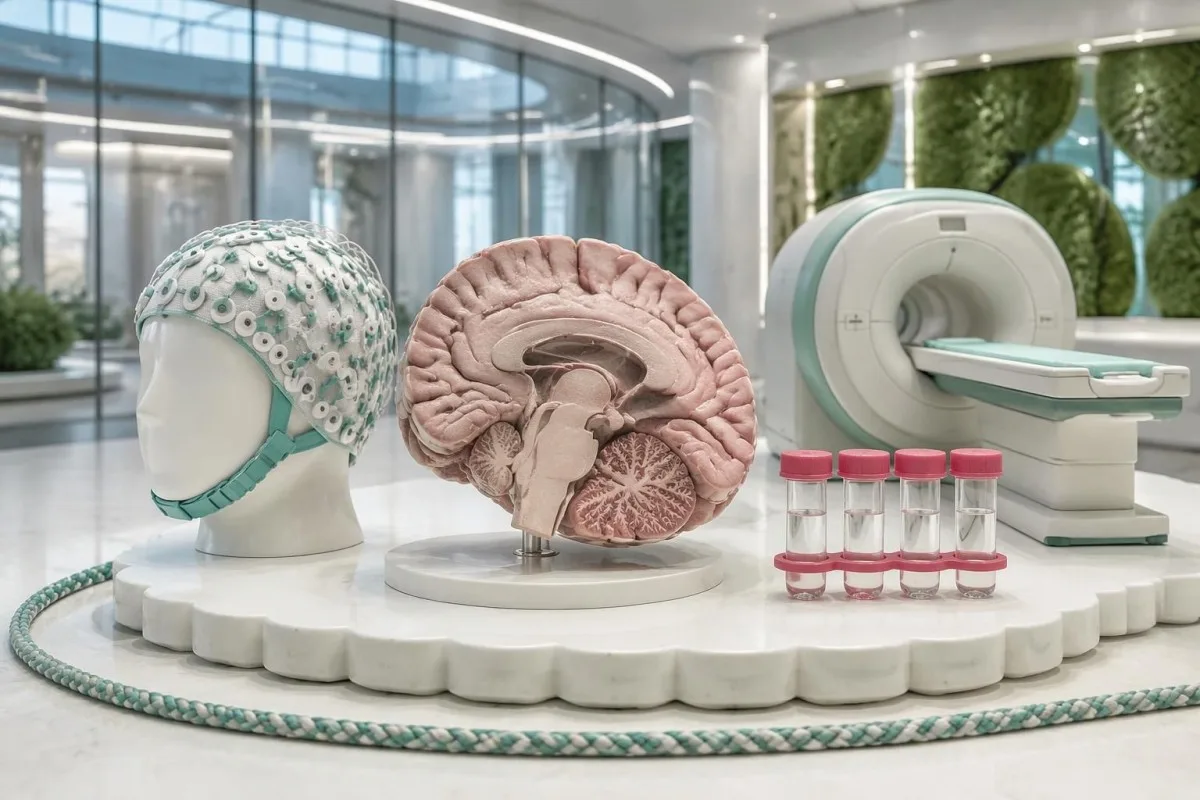
Delirium typically involves disturbed attention and an acute, fluctuating course, and it can include hallucinations or unusual beliefs. A hypothetical person alternating between coherent conversation and marked disorientation over 24 hours needs urgent medical assessment; a pre-existing schizophrenia diagnosis does not make delirium impossible.
New seizures, abnormal movements, reduced consciousness, or rapid cognitive decline can raise concern for an inflammatory brain disorder or another neurological cause. Our autoimmune encephalitis workup explains how MRI, EEG, and cerebrospinal fluid may contribute; 1 positive serum antibody does not independently establish that diagnosis.
Rare medical causes deserve targeted investigation when the accompanying pattern fits, not blanket screening of everyone. Severe episodic abdominal symptoms plus neurological or psychiatric changes can prompt a porphyria workup; our porphyria testing explanation describes why a correctly timed urine test can matter more than 1 general blood panel.
Substance and medication histories should be specific and nonjudgmental. Ask what was taken, approximate amounts, and timing during the preceding 48 hours and earlier weeks; cannabis, stimulants, corticosteroids, and withdrawal states can change diagnostic reasoning, while a negative toxicology screen cannot exclude every exposure or every detection-window limitation.
متى تستدعي أعراض الفصام مساعدة عاجلة؟
Seek emergency help for immediate danger, suicidal intent, dangerous commands someone may act on, severe confusion, or inability to meet basic needs. In the UK, call 999 or 112 for an emergency; new psychotic symptoms without immediate danger still warrant prompt assessment rather than waiting for a routine laboratory appointment.
Possible catatonia needs urgent assessment, including when someone becomes unusually immobile, stops speaking, maintains unusual postures, or refuses fluids. A hypothetical adult drinking nothing for 24 hours and remaining largely motionless should not be managed as simple low motivation; fever, rigidity, or reduced responsiveness further increases concern.
Sudden speech difficulty, one-sided weakness, collapse, or a severe new headache requires emergency medical evaluation. Our علامات التحذير من السكتة الدماغية explain why 1 new focal neurological sign should not be attributed to psychiatric illness, even when hallucinations or a previous mental-health diagnosis are also present.
New psychosis after childbirth is a medical emergency, particularly with little sleep, rapidly changing mood, or confused behavior. If a parent develops these changes 1 week after delivery, seek urgent assessment and ensure both parent and infant have safe support; do not wait to see whether the symptoms fit schizophrenia.
If there is no immediate danger, contact a local crisis service, primary-care clinician, or early-intervention service promptly. In England, NHS 111 offers a mental-health option; in the US, 988 provides crisis support and 911 handles immediate danger, while readers elsewhere should use local emergency or crisis services and avoid leaving an immediately unsafe person alone when it is safe to remain.
كيف يمكنك مساعدة شخص قد يكون مصابًا بالذهان؟
Help by listening calmly, checking immediate safety, and offering a specific route to assessment, rather than arguing about beliefs or announcing a diagnosis. A useful first conversation covers 3 practical needs: whether the person feels safe, whether they are eating and sleeping, and what assistance they would accept.

Short sentences and a quieter environment can make communication easier when attention is strained. Offer 2 realistic choices, such as contacting a clinician together or accompanying the person to an assessment, instead of several simultaneous demands; avoid crowding, sudden touching, or using threats to force cooperation.
Validate distress without confirming an unverified explanation. If someone believes their food is being tampered with, a supporter can acknowledge the fear and offer an acceptable meal while arranging help; asking how much they have eaten in the last 24 hours identifies a practical risk without requiring a debate about the belief.
A brief timeline can improve an appointment more than a long list of labels. Record 5 kinds of information: observed changes, approximate onset, sleep, substances or medicine changes, and effects on daily functioning; distinguish what you directly observed from what someone else reported, and ask the person's permission whenever possible.
مواد Kantesti إرشادات الخصوصية والبيانات is relevant when accompanying laboratory reports contain sensitive personal information. Share only what is needed and seek consent where possible; having access to 1 family member's report does not automatically authorize uploading their records, and emergency safety concerns should be addressed through clinical services rather than an AI tool.
ما العلاج المفيد بعد أول نوبة ذهانية؟
Treatment for first-episode psychosis commonly combines antipsychotic medication, psychological interventions, and practical support, tailored to diagnosis, preferences, and safety. NICE recommends individual CBT with at least 16 planned sessions and family intervention where appropriate; treatment should address everyday functioning as well as voices or delusions.
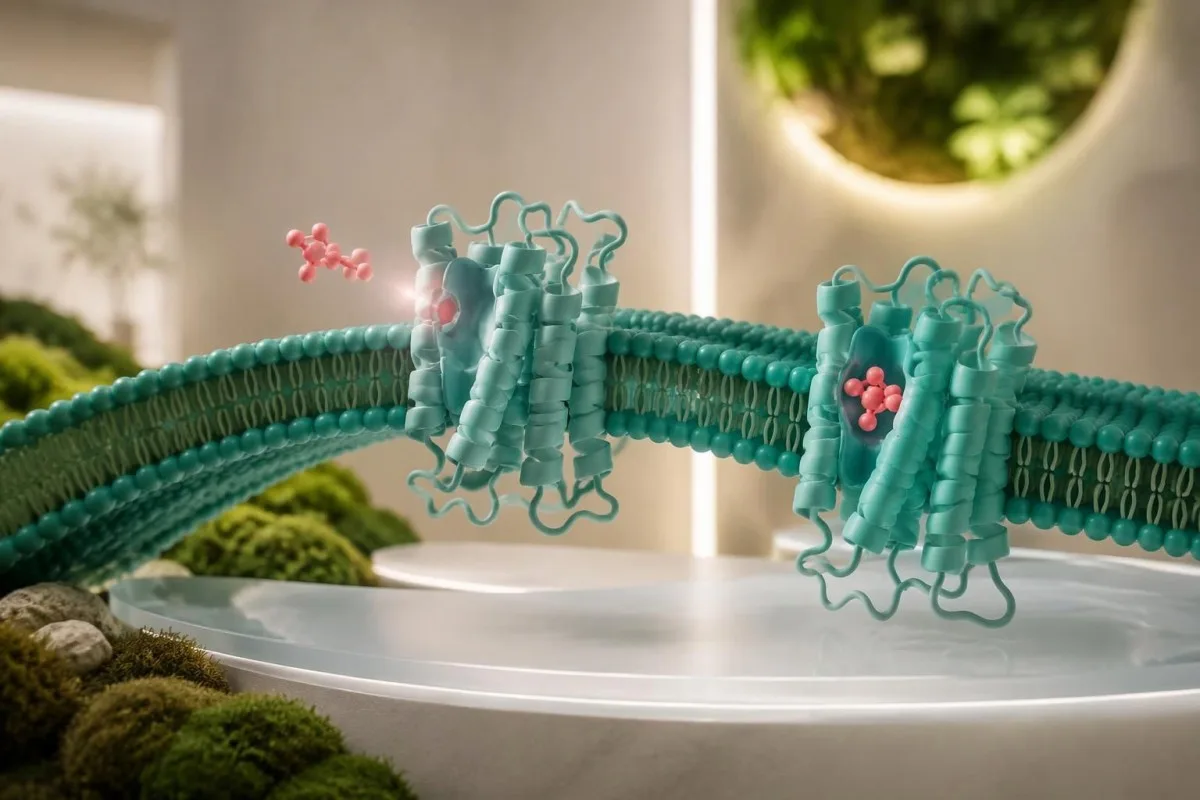
Medication choice is a shared clinical decision, including discussion of metabolic effects, movement symptoms, sedation, hormonal effects, and cardiovascular considerations. NICE advises treating an antipsychotic prescription as an explicit individual trial, generally assessing response after 4–6 weeks at an optimum dose while reviewing tolerability throughout (NICE, 2014).
Psychological treatment does not require the clinician to endorse a delusion or tell someone that their experience is imaginary. CBT for psychosis explores distress, interpretations, coping, and functioning; NICE describes family intervention as at least 10 planned sessions over 3 months to 1 year, adapted to the family's circumstances.
Clozapine is recommended for treatment-resistant schizophrenia after inadequate response to 2 adequate antipsychotic trials, subject to clinical assessment and local requirements. The APA guideline also recommends clozapine when suicide risk remains substantial despite other treatments (APA, 2020); our clozapine safety monitoring guide explains why monitoring is treatment-specific.
Recovery goals should be personal and measurable rather than limited to symptom counts. A hypothetical first goal might be returning to 2 supported study sessions weekly or preparing a regular meal; occupational, educational, housing, and social support can address barriers that medication alone does not remove, and prescriptions should never be changed through an automated laboratory interpretation.
لماذا تُعد الفحوصات الصحية الجسدية جزءًا من رعاية الفصام؟
Physical-health checks identify medication effects and health risks that deserve care independently of psychiatric symptoms. NICE recommends baseline assessment and repeat glucose or HbA1c and lipid testing at 12 weeks, 1 year, and annually during antipsychotic treatment; individual medicines and existing conditions may require additional monitoring.

Weight, blood pressure, movement symptoms, nutrition, and activity deserve discussion alongside laboratory results. NICE recommends weighing weekly for the first 6 weeks of antipsychotic treatment, then at 12 weeks, 1 year, and annually; early changes can support a timely conversation about treatment options rather than blame about willpower.
HbA1c of 6.5% equals 48 mmol/mol and is a diabetes diagnostic threshold, usually requiring confirmation when there are no clear symptoms. Our علامات تحذير ارتفاع نسبة السكر في الدم explains why thirst, frequent urination, weight loss, or acute illness can change urgency; this threshold says nothing about the severity of psychosis.
Some antipsychotics raise prolactin, which can affect sexual function, menstruation, fertility, or other aspects of health. A result 2 times the laboratory upper limit needs interpretation with symptoms, medicines, sampling conditions, and sometimes repeat testing; our mildly elevated prolactin guide explains why one result should not trigger unsupervised medication changes.
Smoking changes can alter clozapine exposure, because combustion products—not nicotine alone—affect its metabolism. A hypothetical person stopping cigarettes during a 1-week admission needs the prescribing team's attention; diet and supplements also deserve review, but no meal plan, vitamin panel, or supplement regimen has been established as a substitute for schizophrenia treatment.
المنشورات البحثية وحدود تفسير التحاليل المخبرية
The research references below distinguish schizophrenia guidance from supporting laboratory education. The 2 Zenodo guides explain serum proteins and immune tests; they are not schizophrenia diagnostic studies, and their DOIs do not establish peer review, psychiatric screening accuracy, or evidence that these tests should be ordered for early behavioral changes.
Kantesti هي خدمة تفسير تحاليل AI that explains reported measurements rather than diagnosing psychiatric disorders. Our الإشراف الفني والسريري describes the scope of our methodology; performance on laboratory interpretation is not evidence of accuracy for schizophrenia assessment, and those are 2 separate validation questions.
Serum albumin, globulins, and the A/G ratio reflect broad physiological processes, not a schizophrenia signature. Our دليل بروتينات المصل لدينا provides context for that laboratory family; a hypothetical A/G ratio of 0.9 must be interpreted against its laboratory interval and clinical setting, not converted into a psychiatric risk score.
Complement and ANA testing answer targeted immune questions, and indiscriminate testing can produce findings unrelated to the presenting symptoms. Our دليل المتمم وANA explains those limits; an isolated ANA titer of 1:80 does not establish an autoimmune explanation for psychosis or justify immune treatment without supporting clinical evidence.
Kantesti's role is to help readers understand accompanying reports while keeping diagnosis and urgent care with qualified clinicians. For a first episode—or a change after 5 stable years—bring the symptom timeline and original results to assessment; the NICE, WHO, and APA references below support the clinical discussion, while the repository publications support narrower laboratory education.
الأسئلة الشائعة
ما العلامات الأولى للفصام؟
قد تشمل العلامات المبكرة المحتملة للفصام الانسحاب الاجتماعي، وتراجع الأداء، والإدراكات غير المعتادة، والشكّ، والتغيرات في التفكير أو النوم، لكن هذه المؤشرات ليست محددة بما يكفي لتشخيص الفصام. وقد يجعل ظهور مجموعة من العلامات تؤثر في مجالين أو أكثر من مجالات الحياة التقييمَ مفيدًا على نحو خاص، مع أن ذلك لا يشكّل عتبة تشخيصية. وينبغي إخضاع ظهور أصوات جديدة، أو اعتناق معتقدات غير مألوفة بقوة، أو تراجع ملحوظ لتقييم سريري عاجل. لا تنتظر مرور أشهر على استمرار الأعراض أو ظهور نتيجة فحص الدم قبل طلب المساعدة.
هل يمكن أن تكون مصابًا بالفصام دون سماع أصوات؟
يمكن أن يُصاب الشخص بالفصام دون سماع أصوات، لأن الهلاوس السمعية ليست لازمة في جميع الحالات. يشترط DSM-5-TR وجود عرضين مميزين على الأقل خلال المرحلة النشطة، على أن يكون أحدهما على الأقل من الأوهام أو الهلاوس أو الكلام غير المنظم، إلى جانب استيفاء معايير إضافية تتعلق بالمدة والأداء الوظيفي. لذلك، قد يعاني الشخص أوهامًا بارزة أو كلامًا غير منظم دون هلاوس سمعية. كما يجب على الطبيب تقييم التفسيرات النفسية الأخرى، والتفسيرات المرتبطة بتعاطي المواد، والأسباب الطبية.
هل يمكن لفحص الدم تشخيص الفصام؟
لا يمكن لأي فحص دم روتيني تشخيص الفصام أو استبعاده، ولا توجد أي حدود معتمدة لمؤشرات حيوية روتينية لهذا الغرض. قد تُجرى فحوص الدم للتحري عن عوامل طبية مساهمة أو لمراقبة سلامة الأدوية، لكن هذين سؤالان سريريان مختلفان. على سبيل المثال، قد يكون فحص الغدة الدرقية أو فيتامين B12 مناسبًا عندما يشير التاريخ المرضي إلى وجود مشكلات فيهما. ولا تعني نتائج الفحوص المخبرية الطبيعية أن من الآمن تجاهل الهلاوس أو الأوهام المستمرة أو التراجع الوظيفي.
هل يُعدّ ضعف الدافعية والانسحاب الاجتماعي من علامات الفصام؟
Low motivation and social withdrawal can occur among the negative symptoms of schizophrenia, but they also occur with depression, sleep problems, medicines, stress, and other conditions. Clinicians commonly describe 5 negative-symptom domains: reduced expression, speech, motivation, pleasure, and social engagement. The assessment considers the person's baseline, associated symptoms, and alternative causes rather than counting behaviors on a checklist. New or persistent changes affecting daily life deserve assessment without assuming schizophrenia.
ما المدة التي يجب أن تستمر فيها الأعراض قبل تشخيص الفصام؟
تعتمد المدة المطلوبة على الإطار التشخيصي والنمط الكامل للأعراض. يتطلب DSM-5-TR عمومًا اضطرابًا مستمرًا لمدة 6 أشهر على الأقل، بما في ذلك مرحلة نشطة تستمر عادةً شهرًا واحدًا على الأقل، أو مدة أقل إذا كان العلاج ناجحًا. ويتطلب ICD-11 وجود أعراض مميزة معظم الوقت لمدة شهر واحد على الأقل، إلى جانب متطلبات تشخيصية إضافية. هذه الحدود الإرشادية تساعد على وضع التشخيص، لكنها لا تحدد متى ينبغي طلب المساعدة: ينبغي تقييم أول نوبة ذهانية على الفور.
متى ينبغي لشخص يُحتمل إصابته بالفصام التوجّه إلى قسم الطوارئ؟
تكون الرعاية الطارئة ضرورية عند وجود خطر وشيك لإيذاء النفس، أو أوامر خطيرة قد ينفذها الشخص، أو ارتباك شديد، أو انخفاض مستوى الاستجابة، أو العجز عن تلبية الاحتياجات الأساسية. في المملكة المتحدة، اتصل بالرقم 999 أو 112 عند وجود خطر فوري؛ وفي الولايات المتحدة، اتصل بالرقم 911 في حالات الطوارئ أو 988 للحصول على دعم الأزمات. كما تستدعي الأعراض العصبية المفاجئة، والحمى المصحوبة بتيبّس، وظهور أعراض ذهانية جديدة بعد الولادة تقييماً طبياً عاجلاً. وحتى إذا لم تنطوِ الأعراض الذهانية الجديدة على خطر فوري، فينبغي التواصل سريعاً مع طبيب أو خدمة الأزمات المحلية.
تعرّف على نتائج تحليل الدم
حمّل تقرير المختبر الخاص بك، وسيشرح الذكاء الاصطناعي في Kantesti كل مؤشر حيوي بلغة مبسطة خلال ثوانٍ. يستخدمه أكثر من مليوني شخص حول العالم.
مراجع
- كلاين، ت.، ميتشل، س.، وآمبر، ه. (2026). دليل بروتينات المصل: الغلوبولينات والألبومين ونسبة الألبومين إلى الغلوبولين في تحليل الدم. أبحاث Kantesti الطبية بالذكاء الاصطناعي. DOI
- كلاين، ت.، ميتشل، س.، وآمبر، ه. (2026). دليل فحوصات C3 وC4 في الدم وعيار ANA. أبحاث Kantesti الطبية بالذكاء الاصطناعي. DOI
- National Institute for Health and Care Excellence (2014). Psychosis and schizophrenia in adults: prevention and management (CG178). إرشادات NICE السريرية.
- World Health Organization (2024). Clinical descriptions and diagnostic requirements for ICD-11 mental, behavioural and neurodevelopmental disorders. منظمة الصحة العالمية.
- American Psychiatric Association (2020). The American Psychiatric Association Practice Guideline for the Treatment of Patients With Schizophrenia, Third Edition. American Psychiatric Association Publishing. DOI
- 2 مليون+الفحوصات المُحلَّلة
- 127+بلدان
- 100+اللغات
حول الفريق الطبي


إشارات الثقة E-E-A-T
خبرة
مراجعة سريرية تقودها طبيبة/طبيب لخطوات تفسير نتائج المختبر.
خبرة
تركيز طب المختبر على كيفية سلوك المؤشرات الحيوية في السياق السريري.
السلطة
راجع المحتوى طبيًا الدكتور توماس كلاين، بمساهمات من الدكتورة سارة ميتشل والأستاذ الدكتور هانس فيبر.
الجدارة بالثقة
تفسير قائم على الأدلة مع مسارات متابعة واضحة لتقليل حالة الإنذار.






إخلاء المسؤولية الطبية
هذه المقالة لأغراض تعليمية فقط ولا تشكل نصيحة طبية. استشر دائمًا مقدم رعاية صحية مؤهلًا لاتخاذ قرارات التشخيص والعلاج.
نُشر · تواصل مع فريق التحرير
نُشر بواسطة Kantesti Ltd، المسجلة في إنجلترا وويلز، رقم الشركة. 17090423, ، لندن، المملكة المتحدة.
