نیشانەکانی شیزۆفرێنیا دەتوانن هەڵەبینین، باوەڕی هەڵە، قسەکردنی ئاڵۆز، کەمبوونەوەی پاڵنەر و کێشەی مەعریفی لەخۆ بگرن. گۆڕانکارییە سەرەتاییەکان بە تەنها شیزۆفرێنیا ناسەلمێنن: ئەوە هەڵسەنگاندنی کلینیکییە کە دەیسەلمێنێت، و مەترسییەکی دەستبەجێ، ئاڵۆزییەکی توند یان نەتوانینی دابینکردنی پێداویستییە بنەڕەتییەکان پێویستی بە یارمەتیی خێرا هەیە.

خاڵە سەرەکییەکان
- نیشانەکانی شیزۆفرێنیا گۆڕانکاری لە تێگەیشتن، باوەڕ، قسەکردن، پاڵنەر و بیرکردنەوە دەگرنەوە؛ 1 نیشانە یان ئەنجامی نائاساییی تاقیکردنەوەی تاقیگە ناتوانێت نەخۆشییەکە بسەلمێنێت.
- نیشانە سەرەتاییەکان وەک دوورکەوتنەوە، خەوی خراپ یان دابەزینی ئەدا، نیشانەی تایبەت نین. ئەگەر بەسوودە، گۆڕانکارییەکان بۆ ماوەی 7 ڕۆژ تۆمار بکە، بەڵام هەڵسەنگاندن بۆ ئەزموونی نوێی پەریشانی دەروونی دوا مەخە.
- هەڵەبینین بریتییە لە تێگەیشتن لە شتێک بەبێ بوونی هاندەرێکی دەرەکیی هاوتا. ئەزموونەکان کە تەنها لە کاتی خەوتن یان خەبەربوون ڕوودەدەن، واتای کلینیکیی جیاوازیان هەیە لە دەنگە بەردەوامەکانی کاتی ڕۆژدا.
- نیشانە نەرێنییەکان کەمبوونەوەی دەربڕینی هەست، قسەکردن، پاڵنەر، چێژ و بەشداریی کۆمەڵایەتی لەخۆ دەگرن—5 بوار کە بە باوەڕێکی باو باس دەکرێن، نە بەڵگەی ئەوەی کە کەسێک تەمبەڵە.
- کاتی دەستنیشانکردنی نەخۆشی جیاوازییەکە: DSM-5-TR بە گشتی لانیکەم 6 مانگ تێکچوونی بەردەوام پێویست دەکات، لە کاتێکدا ICD-11 لانیکەم 1 مانگ نیشانەی تایبەتمەند پێویست دەکات. پێویستە پێش گەیشتن بە هەر یەک لەم سنوورانە یارمەتی دەست پێ بکات.
- خوێن-ئاڵوگۆڕەکان (Blood tests) دەتوانێت هۆکارە پزیشکییە بەشداربووەکان بپشکنێت و سەلامەتی چارەسەری چاودێری بکات؛ هیچ سنوورێکی پشتڕاستکراوەی تاقیکردنەوەی خوێنی ڕۆتین نییە کە شیزۆفرینیا دەستنیشان بکات.
- یارمەتیی فریاکەوتن بۆ زیانگەیاندنی خۆ بە شێوەیەکی نزیک، فەرمانە مەترسیدارەکان کە کەسێک ڕەنگە کاریان پێ بکات، سەرلێشێواوی توند، یان نەتوانینی خواردن یان خواردنەوە پێویستە. لە شانشینی یەکگرتوو، بۆ مەترسیی دەستبەجێ پەیوەندی بە 999 یان 112 بکەن.
- چارەسەر بە شێوەیەکی باو دەرمان، چاودێریی دەروونی و پشتگیریی کرداری تێکەڵ دەکات. NICE بۆ CBTی تاکەکەسی بۆ پەشێوی دەروونی، لانیکەم 16 دانیشتنی پلاندانراو پێشنیار دەکات.
کام نیشانە سەرەتاییەکانی شیزۆفرێنیا پێویستیان بە هەڵسەنگاندن هەیە؟
نیشانە سەرەتاییەکانی شیزۆفرینیا دەتوانن گوشەگیریی کۆمەڵایەتی، دابەزینی کارکردن، ئەزموونی نامۆ و گۆڕان لە خەو یان بیرکردنەوە بگرنەوە، بەڵام هیچ کامیان بە تەنها دەستنیشانکەر نین. کۆمەڵێک نیشانەی نوێ کە کاریگەری لەسەر 2 یان زیاتر بوار لە ژیانی ڕۆژانە هەبێت، شایانی گرنگیپێدانە، بە تایبەتی کاتێک کەسەکە ترساوە یان توانای ئاسایی خۆی لەدەست دەدات.

گۆڕان لە ئاستی ئاساییی کەسەکە گرنگترە لەوەی ڕەفتارێک لە بەرچاو کەسێکی تر نامۆ بێت. بۆ نموونە، قوتابییەکی خەیاڵی کە واز لە بەشداری لە 3 چالاکیی پێشووی دڵخۆشکەری دێنێت، لە شوێنکەوتنی گفتوگۆکاندا کێشەی هەیە و زیاتر گومانبار دەبێت، پێویستی بە هەڵسەنگاندنێکی جیاواز هەیە لە کەسێک کە هەمیشە تەنهایی پەسەند کردووە.
تێکچوونی خەو ئاماژەیە، نەک حوکمێکی کۆتایی. گەورەساڵێکی خەیاڵی کە لە ماوەی تاقیکردنەوەکاندا شەوانە 3 کاتژمێر دەخەوێت، ڕەنگە بەهۆی ماندووبوونەوە کەمبوونەوەی سەرنج یان هەستکردنی نامۆی پەیدا بکات؛ ڕێنمایی ئێمە دەربارەی خەوی خراپ و تاقیکردنەوەکان ڕوون دەکاتەوە بۆچی مێژووی خەو هەروەها شێوازی لێکدانەوەی ئەنجامە تاقیگەییە هاوڕێکەوتووەکان دەگۆڕێت.
Kantesti ئانالیزەری تاقیکردنی خوێنی AI ـە کە دەتوانن ئەنجامە تاقیگەییە هاوڕێکەوتووەکان ڕوون بکەنەوە، بەڵام ناتوانن دیاری بکەن کە ئایا گۆڕانە ڕەفتارییە سەرەتاییەکان شیزۆفرینیا نیشان دەدەن. بەشی کۆمپانیا و ئامانجی ئێمە ڕۆڵی ئێمە ڕوون دەکەنەوە؛ تۆماری 7 ڕۆژەی نیشانەکان شتێکە کە لەگەڵ پزیشکێکدا هاوبەش دەکرێت، نەک زانیارییەک کە دەستنیشانکردنێکی پزیشکیی دەروونی بەرهەم دەهێنێت.
NICE پێشنیار دەکات بێ دواخستن نێردراو بکرێت، کاتێک ئازار و دابەزینی کارکردنی کۆمەڵایەتی لەگەڵ نیشانە دەروونییە دەرکەوتووە کورتخایەنەکان یان کەمکراوەکان، یان هەندێک نیشانەی مەترسیی دیکە، پێکەوە هەبن (NICE, 2014). هەڵسەنگاندن دوای 1 ڕووداوی نیگەرانکەر ڕەنگە خەمۆکی، تروما، کاریگەریی ماددەکان یان پەشێوی دەروونییەکی گەشەسەندوو بدۆزێتەوە؛ بە شێوەیەکی خۆکارانە ناوی شیزۆفرینیا لەسەر کەسەکە دانانێت.
هەڵەبینین چۆن هەست پێدەکرێت، و شتی دیکەی چی دەیانەهێنێت؟
هەڵەبینین ئەزموونی هەستیین کە هیچ هۆکارێکی دەرەکی هاوتایان نییە؛ بیستنی دەنگ لە شیزۆفرینیادا باوە، بەڵام خەیاڵی هەستیین لە حاڵەتەکانی دیکەشدا ڕوودەدەن. هەڵسەنگاندن لانیکەم 3 پرسیار لێک جیا دەکاتەوە: چی ڕوویدا، کەی ڕوویدا، و ئایا ئازار یان مەترسی دروست دەکات.
ئەزموونە بیستەییەکان دەتوانن وەک لێدوان، گفتوگۆ، مۆسیقا یان ڕێنمایی دەنگ بدەن، و ڕەنگە وەک شتێکی ناوخۆیی یان دەرەکی هەست پێ بکرێن. لە ماوەی 24 کاتژمێردا، پزیشکێک ڕەنگە بپرسێت ئایا ئەزموونەکان کاتێک ڕوودەدەن کە کەسەکە تەواو بێدارە، چەندە درێژەیان دەکێشێت، و ئایا دەنگەکانی دەوروبەر دەتوانن ڕوونیان بکەنەوە؛ هەستکردن بە شوێنیان لە ناو سەردا بە خۆی نایانکاتە شتێکی بێمەترسی.
ئەزموونەکانی کاتی گواستنەوەی خەو لە خەیاڵی هەستیینی بەردەوامی کاتی بێداری جیاوازن و دەتوانن بەبێ پەشێوی دەروونی ڕووبدەن. ئەگەر هەستکردنە نامۆکان تەنها لە کاتی خەوتن یان لە بێداربوونەوەدا ڕووبدەن، خەواڵووییی زۆری ڕۆژانە و نیشانە پەیوەندیدارەکان ڕەنگە ئاماژە بن بۆ هەڵسەنگاندنی خەو؛ ڕوونکردنەوەی تاقیکردنەوەی نارکۆلێپسی ڕوون دەکاتەوە بۆچی پزیشکان زیاتر لە 1 ئاماژەی پەیوەندیدار بە خەو بەکاردەهێنن.
کەمئەندامیی هەستی، لەدەستدانی کەسێکی خۆشەویست، دەرمان، ژەهراویبوون، وازهێنان لە ماددە، و نەخۆشیی عەصەبییش دەتوانن ببنە هۆی خەیاڵی هەستیین. پیرەمێردێکی خەیاڵی تەمەنی 72 ساڵ کە لە ماوەی 2 ڕۆژدا ئەزموونی بینراوی نوێ و ئاگاییی هەڵچوونوداکشان هەیە، پێویستی بە هەڵسەنگاندن بۆ دێلیریۆم یان هۆکارێکی پزیشکیی دیکە هەیە، نەک گریمانەکردنی شیزۆفرینیای دەستپێکردوو لە تەمەنی پیریدا.
Command voices require a safety assessment, not an automatic assumption that someone will act on them. Ask about 3 concrete factors: what the voice says, whether the person feels compelled to obey, and whether they can stay safe; commands involving harm with intent or inability to resist warrant immediate help.
باوەڕی هەڵە چۆن لە نیگەرانی یان باوەڕی نامۆ جیاوازە؟
Delusions are beliefs held with strong conviction despite compelling contrary evidence, assessed within the person's cultural and social context. Clinicians examine at least 3 dimensions—conviction, openness to alternatives, and consequences—rather than diagnosing schizophrenia because a belief sounds unfamiliar or implausible to an observer.
Persecutory delusions can involve beliefs that others are monitoring, targeting, or plotting against the person; referential delusions can involve interpreting ordinary events as personally directed messages. A hypothetical person changing travel routes 4 times to avoid an alleged surveillance team may need assessment of both the belief and the resulting disruption.
Real threats must not be dismissed as delusions. Abuse, discrimination, stalking, and exploitation can occur, including in people with established psychiatric diagnoses; 1 unusual detail does not invalidate an entire account, and a clinician should investigate plausible safety concerns rather than use psychiatric history as a shortcut.
Mood timing changes the differential diagnosis. A hypothetical adult who develops grandiose beliefs during 5 days of markedly increased energy and little need for sleep may have a manic episode; our mood swings and laboratories explains why testing can address contributors without distinguishing bipolar disorder from schizophrenia.
Repeated confrontation often damages trust without resolving a firmly held belief. A supporter can use 2 steps: acknowledge the fear or distress, then offer practical help without endorsing the explanation; discussing whether the person is eating, sleeping, or feeling safe is usually more useful than trying to win an argument.
نیشانە نەرێنییەکانی شیزۆفرێنیا چین؟
Negative symptoms of schizophrenia describe reductions in ordinary emotional expression, speech, motivation, pleasure, or social engagement. These 5 domains are commonly termed blunted affect, alogia, avolition, anhedonia, and asociality; they describe difficulties in functioning, not character flaws or a person's capacity to care.

Avolition means difficulty initiating or sustaining purposeful activity, even when the person understands its value. A hypothetical adult may want to prepare breakfast yet remain unable to begin for 2 hours; simply adding pressure can miss problems with initiation, planning, fatigue, or anticipation of reward.
Reduced expression does not reliably reveal the intensity of someone's internal feelings. A person who gives 1-word answers or shows little facial movement may still feel affection, anxiety, or sadness; communication should allow extra time and avoid interpreting a quiet response as indifference or refusal to participate.
Secondary negative symptoms can arise from depression, sedating medicines, ongoing paranoia, substance use, or a low-stimulation environment. Our low motivation laboratory guide addresses selected medical contributors, but 1 thyroid or vitamin result cannot distinguish primary negative symptoms from these overlapping causes.
Pleasure can be uneven: some people struggle more with anticipating enjoyment than with enjoying an activity once it starts. A practical experiment is 1 short, supported activity chosen by the person, followed by asking how it actually felt; the result guides support, not a diagnosis or a promise of recovery.
کام گۆڕانکارییە مەعریفی و قسەکردنە دەتوانن هاوڕێی شیزۆفرێنیا بن؟
Cognitive changes can affect attention, working memory, processing speed, and planning, while disorganized speech can make connections between ideas difficult to follow. These are distinct problems: an assessment should separate at least 2 issues—trouble organizing thought and trouble performing a task under everyday demands.
Disorganized speech may involve frequent derailment, answers loosely connected to questions, or speech that becomes difficult to understand. A hypothetical conversation moving through 4 unrelated topics can raise concern, but language proficiency, hearing, anxiety, developmental differences, and the person's usual communication style must be considered before interpreting it.
Working-memory difficulty can make multistep tasks unexpectedly hard. Someone may remember the first of 3 instructions but lose the remaining steps; offering one instruction at a time, using reminders, and reducing distractions are accommodations that can help before the precise cause of the difficulty is established.
A lifelong attention pattern is different from a recent decline. Our adult ADHD symptom guide explains why a history extending back to childhood matters; a new deterioration over 2 months should not be explained away by an unconfirmed ADHD label.
At Kantesti, we treat laboratory explanations of fatigue or brain fog as separate from psychiatric diagnostic reasoning. A hypothetical person with corrected anemia who remains unable to follow a 10-minute conversation still needs follow-up; improvement in a laboratory value does not prove that cognitive symptoms have resolved or identify their cause.
نیشانەکانی شیزۆفرێنیا لە گەورەساڵاندا بە پێی تەمەن چۆن دەگۆڕێن؟
Schizophrenia symptoms in adults vary in onset, severity, and impact; the same symptom can have different implications at different ages. A first presentation at 22 and a first presentation at 72 both need assessment, but later onset increases the need to investigate medical, neurological, medication, and sensory contributors.

Schizophrenia commonly begins in late adolescence or early adulthood, but age alone cannot confirm or exclude it. For a hypothetical 24-year-old, clinicians may reconstruct the relationship between missed work, unusual beliefs, substance exposure, and sleep across several months instead of relying only on what happens during 1 appointment.
First-onset psychosis in an older adult should prompt careful review of medicines, cognition, physical health, hearing, and vision. Our ڕێنماییەکەمان لەبارەی کاریگەرییەکانی دەرمان لە کەسانی تەمەنزیاد explains why a newly added treatment or a dose change 2 weeks earlier can be a more useful clue than a broad psychiatric label.
People can have episodic worsening, persistent difficulties, or substantial improvement with treatment and support. A hypothetical adult managing work for 5 years before a recurrence does not erase the original diagnosis; equally, a first psychotic episode does not establish what the person's long-term course will be.
Schizophrenia is not a split personality, and psychosis does not mean someone is inherently violent. Risk assessment concerns specific circumstances—such as intoxication, severe fear, access to means, or expressed intent—not a diagnosis alone; 1 frightened presentation should not define how family members or services treat a person.
هەڵسەنگاندنی کلینیکی چۆن شیزۆفرێنیا دەسەلمێنێت؟
Schizophrenia is diagnosed clinically, using the symptom pattern, duration, functioning, and exclusion of better explanations—not a blood test or online checklist. DSM-5-TR generally requires at least 6 months of continuous disturbance; ICD-11 requires characteristic symptoms for at least 1 month, with additional requirements in both systems.
DSM-5-TR requires at least 2 characteristic symptoms during a significant portion of a 1-month period, or less if successfully treated, with at least one being delusions, hallucinations, or disorganized speech. It also requires functional deterioration and a longer course of disturbance; the criteria are not a self-scoring tool.
ICD-11 uses a different structure and requires at least 2 characteristic symptoms, including at least one from its core group, present most of the time for 1 month or more. WHO's clinical requirements emphasize the overall presentation and differential diagnosis rather than mechanically translating every DSM rule into ICD terminology (WHO, 2024).
Assessment often takes more than 1 conversation, particularly when symptoms are new or the history is unclear. With appropriate consent and attention to confidentiality, information from relatives, previous records, and the person's own account can clarify timing; lack of agreement between accounts should be explored rather than treated as proof that someone is unreliable.
Support should not wait for a 6-month diagnostic threshold to pass. A first episode may initially receive a broader working diagnosis while treatment and investigation proceed; our بنەماکانی زیرەکی دەستکردی بەرپرسانەی ئێمە reflect why automated laboratory interpretation must not substitute for this evolving clinical judgment.
ئایا تاقیکردنەوەی خوێن دەتوانێت شیزۆفرێنیا بدۆزێتەوە یان هۆکاری نیشانەکان ڕوون بکاتەوە؟
No routine blood test diagnoses schizophrenia, and normal results do not rule it out. Laboratories serve 2 different purposes in this setting: investigating plausible medical contributors and establishing physical-health or medication-safety baselines; neither purpose turns a biomarker panel into a schizophrenia screening test.
Testing is selected from the history and examination, rather than ordered as an unlimited panel. A clinician may consider a CBC, electrolytes, kidney or liver tests, thyroid function, B12, or other investigations; our هۆرمۆنی تیروئید shows why 2 related thyroid measurements can be more informative than one isolated result.
B12 deficiency can contribute to neurological or cognitive symptoms, sometimes without marked anemia. In a hypothetical example, B12 of 160 pg/mL against that laboratory's 200–900 pg/mL interval warrants medical review; our لێکدانەوەی سنووری B12 explains why assay ranges and follow-up testing matter, without claiming that deficiency explains every symptom.
Kantesti پلاتفۆرمێکی تێکست-وەسفی تێستەکانی خوێنی AI ـە that can help explain these 2 laboratory roles without converting results into a psychiatric label. We encourage readers to bring the original report, medicine list, and symptom timeline to the assessing clinician; an interpretation should preserve uncertainty when symptoms and laboratory findings do not fit neatly together.
Research measurements of immune activity, metabolism, proteins, or genetic associations are not validated routine diagnostic thresholds for schizophrenia. A result showing 1 elevated inflammatory marker may reflect many unrelated processes; commercial-sounding claims that a panel can confirm psychosis should be questioned for independent validation and clear intended-use limits.
کام دۆخان دەتوانن لە شیزۆفرێنیا بچن؟
Psychosis can arise from mood disorders, substances, medicines, delirium, and neurological or other medical illnesses, as well as schizophrenia-spectrum disorders. Timing is central: symptoms developing over 2 days with fluctuating attention require a different workup from a gradual change over several months with preserved alertness.
Delirium typically involves disturbed attention and an acute, fluctuating course, and it can include hallucinations or unusual beliefs. A hypothetical person alternating between coherent conversation and marked disorientation over 24 hours needs urgent medical assessment; a pre-existing schizophrenia diagnosis does not make delirium impossible.
New seizures, abnormal movements, reduced consciousness, or rapid cognitive decline can raise concern for an inflammatory brain disorder or another neurological cause. Our autoimmune encephalitis workup explains how MRI, EEG, and cerebrospinal fluid may contribute; 1 positive serum antibody does not independently establish that diagnosis.
Rare medical causes deserve targeted investigation when the accompanying pattern fits, not blanket screening of everyone. Severe episodic abdominal symptoms plus neurological or psychiatric changes can prompt a porphyria workup; our porphyria testing explanation describes why a correctly timed urine test can matter more than 1 general blood panel.
Substance and medication histories should be specific and nonjudgmental. Ask what was taken, approximate amounts, and timing during the preceding 48 hours and earlier weeks; cannabis, stimulants, corticosteroids, and withdrawal states can change diagnostic reasoning, while a negative toxicology screen cannot exclude every exposure or every detection-window limitation.
کەی نیشانەکانی شیزۆفرێنیا پێویستیان بە یارمەتیی خێرا هەیە؟
Seek emergency help for immediate danger, suicidal intent, dangerous commands someone may act on, severe confusion, or inability to meet basic needs. In the UK, call 999 or 112 for an emergency; new psychotic symptoms without immediate danger still warrant prompt assessment rather than waiting for a routine laboratory appointment.
Possible catatonia needs urgent assessment, including when someone becomes unusually immobile, stops speaking, maintains unusual postures, or refuses fluids. A hypothetical adult drinking nothing for 24 hours and remaining largely motionless should not be managed as simple low motivation; fever, rigidity, or reduced responsiveness further increases concern.
Sudden speech difficulty, one-sided weakness, collapse, or a severe new headache requires emergency medical evaluation. Our نیشانە ئاگادارکەرەوەکانی سکتهی مێشک explain why 1 new focal neurological sign should not be attributed to psychiatric illness, even when hallucinations or a previous mental-health diagnosis are also present.
New psychosis after childbirth is a medical emergency, particularly with little sleep, rapidly changing mood, or confused behavior. If a parent develops these changes 1 week after delivery, seek urgent assessment and ensure both parent and infant have safe support; do not wait to see whether the symptoms fit schizophrenia.
If there is no immediate danger, contact a local crisis service, primary-care clinician, or early-intervention service promptly. In England, NHS 111 offers a mental-health option; in the US, 988 provides crisis support and 911 handles immediate danger, while readers elsewhere should use local emergency or crisis services and avoid leaving an immediately unsafe person alone when it is safe to remain.
چۆن دەتوانیت یارمەتی کەسێک بدەیت کە لەوانەیە تووشی پەریشانی دەروونی بووبێت؟
Help by listening calmly, checking immediate safety, and offering a specific route to assessment, rather than arguing about beliefs or announcing a diagnosis. A useful first conversation covers 3 practical needs: whether the person feels safe, whether they are eating and sleeping, and what assistance they would accept.
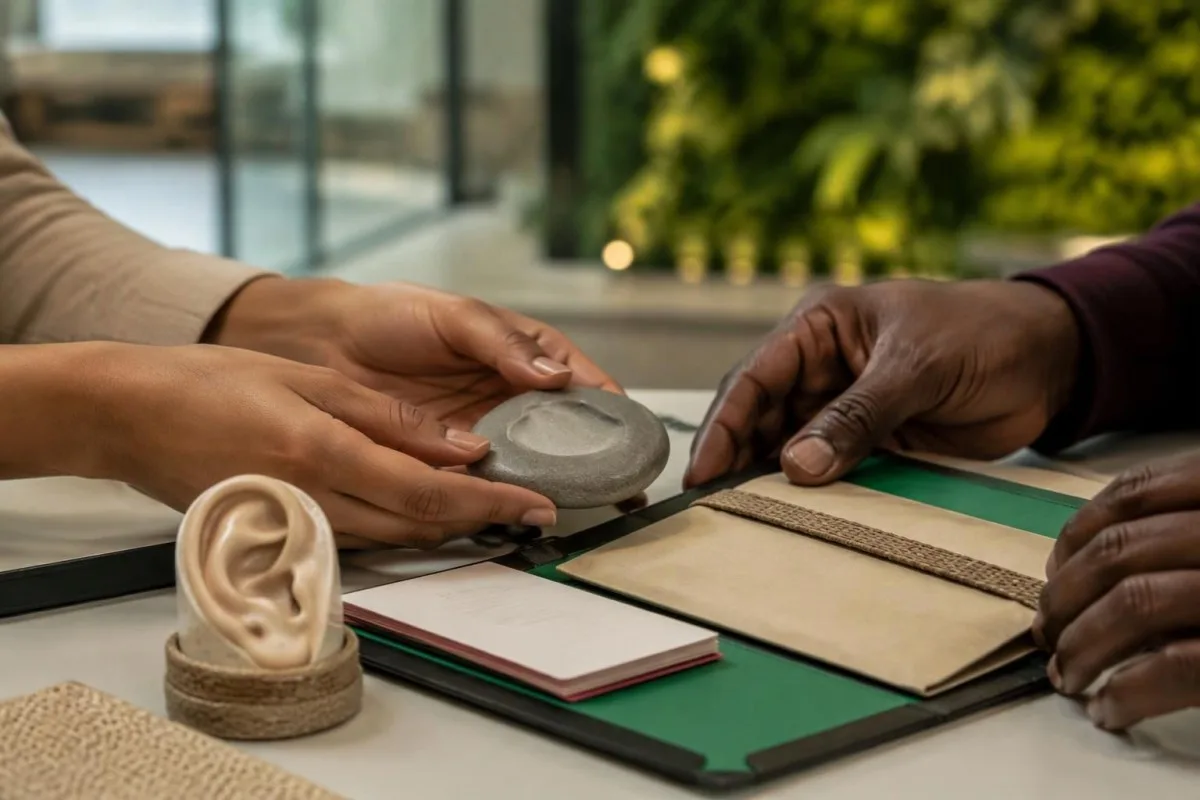
Short sentences and a quieter environment can make communication easier when attention is strained. Offer 2 realistic choices, such as contacting a clinician together or accompanying the person to an assessment, instead of several simultaneous demands; avoid crowding, sudden touching, or using threats to force cooperation.
Validate distress without confirming an unverified explanation. If someone believes their food is being tampered with, a supporter can acknowledge the fear and offer an acceptable meal while arranging help; asking how much they have eaten in the last 24 hours identifies a practical risk without requiring a debate about the belief.
A brief timeline can improve an appointment more than a long list of labels. Record 5 kinds of information: observed changes, approximate onset, sleep, substances or medicine changes, and effects on daily functioning; distinguish what you directly observed from what someone else reported, and ask the person's permission whenever possible.
Kantesti's ڕێنمایی تایبەتمەندی و داتا is relevant when accompanying laboratory reports contain sensitive personal information. Share only what is needed and seek consent where possible; having access to 1 family member's report does not automatically authorize uploading their records, and emergency safety concerns should be addressed through clinical services rather than an AI tool.
دوای یەکەم ئەزموونی پەریشانی دەروونی، کام چارەسەری یارمەتیدەرە؟
Treatment for first-episode psychosis commonly combines antipsychotic medication, psychological interventions, and practical support, tailored to diagnosis, preferences, and safety. NICE recommends individual CBT with at least 16 planned sessions and family intervention where appropriate; treatment should address everyday functioning as well as voices or delusions.
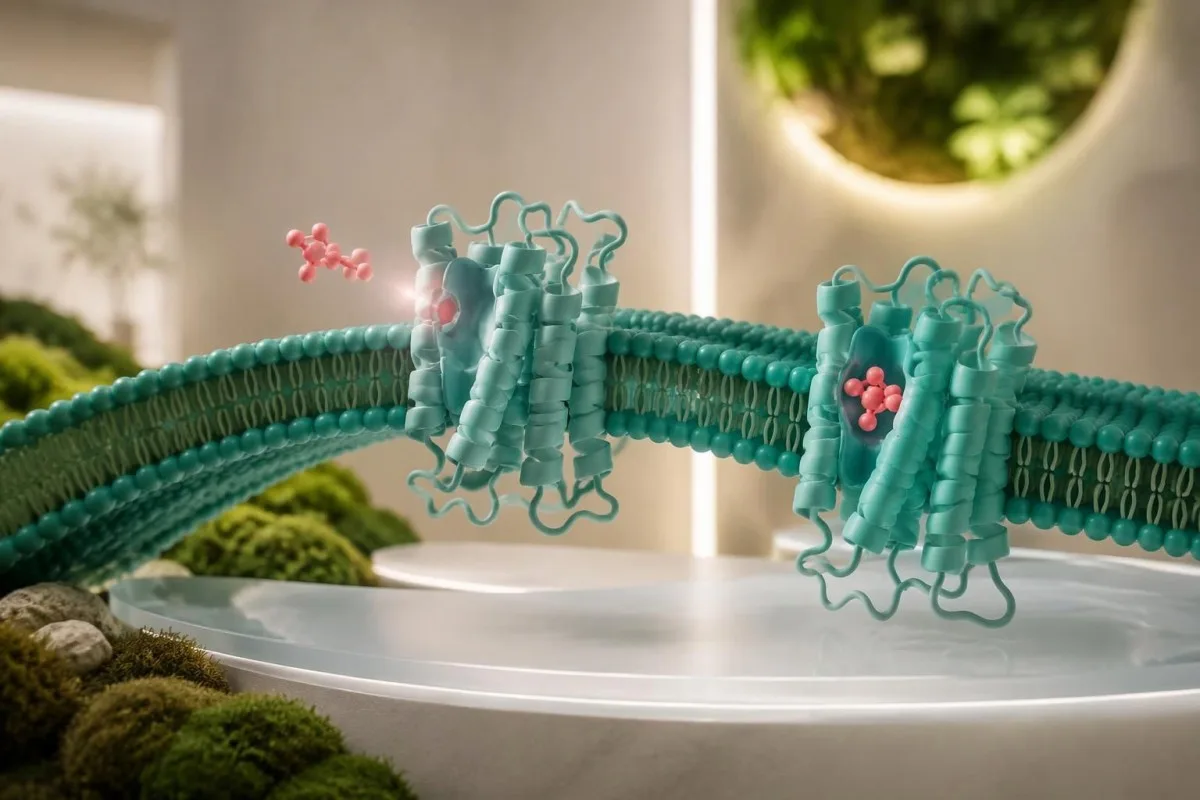
Medication choice is a shared clinical decision, including discussion of metabolic effects, movement symptoms, sedation, hormonal effects, and cardiovascular considerations. NICE advises treating an antipsychotic prescription as an explicit individual trial, generally assessing response after 4–6 weeks at an optimum dose while reviewing tolerability throughout (NICE, 2014).
Psychological treatment does not require the clinician to endorse a delusion or tell someone that their experience is imaginary. CBT for psychosis explores distress, interpretations, coping, and functioning; NICE describes family intervention as at least 10 planned sessions over 3 months to 1 year, adapted to the family's circumstances.
Clozapine is recommended for treatment-resistant schizophrenia after inadequate response to 2 adequate antipsychotic trials, subject to clinical assessment and local requirements. The APA guideline also recommends clozapine when suicide risk remains substantial despite other treatments (APA, 2020); our clozapine safety monitoring guide explains why monitoring is treatment-specific.
Recovery goals should be personal and measurable rather than limited to symptom counts. A hypothetical first goal might be returning to 2 supported study sessions weekly or preparing a regular meal; occupational, educational, housing, and social support can address barriers that medication alone does not remove, and prescriptions should never be changed through an automated laboratory interpretation.
بۆچی پشکنینی تەندروستیی جەستەیی بەشێکە لە چاودێریی شیزۆفرێنیا؟
Physical-health checks identify medication effects and health risks that deserve care independently of psychiatric symptoms. NICE recommends baseline assessment and repeat glucose or HbA1c and lipid testing at 12 weeks, 1 year, and annually during antipsychotic treatment; individual medicines and existing conditions may require additional monitoring.

Weight, blood pressure, movement symptoms, nutrition, and activity deserve discussion alongside laboratory results. NICE recommends weighing weekly for the first 6 weeks of antipsychotic treatment, then at 12 weeks, 1 year, and annually; early changes can support a timely conversation about treatment options rather than blame about willpower.
HbA1c of 6.5% equals 48 mmol/mol and is a diabetes diagnostic threshold, usually requiring confirmation when there are no clear symptoms. Our نیشانە هۆشدارییەکانی زۆربوونی شەکری خوێن بکە explains why thirst, frequent urination, weight loss, or acute illness can change urgency; this threshold says nothing about the severity of psychosis.
Some antipsychotics raise prolactin, which can affect sexual function, menstruation, fertility, or other aspects of health. A result 2 times the laboratory upper limit needs interpretation with symptoms, medicines, sampling conditions, and sometimes repeat testing; our mildly elevated prolactin guide explains why one result should not trigger unsupervised medication changes.
Smoking changes can alter clozapine exposure, because combustion products—not nicotine alone—affect its metabolism. A hypothetical person stopping cigarettes during a 1-week admission needs the prescribing team's attention; diet and supplements also deserve review, but no meal plan, vitamin panel, or supplement regimen has been established as a substitute for schizophrenia treatment.
بڵاوکراوەکانی توێژینەوە و سنوورەکانی لێکدانەوەی تاقیگەیی
The research references below distinguish schizophrenia guidance from supporting laboratory education. The 2 Zenodo guides explain serum proteins and immune tests; they are not schizophrenia diagnostic studies, and their DOIs do not establish peer review, psychiatric screening accuracy, or evidence that these tests should be ordered for early behavioral changes.
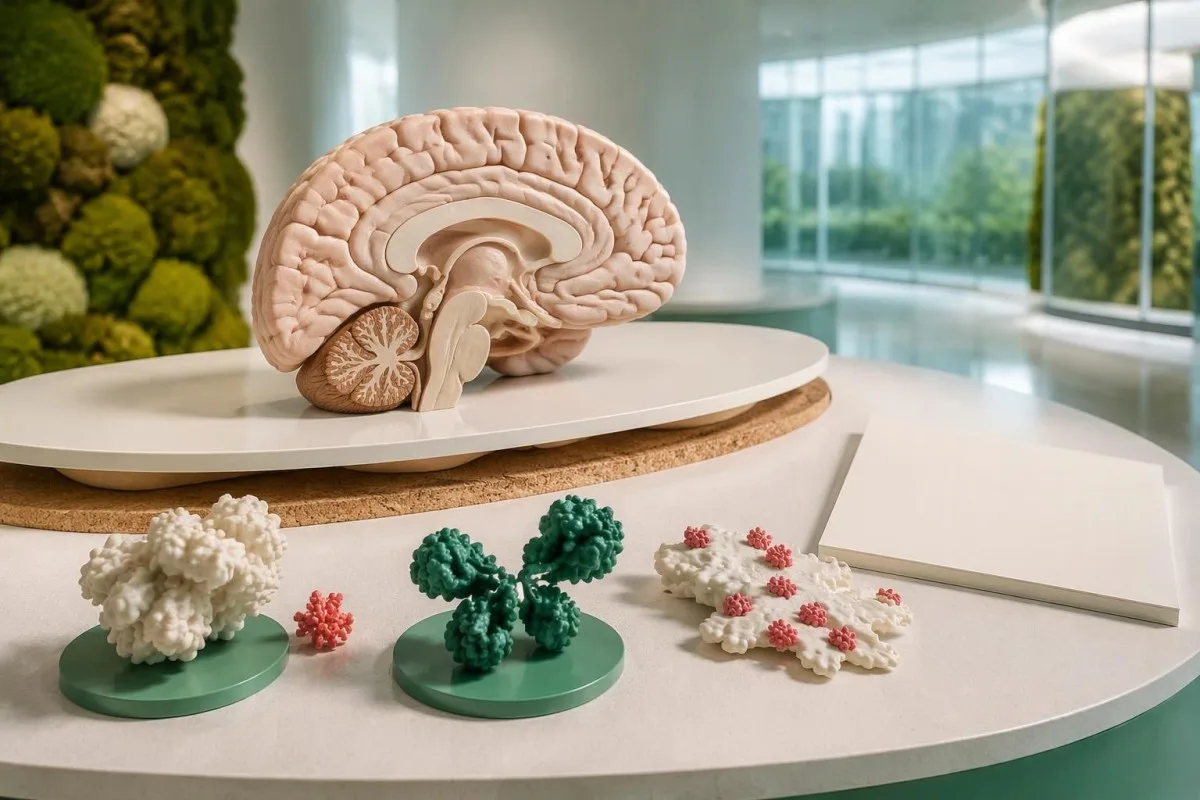
Kantesti خزمەتگوزاری تێکست/وەڵامدانەوەی تاقیکردنەوەی AI ـە that explains reported measurements rather than diagnosing psychiatric disorders. Our چاودێریی تەکنیکی و کلینیکی describes the scope of our methodology; performance on laboratory interpretation is not evidence of accuracy for schizophrenia assessment, and those are 2 separate validation questions.
Serum albumin, globulins, and the A/G ratio reflect broad physiological processes, not a schizophrenia signature. Our ڕێنمایی پروتینەکانی سەرەوەی خوێن (serum proteins) provides context for that laboratory family; a hypothetical A/G ratio of 0.9 must be interpreted against its laboratory interval and clinical setting, not converted into a psychiatric risk score.
Complement and ANA testing answer targeted immune questions, and indiscriminate testing can produce findings unrelated to the presenting symptoms. Our ڕێنمایی complement و ANA explains those limits; an isolated ANA titer of 1:80 does not establish an autoimmune explanation for psychosis or justify immune treatment without supporting clinical evidence.
Kantesti's role is to help readers understand accompanying reports while keeping diagnosis and urgent care with qualified clinicians. For a first episode—or a change after 5 stable years—bring the symptom timeline and original results to assessment; the NICE, WHO, and APA references below support the clinical discussion, while the repository publications support narrower laboratory education.
پرسیاره باوهكان
یەکەم نیشانەکانی شیزۆفرینیا چین؟
نیشانە زووەکانی ئەگەری شیزۆفرێنیا دەکرێت دوورکەوتنەوە لە خەڵک، خراپتربوونی کارکردن، هەستپێکردنی شتی نامۆ، گومانکاری، و گۆڕانکاری لە بیرکردنەوە یان خەوتندا بگرێتەوە؛ بەڵام ئەم دۆزینەوانە بە تەنها تایبەت بە شیزۆفرێنیا نین و بۆ دەستنیشانکردنی نەخۆشییەکە بەس نین. کۆمەڵێک نیشانە کە کاریگەری لەسەر دوو یان زیاتر لە بوارەکانی ژیان هەبێت، دەکرێت هەڵسەنگاندن بە تایبەتی بەسوود بکات، هەرچەندە ئەمە سنوورێکی دەستنیشانکردن نییە. دەنگی نوێ، باوەڕی نامۆی بەهێز و جێگیر، یان دابەزینێکی بەرچاو، پێویستی بە هەڵسەنگاندنی کلینیکی خێرا هەیە. بۆ داوای یارمەتی چاوەڕێی چەند مانگێک نیشانە یان ئەنجامی پشکنینی خوێن مەکە.
ئایا دەتوانیت شیزۆفرینیا هەبێت بەبێ ئەوەی دەنگ ببیستیت؟
کەسێک دەتوانێت شیزۆفرینی هەبێت، بەبێ ئەوەی دەنگ ببیستێت، چونکە خەیاڵی بیستن لە هەموو شێوازەکانی دەرکەوتندا پێویست نییە. DSM-5-TR پێویستی بە هەبوونی لانیکەم 2 نیشانەی تایبەتمەندی لە ماوەی قۆناغی چالاکدا هەیە، کە دەبێت لانیکەم یەکێک لە خەیاڵە باوەڕکراوەکان، خەیاڵەکان، یان قسەکردنی شێواون تێیدا بێت، لەگەڵ پێوەرەکانی تری ماوە و کارکردن. بۆیە، کەسێک دەتوانێت خەیاڵە باوەڕکراوەکان یان قسەکردنی شێواوی زۆری هەبێت، بەبێ خەیاڵی بیستن. پزیشکی پسپۆڕ هەروەها دەبێت هۆکارە دەروونییەکان، پەیوەندیدار بە ماددەکان، و پزیشکییەکانی تر هەڵبسەنگێنێت.
ئایا دەتوانرێت بە تاقیکردنەوەی خوێن شیزۆفرینیا دەستنیشان بکرێت؟
هیچ تاقیکردنەوەی خوێنی ڕۆتین ناتوانێت شیزۆفرێنی تشخیص بدات یان ڕەتی بکاتەوە، و هیچ سنووری بایۆمارکەری ڕۆتینی پشتڕاستکراوەیەک بۆ ئەو مەبەستە نییە. تاقیکردنەوەکانی خوێن ڕەنگە بۆ لێکۆڵینەوە لە هۆکارە پزیشکییەکان یان چاودێریکردنی سەلامەتی دەرمان بەکاربهێنرێن، بەڵام ئەمانە پرسیاری کلینیکیی جیاوازن. بۆ نموونە، کاتێک مێژووی نەخۆشی نیشانەی ئەو کێشانە بدات، لەوانەیە تاقیکردنەوەی تیروئید یان ڤیتامین B12 گونجاو بێت. ئەنجامە ئاساییەکانی تاقیکردنەوەی تاقیگەیی نابنە هۆی ئەوەی پشتگوێخستنی هەڵەبینین، باوەڕی هەڵە، یان کەمبوونەوەی توانای کارکردن کە بەردەوام بن، بێمەترسی بێت.
ئایا کەمبوونەوەی ورە و دوورکەوتنەوەی کۆمەڵایەتی نیشانەی شیزۆفرێنیا دەبن؟
Low motivation and social withdrawal can occur among the negative symptoms of schizophrenia, but they also occur with depression, sleep problems, medicines, stress, and other conditions. Clinicians commonly describe 5 negative-symptom domains: reduced expression, speech, motivation, pleasure, and social engagement. The assessment considers the person's baseline, associated symptoms, and alternative causes rather than counting behaviors on a checklist. New or persistent changes affecting daily life deserve assessment without assuming schizophrenia.
نیشانەکان دەبێت ماوەیەکی چەند بخایەنن تا نەخۆشیی شیزۆفرینیا دەستنیشان بکرێت؟
ماوەی پێویست بە چوارچێوەی دەستنیشانکردن و شێوازی تەواوی نیشانەکانەوە پەیوەستە. DSM-5-TR بە گشتی داوای لانیکەم ٦ مانگ ئاڵۆزییەکی بەردەوام دەکات، کە قۆناغێکی چالاکی زۆرجار لانیکەم ١ مانگ دەخایەنێت، یان ئەگەر چارەسەر سەرکەوتوو بێت ماوەکە کەمتر دەبێت. ICD-11 داوای هەبوونی نیشانە تایبەتمەندەکان لە زۆربەی کاتدا بۆ لانیکەم ١ مانگ دەکات، لەگەڵ مەرجەکانی تری دەستنیشانکردن. ئەم سنوورانە ڕێنمایی دەستنیشانکردنن، نەک ئەوەی کەی داوای یارمەتی بکرێت: یەکەمین نۆبەی سایکۆز دەبێت بە خێرایی هەڵسەنگێندرێت.
کەسێک کە لەوانەیە شیزۆفرێنی هەبێت، کەی دەبێت بچێتە فریاکەوتن؟
پێویستە چاودێریی فریاکەوتن بۆ مەترسیی نزیکی خۆئازاردان، فەرمانە مەترسیدارەکان کە کەسێک لەوانەیە جێبەجێیان بکات، ئاڵۆزیی توند، کەمبوونەوەی وەڵامدانەوە، یان نەتوانینی دابینکردنی پێداویستییە بنەڕەتییەکان. لە بەریتانیا، بۆ مەترسیی دەستبەجێ پەیوەندی بە 999 یان 112 بکەن؛ لە ئەمریکا، بۆ دۆخی فریاکەوتن پەیوەندی بە 911 بکەن یان بۆ پشتگیریی قەیران 988. نیشانە عەصەبییە لەناکاوەکان، تا لەگەڵ سەختبوونی ماسولکەکان، و دەروونپەریشیی تازە دوای منداڵبوونیش پێویستیان بە هەڵسەنگاندنی پزیشکیی خێرا هەیە. نیشانە دەروونپەریشییە تازەکان بەبێ مەترسیی دەستبەجێش، پێویستیان بە پەیوەندیی خێرا بە پزیشک یان خزمەتگوزاریی قەیرانی ناوخۆیی هەیە.
ئەنجامەکانی تاقیکردنەوەی خوێنت ڕوون بکەرەوە
ڕاپۆرتی تاقیگەکەت باربکە و AIی Kantesti لە چەند چرکەیەکدا هەر بایۆمارکەرێک بە زمانی سادە ڕوون دەکاتەوە. زیاتر لە 2 ملیۆن کەس لە سەرانسەری جیهان بەکاری دەهێنن.
Referans
- کلاین، تی.، میچڵ، ئێس.، و وێبەر، ھ. (٢٠٢٦). ڕێبەری پرۆتینەکانی سیرەم: گڵۆبۆلین، ئەلبومین و تاقیکردنەوەی خوێنی ڕێژەی A/G. توێژینەوەی پزیشکیی AIی Kantesti. DOI
- کلاین، تی.، میچڵ، ئێس.، و وێبەر، ھ. (٢٠٢٦). ڕێبەری تاقیکردنەوەی کۆمپلێمێنتی خوێنی C3 C4 و تیتری ANA. توێژینەوەی پزیشکیی AIی Kantesti. DOI
- National Institute for Health and Care Excellence (2014). Psychosis and schizophrenia in adults: prevention and management (CG178). ڕێنمایی کلینیکیی NICE.
- World Health Organization (2024). Clinical descriptions and diagnostic requirements for ICD-11 mental, behavioural and neurodevelopmental disorders. Rêxistina Tenduristiya Cîhanê.
- American Psychiatric Association (2020). The American Psychiatric Association Practice Guideline for the Treatment of Patients With Schizophrenia, Third Edition. American Psychiatric Association Publishing. DOI
- 2M+تاقیکردنەوە شیکراوەکان
- 127+Welat
- 100+Ziman
دەربارەی تیمی پزیشکی


سەنگەری باوەڕپێکردن E-E-A-T
Tecribe
ڕەوی پشکنینی کلینیکی لەلایەن پزیشکەوە بۆ ڕێکخستنی ڕووداوەکانی لێکدانەوەی ئازمایش.
Pisporî
گرێدانی لابراتۆرییەی پزیشکی بەوەی چۆن بایۆمارکەرەکان لە کۆنتێکستی کلینیکی دەگۆڕن.
Desthilatdarî
پێداچوونەوەی پزیشکی بۆ کراوە لەلایەن دکتۆر توماس کلاینەوە، بە بەشداریی دکتۆر سارا میچڵ و پرۆفیسۆر دکتۆر هانس ڤێبەر.
Bawerî
لێکدانەوە بە بنەمای دڵنیابوون (Evidence-based) بە ڕێڕەوی دوایینەوەی ڕوون بۆ کەمکردنەوەی هەست بە ترس/هەڵوەشاندن.






ڕاگەیاندنی بەرپرسیاریەتی پزیشکی
ئەم مادەیە تەنها بۆ. I think I must continue but user expects all items.
بڵاوکراوهتهوه · پەیوەندی بکە بە تیمی دەستەنووس
بڵاوکراوەتەوە لەلایەن Kantesti Ltd، تۆمارکراو لە ئینگلتەرا و وێڵز، ژمارەی کۆمپانیا. 17090423, ، لەندەن، شانشینی یەکگرتوو.
