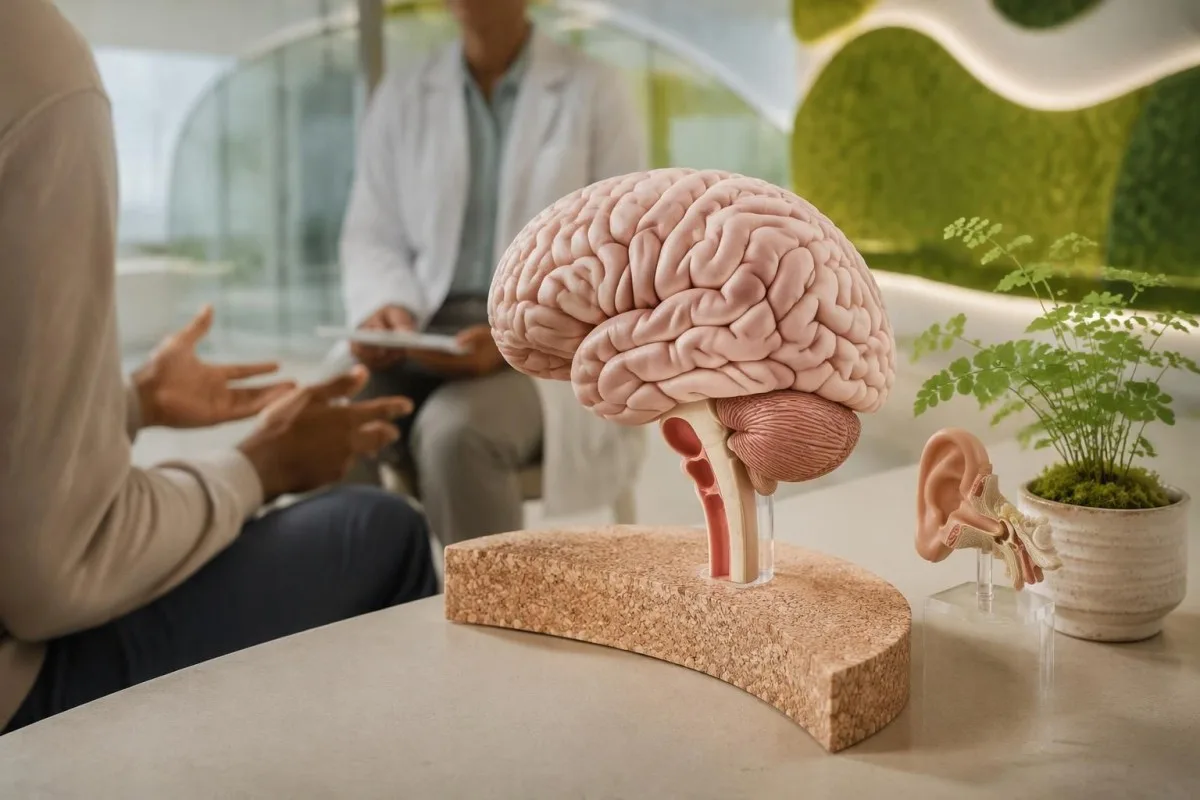
علائم اسکیزوفرنی میتوانند شامل توهم، هذیان، گفتار آشفته، کاهش انگیزه و دشواریهای شناختی باشند. تغییرات اولیه بهتنهایی اسکیزوفرنی را اثبات نمیکنند؛ ارزیابی بالینی است که این کار را انجام میدهد، و خطر فوری، سردرگمی شدید یا ناتوانی در تأمین نیازهای اساسی مستلزم کمک فوری است.

نکات کلیدی
- علائم اسکیزوفرنی شامل تغییراتی در ادراک، باورها، گفتار، انگیزه و تفکر میشوند؛ 1 علامت یا یک نتیجه آزمایشگاهی غیرطبیعی نمیتواند تشخیص را قطعی کند.
- نشانههای اولیه مانند کنارهگیری، خواب نامناسب یا افت عملکرد، اختصاصی نیستند. در صورت مفید بودن، تغییرات را طی 7 روز ثبت کنید، اما ارزیابیِ تجربههای روانپریشانه جدید را به تأخیر نیندازید.
- توهمها ادراکهایی بدون محرک خارجی متناظر هستند. تجربههایی که فقط هنگام بهخوابرفتن یا بیدارشدن رخ میدهند، از نظر بالینی با صداهای مداوم در طول روز معنای متفاوتی دارند.
- علائم منفی شامل کاهش ابراز هیجان، گفتار، انگیزه، لذت و مشارکت اجتماعی هستند—5 حوزهای که معمولاً توصیف میشوند، نه مدرکی دال بر تنبلی فرد.
- زمانبندی تشخیص تفاوت دارد: DSM-5-TR عموماً دستکم ۶ ماه اختلال مداوم را الزامی میداند، درحالیکه ICD-11 وجود علائم مشخص را برای دستکم ۱ ماه لازم میداند. کمک باید پیش از رسیدن به هر یک از این آستانهها آغاز شود.
- آزمایشهای خون میتواند عوامل پزشکیِ دخیل را بررسی و ایمنی درمان را پایش کند؛ هیچ آستانه آزمایش خون معمولِ تأییدشدهای برای تشخیص اسکیزوفرنی وجود ندارد.
- کمک اورژانسی در صورت خطر قریبالوقوع خودآزاری، شنیدن فرمانهای خطرناکی که ممکن است فرد از آنها پیروی کند، سردرگمی شدید یا ناتوانی در خوردن یا نوشیدن لازم است. در بریتانیا، برای خطر فوری با 999 یا 112 تماس بگیرید.
- درمان معمولاً دارودرمانی، مراقبت روانشناختی و حمایت عملی را ترکیب میکند. NICE برای CBT فردیِ روانپریشی دستکم ۱۶ جلسه برنامهریزیشده را توصیه میکند.
کدام نشانههای اولیه اسکیزوفرنی نیازمند ارزیابی هستند؟
نشانههای اولیه اسکیزوفرنی میتواند شامل کنارهگیری اجتماعی، افت عملکرد، تجربههای غیرمعمول و تغییر در خواب یا تفکر باشد، اما هیچیک بهتنهایی تشخیصی نیست. بروز مجموعهای تازه از نشانهها که بر ۲ یا چند حوزه از زندگی روزمره اثر میگذارد، شایان توجه است؛ بهویژه وقتی فرد ترسیده است یا تواناییهای معمولش را از دست میدهد.

تغییر نسبت به وضعیت معمول فرد مهمتر از آن است که آیا رفتاری از نظر شخص دیگری غیرعادی به نظر میرسد. برای مثال، دانشجویی فرضی که دیگر در ۳ فعالیتی که پیشتر از آنها لذت میبرد شرکت نمیکند، در دنبالکردن گفتوگوها مشکل دارد و بهتدریج بدگمانتر میشود، به ارزیابی متفاوتی از فردی نیاز دارد که همیشه تنهایی را ترجیح داده است.
اختلال خواب یک سرنخ است، نه حکمی قطعی. یک بزرگسال فرضی که هنگام امتحانات هر شب ۳ ساعت میخوابد، ممکن است بر اثر خستگی دچار ضعف تمرکز یا ادراکهای غیرمعمول شود؛ راهنمای ما درباره کمخوابی و آزمایشها توضیح میدهد که چرا سابقه خواب بر نحوه تفسیر یافتههای آزمایشگاهی همراه نیز اثر میگذارد.
Kantesti یک تحلیلگر آزمایش خون مبتنی بر AI است که میتوانند یافتههای آزمایشگاهی همراه را توضیح دهند، اما نمیتوانند مشخص کنند که آیا تغییرات رفتاری اولیه نشاندهنده اسکیزوفرنی هستند یا نه. مطالب ما درباره شرکت و هدف نقش ما را شرح میدهند؛ ثبت علائم بهمدت ۷ روز چیزی است که باید با پزشک در میان گذاشت، نه دادهای که تشخیص روانپزشکی تولید کند.
NICE توصیه میکند در صورت بروز پریشانی و افت عملکرد اجتماعی همراه با علائم روانپریشی گذرا یا تضعیفشده، یا برخی شاخصهای خطر دیگر، ارجاع بدون تأخیر انجام شود (NICE، ۲۰۱۴). ارزیابی پس از ۱ واقعه نگرانکننده ممکن است افسردگی، تروما، اثرات مواد یا اختلال روانپریشیِ در حال شکلگیری را شناسایی کند؛ این امر بهطور خودکار برچسب اسکیزوفرنی نمیزند.
توهم چه حسی دارد و چه چیزهای دیگری باعث آن میشوند؟
توهمها تجربههای حسی بدون محرک خارجی متناظر هستند؛ شنیدن صداها در اسکیزوفرنی رایج است، اما توهمها در اختلالات دیگر نیز رخ میدهند. ارزیابی دستکم ۳ پرسش را از هم جدا میکند: چه اتفاقی افتاد، چه زمانی رخ داد و آیا موجب پریشانی یا خطر میشود.
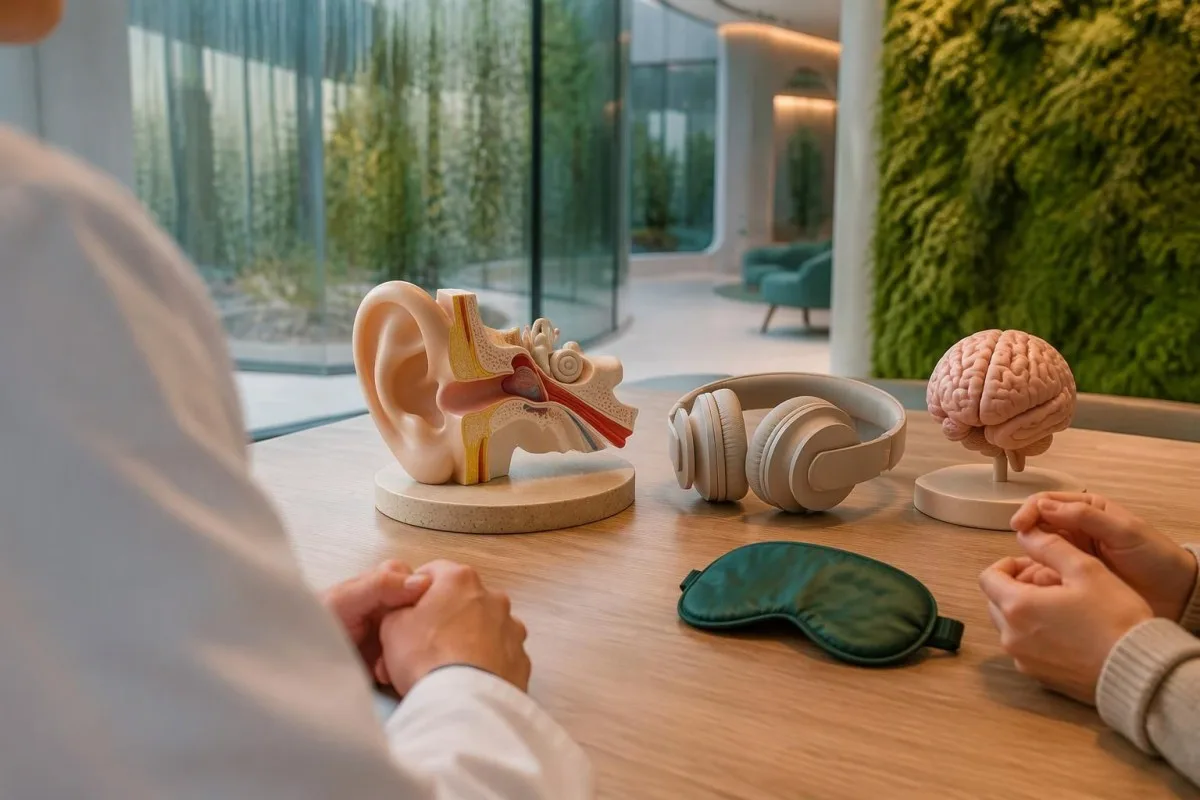
تجربههای شنیداری ممکن است شبیه اظهارنظر، گفتوگو، موسیقی یا دستور به نظر برسند و ممکن است درونی یا بیرونی احساس شوند. در یک دوره ۲۴ ساعته، پزشک ممکن است بپرسد آیا این تجربهها هنگام بیداری کامل رخ میدهند، چه مدت طول میکشند و آیا صداهای محیطی میتوانند آنها را توضیح دهند؛ احساسشدن صدا در داخل سر به این معنا نیست که خودبهخود بیخطر است.
تجربههای گذار میان خواب و بیداری با توهمهای پایدار هنگام بیداری تفاوت دارند و ممکن است بدون اختلال روانپریشی رخ دهند. اگر ادراکهای غیرمعمول فقط هنگام بهخوابرفتن یا بیدارشدن رخ دهند، خوابآلودگی مفرط در طول روز و علائم مرتبط ممکن است نشاندهنده نیاز به ارزیابی خواب باشند؛ توضیح ما درباره آزمایش نارکولپسی توضیح میدهد که چرا پزشکان از بیش از ۱ سرنخ مرتبط با خواب استفاده میکنند.
اختلال حسی، سوگ، داروها، مسمومیت، ترک مواد و بیماریهای عصبی نیز میتوانند موجب توهم شوند. یک فرد ۷۲ ساله فرضی که تازه دچار تجربههای دیداری و نوسان توجه طی ۲ روز شده است، باید از نظر دلیریوم یا علت پزشکی دیگری ارزیابی شود، نه اینکه فرض شود به اسکیزوفرنیِ با شروع دیرهنگام مبتلاست.
Command voices require a safety assessment, not an automatic assumption that someone will act on them. Ask about 3 concrete factors: what the voice says, whether the person feels compelled to obey, and whether they can stay safe; commands involving harm with intent or inability to resist warrant immediate help.
هذیان چه تفاوتی با نگرانی یا باورهای غیرمعمول دارد؟
Delusions are beliefs held with strong conviction despite compelling contrary evidence, assessed within the person's cultural and social context. Clinicians examine at least 3 dimensions—conviction, openness to alternatives, and consequences—rather than diagnosing schizophrenia because a belief sounds unfamiliar or implausible to an observer.
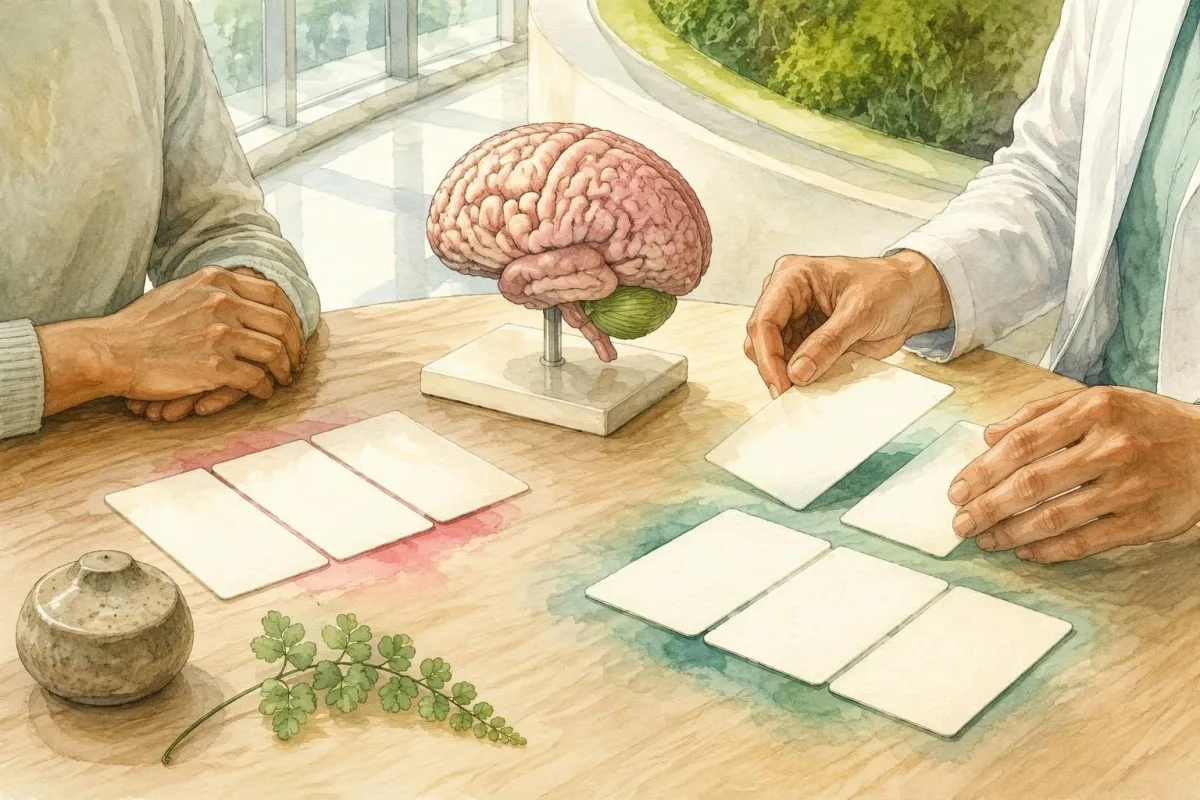
Persecutory delusions can involve beliefs that others are monitoring, targeting, or plotting against the person; referential delusions can involve interpreting ordinary events as personally directed messages. A hypothetical person changing travel routes 4 times to avoid an alleged surveillance team may need assessment of both the belief and the resulting disruption.
Real threats must not be dismissed as delusions. Abuse, discrimination, stalking, and exploitation can occur, including in people with established psychiatric diagnoses; 1 unusual detail does not invalidate an entire account, and a clinician should investigate plausible safety concerns rather than use psychiatric history as a shortcut.
Mood timing changes the differential diagnosis. A hypothetical adult who develops grandiose beliefs during 5 days of markedly increased energy and little need for sleep may have a manic episode; our mood swings and laboratories explains why testing can address contributors without distinguishing bipolar disorder from schizophrenia.
Repeated confrontation often damages trust without resolving a firmly held belief. A supporter can use 2 steps: acknowledge the fear or distress, then offer practical help without endorsing the explanation; discussing whether the person is eating, sleeping, or feeling safe is usually more useful than trying to win an argument.
علائم منفی اسکیزوفرنی چیست؟
Negative symptoms of schizophrenia describe reductions in ordinary emotional expression, speech, motivation, pleasure, or social engagement. These 5 domains are commonly termed blunted affect, alogia, avolition, anhedonia, and asociality; they describe difficulties in functioning, not character flaws or a person's capacity to care.

Avolition means difficulty initiating or sustaining purposeful activity, even when the person understands its value. A hypothetical adult may want to prepare breakfast yet remain unable to begin for 2 hours; simply adding pressure can miss problems with initiation, planning, fatigue, or anticipation of reward.
Reduced expression does not reliably reveal the intensity of someone's internal feelings. A person who gives 1-word answers or shows little facial movement may still feel affection, anxiety, or sadness; communication should allow extra time and avoid interpreting a quiet response as indifference or refusal to participate.
Secondary negative symptoms can arise from depression, sedating medicines, ongoing paranoia, substance use, or a low-stimulation environment. Our low motivation laboratory guide addresses selected medical contributors, but 1 thyroid or vitamin result cannot distinguish primary negative symptoms from these overlapping causes.
Pleasure can be uneven: some people struggle more with anticipating enjoyment than with enjoying an activity once it starts. A practical experiment is 1 short, supported activity chosen by the person, followed by asking how it actually felt; the result guides support, not a diagnosis or a promise of recovery.
چه تغییرات شناختی و گفتاری میتوانند همراه اسکیزوفرنی باشند؟
Cognitive changes can affect attention, working memory, processing speed, and planning, while disorganized speech can make connections between ideas difficult to follow. These are distinct problems: an assessment should separate at least 2 issues—trouble organizing thought and trouble performing a task under everyday demands.

Disorganized speech may involve frequent derailment, answers loosely connected to questions, or speech that becomes difficult to understand. A hypothetical conversation moving through 4 unrelated topics can raise concern, but language proficiency, hearing, anxiety, developmental differences, and the person's usual communication style must be considered before interpreting it.
Working-memory difficulty can make multistep tasks unexpectedly hard. Someone may remember the first of 3 instructions but lose the remaining steps; offering one instruction at a time, using reminders, and reducing distractions are accommodations that can help before the precise cause of the difficulty is established.
A lifelong attention pattern is different from a recent decline. Our adult ADHD symptom guide explains why a history extending back to childhood matters; a new deterioration over 2 months should not be explained away by an unconfirmed ADHD label.
At Kantesti, we treat laboratory explanations of fatigue or brain fog as separate from psychiatric diagnostic reasoning. A hypothetical person with corrected anemia who remains unable to follow a 10-minute conversation still needs follow-up; improvement in a laboratory value does not prove that cognitive symptoms have resolved or identify their cause.
علائم اسکیزوفرنی در بزرگسالان با افزایش سن چه تفاوتی میکنند؟
Schizophrenia symptoms in adults vary in onset, severity, and impact; the same symptom can have different implications at different ages. A first presentation at 22 and a first presentation at 72 both need assessment, but later onset increases the need to investigate medical, neurological, medication, and sensory contributors.

Schizophrenia commonly begins in late adolescence or early adulthood, but age alone cannot confirm or exclude it. For a hypothetical 24-year-old, clinicians may reconstruct the relationship between missed work, unusual beliefs, substance exposure, and sleep across several months instead of relying only on what happens during 1 appointment.
First-onset psychosis in an older adult should prompt careful review of medicines, cognition, physical health, hearing, and vision. Our اثرات دارویی در سالمندان explains why a newly added treatment or a dose change 2 weeks earlier can be a more useful clue than a broad psychiatric label.
People can have episodic worsening, persistent difficulties, or substantial improvement with treatment and support. A hypothetical adult managing work for 5 years before a recurrence does not erase the original diagnosis; equally, a first psychotic episode does not establish what the person's long-term course will be.
Schizophrenia is not a split personality, and psychosis does not mean someone is inherently violent. Risk assessment concerns specific circumstances—such as intoxication, severe fear, access to means, or expressed intent—not a diagnosis alone; 1 frightened presentation should not define how family members or services treat a person.
ارزیابی بالینی چگونه اسکیزوفرنی را تشخیص میدهد؟
Schizophrenia is diagnosed clinically, using the symptom pattern, duration, functioning, and exclusion of better explanations—not a blood test or online checklist. DSM-5-TR generally requires at least 6 months of continuous disturbance; ICD-11 requires characteristic symptoms for at least 1 month, with additional requirements in both systems.
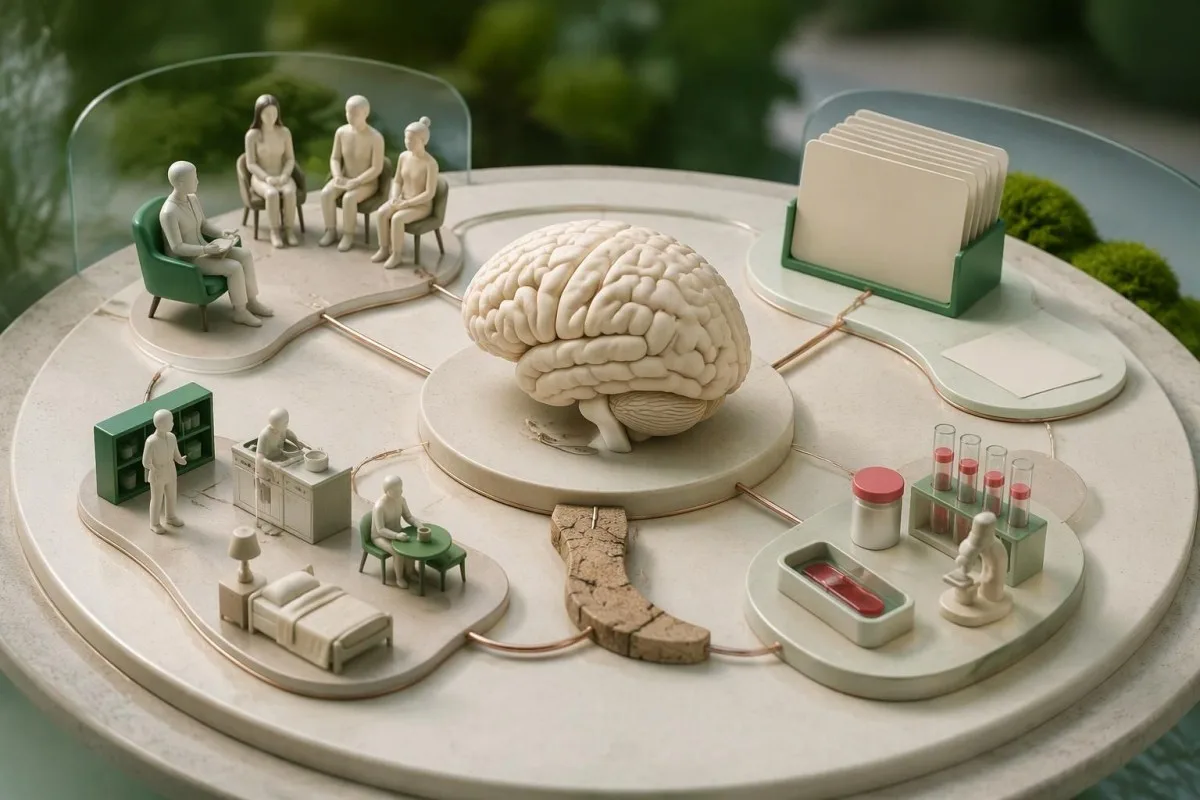
DSM-5-TR requires at least 2 characteristic symptoms during a significant portion of a 1-month period, or less if successfully treated, with at least one being delusions, hallucinations, or disorganized speech. It also requires functional deterioration and a longer course of disturbance; the criteria are not a self-scoring tool.
ICD-11 uses a different structure and requires at least 2 characteristic symptoms, including at least one from its core group, present most of the time for 1 month or more. WHO's clinical requirements emphasize the overall presentation and differential diagnosis rather than mechanically translating every DSM rule into ICD terminology (WHO, 2024).
Assessment often takes more than 1 conversation, particularly when symptoms are new or the history is unclear. With appropriate consent and attention to confidentiality, information from relatives, previous records, and the person's own account can clarify timing; lack of agreement between accounts should be explored rather than treated as proof that someone is unreliable.
Support should not wait for a 6-month diagnostic threshold to pass. A first episode may initially receive a broader working diagnosis while treatment and investigation proceed; our هوش مصنوعی مسئولانه ما reflect why automated laboratory interpretation must not substitute for this evolving clinical judgment.
آیا آزمایش خون میتواند اسکیزوفرنی را تشخیص دهد یا علائم را توضیح دهد؟
No routine blood test diagnoses schizophrenia, and normal results do not rule it out. Laboratories serve 2 different purposes in this setting: investigating plausible medical contributors and establishing physical-health or medication-safety baselines; neither purpose turns a biomarker panel into a schizophrenia screening test.

Testing is selected from the history and examination, rather than ordered as an unlimited panel. A clinician may consider a CBC, electrolytes, kidney or liver tests, thyroid function, B12, or other investigations; our هورمون تیروئید shows why 2 related thyroid measurements can be more informative than one isolated result.
B12 deficiency can contribute to neurological or cognitive symptoms, sometimes without marked anemia. In a hypothetical example, B12 of 160 pg/mL against that laboratory's 200–900 pg/mL interval warrants medical review; our تفسیر مرزی B12 explains why assay ranges and follow-up testing matter, without claiming that deficiency explains every symptom.
Kantesti یک پلتفرم تفسیر آزمایش خون مبتنی بر هوش مصنوعی است that can help explain these 2 laboratory roles without converting results into a psychiatric label. We encourage readers to bring the original report, medicine list, and symptom timeline to the assessing clinician; an interpretation should preserve uncertainty when symptoms and laboratory findings do not fit neatly together.
Research measurements of immune activity, metabolism, proteins, or genetic associations are not validated routine diagnostic thresholds for schizophrenia. A result showing 1 elevated inflammatory marker may reflect many unrelated processes; commercial-sounding claims that a panel can confirm psychosis should be questioned for independent validation and clear intended-use limits.
چه اختلالاتی ممکن است شبیه اسکیزوفرنی باشند؟
Psychosis can arise from mood disorders, substances, medicines, delirium, and neurological or other medical illnesses, as well as schizophrenia-spectrum disorders. Timing is central: symptoms developing over 2 days with fluctuating attention require a different workup from a gradual change over several months with preserved alertness.
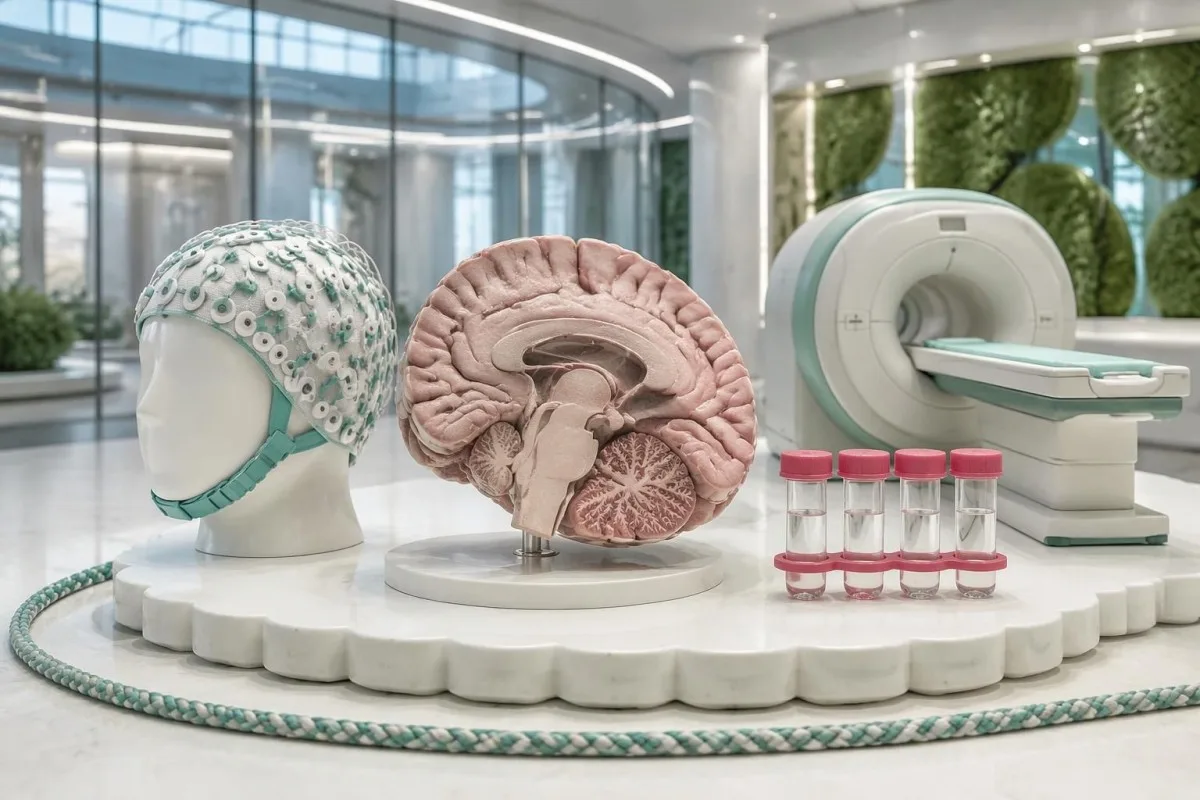
Delirium typically involves disturbed attention and an acute, fluctuating course, and it can include hallucinations or unusual beliefs. A hypothetical person alternating between coherent conversation and marked disorientation over 24 hours needs urgent medical assessment; a pre-existing schizophrenia diagnosis does not make delirium impossible.
New seizures, abnormal movements, reduced consciousness, or rapid cognitive decline can raise concern for an inflammatory brain disorder or another neurological cause. Our autoimmune encephalitis workup explains how MRI, EEG, and cerebrospinal fluid may contribute; 1 positive serum antibody does not independently establish that diagnosis.
Rare medical causes deserve targeted investigation when the accompanying pattern fits, not blanket screening of everyone. Severe episodic abdominal symptoms plus neurological or psychiatric changes can prompt a porphyria workup; our porphyria testing explanation describes why a correctly timed urine test can matter more than 1 general blood panel.
Substance and medication histories should be specific and nonjudgmental. Ask what was taken, approximate amounts, and timing during the preceding 48 hours and earlier weeks; cannabis, stimulants, corticosteroids, and withdrawal states can change diagnostic reasoning, while a negative toxicology screen cannot exclude every exposure or every detection-window limitation.
چه زمانی علائم اسکیزوفرنی نیازمند کمک فوری هستند؟
Seek emergency help for immediate danger, suicidal intent, dangerous commands someone may act on, severe confusion, or inability to meet basic needs. In the UK, call 999 or 112 for an emergency; new psychotic symptoms without immediate danger still warrant prompt assessment rather than waiting for a routine laboratory appointment.
Possible catatonia needs urgent assessment, including when someone becomes unusually immobile, stops speaking, maintains unusual postures, or refuses fluids. A hypothetical adult drinking nothing for 24 hours and remaining largely motionless should not be managed as simple low motivation; fever, rigidity, or reduced responsiveness further increases concern.
Sudden speech difficulty, one-sided weakness, collapse, or a severe new headache requires emergency medical evaluation. Our علائم هشداردهنده سکته مغزی explain why 1 new focal neurological sign should not be attributed to psychiatric illness, even when hallucinations or a previous mental-health diagnosis are also present.
New psychosis after childbirth is a medical emergency, particularly with little sleep, rapidly changing mood, or confused behavior. If a parent develops these changes 1 week after delivery, seek urgent assessment and ensure both parent and infant have safe support; do not wait to see whether the symptoms fit schizophrenia.
If there is no immediate danger, contact a local crisis service, primary-care clinician, or early-intervention service promptly. In England, NHS 111 offers a mental-health option; in the US, 988 provides crisis support and 911 handles immediate danger, while readers elsewhere should use local emergency or crisis services and avoid leaving an immediately unsafe person alone when it is safe to remain.
چگونه میتوانید به کسی که ممکن است دچار روانپریشی باشد کمک کنید؟
Help by listening calmly, checking immediate safety, and offering a specific route to assessment, rather than arguing about beliefs or announcing a diagnosis. A useful first conversation covers 3 practical needs: whether the person feels safe, whether they are eating and sleeping, and what assistance they would accept.

Short sentences and a quieter environment can make communication easier when attention is strained. Offer 2 realistic choices, such as contacting a clinician together or accompanying the person to an assessment, instead of several simultaneous demands; avoid crowding, sudden touching, or using threats to force cooperation.
Validate distress without confirming an unverified explanation. If someone believes their food is being tampered with, a supporter can acknowledge the fear and offer an acceptable meal while arranging help; asking how much they have eaten in the last 24 hours identifies a practical risk without requiring a debate about the belief.
A brief timeline can improve an appointment more than a long list of labels. Record 5 kinds of information: observed changes, approximate onset, sleep, substances or medicine changes, and effects on daily functioning; distinguish what you directly observed from what someone else reported, and ask the person's permission whenever possible.
مطالب Kantesti راهنمای حریم خصوصی و دادهها is relevant when accompanying laboratory reports contain sensitive personal information. Share only what is needed and seek consent where possible; having access to 1 family member's report does not automatically authorize uploading their records, and emergency safety concerns should be addressed through clinical services rather than an AI tool.
پس از نخستین دوره روانپریشی چه درمانی مؤثر است؟
Treatment for first-episode psychosis commonly combines antipsychotic medication, psychological interventions, and practical support, tailored to diagnosis, preferences, and safety. NICE recommends individual CBT with at least 16 planned sessions and family intervention where appropriate; treatment should address everyday functioning as well as voices or delusions.

Medication choice is a shared clinical decision, including discussion of metabolic effects, movement symptoms, sedation, hormonal effects, and cardiovascular considerations. NICE advises treating an antipsychotic prescription as an explicit individual trial, generally assessing response after 4–6 weeks at an optimum dose while reviewing tolerability throughout (NICE, 2014).
Psychological treatment does not require the clinician to endorse a delusion or tell someone that their experience is imaginary. CBT for psychosis explores distress, interpretations, coping, and functioning; NICE describes family intervention as at least 10 planned sessions over 3 months to 1 year, adapted to the family's circumstances.
Clozapine is recommended for treatment-resistant schizophrenia after inadequate response to 2 adequate antipsychotic trials, subject to clinical assessment and local requirements. The APA guideline also recommends clozapine when suicide risk remains substantial despite other treatments (APA, 2020); our clozapine safety monitoring guide explains why monitoring is treatment-specific.
Recovery goals should be personal and measurable rather than limited to symptom counts. A hypothetical first goal might be returning to 2 supported study sessions weekly or preparing a regular meal; occupational, educational, housing, and social support can address barriers that medication alone does not remove, and prescriptions should never be changed through an automated laboratory interpretation.
چرا بررسیهای سلامت جسمی بخشی از مراقبت اسکیزوفرنی هستند؟
Physical-health checks identify medication effects and health risks that deserve care independently of psychiatric symptoms. NICE recommends baseline assessment and repeat glucose or HbA1c and lipid testing at 12 weeks, 1 year, and annually during antipsychotic treatment; individual medicines and existing conditions may require additional monitoring.

Weight, blood pressure, movement symptoms, nutrition, and activity deserve discussion alongside laboratory results. NICE recommends weighing weekly for the first 6 weeks of antipsychotic treatment, then at 12 weeks, 1 year, and annually; early changes can support a timely conversation about treatment options rather than blame about willpower.
HbA1c of 6.5% equals 48 mmol/mol and is a diabetes diagnostic threshold, usually requiring confirmation when there are no clear symptoms. Our علائم هشدار دهنده قند خون بالا explains why thirst, frequent urination, weight loss, or acute illness can change urgency; this threshold says nothing about the severity of psychosis.
Some antipsychotics raise prolactin, which can affect sexual function, menstruation, fertility, or other aspects of health. A result 2 times the laboratory upper limit needs interpretation with symptoms, medicines, sampling conditions, and sometimes repeat testing; our mildly elevated prolactin guide explains why one result should not trigger unsupervised medication changes.
Smoking changes can alter clozapine exposure, because combustion products—not nicotine alone—affect its metabolism. A hypothetical person stopping cigarettes during a 1-week admission needs the prescribing team's attention; diet and supplements also deserve review, but no meal plan, vitamin panel, or supplement regimen has been established as a substitute for schizophrenia treatment.
انتشارات پژوهشی و محدودیتهای تفسیر آزمایشگاهی
The research references below distinguish schizophrenia guidance from supporting laboratory education. The 2 Zenodo guides explain serum proteins and immune tests; they are not schizophrenia diagnostic studies, and their DOIs do not establish peer review, psychiatric screening accuracy, or evidence that these tests should be ordered for early behavioral changes.
Kantesti یک سرویس تفسیر آزمایشهای AI است that explains reported measurements rather than diagnosing psychiatric disorders. Our نظارت فنی و بالینی ما describes the scope of our methodology; performance on laboratory interpretation is not evidence of accuracy for schizophrenia assessment, and those are 2 separate validation questions.
Serum albumin, globulins, and the A/G ratio reflect broad physiological processes, not a schizophrenia signature. Our پروتئینهای سرمی ما provides context for that laboratory family; a hypothetical A/G ratio of 0.9 must be interpreted against its laboratory interval and clinical setting, not converted into a psychiatric risk score.
Complement and ANA testing answer targeted immune questions, and indiscriminate testing can produce findings unrelated to the presenting symptoms. Our راهنمای کمپلمان و ANA explains those limits; an isolated ANA titer of 1:80 does not establish an autoimmune explanation for psychosis or justify immune treatment without supporting clinical evidence.
Kantesti's role is to help readers understand accompanying reports while keeping diagnosis and urgent care with qualified clinicians. For a first episode—or a change after 5 stable years—bring the symptom timeline and original results to assessment; the NICE, WHO, and APA references below support the clinical discussion, while the repository publications support narrower laboratory education.
سوالات متداول
نخستین نشانههای اسکیزوفرنی چیست؟
نشانههای اولیه احتمالی اسکیزوفرنی شامل کنارهگیری، افت عملکرد، ادراکهای غیرعادی، بدگمانی و تغییراتی در تفکر یا خواب است؛ اما این یافتهها بهاندازهای اختصاصی نیستند که بتوان با آنها اسکیزوفرنی را تشخیص داد. بروز مجموعهای از نشانهها که بر ۲ یا چند حوزه از زندگی اثر میگذارد، میتواند ارزیابی را بهویژه مفید کند، هرچند این معیار تشخیصی نیست. شنیدن صداهای جدید، باورهای غیرعادیِ راسخ یا افت چشمگیر عملکرد، نیازمند ارزیابی بالینی فوری است. برای دریافت کمک منتظر نمانید تا ماهها از بروز نشانهها بگذرد یا نتیجهٔ آزمایش خون آماده شود.
آیا ممکن است فرد بدون شنیدن صداها به اسکیزوفرنی مبتلا باشد؟
ممکن است فردی اسکیزوفرنی داشته باشد، بیآنکه صداهایی بشنود، زیرا توهمهای شنوایی در همهٔ موارد الزامی نیستند. بر اساس DSM-5-TR، در مرحلهٔ فعال باید دستکم ۲ نشانهٔ شاخص وجود داشته باشد که حداقل یکی از آنها هذیان، توهم یا گفتار آشفته باشد؛ همچنین معیارهای مربوط به مدت و عملکرد نیز باید برآورده شوند. بنابراین، ممکن است فرد دچار هذیانهای بارز یا گفتار آشفته باشد، اما توهم شنوایی نداشته باشد. پزشک همچنین باید علل روانپزشکی، مرتبط با مصرف مواد و پزشکیِ دیگر را ارزیابی کند.
آیا آزمایش خون میتواند اسکیزوفرنی را تشخیص دهد؟
هیچ آزمایش خون روتینی نمیتواند اسکیزوفرنی را تشخیص دهد یا رد کند و هیچ آستانهٔ زیستنشانگر روتینیِ معتبری برای این منظور وجود ندارد. آزمایشهای خون ممکن است برای بررسی عوامل پزشکیِ مؤثر یا پایش ایمنی دارو انجام شوند، اما اینها پرسشهای بالینی متفاوتی هستند. برای مثال، اگر شرححال حاکی از مشکلات تیروئیدی یا کمبود ویتامین B12 باشد، انجام آزمایشهای تیروئید یا B12 ممکن است مناسب باشد. نتایج طبیعی آزمایشهای خون به این معنا نیست که میتوان توهمهای مداوم، هذیانها یا افت عملکرد را بیاهمیت دانست.
آیا کمبود انگیزه و کنارهگیری اجتماعی از نشانههای اسکیزوفرنی هستند؟
Low motivation and social withdrawal can occur among the negative symptoms of schizophrenia, but they also occur with depression, sleep problems, medicines, stress, and other conditions. Clinicians commonly describe 5 negative-symptom domains: reduced expression, speech, motivation, pleasure, and social engagement. The assessment considers the person's baseline, associated symptoms, and alternative causes rather than counting behaviors on a checklist. New or persistent changes affecting daily life deserve assessment without assuming schizophrenia.
علائم باید چه مدت ادامه داشته باشند تا اسکیزوفرنی تشخیص داده شود؟
مدتزمان لازم به چارچوب تشخیصی و الگوی کامل علائم بستگی دارد. DSM-5-TR عموماً تداوم اختلال را دستکم بهمدت ۶ ماه الزامی میداند که شامل یک مرحله فعال است که معمولاً دستکم ۱ ماه طول میکشد، یا در صورت درمان موفقیتآمیز کوتاهتر است. ICD-11 وجود علائم شاخص را در بیشتر اوقات و بهمدت دستکم ۱ ماه، همراه با سایر الزامات تشخیصی، ضروری میداند. این آستانهها راهنمای تشخیص هستند، نه معیاری برای زمان مراجعه به پزشک: نخستین دوره روانپریشی باید بیدرنگ ارزیابی شود.
فردی که احتمال ابتلا به اسکیزوفرنی در او مطرح است، چه زمانی باید به اورژانس مراجعه کند؟
در صورت خطر قریبالوقوع خودآسیبی، دستورهای خطرناکی که فرد ممکن است به آنها عمل کند، گیجی شدید، کاهش سطح هوشیاری یا ناتوانی در تأمین نیازهای اولیه، دریافت مراقبت اورژانسی ضروری است. در بریتانیا، در صورت خطر فوری با 999 یا 112 تماس بگیرید؛ در ایالات متحده، برای موارد اورژانسی با 911 یا برای دریافت حمایت در بحران با 988 تماس بگیرید. بروز ناگهانی علائم عصبی، تب همراه با سفتی عضلات و روانپریشی جدید پس از زایمان نیز به ارزیابی فوری پزشکی نیاز دارد. حتی اگر علائم روانپریشی جدید با خطر فوری همراه نباشند، باز هم باید فوراً با پزشک یا خدمات بحران محلی تماس گرفت.
چگونه نتایج آزمایش خون را بخوانیم
گزارش آزمایشگاهی خود را بارگذاری کنید تا هوش مصنوعی Kantesti ظرف چند ثانیه هر زیستنشانگر را به زبان ساده توضیح دهد. بیش از 2 میلیون نفر در سراسر جهان از آن استفاده کردهاند.
منابع
- Klein, T., Mitchell, S., & Weber, H. (2026). راهنمای پروتئینهای سرم: آزمایش خون برای گلوبولینها، آلبومین و نسبت A/G. پژوهش پزشکی هوش مصنوعی Kantesti. DOI
- Klein, T., Mitchell, S., & Weber, H. (2026). راهنمای آزمایش خون C3 و C4 کمپلمان و تیتر ANA. پژوهش پزشکی هوش مصنوعی Kantesti. DOI
- National Institute for Health and Care Excellence (2014). Psychosis and schizophrenia in adults: prevention and management (CG178). راهنمای بالینی NICE.
- World Health Organization (2024). Clinical descriptions and diagnostic requirements for ICD-11 mental, behavioural and neurodevelopmental disorders. سازمان بهداشت جهانی.
- American Psychiatric Association (2020). The American Psychiatric Association Practice Guideline for the Treatment of Patients With Schizophrenia, Third Edition. American Psychiatric Association Publishing. DOI
- ۲ میلیون+آزمایشهای تجزیهوتحلیلشده
- 127+کشورها
- 100+زبانها
درباره تیم پزشکی


سیگنالهای اعتماد E-E-A-T
تجربه
بازبینی بالینی مبتنی بر نظر پزشک از فرایندهای تفسیر آزمایشگاه.
تخصص
تمرکز بر پزشکی آزمایشگاهی و اینکه نشانگرهای زیستی در زمینه بالینی چگونه رفتار میکنند.
اقتدارگرایی
با بازبینی پزشکی دکتر توماس کلاین، با مشارکت دکتر سارا میچل و پروفسور دکتر هانس وبر.
قابل اعتماد بودن
تفسیر مبتنی بر شواهد با مسیرهای پیگیری روشن برای کاهش هشدارها.






سلب مسئولیت پزشکی
این مقاله فقط برای اهداف آموزشی است و توصیه پزشکی محسوب نمیشود. برای تصمیمهای مربوط به تشخیص و درمان، همیشه با یک ارائهدهنده مراقبتهای بهداشتی واجد شرایط مشورت کنید.
منتشر شد · با تیم تحریریه تماس بگیرید
منتشرشده توسط Kantesti Ltd، ثبتشده در انگلستان و ولز، شماره شرکت. 17090423, ، لندن، بریتانیا.
