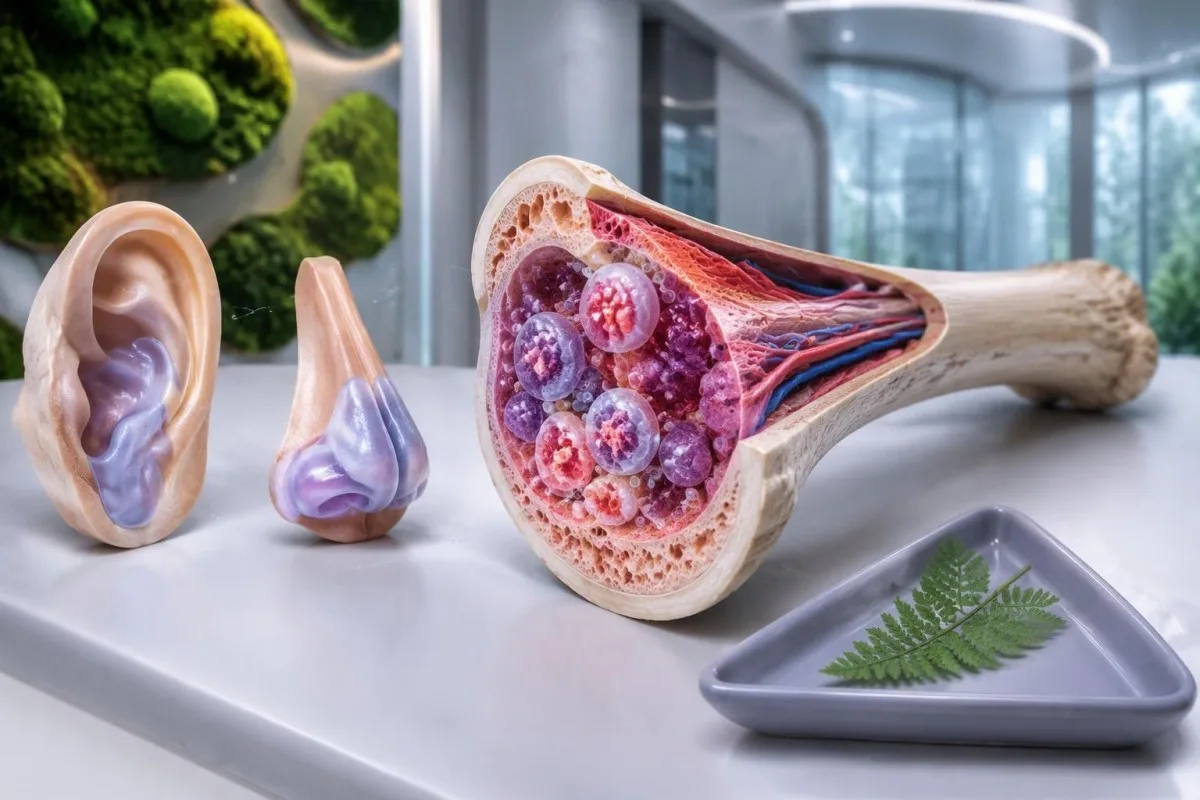
VEXAS ಸಿಂಡ್ರೋಮ್ ಎಂಬುದು ರಕ್ತಕಣಗಳನ್ನು ಉತ್ಪಾದಿಸುವ ಕೋಶಗಳಲ್ಲಿನ ದೈಹಿಕ UBA1 ರೂಪಾಂತರಗಳಿಂದ ಉಂಟಾಗುವ, ಜೀವಿತಾವಧಿಯಲ್ಲಿ ಕಾಣಿಸಿಕೊಳ್ಳುವ ಉರಿಯೂತಕಾರಿ ಸ್ಥಿತಿಯಾಗಿದೆ. ಮರುಕಳಿಸುವ ಜ್ವರ, ಕಿವಿ ಅಥವಾ ಮೂಗಿನ ಕಾರ್ಟಿಲೇಜ್ ಊತ ಹಾಗೂ ಕಾರಣವಿಲ್ಲದ ಮ್ಯಾಕ್ರೋಸೈಟಿಕ್ ರಕ್ತಹೀನತೆ ಕಂಡುಬಂದರೆ ತಜ್ಞರ ಮೌಲ್ಯಮಾಪನ ಅಗತ್ಯ; ರೋಗನಿರ್ಣಯಕ್ಕೆ ಸೂಕ್ತ ಆನುವಂಶಿಕ ಪರೀಕ್ಷೆ ಬೇಕೇ ಹೊರತು ಸಾಮಾನ್ಯ ಸ್ವಪ್ರತಿರೋಧಕ ಪರೀಕ್ಷಾ ಫಲಕವಲ್ಲ.

ಪ್ರಮುಖ ಅಂಶಗಳು
- VEXAS ಸಿಂಡ್ರೋಮ್ ಸಾಮಾನ್ಯವಾಗಿ 50 ವರ್ಷ ವಯಸ್ಸಿನ ನಂತರ ಆರಂಭವಾಗುತ್ತದೆ ಮತ್ತು ದೇಹದಾದ್ಯಂತದ ಉರಿಯೂತವನ್ನು ರಕ್ತಕಣಗಳನ್ನು ಉತ್ಪಾದಿಸುವ ಕೋಶಗಳಲ್ಲಿನ ಅಸಹಜತೆಗಳೊಂದಿಗೆ ಸೇರಿಸುತ್ತದೆ.
- ಕಾರ್ಟಿಲೇಜ್ ಊತ ಕಿವಿ, ಮೂಗು ಅಥವಾ ಉಸಿರಾಟದ ಮಾರ್ಗದ ಮೇಲೆ ಪರಿಣಾಮ ಬೀರಬಹುದು; ಕಿವಿಯ ಕಾರ್ಟಿಲೇಜ್ನ ಉರಿಯೂತವು ಸಾಮಾನ್ಯವಾಗಿ ಮೃದುವಾದ ಕಿವಿಯ ಹಾಲೆಯನ್ನು ಬಾಧಿಸುವುದಿಲ್ಲ.
- ಮ್ಯಾಕ್ರೋಸೈಟೋಸಿಸ್ ಎಂದರೆ ವಯಸ್ಕರಲ್ಲಿ MCV ಸರಿಸುಮಾರು 100 fLಗಿಂತ ಹೆಚ್ಚಿರುವುದು, ಆದರೆ ಈ ಲಕ್ಷಣವೊಂದರಿಂದಲೇ VEXAS ರೋಗನಿರ್ಣಯವಾಗುವುದಿಲ್ಲ.
- ಕಡಿಮೆ ಪ್ಲೇಟ್ಲೆಟ್ಗಳು 150 × 10^9/Lಗಿಂತ ಕಡಿಮೆಯಿರುವುದು, ಮರುಕಳಿಸುವ ಉರಿಯೂತ ಮತ್ತು ಕಾರಣವಿಲ್ಲದ ರಕ್ತಹೀನತೆಯೊಂದಿಗೆ ಕಂಡುಬಂದಾಗ, ಕಳವಳವನ್ನು ಹೆಚ್ಚಿಸಬಹುದು.
- ಸಿಆರ್ಪಿ ಸಾಮಾನ್ಯವಾಗಿ ಮೇಲಿನ ಉಲ್ಲೇಖ ಮಿತಿಯಾಗಿ 5 mg/L ಬಳಸಲಾಗುತ್ತದೆ, ಆದರೂ ಕೆಲವು ಪ್ರಯೋಗಾಲಯಗಳು 10 mg/L ಬಳಸುತ್ತವೆ; CRPಗೆ ಯಾವುದೇ ಮಿತಿಮೌಲ್ಯವು VEXAS ಅನ್ನು ದೃಢೀಕರಿಸುವುದಿಲ್ಲ.
- UBA1 ರೂಪಾಂತರ ಪರೀಕ್ಷೆ ಜೀವಿತಾವಧಿಯಲ್ಲಿ ಉಂಟಾದ ರೋಗಕಾರಕ ರೂಪಾಂತರವನ್ನು ಹುಡುಕುತ್ತದೆ; ಸಾಮಾನ್ಯವಾಗಿ ಆನುವಂಶಿಕ ಅಪಾಯದ ಸಾಮಾನ್ಯ ಪರೀಕ್ಷಾ ಫಲಕದ ಬದಲಿಗೆ ಬಾಹ್ಯ ರಕ್ತ ಅಥವಾ ಮೂಳೆ ಮಜ್ಜೆಯನ್ನು ಬಳಸುತ್ತದೆ.
- ಸ್ವಯಂಪ್ರತಿರಕ್ಷಕ ಪರೀಕ್ಷಾ ಫಲಕಗಳು ANA, ರ್ಯೂಮಟಾಯ್ಡ್ ಫ್ಯಾಕ್ಟರ್ ಮತ್ತು ANCA ಮುಂತಾದವು VEXAS ಸಿಂಡ್ರೋಮ್ ಅನ್ನು ದೃಢಪಡಿಸಲಾರವು ಅಥವಾ ಹೊರಗಿಡಲಾರವು.
- ತುರ್ತು ಲಕ್ಷಣಗಳು ಗಮನಾರ್ಹ ರೋಗನಿರೋಧಕ ದಮನದ ಅವಧಿಯಲ್ಲಿ ಹೊಸದಾಗಿ ಉಸಿರಾಟದ ತೊಂದರೆ, ಎದೆನೋವು, ಉಸಿರಾಟದ ಮಾರ್ಗದಲ್ಲಿ ತೊಂದರೆ ಅಥವಾ 38°C ಅಥವಾ ಅದಕ್ಕಿಂತ ಹೆಚ್ಚಿನ ಜ್ವರ ಕಾಣಿಸಿಕೊಳ್ಳುವುದು ಇವುಗಳಲ್ಲಿ ಸೇರಿವೆ.
VEXAS ಸಿಂಡ್ರೋಮ್ ಎಂದರೇನು, ಮತ್ತು ರಕ್ತಕಣಗಳ ಎಣಿಕೆಗಳು ಏಕೆ ಮುಖ್ಯ?
VEXAS ಸಿಂಡ್ರೋಮ್ ಇದು ದೈಹಿಕ UBA1 ರೂಪಾಂತರದಿಂದ ಉಂಟಾಗುವ, ಜೀವಿತಾವಧಿಯಲ್ಲಿ ಸಂಪಾದಿತ ಉರಿಯೂತಜನಕ ಕಾಯಿಲೆಯಾಗಿದೆ ರಕ್ತ-ರೂಪಿಸುವ ಕೋಶಗಳಲ್ಲಿ. ಮರುಕಳಿಸುವ ಉರಿಯೂತ, ಊದಿಕೊಂಡ ಕಾರ್ಟಿಲೆಜ್ ಮತ್ತು ವಿವರಿಸಲಾಗದ ಅಸಹಜ ರಕ್ತಕಣಗಳ ಸಂಖ್ಯೆಗಳ ಸಂಯೋಜನೆ—ವಿಶೇಷವಾಗಿ 50 ವರ್ಷಕ್ಕಿಂತ ಮೇಲ್ಪಟ್ಟವರಲ್ಲಿ ಮ್ಯಾಕ್ರೋಸೈಟಿಕ್ ರಕ್ತಹೀನತೆ—ಸಂದೇಹ ಮೂಡಿಸಬೇಕು; ಆದರೆ ರೋಗನಿರ್ಣಯವು ವೈದ್ಯಕೀಯ ಸಂದರ್ಭಕ್ಕೆ ಸೂಕ್ತವಾದ ರೋಗಕಾರಕ UBA1 ರೂಪಾಂತರವನ್ನು ಗುರುತಿಸುವುದರ ಮೇಲೆ ಅವಲಂಬಿತವಾಗಿದೆ.
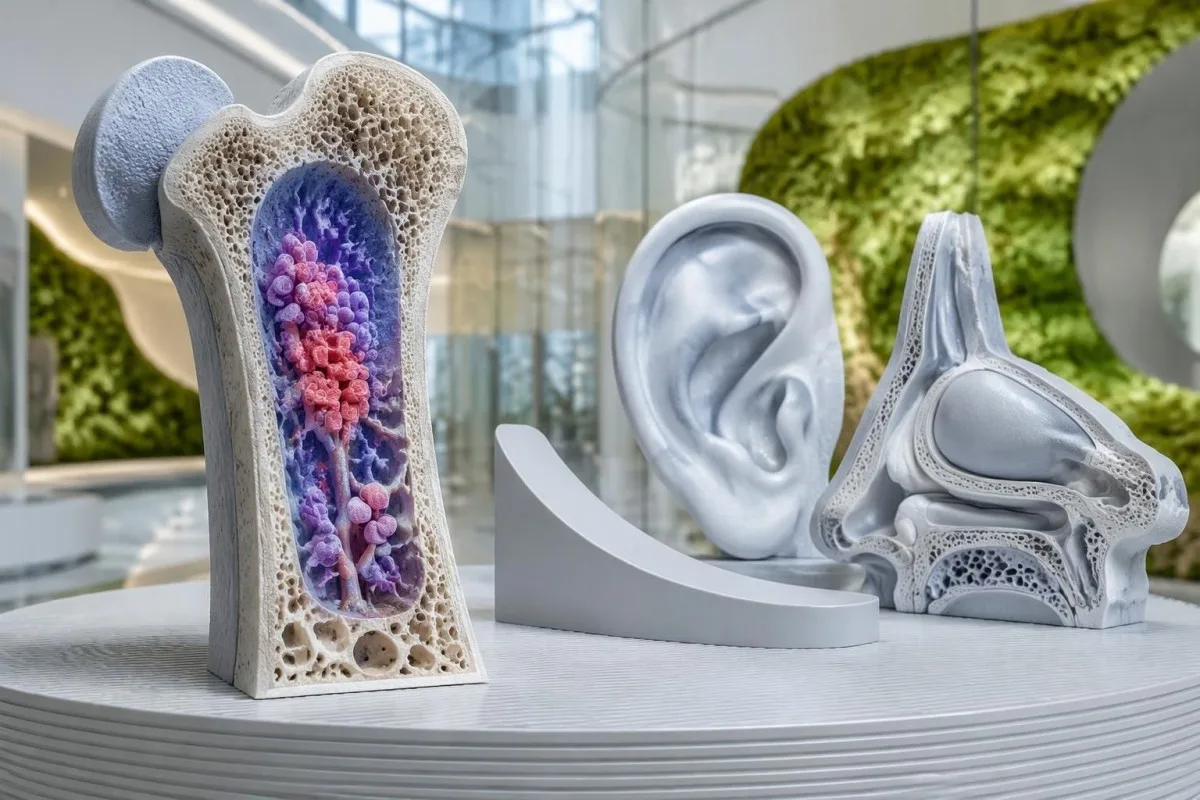
ಈ ಹೆಸರು 5 ಲಕ್ಷಣಗಳನ್ನು ವಿವರಿಸುತ್ತದೆ: ವ್ಯಾಕ್ಯೂಲ್ಗಳು, E1 ಕಿಣ್ವ, X-ಸಂಯೋಜಿತ, ಸ್ವಯಂ-ಉರಿಯೂತಕಾರಿ ಮತ್ತು ದೈಹಿಕ. ಇವು ಜೀವಶಾಸ್ತ್ರದ ಸುಳಿವುಗಳು; ಪ್ರತಿಯೊಬ್ಬರೂ ಪೂರೈಸಲೇಬೇಕಾದ ಪರಿಶೀಲನಾ ಪಟ್ಟಿಯಲ್ಲ; ಗೋಚರಿಸುವ ಮೂಳೆ ಮಜ್ಜೆಯ ವ್ಯಾಕ್ಯೂಲ್ಗಳು, ಕಾರ್ಟಿಲೆಜ್ ಲಕ್ಷಣಗಳು ಮತ್ತು ತೀವ್ರ ರಕ್ತಹೀನತೆ ಮೊದಲ ಭೇಟಿಯಲ್ಲೇ ಒಟ್ಟಿಗೆ ಕಾಣಿಸಿಕೊಳ್ಳಬೇಕೆಂದಿಲ್ಲ.
Beck et al. ಅವರು 2020ರಲ್ಲಿ New England Journal of Medicineನಲ್ಲಿ VEXAS ಅನ್ನು ಮೊದಲಿಗೆ ವಿವರಿಸಿ, ವಯಸ್ಕರಲ್ಲಿ ಆರಂಭವಾಗುವ ಉರಿಯೂತವನ್ನು ಸಂಪಾದಿತ UBA1 ರೂಪಾಂತರಗಳಿಗೆ ಸಂಬಂಧಿಸಿದರು. ಈ ಆವಿಷ್ಕಾರದಿಂದ, ಸಾಮಾನ್ಯ ಕಾರಣವನ್ನು ಗುರುತಿಸುವ ಮೊದಲು ಒಬ್ಬ ವ್ಯಕ್ತಿಗೆ ಮರುಕಳಿಸುವ ಪಾಲಿಕಾಂಡ್ರೈಟಿಸ್ ಮತ್ತು ಮೂಳೆ ಮಜ್ಜೆಯ ಕಾಯಿಲೆಯಂತಹ 1ಕ್ಕಿಂತ ಹೆಚ್ಚು ರೋಗನಿರ್ಣಯಗಳು ಏಕೆ ದೊರೆತಿರಬಹುದು ಎಂಬುದು ವಿವರವಾಗುತ್ತದೆ.
ಒಂದೇ ಬಾರಿ CRP ಹೆಚ್ಚಿರುವುದು VEXAS ಅನ್ನು ನಿರ್ದಿಷ್ಟವಾಗಿ ಸೂಚಿಸುವುದಿಲ್ಲ; 103 fLನ MCVಗೂ ಸಾಮಾನ್ಯವಾದ ಇತರ ವಿವರಣೆಗಳು ಹೆಚ್ಚಾಗಿವೆ. ಉರಿಯೂತದ ದಾಳಿಗಳು ಮರುಕಳಿಸುವುದರ ಜೊತೆಗೆ ಸೈಟೋಪೀನಿಯಾಗಳು ನಿರಂತರವಾಗಿದ್ದರೆ ಅಥವಾ ಹದಗೆಟ್ಟರೆ ಕಳವಳ ಹೆಚ್ಚುತ್ತದೆ; ಏಕೆಂದರೆ ಆ ಮಾದರಿಯು ಪ್ರತ್ಯೇಕ ಪ್ರಯೋಗಾಲಯದ ಏರುಪೇರಿಗಿಂತ, ಅಸಹಜ ರಕ್ತಕಣ ಉತ್ಪಾದನೆಗೆ ಸಂಬಂಧಿಸಿದ ಉರಿಯೂತದ ಪ್ರಕ್ರಿಯೆಯನ್ನು ಸೂಚಿಸುತ್ತದೆ.
ಕಾಂತೆಸ್ಟಿ ಒಬ್ಬ AI ರಕ್ತ ಪರೀಕ್ಷಾ ವಿಶ್ಲೇಷಕ ಹಿಮೋಗ್ಲೋಬಿನ್, MCV, ಪ್ಲೇಟ್ಲೆಟ್ಗಳು ಮತ್ತು CRP ಪರಸ್ಪರ ಹೇಗೆ ಹೊಂದಿಕೆಯಾಗುತ್ತವೆ ಎಂಬುದನ್ನು ವಿವರಿಸಬಲ್ಲ, ಆದರೆ VEXAS ರೋಗನಿರ್ಣಯವನ್ನು ತಜ್ಞರಿಗೆ ಬಿಡುವ. ನಮ್ಮ ಸಂಸ್ಥೆ ಮತ್ತು ಉದ್ದೇಶ ಪ್ರತ್ಯೇಕವಾಗಿ ವಿವರಿಸಲಾಗಿದೆ; ಅಪ್ಲೋಡ್ ಮಾಡಿದ 1 CBCಯಿಂದ UBA1 ರೂಪಾಂತರವನ್ನು ಕಂಡುಹಿಡಿಯಲಾಗುವುದಿಲ್ಲ ಅಥವಾ ವೈದ್ಯಕೀಯ ಪರೀಕ್ಷೆಗೆ ಪರ್ಯಾಯವಾಗಲಾರದು.
ಯಾರಿಗೆ VEXAS ಬರುತ್ತದೆ, ಮತ್ತು UBA1 ರೂಪಾಂತರವು ಆನುವಂಶಿಕವಾಗಿ ಬರುತ್ತದೆಯೇ?
VEXAS ಸಿಂಡ್ರೋಮ್ ಹೆಚ್ಚಾಗಿ ವಯಸ್ಸಾದ ಪುರುಷರಲ್ಲಿ ಕಾಣಿಸಿಕೊಳ್ಳುತ್ತದೆ, ಸಾಮಾನ್ಯವಾಗಿ ಲಕ್ಷಣಗಳು 50 ವರ್ಷಗಳ ನಂತರ ಆರಂಭವಾಗುತ್ತವೆ. ರೋಗವನ್ನು ಉಂಟುಮಾಡುವ UBA1 ರೂಪಾಂತರವು ಸಾಮಾನ್ಯವಾಗಿ ರಕ್ತ-ರೂಪಿಸುವ ಕೋಶಗಳ ಒಂದು ಗುಂಪಿನಲ್ಲಿ ಸಂಪಾದಿತವಾಗುತ್ತದೆ; ಅದು ಪೋಷಕರಿಂದ ಆನುವಂಶಿಕವಾಗಿ ಬಂದದ್ದಲ್ಲ ಅಥವಾ ಜನನದಿಂದಲೇ ಪ್ರತಿಯೊಂದು ಕೋಶದಲ್ಲೂ ಇರುವುದಲ್ಲ.
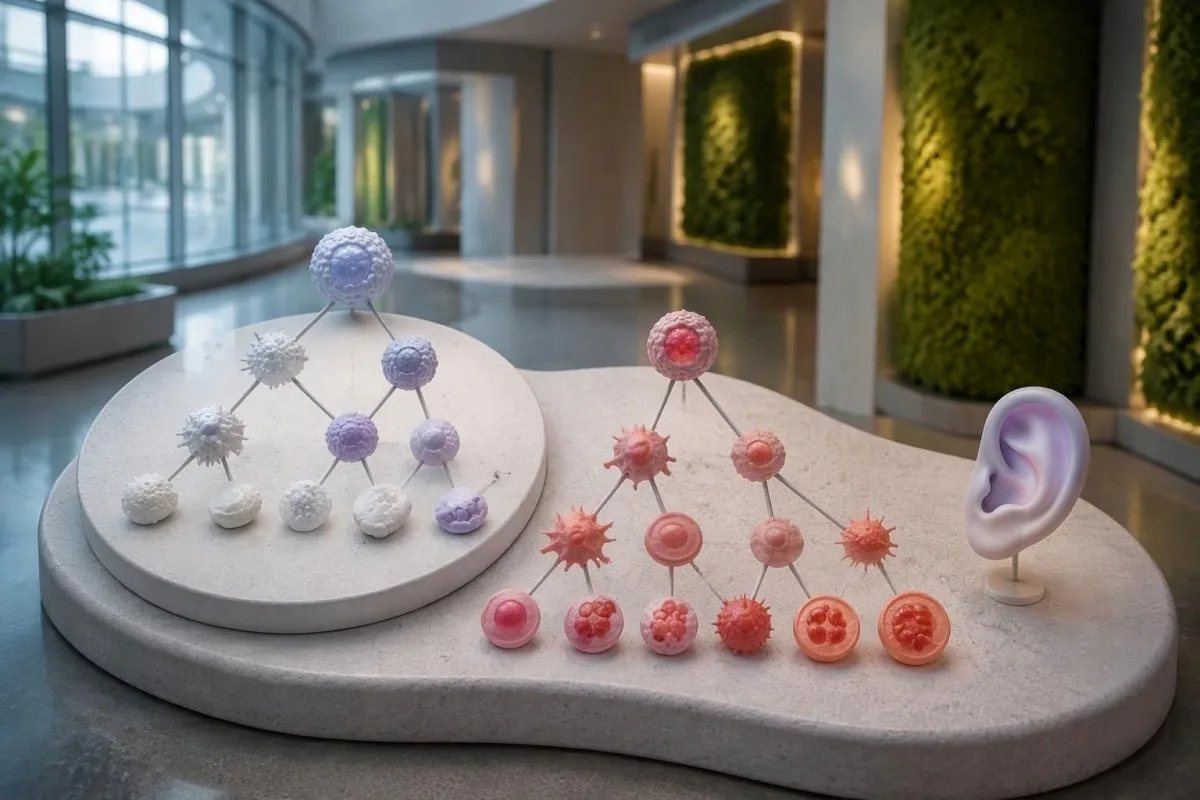
UBA1 X ವರ್ಣತಂತುವಿನಲ್ಲಿದೆ, ಮತ್ತು ಪೀಡಿತ ಪುರುಷರಲ್ಲಿ ಹೆಚ್ಚಿನವರಿಗೆ 1 X ವರ್ಣತಂತು ಇರುತ್ತದೆ. VEXAS ಮಹಿಳೆಯರಲ್ಲಿಯೂ ಕಾಣಿಸಿಕೊಳ್ಳುತ್ತದೆ; ಕೆಲವೊಮ್ಮೆ ಪೀಡಿತ ಕೋಶಗಳಲ್ಲಿ X ವರ್ಣತಂತುವಿನ ನಷ್ಟದೊಂದಿಗೆ ಸಂಬಂಧಿಸಿರುತ್ತದೆ. ಆದರೆ ವೈದ್ಯಕೀಯ ಲಕ್ಷಣಗಳ ಮಾದರಿ ಬಲವಾಗಿ ಸೂಚಿಸಿದಾಗ ಲಿಂಗವೊಂದೇ ಮೌಲ್ಯಮಾಪನವನ್ನು ತಡೆಯಬಾರದು.
ಅಮೆರಿಕದ ಆರೋಗ್ಯ ವ್ಯವಸ್ಥೆಯ ಸಮೂಹದಲ್ಲಿನ 163,096 ಭಾಗವಹಿಸುವವರ JAMA ಅಧ್ಯಯನದಲ್ಲಿ, Beck et al. ಅವರು ರೋಗಕ್ಕೆ ಸಂಬಂಧಿಸಿದ UBA1 ರೂಪಾಂತರಗಳಿರುವ 11 ಜನರನ್ನು ಗುರುತಿಸಿದರು. 50 ವರ್ಷಕ್ಕಿಂತ ಮೇಲ್ಪಟ್ಟ ಪುರುಷರಲ್ಲಿ ಅಂದಾಜು ಪ್ರಮಾಣ ಸುಮಾರು 4,269ರಲ್ಲಿ 1 ಆಗಿತ್ತು; ಇದು ನಿರ್ದಿಷ್ಟ, ಮುಖ್ಯವಾಗಿ ಯುರೋಪಿಯನ್ ಮೂಲದವರನ್ನು ಒಳಗೊಂಡ ಸಮೂಹವಾಗಿತ್ತು, ಜಾಗತಿಕ ಪ್ರಾಬಲ್ಯದ ಅಂದಾಜಲ್ಲ.
ಸಂಬಂಧಿತ ರೂಪಾಂತರವು ವ್ಯಕ್ತಿಯ ಜೀವಿತಾವಧಿಯಲ್ಲಿ ಕಾಣಿಸಿಕೊಳ್ಳುವುದರಿಂದ ಕುಟುಂಬದ ವೈದ್ಯಕೀಯ ಇತಿಹಾಸ ಸಾಮಾನ್ಯವಾಗಿ ಇರುವುದಿಲ್ಲ. ಇದು ನಮ್ಮ MEFV ಪರೀಕ್ಷೆಯ ವಿವರಣೆ; ನಲ್ಲಿ ಒಳಗೊಂಡಿರುವ ಆನುವಂಶಿಕ ಮರುಕಳಿಸುವ-ಜ್ವರ ಕಾಯಿಲೆಗಳಿಗಿಂತ ಭಿನ್ನವಾಗಿದೆ; ಕುಟುಂಬದ ರೂಪಾಂತರಕ್ಕಾಗಿ 2 ಸಂಬಂಧಿಕರನ್ನು ಪರೀಕ್ಷಿಸುವುದು ಸಾಮಾನ್ಯ ದೈಹಿಕ VEXASಗೆ ಪ್ರಮಾಣಿತ ಆರಂಭಿಕ ಕ್ರಮವಲ್ಲ.
ಆನುವಂಶಿಕ ಎಂಬ ಪದವು ಸ್ವಯಂಚಾಲಿತವಾಗಿ ವಂಶಪಾರಂಪರ್ಯವೆಂದರ್ಥವಲ್ಲ; X-ಸಂಯೋಜಿತ ಜೀನ್ ಎಂದ ಮಾತ್ರಕ್ಕೆ ಮಕ್ಕಳಿಗೆ ಹರಡುತ್ತದೆ ಎಂದೂ ಅಲ್ಲ. ವರದಿಯಲ್ಲಿ ದೇಹದ ಎಲ್ಲ ಕೋಶಗಳಲ್ಲಿರುವ ರೂಪಾಂತರದ ಸೂಚನೆ ಇದ್ದರೆ ಅಥವಾ 50 ವರ್ಷಕ್ಕಿಂತ ಮುಂಚಿನ ಅಸಾಮಾನ್ಯ ಲಕ್ಷಣಾವಳಿ ಇದ್ದರೆ, ಹೆಚ್ಚುವರಿ ಅಂಗಾಂಶ ಪರೀಕ್ಷೆ ಅಥವಾ ಕುಟುಂಬ ಸಮಾಲೋಚನೆ ಸೂಕ್ತವೇ ಎಂಬುದನ್ನು ವೈದ್ಯಕೀಯ ತಳಿವಿಜ್ಞಾನ ತಜ್ಞರು ಸ್ಪಷ್ಟಪಡಿಸಬಹುದು.
VEXAS ಸಿಂಡ್ರೋಮ್ನ ಯಾವ ಲಕ್ಷಣಗಳು ಅನುಮಾನ ಮೂಡಿಸಬೇಕು?
VEXAS ಸಿಂಡ್ರೋಮ್ನ ಲಕ್ಷಣಗಳು ಸಾಮಾನ್ಯವಾಗಿ ಮರುಕಳಿಸುವ ಜ್ವರ, ಉರಿಯೂತದ ಚರ್ಮ ಬದಲಾವಣೆಗಳು, ಆಯಾಸ, ಶ್ವಾಸಕೋಶದ ತೊಂದರೆ ಮತ್ತು ಕಾರ್ಟಿಲೆಜ್ ಉರಿಯೂತ ಇವುಗಳನ್ನು ಒಳಗೊಂಡಿರುತ್ತವೆ. ವಿವರಿಸಲಾಗದ ರಕ್ತಹೀನತೆ ಅಥವಾ ಇತರ ಅಸಹಜ ರಕ್ತಕಣಗಳ ಸಂಖ್ಯೆಗಳೊಂದಿಗೆ ಕಿವಿ ಅಥವಾ ಮೂಗಿನ ಕಾರ್ಟಿಲೆಜ್ ಊತ ಕಂಡುಬಂದರೆ, ವಿಶೇಷವಾಗಿ 50 ವರ್ಷಕ್ಕಿಂತ ಮೇಲ್ಪಟ್ಟ ವಯಸ್ಕರಲ್ಲಿ, ಅದು ರೋಗನಿರ್ಣಯಕ್ಕೆ ಹೆಚ್ಚು ಅರ್ಥಪೂರ್ಣವಾಗುತ್ತದೆ.
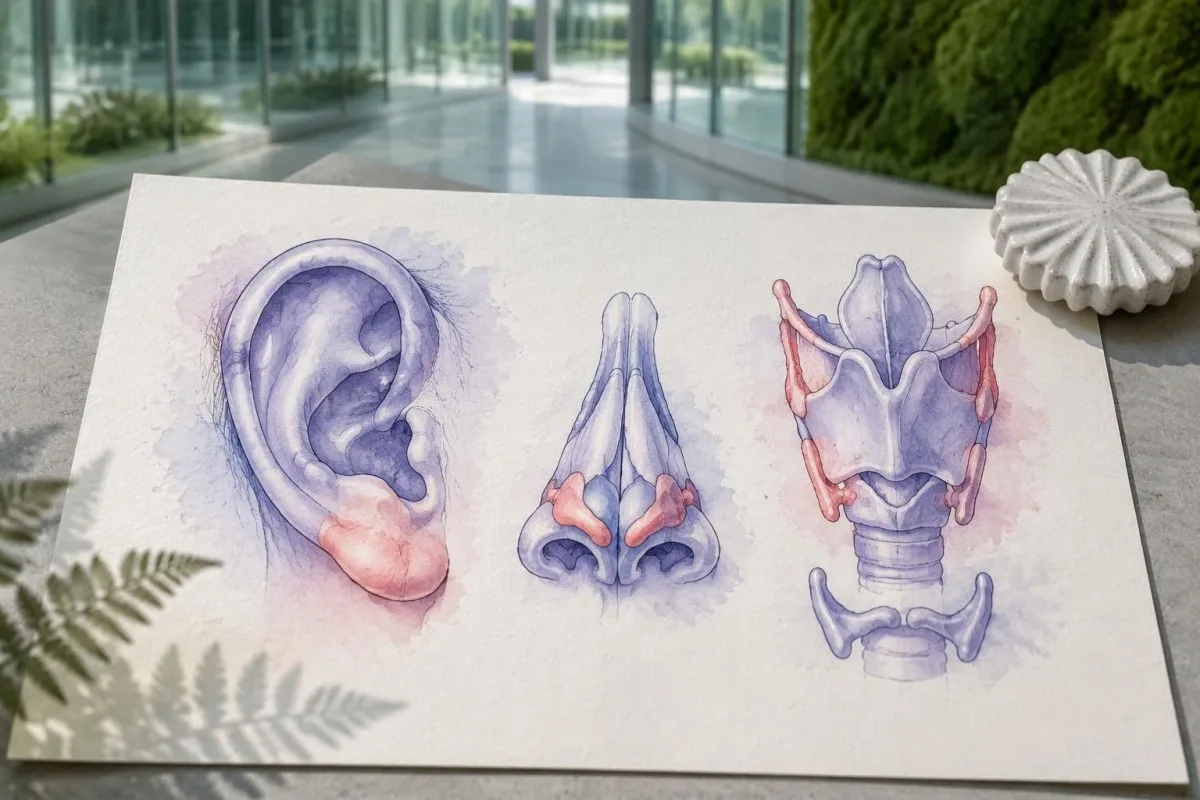
ಕಿವಿಯ ಕಾಂಡ್ರೈಟಿಸ್ ಸಾಮಾನ್ಯವಾಗಿ ಕಿವಿಯ ಗಟ್ಟಿಯಾದ ಮೇಲ್ಭಾಗವನ್ನು ಬಾಧಿಸುತ್ತದೆ; ಕಾರ್ಟಿಲೆಜ್ ಇಲ್ಲದ ಮೃದುವಾದ ಕಿವಿಯೋಲೆಯನ್ನು ಬಾಧಿಸುವುದಿಲ್ಲ. ಈ ಅಂಗರಚನಾ ವ್ಯತ್ಯಾಸವು ಒಂದು ಘಟನೆಯನ್ನು ನಿಖರವಾಗಿ ವಿವರಿಸಲು ನೆರವಾಗಬಹುದು; ಆದರೆ 1 ಕೆಂಪಾದ ಕಿವಿಗೂ ಸ್ಥಳೀಯ ಸೋಂಕು, ಗಾಯ ಅಥವಾ ಡರ್ಮಟೈಟಿಸ್ನಂತಹ ಹೆಚ್ಚು ಸಾಮಾನ್ಯ ಕಾರಣಗಳಿಗಾಗಿ ಮೌಲ್ಯಮಾಪನ ಅಗತ್ಯ.
ಚರ್ಮದ ಲಕ್ಷಣಗಳಲ್ಲಿ ನೋವಿನಿಂದ ಕೂಡಿದ ಎದ್ದು ಕಾಣುವ ಭಾಗಗಳು, ಪ್ಲಾಕ್ಗಳು ಅಥವಾ ನೇರಳೆ ಬಣ್ಣದ ಬದಲಾವಣೆಗಳು ಸೇರಿರಬಹುದು; ನೋಟವೊಂದರಿಂದಲೇ ಕಾರಣವನ್ನು ಗುರುತಿಸಲಾಗುವುದಿಲ್ಲ. ಅಂಗಾಂಶ ಪರೀಕ್ಷೆಯು ನ್ಯೂಟ್ರೋಫಿಲಿಕ್ ಡರ್ಮಟೋಸಿಸ್, ರಕ್ತನಾಳದ ಉರಿಯೂತ ಮತ್ತು ಇತರ ಪ್ರಕ್ರಿಯೆಗಳನ್ನು ಬೇರ್ಪಡಿಸಲು ನೆರವಾಗಬಹುದು; ಚಿಕಿತ್ಸೆ ನೀಡದ 2 ಪ್ರತ್ಯೇಕ ಘಟನೆಗಳ ಛಾಯಾಚಿತ್ರಗಳು ಮರುಕಳಿಸುವ ಮಾದರಿಯನ್ನು ಗುರುತಿಸಲು ತಜ್ಞರಿಗೆ ಸಹಾಯ ಮಾಡಬಹುದು.
Inflammatory attacks can resemble established rheumatological conditions, including relapsing polychondritis or polymyalgia rheumatica. Our explanation of PMR laboratory limitations describes why inflammatory markers are not disease-specific; persistent macrocytosis above 100 fL or falling platelets should prompt a broader assessment rather than automatic acceptance of the first label.
New hoarseness, noisy breathing or difficulty breathing needs urgent assessment because airway cartilage can be involved. A useful symptom record includes 3 details for each episode: the affected site, its duration and whether fever or a medication change accompanied it; do not wait for another flare if breathing is affected.
ಯಾವ ರಕ್ತ ಪರೀಕ್ಷೆಯ ಮಾದರಿಯು VEXAS ಸಿಂಡ್ರೋಮ್ ಇರುವುದನ್ನು ಸೂಚಿಸಬಹುದು?
ಮ್ಯಾಕ್ರೋಸೈಟಿಕ್ ರಕ್ತಹೀನತೆ, sometimes accompanied by low platelets or other cytopenias, is a major laboratory clue to VEXAS. Adult MCV is commonly about 80–100 fL, but neither an MCV above 100 fL nor an elevated CRP result can confirm the condition.
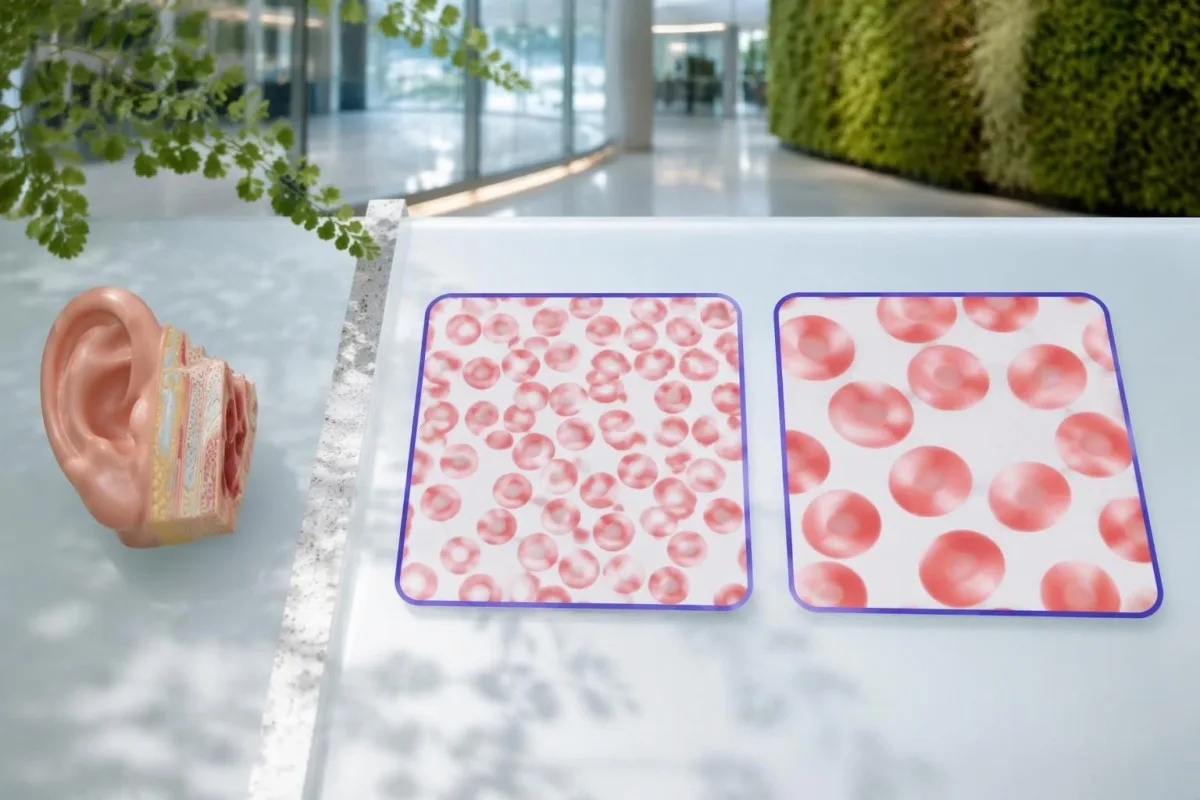
Hemoglobin measures anemia, while MCV measures average red-cell size; the 2 results answer different questions. An MCV of 108 fL with hemoglobin of 10.2 g/dL deserves a different assessment from an isolated MCV of 101 fL with stable hemoglobin, particularly when inflammatory symptoms are also present.
Many laboratories use a platelet reference interval of approximately 150–450 × 10^9/L. A falling platelet count can matter before it crosses the lower limit, and our borderline MCV explanation shows why persistent trends are often more useful than treating one near-boundary number as a diagnosis.
CRP is often markedly elevated during active VEXAS, but infection and many other inflammatory disorders can produce the same result. A hypothetical CRP of 80 mg/L is 16 times an upper limit of 5 mg/L; that comparison describes inflammatory intensity, not the probability of a UBA1 mutation.
RDW describes variation in red-cell size and can help explain a mixed CBC pattern, but it is not a VEXAS-specific biomarker. Our RDW ಮತ್ತು MCV ಮಾರ್ಗದರ್ಶಿ explains how 2 overlapping processes, such as iron deficiency and macrocytosis, can produce a deceptively ordinary average MCV.
| ಮಟ್ಟ | ವ್ಯಾಪ್ತಿ | ಅದರ ಅರ್ಥ |
|---|---|---|
| Typical adult MCV interval | 80–100 fL | Use the reporting laboratory's interval; an in-range result does not exclude early or masked macrocytosis. |
| ಮ್ಯಾಕ್ರೋಸೈಟೋಸಿಸ್ | >100 fL | Investigate nutritional, medication, liver, thyroid and marrow causes; this is not a VEXAS diagnostic threshold. |
| ಥ್ರಾಂಬೋಸೈಟೋಪೀನಿಯಾ | <150 × 10^9/L | Low platelets can support concern when combined with persistent inflammation and unexplained anemia. |
| CRP above the laboratory limit | Often >5 mg/L; some laboratories use >10 mg/L | Indicates an inflammatory response without identifying its cause. |
ಸಾಮಾನ್ಯ ಸ್ವಪ್ರತಿರೋಧಕ ಪರೀಕ್ಷಾ ಫಲಕಗಳಿಂದ VEXAS ಅನ್ನು ಏಕೆ ದೃಢೀಕರಿಸಲಾಗುವುದಿಲ್ಲ?
Routine autoimmune panels cannot confirm VEXAS syndrome because they measure antibodies or related immune markers, not acquired UBA1 mutations. ANA, rheumatoid factor, ANCA and complement results may help assess alternative or overlapping conditions, but no combination substitutes for appropriate molecular testing.
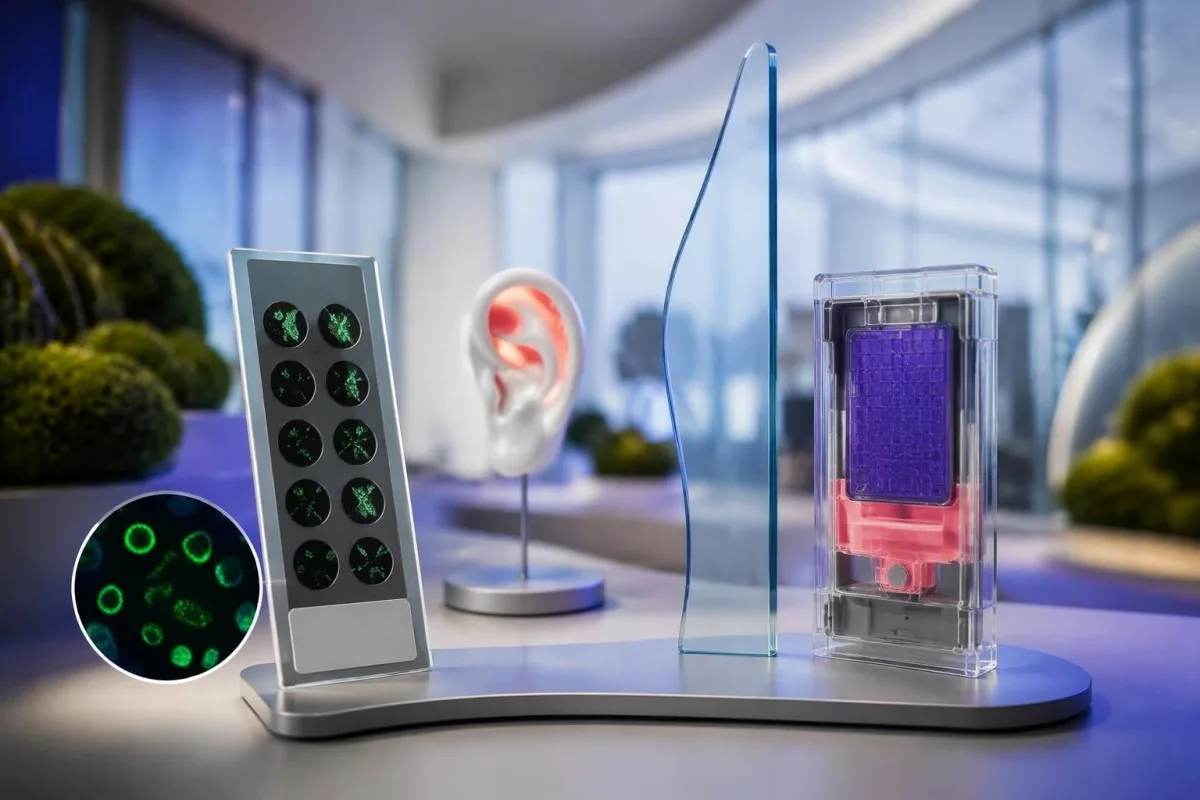
ANA testing detects antibodies directed against nuclear components; it does not read the UBA1 gene. A positive ANA at 1:160 may deserve interpretation in its own clinical context, while a negative ANA does not make unexplained fever, chondritis and macrocytic anemia safe to dismiss.
Repeating several antibody panels can create incidental positives without resolving the central question. Our ANA result explanation describes why 1 positive result is not equivalent to a disease diagnosis; the same caution applies when an antibody is found during a suspected VEXAS evaluation.
Complement testing can be useful when clinicians suspect an immune-complex disorder, but normal C3 and C4 cannot exclude VEXAS. The complement and antibody guide explains these 2 proteins; their biological role differs from the acquired enzyme dysfunction caused by a disease-associated UBA1 variant.
Autoinflammatory and autoimmune are related but not interchangeable descriptions: VEXAS is driven principally by abnormal innate immune activity associated with mutated blood-forming cells. Clinicians may still order 2 types of investigation in parallel—antibody testing for alternatives and molecular testing for VEXAS—because another diagnosis can coexist rather than disappear.
VEXAS ಕಾರಣವೆಂದು ಹೇಳುವ ಮೊದಲು ಬೇರೆ ಯಾವ ಕಾರಣಗಳನ್ನು ಪರಿಶೀಲಿಸಬೇಕು?
Vitamin B12 or folate deficiency, medication effects, alcohol use, liver disease, hypothyroidism and marrow disorders can cause macrocytosis. An MCV above 100 fL should trigger evaluation of these possibilities, while recurrent chondritis or unexplained inflammatory attacks may justify investigating VEXAS at the same time.
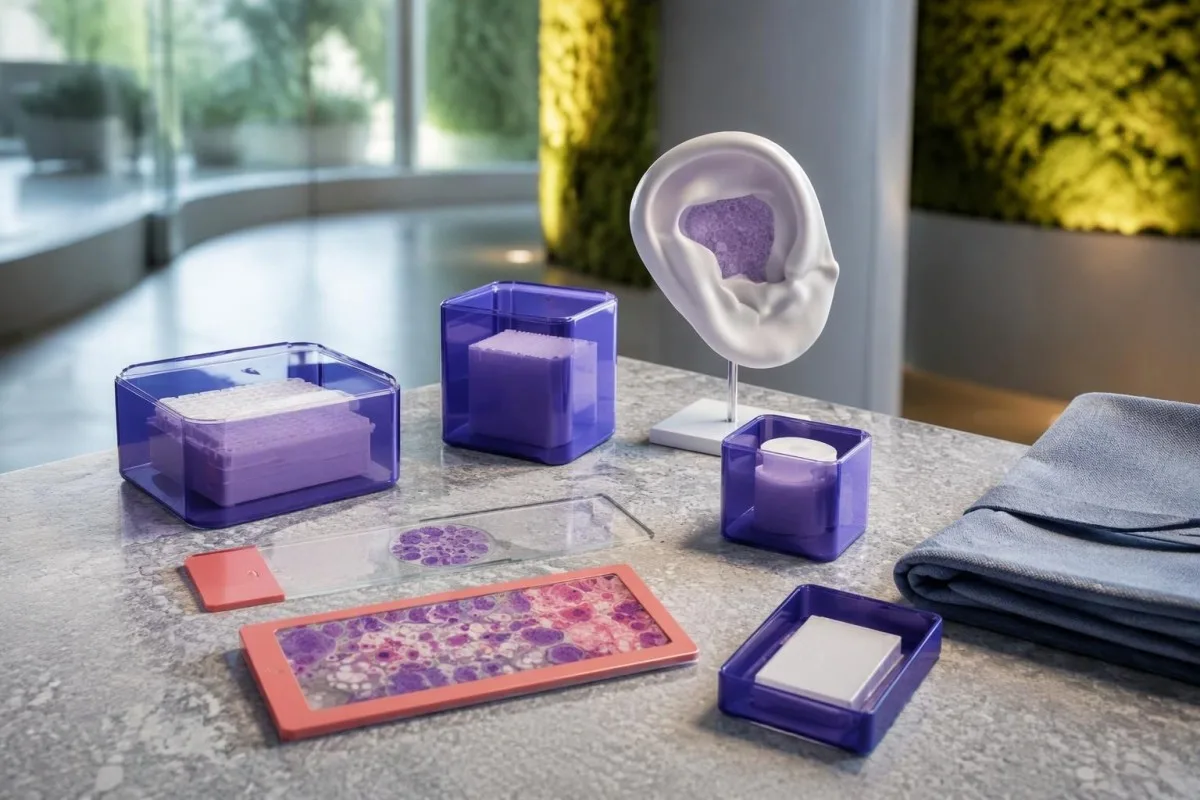
Vitamin B12 and folate results need interpretation alongside symptoms, treatment history and the CBC. A borderline B12 result may require additional assessment rather than immediate attribution of an MCV of 107 fL to VEXAS; our B12 versus folate explanation also explains why folate treatment can obscure part of a B12 deficiency picture.
Copper deficiency can cause cytopenias and vacuolated marrow precursors, making it an especially relevant mimic. Reviewing high-dose zinc supplements is therefore useful, and our ಕಡಿಮೆ ತಾಮ್ರದ ಮೌಲ್ಯಮಾಪನ ಮಾರ್ಗದರ್ಶಿ explains why 2 supplement ingredients—zinc and copper—may matter even when a product is marketed for general immune support.
Myelodysplastic syndrome can cause macrocytic anemia and may coexist with VEXAS rather than simply compete with it as an explanation. Our MDS confirmation guide distinguishes CBC clues from marrow evidence; 1 abnormal count cannot establish either diagnosis or determine whether both are present.
Medication and infection reviews are essential because treatment can change the very numbers being investigated. For example, glucocorticoids may increase neutrophils while lowering CRP, and a recent transfusion can alter MCV; bring the dates of these events, not just 2 laboratory reports that appear to disagree.
ದೈಹಿಕ UBA1 ಪರೀಕ್ಷೆಯು VEXAS ರೋಗನಿರ್ಣಯಕ್ಕೆ ಹೇಗೆ ನೆರವಾಗುತ್ತದೆ?
VEXAS syndrome diagnosis is established by a disease-associated somatic UBA1 variant in a compatible clinical setting. Peripheral blood is commonly used for testing, while marrow or a more sensitive method may be appropriate after an inconclusive result; many recognized variants affect methionine at position 41.
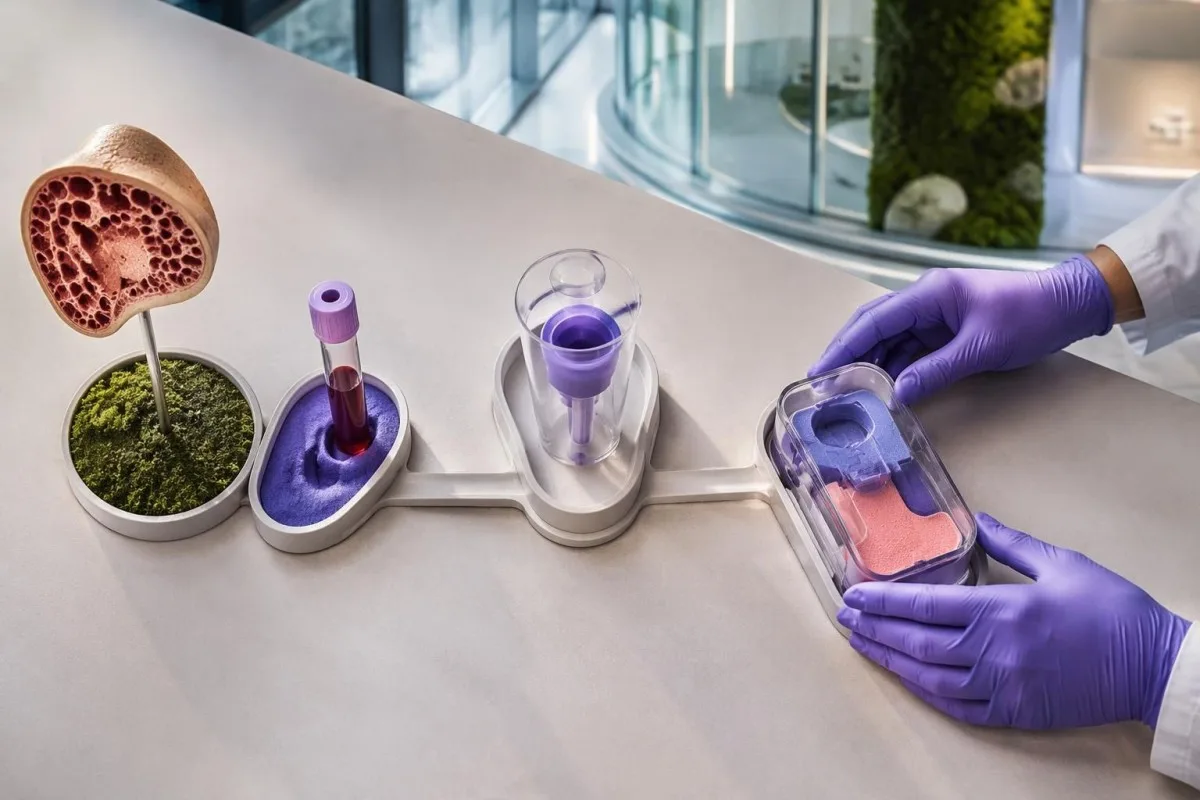
The request should specify suspected VEXAS and testing for somatic UBA1 variants rather than a general hereditary disease panel. These are 2 different diagnostic tasks: an inherited-risk assay may not include the relevant gene regions, cell source or detection sensitivity needed to identify an acquired clone.
Beck et al. linked UBA1 variants to altered ubiquitin-activating enzyme function in their 2020 New England Journal of Medicine report. Position 41 is a major hotspot, but a hotspot-only test is not equivalent to comprehensive relevant UBA1 analysis, because disease-associated noncanonical variants have also been described.
A negative result needs the laboratory method attached to it before its meaning is clear. An assay validated to detect a 5% variant allele fraction may miss a smaller clone; ask which regions were covered, the reported detection limit and whether the sample was suitable for somatic testing.
ಕಾಂತೆಸ್ಟಿ ಒಬ್ಬ AI ರಕ್ತ ಪರೀಕ್ಷೆ ವರದಿ ಅರ್ಥ ಪ್ಲಾಟ್ಫಾರ್ಮ್ that can help explain accompanying CBC and inflammatory-marker results, but it cannot infer a UBA1 sequence from 1 routine report. Our AI ತಂತ್ರಜ್ಞಾನದ ವಿವರಣೆ describes report interpretation; molecular diagnosis still requires an accredited laboratory and specialist interpretation.
UBA1 ರೂಪಾಂತರದ ವರದಿಯನ್ನು ನೀವು ಹೇಗೆ ಓದಬೇಕು?
A UBA1 report should state the variant, classification, sample type and testing limitations, often including variant allele fraction. A pathogenic or likely pathogenic disease-associated variant can support VEXAS, but a variant of uncertain significance is not diagnostic, and a 10% allele fraction is not a 10% severity score.
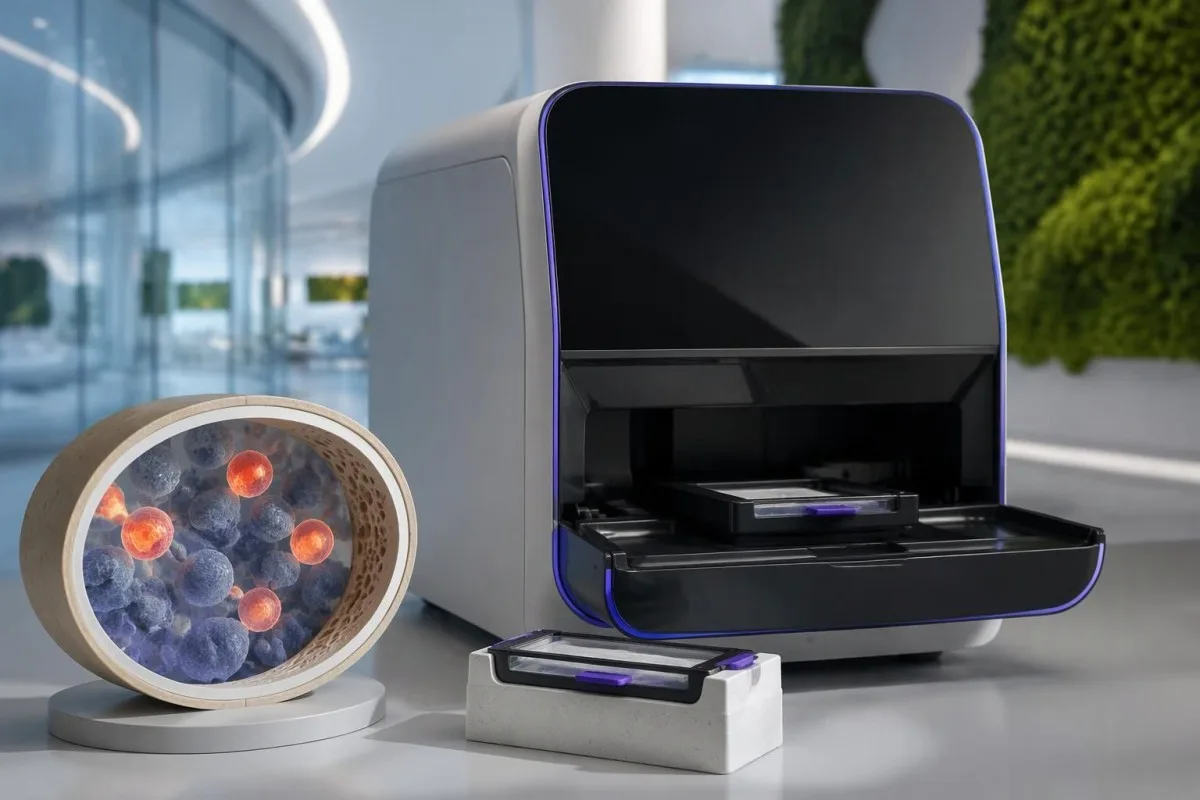
Variant allele fraction is the proportion of analyzed sequence reads carrying a particular change at that location. In a simple 1-X-chromosome model it may approximate the proportion of affected sampled cells, but cell mixtures, chromosome changes and laboratory methods complicate that estimate; it does not directly measure organ damage.
A hypothetical report showing a recognized disease-associated variant at 12% allele fraction may be meaningful even though most reads are unchanged. By contrast, a novel uncertain variant at 40% still requires expert assessment, because abundance cannot turn an unproven genetic finding into an established cause of symptoms.
Different clonal disorders require different molecular or cellular tests, even when anemia and thrombosis overlap. Our PNH clone testing guide explains a separate disorder assessed by flow cytometry; 1 negative PNH test does not evaluate UBA1, and a UBA1 result does not replace PNH testing when indicated.
Kantesti cannot determine whether an uncertain UBA1 finding is disease-causing simply by matching it to an elevated CRP of 70 mg/L. Ask the specialist whether additional sequencing, another specimen or formal variant review is needed, and keep the complete report rather than a screenshot containing only the word positive.
VEXAS ರೋಗನಿರ್ಣಯಕ್ಕೆ ಮೂಳೆ ಮಜ್ಜೆಯಲ್ಲಿನ ನಿರ್ವಾತಗಳು ಸಾಕೇ?
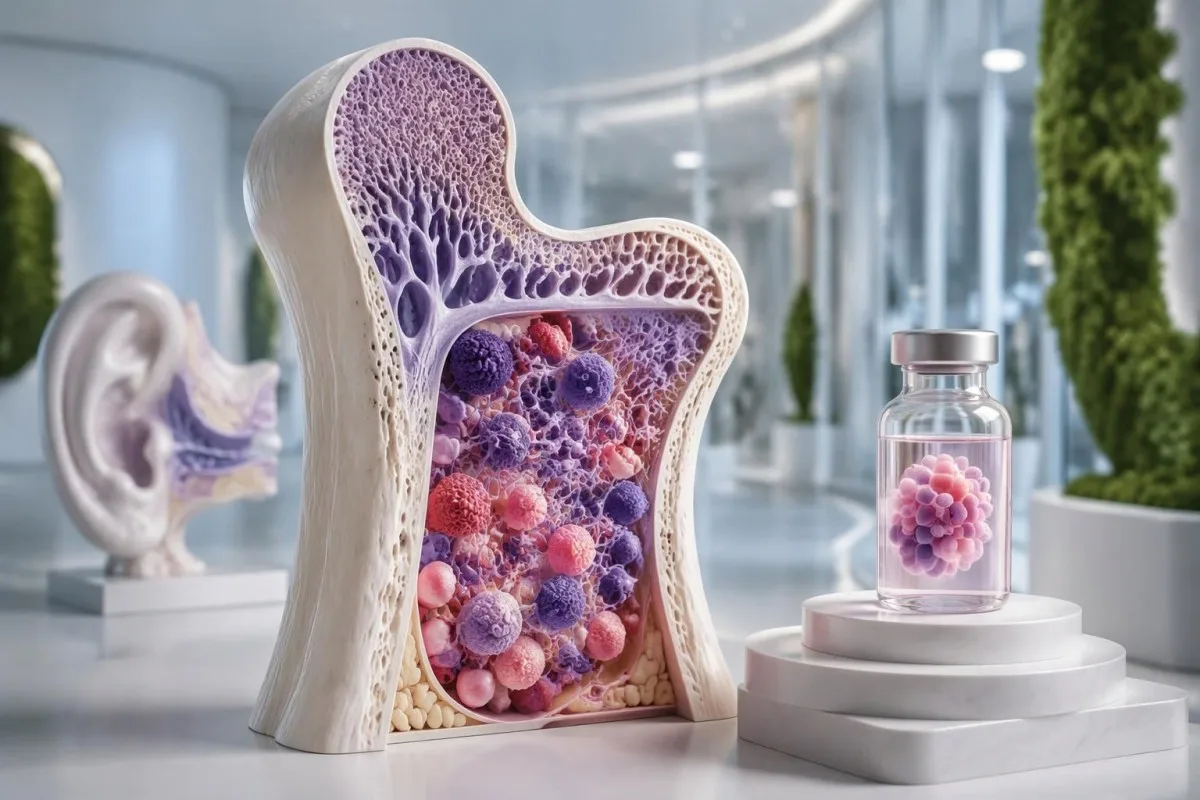
Bone marrow vacuoles are a clue, not proof of VEXAS syndrome. Vacuoles may appear in early myeloid and erythroid precursors, but they are neither completely specific nor universally present; an adult with an MCV above 100 fL still needs the broader clinical and molecular assessment.
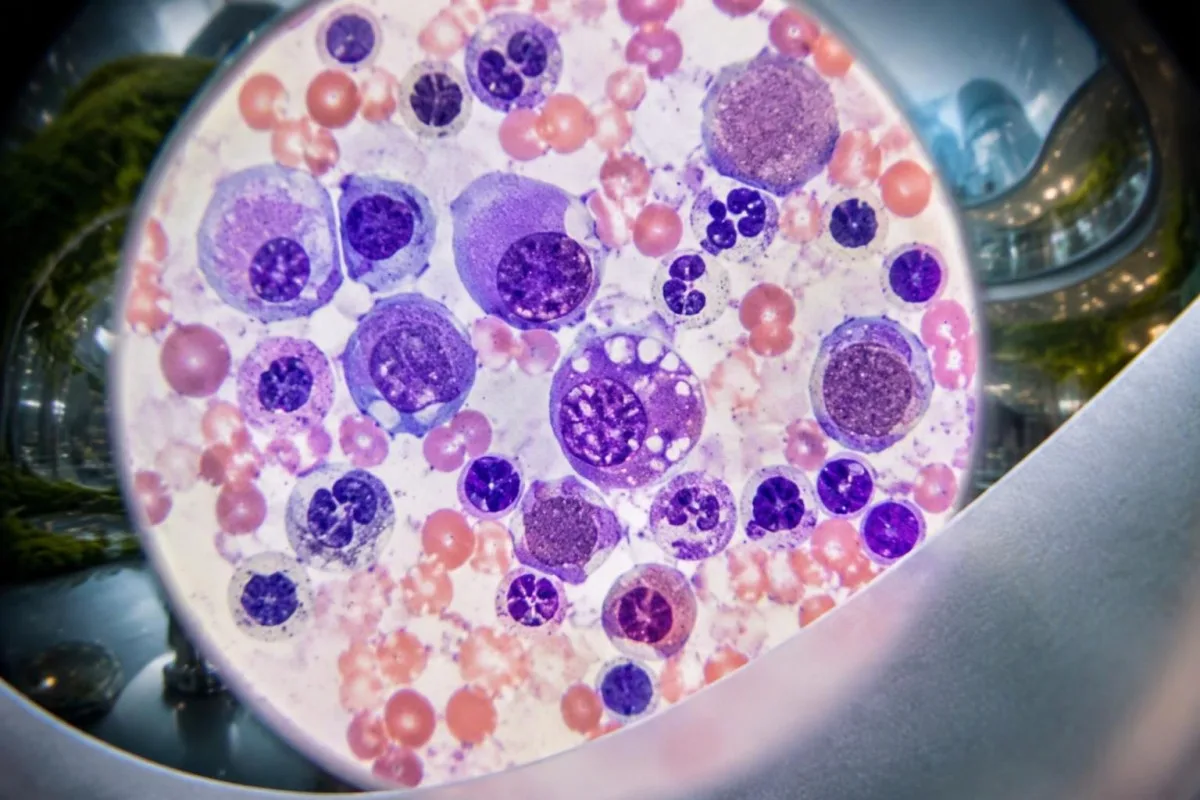
Vacuoles are small clear spaces visible within cells under microscopy, not holes that a patient can see on an ordinary CBC. Their absence on 1 marrow examination does not automatically exclude VEXAS, particularly when specimen quality, disease stage or the specific UBA1 variant affects the appearance.
Copper deficiency, alcohol-related effects and other conditions can produce vacuolated precursors. That overlap is why 2 complementary investigations may be needed: laboratory assessment for reversible mimics and somatic UBA1 testing, rather than treating a descriptive pathology finding as the final diagnosis.
Marrow examination also assesses cellularity, dysplasia and other abnormalities that may influence treatment decisions. Our explanation of teardrop cells and marrow clues describes a different microscopy finding; neither teardrop cells nor vacuoles can independently explain a platelet count of 95 × 10^9/L.
A marrow procedure is not automatically necessary for every isolated MCV of 102 fL, and a positive molecular result may already establish VEXAS in the right context. Hematology decides whether marrow assessment is needed to investigate persistent cytopenias, suspected MDS or another process that would change management.
ಸಂಧಿವಾತಶಾಸ್ತ್ರ ಅಥವಾ ರಕ್ತಶಾಸ್ತ್ರದ ಮೌಲ್ಯಮಾಪನ ಯಾವಾಗ ಸೂಕ್ತ?
Specialist assessment is appropriate when recurrent unexplained inflammation accompanies macrocytic anemia, falling platelets or other persistent cytopenias. Suspicion is higher after age 50, especially with chondritis, inflammatory skin findings or lung involvement; rheumatology and hematology often need to evaluate the pattern together.
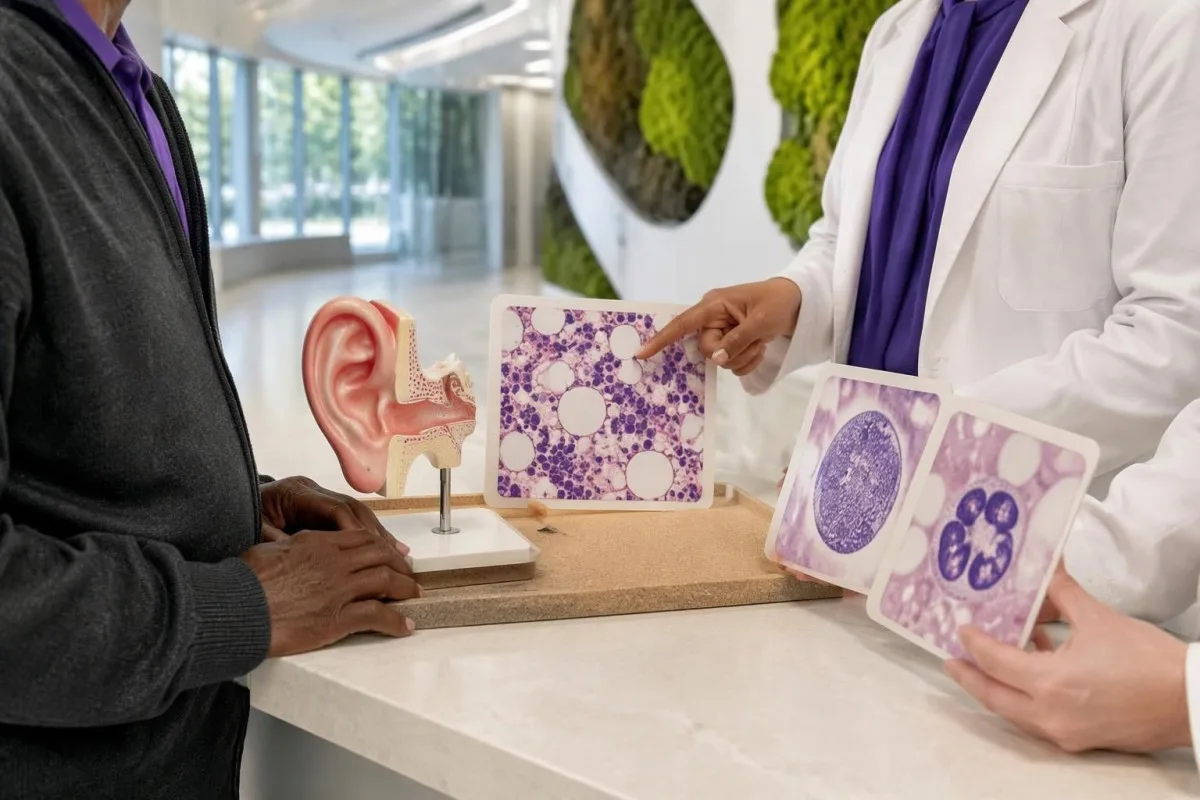
There is no universal CRP level, age boundary or number of attacks that automatically mandates UBA1 testing. A person aged 68 with recurrent ear chondritis and unexplained anemia has a different pretest probability from a person aged 28 with 1 viral fever and an otherwise stable CBC.
Steroid-responsive inflammation that repeatedly returns during dose reduction deserves reassessment, particularly when blood counts remain abnormal. Improvement over 2 days may show that symptoms are inflammatory, but it does not distinguish VEXAS from several other disorders and should not become the only justification for ongoing treatment.
Unexplained pain needs a broader workup when it accompanies constitutional symptoms or changing counts. Our ಹೆಸರಿಸದ ನೋವು ಪರೀಕ್ಷೆ ಮಾರ್ಗದರ್ಶಿ explains why inflammatory markers are only part of that workup; an MCV above 100 fL adds a marrow-related question that a pain score cannot answer.
A referral should highlight 3 elements: documented inflammatory episodes, the CBC trend and the results of common-cause investigations. If symptoms are progressing rapidly, new organs are involved or transfusions are being considered, ask the referring clinician whether the appointment needs to be expedited rather than waiting for another routine repeat test.
ಒಂದು ಉದಾಹರಣೆಯ ವಿವರಣೆ: ಮರುಕಳಿಸುವ ಕಿವಿ ಊತ ಮತ್ತು ಬದಲಾಗುತ್ತಿರುವ CBC
A hypothetical combination of recurrent chondritis, macrocytic anemia and low platelets warrants specialist evaluation, not an AI-generated diagnosis. Consider a 68-year-old man with hemoglobin 10.2 g/dL, MCV 108 fL, platelets 112 × 10^9/L and CRP 86 mg/L during a third episode of upper-ear swelling.
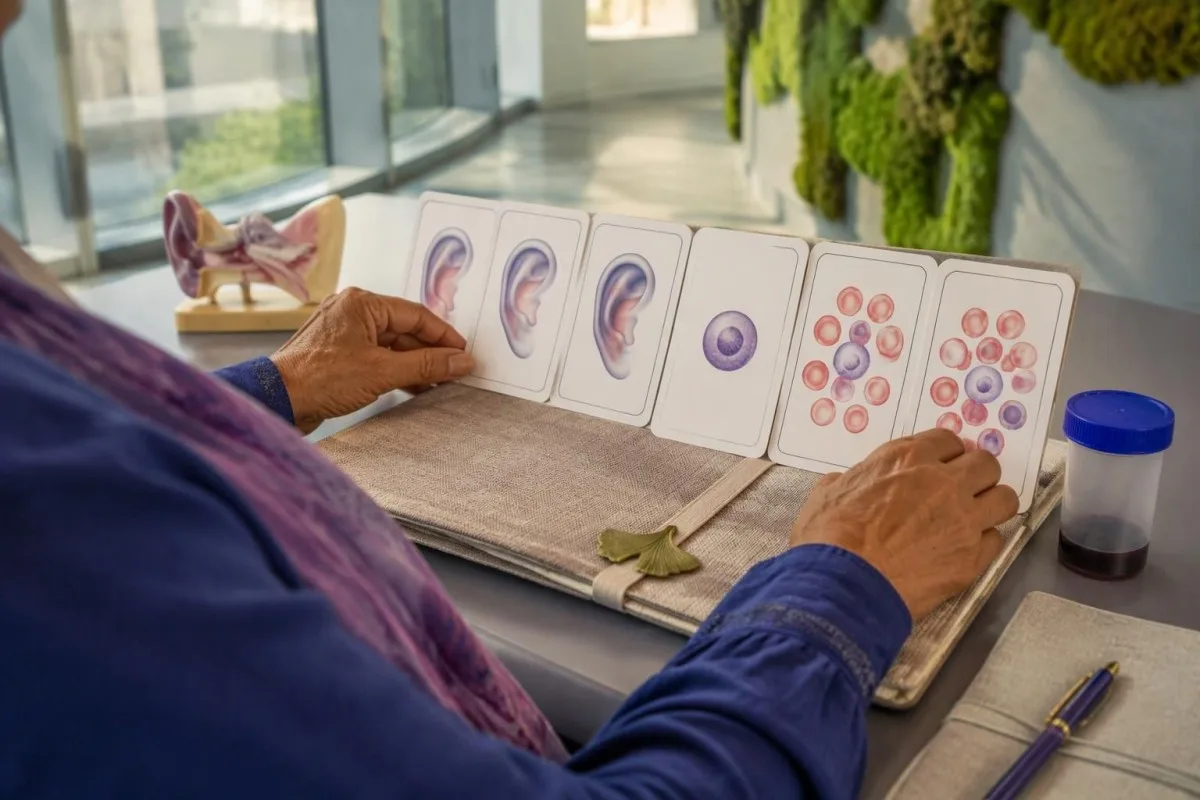
The first reasoning step is to separate symptom severity from diagnostic specificity: CRP of 86 mg/L confirms a substantial inflammatory response but does not identify its cause. The MCV of 108 fL and platelet count of 112 × 10^9/L add evidence that blood-cell production also needs investigation.
Suppose the person's B12, folate and thyroid assessments do not reveal an explanation, and medication, alcohol and liver reviews are unrevealing. A negative ANA would not close the case; the combination of 3 inflammatory episodes and persistent unexplained cytopenias would justify discussing somatic UBA1 testing with hematology and rheumatology.
Now suppose CRP falls to 12 mg/L after prescribed glucocorticoids, but hemoglobin falls to 9.8 g/dL. Those 2 trends are not contradictory: inflammatory activity may improve while marrow dysfunction or another anemia mechanism persists, so treatment response cannot be used as a substitute for investigating the falling hemoglobin.
Kantesti can help explain why those 2 trends deserve separate attention, but cannot establish VEXAS or choose immunosuppressive treatment. Our ಔಷಧ ಪ್ರವೃತ್ತಿ ವಿಶ್ಲೇಷಣೆ ಮಾರ್ಗದರ್ಶಿ explains why dose changes, transfusions and intercurrent illness should be recorded beside each result; the example here is entirely hypothetical.
ದೃಢೀಕೃತ VEXAS ಸಿಂಡ್ರೋಮ್ಗೆ ತಜ್ಞರು ಹೇಗೆ ಚಿಕಿತ್ಸೆ ನೀಡುತ್ತಾರೆ?
VEXAS treatment aims to control inflammation, manage cytopenias and reduce treatment-related harm. Glucocorticoids often suppress symptoms but may be difficult to taper; other options include selected immunomodulators, marrow-directed treatment and allogeneic stem-cell transplantation, with no single regimen appropriate for every adult over 50.
A falling CRP does not by itself establish treatment success if anemia, thrombosis or lung disease is worsening. Specialists follow at least 2 dimensions—clinical inflammatory activity and hematological status—and weigh these against cumulative glucocorticoid exposure, because prolonged treatment can cause infections, diabetes, osteoporosis and muscle weakness.
JAK inhibitors and IL-6-directed therapy are among approaches used by specialists, while azacitidine may be considered in selected patients, particularly with associated marrow disease. Evidence and access vary, and much published experience is observational; a response lasting 6 months in one cohort does not reliably predict an individual's longer-term benefit.
Allogeneic stem-cell transplantation can potentially eliminate the abnormal blood-forming clone and produce sustained remission in selected patients. It also carries substantial risks, including graft-versus-host disease and serious infection, so 2 people of the same age may receive different recommendations because fitness, organ involvement and donor availability differ.
Infection prevention deserves planning before immunosuppression, not only after fever develops. Depending on exposures and the proposed regimen, clinicians may consider screening or prevention measures described in our Strongyloides testing explanation; even 1 relevant past exposure can matter before corticosteroids, and prescribed steroids should never be stopped abruptly without guidance.
ಯಾವ ಲಕ್ಷಣಗಳಿಗೆ ತುರ್ತು ಅಥವಾ ತಕ್ಷಣದ ವೈದ್ಯಕೀಯ ಆರೈಕೆಯ ಅಗತ್ಯವಿದೆ?
New breathing difficulty, chest pain, airway symptoms, neurological deficits or significant bleeding require urgent assessment in someone with suspected or confirmed VEXAS. Fever of 38°C or higher during substantial immunosuppression also needs prompt clinical advice, particularly when neutrophils are low.
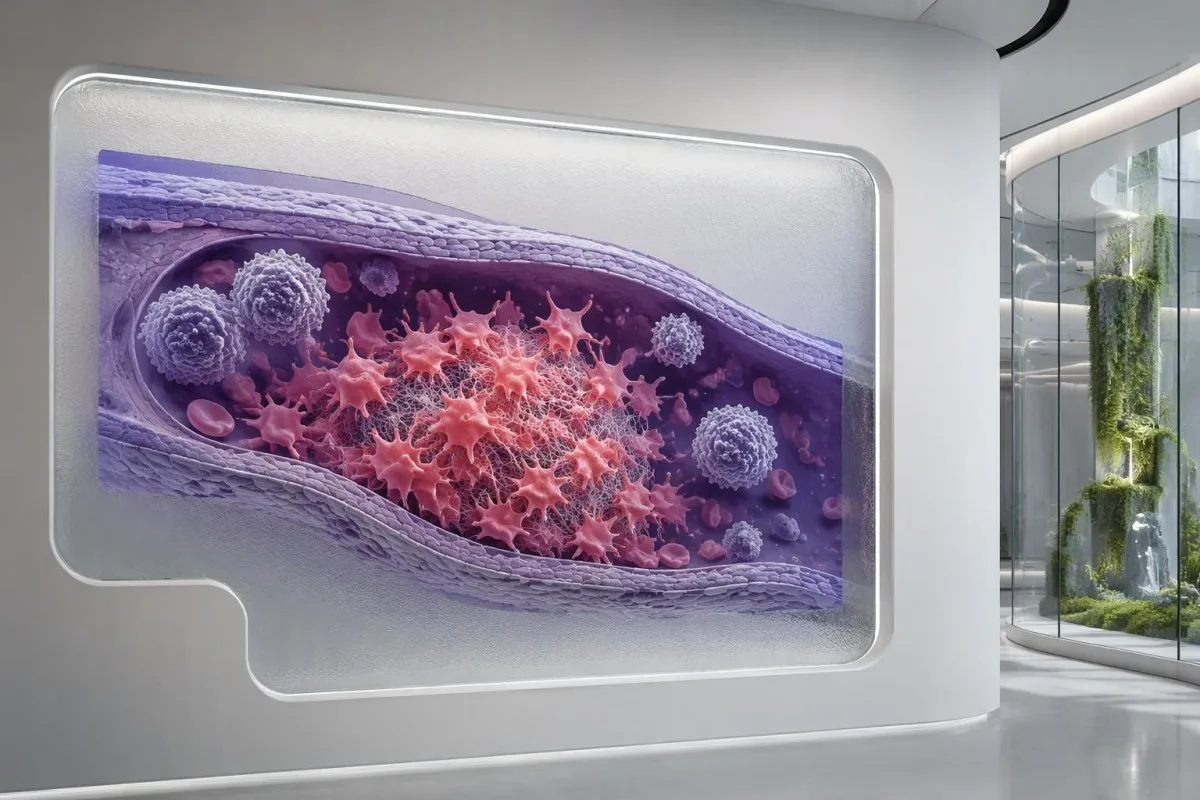
VEXAS is associated with venous thrombosis, so a painful swollen leg or sudden breathlessness should not be dismissed as another inflammatory flare. Normal routine clotting times do not exclude a clot; our ಹೆಪ್ಪುಗಟ್ಟುವಿಕೆ ಪ್ಯಾನೆಲ್ನ ಮಿತಿಗಳು explain why 2 normal tests, PT and aPTT, cannot provide that reassurance.
An absolute neutrophil count below 0.5 × 10^9/L represents severe neutropenia and increases concern when fever occurs. Treatment can also blunt the temperature response, so feeling acutely unwell with shaking chills, confusion or rapidly worsening weakness can require urgent assessment even when a thermometer reads below 38°C.
Breathlessness can reflect lung inflammation, infection, pulmonary embolism or worsening anemia, and these require different treatments. Our breathlessness blood test guide explains why hemoglobin of 8 g/dL may contribute without proving the entire cause; new chest pain or sudden breathing difficulty should not wait for an uploaded report.
Persistent nose or gum bleeding, black stools or a severe new headache needs urgent advice, especially if platelets are very low. A count below 20 × 10^9/L generally warrants prompt clinical review, but the urgency depends on symptoms and context; significant bleeding is an emergency even above that number.
ಅನುಸರಣೆ, AIಯ ಮಿತಿಗಳು ಮತ್ತು ಸಂಶೋಧನಾ ಪ್ರಕಟಣೆಗಳು
Useful VEXAS follow-up combines symptoms, treatment history, CBC trends and inflammatory markers, with molecular and marrow findings interpreted by specialists. An AI explanation of 1 laboratory report can support preparation for care, but it cannot diagnose VEXAS, exclude infection or establish whether a UBA1 variant is pathogenic.
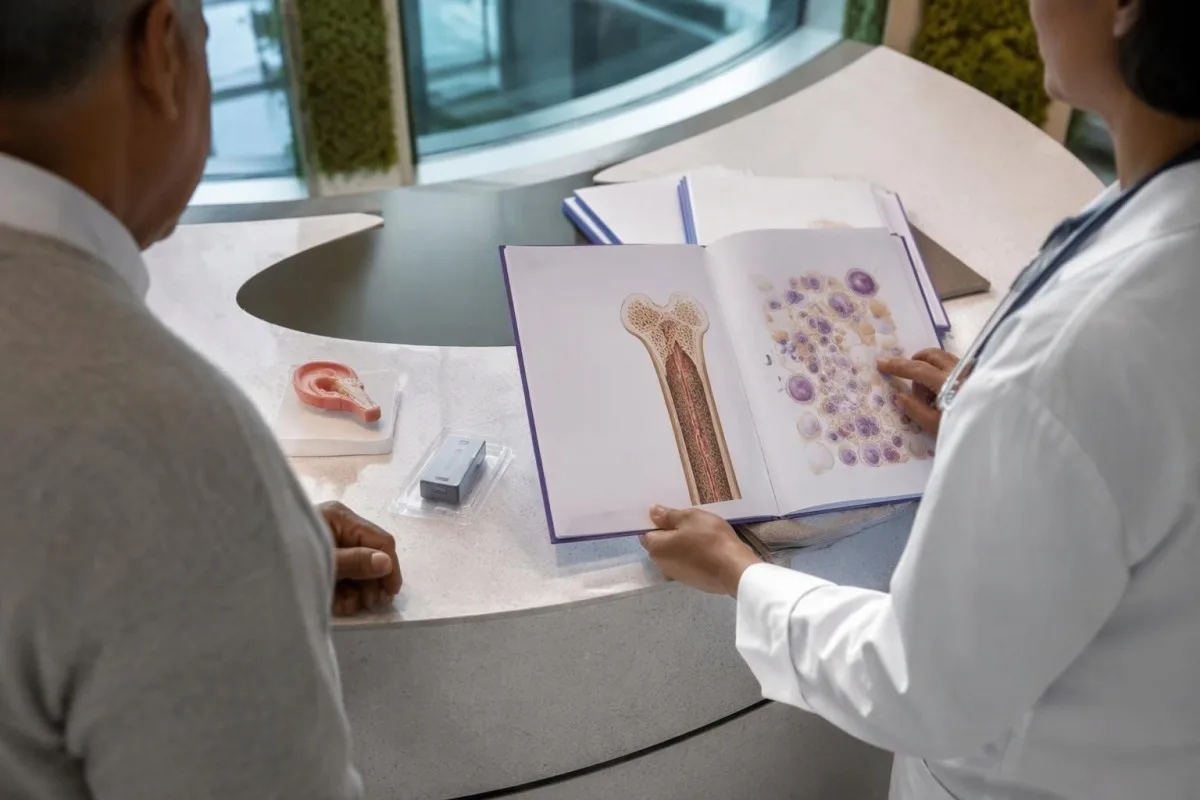
Bring original CBC reports, inflammatory markers and the complete UBA1 result, including specimen type and detection limit. Record 3 timeline features beside them: flare dates, medication changes and transfusions; this makes it easier to distinguish a true disease trend from a treatment effect or a change in testing conditions.
ಕಾಂತೆಸ್ಟಿ ಒಬ್ಬ AI-ಚಾಲಿತ ರಕ್ತ ಪರೀಕ್ಷೆ ವಿಶ್ಲೇಷಣೆ ಸಾಧನ that can explain laboratory patterns without converting an MCV above 100 fL into a rare-disease diagnosis. Genetic reports can reveal sensitive information, so review our ಗೌಪ್ಯತೆ ಮತ್ತು ದತ್ತಾಂಶದ ಮಾಹಿತಿ before sharing records, and include only documents you are authorized to upload.
Kantesti's 2 DOI-linked publications below concern broader blood-test interpretation and RDW education, not clinical trials of VEXAS diagnosis or UBA1 sequencing. They should therefore be read separately from the disease-specific medical studies listed in the external references; neither publication establishes VEXAS-specific diagnostic sensitivity or treatment effectiveness.
ನಮ್ಮ ಕಾರ್ಯವಿಧಾನ ಮತ್ತು ಕ್ಲಿನಿಕಲ್ ಮಾನದಂಡಗಳು explain the distinction between report interpretation and medical diagnosis. Before the next appointment, write 2 questions: whether the laboratory method adequately assessed somatic UBA1 variants, and whether persistent cytopenias need marrow evaluation; these are more actionable than asking an AI to calculate an unsupported VEXAS probability.
ಆಗಾಗ್ಗೆ ಕೇಳಲಾಗುವ ಪ್ರಶ್ನೆಗಳು
VEXAS ಸಿಂಡ್ರೋಮ್ನ ಮೊದಲ ಲಕ್ಷಣಗಳು ಯಾವುವು?
VEXAS ಸಿಂಡ್ರೋಮ್ ಸಾಮಾನ್ಯವಾಗಿ ಮರುಕಳಿಸುವ ಕಾರಣ ತಿಳಿಯದ ಜ್ವರ, ಉರಿಯೂತದ ಚರ್ಮ ಬದಲಾವಣೆಗಳು, ಆಯಾಸ ಅಥವಾ ಕಿವಿ ಅಥವಾ ಮೂಗಿನ ಕಾರ್ಟಿಲೆಜ್ ಊತದಿಂದ ಆರಂಭವಾಗುತ್ತದೆ; ಇದು ಸಾಮಾನ್ಯವಾಗಿ 50 ವರ್ಷ ವಯಸ್ಸಿನ ನಂತರ ಕಾಣಿಸಿಕೊಳ್ಳುತ್ತದೆ. ಈ ಲಕ್ಷಣಗಳಿಗೆ ಮೊದಲು, ಅವುಗಳೊಂದಿಗೆ ಅಥವಾ ನಂತರ ಮ್ಯಾಕ್ರೋಸೈಟಿಕ್ ರಕ್ತಹೀನತೆ ಅಥವಾ ಇತರ ಅಸಹಜ ರಕ್ತಕಣಗಳ ಎಣಿಕೆಗಳು ಕಾಣಿಸಿಕೊಳ್ಳಬಹುದು. ವಯಸ್ಕರಲ್ಲಿ MCV ಸುಮಾರು 100 fL ಗಿಂತ ಹೆಚ್ಚಿರುವುದು ಒಂದು ಸುಳಿವು ಮಾತ್ರ, ರೋಗನಿರ್ಣಯವಲ್ಲ. ಮರುಕಳಿಸುವ ಉರಿಯೂತದ ಲಕ್ಷಣಗಳೊಂದಿಗೆ ನಿರಂತರವಾಗಿ ಕಾರಣ ತಿಳಿಯದ ಸೈಟೋಪೀನಿಯಾಗಳಿದ್ದರೆ, ರ್ಯೂಮಟಾಲಜಿ ಮತ್ತು ಹೆಮಟಾಲಜಿ ಮೌಲ್ಯಮಾಪನದ ಬಗ್ಗೆ ಚರ್ಚಿಸುವುದು ಸೂಕ್ತ.
VEXAS ಸಿಂಡ್ರೋಮ್ ಅನ್ನು ಯಾವ ಪರೀಕ್ಷೆಯು ದೃಢೀಕರಿಸುತ್ತದೆ?
ಹೊಂದಾಣಿಕೆಯಾಗುವ ವೈದ್ಯಕೀಯ ಸನ್ನಿವೇಶದಲ್ಲಿ ರೋಗಕ್ಕೆ ಸಂಬಂಧಿಸಿದ ದೈಹಿಕ UBA1 ರೂಪಾಂತರವನ್ನು ಗುರುತಿಸುವ ಮೂಲಕ VEXAS ಸಿಂಡ್ರೋಮ್ ಅನ್ನು ಪತ್ತೆಹಚ್ಚಲಾಗುತ್ತದೆ. ಪರೀಕ್ಷೆಗೆ ಸಾಮಾನ್ಯವಾಗಿ ಬಾಹ್ಯ ರಕ್ತವನ್ನು ಬಳಸಲಾಗುತ್ತದೆ; ಆದಾಗ್ಯೂ, ಆಯ್ದ ಪ್ರಕರಣಗಳಲ್ಲಿ ಮೂಳೆ ಮಜ್ಜೆ ಅಥವಾ ಹೆಚ್ಚು ಸೂಕ್ಷ್ಮವಾದ ಪರೀಕ್ಷಾ ವಿಧಾನ ಬೇಕಾಗಬಹುದು. ಗುರುತಿಸಲಾದ ಹಲವು ರೂಪಾಂತರಗಳು 41ನೇ ಸ್ಥಾನದಲ್ಲಿನ ಮೆಥಿಯೋನಿನ್ ಮೇಲೆ ಪರಿಣಾಮ ಬೀರುತ್ತವೆ; ಆದರೆ ಸೀಮಿತ ಹಾಟ್ಸ್ಪಾಟ್ ಪರೀಕ್ಷೆಯು ಇತರ ರೋಗ-ಸಂಬಂಧಿತ ರೂಪಾಂತರಗಳನ್ನು ಪತ್ತೆಹಚ್ಚದಿರಬಹುದು. ರೂಪಾಂತರದ ವರ್ಗೀಕರಣ, ಜೀನ್ ವ್ಯಾಪ್ತಿ ಮತ್ತು ಪತ್ತೆ ಮಿತಿಯೊಂದಿಗೆ ವರದಿಯನ್ನು ಅರ್ಥೈಸಬೇಕು.
ಸಾಮಾನ್ಯ ANA ಅಥವಾ ಸ್ವಯಂಪ್ರತಿರಕ್ಷಣಾ ಫಲಕವು VEXAS ಅನ್ನು ತಳ್ಳಿಹಾಕಬಹುದೇ?
0 ಸಾಮಾನ್ಯ ANA ಅಥವಾ ನಿಯಮಿತ ಆಟೋಇಮ್ಯೂನ್ ಪ್ಯಾನೆಲ್ VEXAS ಸಿಂಡ್ರೋಮ್ ಅನ್ನು ತಳ್ಳಿಹಾಕಲು ಸಾಧ್ಯವಿಲ್ಲ, ಏಕೆಂದರೆ ಈ ಪರೀಕ್ಷೆಗಳು ದೈಹಿಕ ಕೋಶಗಳಲ್ಲಿನ UBA1 ರೂಪಾಂತರಗಳನ್ನು ಪತ್ತೆಹಚ್ಚುವುದಿಲ್ಲ. 1:160 ಪ್ರಮಾಣದಲ್ಲಿ ANA ಪಾಸಿಟಿವ್ ಆಗಿರುವುದೂ VEXAS ಅನ್ನು ದೃಢಪಡಿಸುವುದಿಲ್ಲ ಅಥವಾ ಅಗತ್ಯವಾಗಿ ಬೇರೆ ಆಟೋಇಮ್ಯೂನ್ ರೋಗವನ್ನು ಸ್ಥಾಪಿಸುವುದಿಲ್ಲ. ಪರ್ಯಾಯ ಸಾಧ್ಯತೆಗಳನ್ನು ಪರಿಶೀಲಿಸಲು ಆಂಟಿಬಾಡಿ ಪರೀಕ್ಷೆಗಳು ಸಹಾಯ ಮಾಡಬಹುದು; ಆದರೆ CBC ಮಾದರಿಗಳು, ಲಕ್ಷಣಗಳು ಮತ್ತು ಆಣ್ವಿಕ ಪರೀಕ್ಷೆಗಳು ಪ್ರತ್ಯೇಕ ಪ್ರಶ್ನೆಗಳಿಗೆ ಉತ್ತರಿಸುತ್ತವೆ. ಆಂಟಿಬಾಡಿ ಪರೀಕ್ಷೆಗಳು ನೆಗೆಟಿವ್ ಆಗಿವೆ ಎಂಬ ಒಂದೇ ಕಾರಣಕ್ಕೆ ನಿರಂತರ ಮ್ಯಾಕ್ರೋಸೈಟಿಕ್ ರಕ್ತಹೀನತೆ ಮತ್ತು ಮರುಕಳಿಸುವ ಕಾರ್ಟಿಲೇಜ್ ಉರಿಯೂತವನ್ನು ನಿರ್ಲಕ್ಷಿಸಬಾರದು.
VEXAS ಸಿಂಡ್ರೋಮ್ ಅನುವಂಶಿಕವೇ, ಮತ್ತು ನನ್ನ ಮಕ್ಕಳನ್ನು ಪರೀಕ್ಷಿಸಬೇಕೇ?
ಸಾಮಾನ್ಯ VEXAS ಸಿಂಡ್ರೋಮ್ ವಂಶಪಾರಂಪರ್ಯವಾಗಿ ಬರುವುದಕ್ಕಿಂತಲೂ ಗಳಿಸಿಕೊಂಡದ್ದಾಗಿರುತ್ತದೆ, ಆದ್ದರಿಂದ ಮಕ್ಕಳಿಗೆ ವಾಡಿಕೆಯ ಪರೀಕ್ಷೆಯನ್ನು ಸಾಮಾನ್ಯವಾಗಿ ಶಿಫಾರಸು ಮಾಡುವುದಿಲ್ಲ. ಸಂಬಂಧಿತ UBA1 ರೂಪಾಂತರವು ಸಾಮಾನ್ಯವಾಗಿ ವಯಸ್ಕ ಜೀವನದಲ್ಲಿ ರಕ್ತಕಣಗಳನ್ನು ಉತ್ಪಾದಿಸುವ ಕೋಶಗಳಲ್ಲಿ ಬೆಳೆಯುತ್ತದೆ; ಲಕ್ಷಣಗಳು ಹೆಚ್ಚಾಗಿ 50 ವರ್ಷಗಳ ನಂತರ ಕಾಣಿಸಿಕೊಳ್ಳುತ್ತವೆ. UBA1 X ಕ್ರೋಮೋಸೋಮ್ನಲ್ಲಿದ್ದರೂ, ಅದರಿಂದ ದೈಹಿಕ VEXAS ರೂಪಾಂತರವು ಸ್ವಯಂಚಾಲಿತವಾಗಿ ಸಂತತಿಗೆ ಹರಡುತ್ತದೆ ಎಂದರ್ಥವಲ್ಲ. ಅಸಾಮಾನ್ಯ ಅಥವಾ ಸಂವಿಧಾನಾತ್ಮಕವಾಗಿರಬಹುದಾದ ಸಂಶೋಧನೆಗಳನ್ನು ವೈದ್ಯಕೀಯ ತಳಿವಿಜ್ಞಾನ ತಜ್ಞರು ಪರಿಶೀಲಿಸಬೇಕು.
ಮಹಿಳೆಯರಲ್ಲಿ VEXAS ಸಿಂಡ್ರೋಮ್ ಉಂಟಾಗಬಹುದೇ?
0 ಮಹಿಳೆಯರಲ್ಲಿಯೂ VEXAS ಸಿಂಡ್ರೋಮ್ ಉಂಟಾಗಬಹುದು, ಆದರೂ ಗುರುತಿಸಲಾದ ಹೆಚ್ಚಿನ ಪ್ರಕರಣಗಳು ವಯಸ್ಸಾದ ಪುರುಷರಲ್ಲಿ ಕಂಡುಬರುತ್ತವೆ. UBA1 X ವರ್ಣತಂತುವಿನಲ್ಲಿದೆ, ಮತ್ತು ಬಾಧಿತ ಕೋಶಗಳಲ್ಲಿ 1 X ವರ್ಣತಂತು ನಷ್ಟವಾಗುವುದು ಮಹಿಳೆಯರಲ್ಲಿ ವರದಿಯಾದ ಒಂದು ಕಾರ್ಯವಿಧಾನವಾಗಿದೆ. 2023ರ JAMA ಆರೋಗ್ಯ ವ್ಯವಸ್ಥೆಯ ಅಧ್ಯಯನದಲ್ಲಿ, ರೋಗಕ್ಕೆ ಸಂಬಂಧಿಸಿದ UBA1 ರೂಪಾಂತರಗಳಿರುವ 11 ಭಾಗವಹಿಸಿದವರಲ್ಲಿ 2 ಮಹಿಳೆಯರನ್ನು ಗುರುತಿಸಲಾಯಿತು. ಮರುಕಳಿಸುವ ಉರಿಯೂತ ಮತ್ತು ವಿವರಿಸಲಾಗದ ರಕ್ತಕಣಗಳ ಎಣಿಕೆಯ ಅಸಹಜತೆಗಳು ಬಲವಾಗಿ ಸೂಚಿಸುತ್ತಿದ್ದರೆ, ಲಿಂಗವೊಂದೇ ತಜ್ಞರ ಮೌಲ್ಯಮಾಪನಕ್ಕೆ ಅಡ್ಡಿಯಾಗಬಾರದು.
ನಕಾರಾತ್ಮಕ UBA1 ಪರೀಕ್ಷೆಯು VEXAS ಸಿಂಡ್ರೋಮ್ ಅನ್ನು ತಳ್ಳಿಹಾಕುತ್ತದೆಯೇ?
0 ನಕಾರಾತ್ಮಕ UBA1 ಪರೀಕ್ಷೆಯು VEXAS ಇರುವ ಸಾಧ್ಯತೆಯನ್ನು ಕಡಿಮೆ ಮಾಡುವ ಮಟ್ಟವು, ಮಾದರಿ ಮತ್ತು ಪರೀಕ್ಷಾ ವಿಧಾನ ಸೂಕ್ತವಾಗಿದ್ದವು ಎಂಬುದರ ಮೇಲೆ ಅವಲಂಬಿತವಾಗಿದೆ. 5% ರೂಪಾಂತರ ಅಲೀಲ್ ಪ್ರಮಾಣದ ಪತ್ತೆ ಮಿತಿಯಿರುವ ಪರೀಕ್ಷೆಯು ಸಣ್ಣ ಕ್ಲೋನ್ ಅನ್ನು ಪತ್ತೆಮಾಡದೆ ಬಿಡಬಹುದು, ಮತ್ತು ಹಾಟ್ಸ್ಪಾಟ್ಗಳನ್ನು ಮಾತ್ರ ಪರೀಕ್ಷಿಸುವ ವಿಧಾನವು ಪರೀಕ್ಷೆಗೆ ಒಳಪಡಿಸಿದ ಪ್ರದೇಶದ ಹೊರಗಿನ ರೂಪಾಂತರಗಳನ್ನು ಪತ್ತೆಮಾಡದೆ ಬಿಡಬಹುದು. ಕ್ಲಿನಿಕಲ್ ಅನುಮಾನ ಬಲವಾಗಿದ್ದರೆ, ಪರೀಕ್ಷಾ ವ್ಯಾಪ್ತಿ, ಸಂವೇದನಾಶೀಲತೆ ಮತ್ತು ಮಾದರಿಯ ಪ್ರಕಾರವನ್ನು ತಜ್ಞರು ಪರಿಶೀಲಿಸುವುದು ಸಮರ್ಥನೀಯ. ಸರಿಯಾಗಿ ನಡೆಸಿದ ನಕಾರಾತ್ಮಕ ಫಲಿತಾಂಶವು, ಸ್ಪಷ್ಟ ಕಾರಣವಿಲ್ಲದೆ ಪರೀಕ್ಷೆಯನ್ನು ಪುನರಾವರ್ತಿಸುವ ಬದಲು, ಪರ್ಯಾಯ ರೋಗನಿರ್ಣಯಗಳನ್ನು ಎಚ್ಚರಿಕೆಯಿಂದ ಮರುಪರಿಶೀಲಿಸಲು ಸಹ ಪ್ರೇರೇಪಿಸಬೇಕು.
VEXAS ಸಿಂಡ್ರೋಮ್ಗೆ ಚಿಕಿತ್ಸೆ ಇದೆಯೇ?
ಅಸಹಜ ರಕ್ತಕಣಗಳನ್ನು ರೂಪಿಸುವ ಕ್ಲೋನ್ ಅನ್ನು ಬದಲಿಸುವ ಮೂಲಕ ಅಲೋಜೆನಿಕ್ ಸ್ಟೆಮ್-ಸೆಲ್ ಕಸಿ ದೀರ್ಘಕಾಲದ ಉಪಶಮನವನ್ನು ಉಂಟುಮಾಡುವ ಸಾಧ್ಯತೆಯಿದೆ, ಆದರೆ ಇದು ಆಯ್ದ ರೋಗಿಗಳಿಗೆ ಮಾತ್ರ ಸೂಕ್ತವಾಗಿದ್ದು, ಗಣನೀಯ ಅಪಾಯಗಳನ್ನು ಹೊಂದಿದೆ. ಇತರ ಚಿಕಿತ್ಸೆಗಳು ಕ್ಲೋನ್ ಅನ್ನು ಖಚಿತವಾಗಿ ನಿರ್ಮೂಲನೆ ಮಾಡುವ ಬದಲು ಉರಿಯೂತವನ್ನು ನಿಯಂತ್ರಿಸುವುದು, ಸೈಟೋಪೀನಿಯಾಗಳನ್ನು ನಿರ್ವಹಿಸುವುದು ಮತ್ತು ಗ್ಲೂಕೊಕಾರ್ಟಿಕಾಯ್ಡ್ಗಳ ಬಳಕೆಯನ್ನು ಕಡಿಮೆ ಮಾಡುವುದರ ಮೇಲೆ ಗಮನಹರಿಸುತ್ತವೆ. 50 ವರ್ಷಕ್ಕಿಂತ ಮೇಲ್ಪಟ್ಟ ವಯಸ್ಕರಲ್ಲಿ, ದೈಹಿಕ ಕ್ಷಮತೆ, ಅಂಗಗಳ ತೊಡಗಿಸಿಕೊಳ್ಳುವಿಕೆ ಮತ್ತು ಸಂಬಂಧಿತ ಮೂಳೆಮಜ್ಜೆಯ ಕಾಯಿಲೆಯು ಚಿಕಿತ್ಸೆಯ ಆಯ್ಕೆಗಳ ಮೇಲೆ ಬಲವಾದ ಪ್ರಭಾವ ಬೀರಬಹುದು. ಯಾವುದೇ ಪೂರಕ ಆಹಾರ, ಆಹಾರ ಯೋಜನೆ ಅಥವಾ AI ರಕ್ತ ಪರೀಕ್ಷೆಯ ವ್ಯಾಖ್ಯಾನವು VEXAS ಅನ್ನು ಗುಣಪಡಿಸುತ್ತದೆ ಎಂದು ತೋರಿಸಲಾಗಿಲ್ಲ.
ನಿಮ್ಮ ರಕ್ತ ಪರೀಕ್ಷೆ ಫಲಿತಾಂಶಗಳನ್ನು ವಿವರಿಸಿಕೊಳ್ಳಿ
ನಿಮ್ಮ ಪ್ರಯೋಗಾಲಯ ವರದಿಯನ್ನು ಅಪ್ಲೋಡ್ ಮಾಡಿ; Kantestiಯ AI ಕೆಲವೇ ಸೆಕೆಂಡುಗಳಲ್ಲಿ ಪ್ರತಿಯೊಂದು ಜೈವಿಕ ಸೂಚಕವನ್ನು ಸರಳ ಭಾಷೆಯಲ್ಲಿ ವಿವರಿಸುತ್ತದೆ. ವಿಶ್ವದಾದ್ಯಂತ 2 ದಶಲಕ್ಷಕ್ಕೂ ಹೆಚ್ಚು ಜನರು ಬಳಸಿದ್ದಾರೆ.
ಉಲ್ಲೇಖಗಳು
- Klein, T., Mitchell, S., & Weber, H. (2026). AI ರಕ್ತ ಪರೀಕ್ಷೆ ವಿಶ್ಲೇಷಕ: 2.5M ಪರೀಕ್ಷೆಗಳು ವಿಶ್ಲೇಷಿಸಲಾಗಿದೆ | ಗ್ಲೋಬಲ್ ಹೆಲ್ತ್ ರಿಪೋರ್ಟ್ 2026. Kantesti AI ವೈದ್ಯಕೀಯ ಸಂಶೋಧನೆ. ಡಿಒಐ
- Klein, T., Mitchell, S., & Weber, H. (2026). RDW ರಕ್ತ ಪರೀಕ್ಷೆ: RDW-CV, MCV ಮತ್ತು MCHC ಕುರಿತು ಸಂಪೂರ್ಣ ಮಾರ್ಗದರ್ಶಿ. Kantesti AI ವೈದ್ಯಕೀಯ ಸಂಶೋಧನೆ. ಡಿಒಐ
- Beck DB et al. (2020). Somatic Mutations in UBA1 and Severe Adult-Onset Autoinflammatory Disease. ನ್ಯೂ ಇಂಗ್ಲೆಂಡ್ ಜರ್ನಲ್ ಆಫ್ ಮೆಡಿಸಿನ್. ಡಿಒಐ
- Beck DB et al. (2023). Estimated Prevalence and Clinical Manifestations of VEXAS Syndrome in a Large US Health Care System. JAMA. ಡಿಒಐ
- 2ಮಿ+ವಿಶ್ಲೇಷಿಸಿದ ಪರೀಕ್ಷೆಗಳು
- 127+ದೇಶಗಳು
- 100+ಭಾಷೆಗಳು
ವೈದ್ಯಕೀಯ ತಂಡದ ಬಗ್ಗೆ


E-E-A-T ವಿಶ್ವಾಸ ಸಂಕೇತಗಳು
ಅನುಭವ
ಲ್ಯಾಬ್ ಅರ್ಥೈಸುವ ಕಾರ್ಯಪ್ರವಾಹಗಳ ಮೇಲೆ ವೈದ್ಯರಿಂದ ನೇತೃತ್ವದ ಕ್ಲಿನಿಕಲ್ ವಿಮರ್ಶೆ.
ಪರಿಣಿತಿ
ಕ್ಲಿನಿಕಲ್ ಸಂದರ್ಭದಲ್ಲಿನ ಬಯೋಮಾರ್ಕರ್ಗಳು ಹೇಗೆ ವರ್ತಿಸುತ್ತವೆ ಎಂಬುದರ ಮೇಲೆ ಪ್ರಯೋಗಾಲಯ ವೈದ್ಯಕೀಯದ ಕೇಂದ್ರೀಕರಣ.
ಅಧಿಕಾರಯುತತೆ
ಡಾ. ಥಾಮಸ್ ಕ್ಲೈನ್ ಅವರ ವೈದ್ಯಕೀಯ ವಿಮರ್ಶೆ; ಡಾ. ಸಾರಾ ಮಿಚೆಲ್ ಮತ್ತು ಪ್ರೊ. ಡಾ. ಹಾನ್ಸ್ ವೆಬರ್ ಅವರ ಕೊಡುಗೆಗಳೊಂದಿಗೆ.
ವಿಶ್ವಾಸಾರ್ಹತೆ
ಎಚ್ಚರಿಕೆಯನ್ನು ಕಡಿಮೆ ಮಾಡಲು ಸ್ಪಷ್ಟವಾದ ಮುಂದಿನ ಹಂತಗಳೊಂದಿಗೆ ಸಾಕ್ಷ್ಯಾಧಾರಿತ ಅರ್ಥೈಸಿಕೆ.





ವೈದ್ಯಕೀಯ ಹಕ್ಕುತ್ಯಾಗ
ಈ ಲೇಖನವು ಕೇವಲ ಶಿಕ್ಷಣ ಉದ್ದೇಶಗಳಿಗಾಗಿ이며 ವೈದ್ಯಕೀಯ ಸಲಹೆಯನ್ನು ನೀಡುವುದಿಲ್ಲ. ರೋಗನಿರ್ಣಯ ಮತ್ತು ಚಿಕಿತ್ಸೆ ನಿರ್ಧಾರಗಳಿಗಾಗಿ ಸದಾ ಅರ್ಹ ಆರೋಗ್ಯ ಸೇವಾ ಪೂರೈಕೆದಾರರನ್ನು ಸಂಪರ್ಕಿಸಿ.
ಪ್ರಕಟಿಸಲಾಗಿದೆ · ಸಂಪಾದಕೀಯ ತಂಡವನ್ನು ಸಂಪರ್ಕಿಸಿ
Kantesti Ltd ಪ್ರಕಟಿಸಿದೆ, ಇಂಗ್ಲೆಂಡ್ ಮತ್ತು ವೇಲ್ಸ್ನಲ್ಲಿ ನೋಂದಾಯಿತವಾಗಿದೆ, ಕಂಪನಿ ಸಂಖ್ಯೆ. 17090423, ಲಂಡನ್, ಯುನೈಟೆಡ್ ಕಿಂಗ್ಡಮ್.
