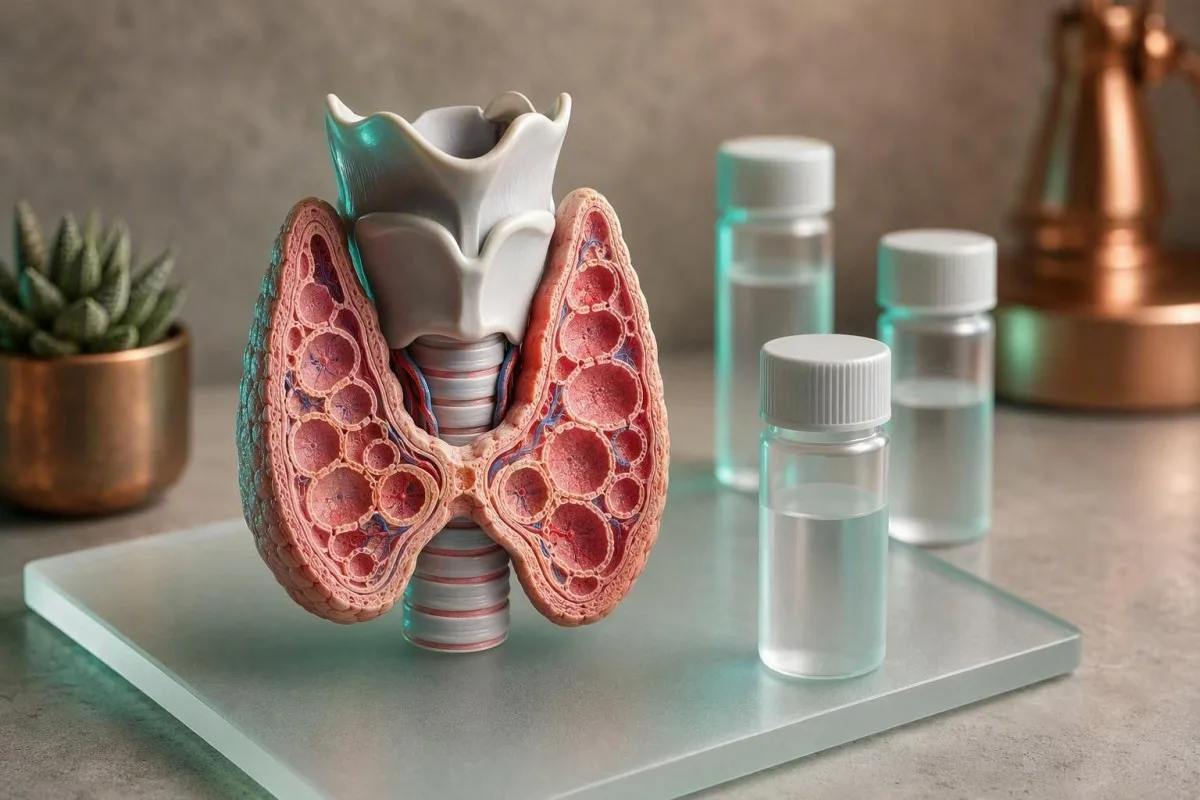
Flestir þurfa ekki tíðarpróf á skjaldkirtli. Rétt bil fer eftir því hvort TSH er eðlilegt, hvort þú ert barnshafandi, hvort þú hefur einkenni eða hvort levothyroxine skammturinn þinn hefur nýlega breyst.


- Eðlilegt TSH þarf venjulega ekki að endurtaka oftari en á 1-5 ára fresti nema einkenni, meðganga, lyf eða nýir áhættuþættir komi fram.
- Eftir breytingar á levothyroxine, endurtakið TSH eftir 6-8 vikur því heiladingulsviðbrögð þurfa tíma til að jafna sig.
- Þungun krefst TSH prófunar við staðfestingu og venjulega á 4 vikna fresti fram á miðja meðgöngu hjá einstaklingum með þekkt vanvirkt skjaldkirtilshormón.
- Stöðugt meðhöndlað vanvirkt skjaldkirtilshormón er venjulega fylgst með á 6-12 mánaða fresti, ekki mánaðarlega.
- TSH yfir 10 mIU/L réttlætir venjulega klínískt mat og meðferðarumræðu, jafnvel þegar frjáls T4 er innan marks.
- Bíótínuppbót getur raskað sumum skjaldkirtils ónæmisprófum; að hætta stórum skömmtum af biotíni í að minnsta kosti 2 daga er skynsamlegt ráðstöfun.
- TPO mótefni spá fyrir um framtíðar vanvirkt skjaldkirtilshormón en þarf ekki mælingar til að aðlaga levothyroxine.
- Bráð mat er nauðsynleg við alvarlegt hjartsláttarónot, brjóstverkjum, ruglingi, verulegum andþrengslum eða hröðum stækkun á hálssvæðinu.
Áætlun um endurtekin skjaldkirtilspróf
Hversu oft á að athuga skjaldkirtilsgildi veltur á klínísku ástandi: 1-5 ára fresti eftir eðlilega skimun, 6-8 vikum eftir breytingu á skammti, 4 vikna fresti snemma á meðgöngu þegar skjaldkirtilssjúkdómur er þekktur, og 6-12 mánaða fresti þegar skjaldkirtilssvínan er stöðug á meðferð. Prófa fyrr er aðeins gagnlegt þegar niðurstaða gæti raunhæft breytt meðferð.
Fyrir fullorðinn án skjaldkirtilsgreiningar og eðlilegrar TSH, er endurtekin próf 1-5 ára fresti almennt nægilegt þegar engin ný einkenni eða áhættuþættir eru til staðar. Breitt tímabil endurspeglar mismunandi landsbundnar skimunarstefnur; stærri skimun á almenningi hefur ekki sýnt nægilegan ávinning fyrir U.S. Preventive Services Task Force til að styðja hana fyrir einkennalausa fullorðna (USPSTF, 2015).
Hagnýt tímaáætlun er gagnlegri en árleg próf án greinarmunar: prófa aftur innan vikna eftir lyfja- eða æxlunarbreytingu, innan mánaða eftir óeðlileika, og árlega aðeins þegar langvarandi ástand er virkt meðhöndlað. Í minni klíník er algengasta forðanlega mistök að athuga TSH aftur 10 dögum eftir breytingu á skammti - kvíði eykst, en niðurstaðan svarar sjaldan spurningunni.
Kantesti er AI blóðprufugreiningartæki sem ber saman skjaldkirtilsniðurstöður við eldri, dagsettar rannsóknir, sem hjálpar til við að aðgreina merkilega þróun frá snemma, óskýrri endurtekinni rannsókn. Geymið upprunalegu rannsóknarstofuna, söfntíma, skammt, meðgöngustöðu og fæðubótarefni við hlið hverrar niðurstöðu; þessar upplýsingar gera tímabilið klínískt túlkunarbært. Sjá okkar leiðarvísirinn okkar um tímasetningu blóðprófa fyrir samhengið sem vert er að skrá.
Hvenær eðlilegt TSH ætti að endurtaka
Eðlilegur TSH þarf venjulega ekki árlega endurtekningu hjá velferðarráðherra án skjaldkirtilsáhættuþátta; 1-5 ára tímabil er skynsamlegt. Endurtaka fyrr þegar einkenni eru viðvarandi, meðgöngu er fyrirhuguð, geislun á hálsi hefur orðið, eða lyf sem hafa áhrif á skjaldkirtilsstarfsemi hafa verið tekin.
Flestar rannsóknarstofur setja fullorðins TSH gróflega um 0,4-4,0 mIU/L, þótt efri mörk séu um 4,0 til 4,5 mIU/L. Gildi 2,1 mIU/L er ekki í eðli sínu betra en 3,7 mIU/L; bæði geta verið eðlileg ef frjálst T4, einkenni og klínískt samhengi eru sammála.
Ég endurtek próf fyrr hjá fólki með sykursýki af tegund 1, meltingarsjúkdóm (coeliac disease), fyrri skjaldkirtilaðgerð, útsetningu fyrir litíum, útsetningu fyrir amiodaróni, vanstarfsemi heiladinguls eða sterkri fjölskyldusögu um sjálfsofnæmissjúkdóma. Þessir hópar hafa meiri líkur áður en próf er tekið en annars heilbrigt fólk sem einfaldlega finnur til þreytu á erfiðum mánuði.
Eðlilegt TSH útilokar ekki allar orsakir þreytu, hárlos, lágt skap eða þyngdarbreytingar. Ef einkennin eru fjölbreytt, meta læknar oft CBC, ferritín, glúkósa, nýrnapróf og stundum B12 frekar en að panta skjaldkirtilspróf á nokkurra vikna fresti; leiðbeiningar okkar um blóðpróf fyrir litla hvatningu útskýra þennan víðari mun.
Einkenni með eðlilegum niðurstöðum: hvenær próf er enn skynsamlegt
Endurtakið skjaldkirtilssnið eftir 6-12 vikur þegar einkenni haldast eða þróast þrátt fyrir eðlilegt TSH, frekar en að endurtaka það dögum síðar. Nýjar skjálftar, hitaóþol, hvíldarörvun, einkenni frá hálsi, tíðaróregla eða óútskýrð þyngdarbreyting réttlæta markvissari úttekt.
TSH getur breyst hóflega yfir daginn, milli rannsóknarstofa og við bata eftir veikindi. Breyting frá 2,0 til 3,1 mIU/L getur verið venjulegur líffræðilegur breytileiki, en hækkun frá 1,2 til 8,6 mIU/L krefst annars viðbragðs; þess vegna skiptir samhengi þróunar meira máli en eitt merki.
Bráð veikindi geta valdið lágu T3 og stundum lágu eða eðlilegu TSH án megrunar skjaldkirtilsvandamála, mynstur sem oft er kallað veikindi sem ekki tengjast skjaldkirtli. Próftaka á meðan á sjúkrahúsvist stendur getur verið nauðsynleg, en fyrir óþarfa úteinkenni bíð ég oft 4-8 vikur eftir bata áður en ég túlka jaðarniðurstöðu sem langvarandi sjúkdóm; sjá skýringu okkar á lágt T3 við veikindi.
Reyniregla Dr. Thomas Klein er einföld: endurtaka próf þegar svarið myndi breyta næstu klínísku ákvörðun. Eðlilegt TSH með viðvarandi hægðatregðu og kuldaóþoli getur bent til CBC, ferritíns, lyfjaskoðunar og frjálst T4; það ætti ekki sjálfkrafa að leiða til mánaðarlegra mótefnaspjalda.
Hvenær á að endurtaka TSH eftir breytingar á levothyroxine
Endurtakið TSH 6-8 vikum eftir að hafa hafið levótyroxín, breytt skammtinum eða skipt um formúlu. Levótyroxín hefur langa helmingunartíma sem er um það bil 7 dagar, og heiladingullinn tekur nokkrar vikur að endurstilla TSH framleiðslu sína.
Dæmigert skammtaleiðrétting er 12,5-25 míkrógrömm daglega, sérstaklega hjá eldra fólki eða fólki með kransæðasjúkdóm, þótt læknirinn sem ávísar persónugreini þetta. Að athuga TSH eftir 2 vikur getur stundum hjálpað í óvenjulegum aðstæðum, en það er of snemmt fyrir venjulegar skammtarákvarðanir.
Takið levótyroxín stöðugt með vatni á tóman maga, venjulega 30-60 mínútum fyrir mat, eða fyrir svefn að minnsta kosti 3-4 klukkustundum eftir síðasta máltíð. Kalsíum, járn, magnesíum, sýrubindandi lyf, gallösýrubindandi efni og sum trefjaefni geta dregið úr frásogi þegar þau eru tekin saman; meint skammtabilun er stundum tímamál.
Vörumerkis- eða framleiðendaskipti geta breytt raunverulegri útsetningu fyrir suma sjúklinga, sérstaklega þá með litla innfædda skjaldkirtilsvirkni. Notið sama próftaka eftir skipti, eins og nánar er útskýrt í okkar leiðbeiningar um vörumerkjaskipti levótyroxíns.
Hversu oft á að fylgjast með stöðugu vanvirku skjaldkirtilshormóni
Fólk með stöðuga skjaldkirtilsvandamál á óbreyttum skammti þarf venjulega TSH próftöku á 6-12 mánaða fresti. Tíðari athuganir eru viðeigandi eftir meiriháttar þyngdaraukningu, meðgöngu, meltingarörðugleika, samverkandi lyf eða endurkomu sannfærandi einkenna.
Fyrir flesta ófrjóar fullorðna sem eru meðhöndlaðir fyrir skjaldkirtilsvandamál er meðferðarmarkmið TSH innan viðmiðunarmarka rannsóknarstofu frekar en sérstakt lágt eðlilegt gildi. Stöðugt undirgefið TSH undir 0,1 mIU/L við staðgengilsmeðferð er tengt fjörutíðni og beinþynningarhættu, sérstaklega eftir 65 ára aldur.
Athugun frítt T4 ásamt TSH er gagnleg þegar vanstarfsemi heiladinguls, miðlæg skjaldkirtilsvandamál, meðganga, óvissa um fylgni eða ósamrýmanleg einkenni eru til staðar. Í miðlægum skjaldkirtilsvandamálum getur TSH verið eðlilegt eða lágt þrátt fyrir ófullnægjandi hormónauppbót, svo frjálst T4 - ekki TSH - leiðbeinir skammtastærðum.
Kantesti er AI blóðrannsóknartúlkunarvettvangur sem setur TSH, frjálst T4, lyfjabreytingar og tengdar járn- eða lípíðniðurstöður á eina langsniðna skoðun. Það er sérstaklega gagnlegt vegna þess að lágt frjálst T4 með eðlilegu TSH þarf annan klínískan feril en venjulegt Hashimoto-skjaldkirtilssvigt.
Lægra hækkað TSH: skynsamleg endurtekin áætlun
TSH um það bil 4,5-10 mIU/L með eðlilegu fríu T4 er almennt endurtekið eftir 6-12 vikur áður en krónískur huldur skjaldkirtilssvigt er skilgreindur. Endurtakið fyrr þegar TSH hækkar hratt, ef þungun er til staðar, eða einkenni eru veruleg.
Skammtíma hækkun á TSH getur fylgt vírusmeini, svefnraskun, rannsóknarstofuafbrigði, eða bata frá alvarlegum kerfisbundnum sjúkdómi. Endurtekin próf eftir 6-12 vikur koma í veg fyrir að margir sjúklingar greinist út frá einni jaðarniðurstöðu; notið sömu rannsóknarstofu ef mögulegt er til að lágmarka mæliafbrigði.
TSH yfir 10 mIU/L er þröskuldur þar sem flestar leiðbeiningar halla sér að umræðu um meðferð þar sem framvinda og hjarta- og æðatengsl verða meira áhyggjuvekjandi. Leiðbeiningar frá 2012 frá sameinuðu bandarísku skjaldkirtilsfélagi og bandarísku félagi klínískra innkirtlalækna mæla með einstaklingsbundinni meðferð undir 10 mIU/L samkvæmt einkennum, mótefnum, aldri og hjarta- og æðasamhengi (Garber o.fl., 2012).
TPO mótefni geta fínstillt horfur: jákvæð mótefni auka líkur á að huldur skjaldkirtilssvigt muni framþróast, en endurtekin mótefnatalning segir okkur ekki hvort levótyroxínskammturinn sé réttur. Okkar leiðarvísir um jaðartengt TSH nær yfir þætti sem breyta ákvörðuninni.
Hashimoto's sjúkdómur: hvað á að fylgjast með og hvað á að sleppa
Hashimoto sjúkdómur er aðallega fylgst með TSH og, þegar þörf krefur, fríu T4; TPO mótefni þurfa ekki árleg próf. Eiríð persóna með jákvæð TPO mótefni þarf venjulega TSH um það bil einu sinni á ári, eða fyrr á meðgöngu.
TPO mótefni finnast hjá mörgum með sjálfsofnæmis skjaldkirtilsbólgu og geta verið jákvæð í áratugi. Lækkandi mótefnagildi þýða ekki áreiðanlega að kirtillinn hafi náð sér, og hækkandi gildi réttlæta ekki ein og sér breytingar á meðferð.
Ég sé oft sjúklinga sem hafa eytt peningum í mánaðarleg TPO mótefnapróf á meðan TSH þeirra hefur ekki breyst í 18 mánuði. Klínískt gagnlega spurningin er hvort skjaldkirtilshormónaframleiðsla er að minnka, ekki hvort ónæmisviðurkenning hafi sveiflast.
Ef TSH er eðlilegt en mótefni eru jákvæð, er árleg TSH eðlilegt viðmið; bætið við fyrirhuguðu prófi fyrir getnað og snemmgreiningarpróf á meðgöngu ef við á. Lestu meira um jákvæð TPO mótefni með eðlilegu TSH og notaðu okkar lífmerkjahandbókin okkar til að skilja nöfn rannsóknarstofuprófa á skýrslunni þinni.
Skjaldkirtilspróf á meðgöngu og fyrir getnað
Fólk með þekkt skjaldkirtilssvigt ætti að láta athuga TSH um leið og meðganga er staðfest og um það bil á 4 vikna fresti fram að miðri meðgöngu, síðan að minnsta kosti einu sinni nálægt 30 vikum. Kröfur um levótyroxín hækka oft snemma á meðgöngu, stundum um 20-30%.
Leiðbeiningar bandarísku skjaldkirtilsfélagsins frá 2017 um meðgöngu nota efri viðmiðunarmörk TSH um 4,0 mIU/L þegar rannsóknarstofa hefur engar meðgöngusértækar svið, frekar en að beita eldri almennum skurðpunktum. Þríhringja- og mæliafbrigðasértæk svið eru æskileg þar sem skjaldkirtilshormónbindandi globúlin og hCG hafa áhrif á skjaldkirtilsstarfsemi (Alexander o.fl., 2017).
Sjúklingar sem þegar taka levótyroxín ættu að hafa samband við fæðingar- eða innkirtlaþjónustu sína tafarlaust eftir jákvætt próf frekar en að bíða eftir venjulegum tíma. Sumir læknar ráðleggja tafarlausa upphafsaukningu í vikulegum töflum fyrir staðfest skjaldkirtilssvigt, en nákvæma áætlun verður að einstaklingsgreina – sérstaklega með hjartasjúkdóm eða óvissa greiningu.
Eftir fæðingu fara kröfur um skjaldkirtilinn oft aftur í skammt fyrir meðgöngu á nokkrum vikum, svo endurtakið TSH um það bil 6 vikum eftir fæðingu nema læknir ráðleggi annað. Meðganga túlkun hefur einnig gagn af okkar frí T4 meðgöngu leiðarvísir.
Hversu oft á að prófa þegar ofvirkt skjaldkirtilshormón er grunur eða meðhöndlað
Grunaður skjaldkirtilsovervirkni þarf tafarlaust TSH og frítt T4 próf, oft með fríu T3; meðhöndluð skjaldkirtilsovervirkni getur krafist frítt T4 og T3 á 4-6 vikna fresti í upphafi. TSH getur verið bælt í marga mánuði eftir að hormónajafnvægi hefur náðst, svo það ætti ekki að vera eina mælingin sem notuð er snemma í meðferð.
Lægra TSH undir 0,1 mIU/L með aukinni fríu T4 eða fríu T3 styður skjaldkirtilsovervirkni og krefst tímanlegrar klínískrar athugunar. Í Graves sjúkdómi sem meðhöndlaður er með skjaldkirtilseyðandi lyfjum, leiða frjáls T4 og heildar eða frjáls T3 venjulega snemma aðlögun á 4-6 vikna fresti.
Ekki nota skjaldkirtilspróf ein til að útskýra hraðan hjartslátt. Hvíldarpúls stöðugt yfir 120 slög á mínútu, brjóstverkur, yfirlið, alvarleg öndunarerfiðleiki, hiti með óróleika eða rugl kallar á bráða umönnun, því alvarleg skjaldkirtilsovervirkni getur ógnað hjarta- og æðakerfi.
Bíótín getur gefið villandi mynd af lágum TSH og háum frjálsum T4 eða T3 á næmum prófum. Hættið háum skömmtum af bíótíni, oft 5-10 mg daglega í hárnæringum, í að minnsta kosti 48 klukkustundir fyrir prófanir nema læknir gefi aðrar leiðbeiningar; grein okkar um villur í prófunum á fríu T3 útskýrir hvers vegna.
Prófun eftir skjaldkirtilskrabbamein eða skjaldkirtilsskurðaðgerð
Eftir skjaldkirtilsnámskeið eða meðferð við skjaldkirtilskrabbameini er próftíðni einstaklingsbundin og getur verið frá hverjum 6-12 vikum meðan á skammtastýringu stendur til hverjum 6-12 mánuðum þegar stöðugt er. TSH markmið geta verið viljandi lægri í völdum áhættuhópum krabbameins, svo almenn skjaldkirtilshormónamarkmið eiga ekki alltaf við.
Eftir algerlega fjarlægingu skjaldkirtils er lífsnauðsynlegur levóthyroxín venjulega nauðsynlegur, og fyrsta TSH matið er almennt 6-8 vikum eftir skammtbreytingu. Thyroglobulin og thyroglobulin mótefni geta verið bætt við skjaldkirtilskrabbameinsvernd, en tímasetning þeirra veltur á meinafræði og endurtekinni áhættu.
Bælt TSH er ekki sjálfkrafa villa eftir skjaldkirtilskrabbamein. Hjá sjúklingum í minni áhættuhópi getur árásargjarn bæling aukið áhættu á gáttarflökti og beinbrotum, svo innkirtlalæknar vega á móti endurtekinni forvarnir gegn meðferðarskaða frekar en að stunda lægsta mögulega TSH.
Komið með meinafræði, skurðaðgerðarskýrslur, ómskoðunarniðurstöður og allar fyrri thyroglobulin niðurstöður til sérfræðings. Tæki Kantesti til langtíma geta skipulagt dagsettar rannsóknarniðurstöður, en klínísk markmið ætti að koma frá krabbameinsteymi þínu og læknisfræðilega viðurkenndum stöðlum sem lýst er í okkar klíníska staðfestingarleið.
Lyf og fæðubótarefni sem réttlæta fyrr endurtekin skjaldkirtilspróf
Litíum, amíódarón, interferón, ónæmisbælandi efni, joðsýking, og háir skammtar af bíótíni geta haft áhrif á skjaldkirtilspróf eða skjaldkirtilsvirkni. Endurtekin prófunartíðni er á bilinu dögum fyrir grun um alvarlega lyfjatengda skjaldkirtilsovervirkni til 3-6 mánaða fyrir stöðugt eftirlit.
Litíum getur dregið úr losun skjaldkirtilshormóna og er almennt fylgst með TSH fyrir meðferð og á tímabilum sem ákveðin eru sameiginlega af geðlækningum og heimilislækningum, oft á 6-12 mánaða fresti þegar stöðugt er. Amíódarón inniheldur mikið af joði og getur valdið annað hvort skjaldkirtilsbilun eða skjaldkirtilsovervirkni; grunn- og reglubundnar skjaldkirtilsprófanir eru staðlaðar klínískar aðferðir.
Járn og kalsíum breyta ekki skjaldkirtilsvirkni beint, en þau geta dregið úr frásogi levóthyroxíns þegar þau eru tekin nálægt skammtinum. Aðskilja þau með að minnsta kosti 4 klukkustundum er hagnýt byrjun, sérstaklega fyrir fólk sem einnig meðhöndlar járnskort; sjá leiðbeiningar okkar um matvæli með hátt járninnihald.
Forðastu sjálfmeðferð á takmörkuðu TSH með þang eða styrktum joðvörum. Of mikið joð getur valdið skjaldkirtilsbilun hjá næmum fólki, en venjuleg fæðujoð þörf er lítil; okkar leiðbeiningar um joðmatvæli gefur öruggari mat-undirstaða samhengi.
Af hverju of tíð prófun á skjaldkirtilshormónum getur verið villandi
Prófa TSH á nokkurra daga eða vikna fresti getur skapað falskar viðvaranir vegna þess að TSH hefur líffræðilega breytileika og svarar hægt við skammtbreytingum. Fyrir stöðuga skjaldkirtilshormónaminnkun, prófa oftar en á 6 mánaða fresti bætir sjaldan útkomur.
Freistingin er skiljanleg: einstaklingur líður illa, sér tölu og vill vissu. Samt sem áður skapar endurteknar mælingar fleiri tækifæri fyrir litlar breytingar í kringum skurðpunkt, sérstaklega þegar söfntími, nýleg veikindi, fastandi ástand, fæðubótarefni og rannsóknaraðferð eru mismunandi.
TSH losun fylgir dægurtakt og hefur tilhneigingu til að vera hærra á nóttunni og snemma morguns. Þegar fylgst er með þróun, notaðu svipaðan tíma til söfnunar þar sem það er mögulegt og ekki taka levótyroxín strax fyrir mælingu á fríu T4 nema læknirinn vilji sérstaklega fá stig eftir skammt.
Kantesti er AI-knúið blóðprófunargreiningartól sem bendir á breytingar miðað við fyrri gildi frekar en að meðhöndla hvert lítið merki utan sviðs sem nýja greiningu. Fyrir rólegri aðferð, berðu saman niðurstöður hlið við hlið með því að nota meginreglurnar í okkar leiðarvísir um breytingar á rannsóknarstofu.
Hvaða skjaldkirtilspróf á að panta við hverja eftirfylgni
TSH er besta fyrsta eftirfylgni prófið fyrir flesta skjaldkirtilssjúkdóma, en frjálst T4 er bætt við fyrir óeðlilegt TSH, meðgöngu, miðlæga skjaldvakabólgu og ósamrýmanleg einkenni. Frjálst T3, mótefni, týróglóbúlín og ómskoðun eru sértæk próf frekar en venjubundnar mánaðarlegar viðbætur.
TSH mælir svörun heiladingls, ekki skjaldkirtilshormón sjálft. Frjálst T4 metur skjaldkirtilshormón í blóðrás, en frjálst T3 er gagnlegast þegar grunur leikur á skjaldkirtilshormóni vegna þess að sumir sjúklingar hafa T3-ráðandi sjúkdóm með eðlilegu frjálsu T4.
Skjaldkirtilsómskoðun er ekki skimunarpróf fyrir óeðlilegt TSH eitt sér. Það er gagnlegast fyrir áþreifanlegan hnút, ósamhverfan kirtil, þrýstingsáhrif, grunsamlega eitla eða þekkta hnút sem þarfnast eftirlits með myndgreiningu; eðlilegar blóðprufur útiloka ekki byggingarlega skjaldkirtilsnið.
Samantekt á niðurstöðum á einni síðu getur komið í veg fyrir tvöföldun á prófunum og bætt næsta tíma. Okkar leiðarvísir um skjaldkirtilsprófabili útskýrir algengu merkin, og Heilbrigðisráðgjafar Kantesti hefur eftirlit með stöðlum klínískrar úttektar fyrir menntunartúlkun.
Hvenær á ekki að bíða eftir næsta áætlaða skjaldkirtilsprófi
Leitaðu tafarlaust læknisaðstoðar frekar en að bíða eftir venjubundinni skjaldkirtilsprófun ef þú finnur fyrir brjóstverkjum, yfirlið, alvarlegri mæði, rugli, hvíldarpúlsi yfir 120, háum hita með óróleika eða hratt versnandi bólgu í hálsi. Þessi einkenni krefjast klínískrar skoðunar, lífsmarka og stundum hjartalínurits eða myndgreiningar – ekki aðeins heimilisáætlunar.
Hraðaukning í hálsi, ný hæsi, erfiðleikar við að kyngja eða hávær öndun krefjast skjótrar mats jafnvel þótt fyrri TSH hafi verið eðlilegt. Blóðprufur lýsa hormónafæðum; þær geta ekki áreiðanlega metið loftrásarþrýsting, skjaldkirtilshnút eða stækkandi massa í hálsi.
Fyrir vægari en viðvarandi áhyggjur, bókaðu sérstaka úttekt hjá lækninum þínum og komdu með lyfjaskammta, merkimiða viðbóta, meðgöngustöðu og dagsettar niðurstöður. Dr. Thomas Klein hefur komist að því að þessi einfalda undirbúningur kemur oft í veg fyrir tvær óhjálplegar öfgar: að hunsa einkenni vegna þess að TSH er eðlilegt, eða að hækka hvert einangrað frávik í rannsóknarstofu.
Frá og með 27. ágúst 2026 er öruggasta prófunaráætlun skjaldkirtilsins byggð á ákvörðun: prófa þegar breytt niðurstaða gæti breytt umönnun. Kantesti AI styður skipulagningu niðurstaðna og menntun, ekki greiningu eða neyðarþjónustu; okkar leiðarvísir fyrir gervigreindartækni útskýrir fyrirhugaða klíníska stuðningshlutverkið.
Algengar spurningar
Hversu oft á ég að láta mæla skjaldkirtilsstarfsemi mína ef hún er eðlileg?
Fullorðnir með eðlilegt TSH og engar áhættuþættir fyrir skjaldkirtilinn þurfa yfirleitt að endurtaka skjaldkirtilsskoðun aðeins á 1-5 ára fresti, ekki árlega. Endurtakið fyrr ef ný einkenni vara við, áform um eða staðfest meðgöngu, geislun á hálsi hefur átt sér stað, eða þú byrjar á litíum, amiodaróni eða öðru skjaldkirtilstengdu lyfi. Venjulegt viðmiðunarbili fyrir TSH hjá fullorðnum er um 0,4-4,0 mIU/L, þótt rannsóknarstofur setji sín eigin mörk. Eðlileg niðurstaða útilokar ekki aðrar en skjaldkirtilsorsakir fyrir þreytu, þyngdarbreytingum eða hárlosi.
Hven ætti að endurtaka TSH eftir breytingu á levothyroxine?
TSH ætti venjulega að prófa aftur 6-8 vikum eftir að hafa hafið levothyroxine, breytt daglegum skammti eða skipt um vöruformuleringar. Levothyroxine hefur helmingunartíma um það bil 7 daga og TSH viðbrögð heiladinguls taka nokkrar vikur til að ná nýju jafnvægi. Flestar skammtabreytingar eru 12,5-25 míkrógrot á dag, þó aldur, líkamsstærð, hjartasaga og meðganga breyti áætluninni. Prófun eftir 1-2 vikur er venjulega of snemmt til að leiðbeina venjulegri aðlögun.
Hversu oft á að hafa eftirlit með skjaldvakabresti?
Stöðugur skjaldkirtilssjúkdómur (hypothyroidism) sem meðhöndlaður er með óbreyttu magni levothyroxins er almennt eftirlætur með TSH á 6-12 mánaða fresti. Próf ætti að fara fram fyrr eftir 12,5-25 míkrógra skammtamagnbreytingu, meðgöngu, marktækri þyngdarbreytingu, kviðarholsaðgerð eða notkun lyfja sem hafa milliverkun. TSH undir 0,1 mIU/L í staðgengilsmeðferð kallar á endurskoðun læknis því langvarandi ofgjafinn getur aukið hættu á gáttatif og beinþynningu. Frítt T4 er sérstaklega gagnlegt þegar sjúkdómur í heiladingli eða miðlægur skjaldkirtilssjúkdómur er mögulegur.
Hversu oft á að athuga skjaldkirtilsgildi á meðgöngu?
Fólk með staðfestan skjaldvakabresti ætti að láta athuga TSH við staðfestingu ágengis og um það bil hverjar 4 vikur fram til 16-20 vikna meðgöngu, síðan að minnsta kosti einu sinni nálægt 30. viku. Þörf fyrir levóþýroxín eykst oft um 20-30% á snem meðgöngu, þó að nákvæmlega skammta ákvörðun ætti að koma frá teymi fæðingarhjálpar eða innkirtlasérfræðinga. Þegar staðbundið sérsniðið bil fyrir meðgöngu er ekki tiltækt, notar bandaríska skjaldkirtilsfélagið (2017) efri mörk TSH viðmiðunar um 4,0 mIU/L. TSH ætti venjulega að vera endurtekið um 6 vikum eftir fæðingu ef skammturinn var breyttur á meðgöngu.
Er det ille å sjekke TSH for ofte?
Of því að prófa TSH of oft getur verið villandi því að hormónið er líffræðilega breytilegt og breytist hægt eftir að meðferð er aðlöguð. Endurtekin próf 10-14 dögum eftir breytingu á levóþýroxíni geta sýnt breytingu án þess að endurspegla endanleg áhrif meðferðar, sem eru skýrari eftir 6-8 vikur. Stöðugt meðhöndluð skjaldkirtilsvandamál hafa sjaldan gagn af mánaðarlegri TSH mælingu. Notið sama rannsóknarstofu og svipaðan tíma fyrir blóðtöku þegar fylgst er með þróun til að draga úr óþarfa breytileika.
Ætti að endurtaka TPO mótefni í Hashimoto's sjúkdómi?
TPO mótefnastig þarf almennt ekki að endurprófa við Hashimoto-sjúkdómi þar sem þau leiða ekki til aðlögunar á levothyroxine skammti. Jákvæð TPO mótefnaútkoma styður sjálfsofnæmis skjaldkirtilsbólgu og spáir fyrir um meiri hættu á framtíðar vanstarfsemi skjaldkirtils, en gagnlegir fylgimerkjur eru TSH og stundum frjálst T4. Euthyroid einstaklingur með jákvæð TPO mótefni hefur almennt TSH athugað árlega. Prófa ætti fyrr þegar meðgöngu er áformað eða staðfest.
Fáðu AI-knúna greiningu á blóðprufum í dag
Vertu með yfir 2 milljónir notenda um allan heim sem treysta Kantesti fyrir tafarlausa og nákvæma greiningu á blóðprufum. Hladdu upp niðurstöðum blóðrannsókna þinna og fáðu yfirgripsmikla túlkun á 15,000+ lífmerkjum á sekúndum.
📚 Tilvísuð rannsóknarútgáfa
Klein, T., Mitchell, S., & Weber, H. (2026). AI blóðrannsóknargreining: 2,5M greindar rannsóknir | Heimsheilbrigðisskýrsla 2026. Kantesti AI Medical Research.
Klein, T., Mitchell, S., & Weber, H. (2026). Blóðpróf fyrir RDW: Heildarleiðbeiningar um RDW-CV, MCV og MCHC. Kantesti AI Medical Research.
📖 Ytri læknisfræðilegar heimildir
⚕️ Fyrirvari vegna læknisfræðilegra mála
Þessi grein er eingöngu til fræðslu og felur ekki í sér læknisráðgjöf. Leitaðu alltaf til hæfs heilbrigðisstarfsmanns vegna ákvarðana um greiningu og meðferð.
E-E-A-T traustmerki
Reynsla
Læknastýrð klínísk yfirferð á vinnuferlum við túlkun rannsóknarniðurstaðna.
Sérþekking
Áhersla á rannsóknarstofulækningar: hvernig lífmarkarar hegða sér í klínísku samhengi.
Yfirvald
Skrifað af Dr. Thomas Klein með yfirferð Dr. Sarah Mitchell og próf. Dr. Hans Weber.
Traustleiki
Rökstudd túlkun byggð á gögnum með skýrum eftirfylgnileiðum til að draga úr ávörun.