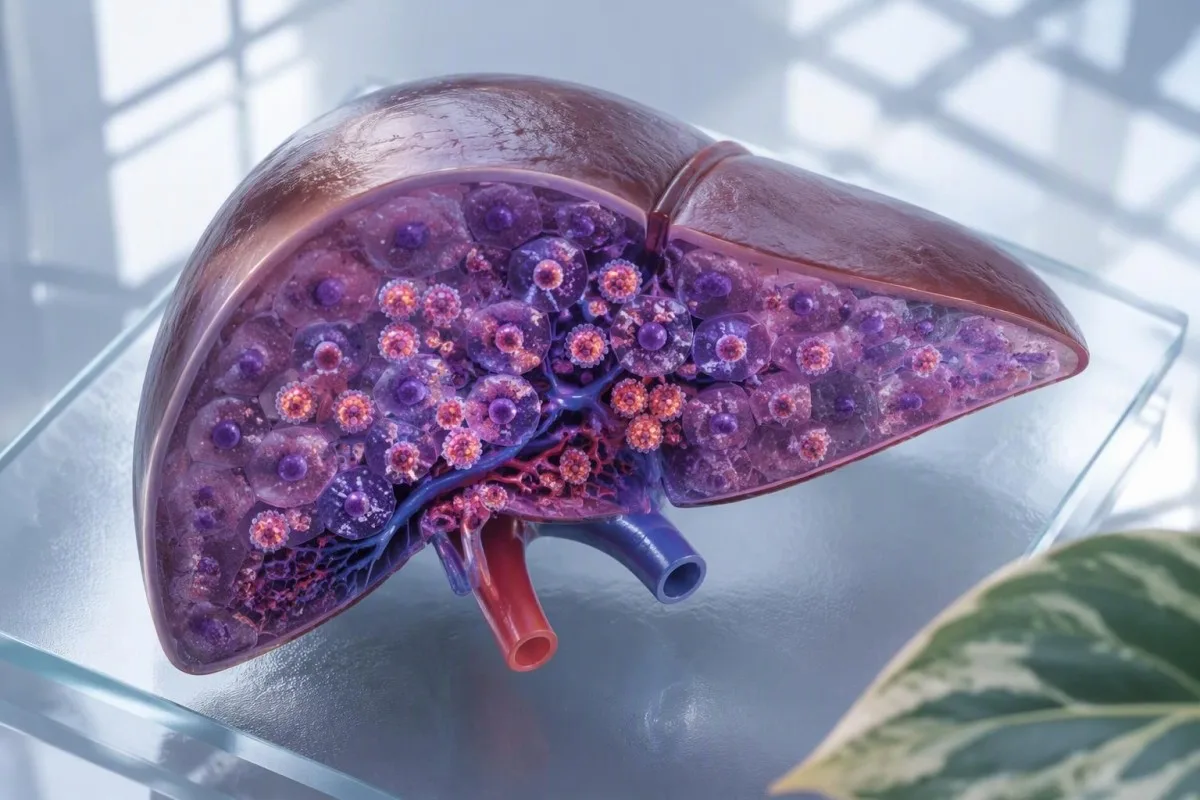
Hepatitis D probak bi urratsetan egiten den prozesua da, zeinak anti-gorputz azterketa batekin hasten den eta HDV RNA berrespen batekin amaitzen den. Puntu garrantzitsua sinplea da: hepatitis B azaleraren antigeno positiboa duen edonork HDV probak egiteari buruz eztabaidatu beharko luke bere medikuarekin.


- Nork behar du probak: EASL-k gutxienez anti-HDV proba bat gomendatzen du hepatitis B azaleraren antigeno (HBsAg) positiboa duen pertsona bakoitzarentzat.
- HDV anti-gorputz proba: Anti-HDV emaitza positibo batek hepatitis D-rekiko esposizioa erakusten du, baina ez du egungo infekzioa frogatzen.
- HDV RNA proba: HDV RNA detektagarriak biriken erreplikazio aktiboa baieztatzen du eta hepatitis D-ren diagnostikoa ezartzen du HBsAg-positiboa den pertsona batean.
- Anti-gorputz emaitza negatiboa: Anti-HDV proba negatibo batek, normalean, iraganeko edo egungo HDV baztertzen du, nahiz eta RNA probak oraindik ere zentzuzkoak izan daitezkeen oso azkeneko arrisku handiko esposizioaren ondoren.
- Noiz hartzea: HDV RNA anti-gorputzak baino lehen detektagarri bihur daiteke, beraz, anti-gorputzen lehen emaitza negatiboa errepikatu egin beharko litzateke susmo klinikoa handia izaten jarraitzen badu.
- Ez dago birus-karga ebakitze unibertsalik: Edozein detekta daitekeen HDV RNA da garrantzitsua; IU/mL-ko birus-kargaren balioak denboran zeharreko aldaketa jarraitzeko erabiltzen dira batez ere.
- Gibelaren ebaluazioa: ALT, AST,bilirrubina, plaketen kopurua, INR, albumina, fibrosi-ebaluazioa eta ultrasoinuek premia zehazten laguntzen dute RNA emaitza positiboaren ondoren.
- Sintoma larrigarriak: Begien horitasunak, nahasmenduak, sabelaldeko hantura berriak, aulki beltzak edo oka egite larriak premiazko ebaluazio medikoa behar dute.
Hepatitis D probak egiteko bi urratsetako sekuentzia
Hepatitis D diagnostikatzeko HDV antigorputz-proba behar da, eta gero HDV RNA proba, baldin eta antigorputz-baheketa positiboa bada. HDVk ezin du infekziorik ezarri hepatitis B-ren gainazaleko antigenorik gabe, beraz, praktikan HBsAg dagoela egiaztatzea da abiapuntua.
The anti-HDV antigorputza saiakuntzak hepatitis D birusaren aurkako errekonozimendu immunologikoa detektatzen du. Emaitza erreaktibo batek esan nahi du sistema immunologikoak HDVrekin topo egin duela noizbait, baina ezin du bereiztu gaitasun-esposizioa infekzio aktibotik. Hurrengo pausoa HDV RNA da molekula-saiakuntza sentikor batekin, PCRn oinarrituta; RNA detektagarriak egungo birusemia baieztatzen du.
Klinikan, gaixoak akats egoeran lasaitu izan ditut, antigorputz-emaitza positiboa izan arren RNArekin inoiz jarraitu ez izana. Hutsune horrek garrantzia du, HDVk hepatitis B bakarrak baino fibrosi-aurrerapen azkarragoarekin lotzen baita. Antigorputz positiboa lan hori amaitzeko seinale da, ez azken diagnostikoa.
Kantesti bat da. AI odol-analisi analizatzailea non HBsAg, ALT, AST, bilirrubina eta plaketei aurkezten zaien anti-HDV emaitza bat jartzen den, baina argi adieraziz ezin duela ordezkatu HDV RNA proba egiaztatzailea. Gibel-markatzaileekiko ingurukoentzat, gurea gibeleko panelaren gida azaltzen du zergatik itxuraz normala den entzima bakar batek ez duen galdera argitzen.
Nork egin beharko luke hepatitis D odol-proba?
HBsAg positibotasun egiaztatua duen pertsona orori anti-HDV probak eskaini behar zaio gutxienez behin, ALT maila edo sintomak kontuan hartu gabe. Irizpide unibertsal honek saihesten ditu arrisku-historiak, askotan osatu gabeak baitira edo inoiz ez baitira erregistratu.
2023ko EASL hepatitis delta jarraibideak HBsAg positibo guztiei anti-HDV proba egitea gomendatzen du, eta gero HDV RNA probatzea antigorputzak hautematen direnean (EASL, 2023). Honek hepatitis B kronikoa duten pertsonak, hepatitis B berria dutenak, ALT normala dutenak, haurdunak eta infekzioa inaktiboa dela uste dutenak barne hartzen ditu.
Batez ere injekzio-droga ekipoen partekatzearen ondoren, HBV edo HDV duen pertsona batekin sexu-harremanak izan ondoren, dialisiaren eraginpean egon ondoren, maiztasun altuko eremu batetik migratu ondoren, edo HBsAg positiboa duen norbaitengan hepatitisa argitu gabe egon ondoren da probak egiteko denbora kritikoa. Stockdale et al. kalkulatu zuen HDVk 12 milioi pertsona ingururi eragiten diela mundu osoan, nahiz eta herrialde mailako prebalentzia nabarmen aldatzen den (Stockdale et al., 2020).
Berrikusi nuen 37 urteko paziente batek 11 urte zeramatzan HBsAg positiboarekin eta ALT balioak 28 eta 46 U/L artean zituen; anti-HDV ez zen inoiz eskatu ondo sentitzen zelako. Bere geroagoko RNA emaitza detektagarria zen. Gibel-gaixotasun isila da zergatik hepatitis B sintomak icterizia gabe arreta merezi duten, lasaitasunaren ordez.
Zer esan nahi du HDV anti-gorputz emaitza positiboak edo negatiboak?
HDV antigorputz-proba positibo batek hepatitis D-rekiko esposizioa adierazten du, eta proba negatibo batek, oro har, esposizioa baztertzen du infekzio egonkor batean. Inongo emaitzek ez dute neurtzen une honetan zenbat birus dagoen.
Laborategi gehienek anti-HDV totala emaitza erreaktibo edo ez-erreaktibo gisa ematen dute, kontzentrazio numeriko esanguratsua baino gehiago. Anti-HDV erreaktiboa eta HDV RNA detektagarria means active hepatitis D. Reactive anti-HDV with undetectable RNA can reflect past cleared infection, intermittent viraemia, an assay near its detection limit, or a specimen and assay issue.
A negative anti-HDV test is reassuring when exposure was remote and there is no acute hepatitis. It is less decisive in the first weeks after a plausible exposure, because RNA may precede a measurable antibody response. In that situation, clinicians commonly repeat anti-HDV and add RNA rather than treating one early negative result as final.
Do not confuse anti-HDV with hepatitis B antibodies. Anti-HBs protects against HBV acquisition, whereas anti-HDV is an exposure marker and does not establish immunity. Our explainer on antigorputz positiboen emaitzak covers why antibody names can be misleading on a report.
HDV RNA proba: infekzio aktiboa baieztatzen duen emaitza
A detectable HDV RNA result in an HBsAg-positive person confirms active hepatitis D infection. RNA is the test clinicians use to confirm viraemia, establish a baseline and judge virological response during treatment.
HDV RNA is generally reported qualitatively as detected or not detected, and often quantitatively in IU/mL or log10 IU/mL. There is no single international RNA threshold below which active HDV is harmless. A result of 100 IU/mL and a result of 100,000 IU/mL both require specialist interpretation in the context of liver injury and fibrosis.
Assay sensitivity differs. Some specialist laboratories quantify down to roughly 6 to 10 IU/mL, while other assays have a higher lower limit of quantification; the report should state whether RNA was not detected or merely detected below quantification. Repeating testing through the same laboratory makes trends more interpretable.
Kantesti bat da. AI laborategiko proba interpretatzeko zerbitzuan that can organize longitudinal ALT, bilirubin, platelet and HDV RNA entries for a hepatology appointment, but it does not diagnose infection from an image alone. If one report seems inconsistent with another, use a odol-analisien aldaketa gidak before assuming the virus has changed.
Noiz egin proba, balizko esposizioaren ondoren
Testing after a possible HDV exposure should start promptly if HBsAg is positive, with repeat antibody and RNA testing when the first tests occur early. There is no reliable one-day window that guarantees exclusion after a recent exposure.
HDV RNA may be detectable before anti-HDV antibodies appear, particularly during acute co-infection or superinfection. If an HBsAg-positive person has a recent high-risk event and acute hepatitis symptoms, clinicians often request anti-HDV and RNA together instead of waiting for the screen.
For a first negative screen obtained within weeks of a high-risk event, repeat testing is usually individualized around symptoms, ALT trajectory and the exposure date. In my experience, a repeat at about 6 eta 12 aste is a practical discussion point, but local specialist advice takes priority because assay access and baseline HBV status change the plan.
New fatigue alone is nonspecific; dark urine, jaundice, right-upper abdominal discomfort and marked nausea make urgent assessment more appropriate. If liver enzymes are fluctuating after lifestyle changes, pisua galdu ondoren ALT offers useful context, though it should never delay viral testing.
HDV ko-infekzioa vs. HBV superinfekzioa
HDV co-infection occurs when HBV and HDV are acquired together, whereas superinfection occurs when HDV infects someone with established chronic hepatitis B. Superinfection is more likely to become chronic and can cause a sharper deterioration in liver function.
HDV borrows hepatitis B surface antigen to assemble infectious particles. This biological dependency explains a core rule: a person who is truly HBsAg-negative does not have active hepatitis D, even if a result elsewhere has been confusing. HBV vaccination prevents HDV by preventing HBV infection.
Co-infection can present as acute hepatitis with both HBV markers and HDV RNA changing rapidly. Superinfection may show a sudden ALT rise, deteriorating bilirubin, or liver decompensation in a person previously living with HBV. The distinction affects prognosis, although the immediate laboratory sequence remains anti-HDV followed by RNA confirmation.
Dr. Thomas Klein, MD, has found that the most useful clinical question is often not “How high is the RNA?” but “What was this patient’s HBV and liver baseline six months ago?” Reviewing FIB-4 liver-fibrosis risk can help frame that conversation, but it cannot replace elastography or specialist care.
Zein gibeleko probak dira garrantzitsuak HDV RNA positiboaren ondoren?
Positive HDV RNA warrants a full liver severity assessment: ALT, AST, bilirubin, albumin, INR, platelet count, HBV DNA, kidney function and fibrosis evaluation. These results identify active injury and possible cirrhosis, not simply the presence of virus.
ALT and AST reflect hepatocyte injury but can be normal in meaningful chronic liver disease. ALT above approximately gizonezkoetan, edo emakumeetan, is often considered above a healthy reference threshold in viral-hepatitis guidance, yet each laboratory’s range and the patient’s baseline still matter. Bilirubin above the laboratory upper limit with rising INR deserves faster review.
Plaketa-kopurua behekoa bada 150 × 10⁹/L can be an early clue to portal hypertension in chronic liver disease, particularly alongside splenomegaly or a rising FIB-4 score. Albumin below 35 g/L and INR above 1.2 may indicate impaired hepatic synthetic function, though nutrition, medicines and anticoagulants can confound both.
Kantesti AI interprets liver-test patterns by comparing multiple measurements rather than declaring hepatitis severity from ALT alone. Readers can review zirrosi abisu seinaleak eta bilirubinaren patroiaren gidak beren hitzordua baino lehen.
Hepatitis D egon daiteke gibeleko entzima normalekin?
Yes, hepatitis D can be present when ALT and AST are within the laboratory reference interval. Normal enzymes lower the likelihood of brisk current injury, but they do not exclude HDV RNA positivity, fibrosis or future flares.
ALT is a moving signal, not a fibrosis meter. Exercise, muscle injury, fatty liver, alcohol, medication effects and viral activity can all alter it; a single ALT of 31 U/L may be unremarkable for one person and a meaningful increase from a prior baseline of 12 U/L for another.
The reason clinicians worry about HDV RNA combined with low platelets or an elevated liver stiffness result is that the combination can suggest fibrosis despite modest enzymes. Conversely, an isolated mild AST rise after a marathon may be muscular rather than hepatic. Context changes the interpretation.
For people who receive results before their clinician calls, why portals release labs early explains the workflow. Do not start supplements marketed as liver cleanses; several can themselves raise ALT or cause liver injury.
Nola prestatu HDV anti-gorputz edo RNA probarako
HDV antibody and HDV RNA tests usually require no fasting, special diet or medication washout. The main preparation is making sure the ordering clinician and laboratory know the patient is HBsAg-positive and need an HDV-specific assay.
Continue prescribed hepatitis B treatment unless the prescriber gives different instructions. Stopping antivirals before testing can destabilize HBV control and does not improve HDV RNA accuracy. Bring previous HBV DNA, HBsAg, ALT and imaging results where possible, because they establish the clinical timeline.
For molecular testing, sample handling matters more than the patient’s breakfast. A laboratory may require plasma collected and transported under validated conditions; delays, inadequate volume and assay-specific handling can lead to an indeterminate or non-quantifiable result.
Kantesti bat da. AI bidezko odol-analisien analisi-tresna designed to extract results from laboratory PDFs and preserve the units, reference intervals and draw dates that hepatologists need. Our PDF igoeraren kalitatearen egiaztapen-zerrenda is useful when a scanned report has tiny print or multiple language formats.
Zer esan dezakete hepatitis D proben emaitza diskordanteek?
Positive anti-HDV with negative RNA is the most common discordant pattern and does not automatically mean the antibody result was wrong. It usually triggers repeat RNA testing, assay review and a full assessment of clinical context.
Anti-HDV positive and RNA negative may represent resolved infection or virus below the test’s limit of detection. Repeat RNA is particularly reasonable when ALT is elevated, fibrosis is present, the first specimen was poorly handled, or the result came from a non-specialist assay with limited sensitivity.
Anti-HDV negative with detectable RNA is uncommon but possible early in infection or with assay limitations. A specialist laboratory may repeat both assays, confirm HBsAg and review whether the reported result actually refers to a different hepatitis marker. Never assume a clerical label is clinically impossible.
One practical safeguard is to compare specimen date, units and assay name rather than comparing only red or green flags. Qualitative versus quantitative tests explains why “not detected” and “below quantification” are not interchangeable.
Datuen gaineko kontrola, hepatitis D-ren diagnostiko baieztatuaren ondoren
Confirmed HDV RNA requires hepatology or infectious-disease follow-up, with repeat viral, liver-function and fibrosis assessments at intervals tailored to disease severity and treatment. There is no safe universal schedule for every person.
Monitoring commonly includes HDV RNA, ALT, AST, bilirubin, albumin, INR, platelets and HBV DNA. A repeat interval of 3 eta 6 hilabete artean is often used during active disease or treatment, while stable patients may be monitored differently by their hepatology team. RNA trends are more meaningful when measured by the same assay.
People with cirrhosis need surveillance beyond routine blood work. Ultrasound-based hepatocellular carcinoma surveillance is commonly performed every 6 hilabete, and new ascites, confusion, gastrointestinal bleeding or jaundice require same-day medical assessment. Blood tests cannot safely replace imaging in this setting.
Gure laborategiaren analisi longitudinalerako gida explains what to record after each draw: medication changes, illness, alcohol exposure, fasting status and laboratory location. Those details often explain a one-off change that otherwise looks alarming.
Nola aldatzen du tratamenduak hepatitis D proben interpretazioak?
Treatment response is judged by change in HDV RNA together with liver enzymes and clinical status, not by antibody disappearance. Anti-HDV often remains positive long after viraemia has fallen or become undetectable.
A falling HDV RNA level is encouraging, but an undetectable result should be interpreted against the assay’s lower limit and timing. Some patients show fluctuating viraemia, so clinicians usually confirm meaningful changes with repeat measurements rather than making a major decision from one result.
Bulevirtide is available in some jurisdictions for chronic hepatitis D, while access, licensing and treatment pathways vary internationally. Pegylated interferon-based approaches remain relevant in selected settings but require careful monitoring for adverse effects and are not appropriate for everyone.
The Kantesti medical validation approach describes why our outputs identify follow-up patterns rather than recommend prescription changes. Medication decisions for HDV should sit with a specialist who knows the patient’s fibrosis stage, HBV treatment and pregnancy plans.
Haurdunaldia, bikoteak eta prebentzioa, HDV probaren ondoren
A positive HDV result does not change the need to prevent hepatitis B transmission: household and sexual contacts should have documented HBV vaccination or serologic immunity. Pregnancy requires coordinated obstetric and liver-specialist care rather than delayed testing.
HDV depends on HBV, so hepatitis B vaccination prevents hepatitis D in people who are not already infected with HBV. Contacts can discuss HBsAg, anti-HBs and anti-HBc testing with their clinician; an anti-HBs level of at least 10 mIU/mL after vaccination is generally considered protective in immunocompetent people.
Pregnant people with HBsAg positivity should not be excluded from anti-HDV screening. A positive result warrants specialist planning because liver status, HBV DNA, medication suitability and newborn HBV immunoprophylaxis all need coordinated attention. The evidence around HDV-specific pregnancy management is still thinner than I would like.
For families storing results across several clinicians, our familiaren osasun-erregistroaren gida can help preserve dates and consent boundaries. Dr. Thomas Klein, MD, advises bringing a written medication list and prior pregnancy records to the first joint review.
Noiz behar dute hepatitis D emaitzek arreta mediko premiazkoa?
Seek urgent care for jaundice, confusion, severe persistent vomiting, fainting, new abdominal swelling, fever with marked illness, or black stools—whether HDV testing is pending or already positive. These symptoms can signal severe hepatitis or liver decompensation.
Rapidly rising bilirubin, a prolonged INR, low glucose or new confusion can occur in acute liver failure and need emergency evaluation. A bilirubin result above 50 µmol/L (about 2.9 mg/dL) is not automatically an emergency, but the combination with jaundice, INR elevation or worsening symptoms changes the urgency substantially.
Call the clinician promptly after a new detectable HDV RNA result, even if you feel well. Most positive RNA results do not require an ambulance, but they should not wait for an annual check-up. Bring the complete report, including test method and limit of detection, to the appointment.
-ren eduki klinikoa gure ekarpenarekin berrikusten da Medikuntza Aholku Batzordea, but our interpretation never replaces urgent assessment. If symptoms suggest decompensation, seek local emergency care rather than uploading another report.
Maiz egiten diren galderak
Nori egin behar zaio hepatitis D-ren odol-testa?
Hepatitis B azaleraren antigeno emaitza positiboa duen edonork HDV antigorputz proba bat egin beharko luke gutxienez behin, ALT normala denean eta sintomarik ez dagoenean ere. 2023ko EASL jarraibideak anti-HDV baheketa unibertsala gomendatzen du HBsAg-positiboengan, eta ondoren HDV RNA probak egitea, antigorputzak erreaktiboak direnean. Bereziki premiazkoa da probak egitea parenteralki izandako esposizio berriaren ondoren, hepatitis ezezaguna edo hepatitis B finkatuaren narriadura bat-batekoa izanez gero. Hepatitis D odol-proba ez da ohikoan erabilgarria HBsAg negatiboa dela baieztatuta duen norbaitentzat.
HDVren aurkako testa positibo izateak hepatitis D dudala esan nahi du?
A positive HDV antibody test means you have been exposed to hepatitis D virus, but it does not by itself prove active infection. Active hepatitis D is confirmed when HDV RNA is detectable in an HBsAg-positive person. Anti-HDV can remain positive after infection has cleared, and RNA can occasionally fluctuate around a laboratory detection limit. Ask for HDV RNA, usually reported as detected or not detected and sometimes in IU/mL, after a reactive antibody result.
Zenbat denbora behar du hepatitis D agertzeko odol-analisietan?
HDV RNA detekta daiteke anti-HDV antigorputzak baino lehen, beraz, denborak hepatitis D odol-testa zein erabiltzen den araberakoa da. Oso azken aldiko esposizioaren ondoren, klinikariek antigorputza eta RNA batera eskatu ditzakete eta 6 eta 12 aste ingurura arte errepikatu, hasierako testak negatiboak badira baina susmoa handia bada. Ez dago esklusio egun bermaturik, ostalariaren immunitateak, saiakuntzen sentsibilitateak eta HBV berriki eskuratua ala kronikoa den ala ez, denborari eragiten diotelako. Sintoma akutuek edo ALT igotzeak ebaluazio medikoa egin beharko lukete, errepikatzeko data itxaron gabe.
Zein da edukitzatutzat jotzen den HDV RNA maila altua?
There is no universally accepted HDV RNA cutoff in IU/mL that separates harmless from dangerous infection. Any detectable HDV RNA confirms active viral replication when HBsAg is positive, while serial change in the same assay helps clinicians evaluate disease activity and treatment response. A value of 1,000 IU/mL is therefore not interpreted in isolation from ALT, bilirubin, platelets, fibrosis testing and symptoms. Laboratories may have lower quantification limits around 6 to 10 IU/mL, but methods vary.
Hepatitisa D sor daiteke ALT normalarekin?
Bai, hepatitis D D eremua laborategiko erreferentzia-tartean egon daiteke. ALTek hepatocitoen egungo kaltea neurtzen du inperfektuki eta fluktuatu egin daiteke; ez du fidagarritasunez baztertzen HDV RNA positibotasuna edo fibrosia. Medikuak ALT neurtzen dute AST, bilirubinaren, albuminaren, INR, plaketen kopuruaren, HBV DNAren eta gibelaren zurruntasunaren edo irudien arabera. Gizonetan 35 U/L baino gutxiagoko ALT edo emakumeetan 25 U/L baino gutxiagoko ALT lasaigarria izan daiteke testuinguruan, baina ez du ezabatzen HDV probak egiteko beharra HBsAg positiboa denean.
Hepatit B txertoak hepatitis D prebenitu al dezake?
Bai, B hepatitisaren txertoak D hepatitisaren aurrean babesten du HBVrekin infektatuta ez dauden pertsonengan, HDVk B hepatitisaren gainazaleko antigenoa behar baitu partikula infekziosoak sortzeko. B hepatitisaren txerto-sorta osoa jaso ondoren, gutxienez 10 mIU/mL-ko anti-HBs kontzentrazioa babesgarritzat jotzen da oro har heldu immunokonpetenteengan. Txertaketak ez du hepatitis B kronikoaren edo hepatitis Dren lehendik dagoen infekzioa tratatzen, beraz, HBsAg positibo duten pertsonek espezialisten probak eta jarraipena behar dituzte horren ordez. HBV edo HDV duen norbaiten etxeko eta sexu-harremanetarako kontaktuek txertaketari eta serologiari buruzko eztabaida egin beharko lukete beren medikuarekin.
Lortu gaur AI bidezko odol-analisien analisia
Batu mundu osoko 2 milioi erabiltzaile baino gehiagok Kantesti-n konfiantza dutenak, laborategiko analisiak berehala eta zehaztasunez aztertzeko. Igo zure odol-analisien emaitzak eta jaso 15,000+ biomarkatzaileen interpretazio integrala segundo gutxitan.
📚 Erreferentziatutako ikerketa-argitalpenak
Klein, T., Mitchell, S., & Weber, H. (2026). RDW Blood Test: Complete Guide to RDW-CV, MCV & MCHC. Kantesti LTD. (2026). Zenodo. https://doi.org/10.5281/zenodo.18202598. ResearchGate: https://www.researchgate.net/ Academia.edu: https://www.academia.edu/. Kantesti AI Medical Research.
Klein, T., Mitchell, S., & Weber, H. (2026). BUN/Creatinine Ratio Explained: Kidney Function Test Guide. Kantesti LTD. (2026). Zenodo. https://doi.org/10.5281/zenodo.18207872. ResearchGate: https://www.researchgate.net/ Academia.edu: https://www.academia.edu/. Kantesti AI Medical Research.
📖 Kanpoko erreferentzia medikoak
⚕️ Ohar medikoa
Artikulu hau hezkuntza-helburuetarako da soilik eta ez du mediku-aholkurik ematen. Diagnostiko- eta tratamendu-erabakietarako, beti kontsultatu osasun-profesional kualifikatu bati.
E-E-A-T Konfiantza-seinaleak
Esperientzia
Medikuek gidatutako berrikuspen klinikoa laborategiko interpretazioaren lan-fluxuei buruz.
Espezializazioa
Laborategiko medikuntzaren ikuspegia biomarkatzaileek testuinguru klinikoan nola jokatzen duten aztertzean.
Autoritatea
Dr. Thomas Klein-ek idatzia, eta Dr. Sarah Mitchell eta Prof. Dr. Hans Weber-ek berrikusia.
Fidagarritasuna
Ebidentzian oinarritutako interpretazioa, alarma murrizteko jarraipen-bide argiekin.