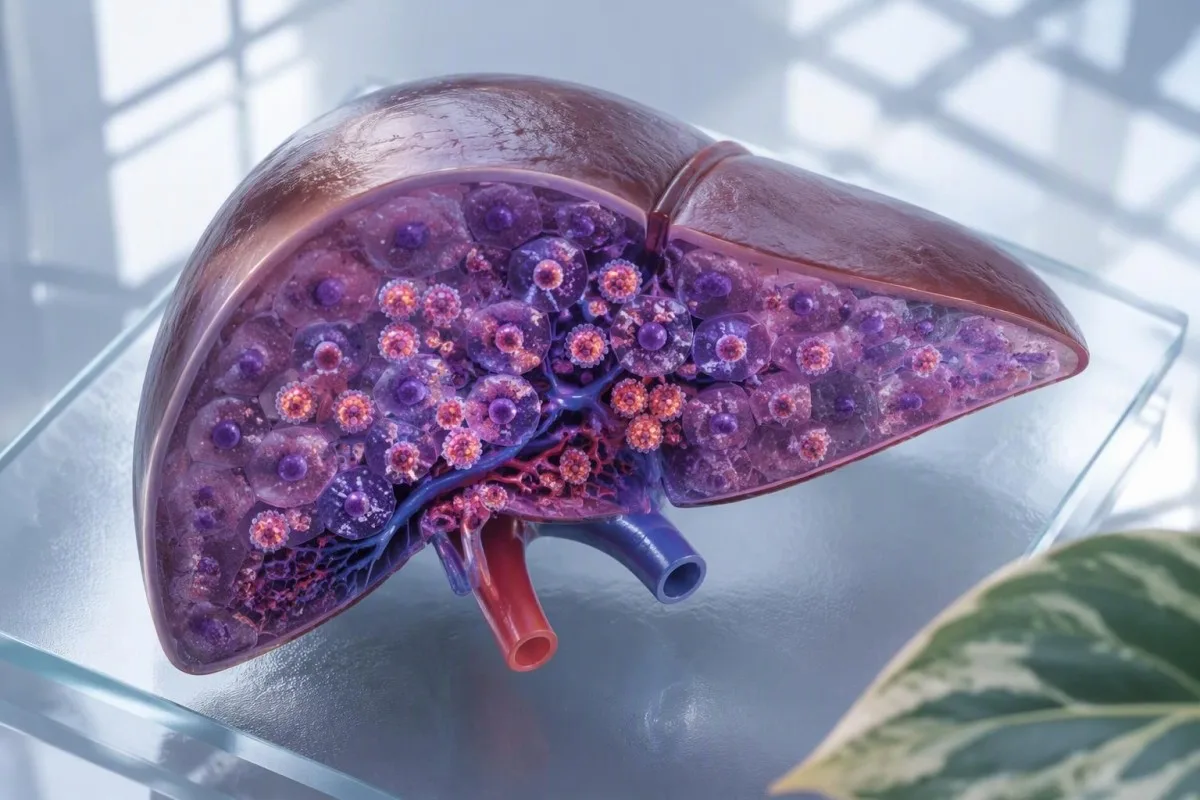
D вирусын анықтау екі кезеңді процесс, ол антидене скринингімен басталып, HDV РНҚ растауымен аяқталады. Маңызды нәрсе қарапайым: В гепатитінің беткей антигені оң болған кез келген адам HDV тестін өз дәрігерімен талқылауы керек.


- Тестілеу кімге қажет: EASL В гепатитінің беткей антигені (HBsAg) оң болған әр адам үшін кем дегенде бір рет anti-HDV тестін ұсынады.
- HDV антиденесі тесті: Оң anti-HDV нәтижесі D вирусымен жанасуды көрсетеді, бірақ қазіргі инфекцияны дәлелдемейді.
- HDV РНҚ тесті: Анықталатын HDV РНҚ белсенді вирустық репликацияны растайды және HBsAg-оң адамда D гепатиті диагнозын қояды.
- Теріс антидене нәтижесі: Теріс anti-HDV тесті әдетте өткен немесе қазіргі HDV-ді жоққа шығарады, дегенмен өте жақында болған жоғары тәуекелді жанасудан кейін РНҚ тесті әлі де маңызды болуы мүмкін.
- Қабылдау уақыты: HDV РНҚ антиденелер пайда болғанға дейін анықталуы мүмкін, сондықтан ерте теріс антидене нәтижесі клиникалық күдік жоғары болған кезде қайталануы керек.
- Универсалды вирустық жүктеме шегі жоқ: Кез келген расталған анықталатын HDV РНҚ маңызды; вирус жүктемесінің МЕ/мл мәндері негізінен уақыт өте келе өзгерісті қадағалау үшін қолданылады.
- Бауырды бағалау: ALT, AST, билирубин, тромбоциттер саны, INR, альбумин, фиброзды бағалау және ультрадыбыстық зерттеу РНҚ нәтижесі оң болғаннан кейін шұғылдықты анықтауға көмектеседі.
- Шұғыл белгілер: Көздің сарғаюы, шатасу, жаңа ісіну, қара нәжіс немесе қатты құсу жедел медициналық бағалауды талап етеді.
D вирусын анықтаудың екі кезеңді тізбегі
D гепатитін диагностикалау үшін HDV антиденесін сынау, содан кейін антидене скринингі оң болғанда HDV РНҚ сынағы қажет. HDV В гепатитінің беткейлік антигенінсіз инфекцияны құра алмайды, сондықтан іс жүзінде бастапқы нүкте HBsAg бар екенін растау болып табылады.
The анти-HDV антиденесі сынағы гепатит D вирусын иммундық тануды анықтайды. Реактивті нәтиже иммундық жүйенің HDV-мен қандай да бір уақытта кездескенін білдіреді, бірақ ол емделген экспозицияны белсенді инфекциядан ажырата алмайды. Келесі тапсырыс сезімтал ПТР-базалық молекулярлық сынақ арқылы HDV РНҚ болып табылады; анықталатын РНҚ қазіргі виремияны растайды.
Клиникада мен пациенттердің оң деп белгіленген антидене нәтижесімен қате сендірілгенін, бірақ ешқашан РНҚ-мен сүйемелденбегенін көргенмін. Бұл алшақтық маңызды, өйткені HDV В гепатитіне қарағанда жылдам фиброз прогрессиясымен байланысты. Оң антидене тексеруді аяқтау сигналы болып табылады, соңғы диагноз емес.
Кантести - бұл AI қан анализінің анализаторы ол есептелген анти-HDV нәтижесін HBsAg, ALT, AST, билирубин және тромбоциттермен қатар қояды, сонымен бірге растайтын HDV РНҚ тестілеуін алмастыра алмайтынын анық көрсетеді. Қоршаған бауыр маркерлері үшін біздің бауыр панелі жөніндегі нұсқаулық қалыпты көрінетін бір ферменттің сұрақты неге шешпейтінін түсіндіреді.
D гепатитіне қандай адамдар қан тапсыруы керек?
Расталған HBsAg позитивтілігі бар әрбір адамға, ALT деңгейіне немесе симптомдарына қарамастан, кем дегенде бір рет анти-HDV тестілеу ұсынылуы керек. Бұл әмбебап тәсіл жиі толық емес немесе ешқашан жазылмаған тәуекел тарихына сүйенуден аулақ болады.
2023 EASL D гепатитінің нұсқаулығы барлық HBsAg-позитивті адамдарды анти-HDV үшін скринингтен өткізуді, содан кейін антиденелер анықталған жағдайда HDV РНҚ-ны тестілеуді ұсынады (EASL, 2023). Бұл ұзаққа созылған В гепатиті, жаңадан анықталған В гепатиті, қалыпты ALT, жүктілік және инфекциясы белсенді емес деп санайтын адамдарды қамтиды.
Инъекциялық есірткі жабдықтарын бөлісу, HBV немесе HDV бар адаммен жыныстық қатынас, диализ экспозициясы, жоғары таралу аймағынан көшіп кету немесе HBsAg-позитивті адамда белгісіз гепатиттен кейін тестілеу әсіресе уақытша сезімтал. Stockdale et al. HDV әлем бойынша шамамен 12 миллион адамға әсер ететінін бағалады, дегенмен ел бойынша таралуы айтарлықтай өзгереді (Stockdale et al., 2020).
Мен қараған 37 жастағы пациентте 11 жыл бойы HBsAg позитивтілігі және 28-46 U/L аралығындағы ALT мәндері болған; ол өзін жақсы сезінгендіктен анти-HDV ешқашан сұралмаған. Кейінгі РНҚ нәтижесі анықталды. Бауырдың тыныш ауруы сондықтан сарғаюсыз В гепатитінің симптомдары сенімділікке қарағанда назар аударуды талап етеді.
Оң немесе теріс HDV антидене нәтижесінің мағынасы
Оң HDV антиденесінің сынағы D гепатитіне ұшырағанын көрсетеді, ал теріс сынақ әдетте белгілі инфекцияда экспозицияны жоққа шығарады. Ешқандай нәтиже қазіргі уақытта қанша вирус бар екенін өлшемейді.
Көптеген зертханалар жалпы анти-HDV-ді мағыналы сандық концентрация ретінде емес, реактивті немесе реактивті емес деп есептейді. Реактивті анти-HDV плюс анықталатын HDV РНҚ means active hepatitis D. Reactive anti-HDV with undetectable RNA can reflect past cleared infection, intermittent viraemia, an assay near its detection limit, or a specimen and assay issue.
A negative anti-HDV test is reassuring when exposure was remote and there is no acute hepatitis. It is less decisive in the first weeks after a plausible exposure, because RNA may precede a measurable antibody response. In that situation, clinicians commonly repeat anti-HDV and add RNA rather than treating one early negative result as final.
Do not confuse anti-HDV with hepatitis B antibodies. Anti-HBs protects against HBV acquisition, whereas anti-HDV is an exposure marker and does not establish immunity. Our explainer on оң антидене нәтижелерін covers why antibody names can be misleading on a report.
HDV РНҚ тесті: белсенді инфекцияны растайтын нәтиже
A detectable HDV RNA result in an HBsAg-positive person confirms active hepatitis D infection. RNA is the test clinicians use to confirm viraemia, establish a baseline and judge virological response during treatment.
HDV RNA is generally reported qualitatively as detected or not detected, and often quantitatively in ХБ/мл or log10 IU/mL. There is no single international RNA threshold below which active HDV is harmless. A result of 100 IU/mL and a result of 100,000 IU/mL both require specialist interpretation in the context of liver injury and fibrosis.
Assay sensitivity differs. Some specialist laboratories quantify down to roughly 6 to 10 IU/mL, while other assays have a higher lower limit of quantification; the report should state whether RNA was not detected or merely detected below quantification. Repeating testing through the same laboratory makes trends more interpretable.
Кантести - бұл AI зертханалық талдау интерпретациясы қызметінде жарияланады that can organize longitudinal ALT, bilirubin, platelet and HDV RNA entries for a hepatology appointment, but it does not diagnose infection from an image alone. If one report seems inconsistent with another, use a қан талдауы өзгерісін түсіндіру нұсқаулығы before assuming the virus has changed.
Ықтимал жанасудан кейін қашан тексеру керек
Testing after a possible HDV exposure should start promptly if HBsAg is positive, with repeat antibody and RNA testing when the first tests occur early. There is no reliable one-day window that guarantees exclusion after a recent exposure.
HDV RNA may be detectable before anti-HDV antibodies appear, particularly during acute co-infection or superinfection. If an HBsAg-positive person has a recent high-risk event and acute hepatitis symptoms, clinicians often request anti-HDV and RNA together instead of waiting for the screen.
For a first negative screen obtained within weeks of a high-risk event, repeat testing is usually individualized around symptoms, ALT trajectory and the exposure date. In my experience, a repeat at about 6-дан 12 аптаға дейін is a practical discussion point, but local specialist advice takes priority because assay access and baseline HBV status change the plan.
New fatigue alone is nonspecific; dark urine, jaundice, right-upper abdominal discomfort and marked nausea make urgent assessment more appropriate. If liver enzymes are fluctuating after lifestyle changes, ALT туралы талқылау offers useful context, though it should never delay viral testing.
D вирусының ко-инфекциясы және В гепатитінің супер-инфекциясы
HDV co-infection occurs when HBV and HDV are acquired together, whereas superinfection occurs when HDV infects someone with established chronic hepatitis B. Superinfection is more likely to become chronic and can cause a sharper deterioration in liver function.
HDV borrows hepatitis B surface antigen to assemble infectious particles. This biological dependency explains a core rule: a person who is truly HBsAg-negative does not have active hepatitis D, even if a result elsewhere has been confusing. HBV vaccination prevents HDV by preventing HBV infection.
Co-infection can present as acute hepatitis with both HBV markers and HDV RNA changing rapidly. Superinfection may show a sudden ALT rise, deteriorating bilirubin, or liver decompensation in a person previously living with HBV. The distinction affects prognosis, although the immediate laboratory sequence remains anti-HDV followed by RNA confirmation.
Dr. Thomas Klein, MD, has found that the most useful clinical question is often not “How high is the RNA?” but “What was this patient’s HBV and liver baseline six months ago?” Reviewing FIB-4 liver-fibrosis risk can help frame that conversation, but it cannot replace elastography or specialist care.
Оң HDV РНҚ-дан кейін қандай бауыр тесттері маңызды?
Positive HDV RNA warrants a full liver severity assessment: ALT, AST, bilirubin, albumin, INR, platelet count, HBV DNA, kidney function and fibrosis evaluation. These results identify active injury and possible cirrhosis, not simply the presence of virus.
ALT and AST reflect hepatocyte injury but can be normal in meaningful chronic liver disease. ALT above approximately ерлерде 35 U/L-ден жоғары мәндер майлы бауыр туралы ойлануға мәжбүр етеді, әсіресе HOMA-IR немесе әйелдерде 25 U/L-ден is often considered above a healthy reference threshold in viral-hepatitis guidance, yet each laboratory’s range and the patient’s baseline still matter. Bilirubin above the laboratory upper limit with rising INR deserves faster review.
тромбоциттер саны 150 × 10⁹/л can be an early clue to portal hypertension in chronic liver disease, particularly alongside splenomegaly or a rising FIB-4 score. Albumin below 35 г/л and INR above 1.2 may indicate impaired hepatic synthetic function, though nutrition, medicines and anticoagulants can confound both.
Kantesti AI interprets liver-test patterns by comparing multiple measurements rather than declaring hepatitis severity from ALT alone. Readers can review цирроз туралы ескерту белгілері шолуы және билирубин үлгісі жөніндегі нұсқаулық қарап шығуы мүмкін.
D гепатиті бауыр ферменттері қалыпты болғанда да болуы мүмкін бе?
Yes, hepatitis D can be present when ALT and AST are within the laboratory reference interval. Normal enzymes lower the likelihood of brisk current injury, but they do not exclude HDV RNA positivity, fibrosis or future flares.
ALT is a moving signal, not a fibrosis meter. Exercise, muscle injury, fatty liver, alcohol, medication effects and viral activity can all alter it; a single ALT of 31 U/L may be unremarkable for one person and a meaningful increase from a prior baseline of 12 U/L for another.
The reason clinicians worry about HDV RNA combined with low platelets or an elevated liver stiffness result is that the combination can suggest fibrosis despite modest enzymes. Conversely, an isolated mild AST rise after a marathon may be muscular rather than hepatic. Context changes the interpretation.
For people who receive results before their clinician calls, why portals release labs early explains the workflow. Do not start supplements marketed as liver cleanses; several can themselves raise ALT or cause liver injury.
HDV антиденесі немесе РНҚ тестіне қалай дайындалуға болады
HDV antibody and HDV RNA tests usually require no fasting, special diet or medication washout. The main preparation is making sure the ordering clinician and laboratory know the patient is HBsAg-positive and need an HDV-specific assay.
Continue prescribed hepatitis B treatment unless the prescriber gives different instructions. Stopping antivirals before testing can destabilize HBV control and does not improve HDV RNA accuracy. Bring previous HBV DNA, HBsAg, ALT and imaging results where possible, because they establish the clinical timeline.
For molecular testing, sample handling matters more than the patient’s breakfast. A laboratory may require plasma collected and transported under validated conditions; delays, inadequate volume and assay-specific handling can lead to an indeterminate or non-quantifiable result.
Кантести - бұл AI арқылы қуаттандырылған қан талдауын жүргізу құралы designed to extract results from laboratory PDFs and preserve the units, reference intervals and draw dates that hepatologists need. Our PDF жүктеу сапасын тексеру тізіміне байланысты, онда сипатталғандай, анық бастапқы құжаттар қажет. is useful when a scanned report has tiny print or multiple language formats.
Сәйкессіз D гепатиті тесті нәтижелері нені білдіруі мүмкін
Positive anti-HDV with negative RNA is the most common discordant pattern and does not automatically mean the antibody result was wrong. It usually triggers repeat RNA testing, assay review and a full assessment of clinical context.
Anti-HDV positive and RNA negative may represent resolved infection or virus below the test’s limit of detection. Repeat RNA is particularly reasonable when ALT is elevated, fibrosis is present, the first specimen was poorly handled, or the result came from a non-specialist assay with limited sensitivity.
Anti-HDV negative with detectable RNA is uncommon but possible early in infection or with assay limitations. A specialist laboratory may repeat both assays, confirm HBsAg and review whether the reported result actually refers to a different hepatitis marker. Never assume a clerical label is clinically impossible.
One practical safeguard is to compare specimen date, units and assay name rather than comparing only red or green flags. Qualitative versus quantitative tests explains why “not detected” and “below quantification” are not interchangeable.
Расталған D гепатиті диагнозынан кейінгі бақылау
Confirmed HDV RNA requires hepatology or infectious-disease follow-up, with repeat viral, liver-function and fibrosis assessments at intervals tailored to disease severity and treatment. There is no safe universal schedule for every person.
Monitoring commonly includes HDV RNA, ALT, AST, bilirubin, albumin, INR, platelets and HBV DNA. A repeat interval of 3–6 айдан кейін is often used during active disease or treatment, while stable patients may be monitored differently by their hepatology team. RNA trends are more meaningful when measured by the same assay.
People with cirrhosis need surveillance beyond routine blood work. Ultrasound-based hepatocellular carcinoma surveillance is commonly performed every 6 ай, and new ascites, confusion, gastrointestinal bleeding or jaundice require same-day medical assessment. Blood tests cannot safely replace imaging in this setting.
Біздің ұзақмерзімді зертханалық талдау жөніндегі нұсқаулық explains what to record after each draw: medication changes, illness, alcohol exposure, fasting status and laboratory location. Those details often explain a one-off change that otherwise looks alarming.
Емдеу D гепатиті тестінің интерпретациясын қалай өзгертеді
Treatment response is judged by change in HDV RNA together with liver enzymes and clinical status, not by antibody disappearance. Anti-HDV often remains positive long after viraemia has fallen or become undetectable.
A falling HDV RNA level is encouraging, but an undetectable result should be interpreted against the assay’s lower limit and timing. Some patients show fluctuating viraemia, so clinicians usually confirm meaningful changes with repeat measurements rather than making a major decision from one result.
Bulevirtide is available in some jurisdictions for chronic hepatitis D, while access, licensing and treatment pathways vary internationally. Pegylated interferon-based approaches remain relevant in selected settings but require careful monitoring for adverse effects and are not appropriate for everyone.
The Kantesti medical validation approach describes why our outputs identify follow-up patterns rather than recommend prescription changes. Medication decisions for HDV should sit with a specialist who knows the patient’s fibrosis stage, HBV treatment and pregnancy plans.
HDV тестінен кейінгі жүктілік, серіктестер және алдын алу
A positive HDV result does not change the need to prevent hepatitis B transmission: household and sexual contacts should have documented HBV vaccination or serologic immunity. Pregnancy requires coordinated obstetric and liver-specialist care rather than delayed testing.
HDV depends on HBV, so hepatitis B vaccination prevents hepatitis D in people who are not already infected with HBV. Contacts can discuss HBsAg, anti-HBs and anti-HBc testing with their clinician; an anti-HBs level of at least 10 мIU/мл after vaccination is generally considered protective in immunocompetent people.
Pregnant people with HBsAg positivity should not be excluded from anti-HDV screening. A positive result warrants specialist planning because liver status, HBV DNA, medication suitability and newborn HBV immunoprophylaxis all need coordinated attention. The evidence around HDV-specific pregnancy management is still thinner than I would like.
For families storing results across several clinicians, our отбасылық денсаулық жазбаларына арналған нұсқаулық can help preserve dates and consent boundaries. Dr. Thomas Klein, MD, advises bringing a written medication list and prior pregnancy records to the first joint review.
D гепатиті нәтижелері қашан жедел медициналық көмекке мұқтаж
Seek urgent care for jaundice, confusion, severe persistent vomiting, fainting, new abdominal swelling, fever with marked illness, or black stools—whether HDV testing is pending or already positive. These symptoms can signal severe hepatitis or liver decompensation.
Rapidly rising bilirubin, a prolonged INR, low glucose or new confusion can occur in acute liver failure and need emergency evaluation. A bilirubin result above 50 µmol/L (about 2.9 mg/dL) is not automatically an emergency, but the combination with jaundice, INR elevation or worsening symptoms changes the urgency substantially.
Call the clinician promptly after a new detectable HDV RNA result, even if you feel well. Most positive RNA results do not require an ambulance, but they should not wait for an annual check-up. Bring the complete report, including test method and limit of detection, to the appointment.
Kantesti компаниясының клиникалық мазмұны біздің Медициналық консультативтік кеңес, but our interpretation never replaces urgent assessment. If symptoms suggest decompensation, seek local emergency care rather than uploading another report.
Жиі қойылатын сұрақтар
Гепатит D-ға қандай адамдар тест тапсыруы керек?
Оң гепатит В беткей антигені нәтижесі бар кез келген адам, тіпті ALT қалыпты болғанда және симптомдар болмаған кезде де, кем дегенде бір рет HDV антиденелерін сынаудан өтуі керек. 2023 жылғы EASL нұсқаулығы HBsAg-позитивті адамдарда универсалды anti-HDV скринингін, содан кейін антиденелер реактивті болғанда HDV РНҚ тестін жүргізуді ұсынады. Тестілеу әсіресе жақында парентералды экспозициядан, себебі түсініксіз гепатиттен немесе белгіленген гепатит В-ның күрт нашарлауынан кейін өте қажет. Гепатит D қан тесті HBsAg-теріс деп расталған адамда әдетте пайдалы емес.
HDV антиденесінің оң нәтижесі гепатит D бар екенімді білдіре ме?
A positive HDV antibody test means you have been exposed to hepatitis D virus, but it does not by itself prove active infection. Active hepatitis D is confirmed when HDV RNA is detectable in an HBsAg-positive person. Anti-HDV can remain positive after infection has cleared, and RNA can occasionally fluctuate around a laboratory detection limit. Ask for HDV RNA, usually reported as detected or not detected and sometimes in IU/mL, after a reactive antibody result.
Гепатит D қан анализінде қанша уақытта анықталады?
HDV РНҚ-сы HDV-ға қарсы антиденелерден бұрын анықталуы мүмкін, сондықтан уақыт оның қандай гепатит D сынағы қолданылатынына байланысты. Өте жақында болған әсерден кейін, клиникалық мамандар антидене мен РНҚ-ны бірге тапсырыс беруі мүмкін және бастапқы тесттер теріс болса, бірақ күдік жоғары болса, оларды шамамен 6-12 аптадан кейін қайталауы мүмкін. Кепілдендірілген бірде-бір теріс күні жоқ, себебі иесінің иммунитеті, сынақтың сезімталдығы және ВГВ жаңадан жұқтырылған ба немесе созылмалы ма, бәрі уақытқа әсер етеді. Жедел симптомдар немесе жоғарылаған ALT қайталау күнін күтпей-ақ медициналық бағалауды талап етуі керек.
HDV РНҚ-сының қандай деңгейі жоғары болып саналады?
There is no universally accepted HDV RNA cutoff in IU/mL that separates harmless from dangerous infection. Any detectable HDV RNA confirms active viral replication when HBsAg is positive, while serial change in the same assay helps clinicians evaluate disease activity and treatment response. A value of 1,000 IU/mL is therefore not interpreted in isolation from ALT, bilirubin, platelets, fibrosis testing and symptoms. Laboratories may have lower quantification limits around 6 to 10 IU/mL, but methods vary.
Гепатит D-ны қалыпты ALT-мен алуға бола ма?
Иә, гепатит D АЛТ зертхана сілтеме интервалында болуы мүмкін. АЛТ гепатоциттердің қазіргі зардаптарын шамамен өлшейді және өзгеруі мүмкін; ол HDV РНҚ позитивтілігін немесе фиброзды сенімді түрде жоққа шығармайды. Клиникалық дәрігерлер АЛТ-ны АСТ, билирубин, альбумин, INR, тромбоциттер саны, HBV ДНҚ және бауыр қаттылығы немесе бейнелеумен бірге бағалайды. Ерлерде 35 U/L немесе әйелдерде 25 U/L төменгі АЛТ контекстте сенімді болуы мүмкін, бірақ HBsAg оң болған кезде HDV тестілеу қажеттілігін жоққа шығармайды.
Гепатит В вакцинациясы гепатит D-ны алдын ала ала ма?
Иә, В гепатитіне қарсы вакциналау ВГВ-мен әлі жұқтырылмаған адамдарда D гепатитін болдырмайды, себебі ВГД инфекциялық бөлшектерді құру үшін В гепатитінің беткейлік антигенін (HBsAg) қажет етеді. В гепатитіне қарсы вакциналау курсын аяқтағаннан кейін, иммундық жүйесі қалыпты ересектерде кем дегенде 10 мЕд/мл анти-HBs концентрациясы әдетте қорғаныс болып саналады. Вакциналау ВГВ-ның немесе ВГД-ның созылмалы түрін емдемейді, сондықтан HBsAg-позитивті адамдар мамандандырылған тестілеуді және бақылауды қажет етеді. ВГВ немесе ВГД бар адамның отбасы мүшелері және жыныстық серіктері өздерінің емдеуші дәрігерімен вакциналау және серология туралы кеңесуі керек.
Бүгін AI арқылы қан талдауы нәтижесін алыңыз
Kantesti-ті лезде әрі дәл зертханалық талдау үшін сенетін бүкіл әлем бойынша 2 миллионнан астам пайдаланушыға қосылыңыз. Қан анализінің нәтижелерін ж.үктеп, бірнеше секунд ішінде 15,000+ биомаркерлерінің жан-жақты түсіндірмесін алыңыз.
📚 Сілтеме жасалған ғылыми жарияланымдар
Кляйн, Т., Митчелл, С., & Вебер, Х. (2026). RDW Blood Test: Complete Guide to RDW-CV, MCV & MCHC. Kantesti LTD. (2026). Zenodo. https://doi.org/10.5281/zenodo.18202598. ResearchGate: https://www.researchgate.net/ Academia.edu: https://www.academia.edu/. Kantesti AI медициналық зерттеулер.
Кляйн, Т., Митчелл, С., & Вебер, Х. (2026). BUN/Creatinine Ratio Explained: Kidney Function Test Guide. Kantesti LTD. (2026). Zenodo. https://doi.org/10.5281/zenodo.18207872. ResearchGate: https://www.researchgate.net/ Academia.edu: https://www.academia.edu/. Kantesti AI медициналық зерттеулер.
📖 Сыртқы медициналық сілтемелер
⚕️ Медициналық ескерту
Бұл мақала тек білім беру мақсатында ғана және медициналық кеңес болып табылмайды. Диагноз және ем туралы шешімдер үшін әрдайым білікті медицина қызметкеріне жүгініңіз.
E-E-A-T сенім сигналдары
Тәжірибе
Дәрігер басқаратын зертханалық талдауды түсіндіру жұмыс ағындарын клиникалық шолу.
Сараптама
Биомаркерлердің клиникалық контексте қалай әрекет ететініне зертханалық медицина фокусы.
Билік
Доктор Томас Клейн жазған, доктор Сара Митчелл және профессор доктор Ханс Вебер шолған.
Сенімділік
Дабыл қаупін азайту үшін айқын бақылау жолдарымен дәлелге негізделген түсіндіру.