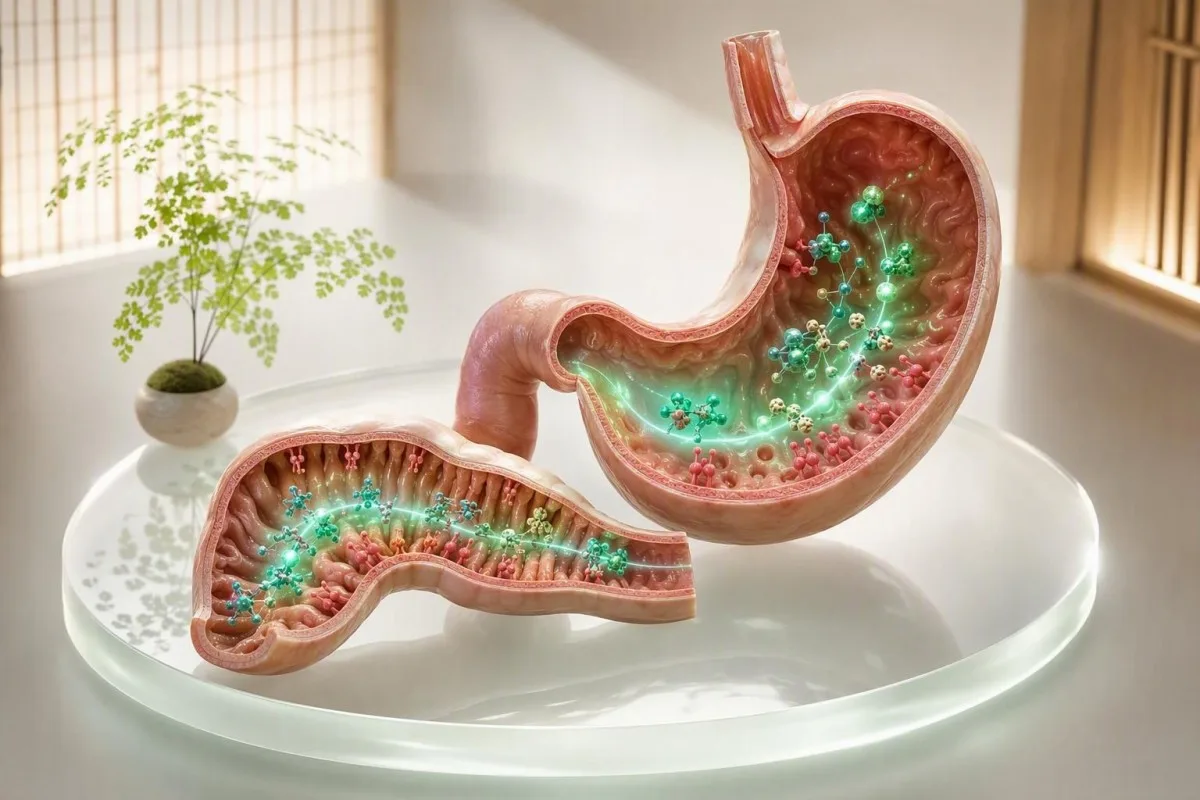
La vitamina B12 confiable proviene de alimentos de origen animal o productos específicamente fortificados; una dieta nutritiva no puede solucionar todos los problemas de absorción. Así es como ayudo a los pacientes a relacionar las elecciones de alimentos, los síntomas, los medicamentos y los resultados de laboratorio.


- Necesidad diaria de B12 es de 2.4 mcg para la mayoría de los adultos, 2.6 mcg durante el embarazo y 2.8 mcg durante la lactancia.
- Mejores fuentes alimenticias incluyen almejas, hígado, pescado, carne, lácteos, huevos y alimentos fortificados con B12; los alimentos vegetales no fortificados no son fuentes confiables.
- Hígado de res proporciona aproximadamente 70 mcg de B12 por porción cocida de 85 g, mientras que 250 ml de leche proporcionan aproximadamente 1.3 mcg.
- Techo de absorción significa que el factor intrínseco generalmente absorbe solo alrededor de 1.5-2 mcg de una comida; aproximadamente 1% de una dosis oral grande aún pueden ingresar pasivamente.
- la B12 sérica por debajo de 200 pg/mL (148 pmol/L) comúnmente apoya la deficiencia, mientras que 200-300 pg/mL a menudo necesita ácido metilmalónico o contexto de B12 activa.
- Metformina y medicamentos supresores de ácido puede disminuir la B12 con el tiempo, especialmente cuando su uso continúa durante varios años.
- Síntomas neurológicos como entumecimiento, cambios en la marcha, problemas de memoria o pérdida de la sensibilidad vibratoria requieren revisión médica incluso si la anemia está ausente.
- La comida sola puede no corregir la deficiencia causada por anemia perniciosa, cirugía gástrica, malabsorción severa o síntomas neurológicos significativos.
¿Qué alimentos proporcionan la vitamina B12 más confiable?
Los alimentos ricos en B12 son casi exclusivamente alimentos de origen animal y alimentos fortificados deliberadamente con cobalamina. Las almejas, el hígado, el pescado, la carne, la leche, el yogur, el queso, los huevos, los cereales de desayuno fortificados y las bebidas vegetales fortificadas son opciones confiables cuando la etiqueta confirma el contenido de B12.
Las almejas cocidas pueden proporcionar aproximadamente 84 mcg por 85 g, y el hígado de res cocido aproximadamente 70 mcg por 85 g; ambos superan con creces el requerimiento del adulto. Todavía recomiendo la variedad en lugar de depender frecuentemente del hígado, porque el hígado también es excepcionalmente alto en vitamina A preformada y no es un alimento casual diario en el embarazo.
El pescado es un punto intermedio práctico: la trucha cocida proporciona aproximadamente 5,4 mcg por 85 g, el salmón aproximadamente 2,6 mcg, y el atún enlatado aproximadamente 2,5 mcg. Un paciente que no le gusta el marisco generalmente puede satisfacer sus necesidades alimentarias con dos porciones de pescado por semana más lácteos, huevos o alimentos fortificados; nuestro guía de B12 frente a folato explica por qué el folato no puede sustituir a la cobalamina.
Kantesti es un Analizador de sangre con inteligencia artificial que sitúa un resultado de B12 junto con el volumen corpuscular medio, la hemoglobina, el folato, la función renal y el contexto de la medicación. Eso es importante porque una persona que come pescado dos veces por semana puede volverse deficiente si el problema es el factor intrínseco en lugar de la ingesta.
¿Cuánta B12 hay en los alimentos cotidianos?
Una sola porción de pescado, carne o lácteos puede proporcionar parte o la totalidad del objetivo de 2,4 mcg para adultos, pero las cantidades difieren drásticamente según el alimento y la porción. Las etiquetas y las tablas de composición de alimentos son estimaciones, no una garantía de lo que llega a la circulación.
Una taza de 250 ml de leche de vaca proporciona aproximadamente 1,3 mcg, 170 g de yogur natural aproximadamente 1,0 mcg, un huevo grande aproximadamente 0,5 mcg, y 85 g de ternera magra cocida aproximadamente 2,4 mcg. Por lo tanto, los lácteos pueden apoyar significativamente la ingesta, aunque dos huevos en el desayuno no suelen cubrir las necesidades de todo el día.
A menudo veo un patrón engañoso en personas que se describen a sí mismas como 'principalmente vegetarianas': los huevos y el queso ocasionales pueden prevenir una deficiencia grave, pero su ingesta sigue fluctuando por debajo del objetivo durante meses. Esta es una razón por la que la fatiga merece un examen más amplio que incluya opciones de alimentos ricos en hierro y no solo un multivitamínico.
Thomas Klein, MD, aconseja a los pacientes que registren las porciones reales durante 7 días antes de decidir que la dieta es adecuada. Un diario de alimentos que revele solo 0,5-1,0 mcg diarios es más útil clínicamente que la declaración vaga: 'Como sano'.'
¿Son suficientes los alimentos fortificados con B12 para los veganos?
Los alimentos fortificados con B12 pueden satisfacer las necesidades de los veganos cuando se consumen de manera constante en cantidades medidas, pero los alimentos vegetales no fortificados no pueden hacerlo de manera confiable. Las algas marinas, los champiñones, los alimentos fermentados y la levadura nutricional sin una etiqueta de B12 añadida no son sustitutos fiables.
Muchas bebidas vegetales fortificadas proporcionan 0.4-1.0 mcg por 250 mL, mientras que una porción de cereal fortificado puede suministrar 1.0-6.0 mcg. Lea la etiqueta local cada vez: los productos varían según el país, la receta y el tamaño de la porción, y 'contiene vitaminas' no significa automáticamente que contenga B12.
La cianocobalamina es el fortificante más común porque permanece estable durante el almacenamiento y la cocción. La revisión de 2010 de O'Leary y Samman en Nutrients describe por qué los análogos que se encuentran en algunas algas pueden parecer químicamente similares a la B12 pero no respaldan de manera confiable el estado de B12 en humanos (O'Leary y Samman, 2010).
Kantesti es un plataforma de interpretación análisis de sangre de AI se utiliza para ayudar a los lectores a integrar el patrón de dieta, la B12 y los marcadores relacionados en una sola vista. Las personas que siguen una dieta a base de plantas también deben considerar una prueba de sangre para evaluar deficiencias de nutrientes planificada en lugar de esperar a sentir hormigueo o agotamiento.
¿Cuáles son los requerimientos diarios de B12 por edad y etapa de la vida?
La mayoría de los adultos necesitan 2.4 mcg de vitamina B12 al día, mientras que el embarazo requiere 2.6 mcg y la lactancia requiere 2.8 mcg. Estos objetivos previenen la deficiencia en personas con absorción normal; no son dosis de tratamiento para la deficiencia establecida.
La Ingesta Dietética Recomendada de los Estados Unidos es 0.4 mcg desde el nacimiento hasta los 6 meses, 0.9 mcg a los 1-3 años, 1.2 mcg a los 4-8 años, 1.8 mcg a los 9-13 años, y 2.4 mcg a partir de los 14 años. La ingesta de nutrientes de referencia para adultos del Reino Unido es menor, con 1.5 mcg diarios, por lo que las aplicaciones de nutrición internacionales pueden mostrar objetivos diferentes sin que ninguno sea un error.
Los adultos mayores a menudo necesitan la misma cantidad dietética pero tienen una mayor probabilidad de malabsorción de B12 ligada a los alimentos debido a la reducción del ácido estomacal, gastritis o medicamentos. Un apetito normal no excluye esto; nuestra guía de niveles de B12 en niños también muestra por qué el contexto específico de la edad es importante.
La B12 se almacena en el hígado, comúnmente en 2-5 mg, razón por la cual una ingesta deficiente puede tardar de 2 a 5 años en hacerse evidente. Ese retraso es clínicamente inconveniente: los síntomas pueden aparecer mucho después de haber comenzado una dieta restrictiva.
¿Cómo funciona la absorción de B12 después de comerla?
La absorción de B12 requiere ácido estomacal, enzimas pancreáticas y factor intrínseco de las células estomacales antes de la absorción en el íleon final. Un problema en cualquiera de los pasos puede hacer que una dieta alta en B12 sea insuficiente.
La B12 unida a los alimentos se libera de las proteínas en el estómago, se une primero a la haptocorrina y luego se transfiere al factor intrínseco en el intestino delgado. El complejo factor intrínseco-B12 se absorbe en el íleon terminal a través de un proceso mediado por receptores; por eso, una enfermedad o la extirpación de ese segmento intestinal tiene consecuencias.
La absorción de factor intrínseco se satura aproximadamente en 1.5-2 mcg por comida, mientras que aproximadamente 1% de una dosis oral grande puede atravesar por difusión pasiva. Esa pequeña vía pasiva explica por qué los médicos a veces usan dosis de tratamiento oral de 1,000-2,000 mcg, no porque alguien necesite 1,000 veces el requisito dietético.
Para personas con diarrea crónica, pérdida de peso inexplicable o sospecha de enfermedad celíaca, un cálculo de ingesta no es suficiente. Discutir el momento adecuado de un desafío de gluten antes de la prueba puede prevenir un resultado tranquilizador erróneo.
¿Qué bloquea la absorción de B12 incluso con una buena dieta?
La anemia perniciosa, la cirugía estomacal o intestinal, la enfermedad celíaca, la enfermedad de Crohn, el uso de metformina a largo plazo y la supresión de ácido pueden reducir la absorción de B12. En estos casos, aumentar el consumo de pescado o cereales fortificados puede ralentizar el declive, pero puede no corregir la deficiencia.
La gastritis autoinmune puede destruir las células estomacales productoras de factor intrínseco y causar anemia perniciosa, un trastorno de absorción en lugar de una falla dietética. La guía NG239 del NICE, publicada en 2024, recomienda considerar la prueba de anticuerpos anti-factor intrínseco cuando se sospecha gastritis autoinmune, aunque un resultado negativo no la excluye por completo.
La baja B12 asociada a la metformina es real pero variable. En el estudio de resultados del Diabetes Prevention Program, la B12 baja o limítrofe fue más común con metformina que con placebo después de 5 años, y el riesgo aumentó con una exposición más prolongada (Aroda et al., 2016); por eso analíticas tras metformina no debe centrarse solo en la glucosa.
Un paciente de 63 años que revisé comía salmón semanalmente y bebía leche diariamente, pero tenía B12 de 156 pg/mL con los dedos de los pies entumecidos después de años de metformina y omeprazol. La comida no fue el paso que faltó, sino la absorción.
¿Qué análisis de sangre aclaran una posible deficiencia de B12?
Un nivel de B12 sérica por debajo de 200 pg/mL, o 148 pmol/L, comúnmente apoya la deficiencia, mientras que 200-300 pg/mL es una zona indeterminada que se beneficia de un contexto confirmatorio. El ácido metilmalónico, la homocisteína, la B12 activa, el hemograma completo y el folato pueden resolver la incertidumbre.
El ácido metilmalónico generalmente aumenta cuando la B12 celular es inadecuada; un MMA por encima de 0,40 micromol/L a menudo se considera elevado, aunque los puntos de corte de laboratorio difieren. El deterioro renal puede elevar el MMA de forma independiente, por lo que un eGFR de 35 mL/min/1.73 m² cambia el significado del mismo resultado.
La macrocitosis es una pista, no un requisito. Un MCV por encima de 100 fL puede ocurrir con deficiencia de B12, pero la deficiencia temprana puede tener un MCV normal, y la deficiencia de hierro puede enmascarar parcialmente el agrandamiento celular; compare el resultado con nuestra guía de seguimiento de MCV alto.
Kantesti es un Herramienta de análisis de pruebas de sangre con IA que interpreta la B12 con MMA, MCV, RDW, creatinina y cambios longitudinales en lugar de aplicar un solo punto de corte. El marco diagnóstico en Devalia et al. (2014) apoya de manera similar el uso de características clínicas y pruebas de segunda línea cuando la B12 sérica no resuelve la cuestión.
¿Puede la deficiencia de B12 causar síntomas sin anemia?
Sí, la deficiencia de B12 puede causar síntomas nerviosos y cognitivos antes de que caiga la hemoglobina o aumente el MCV. El hormigueo, los pies quemantes, la disminución del equilibrio, la pérdida del sentido de vibración, el estado de ánimo bajo y la niebla mental merecen una evaluación cuando persisten.
Una hemoglobina de 13.2 g/dL y un MCV de 92 fL no descartan la deficiencia funcional de B12 en una persona con parestesia progresiva. La recuperación neurológica es menos predecible cuando los síntomas han estado presentes durante muchos meses, por lo que no aconsejo esperar a una anemia manifiesta.
El folato puede normalizar la apariencia del hemograma mientras la lesión nerviosa relacionada con la B12 continúa. Este es el problema clínico detrás de la advertencia sobre el ácido fólico en dosis altas; consulte nuestra explicación sobre el enmascaramiento de la B12 por el folato alto para obtener detalles prácticos.
La evaluación urgente el mismo día es sensata para la dificultad para caminar que empeora rápidamente, confusión nueva, debilidad marcada o cambios en los intestinos y la vejiga. Esos síntomas tienen varias causas, pero la B12 debe formar parte de un diagnóstico diferencial rápido en lugar de un experimento con suplementos.
¿Cuándo puede la comida corregir la B12 baja y cuándo se necesita tratamiento?
La comida puede corregir una ingesta baja marginal en alguien con absorción intacta, pero la deficiencia confirmada por malabsorción a menudo requiere tratamiento oral en dosis altas o inyecciones. La elección depende de la causa, la gravedad, la adherencia y los hallazgos neurológicos, no simplemente del número sérico.
Para la insuficiencia dietética sin síntomas graves, los médicos pueden usar cianocobalamina o metilcobalamina oral en dosis como 50-150 mcg diarios para mantenimiento, con dosis más altas al corregir la deficiencia. Los regímenes exactos varían entre países y deben seguir el protocolo del médico tratante.
La anemia perniciosa, la gastrectomía total, la enfermedad ileal importante o los síntomas neurológicos sustanciales generalmente cambian la conversación. Nuestra comparación detallada de inyecciones y tabletas de B12 explica por qué las tabletas en dosis altas aún pueden funcionar a través de la absorción pasiva, mientras que las inyecciones pueden preferirse cuando la certeza o la rapidez son importantes.
En mi experiencia, un plan "primero los alimentos" es una excelente prevención pero una mala terapia de rescate para la malabsorción sintomática. El momento de la reevaluación debe incluir los síntomas y los marcadores funcionales, no solo un resultado de B12 que aumenta rápidamente después de una inyección.
¿La vitamina B12 metilada es mejor que la cianocobalamina?
La metilcobalamina y la cianocobalamina pueden corregir la deficiencia de B12 cuando la dosis y la absorción son adecuadas; la evidencia no muestra que la B12 metilada sea universalmente superior. La cianocobalamina es estable, ampliamente estudiada y comúnmente utilizada en alimentos fortificados.
El cuerpo convierte la cobalamina en formas de coenzima activas utilizadas por la metionina sintasa y la metilmalonil-CoA mutasa. El lenguaje de marketing en torno a los productos 'metilados' a menudo supera la evidencia clínica comparativa; la absorción, la dosis, el costo y la consistencia suelen ser más decisivos.
La hidroxocobalamina se usa comúnmente por inyección en varios sistemas de salud porque permanece en el cuerpo más tiempo que la cianocobalamina. Las personas con enfermedad renal crónica o trastornos metabólicos inusuales necesitan asesoramiento individual, porque el MMA y la selección del tratamiento pueden volverse más complicados.
Para una comparación práctica de la química del producto, la lógica de la dosis y el seguimiento de laboratorio, lea B12 metilada versus cianocobalamina. No suspenda las inyecciones prescritas porque la etiqueta de un suplemento promete una forma más 'natural'.
¿Cómo se ve un día práctico de alimentación rica en B12?
Una dieta mixta puede alcanzar 2.4 mcg de B12 con comidas ordinarias, mientras que un patrón vegano necesita una programación deliberada de alimentos fortificados o un suplemento. El plan más confiable es uno que pueda repetir durante viajes, semanas ocupadas y cambios en el apetito.
Un ejemplo omnívoro es yogur en el desayuno (1,0 mcg), un huevo en el almuerzo (0,5 mcg) y 85 g de salmón en la cena (2,6 mcg). Esto proporciona aproximadamente 4.1 mcg antes de tener en cuenta la variación de los alimentos, mientras que repartir la ingesta entre las comidas es cómodo para la mayoría de las personas.
Un ejemplo vegano fortificado podría usar una bebida vegetal que aporte 1,0 mcg, cereales que aporten 1.5 mcg, y levadura nutricional fortificada que aporte 1,0 mcg. El truco está en la consistencia: cambiar de marca puede eliminar abruptamente el nutriente, así que guarda una foto de la etiqueta en tus notas de salud.
La B12 pertenece al patrón más amplio de nutrientes hidrosolubles, proteínas, hierro e ingesta de energía. Nuestro guía de vitaminas hidrosolubles ayuda a prevenir el error común de tratar una sola vitamina como la única explicación de la fatiga.
¿Quién debe estar especialmente alerta a la B12 baja?
Los veganos, los adultos mayores, las personas que toman metformina o supresores de ácido a largo plazo, los pacientes después de una cirugía gástrica o ileal, y las personas con enfermedad inflamatoria intestinal tienen un mayor riesgo de deficiencia de B12. El riesgo aumenta cuando hay más de un factor presente.
El uso a largo plazo de inhibidores de la bomba de protones puede reducir la liberación de B12 de las proteínas alimentarias al disminuir la acidez gástrica. La asociación no es una razón para suspender abruptamente un medicamento recetado, pero sí es una razón para preguntar si el seguimiento es apropiado después de 2 años o más de uso continuo.
Las personas mayores de 60 años pueden desarrollar malabsorción de cobalamina alimentaria incluso con una dieta variada, a veces junto con gastritis atrófica. Un nivel bajo de B12 en este grupo no es automáticamente 'solo por la edad'; puede ser una señal para investigar síntomas, medicamentos e historial autoinmune.
Nuestro guía de monitorización a largo plazo de IBP describe las discusiones de laboratorio asociadas, incluyendo magnesio y hierro. Combinar niveles bajos de B12 con deficiencia de hierro inexplicable puede orientar a los médicos hacia una causa gástrica en lugar de dos carencias dietéticas no relacionadas.
¿Cuándo se deben repetir los niveles de B12 después de cambiar la dieta o el tratamiento?
La repetición de pruebas a menudo ocurre 8-12 semanas después de un cambio en la dieta o el tratamiento oral, mientras que la gravedad de los síntomas y el método de tratamiento pueden justificar una revisión clínica más temprana. Un resultado de B12 sérica puede aumentar rápidamente después de la suplementación y puede no demostrar la recuperación tisular por sí solo.
Un hemograma completo puede mostrar una respuesta de reticulocitos en aproximadamente 1 semana después de un tratamiento eficaz para la anemia megaloblástica, mientras que la hemoglobina suele mejorar en varias semanas. Los síntomas neurológicos comúnmente se recuperan más lentamente y a veces de forma incompleta, especialmente después de una deficiencia prolongada.
La suplementación intermitente puede hacer que la B12 sérica parezca normal el día de la prueba, mientras que la MMA, los síntomas o la macrocitosis siguen siendo preocupantes. Esta es una razón para decirle al médico exactamente qué tomó, la dosis y la fecha de la última dosis antes de interpretar los resultados.
Kantesti AI puede comparar B12, MCV, hemoglobina, RDW, folato y creatinina en varios informes para identificar si un cambio es clínicamente significativo. Para los lectores que aprenden esta habilidad, nuestro guía de análisis de tendencias de análisis de sangre explica por qué un resultado aislado rara vez cuenta toda la historia.
¿Qué ideas erróneas sobre la B12 pueden retrasar la atención adecuada?
La mayor idea errónea sobre la B12 es que comer más alimentos de origen animal solucionará todos los resultados bajos. La dieta ayuda a la ingesta, pero no puede restaurar el factor intrínseco, revertir la enfermedad intestinal o reemplazar de forma segura la evaluación de los síntomas neurológicos.
Otro mito es que un resultado alto de B12 sérica siempre significa un estado excelente. Un resultado superior a 900 pg/mL a menudo refleja suplementos o inyecciones, pero la elevación inexplicable persistente también puede ocurrir con enfermedad hepática, enfermedad renal o algunas afecciones hematológicas; el contexto importa más que el pánico.
A partir del 1 de septiembre de 2026, también advertiría contra el uso de la mejora de la energía después de una tableta como prueba diagnóstica. Efectos placebo, el sueño, el estado del hierro, la enfermedad tiroidea, la depresión y los cambios en la glucosa pueden alterar la energía 1-4 semanas sin confirmar la deficiencia de B12.
El contenido clínico de Kantesti se revisa con el apoyo de nuestro Consejo Asesor Médico, pero la interpretación de una IA nunca reemplaza el examen de los síntomas neurológicos en progresión. Los lectores pueden revisar nuestro enfoque de validación clínica para comprender cómo formulamos las indicaciones de seguimiento en lugar de hacer un diagnóstico.
¿Cuáles son los próximos pasos más seguros si se sospecha de B12 baja?
Si tiene entumecimiento persistente, problemas de equilibrio, cambios cognitivos, macrocitosis inexplicada o un resultado de B12 por debajo de 200 pg/mL, procure una revisión médica en lugar de depender solo de los alimentos. El tratamiento temprano es particularmente relevante cuando los nervios pueden estar involucrados.
Lleve una lista de medicamentos, suplementos, patrón dietético, diagnósticos digestivos, cirugías, consumo de alcohol e informes de laboratorio previos. Un médico podrá entonces decidir si repetir la B12, solicitar MMA u homocisteína, verificar el folato y el hemograma completo, o investigar la anemia perniciosa y la malabsorción.
Thomas Klein, MD, recomienda evitar el ácido fólico en dosis altas como autotratamiento para la macrocitosis inexplicada hasta que la B12 haya sido evaluada razonablemente. Si no tiene señales de alarma y la ingesta dietética es claramente baja, un plan medido de alimentos o suplementos con un resultado repetido en 8-12 semanas suele ser sensato.
Kantesti conecta las tendencias de los informes de laboratorio con preguntas comprensibles para su cita, manteniendo la decisión diagnóstica final en manos de su médico. Explore nuestro guía de referencia de biomarcadores para conocer los términos de laboratorio que probablemente aparezcan junto con un resultado de B12.
Preguntas frecuentes
¿Qué alimento es el más alto en vitamina B12?
Las almejas y el hígado de res se encuentran entre los alimentos con mayor contenido de vitamina B12. Una porción cocida de 85 g de almejas puede proporcionar aproximadamente 84 mcg de B12, mientras que la misma porción de hígado de res proporciona aproximadamente 70 mcg; ambas superan con creces el objetivo diario para adultos de 2.4 mcg. El hígado no debe consumirse como alimento cotidiano durante el embarazo debido a su contenido muy alto de vitamina A preformada. Para las comidas regulares, el pescado, la carne, los lácteos, los huevos y los alimentos fortificados etiquetados son fuentes más prácticas.
¿Pueden los veganos obtener suficiente B12 solo de los alimentos?
Los veganos pueden satisfacer sus necesidades de vitamina B12 a partir de alimentos solo cuando usan regularmente productos fortificados con B12 en cantidades medidas. Las verduras no fortificadas, los champiñones, las algas marinas, el tempeh y la levadura nutricional no son fuentes fiables de B12 porque su contenido de cobalamina es ausente, inconsistente o puede incluir análogos inactivos. Muchas bebidas vegetales fortificadas proporcionan 0,4-1,0 mcg por 250 ml, pero las formulaciones varían según el país y la marca. Un suplemento de B12 suele ser una salvaguardia más sencilla y fiable para las dietas veganas.
¿Cuánta B12 debe consumir un adulto cada día?
La mayoría de los adultos necesitan 2.4 mcg de vitamina B12 al día según el Recommended Dietary Allowance de los Estados Unidos. El embarazo aumenta el objetivo a 2.6 mcg al día, y la lactancia materna lo aumenta a 2.8 mcg al día. El valor de referencia de nutrientes para adultos del Reino Unido es de 1.5 mcg al día, por lo que las etiquetas de nutrición específicas de cada país pueden diferir. Estos valores son objetivos de prevención para una absorción normal y son mucho más bajos que las dosis de tratamiento utilizadas para la deficiencia diagnosticada.
¿Puedo corregir la deficiencia de B12 comiendo más carne y huevos?
Aumentar la carne, el pescado, los lácteos, los huevos o los alimentos fortificados puede corregir la deficiencia de B12 causada únicamente por una baja ingesta dietética, pero puede no funcionar cuando la absorción está alterada. La anemia perniciosa, la enfermedad celíaca, la enfermedad de Crohn, la cirugía gástrica, la cirugía ileal, la metformina y el tratamiento a largo plazo con supresores de ácido pueden reducir la absorción a pesar de una dieta rica en B12. Un nivel de B12 sérica por debajo de 200 pg/mL o 148 pmol/L generalmente justifica una evaluación clínica de la causa. Los síntomas neurológicos como entumecimiento, desequilibrio o cambios cognitivos no deben tratarse solo con alimentos.
¿Qué ayuda a la absorción de la B12?
La absorción de vitamina B12 depende de un procesamiento gástrico adecuado, enzimas pancreáticas, factor intrínseco y un íleon terminal funcional. El factor intrínseco absorbe activamente solo alrededor de 1,5-2 mcg de B12 de una comida, mientras que aproximadamente el 1% de una dosis oral grande puede ingresar a través de la difusión pasiva. Comer B12 con alimentos es razonable, pero ninguna combinación específica de alimentos puede compensar la ausencia de factor intrínseco o una enfermedad ileal importante. Pueden ser necesarias dosis altas de B12 oral o inyecciones cuando la absorción se ve afectada.
¿Qué nivel de B12 se considera bajo?
Un resultado de vitamina B12 sérica inferior a 200 pg/mL, equivalente a unos 148 pmol/L, suele respaldar la deficiencia de B12, aunque los laboratorios utilizan diferentes rangos de ensayo. Los resultados de 200-300 pg/mL a menudo se consideran limítrofes o indeterminados y pueden necesitar ácido metilmalónico, homocisteína, B12 activa, hemograma completo, folato, función renal y contexto sintomático. El ácido metilmalónico por encima de aproximadamente 0,40 micromol/L respalda la deficiencia celular de B12, pero también puede aumentar con la reducción de la función renal. Una hemoglobina o MCV normal no excluye de manera fiable los síntomas nerviosos tempranos relacionados con la B12.
Obtén hoy un análisis de sangre con IA
Únete a más de 2 millones de usuarios en todo el mundo que confían en Kantesti para el análisis instantáneo y preciso de pruebas de laboratorio. Sube tus resultados de análisis de sangre y recibe una interpretación completa de los biomarcadores de 15,000+ en segundos.
📚 Publicaciones de investigación citadas
Klein, T., Mitchell, S., & Weber, H. (2026). Urobilinógeno en la prueba de orina: Guía completa de análisis de orina 2026. Investigación médica con IA de Kantesti.
Klein, T., Mitchell, S., & Weber, H. (2026). Guía de estudios sobre el hierro: TIBC, saturación de hierro y capacidad de unión. Investigación médica con IA de Kantesti.
📖 Referencias médicas externas
⚕️ Descargo de responsabilidad médica
Este artículo es solo con fines educativos y no constituye asesoramiento médico. Consulta siempre a un profesional sanitario cualificado para decisiones de diagnóstico y tratamiento.
Señales de confianza E-E-A-T
Experiencia
Revisión clínica dirigida por un médico de los flujos de interpretación de análisis.
Pericia
Enfoque en medicina de laboratorio sobre cómo se comportan los biomarcadores en el contexto clínico.
Autoridad
Escrito por el Dr. Thomas Klein, con revisión de la Dra. Sarah Mitchell y el Prof. Dr. Hans Weber.
Integridad
Interpretación basada en la evidencia con vías de seguimiento claras para reducir la alarma.