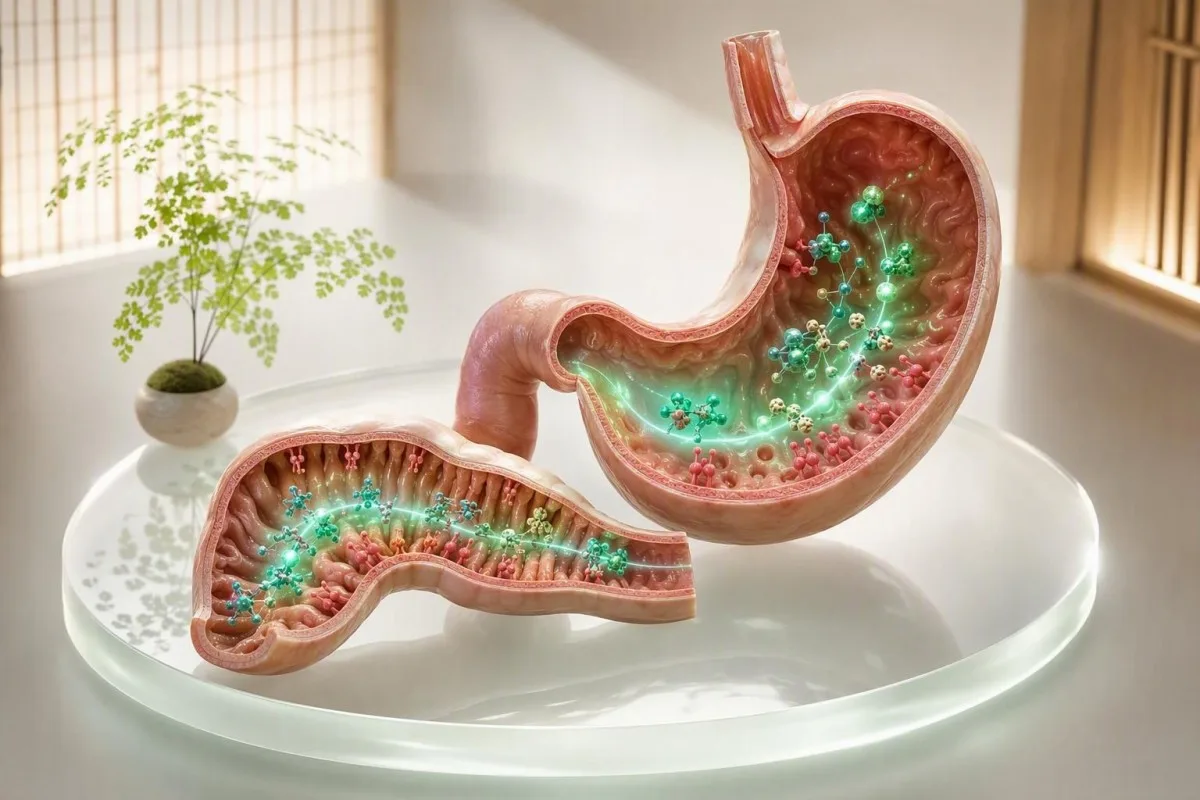
La vitamina B12 fiable prové d'aliments d'origen animal o de productes específicament fortificats; una dieta nutritiva no pot superar tots els problemes d'absorció. Aquí us explico com ajudo els pacients a fer coincidir les eleccions alimentàries, els símptomes, els medicaments i els resultats de laboratori.


- Necessitat diària de B12 és de 2,4 mcg per a la majoria d'adults, 2,6 mcg durant l'embaràs i 2,8 mcg durant la lactància.
- Millors fonts alimentàries inclouen cloïsses, fetge, peix, carn, lactis, ous i aliments fortificats amb B12; els aliments vegetals no fortificats no són fonts fiables.
- Fetge de vedella proporciona uns 70 mcg de B12 per ració cuita de 85 g, mentre que 250 ml de llet proporcionen uns 1,3 mcg.
- sostre d'absorció significa que el factor intrínsec sol absorbir només uns 1,5-2 mcg d'un àpat; aproximadament 1% d'una dosi oral gran encara pot entrar passivament.
- La vitamina B12 sèrica per sota de 200 pg/mL (148 pmol/L) sovint dóna suport a la deficiència, mentre que 200-300 pg/mL sovint necessita context d'àcid metilmalònic o B12 activa.
- Metformina i medicaments supressors d'àcids pot reduir els nivells de B12 amb el temps, especialment quan l'ús continua durant diversos anys.
- Símptomes neurològics com ara entumiment, canvis en la marxa, problemes de memòria o pèrdua de la sensació de vibració requereixen una revisió mèdica fins i tot si l'anèmia és absent.
- El menjar sol no pot corregir la deficiència causada per anèmia perniciosa, cirurgia gàstrica, malabsorció severa o símptomes neurològics significatius.
Quins aliments proporcionen la vitamina B12 més fiable?
Els aliments rics en B12 són gairebé exclusivament aliments d'origen animal i aliments fortificats deliberadament amb cobalamina. Les cloïsses, el fetge, el peix, la carn, la llet, el iogurt, el formatge, els ous, els cereals de desdejuni fortificats i les begudes vegetals fortificades són opcions fiables quan l'etiqueta confirma el contingut de B12.
Les cloïsses cuites poden proporcionar aproximadament 84 mcg per 85 g, i el fetge de vedella cuit aproximadament 70 mcg per 85 g; ambdues superen moltes vegades el requeriment adult. Tot i així, animo a la varietat en lloc de dependre del fetge amb freqüència, ja que el fetge també és excepcionalment ric en vitamina A preformada i no és un aliment diari casual durant l'embaràs.
El peix és un punt mig pràctic: la truita cuita proporciona aproximadament 5,4 mcg per 85 g, el salmó aproximadament 2.6 mcg, i la tonyina enllaunada aproximadament 2.5 mcg. Un pacient que no li agrada el marisc normalment pot satisfer les necessitats alimentàries amb dues racions de peix setmanals més lactis, ous o aliments fortificats; el nostre guia de B12 versus folat explica per què el folat no pot substituir la cobalamina.
Kantesti és una Analitzador de sang amb IA que situa un resultat de B12 al costat del volum corpuscular mitjà, l'hemoglobina, el folat, la funció renal i el context de la medicació. Això és important perquè una persona que menja peix dues vegades per setmana encara es pot deficiència si el problema és el factor intrínsec en lloc de la ingesta.
Quanta B12 hi ha en els aliments quotidians?
Una sola ració de peix, carn o lactis pot proporcionar part o la totalitat de l'objectiu adult de 2.4 mcg, però les quantitats difereixen dràsticament segons l'aliment i la porció. Les etiquetes i les taules de composició d'aliments són estimacions, no una garantia del que arriba a la circulació.
Una tassa de llet de vaca de 250 ml subministra aproximadament 1,3 mcg, 170 g de iogurt natural aprox. 1,0 mcg, un ou gran aprox. 0,5 mcg, i 85 g de carn de vedella magra cuita aprox. 2,4 mcg. Els lactis, per tant, poden donar suport de manera significativa a la ingesta, encara que dos ous per esmorzar no solen cobrir la necessitat de tot el dia.
Sovint veig un patró enganyós en persones que es descriuen com a 'principalment vegetarianes': els ous i el formatge ocasionals poden prevenir una deficiència greu, però la seva ingesta encara fluctua per sota de l'objectiu durant mesos. Aquesta és una de les raons per les quals la fatiga mereix una mirada més àmplia que inclogui opcions d'aliments rics en ferro i no només un multivitamínic.
Thomas Klein, MD, aconsella als pacients que registrin les porcions reals durant 7 dies abans de decidir que la dieta és adequada. Un diari d'aliments que revela només 0,5-1,0 mcg diaris és més útil clínicament que la vaga afirmació 'menjo sa'.'
Els aliments fortificats amb B12 són suficients per als vegans?
Els aliments fortificats amb B12 poden cobrir les necessitats dels vegans quan es mengen de manera constant en quantitats mesurades, però els aliments vegetals no fortificats no poden fer-ho de manera fiable. Les algues, els bolets, els aliments fermentats i el llevat nutricional sense etiqueta afegida de B12 no són substituts fiables.
Moltes begudes vegetals fortificades proporcionen 0,4-1,0 mcg per 250 ml, mentre que una ració de cereals fortificats pot subministrar 1,0-6,0 mcg. Llegeix sempre l'etiqueta local: els productes varien segons el país, la recepta i la mida de la ració, i 'conté vitamines' no significa automàticament que contingui B12.
La cianocobalamina és el fortificant més comú perquè es manté estable durant l'emmagatzematge i la cocció. La revisió de 2010 d'O'Leary i Samman a Nutrients descriu per què els anàlegs que es troben en algunes algues poden semblar químicament la B12, però no donen suport de manera fiable a l'estat de B12 humà (O'Leary i Samman, 2010).
Kantesti és una plataforma d’interpretació d’anàlisi de sang AI utilitzat per ajudar els lectors a veure en una sola visualització el patró dietètic, la B12 i els marcadors relacionats. Les persones que segueixen una dieta basada en plantes també haurien de considerar una prova de sang per a buits nutricionals planificada en lloc d'esperar formigueig o esgotament.
Quins són els requisits diaris de B12 per edat i etapa vital?
La majoria dels adults necessiten 2,4 mcg de vitamina B12 diàriament, mentre que l'embaràs requereix 2,6 mcg i la lactància requereix 2,8 mcg. Aquests objectius prevenen la deficiència en persones amb absorció normal; no són dosis de tractament per a la deficiència establerta.
La quantitat diària recomanada als Estats Units és 0,4 mcg des del naixement fins als 6 mesos, 0,9 mcg a partir d'1-3 anys, 1,2 mcg a partir de 4-8 anys, 1,8 mcg a partir de 9-13 anys, i 2,4 mcg a partir dels 14 anys. La ingesta diària de nutrients de referència per a adults al Regne Unit és inferior, de 1,5 mcg diaris, de manera que les aplicacions internacionals de nutrició poden mostrar objectius diferents sense que cap sigui un error.
Els adults grans sovint necessiten la mateixa quantitat dietètica, però tenen una major probabilitat de malabsorció de B12 lligada als aliments a causa de la reducció d'àcid estomacal, gastritis o medicació. Un apetit normal no ho exclou; la nostra guia de nivells de B12 en nens també mostra per què el context específic de cada edat és important.
La vitamina B12 s'emmagatzema al fetge, habitualment en quantitats de 2-5 mg, motiu pel qual una ingesta deficient pot trigar 2-5 anys a manifestar-se. Aquest retard és clínicament inconvenient: els símptomes poden aparèixer molt després d'haver iniciat una dieta restrictiva.
Com funciona l'absorció de la B12 després d'ingerir-la?
L'absorció de la vitamina B12 requereix àcid estomacal, enzims pancreàtics i factor intrínsec de les cèl·lules gàstriques abans de ser captada a l'ili final. Un problema en qualsevol d'aquests passos pot fer que una dieta rica en vitamina B12 sigui insuficient.
La vitamina B12 lligada als aliments s'allibera de les proteïnes a l'estómac, primer s'uneix a la haptocorrina i després es transfereix al factor intrínsec a l'intestí prim. El complex factor intrínsec-vitamina B12 s'absorbeix a l'ili terminal mitjançant un procés mediat per receptors; és per això que la malaltia o la resecció d'aquest segment intestinal tenen conseqüències.
L'absorció del factor intrínsec es satura aproximadament a 1.5-2 mcg per àpat, mentre que aproximadament 1% d'una gran dosi oral pot travessar per difusió passiva. Aquesta petita via passiva explica per què els clínics de vegades utilitzen dosis de tractament oral de 1.000-2.000 mcg, no perquè algú necessiti 1.000 vegades el requeriment dietètic.
Per a persones amb diarrea crònica, pèrdua de pes inexplicable o sospita de celiaquia, un càlcul d'ingesta no és suficient. Discutir el moment adequat d'un desafiament de gluten abans de la prova pot prevenir una avaluació falsament tranquil·litzadora.
Què bloqueja l'absorció de la B12 fins i tot amb una bona dieta?
L'anèmia perniciosa, la cirurgia gàstrica o intestinal, la celiaquia, la malaltia de Crohn, la metformina a llarg termini i la supressió de l'àcid poden reduir l'absorció de vitamina B12. En aquests casos, augmentar el consum de peix o cereals fortificats pot alentir el declivi, però pot no corregir la deficiència.
La gastritis autoimmune pot destruir les cèl·lules gàstriques productores de factor intrínsec i causar anèmia perniciosa, un trastorn d'absorció més que un error dietètic. La guia NG239 del NICE, publicada el 2024, recomana considerar la prova d'anticossos anti-factor intrínsec quan se sospita gastritis autoimmune, tot i que un resultat negatiu no l'exclou completament.
La deficiència de vitamina B12 associada a la metformina és real però variable. A l'estudi Diabetes Prevention Program Outcomes Study, la vitamina B12 baixa o borderline va ser més comuna amb metformina que amb placebo després de 5 anys, i el risc va augmentar amb una exposició més llarga (Aroda et al., 2016); és per això que analítiques després de la metformina no s'ha de centrar només en la glucosa.
Una pacient de 63 anys que vaig revisar menjava salmó setmanalment i bebia llet diàriament, però tenia una B12 de 156 pg/mL amb dits adormits després d'anys de metformina i omeprazol. L'alimentació no va ser el pas perdut, sinó l'absorció.
Quines proves de sang aclareixen una possible deficiència de B12?
Una vitamina B12 sèrica inferior a 200 pg/mL, o 148 pmol/L, dóna suport comunament a la deficiència, mentre que 200-300 pg/mL és una zona indeterminada que es beneficia d'un context confirmatori. L'àcid metilmalònic, l'homocisteïna, la vitamina B12 activa, el recompte sanguini complet i el folat poden resoldre la incertesa.
L'àcid metilmalònic sol augmentar quan la B12 cel·lular és inadequada; un MMA superior a 0,40 micromols/L sovint es considera elevat, tot i que els valors de tall del laboratori varien. La insuficiència renal pot augmentar l'MMA independentment, de manera que un eGFR de 35 mL/min/1,73 m² canvia el significat del mateix resultat.
La macrocitosi és una pista, no un requisit. Un MCV superior a 100 fL pot ocórrer amb deficiència de B12, però la deficiència precoç pot tenir un MCV normal, i la deficiència de ferro pot emmascarar parcialment l'ampliació de les cèl·lules; compareu el resultat amb la nostra guia de seguiment d'MCV alt.
Kantesti és una Eina d’anàlisi d’analítica de sang impulsada per IA que interpreta la B12 amb MMA, MCV, RDW, creatinina i canvis longitudinals en lloc d'aplicar un sol valor de tall. El marc diagnòstic de Devalia et al. (2014) recolza de manera similar l'ús de característiques clíniques i proves de segona línia quan la B12 sèrica no resol el dubte.
La deficiència de B12 pot causar símptomes sense anèmia?
Sí, la deficiència de B12 pot causar símptomes nerviosos i cognitius abans que caigui l'hemoglobina o augmenti l'MCV. Entumiment, cremor als peus, pèrdua d'equilibri, pèrdua del sentit de la vibració, estat d'ànim baix i boira mental mereixen avaluació quan persisteixen.
Una hemoglobina de 13.2 g/dL i un MCV de 92 fL no descarten la deficiència funcional de B12 en una persona amb parestèsia progressiva. La recuperació neurològica és menys previsible quan els símptomes han estat presents durant molts mesos, per això no aconsello esperar una anèmia manifesta.
El folat pot normalitzar l'aparença del recompte sanguini mentre la lesió nerviosa relacionada amb la B12 continua. Aquest és el problema clínic darrere de l'advertència sobre l'àcid fòlic a dosis altes; vegeu la nostra explicació sobre l'emmascarament de la B12 per un folat alt per obtenir el detall pràctic.
La valoració urgent el mateix dia és sensata per a una dificultat per caminar que empitjora ràpidament, confusió nova, debilitat marcada o canvis intestinals i de bufeta. Aquests símptomes tenen diverses causes, però la B12 hauria de formar part d'un diagnòstic diferencial ràpid en lloc d'un experiment amb suplements.
Quan pot el menjar corregir un baix nivell de B12 i quan es necessita tractament?
El menjar pot corregir una ingesta baixa marginal en algú amb absorció intacta, però la deficiència confirmada per malabsorció sovint requereix tractament oral a dosis altes o injeccions. L'elecció depèn de la causa, la gravetat, l'adherència i els troballes neurològics, no només del valor sèric.
Per a la insuficiència dietètica sense símptomes greus, els clínics poden utilitzar cianocobalamina oral o metilcobalamina en dosis com ara 50-150 mcg diaris per al manteniment, amb dosis més altes per corregir la deficiència. Els règims exactes varien entre països i han de seguir el protocol del metge tractant.
L'anèmia perniciosa, la gastrectomia total, la malaltia ileal important o els símptomes neurològics substancials solen canviar la conversa. La nostra comparació detallada de injeccions i comprimits de B12 explica per què les pastilles a dosis altes encara poden funcionar mitjançant absorció passiva, mentre que les injeccions es poden preferir quan la certesa o la velocitat són importants.
En la meva experiència, un pla basat en el menjar primer és una excel·lent prevenció però una teràpia de rescat deficient per a la malabsorció sintomàtica. El moment de la reavaluació ha d'incloure símptomes i marcadors funcionals, no només un resultat de B12 que augmenta ràpidament després d'una injecció.
La vitamina B12 metilada és millor que la cianocobalamina?
La metilcobalamina i la cianocobalamina poden corregir la deficiència de B12 quan la dosi i l'absorció són adequades; l'evidència no demostra que la B12 metilada sigui universalment superior. La cianocobalamina és estable, àmpliament estudiada i s'utilitza habitualment en aliments fortificats.
El cos converteix la cobalamina en formes actives de coenzim utilitzades per la metionina sintasa i la metilmalonil-CoA mutasa. El llenguatge de màrqueting al voltant dels productes 'metilats' sovint supera l'evidència clínica comparativa; l'absorció, la dosi, el cost i la consistència són generalment més decisius.
La hidroxocobalamina s'utilitza habitualment per injecció en diversos sistemes sanitaris perquè roman al cos més temps que la cianocobalamina. Les persones amb malaltia renal crònica o trastorns metabòlics inusuals necessiten consell individualitzat, ja que l'MMA i la selecció del tractament poden ser més complicades.
Per a una comparació pràctica de la química del producte, la lògica de la dosi i el seguiment de laboratori, llegiu metilcobalamina vs. cianocobalamina. No deixeu les injeccions prescrites perquè l'etiqueta d'un suplement promet una forma més 'natural'.
Com és un dia pràctic d'alimentació rica en B12?
Una dieta mixta pot arribar a 2,4 mcg de B12 amb àpats ordinaris, mentre que un patró vegano requereix una planificació deliberada d'aliments fortificats o un suplement. El pla més fiable és aquell que podeu repetir durant viatges, setmanes ocupades i canvis d'aprimet.
Un exemple omnívor és iogurt a l'esmorzar (1,0 mcg), un ou a l'hora de dinar (0,5 mcg), i 85 g de salmó al sopar (2.6 mcg). Això proporciona aproximadament 4.1 mcg abans de tenir en compte la variació entre àpats, mentre que repartir la ingesta entre els àpats és còmode per a la majoria de la gent.
Un exemple fortificat vegan podria utilitzar una beguda vegetal que proporcionés 1,0 mcg, cereals que proporcionessin 1.5 mcg, i llevat nutricional fortificat que proporcionés 1,0 mcg. El problema és la consistència: canviar de marca pot eliminar abruptament el nutrient, així que guarda una foto de l'etiqueta a les teves notes de salut.
La B12 pertany al patró més ampli de nutrients solubles en aigua, proteïnes, ferro i ingesta d'energia. El nostre guia de vitamines hidrosolubles ajuda a prevenir l'error comú de tractar una sola vitamina com l'única explicació de la fatiga.
Qui hauria d'estar especialment alerta a un baix nivell de B12?
Els vegans, els adults grans, les persones que prenen metformina o supressores d'àcids a llarg termini, els pacients després de cirurgia gàstrica o ileal, i les persones amb malaltia inflamatòria intestinal tenen un major risc de deficiència de B12. El risc augmenta quan hi ha més d'un factor present.
L'ús a llarg termini d'inhibidors de la bomba de protons pot reduir l'alliberament de B12 de les proteïnes alimentàries en disminuir l'acidesa gàstrica. L'associació no és una raó per deixar un medicament prescrigt abruptament, però sí que és una raó per preguntar si el seguiment és apropiat després de 2 anys o més d’ús continuat.
Les persones majors de 60 anys poden desenvolupar malabsorció de cobalamina alimentària fins i tot amb una dieta variada, de vegades acompanyada de gastritis atròfica. Un nivell baix de B12 en aquest grup no és automàticament 'només edat'; pot ser un senyal per investigar símptomes, medicaments i historial autoimmune.
El nostre guia de monitoratge a llarg termini d'IPP descriu les discussions de laboratori associades, incloent magnesi i ferro. Combinar una B12 baixa amb una deficiència de ferro inexplicable pot orientar els clínics cap a una causa gàstrica en lloc de dues deficiències dietètiques no relacionades.
Quan s'han de tornar a analitzar els nivells de B12 després de canviar la dieta o el tractament?
La repetició de proves sovint es produeix 8-12 setmanes després d'un canvi en la dieta o tractament oral, mentre que la gravetat dels símptomes i el mètode de tractament poden justificar una revisió clínica anterior. Un resultat de B12 sèrica pot augmentar ràpidament després de la suplementació i pot no provar la recuperació tissular per si sola.
Un recompte sanguini complet pot mostrar una resposta de reticulòcits en aproximadament 1 setmana després d'un tractament efectiu per a l'anèmia megaloblàstica, mentre que l'hemoglobina sol millorar al llarg de diverses setmanes. Els símptomes nerviosos es recuperen comunament més lentament i de vegades de manera incompleta, especialment després d'una deficiència prolongada.
La suplementació intermitent pot fer que la B12 sèrica sembli normal el dia de la prova, mentre que l'MMA, els símptomes o la macrocitosi segueixen sent preocupants. Aquesta és una raó per dir al metge exactament què va prendre, la dosi i la data de l'última dosi abans d'interpretar els resultats.
L'AI Kantesti pot comparar la B12, el MCV, l'hemoglobina, la RDW, el folat i la creatinina en diversos informes per identificar si un canvi és clínicament significatiu. Per als lectors que aprenen aquesta habilitat, el nostre guia d’anàlisi de tendències de proves de sang explica per què un resultat aïllat rarament és tota la història.
Quines concepcions errònies sobre la B12 poden retardar una atenció adequada?
La majoria de les concepcions errònies sobre la B12 són que menjar més aliments animals solucionarà qualsevol resultat baix. La dieta ajuda a la ingesta, però no pot restaurar el factor intrínsec, revertir malalties intestinals ni substituir de manera segura l'avaluació de símptomes neurològics.
Un altre mite és que un resultat alt de B12 sèrica sempre significa un estat excel·lent. Un resultat per sobre 900 pg/mL comunament reflecteix suplements o injeccions, però també es pot produir una elevació persistent inexplicable amb malalties hepàtiques, renals o algunes condicions hematològiques; el context importa més que el pànic.
A partir de l'1 de setembre de 2026, també advertiria contra l'ús de la millora de l'energia després d'una tauleta com a prova diagnòstica. Els efectes placebo, el son, l'estat del ferro, la malaltia tiroideal, la depressió i els canvis en la glucosa poden alterar l'energia 1-4 setmanes sense confirmar la deficiència de B12.
El contingut clínic de Kantesti es revisa amb el suport del nostre Consell Assessor Mèdic, però una interpretació de la IA mai no substitueix un examen per a símptomes neurològics progressius. Els lectors poden consultar el nostre enfocament de validació clínica per entendre com formulem les indicacions de seguiment en lloc de fer un diagnòstic.
Quins són els propers passos més segurs si sospiteu d'un baix nivell de B12?
Si teniu entumiment persistent, problemes d'equilibri, canvis cognitius, macrocitosi inexplicable o un resultat de B12 inferior a 200 pg/mL, demaneu una revisió mèdica en lloc de confiar només en els aliments. El tractament precoç és especialment rellevant quan els nervis poden estar implicats.
Porteu una llista de medicaments, suplements, patrons dietètics, diagnòstics digestius, cirurgies, ingesta d'alcohol i informes de laboratori anteriors. Un metge pot decidir si repetir la B12, demanar MMA o homocisteïna, comprovar el folat i l'hemograma complet, o investigar l'anèmia perniciosa i la malabsorció.
Thomas Klein, MD, recomana evitar l'àcid fòlic en dosis altes com a autotractament per a la macrocitosi inexplicable fins que la B12 hagi estat avaluada raonablement. Si no teniu senyals d'alarma i la ingesta dietètica és clarament baixa, un pla alimentari o de suplements mesurat amb un resultat repetit en 8-12 setmanes sovint és sensat.
Kantesti connecta les tendències dels informes de laboratori amb preguntes comprensibles per a la vostra cita, mantenint la decisió diagnòstica final amb el vostre metge. Exploreu el nostre guia de referència de biomarcadors per als termes de laboratori que probablement apareguin al costat d'un resultat de B12.
Preguntes freqüents
Quin aliment té més vitamina B12?
Les cloïsses i el fetge de vedella es troben entre els aliments amb més vitamina B12. Una ració cuita de 85 g de cloïsses pot proporcionar unes 84 mcg de B12, mentre que la mateixa porció de fetge de vedella proporciona unes 70 mcg; ambdues superen àmpliament l'objectiu diari per a adults de 2,4 mcg. El fetge no s'ha de considerar un aliment diari durant l'embaràs a causa del seu alt contingut de vitamina A preformada. Per als àpats habituals, el peix, la carn, els lactis, els ous i els aliments fortificats etiquetats són fonts més pràctiques.
Els vegans poden obtenir prou B12 només dels aliments?
Els vegans només poden cobrir les necessitats de vitamina B12 dels aliments quan consumeixen regularment productes fortificats amb B12 en quantitats mesurades. Les verdures no fortificades, els bolets, les algues, el tempeh i el llevat nutricional no són fonts fiables de B12 perquè el seu contingut de cobalamina és absent, inconsistent o pot incloure anàlegs inactius. Moltes begudes vegetals fortificades proporcionen 0,4-1,0 mcg per 250 ml, però les formulacions varien segons el país i la marca. Un suplement de B12 és sovint una protecció més senzilla i fiable per a les dietes veganes.
Quanta B12 hauria de rebre un adult cada dia?
La majoria dels adults necessiten 2,4 mcg de vitamina B12 diaris segons la Recomanació de la Dietària dels Estats Units (United States Recommended Dietary Allowance). L'embaràs augmenta l'objectiu a 2,6 mcg diaris, i la lactància materna l'augmenta a 2,8 mcg diaris. La ingesta de nutrients de referència per a adults del Regne Unit és de 1,5 mcg diaris, de manera que les etiquetes nutricionals específiques de cada país poden diferir. Aquests valors són objectius de prevenció per a una absorció normal i són molt inferiors a les dosis de tractament utilitzades per a la deficiència diagnosticada.
Puc corregir la deficiència de B12 menjant més carn i ous?
Augmentar la carn, el peix, els lactis, els ous o els aliments fortificats pot corregir la deficiència de B12 causada únicament per una ingesta dietètica baixa, però pot no funcionar quan l'absorció està alterada. L'anèmia perniciosa, la malaltia celíaca, la malaltia de Crohn, la cirurgia gàstrica, la cirurgia de l'ili, la metformina i el tractament a llarg termini amb supressors d'àcids poden reduir l'absorció malgrat una dieta rica en B12. Un nivell de B12 sèrica per sota de 200 pg/mL o 148 pmol/L generalment justifica una avaluació clínica de la causa. Els símptomes neurològics com entumiment, mal equilibri o canvis cognitius no s'han de tractar només amb aliments.
Què ajuda a l'absorció de la B12?
L'absorció de la vitamina B12 depèn d'un processament gàstric adequat, d'enzims pancreàtics, del factor intrínsec i d'un íle terminal funcional. El factor intrínsec absorbeix activament només uns 1,5-2 mcg de B12 d'un àpat, mentre que aproximadament 1% d'una dosi oral gran pot entrar per difusió passiva. Menjar B12 amb aliments és raonable, però cap combinació específica d'aliments pot compensar l'absència del factor intrínsec o una malaltia ileal important. Poden ser necessaris dosis altes de B12 oral o injeccions quan l'absorció està alterada.
Quin nivell de B12 es considera baix?
Un resultat de vitamina B12 sèrica inferior a 200 pg/mL, equivalent a aproximadament 148 pmol/L, dóna suport comunament a la deficiència de B12, tot i que els laboratoris utilitzen diferents rangs d'assaig. Els resultats de 200-300 pg/mL sovint es consideren borderline o indeterminats i poden requerir àcid metilmalònic, homocisteïna, B12 activa, recompte sanguini complet, folat, funció renal i context simptomàtic. L'àcid metilmalònic per sobre d'aproximadament 0,40 micromol/L dóna suport a la deficiència cel·lular de B12, però també pot augmentar amb una funció renal reduïda. L'hemoglobina normal o l'MCV no exclou de manera fiable els símptomes nerviosos precoços relacionats amb la B12.
Obteniu avui una anàlisi de sang amb IA
Uneix-te a més de 2 milions d’usuaris a tot el món que confien en Kantesti per a una anàlisi instantània i precisa de proves de laboratori. Pengeu els vostres resultats d’anàlisi de sang i rebeu una interpretació completa de biomarcadors 15,000+ en segons.
📚 Publicacions de recerca citades
Klein, T., Mitchell, S., & Weber, H. (2026). Prova d’urobilinogen a l’orina: guia completa d’analítica d’orina 2026. Kantesti Recerca mèdica amb IA.
Klein, T., Mitchell, S., & Weber, H. (2026). Guia d'estudis del ferro: TIBC, saturació de ferro i capacitat d'unió. Kantesti Recerca mèdica amb IA.
📖 Referències mèdiques externes
⚕️ Avís mèdic
Aquest article és només per a finalitats educatives i no constitueix assessorament mèdic. Consulteu sempre un professional sanitari qualificat per a decisions de diagnòstic i tractament.
Senyals de confiança E-E-A-T
Experiència
Revisió clínica liderada per metges dels fluxos de treball d’interpretació de laboratori.
Experiència
Enfocament en medicina de laboratori sobre com es comporten els biomarcadors en context clínic.
Autoritat
Escrit pel Dr. Thomas Klein amb revisió de la Dra. Sarah Mitchell i el Prof. Dr. Hans Weber.
Fiabilitat
Interpretació basada en l’evidència amb vies de seguiment clares per reduir l’alarma.