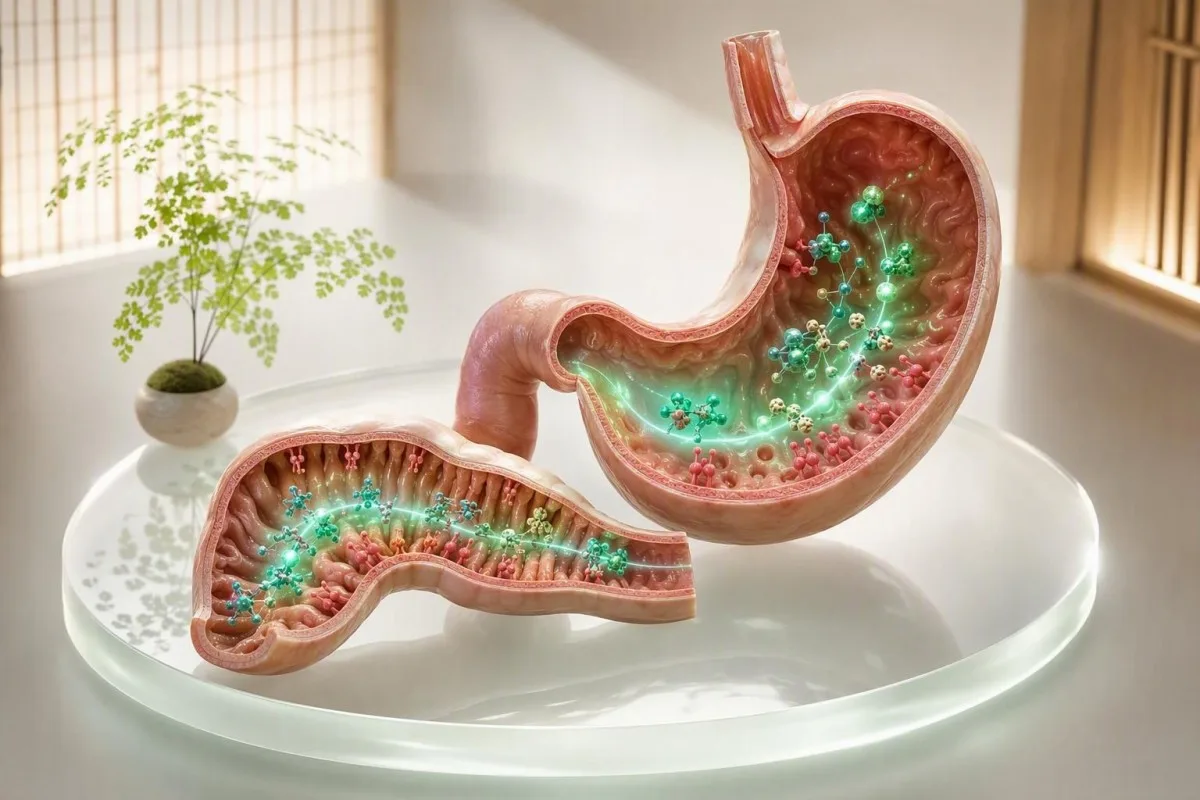
Pouzdan vitamin B12 dolazi iz životinjskih namirnica ili specifično obogaćenih proizvoda; hranljiva ishrana ne može prevazići svaki problem sa apsorpcijom. Evo kako pomažem pacijentima da usklade izbor hrane, simptome, lijekove i laboratorijske rezultate.


- Dnevne potrebe za B12 iznose 2,4 mcg za većinu odraslih, 2,6 mcg u trudnoći i 2,8 mcg tokom dojenja.
- Najbolji izvori hrane uključuju školjke, jetru, ribu, meso, mliječne proizvode, jaja i hranu obogaćenu B12; biljna hrana koja nije obogaćena nije pouzdan izvor.
- Jetra goveda daje oko 70 mcg B12 po 85 g kuhanog obroka, dok 250 mL mlijeka daje oko 1,3 mcg.
- Granica apsorpcije znači da unutrašnji faktor obično apsorbira samo oko 1,5-2 mcg iz obroka; otprilike 1% velike oralne doze i dalje može ući pasivno.
- Serumski B12 ispod 200 pg/mL (148 pmol/L) često ukazuje na nedostatak, dok 200-300 pg/mL često zahtijeva kontekst metilmalonične kiseline ili aktivnog B12.
- Metformin i lijekovi koji suzbijaju kiselinu može s vremenom smanjiti nivo B12, posebno kada se upotreba nastavi nekoliko godina.
- Neurološki simptomi kao što su utrnulost, promjene u hodu, problemi s pamćenjem ili gubitak osjećaja za vibracije zahtijevaju medicinski pregled čak i ako anemija nije prisutna.
- Sama hrana možda neće ispraviti nedostatak uzrokovan pernicioznom anemijom, želučanom operacijom, teškom malapsorpcijom ili značajnim neurološkim simptomima.
Koja hrana pruža najpouzdaniji vitamin B12?
Hrana bogata B12 su gotovo isključivo životinjske namirnice i namirnice namjerno obogaćene kobalaminom. Školjke, jetra, riba, meso, mlijeko, jogurt, sir, jaja, obogaćene žitarice za doručak i obogaćena biljna pića su pouzdani izbori kada deklaracija potvrđuje sadržaj B12.
Kuhane školjke mogu osigurati otprilike 84 mcg po 85 g, i kuhana goveđa jetra oko 70 mcg po 85 g; oba premašuju potrebe odraslih mnogo puta. I dalje podstičem raznolikost umjesto oslanjanja na jetru često, jer je jetra također izuzetno bogata gotovim vitaminom A i nije svakodnevna hrana tokom trudnoće.
Riba je praktično srednje rješenje: kuhana pastrmka osigurava oko 5,4 mcg po 85 g, losos oko 2,6 mcg, a tunjevina iz konzerve otprilike 2,5 mcg. Pacijent koji ne voli školjke obično može zadovoljiti potrebe hranom sa dvije porcije ribe sedmično plus mliječni proizvodi, jaja ili obogaćena hrana; naš vodiču B12 naspram folata objašnjava zašto folat ne može zamijeniti kobalamin.
Kantesti je AI analizator krvi koji postavlja rezultat B12 pored prosječne crvene krvne ćelije, hemoglobina, folata, bubrežne funkcije i konteksta lijekova. To je važno jer osoba koja jede ribu dva puta sedmično i dalje može postati deficijentna ako je problem intrinzični faktor, a ne unos.
Koliko B12 ima u svakodnevnoj hrani?
Jedna porcija ribe, mesa ili mliječnih proizvoda može osigurati dio ili cijelu ciljanu količinu od 2,4 mcg za odrasle, ali količine se oštro razlikuju po hrani i porciji. Deklaracije i tabele prehrambenog sastava su procjene, a ne garancija onoga što dospeva u cirkulaciju.
Šolja kravljeg mlijeka od 250 mL osigurava oko 1,3 mcg, 170 g običnog jogurta otprilike 1,0 mcg, jedno veliko jaje otprilike 0,5 mcg, i 85 g kuhanog nemasnog goveđeg mesa otprilike 2,4 mcg. Mliječni proizvodi stoga mogu značajno podržati unos, iako dva jaja za doručak obično ne zadovoljavaju potrebe cijelog dana.
Često vidim obmanjujući obrazac kod ljudi koji sebe opisuju kao 'uglavnom vegetarijance': povremena jaja i sir mogu spriječiti ozbiljno iscrpljivanje, ali njihov unos i dalje mjesecima varira ispod cilja. Ovo je jedan od razloga zašto umor zaslužuje širi pogled koji uključuje izbore hrane bogate željezom , a ne samo multivitaminski dodatak.
Thomas Klein, MD, savjetuje pacijentima da zabilježe stvarne porcije tokom 7 dana prije nego što odluče da je ishrana adekvatna. Dnevnik ishrane koji otkriva samo 0,5-1,0 mcg dnevno korisniji je klinički nego nejasna izjava: 'Zdravo se hranim.'
Da li je hrana obogaćena B12 dovoljna za vegane?
Hrana obogaćena B12 može zadovoljiti potrebe vegana kada se konzumira dosljedno u izmjerenim količinama, ali neobogaćena biljna hrana ne može pouzdano učiniti. Morske trave, gljive, fermentirana hrana i prehrambeni kvasac bez deklaracije dodanog B12 nisu pouzdane zamjene.
Mnoga obogaćena biljna pića osiguravaju 0,4-1,0 mcg po 250 mL, dok porcija obogaćene žitarice može osigurati 1,0-6,0 mcg. Svaki put pročitajte lokalnu etiketu: proizvodi se razlikuju po zemlji, recepturi i veličini porcije, a 'sadrži vitamine' ne znači automatski da sadrži B12.
Cijanokobalamin je najčešće sredstvo za obogaćivanje jer ostaje stabilan tijekom skladištenja i kuhanja. Pregled O'Learyja i Sammana iz 2010. u časopisu Nutrients opisuje zašto analozi pronađeni u nekim algama kemijski mogu nalikovati B12, ali ne podržavaju pouzdano status B12 kod ljudi (O'Leary & Samman, 2010).
Kantesti je AI platforma za tumačenje krvne slike koristi se kako bi čitateljima pomogao da povežu prehrambeni obrazac, B12 i srodne markere u jednom prikazu. Ljudi koji slijede biljnu prehranu također bi trebali razmotriti planirani test krvi na nedostatak hranjivih tvari umjesto čekanja na trnce ili iscrpljenost.
Kolike su dnevne potrebe za B12 prema starosti i životnoj dobi?
Većini odraslih potrebno je 2,4 mcg vitamina B12 dnevno, dok je za trudnoću potrebno 2,6 mcg, a za dojenje 2,8 mcg. Ove ciljeve sprečavaju nedostatak kod ljudi s normalnom apsorpcijom; one nisu doze za liječenje utvrđenog nedostatka.
Preporučeni dnevni unos Sjedinjenih Država je 0,4 mcg od rođenja do 6 mjeseci, 0,9 mcg u dobi 1-3 godine, 1,2 mcg u dobi 4-8 godina, 1,8 mcg u dobi 9-13 godina, i 2,4 mcg od 14. godine života. Referentni unos hranjivih tvari za odrasle u Velikoj Britaniji niži je i iznosi 1,5 mcg dnevno, tako da međunarodne aplikacije za prehranu mogu prikazivati različite ciljeve, a niti jedan od njih nije pogreška.
Starije osobe često trebaju istu količinu hrane, ali imaju veću vjerojatnost za malapsorpciju B12 vezanu za hranu zbog smanjene želučane kiseline, gastritisa ili lijekova. Normalan apetit to ne isključuje; naš vodič za razine B12 kod djece također pokazuje zašto je kontekst specifičan za dob važan.
B12 se skladišti u jetri, obično u količini od 2-5 mg, zbog čega manjak u unosu može postati očit tek za 2-5 godina. Taj odgoda je klinički nezgodna: simptomi se mogu pojaviti dugo nakon što je započela restriktivna dijeta.
Kako B12 djeluje nakon što ga pojedete?
Apsorpcija B12 zahtijeva želučanu kiselinu, pankreasne enzime i unutrašnji faktor iz želučanih ćelija prije apsorpcije u završnom dijelu ileuma. Problem u bilo kojem od ovih koraka može učiniti dijetu bogatu B12 nedovoljnom.
B12 vezan za hranu oslobađa se iz proteina u želucu, prvo se veže za haptokorin, zatim prelazi na unutrašnji faktor u tankom crijevu. Kompleks unutrašnjeg faktora i B12 apsorbira se u terminalnom ileumu putem procesa posredovanog receptorima; to je razlog zašto bolest ili uklanjanje tog dijela crijeva ima posljedice.
Apsorpcija unutrašnjeg faktora dostiže zasićenje otprilike pri 1.5-2 mcg po obroku, dok oko 1% velike oralne doze može proći pasivnom difuzijom. Taj mali pasivni put objašnjava zašto kliničari ponekad koriste oralne doze od 1.000-2.000 mcg, ne zato što ikome treba 1.000 puta veći unos od dnevnih potreba.
Za osobe sa hroničnim proljevom, neobjašnjivim gubitkom težine ili sumnjom na celijakiju, izračun unosa nije dovoljan. Razgovor o ispravnom vremenu primjene gluten provokacije prije testiranja može spriječiti lažno umirujuće rezultate.
Šta ometa apsorpciju B12 čak i uz dobru ishranu?
Perniciozna anemija, operacija želuca ili crijeva, celijakija, Crohn-ova bolest, dugotrajno liječenje metforminom i supresija kiseline mogu smanjiti apsorpciju B12. U tim situacijama, povećanje unosa ribe ili obogaćenih žitarica može usporiti pad, ali možda neće ispraviti nedostatak.
Autoimuni gastritis može uništiti ćelije želuca koje proizvode unutrašnji faktor i uzrokovati pernicioznu anemiju, poremećaj apsorpcije, a ne dijetetski nedostatak. Smjernice NICE-a NG239, objavljene 2024. godine, preporučuju razmatranje testiranja na antitijela protiv unutrašnjeg faktora kada se sumnja na autoimuni gastritis, iako negativan rezultat ne isključuje u potpunosti.
Smanjenje B12 povezano s metforminom je stvarno, ali varijabilno. U studiji Diabetes Prevention Program Outcomes Study, nizak ili granično nizak nivo B12 bio je češći kod uzimanja metformina nego kod placeba nakon 5 godina, a rizik je rastao s dužim izlaganjem (Aroda et al., 2016); to je razlog zašto laboratorijske pretrage nakon metformina ne bi trebalo da se fokusira samo na glukozu.
Pacijentica stara 63 godine koju sam pregledao jela je lososa sedmično i pila mlijeko dnevno, ali je imala nivo B12 od 156 pg/mL sa utrnutim prstima na nogama nakon godina uzimanja metformina i omeprazola. Hrana nije bila problem – apsorpcija je bila.
Koji krvni testovi pojašnjavaju mogući nedostatak B12?
Serumski B12 ispod 200 pg/mL, ili 148 pmol/L, obično ukazuje na nedostatak, dok je raspon od 200-300 pg/mL neodređena zona koja ima koristi od potvrdnog konteksta. Metilmalonska kiselina, homocistein, aktivni B12, kompletna krvna slika i folati mogu razjasniti neizvjesnost.
Metilmalonska kiselina obično raste kada je ćelijski B12 nedovoljan; MMA iznad 0.40 mikromola/L se često smatra povišenom, iako se laboratorijske granične vrijednosti razlikuju. Oštećenje bubrega može nezavisno povisiti MMA, tako da eGFR od 35 mL/min/1.73 m² mijenja značenje istog rezultata.
Makrocitoza je trag, ne zahtjev. MCV iznad 100 fL može se pojaviti kod nedostatka B12, ali rani nedostatak može imati normalan MCV, a nedostatak željeza može djelomično maskirati povećanje ćelija; uporedite rezultat sa našim vodičem za praćenje povišenog MCV.
Kantesti je Alat za analizu krvnih nalaza uz pomoć AI-a koji čita B12 sa MMA, MCV, RDW, kreatininom i longitudinalnim promjenama, umjesto primjene jedne granične vrijednosti. Dijagnostički okvir u Devalia et al. (2014) slično podržava korištenje kliničkih karakteristika i testova drugog reda kada serumski B12 ne riješi pitanje.
Može li nedostatak B12 uzrokovati simptome bez anemije?
Da, nedostatak B12 može uzrokovati neurološke i kognitivne simptome prije nego što hemoglobin padne ili MCV poraste. Trnci, peckanje stopala, smanjena ravnoteža, gubitak osjeta vibracija, loše raspoloženje i moždana magla zaslužuju procjenu kada perzistiraju.
Hemoglobin od 13,2 g/dL i MCV od 92 fL ne isključuju funkcionalni nedostatak B12 kod osobe sa progresivnom parestezijom. Neurološki oporavak je manje predvidljiv kada su simptomi prisutni mnogo mjeseci, zato ne savjetujem čekanje na očiglednu anemiju.
Folat može normalizirati izgled krvne slike, dok oštećenje nerava povezano sa B12 napreduje. Ovo je klinički problem iza upozorenja o visokim dozama folne kiseline; pogledajte naše objašnjenje visokog folata koji maskira B12 za praktične detalje.
Hitna procjena istog dana je razumna za brzo pogoršanje poteškoća pri hodanju, novu konfuziju, izraženu slabost ili promjene crijeva i mjehura. Ti simptomi imaju nekoliko uzroka, ali B12 bi trebao biti dio promptne diferencijalne dijagnoze, a ne eksperiment s suplementima.
Kada hrana može ispraviti nizak nivo B12, a kada je potrebno liječenje?
Hrana može ispraviti marginalni nizak unos kod nekoga s netaknutom apsorpcijom, ali potvrđeni nedostatak uzrokovan malapsorpcijom često zahtijeva oralni tretman visokim dozama ili injekcije. Izbor ovisi o uzroku, težini, pridržavanju i neurološkim nalazima—a ne samo o broju u serumu.
Za nedovoljan unos putem prehrane bez teških simptoma, kliničari mogu koristiti oralni cijanokobalamin ili metilkobalamin u dozama kao što je 50-150 mcg dnevno za održavanje, s većim dozama pri ispravljanju nedostatka. Točni režimi variraju između zemalja i trebali bi slijediti protokol liječnika koji liječi.
Perniciozna anemija, totalna gastrektomija, značajne bolesti ileuma ili značajni neurološki simptomi obično mijenjaju razgovor. Naša detaljna usporedba B12 injekcija i tableta objašnjava zašto tablete u visokim dozama još uvijek mogu djelovati kroz pasivnu apsorpciju, dok se injekcije mogu preferirati kada su izvjesnost ili brzina važni.
Po mom iskustvu, plan prvenstveno temeljen na hrani odlična je prevencija, ali loša terapija spašavanja za simptomatsku malapsorpciju. Vrijeme ponovne provjere trebalo bi uključivati simptome i funkcionalne markere, a ne samo rezultat B12 koji brzo poraste nakon injekcije.
Da li je metilirani B12 bolji od cijanokobalamina?
I metilkobalamin i cijanokobalamin mogu ispraviti nedostatak B12 kada su doza i apsorpcija adekvatni; dokazi ne pokazuju da je metilirani B12 univerzalno superiorniji. Cijanokobalamin je stabilan, široko proučavan i često korišten u obogaćenoj hrani.
Tijelo pretvara kobalamin u aktivne koenzimske oblike koje koriste metionin sintaza i metilmalonil-CoA mutaza. Jezik marketinga oko 'metiliranih' proizvoda često nadmašuje komparativne kliničke dokaze; apsorpcija, doza, cijena i dosljednost obično su odlučujući.
Hidroksokobalamin se često koristi injekcijom u nekoliko zdravstvenih sustava jer dulje ostaje u tijelu od cijanokobalamina. Ljudi s kroničnom bubrežnom bolešću ili neobičnim metaboličkim poremećajima trebaju individualni savjet, jer MMA i odabir liječenja mogu postati kompliciraniji.
Za praktičnu usporedbu kemije proizvoda, logike doze i laboratorijskog praćenja, pročitajte metilirani B12 u usporedbi s cijanokobalaminom. Nemojte prestati s propisanim injekcijama jer deklaracija suplementa obećava 'prirodniji' oblik.
Kako izgleda praktičan dan ishrane bogate B12?
Mješovita prehrana može doseći 2,4 mcg B12 s uobičajenim obrocima, dok vegansko uzimanje zahtijeva namjerno planiranje obogaćene hrane ili suplement. Najpouzdaniji plan je onaj koji možete ponavljati tijekom putovanja, užurbanih tjedana i promjena apetita.
Jedan svežderski primjer je jogurt za doručak (1,0 mcg), jaje za ručak (0,5 mcg) i 85 g lososa za večeru (2,6 mcg). Ovo pruža otprilike 4.1 mcg prije nego što se uzme u obzir varijacija hrane, dok je raspoređivanje unosa tokom obroka ugodno za većinu ljudi.
Obogaćeni veganski primjer bi mogao koristiti biljno piće koje pruža 1,0 mcg, žitarice koje pružaju 1.5 mcg, i obogaćeni prehrambeni kvasac koji pruža 1,0 mcg. Problem je dosljednost: promjena brendova može naglo ukloniti nutrijent, stoga sačuvajte fotografiju etikete u svojim zdravstvenim bilješkama.
B12 pripada širim obrascima rastvorljivih u vodi nutrijenata, proteina, željeza i unosa energije. Naš vodič za vitamine rastvorljive u vodi pomaže u sprečavanju uobičajene greške tretiranja jednog vitamina kao potpunog objašnjenja za umor.
Ko treba da bude posebno oprezan sa niskim nivoom B12?
Vegani, starije odrasle osobe, osobe koje uzimaju metformin ili dugotrajne supresore kiseline, pacijenti nakon gastrične ili ilealne operacije, te osobe sa upalnom bolešću crijeva imaju veći rizik od deficita B12. Rizik se povećava kada je prisutan više od jednog faktora.
Dugotrajna upotreba inhibitora protonske pumpe može smanjiti oslobađanje B12 iz prehrambenih proteina snižavanjem želučane kiselosti. Asocijacija nije razlog za naglo prestajanje propisanog lijeka, ali je razlog za pitanje da li je praćenje prikladno nakon 2 godine ili više kontinuirane upotrebe.
Osobe starije od 60 godina mogu razviti malapsorpciju hrane-kobalamina čak i uz raznoliku ishranu, ponekad uz atrofični gastritis. Niži nivo B12 u ovoj grupi nije automatski 'samo starost'; to može biti signal za ispitivanje simptoma, lijekova i autoimune historije.
Naš vodič za dugoročno praćenje PPI prikazuje povezane laboratorijske diskusije, uključujući magnezijum i željezo. Kombinacija niskog B12 sa neobjašnjivim nedostatkom željeza može ukazati kliničarima na želučani uzrok, a ne na dva nepovezana dijetetska propusta.
Kada treba ponovo provjeriti nivoe B12 nakon promjene ishrane ili liječenja?
Ponovno testiranje se često obavlja 8-12 sedmica nakon promjene ishrane ili oralne terapije, dok težina simptoma i metoda liječenja mogu opravdati raniji klinički pregled. Serumski nivo B12 može brzo porasti nakon suplementacije i sam po sebi ne dokazuje oporavak tkiva.
Kompletna krvna slika može pokazati retikulocitni odgovor unutar otprilike 1 sedmica nakon efikasnog liječenja megaloblastne anemije, dok se hemoglobina obično poboljšava tokom nekoliko sedmica. Živčani simptomi se obično oporavljaju sporije i ponekad nepotpuno, posebno nakon dugotrajnog deficita.
Prekidanje i započinjanje suplementacije može učiniti da serumska B12 izgleda normalno na dan testiranja, dok MMA, simptomi ili makrocitoza ostaju zabrinjavajući. Ovo je jedan od razloga zašto kliničaru tačno reći šta ste uzeli, dozu i datum posljednje doze prije tumačenja rezultata.
Kantesti AI može uporediti B12, MCV, hemoglobin, RDW, folat i kreatinin iz više izvještaja kako bi utvrdio da li je promjena klinički značajna. Za čitaoce koji uče ovu vještinu, naš vodič za analizu trendova krvnih testova objašnjava zašto jedan izolovani rezultat rijetko predstavlja cijelu priču.
Koja pogrešna shvatanja o B12 mogu odgoditi pravilnu njegu?
Najveća zabluda o B12 je da će konzumiranje više životinjske hrane riješiti svaki niski rezultat. Ishrana pomaže u unosu, ali ne može nadoknaditi unutrašnji faktor, poništiti crijevne bolesti, ili sigurno zamijeniti procjenu neuroloških simptoma.
Još jedan mit je da visoki serumski nivo B12 uvijek znači odličan status. Rezultat iznad 900 pg/mL obično odražava suplemente ili injekcije, ali uporna neobjašnjiva elevacija se također može javiti kod bolesti jetre, bubrežnih bolesti ili nekih hematoloških stanja; kontekst je važniji od panike.
Od 1. septembra 2026. godine, također bih upozorio protiv korištenja poboljšanja energije nakon jedne tablete kao dijagnostičkog dokaza. Placebo efekti, san, status željeza, bolest štitne žlijezde, depresija i promjene glukoze mogu svi uticati na energiju tokom 1-4 sedmice bez potvrđivanja nedostatka B12.
Klinički sadržaj Kantesti se pregledava uz podršku naših Medicinski savjetodavni odbor, ali AI interpretacija nikada ne zamjenjuje pregled progresivnih neuroloških simptoma. Čitatelji mogu pregledati naše pristup kliničkoj validaciji da razumiju kako formulišemo upite za praćenje, umjesto da postavljamo dijagnozu.
Koji su najsigurniji sljedeći koraci ako sumnjate na nizak nivo B12?
Ako imate uporan osjećaj utrnulosti, probleme s ravnotežom, kognitivne promjene, neobjašnjivu makrocitozu ili nivo B12 ispod 200 pg/mL, dogovorite medicinski pregled umjesto da se oslanjate samo na hranu. Rana terapija je posebno relevantna kada su živci možda uključeni.
Ponesite spisak lijekova, suplemenata, obrazac ishrane, probavne dijagnoze, operacije, unos alkohola i prethodne laboratorijske izvještaje. Ljekar tada može odlučiti da li da ponovi B12, naruči MMA ili homocistein, provjeri folat i kompletnu krvnu sliku, ili istraži pernicioznu anemiju i malapsorpciju.
Thomas Klein, MD, preporučuje izbjegavanje visokih doza folne kiseline kao samoliječenja za neobjašnjivu makrocitozu dok se B12 ne procijeni razumno. Ako nemate crvene zastavice i unos hrane je očigledno nizak, plan ishrane ili suplementacije sa ponovljenim rezultatom u 8-12 sedmica je često razuman.
Kantesti povezuje trendove laboratorijskih izvještaja s razumljivim pitanjima za vaš sastanak, dok konačnu dijagnostičku odluku prepušta vašem ljekaru. Istražite naše referentni vodič za biomarkere za laboratorijske termine koji će se vjerovatno pojaviti uz rezultat B12.
Često postavljana pitanja
Koja je hrana najbogatija vitaminom B12?
Školjke i juneća džigerica su među namirnicama s najvišim sadržajem vitamina B12. Kuhana porcija školjki od 85 g može osigurati oko 84 mcg B12, dok ista porcija juneće džigerice osigurava oko 70 mcg; obje znatno premašuju cilj od 2,4 mcg dnevno za odrasle. Džigericu ne treba konzumirati svakodnevno tokom trudnoće zbog njenog veoma visokog sadržaja preformiranog vitamina A. Za redovne obroke, riba, meso, mliječni proizvodi, jaja i označena obogaćena hrana su praktičniji izvori.
Mogu li vegani unijeti dovoljno B12 samo iz hrane?
Vegani mogu zadovoljiti potrebe za vitaminom B12 iz hrane samo kada redovno koriste proizvode obogaćene B12 u određenim količinama. Neobogaćeno povrće, gljive, alge, tempeh i prehrambeni kvasac nisu pouzdani izvori B12 jer njihov sadržaj kobalamina izostaje, nedosljedan je ili može uključivati neaktivne analoge. Mnoga obogaćena biljna pića osiguravaju 0.4-1.0 mcg na 250 mL, ali formulacije se razlikuju po zemljama i markama. Dodatak B12 je često jednostavniji i pouzdaniji zaštitni mehanizam za veganske dijete.
Koliko B12 bi odrasla osoba trebala unositi svakodnevno?
Većina odraslih osoba treba 2.4 mcg vitamina B12 dnevno prema preporučenom dnevnom unosu Sjedinjenih Država. Trudnoća povećava cilj na 2.6 mcg dnevno, a dojenje ga povećava na 2.8 mcg dnevno. Referentni unos hranjivih tvari za odrasle u Velikoj Britaniji iznosi 1.5 mcg dnevno, tako da se prehrambene oznake specifične za zemlju mogu razlikovati. Ove vrijednosti su ciljevi prevencije za normalnu apsorpciju i znatno su niže od doza za liječenje koje se koriste za dijagnosticirani nedostatak.
Mogu li nadoknaditi nedostatak B12 povećanim unosom mesa i jaja?
Povećanje unosa mesa, ribe, mliječnih proizvoda, jaja ili obogaćene hrane može ispraviti nedostatak B12 uzrokovan samo niskim unosom u ishrani, ali možda neće uspjeti kada je apsorpcija oštećena. Perniciozna anemija, celijakija, Crohn-ova bolest, želučana operacija, ilealna operacija, metformin i dugotrajno liječenje supresorima kiseline mogu smanjiti apsorpciju uprkos ishrani bogatoj B12. Nivo B12 u serumu ispod 200 pg/mL ili 148 pmol/L obično zahtijeva kliničku procjenu uzroka. Neurološki simptomi poput utrnulosti, loše ravnoteže ili promjene kognitivnih funkcija ne bi se trebali liječiti samo hranom.
Šta pomaže apsorpciju B12?
Apsorpcija vitamina B12 zavisi od adekvatne obrade u želucu, pankreasnih enzima, unutrašnjeg faktora i funkcionalnog terminalnog ileuma. Unutrašnji faktor aktivno apsorbuje samo oko 1,5-2 mcg B12 iz obroka, dok otprilike % velike oralne doze može ući pasivnom difuzijom. Konzumiranje B12 sa hranom je razumno, ali nijedna specifična kombinacija hrane ne može nadoknaditi odsustvo unutrašnjeg faktora ili ozbiljnu bolest ileuma. Visoke doze oralnog B12 ili injekcije mogu biti potrebne kada je apsorpcija oštećena.
Koji nivo B12 se smatra niskim?
Rezultat vitamina B12 u serumu ispod 200 pg/mL, što je ekvivalentno oko 148 pmol/L, obično ukazuje na nedostatak B12, iako laboratorije koriste različite referentne vrijednosti za testiranje. Rezultati od 200-300 pg/mL često se smatraju graničnim ili neodređenim i mogu zahtijevati analizu metilmalonske kiseline, homocisteina, aktivnog B12, potpunu krvnu sliku, folat, bubrežnu funkciju i klinički kontekst simptoma. Metilmalonska kiselina iznad oko 0,40 mikromola/L podržava stanični nedostatak B12, ali se također može povećati kod smanjene bubrežne funkcije. Normalan hemoglobin ili MCV ne isključuje pouzdano rane nervne simptome povezane sa B12.
Nabavite analizu krvne slike uz AI već danas
Pridružite se više od 2 miliona korisnika širom svijeta koji vjeruju Kantesti-u za trenutnu i tačnu analizu laboratorijskih testova. Otpremite svoje rezultate krvne slike i dobijte sveobuhvatno tumačenje 15,000+ biomarkera za nekoliko sekundi.
📚 Referisane naučne publikacije
Klein, T., Mitchell, S., & Weber, H. (2026). Test urobilinogena u urinu: kompletan vodič za analizu urina 2026. Kantesti AI Medical Research.
Klein, T., Mitchell, S., & Weber, H. (2026). Vodič za studije željeza: TIBC, zasićenost željezom i kapacitet vezivanja. Kantesti AI Medical Research.
📖 Eksterne medicinske reference
⚕️ Medicinska izjava o odricanju odgovornosti
Ovaj članak je samo u edukativne svrhe i ne predstavlja medicinski savjet. Za odluke o dijagnozi i liječenju uvijek se posavjetujte s kvalifikovanim zdravstvenim radnikom.
E-E-A-T signal(i) povjerenja
Iskustvo
Klinička revizija radnih tokova tumačenja laboratorijskih nalaza koju vodi ljekar.
Stručnost
Fokus laboratorijske medicine na to kako se biomarkeri ponašaju u kliničkom kontekstu.
Autoritativnost
Napisao dr. Thomas Klein, uz recenziju dr. Sarah Mitchell i prof. dr. Hans Weber.
Pouzdanost
Tumačenje zasnovano na dokazima, s jasnim sljedećim koracima kako bi se smanjila uzbuna.