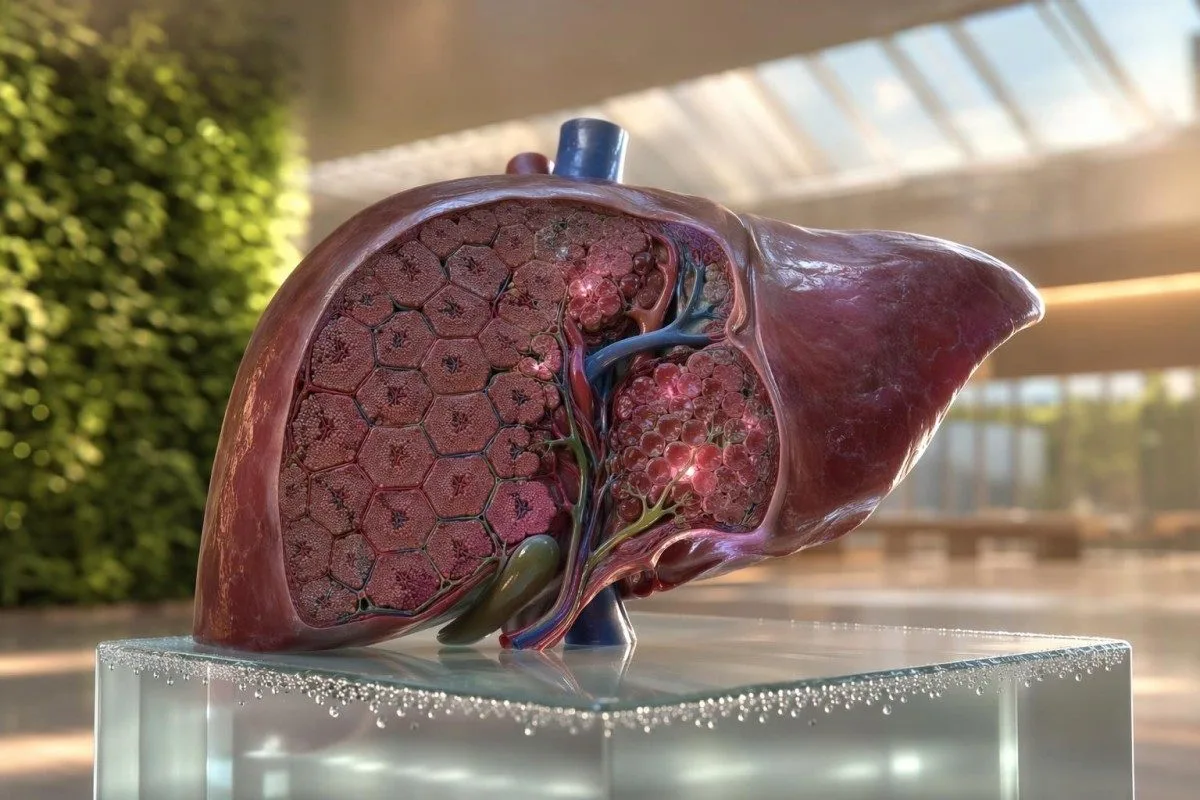
For most adults, ALT is roughly 7-35 U/L in women and 10-40 U/L in men, but labs vary. The real question is when a borderline result is just noise and when it is the first clue to liver disease.


- ALT normal range is usually about 7-35 U/L in adult women and 10-40 U/L in adult men, but some labs still use upper limits up to 56 U/L.
- Mild high ALT usually means about 1.1-2 times the upper limit of normal and often deserves repeat testing within 2-8 weeks.
- Persistent elevation on 2 tests or for more than 6 months usually needs a targeted liver workup, even without symptoms.
- Higher-risk ALT begins around 2-3 times the upper limit of normal; ALT above 500 U/L needs prompt review, and ALT above 1000 U/L is often urgent.
- Fatty liver pattern is common when ALT is high with triglycerides above 150 mg/dL, prediabetes or diabetes, central weight gain, or insulin resistance.
- AST/ALT ratio above 2 can suggest an alcohol-related pattern, while ALT-predominant results are common in MASLD and viral hepatitis.
- Liver function clues matter more than ALT alone: bilirubin above 2.0 mg/dL, albumin below 3.5 g/dL, INR above 1.5, or platelets below 150 × 10^9/L raise concern.
- Exercise effect is real; avoiding hard training for 5-7 days before a repeat ALT blood test can prevent false alarms.
What is the ALT normal range on a blood test?
ALT normal range on an ALT blood test is usually about 7-35 U/L in adult women and 10-40 U/L in adult men, although some labs still print upper limits of 45-56 U/L. High ALT levels matter most when they persist, rise above 2-3 times the upper limit of normal, or appear with abnormal bilirubin, ALP, AST, or symptoms. If your result is only mildly high and you feel well, the next step is often a repeat test rather than panic. You can compare those patterns with Kantesti AI. If you are new to lab interpretation, start with our guide to reading blood tests.
Prati et al. proposed healthier ALT cutoffs of about 30 U/L for men and 19 U/L for women after excluding people with viral hepatitis, higher body weight, and regular alcohol use (Prati et al., 2002). That paper still matters because many older reference ranges were built from adults who would now be considered metabolically at risk.
As Dr. Thomas Klein, I spend a surprising amount of clinic time on ALT values in the 40s. A patient with ALT 44 U/L can be told the result is fine if the lab cutoff is 56 U/L, yet that same number may be the first visible clue to metabolic liver disease when triglycerides, waist size, or ultrasound are abnormal.
ALT is an enzyme released from hepatocytes; it is not a direct measure of liver function. A person can have a normal ALT and still have significant fibrosis or cirrhosis, partly because a heavily scarred liver may leak less enzyme than an actively inflamed one.
Why 40 U/L is not a magic line
A person whose usual ALT has lived at 11-14 U/L for years and suddenly measures 34 U/L has changed substantially, even if the lab still prints normal. In my experience, that relative shift can be more informative than whether the result barely sits inside or outside a broad reference interval.
Why ALT cutoffs vary by lab, sex, and population
ALT cutoffs vary because labs use different chemistry analyzers, calibration methods, and reference groups, and because sex-specific distributions are real. A lab that excludes obesity, regular alcohol intake, viral hepatitis, and diabetes from its reference sample will usually generate a lower upper limit than a lab that does not. For broader context, our biomarker library is a useful place to start.
A lab reference interval usually describes the middle 95% of a local reference sample; it is not a promise that every value inside it is optimal. The evidence is honestly mixed on whether every laboratory should adopt one universal upper limit, because populations and methods differ.
Men generally have slightly higher ALT reference limits than women, and many adult labs still use upper limits around 35 U/L for women and 40 U/L for men. Some European centers and research groups lean lower, closer to 30 U/L for men and 19-25 U/L for women, especially when metabolic risk factors are excluded.
There is another angle here: the assay itself can move the number a little. Some analyzers measure ALT with added pyridoxal phosphate, the vitamin B6 cofactor for transaminase reactions, and those methods can read differently from assays that do not.
Across reports uploaded to Kantesti from 127+ countries, I routinely see one lab call ALT 41 U/L high and another call the same value normal because their printed upper limits differ by 10-15 U/L. That is why our users often compare reports over time with our blood test trend guide instead of treating one lab's green or red flag as absolute truth.
When does mildly high ALT deserve a repeat test?
Mildly high ALT usually means about 1.1-2 times the upper limit of normal, and yes, it often deserves a repeat test even when you have no symptoms. In a well adult with ALT around 40-80 U/L, most clinicians repeat the panel within 2-8 weeks after reviewing alcohol, exercise, supplements, and medicines. For practical prep, see our fasting and non-fasting blood test guide.
An ALT blood test usually does not require fasting, but consistency helps. One isolated ALT bump after a wedding weekend, a flu-like illness, or three days of hard interval training is common enough that I usually repeat before labeling it chronic liver disease.
I often ask patients to avoid alcohol for at least 3-7 days and vigorous exercise for 5-7 days before the repeat draw. Using the same lab and similar timing improves trend quality, which is why many people check repeat results on our AI blood test platform rather than comparing unrelated panels side by side.
Acetaminophen matters more than most people think. Doses above 4,000 mg/day can injure the liver, but even lower total doses can become risky when combined with alcohol, fasting, or multiple cold medicines that contain the same ingredient.
Kwo et al. advised confirming abnormal liver chemistries and then working through a focused evaluation rather than dismissing them, especially when the result persists (Kwo et al., 2017). A rare but memorable cause of isolated chronic elevation is macro-ALT, where ALT binds immunoglobulin and stays high even though the liver may be structurally fine.
How do doctors tell liver ALT from muscle or lab noise?
ALT is more liver-weighted than AST, but it is not perfectly liver-exclusive. Doctors separate liver injury from muscle strain, lab artifact, or benign oddities by checking CK, looking at the AST/ALT ratio, and reviewing GGT, bilirubin, symptoms, and recent exertion. Our AST/ALT ratio explainer gives the pattern logic.
A CK above 1000 U/L with AST and ALT elevation after intense training points much more toward muscle stress than primary liver injury. A 52-year-old marathon runner with AST 89 U/L, ALT 61 U/L, and CK 1400 U/L usually makes me think about recovery first and hepatology second.
AST much higher than ALT after hard exercise leans muscular, while ALT-predominant elevation with a normal CK leans hepatic. If AST is the main abnormality, our AST blood test guide helps patients see why muscle, alcohol, and liver do not all mean the same thing.
Hemolysis tends to distort AST more than ALT, which is why a pink or poorly handled sample can create noise. If the story still feels off, repeating the test through a second draw is often smarter than overinterpreting one awkward result.
Here is the subtle clue many patients miss: GGT does not come from muscle. That is one reason active adults with abnormal enzymes may benefit from the practical review in our athlete lab guide.
What most often causes high ALT levels without symptoms?
Fatty liver linked to metabolic risk is the most common cause of mild, asymptomatic high ALT levels in many clinics. Alcohol, medications, supplements, viral hepatitis, and less obvious conditions like celiac disease or sleep apnea also show up regularly. If hepatitis testing feels confusing, our hepatitis blood test guide is a useful companion.
According to the EASL-EASD-EASO guideline, steatotic liver disease should be suspected when aminotransferases are elevated in people with obesity, type 2 diabetes, dyslipidemia, or insulin resistance (EASL-EASD-EASO, 2016). An ALT in the 35-80 U/L range with triglycerides above 150 mg/dL and an HbA1c of 5.7% or higher is a pattern I see far more often than acute viral hepatitis.
Lean people get fatty liver too. I have seen ALT 52 U/L in a patient with a normal BMI but visceral adiposity, PCOS, and fasting insulin that was clearly out of proportion to glucose; our HOMA-IR guide explains why that early resistance can matter before diabetes is formally diagnosed.
Medication history should be specific, not vague. Amoxicillin-clavulanate, anti-seizure medicines, bodybuilding products, high-dose niacin, green tea extract, repeated acetaminophen exposure, and even some herbal blends are classic culprits.
Alcohol does not always produce the textbook pattern. Although AST greater than ALT is common in alcohol-related injury, some drinkers with early steatotic change show only a mildly high ALT and no symptoms at all.
Which liver enzymes and labs change what ALT means?
ALT means more when you read it beside other liver enzymes. AST helps with pattern recognition, ALP and GGT point toward bile duct issues, and bilirubin, albumin, INR, and platelets tell you whether the liver is still doing its job. Our liver function test guide walks through the full panel.
AST/ALT ratio above 2 raises suspicion for an alcohol-associated pattern, while ALT higher than AST is common in fatty liver and viral hepatitis. It is a clue rather than a verdict, and I still see exceptions every month.
ALT with an elevated ALP and GGT suggests a cholestatic or mixed picture rather than isolated hepatocyte leakage. A bilirubin above 2.0 mg/dL alongside rising enzymes deserves faster review because obstruction, hepatitis, or drug injury move higher on the list.
Low albumin and thrombocytopenia change the conversation. An albumin below 3.5 g/dL or a platelet count below 150 × 10^9/L makes me think less about a trivial transient bump and more about fibrosis, portal hypertension, malnutrition, or inflammation; our platelet count guide and albumin guide help patients see that bigger picture.
FIB-4 is a practical triage tool when AST, ALT, age, and platelets are available. In many adults under 65, a FIB-4 below 1.3 is lower risk and above 2.67 is higher risk for advanced fibrosis, and Kantesti AI interprets ALT by analyzing those linked markers rather than ALT in isolation.
What ALT levels call for faster medical review?
Faster review is needed when ALT is more than 2-3 times the upper limit of normal, when it rises quickly, or when symptoms or bilirubin abnormalities are present. ALT above 500 U/L is rarely a simple watch-and-wait number, and ALT above 1000 U/L often points to acute toxic, viral, or ischemic injury rather than routine fatty liver. For a broader frame on urgent lab flags, see our critical blood result guide.
ALT around 80-120 U/L in an otherwise stable adult often allows outpatient workup, but ALT 200-300 U/L usually pushes me to move faster and review medications, toxins, and hepatitis risk the same week. Most patients feel fine at these levels, which is exactly why they get underestimated.
An ALT of 1000 U/L is a very different clinical universe from an ALT of 58 U/L. In my experience, numbers that high most often come from acute viral hepatitis, ischemic injury, or drug toxicity, especially acetaminophen, rather than simple metabolic fatty liver.
Symptoms matter as much as the number. Jaundice, dark urine, pale stools, severe right upper abdominal pain, new confusion, repeated vomiting, or unusual bruising should trigger urgent assessment even if the ALT is only moderately high.
What can falsely raise or complicate an ALT blood test?
Several everyday factors can complicate an ALT blood test. Hard exercise, alcohol, recent infections, new supplements, statins, and pregnancy-related liver conditions can all change interpretation. Our guide to elevated liver enzymes covers the broader patterns. Our fasting before a blood test article explains how to keep repeat labs comparable.
Exercise is the commonest red herring in active adults. I usually suggest no heavy lifting, sprint training, or long endurance sessions for 5-7 days before a repeat ALT because muscle stress can keep AST and sometimes ALT elevated longer than patients expect.
Statins deserve a calmer discussion than they usually get. Mild ALT elevations below 3 times the upper limit of normal often do not require automatic discontinuation, particularly when the person has fatty liver or clear cardiovascular risk and feels well.
Pregnancy is different. ALT is not expected to rise simply because someone is pregnant, so new elevations, especially with itching, headache, high blood pressure, or right upper abdominal pain, need prompt obstetric review because the differential includes intrahepatic cholestasis of pregnancy and HELLP-related liver involvement.
Recent viral illness can blur the picture for 2-6 weeks, and biotin is a good example of nuance. Biotin can distort several hormone immunoassays, but it is not a common explanation for a false high ALT chemistry result.
What tests are ordered when ALT stays high?
Persistent ALT elevation on two tests or for more than about 6 months usually leads to a structured liver workup. The first tier often includes repeat ALT and AST, ALP, bilirubin, GGT, albumin, CBC, hepatitis B and C testing, metabolic markers, and iron studies; ultrasound or elastography follows depending on risk. If you already have a PDF report, our blood test PDF upload guide shows how Kantesti AI reads it safely.
I typically start with a repeat chemistry panel, CBC, HbA1c, lipid panel, hepatitis B surface antigen, hepatitis C antibody, ferritin, and transferrin saturation. A transferrin saturation above 45% with elevated ferritin pushes hereditary iron overload higher on the list, and our high ferritin guide explains why ferritin alone can mislead.
Age and history decide the second tier, and this is where clinicians earn their keep. In adults under about 40, ceruloplasmin may be checked if Wilson disease is plausible, while ANA, ASMA, total IgG, celiac serology, or alpha-1 antitrypsin testing comes in when common causes are missing; that stepwise approach fits the ACG framework from Kwo et al., 2017.
Ultrasound is a sensible first image, but it is not perfect. Early steatosis, inflammation, and even fibrosis can be missed, which is why a low platelet count, diabetes, or high FIB-4 often pushes me toward elastography even after a supposedly normal scan.
Kantesti's neural network helps by reading patterns across markers rather than glorifying one number. Our physicians are listed on the Medical Advisory Board. Our clinical standards are summarized on Medical Validation. The methodology is archived in our validation framework.
Tests doctors often add after the first pass
If first-tier tests are unrevealing, doctors often add ANA, ASMA, total IgG, tissue transglutaminase IgA, ceruloplasmin, alpha-1 antitrypsin phenotype, or CK depending on age and the rest of the panel. That second pass is guided by pattern, not by fishing.
How should you follow ALT over time and when should you get help?
Follow ALT by trend, not by drama. Repeating the test under similar conditions, using the same lab when possible, and pairing ALT with weight, alcohol intake, medications, AST, platelets, and bilirubin gives the clearest signal. For ongoing tracking, our blood test history tool is useful. If you want a quick starting point, try the free blood test demo.
A real improvement in fatty-liver-related ALT often shows up after 5-10% weight loss, tighter glucose control, and 4-8 weeks with no alcohol. When ALT falls from 62 U/L to 34 U/L, I care less about whether it crossed a lab line and more about whether the whole metabolic picture is moving in the right direction.
You should see a clinician promptly if ALT stays above normal on repeat testing, rises above 2-3× ULN, or comes with jaundice, abdominal pain, or bilirubin elevation. And if you want to know who is behind our medical review process, About Us gives that background.
As of April 26, 2026, the simplest advice I give remains the same: never ignore a mildly high ALT that keeps coming back. I am Dr. Thomas Klein, and after years of reviewing liver panels, the patients who do best are usually the ones who repeat the test, look for pattern clues early, and act before the liver becomes quiet for the wrong reason.
Frequently Asked Questions
What is a normal ALT range for adults?
The normal ALT range for adults is commonly about 7-35 U/L in women and 10-40 U/L in men, but some laboratories still use upper limits as high as 45-56 U/L. A lower 'healthy' cutoff of roughly 19 U/L for women and 30 U/L for men was proposed by Prati et al. after excluding people with obesity, alcohol use, and viral hepatitis. That is why an ALT of 38 U/L may be called normal in one lab and mildly high in another. In practice, doctors care about the trend, the lab's upper limit, and the rest of the liver panel more than a single fixed number.
Is ALT 50 considered high?
ALT 50 U/L is mildly high for most adult women and borderline to mildly high for many adult men, depending on the laboratory reference range. If ALT 50 appears once and you feel well, many clinicians repeat the test in 2-8 weeks after avoiding alcohol for several days and hard exercise for 5-7 days. If the value persists, rises, or appears with abnormal AST, bilirubin, ALP, or GGT, a liver-focused workup is more appropriate. ALT 50 is not usually an emergency, but it is not a result I like to ignore if it keeps recurring.
What ALT level is dangerous?
ALT becomes more concerning when it is more than 2-3 times the upper limit of normal, especially if symptoms or bilirubin changes are present. ALT above 500 U/L usually needs prompt medical review, and ALT above 1000 U/L often points to acute toxic, viral, or ischemic liver injury rather than simple fatty liver. Symptoms such as jaundice, dark urine, severe abdominal pain, vomiting, confusion, or unusual bruising raise the urgency at any level. A mildly high ALT in the 40-80 U/L range is very different from an ALT of 1000 U/L.
Can exercise raise ALT levels?
Yes, intense exercise can raise ALT levels, especially when it also raises AST and creatine kinase. Heavy lifting, sprint sessions, long endurance events, or a hard training block in the previous 5-7 days can create a pattern that looks like liver injury at first glance. In athletes, CK values above 500-1000 U/L with elevated AST and ALT often point toward muscle rather than liver as the main source. That is why many doctors ask for a repeat liver panel after a full recovery week.
Can fatty liver cause high ALT even without symptoms?
Yes, metabolic dysfunction-associated steatotic liver disease, often still called fatty liver, is one of the most common reasons for mildly high ALT in people who feel completely fine. ALT values in the 35-80 U/L range are common when fatty liver travels with triglycerides above 150 mg/dL, prediabetes or diabetes, insulin resistance, or central weight gain. The catch is that fatty liver can also exist with a normal ALT, so a normal result does not fully rule it out. Persistent mild ALT elevation with metabolic risk factors is often enough to justify further assessment.
Can you have liver disease with a normal ALT?
Yes, you can have liver disease with a normal ALT. Some patients with significant fibrosis, cirrhosis, chronic hepatitis, or fatty liver have ALT values within the reference interval, especially if the liver is scarred rather than actively inflamed. That is one reason doctors also look at bilirubin, albumin, INR, platelets, imaging, and fibrosis scores such as FIB-4. A normal ALT is reassuring, but it is not a complete all-clear signal.
Should I fast before an ALT blood test?
An ALT blood test by itself usually does not require fasting, because ALT is a routine chemistry marker rather than a test that depends strongly on food intake. Still, if ALT is being checked as part of a broader panel that also includes glucose or lipids, your lab may ask for 8-12 hours of fasting to keep the whole panel comparable. Water is generally fine unless your clinician says otherwise. For repeat ALT testing, consistency matters more than fasting alone: same lab, similar timing, no alcohol for several days, and no hard exercise for 5-7 days.
Get AI-Powered Blood Test Analysis Today
Join over 2 million users worldwide who trust Kantesti for instant, accurate lab test analysis. Upload your blood test results and receive comprehensive interpretation of 15,000+ biomarkers in seconds.
📚 Referenced Research Publications
Klein, T., Mitchell, S., & Weber, H. (2026). Clinical Validation of the Kantesti AI Engine (2.78T) on 15 Anonymised Blood Test Cases: A Pre-Registered Rubric-Based Benchmark Including Hyperdiagnosis Trap Cases Across Seven Medical Specialties. Kantesti AI Medical Research.
Klein, T., Mitchell, S., & Weber, H. (2026). Clinical Validation Framework v2.0 (Medical Validation Page). Kantesti AI Medical Research.
📖 External Medical References
⚕️ Medical Disclaimer
This article is for educational purposes only and does not constitute medical advice. Always consult a qualified healthcare provider for diagnosis and treatment decisions.
E-E-A-T Trust Signals
Experience
Physician-led clinical review of lab interpretation workflows.
Expertise
Laboratory medicine focus on how biomarkers behave in clinical context.
Authoritativeness
Written by Dr. Thomas Klein with review by Dr. Sarah Mitchell and Prof. Dr. Hans Weber.
Trustworthiness
Evidence-based interpretation with clear follow-up pathways to reduce alarm.