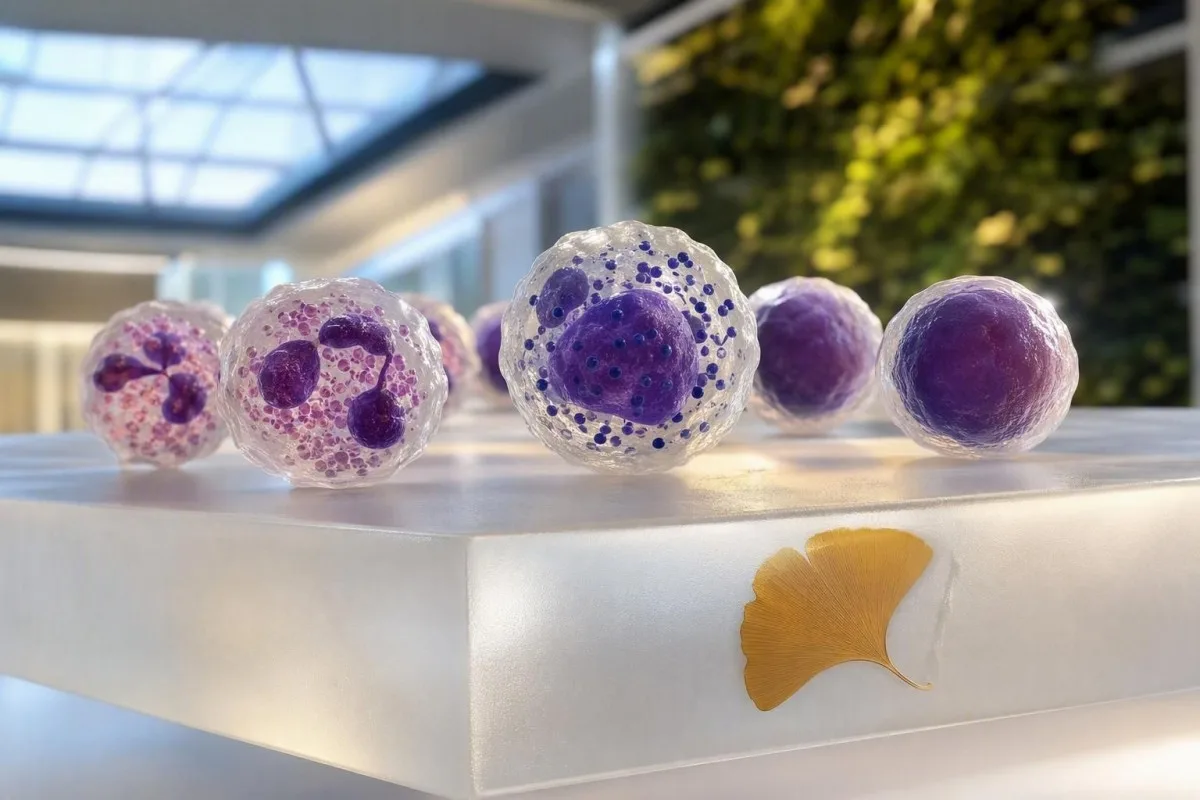
زیادہ تر بالغوں میں 0.00–0.10 × 10⁹/L (0–100/µL) کے مطلق بیزوفیلز ہوتے ہیں، جبکہ فیصد عام طور پر 0–1% ہوتی ہے۔ معمولی طور پر غیر معمولی فیصد اکثر دوسرے سفید خلیات میں تبدیلیوں کی عکاسی کرتی ہے۔ مطلق بیزوفیل شمار وہ نتیجہ ہے جو عام طور پر فالو اپ کی رہنمائی کرتا ہے۔.


- Absolute basophils بالغوں میں عام طور پر 0.00–0.10 × 10⁹/L (0–100/µL) ہوتے ہیں اور یہ صرف فیصد کے مقابلے میں زیادہ طبی طور پر مفید ہیں۔.
- Basophil percentage عام طور پر سفید خلیات کا 0–1% ہوتا ہے، لیکن یہ اس وقت بڑھ سکتا ہے جب نیوٹروفیلز یا لمفوسائٹس گرتے ہیں، یہاں تک کہ اگر مطلق شمار معمول کے مطابق ہو۔.
- بچے بچپن کے بعد عام طور پر 0.10 × 10⁹/L کی وہی عملی بالائی حد استعمال کرتے ہیں، لیکن لیبارٹری کا عمر کے لحاظ سے مخصوص وقفہ ترجیح رکھتا ہے۔.
- ایک دہرایا گیا CBC 2-8 ہفتوں میں الرجی، انفیکشن، یا دوائی میں تبدیلی کے بعد الگ تھلگ، معمولی بیزوفیلیا کے لیے مناسب ہے۔.
- مسلسل بیزوفیلیا 0.20 × 10⁹/L سے اوپر ڈاکٹر کے جائزہ کا مستحق ہے، خاص طور پر بلند سفید خلیات، خون کی کمی، اسپلینومیگالی، یا آئینی علامات کے ساتھ۔.
- فوری جائزہ شدید لیکوسائٹوسس، غیر واضح وزن میں کمی، رات کو پسینہ آنا، بخار، یا بائیں پسلیوں کے نیچے جلدی بھوک لگنے کے لیے جائز ہے۔.
- صفر بیزوفیلز خودکار تفریق کنندے پر یہ عام ہے اور عام طور پر اس کی کوئی طبی اہمیت نہیں ہوتی۔.
- کنٹیسٹی اے آئی تشخیص کے طور پر کسی ایک جھنڈے کو علاج کرنے کے بجائے بیسوفیلز کو کل سفید خلیوں، ایوسینوفیلز، پلیٹلیٹ گنتی، ہیموگلوبن، اور پچھلے نتائج کے ساتھ ساتھ پڑھتا ہے۔.
مطلق بیزوفیلز بمقابلہ بیزوفیل فیصد
0.00–0.10 × 10⁹/L کے مطلق بیسوفیلز عام طور پر بالغوں میں نارمل ہوتے ہیں, ، جبکہ 0–1% کا بیسوفیل فیصد صرف کل سفید خلیوں کی گنتی کا تناسب ہے۔ جب دونوں میں اختلاف ہوتا ہے، تو ڈاکٹر عام طور پر مطلق نتیجہ کو زیادہ اہمیت دیتے ہیں۔.
ایک فیصد زیادہ نظر آ سکتا ہے صرف اس لیے کہ سفید خلیوں کی کوئی دوسری قسم کم ہے۔ مثال کے طور پر، 3.0 × 10⁹/L کی سفید خون کے خلیوں کی گنتی کے ساتھ 1.5% بیسوفیلز کا نتیجہ صرف 0.045 × 10⁹/L کی مطلق گنتی پیدا کرتا ہے — جو بالغوں کے بہت سے وقفوں کے اندر ہے۔ اسی لیے صرف ایک فیصد کا جھنڈا بمشکل پوری کہانی سناتا ہے۔.
حساب سیدھا ہے: کل سفید خلیے × بیسوفیل فیصد ÷ 100۔ 12.0 × 10⁹/L کی سفید گنتی اور 2% کے بیسوفیلز 0.24 × 10⁹/L دیتے ہیں، جو کہ حقیقی بلندی ہے۔ وسیع تر تناظر کے لیے، ہماری گائیڈ دیکھیں کہ CBC میں کیا کیا شامل ہوتا ہے.
کنٹیسٹی ایک ہے۔ اے آئی بلڈ ٹیسٹ تجزیہ کار جو تفریق کی صورت میں کلینیکل طور پر قابل موازنہ مطلق گنتی میں فیصد کو تبدیل کرتی ہے۔ میرے تجربے میں، یہ ایک تبدیلی معمول کے صحت کے چیک اپ کے بعد غیر ضروری الارم کی ایک بڑی مقدار کو روکتی ہے۔.
مطلق نمبر زیادہ مستحکم کیوں ہے
خودکار تجزیہ کار ہزاروں سیلولر واقعات کی گنتی کرتے ہیں، لیکن بیسوفیلز عام طور پر نادر ہوتے ہیں — اکثر 100 سفید خلیوں میں سے 1 سے بھی کم۔ لہذا چھوٹی تجزیاتی اور حیاتیاتی تبدیلیاں مطلق گنتی کے مقابلے میں فیصد کو زیادہ نمایاں طور پر منتقل کر سکتی ہیں۔.
عمر کے لحاظ سے عملی بیزوفیل حوالہ وقفے
زیادہ تر لیبارٹریز بچپن سے جوانی تک 0.00–0.10 × 10⁹/L کے مطلق بیسوفیل حوالہ وقفے کا استعمال کرتی ہیں, ، لیکن نوزائیدہ رینج وسیع تر ہو سکتی ہے۔ اپنے نتیجے کے ساتھ چھپا ہوا وقفہ استعمال کریں، کیونکہ حوالہ کی حدود تجزیہ کار کے طریقہ کار اور لیبارٹری کی مقامی صحت مند آبادی پر منحصر ہوتی ہیں۔.
زندگی کے پہلے ہفتوں میں شیر خوار بچوں کے لیے، کچھ پیڈیاٹرک لیبارٹریز تقریباً 0.20–0.40 × 10⁹/L تک مطلق بیسوفیلز کو قبول کرتی ہیں۔ نوزائیدہ کا مدافعتی نظام تیزی سے موافقت کر رہا ہے، لہذا بالغوں کے کٹ آف کو پیڈیاٹرک ان پٹ کے بغیر نوزائیدہ کے نتائج پر نہیں لگایا جانا چاہیے۔.
تقریباً 1 سال کی عمر سے، بہت سی خدمات 0.10 × 10⁹/L، یا 100/µL کے قریب ایک عملی اوپری حد کو لاگو کرتی ہیں۔ ایک صحت مند بچے میں 0.11 × 10⁹/L کا نتیجہ جس کی کل سفید گنتی نارمل ہو، عام طور پر ایک ہنگامی صورت حال نہیں بلکہ ایک دہرانے اور سیاق و سباق کا سوال ہوتا ہے۔.
CLSI EP28-A3c وضاحت کرتا ہے کہ لیبارٹریز کیوں عالمی رینج ادھار لینے کے بجائے اپنے حوالہ وقفے قائم یا تصدیق کرتی ہیں (CLSI, 2010)۔ ہماری نیوٹروفیل عمر کی حد گائیڈ ایک اور تفریقی گنتی کے لیے اسی اصول کو ظاہر کرتی ہے۔.
برطانیہ، امریکہ اور بین الاقوامی رپورٹس پر بیزوفیل اکائیوں کو سمجھنا
تعداد بازوفیل 0.10 × 10⁹/L معادل 100/میکرولیتر است, ، بنابراین گزارش ها با واحدهای مختلف می توانند نتیجه یکسانی را توصیف کنند. شمارش کامل خون در بریتانیا اغلب ×10⁹/L را گزارش می کند، در حالی که آزمایشگاه های ایالات متحده معمولاً از سلول/میکرولیتر یا K/میکرولیتر استفاده می کنند.
برای تبدیل ×10⁹/L به سلول/میکرولیتر، در 1000 ضرب کنید. بنابراین 0.05 × 10⁹/L معادل 50/میکرولیتر است؛ 0.25 × 10⁹/L معادل 250/میکرولیتر است. گزارشی که 0.0 را نشان می دهد ممکن است به جای اثبات اینکه واقعاً بازوفیل وجود ندارد، به یک رقم اعشار گرد شده باشد.
مقداری که به عنوان 0.2 K/µL ذکر شده معادل 0.20 × 10⁹/L است. این تمایز مهم است زیرا 0.2 TP54T و 0.2 K/µL اندازه گیری های کاملاً متفاوتی هستند. بیماران به طور منظم هنگام مقایسه گزارش ها از دو کشور، آنها را اشتباه می گیرند.
اگر گزارش شما به جای CBC، FBC را بیان می کند، اجزاء عمدتاً یکسان هستند؛ راهنمای شمارش کامل خون در بریتانیا اصطلاحات رایج را ترجمه می کند.
بیزوفیل شمار کیوں بڑھتے یا گرتے ہیں
بازوفیلی خفیف اغلب همراه با آلرژی، التهاب مزمن، بهبودی از عفونت، یا تغییرات ایمنی مرتبط با دارو است. تعداد کم یا صفر بازوفیل معمولاً معنی دار نیست زیرا این سلول ها در تعداد بسیار کمی در گردش هستند.
بازوفیل ها گیرنده های IgE را حمل می کنند و می توانند پس از قرار گرفتن در معرض آلرژن، هیستامین و سایر واسطه ها را آزاد کنند. رینیت آلرژیک فصلی، کهیر مزمن، آسم و برخی اختلالات پوستی می توانند با افزایش جزئی همراه باشند، اگرچه تعداد طبیعی هیچ کدام از آنها را رد یا تأیید نمی کند.
کم کاری تیروئید، بیماری التهابی روده، اختلالات روماتوئید و برخی عفونت های مزمن نیز ممکن است با بازوفیلی همراه باشند. سوال مفید این نیست که “چه بیماری باعث این می شود؟” بلکه “چه سیگنال های دیگری وجود دارد؟”—CRP، ائوزینوفیل ها، علائم، سابقه دارویی و روند همگی مهم هستند.
افزایش IgE و تعداد ائوزینوفیل ها می تواند الگوی آلرژیک را تأیید کند، در حالی که خارش ایزوله ممکن است نیاز به بررسی گسترده تری داشته باشد؛ مقاله ما در مورد آزمایش خون برای پوست خارش دار محدودیت های عملی آزمایش CBC را توضیح می دهد.
بیزوفیلز کے لیے CBC کو کب دہرانا چاہئے؟
برای افزایش خفیف و ایزوله بازوفیل پس از یک محرک موقت، در صورتی که احساس خوبی دارید و بقیه شمارش نگران کننده نیست، CBC را در 2-8 هفته تکرار کنید. زمانی که تعداد کل سلول های سفید در حال افزایش است یا چندین خط سلولی غیر طبیعی وجود دارد، زودتر، معمولاً در عرض چند روز تا 2 هفته تکرار کنید.
برای تعداد مطلق بازوفیل 0.11-0.20 × 10⁹/L پس از سرماخوردگی، شعله ور شدن تب یونجه، واکسیناسیون، یا دوره کوتاه استروئید، من اغلب یک تکرار آرام را به جای یک سری آزمایش ترجیح می دهم. سعی کنید از همان آزمایشگاه استفاده کنید و بیماری اخیر، داروهای جدید، تغییرات سیگار کشیدن و قرار گرفتن در معرض استروئید را ثبت کنید.
دوبارہ جانچ سے پہلے گنتی کو “بہتر” کرنے کی کوشش نہ کریں۔ پانی پینا سمجھداری کی بات ہے، لیکن سپلیمنٹس، اینٹی ہسٹامائنز، کورٹیکوسٹیرائیڈز، اور شدید برداشت کی ورزش وسیع فرق کو تبدیل کر سکتی ہے۔ ہماری خون کے ٹیسٹ کا ٹائم لائن گائیڈ عام ٹائمنگ کے اثرات کی تفصیلات۔.
کنٹیسٹی ایک ہے۔ AI خون کے ٹیسٹ کی رپورٹ کی تشریح جو موجودہ فرق کا پچھلے CBCs سے موازنہ کرتا ہے اور ایک بار کے فلیگ سے مختلف مستقل اضافے کو نمایاں کرتا ہے۔ 3-6 ماہ کے دوران ایک رجحان اکثر ایک ہی اعشاریہ کی علامت سے زیادہ معلوماتی ہوتا ہے۔.
قابل اعتماد بیزوفیل ری ٹیسٹ کے لیے تیاری کیسے کریں
Basophil کی جانچ کے لیے عام طور پر خالی پیٹ کی ضرورت نہیں ہوتی، لیکن دوبارہ CBC کا تجزیہ سب سے زیادہ قابل فہم ہوتا ہے جب آپ شدید بیمار نہ ہوں اور نمونے کے حالات یکساں ہوں۔. معمول کے سیال، عام کھانے، اور معمول کے دن کا مقصد رکھیں نہ کہ انتہائی تبدیلیوں کا۔.
اگر مقصد بنیادی سطح قائم کرنا ہے تو بخار، شدید الرجی میں شدت، یا غیر معمولی طور پر سخت برداشت والے ایونٹ کے اگلے دن غیر ضروری دوبارہ جانچ کا شیڈولنگ سے گریز کریں۔ شدید تناؤ ہارمونز اور سیال کی تبدیلی چند گھنٹوں سے دنوں تک کئی سفید خلیات کے ذیلی گروپ کو حرکت دے سکتی ہے۔.
معالج یا فلیبوٹومسٹ کو سسٹیمک کورٹیکوسٹیرائیڈز، لتیم، ایپینیفرین پر مشتمل علاج، حالیہ بایولوجک تھراپی، اور کسی بھی نئے سپلیمنٹ کے بارے میں بتائیں۔ سٹیرایڈز عام طور پر گردش کرنے والے basophils اور eosinophils کو کم کرتے ہیں، لہذا ان کے زیر استعمال رہتے ہوئے ایک “معمولی” نتیجہ آپ کی غیر علاج شدہ بنیادی سطح کی نمائندگی نہیں کر سکتا ہے۔.
نمونے کا معیار اب بھی اہم ہے۔ جمے ہوئے EDTA نمونے اور تاخیر سے تجزیہ خود کار تفریق کو کم قابل اعتماد بنا سکتا ہے؛ اگر کئی CBC اقدار ایک ساتھ عجیب لگیں، تو جائزہ لیں جب دوبارہ نمونے کی ضرورت ہو.
CBC کے وہ نمونے جو بلند بیزوفیلز کو زیادہ اہم بناتے ہیں
Basophilia اس وقت زیادہ تشویشناک ہوتی ہے جب مطلق basophils 0.20 × 10⁹/L سے تجاوز کر جاتے ہیں اور مستقل سفید خون کے خلیات 11.0 × 10⁹/L سے اوپر، خون کی کمی، پلیٹلیٹ کی تبدیلیوں، یا نادان خلیات کے ساتھ ہوتے ہیں۔. یہ مجموعہ—صرف basophils نہیں—یہ تعین کرتا ہے کہ معالج کتنی جلدی تحقیقات کرتے ہیں۔.
جن 44 سالہ شخص کا میں نے جائزہ لیا تھا ان کے basophils 0.28 × 10⁹/L، سفید خلیات 16.4 × 10⁹/L، پلیٹلیٹس 610 × 10⁹/L، اور ابتدائی سیریٹی تھی۔ اس پیٹرن نے اسی ہفتے ہیماتولوجی پاتھ وے کی ضمانت دی؛ انفرادی basophil نتیجہ نے تشخیص نہیں کی، لیکن یہ ایک اہم اشارہ تھا۔.
تیز نیوٹروفیلز اور طحال کی علامات کے ساتھ Basophilia مائیلوپرولیفریٹیو نیوپلاز، بشمول کرونک مائیلوڈ لیوکیمیا میں ہو سکتا ہے۔ یورپی لیوکیمیا نیٹ اس وقت مالیکیولر ٹیسٹنگ اور ماہر تشخیص کا مشورہ دیتا ہے جب کلینیکل اور بلڈ کاؤنٹ پیٹرن اس امکان کو بڑھاتا ہے (Hochhaus et al., 2020)۔.
ایک پیریفرل سمیر اینالائزر کی غیر یقینی صورتحال سے حقیقی فرق والے تبدیلیوں کو ممتاز کر سکتا ہے اور لیفٹ شفٹ یا ایٹپیکل خلیات دکھا سکتا ہے۔ کے بارے میں مزید پڑھیں بلڈ کینسر CBC پاتھ ویز اس بات کا اندازہ لگائے بغیر کہ غیر معمولی گنتی کا مطلب کینسر ہے۔.
علامات اور نتائج جن کے لیے فوری طبی توجہ کی ضرورت ہے
بخار، رات کو پسینہ آنا، بے وجہ وزن کم ہونا، نئی چوٹ لگنا، سانس لینے میں دشواری، شدید تھکاوٹ، یا پیٹ کے اوپر بائیں جانب بھراؤ کے ساتھ basophilia کے لیے فوری طبی تشخیص حاصل کریں۔. یہ علامات صرف معمولی طور پر بلند basophil کے نتیجے سے پیدا نہیں ہوتی ہیں؛ وہ اشارہ کرتی ہیں کہ وسیع کلینیکل تصویر کا جائزہ لینے کی ضرورت ہے۔.
30 × 10⁹/L سے زیادہ کل سفید گنتی، تیزی سے بڑھتی ہوئی قدریں، یا رپورٹ پر نظر آنے والے نادان گرینولوسائٹس کو فوری طور پر آرڈر کرنے والے معالج سے بات کرنی چاہیے۔ شدید سر درد، بصارت میں تبدیلی، سینے میں درد، یا نیورولوجیکل علامات کو basophil کی گنتی سے قطع نظر فوری تشخیص کی ضرورت ہوتی ہے۔.
0.11–0.20 × 10⁹/L basophils اور کوئی علامات نہ ہونے والے زیادہ تر لوگوں کو فوری دیکھ بھال کی ضرورت نہیں ہوتی۔ پھر بھی، یہ ان علاقوں میں سے ایک ہے جہاں تناظر نمبر سے زیادہ اہم ہوتا ہے، خاص طور پر اگر پچھلے نتائج 0.02 × 10⁹/L تھے اور نئی گنتی بڑھ رہی ہے۔.
اگر آپ کو سانس لینے میں دشواری یا پیلور بھی ہو، تو ساتھ میں ہیموگلوبن اور پلیٹلیٹ کی قدریں زیادہ فوری طور پر اہم ہو سکتی ہیں؛ ہمارے دیکھیں سانس کی قلت سے متعلق خون کے ٹیسٹ کا رہنما.
کم بیزوفیلز یا صفر کا نتیجہ کیا معنی رکھتا ہے
0.00 × 10⁹/L کا basophil نتیجہ عام طور پر معمول کا ہوتا ہے اور شاید ہی کبھی خود سے دہرانے کی ضرورت ہوتی ہے۔. بیزوفیلز گردش میں قدرتی طور پر کم ہونے کی وجہ سے تجزیہ کار کی رپورٹنگ حد سے نیچے ہو سکتے ہیں۔.
شدید تناؤ، انفیکشن، حمل، ہائپر تھائیرائڈزم، اور کورٹیکوسٹیرائیڈ علاج سبھی عارضی طور پر گردش کرنے والے بیزوفیلز کو کم کر سکتے ہیں۔ پھر بھی، بیماری کے لحاظ سے اہم نیوٹروپینیا کے برعکس، تنہا کم بیزوفیلز کی وجہ سے کوئی تسلیم شدہ علامات کا سنڈروم نہیں ہے۔.
تجزیاتی مسئلہ کو آسانی سے نظر انداز کیا جا سکتا ہے: اگر صرف چند بیزوفیلز گنے جاتے ہیں، تو معمول کے نمونے کے تغیر کی وجہ سے 0.01 × 10⁹/L بعد میں 0.00 × 10⁹/L بن سکتا ہے۔ یہ ضروری نہیں کہ ایک حیاتیاتی تبدیلی ہو۔.
ڈاکٹر تھامس کلین کا عملی مشورہ یہ ہے کہ جب باقی CBC درست ہو اور کوئی متعلقہ علامات نہ ہوں تو کم بیزوفیل کے فلیگ کو نظر انداز کر دیں۔ ہمارا مخصوص رہنما وضاحت کرتا ہے بیزوفیلز صفر پر.
حمل اور بعد کی زندگی میں بیزوفیلز
حمل اور بڑھاپے میں بیزوفیل کی کوئی ایک خاص حد نہیں ہوتی؛ رپورٹنگ لیبارٹری کا وقفہ اور سفید خلیات کا مکمل نمونہ بہترین حوالہ باقی رہتا ہے۔. حمل عام طور پر نیوٹروفیلز کے ذریعے کل سفید خلیات کو بڑھاتا ہے، جس کی وجہ سے بیزوفیل کا فیصد اصل بیزوفیل کی کمی کے بغیر کم نظر آ سکتا ہے۔.
حمل کے دوران، 12–15 × 10⁹/L کی کل سفید خلیات کی گنتی فزیولوجیکل ہو سکتی ہے، خاص طور پر حمل کے بعد کے مراحل میں، لہذا فیصد پر مبنی تشریح کم قابل اعتماد ہوتی جاتی ہے۔ مطلق بیزوفیل کی گنتی کو ترجیح دی جاتی ہے، لیکن تشویشناک علامات اب بھی حوالہ وقفے پر غالب رہتی ہیں۔.
بزرگوں میں، 0.20 × 10⁹/L سے اوپر بیزوفیل کی گنتی کی نئی مستقل موجودگی توجہ کی مستحق ہے کیونکہ عمر کے ساتھ ادویات کا بوجھ اور بون میرو کی بیماریاں زیادہ عام ہو جاتی ہیں۔ یہ تشخیصی نہیں ہے؛ یہ صرف CBC کے رجحان اور دھبے کو دیکھنے کے لیے حد کو کم کرتا ہے۔.
حمل سے متعلق دیگر غلط فہمیوں کے لیے، جائزہ لیں حمل کے دوران خون کے ٹیسٹ کی ریڈ فلیگز.
دوائیں، الرجی اور بیزوفیل میں اتار چڑھاؤ
الرجک علامات ہلکے بلند بیزوفیلز کے ساتھ ہو سکتی ہیں، جبکہ سیسٹیمیٹک کورٹیکوسٹیرائیڈز اکثر انہیں دنوں میں کم کر دیتے ہیں۔. کوئی بھی نمونہ الرجک کی تشخیص کی تصدیق نہیں کرتا یا یہ ثابت نہیں کرتا کہ کوئی دوا ذمہ دار ہے۔.
اینٹی ہسٹامائن بنیادی طور پر ہسٹامائن رسیپٹرز کو بلاک کرتے ہیں؛ وہ قابل اعتماد طور پر بیزوفیل کی گنتی کو نارمل نہیں کرتے ہیں۔ زبانی پریڈنیزولون اور دیگر سیسٹیمیٹک گلوکوکورٹیکائیڈز سفید خلیات کو دوبارہ تقسیم کر سکتے ہیں، اکثر ایوسینوفیلز اور بیزوفیلز کو کم کرتے ہوئے گردش کرنے والے نیوٹروفیلز کو بڑھا سکتے ہیں۔.
لیتھیم ایک کم عام لیکن مفید دوا کا اشارہ ہے کیونکہ یہ سفید خلیات کی پیداوار کو بڑھا سکتا ہے۔ بائیولوجک ادویات، کیموتھراپی، اور مدافعتی ماڈیولنگ علاج کو کبھی بھی ایک CBC کے نتیجے کی وجہ سے بند نہیں کیا جانا چاہئے—مقرر کرنے والی ٹیم سے پوچھیں کہ نتیجہ ان کے نگرانی کے منصوبے میں کیسے فٹ بیٹھتا ہے۔.
سانس کی آواز، چھپاکی، چہرے کی سوجن، یا بے ہوشی کے ساتھ بلند بیزوفیل کی گنتی کو لیبارٹری کے پہیلی کے بجائے علامات کے مسئلے کے طور پر سنبھالا جانا چاہئے۔ ہمارا بلند IgE کا رہنما وضاحت کرتا ہے کہ الرجک مارکر کہاں مدد کرتے ہیں اور کہاں وہ گمراہ کرتے ہیں۔.
مستقل بیزوفیلیا کے بعد ڈاکٹر کیا چیک کرتے ہیں
مستقل مطلق بیزوفیلیا عام طور پر دوبارہ CBC، دستی دھبے کا جائزہ، ادویات اور علامات کا جائزہ، اور پھر مخصوص ٹیسٹنگ کا باعث بنتا ہے اگر کل سفید خلیات یا دیگر خلیات کی لائنیں غیر معمولی ہوں۔. کینسر کے وسیع پینل تھوڑی سی تنہا اضافے کے لیے عام طور پر پہلا قدم نہیں ہیں۔.
پہلا برانچ پوائنٹ یہ ہے کہ نتیجہ تنہا ہے یا نہیں۔ مستحکم ہیموگلوبن، پلیٹلیٹس، سفید خلیات کی گنتی، اور عام دھبہ ایک قدامت پسندانہ منصوبے کی مضبوطی سے حمایت کرتے ہیں؛ انیمیا، تھرومبوسائٹوسس، لیوکوسائٹوسس، یا اسپلینومیگلی تشخیص کو مختلف سمت میں دھکیلتی ہے۔.
جب مائیلوپرو لائف ریٹ ڈس آرڈر قابلِ اعتبار ہو، تو معالجین BCR::ABL1 ٹیسٹنگ، JAK2 ٹیسٹنگ، لیکٹیٹ ڈی ہائیڈروجنیز، یورک ایسڈ، اور ماہر کی جانچ کا مطالبہ کر سکتے ہیں۔ ویلنٹ اور دیگر مستقل بیزوفیلیا کو بیزوفیلک اور مائیلوڈ نیوپلاسم کی درجہ بندی میں ایک بامعنی تلاش کے طور پر بیان کرتے ہیں (ویلنٹ اور دیگر، 2022)۔.
Kantesti کا نیورل نیٹ ورک ایسے امتزاجات کی نشاندہی کرتا ہے جن کا جائزہ لینے کی ضرورت ہوتی ہے، لیکن یہ CBC سے لیوکیمیا کی تشخیص نہیں کرتا ہے۔ ہمارا طبی توثیق (medical validation) کی حکمتِ عملی اس بات کی وضاحت کرتا ہے کہ لیبارٹری کی تشریح کو کلینیکل نگرانی کو برقرار رکھنے کی ضرورت کیوں ہے۔.
زیادہ ردعمل کے بغیر بیزوفیلز کو کیسے ٹریک کیا جائے
بیسوفل کی ایک بامعنی رجحان قابلِ موازنہ CBCs میں ایک مسلسل سمتی تبدیلی ہے، نہ کہ 0.04 سے 0.08 × 10⁹/L تک ایک ہی حرکت۔. 0.10 × 10⁹/L کی بالغ حوالہ حد کے ساتھ، دونوں قدریں عددی طور پر مختلف ہونے کے باوجود رینج کے اندر رہتی ہیں۔.
مطلق گنتی، فیصد، کل سفید خلیات، نیوٹروفیل، ایوسینوفیل، ہیموگلوبن، پلیٹلیٹس، تاریخ، حالیہ بیماری، اور ادویات کو ہر ڈرا کے بعد محفوظ کریں۔ یہ چھوٹی سی ریکارڈ آپ کے معالج کو الگ تھلگ ریڈ فلیگز کے اسکرین شاٹس سے زیادہ قابلِ استعمال معلومات فراہم کرتی ہے۔.
کنٹیسٹی ایک ہے۔ اے آئی سے چلنے والا خون کے ٹیسٹ کا تجزیہ کا آلہ 127+ ممالک میں CBC کے نتائج کا طول البلد موازنہ کرنے کے لیے استعمال کیا جاتا ہے جبکہ ماخذ لیبارٹری کے بیان کردہ وقفے کو برقرار رکھا جاتا ہے۔ ڈاکٹر تھامس کلین کم از کم دو قابلِ موازنہ نتائج کا جائزہ لینے کی سفارش کرتے ہیں اس سے پہلے کہ ایک بارڈر لائن تفریقی تبدیلی کو معنی دیا جائے۔.
ایک مفید اصول: اگر مطلق گنتی 0.10 × 10⁹/L سے نیچے رہتی ہے، کل سفید گنتی مستحکم ہے، اور آپ خود کو اچھا محسوس کرتے ہیں، تو آپ کے اگلے منصوبہ بند خون کے ٹیسٹ پر معمول کی فالو اپ عام طور پر کافی ہوتی ہے۔ اس کا اندازہ لگانے کے لیے ہمارے بلڈ ٹیسٹ فرق گائیڈ کا استعمال کریں کہ آیا کوئی تبدیلی حقیقی ہونے کا امکان ہے۔.
فالو اپ اپائنٹمنٹ میں پوچھنے والے سوالات
سب سے اچھا فالو اپ سوال یہ ہے کہ “میری مطلق بیسوفل گنتی کیا ہے، اور CBC پر کیا تبدیل ہوا ہے؟” وہ الفاظ ان متغیرات کی طرف گفتگو کی رہنمائی کرتے ہیں جو کلینیکل خطرے کو حقیقت میں بدلتے ہیں۔.
پوچھیں کہ آیا گنتی نئی ہے، مستقل ہے، بڑھ رہی ہے، یا ممکنہ طور پر رد عمل کا شکار ہے؛ کیا سمیر کا جائزہ ضروری ہے؛ اور اگلا CBC کب لیا جانا چاہیے؟ حالیہ انفیکشن، الرجی کی علامات، ادویات، سپلیمنٹس، سفر، اور خون کے امراض کی خاندانی تاریخ کی فہرست لائیں۔.
اگر آپ کے پاس 0.20 × 10⁹/L سے زیادہ مطلق گنتی ہے اور کل سفید خلیات بلند ہیں، تو پوچھیں کہ آیا ہیماتولوجی ان پٹ مناسب ہے؟ اگر گنتی صرف تھوڑی سی رینج سے اوپر ہے اور الگ تھلگ ہے، تو پوچھیں کہ بدترین کی بجائے کون سی تبدیلی جلد از جلد ٹیسٹنگ کو متحرک کرے گی۔.
Kantesti کے معالج سے جائزہ شدہ تعلیمی معیارات ہماری میڈیکل ایڈوائزری بورڈ. کے ذریعے زیرِ نگرانی ہیں۔ 30 اگست 2026 تک، سب سے محفوظ طریقہ سادہ ہے: مطلق گنتی کی تشریح کریں، مستقل مزاجی کی تصدیق کریں، اور صرف اس صورت میں تیزی سے عمل کریں جب وسیع تر نمونہ اس کی اجازت دے۔.
اکثر پوچھے گئے سوالات
بالغوں میں بیسوفل کا معمول کا شمار کیا ہے؟
مطلق بیزوفیل کے لیے عام بالغ حوالہ وقفہ 0.00–0.10 × 10⁹/L ہے، جو 0–100 خلیات/µL کے برابر ہے۔ زیادہ تر لیبارٹریز بیزوفیل فیصد 0–1% کی اطلاع دیتی ہیں، حالانکہ جب سفید خلیات کی کل تعداد تبدیل ہوتی ہے تو فیصد گمراہ کن ہو سکتی ہے۔ آپ کی اپنی لیبارٹری کی طرف سے چھپا ہوا حوالہ وقفہ ترجیح حاصل کرتا ہے کیونکہ طریقے اور مقامی حوالہ آبادی مختلف ہوتی ہے۔ 0.11 × 10⁹/L کا تنہا نتیجہ عام طور پر ہنگامی دیکھ بھال کے بجائے سیاق و سباق یا منصوبہ بند دہرائی کے لائق ہوتا ہے۔.
کیا 2% بیسوفیلز زیادہ ہیں؟
2% کا بیزوفل فیصد بہت سے لیبارٹری فیصد وقفوں سے زیادہ ہے، لیکن یہ کل سفید خون کے خلیوں کی گنتی کے بغیر خطرے کا اندازہ لگانے کے لیے کافی نہیں ہے۔ 4.0 × 10⁹/L کے سفید خلیوں کے ساتھ، 2% 0.08 × 10⁹/L کی مطلق بیزوفل گنتی کے برابر ہے، جو اکثر نارمل ہوتی ہے۔ 15.0 × 10⁹/L کے سفید خلیوں کے ساتھ، وہی 2% 0.30 × 10⁹/L کے برابر ہے اور اس کے لیے طبی جائزہ کی ضرورت ہے۔ فیصد کی تشریح کرنے سے پہلے ہمیشہ مطلق بیزوفل گنتی کا پتہ لگائیں۔.
جب مجھے زیادہ بیسوفیل کے لیے سی بی سی دہرانا چاہئے؟
بیماری، الرجی کے شدید ہونے، یا دوا میں تبدیلی کے بعد تقریباً 0.11–0.20 × 10⁹/L کی ہلکی اور الگ تھلگ بیسوفیلیا کے لیے 2–8 ہفتوں میں سی بی سی کو دہرانا عام طور پر معقول ہے۔ جب کل سفید خون کے خلیات کی تعداد بڑھ رہی ہو، بیسوفیل گنتی 0.20 × 10⁹/L سے زیادہ ہو، یا ہیموگلوبن اور پلیٹلیٹس بھی غیر معمولی ہوں تو جلد دہرائیں۔ جب ممکن ہو تو وہی لیبارٹری استعمال کریں کیونکہ اینالائزر کے طریقے اور حوالہ وقفے مختلف ہوتے ہیں۔ بخار، وزن میں کمی، رات کو پسینہ آنا، خراش، یا بائیں اوپری پیٹ کا بھرا پن فوری طبی جائزے کا مستحق ہے بجائے اس کے کہ معمول کے دوبارہ ٹیسٹ کا انتظار کیا جائے۔.
کیا بیسوفیل کی صفر تعداد خطرناک ہے؟
0.00 × 10⁹/L کی بیسوفل گنتی عام طور پر خطرناک نہیں ہوتی اور اگر CBC کا باقی حصہ نارمل ہو تو عام طور پر اس کے فالو اپ کی ضرورت نہیں ہوتی۔ بیسوفلز نایاب خلیات ہوتے ہیں، اس لیے ایک معمول کا خودکار تفریق صفر کی اطلاع دے سکتا ہے کیونکہ پتہ چلنے والی تعداد راؤنڈنگ یا رپورٹنگ کی درستگی سے کم ہوتی ہے۔ کورٹیکوسٹیرائیڈز، شدید تناؤ، حمل، اور انفیکشنcirculating basophils کو عارضی طور پر کم کر سکتے ہیں۔ ڈاکٹر صرف کم بیسوفلز سے مدافعتی کمی کی تشخیص نہیں کرتے ہیں۔.
کیا الرجی سے بیسوفلز کی تعداد بڑھ سکتی ہے؟
الرجک حالات ہلکے بلند بیسوفیلز کے ساتھ مل سکتے ہیں کیونکہ بیسوفیلز IgE سے متعلق مدافعتی ردعمل میں حصہ لیتے ہیں اور ہسٹامین جیسے ثالث کو خارج کرتے ہیں۔ بیسوفیلز کی زیادہ تعداد یہ ثابت نہیں کرتی ہے کہ الرجک ردعمل وجہ ہے، اور الرجک کی نمایاں علامات والے بہت سے لوگوں میں بیسوفیلز کی تعداد نارمل ہوتی ہے۔ 0.20 × 10⁹/L سے زیادہ کی تعداد جو الرجک کی علامات ختم ہونے کے بعد بھی برقرار رہتی ہے، اس کا مکمل CBC کے ساتھ جائزہ لیا جانا چاہیے۔ ایوسینوفیلز، کل IgE، جلد کی علامات، اور ادویات کا استعمال زیادہ مفید سیاق و سباق فراہم کر سکتے ہیں۔.
کیا بیسوفیل کی گنتی لیوکیمیا کی تجویز دیتی ہے؟
کوئی ایک بیسوفل گنتی لیوکیمیا کا تشخیص نہیں کرتی ہے، لیکن مستقل مطلق بیسوفیلیا 0.20 × 10⁹/L سے زیادہ ليوکوسائٹوسس، خون کی کمی، پلیٹلیٹ کی خرابی، غیر پختہ گرینولوسائٹس، یا تللی کے علامات کے ساتھ طبی تشخیص کا باعث بننا چاہیے۔ کرونک مائیلوڈ لیوکیمیا اور دیگر مائیلوپروولیفیریٹیو نیوپلاسم میں بیسوفیلیا ہو سکتا ہے، پھر بھی رد عمل کی وجوہات تھوڑی الگ تھلگ بلندیوں کے لیے زیادہ عام رہتی ہیں۔ ڈاکٹر صرف اس صورت میں دھبہ اور BCR::ABL1 جیسے ٹارگیٹڈ مالیکیولر ٹیسٹنگ کا آرڈر دے سکتے ہیں جب وسیع تر پیٹرن اس کی حمایت کرتا ہو۔ عام کل سفید گنتی اور مستحکم CBC تشویش کی سطح کو کافی حد تک تبدیل کرتے ہیں۔.
آج ہی اے آئی سے طاقتور خون کے ٹیسٹ کا تجزیہ حاصل کریں
دنیا بھر میں 2M+ صارفین میں شامل ہوں جو فوری اور درست لیب ٹیسٹ تجزیے کے لیے Kantesti پر بھروسہ کرتے ہیں۔ اپنے خون کے ٹیسٹ کے نتائج اپلوڈ کریں اور چند سیکنڈ میں 15,000+ بایومارکرز کی جامع تشریح حاصل کریں۔.
📚 حوالہ دی گئی تحقیقی اشاعتیں
کلائن، ٹی.، مچل، ایس.، اور ویبر، ایچ. (2026). B منفی بلڈ گروپ، LDH بلڈ ٹیسٹ اور ریٹیکولوسائٹ کاؤنٹ گائیڈ.۔ Kantesti اے آئی میڈیکل ریسرچ۔.
کلائن، ٹی.، مچل، ایس.، اور ویبر، ایچ. (2026). روزے کے بعد اسہال، پاخانہ میں سیاہ دھبے اور جی آئی گائیڈ 2026.۔ Kantesti اے آئی میڈیکل ریسرچ۔.
📖 بیرونی طبی حوالہ جات
کلینیکل اینڈ لیبارٹری اسٹینڈرڈز انسٹی ٹیوٹ (2010)۔. کلینیکل لیبارٹری میں حوالہ وقفوں کی تعریف، قیام اور تصدیق.۔ CLSI EP28-A3c۔.
⚕️ میڈیکل ڈس کلیمر
یہ مضمون صرف تعلیمی مقاصد کے لیے ہے اور طبی مشورہ نہیں ہے۔ تشخیص اور علاج کے فیصلوں کے لیے ہمیشہ کسی مستند صحت کے ماہر سے رجوع کریں۔.
E-E-A-T اعتماد کے اشارے
تجربہ
معالج کی قیادت میں لیب تشریح کے ورک فلو کا کلینیکل جائزہ۔.
مہارت
لیبارٹری میڈیسن کا فوکس یہ کہ بایومارکرز کلینیکل سیاق میں کیسے برتاؤ کرتے ہیں۔.
مستندیت
ڈاکٹر تھامس کلائن نے لکھا، ڈاکٹر سارہ مچل اور پروف. ڈاکٹر ہانس ویبر نے نظرثانی کی۔.
امانت داری
شواہد پر مبنی تشریح واضح فالو اپ راستوں کے ساتھ تاکہ گھبراہٹ کم ہو۔.