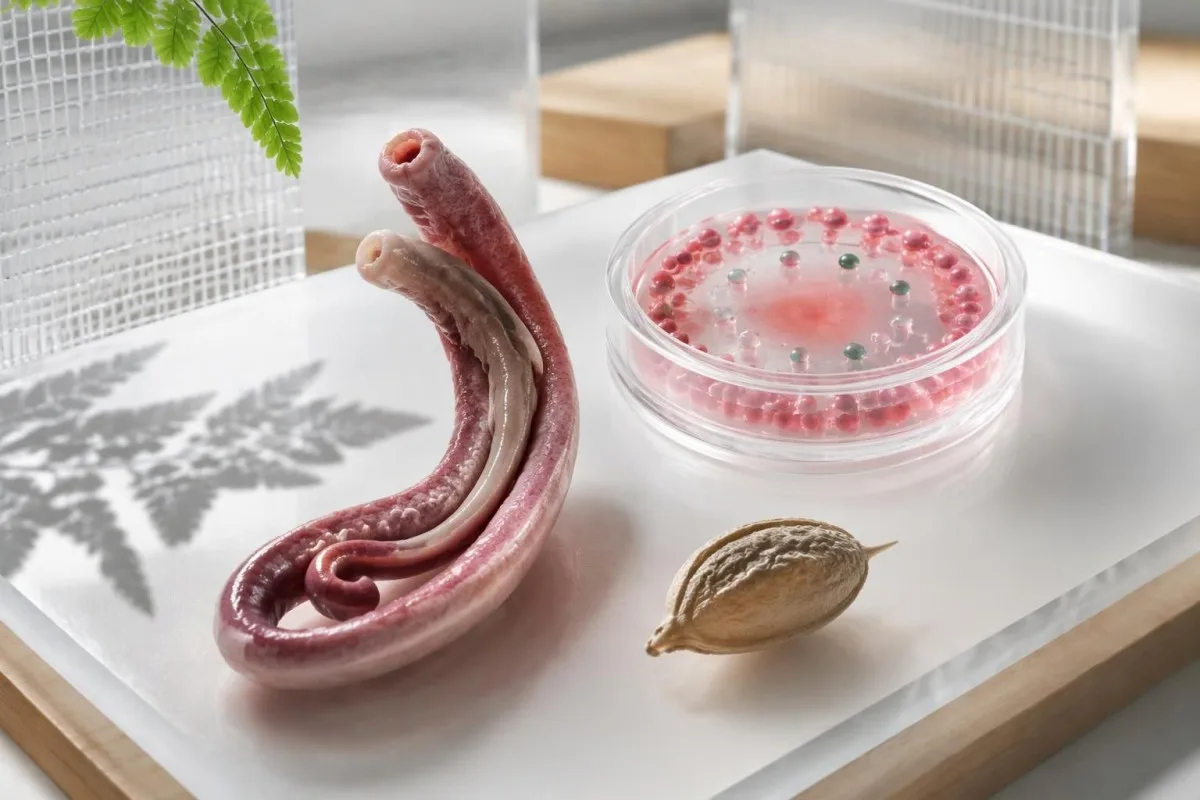
Pozitif bir Schistosoma antikor sonucu, daha önce yeterli tedavi almadıysanız güvenilir bir tatlı su maruziyetinden sonra tedaviyi gerektirebilir; ancak aktif enfeksiyonu kanıtlayamaz veya iyileştiğinizi doğrulayamaz. Maruziyet tarihleriniz, önceki tedaviniz ve ek testler sonraki adımı belirler.

Temel çıkarımlar
- Pozitif antikorlar Schistosoma antijenlerine karşı bağışıklık yanıtını gösterir; 1 pozitif sonuç, tedavi edilmemiş enfeksiyonu daha önce tedavi edilmiş enfeksiyondan ayırt edemez.
- Test penceresi önemlidir: CDC, şüpheli yeni bir enfeksiyondan en az 6–8 hafta sonra antikor örneklerinin alınmasını önerir.
- Tatlı su maruziyeti potansiyel olarak kontamine göller, nehirler veya kanallarla cilt temasını ifade eder; etkilenen bir ülkeyi ziyaret etmek tek başına yeterli değildir.
- Mikroskopi klinisyenler farklı günlerde alınmış 3 dışkı veya idrar örneği istediğinde daha bilgilendiricidir.
- Prazikuantel doz genellikle S. mansoni ve S. haematobium için 1 gün boyunca toplam 40 mg/kg'dır; ancak reçeteleme türe ve klinik koşullara bağlıdır.
- Tedavi zamanlaması genellikle durumu stabil olan yolcularda son tatlı su maruziyetinden sonra en az 6–8 hafta beklemek anlamına gelir; çünkü prazikuantel olgun solucanlara karşı en iyi şekilde etki eder.
- Kontrol mikroskopisi Tedaviden önce yumurta saptanmışsa tedaviden 1–2 ay sonra istenebilir.
- Kalıcı IgG başarılı tedaviden sonra yıllarca pozitif kalabilir; yeniden pozitif sonuç alınması, otomatik olarak bir tedavi kürünün daha uygulanmasını gerektirmez.
Pozitif bir Schistosoma antikor sonucu tedavi gerektirir mi?
Schistosoma antikor testinin pozitif çıkması, otomatik olarak tedaviye ihtiyacınız olduğu anlamına gelmez. Klinisyenler, mikroskopi sonucu negatif olsa bile, tatlı su teması olasıysa ve daha önce yeterli tedavi uygulanmamışsa genellikle tedavi önerir; yeniden maruziyet olmadan tedavi uygulandığı belgelenmişse, kalıcı tek bir pozitif sonuç genellikle yeniden tedaviyi gerektirmek için yeterli değildir.
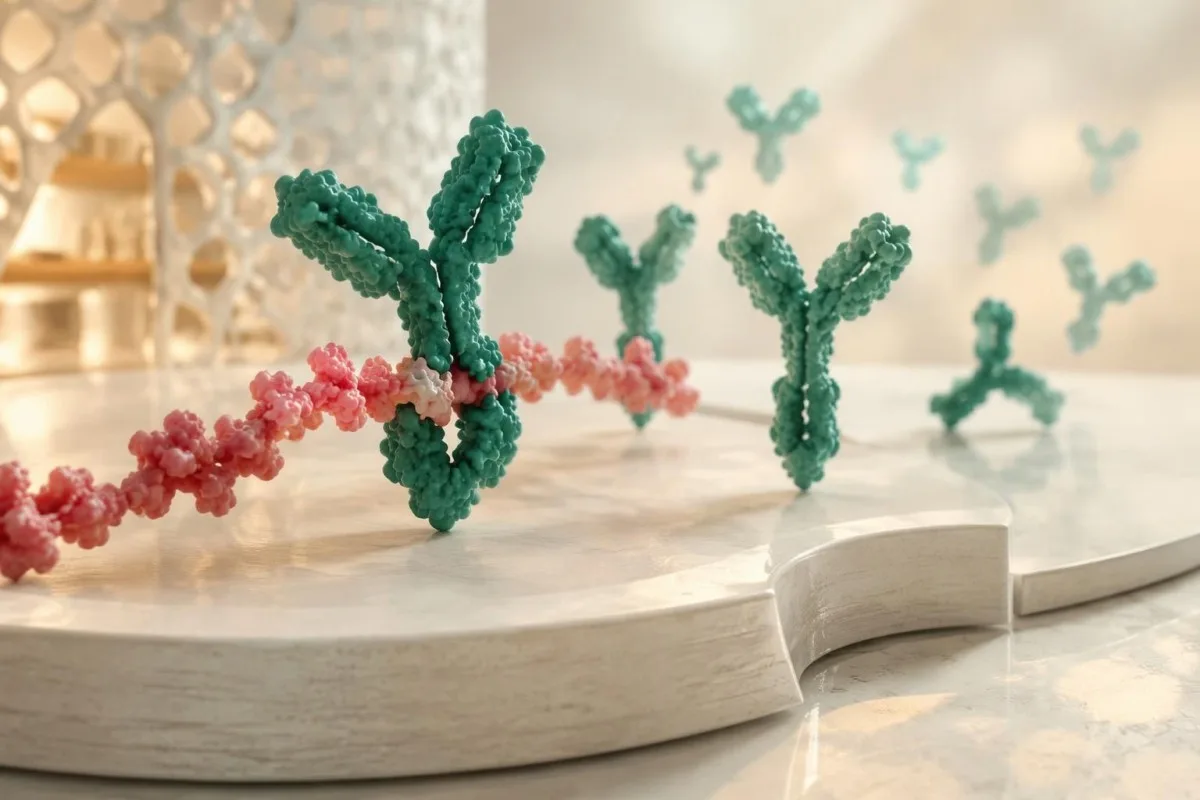
Schistosoma IgG pozitif ne anlama gelir? canlı solucanların ölçümü olarak değil, bağışıklık sisteminin tanıdığına dair kanıt olarak anlaşılması en doğrusudur. Antikor yanıtı parazitten yıllarca daha uzun süre devam edebilir ve bildirilen sonuçları aynı olan 2 kişiye farklı bakım gerekebilir—biri tedavi edilmemiş bir maruziyetin ardından, diğeri ise başarılı tedaviden sonra tatlı suyla yeniden temas etmemiş olabilir.
Önceki maruziyet ve önceki tedavi ayrı konulardır: eski bir enfeksiyon tedavi edilmeden kalabilirken, eski bir pozitif test iyileşme sonrasında da pozitif kalabilir. 1 raporu aktif hastalık ya da zararsız bir geçmiş bulgusu olarak yorumlamadan önce tedavinin adını, dozunu, tarihini ve sonrasında suyla temas olup olmadığını kontrol edin; açıklamamız pozitif antikor sonuçları bu farklı kanıt türlerini birbirinden ayırır.
Kantesti, tam kan sayımı normal olsa bile, 1 pozitif Schistosoma IgG sonucunun aktif enfeksiyonu neden kanıtlayamayacağını açıklamaya yardımcı olan yapay zekâ destekli bir kan testi analizörüdür. Rolümüz rapor açıklamaktır; parazit tanımlamak veya reçete yazmak değil. Burada açıklanan klinisyen liderliğindeki kararlardan ayrı olarak ele alınması gereken organizasyonumuz ve amacımız hizmetlerimizdir.
Hangi tatlı su maruziyetleri sonucu daha anlamlı kılar?
Bulaşın görüldüğü bir bölgede tatlı suyla cilt teması, pozitif sonucu klinik açıdan daha anlamlı hâle getirir. Göllerde, nehirlerde ve sulama kanallarında yüzmek, suda yürümek, banyo yapmak, rafting yapmak veya yıkanmak maruziyete yol açabilir; her olay için 3 ayrıntıyı kaydedin: tam konum, yapılan etkinlik ve son temas tarihiniz.

Tatlı su salyangozlarının bıraktığı Schistosoma larvaları deriden girer; suyu yutmak gerekmez. Kısa süreli suda yürümek bile maruziyet sayılır ve kaşıntılı döküntü olmaması maruziyeti dışlamaz; bu nedenle bir göle 5 dakika giren varsayımsal bir gezgin, yalnızca daha uzun yüzme seanslarını kaydetmek yerine bu olaydan söz etmelidir.
Deniz suyu ve uygun şekilde klorlanmış yüzme havuzları şistozomiyaz için tipik maruziyet kaynakları değildir. Tatlı suyla temas, farklı test ve tedavi gerektiren başka hastalıklar açısından da endişe yaratabilir; bunlar arasında suya maruziyet sonrası leptospiroz; nehir etkinliğinden 1 hafta sonra başlayan ateş, daha kapsamlı bir değerlendirme yapılmadan Schistosoma antikorlarına bağlanmamalıdır.
Bulaş ülkeler ve su kaynakları arasında değiştiğinden, yalnızca ülkenin adını bilmek kişisel riski belirlemeye yetmez. Nehir kenarında ekipman yıkamak gibi unutulmuş tek bir etkinliği bile yeniden hatırlayın ve parazite maruziyeti aşı kayıtlarından ayırın; seyahat antikor kontrolleri farklı bir soruya yanıt verir ve şistozomiyaza karşı koruma sağlamaz.
Seyahat sonrası şistozomiyaz testleri ne zaman yapılmalıdır?
Şistozomiyaz için antikor testi, şüpheli yeni enfeksiyondan en az 6–8 hafta sonra genellikle daha bilgilendiricidir. CDC'nin Şistozomiyazda Klinik Test ve Tanı kılavuzu, bu sürenin antikorların gelişmesine olanak sağladığını açıklar; daha erken alınan negatif sonuç, tatlı suyla bulaşmış yakın tarihli bir enfeksiyonu güvenilir biçimde dışlayamaz.
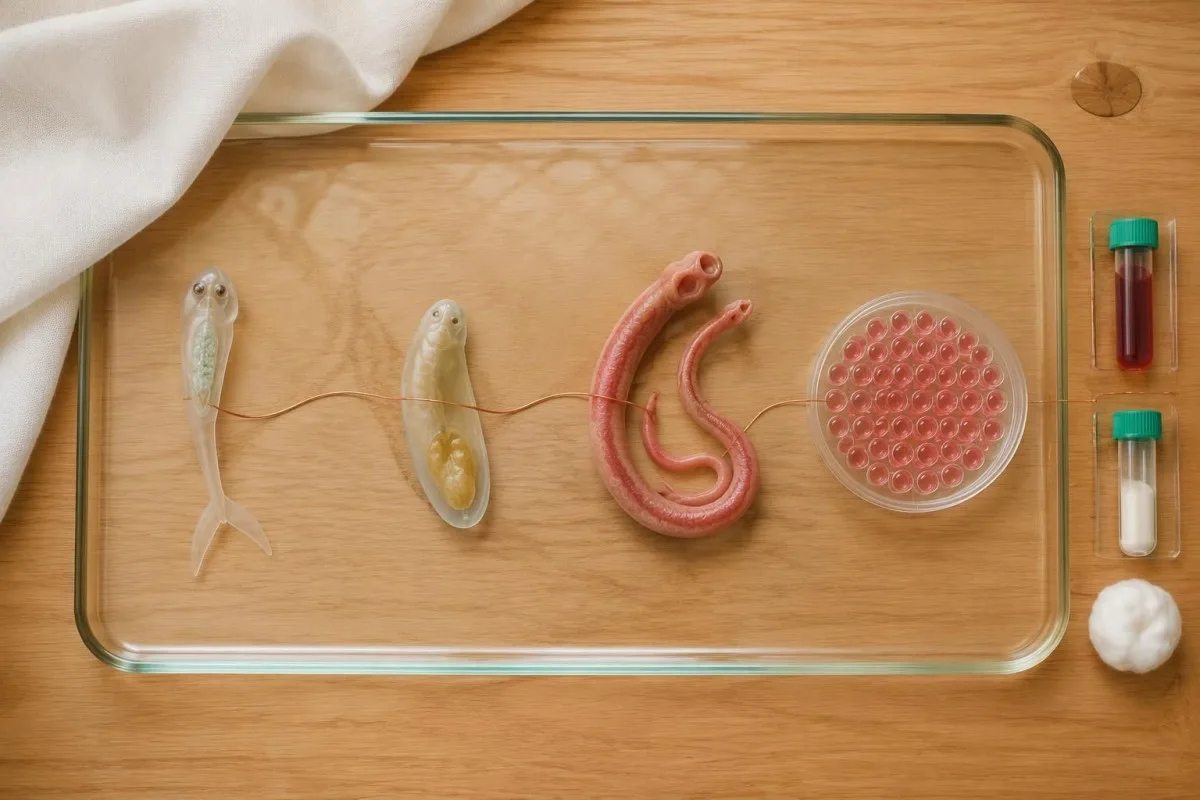
The last freshwater contact is a practical anchor when a trip involved several possible exposures. For example, a hypothetical traveler who swam on both the first and final day of a 3-week holiday should calculate the testing interval from the final swim, rather than assuming that the first exposure makes an immediate post-trip result conclusive.
Seroconversion is not identical across people or assays, so 6–8 weeks is a useful testing window rather than a guarantee of detection. When exposure is persuasive and an initial result is negative, a clinician may arrange another sample later, sometimes around 12 weeks after exposure; a second date should be agreed rather than inferred from a generic laboratory reference range.
Fever or significant symptoms after travel should be assessed without waiting for an antibody window to close, especially after a malaria-risk itinerary. At Kantesti, we encourage readers to keep 2 dates visible—last freshwater contact and sample collection—because enfeksiyon test zamanlaması can change the meaning of a negative report even though each organism requires its own diagnostic strategy.
Schistosoma antikorları yanlış pozitif olabilir mi?
Schistosoma antibody tests can produce false-positive or cross-reactive results, and their performance varies by assay. There is no universal IgG concentration or index that proves active schistosomiasis; 2 laboratories may use different antigen preparations, reporting units and thresholds, making direct numerical comparisons unreliable.
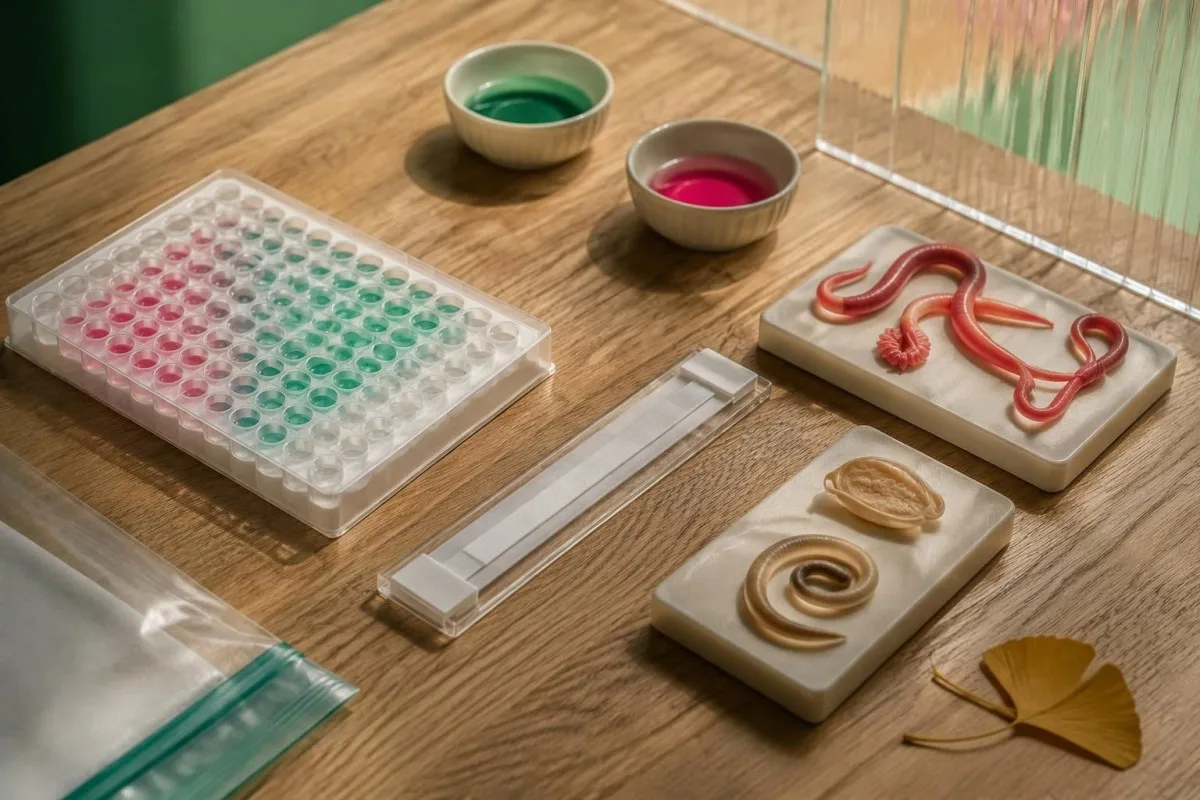
Cross-reactivity with other helminth antibodies depends on the test rather than occurring uniformly in every person. A laboratory may recommend an alternative assay or reference-laboratory review when the exposure history does not fit; 1 additional positive parasite antibody result also needs independent interpretation, as explained in our discussion of Toxocara antibody findings.
A hypothetical probability example shows why background risk matters: assume an imaginary test has 90% sensitivity and 95% specificity in 10,000 people, of whom 1% have the target infection. It would identify approximately 90 true positives and 495 false positives, so only about 15% of positive results would be true positives—these are teaching assumptions, not measured Schistosoma assay performance.
A high index should not be read as a high worm count, and a borderline index should not automatically be dismissed when exposure is strong. Ask for the assay name and the laboratory's interpretation of 1 equivocal or weakly positive result; confirmation with a different method can address assay uncertainty, but another antibody test still cannot reliably separate active infection from treated history.
Dışkı ve idrar mikroskopisi neyi ortaya koyabilir?
Finding characteristic Schistosoma eggs provides direct parasitological evidence, whereas negative microscopy does not exclude a light infection. CDC recommends examining 3 stool or urine samples collected on different days to improve sensitivity, because egg output can be sparse and intermittent, particularly in travelers with a low parasite burden.
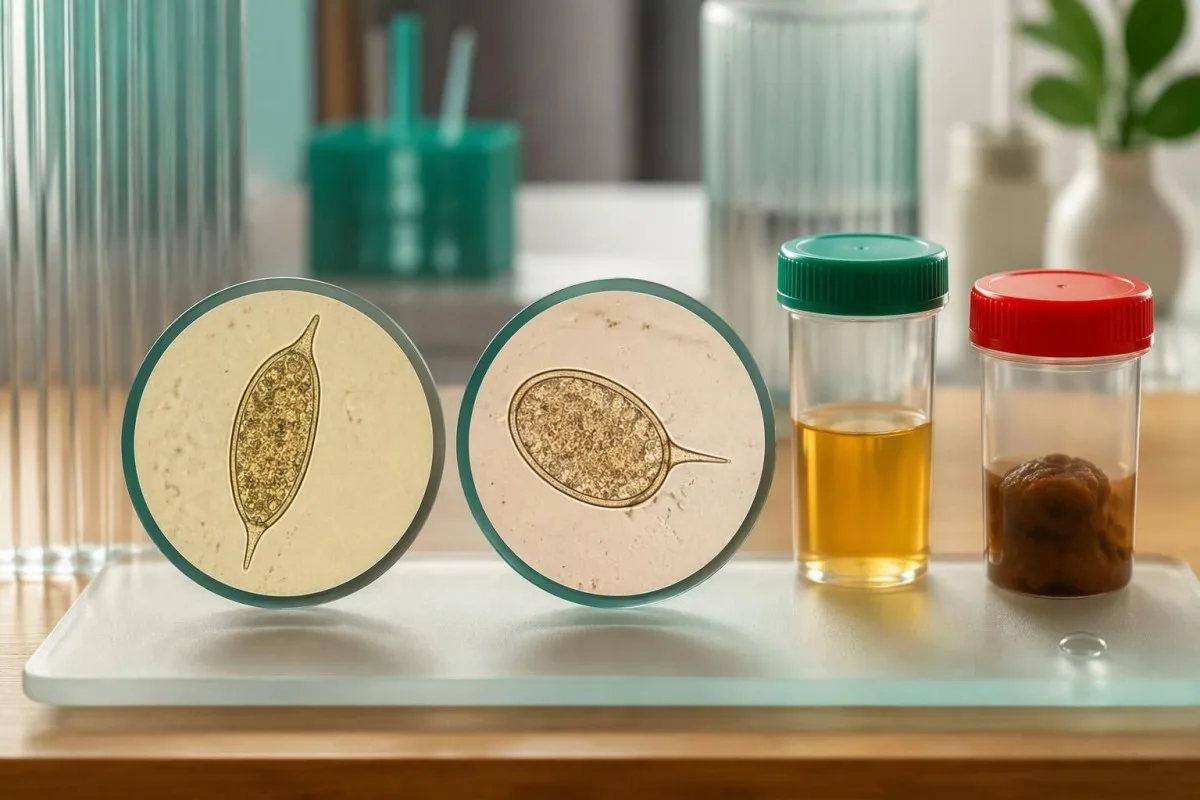
The suspected species determines specimen choice: S. mansoni and S. japonicum are usually investigated through stool, while S. haematobium is usually investigated through urine. Some exposure histories warrant both, so 1 negative stool examination does not address a possible urinary infection; idrar tortusu yorumlama kılavuzumuz also explains why ordinary urinary findings are not equivalent to parasite identification.
Urinary egg excretion often peaks around midday, and laboratories may request a sample between approximately 12 noon and 3 pm. Urine filtration may use a measured volume such as 10 mL, but collection, transport and processing instructions vary; follow the receiving laboratory's protocol rather than improvising exercise, fluid restriction or a collection time.
Routine dipstick testing is not a substitute for a specific Schistosoma egg examination, and 1 routine stool pathogen panel may omit the parasite entirely. Check the exact tests ordered, including concentration or filtration methods when appropriate; our urinalysis method guide helps distinguish screening for cells and chemistry from targeted parasitology.
Antijen testleri veya PCR aktif enfeksiyonu daha net gösterir mi?
Schistosoma antigen tests can provide evidence more closely linked to living worms than antibody tests, but access and performance differ. Circulating anodic antigen, or CAA, and circulating cathodic antigen, or CCA, are 2 distinct targets; PCR detects parasite DNA and needs interpretation according to specimen, timing and the laboratory method.
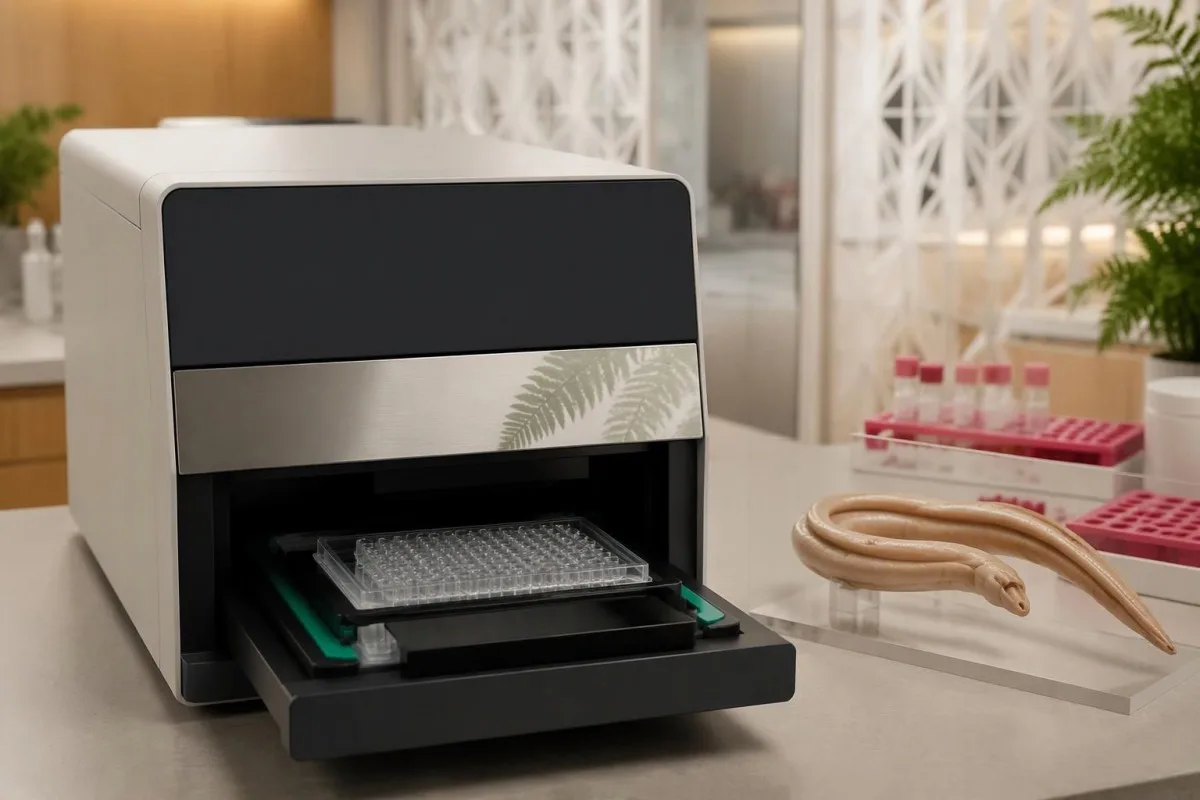
CAA assays can detect antigens released by living schistosomes, including some low-burden infections that microscopy misses. Urine CCA testing is used especially for S. mansoni, but trace readings and performance for other species complicate interpretation; 1 negative point-of-care CCA test should not be treated as a universal exclusion of urinary or intestinal schistosomiasis.
PCR may support diagnosis when microscopy is negative, but DNA detection is not identical to proving that every detected parasite component remains viable after treatment. The specimen matters—serum, stool and urine are not interchangeable—and 1 positive molecular result must be interpreted against the laboratory's validated application; antibodies versus direct detection illustrates this distinction in a different parasitic condition.
Kantesti is an AI lab test interpretation service that can explain the difference between 2 reports labeled Schistosoma IgG and Schistosoma PCR without treating them as interchangeable evidence. Our AI yorumlama yöntemleri do not replace reference-laboratory expertise, and an antigen test's usefulness depends on whether the local service can obtain and validate it for your clinical question.
Eşlik eden hangi kan ve idrar bulguları önemlidir?
Eosinophilia, urinary abnormalities and signs of organ involvement can strengthen the case for further assessment, but none proves schistosomiasis alone. An absolute eosinophil count above approximately 0.5 × 10⁹/L is commonly considered elevated; a normal count does not exclude infection, especially outside the early immune-response phase.
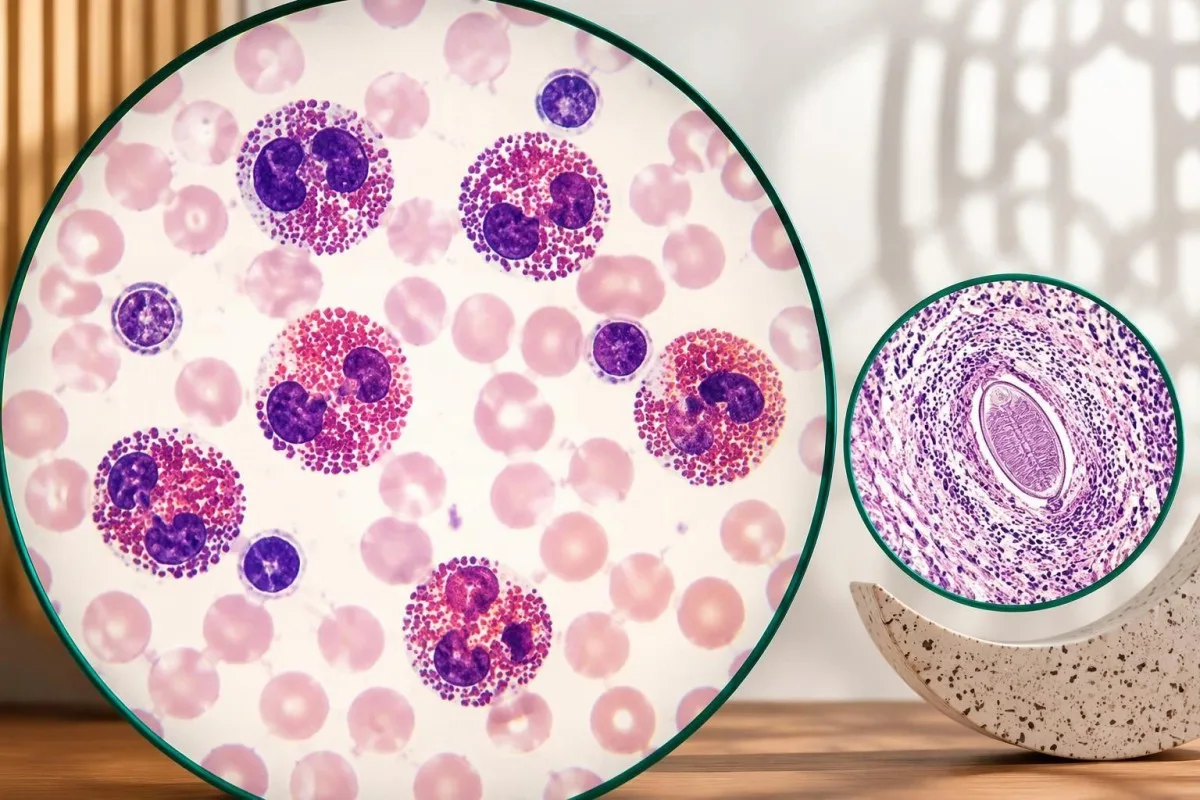
The absolute eosinophil count is usually more informative than the percentage because a percentage depends on the other white-cell populations. A hypothetical count of 0.8 × 10⁹/L may reflect schistosomiasis, another parasite, allergy or a medicine effect; persistent counts at or above 1.5 × 10⁹/L generally warrant broader evaluation, as discussed in our eosinophil count guide.
Normal liver enzymes do not reliably exclude hepatosplenic schistosomiasis because periportal fibrosis and portal hypertension can occur without the usual pattern of cirrhosis. For example, an ALT of 24 IU/L cannot overrule an enlarged spleen or suggestive ultrasound; karaciğer paneli yorumuyla explains why enzyme results answer different questions from structural imaging.
Blood in urine, protein in urine, persistent diarrhea or genital symptoms can change which investigations are appropriate. At Kantesti, we encourage keeping at least 3 evidence categories separate—exposure, parasite tests and organ findings—because a positive antibody result should not obscure a urinary obstruction, significant anemia or another explanation that requires its own assessment.
Mikroskopi negatifken neden tedavi önerilebilir?
Clinicians may treat a seropositive person with credible exposure and no adequate treatment history despite negative microscopy. This approach recognizes that light infections can escape egg detection and untreated adult worms can persist for years; the decision balances 3 factors: exposure probability, diagnostic limitations and the person's treatment risks.
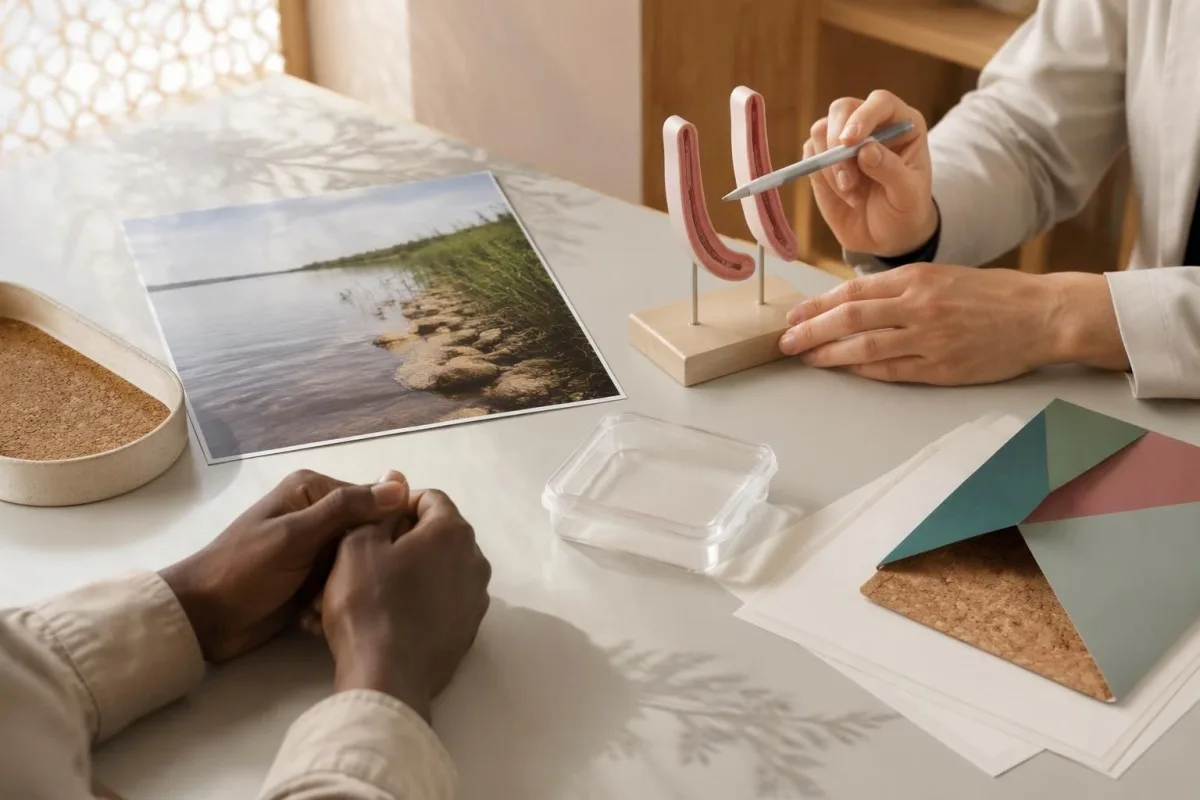
Absence of symptoms does not establish absence of infection or eliminate the potential benefit of treatment. A hypothetical traveler tested 10 weeks after a lake swim, with positive IgG and 3 negative stool examinations, may still be offered praziquantel if the exposure was credible and no earlier treatment occurred; negative microscopy lowers certainty but does not settle the question.
Documented earlier treatment changes the reasoning, particularly when no freshwater re-exposure has occurred. A person with a positive test 5 years after an appropriately timed course does not automatically need another course; the clinician should investigate whether treatment was complete, whether the initial infection was confirmed and whether any symptoms or direct tests now suggest persistence.
Visible blood in urine requires assessment even when Schistosoma antibodies are positive, because 1 parasite result does not exclude stones, other infections or cancer. Chronic urinary schistosomiasis is associated with increased bladder cancer risk, but risk is not diagnosis; our guide to bladder warning symptoms explains why persistent or recurrent urinary changes deserve separate attention.
Prazikuantel dozu ve tedavi zamanlaması nasıl belirlenir?
Praziquantel is the standard medicine for schistosomiasis, but dose and timing depend on species and clinical circumstances. CDC's Clinical Care of Schistosomiasis guidance lists 40 mg/kg over 1 day in 2 divided doses for S. mansoni, S. haematobium and S. intercalatum, and 60 mg/kg in 3 divided doses for S. japonicum and S. mekongi.
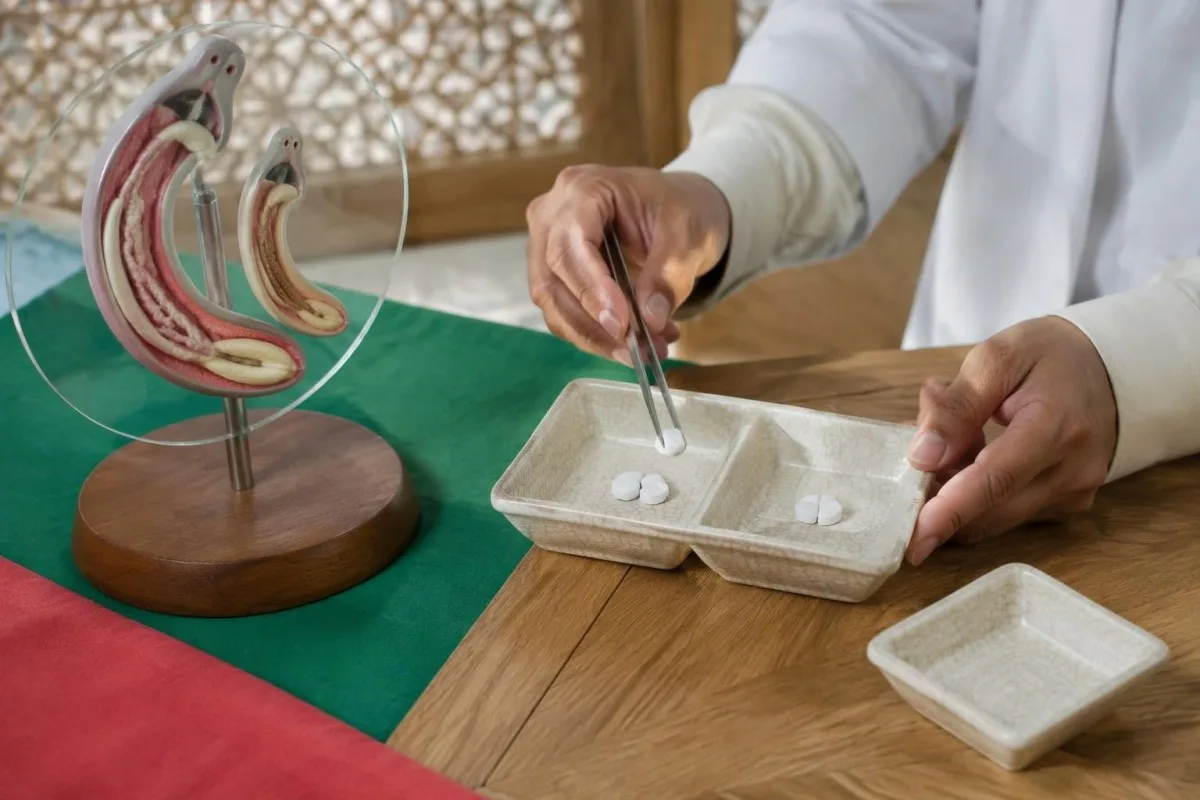
Praziquantel works best against mature worms, so otherwise stable travelers are generally treated at least 6–8 weeks after their last freshwater exposure. Taking it immediately after a swim is not reliable preventive treatment; if a course was given very early, the clinician may plan another course after maturation rather than assuming the initial prescription covered all developing worms.
A clearly hypothetical calculation illustrates a 40 mg/kg regimen: a 60 kg adult would receive 2,400 mg total over 1 day, split into 2 doses of 1,200 mg. Where 600 mg tablets are supplied, that arithmetic corresponds to 2 tablets per dose, but it is not an individual prescription—species, available formulation, rounding, swallowing ability and medical history must be checked.
Repeat treatment after 2–4 weeks may be appropriate in selected patients, especially with light infections or concerns about an incomplete response; it is not required solely because IgG remains positive. Medication review matters because rifampicin and enzyme-inducing antiseizure medicines can reduce praziquantel exposure, so patients taking carbamazepine should bring their regimen and any carbamazepine monitoring information rather than adjusting either medicine themselves.
Hangi semptomlar için hızlı veya acil değerlendirme gerekir?
Fever after travel needs prompt assessment, and new weakness, seizures or bladder-control changes need emergency evaluation. Acute schistosomiasis can cause fever, cough, rash, diarrhea and eosinophilia around 2–8 weeks after exposure, but these symptoms overlap with other conditions and cannot be diagnosed from antibodies alone.
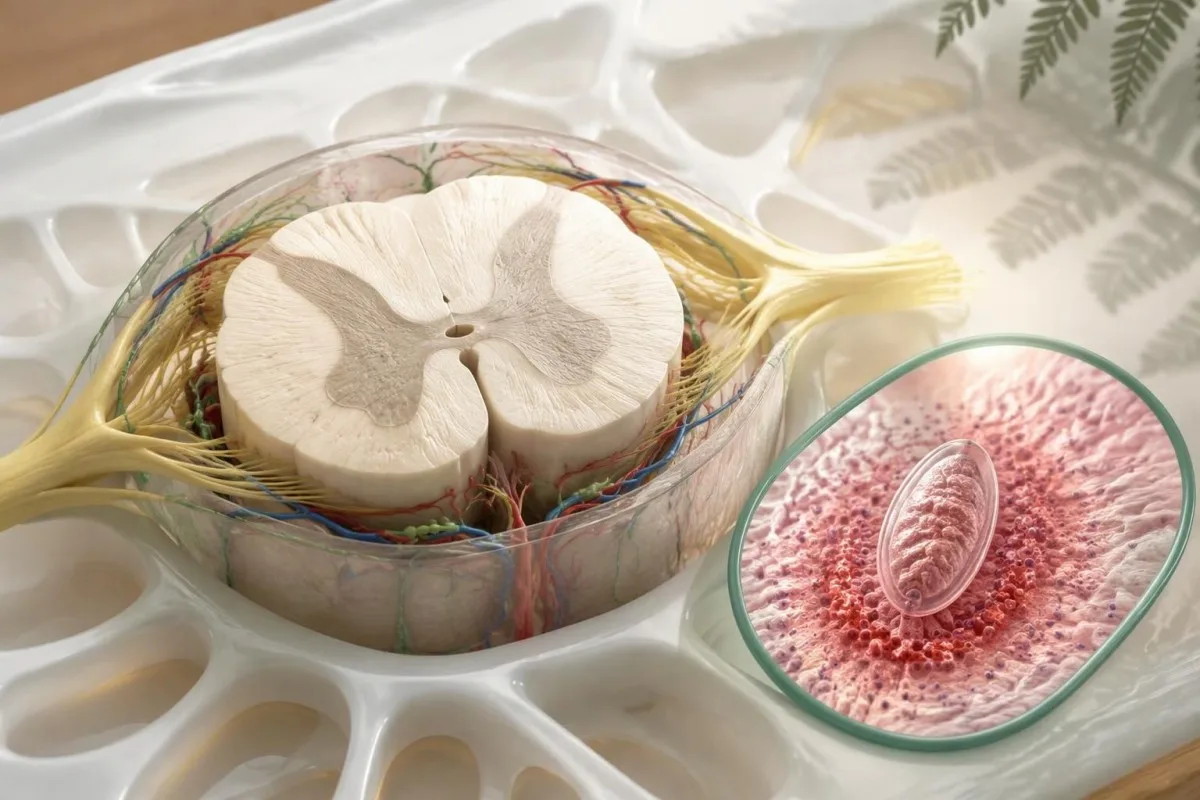
New leg weakness, difficulty walking, urinary retention or loss of bowel control can signal spinal cord involvement and should not wait for routine repeat serology. Schistosoma eggs can occasionally affect neurological tissue, but 1 positive antibody result does not establish the cause; emergency clinicians may need imaging and a broad differential diagnosis before specialist treatment is selected.
Acute systemic or neurological schistosomiasis may require specialist-directed corticosteroids alongside a carefully timed antiparasitic plan. If the exposure history also suggests Strongyloides, assess that possibility before immunosuppression when feasible, because steroids can precipitate dangerous hyperinfection; a Strongyloides IgG result needs its own management rather than assuming 1 antiparasitic medicine treats both organisms.
Fever after a malaria-risk itinerary should be assessed the same day, even if Schistosoma antibodies offer a plausible alternative explanation. Do not wait 6–8 weeks for repeat serology when there is persistent high fever, breathing difficulty, confusion, fainting, significant gastrointestinal bleeding or inability to pass urine; the immediate priority is identifying and treating the acute problem.
Gebelik, çocukluk ve diğer durumlar bakımı nasıl değiştirir?
Pregnancy, young age and complex illness require individualized treatment decisions rather than automatically withholding or prescribing praziquantel. The WHO guideline on control and elimination of human schistosomiasis (2022) supports preventive treatment from age 2 years and includes pregnant women after the first trimester and lactating women in eligible programs.
WHO program recommendations and treatment of an individual imported infection answer related but different questions. A hypothetical patient at 10 weeks of pregnancy needs a clinician-led balance of infection likelihood, severity and treatment timing; the recommendation to include pregnancy after the first trimester in preventive programs should not be turned into a blanket rule for every symptomatic patient.
Children's dosing requires an accurate weight and a formulation they can take safely; adult tablet arithmetic is not enough. WHO's inclusion of children aged 2 years and older in preventive chemotherapy does not make every product licensed for every younger age in every country, and our discussion of children's interpretation limits explains why pediatric results need age-specific clinical oversight.
A history of seizures, possible cysticercosis, significant liver disease or neurological symptoms should be reviewed before treatment. For 1 person with a straightforward travel-acquired infection, routine outpatient prescribing may be appropriate; another with possible central nervous system involvement may need specialist planning because the immune response to parasite treatment can itself affect symptoms.
Başarılı tedaviden sonra Schistosoma IgG neden pozitif kalabilir?
Schistosoma IgG can remain positive for years after successful treatment and is not a reliable test of cure. CDC recommends considering repeat stool or urine examination 1–2 months after treatment when eggs were detected before treatment; follow-up must match the evidence used to establish infection and the person's subsequent clinical course.
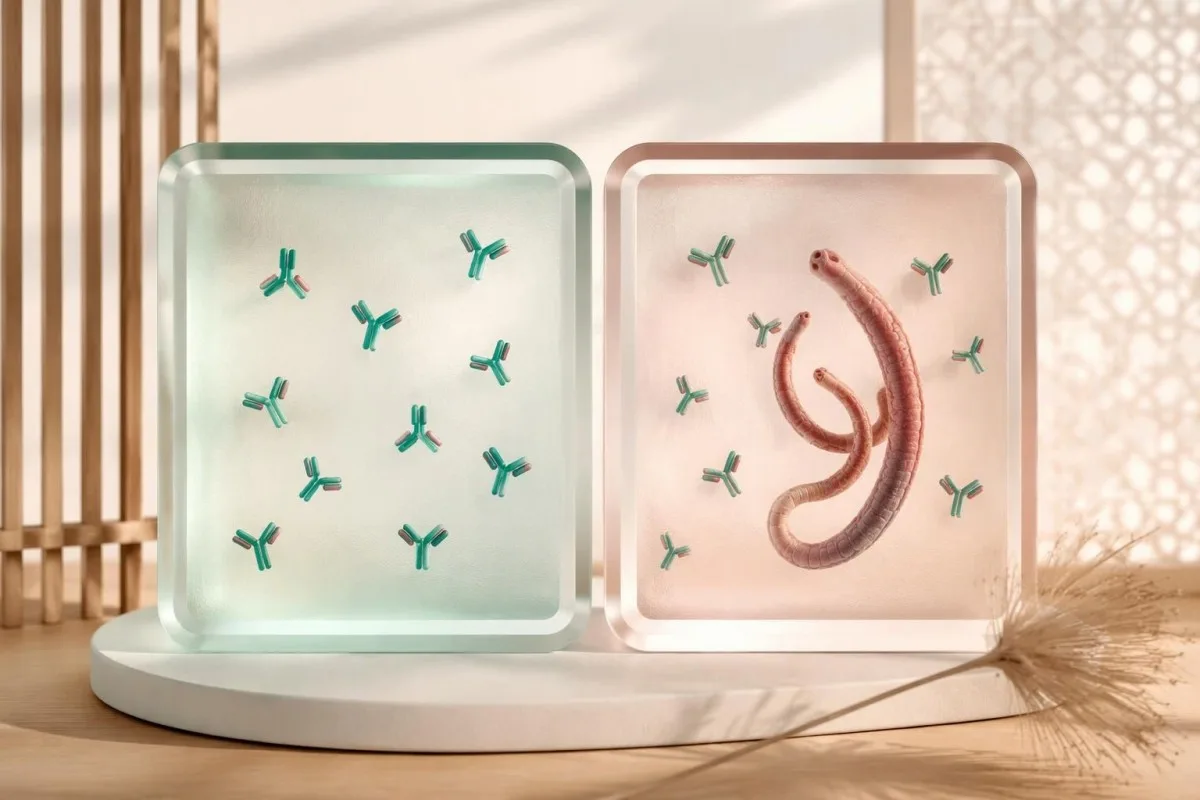
A positive IgG result 6 months after treatment does not, by itself, demonstrate treatment failure. Antibody decline varies, and a stable or temporarily higher signal cannot reliably quantify surviving worms; comparing results from 2 different laboratories adds assay differences, making numerical trend interpretation even less suitable for declaring cure.
Persistent symptoms or eosinophilia deserve reassessment, but neither automatically proves living Schistosoma remain. If eggs are still found at the 1–2 month follow-up, specialists may consider egg viability, collection details, treatment timing and whether another course is needed; PCR positivity can also require caution because detecting parasite DNA is not the same as identifying viable adult worms.
Kantesti can help organize 3 follow-up dates—treatment, specimen collection and any re-exposure—without labeling persistent IgG as treatment failure. Our ilaç trend analizi kılavuzumuz explains why trends must be matched to the right clinical endpoint; an available validated antigen assay may be more useful than serial antibodies, but its follow-up schedule belongs to the treating service.
Aynı pozitif sonuç nasıl farklı kararlara yol açabilir?
The same positive Schistosoma IgG result can lead to treatment, additional testing or observation because the surrounding evidence differs. The following 4 examples are hypothetical teaching scenarios—not patient encounters—and illustrate how exposure dates, prior therapy, assay uncertainty and organ findings can outweigh the apparent simplicity of a positive flag.
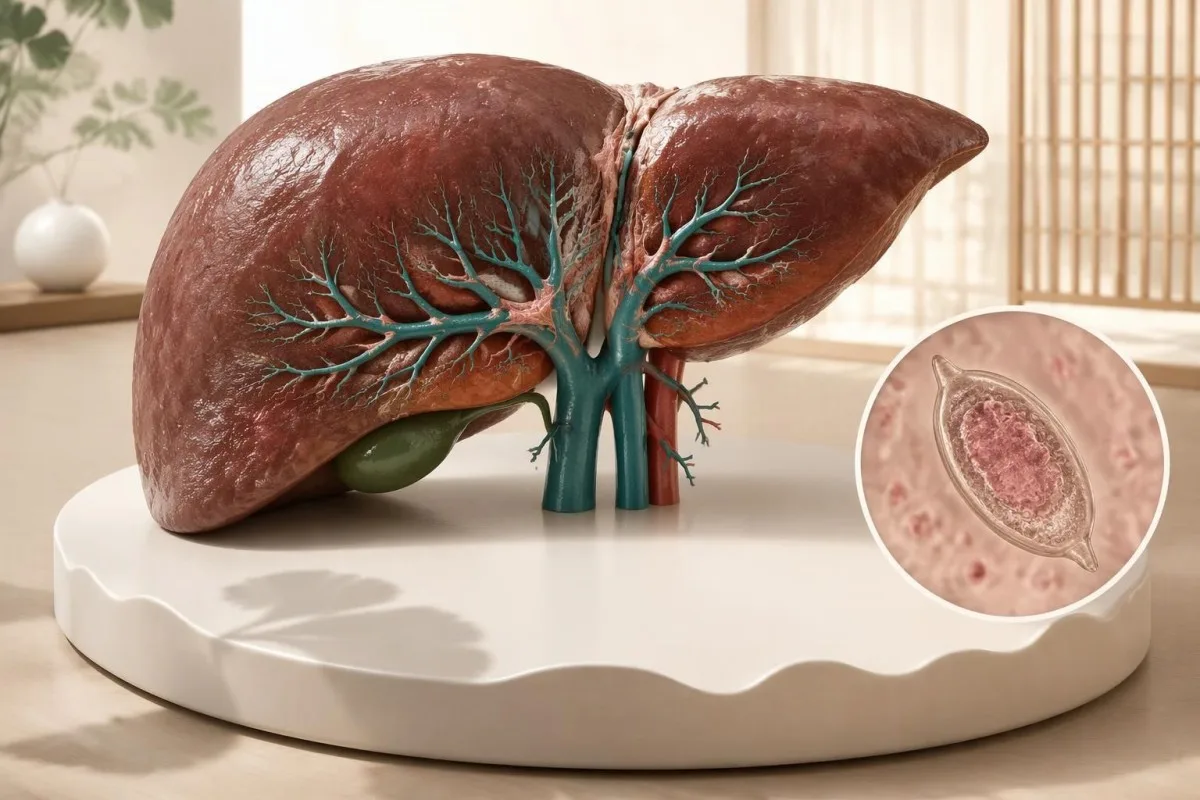
A hypothetical 28-year-old returns from a freshwater swim, tests positive 10 weeks later and has never received praziquantel; treatment may be reasonable despite negative microscopy. A hypothetical 44-year-old treated appropriately 4 years earlier, with no further exposure and no concerning findings, may not need retreatment; the timeline of laboratory results helps keep these histories distinct.
A hypothetical 35-year-old with no plausible freshwater exposure has a weakly positive screening assay and normal supporting investigations. The next step may be checking the original indication, assay and cross-reactivity rather than immediate treatment; changing a report from weak positive to strong positive on 1 repeat antibody assay still does not create a documented exposure or prove active infection.
A hypothetical 54-year-old who lived near endemic freshwater 20 years earlier has positive IgG, an enlarged spleen and an ALT of 24 IU/L within the local range. That combination merits assessment for portal and other organ disease despite normal enzymes; an old exposure is not automatically resolved, and common liver fibrosis scores should not be assumed validated for schistosomal periportal fibrosis.
Kontrol randevusuna neler getirmelisiniz ve bakımı hangi kaynaklar destekler?
Bring your exposure history, complete laboratory report and treatment record to a clinician experienced in travel medicine, infectious diseases or tropical medicine. Prepare 3 questions: whether the result fits your exposure, which direct tests could change the decision and how treatment response will be assessed without relying on antibody disappearance.
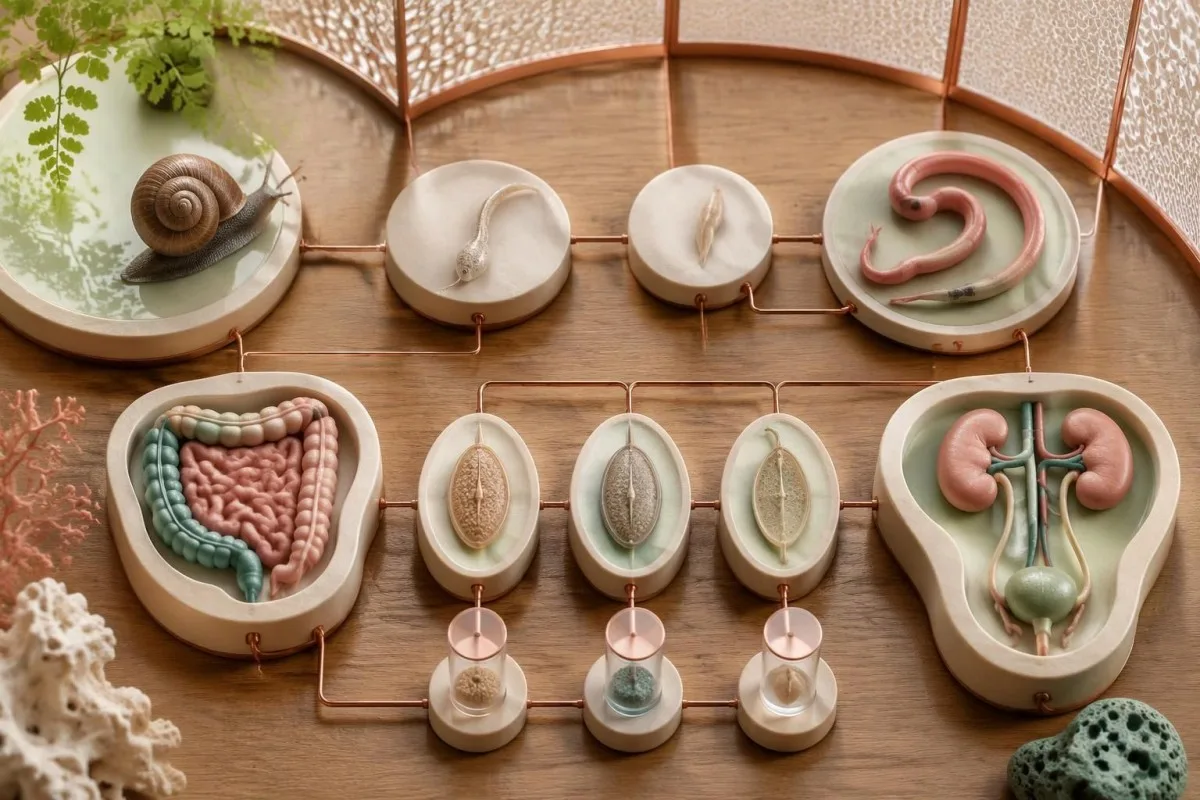
Your report should retain the assay name, units or index, reference interpretation and collection date, rather than only a cropped positive flag. Add 1 concise exposure timeline, previous praziquantel doses and dates, current medicines, pregnancy status where relevant and any urinary or neurological symptoms; this makes uncertainty visible and reduces the chance of repeating an uninformative antibody test.
Kantesti is an AI blood test interpretation platform that helps explain why 1 Schistosoma antibody result must be considered alongside exposure and treatment history, not used as a prescribing instruction. Our klinik doğrulama çerçevesini içerir; laboratuvar yorumlarının nasıl test edildiğini ve tıbbi olarak nasıl gözden geçirildiğini açıklar. Kantesti’nin tıbbi gözden geçirme modeli, bizim describes methodology and oversight, while our gizlilik ve veri işleme information explains how to review data choices before sharing a travel or laboratory record.
The 2 Zenodo publications below describe Kantesti's validation framework and aggregate platform reporting; they are not clinical schistosomiasis guidelines and do not establish the sensitivity of a Schistosoma assay. Clinical recommendations in this article draw on CDC diagnostic and treatment guidance and the WHO guideline (2022), with our tıbbi içerik standartları distinguishing published evidence, hypothetical calculations and the limits of AI-supported explanation.
Sıkça sorulan sorular
Schistosoma IgG pozitif olması aktif bir enfeksiyonum olduğu anlamına mı gelir?
Pozitif bir Schistosoma IgG sonucu, aktif enfeksiyon ile daha önce tedavi edilmiş enfeksiyonu güvenilir biçimde ayırt edemez. Antikorlar yıllarca saptanabilir düzeyde kalabileceğinden, 1 pozitif rapor tatlı suya maruz kalma ve tedavi öyküsüyle birlikte değerlendirilmelidir. Klinisyenler, daha doğrudan kanıt elde etmek için uygun durumlarda dışkı veya idrar mikroskopisi, antijen testi ya da PCR kullanabilir. Yeterli önceki tedavi olmaksızın gerçekleşmiş inandırıcı bir maruziyet, mikroskopi negatif olsa bile tedaviyi haklı kılabilir.
Dışkı ve idrar testleri negatifken şistozomiyazım olabilir mi?
Dışkı veya idrar mikroskopisinin negatif olması, özellikle parazit yükünün düşük olabileceği seyahat sonrasında şistozomiyazı dışlamaz. CDC, yumurta atılımı aralıklı olabileceğinden farklı günlerde alınan 3 örneğin incelenmesini önerir. Şüphelenilen tür, dışkının mı, idrarın mı yoksa her ikisinin mi incelenmesi gerektiğini de belirler. Antikorlar pozitifse, maruziyet olasıysa ve yeterli bir önceki tedavi belgelendirilmemişse klinisyen yine de tedavi önerebilir.
Tatlı suya maruz kaldıktan ne kadar süre sonra test yaptırmalıyım?
0 CDC, Schistosoma antikor örneklerinin şüpheli yeni bir enfeksiyondan en az 6–8 hafta sonra alınmasını önerir. Bir seyahat sırasında birden fazla maruziyet gerçekleştiğinde, son tatlı su temasını pratik bir referans olarak kullanın. Antikorlar henüz saptanabilir düzeyde olmayabileceğinden, daha erken alınan negatif sonuçların tekrarlanması gerekebilir. Ateş veya diğer önemli belirtiler, bu test aralığının beklenmesi yerine hızlı değerlendirme gerektirir.
Prazikuantel tedavisinden sonra neden hâlâ Schistosoma antikoru pozitifim?
0 Schistosoma antikorları, bağışıklık yanıtı parazitten daha uzun süre devam ettiği için başarılı prazikuantel tedavisinden sonra yıllarca pozitif kalabilir. Tedaviden 6 ay sonra alınan pozitif sonuç, tek başına tedavi başarısızlığını kanıtlamaz veya yeniden tedavi kürü uygulanmasını haklı çıkarmaz. Tedavi öncesinde yumurta saptandığında hekimler 1–2 ay sonra dışkı veya idrar incelemesinin tekrarlanmasını isteyebilir. Yeni maruziyet, devam eden belirtiler ve doğrudan test bulguları, tek başına antikorların pozitif kalmasından daha bilgilendiricidir.
Şistozomiyaz için hangi prazikuantel dozu kullanılır?
CDC, S. mansoni, S. haematobium ve S. intercalatum için 1 gün boyunca 2 doza bölünmüş şekilde 40 mg/kg prazikuantel öneriyor. S. japonicum ve S. mekongi için listelenen rejim, 1 gün boyunca 3 doza bölünmüş şekilde 60 mg/kg’dır. Diğer yönlerden durumu stabil olan yolcular genellikle son tatlı su temasından en az 6–8 hafta sonra tedavi edilir; çünkü prazikuantel olgun solucanlara karşı en iyi etkiyi gösterir. Rejimi bir klinisyen belirlemeli ve ilaçları, gebeliği, yaşı ve olası nörolojik tutulumu değerlendirmelidir.
Schistosoma antikor testinin pozitif çıkması yanlış pozitif olabilir mi?
Şistozoma antikor testi, kullanılan teste bağlı olarak yanlış pozitif sonuç verebilir veya diğer parazitlere karşı oluşan antikorlarla çapraz reaksiyon gösterebilir. Aktif enfeksiyonu kesinleştiren evrensel bir indeks değeri yoktur ve 2 laboratuvar farklı antijen preparatları ve eşik değerleri kullanabilir. Makul bir tatlı su maruziyeti olmadan alınan zayıf pozitif bir sonuç, laboratuvar incelemesini veya farklı bir doğrulama yöntemini gerektirebilir. Yalnızca antikor testini tekrarlamak, tedavi edilmiş bir enfeksiyon öyküsünü canlı solucanlardan güvenilir biçimde ayırt etmeye yine de yetmez.
Kan tahlili sonuçları ne anlama gelir
Laboratuvar raporunuzu yükleyin; Kantesti'nin AI'ı her biyobelirteci saniyeler içinde sade bir dille açıklar. Dünya genelinde 2 milyondan fazla kişi tarafından kullanılıyor.
Referanslar
- Klein, T., Mitchell, S. & Weber, H. (2026). Klinik Doğrulama Çerçevesi v2.0 (Tıbbi Doğrulama Sayfası). Kantesti AI Tıbbi Araştırma. DOI
- Klein, T., Mitchell, S. & Weber, H. (2026). Yapay Zeka Kan Testi Analizörü: 2,5M Test Analiz Edildi | Global Health Report 2026. Kantesti AI Tıbbi Araştırma. DOI
- Hastalık Kontrol ve Önleme Merkezleri (2024). Clinical Testing and Diagnosis for Schistosomiasis. CDC Schistosomiasis Clinical Guidance.
- Hastalık Kontrol ve Önleme Merkezleri (2024). Clinical Care of Schistosomiasis. CDC Schistosomiasis Clinical Guidance.
- World Health Organization (2022). WHO guideline on control and elimination of human schistosomiasis. World Health Organization Guidelines.
- 2 milyondan fazlaAnaliz edilen testler
- 127+Ülkeler
- 100+Diller
Sağlık ekibi hakkında


E-E-A-T Güven Sinyalleri
Deneyim
Hekim liderliğinde laboratuvar yorumlama iş akışlarının klinik incelemesi.
Uzmanlık
Klinik bağlamda biyobelirteçlerin nasıl davrandığına odaklanan laboratuvar tıbbı.
Otorite
Dr. Thomas Klein tarafından tıbbi açıdan incelenmiş; Dr. Sarah Mitchell ve Prof. Dr. Hans Weber'in katkılarıyla hazırlanmıştır.
Güvenilirlik
Alarmı azaltmaya yönelik net takip yollarıyla kanıta dayalı yorumlama.






Tıbbi sorumluluk reddi
Bu makale yalnızca eğitim amaçlıdır ve tıbbi tavsiye niteliği taşımaz. Tanı ve tedavi kararları için her zaman yetkin bir sağlık hizmeti sağlayıcısına danışın.
Yayınlanmış · Yayın ekibiyle iletişime geçin
Kantesti Ltd tarafından yayımlanmıştır; İngiltere ve Galler'de kayıtlı, şirket no. 17090423, Londra, Birleşik Krallık.
