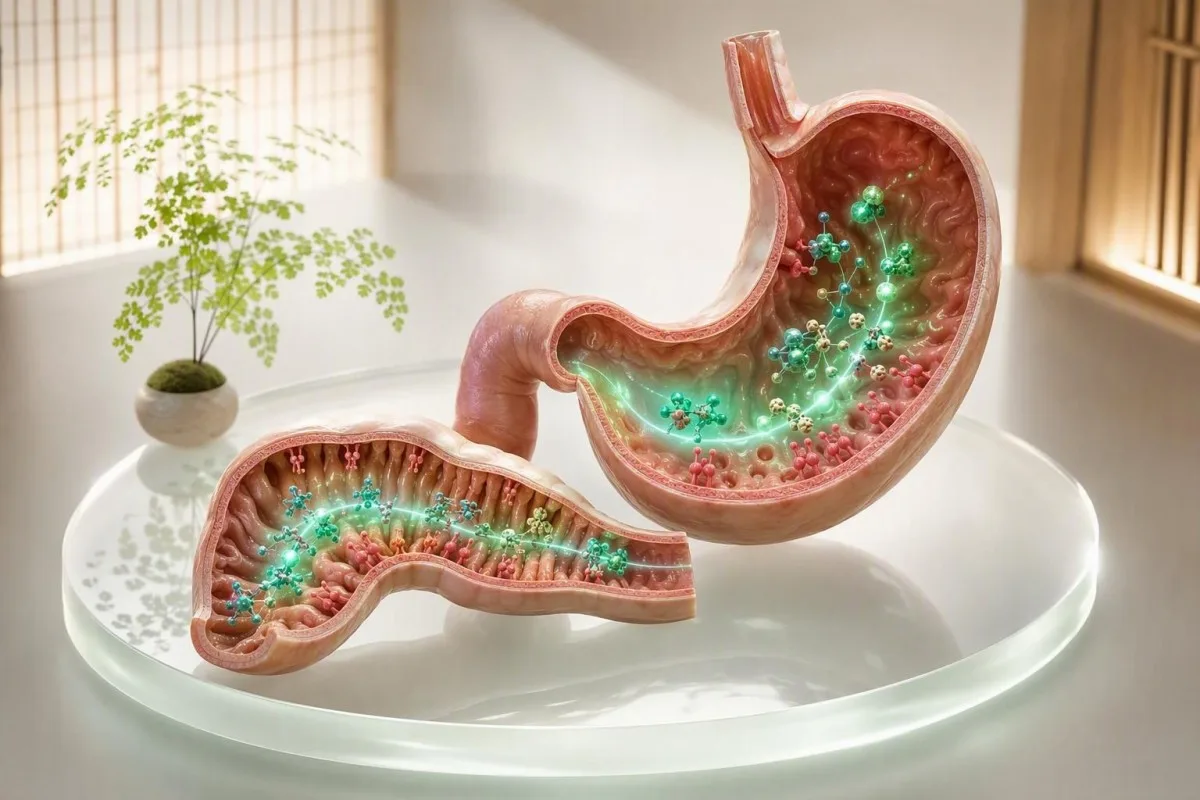
Güvenilir B12 vitamini hayvansal gıdalardan veya özel olarak zenginleştirilmiş ürünlerden gelir; besleyici bir diyet her emilim sorununu aşamaz. İşte hastalara gıda seçimlerini, semptomları, ilaçları ve laboratuvar sonuçlarını nasıl eşleştirdiğimi açıklıyorum.


- Günlük B12 ihtiyacı çoğu yetişkin için 2.4 mcg, hamilelikte 2.6 mcg ve emzirirken 2.8 mcg'dir.
- En iyi gıda kaynakları istiridye, karaciğer, balık, et, süt ürünleri, yumurta ve B12 ile zenginleştirilmiş gıdaları içerir; zenginleştirilmemiş bitkisel gıdalar güvenilir kaynaklar değildir.
- Dana karaciğeri 85 g pişmiş porsiyon başına yaklaşık 70 mcg B12 sağlarken, 250 mL süt yaklaşık 1.3 mcg sağlar.
- Emilim tavanı içsel faktörün genellikle bir öğünden sadece yaklaşık 1.5-2 mcg emdiği anlamına gelir; büyük bir oral dozun kabaca %1'i pasif olarak girebilir.
- Serum B12 200 pg/mL’nin altındaysa (148 pmol/L) yaygın olarak eksikliği desteklerken, 200-300 pg/mL genellikle metilmalonik asit veya aktif B12 bağlamı gerektirir.
- Metformin ve asit baskılayıcı ilaçlar zamanla B12 seviyesini düşürebilir, özellikle birkaç yıl boyunca kullanıma devam edildiğinde.
- Nörolojik semptomlar uyuşma, yürüme bozukluğu, hafıza sorunları veya vibrasyon hissi kaybı gibi durumlar, anemi olmasa bile tıbbi inceleme gerektirir.
- Sadece gıda eksikliği gidermeyebilir. pernisiyöz anemi, mide ameliyatı, şiddetli malabsorpsiyon veya belirgin nörolojik semptomlardan kaynaklanır.
En güvenilir B12 vitaminini hangi gıdalar sağlar?
B12 açısından zengin gıdalar neredeyse tamamen hayvansal gıdalar ve özellikle kobalamin ile zenginleştirilmiş gıdalardır. Kabuklu deniz ürünleri, karaciğer, balık, et, süt, yoğurt, peynir, yumurta, zenginleştirilmiş kahvaltı gevreği ve zenginleştirilmiş bitkisel içecekler, etiketin B12 içeriğini onaylaması durumunda güvenilir seçeneklerdir.
Pişmiş kabuklu deniz ürünleri yaklaşık olarak sağlayabilir 85 g başına 84 mcg, ve pişmiş dana ciğeri yaklaşık 85 g başına 70 mcg; her ikisi de yetişkin gereksiniminin birçok katını aşmaktadır. Yine de, karaciğerin önceden oluşan A vitamini açısından da olağanüstü derecede yüksek olması ve gebelikte günlük rastgele bir gıda olmaması nedeniyle, karaciğere sık sık güvenmek yerine çeşitliliği teşvik ediyorum.
Balık pratik bir orta yoldur: pişmiş alabalık yaklaşık olarak sağlar 85 g başına 5.4 mcg, somon yaklaşık 2.6 mcg, ve konserve ton balığı yaklaşık 2.5 mcg. Deniz ürünlerini sevmeyen bir hasta, genellikle haftada iki porsiyon balık artı süt ürünleri, yumurta veya zenginleştirilmiş gıdalarla gıda ihtiyaçlarını karşılayabilir; bizim B12’ye karşı folat kılavuzumuzda ele alınmaktadır folatın kobalaminin yerini tutamayacağını açıklamaktadır.
Kantesti bir AI kan testi analizörü Bu, B12 sonucunu ortalama corpuscular hacim, hemoglobin, folat, böbrek fonksiyonu ve ilaç bağlamının yanına yerleştirir. Bu önemlidir çünkü haftada iki kez balık yiyen bir kişi, sorun alım yerine intrinsik faktör ise yine de eksiklik yaşayabilir.
Günlük gıdalarda ne kadar B12 bulunur?
Bir porsiyon balık, et veya süt ürünü, 2.4 mcg'lik yetişkin hedefini kısmen veya tamamen sağlayabilir, ancak miktarlar gıdaya ve porsiyona göre önemli ölçüde farklılık gösterir. Etiketler ve gıda bileşimi tabloları tahminlerdir, dolaşıma ulaşanların garantisi değildir.
250 mL bardak inek sütü yaklaşık olarak sağlar 1,3 mcg, 170 gr sade yoğurt yaklaşık 1,0 mcg, bir büyük yumurta yaklaşık 0,5 mcg, ve 85 gr pişmiş yağsız dana eti yaklaşık 2,4 mcg. Süt ürünleri bu nedenle alımı anlamlı şekilde destekleyebilir, ancak kahvaltıda iki yumurta genellikle günün tamamının ihtiyacını karşılamaz.
Kendini 'çoğunlukla vejetaryen' olarak tanımlayan kişilerde sıklıkla yanıltıcı bir örüntü görüyorum: ara sıra yumurta ve peynir ciddi tükenmeyi önleyebilir, ancak alımları aylarca hedef değerin altında dalgalanır. Yorgunluğun daha geniş bir şekilde incelenmesini gerektirmesinin nedenlerinden biri de budur ve şunları içerir: demir açısından zengin gıda seçimleri ve sadece bir multivitamin değil.
Thomas Klein, MD, hastalarına diyetin yeterli olduğuna karar vermeden önce 7 gün boyunca gerçek porsiyonları kaydetmelerini tavsiye ediyor. Günlük sadece 0,5-1,0 mcg gösteren bir gıda günlüğü, 'Sağlıklı besleniyorum' gibi belirsiz bir ifadeden daha klinik olarak faydalıdır.'
B12 ile zenginleştirilmiş gıdalar veganlar için yeterli mi?
B12 ile takviye edilmiş gıdalar, veganların ihtiyaçlarını ölçülü miktarlarda tutarlı bir şekilde tüketmeleri durumunda karşılayabilir, ancak takviye edilmemiş bitkisel gıdalar güvenilir bir şekilde karşılayamaz. Eklenmiş bir B12 etiketi olmayan deniz yosunu, mantar, fermente gıdalar ve besin mayası güvenilir ikameler değildir.
Birçok takviye edilmiş bitkisel içecek şunları sağlar: 250 mL başına 0.4-1.0 mcg, takviye edilmiş bir tahıl porsiyonu ise şunları sağlayabilir: 1.0-6.0 mcg. Ürünler ülkeye, tarife ve porsiyon büyüklüğüne göre değişiklik gösterdiğinden ve 'vitamin içerir' ifadesi otomatik olarak B12 içerdiği anlamına gelmediğinden, her zaman yerel etiketi okuyun.
Siyanokobalamin, depolama ve pişirme sırasında stabil kaldığı için en yaygın takviye edicidir. O'Leary ve Samman'ın Nutrients'ta 2010 yılında yaptığı derleme, bazı alglerde bulunan analogların neden kimyasal olarak B12'ye benzeyebileceğini ancak insan B12 durumunu güvenilir bir şekilde destekleyemediğini açıklamaktadır (O'Leary & Samman, 2010).
Kantesti bir AI kan tahlili yorumlama platformu diyet düzeni, B12 ve ilgili belirteçleri tek bir görünümde birleştirmek için okuyuculara yardımcı olmak amacıyla kullanıldı. Bitki bazlı bir diyet uygulayan kişiler de, karıncalanma veya bitkinlik beklemek yerine planlı bir besin açığı kan testi ni düşünmelidir.
Yaşa ve yaşam evresine göre günlük B12 gereksinimleri nelerdir?
Çoğu yetişkinin günde 2.4 mcg B12 vitaminine ihtiyacı varken, hamilelik 2.6 mcg ve emzirme 2.8 mcg gerektirir. Bu hedefler, normal emilimi olan kişilerde eksikliği önler; yerleşik eksiklik için tedavi dozları değildir.
Amerika Birleşik Devletleri'nin Önerilen Diyet Ödeneği şöyledir: 0-6 ay arası doğumdan itibaren 0.4 mcg, 1-3 yaş arası 0.9 mcg, 4-8 yaş arası 1.2 mcg, 9-13 yaş arası 1.8 mcg, Ve 14 yaşından itibaren 2.4 mcg. İngiltere'nin yetişkin referans besin alımı ise daha düşüktür: günde 1.5 mcg, bu nedenle uluslararası beslenme uygulamaları, ikisi de hata olmaksızın farklı hedefler gösterebilir.
Yaşlı yetişkinlerin sıklıkla aynı diyet miktarını alması gerekir ancak mide asidinin azalması, gastrit veya ilaç kullanımı nedeniyle gıdaya bağlı B12 malabsorpsiyonu olasılığı daha yüksektir. Normal iştah bunu dışlamaz; çocuklar için B12 düzeyleri rehberimiz de yaşa özgü bağlamın neden önemli olduğunu göstermektedir.
B12 karaciğerde depolanır, genellikle 2-5 mg, düzeyinde, bu nedenle alımın yetersiz kalması durumunda belirgin hale gelmesi 2-5 yıl sürebilir. Bu gecikme klinik olarak elverişsizdir: belirtiler kısıtlayıcı bir diyete başlandıktan çok sonra ortaya çıkabilir.
B12 vitamini yendikten sonra nasıl emilir?
B12 emilimi, son ince bağırsakta (ileum) alınmadan önce mide asidi, pankreas enzimleri ve mide hücrelerinden salgılanan intrinsik faktör gerektirir. Herhangi bir adımdaki bir sorun, yüksek B12 diyetiyle bile yetersiz kalabilir.
Gıdalara bağlı B12, midede proteinden ayrılır, önce haptokorrine bağlanır, ardından ince bağırsakta intrinsik faktöre geçer. İntrinsik faktör-B12 kompleksi, reseptör aracılı bir süreçle terminal ileumda emilir; bağırsakların bu segmentinde hastalık veya çıkarılması bu nedenle sonuçlara yol açar.
İntrinsik faktör emilimi kabaca öğün başına 1.5-2 mcg, ile doygunluğa ulaşır, oysa büyük bir oral dozun yaklaşık 1%'si pasif difüzyon yoluyla geçebilir. Bu küçük pasif yol, klinisyenlerin neden bazen diyetsel gereksinimin 1.000 katına ihtiyaç duydukları için değil, 1.000-2.000 mcg oral tedavi dozları kullandıklarını açıklar.
Kronik ishali, nedeni açıklanamayan kilo kaybı veya çölyak hastalığından şüphelenilen kişilerde alım hesaplaması yeterli değildir. Bir test öncesi gluten yüklemesi hakkında doğru zamanlamayı görüşmek, yanlış bir şekilde rahatlatıcı bir tetkiki önleyebilir.
İyi bir diyetle bile B12 emilimini ne engeller?
Pernisiyöz anemi, mide veya bağırsak ameliyatı, çölyak hastalığı, Crohn hastalığı, uzun süreli metformin kullanımı ve asit baskılayıcılar B12 emilimini azaltabilir. Bu durumlarda, balık veya zenginleştirilmiş tahılları artırmak düşüşü yavaşlatabilir ancak eksikliği düzelmeyebilir.
Otoimmün gastrit, intrinsik faktör üreten mide hücrelerini yok edebilir ve pernisiyöz anemi, 'e neden olabilir; bu, diyetsel bir yetersizlikten ziyade bir emilim bozukluğudur. NICE kılavuzu NG239, 2024'te yayınlandı, otoimmün gastritten şüphelenildiğinde anti-intrinsik faktör antikor testini göz önünde bulundurulmasını önerir, ancak negatif bir sonuç tam olarak dışlamaz.
Metformine bağlı düşük B12 gerçek ama değişkendir. Diabetes Prevention Program Outcomes Study'de, 5 yıl sonra metforminin plaseboya göre daha sık düşük veya sınırda düşük B12 seviyelerine neden olduğu ve daha uzun süreli maruziyette riskin arttığı görülmüştür (Aroda et al., 2016); bu nedenle kan tahlili rehberimiz yalnızca glukoza odaklanmamalıdır.
Haftalık somon yiyen ve her gün süt içen 63 yaşında bir hasta, uzun yıllar metformin ve omeprazol kullanımına rağmen B12 seviyesi 156 pg/mL ve parmak uçlarında uyuşma vardı. Yetersizliğin nedeni gıda değil, emilimdi.
Olası bir B12 eksikliğini hangi kan testleri netleştirir?
200 pg/mL altındaki serum B12, veya 148 pmol/L, yaygın olarak eksikliği destekler, oysa 200-300 pg/mL doğrulanması gereken belirsiz bir bölgedir ve ek bağlamdan fayda görür. Metilmalonik asit, homosistein, aktif B12, tam kan sayımı ve folat belirsizliği giderebilir.
Metilmalonik asit genellikle hücresel B12 yetersiz olduğunda yükselir; bir MMA 0.40 mikromol/L üzerindeyse 0.40 mikromol/L genellikle yüksek kabul edilir, ancak laboratuvar kesme noktaları farklılık gösterir. Böbrek yetmezliği MMA'yı bağımsız olarak yükseltebilir, bu nedenle 35 mL/dak/1.73 m²'lik bir eGFR aynı sonucun anlamını değiştirir.
Makrositoz bir ipucudur, bir gereklilik değildir. 92 fL üzerindeki bir MCV 100 fL’nin üzerine tırmanması B12 eksikliğinde ortaya çıkabilir, ancak erken eksiklik normal MCV'ye sahip olabilir ve demir eksikliği hücre büyümesini kısmen maskeleyebilir; sonucu yüksek MCV takip kılavuzumuzla karşılaştırın.
Kantesti bir Yapay zekâ destekli kan testi analiz aracı bu, tek bir kesme noktası uygulamak yerine B12'yi MMA, MCV, RDW, kreatinin ve uzunlamasına değişikliklerle okur. Devalia vd. (2014) tanı çerçevesi benzer şekilde, serum B12 soruyu çözmediğinde klinik özelliklerin ve ikinci basamak testlerin kullanılmasını desteklemektedir.
B12 eksikliği anemi olmadan semptomlara neden olabilir mi?
Evet, B12 eksikliği, hemoglobin düşmeden veya MCV yükselmeden önce sinir ve bilişsel semptomlara neden olabilir. Ayaklarda karıncalanma, yanma, denge kaybı, vibrasyon duyusu kaybı, düşük ruh hali ve beyin sisi kalıcı olduğunda değerlendirilmelidir.
Bir hemoglobin 13,2 g/dL ve MCV 92 fL ilerleyici parestezi olan bir kişide fonksiyonel B12 eksikliğini dışlamaz. Semptomlar aylardır mevcut olduğunda nörolojik iyileşme daha az öngörülebilirdir, bu yüzden açık anemi beklemeyi önermiyorum.
Folat, B12 ile ilgili sinir hasarı devam ederken kan sayımı görünümünü normale döndürebilir. Bu, yüksek doz folik asit uyarısının arkasındaki klinik sorundur; yüksek folatın B12'yi maskelemesi açıklamasındaki pratik ayrıntıları görün.
Hızla kötüleşen yürüme güçlüğü, yeni kafa karışıklığı, belirgin halsizlik veya bağırsak ve mesane değişiklikleri için acil aynı gün değerlendirme mantıklıdır. Bu semptomların birkaç nedeni vardır, ancak B12, bir takviye deneyi yerine hızlı bir ayırıcı tanının bir parçası olmalıdır.
Düşük B12'yi ne zaman gıda düzeltebilir ve ne zaman tedavi gerekir?
Gıda, emilimi bozulmamış bir kişide sınırlı düşük alımı düzeltebilir, ancak malabsorpsiyondan kaynaklanan doğrulanmış eksiklik genellikle yüksek doz oral tedavi veya enjeksiyon gerektirir. Seçim, yalnızca serum sayısına değil, nedene, şiddete, uyumluluğa ve nörolojik bulgulara bağlıdır.
Şiddetli semptomları olmayan diyet yetersizliği için klinisyenler oral siyanokobalamin veya metilkobalamin gibi dozlarda kullanabilirler günlük 50-150 mcg eksikliği düzeltirken daha yüksek dozlarda kullanılır. Kesin rejimler ülkeler arasında değişir ve tedavi eden klinisyenin protokolünü izlemelidir.
Pernisyöz anemi, total gastrektomi, majör ileal hastalık veya önemli nörolojik semptomlar genellikle konuşmayı değiştirir. Detaylı karşılaştırmamız B12 enjeksiyonları ve tabletleri neden yüksek doz tabletlerin pasif emilim yoluyla hala işe yarayabileceğini açıklarken, kesinlik veya hız önemli olduğunda enjeksiyonlar tercih edilebilir.
Deneyimime göre, gıda odaklı bir plan mükemmel bir önlemedir ancak semptomatik malabsorpsiyon için zayıf bir kurtarma tedavisidir. Yeniden kontrol zamanlaması, enjeksiyondan sonra hızla yükselen yalnızca bir B12 sonucu değil, semptomları ve fonksiyonel belirteçleri içermelidir.
Metillenmiş B12, siyanokobalamin’den daha mı iyidir?
Metilkobalamin ve siyanokobalamin, doz ve emilim yeterli olduğunda her ikisi de B12 eksikliğini düzeltebilir; kanıtlar, metillenmiş B12'nin evrensel olarak üstün olduğunu göstermemektedir. Siyanokobalamin stabildir, yaygın olarak incelenmiştir ve takviyeli gıdalarda yaygın olarak kullanılır.
Vücut, kobalamini metiyonin sentaz ve metilmalonil-KoA mutaz tarafından kullanılan aktif koenzim formlarına dönüştürür. 'Metillenmiş' ürünler etrafındaki pazarlama dili genellikle karşılaştırmalı klinik kanıtların önüne geçer; emilim, doz, maliyet ve tutarlılık genellikle daha belirleyicidir.
Hidroksokobalamin, siyanokobalaminden daha uzun süre vücutta kaldığı için birçok sağlık sisteminde enjeksiyonla yaygın olarak kullanılır. Kronik böbrek hastalığı veya olağandışı metabolik bozuklukları olan kişiler bireysel tavsiyeye ihtiyaç duyar, çünkü MMA ve tedavi seçimi daha karmaşık hale gelebilir.
Ürün kimyası, doz mantığı ve laboratuvar takibi için pratik bir karşılaştırma için şunu okuyun metillenmiş B12'ye karşı siyanokobalamin. Bir takviye etiketinin daha 'doğal' bir form vaat etmesi nedeniyle reçeteli enjeksiyonları durdurmayın.
B12 açısından zengin pratik bir günlük beslenme nasıl görünür?
Karışık bir diyet sıradan öğünlerle 2.4 mcg B12'ye ulaşabilirken, vegan bir desen kasıtlı takviyeli gıda planlaması veya bir takviye gerektirir. En güvenilir plan, seyahat, yoğun haftalar ve iştah değişiklikleri yoluyla tekrarlayabileceğiniz plandır.
Bir etçil örnek, kahvaltıda yoğurt (1,0 mcg), öğle yemeğinde yumurta (0,5 mcg) ve akşam yemeğinde 85 g somon (2.6 mcg). Bu yaklaşık olarak sağlar 4.1 mcg gıda-tablo değişkenliğini hesaba katmadan önce, alımın öğünlere yayılması çoğu insan için rahatlatıcıdır.
Takviyeli bir vegan örneği, bitkisel bir içecek kullanabilir 1,0 mcg, tahıl sağlayabilir 1.5 mcg, ve takviyeli besin mayası sağlayabilir 1,0 mcg. Zorluk tutarlılıktır: marka değiştirmek besin maddesini aniden ortadan kaldırabilir, bu nedenle etiketin bir fotoğrafını sağlık notlarınızda saklayın.
B12, suda çözünen besinler, protein, demir ve enerji alımının daha geniş örüntüsüne aittir. Bizim suda çözünen vitamin rehberimiz yorgunluk için tek bir vitamini tüm açıklama olarak ele alma yaygın hatasını önlemeye yardımcı olur.
Düşük B12 konusunda özellikle kimler dikkatli olmalı?
Veganlar, yaşlı yetişkinler, metformin veya uzun süreli asit baskılayıcı ilaç kullananlar, mide veya ileum ameliyatı geçirmiş hastalar ve inflamatuar bağırsak hastalığı olan kişilerde B12 eksikliği riski daha yüksektir. Birden fazla faktör bulunduğunda risk artar.
Uzun süreli proton pompası inhibitörü kullanımı, mide asitliğini düşürerek B12'nin gıda proteininden salınımını azaltabilir. İlişki, reçeteli bir ilacı aniden bırakmak için bir neden değildir, ancak bu, ilacı bıraktıktan sonra izlemenin uygun olup olmadığını sormak için bir nedendir. 2 yıl veya daha fazla sürekli kullanım sonrasında daha anlamlı hale gelir.
Yaşı geçenler 60 yaşından önce çeşitli bir diyetle bile gıda-kobalamin malabsorpsiyonu geliştirebilir, bazen atrofik gastrit ile birlikte. Bu grupta daha düşük bir B12 seviyesi otomatik olarak 'sadece yaş' değildir; belirtileri, ilaçları ve otoimmün geçmişi araştırmak için bir sinyal olabilir.
Bizim uzun vadeli PPI izleme kılavuzu magnezyum ve demir dahil olmak üzere ilgili laboratuvar tartışmalarını özetlemektedir. Açıklanamayan demir eksikliği ile düşük B12'yi birleştirmek, klinisyenleri iki ilgisiz diyet açığı yerine gastrik bir nedene yönlendirebilir.
Diyet veya tedavi değiştirdikten sonra B12 seviyeleri ne zaman yeniden test edilmelidir?
Diyet veya oral tedavi değişikliğinden 8-12 hafta sonra yeniden test genellikle yapılırken, semptom şiddeti ve tedavi yöntemi daha erken klinik değerlendirmeyi haklı gösterebilir. Bir serum B12 sonucu, takviyeden sonra hızla yükselebilir ve tek başına doku iyileşmesini kanıtlamayabilir.
Tam kan sayımı, megaloblastik anemi için etkili tedaviden yaklaşık sonra bir retikülosit yanıtı gösterebilir. 1 hafta etkili tedaviden sonra, hemoglobin genellikle birkaç hafta içinde iyileşirken. Sinir semptomları yaygın olarak daha yavaş ve bazen tam olmayan bir şekilde iyileşir, özellikle uzun süreli eksiklikten sonra.
Duraklat ve başlat takviyesi, test günü serum B12'yi normal gösterebilirken MMA, semptomlar veya makrositoz endişe verici kalır. Bu, yorumlamadan önce tam olarak ne aldığınızı, dozu ve son doz tarihini hekime anlatmanızın nedenlerinden biridir.
Kantesti AI, bir değişikliğin klinik olarak anlamlı olup olmadığını belirlemek için birden fazla rapor boyunca B12, MCV, hemoglobin, RDW, folat ve kreatinini karşılaştırabilir. Bu beceriyi öğrenen okuyucular için, bizim kan tahlili trend analizi kılavuzumuz neden tek bir izole sonucun nadiren tüm hikayeyi anlattığını açıklar.
Hangi B12 yanlış anlamaları doğru bakımı geciktirebilir?
En büyük B12 yanlış anlaşılması, daha fazla hayvansal gıda tüketmenin her düşük sonucu düzelteceğidir. Diyet alımı destekler, ancak intrinsik faktörü restore edemez, bağırsak hastalığını geri çeviremez veya nörolojik semptomların değerlendirilmesinin güvenli bir şekilde yerini alamaz.
Başka bir efsane de yüksek serum B12 sonucunun her zaman mükemmel durumu gösterdiğidir. Bir sonuç yukarıda 900 pg/mL’nin genellikle takviyeleri veya enjeksiyonları yansıtır, ancak sürekli açıklanamayan yükselme karaciğer hastalığı, böbrek hastalığı veya bazı hematolojik durumlarla da ortaya çıkabilir; bağlam paniğe göre daha önemlidir.
1 Eylül 2026 itibarıyla, tek bir tablet sonrası enerji iyileşmesini tanı koyma kanıtı olarak kullanmaktan da kaçınmanızı öneririm. Plasebo etkileri, uyku, demir durumu, tiroid hastalığı, depresyon ve glukoz değişiklikleri hepsi enerjiyi değiştirebilir 1-4 hafta B12 eksikliğini doğrulamadan.
Kantesti'nin klinik içeriği, desteğiyle gözden geçirilir Tıbbi Danışma Kurulu, ancak bir yapay zeka yorumu, ilerleyici nörolojik semptomların muayenesinin yerini asla alamaz. Okuyucularımız inceleyebilir klinik doğrulama yaklaşımımız tanı koymak yerine takip istemlerini nasıl çerçevelediğimizi anlamak için.
Düşük B12'den şüpheleniyorsanız en güvenli sonraki adımlar nelerdir?
Kalıcı uyuşma, denge sorunları, bilişsel değişiklikler, açıklanamayan makrositoz veya 200 pg/mL'nin altındaki bir B12 sonucu varsa, yalnızca gıdaya güvenmek yerine tıbbi değerlendirme planlayın. Sinirlerin dahil olabileceği durumlarda erken tedavi özellikle önemlidir.
İlaçlar, takviyeler, diyet düzeni, sindirim sistemi tanıları, ameliyatlar, alkol alımı ve önceki laboratuvar raporlarının bir listesini getirin. Bir klinisyen daha sonra B12'yi tekrarlamayı, MMA veya homosistein istemeyi, folat ve tam kan sayımını kontrol etmeyi veya pernisiyöz anemi ve malabsorpsiyonu araştırmayı kararlaştırabilir.
Thomas Klein, MD, B12 makul bir şekilde değerlendirilene kadar açıklanamayan makrositoz için yüksek doz folik asitten kendi kendine tedavi olarak kaçınılmasını önermektedir. Eğer kırmızı bayraklarınız yoksa ve diyet alımı açıkça düşükse, ölçülü bir gıda veya takviye planı ile tekrarlanan bir sonuç 8-12 hafta genellikle mantıklıdır.
Kantesti, laboratuvar raporu eğilimlerini randevunuz için anlaşılır sorulara bağlar, nihai tanı kararını klinisyeninizde tutarken. Bizim biyobelirteç referans kılavuzu B12 sonucuyla birlikte görünmesi muhtemel laboratuvar terimleri için.
Sıkça Sorulan Sorular
B12 vitamini açısından en zengin gıda hangisidir?
İstiridye ve dana ciğeri, B12 vitamini açısından en zengin gıdalar arasındadır. Pişmiş 85 gr istiridye yaklaşık 84 mcg B12 sağlarken, aynı porsiyondaki dana ciğeri yaklaşık 70 mcg sağlar; her ikisi de yetişkinler için hedeflenen günlük 2.4 mcg'yi büyük ölçüde aşmaktadır. Yüksek miktarda hazır A vitamini içeriği nedeniyle gebelikte ciğer günlük bir gıda olarak tüketilmemelidir. Düzenli öğünler için balık, et, süt ürünleri, yumurta ve etiketli takviyeli gıdalar daha pratik kaynaklardır.
Veganlar sadece gıdalardan yeterli B12 alabilirler mi?
Veganlar, B12 ile zenginleştirilmiş ürünleri düzenli olarak ölçülü miktarlarda kullandıkları takdirde B12 vitamini ihtiyaçlarını yalnızca gıdalardan karşılayabilirler. Zenginleştirilmemiş sebzeler, mantarlar, deniz yosunu, tempeh ve besin mayası, kobalamin içerikleri eksik, tutarsız veya inaktif analoglar içerebileceğinden güvenilir B12 kaynakları değildir. Birçok zenginleştirilmiş bitkisel içecek 250 mL başına 0,4-1,0 mcg sağlar, ancak formülasyonlar ülkeye ve markaya göre değişir. Bir B12 takviyesi, vegan diyetler için genellikle daha basit ve daha güvenilir bir önlemdir.
Bir yetişkin günde ne kadar B12 almalı?
Amerika Birleşik Devletleri Önerilen Diyet Ödeneği'ne göre çoğu yetişkinin günde 2.4 mcg B12 vitaminine ihtiyacı vardır. Gebelik bu hedefi günde 2.6 mcg'ye, emzirme ise günde 2.8 mcg'ye yükseltir. Birleşik Krallık yetişkin referans besin alımı günde 1.5 mcg'dir, bu nedenle ülkeye özgü beslenme etiketleri farklılık gösterebilir. Bu değerler normal emilim için önleme hedefleridir ve teşhis edilmiş eksiklik için kullanılan tedavi dozlarından çok daha düşüktür.
B12 eksikliğini daha fazla et ve yumurta yiyerek giderebilir miyim?
Düşük diyet alımından kaynaklanan B12 eksikliği, et, balık, süt ürünleri, yumurta veya takviye edilmiş gıdaların artırılmasıyla düzeltilebilir, ancak emilim bozulduğunda işe yaramayabilir. Pernisiyöz anemi, çölyak hastalığı, Crohn hastalığı, mide ameliyatı, ileum ameliyatı, metformin ve uzun süreli asit baskılayıcı tedavi, B12 açısından zengin bir diyetle bile emilimi azaltabilir. Serum B12'nin 200 pg/mL veya 148 pmol/L'nin altında olması genellikle nedenin klinik değerlendirilmesini gerektirir. Uyuşma, denge bozukluğu veya bilişsel değişiklik gibi nörolojik semptomlar yalnızca gıdayla yönetilmemelidir.
B12 emilimini ne kolaylaştırır?
Vitamin B12 emilimi, yeterli mide işlemi, pankreatik enzimler, içsel faktör ve işlevsel bir terminal ileumun varlığına bağlıdır. İçsel faktör, bir öğünden B12'nin yalnızca yaklaşık 1.5-2 mcg'sini aktif olarak emerken, büyük bir oral dozun yaklaşık %1'i pasif difüzyon yoluyla girebilir. B12'yi gıda ile birlikte yemek mantıklıdır, ancak belirli bir gıda kombinasyonu, içsel faktörün yokluğunu veya önemli ileal hastalığı telafi edemez. Emilim bozulduğunda yüksek doz oral B12 veya enjeksiyonlar gerekebilir.
B12 seviyesi ne kadar düşük kabul edilir?
200 pg/mL'nin (yaklaşık 148 pmol/L'ye eşdeğer) altındaki bir serum B12 vitamini sonucu, laboratuvarlar farklı test aralıkları kullansa da, yaygın olarak B12 eksikliğini destekler. 200-300 pg/mL arasındaki sonuçlar genellikle sınırda veya belirsiz kabul edilir ve metilmalonik asit, homosistein, aktif B12, tam kan sayımı, folat, böbrek fonksiyonu ve semptom bağlamı gerekebilir. Yaklaşık 0.40 mikromol/L'nin üzerindeki metilmalonik asit, hücresel B12 eksikliğini destekler ancak azalmış böbrek fonksiyonu ile de yükselebilir. Normal hemoglobin veya MCV, erken B12 ile ilgili sinir semptomlarını güvenilir bir şekilde dışlamaz.
Bugün Yapay Zekâ Destekli Kan Tahlili Analizini Alın
Anlık ve doğru laboratuvar testi analizi için Kantesti’ye güvenen dünya genelindeki 2 milyondan fazla kullanıcıya katılın. Kan testi sonuçlarınızı yükleyin ve saniyeler içinde 15,000+ biyobelirteçlerinin kapsamlı yorumunu alın.
📚 Kaynak Gösterilen Araştırma Yayınları
Klein, T., Mitchell, S., & Weber, H. (2026). İdrar Testinde Urobilinojen: 2026 Tam İdrar Tahlili Rehberi. Kantesti Yapay Zeka Tıbbi Araştırma.
Klein, T., Mitchell, S., & Weber, H. (2026). Demir Çalışmaları Kılavuzu: TIBC, Demir Doygunluğu ve Bağlanma Kapasitesi. Kantesti Yapay Zeka Tıbbi Araştırma.
📖 Harici Tıbbi Kaynaklar
⚕️ Tıbbi Uyarı
Bu makale yalnızca eğitim amaçlıdır ve tıbbi tavsiye niteliği taşımaz. Tanı ve tedavi kararları için her zaman yetkin bir sağlık hizmeti sağlayıcısına danışın.
E-E-A-T Güven Sinyalleri
Deneyim
Hekim liderliğinde laboratuvar yorumlama iş akışlarının klinik incelemesi.
Uzmanlık
Klinik bağlamda biyobelirteçlerin nasıl davrandığına odaklanan laboratuvar tıbbı.
Otorite
Dr. Thomas Klein tarafından yazılmış; Dr. Sarah Mitchell ve Prof. Dr. Hans Weber tarafından gözden geçirilmiştir.
Güvenilirlik
Alarmı azaltmaya yönelik net takip yollarıyla kanıta dayalı yorumlama.