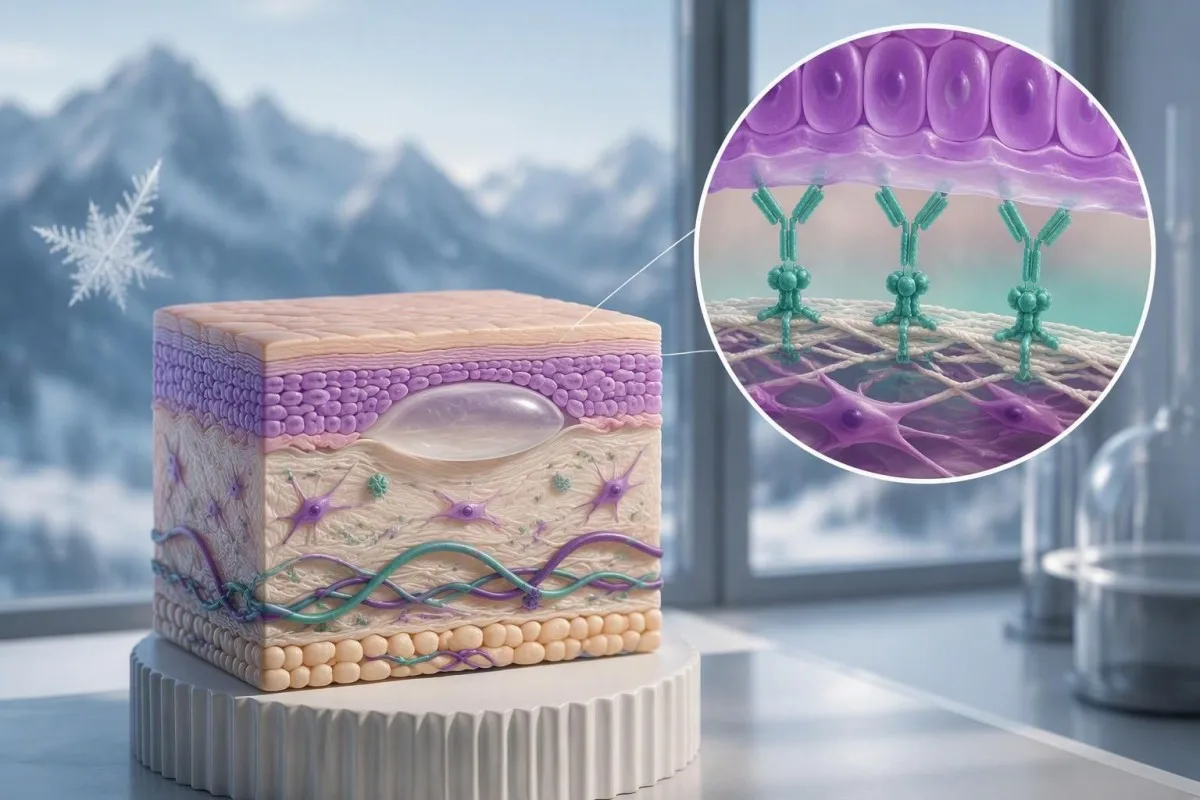
Sinusuportahan ng positibong resulta ng BP180 ang pagkakaroon ng autoimmune na sakit sa balat, ngunit hindi sapat ang bilang lamang para matiyak ang diyagnosis. Ang mga sintomas, ang ginamit na pagsusuri, at ang wastong pagkolekta ng mga sample ng balat ang magtatakda ng susunod na hakbang.

Mahahalagang punto
- Positibo ang antibody ng BP180 nangangahulugang natukoy ng pagsusuri ang mga antibody laban sa target nitong BP180; hindi nito mag-isang kinukumpirma ang bullous pemphigoid.
- Nagkakaiba ang mga cutoff ng laboratoryo : gumagamit ang ilang pagsusuri ng BP180 ng humigit-kumulang 9 U/mL, samantalang ang iba ay gumagamit ng humigit-kumulang 20 U/mL. Tingnan ang reference interval ng sarili mong laboratoryo.
- Mga mababang positibong resulta kung walang pangangati, pantal, o mga paltos, maaaring nagpapahiwatig ito ng hindi sinasadyang pagkakatuklas ng antibody o maling positibong resulta ng pagsusuri—hindi ng kumpirmadong sakit sa balat.
- Nonbullous pemphigoid ay maaaring magdulot ng tuloy-tuloy na pangangati nang walang mga paltos; 74 sa 343 kaso ng pemphigoid sa isang pag-aaral para sa espesyalisadong diyagnosis ay nonbullous.
- Mga antibody ng BP230 ay nagbibigay ng karagdagang ebidensiya, ngunit hindi inaalis ng mga negatibong antibody ng BP230 ang posibilidad ng bullous pemphigoid.
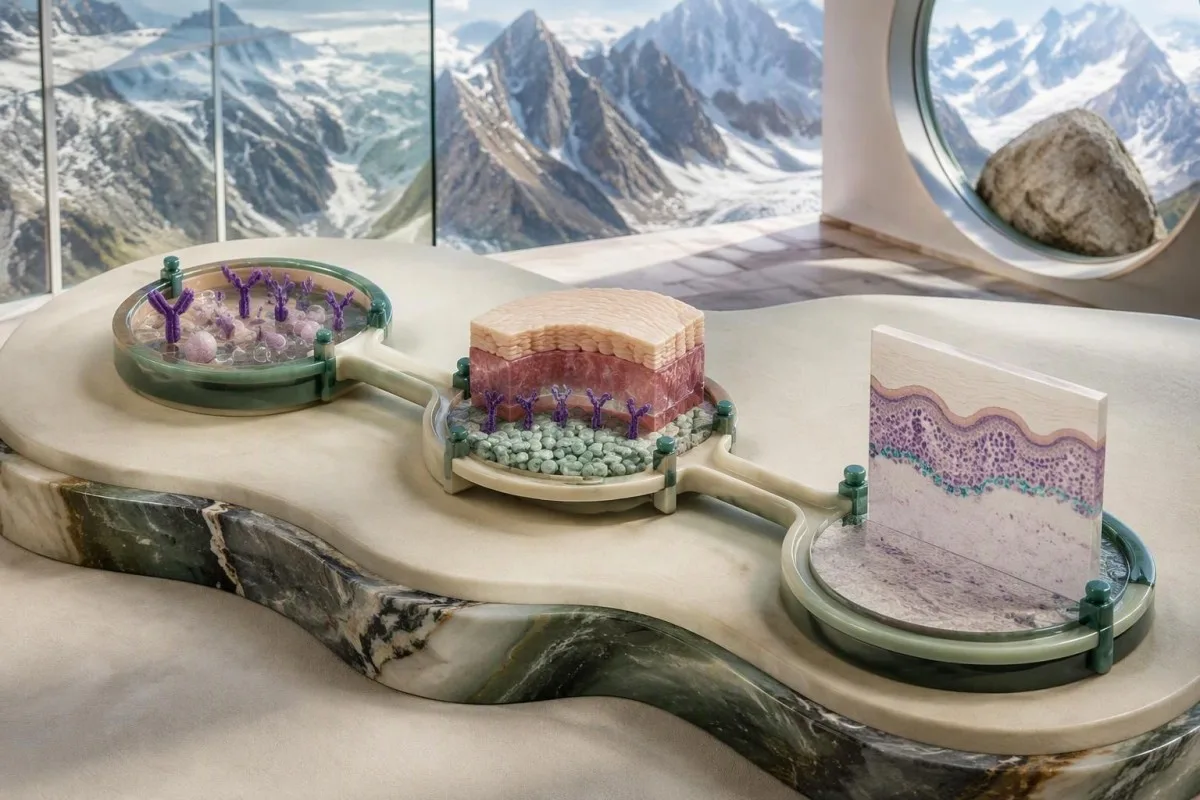
- Direktang immunofluorescence sinusuri ang mga deposito ng antibody sa balat; sumusuporta sa isang sakit na pemphigoid ang linear na IgG at/o C3 sa kahabaan ng basement membrane.
- Dalawang sample ng balat ang madalas na kinokolekta: isang sample mula sa apektadong bahagi para sa regular na mikroskopya at isang kalapit na sample na angkop ang pagpili para sa direktang immunofluorescence.
- Mga sintomas na nangangailangan ng agarang atensyon kabilang dito ang pananakit ng mata, pagbabago sa paningin, hirap lumunok, lagnat kasabay ng malawakang pagbabago sa balat, o mabilis na pagkalat ng mga paltos; huwag maghintay ng panibagong resulta ng antibody.
Kumpirmasyon ba ng bullous pemphigoid ang positibong resulta ng BP180?
Hindi—hindi sapat ang positibong resulta ng antibody na BP180 upang makumpirma nang mag-isa ang bullous pemphigoid. Sinusuportahan nito ang diagnosis kapag tugma ang mga sintomas at natuklasan sa balat, ngunit maaaring hindi sinasadyang makita ang mahinang positibong resulta kung walang mga paltos; kadalasang kailangan ng mga dermatologist ang biopsy ng balat na may direktang immunofluorescence, at kung minsan ay karagdagang pagsusuri ng antibody, upang matukoy ang sanhi.
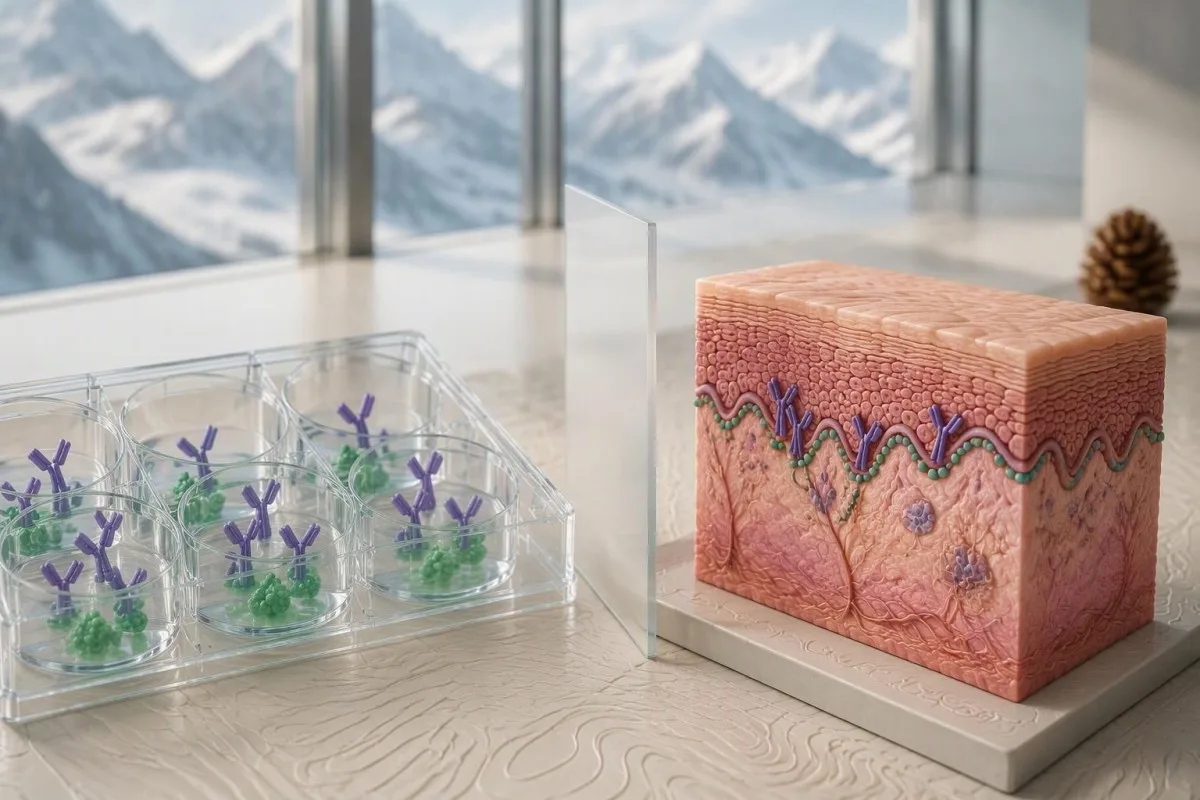
Nangangailangan ang diagnosis ng bullous pemphigoid ng klinikal at immunopathological na pagkakatugma, hindi lamang ng isang halagang na-flag sa laboratoryo. Inilalarawan ng gabay ng EADV noong 2022 ang diagnosis batay sa klinikal na larawan at naaangkop na pagsusuri sa tisyu at mga umiikot na antibody (Borradori et al., 2022); ang praktikal na tanong ay kung naipapaliwanag ng mga natukoy na antibody ang kondisyon ng balat ng tao.
Magkaibang natuklasan ang positibong pagsusuri ng antibody at ang aktibong sakit na autoimmune. Halimbawa, maaaring positibo sa isang laboratoryo ang isang 12 U/mL hipotetikal na resulta, ngunit iba ang posibilidad ng diagnosis para sa taong walang sintomas na may ganitong resulta kumpara sa taong may malawakang makating, maigting na mga paltos at kaparehong konsentrasyon.
Ang Kantesti ay isang AI blood test analyzer na tumutulong magpaliwanag ng mga resulta ng BP180 kasabay ng cutoff ng laboratoryo at impormasyong ibinibigay mo. Hindi masusuri ng aming paliwanag ang iyong balat o maisagawa ang direktang immunofluorescence; ang aming background ng kumpanya ay tumutukoy sa organisasyong nasa likod ng suportang pang-edukasyon na ito.
Ituring ang resulta bilang dahilan upang magtanong nang mas tiyak, sa halip na permanenteng etiketa ng sakit. Ipinapaliwanag ng aming gabay tungkol sa positibong resulta ng antibody kung bakit magkakahiwalay na konsepto ang pagtukoy ng antibody, aktibidad ng sakit, at pagkumpirma ng diagnosis.
Ano ba talaga ang sinusukat ng pagsusuri ng antibody ng BP180?
Karaniwang sinusukat ng pagsusuri sa antibody na BP180 ang serum IgG na nakatuon sa bahagi ng BP180, na tinatawag ding type XVII collagen. Ang BP180 ay isang protinang may sukat na humigit-kumulang 180-kDa na tumutulong mag-angkla sa epidermis sa pinagbabatayang tisyu; sinusuri ng maraming regular na assay ang rehiyong NC16A nito sa halip na ang buong protina.
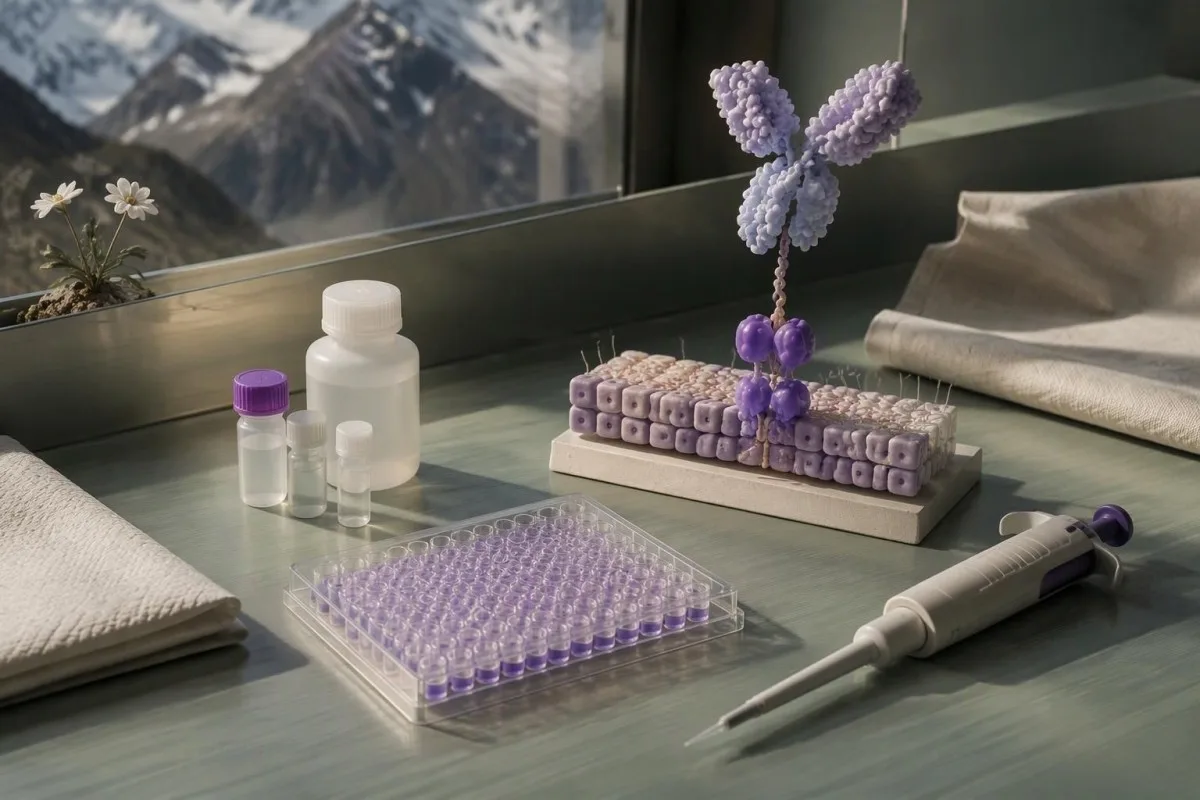
Isang istruktural na protina ng balat ang BP180, hindi isang substansiyang sinusukat batay sa konsentrasyon nito sa dugo. Inilalarawan sa ulat ang mga antibody laban sa protinang iyon, karaniwang gamit ang enzyme-linked immunosorbent assay, o ELISA; hindi nangangahulugan ang halagang 30 U/mL na umiikot sa dugo ang 30 yunit ng protina ng balat.
Ang domain ng NC16A ay matatagpuan malapit sa lamad ng selula sa panlabas na bahagi ng BP180 at madalas na puntirya ng mga antibody sa klasikong bullous pemphigoid. Nagiging posible ang isang praktikal na pagsusuri sa pamamagitan ng pagsubok sa rehiyong ito, ngunit nagkakaroon ito ng puwang na hindi natutukoy: maaaring hindi makita ang mga antibody na pangunahing nakadirekta laban sa ibang mga rehiyon.
Hindi maaaring ipagpalit ang numerikal na konsentrasyon ng antibody sa titer ng immunofluorescence. Ang resultang ipinahayag bilang 1:40 ay naglalarawan ng reaktibidad sa isang dilution, samantalang 40 U/mL ay naglalarawan ng konsentrasyong naka-calibrate sa assay; nakatutulong ang aming paliwanag tungkol sa mga quantitative at qualitative na pagsusuri upang maiba ang mga format na ito ng pag-uulat.
Tingnan kung nakasaad sa ulat ang BP180 NC16A IgG, ibang BP180 assay, o mas malawak na pemphigoid panel. Hindi awtomatikong katumbas ang mga ito bilang mga pagsusuri, at hindi nasasagot ng negatibong IgG ELISA ang lahat ng tanong tungkol sa ibang mga klase ng antibody o ibang mga target sa basement membrane.
Ano ang maituturing na mababang positibong resulta ng antibody ng BP180?
Ang mababang-positibong resulta ng BP180 ay halagang bahagyang lampas sa cutoff ng partikular na assay na ginamit. Walang unibersal na saklaw para sa mababang-positibong resulta: may mga laboratoryong gumagamit ng threshold na malapit sa 9 U/mL, samantalang ang iba ay gumagamit ng malapit sa 20 U/mL, na may magkakaibang calibration at mga kategorya ng pag-uulat.
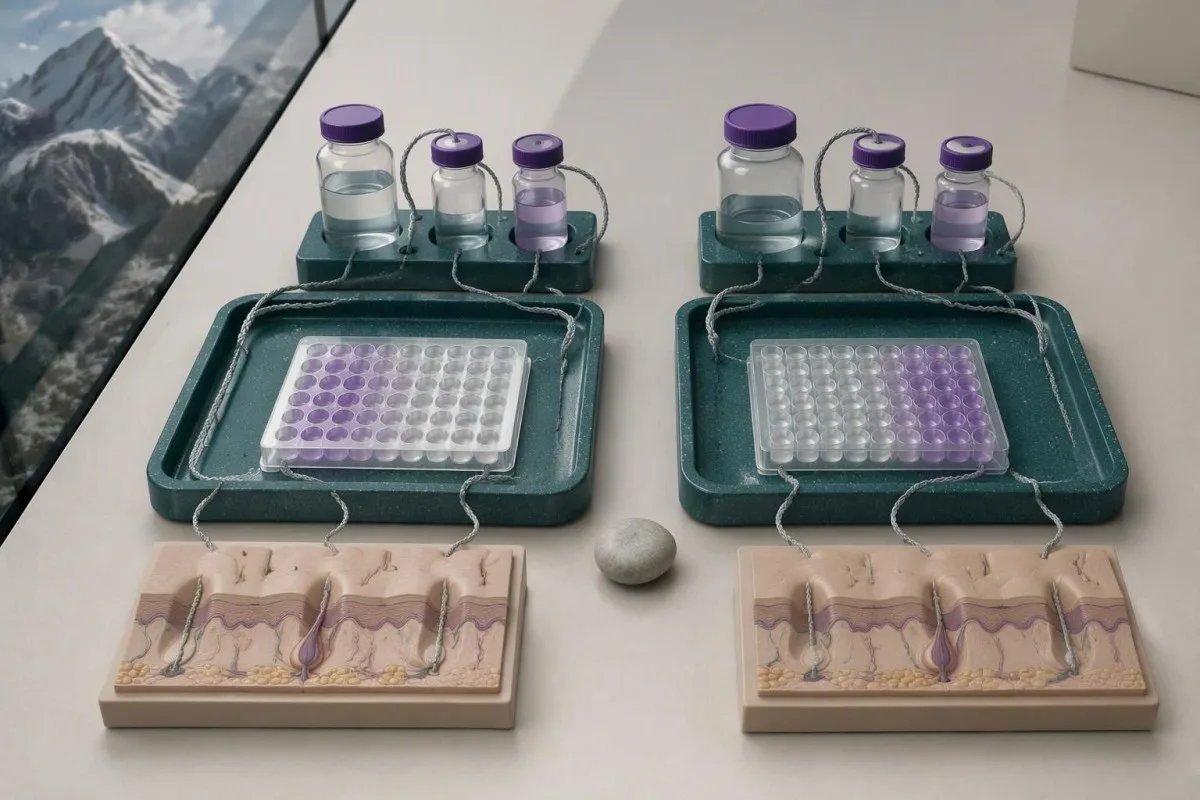
Hindi istandardisado sa buong mundo ang mga yunit ng BP180 assay sa iba’t ibang laboratoryo. Ang resulta ng 15 U/mL ay maaaring positibo sa ilalim ng patakarang 9 U/mL at negatibo sa ilalim ng patakarang 20 U/mL, ngunit hindi nito pinatutunayang hindi natukoy ng ikalawang assay ang sakit; maaaring magkaiba ang mga pamamaraan at calibrator.
Binabalanse ng mga cutoff ang sensitivity at specificity sa mga populasyong ginamit upang suriin ang assay. Maaaring makatukoy ng mas maraming taong may sakit ang pagpapababa ng threshold habang natutukoy rin ang mas maraming taong walang sakit; pasya ng laboratoryo ang cutoff bilang hangganan ng pag-uuri, hindi isang biyolohikal na punto kung saan biglang nagsisimulang mamaltos ang balat.
Makakatulong ang Kantesti AI na ihambing ang iniulat na halaga ng BP180 sa ibinigay na reference interval nito, ngunit kulang ang mahahalagang impormasyon sa isang na-crop na larawan na nagpapakita lamang ng 18 U/mL . Isama ang pangalan ng pagsusuri, mga yunit, mga kategorya ng interpretasyon, at mga komento ng laboratoryo; hindi mapapalitan ng pangkalahatang out-of-range flag ang mga detalyeng iyon.
Inilalarawan ng mga halimbawa sa ibaba ang dalawang posibleng patakaran sa pag-uulat sa halip na isang pangkalahatang antas ng kalubhaan. Walang konsentrasyon ng antibody na BP180 lamang ang tumutukoy sa isang medikal na emergency; tinutukoy ng malawak na pagkakasangkot ng balat, dehydration, sistemikong karamdaman, at mga sintomas sa mata o daanan ng hangin ang pagkaapurahan.
| Antas | Saklaw | Kahulugan |
|---|---|---|
| Halimbawa ng assay A: mas mababa sa cutoff | <9 U/mL | Negatibo ayon sa halimbawang patakaran ng laboratoryo na ito; hindi inaalis ang posibilidad ng sakit kung nananatiling mataas ang hinalang klinikal. |
| Halimbawa ng assay A: nasa cutoff o mas mataas dito | ≥9 U/mL | Positibo ayon sa patakarang ito; nakaaapekto sa interpretasyon ang kalapitan sa cutoff at mga klinikal na natuklasan. |
| Halimbawa ng assay B: mas mababa sa cutoff | <20 U/mL | Negatibo ayon sa ibang halimbawang patakaran; huwag direktang magpalit ng halaga sa pagitan ng mga sistema ng assay. |
| Halimbawa ng assay B: nasa cutoff o mas mataas dito | ≥20 U/mL | Positibo ayon sa patakarang ito; hindi sapat ang bilang lamang upang matukoy ang diyagnosis o kalubhaan. |
Bakit maaaring makapanlinlang ang positibong resulta ng BP180?
Hindi gaanong kapani-paniwala ang positibong resulta ng BP180 kung mababa ang klinikal na posibilidad na may pemphigoid ang tao bago ang pagsusuri. Nagkakaroon pa rin ng mga false positive ang assay na may makatwirang katumpakan, kaya nagbabago ang kahulugan ng resulta sa pagitan ng populasyong walang sintomas na sumasailalim sa screening at klinikang espesyalista na sumusuri ng mga paltos na katangian ng sakit.
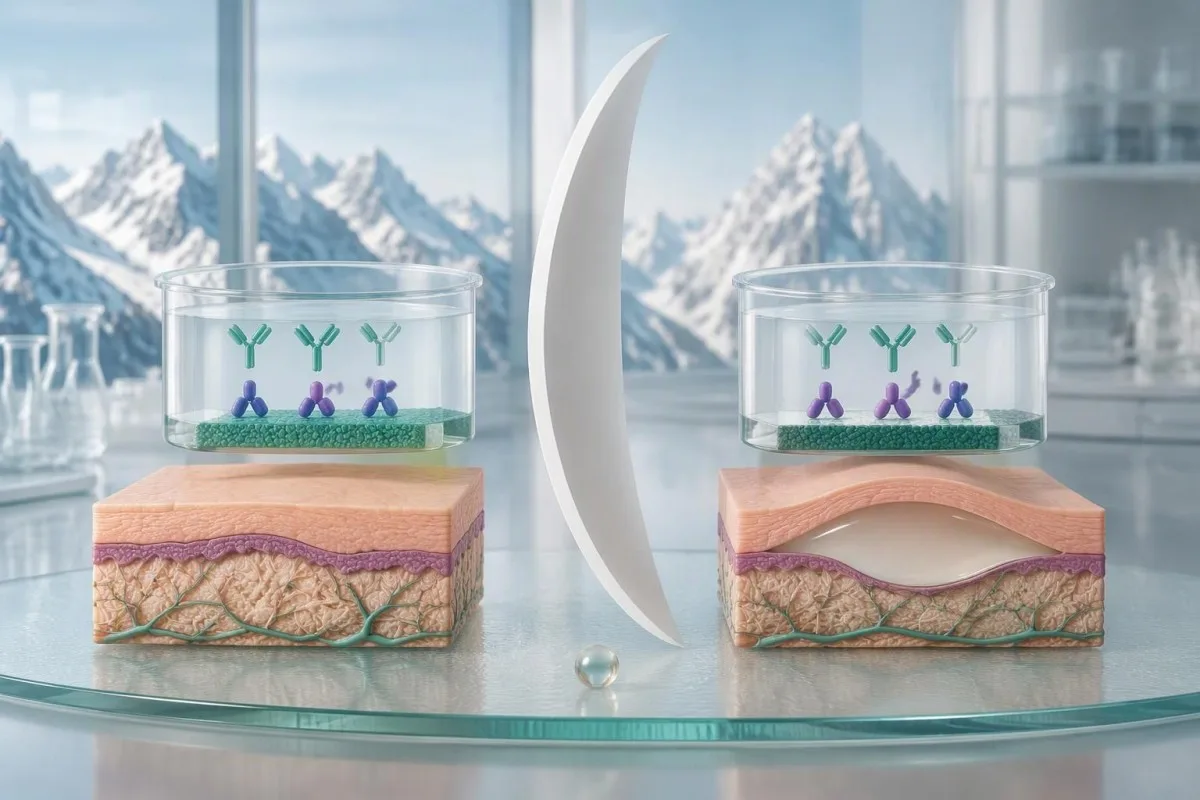
Hindi katumbas ng posibilidad na ikaw mismo ay may sakit pagkatapos ng positibong resulta ang sensitivity at specificity. Nakadepende rin ang posibilidad na iyon sa kung gaano kadalas ang kondisyon sa grupong sinuri; pinakamahalaga ang pagkakaibang ito kapag malawakan ang pag-order ng panel ng antibody sa halip na gamitin ito upang siyasatin ang isang partikular na padron ng balat.
Isaalang-alang ang isang malinaw na hipotetikal na assay na may 90% sensitivity at 95% specificity, na ginamit sa 1,000 tao na may posibilidad ng sakit na 1%. Matutukoy nito ang humigit-kumulang 9 tunay na positibo at 50 maling positibo, kaya magiging humigit-kumulang 15% ang positive predictive value; mga palagay ito para sa pagtuturo, hindi mga pahayag tungkol sa performance ng iyong BP180 assay.
Gamitin ang parehong hipotetikal na assay kapag ang posibilidad ng sakit ay 20%, and approximately 180 true positives and 40 false positives would occur per 1,000 tests. The positive predictive value becomes about 82%—a large change caused by clinical context, not by a different laboratory method.
These examples explain why a dermatologist may request tissue testing despite a positive result, or take characteristic symptoms seriously despite a negative one. Our discussion of interpretasyon ng MOG antibody illustrates the same probability principle in another autoimmune condition, although its diagnostic criteria cannot be transferred to pemphigoid.
Paano kung positibo ang BP180 pero wala kang mga paltos?
A low-positive BP180 result without blisters does not establish bullous pemphigoid or reliably predict future blistering. The next distinction is whether you have no skin symptoms at all, or persistent itching and an unexplained rash that could represent a nonbullous pemphigoid presentation.
Incidental BP180 antibody detection can occur without clinically established pemphigoid. Possible explanations include low-level autoreactivity and assay-related false positivity; there is no validated conversion rule that turns an isolated result of 11 U/mL into a percentage risk of developing blisters later.
A hypothetical person with 11 U/mL, no itching, no rash, and no mucosal symptoms usually needs a contextual review rather than automatic immunosuppressive treatment. The clinician should check why the assay was ordered, whether the result was unexpected, and whether a skin examination reveals findings the person had not recognized.
Persistent dryness and itching still deserve assessment because common explanations remain common. Eczema, medication effects, thyroid disease, and other causes may be more likely than pemphigoid; our dry skin testing guide explains why additional blood tests should follow symptoms rather than a blanket panel.
May no universal repeat-testing interval for an asymptomatic low-positive BP180 result. A clinician may choose observation, a repeat using the same method, or specialist review depending on the history; new persistent itching, urticarial plaques, or blisters should change that plan rather than waiting for a scheduled repeat.
Maaari bang magsimula ang bullous pemphigoid sa pangangati lamang?
Pemphigoid can present with persistent itching, eczema-like patches, urticarial plaques, or scratch-related changes without visible blisters. In a specialist diagnostic study, 74 of 343 pemphigoid cases—21.6%—were nonbullous, showing that the absence of blisters cannot independently exclude the disorder (Meijer et al., 2019).

Nonbullous pemphigoid is not simply every itchy rash with a positive BP180 result. Diagnosis still needs compatible symptoms and appropriate immunopathological evidence; the 21.6% study figure came from a referred population and should not be interpreted as the probability that any person with itching has pemphigoid.
The symptom pattern often matters more than whether one small blister has appeared. Persistent, widespread itching in an older adult, especially with recurrent raised plaques or poor response to ordinary eczema care, warrants a dermatological assessment; our itchy skin laboratory guide separates skin-directed testing from tests for systemic causes.
Eosinophilia can accompany bullous pemphigoid, but it is neither required nor diagnostic. An absolute eosinophil count above approximately 0.5 × 10^9/L is often flagged in adults, yet allergy, medications, and parasites can produce the same finding; our guide to mataas na bilang ng eosinophil explains those alternatives.
A dermatologist does not always need to wait for a blister before collecting a useful sample for direct immunofluorescence. In nonbullous disease, sample selection is tailored to the available rash and laboratory protocol; document the distribution and duration of itching, because a disappearing rash can make later assessment harder.
Paano nakadadagdag ang mga antibody ng BP230 sa pagsusuri ng BP180?
BP230 antibodies provide complementary evidence for pemphigoid but cannot confirm or exclude bullous pemphigoid alone. BP230 is an approximately 230-kDa intracellular anchoring protein, whereas BP180 crosses the cell membrane; their different locations and antibody targets help explain why the two results can disagree.
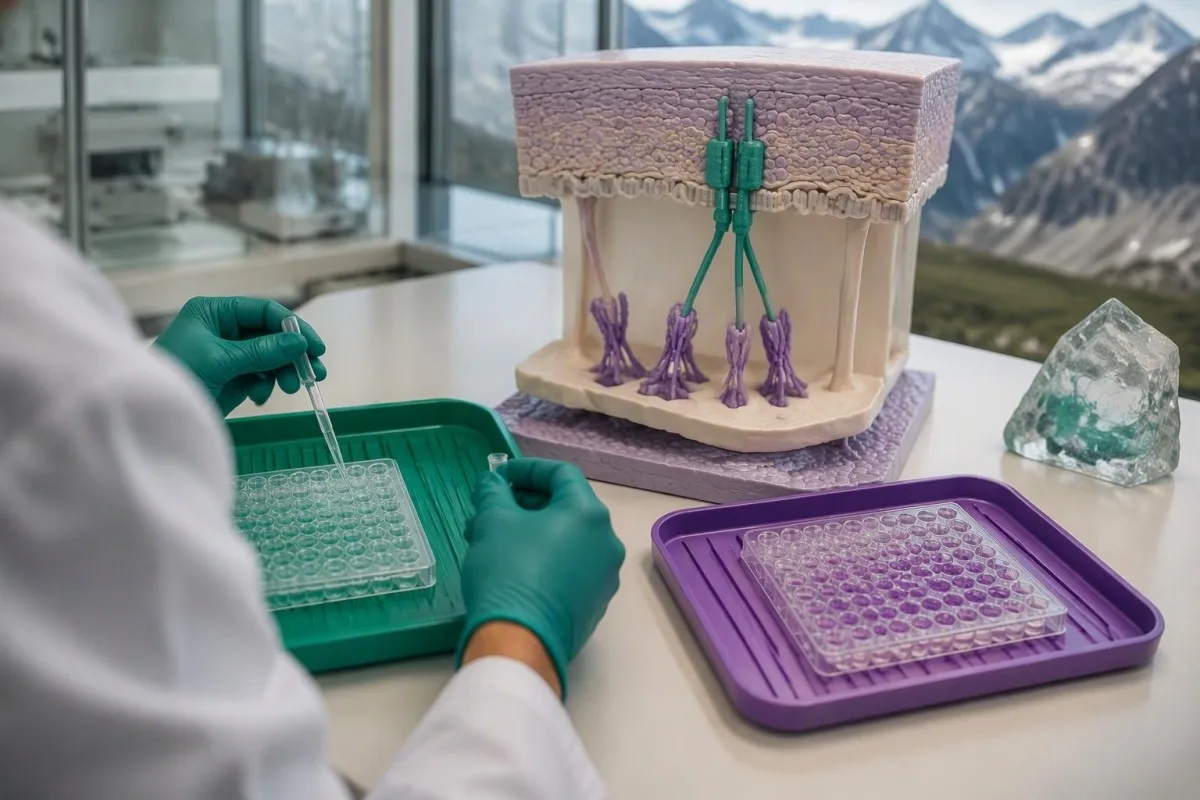
A negative BP230 antibody result does not cancel a positive BP180 result. Some people with confirmed pemphigoid have antibodies detectable against only one tested antigen, and each assay has its own sensitivity; interpreting the pair as a two-test pass-or-fail rule creates avoidable diagnostic errors.
Ang isang hipotetikal na BP180 result of 45 U/mL with negative BP230 antibodies still warrants assessment if tense blisters and severe itching are present. Conversely, isolated low-positive BP230 antibodies without compatible findings are not enough to diagnose pemphigoid; a second positive marker strengthens a pattern only when the overall evidence fits.
Kantesti is an AI biomarker interpretation platform that can explain BP180 and BP230 antibodies as complementary findings rather than interchangeable scores. This is similar to the reasoning used for antibody panels in connective disease, but skin-specific tissue findings remain central to pemphigoid assessment.
Do not add BP180 and BP230 concentrations together, even if both are expressed in U/mL. They represent different antigen-specific measurements with different calibration systems; BP180 levels generally have a better-established relationship with disease activity than BP230 levels, but neither replaces examination.
Bakit maaaring kailanganin mo ang biopsy ng balat na may direktang immunofluorescence?
Skin biopsy with direct immunofluorescence can show whether antibodies or complement are deposited at the skin's basement membrane. Dermatologists often collect two separate specimens because routine microscopy and direct immunofluorescence answer different questions and require different sample handling.
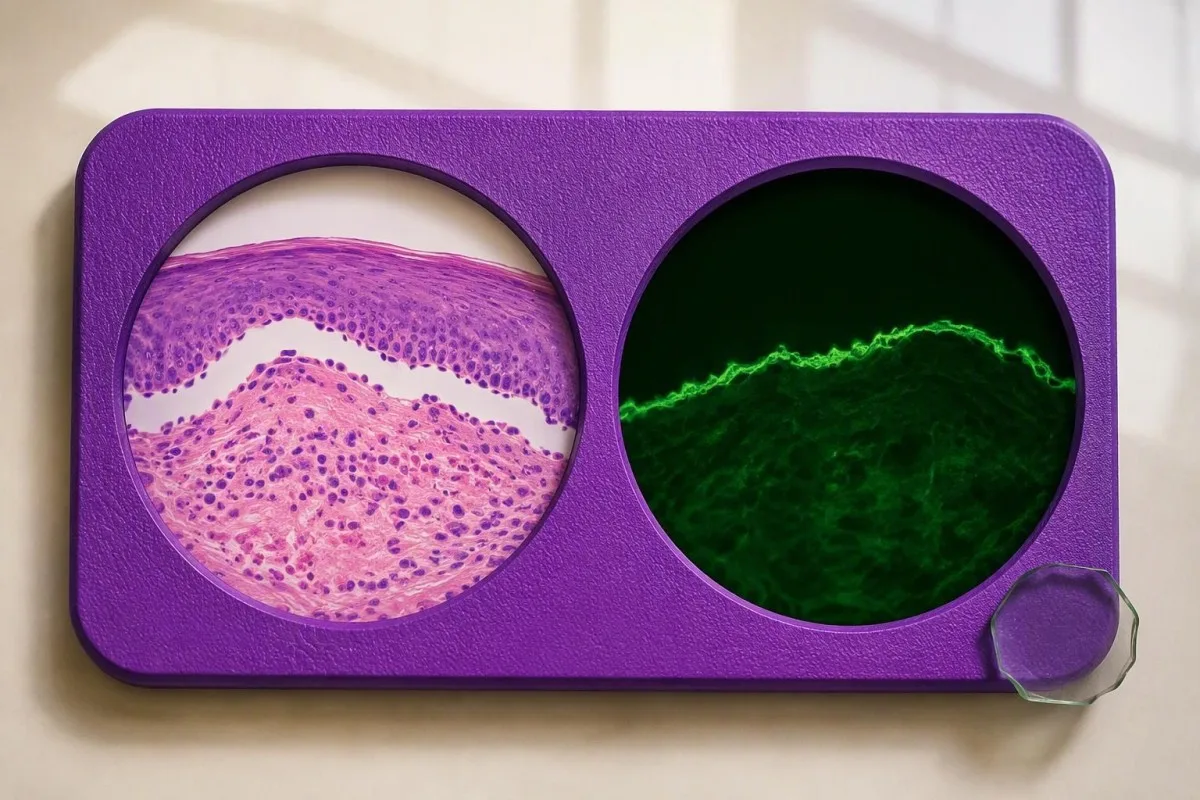
Routine histology examines tissue structure and inflammatory cells. A sample from a fresh blister or suitable affected area may show separation beneath the epidermis and eosinophils, but these features are not unique to bullous pemphigoid; the second sample looks for the immune-deposit pattern that helps classify the disorder.
For classic blistering presentations, the direct-immunofluorescence sample is commonly taken from appropriately selected skin near a fresh blister rather than its eroded center. A small 3–4-mm punch is often used, although technique and location depend on the case; sampling heavily damaged tissue can remove the structures the laboratory needs to examine.
The specimen for direct immunofluorescence must not be routinely placed in formalin. Laboratories generally require a dedicated transport medium or another explicitly agreed handling method, while the routine histology specimen commonly goes into formalin; ask whether the two containers have been prepared for their separate purposes.
In Meijer et al.'s 2019 diagnostic cohort, direct immunofluorescence had a sensitivity of 88.3%, so even this valuable test was not infallible. Kantesti's impormasyon sa klinikal na pag-validate ng Kantesti concerns our interpretation methodology—not a claim that AI can reproduce skin immunofluorescence or establish its findings.
Ano ang ibig sabihin ng mga positibong resulta ng immunofluorescence at salt-split test?
Linear IgG and/or C3 along the basement membrane on direct immunofluorescence supports a pemphigoid-spectrum disorder, but the pattern is not unique to bullous pemphigoid. Indirect immunofluorescence on salt-split skin can add evidence by showing where circulating antibodies bind relative to an experimentally created tissue separation.
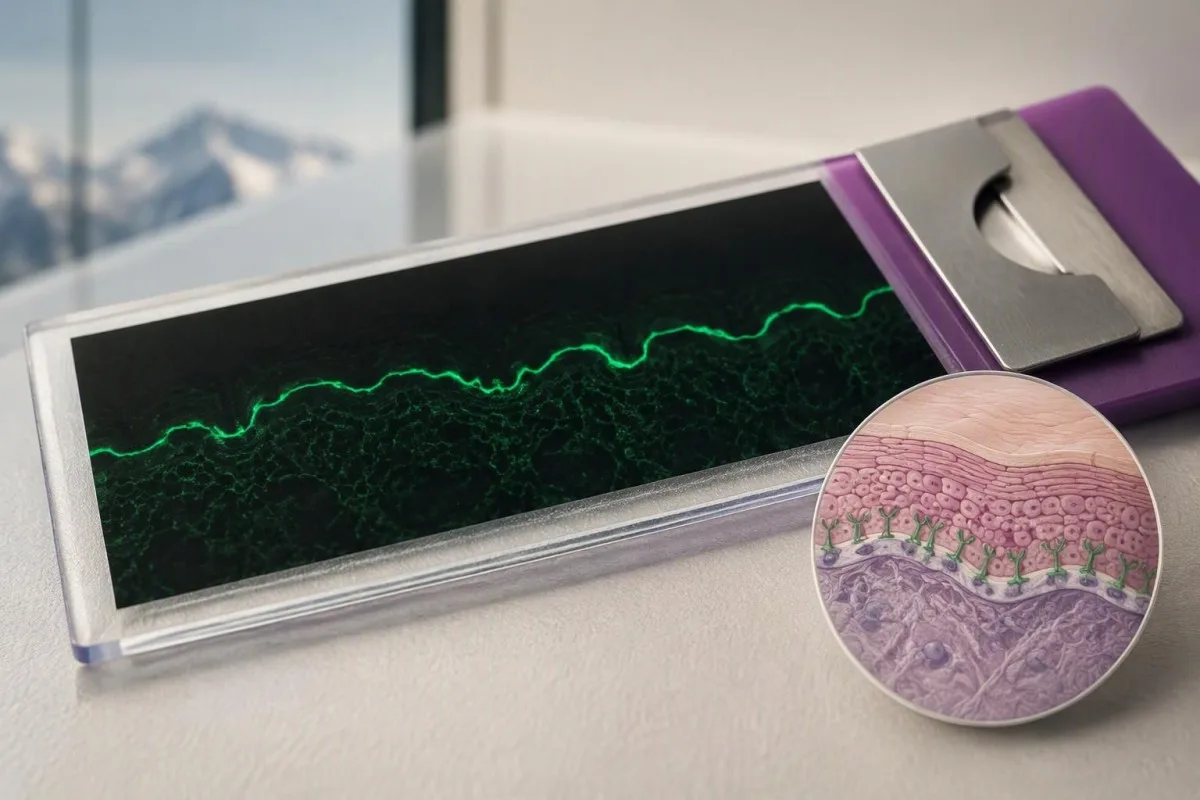
Direct and indirect immunofluorescence use different materials. Direct testing examines deposits already present in the person's skin, while indirect testing applies the person's serum to a laboratory substrate; a positive result in one test and a negative result in the other is therefore possible without a reporting error.
On salt-split skin, bullous pemphigoid antibodies commonly bind the epidermal side, often called the roof. Antibodies binding the dermal side, or floor, raise consideration of other disorders such as epidermolysis bullosa acquisita or anti-p200 pemphigoid, but binding location alone does not fully classify every case.
Meijer et al. reported 99.9% specificity for indirect immunofluorescence on salt-split skin in their 2019 diagnostic cohort. That high figure applies to that study and testing pathway; a negative result still cannot exclude pemphigoid because specificity describes false positives, not how many cases the test misses.
C3 detected in skin is not the same measurement as a serum C3 concentration. A normal circulating complement result does not negate local deposits at the basement membrane; our complement testing explanation helps prevent this common cross-test misunderstanding.
Paano kung hindi magkatugma ang BP180, biopsy ng balat, at mga sintomas?
Discordant BP180 and skin-test results require a review of the clinical picture, assay target, sampling site, and specimen handling. A positive ELISA with negative direct immunofluorescence can reflect incidental antibodies or an uninformative skin sample; a negative NC16A ELISA can miss disease directed against other targets.
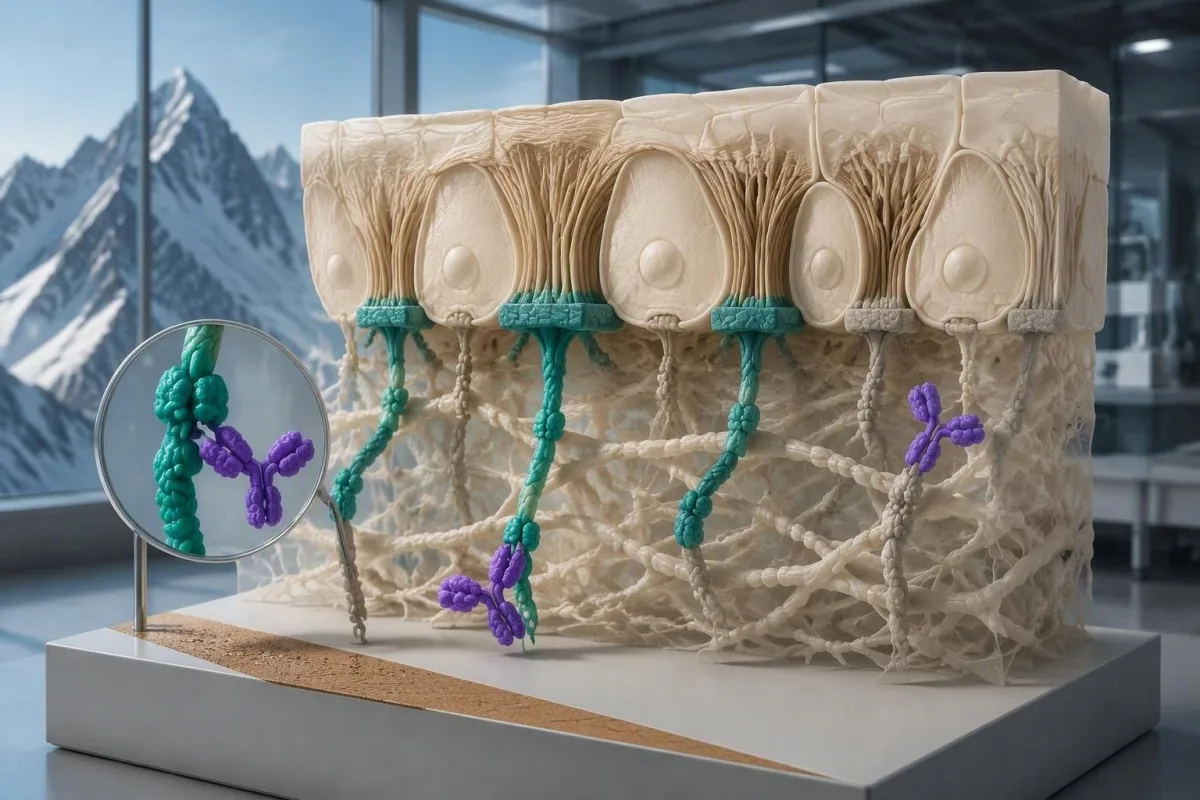
A negative direct-immunofluorescence result is less reassuring if the sample was poorly selected or incorrectly transported. Treatment before sampling may also influence findings, so clinicians need to know which creams or systemic medicines were used and where; never stop prescribed treatment solely to make a test more likely to turn positive.
A hypothetical person with characteristic new blisters, BP180 of 80 U/mL, and a negative direct-immunofluorescence specimen from an old eroded site may need repeat sampling. The same antibody result with no compatible skin findings demands a different investigation; the discrepancy does not have one automatic explanation.
A negative BP180 NC16A result does not exclude every form of pemphigoid. Further testing may include BP230 antibodies, indirect immunofluorescence, or specialized assays for other antigens; our guide to negative myasthenia antibody tests illustrates why a limited antigen panel cannot exclude an entire autoimmune disease category.
Repeat testing should address a specific uncertainty rather than create an endless sequence of panels. Ask whether the next investigation is checking the same antigen by another method, examining an additional antigen, or correcting a tissue-sampling problem; each strategy answers a different diagnostic question.
Anu-anong iba pang kondisyon ang maaaring mapagkamalang pemphigoid na positibo sa BP180?
BP180 antibodies can occur in other pemphigoid-spectrum conditions, including mucous membrane pemphigoid and pemphigoid gestationis. Eczema, scabies, and drug-related eruptions can resemble early bullous pemphigoid clinically, while pemphigus involves different adhesion proteins and usually a different level of skin separation.
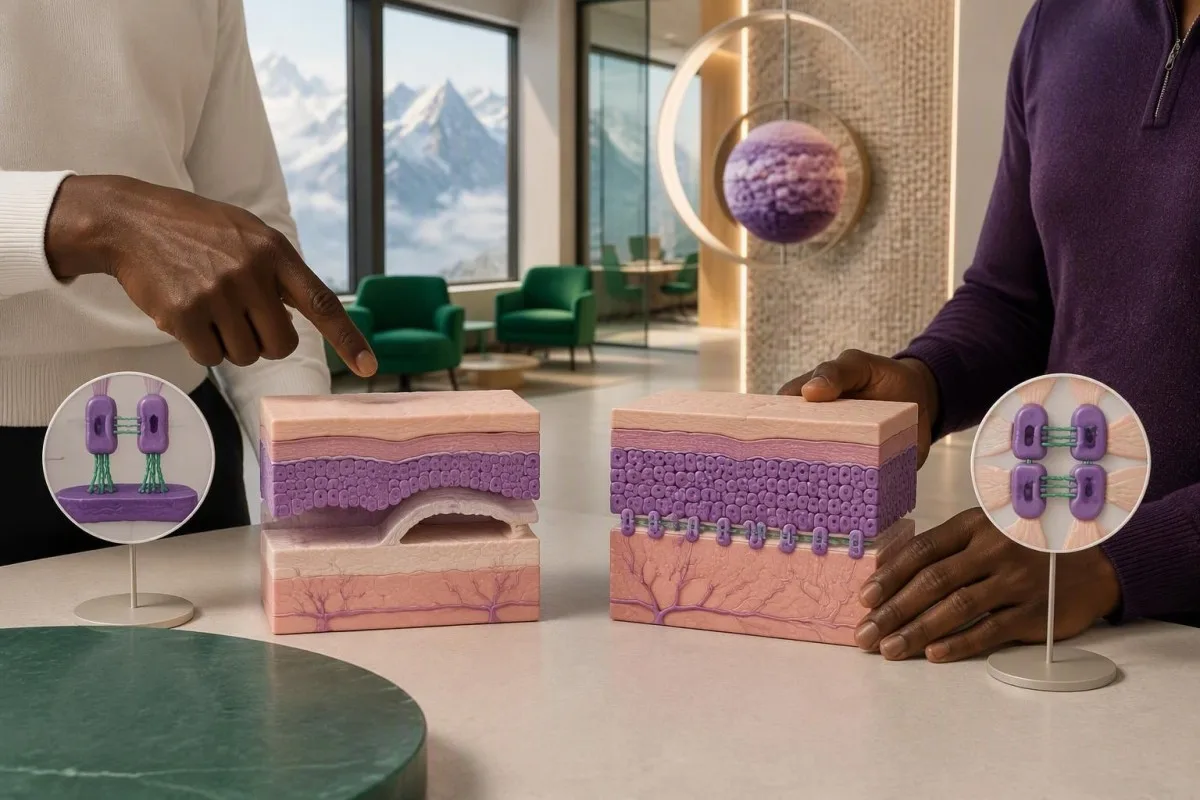
Bullous pemphigoid typically causes tense blisters because separation occurs beneath the epidermis. Pemphigus often produces more fragile blisters or erosions through loss of adhesion within the epidermis; our desmoglein antibody guide explains why BP180 testing cannot substitute for a pemphigus evaluation.
Predominantly mouth, eye, genital, or other mucosal involvement raises concern for mucous membrane pemphigoid, especially when scarring occurs. Eye pain, light sensitivity, or vision changes require urgent assessment because waiting for a repeat antibody concentration can delay treatment of a sight-threatening process.
Pemphigoid gestationis is associated with pregnancy and can produce BP180 antibodies. Pregnancy or recent childbirth therefore changes the interpretation of the same laboratory result; the distinction requires obstetric and dermatological coordination rather than assuming that every BP180-positive blistering disorder is classic older-adult bullous pemphigoid.
Scabies can cause intense itching and may coexist with an unrelated positive antibody result. Household itching, characteristic distribution, and burrows alter the differential; our scabies symptom guide is useful for that comparison, but neither household exposure nor BP180 positivity independently settles the diagnosis.
Nakaaapekto ba ang mga gamot sa interpretasyon ng BP180 o sa mga pasiya sa paggamot?
Medication history can change the likelihood and presentation of bullous pemphigoid, but a positive BP180 result alone is not a reason to stop a medicine. DPP-4 inhibitors used for diabetes and immune checkpoint inhibitors are recognized associations; treatment decisions depend on confirmed disease, severity, and the person's other health risks.

DPP-4 inhibitor-associated pemphigoid can have a less typical inflammatory presentation and may show limited NC16A reactivity. This is not universal, and exposure does not prove causation; bring a complete medicine list, including start dates, to a review using our senior medication effects guide as a preparation aid.
Ang 2022 EADV guideline recommends potent topical corticosteroids as a mainstay when feasible and discusses oral prednisone at approximately 0.5 mg/kg/day as an alternative in suitable circumstances (Borradori et al., 2022). These are clinician-directed treatment options for disease, not instructions to treat an isolated antibody result or begin steroids without assessment.
Systemic corticosteroids can create additional risks that are unrelated to the BP180 concentration. People with relevant residence or travel exposure may need assessment for Strongyloides before significant immunosuppression; our Strongyloides antibody explanation describes why an apparently unrelated parasite history can become a treatment-safety issue.
Kidney function, glucose, infection risk, and the ability to apply topical treatment may influence the choice of therapy more than whether BP180 is 40 or 80 U/mL. Ang aming gabay sa interpretasyon ng paggana ng bato covers supportive laboratory assessment, but renal markers do not confirm pemphigoid.
Magagamit ba ang mga antas ng BP180 para subaybayan ang aktibidad ng sakit at paggaling?
BP180 antibody levels can support monitoring in confirmed bullous pemphigoid, but they do not replace examination or determine treatment alone. Concentrations often track disease activity at a group level; individual patients can remain antibody-positive while their skin is controlled or experience symptoms without a proportionate rise.
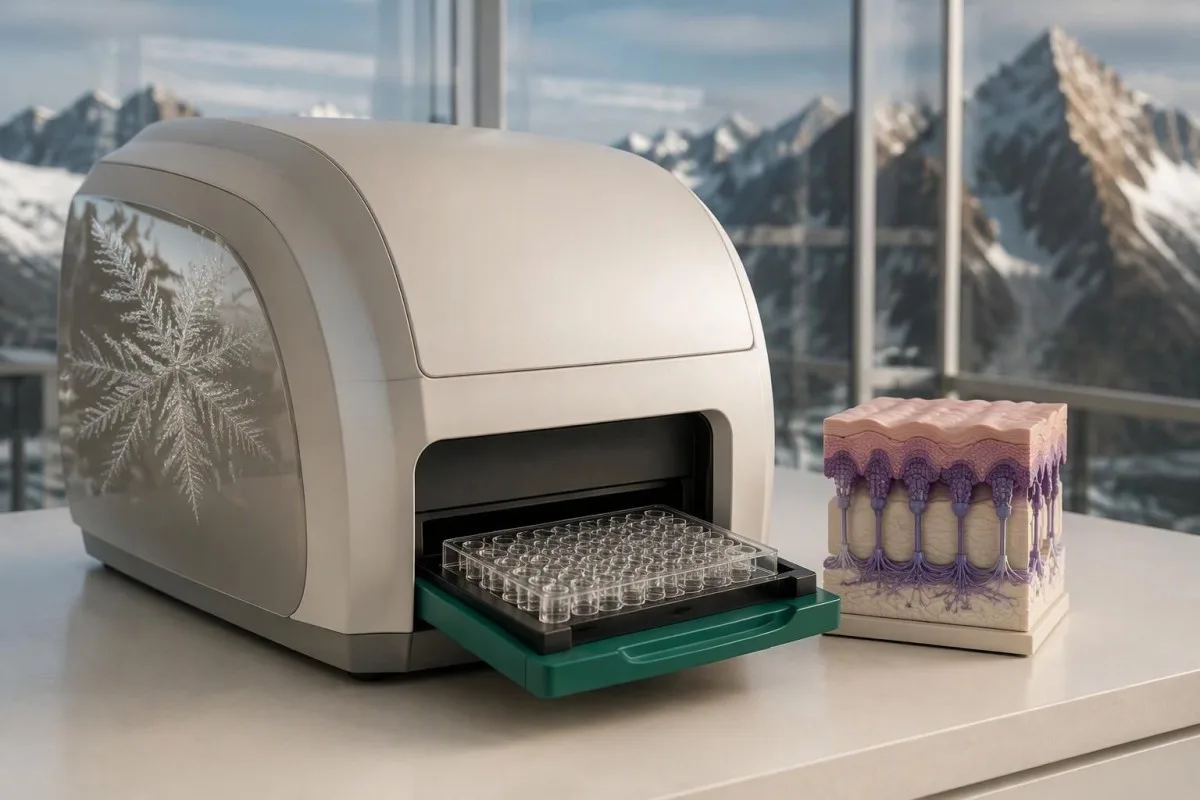
A falling BP180 concentration is most useful when it agrees with fewer new blisters and less itching. A hypothetical decline from 120 to 35 U/mL on the same assay supports an improving pattern, but it does not independently establish remission or justify stopping treatment.
An increase from 12 to 14 U/mL near a cutoff may reflect analytical or biological variation rather than a meaningful change in disease. There is no universal percentage increase that proves relapse across all BP180 assays; the method, timing, symptoms, and previous response need to be considered together.
Kantesti is an AI blood test interpretation platform that can organize serial BP180 results without treating a laboratory trend as a diagnosis. Ang aming paliwanag sa AI technology describes the interpretation workflow; preserving each report's assay name and reference interval matters when comparing two or more measurements.
Changing laboratories can create an apparent rise or fall that is partly methodological. Our gabay sa trend ng kaligtasan ng gamot explains why dates, doses, and laboratory context belong beside the numbers; photograph new skin findings and record new-blister counts when your dermatologist requests them.
Ano ang dapat mong dalhin sa follow-up, at aling ebidensiya ang naaangkop?
Bring the full BP180 report, any BP230 result, symptom photographs, and your complete medication list to follow-up. These four information groups help a clinician decide whether you need observation, additional serum testing, properly handled skin samples, or urgent assessment rather than another isolated antibody measurement.
A useful report includes the exact assay name, numerical value, units, cutoff, and collection date. If a hypothetical BP180 result reads 16 U/mL, the missing cutoff may reverse whether it is considered positive; also request the actual histology and direct-immunofluorescence reports rather than relying on the phrase 'skin biopsy normal.'
New eye symptoms, swallowing difficulty, extensive rapidly spreading blisters, fever, or inability to maintain fluids need prompt clinical attention. Do not wait for a scheduled second test when those symptoms appear; supportive urinalysis can answer separate medical questions, as explained in our gabay sa interpretasyon ng urinalysis, but it cannot establish a pemphigoid diagnosis.
Kantesti helps explain the distinctions between a flagged antibody result, a probable diagnosis, and confirmed disease. Ang aming mga prinsipyo ng responsableng AI describe the boundaries of educational interpretation; only a clinician with access to your examination and appropriate investigations can decide whether a Positibo ang antibody ng BP180 result represents active pemphigoid.
The directly relevant evidence here comes from the 2022 EADV guideline and the 2019 JAMA Dermatology diagnostic study. The two Zenodo publications listed below concern kidney-function and urinalysis interpretation and are included as background educational publications, not evidence that BP180 confirms bullous pemphigoid or that our AI has validated diagnostic accuracy for this condition.
Mga Madalas Itanong
Nangangahulugan ba ang positibong pagsusuri ng antibody na BP180 ay tiyak na mayroon akong bullous pemphigoid?
Ang positibong pagsusuri ng antibody na BP180 ay hindi tiyak na nangangahulugang mayroon kang bullous pemphigoid. Gumagamit ang ilang laboratoryo ng cutoff na malapit sa 9 U/mL at ang iba naman ay malapit sa 20 U/mL, kaya mahalaga ang eksaktong assay at reference interval. Mas makabuluhan ang resulta kung may kaakibat na pangangati o mga paltos, samantalang maaaring nagkataon lamang o maling positibo ang isang nag-iisang mababang positibong resulta. Maaaring kailanganin ang biopsy ng balat na may direktang immunofluorescence at karagdagang pagsusuri ng antibody upang makumpirma ang diagnosis.
Ano ang ibig sabihin ng bahagyang positibong resulta ng BP180 kung wala akong mga paltos?
Ang mababang-positibong resulta ng BP180 nang walang mga paltos ay maaaring sumalamin sa di-sinasadyang pagtuklas ng antibody, maling positibong resulta na may kaugnayan sa pagsusuri, o pemfigoid na nagpapakita nang walang mga paltos. Halimbawa, positibo ang 12 U/mL sa ilalim ng cutoff na 9 U/mL ngunit hindi nito mahuhulaan kung magkakaroon ng sakit ang isang taong walang sintomas. Nangangailangan ng pagsusuri ng dermatologist ang patuloy na pangangati o hindi maipaliwanag na pantal kahit walang mga paltos. Walang pangkalahatang itinakdang pagitan para sa muling pagsusuri o rekomendasyon sa paggamot batay lamang sa isang nakahiwalay na mababang-positibong resulta.
Maaari ba akong magkaroon ng bullous pemphigoid kahit negatibo ang mga antibody na BP180?
0. Maaaring magkaroon ng bullous pemphigoid sa kabila ng negatibong BP180 antibodies sa isang karaniwang NC16A assay. Sinusuri ng assay ang isang partikular na rehiyon ng protinang may bigat na humigit-kumulang 180 kDa at maaaring hindi matukoy ang mga antibody na pangunahing nakadirekta laban sa ibang mga rehiyon. Maaaring magbigay ng karagdagang ebidensiya ang pagsusuri sa BP230, direct immunofluorescence, at indirect immunofluorescence. Hindi dapat ihinto ang pagsusuri dahil lamang sa negatibong blood test kung malakas na nagpapahiwatig ng pemphigoid ang mga natuklasan sa balat.
Inaalis ba ng mga negatibong antibody na BP230 ang posibilidad ng bullous pemphigoid?
Hindi inaalis ng negatibong mga antibody laban sa BP230 ang posibilidad ng bullous pemphigoid. Ang BP230 ay isang intracellular anchoring protein na humigit-kumulang 230 kDa, at may ilang taong may kumpirmadong sakit na walang matukoy na mga antibody laban dito. Maaari pa ring umayon sa diagnosis ang positibong resulta ng BP180 na may negatibong mga antibody laban sa BP230 kapag magkatugma ang mga klinikal na natuklasan at mga natuklasan sa tissue. Hindi dapat pagsamahin ang dalawang konsentrasyon ng antibody o ituring ang mga ito bilang tuntunin ng kumpirmasyon gamit ang dalawang pagsusuri.
Bakit kung minsan ay kailangan ng dalawang biopsy sa balat para sa pemphigoid?
Kadalasang kailangan ang dalawang biopsy sa balat dahil magkaibang tanong sa diagnosis ang sinasagot ng karaniwang histolohiya at direktang immunofluorescence. Karaniwang gumagamit ng maliit na 3–4-mm na punch biopsy, bagaman pinipili ng dermatologist ang pamamaraan at lugar batay sa partikular na presentasyon. Sinusuri ng isang sample ang istruktura ng tisyu, samantalang tinitingnan naman ng isa ang mga deposito ng immune sa kahabaan ng basement membrane. Nangangailangan ang specimen para sa direktang immunofluorescence ng sarili nitong napagkasunduang paraan ng pagdadala at hindi ito dapat karaniwang ilagay sa formalin.
Nangangahulugan ba ang mataas na antas ng BP180 na malubha ang aking pemphigoid?
A high BP180 level does not independently determine how severe pemphigoid is or whether it is an emergency. A result of 100 U/mL must be interpreted using that assay's cutoff and alongside the extent of skin involvement, itching, new blisters, and general health. Antibody levels often relate to disease activity, but individual results and symptoms can disagree. Eye pain, vision changes, difficulty swallowing, or rapidly spreading extensive blistering require prompt assessment regardless of the antibody concentration.
Dapat bang maging negatibo ang mga antibody laban sa BP180 bago ihinto ang paggamot?
Hindi kailangang maging negatibo palagi ang mga antibody laban sa BP180 bago isaalang-alang ng clinician ang pagbabawas o paghinto ng paggamot sa pemphigoid. Maaaring magpahiwatig ng pagbuti ang isang hipotetikal na pagbaba mula 120 hanggang 35 U/mL, ngunit ang mga sintomas, paglitaw ng mga bagong paltos, pagsusuri, at kasaysayan ng pagbabalik ng sakit ang gumagabay sa pasya. Maaaring manatiling matukoy ang mga antibody kahit kontrolado ang kondisyon ng balat, at walang pangkalahatang pamantayan sa paghinto ng paggamot para sa lahat ng assay. Huwag baguhin ang iniresetang paggamot batay lamang sa takbo ng antas ng antibody.
Ipaliwanag sa iyo ang resulta ng blood test
I-upload ang iyong ulat sa laboratoryo at ipapaliwanag ng AI ng Kantesti ang bawat biomarker sa payak na pananalita sa loob ng ilang segundo. Ginagamit ng mahigit 2 milyong tao sa buong mundo.
Mga Sanggunian
- Klein, T., Mitchell, S., & Weber, H. (2026). BUN/Creatinine Ratio Explained: Gabay sa Pagsusuri ng Punsyon ng Bato. Kantesti AI Medical Research. DOI
- Klein, T., Mitchell, S., & Weber, H. (2026). Urobilinogen sa Pagsusuri ng Ihi: Kumpletong Gabay sa Urinalysis 2026. Kantesti AI Medical Research. DOI
- Borradori L et al. (2022). Updated S2 K guidelines for the management of bullous pemphigoid initiated by the European Academy of Dermatology and Venereology (EADV). Journal of the European Academy of Dermatology and Venereology. DOI
- Meijer JM et al. (2019). Assessment of Diagnostic Strategy for Early Recognition of Bullous and Nonbullous Variants of Pemphigoid. JAMA Dermatology. DOI
- 2M+Mga sinuring pagsusuri
- 127+Mga bansa
- 100+Mga wika
Tungkol sa pangkat medikal


Mga Signal ng Tiwala ng E-E-A-T
Karanasan
Pinamumunuan ng manggagamot na klinikal na pagsusuri ng mga daloy ng interpretasyon ng mga pagsusuri sa laboratoryo.
Kadalubhasaan
Pokus sa laboratoryong medisina kung paano kumikilos ang mga biomarker sa kontekstong klinikal.
Pagka-awtoridad
Sinuri sa medikal na aspeto ni Dr. Thomas Klein, kasama ang mga kontribusyon nina Dr. Sarah Mitchell at Prof. Dr. Hans Weber.
Pagiging Mapagkakatiwalaan
Interpretasyong nakabatay sa ebidensya na may malinaw na mga susunod na hakbang upang mabawasan ang pag-aalarma.
Paunawang medikal
Ang artikulong ito ay para sa mga layuning pang-edukasyon lamang at hindi ito bumubuo ng medikal na payo. Palaging kumonsulta sa isang kwalipikadong tagapagbigay ng pangangalagang pangkalusugan para sa mga desisyon sa diagnosis at paggamot.
Inilathala · Makipag-ugnayan sa pangkat ng editoryal
Inilathala ng Kantesti Ltd, nakarehistro sa England at Wales, numero ng kumpanya. 17090423, London, United Kingdom.
