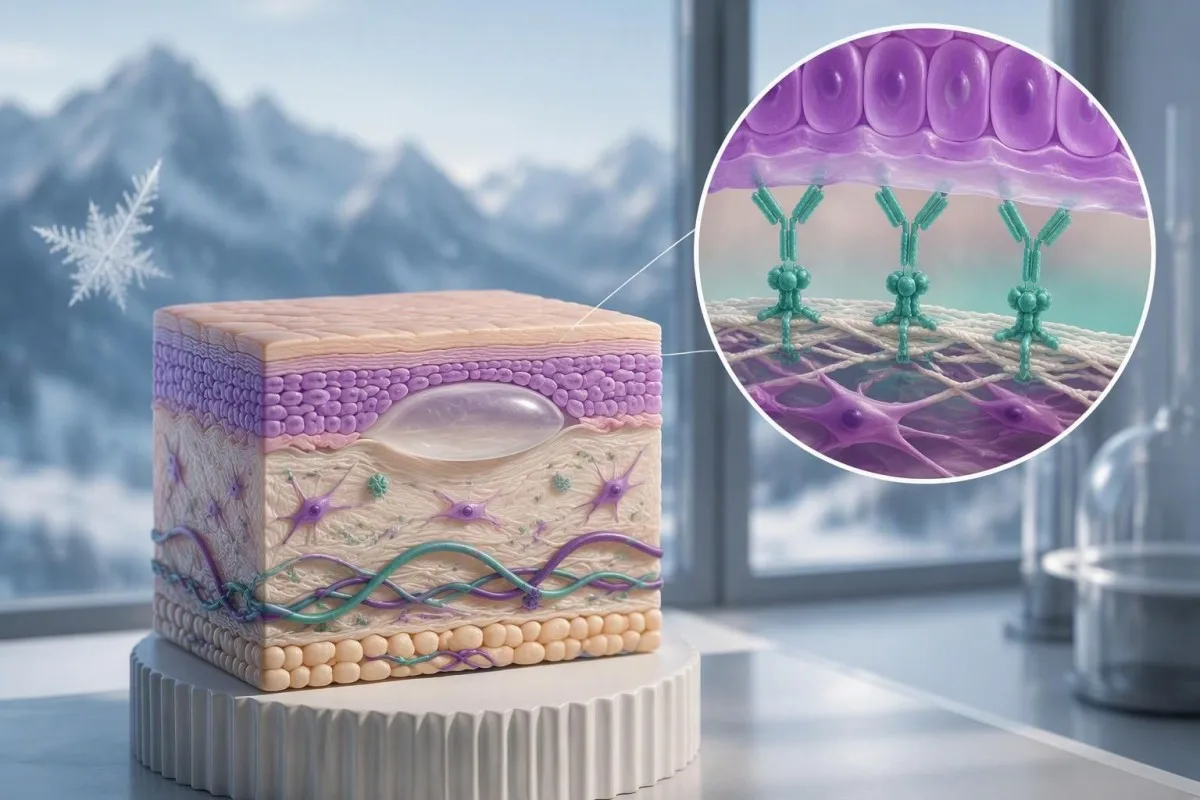
BP180-এর পজিটিভ ফল একটি অটোইমিউন ত্বকের রোগের পক্ষে প্রমাণ দেয়, তবে শুধু এই সংখ্যাটি দিয়ে রোগনির্ণয় করা যায় না। এরপর কী হবে তা নির্ধারণ করে উপসর্গ, ব্যবহৃত অ্যাসে এবং সঠিকভাবে সংগৃহীত ত্বকের নমুনা।.

মূল বিষয়গুলো
- BP180 অ্যান্টিবডি পজিটিভ অর্থ হলো অ্যাসেতে BP180 লক্ষ্যবস্তুর বিরুদ্ধে অ্যান্টিবডি শনাক্ত হয়েছে; এটি একা বুলাস পেমফিগয়েড নিশ্চিত করে না।.
- ল্যাবরেটরির কাটঅফ ভিন্ন হয়: কিছু BP180 অ্যাসেতে প্রায় 9 U/mL, আর অন্যগুলোতে প্রায় 20 U/mL ব্যবহার করা হয়। আপনার নিজের ল্যাবরেটরির রেফারেন্স পরিসর দেখুন।.
- নিম্ন-পজিটিভ ফল চুলকানি, র্যাশ বা ফোস্কা না থাকলে, এটি ঘটনাক্রমে অ্যান্টিবডি শনাক্ত হওয়া বা অ্যাসের ফলস-পজিটিভ ফল হতে পারে—প্রতিষ্ঠিত ত্বকের রোগ নয়।.
- ননবুলাস পেমফিগয়েড ফোস্কা ছাড়াই দীর্ঘস্থায়ী চুলকানি ঘটাতে পারে; বিশেষজ্ঞদের একটি রোগনির্ণয়মূলক গবেষণায় পেমফিগয়েডের 343টি ঘটনার মধ্যে 74টি ছিল ননবুলাস।.
- BP230 অ্যান্টিবডি পরিপূরক প্রমাণ দেয়, তবে BP230 অ্যান্টিবডি নেগেটিভ হলে বুলাস পেমফিগয়েড বাদ যায় না।.
- সরাসরি ইমিউনোফ্লুরোসেন্স ত্বকে অ্যান্টিবডির জমা পরীক্ষা করে; বেসমেন্ট মেমব্রেন বরাবর লিনিয়ার IgG এবং/অথবা C3 থাকলে পেমফিগয়েড রোগের পক্ষে সমর্থন মেলে।.
- ত্বকের দুটি নমুনা প্রায়ই সংগ্রহ করা হয়: রুটিন মাইক্রোস্কোপির জন্য আক্রান্ত স্থান থেকে একটি নমুনা এবং ডাইরেক্ট ইমিউনোফ্লুরোসেন্সের জন্য কাছাকাছি, যথাযথভাবে নির্বাচিত একটি নমুনা।.
- জরুরি লক্ষণ এর মধ্যে রয়েছে চোখে ব্যথা, দৃষ্টির পরিবর্তন, গিলতে অসুবিধা, ত্বকের ব্যাপক পরিবর্তনের সঙ্গে জ্বর, অথবা দ্রুত ছড়িয়ে পড়া ফোসকা; আরেকটি অ্যান্টিবডি ফলাফলের জন্য অপেক্ষা করবেন না।.
BP180-এর পজিটিভ ফল কি বুলাস পেমফিগয়েড নিশ্চিত করে?
না—শুধু BP180 অ্যান্টিবডি পজিটিভ ফলাফল দিয়ে বুলাস পেমফিগয়েড নিশ্চিত হয় না।. উপসর্গ ও ত্বকের লক্ষণ মিলে গেলে এটি রোগনির্ণয়কে সমর্থন করে, তবে ফোসকা ছাড়া কম মাত্রার পজিটিভ ফল incidental হতে পারে; কারণ নির্ধারণের জন্য চর্মরোগ বিশেষজ্ঞদের প্রায়ই ডাইরেক্ট ইমিউনোফ্লুরোসেন্সসহ ত্বকের বায়োপসি এবং কখনও অতিরিক্ত অ্যান্টিবডি পরীক্ষা প্রয়োজন হয়।.
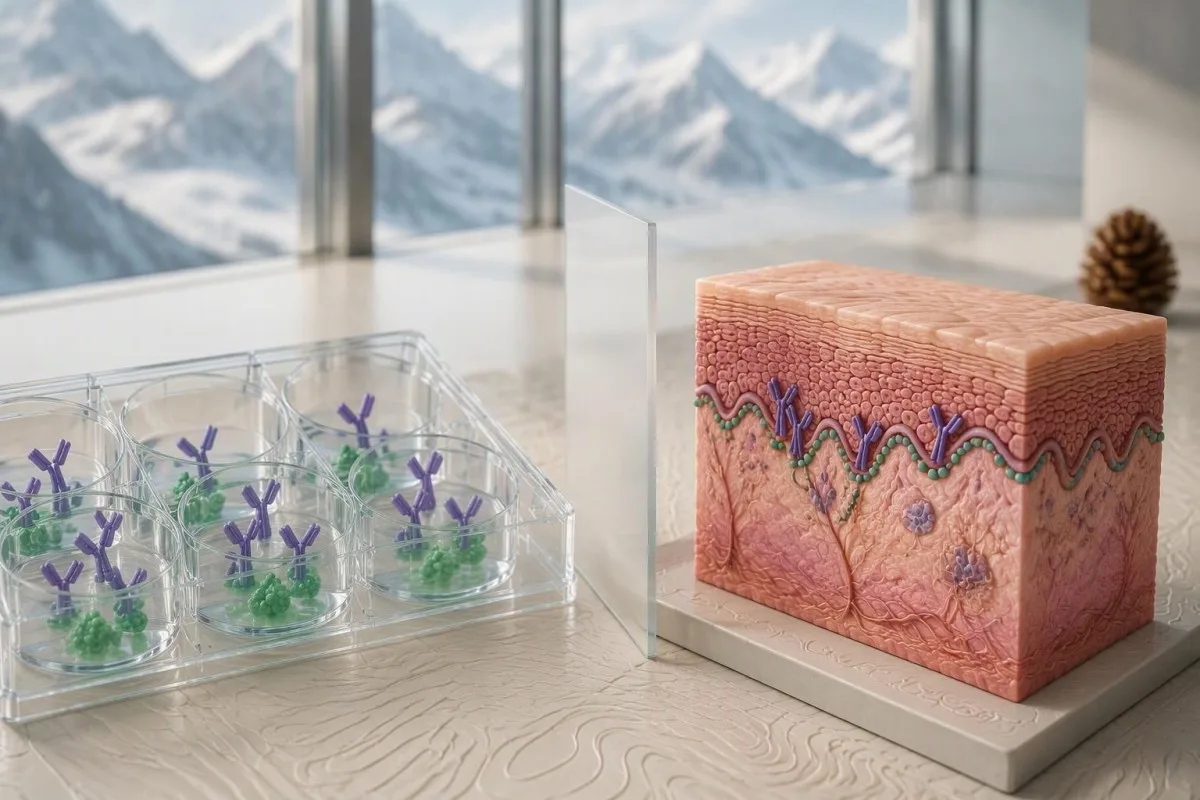
বুলাস পেমফিগয়েড নির্ণয়ের জন্য ক্লিনিক্যাল ও ইমিউনোপ্যাথোলজিক্যাল সামঞ্জস্য প্রয়োজন, কেবল একটি চিহ্নিত ল্যাবরেটরি মান নয়। 2022 সালের EADV নির্দেশিকা অনুযায়ী, রোগনির্ণয় করা হয় ক্লিনিক্যাল চিত্র এবং উপযুক্ত টিস্যু ও রক্তে সঞ্চালিত অ্যান্টিবডি পরীক্ষার মাধ্যমে (Borradori et al., 2022); ব্যবহারিক প্রশ্ন হলো শনাক্ত অ্যান্টিবডিগুলো ব্যক্তির ত্বকের অবস্থার ব্যাখ্যা দেয় কি না।.
পজিটিভ অ্যান্টিবডি পরীক্ষা এবং সক্রিয় অটোইমিউন রোগ দুটি ভিন্ন বিষয়। উদাহরণস্বরূপ, একটি কাল্পনিক ফলাফল 12 U/mL CA-125 একটি পরীক্ষাগারে পজিটিভ হতে পারে, তবু ওই ফল পাওয়া উপসর্গহীন ব্যক্তির রোগনির্ণয়ের সম্ভাবনা একই মাত্রার সঙ্গে ব্যাপক চুলকানিযুক্ত, টানটান ফোসকা থাকা ব্যক্তির তুলনায় ভিন্ন।.
Kantesti হলো একটি AI রক্ত পরীক্ষা বিশ্লেষক, যা পরীক্ষাগারের কাট-অফ এবং আপনার দেওয়া তথ্যের পাশাপাশি BP180 ফলাফল ব্যাখ্যা করতে সাহায্য করে।. আমাদের ব্যাখ্যা আপনার ত্বক পরীক্ষা করতে বা ডাইরেক্ট ইমিউনোফ্লুরোসেন্স করতে পারে না; আমাদের কোম্পানির পটভূমি এই শিক্ষামূলক সহায়তার পেছনের সংস্থাকে শনাক্ত করে।.
ফলাফলটিকে স্থায়ী রোগের তকমা হিসেবে না দেখে আরও নির্দিষ্ট প্রশ্ন করার কারণ হিসেবে বিবেচনা করুন। আমাদের নির্দেশিকা পজিটিভ অ্যান্টিবডি ফলাফল ব্যাখ্যা করে কেন অ্যান্টিবডি শনাক্তকরণ, রোগের সক্রিয়তা এবং রোগনির্ণয়ের নিশ্চিতকরণ তিনটি পৃথক ধারণা।.
BP180 অ্যান্টিবডি পরীক্ষা আসলে কী পরিমাপ করে?
BP180 অ্যান্টিবডি পরীক্ষা সাধারণত BP180-এর একটি অংশের বিরুদ্ধে পরিচালিত সিরাম IgG পরিমাপ করে; BP180-কে টাইপ XVII কোলাজেনও বলা হয়।. BP180 প্রায় 180-kDa একটি প্রোটিন, যা এপিডার্মিসকে নিচের টিস্যুর সঙ্গে আটকে রাখতে ভূমিকা রাখে; অনেক রুটিন অ্যাসে পুরো প্রোটিনের বদলে এর NC16A অঞ্চল পরীক্ষা করে।.
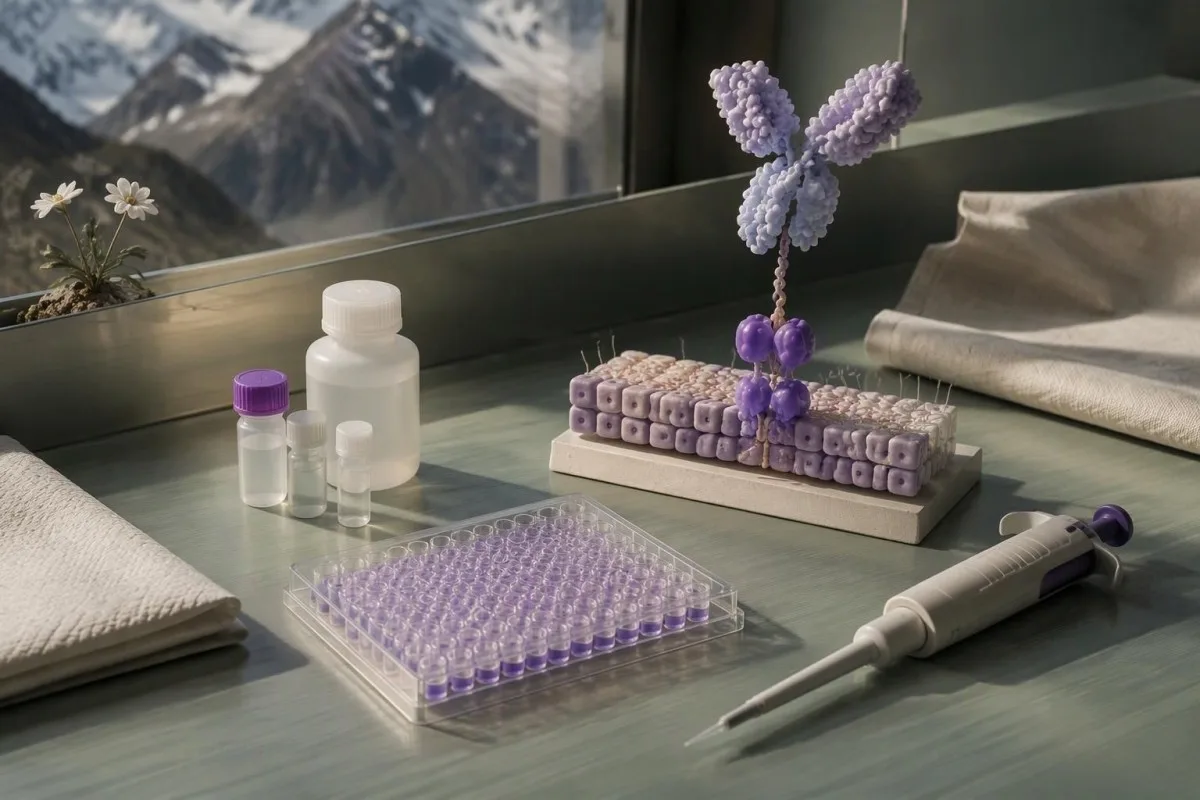
BP180 একটি কাঠামোগত ত্বকের প্রোটিন; এটি এমন কোনো পদার্থ নয় যার রক্তে ঘনত্ব পরিমাপ করা হচ্ছে।. রিপোর্টে ওই প্রোটিনের বিরুদ্ধে অ্যান্টিবডি উল্লেখ করা হয়, সাধারণত এনজাইম-লিঙ্কড ইমিউনোসরবেন্ট অ্যাসে বা ELISA ব্যবহার করে; একটি 30 U/mL মানের অর্থ এই নয় যে 30 একক ত্বকের প্রোটিন রক্তে সঞ্চালিত হচ্ছে।.
দ্য NC16A ডোমেইন BP180-এর বহিঃস্থ অংশে কোষঝিল্লির কাছাকাছি অবস্থিত এবং ক্লাসিক্যাল বুলাস পেমফিগয়েডে এটি অ্যান্টিবডির একটি সাধারণ লক্ষ্যবস্তু। এই অঞ্চল পরীক্ষা করলে একটি ব্যবহারিক অ্যাসে সম্ভব হয়, তবে এতে একটি অন্ধস্থান তৈরি হয়: প্রধানত অন্য অঞ্চলগুলোর বিরুদ্ধে নির্দেশিত অ্যান্টিবডি শনাক্তকরণ এড়িয়ে যেতে পারে।.
সংখ্যাসূচক অ্যান্টিবডি ঘনত্বকে ইমিউনোফ্লুরোসেন্স টাইটারের সঙ্গে বিনিময়যোগ্য হিসেবে ধরা যায় না। একটি ফলাফল যদি এভাবে প্রকাশ করা হয় 1:40 তা হলে এটি একটি ডাইলিউশনে প্রতিক্রিয়াশীলতা বোঝায়, যেখানে 40 U/mL অ্যাসে-ক্যালিব্রেটেড ঘনত্ব বোঝায়; আমাদের পরিমাণগত বনাম গুণগত পরীক্ষা সংক্রান্ত ব্যাখ্যা এই রিপোর্টিং বিন্যাসগুলোর পার্থক্য বুঝতে সাহায্য করে।.
রিপোর্টে উল্লেখ আছে কি না দেখুন BP180 NC16A IgG, অন্য কোনো BP180 অ্যাসে, নাকি আরও বিস্তৃত পেমফিগয়েড প্যানেল। এগুলো স্বয়ংক্রিয়ভাবে সমতুল্য পরীক্ষা নয়, এবং নেগেটিভ IgG ELISA অন্য অ্যান্টিবডি শ্রেণি বা বেসমেন্ট-মেমব্রেনের অন্যান্য লক্ষ্যবস্তু সম্পর্কে সব প্রশ্নের উত্তর দেয় না।.
BP180 অ্যান্টিবডির কোন ফলকে লো-পজিটিভ বলা হয়?
কম-পজিটিভ BP180 ফল হলো ব্যবহৃত নির্দিষ্ট অ্যাসের কাট-অফের সামান্য ওপরে থাকা একটি মান।. কম-পজিটিভের কোনো সর্বজনীন সীমা নেই: কিছু পরীক্ষাগার কাছাকাছি একটি থ্রেশহোল্ড ব্যবহার করে 9 U/mL, আবার অন্যরা কাছাকাছি একটি থ্রেশহোল্ড ব্যবহার করে 20 U/mL, যেখানে ক্যালিব্রেশন ও রিপোর্টিংয়ের শ্রেণি ভিন্ন।.
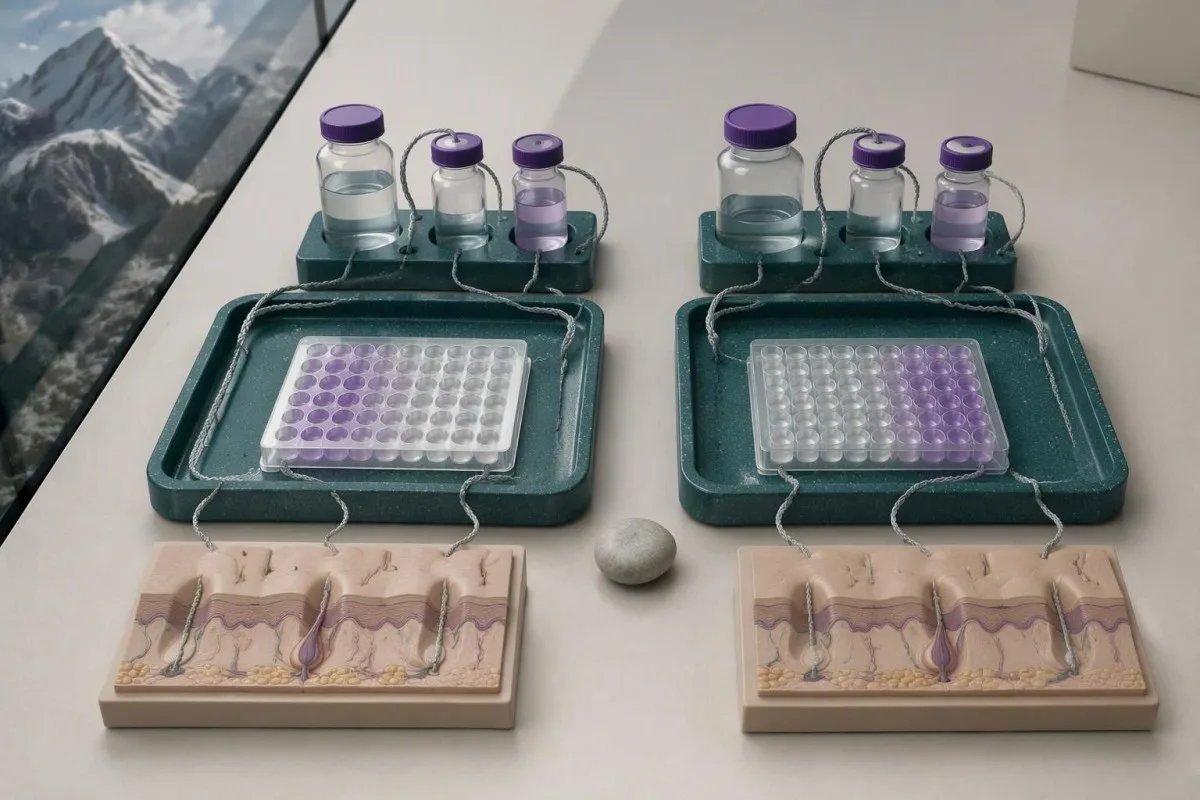
পরীক্ষাগারভেদে BP180 অ্যাসের একক সর্বজনীনভাবে মানসম্মত নয়।. ফলাফল যদি হয় 15 U/mL 9-U/mL নীতিতে পজিটিভ এবং 20-U/mL নীতিতে নেগেটিভ হতে পারে, তবে এর দ্বারা প্রমাণ হয় না যে দ্বিতীয় অ্যাসে রোগ শনাক্ত করতে ব্যর্থ হয়েছে; পদ্ধতি ও ক্যালিব্রেটর ভিন্ন হতে পারে।.
অ্যাসে মূল্যায়নের জন্য ব্যবহৃত জনগোষ্ঠীতে সংবেদনশীলতা ও সুনির্দিষ্টতার মধ্যে ভারসাম্য রেখে কাট-অফ নির্ধারিত হয়। থ্রেশহোল্ড কমালে রোগে আক্রান্ত আরও বেশি মানুষকে শনাক্ত করা যায়, তবে রোগ নেই এমন আরও বেশি মানুষকেও শনাক্ত করা হতে পারে; কাট-অফ হলো পরীক্ষাগারের সিদ্ধান্ত-সীমা, এমন কোনো জৈবিক বিন্দু নয় যেখানে ত্বকে হঠাৎ ফোসকা পড়তে শুরু করে।.
Kantesti AI রিপোর্ট করা BP180 মানটিকে সঙ্গে দেওয়া রেফারেন্স-সীমার পাশে বিবেচনা করতে সাহায্য করতে পারে, কিন্তু এমন একটি ক্রপ করা ছবি যেখানে শুধু 18 U/mL দেখা যায়, তাতে গুরুত্বপূর্ণ তথ্য বাদ পড়ে যায়। পরীক্ষার নাম, একক, ব্যাখ্যার শ্রেণি এবং পরীক্ষাগারের মন্তব্য অন্তর্ভুক্ত করুন; একটি সাধারণ রেঞ্জের পাশে থাকা আউট-অফ-রেঞ্জ ফ্ল্যাগ এসব বিবরণের বিকল্প হতে পারে না।.
নিচের উদাহরণগুলো সর্বজনীন তীব্রতার স্কেলের পরিবর্তে প্রতিবেদন তৈরির দুটি সম্ভাব্য নীতি তুলে ধরে।. শুধু BP180 অ্যান্টিবডির ঘনত্ব কোনো চিকিৎসাজনিত জরুরি অবস্থা নির্ধারণ করে না; ত্বকের ব্যাপক আক্রান্ত হওয়া, পানিশূন্যতা, সিস্টেমিক অসুস্থতা এবং চোখ বা শ্বাসনালির উপসর্গ জরুরিতা নির্ধারণ করে।.
| মাত্রা | সীমা | এর অর্থ |
|---|---|---|
| উদাহরণ অ্যাসে A: সীমামানের নিচে | <9 U/mL | এই দৃষ্টান্তমূলক পরীক্ষাগার নীতি অনুযায়ী নেগেটিভ; ক্লিনিক্যাল সন্দেহ প্রবল থাকলে রোগ বাদ যায় না।. |
| উদাহরণ অ্যাসে A: সীমামান বা তার বেশি | ≥9 U/mL | এই নীতি অনুযায়ী পজিটিভ; সীমামানের নিকটবর্তীতা এবং ক্লিনিক্যাল ফলাফল ব্যাখ্যাকে প্রভাবিত করে।. |
| উদাহরণ অ্যাসে B: সীমামানের নিচে | <20 U/mL | অন্য একটি দৃষ্টান্তমূলক নীতি অনুযায়ী নেগেটিভ; বিভিন্ন অ্যাসে পদ্ধতির ফল সরাসরি রূপান্তর করবেন না।. |
| উদাহরণ অ্যাসে B: সীমামান বা তার বেশি | ≥20 U/mL | এই নীতি অনুযায়ী পজিটিভ; সংখ্যাটি এককভাবে রোগনির্ণয় বা তীব্রতা প্রতিষ্ঠা করে না।. |
BP180-এর পজিটিভ ফল কেন বিভ্রান্তিকর হতে পারে?
পরীক্ষার আগে ব্যক্তির পেমফিগয়েড হওয়ার ক্লিনিক্যাল সম্ভাবনা কম থাকলে পজিটিভ BP180 ফলাফলটি কম বিশ্বাসযোগ্য।. যথেষ্ট নির্ভুল অ্যাসেও মিথ্যা পজিটিভ ফল দেয়, তাই উপসর্গহীন স্ক্রিনিং জনসমষ্টি এবং বৈশিষ্ট্যপূর্ণ ফোসকা মূল্যায়নকারী বিশেষজ্ঞ ক্লিনিকের ক্ষেত্রে ফলাফলের অর্থ ভিন্ন হয়।.
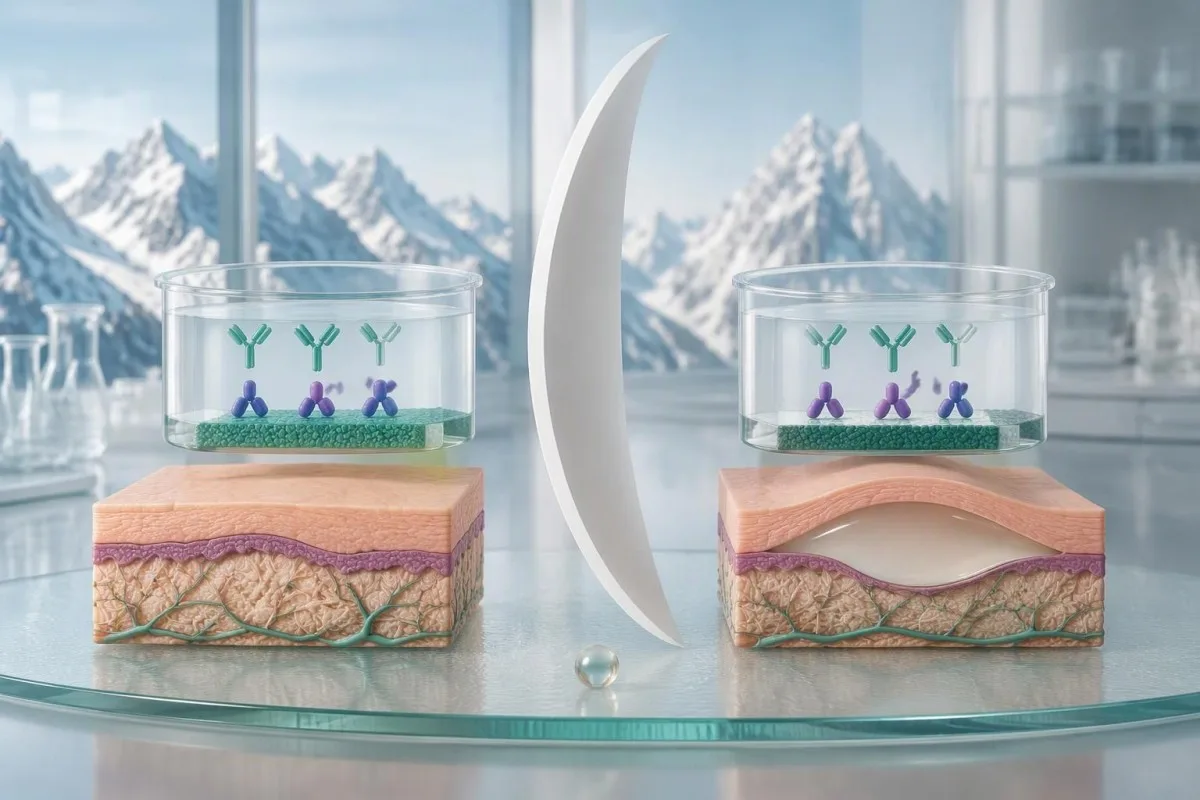
সংবেদনশীলতা ও সুনির্দিষ্টতা পজিটিভ ফলের পর ব্যক্তিগতভাবে আপনার রোগ থাকার সম্ভাবনার সমান নয়।. পরীক্ষিত গোষ্ঠীতে রোগটি কতটা সাধারণ, তার ওপরও সেই সম্ভাবনা নির্ভর করে; নির্দিষ্ট ত্বকের ধরন যাচাইয়ের বদলে যখন বিস্তৃতভাবে অ্যান্টিবডি প্যানেল করানো হয়, তখন এই পার্থক্যটি সবচেয়ে গুরুত্বপূর্ণ।.
স্পষ্টতই কাল্পনিক একটি অ্যাসে বিবেচনা করুন যার 90% সংবেদনশীলতা এবং 95% সুনির্দিষ্টতা, যা এমন ১,০০০ জনের ক্ষেত্রে ব্যবহার করা হয়েছে যাদের রোগের সম্ভাবনা 1%। এটি প্রায় 9টি সত্যিকারের পজিটিভ এবং 50টি মিথ্যা পজিটিভ শনাক্ত করবে, ফলে পজিটিভ প্রেডিক্টিভ ভ্যালু হবে আনুমানিক 15%; এগুলো শিক্ষামূলক অনুমান, আপনার BP180 অ্যাসের কার্যকারিতা সম্পর্কে দাবি নয়।.
রোগের সম্ভাবনা যেখানে সেখানে একই কাল্পনিক অ্যাসে ব্যবহার করুন 20%, and approximately 180 true positives and 40 false positives would occur per 1,000 tests. The positive predictive value becomes about 82%—a large change caused by clinical context, not by a different laboratory method.
These examples explain why a dermatologist may request tissue testing despite a positive result, or take characteristic symptoms seriously despite a negative one. Our discussion of MOG অ্যান্টিবডির ব্যাখ্যা illustrates the same probability principle in another autoimmune condition, although its diagnostic criteria cannot be transferred to pemphigoid.
BP180 পজিটিভ, কিন্তু আপনার ফোস্কা না থাকলে কী হবে?
A low-positive BP180 result without blisters does not establish bullous pemphigoid or reliably predict future blistering. The next distinction is whether you have no skin symptoms at all, or persistent itching and an unexplained rash that could represent a nonbullous pemphigoid presentation.

Incidental BP180 antibody detection can occur without clinically established pemphigoid. Possible explanations include low-level autoreactivity and assay-related false positivity; there is no validated conversion rule that turns an isolated result of 11 U/mL into a percentage risk of developing blisters later.
A hypothetical person with 11 U/mL, no itching, no rash, and no mucosal symptoms usually needs a contextual review rather than automatic immunosuppressive treatment. The clinician should check why the assay was ordered, whether the result was unexpected, and whether a skin examination reveals findings the person had not recognized.
Persistent dryness and itching still deserve assessment because common explanations remain common. Eczema, medication effects, thyroid disease, and other causes may be more likely than pemphigoid; our dry skin testing guide explains why additional blood tests should follow symptoms rather than a blanket panel.
এখানে no universal repeat-testing interval for an asymptomatic low-positive BP180 result. A clinician may choose observation, a repeat using the same method, or specialist review depending on the history; new persistent itching, urticarial plaques, or blisters should change that plan rather than waiting for a scheduled repeat.
বুলাস পেমফিগয়েড কি শুধু চুলকানি দিয়ে শুরু হতে পারে?
Pemphigoid can present with persistent itching, eczema-like patches, urticarial plaques, or scratch-related changes without visible blisters. In a specialist diagnostic study, 74 of 343 pemphigoid cases—21.6%—were nonbullous, showing that the absence of blisters cannot independently exclude the disorder (Meijer et al., 2019).

Nonbullous pemphigoid is not simply every itchy rash with a positive BP180 result. Diagnosis still needs compatible symptoms and appropriate immunopathological evidence; the 21.6% study figure came from a referred population and should not be interpreted as the probability that any person with itching has pemphigoid.
The symptom pattern often matters more than whether one small blister has appeared. Persistent, widespread itching in an older adult, especially with recurrent raised plaques or poor response to ordinary eczema care, warrants a dermatological assessment; our itchy skin laboratory guide separates skin-directed testing from tests for systemic causes.
Eosinophilia can accompany bullous pemphigoid, but it is neither required nor diagnostic. An absolute eosinophil count above approximately ০.৫ × ১০^৯/লিটার is often flagged in adults, yet allergy, medications, and parasites can produce the same finding; our guide to উচ্চ ইওসিনোফিল গণনা explains those alternatives.
A dermatologist does not always need to wait for a blister before collecting a useful sample for direct immunofluorescence. In nonbullous disease, sample selection is tailored to the available rash and laboratory protocol; document the distribution and duration of itching, because a disappearing rash can make later assessment harder.
BP230 অ্যান্টিবডি কীভাবে BP180 পরীক্ষার পরিপূরক?
BP230 antibodies provide complementary evidence for pemphigoid but cannot confirm or exclude bullous pemphigoid alone. BP230 is an approximately 230-kDa intracellular anchoring protein, whereas BP180 crosses the cell membrane; their different locations and antibody targets help explain why the two results can disagree.
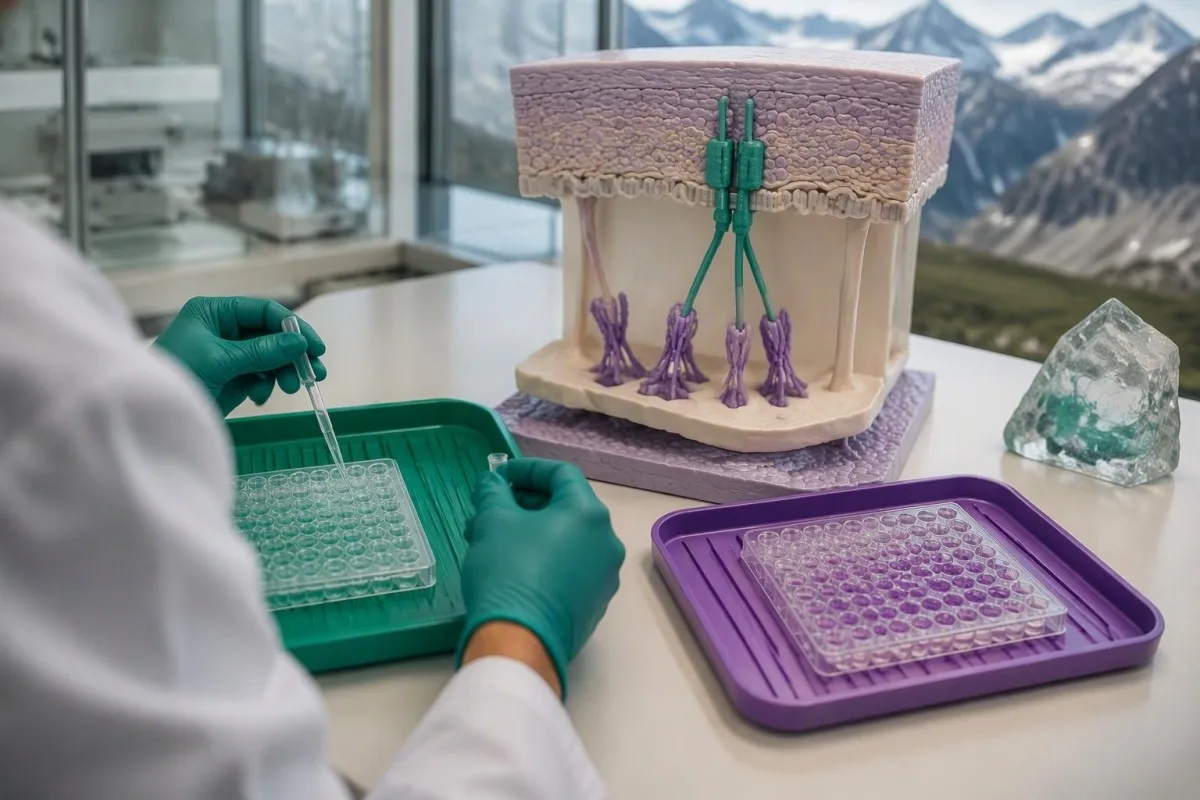
A negative BP230 antibody result does not cancel a positive BP180 result. Some people with confirmed pemphigoid have antibodies detectable against only one tested antigen, and each assay has its own sensitivity; interpreting the pair as a two-test pass-or-fail rule creates avoidable diagnostic errors.
একটি কাল্পনিক BP180 result of 45 U/mL with negative BP230 antibodies still warrants assessment if tense blisters and severe itching are present. Conversely, isolated low-positive BP230 antibodies without compatible findings are not enough to diagnose pemphigoid; a second positive marker strengthens a pattern only when the overall evidence fits.
Kantesti is an AI biomarker interpretation platform that can explain BP180 and BP230 antibodies as complementary findings rather than interchangeable scores. This is similar to the reasoning used for antibody panels in connective disease, but skin-specific tissue findings remain central to pemphigoid assessment.
Do not add BP180 and BP230 concentrations together, even if both are expressed in U/mL. They represent different antigen-specific measurements with different calibration systems; BP180 levels generally have a better-established relationship with disease activity than BP230 levels, but neither replaces examination.
ডাইরেক্ট ইমিউনোফ্লুরোসেন্সসহ ত্বকের বায়োপসি কেন লাগতে পারে?
Skin biopsy with direct immunofluorescence can show whether antibodies or complement are deposited at the skin's basement membrane. Dermatologists often collect two separate specimens because routine microscopy and direct immunofluorescence answer different questions and require different sample handling.
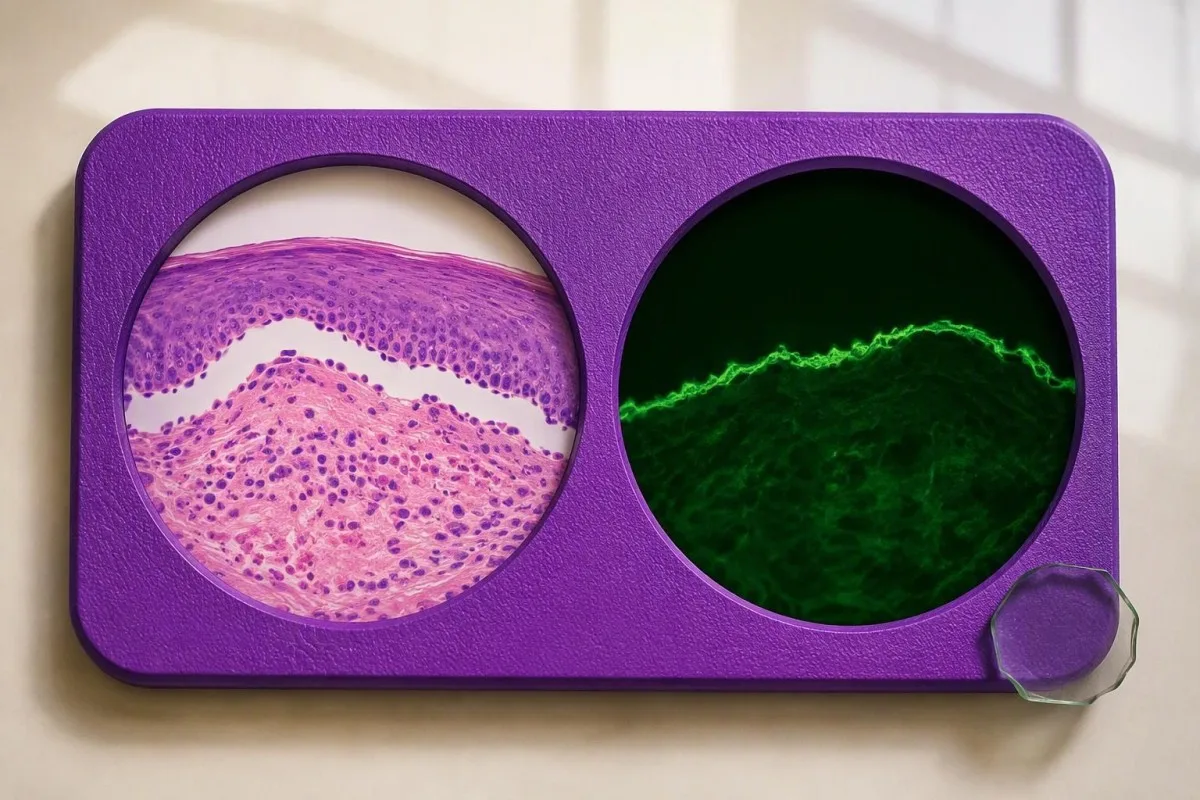
Routine histology examines tissue structure and inflammatory cells. A sample from a fresh blister or suitable affected area may show separation beneath the epidermis and eosinophils, but these features are not unique to bullous pemphigoid; the second sample looks for the immune-deposit pattern that helps classify the disorder.
For classic blistering presentations, the direct-immunofluorescence sample is commonly taken from appropriately selected skin near a fresh blister rather than its eroded center. A small 3–4-mm punch is often used, although technique and location depend on the case; sampling heavily damaged tissue can remove the structures the laboratory needs to examine.
The specimen for direct immunofluorescence must not be routinely placed in formalin. Laboratories generally require a dedicated transport medium or another explicitly agreed handling method, while the routine histology specimen commonly goes into formalin; ask whether the two containers have been prepared for their separate purposes.
In Meijer et al.'s 2019 diagnostic cohort, direct immunofluorescence had a sensitivity of 88.3%, so even this valuable test was not infallible. Kantesti's ক্লিনিক্যাল ভ্যালিডেশন তথ্য concerns our interpretation methodology—not a claim that AI can reproduce skin immunofluorescence or establish its findings.
পজিটিভ ইমিউনোফ্লুরোসেন্স ও সল্ট-স্প্লিট পরীক্ষার অর্থ কী?
Linear IgG and/or C3 along the basement membrane on direct immunofluorescence supports a pemphigoid-spectrum disorder, but the pattern is not unique to bullous pemphigoid. Indirect immunofluorescence on salt-split skin can add evidence by showing where circulating antibodies bind relative to an experimentally created tissue separation.
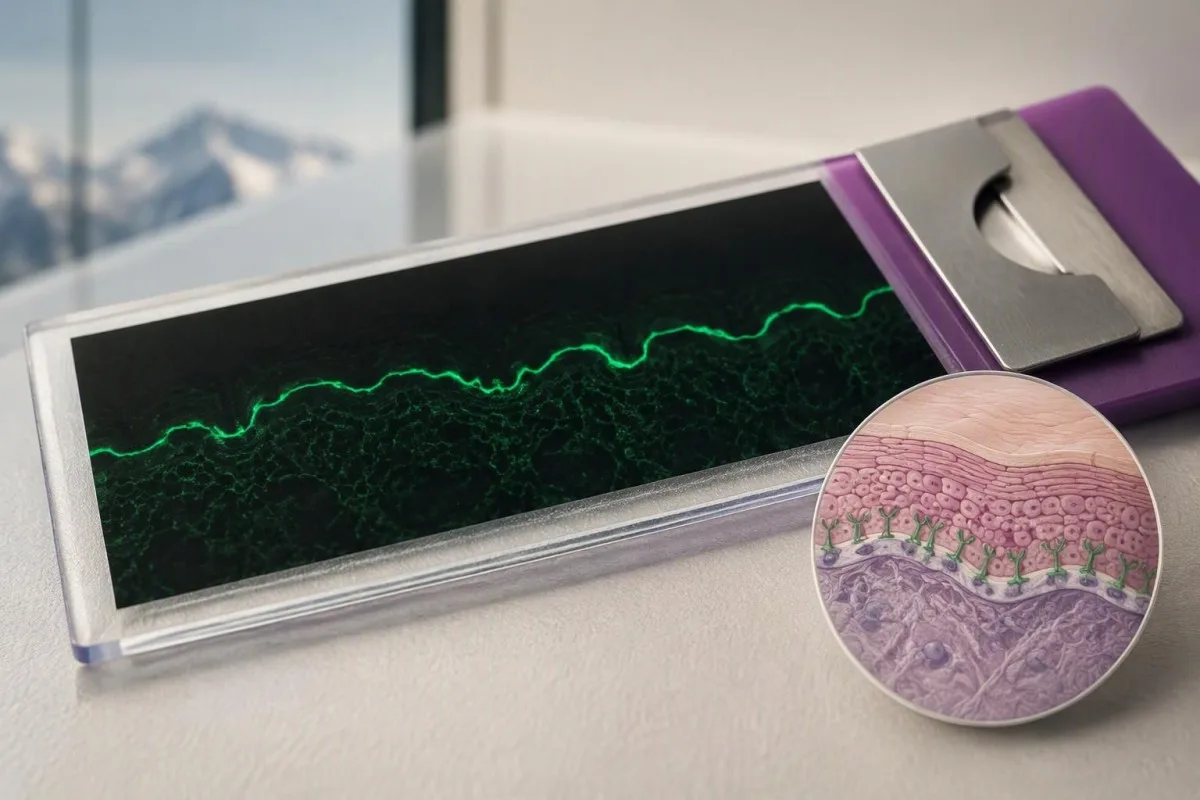
Direct and indirect immunofluorescence use different materials. Direct testing examines deposits already present in the person's skin, while indirect testing applies the person's serum to a laboratory substrate; a positive result in one test and a negative result in the other is therefore possible without a reporting error.
On salt-split skin, bullous pemphigoid antibodies commonly bind the epidermal side, often called the roof. Antibodies binding the dermal side, or floor, raise consideration of other disorders such as epidermolysis bullosa acquisita or anti-p200 pemphigoid, but binding location alone does not fully classify every case.
Meijer et al. reported 99.9% specificity for indirect immunofluorescence on salt-split skin in their 2019 diagnostic cohort. That high figure applies to that study and testing pathway; a negative result still cannot exclude pemphigoid because specificity describes false positives, not how many cases the test misses.
C3 detected in skin is not the same measurement as a serum C3 concentration. A normal circulating complement result does not negate local deposits at the basement membrane; our complement testing explanation helps prevent this common cross-test misunderstanding.
BP180, ত্বকের বায়োপসি এবং উপসর্গের ফল না মিললে কী হবে?
Discordant BP180 and skin-test results require a review of the clinical picture, assay target, sampling site, and specimen handling. A positive ELISA with negative direct immunofluorescence can reflect incidental antibodies or an uninformative skin sample; a negative NC16A ELISA can miss disease directed against other targets.
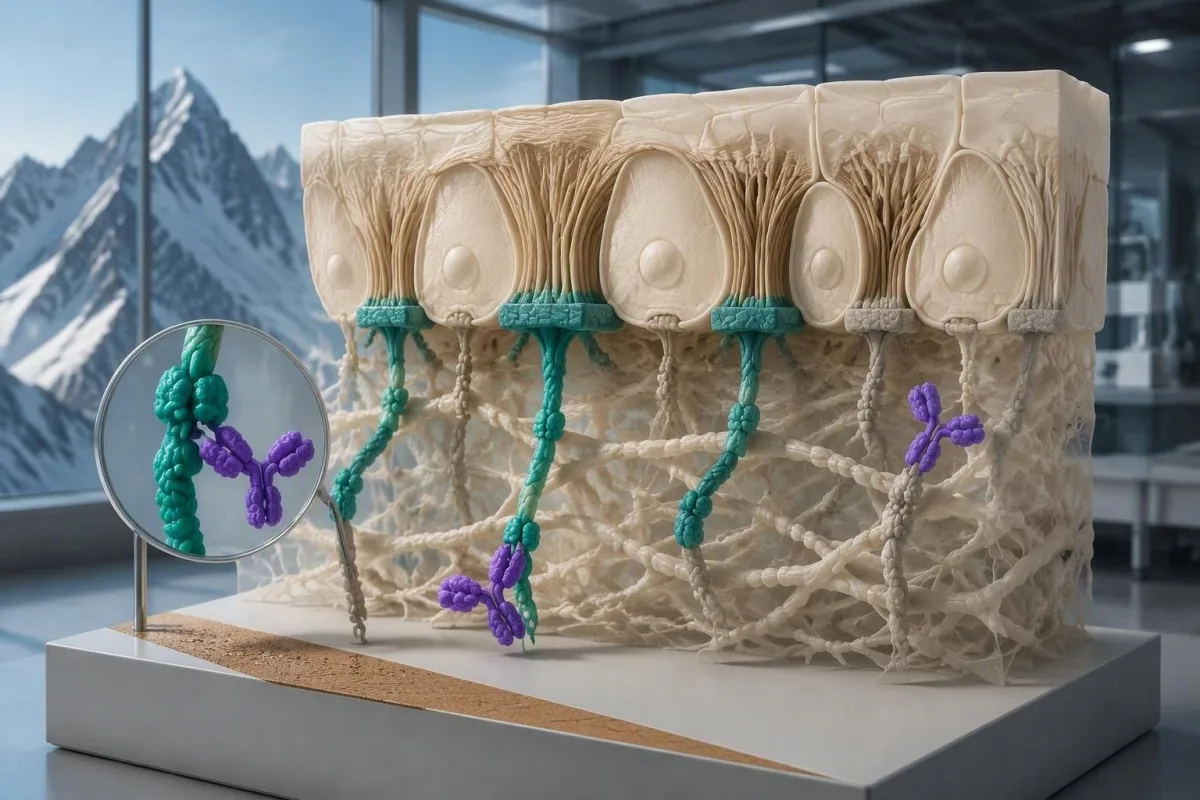
A negative direct-immunofluorescence result is less reassuring if the sample was poorly selected or incorrectly transported. Treatment before sampling may also influence findings, so clinicians need to know which creams or systemic medicines were used and where; never stop prescribed treatment solely to make a test more likely to turn positive.
A hypothetical person with characteristic new blisters, BP180 of 80 U/mL, and a negative direct-immunofluorescence specimen from an old eroded site may need repeat sampling. The same antibody result with no compatible skin findings demands a different investigation; the discrepancy does not have one automatic explanation.
A negative BP180 NC16A result does not exclude every form of pemphigoid. Further testing may include BP230 antibodies, indirect immunofluorescence, or specialized assays for other antigens; our guide to negative myasthenia antibody tests illustrates why a limited antigen panel cannot exclude an entire autoimmune disease category.
Repeat testing should address a specific uncertainty rather than create an endless sequence of panels. Ask whether the next investigation is checking the same antigen by another method, examining an additional antigen, or correcting a tissue-sampling problem; each strategy answers a different diagnostic question.
অন্য কোন রোগগুলো BP180-পজিটিভ পেমফিগয়েডের মতো দেখাতে পারে?
BP180 antibodies can occur in other pemphigoid-spectrum conditions, including mucous membrane pemphigoid and pemphigoid gestationis. Eczema, scabies, and drug-related eruptions can resemble early bullous pemphigoid clinically, while pemphigus involves different adhesion proteins and usually a different level of skin separation.
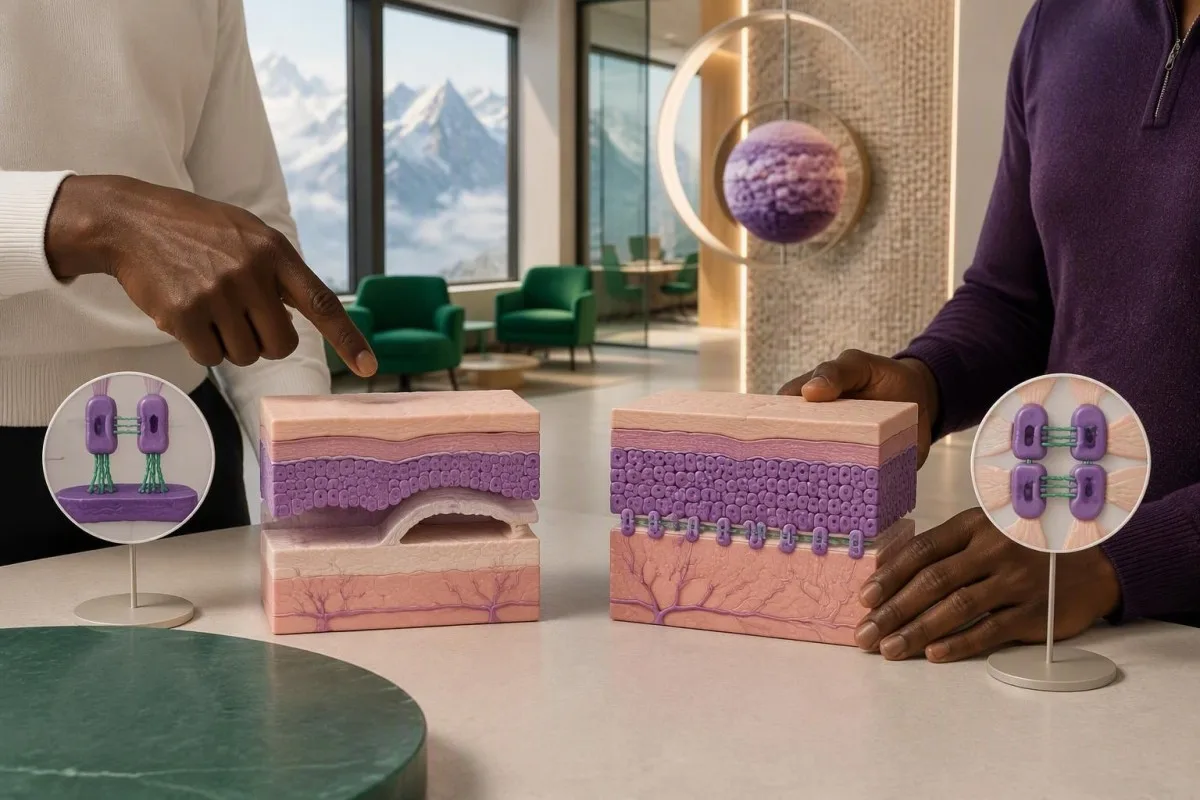
Bullous pemphigoid typically causes tense blisters because separation occurs beneath the epidermis. Pemphigus often produces more fragile blisters or erosions through loss of adhesion within the epidermis; our desmoglein antibody guide explains why BP180 testing cannot substitute for a pemphigus evaluation.
Predominantly mouth, eye, genital, or other mucosal involvement raises concern for mucous membrane pemphigoid, especially when scarring occurs. Eye pain, light sensitivity, or vision changes require urgent assessment because waiting for a repeat antibody concentration can delay treatment of a sight-threatening process.
Pemphigoid gestationis is associated with pregnancy and can produce BP180 antibodies. Pregnancy or recent childbirth therefore changes the interpretation of the same laboratory result; the distinction requires obstetric and dermatological coordination rather than assuming that every BP180-positive blistering disorder is classic older-adult bullous pemphigoid.
Scabies can cause intense itching and may coexist with an unrelated positive antibody result. Household itching, characteristic distribution, and burrows alter the differential; our scabies symptom guide is useful for that comparison, but neither household exposure nor BP180 positivity independently settles the diagnosis.
ওষুধ কি BP180-এর ফল ব্যাখ্যা বা চিকিৎসার সিদ্ধান্ত বদলে দেয়?
Medication history can change the likelihood and presentation of bullous pemphigoid, but a positive BP180 result alone is not a reason to stop a medicine. DPP-4 inhibitors used for diabetes and immune checkpoint inhibitors are recognized associations; treatment decisions depend on confirmed disease, severity, and the person's other health risks.

DPP-4 inhibitor-associated pemphigoid can have a less typical inflammatory presentation and may show limited NC16A reactivity. This is not universal, and exposure does not prove causation; bring a complete medicine list, including start dates, to a review using our senior medication effects guide as a preparation aid.
দ্য 2022 EADV guideline recommends potent topical corticosteroids as a mainstay when feasible and discusses oral prednisone at approximately 0.5 mg/kg/day as an alternative in suitable circumstances (Borradori et al., 2022). These are clinician-directed treatment options for disease, not instructions to treat an isolated antibody result or begin steroids without assessment.
Systemic corticosteroids can create additional risks that are unrelated to the BP180 concentration. People with relevant residence or travel exposure may need assessment for Strongyloides before significant immunosuppression; our Strongyloides antibody explanation describes why an apparently unrelated parasite history can become a treatment-safety issue.
Kidney function, glucose, infection risk, and the ability to apply topical treatment may influence the choice of therapy more than whether BP180 is 40 or 80 U/mLআমাদের কিডনি ফাংশন ব্যাখ্যা নির্দেশিকা covers supportive laboratory assessment, but renal markers do not confirm pemphigoid.
রোগের সক্রিয়তা ও আরোগ্য পর্যবেক্ষণে BP180-এর মাত্রা কি ব্যবহার করা যায়?
BP180 antibody levels can support monitoring in confirmed bullous pemphigoid, but they do not replace examination or determine treatment alone. Concentrations often track disease activity at a group level; individual patients can remain antibody-positive while their skin is controlled or experience symptoms without a proportionate rise.
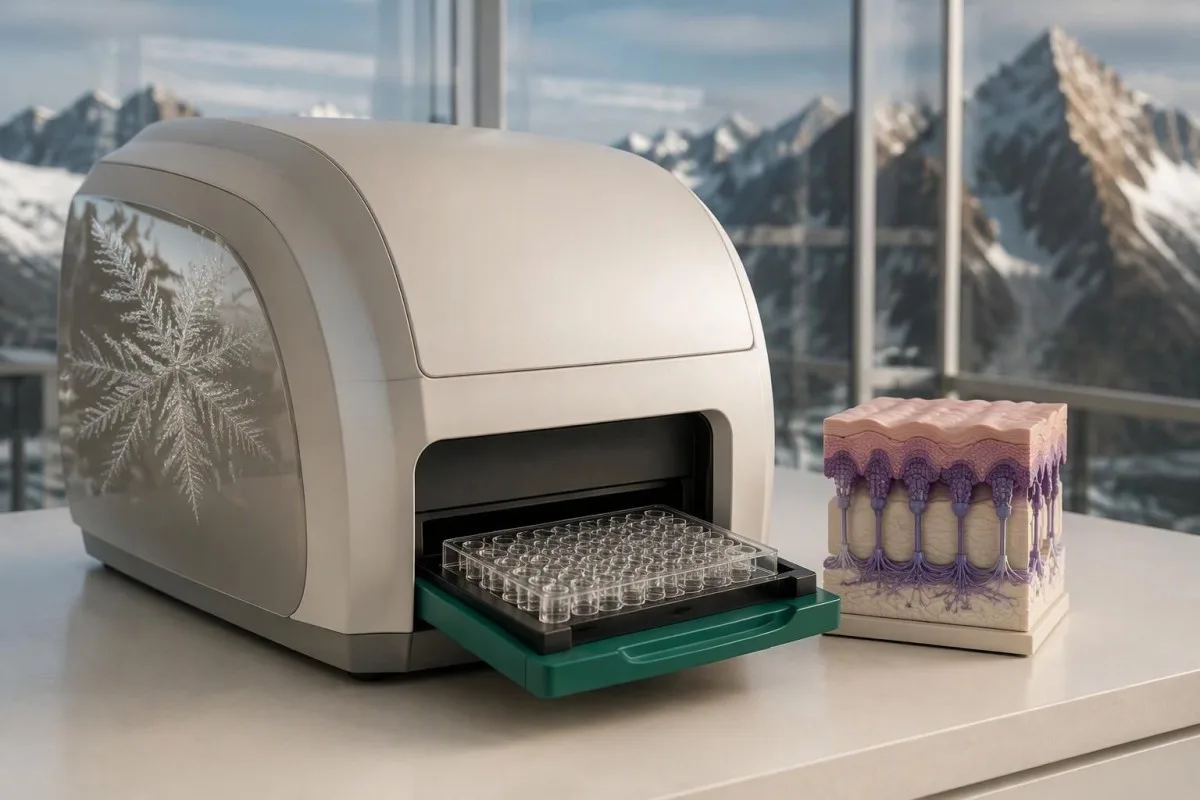
A falling BP180 concentration is most useful when it agrees with fewer new blisters and less itching. A hypothetical decline from 120 to 35 U/mL on the same assay supports an improving pattern, but it does not independently establish remission or justify stopping treatment.
An increase from 12 to 14 U/mL near a cutoff may reflect analytical or biological variation rather than a meaningful change in disease. There is no universal percentage increase that proves relapse across all BP180 assays; the method, timing, symptoms, and previous response need to be considered together.
Kantesti is an AI blood test interpretation platform that can organize serial BP180 results without treating a laboratory trend as a diagnosis. আমাদের এআই প্রযুক্তি ব্যাখ্যা describes the interpretation workflow; preserving each report's assay name and reference interval matters when comparing two or more measurements.
Changing laboratories can create an apparent rise or fall that is partly methodological. Our ওষুধ-সুরক্ষা প্রবণতা গাইড explains why dates, doses, and laboratory context belong beside the numbers; photograph new skin findings and record new-blister counts when your dermatologist requests them.
ফলো-আপে আপনার কী নিয়ে যাওয়া উচিত, এবং কোন প্রমাণ প্রযোজ্য?
Bring the full BP180 report, any BP230 result, symptom photographs, and your complete medication list to follow-up. These four information groups help a clinician decide whether you need observation, additional serum testing, properly handled skin samples, or urgent assessment rather than another isolated antibody measurement.
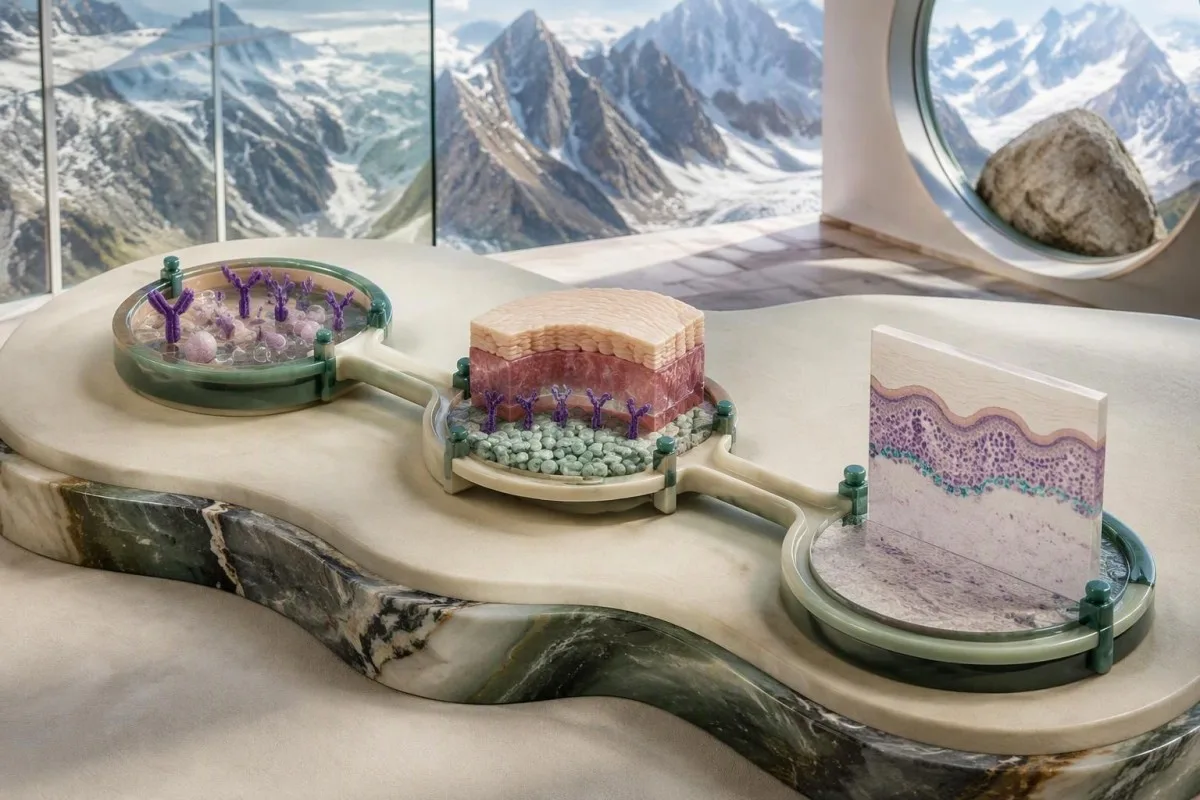
A useful report includes the exact assay name, numerical value, units, cutoff, and collection date. If a hypothetical BP180 result reads 16 U/mL, the missing cutoff may reverse whether it is considered positive; also request the actual histology and direct-immunofluorescence reports rather than relying on the phrase 'skin biopsy normal.'
New eye symptoms, swallowing difficulty, extensive rapidly spreading blisters, fever, or inability to maintain fluids need prompt clinical attention. Do not wait for a scheduled second test when those symptoms appear; supportive urinalysis can answer separate medical questions, as explained in our ইউরিনালাইসিস ব্যাখ্যা নির্দেশিকা, but it cannot establish a pemphigoid diagnosis.
Kantesti helps explain the distinctions between a flagged antibody result, a probable diagnosis, and confirmed disease. আমাদের দায়িত্বশীল AI নীতিমালা describe the boundaries of educational interpretation; only a clinician with access to your examination and appropriate investigations can decide whether a BP180 অ্যান্টিবডি পজিটিভ result represents active pemphigoid.
The directly relevant evidence here comes from the 2022 EADV guideline and the 2019 JAMA Dermatology diagnostic study. The two Zenodo publications listed below concern kidney-function and urinalysis interpretation and are included as background educational publications, not evidence that BP180 confirms bullous pemphigoid or that our AI has validated diagnostic accuracy for this condition.
প্রায়শই জিজ্ঞাসিত প্রশ্নাবলী
BP180 অ্যান্টিবডি পরীক্ষার ফল পজিটিভ হওয়া কি নিশ্চিতভাবে বোঝায় যে আমার বুলাস পেমফিগয়েড আছে?
BP180 অ্যান্টিবডি পরীক্ষার ফল পজিটিভ হলেই নিশ্চিতভাবে বোঝায় না যে আপনার বুলাস পেমফিগয়েড হয়েছে। কিছু পরীক্ষাগারে কাট-অফ প্রায় 9 U/mL এবং অন্যগুলোতে প্রায় 20 U/mL ব্যবহৃত হয়, তাই সুনির্দিষ্ট অ্যাসে ও রেফারেন্স ইন্টারভ্যাল গুরুত্বপূর্ণ। সামঞ্জস্যপূর্ণ চুলকানি বা ফোসকা থাকলে ফলটি আরও অর্থবহ হয়, তবে বিচ্ছিন্নভাবে সামান্য পজিটিভ ফলটি ঘটনাচক্রে হতে পারে বা মিথ্যা পজিটিভ হতে পারে। রোগনির্ণয় নিশ্চিত করতে ত্বকের বায়োপসি, ডাইরেক্ট ইমিউনোফ্লুরোসেন্স এবং অতিরিক্ত অ্যান্টিবডি পরীক্ষা প্রয়োজন হতে পারে।.
ফোস্কা না থাকলে BP180-এর নিম্ন-পজিটিভ ফলাফলের অর্থ কী?
ফোসকা না থাকলেও BP180-এর স্বল্পমাত্রায় পজিটিভ ফল আকস্মিক অ্যান্টিবডি শনাক্তকরণ, পরীক্ষাপদ্ধতিজনিত মিথ্যা পজিটিভ ফল, অথবা ফোসকা ছাড়া প্রকাশিত পেমফিগয়েডের প্রতিফলন হতে পারে। উদাহরণস্বরূপ, ১২ U/mL হলো ৯-U/mL সীমামানের ভিত্তিতে পজিটিভ, কিন্তু উপসর্গহীন ব্যক্তির রোগ হবে কি না তা পূর্বাভাস দিতে পারে না। ফোসকা না থাকলেও দীর্ঘস্থায়ী চুলকানি বা ব্যাখ্যাতীত ফুসকুড়ির জন্য চর্মরোগ বিশেষজ্ঞের মূল্যায়ন নেওয়া উচিত। শুধু বিচ্ছিন্নভাবে স্বল্পমাত্রায় পজিটিভ ফলের ভিত্তিতে পুনরায় পরীক্ষা করার কোনো সর্বজনীন সময়সীমা বা চিকিৎসার সুপারিশ নেই।.
BP180 অ্যান্টিবডি নেগেটিভ হলেও কি আমার বুলাস পেমফিগয়েড থাকতে পারে?
রুটিন NC16A অ্যাসেতে BP180 অ্যান্টিবডি নেগেটিভ হলেও বুলাস পেমফিগয়েড হতে পারে। অ্যাসেটি প্রায় ১৮০-কেডা প্রোটিনের একটি নির্দিষ্ট অঞ্চল পরীক্ষা করে এবং প্রধানত অন্য অঞ্চলগুলোর বিরুদ্ধে নির্দেশিত অ্যান্টিবডি শনাক্ত নাও করতে পারে। BP230 পরীক্ষা, সরাসরি ইমিউনোফ্লুরোসেন্স এবং পরোক্ষ ইমিউনোফ্লুরোসেন্স অতিরিক্ত প্রমাণ দিতে পারে। ত্বকের লক্ষণগুলো পেমফিগয়েডের জোরালো ইঙ্গিত দিলে রক্ত পরীক্ষার নেগেটিভ ফলাফলের কারণে মূল্যায়ন বন্ধ করা উচিত নয়।.
BP230 অ্যান্টিবডি নেগেটিভ হলে কি বুলাস পেমফিগয়েড বাদ যায়?
নেগেটিভ BP230 অ্যান্টিবডি বুলাস পেমফিগয়েডকে নাকচ করে না। BP230 হলো প্রায় 230-kDa আকারের একটি অন্তঃকোষীয় অ্যাঙ্করিং প্রোটিন, এবং নিশ্চিত রোগ থাকা কিছু ব্যক্তির ক্ষেত্রে এর বিরুদ্ধে শনাক্তযোগ্য অ্যান্টিবডি থাকে না। ক্লিনিক্যাল ও টিস্যুর ফলাফলের সঙ্গে সামঞ্জস্য থাকলে, নেগেটিভ BP230 অ্যান্টিবডির পাশাপাশি পজিটিভ BP180 ফলও রোগনির্ণয়ের সঙ্গে মেলে। দুটি অ্যান্টিবডির ঘনত্ব যোগ করা বা সেগুলোকে দুই-পরীক্ষার নিশ্চিতকরণ-নিয়ম হিসেবে বিবেচনা করা উচিত নয়।.
পেমফিগয়েডের জন্য কখনো কখনো দুটি ত্বকের বায়োপসি কেন প্রয়োজন হয়?
রুটিন হিস্টোলজি ও সরাসরি ইমিউনোফ্লুরোসেন্স ভিন্ন ভিন্ন রোগনির্ণয়মূলক প্রশ্নের উত্তর দেয় বলে প্রায়ই দুটি ত্বকের বায়োপসি প্রয়োজন হয়। সাধারণত ছোট 3–4-mm পাঞ্চ বায়োপসি করা হয়, তবে রোগীর উপসর্গের ধরন অনুযায়ী চর্মরোগ বিশেষজ্ঞ কৌশল ও স্থান বেছে নেন। একটি নমুনায় টিস্যুর গঠন পরীক্ষা করা হয়, আর অন্যটিতে বেসমেন্ট মেমব্রেন বরাবর ইমিউন জমা খোঁজা হয়। সরাসরি ইমিউনোফ্লুরোসেন্সের নমুনার জন্য আলাদা করে সম্মত পরিবহন-পদ্ধতি প্রয়োজন, এবং সেটিকে নিয়মিতভাবে ফরমালিনে রাখা উচিত নয়।.
BP180-এর মাত্রা বেশি হলে কি আমার পেমফিগয়েড গুরুতর, এমনটা বোঝায়?
A high BP180 level does not independently determine how severe pemphigoid is or whether it is an emergency. A result of 100 U/mL must be interpreted using that assay's cutoff and alongside the extent of skin involvement, itching, new blisters, and general health. Antibody levels often relate to disease activity, but individual results and symptoms can disagree. Eye pain, vision changes, difficulty swallowing, or rapidly spreading extensive blistering require prompt assessment regardless of the antibody concentration.
চিকিৎসা বন্ধ করার আগে কি BP180 অ্যান্টিবডি নেগেটিভ হওয়া উচিত?
চিকিৎসক পেমফিগয়েডের চিকিৎসা কমানো বা বন্ধ করার কথা বিবেচনা করার আগে BP180 অ্যান্টিবডি সবসময় ঋণাত্মক হতে হবে এমন নয়। কাল্পনিকভাবে 120 থেকে 35 U/mL-এ হ্রাস উন্নতির ইঙ্গিত দিতে পারে, তবে উপসর্গ, নতুন ফোসকা তৈরি হওয়া, পরীক্ষা-নিরীক্ষা এবং পুনরায় রোগের ইতিহাস সিদ্ধান্ত নিতে সহায়তা করে। ত্বকের অবস্থা নিয়ন্ত্রণে থাকলেও অ্যান্টিবডি শনাক্তযোগ্য থাকতে পারে, এবং বিভিন্ন অ্যাসের ক্ষেত্রে বন্ধ করার কোনো সর্বজনীন সীমামান নেই। শুধু অ্যান্টিবডির প্রবণতার ভিত্তিতে নির্ধারিত চিকিৎসা পরিবর্তন করবেন না।.
আপনার রক্ত পরীক্ষার রিপোর্ট কীভাবে পড়বেন
আপনার ল্যাব রিপোর্ট আপলোড করুন, আর Kantesti-এর AI কয়েক সেকেন্ডের মধ্যে প্রতিটি বায়োমার্কার সহজ ভাষায় ব্যাখ্যা করবে। বিশ্বজুড়ে 2 মিলিয়নেরও বেশি মানুষ ব্যবহার করেন।.
তথ্যসূত্র
- ক্লেইন, টি., মিচেল, এস., & ওয়েবার, এইচ. (২০২৬)।. BUN/ক্রিয়েটিনিন অনুপাত ব্যাখ্যা: কিডনি কার্যকারিতা পরীক্ষা গাইড।. Kantesti AI চিকিৎসাবিষয়ক গবেষণা।. ডিওআই
- ক্লেইন, টি., মিচেল, এস., & ওয়েবার, এইচ. (২০২৬)।. মূত্রে ইউরোবিলিনোজেন পরীক্ষা: সম্পূর্ণ মূত্র বিশ্লেষণ গাইড ২০২৬।. Kantesti AI চিকিৎসাবিষয়ক গবেষণা।. ডিওআই
- Borradori L et al. (2022). Updated S2 K guidelines for the management of bullous pemphigoid initiated by the European Academy of Dermatology and Venereology (EADV). Journal of the European Academy of Dermatology and Venereology. ডিওআই
- Meijer JM et al. (2019). Assessment of Diagnostic Strategy for Early Recognition of Bullous and Nonbullous Variants of Pemphigoid. JAMA Dermatology. ডিওআই
- ২০ লক্ষ+বিশ্লেষণ করা পরীক্ষাগুলো
- 127+দেশগুলি
- 100+ভাষাসমূহ
চিকিৎসক দল সম্পর্কে


E-E-A-T বিশ্বাসযোগ্যতার সংকেত
অভিজ্ঞতা
চিকিৎসক-নেতৃত্বাধীন ল্যাব ব্যাখ্যা কর্মপ্রবাহের ক্লিনিক্যাল পর্যালোচনা।.
দক্ষতা
ক্লিনিকাল প্রেক্ষাপটে বায়োমার্কারগুলো কীভাবে আচরণ করে, সেটির ওপর ল্যাবরেটরি মেডিসিনের ফোকাস।.
কর্তৃত্ব
ডা. থমাস ক্লেইনের চিকিৎসাবিষয়ক পর্যালোচনায়, ডা. সারাহ মিচেল এবং প্রফেসর ডা. হান্স ভেবারের অবদানসহ।.
বিশ্বাসযোগ্যতা
প্রমাণভিত্তিক ব্যাখ্যা, যাতে সতর্কতা কমাতে স্পষ্ট পরবর্তী পদক্ষেপের পথ থাকে।.

চিকিৎসাবিষয়ক দাবিত্যাগ
এই প্রবন্ধটি কেবল শিক্ষামূলক উদ্দেশ্যে এবং এটি চিকিৎসা পরামর্শ হিসেবে গণ্য হয় না। রোগ নির্ণয় ও চিকিৎসা সিদ্ধান্তের জন্য সর্বদা একজন যোগ্য স্বাস্থ্যসেবা প্রদানকারীর সাথে পরামর্শ করুন।.
প্রকাশিত · সম্পাদকীয় দলের সঙ্গে যোগাযোগ করুন
Kantesti Ltd কর্তৃক প্রকাশিত, ইংল্যান্ড ও ওয়েলসে নিবন্ধিত, কোম্পানি নং. 17090423, লন্ডন, যুক্তরাজ্য।.
