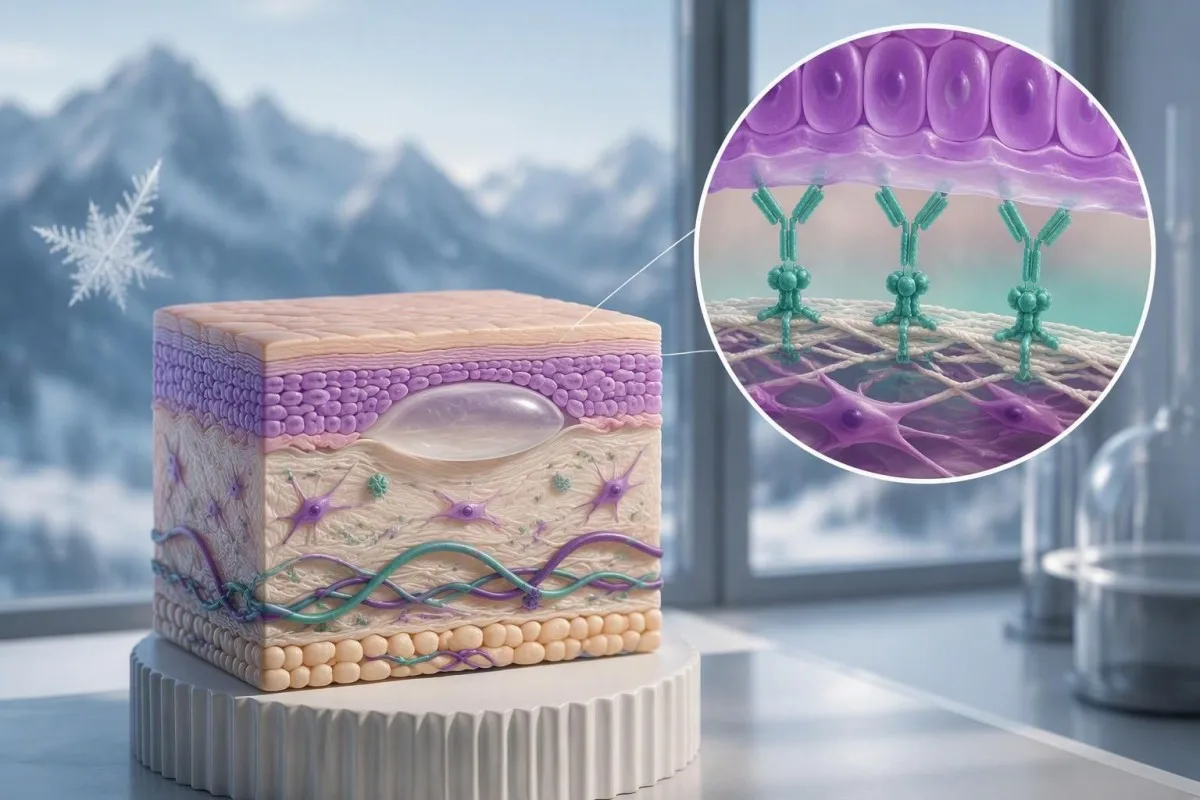
Matokeo chanya ya BP180 yanaunga mkono uwezekano wa ugonjwa wa ngozi wa kingamwili binafsi, lakini nambari hiyo haiwezi kuthibitisha utambuzi peke yake. Dalili, kipimo kilichotumika na sampuli za ngozi zilizokusanywa ipasavyo huamua hatua inayofuata.

Mambo muhimu ya kukumbuka
- Kingamwili za BP180 chanya humaanisha kuwa kipimo kiligundua kingamwili dhidi ya shabaha yake ya BP180; hakithibitishi pemfigoidi ya bullous peke yake.
- Viwango vya maabara vya kukata hutofautiana: baadhi ya vipimo vya BP180 hutumia takriban 9 U/mL, ilhali vingine hutumia takriban 20 U/mL. Soma viwango vya marejeo vya maabara yako.
- Matokeo chanya kwa kiwango cha chini bila kuwashwa, upele au malengelenge yanaweza kuashiria kugunduliwa kwa kingamwili kwa bahati au matokeo chanya ya uongo ya kipimo—si ugonjwa wa ngozi uliothibitishwa.
- Pemfigoidi isiyo na malengelenge inaweza kusababisha kuwashwa kwa kudumu bila malengelenge; visa 74 kati ya 343 vya pemfigoidi katika utafiti maalumu wa utambuzi havikuwa na malengelenge.
- Kingamwili za BP230 hutoa ushahidi wa nyongeza, lakini kutokuwepo kwa kingamwili za BP230 hakufuti uwezekano wa pemfigoidi ya malengelenge.
- Imunofluoresensi ya moja kwa moja huchunguza amana za kingamwili kwenye ngozi; IgG na/au C3 zilizopangwa kwa mstari kwenye utando wa msingi huunga mkono ugonjwa wa pemfigoidi.
- Sampuli mbili za ngozi mara nyingi hukusanywa: sampuli kutoka eneo lililoathirika kwa uchunguzi wa kawaida wa hadubini na sampuli iliyo karibu, iliyochaguliwa ipasavyo, kwa immunofluorescence ya moja kwa moja.
- Dalili za dharura ni pamoja na maumivu ya macho, mabadiliko ya uwezo wa kuona, ugumu wa kumeza, homa pamoja na mabadiliko makubwa ya ngozi, au malengelenge yanayoenea haraka; usisubiri matokeo mengine ya kingamwili.
Je, matokeo chanya ya BP180 yanathibitisha pemfigoidi ya bullous?
Hapana—matokeo chanya ya kingamwili za BP180 pekee hayathibitishi pemfigoidi ya malengelenge. Huunga mkono utambuzi dalili na hali ya ngozi vinapoendana, lakini matokeo chanya hafifu bila malengelenge yanaweza kuwa ya bahati tu; mara nyingi madaktari wa ngozi huhitaji uchunguzi wa ngozi kwa biopsy pamoja na immunofluorescence ya moja kwa moja, na wakati mwingine vipimo vya ziada vya kingamwili, ili kubaini chanzo.
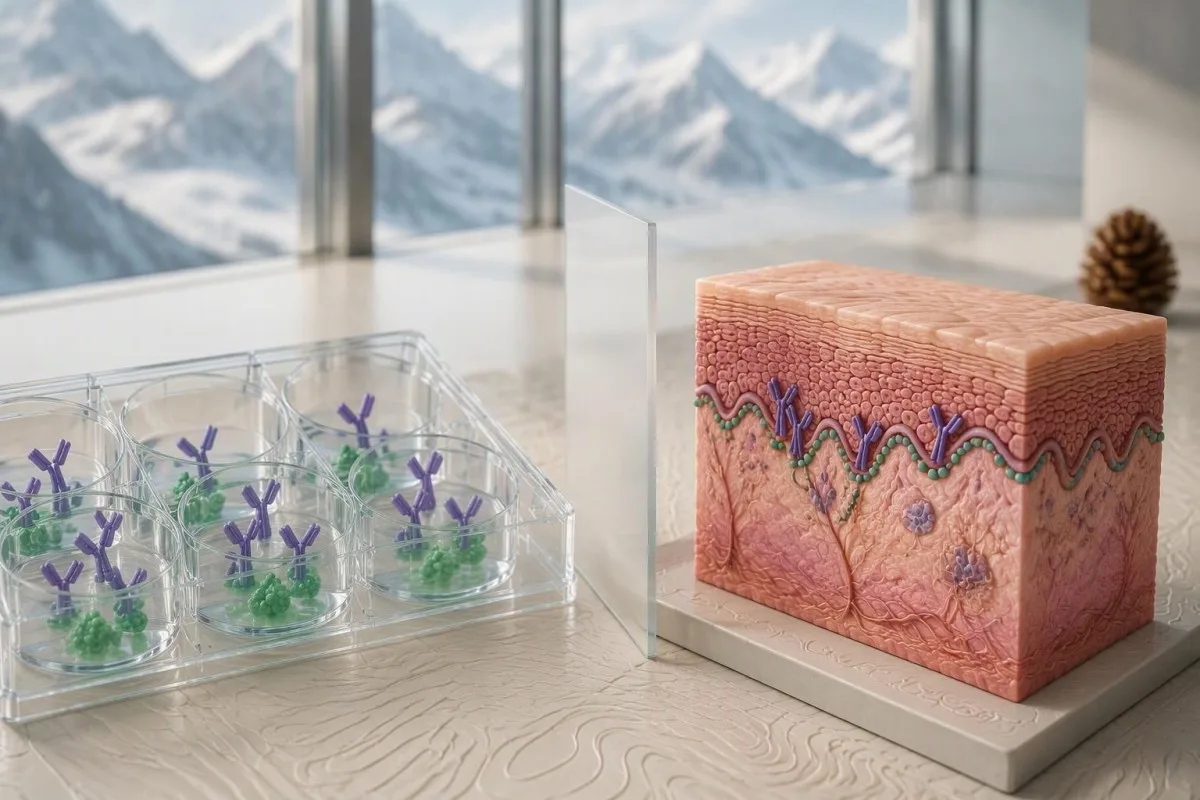
Utambuzi wa pemfigoidi ya malengelenge unahitaji ulinganifu wa kitabibu na wa kinga ya tishu, si tu thamani moja ya maabara iliyoainishwa kuwa isiyo ya kawaida. Mwongozo wa EADV wa 2022 unaeleza utambuzi kupitia picha ya kitabibu na uchunguzi unaofaa wa tishu na kingamwili zinazozunguka kwenye damu (Borradori et al., 2022); swali la kivitendo ni iwapo kingamwili zilizogunduliwa zinaeleza hali ya ngozi ya mtu huyo.
Kipimo chanya cha kingamwili na ugonjwa hai wa kingamwili mwilini ni matokeo tofauti. Kwa mfano, matokeo ya kudhaniwa ya 12 U/mL yanaweza kuwa chanya katika maabara moja, lakini mtu asiye na dalili mwenye matokeo hayo ana uwezekano tofauti wa utambuzi ikilinganishwa na mtu mwenye malengelenge mengi yanayowasha na yaliyovimba, na mwenye kiwango hicho hicho.
Kantesti ni kichanganuzi cha vipimo vya damu cha AI kinachosaidia kueleza matokeo ya BP180 pamoja na kiwango cha ukomo cha maabara na maelezo unayotoa. Maelezo yetu hayawezi kuchunguza ngozi yako au kufanya immunofluorescence ya moja kwa moja; yetu historia ya kampuni hutambua shirika lililo nyuma ya msaada huu wa kielimu.
Chukulia matokeo hayo kama sababu ya kuuliza swali mahususi zaidi, badala ya kuyachukulia kama lebo ya kudumu ya ugonjwa. Mwongozo wetu kuhusu matokeo chanya ya antibody unaeleza kwa nini ugunduzi wa kingamwili, shughuli ya ugonjwa, na uthibitisho wa utambuzi ni dhana tatu tofauti.
Kipimo cha kingamwili za BP180 hupima nini hasa?
Kipimo cha kingamwili za BP180 kwa kawaida hupima IgG ya seramu inayoelekezwa dhidi ya sehemu ya BP180, inayoitwa pia kolajeni ya aina ya XVII. BP180 ni protini yenye takriban 180 kDa inayohusika katika kushikilia epidermisi kwenye tishu iliyo chini yake; vipimo vingi vya kawaida hupima eneo lake la NC16A badala ya protini nzima.
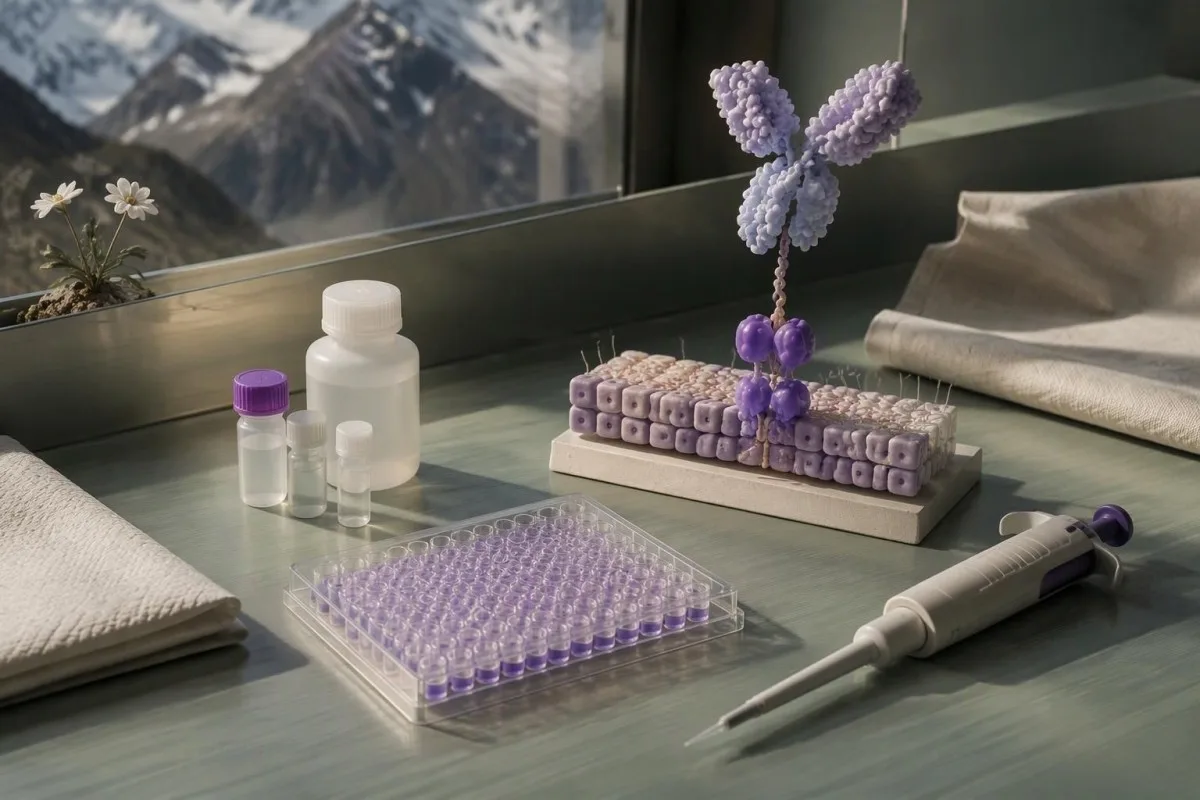
BP180 ni protini ya kimuundo ya ngozi, si dutu ambayo kiwango chake kwenye damu kinapimwa. Ripoti inaeleza kingamwili dhidi ya protini hiyo, kwa kawaida kwa kutumia kipimo cha immunosorbenti kinachohusishwa na kimeng'enya, au ELISA; thamani ya 30 U/mL kwa hiyo haimaanishi kwamba vitengo 30 vya protini ya ngozi vinazunguka kwenye damu.
The Kikoa cha NC16A kiko karibu na utando wa seli kwenye sehemu ya nje ya BP180 na ni lengo la mara kwa mara la kingamwili katika pemfigoidi ya kawaida yenye malengelenge. Kupima eneo hili huwezesha kipimo cha vitendo, lakini huacha pengo: kingamwili zinazoelekezwa hasa dhidi ya maeneo mengine zinaweza kukosekana katika utambuzi.
Kiasi cha kingamwili cha nambari hakiwezi kubadilishana na tita ya immunofluorescence. Matokeo yaliyoonyeshwa kama 1:40 hueleza mwitikio katika dilution fulani, ilhali 40 U/mL hueleza kiasi kilichosanifishwa kwa kipimo; maelezo yetu kuhusu vipimo vya kiasi dhidi ya vya ubora husaidia kutofautisha miundo hii ya kuripoti.
Angalia kama ripoti inasema BP180 NC16A IgG, kipimo kingine cha BP180, au paneli pana ya pemfigoidi. Hivi si vipimo sawia moja kwa moja, na ELISA hasi ya IgG haijibu kila swali kuhusu aina nyingine za kingamwili au malengo mengine ya utando wa chini ya epitheliamu.
Ni matokeo gani ya kingamwili za BP180 yanayohesabika kuwa chanya kwa kiwango cha chini?
Matokeo chanya hafifu ya BP180 ni thamani iliyo juu kidogo ya kiwango cha kukatia cha kipimo husika. Hakuna kiwango cha jumla kinachotumika kwa matokeo chanya hafifu: baadhi ya maabara hutumia kizingiti kilicho karibu na 9 U/mL, ilhali nyingine hutumia kilicho karibu na 20 U/mL, huku vipimo hivyo vikiwa na usanifishaji na kategoria tofauti za kuripoti.
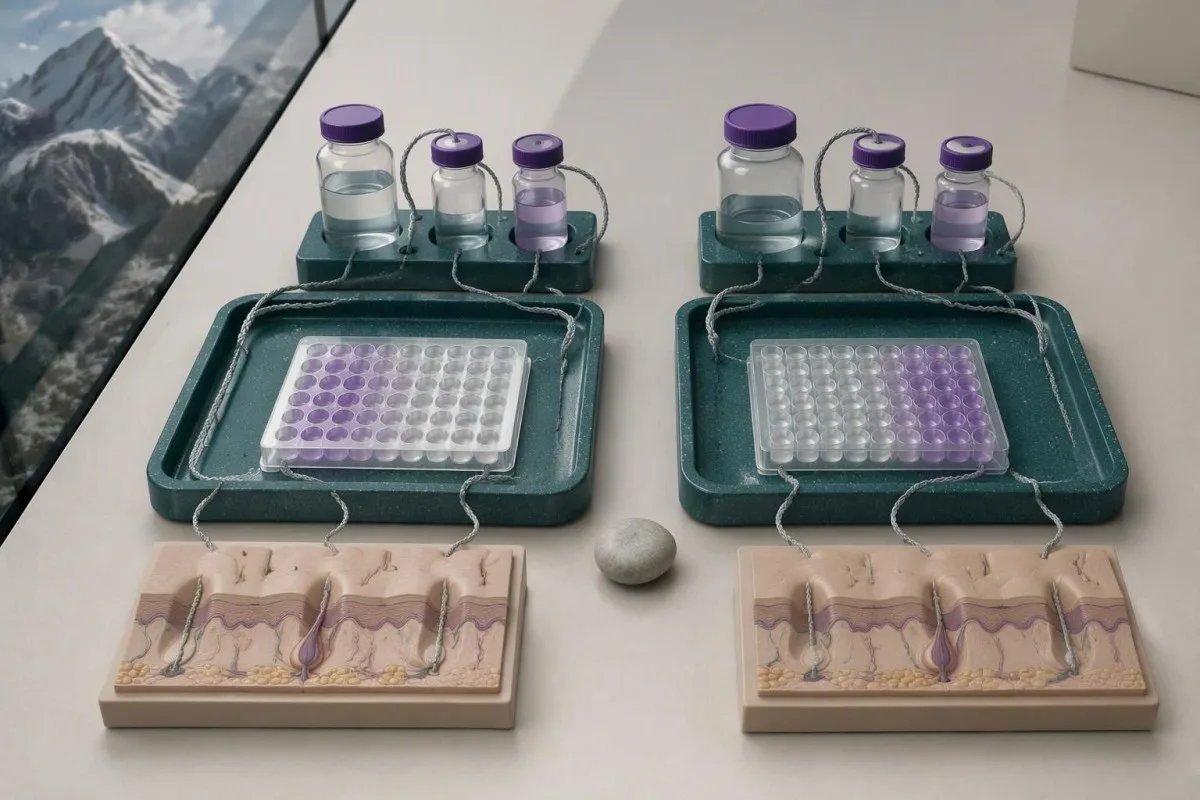
Vipimo vya BP180 havijasanifishwa kwa namna moja katika maabara zote. Matokeo ya 15 U/mL inaweza kuwa chanya kwa utaratibu unaotumia 9 U/mL na hasi kwa utaratibu unaotumia 20 U/mL, lakini hilo halithibitishi kuwa kipimo cha pili hakikugundua ugonjwa; mbinu na viwango sanifu vya vipimo hivyo vinaweza kutofautiana.
Viwango vya kukatia husawazisha unyeti dhidi ya umahususi katika makundi yaliyotumika kutathmini kipimo. Kushusha kizingiti kunaweza kugundua watu wengi zaidi walio na ugonjwa huku pia kukitambua kwa watu wengi zaidi wasio na ugonjwa; kiwango cha kukatia ni mpaka wa uamuzi wa maabara, si hatua ya kibayolojia ambayo ngozi huanza tu kupata malengelenge.
Kantesti AI inaweza kusaidia kuweka thamani ya BP180 iliyoripotiwa pamoja na kipimo chake cha marejeo kilichotolewa, lakini picha iliyokatwa inayoonyesha tu 18 U/mL huacha taarifa muhimu. Jumuisha jina la kipimo, vipimo, kategoria za tafsiri na maoni ya maabara; ya jumla kama alama ya nje ya kiwango haiwezi kuchukua nafasi ya maelezo hayo.
Mifano iliyo hapa chini inaonyesha sera mbili zinazowezekana za kuripoti badala ya kipimo cha jumla cha ukali. Hakuna kiwango cha mkusanyiko wa kingamwili za BP180 peke yake kinachofafanua dharura ya kimatibabu; kiwango kikubwa cha kuathirika kwa ngozi, upungufu wa maji mwilini, ugonjwa wa mwili mzima, na dalili za macho au njia ya hewa huamua uharaka.
| Kiwango | Wigo | Maana yake |
|---|---|---|
| Kipimo cha mfano A: chini ya kiwango cha ukomo | <9 U/mL | Hasi chini ya sera hii ya maabara ya kielelezo; ugonjwa hauondolewi ikiwa shaka ya kitabibu bado ni kubwa. |
| Kipimo cha mfano A: sawa na au juu ya kiwango cha ukomo | ≥9 U/mL | Chanya chini ya sera hii; ukaribu na kiwango cha ukomo na matokeo ya uchunguzi wa kitabibu huathiri tafsiri. |
| Kipimo cha mfano B: chini ya kiwango cha ukomo | <20 U/mL | Hasi chini ya sera tofauti ya kielelezo; usibadilishe moja kwa moja kati ya mifumo ya vipimo. |
| Kipimo cha mfano B: sawa na au juu ya kiwango cha ukomo | ≥20 U/mL | Chanya chini ya sera hii; nambari hiyo peke yake haithibitishi utambuzi au ukali. |
Kwa nini matokeo chanya ya BP180 yanaweza kupotosha?
Matokeo chanya ya BP180 hayashawishi sana ikiwa uwezekano wa awali wa mtu kuwa na pemphigoid ulikuwa mdogo. Hata kipimo chenye usahihi wa kuridhisha hutoa matokeo chanya ya uongo, kwa hiyo maana ya matokeo hubadilika kati ya watu wasio na dalili wanaofanyiwa uchunguzi wa awali na kliniki maalumu inayotathmini malengelenge yenye sifa bainifu.
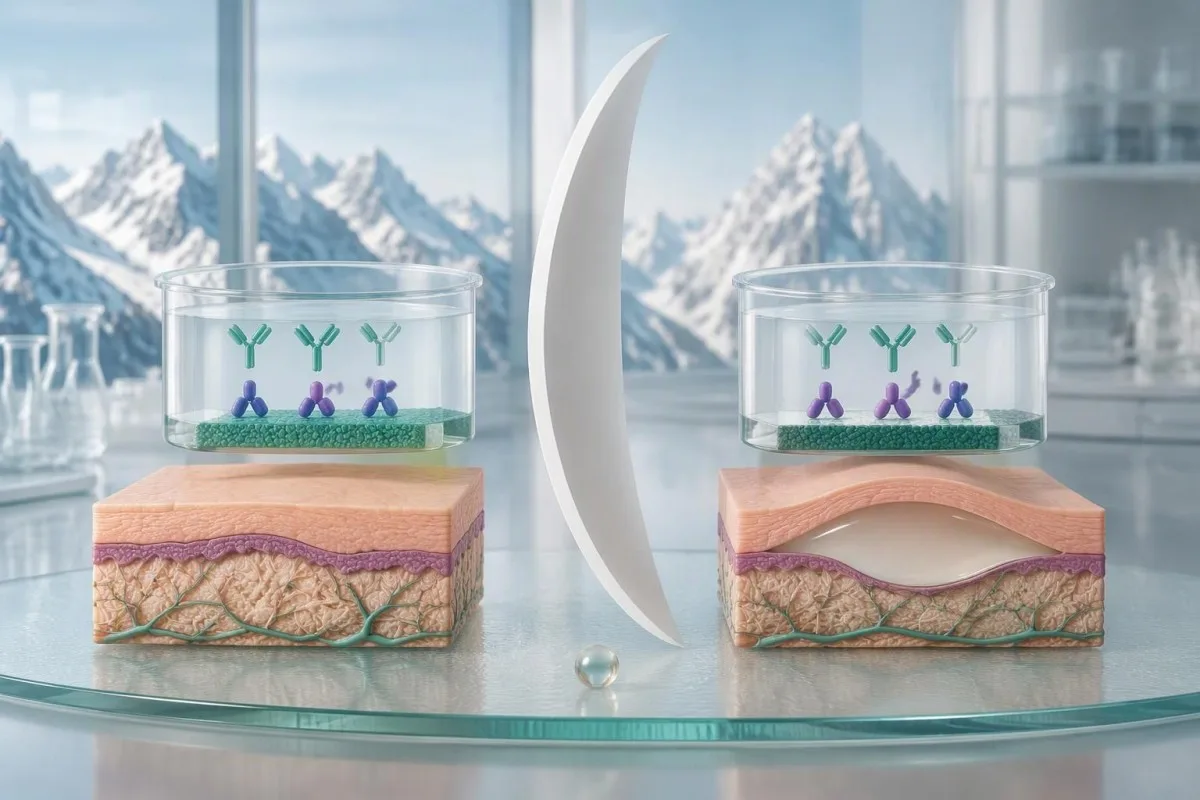
Unyeti na umaalumu si sawa na uwezekano kwamba wewe binafsi una ugonjwa baada ya kupata matokeo chanya. Uwezekano huo pia hutegemea jinsi hali hiyo ilivyo ya kawaida katika kundi lililopimwa; tofauti hii ni muhimu zaidi wakati paneli ya kingamwili ilipoagizwa kwa upana badala ya kuchunguza muundo mahususi wa ngozi.
Fikiria kipimo cha kubuni kilicho dhahania kabisa chenye unyeti wa 90% na umaalumu wa 95%, kilichotumiwa kwa watu 1,000 ambao uwezekano wao wa kuwa na ugonjwa ni 1%. Kingetambua takriban matokeo chanya 9 ya kweli na matokeo chanya 50 ya uongo, na kufanya thamani ya utabiri chanya kuwa takriban 15%; hizi ni dhana za kufundishia, si madai kuhusu utendaji wa kipimo chako cha BP180.
Use the same hypothetical assay where disease probability is 20%, and approximately 180 true positives and 40 false positives would occur per 1,000 tests. The positive predictive value becomes about 82%—a large change caused by clinical context, not by a different laboratory method.
These examples explain why a dermatologist may request tissue testing despite a positive result, or take characteristic symptoms seriously despite a negative one. Our discussion of tafsiri ya kingamwili za MOG illustrates the same probability principle in another autoimmune condition, although its diagnostic criteria cannot be transferred to pemphigoid.
Itakuwaje ikiwa BP180 ni chanya lakini huna malengelenge?
A low-positive BP180 result without blisters does not establish bullous pemphigoid or reliably predict future blistering. The next distinction is whether you have no skin symptoms at all, or persistent itching and an unexplained rash that could represent a nonbullous pemphigoid presentation.
Incidental BP180 antibody detection can occur without clinically established pemphigoid. Possible explanations include low-level autoreactivity and assay-related false positivity; there is no validated conversion rule that turns an isolated result of 11 U/mL into a percentage risk of developing blisters later.
A hypothetical person with 11 U/mL, no itching, no rash, and no mucosal symptoms usually needs a contextual review rather than automatic immunosuppressive treatment. The clinician should check why the assay was ordered, whether the result was unexpected, and whether a skin examination reveals findings the person had not recognized.
Persistent dryness and itching still deserve assessment because common explanations remain common. Eczema, medication effects, thyroid disease, and other causes may be more likely than pemphigoid; our dry skin testing guide explains why additional blood tests should follow symptoms rather than a blanket panel.
Kuna no universal repeat-testing interval for an asymptomatic low-positive BP180 result. A clinician may choose observation, a repeat using the same method, or specialist review depending on the history; new persistent itching, urticarial plaques, or blisters should change that plan rather than waiting for a scheduled repeat.
Je, pemfigoidi ya bullous inaweza kuanza kwa kuwashwa pekee?
Pemphigoid can present with persistent itching, eczema-like patches, urticarial plaques, or scratch-related changes without visible blisters. In a specialist diagnostic study, 74 of 343 pemphigoid cases—21.6%—were nonbullous, showing that the absence of blisters cannot independently exclude the disorder (Meijer et al., 2019).
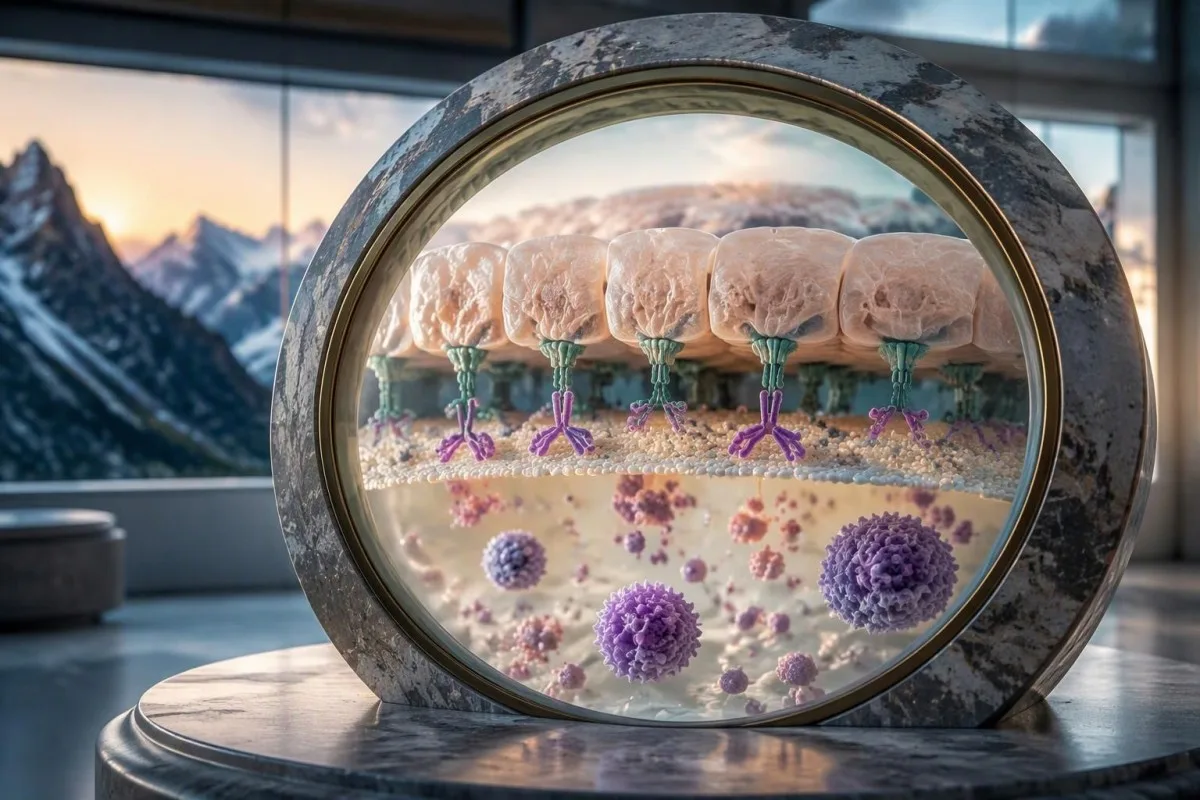
Nonbullous pemphigoid is not simply every itchy rash with a positive BP180 result. Diagnosis still needs compatible symptoms and appropriate immunopathological evidence; the 21.6% study figure came from a referred population and should not be interpreted as the probability that any person with itching has pemphigoid.
The symptom pattern often matters more than whether one small blister has appeared. Persistent, widespread itching in an older adult, especially with recurrent raised plaques or poor response to ordinary eczema care, warrants a dermatological assessment; our itchy skin laboratory guide separates skin-directed testing from tests for systemic causes.
Eosinophilia can accompany bullous pemphigoid, but it is neither required nor diagnostic. An absolute eosinophil count above approximately 0.5 × 10^9/L is often flagged in adults, yet allergy, medications, and parasites can produce the same finding; our guide to hesabu za juu za eosinophil explains those alternatives.
A dermatologist does not always need to wait for a blister before collecting a useful sample for direct immunofluorescence. In nonbullous disease, sample selection is tailored to the available rash and laboratory protocol; document the distribution and duration of itching, because a disappearing rash can make later assessment harder.
Kingamwili za BP230 hukamilishaje upimaji wa BP180?
BP230 antibodies provide complementary evidence for pemphigoid but cannot confirm or exclude bullous pemphigoid alone. BP230 is an approximately 230-kDa intracellular anchoring protein, whereas BP180 crosses the cell membrane; their different locations and antibody targets help explain why the two results can disagree.
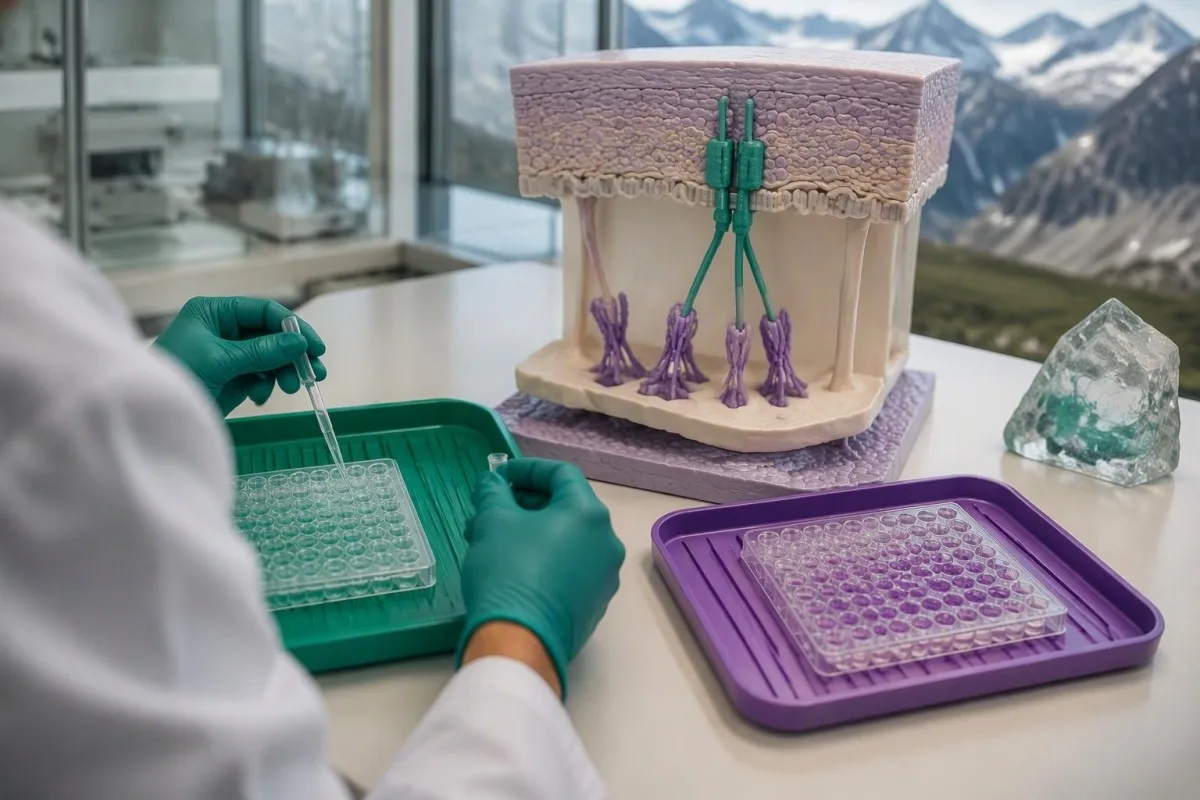
A negative BP230 antibody result does not cancel a positive BP180 result. Some people with confirmed pemphigoid have antibodies detectable against only one tested antigen, and each assay has its own sensitivity; interpreting the pair as a two-test pass-or-fail rule creates avoidable diagnostic errors.
Mtu wa kubuniwa BP180 result of 45 U/mL with negative BP230 antibodies still warrants assessment if tense blisters and severe itching are present. Conversely, isolated low-positive BP230 antibodies without compatible findings are not enough to diagnose pemphigoid; a second positive marker strengthens a pattern only when the overall evidence fits.
Kantesti is an AI biomarker interpretation platform that can explain BP180 and BP230 antibodies as complementary findings rather than interchangeable scores. This is similar to the reasoning used for antibody panels in connective disease, but skin-specific tissue findings remain central to pemphigoid assessment.
Do not add BP180 and BP230 concentrations together, even if both are expressed in U/mL. They represent different antigen-specific measurements with different calibration systems; BP180 levels generally have a better-established relationship with disease activity than BP230 levels, but neither replaces examination.
Kwa nini unaweza kuhitaji biopsi ya ngozi yenye immunofluorescence ya moja kwa moja?
Skin biopsy with direct immunofluorescence can show whether antibodies or complement are deposited at the skin's basement membrane. Dermatologists often collect two separate specimens because routine microscopy and direct immunofluorescence answer different questions and require different sample handling.
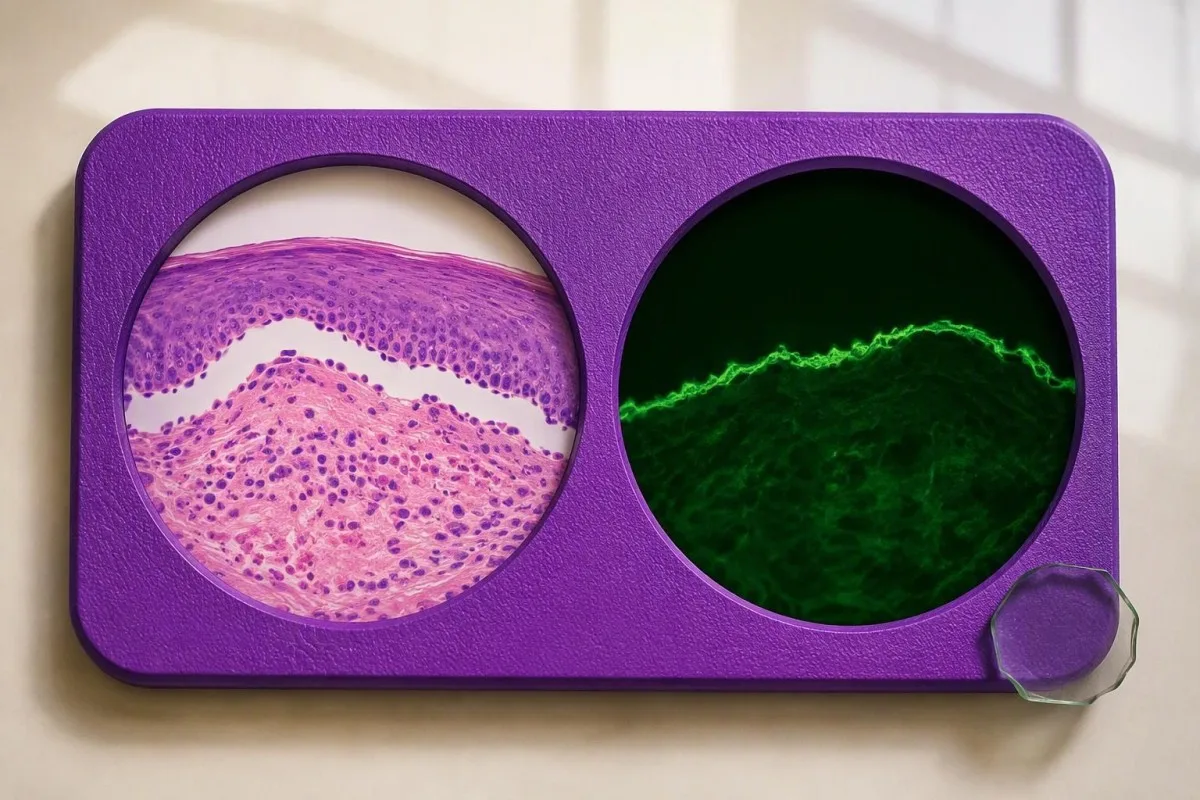
Routine histology examines tissue structure and inflammatory cells. A sample from a fresh blister or suitable affected area may show separation beneath the epidermis and eosinophils, but these features are not unique to bullous pemphigoid; the second sample looks for the immune-deposit pattern that helps classify the disorder.
For classic blistering presentations, the direct-immunofluorescence sample is commonly taken from appropriately selected skin near a fresh blister rather than its eroded center. A small 3–4-mm punch is often used, although technique and location depend on the case; sampling heavily damaged tissue can remove the structures the laboratory needs to examine.
The specimen for direct immunofluorescence must not be routinely placed in formalin. Laboratories generally require a dedicated transport medium or another explicitly agreed handling method, while the routine histology specimen commonly goes into formalin; ask whether the two containers have been prepared for their separate purposes.
In Meijer et al.'s 2019 diagnostic cohort, direct immunofluorescence had a sensitivity of 88.3%, so even this valuable test was not infallible. Kantesti's uthibitisho wa kimatibabu wa Kantesti concerns our interpretation methodology—not a claim that AI can reproduce skin immunofluorescence or establish its findings.
Immunofluorescence chanya na vipimo vya mgawanyiko wa chumvi humaanisha nini?
Linear IgG and/or C3 along the basement membrane on direct immunofluorescence supports a pemphigoid-spectrum disorder, but the pattern is not unique to bullous pemphigoid. Indirect immunofluorescence on salt-split skin can add evidence by showing where circulating antibodies bind relative to an experimentally created tissue separation.
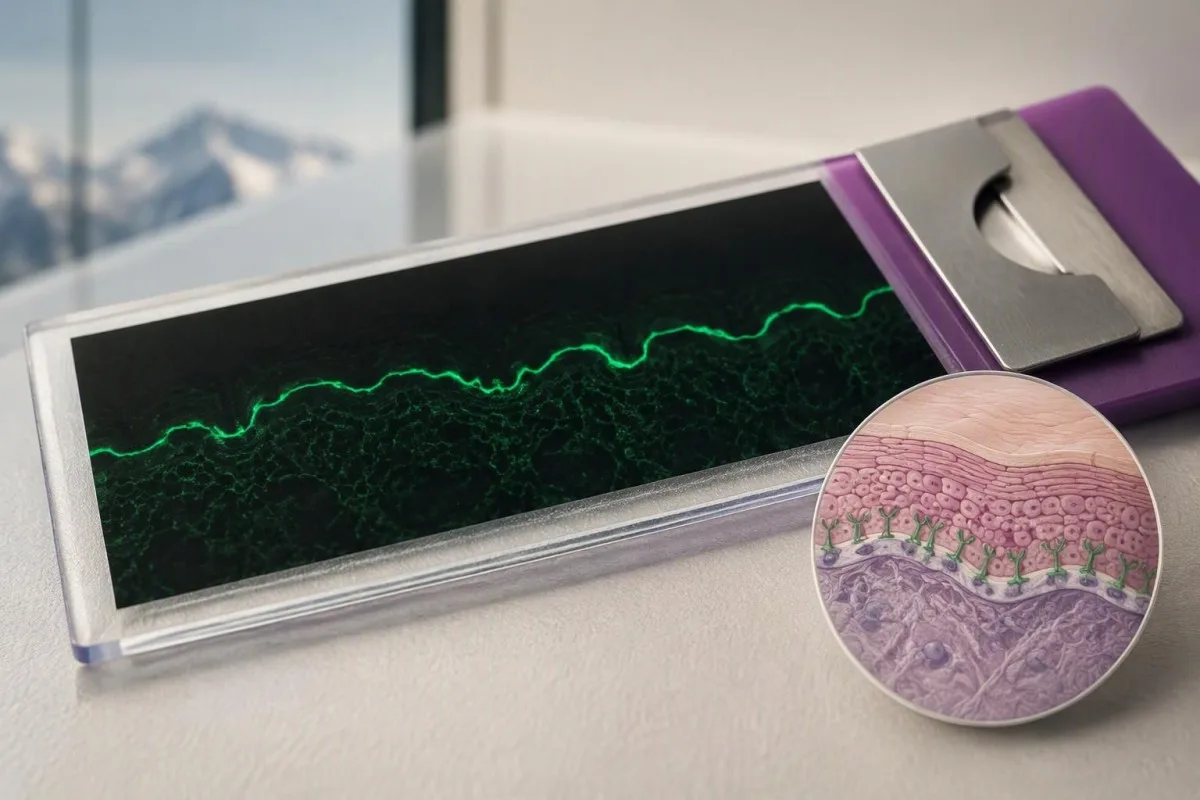
Direct and indirect immunofluorescence use different materials. Direct testing examines deposits already present in the person's skin, while indirect testing applies the person's serum to a laboratory substrate; a positive result in one test and a negative result in the other is therefore possible without a reporting error.
On salt-split skin, bullous pemphigoid antibodies commonly bind the epidermal side, often called the roof. Antibodies binding the dermal side, or floor, raise consideration of other disorders such as epidermolysis bullosa acquisita or anti-p200 pemphigoid, but binding location alone does not fully classify every case.
Meijer et al. reported 99.9% specificity for indirect immunofluorescence on salt-split skin in their 2019 diagnostic cohort. That high figure applies to that study and testing pathway; a negative result still cannot exclude pemphigoid because specificity describes false positives, not how many cases the test misses.
C3 detected in skin is not the same measurement as a serum C3 concentration. A normal circulating complement result does not negate local deposits at the basement membrane; our complement testing explanation helps prevent this common cross-test misunderstanding.
Itakuwaje ikiwa BP180, biopsi ya ngozi na dalili havipatani?
Discordant BP180 and skin-test results require a review of the clinical picture, assay target, sampling site, and specimen handling. A positive ELISA with negative direct immunofluorescence can reflect incidental antibodies or an uninformative skin sample; a negative NC16A ELISA can miss disease directed against other targets.
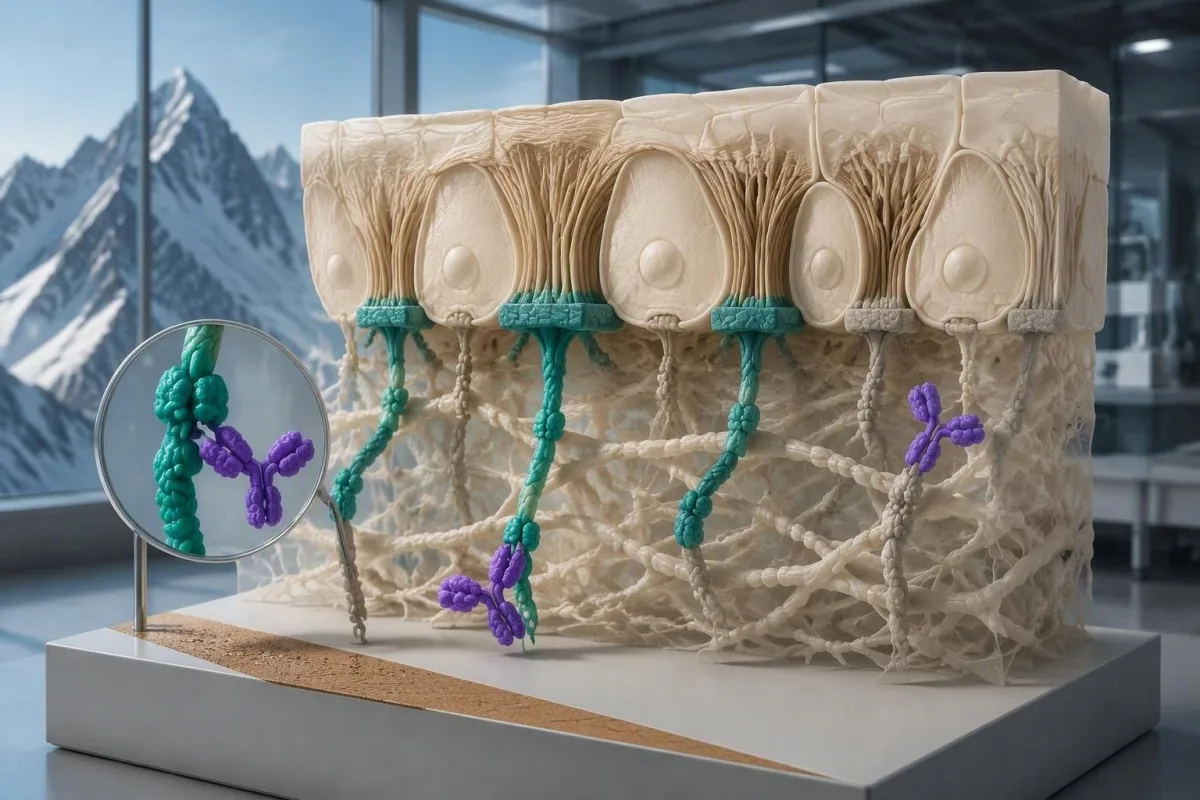
A negative direct-immunofluorescence result is less reassuring if the sample was poorly selected or incorrectly transported. Treatment before sampling may also influence findings, so clinicians need to know which creams or systemic medicines were used and where; never stop prescribed treatment solely to make a test more likely to turn positive.
A hypothetical person with characteristic new blisters, BP180 of 80 U/mL, and a negative direct-immunofluorescence specimen from an old eroded site may need repeat sampling. The same antibody result with no compatible skin findings demands a different investigation; the discrepancy does not have one automatic explanation.
A negative BP180 NC16A result does not exclude every form of pemphigoid. Further testing may include BP230 antibodies, indirect immunofluorescence, or specialized assays for other antigens; our guide to negative myasthenia antibody tests illustrates why a limited antigen panel cannot exclude an entire autoimmune disease category.
Repeat testing should address a specific uncertainty rather than create an endless sequence of panels. Ask whether the next investigation is checking the same antigen by another method, examining an additional antigen, or correcting a tissue-sampling problem; each strategy answers a different diagnostic question.
Ni hali gani nyingine zinazoweza kufanana na pemfigoidi yenye BP180 chanya?
BP180 antibodies can occur in other pemphigoid-spectrum conditions, including mucous membrane pemphigoid and pemphigoid gestationis. Eczema, scabies, and drug-related eruptions can resemble early bullous pemphigoid clinically, while pemphigus involves different adhesion proteins and usually a different level of skin separation.
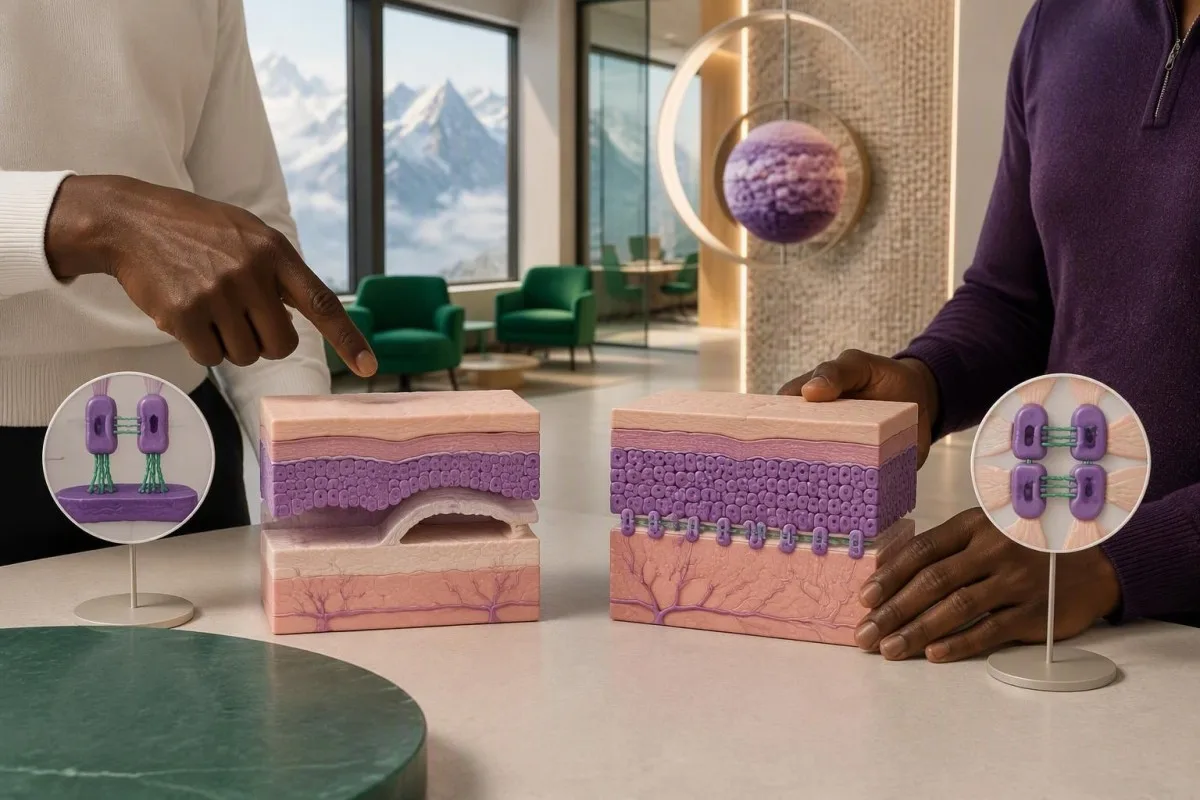
Bullous pemphigoid typically causes tense blisters because separation occurs beneath the epidermis. Pemphigus often produces more fragile blisters or erosions through loss of adhesion within the epidermis; our desmoglein antibody guide explains why BP180 testing cannot substitute for a pemphigus evaluation.
Predominantly mouth, eye, genital, or other mucosal involvement raises concern for mucous membrane pemphigoid, especially when scarring occurs. Eye pain, light sensitivity, or vision changes require urgent assessment because waiting for a repeat antibody concentration can delay treatment of a sight-threatening process.
Pemphigoid gestationis is associated with pregnancy and can produce BP180 antibodies. Pregnancy or recent childbirth therefore changes the interpretation of the same laboratory result; the distinction requires obstetric and dermatological coordination rather than assuming that every BP180-positive blistering disorder is classic older-adult bullous pemphigoid.
Scabies can cause intense itching and may coexist with an unrelated positive antibody result. Household itching, characteristic distribution, and burrows alter the differential; our scabies symptom guide is useful for that comparison, but neither household exposure nor BP180 positivity independently settles the diagnosis.
Je, dawa hubadilisha tafsiri ya BP180 au maamuzi ya matibabu?
Medication history can change the likelihood and presentation of bullous pemphigoid, but a positive BP180 result alone is not a reason to stop a medicine. DPP-4 inhibitors used for diabetes and immune checkpoint inhibitors are recognized associations; treatment decisions depend on confirmed disease, severity, and the person's other health risks.
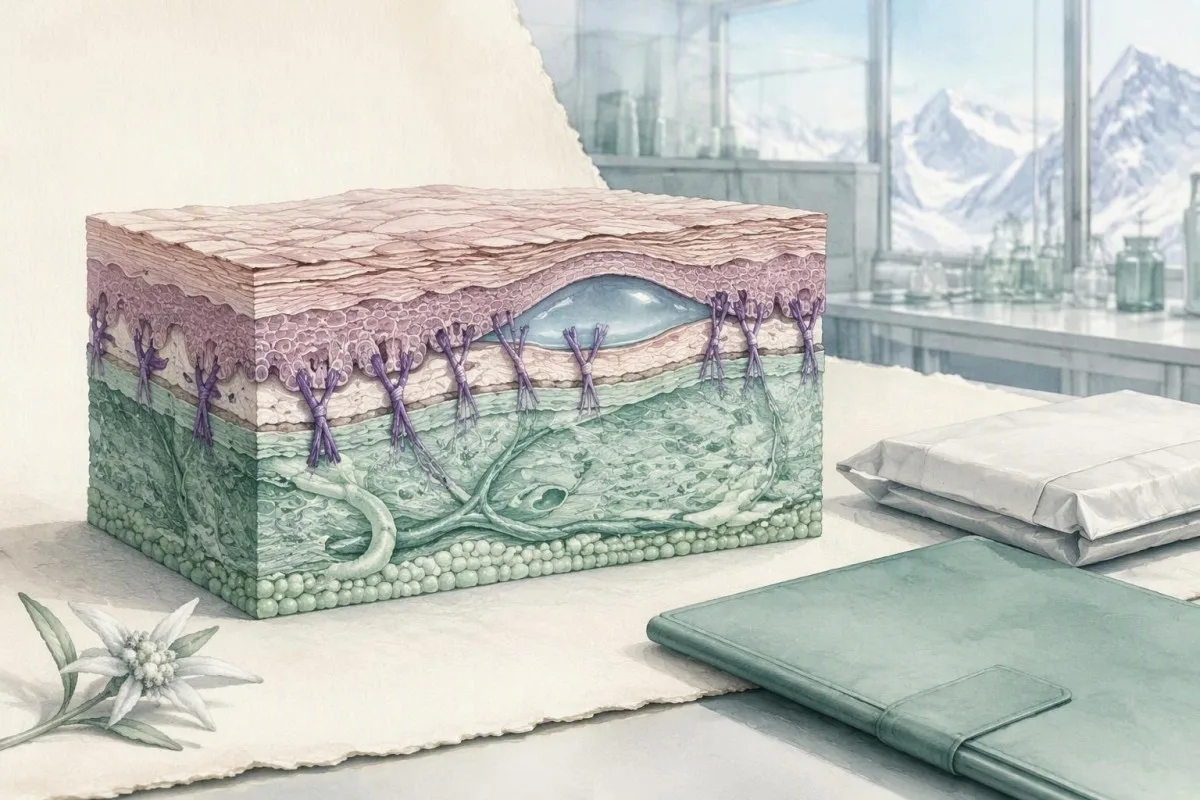
DPP-4 inhibitor-associated pemphigoid can have a less typical inflammatory presentation and may show limited NC16A reactivity. This is not universal, and exposure does not prove causation; bring a complete medicine list, including start dates, to a review using our senior medication effects guide as a preparation aid.
The 2022 EADV guideline recommends potent topical corticosteroids as a mainstay when feasible and discusses oral prednisone at approximately 0.5 mg/kg/day as an alternative in suitable circumstances (Borradori et al., 2022). These are clinician-directed treatment options for disease, not instructions to treat an isolated antibody result or begin steroids without assessment.
Systemic corticosteroids can create additional risks that are unrelated to the BP180 concentration. People with relevant residence or travel exposure may need assessment for Strongyloides before significant immunosuppression; our Strongyloides antibody explanation describes why an apparently unrelated parasite history can become a treatment-safety issue.
Kidney function, glucose, infection risk, and the ability to apply topical treatment may influence the choice of therapy more than whether BP180 is 40 or 80 U/mL. Yetu mwongozo wetu wa kutafsiri utendaji wa figo covers supportive laboratory assessment, but renal markers do not confirm pemphigoid.
Je, viwango vya BP180 vinaweza kufuatilia shughuli ya ugonjwa na kupona?
BP180 antibody levels can support monitoring in confirmed bullous pemphigoid, but they do not replace examination or determine treatment alone. Concentrations often track disease activity at a group level; individual patients can remain antibody-positive while their skin is controlled or experience symptoms without a proportionate rise.
A falling BP180 concentration is most useful when it agrees with fewer new blisters and less itching. A hypothetical decline from 120 to 35 U/mL on the same assay supports an improving pattern, but it does not independently establish remission or justify stopping treatment.
An increase from 12 to 14 U/mL near a cutoff may reflect analytical or biological variation rather than a meaningful change in disease. There is no universal percentage increase that proves relapse across all BP180 assays; the method, timing, symptoms, and previous response need to be considered together.
Kantesti is an AI blood test interpretation platform that can organize serial BP180 results without treating a laboratory trend as a diagnosis. Yetu maelezo ya teknolojia ya AI describes the interpretation workflow; preserving each report's assay name and reference interval matters when comparing two or more measurements.
Changing laboratories can create an apparent rise or fall that is partly methodological. Our mwongozo wa mwenendo wa usalama wa dawa explains why dates, doses, and laboratory context belong beside the numbers; photograph new skin findings and record new-blister counts when your dermatologist requests them.
Unapaswa kuleta nini kwenye miadi ya ufuatiliaji, na ni ushahidi gani unaohusika?
Bring the full BP180 report, any BP230 result, symptom photographs, and your complete medication list to follow-up. These four information groups help a clinician decide whether you need observation, additional serum testing, properly handled skin samples, or urgent assessment rather than another isolated antibody measurement.
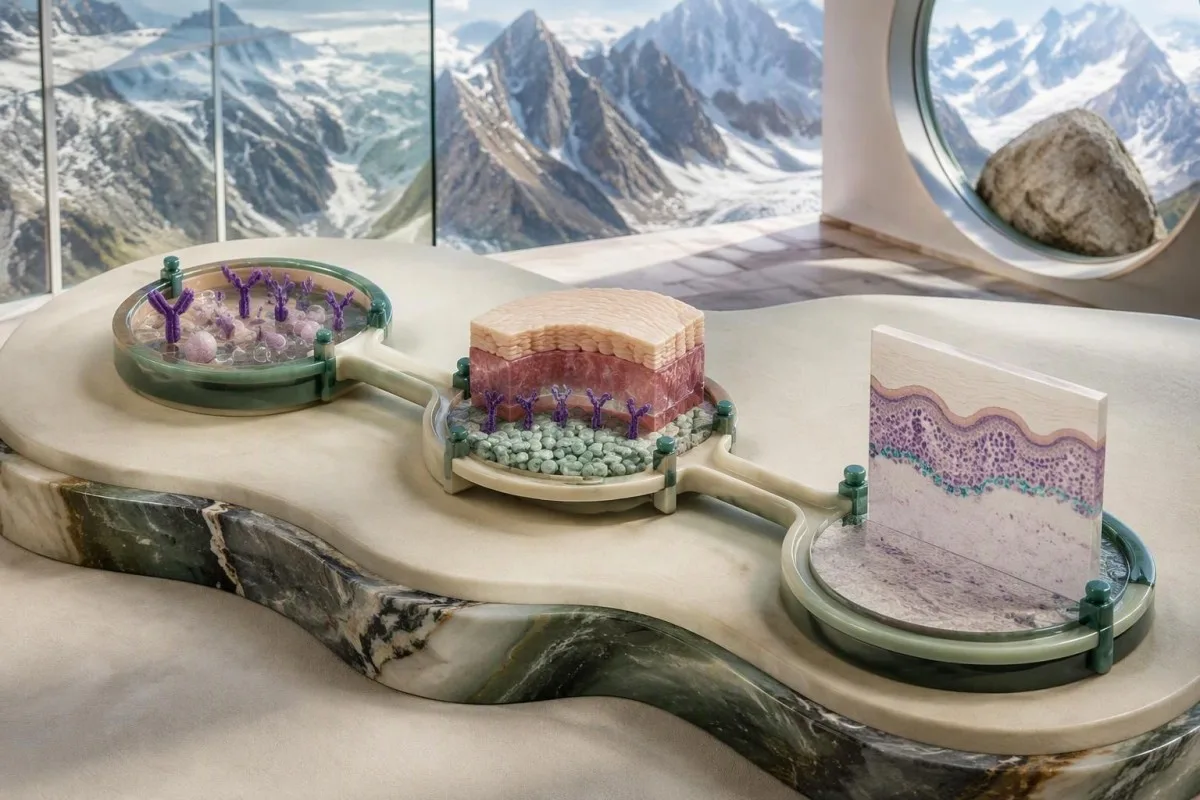
A useful report includes the exact assay name, numerical value, units, cutoff, and collection date. If a hypothetical BP180 result reads 16 U/mL, the missing cutoff may reverse whether it is considered positive; also request the actual histology and direct-immunofluorescence reports rather than relying on the phrase 'skin biopsy normal.'
New eye symptoms, swallowing difficulty, extensive rapidly spreading blisters, fever, or inability to maintain fluids need prompt clinical attention. Do not wait for a scheduled second test when those symptoms appear; supportive urinalysis can answer separate medical questions, as explained in our wa tafsiri ya urinalysis, but it cannot establish a pemphigoid diagnosis.
Kantesti helps explain the distinctions between a flagged antibody result, a probable diagnosis, and confirmed disease. Yetu kanuni za AI inayowajibika describe the boundaries of educational interpretation; only a clinician with access to your examination and appropriate investigations can decide whether a Kingamwili za BP180 chanya result represents active pemphigoid.
The directly relevant evidence here comes from the 2022 EADV guideline and the 2019 JAMA Dermatology diagnostic study. The two Zenodo publications listed below concern kidney-function and urinalysis interpretation and are included as background educational publications, not evidence that BP180 confirms bullous pemphigoid or that our AI has validated diagnostic accuracy for this condition.
Maswali ya mara kwa mara
Je, matokeo chanya ya kipimo cha kingamwili za BP180 yanamaanisha nina pemfigoidi ya malengelenge bila shaka?
Kipimo chanya cha kingamwili ya BP180 hakimaanishi kwa uhakika kwamba una bullous pemphigoid. Baadhi ya maabara hutumia kiwango cha kukata kilicho karibu na 9 U/mL na nyingine kilicho karibu na 20 U/mL, kwa hiyo kipimo mahususi na masafa ya marejeo ni muhimu. Kuwashwa au malengelenge yanayoendana na hali hiyo hufanya matokeo yawe na maana zaidi, ilhali matokeo chanya hafifu yasiyoambatana na dalili nyingine yanaweza kuwa ya bahati tu au kuwa chanya kwa makosa. Huenda ukahitaji kufanyiwa biopsi ya ngozi yenye immunofluorescence ya moja kwa moja na vipimo vya ziada vya kingamwili ili kuthibitisha utambuzi.
Matokeo chanya kidogo ya BP180 yanamaanisha nini ikiwa sina malengelenge?
Matokeo chanya kwa kiwango cha chini ya BP180 bila malengelenge yanaweza kuashiria ugunduzi wa kingamwili usiohusiana na ugonjwa, matokeo chanya ya uongo yanayohusiana na kipimo, au pemfigoidi inayojitokeza bila malengelenge. Kwa mfano, 12 U/mL ni matokeo chanya kwa kizingiti cha 9-U/mL, lakini hayawezi kutabiri iwapo mtu asiye na dalili atapatwa na ugonjwa. Kuwashwa kwa ngozi kusikokoma au upele usio na sababu inayoeleweka kunastahili tathmini ya daktari wa ngozi hata bila malengelenge. Hakuna muda wa jumla unaokubalika wa kurudia kipimo wala pendekezo la matibabu linalotegemea tu matokeo moja chanya kwa kiwango cha chini.
Je, ninaweza kuwa na pemfigoidi ya malengelenge huku vipimo vya kingamwili za BP180 vikiwa hasi?
Pemfigoidi ya malengelenge inaweza kutokea licha ya majibu hasi ya kingamwili za BP180 katika kipimo cha kawaida cha NC16A. Kipimo hiki huchunguza eneo mahususi la protini ya takriban kDa 180 na huenda kisigundue kingamwili zinazoelekezwa hasa dhidi ya maeneo mengine. Upimaji wa BP230, uchunguzi wa moja kwa moja wa kingamwili kwa mwangaza wa fluoresensi, na uchunguzi wa kingamwili usio wa moja kwa moja kwa mwangaza wa fluoresensi unaweza kutoa ushahidi wa ziada. Kipimo hasi cha damu hakipaswi kukomesha tathmini wakati matokeo ya uchunguzi wa ngozi yanaashiria kwa nguvu pemfigoidi.
Je, matokeo hasi ya kingamwili za BP230 yanaondoa uwezekano wa pemfigoidi yenye malengelenge?
0 Negative ya kingamwili za BP230 haziondoi uwezekano wa pemphigoid yenye malengelenge. BP230 ni protini ya ndani ya seli inayoshikilia, yenye uzito wa takriban kDa 230, na baadhi ya watu walio na ugonjwa uliothibitishwa hawana kingamwili zinazoweza kugunduliwa dhidi yake. Matokeo chanya ya BP180 pamoja na kingamwili hasi za BP230 bado yanaweza kuendana na utambuzi huo wakati matokeo ya kliniki na tishu yanakubaliana. Viwango vya kingamwili hizo mbili havipaswi kujumlishwa pamoja au kuchukuliwa kama kanuni ya uthibitisho kwa vipimo viwili.
Kwa nini wakati mwingine biopsi mbili za ngozi huhitajika kwa pemfigoidi?
Mara nyingi huhitajika biopsi mbili za ngozi kwa sababu histolojia ya kawaida na upimaji wa moja kwa moja wa mwangaza wa kingamwili hujibu maswali tofauti ya uchunguzi. Kwa kawaida hutumika punch biopsy ndogo ya mm 3–4, ingawa daktari wa ngozi huchagua mbinu na eneo kulingana na hali ya mgonjwa. Sampuli moja huchunguza muundo wa tishu, huku nyingine ikitafuta amana za kinga kwenye utando wa msingi. Sampuli ya upimaji wa moja kwa moja wa mwangaza wa kingamwili huhitaji njia yake maalumu ya usafirishaji iliyokubaliwa na haipaswi kuwekwa kwenye formalini kama utaratibu wa kawaida.
Je, kiwango cha juu cha BP180 kinamaanisha kuwa pemfigoidi yangu ni kali?
A high BP180 level does not independently determine how severe pemphigoid is or whether it is an emergency. A result of 100 U/mL must be interpreted using that assay's cutoff and alongside the extent of skin involvement, itching, new blisters, and general health. Antibody levels often relate to disease activity, but individual results and symptoms can disagree. Eye pain, vision changes, difficulty swallowing, or rapidly spreading extensive blistering require prompt assessment regardless of the antibody concentration.
Je, kingamwili dhidi ya BP180 zinapaswa kuwa hasi kabla ya matibabu kusitishwa?
0 Kingamwili za BP180 si lazima kila wakati ziwe hasi kabla ya daktari kuzingatia kupunguza au kusitisha matibabu ya pemfigoidi. Kupungua kwa kiwango cha kubuniwa kutoka 120 hadi 35 U/mL kunaweza kuashiria nafuu, lakini dalili, kutokea kwa malengelenge mapya, uchunguzi na historia ya kurudia kwa ugonjwa huelekeza uamuzi. Kingamwili zinaweza kuendelea kugundulika wakati hali ya ngozi imedhibitiwa, na hakuna kiwango cha jumla cha kusitisha matibabu kinachotumika kwa vipimo vyote. Usibadilishe matibabu uliyoandikiwa kwa kutegemea tu mwenendo wa kingamwili.
Pata maelezo ya jinsi ya kusoma matokeo ya vipimo vya damu
Pakia ripoti yako ya maabara na AI ya Kantesti itaeleza kila kiashiria cha kibayolojia kwa lugha rahisi ndani ya sekunde chache. Inatumiwa na zaidi ya watu milioni 2 duniani kote.
Marejeleo
- Klein, T., Mitchell, S., & Weber, H. (2026). Ufafanuzi wa Mbadala wa BUN/Creatinine: Mwongozo wa Kipimo cha Utendaji wa Kifua. Utafiti wa Kimatibabu wa AI ya Kantesti. DOI
- Klein, T., Mitchell, S., & Weber, H. (2026). Urobilinogen katika Kipimo cha Mnywaji: Mwongozo kamili wa Urinalysis 2026. Utafiti wa Kimatibabu wa AI ya Kantesti. DOI
- Borradori L et al. (2022). Updated S2 K guidelines for the management of bullous pemphigoid initiated by the European Academy of Dermatology and Venereology (EADV). Journal of the European Academy of Dermatology and Venereology. DOI
- Meijer JM et al. (2019). Assessment of Diagnostic Strategy for Early Recognition of Bullous and Nonbullous Variants of Pemphigoid. JAMA Dermatology. DOI
- 2M+Vipimo vilivyochanganuliwa
- 127+Nchi
- 100+Lugha
Kuhusu timu ya matibabu


E-E-A-T Trust Signals
Uzoefu
Mapitio ya kimatibabu inayoongozwa na daktari ya mifumo ya tafsiri ya maabara.
Utaalamu
Kuzingatia dawa za maabara kuhusu jinsi viashiria (biomarkers) vinavyobadilika katika muktadha wa kliniki.
Mamlaka
Imekaguliwa kimatibabu na Dkt. Thomas Klein, kwa michango kutoka kwa Dkt. Sarah Mitchell na Prof. Dkt. Hans Weber.
Uaminifu
Tafsiri inayotegemea ushahidi yenye njia zilizo wazi za ufuatiliaji ili kupunguza tahadhari za hofu.
Kanusho la kimatibabu
Makala haya ni kwa madhumuni ya elimu tu na si ushauri wa kimatibabu. Wasiliana na mtoa huduma aliyehitimu kila wakati kwa maamuzi ya utambuzi na matibabu.
Imechapishwa · Wasiliana na timu ya uhariri
Imechapishwa na Kantesti Ltd, imesajiliwa nchini Uingereza na Wales, nambari ya kampuni. 17090423, London, Uingereza.
