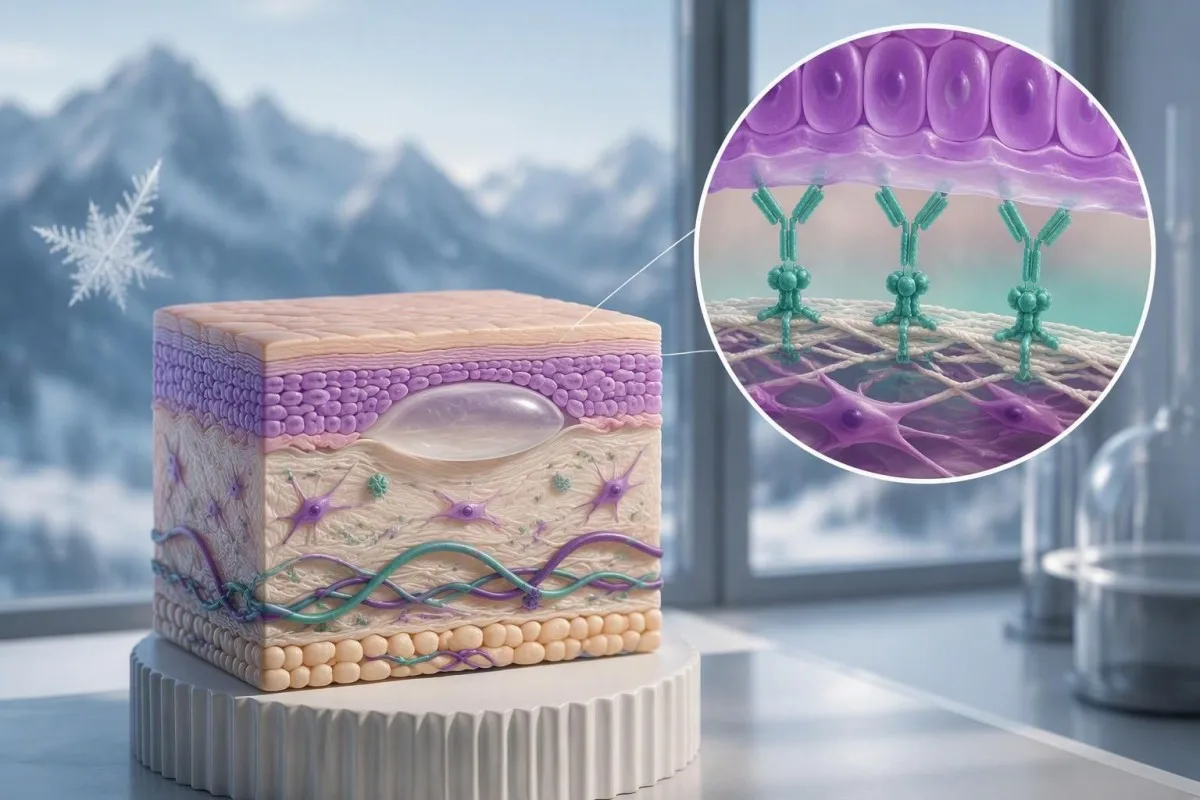
مثبت BP180 نتیجہ ایک خودکار مدافعتی جلدی عارضے کی تائید کرتا ہے، لیکن صرف یہ عدد تشخیص قائم نہیں کر سکتا۔ علامات، استعمال شدہ ٹیسٹ، اور درست طور پر جمع کیے گئے جلد کے نمونے طے کرتے ہیں کہ آگے کیا ہوگا۔.

اہم نکات
- BP180 اینٹی باڈی مثبت کا مطلب ہے کہ ٹیسٹ نے اپنے BP180 ہدف کے خلاف اینٹی باڈیز کا پتا لگایا ہے؛ یہ اکیلے بلوس پیفیگوئڈ کی تصدیق نہیں کرتا۔.
- لیبارٹری کی حدیں مختلف ہوتی ہیں: کچھ BP180 ٹیسٹ تقریباً 9 U/mL کی حد استعمال کرتے ہیں، جبکہ دیگر تقریباً 20 U/mL کی۔ اپنی لیبارٹری کی حوالہ جاتی حد دیکھیں۔.
- کم مثبت نتائج خارش، دانوں، یا چھالوں کے بغیر یہ اینٹی باڈی کا اتفاقی پتا چلنا یا ٹیسٹ کا غلط مثبت نتیجہ ہو سکتا ہے—ثابت شدہ جلدی بیماری نہیں۔.
- غیر چھالہ دار پیفیگوئڈ چھالوں کے بغیر مسلسل خارش پیدا کر سکتا ہے؛ ایک تخصصی تشخیصی مطالعے میں پیفیگوئڈ کے 343 کیسز میں سے 74 غیر چھالہ دار تھے۔.
- BP230 اینٹی باڈیز اضافی شواہد فراہم کرتی ہیں، لیکن منفی BP230 اینٹی باڈیز بلوس پیفیگوئڈ کو خارج نہیں کرتیں۔.
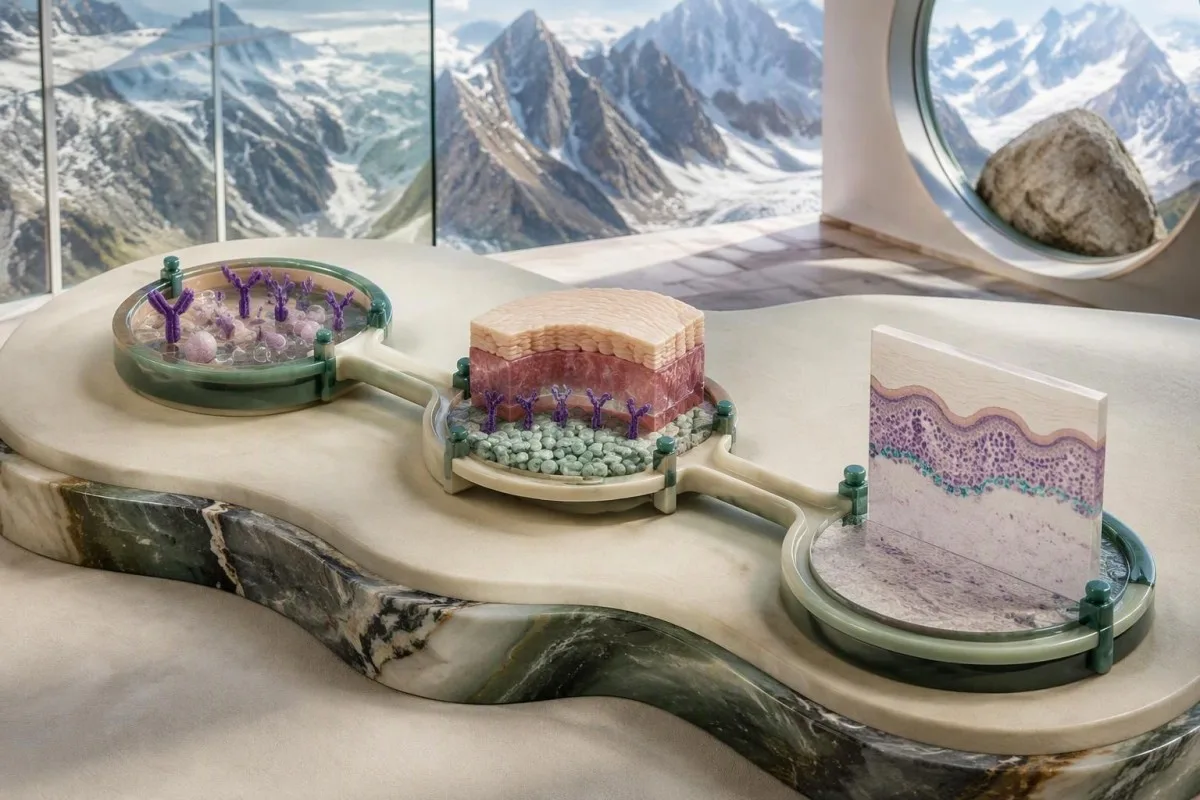
- براہِ راست امیونو فلوروسینس جلد میں اینٹی باڈی کے ذخائر کا معائنہ کرتا ہے؛ تہۂ قاعدہ کے ساتھ خطی IgG اور/یا C3 کا پایا جانا پیمفیگوئڈ عارضے کی تائید کرتا ہے۔.
- جلد کے دو نمونے اکثر لیے جاتے ہیں: معمول کی خردبینی جانچ کے لیے متاثرہ حصے کا نمونہ اور براہِ راست امیونو فلوریسنس کے لیے قریب سے مناسب طور پر منتخب کیا گیا نمونہ۔.
- فوری توجہ کی علامات میں آنکھ کا درد، بینائی میں تبدیلی، نگلنے میں دشواری، جلد میں وسیع تبدیلیوں کے ساتھ بخار، یا تیزی سے پھیلتے ہوئے چھالے شامل ہیں؛ اینٹی باڈی کے ایک اور نتیجے کا انتظار نہ کریں۔.
کیا مثبت BP180 نتیجہ بلوس پیفیگوئڈ کی تصدیق کرتا ہے؟
نہیں—صرف BP180 اینٹی باڈی کا مثبت نتیجہ بلوس پیمفیگوئڈ کی تصدیق نہیں کرتا۔. جب علامات اور جلد کی نشانیاں مطابقت رکھتی ہوں تو یہ تشخیص کی تائید کرتا ہے، لیکن چھالوں کے بغیر کم مثبت نتیجہ اتفاقی ہو سکتا ہے؛ وجہ کی تصدیق کے لیے ماہرینِ امراضِ جلد کو اکثر براہِ راست امیونو فلوریسنس کے ساتھ جلد کی بایوپسی، اور کبھی اضافی اینٹی باڈی ٹیسٹ درکار ہوتے ہیں۔.
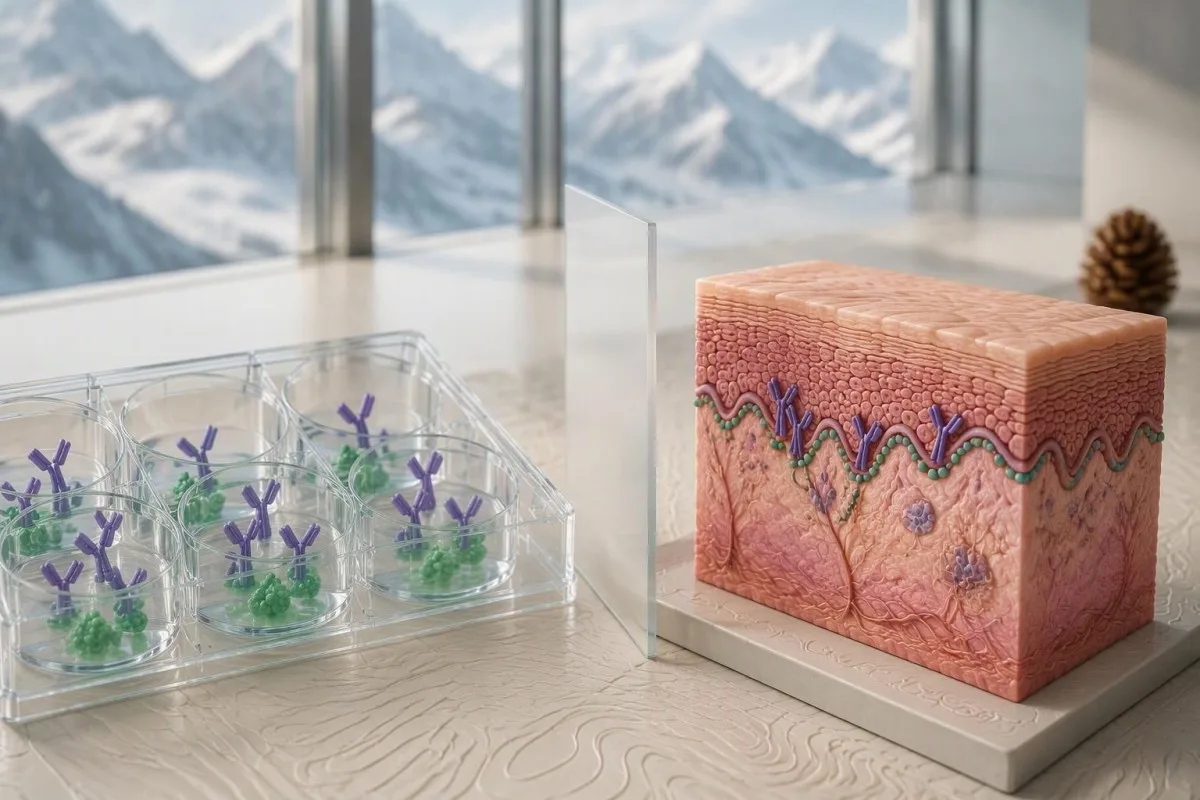
بلوس پیمفیگوئڈ کی تشخیص کے لیے طبی اور امیونوپیتھولوجیکل مطابقت ضروری ہے, ، محض لیبارٹری کی ایک نشان زدہ قدر نہیں۔ 2022 کی EADV گائیڈلائن طبی صورتِ حال اور بافتی و دورانِ خون میں موجود اینٹی باڈیوں کی مناسب تحقیقات کے ذریعے تشخیص بیان کرتی ہے (Borradori et al., 2022)؛ عملی سوال یہ ہے کہ آیا پائی گئی اینٹی باڈیز اس شخص کی جلد کی کیفیت کی وضاحت کرتی ہیں۔.
اینٹی باڈی کا مثبت ٹیسٹ اور فعال خودکار مدافعتی بیماری دو الگ نتائج ہیں۔ مثال کے طور پر، فرضی نتیجہ 12 U/mL ایک لیبارٹری میں مثبت ہو سکتا ہے، تاہم اس نتیجے کے ساتھ بے علامت شخص میں تشخیصی امکان، اسی ارتکاز کے ساتھ بڑے رقبے پر خارش والے، تناؤ سے بھرے چھالوں کے شکار شخص سے مختلف ہوتا ہے۔.
Kantesti ایک AI خون کے ٹیسٹ کا تجزیہ کار ہے جو لیبارٹری کی حد اور آپ کی فراہم کردہ معلومات کے ساتھ BP180 کے نتائج سمجھنے میں مدد کرتا ہے۔. ہماری وضاحت آپ کی جلد کا معائنہ یا براہِ راست امیونو فلوریسنس نہیں کر سکتی؛ ہمارا کمپنی کا پس منظر اس تعلیمی معاونت کے پیچھے موجود ادارے کی شناخت کرتا ہے۔.
نتیجے کو کسی زیادہ مخصوص سوال کے لیے وجہ سمجھیں، نہ کہ بیماری کے مستقل لیبل کے طور پر۔ ہماری رہنمائی مثبت اینٹی باڈی کے نتائج بتاتی ہے کہ اینٹی باڈی کی موجودگی، بیماری کی سرگرمی، اور تشخیصی تصدیق تین الگ تصورات کیوں ہیں۔.
BP180 اینٹی باڈی ٹیسٹ دراصل کیا پیمائش کرتا ہے؟
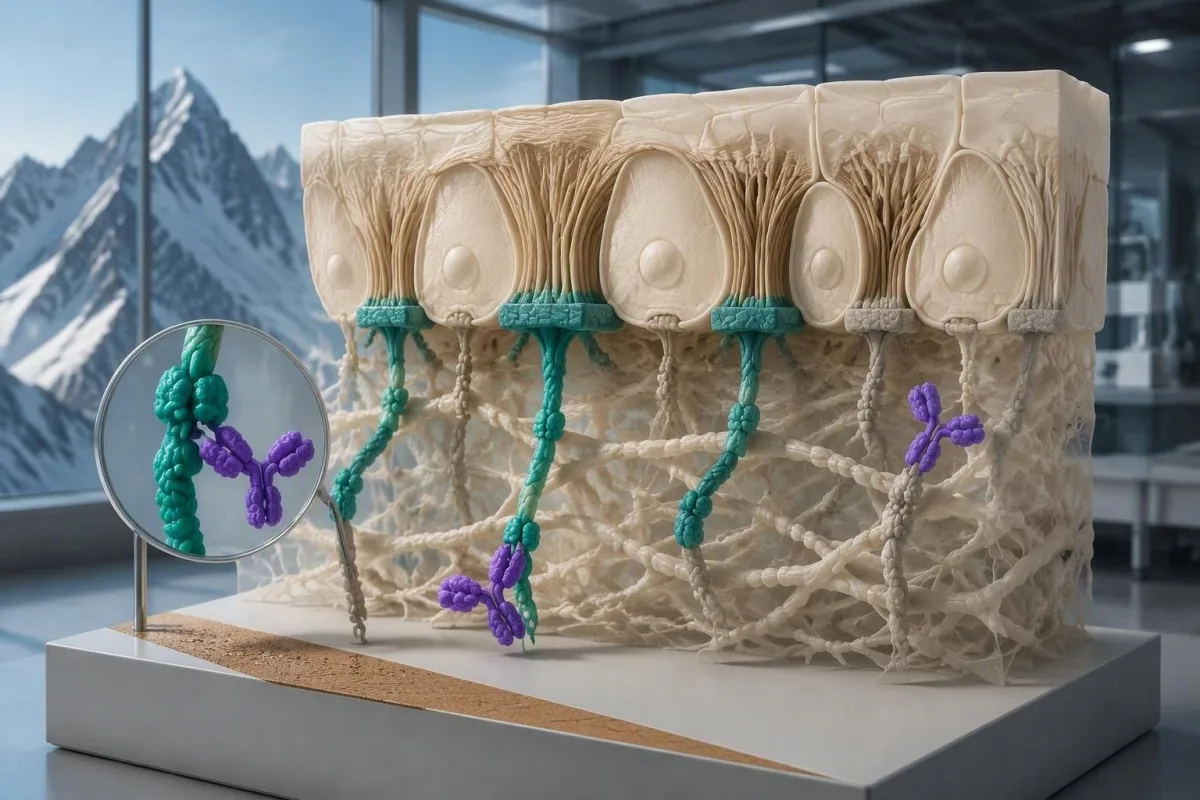
BP180 اینٹی باڈی ٹیسٹ عموماً BP180 کے ایک حصے، جسے قسم XVII کولیجن بھی کہتے ہیں، کے خلاف ہدایت یافتہ سیرم IgG کی پیمائش کرتا ہے۔. BP180 تقریباً 180-kDa پروٹین ہے جو ایپی ڈرمس کو زیریں بافت سے جوڑنے میں کردار ادا کرتا ہے؛ بہت سے معمول کے ٹیسٹ پورے پروٹین کے بجائے اس کے NC16A حصے کی جانچ کرتے ہیں۔.
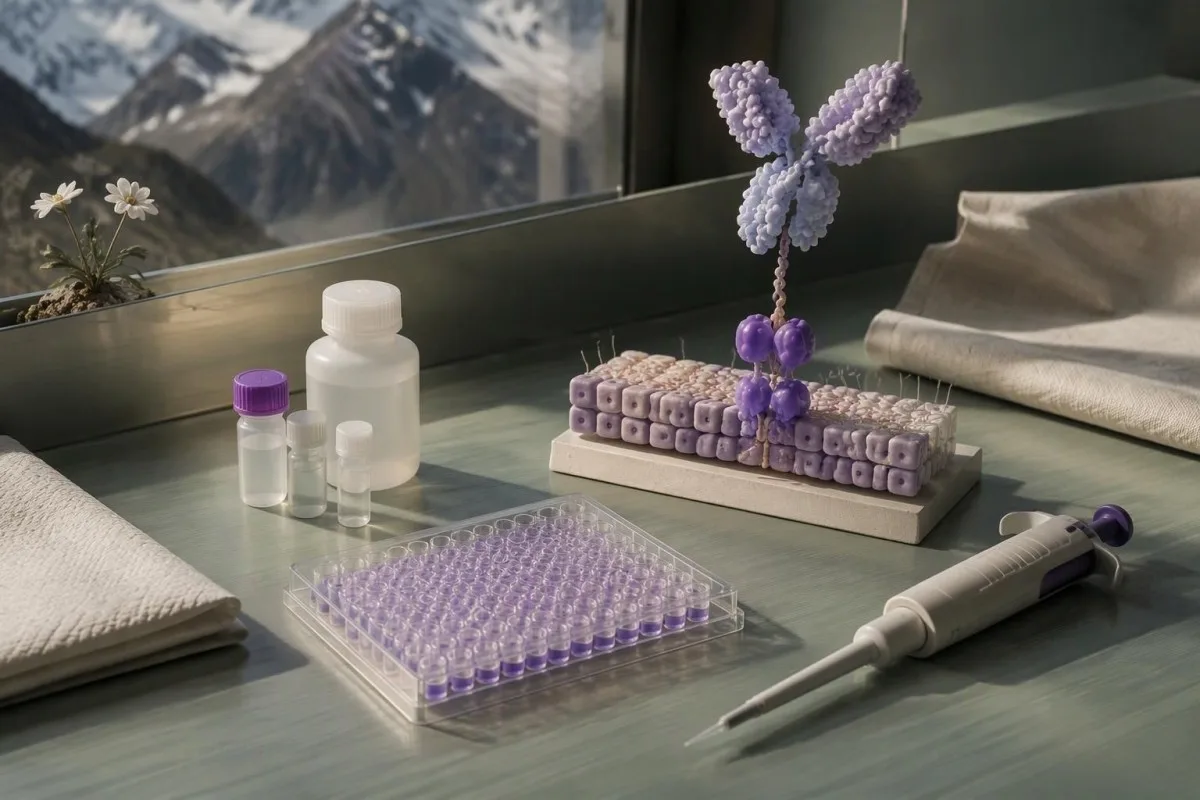
BP180 جلد کا ایک ساختی پروٹین ہے، ایسا مادہ نہیں جس کے خون میں ارتکاز کی پیمائش کی جا رہی ہو۔. رپورٹ اس پروٹین کے خلاف اینٹی باڈیز بیان کرتی ہے، عموماً انزائم سے منسلک امیونوسوربینٹ پرکھ، یعنی ELISA، کے ذریعے؛ قدر 30 U/mL کا مطلب یہ نہیں کہ جلدی پروٹین کے 30 یونٹ خون میں گردش کر رہے ہیں۔.
دی NC16A ڈومین خلیے کی جھلی کے قریب، BP180 کے بیرونی حصے پر واقع ہوتا ہے اور کلاسیکی بلوس پیمفیگوئڈ میں اینٹی باڈیز کا ایک عام ہدف ہے۔ اس حصے کی جانچ سے ایک عملی پرکھ ممکن ہوتی ہے، لیکن اس سے ایک کمزوری بھی پیدا ہوتی ہے: دوسری جگہوں کو بنیادی طور پر نشانہ بنانے والی اینٹی باڈیز کی شناخت ممکن نہیں ہوتی۔.
اینٹی باڈی کے ارتکاز کی عددی مقدار، امیونو فلوریسنس ٹائٹر کے متبادل کے طور پر استعمال نہیں کی جا سکتی۔ اس صورت میں ظاہر کردہ نتیجہ 1:40 کسی تخفیف پر ردِعمل کو بیان کرتا ہے، جبکہ 40 U/mL پرکھ کے مطابق کیلیبریٹ کردہ ارتکاز کو بیان کرتا ہے؛ ہماری وضاحت مقداری بمقابلہ معیاری ٹیسٹ رپورٹنگ کے ان فارمیٹس میں فرق واضح کرنے میں مدد دیتی ہے۔.
دیکھیں کہ رپورٹ میں BP180 NC16A IgG, ، کوئی اور BP180 پرکھ، یا پیمفیگوئڈ کا وسیع پینل درج ہے۔ یہ ٹیسٹ خودبخود ایک دوسرے کے مساوی نہیں ہوتے، اور منفی IgG ELISA دیگر اینٹی باڈی کلاسوں یا تہۂ قاعدی کی دیگر اہدافی ساختوں سے متعلق ہر سوال کا جواب نہیں دیتا۔.
کم مثبت BP180 اینٹی باڈی نتیجہ کسے کہتے ہیں؟
BP180 کا کم مثبت نتیجہ، استعمال شدہ مخصوص پرکھ کی حدِ قطع سے ذرا زیادہ قدر ہوتا ہے۔. کم مثبت نتیجے کی کوئی عالمگیر حد نہیں ہے: کچھ لیبارٹریاں 9 U/mL, کے قریب حد استعمال کرتی ہیں، جبکہ دیگر 20 U/mL, کے قریب حد استعمال کرتی ہیں، اور ان کی کیلیبریشن اور رپورٹنگ کے زمرے مختلف ہوتے ہیں۔.
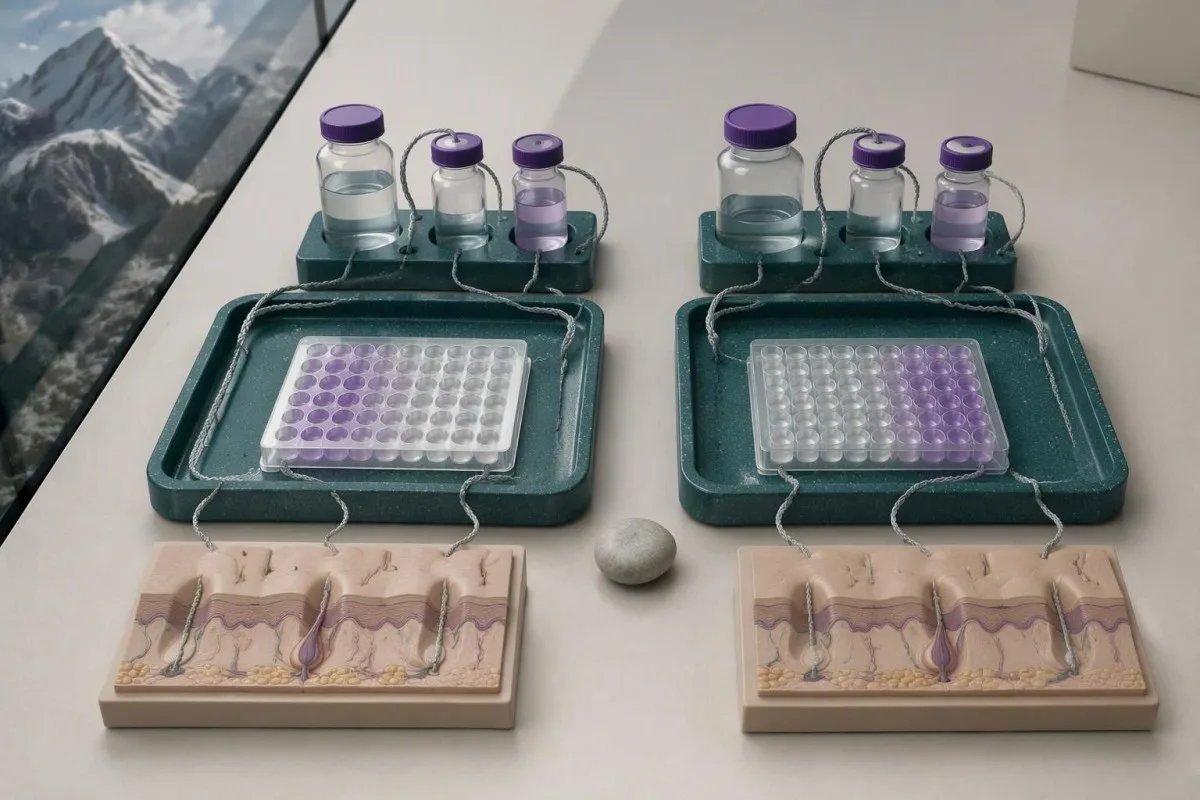
BP180 پرکھ کی اکائیاں مختلف لیبارٹریوں میں عالمگیر طور پر معیاری نہیں ہیں۔. کا نتیجہ 15 U/mL ، 9-U/mL کی پالیسی کے تحت مثبت اور 20-U/mL کی پالیسی کے تحت منفی ہو سکتا ہے، لیکن اس سے یہ ثابت نہیں ہوتا کہ دوسری پرکھ میں بیماری کا پتا نہیں چلا؛ طریقے اور کیلیبریٹر مختلف ہو سکتے ہیں۔.
حدِ قطع، پرکھ کی جانچ کے لیے استعمال ہونے والی آبادیوں میں حساسیت اور تخصیص کے درمیان توازن قائم کرتی ہے۔ حد کو کم کرنے سے بیماری میں مبتلا زیادہ لوگوں کی شناخت ہو سکتی ہے، لیکن بیماری سے پاک زیادہ لوگوں کی بھی شناخت ہو سکتی ہے؛ حدِ قطع لیبارٹری کا فیصلہ کن معیار ہے، کوئی حیاتیاتی مقام نہیں جہاں جلد اچانک چھالے بنانے لگے۔.
Kantesti AI رپورٹ کردہ BP180 قدر کو اس کے ساتھ فراہم کردہ حوالہ جاتی حد کے ساتھ رکھ کر سمجھنے میں مدد کر سکتا ہے, ، لیکن ایسی تراشی ہوئی تصویر جس میں صرف 18 U/mL دکھایا گیا ہو، اہم معلومات غائب رکھتی ہے۔ ٹیسٹ کا نام، اکائیاں، تشریحی زمرے اور لیبارٹری کے تبصرے شامل کریں؛ ایک عمومی آؤٹ آف رینج فلیگ ان تفصیلات کا متبادل نہیں ہو سکتا۔.
ذیل کی مثالیں آفاقی شدت کے پیمانے کے بجائے رپورٹنگ کی دو ممکنہ پالیسیوں کو واضح کرتی ہیں۔. صرف BP180 اینٹی باڈی کا ارتکاز کسی طبی ہنگامی حالت کی تعریف نہیں کرتا; ؛ جلد کا وسیع متاثر ہونا، پانی کی کمی، نظامی بیماری، اور آنکھ یا سانس کی نالی کی علامات فوری توجہ کی ضرورت کا تعین کرتی ہیں۔.
| سطح | حد | اس کا مطلب |
|---|---|---|
| مثال کے طور پر، اسّے A: حدِ قطع سے کم | <9 U/mL | اس وضاحتی لیبارٹری پالیسی کے تحت منفی؛ اگر طبی شبہ برقرار رہے تو بیماری خارج نہیں ہوتی۔. |
| مثال کے طور پر، اسّے A: حدِ قطع کے برابر یا زیادہ | ≥9 U/mL | اس پالیسی کے تحت مثبت؛ حدِ قطع سے قربت اور طبی نتائج تشریح پر اثر انداز ہوتے ہیں۔. |
| مثال کے طور پر، اسّے B: حدِ قطع سے کم | <20 U/mL | ایک مختلف وضاحتی پالیسی کے تحت منفی؛ اسّے کے نظاموں کے درمیان براہِ راست تبدیلی نہ کریں۔. |
| مثال کے طور پر، اسّے B: حدِ قطع کے برابر یا زیادہ | ≥20 U/mL | اس پالیسی کے تحت مثبت؛ یہ عدد بذاتِ خود تشخیص یا شدت ثابت نہیں کرتا۔. |
مثبت BP180 نتیجہ گمراہ کن کیوں ہو سکتا ہے؟
مثبت BP180 نتیجہ اس وقت کم قابلِ یقین ہوتا ہے جب ٹیسٹ سے پہلے اس شخص میں پیمفیگوئڈ کا طبی امکان کم ہو۔. معقول حد تک درست اسّے بھی غلط مثبت نتائج دیتا ہے، اس لیے نتیجے کا مفہوم بے علامت اسکریننگ آبادی اور مخصوص چھالوں کا جائزہ لینے والے ماہر کلینک کے درمیان بدل جاتا ہے۔.
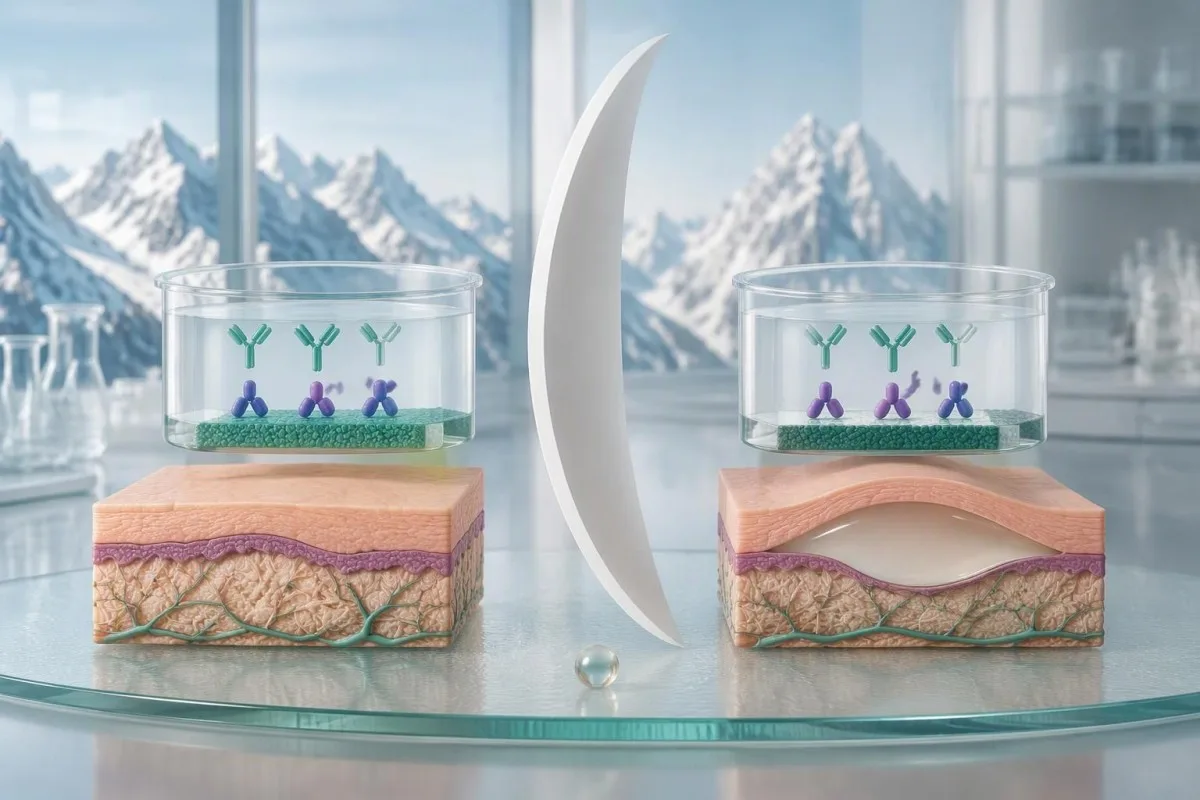
حساسیت اور اختصاصیت اس بات کے برابر نہیں کہ مثبت نتیجے کے بعد آپ کو ذاتی طور پر بیماری ہونے کا امکان کتنا ہے۔. یہ امکان اس بات پر بھی منحصر ہوتا ہے کہ ٹیسٹ کیے گئے گروہ میں یہ عارضہ کتنا عام ہے؛ یہ فرق سب سے زیادہ اہم اس وقت ہوتا ہے جب اینٹی باڈی پینل کسی مخصوص جلدی کیفیت کی تحقیق کے بجائے وسیع پیمانے پر منگوایا گیا ہو۔.
ایک واضح طور پر فرضی اسّے پر غور کریں جس کی 90% حساسیت اور 95% اختصاصیت ہو, ، اور اسے ایسے 1,000 افراد میں استعمال کیا جائے جن میں بیماری کا امکان 1% ہو۔ یہ تقریباً 9 حقیقی مثبت اور 50 غلط مثبت نتائج کی نشاندہی کرے گا, ، جس سے مثبت پیش گوئی قدر تقریباً 15% بنتی ہے؛ یہ تدریسی مفروضے ہیں، آپ کے BP180 اسّے کی کارکردگی کے دعوے نہیں۔.
اسی فرضی اسّے کو وہاں استعمال کریں جہاں بیماری کا امکان ہو 20%, and approximately 180 true positives and 40 false positives would occur per 1,000 tests. The positive predictive value becomes about 82%—a large change caused by clinical context, not by a different laboratory method.
These examples explain why a dermatologist may request tissue testing despite a positive result, or take characteristic symptoms seriously despite a negative one. Our discussion of MOG اینٹی باڈی کی تشریح illustrates the same probability principle in another autoimmune condition, although its diagnostic criteria cannot be transferred to pemphigoid.
اگر BP180 مثبت ہو لیکن آپ کو چھالے نہ ہوں تو کیا؟
A low-positive BP180 result without blisters does not establish bullous pemphigoid or reliably predict future blistering. The next distinction is whether you have no skin symptoms at all, or persistent itching and an unexplained rash that could represent a nonbullous pemphigoid presentation.
Incidental BP180 antibody detection can occur without clinically established pemphigoid. Possible explanations include low-level autoreactivity and assay-related false positivity; there is no validated conversion rule that turns an isolated result of 11 U/mL into a percentage risk of developing blisters later.
A hypothetical person with 11 U/mL, no itching, no rash, and no mucosal symptoms usually needs a contextual review rather than automatic immunosuppressive treatment. The clinician should check why the assay was ordered, whether the result was unexpected, and whether a skin examination reveals findings the person had not recognized.
Persistent dryness and itching still deserve assessment because common explanations remain common. Eczema, medication effects, thyroid disease, and other causes may be more likely than pemphigoid; our dry skin testing guide explains why additional blood tests should follow symptoms rather than a blanket panel.
کینسر کے لیے no universal repeat-testing interval for an asymptomatic low-positive BP180 result. A clinician may choose observation, a repeat using the same method, or specialist review depending on the history; new persistent itching, urticarial plaques, or blisters should change that plan rather than waiting for a scheduled repeat.
کیا بلوس پیفیگوئڈ کا آغاز صرف خارش سے ہو سکتا ہے؟
Pemphigoid can present with persistent itching, eczema-like patches, urticarial plaques, or scratch-related changes without visible blisters. In a specialist diagnostic study, 74 of 343 pemphigoid cases—21.6%—were nonbullous, showing that the absence of blisters cannot independently exclude the disorder (Meijer et al., 2019).

Nonbullous pemphigoid is not simply every itchy rash with a positive BP180 result. Diagnosis still needs compatible symptoms and appropriate immunopathological evidence; the 21.6% study figure came from a referred population and should not be interpreted as the probability that any person with itching has pemphigoid.
The symptom pattern often matters more than whether one small blister has appeared. Persistent, widespread itching in an older adult, especially with recurrent raised plaques or poor response to ordinary eczema care, warrants a dermatological assessment; our itchy skin laboratory guide separates skin-directed testing from tests for systemic causes.
Eosinophilia can accompany bullous pemphigoid, but it is neither required nor diagnostic. An absolute eosinophil count above approximately 0.5 × 10^9/L is often flagged in adults, yet allergy, medications, and parasites can produce the same finding; our guide to بلند ایوسینوفیل گنتی explains those alternatives.
A dermatologist does not always need to wait for a blister before collecting a useful sample for direct immunofluorescence. In nonbullous disease, sample selection is tailored to the available rash and laboratory protocol; document the distribution and duration of itching, because a disappearing rash can make later assessment harder.
BP230 اینٹی باڈیز، BP180 ٹیسٹنگ کی تکمیل کیسے کرتی ہیں؟
BP230 antibodies provide complementary evidence for pemphigoid but cannot confirm or exclude bullous pemphigoid alone. BP230 is an approximately 230-kDa intracellular anchoring protein, whereas BP180 crosses the cell membrane; their different locations and antibody targets help explain why the two results can disagree.
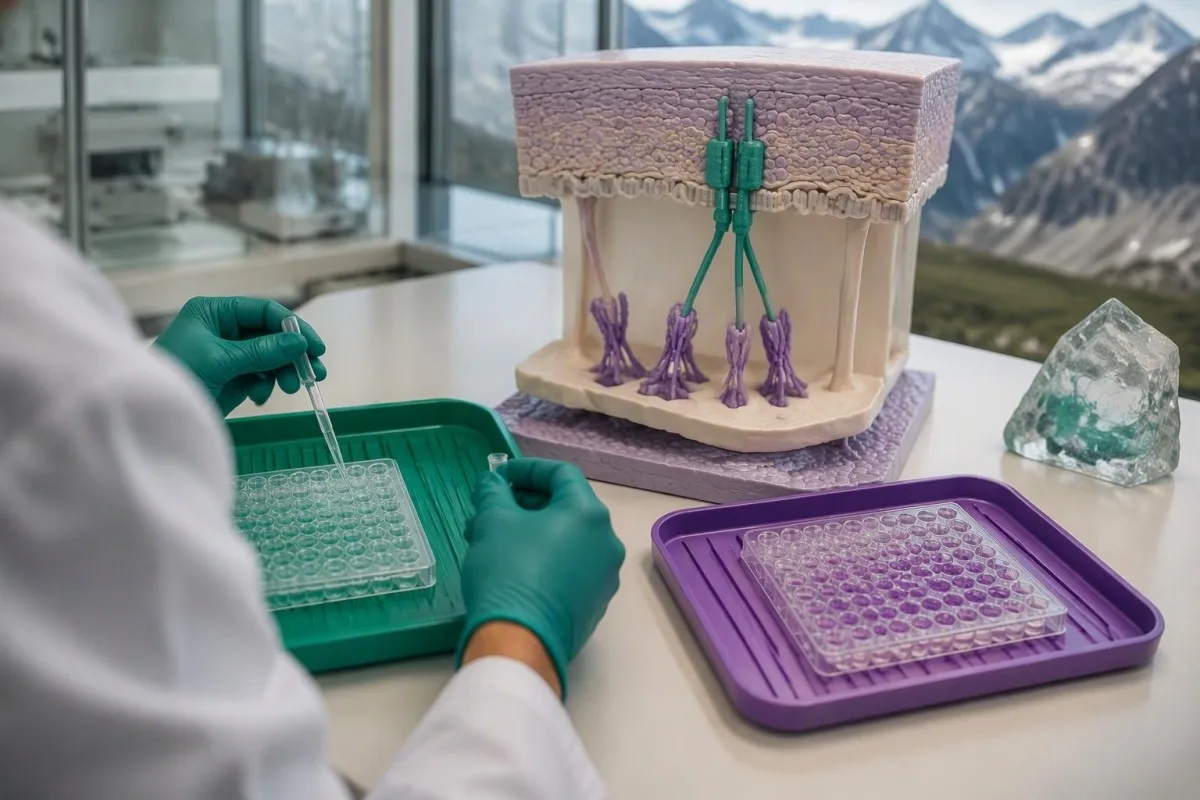
A negative BP230 antibody result does not cancel a positive BP180 result. Some people with confirmed pemphigoid have antibodies detectable against only one tested antigen, and each assay has its own sensitivity; interpreting the pair as a two-test pass-or-fail rule creates avoidable diagnostic errors.
ایک فرضی BP180 result of 45 U/mL with negative BP230 antibodies still warrants assessment if tense blisters and severe itching are present. Conversely, isolated low-positive BP230 antibodies without compatible findings are not enough to diagnose pemphigoid; a second positive marker strengthens a pattern only when the overall evidence fits.
Kantesti is an AI biomarker interpretation platform that can explain BP180 and BP230 antibodies as complementary findings rather than interchangeable scores. This is similar to the reasoning used for antibody panels in connective disease, but skin-specific tissue findings remain central to pemphigoid assessment.
Do not add BP180 and BP230 concentrations together, even if both are expressed in U/mL. They represent different antigen-specific measurements with different calibration systems; BP180 levels generally have a better-established relationship with disease activity than BP230 levels, but neither replaces examination.
آپ کو ڈائریکٹ امیونو فلوروسینس کے ساتھ جلد کی بایوپسی کی ضرورت کیوں ہو سکتی ہے؟
Skin biopsy with direct immunofluorescence can show whether antibodies or complement are deposited at the skin's basement membrane. Dermatologists often collect two separate specimens because routine microscopy and direct immunofluorescence answer different questions and require different sample handling.
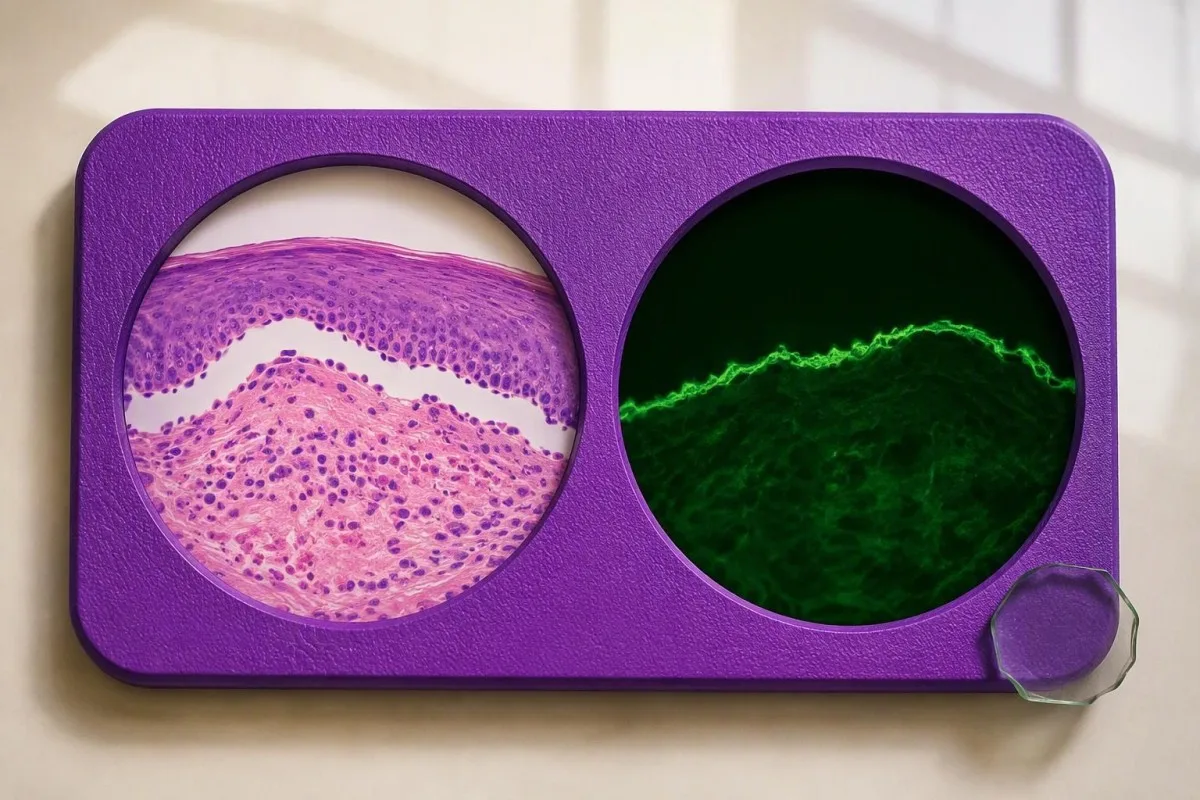
Routine histology examines tissue structure and inflammatory cells. A sample from a fresh blister or suitable affected area may show separation beneath the epidermis and eosinophils, but these features are not unique to bullous pemphigoid; the second sample looks for the immune-deposit pattern that helps classify the disorder.
For classic blistering presentations, the direct-immunofluorescence sample is commonly taken from appropriately selected skin near a fresh blister rather than its eroded center. A small 3–4-mm punch is often used, although technique and location depend on the case; sampling heavily damaged tissue can remove the structures the laboratory needs to examine.
The specimen for direct immunofluorescence must not be routinely placed in formalin. Laboratories generally require a dedicated transport medium or another explicitly agreed handling method, while the routine histology specimen commonly goes into formalin; ask whether the two containers have been prepared for their separate purposes.
In Meijer et al.'s 2019 diagnostic cohort, direct immunofluorescence had a sensitivity of 88.3%, so even this valuable test was not infallible. Kantesti's کلینیکل ویلیڈیشن معلومات concerns our interpretation methodology—not a claim that AI can reproduce skin immunofluorescence or establish its findings.
مثبت امیونو فلوروسینس اور سالٹ اسپلٹ ٹیسٹ کا کیا مطلب ہے؟
Linear IgG and/or C3 along the basement membrane on direct immunofluorescence supports a pemphigoid-spectrum disorder, but the pattern is not unique to bullous pemphigoid. Indirect immunofluorescence on salt-split skin can add evidence by showing where circulating antibodies bind relative to an experimentally created tissue separation.
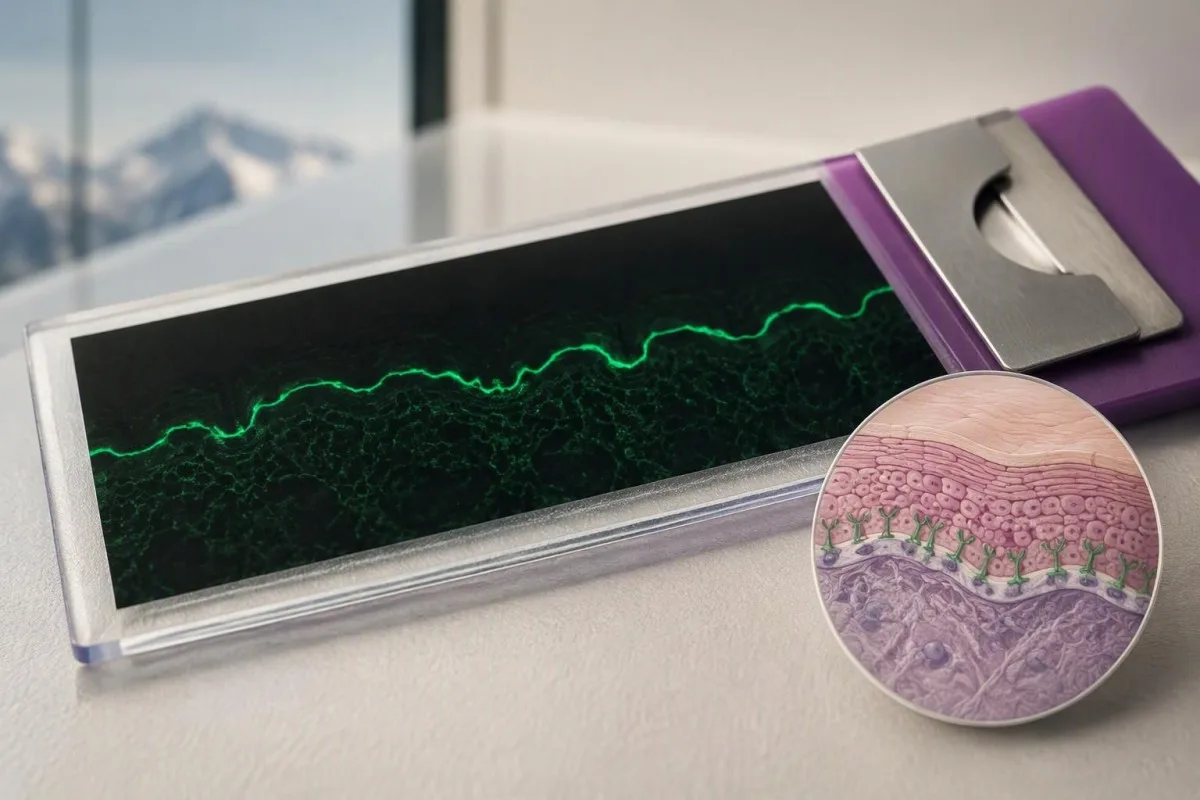
Direct and indirect immunofluorescence use different materials. Direct testing examines deposits already present in the person's skin, while indirect testing applies the person's serum to a laboratory substrate; a positive result in one test and a negative result in the other is therefore possible without a reporting error.
On salt-split skin, bullous pemphigoid antibodies commonly bind the epidermal side, often called the roof. Antibodies binding the dermal side, or floor, raise consideration of other disorders such as epidermolysis bullosa acquisita or anti-p200 pemphigoid, but binding location alone does not fully classify every case.
Meijer et al. reported 99.9% specificity for indirect immunofluorescence on salt-split skin in their 2019 diagnostic cohort. That high figure applies to that study and testing pathway; a negative result still cannot exclude pemphigoid because specificity describes false positives, not how many cases the test misses.
C3 detected in skin is not the same measurement as a serum C3 concentration. A normal circulating complement result does not negate local deposits at the basement membrane; our complement testing explanation helps prevent this common cross-test misunderstanding.
اگر BP180، جلد کی بایوپسی، اور علامات میں تضاد ہو تو کیا؟
Discordant BP180 and skin-test results require a review of the clinical picture, assay target, sampling site, and specimen handling. A positive ELISA with negative direct immunofluorescence can reflect incidental antibodies or an uninformative skin sample; a negative NC16A ELISA can miss disease directed against other targets.
A negative direct-immunofluorescence result is less reassuring if the sample was poorly selected or incorrectly transported. Treatment before sampling may also influence findings, so clinicians need to know which creams or systemic medicines were used and where; never stop prescribed treatment solely to make a test more likely to turn positive.
A hypothetical person with characteristic new blisters, BP180 of 80 U/mL, and a negative direct-immunofluorescence specimen from an old eroded site may need repeat sampling. The same antibody result with no compatible skin findings demands a different investigation; the discrepancy does not have one automatic explanation.
A negative BP180 NC16A result does not exclude every form of pemphigoid. Further testing may include BP230 antibodies, indirect immunofluorescence, or specialized assays for other antigens; our guide to negative myasthenia antibody tests illustrates why a limited antigen panel cannot exclude an entire autoimmune disease category.
Repeat testing should address a specific uncertainty rather than create an endless sequence of panels. Ask whether the next investigation is checking the same antigen by another method, examining an additional antigen, or correcting a tissue-sampling problem; each strategy answers a different diagnostic question.
کون سی دوسری حالتیں BP180-مثبت پیفیگوئڈ جیسی دکھائی دے سکتی ہیں؟
BP180 antibodies can occur in other pemphigoid-spectrum conditions, including mucous membrane pemphigoid and pemphigoid gestationis. Eczema, scabies, and drug-related eruptions can resemble early bullous pemphigoid clinically, while pemphigus involves different adhesion proteins and usually a different level of skin separation.
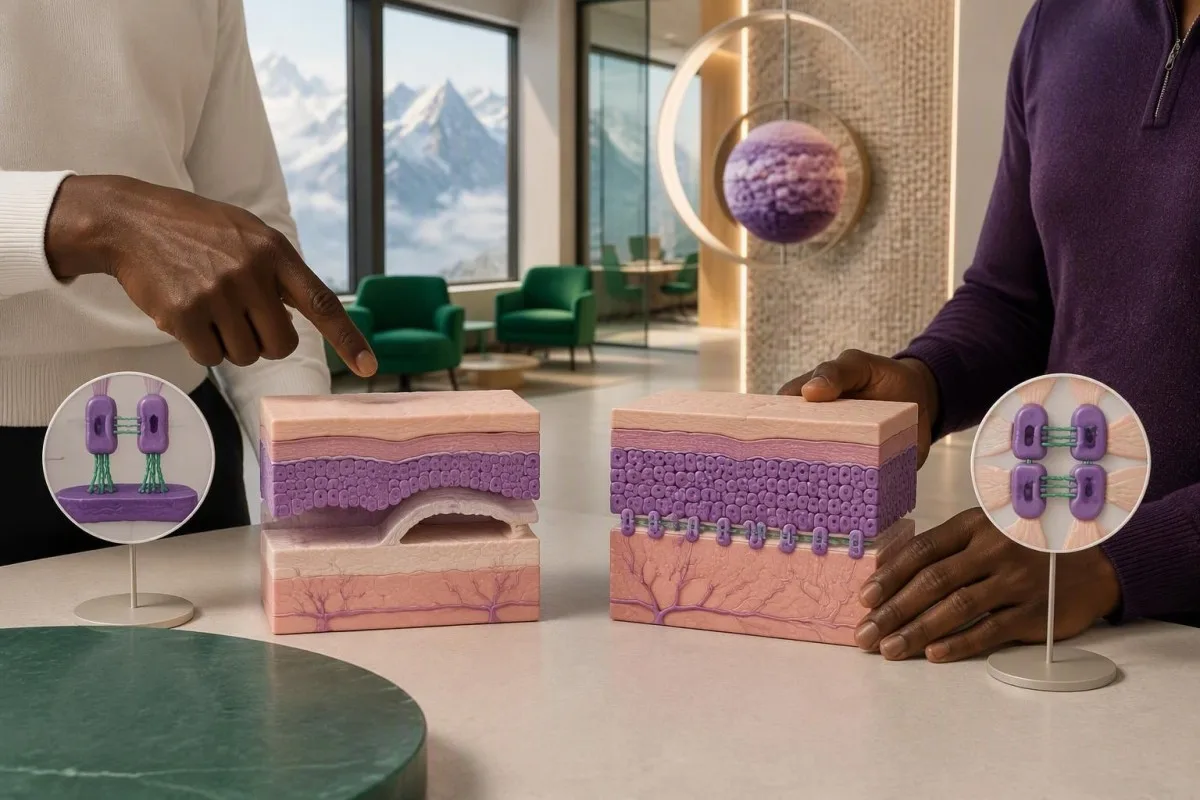
Bullous pemphigoid typically causes tense blisters because separation occurs beneath the epidermis. Pemphigus often produces more fragile blisters or erosions through loss of adhesion within the epidermis; our desmoglein antibody guide explains why BP180 testing cannot substitute for a pemphigus evaluation.
Predominantly mouth, eye, genital, or other mucosal involvement raises concern for mucous membrane pemphigoid, especially when scarring occurs. Eye pain, light sensitivity, or vision changes require urgent assessment because waiting for a repeat antibody concentration can delay treatment of a sight-threatening process.
Pemphigoid gestationis is associated with pregnancy and can produce BP180 antibodies. Pregnancy or recent childbirth therefore changes the interpretation of the same laboratory result; the distinction requires obstetric and dermatological coordination rather than assuming that every BP180-positive blistering disorder is classic older-adult bullous pemphigoid.
Scabies can cause intense itching and may coexist with an unrelated positive antibody result. Household itching, characteristic distribution, and burrows alter the differential; our scabies symptom guide is useful for that comparison, but neither household exposure nor BP180 positivity independently settles the diagnosis.
کیا ادویات BP180 کی تشریح یا علاج کے فیصلوں کو تبدیل کرتی ہیں؟
Medication history can change the likelihood and presentation of bullous pemphigoid, but a positive BP180 result alone is not a reason to stop a medicine. DPP-4 inhibitors used for diabetes and immune checkpoint inhibitors are recognized associations; treatment decisions depend on confirmed disease, severity, and the person's other health risks.

DPP-4 inhibitor-associated pemphigoid can have a less typical inflammatory presentation and may show limited NC16A reactivity. This is not universal, and exposure does not prove causation; bring a complete medicine list, including start dates, to a review using our senior medication effects guide as a preparation aid.
دی 2022 EADV guideline recommends potent topical corticosteroids as a mainstay when feasible and discusses oral prednisone at approximately 0.5 mg/kg/day as an alternative in suitable circumstances (Borradori et al., 2022). These are clinician-directed treatment options for disease, not instructions to treat an isolated antibody result or begin steroids without assessment.
Systemic corticosteroids can create additional risks that are unrelated to the BP180 concentration. People with relevant residence or travel exposure may need assessment for Strongyloides before significant immunosuppression; our Strongyloides antibody explanation describes why an apparently unrelated parasite history can become a treatment-safety issue.
Kidney function, glucose, infection risk, and the ability to apply topical treatment may influence the choice of therapy more than whether BP180 is 40 or 80 U/mL. ہماری گردے کے فنکشن کی تشریح کا گائیڈ covers supportive laboratory assessment, but renal markers do not confirm pemphigoid.
کیا BP180 کی سطحیں بیماری کی سرگرمی اور صحت یابی کی نگرانی کر سکتی ہیں؟
BP180 antibody levels can support monitoring in confirmed bullous pemphigoid, but they do not replace examination or determine treatment alone. Concentrations often track disease activity at a group level; individual patients can remain antibody-positive while their skin is controlled or experience symptoms without a proportionate rise.
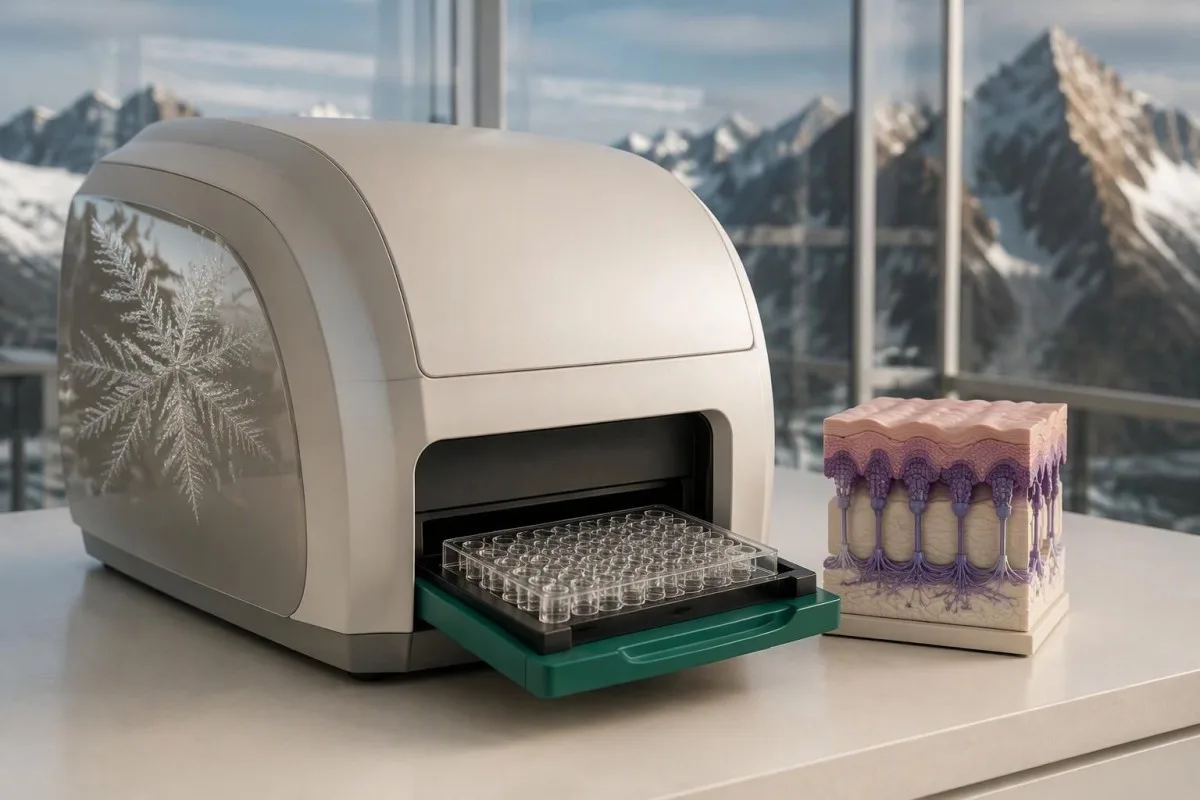
A falling BP180 concentration is most useful when it agrees with fewer new blisters and less itching. A hypothetical decline from 120 to 35 U/mL on the same assay supports an improving pattern, but it does not independently establish remission or justify stopping treatment.
An increase from 12 to 14 U/mL near a cutoff may reflect analytical or biological variation rather than a meaningful change in disease. There is no universal percentage increase that proves relapse across all BP180 assays; the method, timing, symptoms, and previous response need to be considered together.
Kantesti is an AI blood test interpretation platform that can organize serial BP180 results without treating a laboratory trend as a diagnosis. ہماری AI प्रौद्योगिकी व्याख्या describes the interpretation workflow; preserving each report's assay name and reference interval matters when comparing two or more measurements.
Changing laboratories can create an apparent rise or fall that is partly methodological. Our میڈیکیشن سیفٹی ٹرینڈ گائیڈ explains why dates, doses, and laboratory context belong beside the numbers; photograph new skin findings and record new-blister counts when your dermatologist requests them.
فالو اَپ پر آپ کو کیا ساتھ لانا چاہیے، اور کون سے شواہد لاگو ہوتے ہیں؟
Bring the full BP180 report, any BP230 result, symptom photographs, and your complete medication list to follow-up. These four information groups help a clinician decide whether you need observation, additional serum testing, properly handled skin samples, or urgent assessment rather than another isolated antibody measurement.
A useful report includes the exact assay name, numerical value, units, cutoff, and collection date. If a hypothetical BP180 result reads 16 U/mL, the missing cutoff may reverse whether it is considered positive; also request the actual histology and direct-immunofluorescence reports rather than relying on the phrase 'skin biopsy normal.'
New eye symptoms, swallowing difficulty, extensive rapidly spreading blisters, fever, or inability to maintain fluids need prompt clinical attention. Do not wait for a scheduled second test when those symptoms appear; supportive urinalysis can answer separate medical questions, as explained in our یورینالیسس تشریح گائیڈ, but it cannot establish a pemphigoid diagnosis.
Kantesti helps explain the distinctions between a flagged antibody result, a probable diagnosis, and confirmed disease. ہماری ذمہ دار AI کے اصول describe the boundaries of educational interpretation; only a clinician with access to your examination and appropriate investigations can decide whether a BP180 اینٹی باڈی مثبت result represents active pemphigoid.
The directly relevant evidence here comes from the 2022 EADV guideline and the 2019 JAMA Dermatology diagnostic study. The two Zenodo publications listed below concern kidney-function and urinalysis interpretation and are included as background educational publications, not evidence that BP180 confirms bullous pemphigoid or that our AI has validated diagnostic accuracy for this condition.
اکثر پوچھے جانے والے سوالات
کیا بی پی 180 اینٹی باڈی کا مثبت ٹیسٹ اس بات کا مطلب ہے کہ مجھے یقینی طور پر بلس پمفیگوئڈ ہے؟
BP180 اینٹی باڈی کا مثبت ٹیسٹ لازماً یہ معنی نہیں رکھتا کہ آپ کو بلوس پیمفیگوئڈ ہے۔ کچھ لیبارٹریاں تقریباً 9 U/mL اور کچھ تقریباً 20 U/mL کی حد استعمال کرتی ہیں، اس لیے عین ٹیسٹ اور حوالہ جاتی حد اہم ہیں۔ اس سے مطابقت رکھنے والی خارش یا چھالے نتیجے کو زیادہ بامعنی بناتے ہیں، جبکہ الگ سے آنے والا کم سطح کا مثبت نتیجہ اتفاقی یا غلط طور پر مثبت ہو سکتا ہے۔ تشخیص قائم کرنے کے لیے براہِ راست امیونو فلوریسنس کے ساتھ جلد کی بایوپسی اور اینٹی باڈی کی اضافی جانچ درکار ہو سکتی ہے۔.
اگر مجھے چھالے نہ ہوں تو کم مثبت BP180 نتیجے کا کیا مطلب ہے؟
چھالوں کے بغیر کم مثبت BP180 نتیجہ اتفاقی طور پر اینٹی باڈی کی شناخت، ٹیسٹ سے متعلق غلط مثبت نتیجے، یا چھالوں کے بغیر ظاہر ہونے والے پیمفیگوئڈ کی عکاسی کر سکتا ہے۔ مثال کے طور پر، 12 U/mL، 9-U/mL کی حد کے تحت مثبت ہے، لیکن اس سے یہ پیش گوئی نہیں کی جا سکتی کہ آیا کسی بےعلامت شخص میں بیماری پیدا ہوگی۔ مسلسل خارش یا غیر واضح دانوں کی صورت میں، چھالے نہ ہونے کے باوجود جلد کے ماہر سے معائنہ کروانا چاہیے۔ صرف ایک الگ تھلگ کم مثبت نتیجے کی بنیاد پر دوبارہ ٹیسٹ کرنے کا کوئی آفاقی وقفہ یا علاج کی سفارش موجود نہیں ہے۔.
کیا BP180 اینٹی باڈیز منفی ہونے کے باوجود مجھے بلَس پیمفیگوئڈ ہو سکتا ہے؟
معمول کے NC16A assay میں BP180 antibodies منفی ہونے کے باوجود بُلّس پیمفیگوئڈ ہو سکتا ہے۔ یہ assay تقریباً 180-kDa پروٹین کے ایک مخصوص حصے کی جانچ کرتا ہے اور ممکن ہے کہ دوسرے حصوں کو ہدف بنانے والی antibodies کا، خصوصاً جب ان کا رخ زیادہ تر انہی حصوں کی طرف ہو، پتا نہ لگا سکے۔ BP230 testing، direct immunofluorescence، اور indirect immunofluorescence مزید شواہد فراہم کر سکتے ہیں۔ جب جلد کی علامات پیمفیگوئڈ کی مضبوطی سے نشاندہی کرتی ہوں تو منفی خون کے ٹیسٹ کی بنیاد پر تشخیص کا عمل ختم نہیں کرنا چاہیے۔.
کیا BP230 اینٹی باڈیز کا منفی ہونا بُلَس پیمفگائڈ کو خارج کرتا ہے؟
0 منفی BP230 اینٹی باڈیز بلوس پیمفیگوئڈ کے امکان کو خارج نہیں کرتیں۔ BP230 تقریباً 230-kDa کا ایک انٹراسیلولر اینکرنگ پروٹین ہے، اور تصدیق شدہ بیماری والے بعض افراد میں اس کے خلاف قابلِ شناخت اینٹی باڈیز نہیں ہوتیں۔ کلینیکل اور ٹشو کے نتائج مطابقت رکھتے ہوں تو BP230 اینٹی باڈیز منفی ہونے کے باوجود BP180 کا مثبت نتیجہ تشخیص کے موافق ہو سکتا ہے۔ دونوں اینٹی باڈیز کے ارتکاز کو جمع نہیں کرنا چاہیے اور نہ ہی انہیں دو ٹیسٹوں سے تصدیق کے اصول کے طور پر لینا چاہیے۔.
پیمفیگوئیڈ کے لیے بعض اوقات جلد کی دو بایوپسیز کی ضرورت کیوں ہوتی ہے؟
معمول کی ہسٹوپیتھالوجی اور براہِ راست امیونو فلوروسینس مختلف تشخیصی سوالات کے جواب دیتے ہیں، اس لیے اکثر جلد کی دو بایوپسی درکار ہوتی ہیں۔ عموماً 3–4-mm کا ایک چھوٹا پنچ استعمال کیا جاتا ہے، تاہم ماہرِ جلد مریض کی انفرادی کیفیت کے مطابق طریقۂ کار اور مقام کا انتخاب کرتا ہے۔ ایک نمونے میں بافت کی ساخت کا جائزہ لیا جاتا ہے، جبکہ دوسرے میں بیسمنٹ ممبرین کے ساتھ مدافعتی ذخائر تلاش کیے جاتے ہیں۔ براہِ راست امیونو فلوروسینس کے نمونے کے لیے علیحدہ طور پر طے شدہ نقل و حمل کا طریقہ درکار ہوتا ہے اور اسے معمول کے مطابق فارملین میں نہیں رکھنا چاہیے۔.
کیا BP180 کی بلند سطح کا مطلب ہے کہ میرا پیفیگائڈ شدید ہے؟
A high BP180 level does not independently determine how severe pemphigoid is or whether it is an emergency. A result of 100 U/mL must be interpreted using that assay's cutoff and alongside the extent of skin involvement, itching, new blisters, and general health. Antibody levels often relate to disease activity, but individual results and symptoms can disagree. Eye pain, vision changes, difficulty swallowing, or rapidly spreading extensive blistering require prompt assessment regardless of the antibody concentration.
کیا علاج بند کرنے سے پہلے BP180 اینٹی باڈیز کا منفی ہونا ضروری ہے؟
بی پی 180 اینٹی باڈیز کا منفی ہونا ہمیشہ ضروری نہیں کہ معالج پمفیگوئڈ کا علاج کم کرنے یا بند کرنے پر غور کرے۔ مثال کے طور پر، 120 سے 35 U/mL تک کمی بہتری کی تائید کر سکتی ہے، لیکن علامات، نئے چھالوں کا بننا، معائنہ اور بیماری کے دوبارہ ابھرنے کی تاریخ فیصلے کی رہنمائی کرتے ہیں۔ جلد کی حالت قابو میں ہونے پر بھی اینٹی باڈیز قابلِ تشخیص رہ سکتی ہیں، اور مختلف اسّیز میں علاج بند کرنے کی کوئی عالمگیر حد مقرر نہیں۔ صرف اینٹی باڈی کے رجحان کی بنیاد پر تجویز کردہ علاج میں تبدیلی نہ کریں۔.
اپنے خون کے ٹیسٹ کے نتائج کی وضاحت حاصل کریں
اپنی لیب رپورٹ اپ لوڈ کریں اور Kantesti کا AI چند سیکنڈ میں ہر بائیومارکر کو آسان زبان میں سمجھائے گا۔ دنیا بھر میں 2 ملین سے زیادہ افراد استعمال کرتے ہیں۔.
حوالہ جات
- Klein, T., Mitchell, S., & Weber, H. (2026). BUN/کریٹینین ریشو کی وضاحت: گردے کی کارکردگی ٹیسٹ گائیڈ۔. Kantesti AI طبی تحقیق۔. ڈی او آئی
- Klein, T., Mitchell, S., & Weber, H. (2026). پیشاب میں یوروبائلینوجن ٹیسٹ: مکمل پیشاب تجزیہ گائیڈ 2026۔. Kantesti AI طبی تحقیق۔. ڈی او آئی
- Borradori L et al. (2022). Updated S2 K guidelines for the management of bullous pemphigoid initiated by the European Academy of Dermatology and Venereology (EADV). Journal of the European Academy of Dermatology and Venereology. ڈی او آئی
- Meijer JM et al. (2019). Assessment of Diagnostic Strategy for Early Recognition of Bullous and Nonbullous Variants of Pemphigoid. JAMA Dermatology. ڈی او آئی
- 2M+تجزیہ کیے گئے ٹیسٹ
- 127+ممالک
- 100+زبانیں
طبی ٹیم کے بارے میں


E-E-A-T اعتماد کے اشارے
تجربہ
معالج کی قیادت میں لیب تشریح کے ورک فلو کا کلینیکل جائزہ۔.
مہارت
لیبارٹری میڈیسن کا فوکس یہ کہ بایومارکرز کلینیکل سیاق میں کیسے برتاؤ کرتے ہیں۔.
مستندیت
ڈاکٹر تھامس کلائن نے طبی جائزہ لیا، جبکہ ڈاکٹر سارہ مچل اور پروفیسر ڈاکٹر ہانس ویبر نے بھی تعاون کیا۔.
امانت داری
شواہد پر مبنی تشریح واضح فالو اپ راستوں کے ساتھ تاکہ گھبراہٹ کم ہو۔.
طبی دستبرداری
یہ مضمون صرف تعلیمی مقاصد کے لیے ہے اور طبی مشورہ نہیں ہے۔ تشخیص اور علاج کے فیصلوں کے لیے ہمیشہ کسی مستند صحت کے ماہر سے رجوع کریں۔.
شائع ہوا۔ · ادارتی ٹیم سے رابطہ کریں
Kantesti Ltd کی جانب سے شائع کردہ، انگلینڈ اور ویلز میں رجسٹرڈ، کمپنی نمبر. 17090423, ، لندن، برطانیہ۔.
