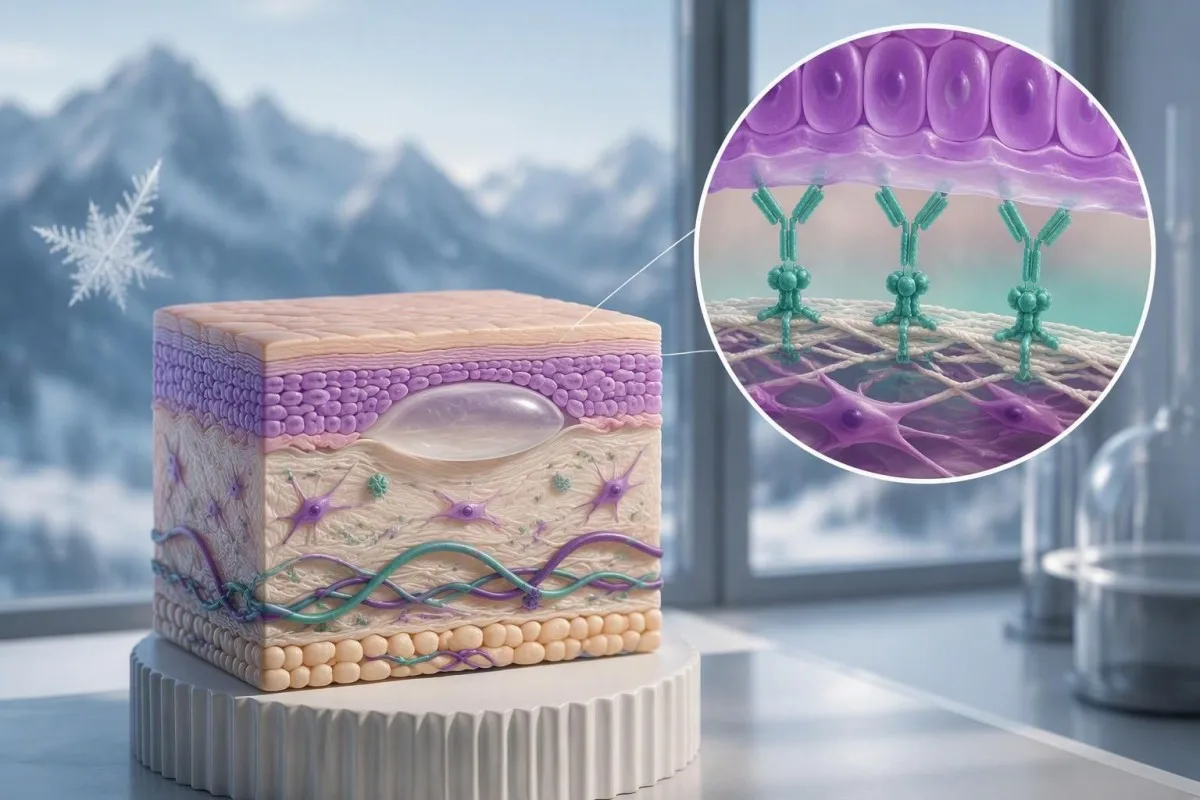
BP180-ৰ পজিটিভ ফলাফলে এটা স্ব-প্ৰতিৰক্ষাজনিত ছালৰ ৰোগৰ সমৰ্থন কৰে, কিন্তু কেৱল এই সংখ্যাটোৱে ৰোগ নিৰ্ণয় নিশ্চিত কৰিব নোৱাৰে। লক্ষণ, ব্যৱহৃত পৰীক্ষা-পদ্ধতি আৰু সঠিকভাৱে সংগ্ৰহ কৰা ছালৰ নমুনাই পৰৱৰ্তী পদক্ষেপ নিৰ্ধাৰণ কৰে।.

মূল কথাসমূহ
- BP180 এণ্টিবডি পজিটিভ মানে পৰীক্ষাত ইয়াৰ BP180 লক্ষ্যৰ বিৰুদ্ধে এণ্টিবডি ধৰা পৰিছে; ই নিজে বুলাছ পেম্ফিগইড নিশ্চিত নকৰে।.
- পৰীক্ষাগাৰৰ সীমামান বেলেগ বেলেগ: কিছুমান BP180 পৰীক্ষাত প্ৰায় 9 U/mL ব্যৱহাৰ কৰা হয়, আন কিছুমানত প্ৰায় 20 U/mL। আপোনাৰ পৰীক্ষাগাৰৰ নিজা ৰেফাৰেঞ্চ পৰিসৰ চাওক।.
- কম-পজিটিভ ফলাফল খজুৱতি, ৰেছ বা ফোঁহা নাথাকিলে, ই ঘটনাক্ৰমে এণ্টিবডি ধৰা পৰা বা পৰীক্ষাৰ ভুল-পজিটিভ ফলাফল হ’ব পাৰে—প্ৰতিষ্ঠিত ছালৰ ৰোগ নহয়।.
- ফোঁহাবিহীন পেম্ফিগইড ফোঁহা নোহোৱাকৈ স্থায়ী খজুৱতিৰ সৃষ্টি কৰিব পাৰে; বিশেষজ্ঞৰ ৰোগ-নিৰ্ণয় অধ্যয়নত পেম্ফিগইডৰ 343টা ঘটনাৰ ভিতৰত 74টা ফোঁহাবিহীন আছিল।.
- BP230 এণ্টিবডি পৰিপূৰক প্ৰমাণ দিয়ে, কিন্তু BP230 এণ্টিবডি নথকাটোৱে বুলাছ পেম্ফিগইড নথকাটো প্ৰমাণ নকৰে।.
- প্ৰত্যক্ষ ইমিউন’ফ্লুৰেছেন্সে ছালত এণ্টিবডিৰ জমা পৰীক্ষা কৰে; বেছমেণ্ট মেমব্ৰেনৰ কাষেৰে ৰৈখিক IgG আৰু/বা C3 পোৱা গ’লে পেম্ফিগইডজনিত ৰোগৰ সমৰ্থন কৰে।.
- ছালৰ দুটা নমুনা প্ৰায়ে সংগ্ৰহ কৰা হয়: নিয়মীয়া মাইক্ৰ’স্কোপিৰ বাবে আক্ৰান্ত ঠাইৰ পৰা এটা নমুনা আৰু প্ৰত্যক্ষ ইমিউন’ফ্লুৰ’ছেন্সৰ বাবে ওচৰৰ পৰা উপযুক্তভাৱে বাছি লোৱা এটা নমুনা।.
- তৎক্ষণাৎ মনোযোগ দাবী কৰা লক্ষণ ইয়াৰ ভিতৰত চকুৰ বিষ, দৃষ্টিশক্তিৰ পৰিৱৰ্তন, গিলিবলৈ অসুবিধা, ব্যাপক ছালৰ পৰিৱৰ্তনৰ সৈতে জ্বৰ, বা দ্ৰুতগতিত বিয়পি পৰা ফোঁহা অন্তৰ্ভুক্ত; আন এটা এণ্টিবডিৰ ফলাফললৈ অপেক্ষা নকৰিব।.
BP180-ৰ পজিটিভ ফলাফলে বুলাছ পেম্ফিগইড নিশ্চিত কৰেনে?
নহয়—কেৱল BP180 এণ্টিবডি পজিটিভ ফলাফলে বুলাছ পেম্ফিগইড নিশ্চিত নকৰে।. লক্ষণ আৰু ছালৰ লক্ষণে মিল খালে ই ৰোগ নিৰ্ণয়ৰ সমৰ্থন কৰে, কিন্তু ফোঁহা নথকা অৱস্থাত কম মাত্ৰাৰ পজিটিভ ফলাফলটো আকস্মিক হ’ব পাৰে; কাৰণ নিশ্চিত কৰিবলৈ ছালৰ ৰোগ বিশেষজ্ঞসকলক প্ৰায়ে প্ৰত্যক্ষ ইমিউন’ফ্লুৰ’ছেন্সসহ ছালৰ বায়’প্সি, আৰু কেতিয়াবা অতিৰিক্ত এণ্টিবডি পৰীক্ষাৰ প্ৰয়োজন হয়।.
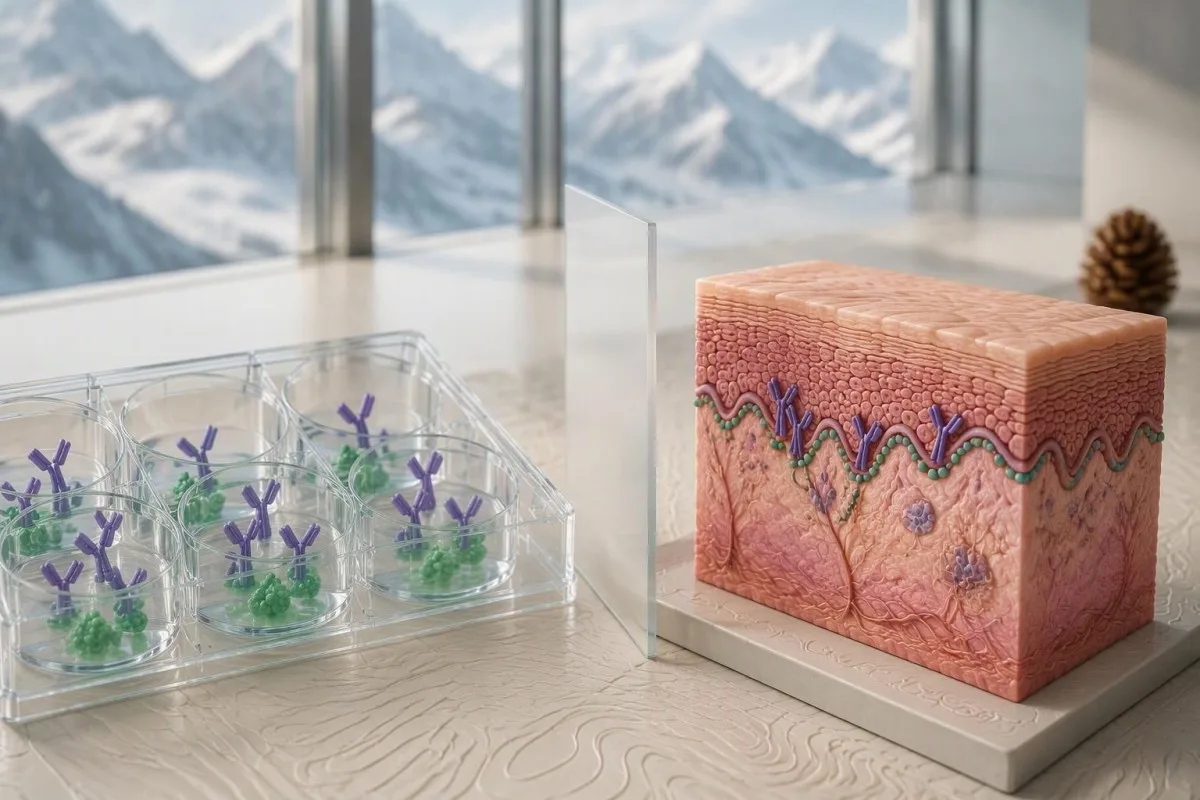
বুলাছ পেম্ফিগইডৰ ৰোগ নিৰ্ণয়ৰ বাবে ক্লিনিকেল আৰু ইমিউন’পেথ’লজিকেল তথ্যৰ সামঞ্জস্য প্ৰয়োজন, কেৱল পৰীক্ষাগাৰৰ এটা চিহ্নিত মানেই নহয়। ২০২২ চনৰ EADV নিৰ্দেশিকাত ক্লিনিকেল ছবিৰ লগতে উপযুক্ত কলা আৰু তেজত চলাচল কৰা এণ্টিবডিৰ পৰীক্ষাৰ জৰিয়তে ৰোগ নিৰ্ণয়ৰ কথা বৰ্ণনা কৰা হৈছে (Borradori et al., 2022); ব্যৱহাৰিক প্ৰশ্নটো হ’ল ধৰা পৰা এণ্টিবডিবোৰে ব্যক্তিজনৰ ছালৰ অৱস্থাৰ ব্যাখ্যা দিয়ে নে নিদিয়ে।.
পজিটিভ এণ্টিবডি পৰীক্ষা আৰু সক্ৰিয় অটোইমিউন ৰোগ দুটা পৃথক তথ্য। উদাহৰণস্বৰূপে, কাল্পনিকভাৱে CA-125 এটা পৰীক্ষাগাৰত পজিটিভ হ’ব পাৰে, তথাপি এনে ফলাফল থকা লক্ষণহীন ব্যক্তিৰ ৰোগ-নিৰ্ণয়ৰ সম্ভাৱনা একে মাত্ৰা থকা, ব্যাপকভাৱে খজুৱতি হোৱা টান ফোঁহা ওলোৱা ব্যক্তিতকৈ বেলেগ।.
Kantesti হৈছে এটা AI তেজৰ পৰীক্ষা বিশ্লেষক, যিয়ে পৰীক্ষাগাৰৰ সীমামান আৰু আপুনি দিয়া তথ্যৰ সৈতে BP180 ফলাফল বুজিবলৈ সহায় কৰে।. আমাৰ ব্যাখ্যাই আপোনাৰ ছাল পৰীক্ষা কৰিব নোৱাৰে বা প্ৰত্যক্ষ ইমিউন’ফ্লুৰ’ছেন্স কৰিব নোৱাৰে; আমাৰ কোম্পানীৰ পটভূমি ই এই শৈক্ষিক সহায়ৰ আঁৰত থকা সংস্থাটোক চিনাক্ত কৰে।.
ফলাফলটোক স্থায়ী ৰোগৰ লেবেল হিচাপে নহয়, বৰং অধিক নিৰ্দিষ্ট প্ৰশ্ন সোধাৰ কাৰণ হিচাপে গণ্য কৰক। আমাৰ গাইডে ধনাত্মক এন্টিবডিৰ ফলাফল এণ্টিবডি ধৰা পৰা, ৰোগৰ সক্ৰিয়তা আৰু ৰোগ-নিৰ্ণয় নিশ্চিত কৰাটো কিয় তিনিটা পৃথক ধাৰণা, সেয়া ব্যাখ্যা কৰে।.
BP180 এণ্টিবডি পৰীক্ষাই প্ৰকৃততে কি জোখে?
BP180 এণ্টিবডি পৰীক্ষাত সাধাৰণতে BP180ৰ এটা অংশৰ বিৰুদ্ধে নিৰ্দেশিত ছিৰাম IgG জোখা হয়; ইয়াক টাইপ XVII কলাজেন বুলিও কোৱা হয়।. BP180 হৈছে প্ৰায় 180-kDa প্ৰ’টিন, যি এপিডাৰ্মিছক তলৰ কলাৰ সৈতে সংলগ্ন কৰাত জড়িত; বহুতো নিয়মীয়া এছেইত গোটেই প্ৰ’টিনটোৰ সলনি ইয়াৰ NC16A অঞ্চল পৰীক্ষা কৰা হয়।.
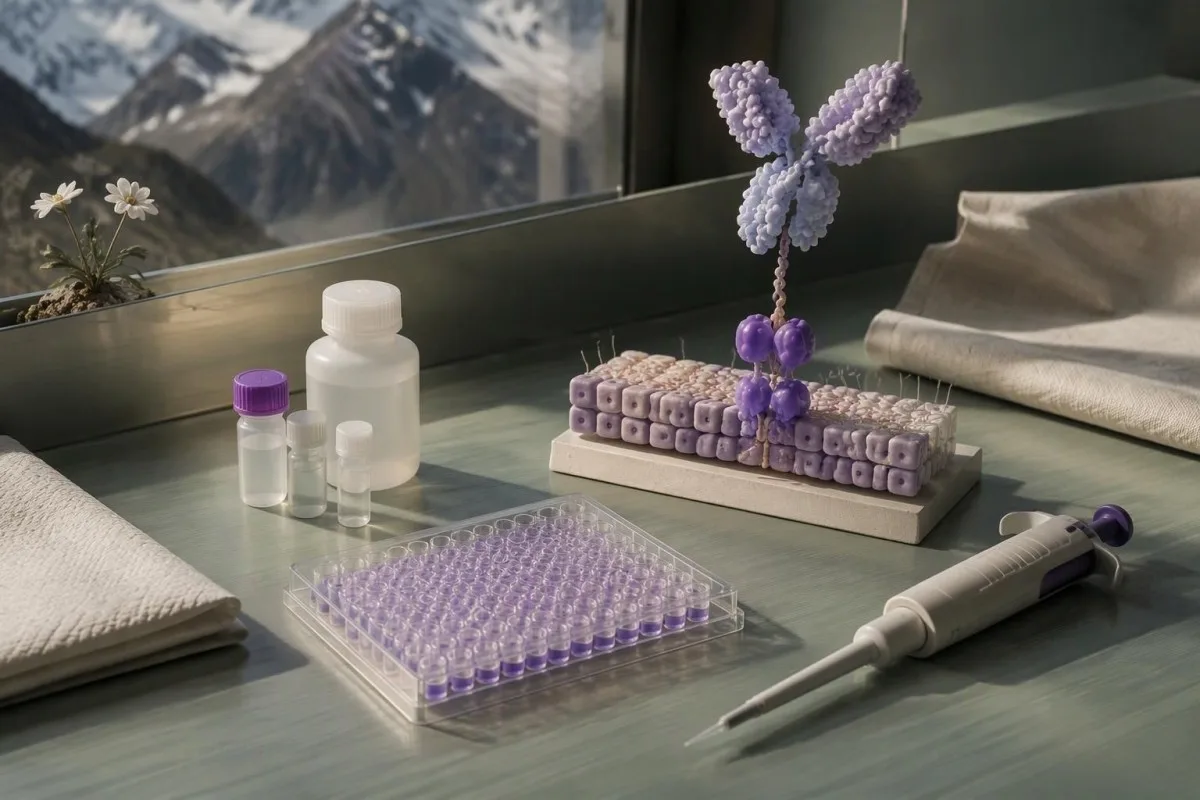
BP180 হৈছে ছালৰ এটা গাঁথনিগত প্ৰ’টিন; তেজত ইয়াৰ ঘনত্ব জোখা কোনো পদাৰ্থ নহয়।. প্ৰতিবেদনত সেই প্ৰ’টিনৰ বিৰুদ্ধে থকা এণ্টিবডিৰ বৰ্ণনা কৰা হয়, সাধাৰণতে এনজাইম-লিংকড ইমিউন’ছৰবেণ্ট এছেই, বা ELISA ব্যৱহাৰ কৰি; সেয়েহে 30 U/mL 30 একক ছালৰ প্ৰ’টিন তেজত চলাচল কৰি আছে বুলি নুবুজায়।.
দ্য... NC16A ডমেইন কোষৰ আৱৰণৰ ওচৰত BP180-ৰ বাহিৰৰ অংশত অৱস্থিত আৰু ক্লাছিক বুলাছ পেম্ফিগয়েডত এণ্টিবডীৰ এটা সঘন লক্ষ্য। এই অঞ্চলটো পৰীক্ষা কৰিলে এটা ব্যৱহাৰিক এছেই সম্ভৱ হয়, কিন্তু ইয়াৰ ফলত এটা অন্ধ বিন্দু সৃষ্টি হয়: মূলতঃ আন অঞ্চলৰ বিৰুদ্ধে নিৰ্দেশিত এণ্টিবডী ধৰা নপৰিব পাৰে।.
এণ্টিবডীৰ সংখ্যাগত ঘনত্ব ইমিউন’ফ্লুৰেছেন্স টাইটাৰৰ সৈতে বিনিময়যোগ্য নহয়। এইদৰে প্ৰকাশ কৰা ফলাফল 1:40 এটা পাতলীকৰণত প্ৰতিক্ৰিয়াশীলতা বুজায়, আনহাতে 40 U/mL এছেই-কেলিব্ৰেট কৰা ঘনত্ব বুজায়; আমাৰ পৰিমাণগত বনাম গুণগত পৰীক্ষাৰ ব্যাখ্যাই এই প্ৰতিবেদন-ৰূপসমূহৰ পাৰ্থক্য বুজিবলৈ সহায় কৰে।.
প্ৰতিবেদনত এইদৰে উল্লেখ আছে নেকি পৰীক্ষা কৰক BP180 NC16A IgG, আন এটা BP180 এছেই, নে অধিক বিস্তৃত পেম্ফিগয়েড পেনেল। এইবোৰ স্বয়ংক্ৰিয়ভাৱে সমতুল্য পৰীক্ষা নহয়, আৰু নেগেটিভ IgG ELISA-ই আন এণ্টিবডী শ্ৰেণী বা বেছমেণ্ট-মেমব্ৰেনৰ আন লক্ষ্যসমূহৰ বিষয়ে প্ৰতিটো প্ৰশ্নৰ উত্তৰ নিদিয়ে।.
BP180 এণ্টিবডিৰ কম-পজিটিভ ফলাফল বুলি কিহক কোৱা হয়?
BP180-ৰ কম-পজিটিভ ফলাফল হৈছে ব্যৱহৃত নিৰ্দিষ্ট এছেইৰ কাটঅফৰ ঠিক ওপৰৰ মান।. কম-পজিটিভৰ কোনো সাৰ্বজনীন পৰিসৰ নাই: কিছুমান পৰীক্ষাগাৰে ওচৰৰ এটা সীমা ব্যৱহাৰ কৰে 9 U/mL, আনহাতে আন কিছুমানে ওচৰৰ এটা সীমা ব্যৱহাৰ কৰে 20 U/mL, আৰু কেলিব্ৰেচন আৰু প্ৰতিবেদন-শ্ৰেণী বেলেগ বেলেগ।.
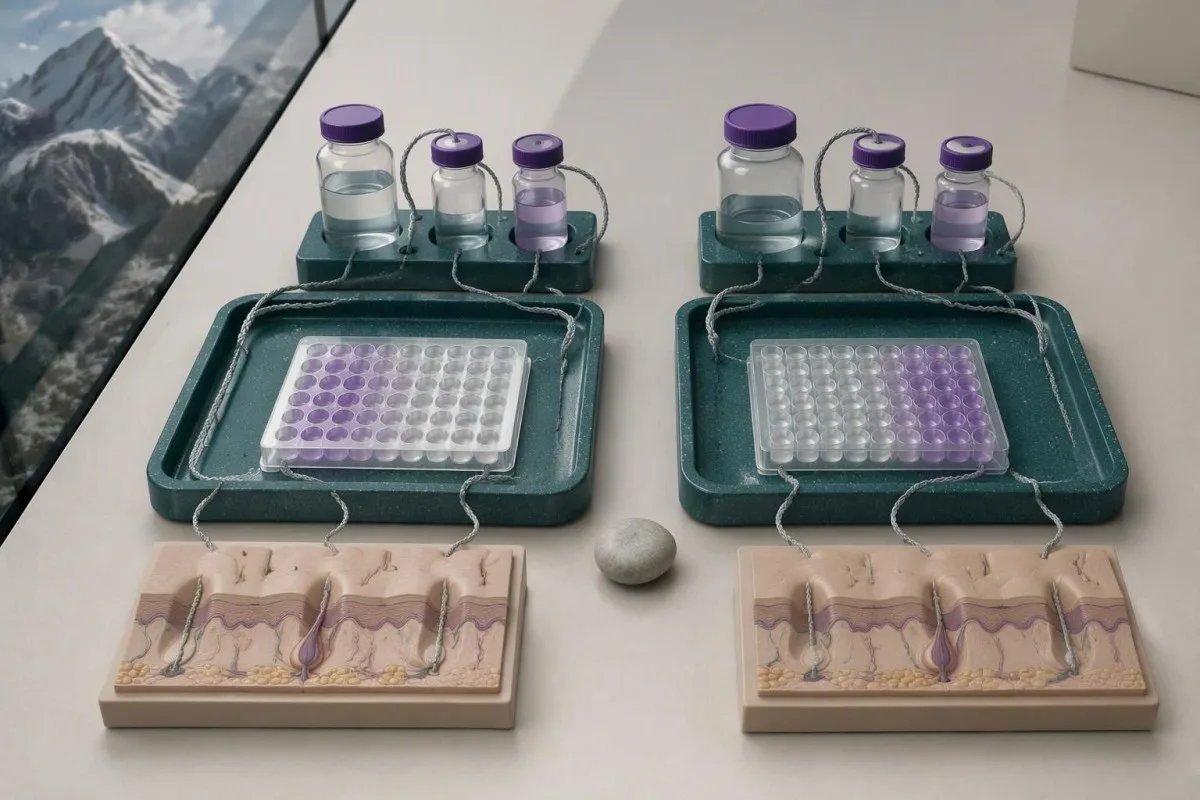
BP180 এছেইৰ এককসমূহ পৰীক্ষাগাৰসমূহৰ মাজত সাৰ্বজনীনভাৱে মানকীকৃত নহয়।. ফলাফল যদি 15 U/mL 9-U/mL নীতিৰ অধীনত পজিটিভ আৰু 20-U/mL নীতিৰ অধীনত নেগেটিভ হ’ব পাৰে, কিন্তু ইয়াৰ পৰা এইটো প্ৰতিষ্ঠা নহয় যে দ্বিতীয় এছেইটোৱে ৰোগ ধৰা পেলোৱাত ব্যৰ্থ হৈছে; পদ্ধতি আৰু কেলিব্ৰেটৰ বেলেগ হ’ব পাৰে।.
এছেইৰ মূল্যায়নৰ বাবে ব্যৱহৃত জনসমষ্টিত সংবেদনশীলতা আৰু নিৰ্দিষ্টতাৰ মাজত ভাৰসাম্য ৰাখি কাটঅফ নিৰ্ধাৰণ কৰা হয়। সীমা তললৈ নমালে ৰোগ থকা অধিক লোকক ধৰা পেলাব পাৰি, কিন্তু ৰোগ নথকা অধিক লোককো চিনাক্ত কৰা হ’ব পাৰে; কাটঅফটো পৰীক্ষাগাৰৰ সিদ্ধান্ত-সীমা, ছালত হঠাতে ফোঁহা উঠিবলৈ আৰম্ভ কৰা কোনো জৈৱিক বিন্দু নহয়।.
Kantesti AI-এ প্ৰতিবেদনত দিয়া BP180 মানটোক তাৰ সৈতে দিয়া ৰেফাৰেন্স ইণ্টাৰভেলৰ কাষত ৰাখি বুজিবলৈ সহায় কৰিব পাৰে, কিন্তু কেৱল 18 U/mL দেখুওৱা কটা ছবিখনত গুৰুত্বপূৰ্ণ তথ্য অনুপস্থিত থাকে। পৰীক্ষাৰ নাম, একক, ব্যাখ্যাৰ শ্ৰেণী আৰু পৰীক্ষাগাৰৰ মন্তব্য অন্তৰ্ভুক্ত কৰক; এটা সাধাৰণ out-of-range flag সেই তথ্যসমূহৰ বিকল্প হ’ব নোৱাৰে।.
তলৰ উদাহৰণসমূহে সাৰ্বজনীন তীব্ৰতা-মাপনী নহয়, বৰং দুটা সম্ভাৱ্য প্ৰতিবেদন নীতিৰ উদাহৰণ দাঙি ধৰে।. কেৱল BP180 এণ্টিবডিৰ ঘনত্বই কোনো চিকিৎসাজনিত জৰুৰী অৱস্থা নিৰ্ধাৰণ নকৰে; ছালৰ বিস্তৃত অংশ জড়িত হোৱা, পানীশূন্যতা, শৰীৰজুৰি অসুস্থতা, আৰু চকু বা শ্বাসনলীৰ লক্ষণে জৰুৰীতাৰ মাত্ৰা নিৰ্ধাৰণ কৰে।.
| স্তৰ | পৰিসৰ | ইয়াৰ অৰ্থ |
|---|---|---|
| উদাহৰণস্বৰূপে, এছেই A: সীমামানৰ তলত | <9 U/mL | এই উদাহৰণমূলক পৰীক্ষাগাৰ নীতি অনুসৰি ঋণাত্মক; ক্লিনিকেল সন্দেহ অধিক থাকিলে ৰোগটো নুই কৰা নহয়।. |
| উদাহৰণস্বৰূপে, এছেই A: সীমামানত বা তাৰ ওপৰত | ≥9 U/mL | এই নীতি অনুসৰি ধনাত্মক; সীমামানৰ ওচৰত থকা আৰু ক্লিনিকেল তথ্যই ব্যাখ্যাক প্ৰভাৱিত কৰে।. |
| উদাহৰণস্বৰূপে, এছেই B: সীমামানৰ তলত | <20 U/mL | এটা বেলেগ উদাহৰণমূলক নীতি অনুসৰি ঋণাত্মক; বিভিন্ন এছেই ব্যৱস্থাৰ ফলাফল পোনপটীয়াকৈ ৰূপান্তৰ নকৰিব।. |
| উদাহৰণস্বৰূপে, এছেই B: সীমামানত বা তাৰ ওপৰত | ≥20 U/mL | এই নীতি অনুসৰি ধনাত্মক; সংখ্যাটোৱে অকলে ৰোগ নিৰ্ণয় বা তীব্ৰতা প্ৰতিষ্ঠা নকৰে।. |
BP180-ৰ পজিটিভ ফলাফল কিয় বিভ্ৰান্তিকৰ হ’ব পাৰে?
পৰীক্ষাৰ আগতে ব্যক্তিজনৰ পেমফিগইড হোৱাৰ ক্লিনিকেল সম্ভাৱনা কম আছিলে, ধনাত্মক BP180 ফলাফলটো কম বিশ্বাসযোগ্য হয়।. যথেষ্ট সঠিক এছেইতো ভুলকৈ ধনাত্মক ফল দিব পাৰে, সেয়েহে লক্ষণ নথকা লোকৰ স্ক্ৰীনিং গোটত আৰু বৈশিষ্ট্যপূৰ্ণ ফোঁহাৰ মূল্যায়ন কৰা বিশেষজ্ঞ ক্লিনিকত ফলাফলৰ অৰ্থ বেলেগ হয়।.
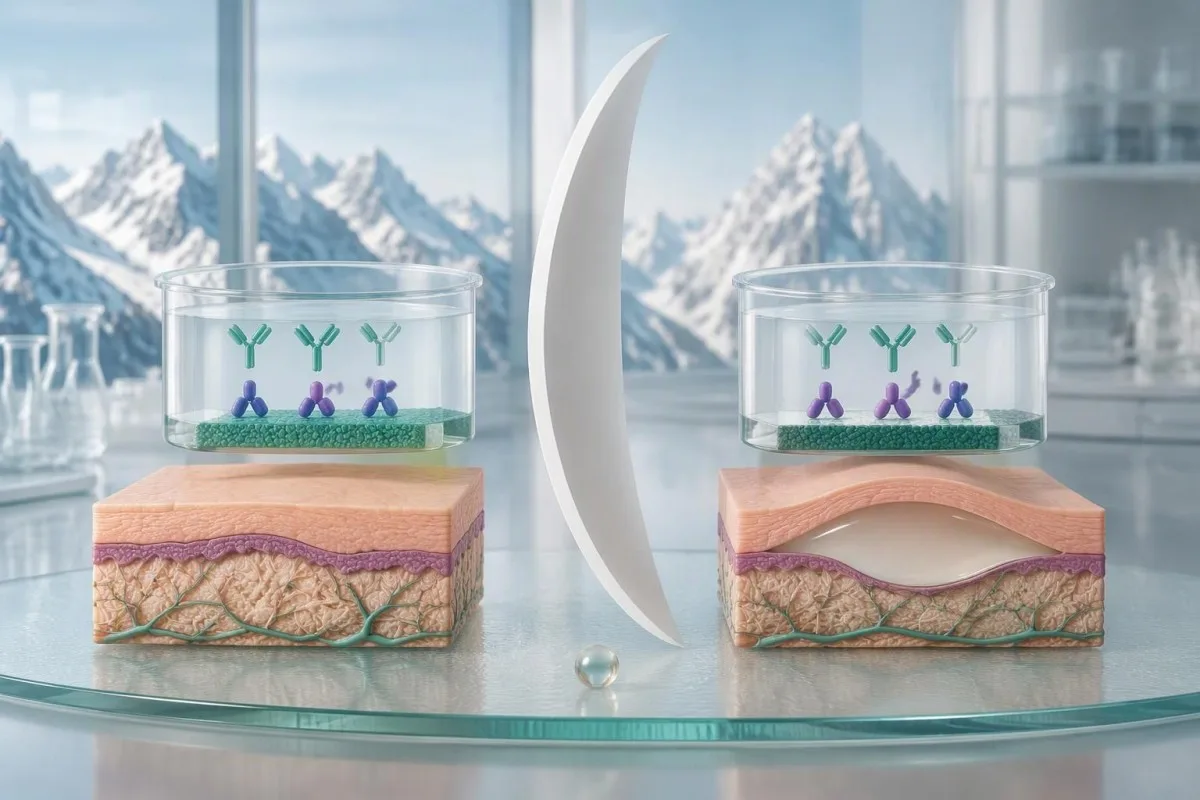
সংবেদনশীলতা আৰু নিৰ্দিষ্টতা একে নহয়—ধনাত্মক ফলাফলৰ পাছত ব্যক্তিগতভাৱে আপোনাৰ ৰোগ থকাৰ সম্ভাৱনাৰ সৈতে।. সেই সম্ভাৱনা পৰীক্ষা কৰা গোটত এই অৱস্থা কিমান সাধাৰণ তাৰ ওপৰতো নিৰ্ভৰ কৰে; কোনো নিৰ্দিষ্ট ছালৰ বিন্যাস অনুসন্ধান কৰিবলৈ নহয়, বৰং বহলভাৱে এণ্টিবডি পেনেলৰ পৰীক্ষা নিৰ্দেশ কৰা হ’লে এই পাৰ্থক্যটো আটাইতকৈ গুৰুত্বপূৰ্ণ।.
স্পষ্টভাৱে কাল্পনিক এটা এছেইৰ কথা বিবেচনা কৰক, যাৰ 90% সংবেদনশীলতা আৰু 95% নিৰ্দিষ্টতা আছে, আৰু ইয়াক 1,000 জন লোকৰ ক্ষেত্ৰত ব্যৱহাৰ কৰা হৈছে, যিসকলৰ ৰোগটোৰ সম্ভাৱনা 1%। ই প্ৰায় 9টা প্ৰকৃত ধনাত্মক আৰু 50টা ভুল ধনাত্মক ফল চিনাক্ত কৰিব।, ফলত ধনাত্মক পূৰ্বানুমানমূলক মান প্ৰায় 15% হ’ব; এইবোৰ শিক্ষামূলক অনুমান, আপোনাৰ BP180 এছেইৰ কাৰ্যক্ষমতাৰ দাবী নহয়।.
Use the same hypothetical assay where disease probability is 20%, and approximately 180 true positives and 40 false positives would occur per 1,000 tests. The positive predictive value becomes about 82%—a large change caused by clinical context, not by a different laboratory method.
These examples explain why a dermatologist may request tissue testing despite a positive result, or take characteristic symptoms seriously despite a negative one. Our discussion of MOG এণ্টিবডিৰ ব্যাখ্যা illustrates the same probability principle in another autoimmune condition, although its diagnostic criteria cannot be transferred to pemphigoid.
BP180 পজিটিভ, কিন্তু আপোনাৰ ফোঁহা নাথাকিলে কি হ’ব?
A low-positive BP180 result without blisters does not establish bullous pemphigoid or reliably predict future blistering. The next distinction is whether you have no skin symptoms at all, or persistent itching and an unexplained rash that could represent a nonbullous pemphigoid presentation.
Incidental BP180 antibody detection can occur without clinically established pemphigoid. Possible explanations include low-level autoreactivity and assay-related false positivity; there is no validated conversion rule that turns an isolated result of 11 U/mL into a percentage risk of developing blisters later.
A hypothetical person with 11 U/mL, no itching, no rash, and no mucosal symptoms usually needs a contextual review rather than automatic immunosuppressive treatment. The clinician should check why the assay was ordered, whether the result was unexpected, and whether a skin examination reveals findings the person had not recognized.
Persistent dryness and itching still deserve assessment because common explanations remain common. Eczema, medication effects, thyroid disease, and other causes may be more likely than pemphigoid; our dry skin testing guide explains why additional blood tests should follow symptoms rather than a blanket panel.
লিউকেমিয়া প্ৰমাণ কৰে বুলি no universal repeat-testing interval for an asymptomatic low-positive BP180 result. A clinician may choose observation, a repeat using the same method, or specialist review depending on the history; new persistent itching, urticarial plaques, or blisters should change that plan rather than waiting for a scheduled repeat.
বুলাছ পেম্ফিগইড কেৱল খজুৱতিৰ সৈতে আৰম্ভ হ’ব পাৰেনে?
Pemphigoid can present with persistent itching, eczema-like patches, urticarial plaques, or scratch-related changes without visible blisters. In a specialist diagnostic study, 74 of 343 pemphigoid cases—21.6%—were nonbullous, showing that the absence of blisters cannot independently exclude the disorder (Meijer et al., 2019).
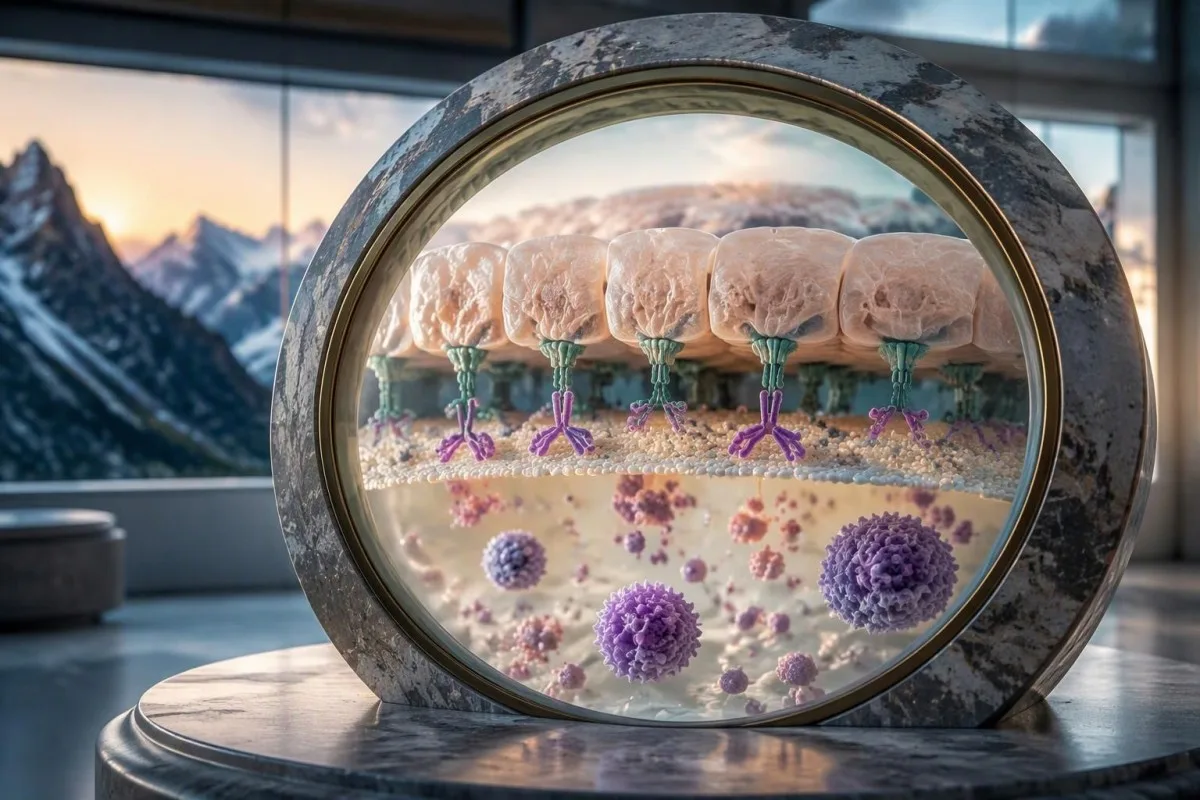
Nonbullous pemphigoid is not simply every itchy rash with a positive BP180 result. Diagnosis still needs compatible symptoms and appropriate immunopathological evidence; the 21.6% study figure came from a referred population and should not be interpreted as the probability that any person with itching has pemphigoid.
The symptom pattern often matters more than whether one small blister has appeared. Persistent, widespread itching in an older adult, especially with recurrent raised plaques or poor response to ordinary eczema care, warrants a dermatological assessment; our itchy skin laboratory guide separates skin-directed testing from tests for systemic causes.
Eosinophilia can accompany bullous pemphigoid, but it is neither required nor diagnostic. An absolute eosinophil count above approximately 0.5 × 10^9/L is often flagged in adults, yet allergy, medications, and parasites can produce the same finding; our guide to উচ্চ ইওছিনোফিল গণনা explains those alternatives.
A dermatologist does not always need to wait for a blister before collecting a useful sample for direct immunofluorescence. In nonbullous disease, sample selection is tailored to the available rash and laboratory protocol; document the distribution and duration of itching, because a disappearing rash can make later assessment harder.
BP230 এণ্টিবডিয়ে BP180 পৰীক্ষাক কেনেদৰে পৰিপূৰক কৰে?
BP230 antibodies provide complementary evidence for pemphigoid but cannot confirm or exclude bullous pemphigoid alone. BP230 is an approximately 230-kDa intracellular anchoring protein, whereas BP180 crosses the cell membrane; their different locations and antibody targets help explain why the two results can disagree.
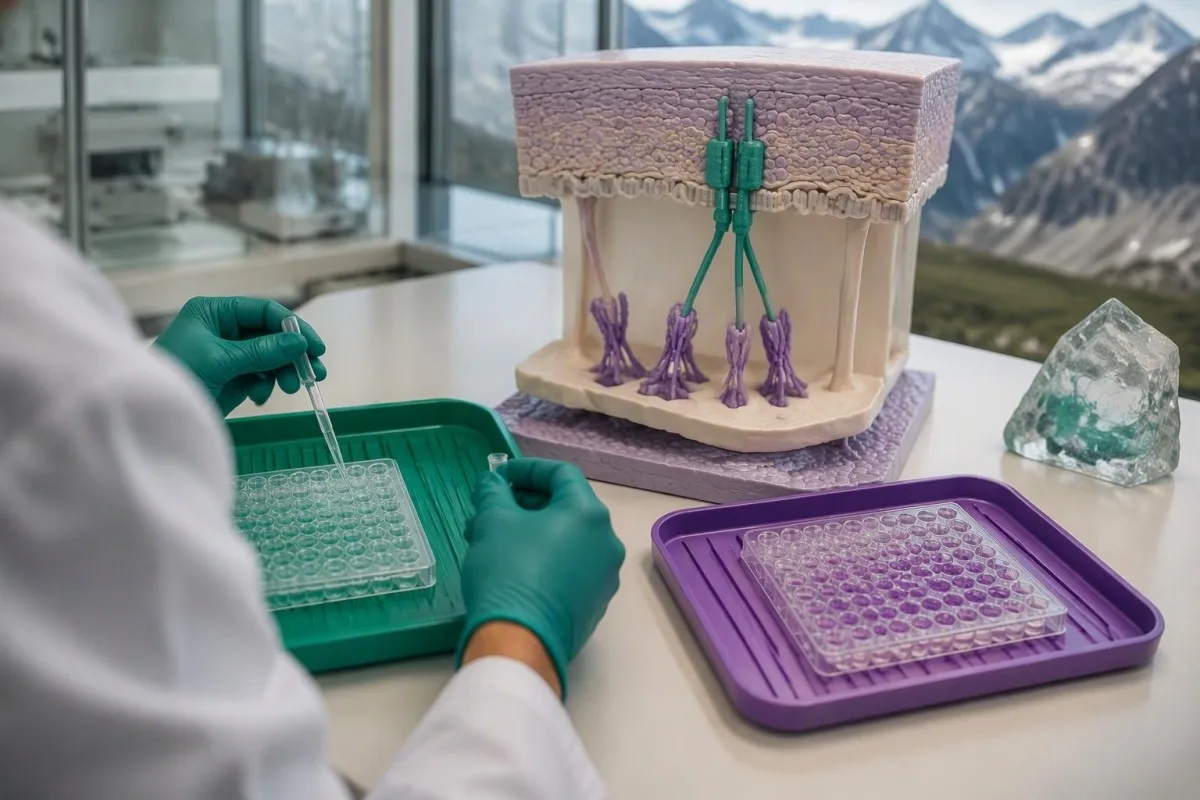
A negative BP230 antibody result does not cancel a positive BP180 result. Some people with confirmed pemphigoid have antibodies detectable against only one tested antigen, and each assay has its own sensitivity; interpreting the pair as a two-test pass-or-fail rule creates avoidable diagnostic errors.
এটা কাল্পনিক BP180 result of 45 U/mL with negative BP230 antibodies still warrants assessment if tense blisters and severe itching are present. Conversely, isolated low-positive BP230 antibodies without compatible findings are not enough to diagnose pemphigoid; a second positive marker strengthens a pattern only when the overall evidence fits.
Kantesti is an AI biomarker interpretation platform that can explain BP180 and BP230 antibodies as complementary findings rather than interchangeable scores. This is similar to the reasoning used for antibody panels in connective disease, but skin-specific tissue findings remain central to pemphigoid assessment.
Do not add BP180 and BP230 concentrations together, even if both are expressed in U/mL. They represent different antigen-specific measurements with different calibration systems; BP180 levels generally have a better-established relationship with disease activity than BP230 levels, but neither replaces examination.
প্ৰত্যক্ষ ইমিউন’ফ্লুৰেছেন্সসহ ছালৰ বায়’প্সি কিয় প্ৰয়োজন হ’ব পাৰে?
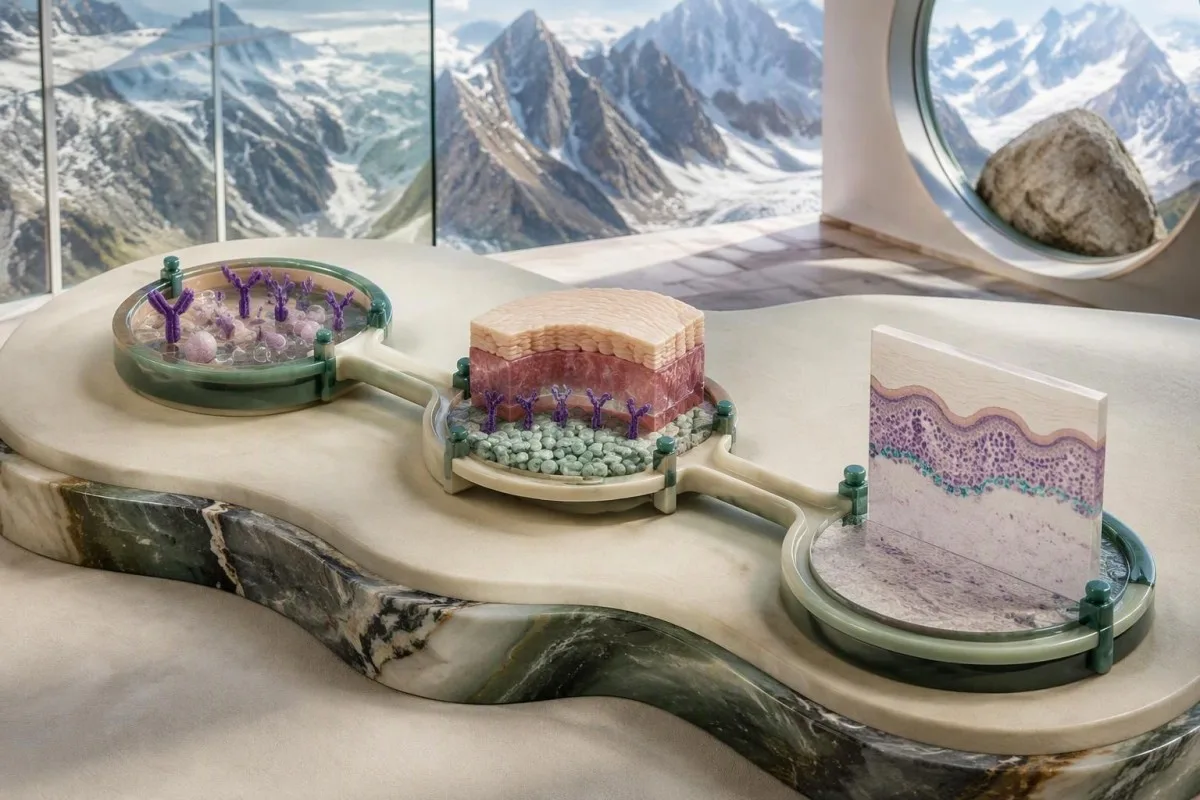
Skin biopsy with direct immunofluorescence can show whether antibodies or complement are deposited at the skin's basement membrane. Dermatologists often collect two separate specimens because routine microscopy and direct immunofluorescence answer different questions and require different sample handling.
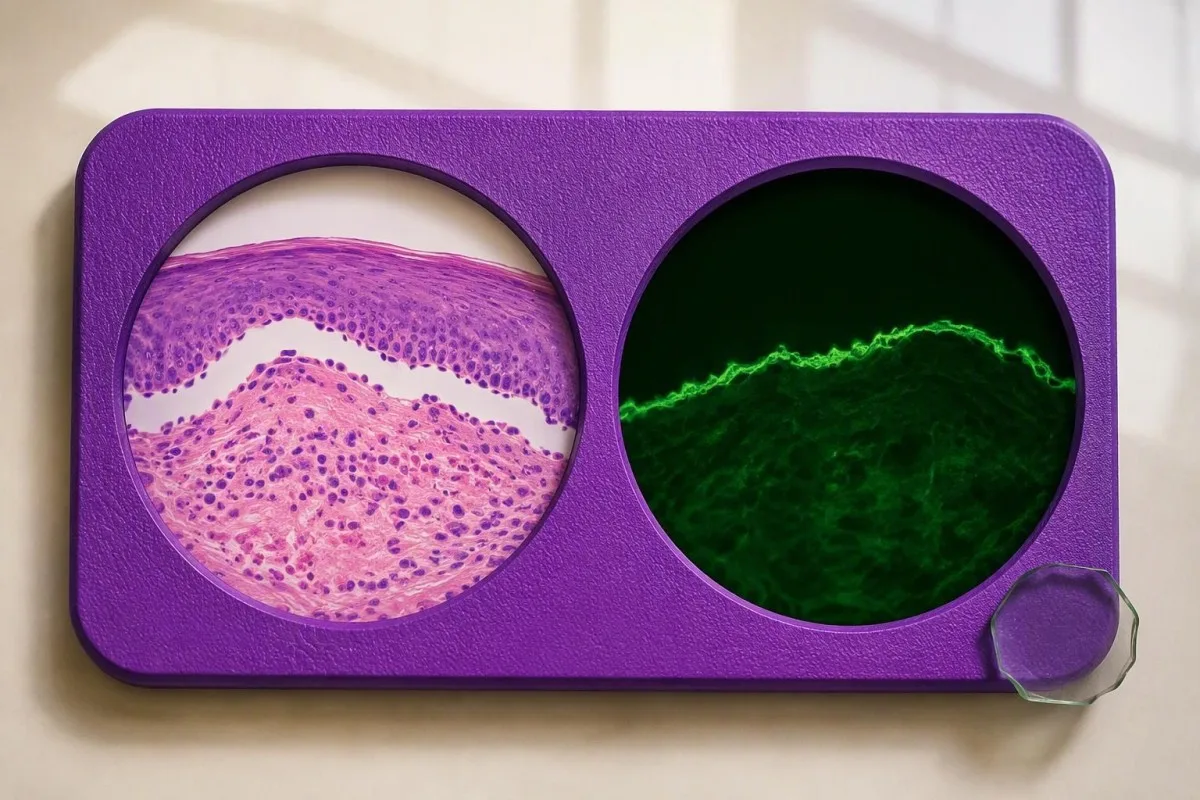
Routine histology examines tissue structure and inflammatory cells. A sample from a fresh blister or suitable affected area may show separation beneath the epidermis and eosinophils, but these features are not unique to bullous pemphigoid; the second sample looks for the immune-deposit pattern that helps classify the disorder.
For classic blistering presentations, the direct-immunofluorescence sample is commonly taken from appropriately selected skin near a fresh blister rather than its eroded center. A small 3–4-mm punch is often used, although technique and location depend on the case; sampling heavily damaged tissue can remove the structures the laboratory needs to examine.
The specimen for direct immunofluorescence must not be routinely placed in formalin. Laboratories generally require a dedicated transport medium or another explicitly agreed handling method, while the routine histology specimen commonly goes into formalin; ask whether the two containers have been prepared for their separate purposes.
In Meijer et al.'s 2019 diagnostic cohort, direct immunofluorescence had a sensitivity of 88.3%, so even this valuable test was not infallible. Kantesti's ক্লিনিকাল বৈধতা তথ্য concerns our interpretation methodology—not a claim that AI can reproduce skin immunofluorescence or establish its findings.
পজিটিভ ইমিউন’ফ্লুৰেছেন্স আৰু নিমখ-বিভাজন পৰীক্ষাৰ অৰ্থ কি?
Linear IgG and/or C3 along the basement membrane on direct immunofluorescence supports a pemphigoid-spectrum disorder, but the pattern is not unique to bullous pemphigoid. Indirect immunofluorescence on salt-split skin can add evidence by showing where circulating antibodies bind relative to an experimentally created tissue separation.
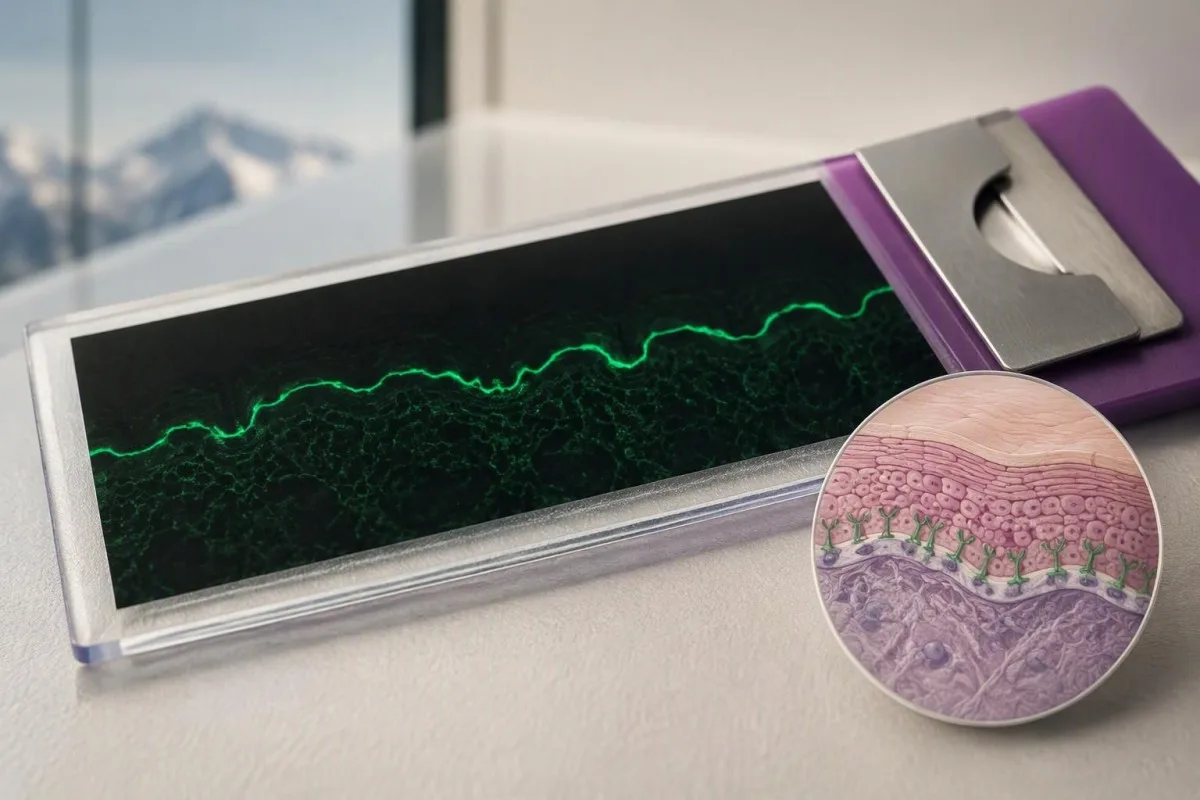
Direct and indirect immunofluorescence use different materials. Direct testing examines deposits already present in the person's skin, while indirect testing applies the person's serum to a laboratory substrate; a positive result in one test and a negative result in the other is therefore possible without a reporting error.
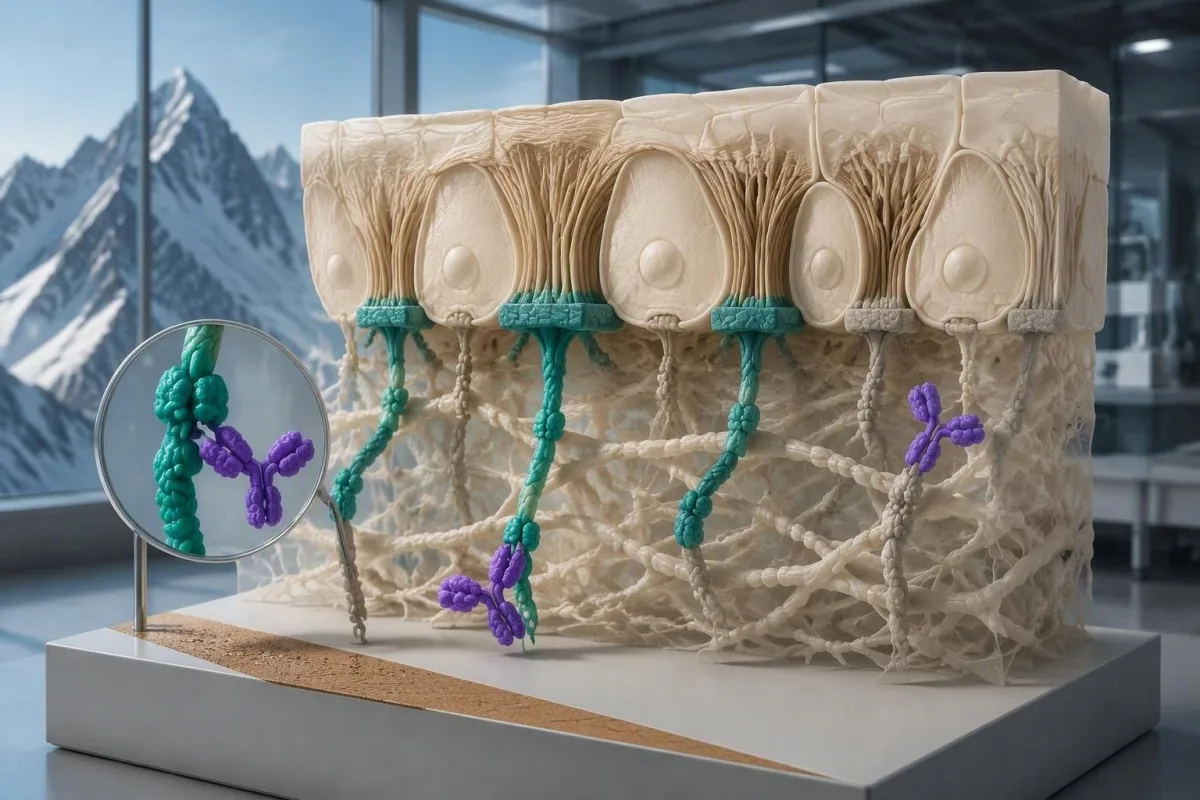
On salt-split skin, bullous pemphigoid antibodies commonly bind the epidermal side, often called the roof. Antibodies binding the dermal side, or floor, raise consideration of other disorders such as epidermolysis bullosa acquisita or anti-p200 pemphigoid, but binding location alone does not fully classify every case.
Meijer et al. reported 99.9% specificity for indirect immunofluorescence on salt-split skin in their 2019 diagnostic cohort. That high figure applies to that study and testing pathway; a negative result still cannot exclude pemphigoid because specificity describes false positives, not how many cases the test misses.
C3 detected in skin is not the same measurement as a serum C3 concentration. A normal circulating complement result does not negate local deposits at the basement membrane; our complement testing explanation helps prevent this common cross-test misunderstanding.
BP180, ছালৰ বায়’প্সি আৰু লক্ষণৰ মাজত মতানৈক্য থাকিলে কি হ’ব?
Discordant BP180 and skin-test results require a review of the clinical picture, assay target, sampling site, and specimen handling. A positive ELISA with negative direct immunofluorescence can reflect incidental antibodies or an uninformative skin sample; a negative NC16A ELISA can miss disease directed against other targets.
A negative direct-immunofluorescence result is less reassuring if the sample was poorly selected or incorrectly transported. Treatment before sampling may also influence findings, so clinicians need to know which creams or systemic medicines were used and where; never stop prescribed treatment solely to make a test more likely to turn positive.
A hypothetical person with characteristic new blisters, BP180 of 80 U/mL, and a negative direct-immunofluorescence specimen from an old eroded site may need repeat sampling. The same antibody result with no compatible skin findings demands a different investigation; the discrepancy does not have one automatic explanation.
A negative BP180 NC16A result does not exclude every form of pemphigoid. Further testing may include BP230 antibodies, indirect immunofluorescence, or specialized assays for other antigens; our guide to negative myasthenia antibody tests illustrates why a limited antigen panel cannot exclude an entire autoimmune disease category.
Repeat testing should address a specific uncertainty rather than create an endless sequence of panels. Ask whether the next investigation is checking the same antigen by another method, examining an additional antigen, or correcting a tissue-sampling problem; each strategy answers a different diagnostic question.
আন কোনবোৰ অৱস্থাই BP180-পজিটিভ পেম্ফিগইডৰ দৰে দেখা দিব পাৰে?
BP180 antibodies can occur in other pemphigoid-spectrum conditions, including mucous membrane pemphigoid and pemphigoid gestationis. Eczema, scabies, and drug-related eruptions can resemble early bullous pemphigoid clinically, while pemphigus involves different adhesion proteins and usually a different level of skin separation.
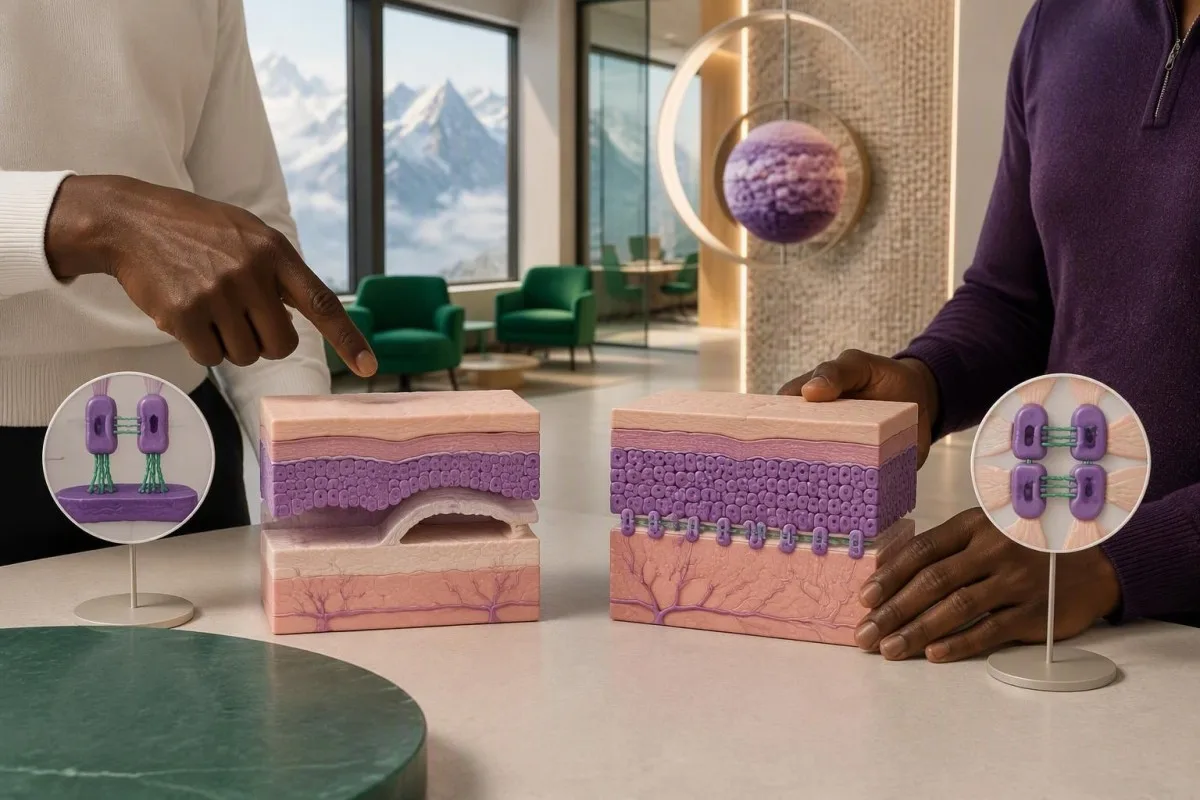
Bullous pemphigoid typically causes tense blisters because separation occurs beneath the epidermis. Pemphigus often produces more fragile blisters or erosions through loss of adhesion within the epidermis; our desmoglein antibody guide explains why BP180 testing cannot substitute for a pemphigus evaluation.
Predominantly mouth, eye, genital, or other mucosal involvement raises concern for mucous membrane pemphigoid, especially when scarring occurs. Eye pain, light sensitivity, or vision changes require urgent assessment because waiting for a repeat antibody concentration can delay treatment of a sight-threatening process.
Pemphigoid gestationis is associated with pregnancy and can produce BP180 antibodies. Pregnancy or recent childbirth therefore changes the interpretation of the same laboratory result; the distinction requires obstetric and dermatological coordination rather than assuming that every BP180-positive blistering disorder is classic older-adult bullous pemphigoid.
Scabies can cause intense itching and may coexist with an unrelated positive antibody result. Household itching, characteristic distribution, and burrows alter the differential; our scabies symptom guide is useful for that comparison, but neither household exposure nor BP180 positivity independently settles the diagnosis.
ঔষধে BP180-ৰ ব্যাখ্যা বা চিকিৎসাৰ সিদ্ধান্ত সলনি কৰেনে?
Medication history can change the likelihood and presentation of bullous pemphigoid, but a positive BP180 result alone is not a reason to stop a medicine. DPP-4 inhibitors used for diabetes and immune checkpoint inhibitors are recognized associations; treatment decisions depend on confirmed disease, severity, and the person's other health risks.

DPP-4 inhibitor-associated pemphigoid can have a less typical inflammatory presentation and may show limited NC16A reactivity. This is not universal, and exposure does not prove causation; bring a complete medicine list, including start dates, to a review using our senior medication effects guide as a preparation aid.
দ্য... 2022 EADV guideline recommends potent topical corticosteroids as a mainstay when feasible and discusses oral prednisone at approximately 0.5 mg/kg/day as an alternative in suitable circumstances (Borradori et al., 2022). These are clinician-directed treatment options for disease, not instructions to treat an isolated antibody result or begin steroids without assessment.
Systemic corticosteroids can create additional risks that are unrelated to the BP180 concentration. People with relevant residence or travel exposure may need assessment for Strongyloides before significant immunosuppression; our Strongyloides antibody explanation describes why an apparently unrelated parasite history can become a treatment-safety issue.
Kidney function, glucose, infection risk, and the ability to apply topical treatment may influence the choice of therapy more than whether BP180 is 40 or 80 U/mL. আমাৰ বৃক্কৰ কাৰ্য সম্পাদন ব্যাখ্যাৰ নিৰ্দেশিকা covers supportive laboratory assessment, but renal markers do not confirm pemphigoid.
BP180-ৰ মাত্ৰাই ৰোগৰ সক্ৰিয়তা আৰু আৰোগ্য নিৰীক্ষণ কৰিব পাৰেনে?
BP180 antibody levels can support monitoring in confirmed bullous pemphigoid, but they do not replace examination or determine treatment alone. Concentrations often track disease activity at a group level; individual patients can remain antibody-positive while their skin is controlled or experience symptoms without a proportionate rise.
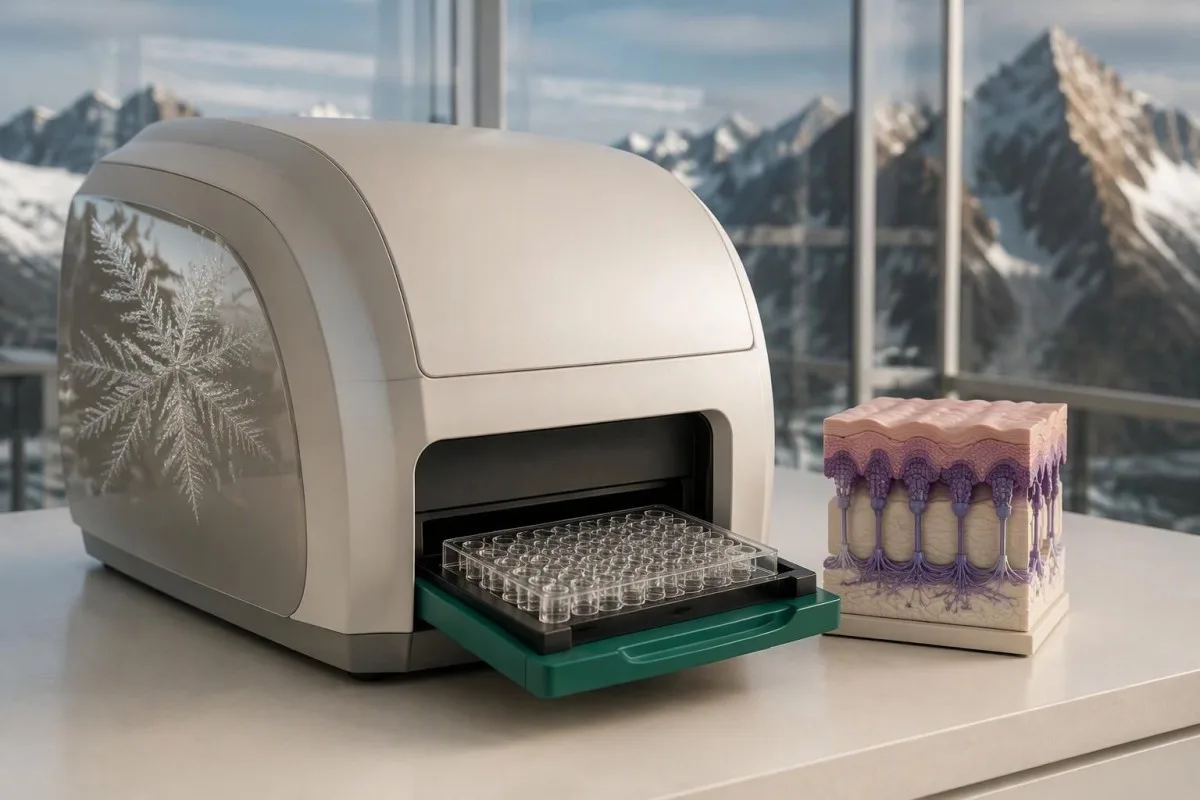
A falling BP180 concentration is most useful when it agrees with fewer new blisters and less itching. A hypothetical decline from 120 to 35 U/mL on the same assay supports an improving pattern, but it does not independently establish remission or justify stopping treatment.
An increase from 12 to 14 U/mL near a cutoff may reflect analytical or biological variation rather than a meaningful change in disease. There is no universal percentage increase that proves relapse across all BP180 assays; the method, timing, symptoms, and previous response need to be considered together.
Kantesti is an AI blood test interpretation platform that can organize serial BP180 results without treating a laboratory trend as a diagnosis. আমাৰ AI প্ৰযুক্তিৰ ব্যাখ্যা describes the interpretation workflow; preserving each report's assay name and reference interval matters when comparing two or more measurements.
Changing laboratories can create an apparent rise or fall that is partly methodological. Our ঔষধ-নিৰাপত্তা ধাৰা নিৰ্দেশিকা explains why dates, doses, and laboratory context belong beside the numbers; photograph new skin findings and record new-blister counts when your dermatologist requests them.
পৰৱৰ্তী সাক্ষাতৰ বাবে আপুনি কি লৈ যাব লাগে, আৰু কোনটো প্ৰমাণ প্ৰযোজ্য?
Bring the full BP180 report, any BP230 result, symptom photographs, and your complete medication list to follow-up. These four information groups help a clinician decide whether you need observation, additional serum testing, properly handled skin samples, or urgent assessment rather than another isolated antibody measurement.
A useful report includes the exact assay name, numerical value, units, cutoff, and collection date. If a hypothetical BP180 result reads 16 U/mL, the missing cutoff may reverse whether it is considered positive; also request the actual histology and direct-immunofluorescence reports rather than relying on the phrase 'skin biopsy normal.'
New eye symptoms, swallowing difficulty, extensive rapidly spreading blisters, fever, or inability to maintain fluids need prompt clinical attention. Do not wait for a scheduled second test when those symptoms appear; supportive urinalysis can answer separate medical questions, as explained in our ইউরিনালাইসিস ব্যাখ্যা নির্দেশিকা, but it cannot establish a pemphigoid diagnosis.
Kantesti helps explain the distinctions between a flagged antibody result, a probable diagnosis, and confirmed disease. আমাৰ দায়িত্বশীল AI-ৰ নীতিসমূহে describe the boundaries of educational interpretation; only a clinician with access to your examination and appropriate investigations can decide whether a BP180 এণ্টিবডি পজিটিভ result represents active pemphigoid.
The directly relevant evidence here comes from the 2022 EADV guideline and the 2019 JAMA Dermatology diagnostic study. The two Zenodo publications listed below concern kidney-function and urinalysis interpretation and are included as background educational publications, not evidence that BP180 confirms bullous pemphigoid or that our AI has validated diagnostic accuracy for this condition.
সাধাৰণতে সোধা প্ৰশ্ন
BP180 এণ্টিবডি পৰীক্ষা পজিটিভ হোৱাৰ অৰ্থ এইটো নেকি যে মোৰ নিশ্চিতভাৱে বুলাছ পেম্ফিগইড হৈছে?
BP180 এণ্টিবডিৰ পৰীক্ষা পজিটিভ হোৱাটোৱে আপোনাৰ বুলাছ পেম্ফিগইড নিশ্চিতভাৱে আছে বুলি নুবুজায়। কিছুমান পৰীক্ষাগাৰে প্ৰায় 9 U/mL আৰু আন কিছুমানে প্ৰায় 20 U/mL সীমামান ব্যৱহাৰ কৰে, সেয়ে সঠিক পৰীক্ষা-পদ্ধতি আৰু প্ৰসংগ-সীমা গুৰুত্বপূৰ্ণ। মিল থকা খজুৱতি বা ফোঁহাই ফলাফলটোক অধিক অৰ্থপূৰ্ণ কৰে, আনহাতে অকলশৰীয়া কম পজিটিভ ফলাফলটো আকস্মিক হ’ব পাৰে বা মিছাকৈ পজিটিভ হ’ব পাৰে। ৰোগ নিৰ্ণয় নিশ্চিত কৰিবলৈ প্ৰত্যক্ষ ইমিউন’ফ্লুৰ’চেন্সসহ ছালৰ বায়’প্সি আৰু অতিৰিক্ত এণ্টিবডি পৰীক্ষাৰ প্ৰয়োজন হ’ব পাৰে।.
ফোঁহা নাথাকিলে BP180-ৰ নিম্ন-পজিটিভ ফলৰ অৰ্থ কি?
ফোঁহা নোহোৱাকৈ BP180-ৰ কম-পজিটিভ ফলাফলে আকস্মিকভাৱে এণ্টিবডি ধৰা পৰা, পৰীক্ষা-পদ্ধতিসংক্ৰান্ত মিছা পজিটিভ ফল, বা ফোঁহা নোহোৱাকৈ প্ৰকাশ পোৱা পেম্ফিগইডৰ ইংগিত দিব পাৰে। উদাহৰণস্বৰূপে, 9-U/mL কাট-অফৰ অধীনত 12 U/mL পজিটিভ, কিন্তু ইয়াৰ দ্বাৰা উপসৰ্গহীন ব্যক্তিৰ ৰোগ হ’ব নে নহয় সেয়া পূৰ্বানুমান কৰিব নোৱাৰি। ফোঁহা নাথাকিলেও স্থায়ী খজুৱতি বা কাৰণ নুবুজা ছালৰ ৰেচৰ বাবে ছালৰোগ বিশেষজ্ঞৰ মূল্যায়ন কৰোৱা উচিত। কেৱল পৃথকভাৱে পোৱা কম-পজিটিভ ফলাফলৰ ভিত্তিত পুনৰ পৰীক্ষা কৰাৰ কোনো সাৰ্বজনীন সময়সীমা বা চিকিৎসাৰ পৰামৰ্শ নাই।.
BP180 এণ্টিবডি নিগেটিভ হ’লেও মোৰ বুলাছ পেম্ফিগইড হ’ব পাৰেনে?
0. নিয়মিত NC16A পৰীক্ষাত BP180 এণ্টিবডি নিগেটিভ হ’লেও বুলাছ পেম্ফিগইড হ’ব পাৰে। এই পৰীক্ষাই প্ৰায় 180-kDa প্ৰ’টিনৰ এটা নিৰ্দিষ্ট অঞ্চল পৰীক্ষা কৰে আৰু মূলতঃ আন অঞ্চলসমূহৰ বিৰুদ্ধে নিৰ্দেশিত এণ্টিবডি ধৰা পেলাব নোৱাৰিবও পাৰে। BP230 পৰীক্ষা, প্ৰত্যক্ষ ইমিউন’ফ্লুৰ’ছেন্স আৰু পৰোক্ষ ইমিউন’ফ্লুৰ’ছেন্সে অতিৰিক্ত প্ৰমাণ দিব পাৰে। ছালৰ লক্ষণসমূহে পেম্ফিগইডৰ প্ৰবল ইংগিত দিলে নিগেটিভ তেজৰ পৰীক্ষাৰ ভিত্তিত মূল্যায়ন বন্ধ কৰা উচিত নহয়।.
BP230 এন্টিবডি নেগেটিভ হ’লে বুলাছ পেমফিগইড নুইচা নেকি?
ঋণাত্মক BP230 এণ্টিবডিয়ে বুলাছ পেম্ফিগয়ডৰ সম্ভাৱনা নুই নকৰে। BP230 প্ৰায় 230-kDa আণৱিক ভৰৰ এটা অন্তঃকোষীয় এংকৰিং প্ৰ’টিন, আৰু নিশ্চিত ৰোগ থকা কিছুমান লোকৰ ক্ষেত্ৰত ইয়াৰ বিৰুদ্ধে ধৰা পৰা এণ্টিবডি নাথাকে। ক্লিনিকেল আৰু কলাৰ অনুসন্ধানসমূহৰ সৈতে মিল থাকিলে, ঋণাত্মক BP230 এণ্টিবডি থকাৰ পাছতো BP180-ৰ ধনাত্মক ফলাফল এই ৰোগ নিৰ্ণয়ৰ সৈতে খাপ খাব পাৰে। দুয়োটা এণ্টিবডিৰ ঘনত্ব যোগ কৰা বা ইয়াক দুটা পৰীক্ষাৰ নিশ্চিতকৰণৰ নিয়ম হিচাপে গণ্য কৰা উচিত নহয়।.
পেম্ফিগয়েডৰ বাবে কেতিয়াবা দুটা ছালৰ বায়’প্সিৰ প্ৰয়োজন কিয় হয়?
নিয়মীয়া হিষ্ট’লজী আৰু প্ৰত্যক্ষ ইমিউন’ফ্লুৰেচেন্সে পৃথক পৃথক নিদানমূলক প্ৰশ্নৰ উত্তৰ দিয়াৰ বাবে প্ৰায়ে দুটা ছালৰ বায়’প্সিৰ প্ৰয়োজন হয়। সাধাৰণতে সৰু 3–4-mm পাঞ্চ ব্যৱহাৰ কৰা হয়, যদিও ব্যক্তিগত উপস্থাপনৰ বাবে কৌশল আৰু স্থান ছালৰোগ বিশেষজ্ঞই বাছনি কৰে। এটা নমুনাত কলাৰ গঠন পৰীক্ষা কৰা হয়, আনহাতে আনটোত বেছমেণ্ট মেমব্ৰেনৰ কাষেৰে ইমিউন জমা পৰীক্ষা কৰা হয়। প্ৰত্যক্ষ-ইমিউন’ফ্লুৰেচেন্সৰ নমুনাটোৰ বাবে সুকীয়া, সহমতত নিৰ্ধাৰিত পৰিবহণ পদ্ধতিৰ প্ৰয়োজন হয় আৰু ইয়াক নিয়মীয়াভাৱে ফৰ্মেলিনত ৰাখিব নালাগে।.
BP180-ৰ উচ্চ মাত্ৰাৰ অৰ্থ মোৰ পেম্ফিগয়েড গুৰুতৰ নেকি?
A high BP180 level does not independently determine how severe pemphigoid is or whether it is an emergency. A result of 100 U/mL must be interpreted using that assay's cutoff and alongside the extent of skin involvement, itching, new blisters, and general health. Antibody levels often relate to disease activity, but individual results and symptoms can disagree. Eye pain, vision changes, difficulty swallowing, or rapidly spreading extensive blistering require prompt assessment regardless of the antibody concentration.
চিকিৎসা বন্ধ কৰাৰ আগতে BP180 এণ্টিবডিবোৰ নিগেটিভ হোৱাটো আৱশ্যক নেকি?
চিকিৎসকে পেম্ফিগইডৰ চিকিৎসা হ্ৰাস কৰা বা বন্ধ কৰাৰ কথা বিবেচনা কৰাৰ আগতে BP180 এণ্টিবডি সদায় ঋণাত্মক হ’বই লাগিব বুলি নহয়। 120ৰ পৰা 35 U/mLলৈ হোৱা এক কাল্পনিক হ্ৰাসে উন্নতিৰ ইংগিত দিব পাৰে, কিন্তু লক্ষণ, নতুন ফোঁহা গঠন, পৰীক্ষা আৰু পুনৰ ৰোগ হোৱাৰ ইতিহাসে সিদ্ধান্ত লোৱাত সহায় কৰে। ছালৰ অৱস্থা নিয়ন্ত্ৰিত হ’লেও এণ্টিবডি ধৰা পৰি থাকিব পাৰে, আৰু বিভিন্ন পৰীক্ষা-পদ্ধতিৰ বাবে বন্ধ কৰাৰ কোনো সাৰ্বজনীন সীমা নাই। কেৱল এণ্টিবডিৰ ধাৰাৰ ভিত্তিত নিৰ্ধাৰিত চিকিৎসা সলনি নকৰিব।.
আপোনাৰ তেজ পৰীক্ষাৰ ফলাফল কেনেকৈ পঢ়িব
আপোনাৰ পৰীক্ষাগাৰৰ প্ৰতিবেদন আপল’ড কৰক আৰু Kantesti-ৰ AI-এ কেইছেকেণ্ডৰ ভিতৰতে প্ৰতিটো বায়’মাৰ্কাৰ সহজ ভাষাত বুজাই দিয়ে। বিশ্বজুৰি 2 নিযুততকৈও অধিক লোকে ব্যৱহাৰ কৰে।.
তথ্যসূত্ৰ
- ক্লেইন, টি., মিচেল, এস., ও ওয়েবার, এইচ. (২০২৬)।. BUN/Creatinine অনুপাত ব্যাখ্যা: কিডনি কাৰ্য পৰীক্ষা গাইড।. Kantesti AI চিকিৎসা গৱেষণা।. DOI
- ক্লেইন, টি., মিচেল, এস., ও ওয়েবার, এইচ. (২০২৬)।. মূত্রত ইউৰোবিলিনোজেন টেষ্ট: সম্পূৰ্ণ মূত্র বিশ্লেষণ গাইড ২০২৬।. Kantesti AI চিকিৎসা গৱেষণা।. DOI
- Borradori L et al. (2022). Updated S2 K guidelines for the management of bullous pemphigoid initiated by the European Academy of Dermatology and Venereology (EADV). Journal of the European Academy of Dermatology and Venereology. DOI
- Meijer JM et al. (2019). Assessment of Diagnostic Strategy for Early Recognition of Bullous and Nonbullous Variants of Pemphigoid. JAMA Dermatology. DOI
- ২M+বিশ্লেষণ কৰা পৰীক্ষাসমূহ
- 127+দেশসমূহ
- 100+ভাষাসমূহ
চিকিৎসা দলৰ বিষয়ে


E-E-A-T বিশ্বাস সংকেত
অভিজ্ঞতা
চিকিৎসক-নিৰ্দেশিত লেব ব্যাখ্যা কাৰ্যপ্ৰবাহৰ ক্লিনিকেল পৰ্যালোচনা।.
বিশেষজ্ঞতা
ক্লিনিকেল পৰিপ্ৰেক্ষিতত বায়’মাৰ্কাৰসমূহ কেনেকৈ আচৰণ কৰে—সেই বিষয়ে লেবৰেটৰী মেডিচিনৰ গুৰুত্ব।.
কৰ্তৃত্বশীলতা
ডাঃ Thomas Klein-এ চিকিৎসা পৰ্যালোচনা কৰিছে; ডাঃ Sarah Mitchell আৰু অধ্যাপক ডাঃ Hans Weber-ৰ অৱদান আছে।.
বিশ্বাসযোগ্যতা
স্পষ্ট অনুসৰণ পথৰ সৈতে প্ৰমাণ-ভিত্তিক ব্যাখ্যা—আতংক কমাবলৈ।.
চিকিৎসা-সম্পৰ্কীয় অস্বীকাৰোক্তি
এই লেখাটো কেৱল শিক্ষামূলক উদ্দেশ্যৰ বাবে, আৰু ই চিকিৎসাজনিত পৰামৰ্শ নহয়। ৰোগ নিৰ্ণয় আৰু চিকিৎসাৰ সিদ্ধান্তৰ বাবে সদায় যোগ্য স্বাস্থ্যসেৱা বিশেষজ্ঞৰ সৈতে পৰামৰ্শ কৰক।.
প্ৰকাশিত · সম্পাদকীয় দলৰ সৈতে যোগাযোগ কৰক
Kantesti Ltd-ৰ দ্বাৰা প্ৰকাশিত, ইংলেণ্ড আৰু ৱেলছত পঞ্জীয়নভুক্ত, কোম্পানী নং।. 17090423, লণ্ডন, যুক্তৰাজ্য।.
