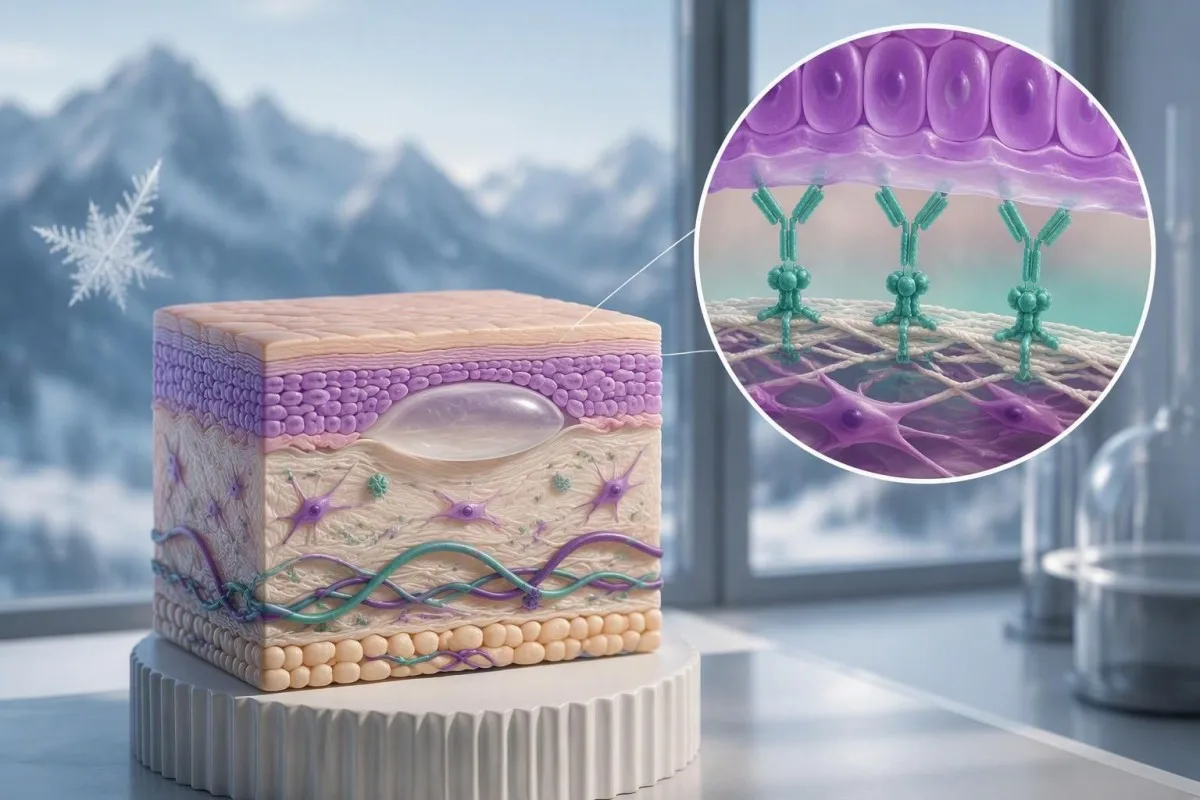
ئەنجامی پۆزەتیڤی BP180 پشتگیری لە بوونی نەخۆشییەکی پێستی ئۆتۆئیمیون دەکات، بەڵام ئەو ژمارەیە بە تەنها ناتوانێت نەخۆشییەکە دیاری بکات. نیشانەکان، تاقیکردنەوەی بەکارهاتوو و نموونە پێستییەکانی بە دروستی وەرگیراو دیاری دەکەن دواتر چی ڕوودەدات.

خاڵە سەرەکییەکان
- دژەجەستەی BP180 پۆزەتیڤە واتە تاقیکردنەوەکە دژەجەستەکانی دژ بە ئامانجی BP180ی خۆی دۆزیوەتەوە؛ بە تەنها پەمفیگۆیدی تاوڵەیی پشتڕاست ناکاتەوە.
- سنووری بڕیاری تاقیگە جیاوازن: هەندێک تاقیکردنەوەی BP180 نزیکەی 9 U/mL بەکاردەهێنن، لە کاتێکدا هەندێکی دیکە نزیکەی 20 U/mL بەکاردەهێنن. مەودای ئاماژەی تاقیگەی خۆت بخوێنەوە.
- ئەنجامە کەم-ئەرێنییەکان بەبێ خوران، ڕەشە یان تاوڵە لەوانەیە دۆزینەوەی هەڕەمەکیی دژەجەستە یان ئەنجامی هەڵەی پۆزەتیڤی تاقیکردنەوە بێت—نەک نەخۆشییەکی پێستی پشتڕاستکراو.
- پەمفیگۆیدی بێتاوڵ دەتوانێت خورانی بەردەوام بەبێ تاوڵ دروست بکات؛ لە توێژینەوەیەکی تایبەتمەند بۆ دەستنیشانکردنی نەخۆشی، 74 لە 343 حاڵەتی پەمفیگۆید بێتاوڵ بوون.
- دژەجەستەکانی BP230 بەڵگەی تەواوکەر دابین دەکەن، بەڵام پۆزەتیڤ نەبوونی دژەجەستەکانی BP230 پەمفیگۆیدی تاوڵەیی ڕەت ناکاتەوە.
- ئیمونۆفلۆرێسێنسی ڕاستەوخۆ لێکۆڵینەوە لەوە دەکات کە ئەنتیبادیەکان لە پێستدا کۆبوونەتەوە؛ بوونی IgG و/یان C3 بە شێوەی هێڵی لە کەناری پەردەی بنەڕەتی، پشتگیری لە نەخۆشییەکی پەمفیگۆید دەکات.
- دوو نموونەی پێست زۆرجار کۆدەکرێنەوە: نموونەیەک لە ناوچەی تووشبوو بۆ میکرۆسکۆپیی ڕۆتین و نموونەیەکی نزیک و بە شێوەی گونجاو هەڵبژێردراو بۆ فلۆرەسانسی ڕاستەوخۆ.
- نەخۆشی/ئەلامەتە فوریتەکان بریتین لە ئازاری چاو، گۆڕانی بینین، سەختیی قووتدان، تا لەگەڵ گۆڕانی فراوانی پێست، یان پەڵەهەڵدانێکی خێرا بڵاوبوونەوە؛ چاوەڕێی ئەنجامی ئەنتیبادییەکی دیکە مەکە.
ئایا ئەنجامی پۆزەتیڤی BP180 پشتڕاستی پەمفیگۆیدی تاوڵەیی دەکاتەوە؟
نەخێر—ئەنجامی ئەرێنی ئەنتیبادیی BP180 بە تەنها پشتڕاستی پەمفیگۆیدی تاوڵەیی ناکات. کاتێک نیشانەکان و دۆخی پێست لەگەڵی دەگونجێن، پشتگیری لە دەستنیشانکردنەکە دەکات؛ بەڵام ئەنجامی ئەرێنیی لاواز لە کەسێکی بێ تاوڵەدا لەوانەیە ڕووداوێکی هەڕەمەکی بێت؛ زۆرجار پزیشکانی پێست بۆ دیاریکردنی هۆکارەکە پێویستیان بە بایۆپسیی پێست لەگەڵ فلۆرەسانسی ڕاستەوخۆ هەیە، و هەندێک جاریش پشکنینی زیاتر بۆ ئەنتیبادی.
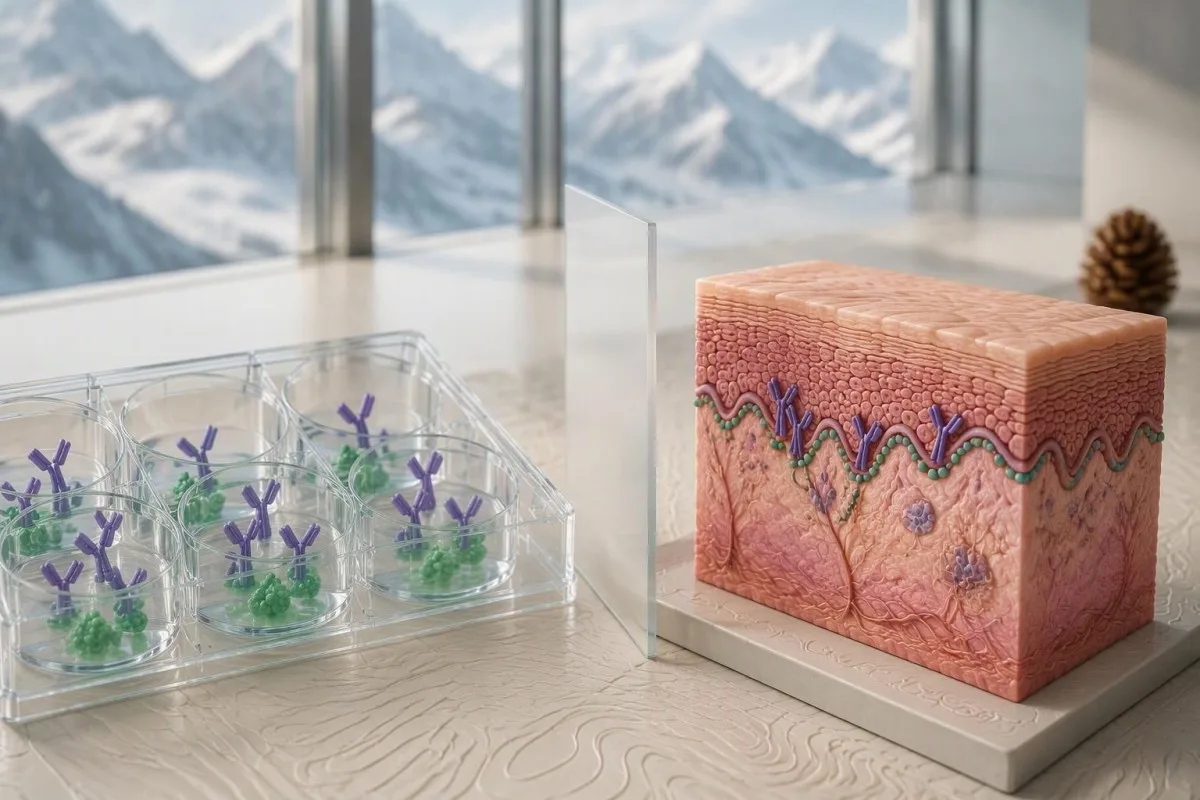
دەستنیشانکردنی پەمفیگۆیدی تاوڵەیی پێویستی بە هاوتەریبیی کلینیکی و ئیمونوپاتۆلۆژی هەیە, ، نەک تەنها یەک بەهای تیشکخراوی تاقیگە. ڕێنمایی EADVی ساڵی 2022 دەستنیشانکردنەکە بە پێی وێنەی کلینیکی و پشکنینی گونجاوی شانە و ئەنتیبادییەکانی لە خوێندا دەخوڵێنەوە باس دەکات (Borradori et al., 2022)؛ پرسیاری کرداری ئەوەیە کە ئایا ئەنتیبادییە دۆزراوەکان دۆخی پێستی کەسەکە ڕوون دەکەنەوە.
ئەنجامی ئەرێنیی پشکنینی ئەنتیبادی و نەخۆشییەکی ئۆتۆئیمیوونی چالاک دوو دۆخی جیاوازن. بۆ نموونە، ئەنجامێکی گریمانەیی 12 U/mL لەوانەیە لە یەک تاقیگەدا ئەرێنی بێت، بەڵام کەسێکی بێ نیشانە کە ئەو ئەنجامەی هەیە، ئەگەری دەستنیشانکردنی جیاوازتری هەیە لە کەسێک کە تاوڵەی بەرفراوان، خوران و چڕی هەیە و هەمان کۆنسەنتراسیۆنی هەیە.
Kantesti شیکەرەوەیەکی خوێنیی زیرەک دەستکردە کە یارمەتیت دەدات ئەنجامەکانی BP180 لەگەڵ سنووری بڕیاری تاقیگە و زانیارییەکانی خۆت تێبگەیت. ڕوونکردنەوەکەمان ناتوانێت پێستت بپشکنێت یان فلۆرەسانسی ڕاستەوخۆ ئەنجام بدات؛ پێشینەی کۆمپانیا ناسنامەی ئەو دامەزراوەیە دەناسێنێت کە پشتگیریی پەروەردەییەکە دابین دەکات.
ئەنجامەکە وەک هۆکارێک بۆ پرسیارکردنی پرسیارێکی وردتر ببینە، نەک وەک ناونیشانێکی هەمیشەیی بۆ نەخۆشی. ڕێنماییەکەمان بۆ ئەنجامە ئەرێنییەکانی دژە جەستە ڕوون دەکاتەوە بۆچی دۆزینەوەی ئەنتیبادی، چالاکیی نەخۆشی و پشتڕاستکردنەوەی دەستنیشانکردن سێ چەمکی جیاوازن.
تاقیکردنەوەی دژەجەستەی BP180 بەڕاستی چی پێوانە دەکات؟
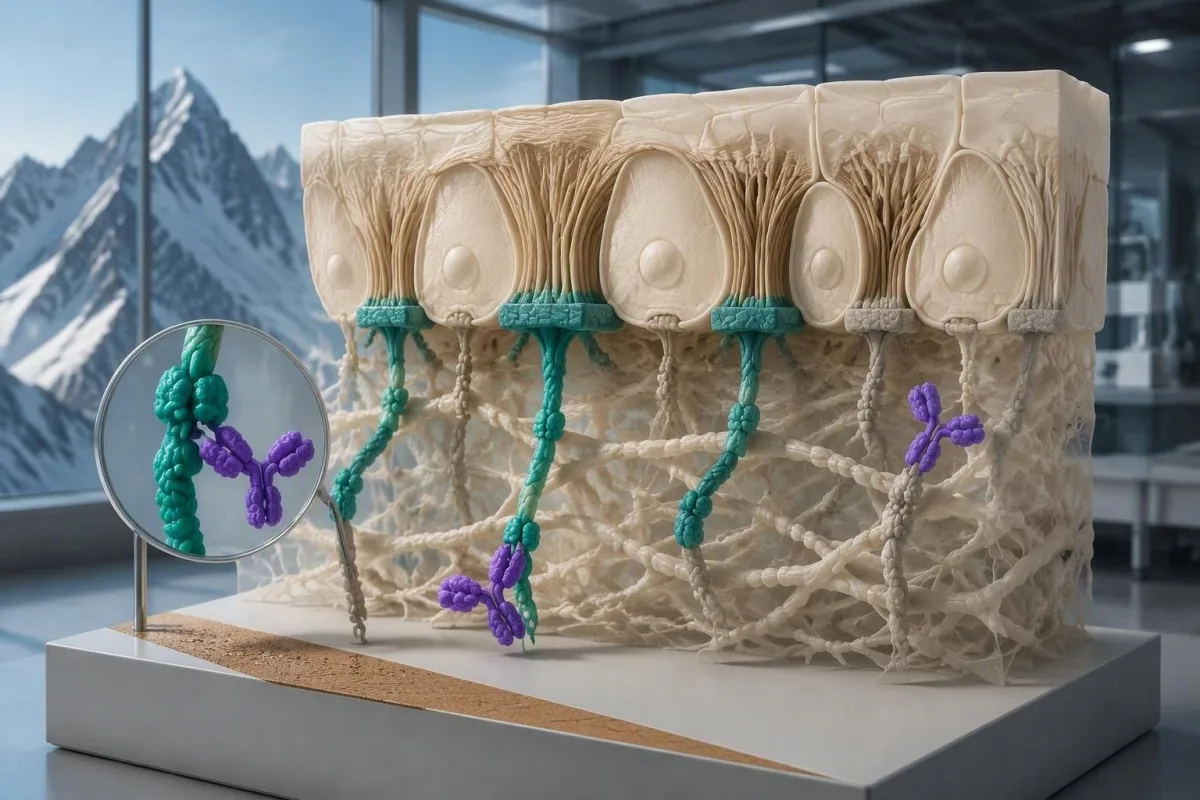
تاقیکردنەوەی ئەنتیبادیی BP180 زۆرجار IgGی سیرەم دەژمێرێت کە ئاراستەی بەشێک لە BP180ە، کە بە کۆلاجینی جۆری XVIIیش ناودەبرێت. BP180 نزیکەی 180-kDa پرۆتینێکە کە بە بەستنەوەی ئەپیدێرم بە شانەی ژێری خۆیەوە بەشدارە؛ زۆرێک لە ئاسەییە ڕۆتینەکان ناوچەی NC16Aی ئەو تاقی دەکەنەوە، نەک تەواوی پرۆتینەکە.
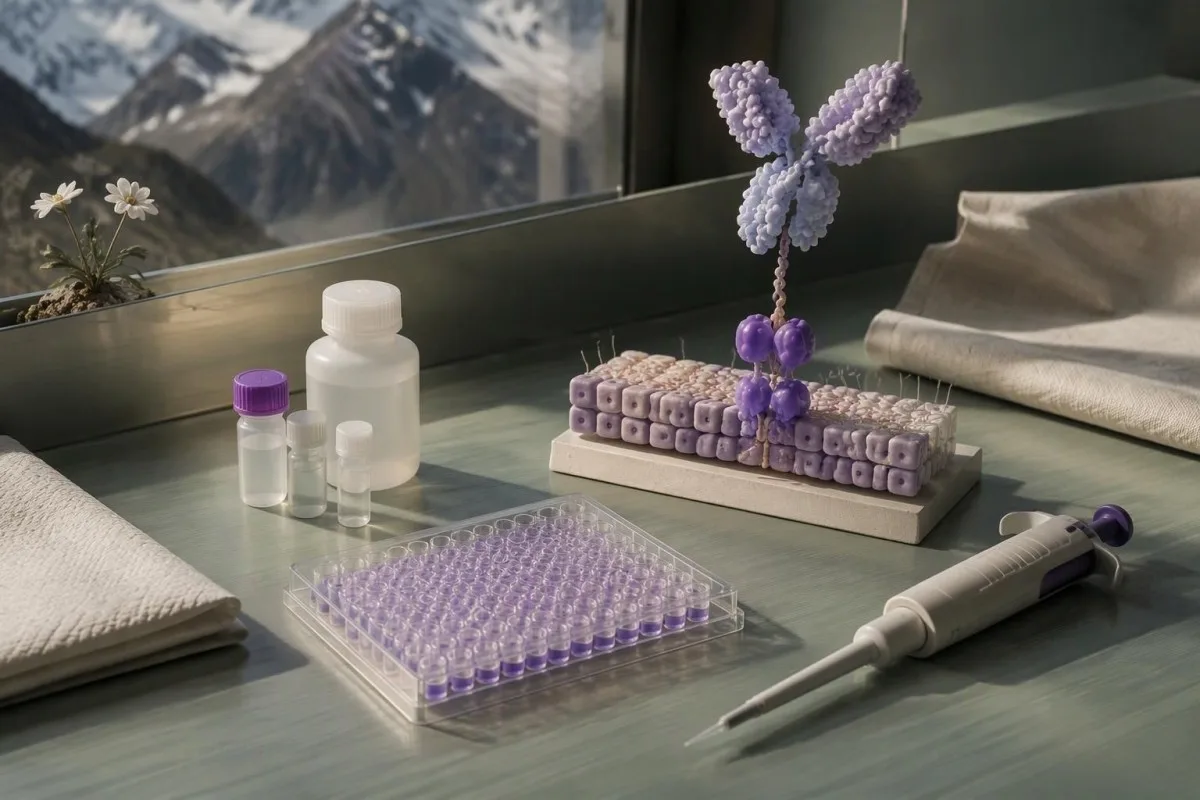
BP180 پرۆتینێکی پێستیی پێکهاتەییە، نەک مادەیەک کە کۆنسەنتراسیۆنی خوێنییەکەی پێوانە بکرێت. ڕاپۆرتەکە باس لە ئەنتیبادییەکان دەکات کە ئاراستەی ئەو پرۆتینەن، بە شێوەیەکی باو بە بەکارهێنانی ئاسەیی ئیمونۆسۆربەنتی پەیوەست بە ئەنزایم، یان ELISA؛ بەهایەکی 30 U/mL بۆیە واتای ئەوە نییە کە 30 یەکە پرۆتینی پێست لە خوێندا دەسووڕێنەوە.
Ew دۆمەینی NC16A sits close to the cell membrane on the external portion of BP180 and is a frequent antibody target in classic bullous pemphigoid. Testing this region makes a practical assay possible, but it creates a blind spot: antibodies directed mainly against other regions may escape detection.
A numerical antibody concentration is not interchangeable with an immunofluorescence titer. A result expressed as 1:40 describes reactivity at a dilution, whereas 40 U/mL describes an assay-calibrated concentration; our explanation of quantitative versus qualitative tests helps distinguish these reporting formats.
Check whether the report says BP180 NC16A IgG, another BP180 assay, or a broader pemphigoid panel. These are not automatically equivalent tests, and a negative IgG ELISA does not answer every question about other antibody classes or other basement-membrane targets.
ئەنجامی دژەجەستەی BP180ی پۆزەتیڤی لاواز بە چی دادەنرێت؟
A low-positive BP180 result is a value just above the cutoff for the specific assay used. There is no universal low-positive range: some laboratories use a threshold near 9 U/mL, while others use one near 20 U/mL, with different calibrations and reporting categories.
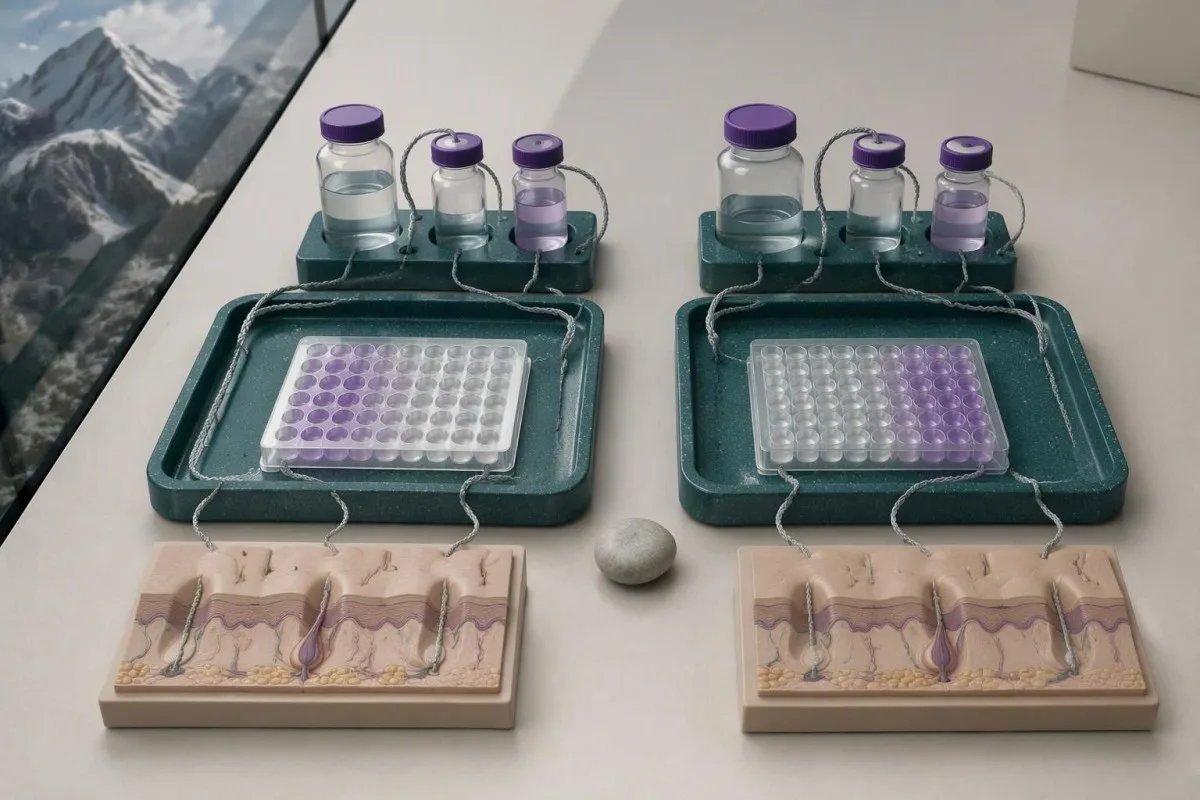
BP180 assay units are not universally standardized across laboratories. ئەنجامێک لە 15 U/mL could be positive under a 9-U/mL policy and negative under a 20-U/mL policy, but this does not establish that the second assay missed disease; the methods and calibrators may differ.
Cutoffs balance sensitivity against specificity in the populations used to evaluate the assay. Moving a threshold downward can detect more people with disease while also identifying more people without disease; the cutoff is a laboratory decision boundary, not a biological point where skin suddenly starts blistering.
Kantesti AI can help place a reported BP180 value beside its supplied reference interval, but a cropped image showing only 18 U/mL leaves crucial information missing. Include the test name, units, interpretation categories, and laboratory comments; a generic نیشانەی لەسەر/لەژێر ڕێژە (out-of-range flag) cannot substitute for those details.
The examples below illustrate two possible reporting policies rather than a universal severity scale. No BP180 antibody concentration alone defines a medical emergency; extensive skin involvement, dehydration, systemic illness, and eye or airway symptoms determine urgency.
| ئاست | مەودا | مانای چییە |
|---|---|---|
| Example assay A: below cutoff | <9 U/mL | Negative under this illustrative laboratory policy; disease is not excluded if clinical suspicion remains high. |
| Example assay A: at or above cutoff | ≥9 U/mL | Positive under this policy; proximity to the cutoff and clinical findings affect interpretation. |
| Example assay B: below cutoff | <20 U/mL | Negative under a different illustrative policy; do not directly convert between assay systems. |
| Example assay B: at or above cutoff | ≥20 U/mL | Positive under this policy; the number does not independently establish diagnosis or severity. |
بۆچی ئەنجامی پۆزەتیڤی BP180 دەتوانێت گومڕاکەر بێت؟
A positive BP180 result is less convincing when the person had little clinical likelihood of pemphigoid before testing. Even a reasonably accurate assay produces false positives, so the meaning of the result changes between an asymptomatic screening population and a specialist clinic evaluating characteristic blisters.
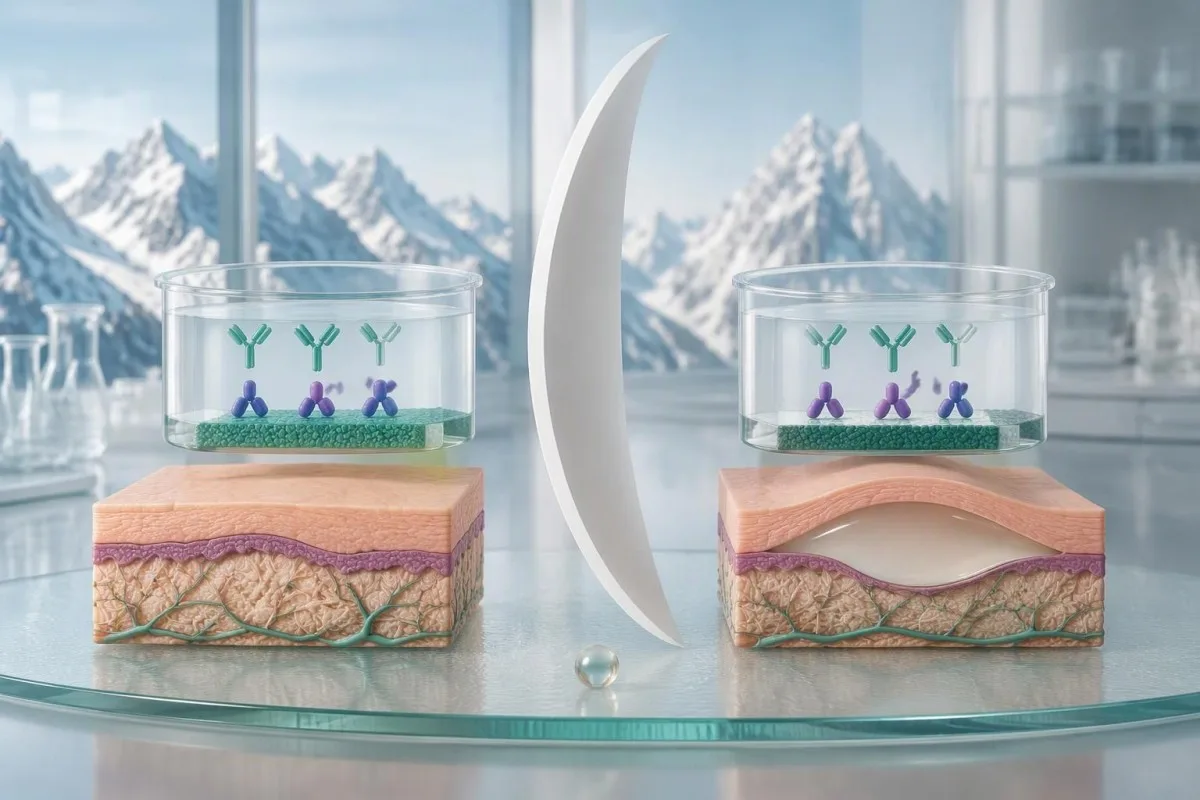
Sensitivity and specificity do not equal the probability that you personally have disease after a positive result. That probability also depends on how common the condition is in the tested group; this distinction matters most when an antibody panel was ordered broadly rather than to investigate a specific skin pattern.
Consider a clearly hypothetical assay with 90% sensitivity and 95% specificity, used in 1,000 people whose disease probability is 1%. It would identify about 9 true positives and 50 false positives, making the positive predictive value roughly 15%; these are teaching assumptions, not performance claims for your BP180 assay.
Use the same hypothetical assay where disease probability is 20%, and approximately 180 true positives and 40 false positives would occur per 1,000 tests. The positive predictive value becomes about 82%—a large change caused by clinical context, not by a different laboratory method.
These examples explain why a dermatologist may request tissue testing despite a positive result, or take characteristic symptoms seriously despite a negative one. Our discussion of لێکدانەوەی ئەنتیبادی MOG illustrates the same probability principle in another autoimmune condition, although its diagnostic criteria cannot be transferred to pemphigoid.
ئەگەر BP180 پۆزەتیڤ بێت، بەڵام تاوڵەت نەبێت چی؟
A low-positive BP180 result without blisters does not establish bullous pemphigoid or reliably predict future blistering. The next distinction is whether you have no skin symptoms at all, or persistent itching and an unexplained rash that could represent a nonbullous pemphigoid presentation.
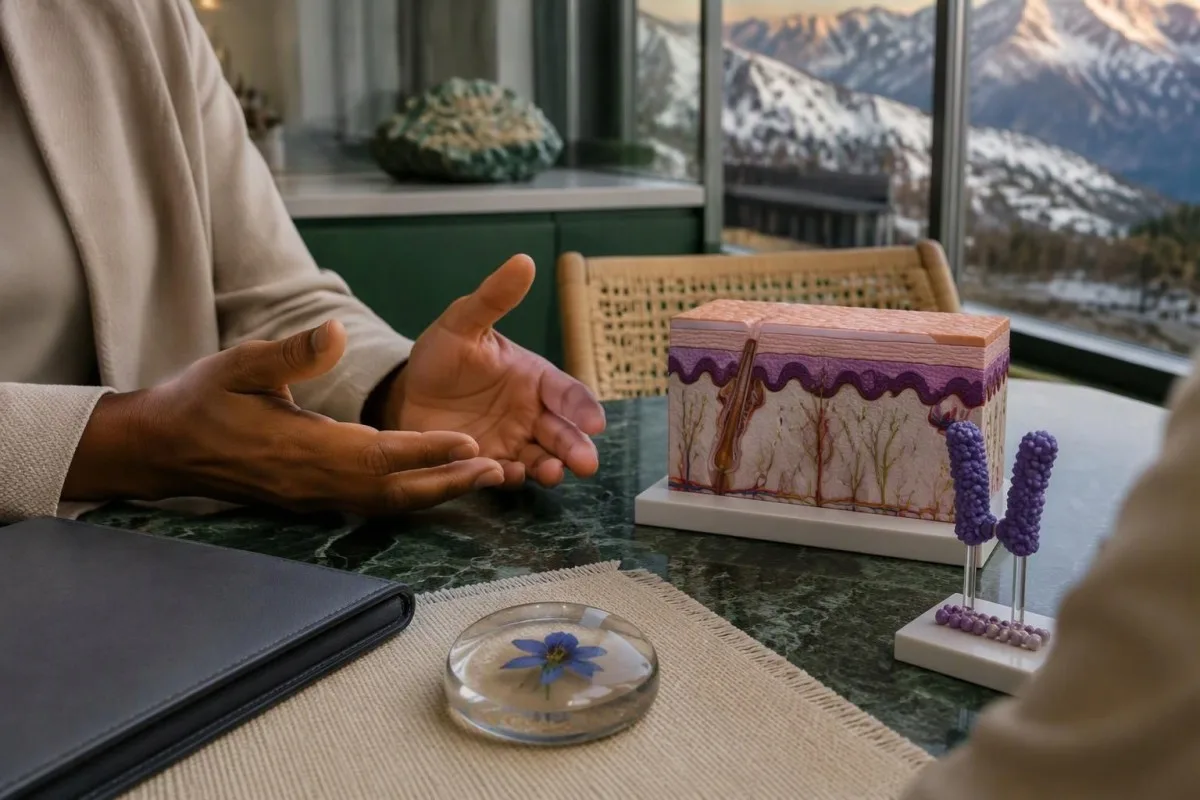
Incidental BP180 antibody detection can occur without clinically established pemphigoid. Possible explanations include low-level autoreactivity and assay-related false positivity; there is no validated conversion rule that turns an isolated result of 11 U/mL into a percentage risk of developing blisters later.
A hypothetical person with 11 U/mL, no itching, no rash, and no mucosal symptoms usually needs a contextual review rather than automatic immunosuppressive treatment. The clinician should check why the assay was ordered, whether the result was unexpected, and whether a skin examination reveals findings the person had not recognized.
Persistent dryness and itching still deserve assessment because common explanations remain common. Eczema, medication effects, thyroid disease, and other causes may be more likely than pemphigoid; our dry skin testing guide explains why additional blood tests should follow symptoms rather than a blanket panel.
هەیە no universal repeat-testing interval for an asymptomatic low-positive BP180 result. A clinician may choose observation, a repeat using the same method, or specialist review depending on the history; new persistent itching, urticarial plaques, or blisters should change that plan rather than waiting for a scheduled repeat.
ئایا پەمفیگۆیدی تاوڵەیی دەتوانێت تەنها بە خوران دەست پێ بکات؟
Pemphigoid can present with persistent itching, eczema-like patches, urticarial plaques, or scratch-related changes without visible blisters. In a specialist diagnostic study, 74 of 343 pemphigoid cases—21.6%—were nonbullous, showing that the absence of blisters cannot independently exclude the disorder (Meijer et al., 2019).
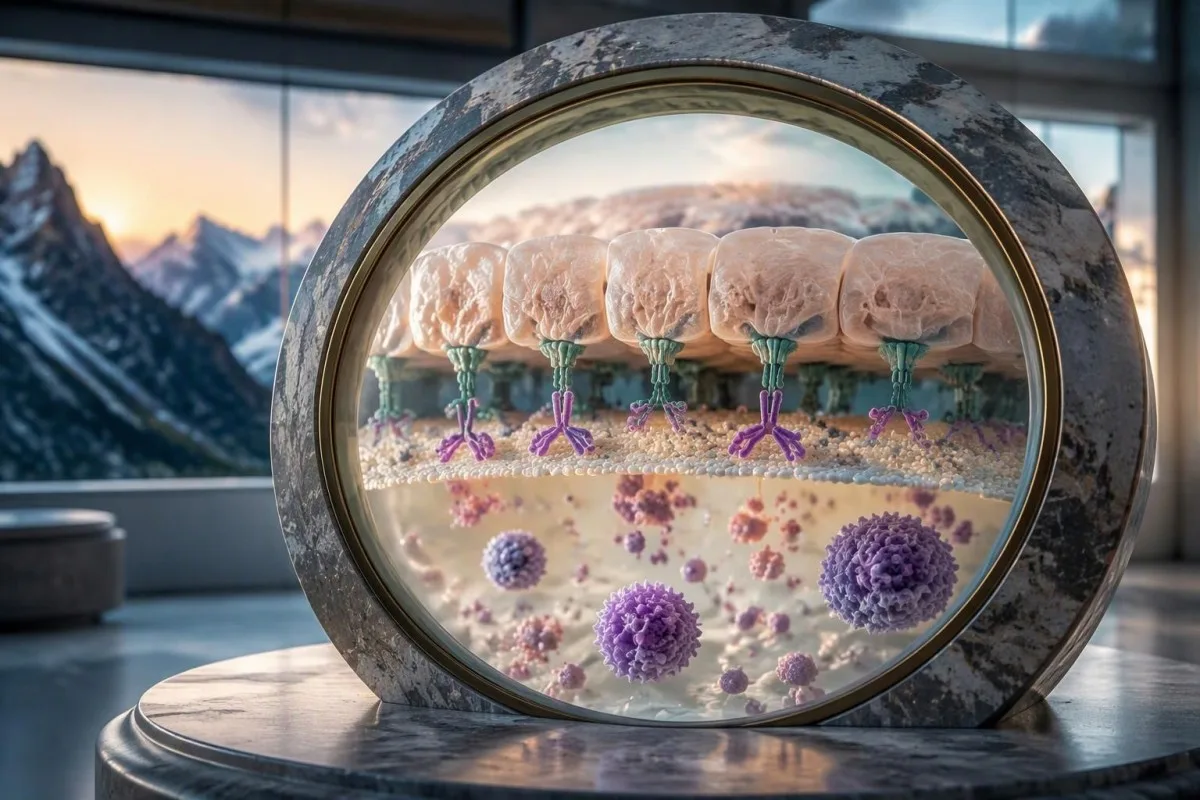
Nonbullous pemphigoid is not simply every itchy rash with a positive BP180 result. Diagnosis still needs compatible symptoms and appropriate immunopathological evidence; the 21.6% study figure came from a referred population and should not be interpreted as the probability that any person with itching has pemphigoid.
The symptom pattern often matters more than whether one small blister has appeared. Persistent, widespread itching in an older adult, especially with recurrent raised plaques or poor response to ordinary eczema care, warrants a dermatological assessment; our itchy skin laboratory guide separates skin-directed testing from tests for systemic causes.
Eosinophilia can accompany bullous pemphigoid, but it is neither required nor diagnostic. An absolute eosinophil count above approximately 0.5 × 10^9/ل is often flagged in adults, yet allergy, medications, and parasites can produce the same finding; our guide to ژمارەی بەرز ئیۆزینۆفیل explains those alternatives.
A dermatologist does not always need to wait for a blister before collecting a useful sample for direct immunofluorescence. In nonbullous disease, sample selection is tailored to the available rash and laboratory protocol; document the distribution and duration of itching, because a disappearing rash can make later assessment harder.
دژەجەستەکانی BP230 چۆن تەواوکەری تاقیکردنەوەی BP180 دەبن؟
BP230 antibodies provide complementary evidence for pemphigoid but cannot confirm or exclude bullous pemphigoid alone. BP230 is an approximately 230-kDa intracellular anchoring protein, whereas BP180 crosses the cell membrane; their different locations and antibody targets help explain why the two results can disagree.
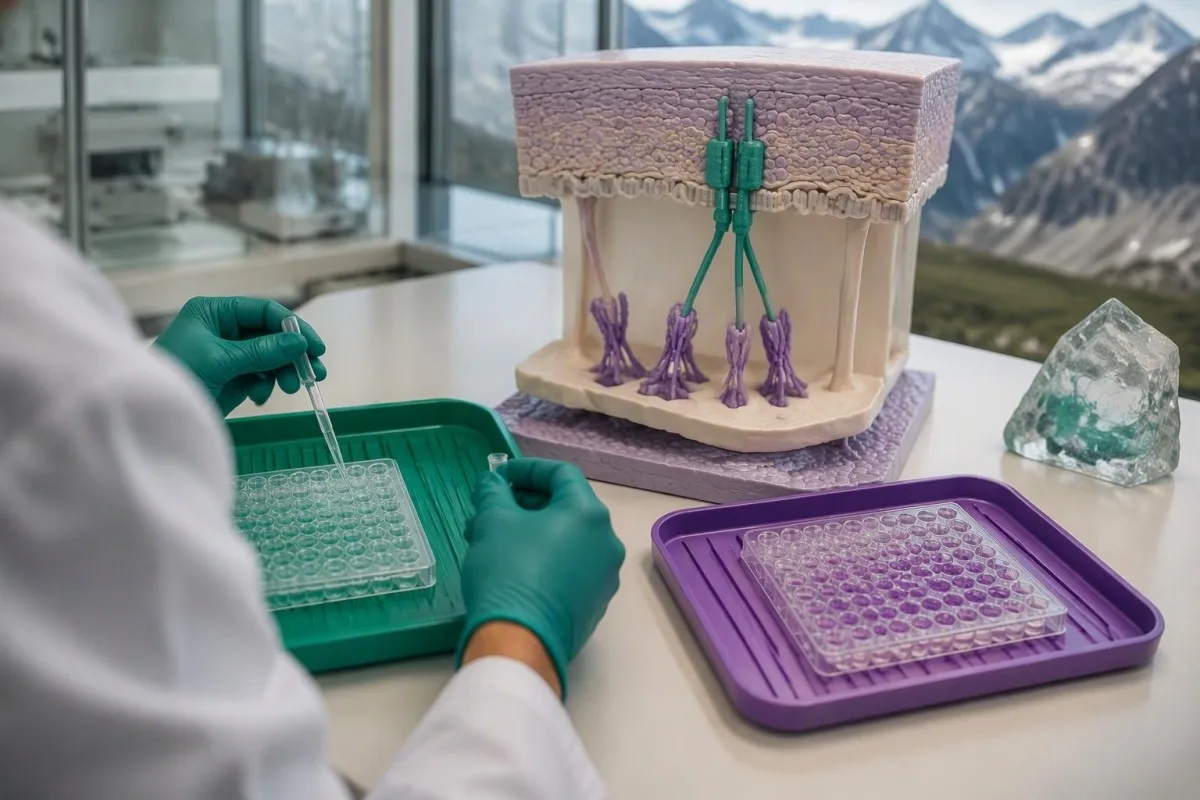
A negative BP230 antibody result does not cancel a positive BP180 result. Some people with confirmed pemphigoid have antibodies detectable against only one tested antigen, and each assay has its own sensitivity; interpreting the pair as a two-test pass-or-fail rule creates avoidable diagnostic errors.
کەسێکی گریمانەیی BP180 result of 45 U/mL with negative BP230 antibodies still warrants assessment if tense blisters and severe itching are present. Conversely, isolated low-positive BP230 antibodies without compatible findings are not enough to diagnose pemphigoid; a second positive marker strengthens a pattern only when the overall evidence fits.
Kantesti is an AI biomarker interpretation platform that can explain BP180 and BP230 antibodies as complementary findings rather than interchangeable scores. This is similar to the reasoning used for antibody panels in connective disease, but skin-specific tissue findings remain central to pemphigoid assessment.
Do not add BP180 and BP230 concentrations together, even if both are expressed in U/mL. They represent different antigen-specific measurements with different calibration systems; BP180 levels generally have a better-established relationship with disease activity than BP230 levels, but neither replaces examination.
بۆچی لەوانەیە پێویستت بە بایۆپسیی پێست لەگەڵ فلۆرەسەنسەی ڕاستەوخۆ هەبێت؟
Skin biopsy with direct immunofluorescence can show whether antibodies or complement are deposited at the skin's basement membrane. Dermatologists often collect two separate specimens because routine microscopy and direct immunofluorescence answer different questions and require different sample handling.
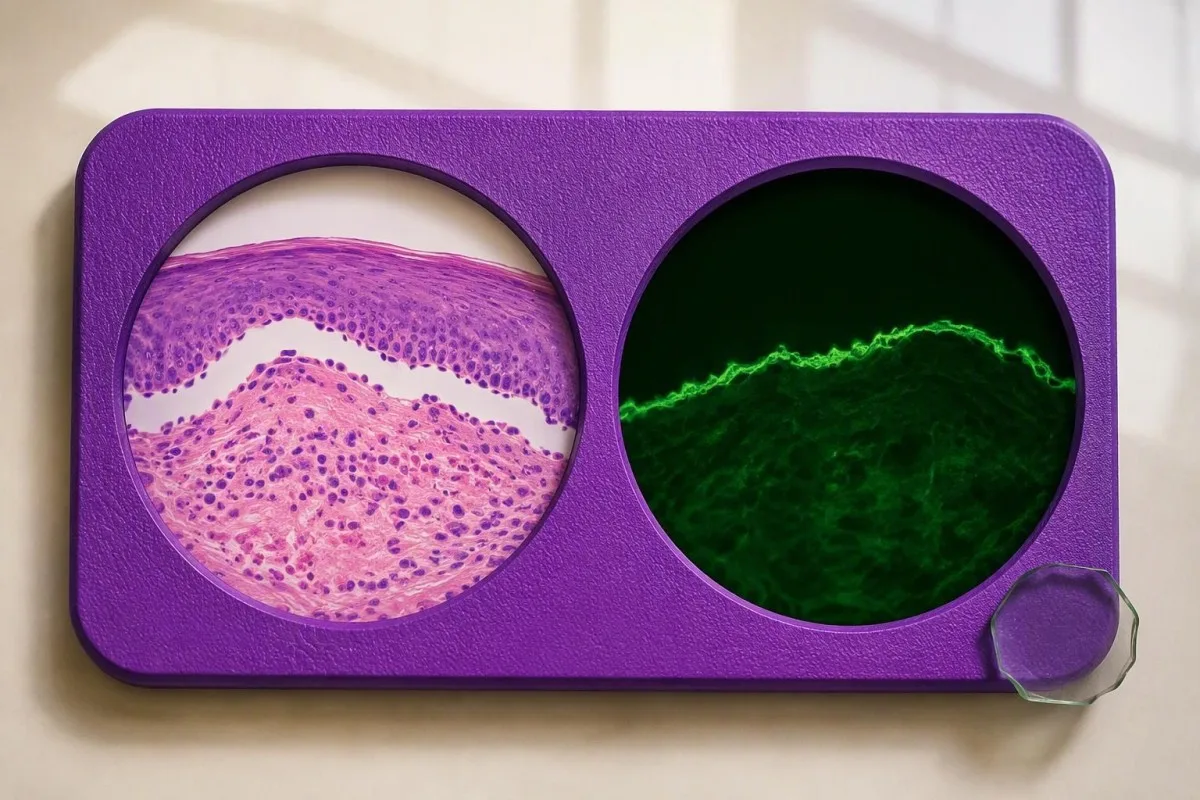
Routine histology examines tissue structure and inflammatory cells. A sample from a fresh blister or suitable affected area may show separation beneath the epidermis and eosinophils, but these features are not unique to bullous pemphigoid; the second sample looks for the immune-deposit pattern that helps classify the disorder.
For classic blistering presentations, the direct-immunofluorescence sample is commonly taken from appropriately selected skin near a fresh blister rather than its eroded center. A small 3–4-mm punch is often used, although technique and location depend on the case; sampling heavily damaged tissue can remove the structures the laboratory needs to examine.
The specimen for direct immunofluorescence must not be routinely placed in formalin. Laboratories generally require a dedicated transport medium or another explicitly agreed handling method, while the routine histology specimen commonly goes into formalin; ask whether the two containers have been prepared for their separate purposes.
In Meijer et al.'s 2019 diagnostic cohort, direct immunofluorescence had a sensitivity of 88.3%, so even this valuable test was not infallible. Kantesti's تاییدکردنی کلینیکی Kantesti concerns our interpretation methodology—not a claim that AI can reproduce skin immunofluorescence or establish its findings.
تاقیکردنەوەکانی فلۆرەسەنسەی پۆزەتیڤ و دابەشکردنی بە خوێی ئاوی چی مانایان هەیە؟
Linear IgG and/or C3 along the basement membrane on direct immunofluorescence supports a pemphigoid-spectrum disorder, but the pattern is not unique to bullous pemphigoid. Indirect immunofluorescence on salt-split skin can add evidence by showing where circulating antibodies bind relative to an experimentally created tissue separation.
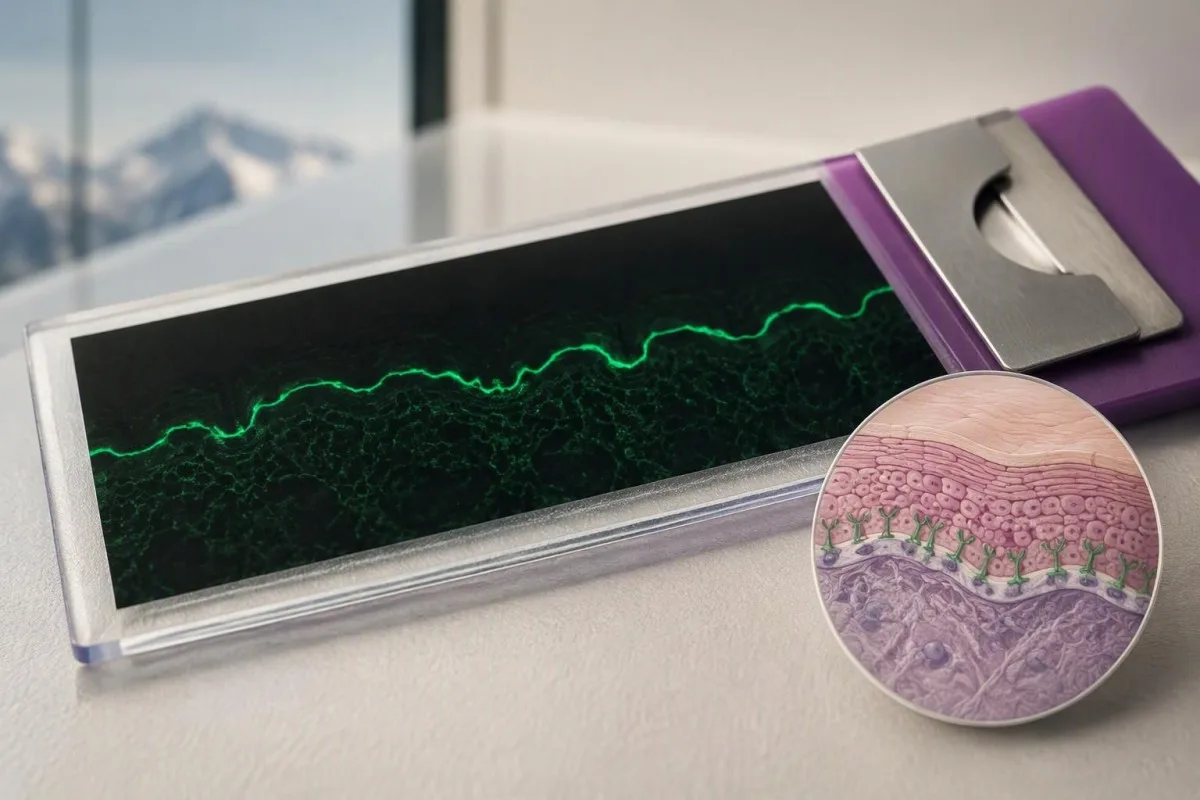
Direct and indirect immunofluorescence use different materials. Direct testing examines deposits already present in the person's skin, while indirect testing applies the person's serum to a laboratory substrate; a positive result in one test and a negative result in the other is therefore possible without a reporting error.
On salt-split skin, bullous pemphigoid antibodies commonly bind the epidermal side, often called the roof. Antibodies binding the dermal side, or floor, raise consideration of other disorders such as epidermolysis bullosa acquisita or anti-p200 pemphigoid, but binding location alone does not fully classify every case.
Meijer et al. reported 99.9% specificity for indirect immunofluorescence on salt-split skin in their 2019 diagnostic cohort. That high figure applies to that study and testing pathway; a negative result still cannot exclude pemphigoid because specificity describes false positives, not how many cases the test misses.
C3 detected in skin is not the same measurement as a serum C3 concentration. A normal circulating complement result does not negate local deposits at the basement membrane; our complement testing explanation helps prevent this common cross-test misunderstanding.
ئەگەر BP180، بایۆپسیی پێست و نیشانەکان لەگەڵ یەک ناگونجێن چی؟
Discordant BP180 and skin-test results require a review of the clinical picture, assay target, sampling site, and specimen handling. A positive ELISA with negative direct immunofluorescence can reflect incidental antibodies or an uninformative skin sample; a negative NC16A ELISA can miss disease directed against other targets.
A negative direct-immunofluorescence result is less reassuring if the sample was poorly selected or incorrectly transported. Treatment before sampling may also influence findings, so clinicians need to know which creams or systemic medicines were used and where; never stop prescribed treatment solely to make a test more likely to turn positive.
A hypothetical person with characteristic new blisters, BP180 of 80 U/mL, and a negative direct-immunofluorescence specimen from an old eroded site may need repeat sampling. The same antibody result with no compatible skin findings demands a different investigation; the discrepancy does not have one automatic explanation.
A negative BP180 NC16A result does not exclude every form of pemphigoid. Further testing may include BP230 antibodies, indirect immunofluorescence, or specialized assays for other antigens; our guide to negative myasthenia antibody tests illustrates why a limited antigen panel cannot exclude an entire autoimmune disease category.
Repeat testing should address a specific uncertainty rather than create an endless sequence of panels. Ask whether the next investigation is checking the same antigen by another method, examining an additional antigen, or correcting a tissue-sampling problem; each strategy answers a different diagnostic question.
کام بارودۆخی دیکە لە پەمفیگۆیدی BP180-پۆزەتیڤ دەچن؟
BP180 antibodies can occur in other pemphigoid-spectrum conditions, including mucous membrane pemphigoid and pemphigoid gestationis. Eczema, scabies, and drug-related eruptions can resemble early bullous pemphigoid clinically, while pemphigus involves different adhesion proteins and usually a different level of skin separation.
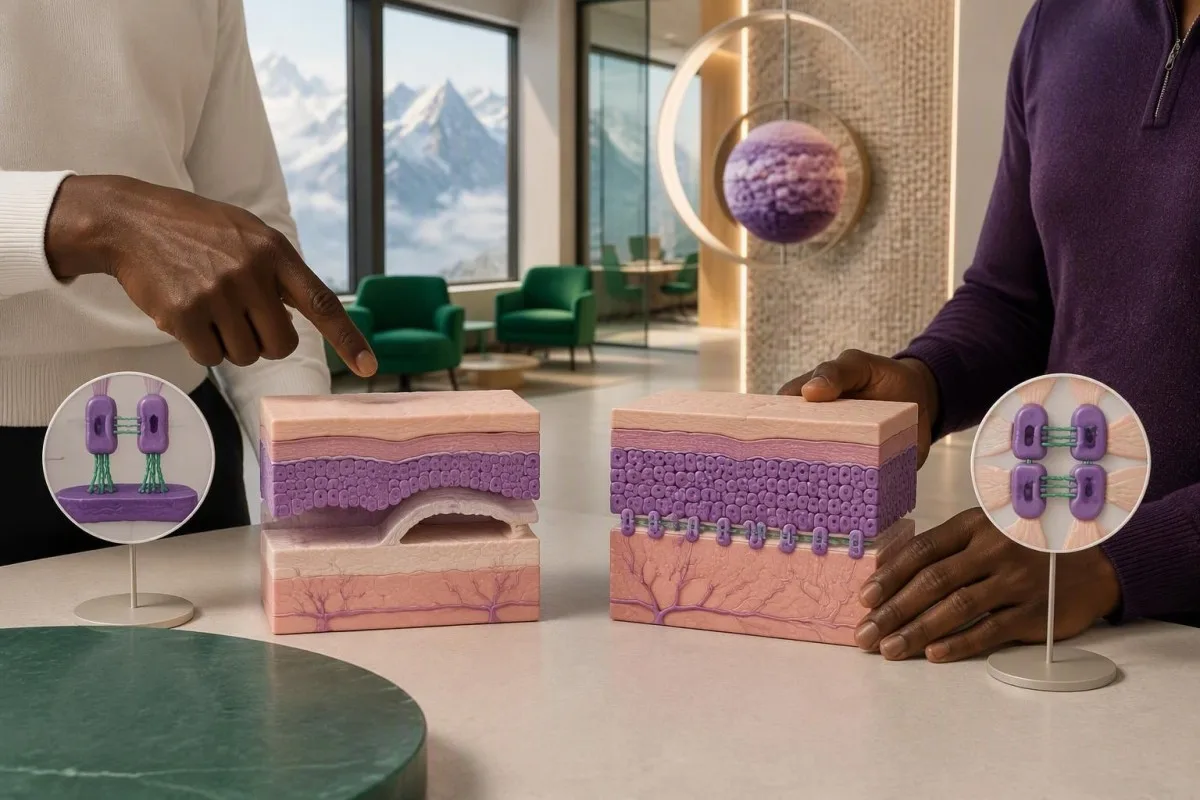
Bullous pemphigoid typically causes tense blisters because separation occurs beneath the epidermis. Pemphigus often produces more fragile blisters or erosions through loss of adhesion within the epidermis; our desmoglein antibody guide explains why BP180 testing cannot substitute for a pemphigus evaluation.
Predominantly mouth, eye, genital, or other mucosal involvement raises concern for mucous membrane pemphigoid, especially when scarring occurs. Eye pain, light sensitivity, or vision changes require urgent assessment because waiting for a repeat antibody concentration can delay treatment of a sight-threatening process.
Pemphigoid gestationis is associated with pregnancy and can produce BP180 antibodies. Pregnancy or recent childbirth therefore changes the interpretation of the same laboratory result; the distinction requires obstetric and dermatological coordination rather than assuming that every BP180-positive blistering disorder is classic older-adult bullous pemphigoid.
Scabies can cause intense itching and may coexist with an unrelated positive antibody result. Household itching, characteristic distribution, and burrows alter the differential; our scabies symptom guide is useful for that comparison, but neither household exposure nor BP180 positivity independently settles the diagnosis.
ئایا دەرمانەکان لێکدانەوەی BP180 یان بڕیارەکانی چارەسەر دەگۆڕن؟
Medication history can change the likelihood and presentation of bullous pemphigoid, but a positive BP180 result alone is not a reason to stop a medicine. DPP-4 inhibitors used for diabetes and immune checkpoint inhibitors are recognized associations; treatment decisions depend on confirmed disease, severity, and the person's other health risks.
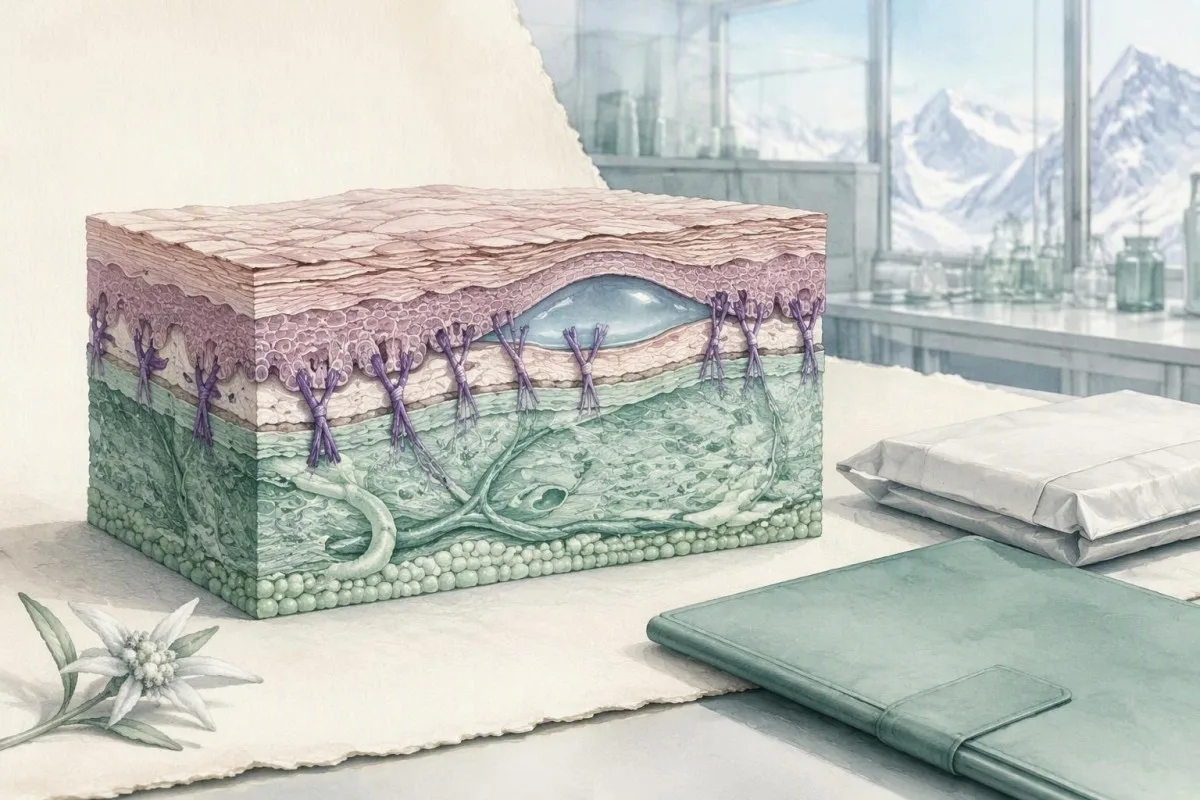
DPP-4 inhibitor-associated pemphigoid can have a less typical inflammatory presentation and may show limited NC16A reactivity. This is not universal, and exposure does not prove causation; bring a complete medicine list, including start dates, to a review using our senior medication effects guide as a preparation aid.
Ew 2022 EADV guideline recommends potent topical corticosteroids as a mainstay when feasible and discusses oral prednisone at approximately 0.5 mg/kg/day as an alternative in suitable circumstances (Borradori et al., 2022). These are clinician-directed treatment options for disease, not instructions to treat an isolated antibody result or begin steroids without assessment.
Systemic corticosteroids can create additional risks that are unrelated to the BP180 concentration. People with relevant residence or travel exposure may need assessment for Strongyloides before significant immunosuppression; our Strongyloides antibody explanation describes why an apparently unrelated parasite history can become a treatment-safety issue.
Kidney function, glucose, infection risk, and the ability to apply topical treatment may influence the choice of therapy more than whether BP180 is 40 or 80 U/mL. Me ڕێبەری لێکدانەوەی چالاکی گورچیلەکانمان covers supportive laboratory assessment, but renal markers do not confirm pemphigoid.
ئایا ئاستەکانی BP180 دەتوانن چالاکیی نەخۆشی و چاکبوونەوە چاودێری بکەن؟
BP180 antibody levels can support monitoring in confirmed bullous pemphigoid, but they do not replace examination or determine treatment alone. Concentrations often track disease activity at a group level; individual patients can remain antibody-positive while their skin is controlled or experience symptoms without a proportionate rise.
A falling BP180 concentration is most useful when it agrees with fewer new blisters and less itching. A hypothetical decline from 120 to 35 U/mL on the same assay supports an improving pattern, but it does not independently establish remission or justify stopping treatment.
An increase from 12 to 14 U/mL near a cutoff may reflect analytical or biological variation rather than a meaningful change in disease. There is no universal percentage increase that proves relapse across all BP180 assays; the method, timing, symptoms, and previous response need to be considered together.
Kantesti is an AI blood test interpretation platform that can organize serial BP180 results without treating a laboratory trend as a diagnosis. Yên me ڕوونکردنەوەی تەکنەلۆژیای AI describes the interpretation workflow; preserving each report's assay name and reference interval matters when comparing two or more measurements.
Changing laboratories can create an apparent rise or fall that is partly methodological. Our ڕێبەری چاودێریی باری دەرمان explains why dates, doses, and laboratory context belong beside the numbers; photograph new skin findings and record new-blister counts when your dermatologist requests them.
بۆ پشکنینی بەدواداچوون چی لەگەڵ خۆت بهێنیت، و کام بەڵگە پەیوەندیدارە؟
Bring the full BP180 report, any BP230 result, symptom photographs, and your complete medication list to follow-up. These four information groups help a clinician decide whether you need observation, additional serum testing, properly handled skin samples, or urgent assessment rather than another isolated antibody measurement.
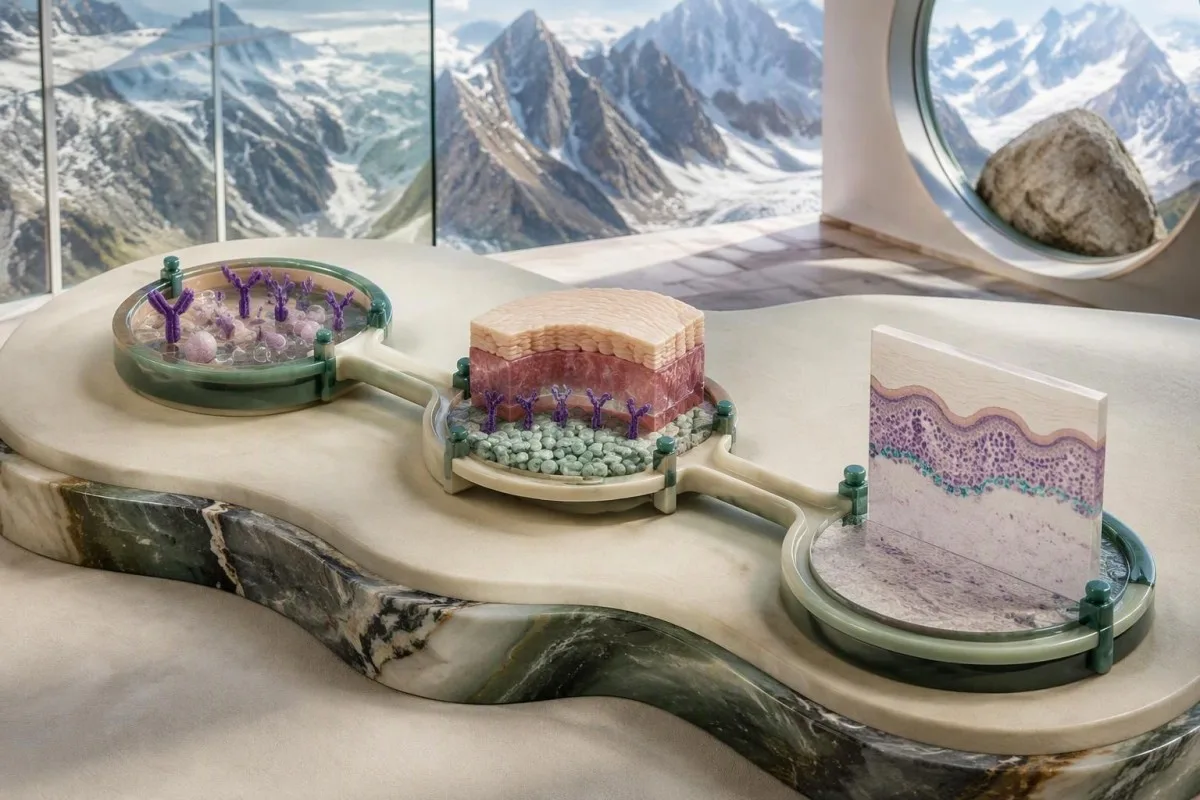
A useful report includes the exact assay name, numerical value, units, cutoff, and collection date. If a hypothetical BP180 result reads 16 U/mL, the missing cutoff may reverse whether it is considered positive; also request the actual histology and direct-immunofluorescence reports rather than relying on the phrase 'skin biopsy normal.'
New eye symptoms, swallowing difficulty, extensive rapidly spreading blisters, fever, or inability to maintain fluids need prompt clinical attention. Do not wait for a scheduled second test when those symptoms appear; supportive urinalysis can answer separate medical questions, as explained in our تێکستەوەی (interpretation) یاسایی نۆرەوە (urinalysis), but it cannot establish a pemphigoid diagnosis.
Kantesti helps explain the distinctions between a flagged antibody result, a probable diagnosis, and confirmed disease. Yên me بنەماکانی زیرەکی دەستکردی بەرپرسانەی ئێمە describe the boundaries of educational interpretation; only a clinician with access to your examination and appropriate investigations can decide whether a دژەجەستەی BP180 پۆزەتیڤە result represents active pemphigoid.
The directly relevant evidence here comes from the 2022 EADV guideline and the 2019 JAMA Dermatology diagnostic study. The two Zenodo publications listed below concern kidney-function and urinalysis interpretation and are included as background educational publications, not evidence that BP180 confirms bullous pemphigoid or that our AI has validated diagnostic accuracy for this condition.
پرسیاره باوهكان
ئایا ئەنجامی پۆزەتیڤی تاقیکردنەوەی ئەنتیبۆدی BP180 واتە بە دڵنیایی پەمفیگۆیدی تاوەکەیی هەیە؟
تاقیکردنەوەی پۆزەتیڤی دژەتەنەی BP180 بە دڵنیایی مانای ئەوە نییە کە پەمفیگۆیدی تاولی هەتە. هەندێک تاقیگە سنووری بڕینەوە لە نزیکەی ٩ U/mL بەکاردەهێنن و هەندێکی تر لە نزیکەی ٢٠ U/mL، بۆیە تاقیکردنەوەی ورد و ماوەی ئاماژە گرنگن. خارش یان تاولی گونجاو ئەنجامەکە بامعناتر دەکەن، لە کاتێکدا ئەنجامی پۆزەتیڤی تەنها و بە ئاستی نزم ڕەنگە ڕووداوێکی لایەنی یان پۆزەتیڤی هەڵە بێت. ڕەنگە بۆ پشتڕاستکردنەوەی تشخیص پێویست بە بایۆپسیی پێست لەگەڵ فلۆرەسەنسی ڕاستەوخۆ و تاقیکردنەوەی زیاتر بۆ دژەتەنەکان بێت.
ئەگەر تاوولەم نەبێت، ئەنجامی BP180ی نزم-ئەرێنی واتای چییە؟
ئەنجامێکی BP180ی کەم-ئەرێنی بەبێ تاو، دەتوانێت نیشانەی دۆزینەوەی هەڕەمەکیی دژەتەن، ئەرێنیی هەڵەی پەیوەست بە تاقیکردنەوە، یان پێمفیگۆیدی بێ تاو بێت. بۆ نموونە، 12 U/mL لە ژێر سنووری بڕینی 9-U/mLدا ئەرێنییە، بەڵام ناتوانێت پێشبینی بکات کە کەسێکی بێ نیشانە تووشی نەخۆشی دەبێت یان نا. خورانی بەردەوام یان پەڵەی پێستی بێ هۆکاری دیار، تەنانەت بەبێ تاوش، پێویستی بە هەڵسەنگاندنی پزیشکی پێست هەیە. هیچ ماوەیەکی گشتی بۆ دووبارەکردنەوەی تاقیکردنەوە یان پێشنیاری چارەسەرکردن، تەنها لەسەر بنەمای ئەنجامێکی تاک و کەم-ئەرێنی، نییە.
ئایا دەکرێت پەمفیگۆیدی تاوڵەیی هەم بێت و دژەتەنەکانی BP180 نەرێنی بن؟
پەمفیگۆیدی تاولی دەتوانێت ڕووبدات، تەنانەت ئەگەر ئەنتیبادییەکانی BP180 لە تاقیکردنەوەی ئاسایی NC16A نەرێنی بن. ئەم تاقیکردنەوەیە ناوچەیەکی دیاریکراوی پرۆتینی نزیکەی 180-kDa دەپشکنێت و لەوانەیە ئەنتیبادییەکانی کە بە شێوەیەکی سەرەکی ئاراستەی ناوچەکانی دیکەن بناسنەوە. تاقیکردنەوەی BP230، فلۆرەسەنسەی ڕاستەوخۆ و فلۆرەسەنسەی ناڕاستەوخۆ لەوانەیە بەڵگەی زیاتر دابین بکەن. نابێت تاقیکردنەوەی خوێنی نەرێنی کۆتایی بە هەڵسەنگاندن بهێنێت، کاتێک دۆزینەوەکانی پێست بە توندی پەمفیگۆید نیشان دەدەن.
ئایا دژەتەنە نەرێنییەکانی BP230 هەڵئاوسانی تاڵەیی ڕەت دەکەنەوە؟
دژەجەستەی BP230ی نەرێنی پەمفیگۆیدی تاولی ڕەت ناکاتەوە. BP230 پرۆتینێکی بەستەری ناوخۆییە بە قەبارەی نزیکەی ٢٣٠ kDa، و هەندێک کەس کە نەخۆشییەکەیان پشتڕاست کراوەتەوە، دژەجەستەی دەتوانرێت دژی ئەو بدۆزرێتەوەیان نییە. ئەنجامی پۆزەتیڤی BP180 لەگەڵ دژەجەستەی نەرێنی BP230، هێشتا لەگەڵ دەستنیشانکردنەکە دەگونجێت کاتێک دۆزینەوە کلینیکییەکان و دۆزینەوەکانی شانە یەکدەگرن. نابێت چڕییەکانی ئەم دوو دژەجەستەیە کۆ بکرێنەوە یان وەک یاسای پشتڕاستکردنەوەی دوو تاقیکردنەوە مامەڵەیان لەگەڵ بکرێت.
بۆچی هەندێک جار بۆ پەمفیگۆید دوو نموونەبردارییەکی پێست پێویستە؟
زۆرجار پێویستە دوو نموونەی بایۆپسیی پێست وەربگیرێن، چونکە هیستۆلۆجیی ئاسایی و فلۆرەسەنسی ڕاستەوخۆ پرسیاری جیاوازی تشخیصی وەڵام دەدەنەوە. بە شێوەیەکی باو، پەنجەیەکی بچووک بە قەبارەی 3–4-mm بەکاردێت، هەرچەندە پزیشکی پێست شێواز و شوێنەکە بەپێی دۆخی تاکەکەسی هەڵدەبژێرێت. یەک نموونە پێکهاتەی بافت دەخاتە پشکنین، لە کاتێکدا ئەوی دیکە بۆچوون لەسەر رسوباتە بەرگرییەکان لە درێژایی پەردەی بنەڕەتی دەکات. نموونەی فلۆرەسەنسی ڕاستەوخۆ پێویستی بە شێوازی گواستنەوەی تایبەتیی ڕێککەوتووی خۆی هەیە و نابێت بە شێوەیەکی ئاسایی لە فۆرمالین دابنرێت.
ئایا بەرزیی ئاستی BP180 واتە پێمفیگۆیدەکەم توندە؟
A high BP180 level does not independently determine how severe pemphigoid is or whether it is an emergency. A result of 100 U/mL must be interpreted using that assay's cutoff and alongside the extent of skin involvement, itching, new blisters, and general health. Antibody levels often relate to disease activity, but individual results and symptoms can disagree. Eye pain, vision changes, difficulty swallowing, or rapidly spreading extensive blistering require prompt assessment regardless of the antibody concentration.
پێویستە دژەتەنەکانی BP180 پێش وەستاندنی چارەسەر نەرێنی ببن؟
پادەتەنەکانی BP180 هەمیشە پێویست ناکات نەرێنی ببن پێش ئەوەی پزیشک بیر لە کەمکردنەوە یان وەستاندنی چارەسەری پەمفیگۆید بکاتەوە. دابەزینێکی گریمانەیی لە 120 بۆ 35 U/mL دەکرێت پشتگیری لە باشبوون بکات، بەڵام نیشانەکان، پێکهاتنی پەڵەی ئاوی نوێ، پشکنین و مێژووی دووبارەبوونەوە ڕێنمایی بڕیارەکە دەکەن. کاتێک بارودۆخی پێست کۆنترۆڵکراوە، هێشتا دەکرێت پادەتەنەکان دەستنیشان بکرێن، و هیچ سنوورێکی وەستاندنی گشتگیری لە نێوان تاقیکردنەوەکاندا نییە. تەنها لەسەر بنەمای ڕەوتی گۆڕانی پادەتەنەکان، چارەسەری پێشوەختە دیاریکراو مەگۆڕە.
ئەنجامەکانی تاقیکردنەوەی خوێنت ڕوون بکەرەوە
ڕاپۆرتی تاقیگەکەت باربکە و AIی Kantesti لە چەند چرکەیەکدا هەر بایۆمارکەرێک بە زمانی سادە ڕوون دەکاتەوە. زیاتر لە 2 ملیۆن کەس لە سەرانسەری جیهان بەکاری دەهێنن.
Referans
- کلاین، تی.، میچڵ، ئێس.، و وێبەر، ھ. (٢٠٢٦). ڕوونکردنەوەی ڕێژەی BUN/Creatinine: ڕێنمایی تاقیکردنەوەی کارکردنی کلیه. توێژینەوەی پزیشکیی AIی Kantesti. DOI
- کلاین، تی.، میچڵ، ئێس.، و وێبەر، ھ. (٢٠٢٦). ئوروبیلینۆجین لە تاقیکردنەوەی ئورینە: ڕێنمایی تەواوی ئورینالیز 2026. توێژینەوەی پزیشکیی AIی Kantesti. DOI
- Borradori L et al. (2022). Updated S2 K guidelines for the management of bullous pemphigoid initiated by the European Academy of Dermatology and Venereology (EADV). Journal of the European Academy of Dermatology and Venereology. DOI
- Meijer JM et al. (2019). Assessment of Diagnostic Strategy for Early Recognition of Bullous and Nonbullous Variants of Pemphigoid. JAMA Dermatology. DOI
- 2M+تاقیکردنەوە شیکراوەکان
- 127+Welat
- 100+Ziman
دەربارەی تیمی پزیشکی


سەنگەری باوەڕپێکردن E-E-A-T
Tecribe
ڕەوی پشکنینی کلینیکی لەلایەن پزیشکەوە بۆ ڕێکخستنی ڕووداوەکانی لێکدانەوەی ئازمایش.
Pisporî
گرێدانی لابراتۆرییەی پزیشکی بەوەی چۆن بایۆمارکەرەکان لە کۆنتێکستی کلینیکی دەگۆڕن.
Desthilatdarî
پێداچوونەوەی پزیشکی بۆ کراوە لەلایەن دکتۆر توماس کلاینەوە، بە بەشداریی دکتۆر سارا میچڵ و پرۆفیسۆر دکتۆر هانس ڤێبەر.
Bawerî
لێکدانەوە بە بنەمای دڵنیابوون (Evidence-based) بە ڕێڕەوی دوایینەوەی ڕوون بۆ کەمکردنەوەی هەست بە ترس/هەڵوەشاندن.
ڕاگەیاندنی بەرپرسیاریەتی پزیشکی
ئەم مادەیە تەنها بۆ. I think I must continue but user expects all items.
بڵاوکراوهتهوه · پەیوەندی بکە بە تیمی دەستەنووس
بڵاوکراوەتەوە لەلایەن Kantesti Ltd، تۆمارکراو لە ئینگلتەرا و وێڵز، ژمارەی کۆمپانیا. 17090423, ، لەندەن، شانشینی یەکگرتوو.
