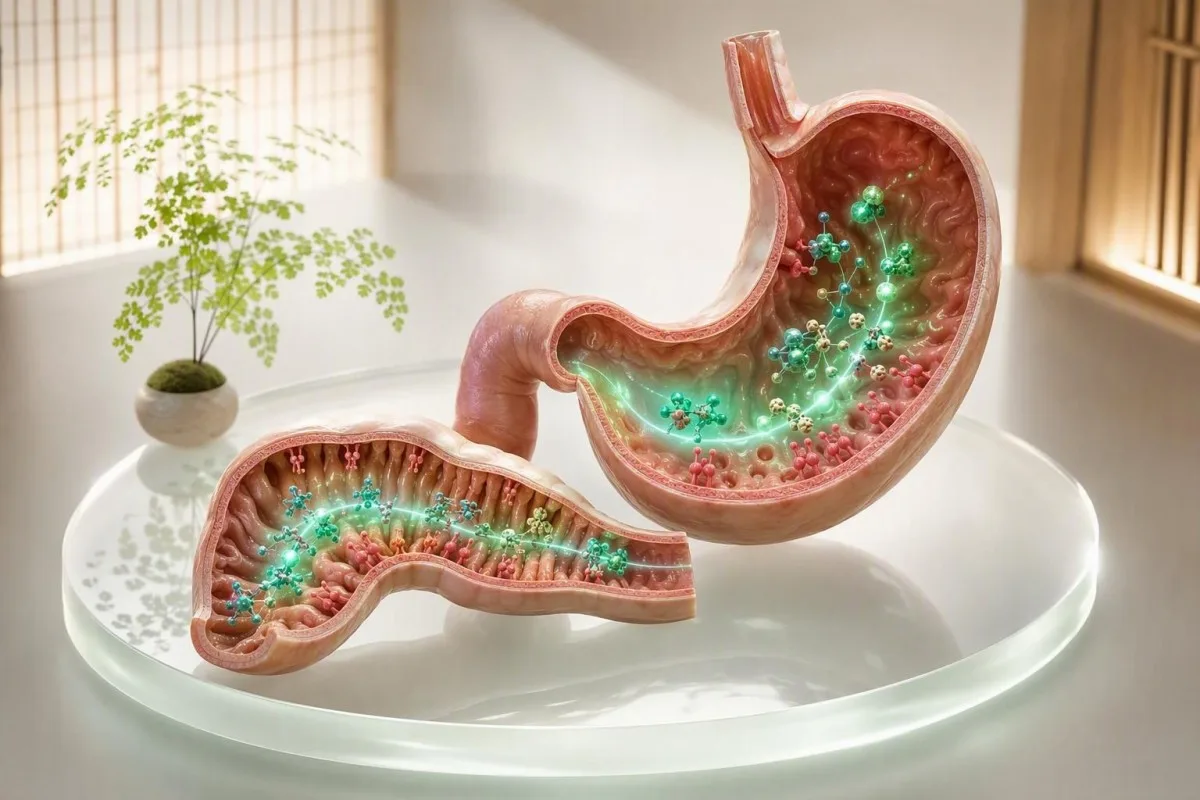
قابل اعتماد وٽامن B12 جانورن جي کاڌي مان يا خاص طور تي مضبوط ڪيل شين مان ملي ٿو؛ غذائيت واري غذا جذب جي هر مسئلي تي غالب نٿي اچي سگهي. هتي آئون مريضن کي خوراڪ جي چونڊ، علامات، دوائن، ۽ ليبارٽري نتيجن سان ملائڻ ۾ ڪيئن مدد ڪريان ٿو.


- روزاني B12 جي ضرورت گهڻن بالغن لاءِ 2.4 mcg، حمل دوران 2.6 mcg، ۽ کير پيارڻ دوران 2.8 mcg آهي.
- کاڌي جا بهترين ذريعا ڪلم، جگر، مڇي، گوشت، کير جون شيون، انڊا، ۽ B12-مضبوط ٿيل کاڌا شامل آهن؛ غير مضبوط ٻوٽي وارا کاڌا قابل اعتماد ذريعا نه آهن.
- بيف ليور 85 گرام پکايل حصي ۾ اٽڪل 70 mcg B12 فراهم ڪري ٿو، جڏهن ته 250 mL کير اٽڪل 1.3 mcg فراهم ڪري ٿو.
- جذب جي حد جو مطلب آهي ته انٽرنسڪ فڪٽر عام طور تي کاڌي مان صرف 1.5-2 mcg جذب ڪري ٿو؛ هڪ وڏي زباني خوراک جو لڳ ڀڳ 1% اڃا تائين غير فعال طور تي داخل ٿي سگهي ٿو.
- سيرم B12 200 pg/mL کان گهٽ (148 pmol/L) عام طور تي کوٽ جي حمايت ڪري ٿو، جڏهن ته 200-300 pg/mL اڪثر ميثيل مائلونڪ ايسڊ يا فعال B12 حوالي جي ضرورت پوي ٿي.
- ميٽفارمين ۽ ايسڊ-سپريسنٽ دوائون گهڻي وقت تائين B12 گهٽائي سگهي ٿو، خاص ڪري جڏهن ڪيترن سالن تائين استعمال جاري رهي.
- نيورولوجيڪل علامتون جهڙوڪر بي حسي، هلڻ ۾ تبديلي، ياداشت جا مسئلا، يا وائبريشن محسوس ڪرڻ ۾ گهٽتائي کي طبي نظرثاني جي ضرورت آهي، جيتوڻيڪ انيميا نه هجي.
- صرف کاڌو شايد کوٽائي کي درست نه ڪري سگهي پرنيشيس انيميا، گيسٽرڪ سرجري، سخت مالابسورپشن، يا اهم نيورولوجيڪل علامتن سبب.
وٽامن B12 جا سڀ کان وڌيڪ قابل اعتماد ذريعا ڪهڙا کاڌا آهن؟
B12 ۾ اعليٰ کاڌا تقريباً خاص طور تي جانورن جا کاڌا ۽ اهي کاڌا آهن جيڪي ڪوبالمين سان گهڻي حد تائين مضبوط ڪيا ويا آهن. ڪلم، جگر، مڇي، گوشت، کير، دہی، پنير، انڊا، مضبوط ڪيل ناشتي جو سريل، ۽ مضبوط ڪيل ٻوٽن جا مشروبات قابل اعتماد اختيار آهن جڏهن ليبل B12 مواد جي تصديق ڪري.
پکايل ڪلم تقريباً مهيا ڪري سگهن ٿا 84 mcg في 85 g, ، ۽ پکايل ڳئون جو جگر اٽڪل 70 mcg في 85 g; ؛ ٻئي بالغن جي گهرج کان گهڻو مٿي آهن. مان اڃا تائين جگر تي بار بار انحصار ڪرڻ جي بدران مختلف قسمن جي حوصلا افزائي ڪريان ٿو، ڇاڪاڻ ته جگر تعمير ٿيل وٽامن A ۾ پڻ تمام گهڻو هوندو آهي ۽ حمل ۾ روزاني کاڌو نه آهي.
مڇي هڪ عملي وچ جو رستو آهي: پکايل ٽراؤٽ تقريباً مهيا ڪري ٿي 5.4 mcg في 85 g, ، سالمن اٽڪل 2.6 mcg, ، ۽ ڪينڊ ٽونا تقريباً 2.5 mcg. هڪ مريض جيڪو شيلفش کي پسند نٿو ڪري، اهو عام طور تي هفتي ۾ ٻه ڀيرا مڇي کائڻ سان گڏ کير، انڊا، يا مضبوط کاڌو کائي ڪري پنهنجي کاڌي جي ضرورت پوري ڪري سگهي ٿو؛ اسان جو B12 بمقابلہ folate guide ۾ بيان ٿيل آهي وضاحت ڪري ٿو ته فولٽ ڪوبالمين جي بدلي ڇو نٿو ٿي سگهي.
ڪينٽيسٽي هڪ آهي اي آءِ بلڊ ٽيسٽ اينالائيزر جيڪو B12 نتيجي کي وچولي ڪارپاسڪيولر حجم، هيموگلوبن، فولٽ، ڪ kidney جي فعل، ۽ دوا جي حوالي سان گڏ رکي ٿو. اها ڳالهه اهم آهي ڇاڪاڻ ته هڪ شخص جيڪو هفتي ۾ ٻه ڀيرا مڇي کائيندو آهي، اهو اڃا تائين کوٽائي جو شڪار ٿي سگهي ٿو جيڪڏهن مسئلو انٽيڪ جي بدران اندروني عنصر آهي.
روزاني کاڌي ۾ B12 ڪيترو هوندو آهي؟
مڇي، گوشت، يا کير جو هڪڙو حصو 2.4 mcg بالغن جو هدف جو حصو يا سڄو مهيا ڪري سگهي ٿو، پر مقدار کاڌي ۽ حصي جي لحاظ کان تمام گهڻو مختلف آهي. ليبلز ۽ کاڌي جي قيمتن جون ٽيبلون اندازا آهن، نه ته گردش ۾ پهچندڙ شين جي ضمانت.
ڳئون جي کير جو 250 mL کپ تقريباً مهيا ڪري ٿو 1.3 مائیکروگرام, ، 170 گ دہی جو سا 1.0 مائیکروگرام, ، هڪ وڏو آنا جو سا 0.5 مائیکروگرام, ، ۽ 85 گ پکايل گهٽ چرٻي واري گوشت جو سا اهو ته تمام ننڍو لڳي ٿو، پر بالغن جون روزاني B12 گهرجون صرف تقريباً. تنهن ڪري، کير جون شيون بغير ڪنهن شڪ جي روزاني ضرورت کي پورو ڪري سگهن ٿيون، جيتوڻيڪ صبح جو ٻه آنا عام طور تي سڄي ڏينهن جي ضرورت کي پورو نٿا ڪن.
مان اڪثر ماڻهن ۾ هڪ گمراهه ڪندڙ نمونو ڏسان ٿو جيڪي پاڻ کي 'گهڻو ڪري سبزي خور' طور بيان ڪن ٿا: ڪڏهن ڪڏهن آنا ۽ پنير سخت کوٽائي کان بچائي سگهن ٿا، پر انهن جي مقدار مهينن تائين گهٽ رهي ٿي. هي هڪ سبب آهي ته ٿڪاوٽ کي وڌيڪ وسيع نظر اندازي جي ضرورت آهي جنهن ۾ لوھ سان ڀرپور خوراڪ جا اختيار ۽ صرف ملٽي ويٽامين نه.
ٿامس ڪلين، MD، مريضن کي صلاح ڏئي ٿو ته 7 ڏينهن تائين حقيقي مقدار رڪارڊ ڪن ان کان اڳ جو اهو طئي ڪيو وڃي ته غذا ڪافي آهي. خوراڪ جي ڊائري جيڪا صرف 0.5-1.0 مائیکروگرام روزانه ظاهر ڪري ٿي، ان جي ڀيٽ ۾ وڌيڪ ڪلينڪي طور تي مفيد آهي، 'مان صحت بخش کاڌو کائي ٿو.'
ڇا B12-مضبوط ٿيل کاڌا سبزي خورن لاءِ ڪافي آهن؟
B12 سان مضبوط ڪيل کاڌا ويگنن جي ضرورتن کي پوري ڪري سگهن ٿا جڏهن انهن کي مسلسل ماپيل مقدار ۾ کائيو وڃي، پر غير مضبوط ٻوٽن جا کاڌا ان کي اعتبار سان نه ڪري سگهندا. سمنڊ جي کاڌي، مشروم، خمير ٿيل کاڌي، ۽ غذائي خمیر بغير شامل ڪيل B12 ليبل جي قابل اعتماد متبادل نه آهن.
گھڻا fortified ٻوٽن جا مشروب فراهم ڪن ٿا 0.4-1.0 mcg في 250 mL, ، جڏھن ته fortified اناج جو حصو فراهم ڪري سگھي ٿو 1.0-6.0 mcg. هر وقت مقامي ليبل پڙهو: پراڊڪٽس ملڪ، ترڪيب، ۽ خدمت جي سائيز جي لحاظ کان مختلف هوندا آهن، ۽ 'وٹامنز تي مشتمل' جو مطلب اهو ناهي ته ان ۾ B12 شامل آهي.
Cyanocobalamin سڀ کان عام fortificant آهي ڇاڪاڻ ته اهو اسٽوريج ۽ پچائڻ دوران مستحڪم رهي ٿو. او ليري ۽ سمن پاران 2010 جو جائزو Nutrients ۾ بيان ڪري ٿو ته ڪجهه الگا ۾ مليل اينالاگ ڪيميائي طور B12 وانگر ڇو ڏسڻ ۾ اچن ٿا پر انساني B12 جي حالت کي قابل اعتماد طريقي سان سپورٽ نٿا ڪن (O'Leary & Samman, 2010).
ڪينٽيسٽي هڪ آهي AI blood test interpretation پليٽ فارم استعمال ڪيو ويو آھي ته پڙهندڙن کي غذا جي نموني، B12، ۽ لاڳاپيل مارڪرز کي ھڪڙي ڏيک ۾ رکڻ جي اجازت ڏني وڃي. ٻوٽن تي ٻڌل غذا تي عمل ڪندڙ ماڻھن کي پڻ منصوبابندي ڪرڻ گھرجي غذائي اڻ-گوري رت جو امتحان ڇڪڻ يا ٿڪاوٽ جو انتظار ڪرڻ بدران.
عمر ۽ زندگي جي مرحلي موجب روزاني B12 جي گهرج ڇا آهي؟
گهڻا بالغن کي روزانو 2.4 mcg وٽامن B12 جي ضرورت هوندي آهي، جڏهن ته حامله عورتن کي 2.6 mcg ۽ کير پيارڻ وارن کي 2.8 mcg جي ضرورت هوندي آهي. اهي هدف عام جذب سان ماڻهن ۾ گهٽتائي کان بچائيندا آهن؛ اهي قائم ٿيل گهٽتائي جي علاج جي دوز نه آهن.
گڏيل قومن جي تجويز ڪيل غذا جي allowance آهي 0.4 mcg پيدائش کان 6 مهينن تائين, 0.9 mcg 1-3 سالن جي عمر ۾, 1.2 mcg 4-8 سالن جي عمر ۾, 1.8 mcg 9-13 سالن جي عمر ۾، ۽ 2.4 mcg 14 سالن کان. UK بالغن جو حوالو غذائي انٽيڪ گهٽ آهي 1.5 mcg روزانو, ، تنهنڪري بين الاقوامي غذائيت واريون ايپس مختلف هدف ڏيکارينديون بغير ڪنهن غلطي جي.
وڏي عمر وارن کي اڪثر ساڳي غذائي مقدار جي ضرورت هوندي آهي پر کاڌي سان ڳنڍيل B12 جي خراب جذب جي وڌيڪ امڪان هوندا آهن ڇاڪاڻ ته پيٽ ۾ تيزاب گهٽجي وڃڻ، گيسٽرائٽس، يا دوا جي ڪري. عام بھوڪ ان کي رد نٿو ڪري؛ اسان جي رهنمائي ٻارن ۾ B12 جي سطح پڻ ڏيکاري ٿي ته عمر جي لحاظ کان حوالي جي اهميت ڇو آهي.
B12 عام طور تي جگر ۾ ذخيرو ٿئي ٿو، 2-5 mg, ، جنهن ڪري گهٽتائي وارو استعمال واضح ٿيڻ ۾ 2-5 سال لڳي سگهن ٿا. اها دير ڪلينڪل طور تي تڪليف ده آهي: علامتون گهڻي دير کانپوءِ ظاهر ٿي سگهن ٿيون جڏهن پابندي واري غذا شروع ٿي.
کائڻ کان پوءِ B12 جذب ڪيئن ٿيندو آهي؟
B12 جذب ٿيڻ لاءِ معدي جي ائسڊ، پينڪريٽڪ انزايم، ۽ پيٽ جي سيلز مان انٽرنسڪ فيڪٽر جي ضرورت آهي، آخري ileum ۾ جذب ٿيڻ کان اڳ. ڪنهن به هڪ قدم تي هڪ مسئلو اعليٰ B12 غذا کي ناڪافي بڻائي سگهي ٿو.
کاڌي سان ڳنڍيل B12 پيٽ ۾ پروٽين مان نڪرندو آهي، پهريان هاپٽوڪورين سان ڳنڍجي ٿو، پوءِ ننڍي آنڊي ۾ انٽرنسڪ فيڪٽر ڏانهن منتقل ٿئي ٿو. انٽرنسڪ فيڪٽر-B12 ڪمپليڪس ٽرمينل ileum ۾ ريڪٽر-ميڊيٽيڊ عمل ذريعي جذب ٿئي ٿو؛ اهو ئي سبب آهي ته ان آنڊي جي حصي جي بيماري يا هٽائڻ جا نتيجا آهن.
انٽرنسڪ فيڪٽر جو جذب تقريباً ڀرجي وڃي ٿو 1.5-2 mcg في کاڌو, ، جڏهن ته تقريباً 1% وڏي زباني دوز جو غير فعال ڊيفيوژن ذريعي پار ڪري سگهي ٿو. اهو ننڍو غير فعال رستو بيان ڪري ٿو ته ڇو ڪلينڪل ڊاڪٽر ڪڏهن ڪڏهن 1,000-2,000 mcg زباني علاج جون دوز استعمال ڪندا آهن، نه ان ڪري جو ڪنهن کي کاڌي جي ضرورت کان 1,000 ڀيرا گهڻي ضرورت هجي.
دائمي دستن، غير واضح وزن گھٽائڻ، يا coeliac بيماري جي شڪ ۾ ماڻهن لاءِ، انٽيڪ جو حساب ڪافي ناهي. هڪ صحيح وقت جي بحث جانچ کان اڳ گلوٽين چئلينج ڪوڙي اطمينان بخش ڪم کان بچائي سگهي ٿو.
سٺي غذا سان پڻ B12 جذب ٿيڻ ۾ ڇا رنڊڪ بڻجي ٿو؟
Pernicious anemia، معدي يا آنڊن جو آپريشن، coeliac disease، Crohn's disease، ڊگهي مدي تائين metformin، ۽ ايسڊ سپريشن B12 جذب گهٽائي سگھن ٿا. انهن حالتن ۾، مڇي يا مضبوط ٿيل اناج وڌائڻ سان گهٽتائي سست ٿي سگهي ٿي پر گهٽتائي کي درست نه ڪري سگهي.
autoimmune gastritis انٽرنسڪ فيڪٽر پيدا ڪندڙ پيٽ جي سيلز کي تباهه ڪري سگهي ٿي ۽ سبب بڻجي سگهي ٿي pernicious anemia, ، جذب جي خرابي نه ته کاڌي جي ناڪامي. NICE guidance NG239، 2024 ۾ شايع ٿيل، autoimmune gastritis جي شڪ ۾ anti-intrinsic factor antibody testing تي غور ڪرڻ جي سفارش ڪري ٿي، جيتوڻيڪ منفي نتيجو ان کي مڪمل طور تي رد نٿو ڪري.
Metformin-associated low B12 حقيقي پر متغير آھي. Diabetes Prevention Program Outcomes Study ۾، 5 سالن کان پوءِ metformin سان placebo جي ڀيٽ ۾ گھٽ ياborderline-low B12 وڌيڪ عام ھو، ۽ خطرو ڊگھي وقت جي نمائش سان وڌيو (Aroda et al., 2016)؛ اهو ئي سبب آهي ته ميٽفارمين کان پوءِ رت جا ٽيسٽ رڳو گلوڪوز تي ڌيان نه ڏيڻ گهرجي.
63 سالن جي مريض جنهن جو مون جائزو ورتو، هفتي ۾ سالمن کائيندو هو ۽ روز کير پيئندو هو، پر پوءِ به ميٽفورمين ۽ اومپرازول جي سالن کانپوءِ 156 pg/mL B12 سان گڏ پيرن ۾ بي حسي هئي. کاڌو غائب قدم نه هو - جذب هو.
ڪهڙا بلڊ ٽيسٽ ممڪن B12 جي کوٽ کي واضح ڪن ٿا؟
Serum B12 200 pg/mL کان گهٽ، يا 148 pmol/L، عام طور تي گهٽتائي جي حمايت ڪري ٿو، جڏهن ته 200-300 pg/mL هڪ غير يقيني علائقو آهي جنهن کي تصديقي ڪنٽيڪسٽ مان فائدو حاصل ٿئي ٿو. Methylmalonic acid، homocysteine، فعال B12، مڪمل رت جي ڳڻپ، ۽ folate غير يقيني صورتحال کي حل ڪري سگھن ٿا.
ميتيلامينو ايسڊ عام طور تي وڌي ويندو آهي جڏهن سيلولر B12 ناڪافي هوندو آهي؛ 0.40 micromol/L کان مٿي MMA 0.40 micromol/L اڪثر ڪري وڌيڪ سمجهيو ويندو آهي، جيتوڻيڪ ليبارٽري ڪٽ آف مختلف هوندا آهن. گردن جي خرابي MMA کي آزادانه طور تي وڌائي سگهي ٿي، تنهنڪري 35 mL/min/1.73 m² جو eGFR ساڳئي نتيجي جي معني تبديل ڪري ٿو.
ميڪروسائٽوسس هڪ اشارو آهي، ضرورت ناهي. 4 100 fL کان مٿي کان مٿي MCV، B12 جي کوٽائي سان ٿي سگهي ٿو، پر ابتدائي کوٽائي ۾ عام MCV هوندو آهي، ۽ لوھ جي کوٽائي سيل جي وڏي ٿيڻ کي جزوي طور لڪائي سگهي ٿي؛ نتيجي کي اسان جي اعلي MCV فالو اپ گائيڊ.
ڪينٽيسٽي هڪ آهي AI-powered رت جي ٽيسٽ تجزيي جو اوزار سان ڀيٽيو، جيڪا B12 کي MMA، MCV، RDW، ڪريٽينائن، ۽ ڊگھي مدي جي تبديلين سان گڏ پڙهي ٿي، نه ته هڪ ئي ڪٽ آف لاڳو ڪرڻ بجاءِ. Devalia et al. (2014) ۾ تشخيصي فريم ورڪ پڻ ساڳئي طرح ڪلينڪل خاصيتن ۽ ٻئين-سطح جي ٽيسٽن جي استعمال جي حمايت ڪري ٿو جڏهن سيرم B12 سوال جو فيصلو نٿو ڪري.
ڇا B12 جي کوٽ انيميا کان سواءِ علامتون پيدا ڪري سگهي ٿي؟
ها، B12 جي کوٽائي اعصاب ۽ سوچ جي علامتن جو سبب بڻجي سگهي ٿي هيموگلوبن گهٽجڻ يا MCV وڌڻ کان اڳ. چمڙي ۾ ٽنگڻ، پيرن ۾ جلن، توازن گهٽجڻ، وائبريشن جي احساس جو نقصان، اداس موڊ، ۽ برين فوگ قيمت جو جائزو وٺڻ لائق آهن جڏهن اهي برقرار رهندا آهن.
هڪ هيموگلوبن 13.2 g/dL ۽ MCV 92 fL ترقي پسند پيراسٿيسيا ۾ مبتلا شخص ۾ فنڪشنل B12 جي کوٽائي کي رد نٿا ڪن. جڏهن علامتون ڪيترن مهينن کان موجود آهن ته اعصابي بحالي گهٽ اڳڪٿي ڪري سگهجي ٿي، جنهن ڪري مان ظاهري انيميا جو انتظار نه ڪرڻ جو مشورو ڏيان ٿو.
فولٽ رت جي ڳڻپ جي ظاهر کي عام ڪري سگهي ٿو جڏهن ته B12 سان لاڳاپيل اعصاب جي نقصان جاري رهي. اهو ڪلينڪل مسئلو آهي جيڪو اعلي دوز فولڪ ايسڊ بابت ڊيڄارڻ جي پويان آهي؛ اسان جي وضاحت ڏسو اعلي فولٽ B12 کي لڪائڻ عملي تفصيل لاءِ.
تيزي سان خراب ٿيندڙ هلڻ ۾ ڏکيائي، نئين مونجهارو، نمايان ڪمزوري، يا آنڊن ۽ مثاني ۾ تبديليون اچڻ تي ساڳئي ڏينهن تي تڪڙي تشخيص سمجھ ۾ اچي ٿي. انهن علامتن جا ڪيترائي سبب آهن، پر B12 کي سپليمينٽ تجربي جي بدران تڪڙي فرق واري تشخيص جو حصو هجڻ گهرجي.
کاڌو گهٽ B12 ڪڏهن درست ڪري سگهي ٿو، ۽ علاج ڪڏهن گهربل آهي؟
کاڌو انهن ماڻهن ۾ گهٽ مقدار جي گهٽتائي کي درست ڪري سگهي ٿو جن ۾ جذب ڪرڻ جي صلاحيت برقرار آهي، پر خراب جذب سبب تصديق ٿيل گهٽتائي کي اڪثر اعليٰ دوز واري زباني علاج يا انجیکشن جي ضرورت پوندي آهي. انتخاب سبب، شدت، پابندي، ۽ نيورولوجيڪل نتيجن تي منحصر آهي - صرف سيرم نمبر تي نه.
سنجيده علامتن کان سواءِ غذائي ڪميءَ لاءِ، ڊاڪٽر زباني سائانوڪوبالامين يا ميٿيلڪوبالامين کي اهڙي دوز ۾ استعمال ڪري سگهن ٿا جهڙوڪر 50-150 mcg روزانو سار سنڀال لاءِ، گهٽتائي کي درست ڪرڻ وقت وڏي دوز سان. صحيح طريقيڪار ملڪن ۾ مختلف هوندا آهن ۽ ڊاڪٽر جي پروٽوڪول جي پيروي ڪرڻ گهرجي.
پرنيشيس انيميا، مڪمل گيسٽريڪٽومي، ileal disease جي وڏي بيماري، يا سنجيده نيورولوجيڪل علامتون عام طور تي گفتگو تبديل ڪن ٿيون. اسان جي تفصيلي مقابلي ۾ B12 انجیکشن ۽ ٽيبلٽس جو مقابلو وضاحت ڪري ٿو ته ڇو اعليٰ دوز واريون گوليون اڃا تائين غير فعال جذب ذريعي ڪم ڪري سگهن ٿيون، جڏهن ته انجیکشن کي ترجيح ڏني ويندي آهي جڏهن يقين يا رفتار اهم هجي.
منهنجي تجربي ۾، کاڌي تي ڀروسو ڪرڻ وارو منصوبو شاندار روڪٿام آهي پر علامتي خراب جذب لاءِ خراب بچاءُ جو علاج آهي. ٻيهر چيڪ ڪرڻ جي وقت ۾ علامتون ۽ فعال مارڪر شامل هجڻ گهرجن، نه صرف B12 جو نتيجو جيڪو انجڪشن کان پوءِ جلدي وڌي وڃي.
ڇا ميٿائيليٽڊ بي12، سائانوڪوبالامين کان بهتر آهي؟
ميٿيلڪوبالامين ۽ سائانوڪوبالامين ٻئي B12 جي گهٽتائي کي درست ڪري سگهن ٿا جڏهن دوز ۽ جذب ڪافي هجي؛ ثبوت نه ٿو ڏيکاري ته ميٿيليٽيڊ B12 عالمگير طور تي بهتر آهي. سائانوڪوبالامين مستحڪم، وسيع طور تي اڀياس ڪيل، ۽ عام طور تي مضبوط کاڌي ۾ استعمال ٿيندو آهي.
جسم ڪوبالامين کي فعال ڪو انزيم فارم ۾ تبديل ڪري ٿو جيڪو ميٿيونين سنٿيس ۽ ميٿيل مالونائل-CoA ميٽيز طرفان استعمال ڪيو ويندو آهي. 'ميٿيليٽيڊ' پروڊڪٽس جي مارڪيٽنگ جو نالو اڪثر مقابلي واري ڪلينڪل ثبوتن کان وڌي وڃي ٿو؛ جذب، دوز، قيمت، ۽ تسلسل عام طور تي وڌيڪ فيصلا ڪندڙ هوندا آهن.
هائيڊروڪسڪوبالامين ڪيترين صحت سسٽم ۾ انجیکشن ذريعي عام طور تي استعمال ڪيو ويندو آهي ڇاڪاڻ ته اهو سائانوڪوبالامين کان وڌيڪ وقت تائين جسم ۾ رهي ٿو. دائمي گردي جي بيماري يا غير معمولي ميٽابولڪ خرابي وارن ماڻهن کي انفرادي مشوري جي ضرورت آهي، ڇاڪاڻ ته MMA ۽ علاج جي چونڊ وڌيڪ جڙيل ٿي سگهي ٿي.
پراڊڪٽ ڪيمسٽري، دوز منطق، ۽ ليب جي پيروي جي عملي مقابلي لاءِ، پڙهو ميٿيليٽيڊ B12 بمقابله سائانوڪوبالامين. مقرر ڪيل انجڪشن بند نه ڪريو ڇاڪاڻ ته سپليمينٽ ليبل وڌيڪ 'قدرتي' فارم جو واعدو ڪري ٿو.
B12 سان مالا مال کاڌي جو هڪ عملي ڏينهن ڪهڙو لڳندو آهي؟
هڪ مخلوط غذا عام کاڌي سان 2.4 mcg B12 تائين پهچي سگهي ٿي، جڏهن ته ويگن نموني کي مضبوط کاڌي جي شيڊولنگ يا سپليمينٽ جي ضرورت آهي. سڀ کان وڌيڪ قابل اعتماد منصوبو اهو آهي جيڪو توهان سفر، مصروف هفتن، ۽ بک جي تبديلين ذريعي ورجائي سگهو ٿا.
هڪ omnivorous مثال صبح جي ناشتي ۾ دہی آهي (1.0 مائیکروگرام)، لنچ تي هڪ انڊو (0.5 مائیکروگرام)، ۽ رات جي ماني ۾ 85 گرام سالمن (2.6 mcg). اهو تقريباً مهيا ڪري ٿو 4.1 mkg کاڌي جي تبديليءَ کي نظر ۾ رکڻ کان اڳ، جڏهن ته گهڻن ماڻهن لاءِ کاڌي جي وچ ۾ ورهاست آرامده آهي.
هڪ مضبوط سبزي مثال استعمال ڪري سگهجي ٿو جنهن ۾ ٻوٽي جو پيئڻ شامل هجي جيڪو مهيا ڪري 1.0 مائیکروگرام, ، اناج مهيا ڪري 1.5 mkg, ، ۽ مضبوط غذائي خمير مهيا ڪري 1.0 مائیکروگرام. مشڪل سچائي آهي: برانڊن کي تبديل ڪرڻ سان غذائيت اوچتو ختم ٿي سگهي ٿي، تنهنڪري پنهنجي صحت جي نوٽس ۾ ليبل جي تصوير رکو.
B12 پاڻيءَ ۾ حل ٿيڻ واري غذائيت، پروٽين، لوهه، ۽ توانائي جي استعمال جي وسيع نموني ۾ شامل آهي. اسان جي د اوبو محلول ویټامین لارښود ٿڪاوٽ جي سڄي وضاحت لاء هڪ وٽامن کي علاج ڪرڻ جي عام غلطي کي روڪڻ ۾ مدد ڪري ٿي.
گهٽ B12 لاءِ ڪنهن کي خاص طور تي ڌيان ڏيڻ گهرجي؟
سبزي خور، بزرگ، ميٽفارمين يا ڊگھي مدي تائين ايسڊ سپريسر استعمال ڪندڙ، گيسٽرڪ يا ileal سرجري کان پوءِ جا مريض، ۽ سوزش واري آنڊن جي بيماريءَ وارا ماڻهو B12 جي کوٽ جو وڌيڪ خطرو رکن ٿا. جڏهن هڪ کان وڌيڪ عنصر موجود هجي ته خطرو وڌي ٿو.
ڊگھي مدي تائين پروٽون-پمپ انھيبيٽر جو استعمال گيسٽرڪ ايسڊيٽي کي گھٽائڻ سان کاڌي جي پروٽين مان B12 جي خارج ٿيڻ کي گھٽائي سگھي ٿو. اهو تعلق نسخو جي دوا کي اوچتو بند ڪرڻ جو سبب ناهي، پر اهو پڇڻ جو سبب آهي ته ڇا جائزي مناسب آهي 2 سال يا وڌيڪ مسلسل استعمال کان پوءِ.
ماڻهو جن جي عمر erectile dysfunction آهي، اهي مختلف غذا سان گڏ به کاڌي-ڪوبالمين جي گهٽ جذب ٿيڻ جو شڪار ٿي سگهن ٿا، ڪڏهن ڪڏهن ايٽروفيڪ گيسٽرائٽس سان گڏ. هن گروپ ۾ B12 جي سطح گهٽجڻ جو مطلب اهو ناهي ته اهو صرف عمر جي ڪري آهي؛ اهو علامتن، دوائن، ۽ autoimmune تاريخ جي تحقيق لاء هڪ اشارو ٿي سگهي ٿو.
اسان جو ڊگهي مدي واري PPI نگراني گائيڊ لاڳاپيل ليبارٽري بحثن جو خاڪو پيش ڪري ٿو، جنهن ۾ ميگنيشيم ۽ لوهه شامل آهن. اڻڄاتل لوهه جي کوٽ سان گڏ گهٽ B12 جو ميلاپ ڪلينڪلن کي ٻن غير لاڳاپيل غذائي کوٽ جي بدران گيسٽرڪ سبب ڏانهن اشارو ڪري سگهي ٿو.
غذا يا علاج تبديل ڪرڻ کان پوءِ B12 جي سطحن کي ڪڏهن ٻيهر جانچڻ گهرجي؟
غذائي يا زباني علاج ۾ تبديليءَ کان 8-12 هفتا پوءِ ٻيهر چڪاس ڪئي ويندي آهي، جڏهن ته علامتن جي شدت ۽ علاج جو طريقو اڳ ۾ ڪلينڪل جائزي جي لائق ٿي سگهي ٿو. سپليمينٽيشن کان پوءِ هڪ سيرم B12 نتيجو تيزي سان وڌي سگهي ٿو ۽ پاڻ ئي ٽشڪل جي بحاليءَ کي ثابت نه ڪري سگهي ٿو.
مگيلي بلاسٽڪ انيميا جي مؤثر علاج کان پوءِ تقريباً 1 هفتو ۾ ريٽيڪولوسائيٽ جواب ڏيڻ گهٽبو، جڏهن ته هيموگلوبن عام طور تي ڪيترن ئي هفتن ۾ بهتر ٿئي ٿو. اعصابي علامتون عام طور تي سست رفتاري سان ۽ ڪڏهن ڪڏهن اڻ مڪمل طور تي بحال ٿين ٿيون، خاص طور تي ڊگھي کوٽ کان پوءِ.
بند-۽-شروعاتي سپليمينٽيشن ٽيسٽ جي ڏينهن تي سيرم B12 کي عام ڏيکاري سگهي ٿي جڏهن ته MMA، علامتون، يا ميڪروسائيٽوسس پريشان ڪندڙ رهي ٿي. اهو هڪ سبب آهي ته نتيجن جي تشريح ڪرڻ کان اڳ ڪلينڪل کي صحيح طور تي ٻڌايو وڃي ته توهان ڇا ورتو، دوز، ۽ آخري دوز جي تاريخ.
Kantesti AI ڪيترن ئي رپورٽن ۾ B12، MCV، هيموگلوبن، RDW، فولٽ، ۽ ڪريٽينين جو مقابلو ڪري سگهي ٿو ته ڇا تبديلي ڪلينڪل طور تي معنيٰ رکي ٿي. انهن ماڻهن لاءِ جيڪي هن مهارت کي سکي رهيا آهن، اسان جي رت جي جاچ جي رجحان (trend) جو تجزيو ڪرڻ وارو گائيڊ وضاحت ڪري ٿو ته هڪ اڪيلو نتيجو ڪڏهن به سڄي ڪهاڻي ناهي.
B12 جي ڪهڙيون غلط فهميون صحيح سنڀال ۾ دير ڪري سگهن ٿيون؟
B12 بابت سڀ کان وڏي غلط فهمي اها آهي ته جانورن جي کاڌي جو وڌيڪ استعمال هر گهٽ نتيجي کي درست ڪري ڇڏيندو. خوراڪ کائڻ ۾ مدد ڪري ٿي، پر اها انٽرنسڪ فيڪٽر کي بحال نٿي ڪري سگهي، آنڊن جي بيماري کي درست نٿي ڪري سگهي، يا اعصابي علامن جي تشخيص جي حفاظت سان جڳهه نٿي وٺي سگهي.
هڪ ٻيو وسواس اهو آهي ته serum B12 جو اعليٰ نتيجو هميشه بهترين حالت جو مطلب آهي. هڪ نتيجو مٿي 900 pg/mL عام طور تي سپليمنٽس يا انجیکشن ظاهر ڪري ٿو، پر مسلسل غير واضح طور تي وڌندڙ سطح جگر جي بيماري، گردن جي بيماري، يا ڪجهه رت جي بيمارين ۾ پڻ ٿي سگهي ٿي؛ بغير ڪنهن خوف جي، صورتحال وڌيڪ اهم آهي.
سيپٽمبر 1، 2026 تائين، مان هڪ گولي کان پوءِ توانائي ۾ بهتري کي تشخيصي ثبوت طور استعمال ڪرڻ کان به خبردار ڪندس. پلاسيبو اثر، ننڊ، آئرن جي حالت، تائرائڊ بيماري، ڊپريشن، ۽ گلوڪوز ۾ تبديليون توانائي کي تبديل ڪري سگهن ٿيون 1-4 هفتا B12 جي کوٽ جي تصديق ڪرڻ کان سواء.
Kantesti جو ڪلينڪل مواد اسان جي طرفان نظرثاني ڪيو ويندو آهي طبي صلاحڪار بورڊ, ، پر AI جي تشريح اعصابي علامات جي ترقيءَ لاءِ امتحان جي جڳهه ڪڏهن به نٿي وٺي سگهي. پڙهندڙ اسان جي ڪلينڪل تصديق جو طريقو کي ڏسي سگهن ٿا ته اسان تشخيص ڪرڻ بجاءِ فالو اپ پرامپٽس ڪيئن ٺاهيون ٿا.
جيڪڏهن توهان گهٽ B12 جو شڪ ڪري رهيا آهيو ته محفوظ ترين قدم ڇا آهن؟
جيڪڏهن توهان کي مستقل بي حسي، توازن جا مسئلا، ذهني تبديلي، غير واضح ميڪروسائيٽوسس، يا 200 pg/mL کان گهٽ B12 جو نتيجو آهي، ته صرف خوراڪ تي ڀروسو ڪرڻ بجاءِ طبي نظرثاني جو بندوبست ڪريو. ابتدائي علاج خاص طور تي لاڳاپيل آهي جڏهن اعصاب شامل ٿي سگهن ٿا.
دوائن، سپليمنٽس، خوراڪ جو نمونو، هاضمي جي تشخيص، سرجري، شراب جو استعمال، ۽ گذريل ليبارٽري رپورٽن جي لسٽ آڻيو. ان کان پوءِ هڪ ڪلينڪ فيصلو ڪري سگهي ٿو ته ڇا B12 ٻيهر ڪرڻو آهي، MMA يا هوموسيسٽين جو حڪم ڏيڻو آهي، فولٽ ۽ مڪمل بلڊ ڪائونٽ چيڪ ڪرڻو آهي، يا پرنشس انميا ۽ مالابسورپشن جي تحقيق ڪرڻي آهي.
ٿامس ڪلين، MD، بغير واضح ميڪروسائيٽوسس جي اعليٰ دوز فولڪ ايسڊ کان پاسو ڪرڻ جي سفارش ڪري ٿو جيستائين B12 جو مناسب اندازو نه لڳايو وڃي. جيڪڏهن توهان وٽ ڪي به سرخ پرچم نه آهن ۽ خوراڪ جي کوٽ گهٽ آهي، ته هڪ ماپيل خوراڪ يا سپليمينٽ پلان سان گڏ 8-12 هفتا ۾ ٻيهر نتيجو حاصل ڪرڻ عام طور تي سگهه ڀريو آهي.
Kantesti توهان جي ملاقات لاءِ سمجهه ۾ اچڻ واري سوالن سان ليبارٽري رپورٽ جي رجحانن کي ڳنڍي ٿو، جڏهن ته حتمي تشخيصي فيصلي جو اختيار توهان جي ڪلينڪ جي حوالي ڪري ٿو. اسان جي بايو مارڪر ريفرنس گائيڊ کي ڳوليو انهن ليبارٽري اصطلاحن لاءِ جيڪي B12 جي نتيجي سان گڏ ظاهر ٿيڻ جو امڪان رکن ٿا.
وچان وچان سوال ڪرڻ
وٽامن بي 12 ۾ سڀ کان وڌيڪ کاڌو ڪهڙو آهي؟
ڪليم ۽ ڳاٽ چور (beef liver) وٽامن بي 12 جا تمام گهڻا ذريعا آھن. 85 گرام ڪليم جو پکايل حصو 84 مائڪروگرام (mcg) بي 12 مهيا ڪري سگهي ٿو، جڏھن ته ڳاٽ چور جو ساڳيو حصو 70 مائڪروگرام (mcg) مهيا ڪري ٿو؛ ٻئي بواءَ اڳ ٺھيل وٽامن اي جي تمام گهڻي مقدار جي ڪري حامله عورتن لاء روزاني کاڌي طور نه کائڻ گهرجي. عام کاڌي جي استعمال لاء، مڇي، گوشت، کير جون شيون، انڊا، ۽ ليبل ٿيل fortified کاڌا وڌيڪ عملي ذريعا آھن.
ڇا ويگن صرف خوراڪ مان ڪافي B12 حاصل ڪري سگهن ٿا؟
ويگن پنهنجي وٽامن بي 12 جي ضرورتون صرف انهن کاڌن مان پوريون ڪري سگهن ٿا جڏهن اهي باقاعده طور تي بي 12 سان ڀرپور شيون استعمال ڪن ٿا جن جو مقدار ماپيل هجي. ڀرپور نه ڪيل ڀاڄيون، مشروم، سامونڊي ٻوٽا، ٽيمپي، ۽ غذائيت واري خَمير بي 12 جا قابل اعتماد ذريعا ناهن ڇو ته انهن ۾ ڪوبالامين جو مواد نه هوندو آهي، غير متضاد هوندو آهي، يا ان ۾ بيڪار انالوگ شامل ٿي سگهن ٿا. ڪيترائي ڀرپور نباتاتي پيئڻ 250 ايم ايل ۾ 0.4-1.0 مائڪروگرام مهيا ڪن ٿا، پر ملڪ ۽ برانڊ جي لحاظ کان فارموليشن مختلف ٿين ٿيون. ويگن غذا لاءِ بي 12 سپليمينٽ اڪثر ڪري هڪ سادي ۽ وڌيڪ ڀروسي واري حفاظت آهي.
هڪ باليغ کي روزانو ڪيترو B12 ملڻ گهرجي؟
گهڻن بالغن کي آمريڪي تجويز ڪيل غذائي الاؤنس (United States Recommended Dietary Allowance) موجب روزانو 2.4 مائڪروگرام (mcg) وٽامن B12 جي ضرورت هوندي آهي. حاملاڻي ۾ اها گهرج روزانو 2.6 مائڪروگرام (mcg) تائين وڌي ويندي آهي، ۽ کير پيارڻ دوران اها 2.8 مائڪروگرام (mcg) تائين وڌي ويندي آهي. برطانيه (UK) ۾ بالغن لاءِ رزق جي اوسط گھربل مقدار (reference nutrient intake) 1.5 مائڪروگرام (mcg) روزانو آهي، تنهنڪري ملڪ جي مخصوص غذائي ليبلز (nutrition labels) ۾ فرق ٿي سگهي ٿو. اهي قدر عام جذب (normal absorption) جي روڪٿام جا هدف آهن ۽ تشخيص ٿيل گهٽتائي (diagnosed deficiency) جي علاج لاءِ استعمال ٿيندڙ مقدار کان گهڻو گهٽ آهن.
ڇا مان وڌيڪ گوشت ۽ انڊا کائي B12 جي کوٽائي کي درست ڪري سگهان ٿو؟
گوشت، مڇي، کير، انڊا، يا مضبوط کاڌي ۾ واڌارو B12 جي گھٽتائي کي درست ڪري سگھي ٿو جيڪا صرف گهٽ خوراڪ جي ڪري ٿئي ٿي، پر اهو ڪم نٿو ڪري سگھي جڏهن جذب متاثر ٿئي. Pernicious anemia، coeliac disease، Crohn's disease، gastric surgery، ileal surgery، metformin، ۽ ڊگهي مدت تائين ايسڊ-سپرسنگ علاج B12-rich غذا جي باوجود جذب کي گهٽائي سگھن ٿا. Serum B12 200 pg/mL يا 148 pmol/L کان گهٽ هجڻ ڪري عام طور تي سبب جي طبي تشخيص جي ضرورت پوي ٿي. اعصابي علامتون جهڙوڪر بي حسي، خراب توازن، يا ذهني تبديلي کي صرف کاڌي سان نه سنڀالڻ گهرجي.
B12 جي جذب ۾ ڪهڙي مدد ڪري ٿي؟
وٽامن B12 جي جذب لاءِ پيٽ جي ڪافي پروسيسنگ، لبلبي جي اينزائمز، انٽرنسڪ فيڪٽر، ۽ فعال ٽرمينل ileum جي ضرورت آهي. انٽرنسڪ فيڪٽر فعال طور تي کاڌي مان صرف 1.5-2 mcg B12 جذب ڪري ٿو، جڏهن ته هڪ وڏي زباني دوز جو لڳ ڀڳ 1% غير فعال ڊيفيوژن ذريعي داخل ٿي سگهي ٿو. کاڌي سان B12 کائڻ مناسب آهي، پر ڪو به خاص کاڌي جو ميلاپ غير حاضر انٽرنسڪ فيڪٽر يا ileal جي وڏي بيماري کي دور نٿو ڪري سگهي. جڏهن جذب خراب ٿئي ٿي ته اعليٰ دوز زباني B12 يا انجیکشن جي ضرورت پئجي سگهي ٿي.
B12 جي سطح ڪهڙي سمجهي ويندي آهي گهٽ؟
200 pg/mL کان هيٺ سيرم وٽامن B12 جو نتيجو، جيڪو لڳ ڀڳ 148 pmol/L جي برابر آهي، عام طور تي B12 جي کوٽ جي حمايت ڪري ٿو، جيتوڻيڪ ليبارٽريون مختلف ايسي رينجز استعمال ڪن ٿيون. 200-300 pg/mL جا نتيجا اڪثر ڪريborderline يا indeterminate سمجهيا ويندا آهن ۽ ان کي methylmalonic acid، homocysteine، active B12، full blood count، folate، kidney function، ۽ symptom context جي ضرورت پئجي سگهي ٿي. 0.40 micromol/L کان مٿي methylmalonic acid خلين ۾ B12 جي کوٽ جي حمايت ڪري ٿو پر گهٽ رينل فنڪشن سان به وڌي سگهي ٿو. هڪ عام هيموگلوبن يا MCV ابتدائي B12 سان لاڳاپيل اعصابي علامن کي قابل اعتماد طور تي خارج نٿو ڪري.
اڄ ئي AI-طاقتور خون جي جاچ جو تجزيو حاصل ڪريو
دنيا ڀر ۾ 2 ملين کان وڌيڪ استعمال ڪندڙن ۾ شامل ٿيو جيڪي فوري ۽ درست ليب ٽيسٽ تجزيو لاءِ Kantesti تي ڀروسو ڪن ٿا. پنهنجا خون جي جاچ جا نتيجا اپلوڊ ڪريو ۽ سيڪنڊن ۾ 15,000+ بائيو مارڪرز جي جامع تشريح حاصل ڪريو.
📚 حوالا ڏنل تحقيقي اشاعتون
ڪلين، ٽي.، مچل، ايس.، ۽ ويبر، ايڇ. (2026). پيشاب جي جاچ ۾ Urobilinogen: مڪمل پيشاب جو تجزيو گائيڊ 2026. Kantesti AI Medical Research.
ڪلين، ٽي.، مچل، ايس.، ۽ ويبر، ايڇ. (2026). لوھ جي مطالعي جي ھدايت: TIBC، لوھ جي سنترپتي ۽ پابند ڪرڻ جي صلاحيت. Kantesti AI Medical Research.
📖 ٻاهرين طبي حوالا
⚕️ طبي دستبرداري
هي آرٽيڪل صرف تعليمي مقصدن لاءِ آهي ۽ طبي مشورو نٿو بڻجي. تشخيص ۽ علاج جي فيصلن لاءِ هميشه ڪنهن قابل صحت فراهم ڪندڙ سان صلاح ڪريو.
E-E-A-T اعتماد جا سگنل
تجربو
ڊاڪٽر جي نگرانيءَ هيٺ ليبارٽري نتيجن جي تشريح واري عمل جو جائزو.
ماهر
ليبارٽري دوائن جو ڌيان ان ڳالهه تي ته بايو مارڪرز ڪلينڪل حوالي سان ڪيئن رويو ڏيکارين ٿا.
اختيار
ڊاڪٽر ٿامس ڪلين لکيو، ۽ ڊاڪٽر ساره مچل ۽ پروف. ڊاڪٽر هانس ويبر طرفان جائزو ورتل.
اعتبار
ثبوتن تي ٻڌل تشريح، جنهن سان خبرداري گهٽائڻ لاءِ واضح پيرويءَ جا رستا موجود هجن.