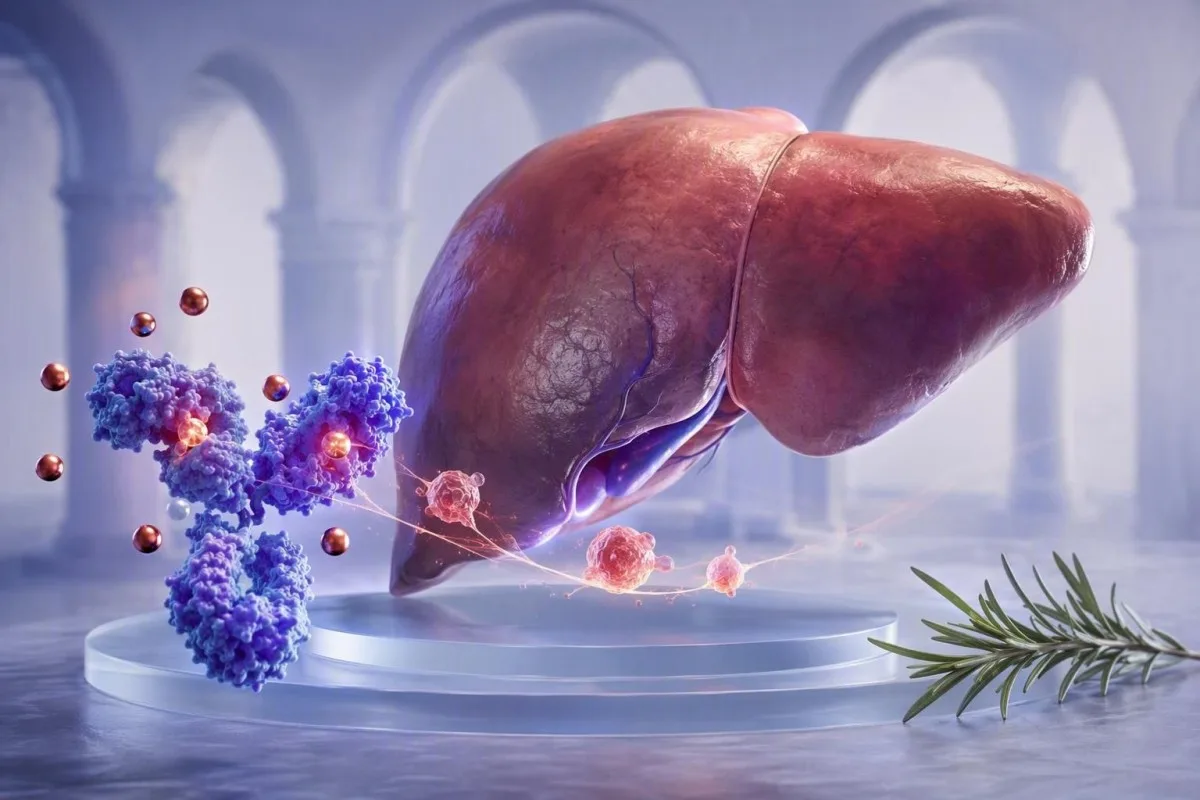
သွေးရည်ကြည်အတွင်းရှိ transferrin နည်းပါးခြင်းသည် သံဓာတ် နည်းပါးခြင်းထက် အသည်း၏ ရောင်ရမ်းမှု တုံ့ပြန်မှုကို ဖော်ပြခြင်း ဖြစ်နိုင်သည်။ သွေးရည်ကြည် သံဓာတ်၊ ဖerrorritin၊ CRP နှင့် transferrin တို့ကို အတူတကွ ဖတ်ရှုခြင်းဖြင့် အဖြစ်များသော အမှားများကို ရှောင်ရှားနိုင်သည်။.


- အပျက် သက်ဆိုင်ရာ ပရိုတင်း (Negative acute-phase protein): ခန္ဓာကိုယ်၏ သံဓာတ် သိမ်းဆည်းမှု အလုံအလောက် ရှိနေသည့်တိုင် transferrin သည် ကူးစက်မှု၊ ကိုယ်ခံအား ရောဂါ လှုပ်ရှားမှု၊ ခွဲစိတ်မှု နှင့် အခြား ရောင်ရမ်းမှု အခြေအနေများတွင် ကျဆင်းလေ့ ရှိသည်။.
- ပုံမှန် အရွယ်ရောက်သူ အပိုင်းအခြား— ဆေးခန်း အများစုသည် transferrin ကိုးကား အကွာအဝေးကို 200-360 mg/dL (2.0-3.6 g/L) ခန့်ကို အသုံးပြုကြသည်၊ သို့သော် ဒေသတွင်း စစ်ဆေးမှု အကွာအဝေးများက ပိုမို အရေးကြီးပါသည်။.
- TSAT တွက်ချက်မှု: Transferrin ပြည့်ဝမှုသည် serum iron ကို TIBC ဖြင့် စားပြီး ၁၀၀ ဖြင့် မြှောက်ခြင်း ဖြစ်သည်; နည်းပါးသော TIBC သည် ပြည့်ဝမှုကို မျှော်လင့်ထားသည်ထက် ပိုနည်းသည်ဟု ထင်ရစေနိုင်သည်။.
- ဖ Ferritin သည် ရောင်ရမ်းမှုနှင့် အတူ တက်လာသည်၊ ထို့ကြောင့် 30 ng/mL အောက်ရှိ ferritin သည် သံဓာတ်ချို့တဲ့မှုကို ခိုင်မာစွာ ထောက်ခံသည်၊ အခြားတစ်ဖက်တွင် CRP မြင့်မားနေချိန်တွင် 100 ng/mL တန်ဖိုးသည် ၎င်းကို ယုံကြည်စိတ်ချစွာ ဖယ်ထုတ်နိုင်ခြင်း မရှိပါ။.
- အသုံးဝင်သော တွဲဖက် စစ်ဆေးမှု: Soluble transferrin receptor သည် ferritin သို့မဟုတ် transferrin ထက် ရောင်ရမ်းမှုကြောင့် ပိုမို ထိခိုက်မှု နည်းပါးပြီး ရောနှောနေသော သွေးအားနည်းရောဂါကို ရှင်းလင်းစေရန် ကူညီနိုင်သည်။.
- ပြန်စစ်ချိန်- အရေးမကြီးသော ပုံမှန်မဟုတ်မှုများအတွက်၊ တိုတောင်းသော နေမကောင်းမှု ကင်းစင်ပြီးနောက် 2-4 ပတ်အကြာတွင် သံဓာတ်လေ့လာမှုများကို ထပ်ခါတလဲလဲ ပြုလုပ်ခြင်းသည် ပိုမို ကိုယ်စားပြုသော အခြေခံကို ပေးလေ့ ရှိသည်။.
- ကိုယ်တိုင် မကုသပါနှင့်- သံဓာတ်အားဖြည့်ဆေးများသည် သံဓာတ်ချို့တဲ့မှု အတည်ပြုပြီးသားဖြစ်ပါက အကျိုးရှိနိုင်သော်လည်း သံဓာတ်အလွန်အကျွံဖြစ်ခြင်း၊ အသည်းရောဂါ လတ်တလောဖြစ်ခြင်း သို့မဟုတ် ရောင်ရမ်းမှုကြောင့် အဓိကဖြစ်သော သွေးအားနည်းရောဂါများတွင် မသင့်လျော်နိုင်ပါ။.
ရောင်ရမ်းမှုအတွင်း transferrin စစ်ဆေးမှုသည် အဘယ်ကြောင့် ကျဆင်းရသနည်း။
Transferrin သည် အဆိုးရွားဆုံး အရေးပေါ် ပရိုတင်း (negative acute-phase protein) ဖြစ်သောကြောင့် ရောင်ရမ်းမှုသည် transferrin ကို လျော့နည်းစေသည်။. Cytokines များ၊ အထူးသဖြင့် interleukin-6 သည် အသည်းသို့ transferrin ထုတ်လုပ်မှုကို လျှော့ချရန် အချက်ပြပြီး hepcidin သည် သွေးရည်ကြည်အတွင်းသို့ သံဓာတ်ကို ထုတ်လွှတ်မှုကို ကန့်သတ်သည်။ ၎င်းသည် သံဓာတ်သိုလှောင်မှုများ ကုန်ဆုံးသွားကြောင်း မပြသဘဲ transferrin နှင့် သွေးရည်ကြည် သံဓာတ် နည်းပါးသွားစေနိုင်သည်။.
အချုပ်အားဖြင့်ဆိုရသော် ကိုယ်ခံအား တက်ကြွလာသောအခါ ခန္ဓာကိုယ်သည် သံဓာတ်ကို ယာယီမရနိုင်အောင် ပြုလုပ်သည်။ Hepcidin သည် enterocytes နှင့် macrophages များမှ သံဓာတ်ကို ထုတ်ယူမှုကို လျှော့ချပေးသောကြောင့် သွေးရည်ကြည် သံဓာတ်သည် ၂၄-၄၈ နာရီအတွင်း ကျဆင်းလေ့ရှိသည်။ အသည်းသည် transferrin ပေါင်းစပ်မှုကို တစ်ချိန်တည်းတွင် လျှော့ချနိုင်သည်။ ဤပုံစံသည် အစားအသောက်မှ သံဓာတ်ကို တိုက်ရိုက် တိုင်းတာခြင်း မဟုတ်ဘဲ ကိုယ်ခံအား ကာကွယ်ရေး တုံ့ပြန်မှု ဖြစ်သည်။.
ကျွန်ုပ်၏ ဆေးခန်းလုပ်ငန်းတွင်၊ ဘက်တီးရီးယား အဆုတ်ရောင်ပြီးနောက် CRP 68 mg/L ရှိသူတစ်ဦးသည် သွေးရည်ကြည် သံဓာတ် 22 µg/dL နှင့် transferrin 165 mg/dL ရှိနိုင်သော်လည်း ferritin 240 ng/mL ရှိနိုင်သည်။ ထိုသီးခြားပုံစံကို “သံဓာတ်အလွန်အကျွံ” ဟုခေါ်ဆိုခြင်း သို့မဟုတ် သံဓာတ်ချို့တဲ့မှုကို ယုံကြည်စွာ ပယ်ချခြင်းသည် မှားယွင်းမှုများ ဖြစ်လိမ့်မည်။. သံဓာတ်လေ့လာမှုများ လမ်းညွှန် အောက်ပါ တွက်ချက်မှုများကို ပိုမိုအသေးစိတ် ရှင်းပြသည်။.
ကန်တက်စတီသည် AI သွေးစမ်းသပ်မှုခွဲခြမ်းစိတ်ဖြာ CRP၊ ferritin၊ သွေးဖြူဥစုစုပေါင်း၏ အညွှန်းကိန်းများ၊ အသည်းအမှတ်အသားများ၊ နှင့် ယခင်ရလဒ်များနှင့်အတူ transferrin ကို တိုင်းတာခြင်းဖြစ်သည်၊ တစ်ခုတည်းသော တန်ဖိုးနည်းပါးမှုကို ရောဂါရှာဖွေခြင်းအဖြစ် သဘောမထားပါ။ ဒေါက်တာ Thomas Klein ၏ လက်တွေ့နည်းလမ်းသည် ရိုးရှင်းသည်- အဖျား၊ ရောဂါလက္ခဏာပြင်းထန်မှု သို့မဟုတ် ပြန်လည်ကောင်းမွန်လာချိန်တွင် ရရှိသော transferrin ရလဒ်ကို မည်သည့်ကုသမှု ဆုံးဖြတ်ချက်မချမီ "အခြေအနေနှင့် သက်ဆိုင်သည်" ဟု တံဆိပ်ကပ်သင့်သည်။.
အရေးပေါ် အခြေအနေ၏ လမ်းကြောင်းသည် အရေးကြီးသည်။
CRP၊ ferritin၊ fibrinogen နှင့် haptoglobin များသည် ပုံမှန်အားဖြင့် အပြုသဘောဆောင်သော အရေးပေါ် ပရိုတင်းများ (positive acute-phase proteins) အဖြစ် မြင့်တက်လာပြီး transferrin နှင့် albumin များ ကျဆင်းသွားနိုင်သည်။ CRP 10 mg/L ထက် မြင့်မားနေပါက ferritin တစ်ခုတည်း၏ တန်ဖိုးကို အဓိပ္ပာယ်ဖွင့်ဆိုရန် ပိုမိုခက်ခဲစေသည်၊ သို့သော် လူတိုင်း၏ ရလဒ်ကို ပြင်ဆင်နိုင်သော CRP အဆင့် အားလုံးကို လက်ခံနိုင်သည် မရှိပါ။.
ပုံမှန် transferrin နှင့် TIBC အကွာအဝေးကား အဘယ်နည်း။
အရွယ်ရောက်ပြီးသူ transferrin သည် ပုံမှန်အားဖြင့် 200-360 mg/dL ခန့် ရှိပြီး TIBC သည် ပုံမှန်အားဖြင့် 250-450 µg/dL ခန့် ရှိသည်။. ဤအတိုင်းအတာများသည် ဓာတ်ခွဲခန်းနည်းလမ်း၊ လိင်၊ ကိုယ်ဝန်ဆောင်အခြေအနေနှင့် ဒေသဆိုင်ရာ အစီရင်ခံမှုယူနစ်များဖြင့် ကွဲပြားသောကြောင့် သင့်ကိုယ်ပိုင်ရလဒ်ဘေးတွင် ဖော်ပြထားသည့် အတိုင်းအတာသည် အသုံးပြုရမည့် အတိုင်းအတာဖြစ်သည်။.
Transferrin ကို ပုံမှန်အားဖြင့် mg/dL သို့မဟုတ် g/L ဖြင့် တိုက်ရိုက်တိုင်းတာပြီး၊ သံဓာတ်ကို ပေါင်းစပ်နိုင်စွမ်း စုစုပေါင်း၊ သို့မဟုတ် TIBC, ရရှိနိုင်သော transferrin သည် မည်မျှ သံဓာတ်ကို ပေါင်းစပ်နိုင်သည်ကို ခန့်မှန်းသည်။ ဓာတ်ခွဲခန်းများစွာသည် transferrin ကို သီးခြားတိုင်းတာခြင်းထက် transferrin မှ TIBC ကို တွက်ချက်သည်။ အကြမ်းဖျင်းပြောင်းလဲမှုမှာ TIBC (µg/dL) သည် transferrin (mg/dL) ကို 1.25 ဖြင့် မြှောက်ခြင်းနှင့် ညီမျှသည်။ ထိုဆက်စပ်မှုသည် လမ်းညွှန်မှုအတွက် အသုံးဝင်ပြီး ဓာတ်ခွဲခန်း၏ ကိုယ်ပိုင်တွက်ချက်မှုကို ပယ်ဖျက်ရန်အတွက် မဟုတ်ပါ။.
Transferrin ပြည့်ဝမှု၊ အတိုကောက် TSAT, ကို serum iron ကို TIBC ဖြင့် မြှောက် 100 ဖြင့် ပိုင်းခြင်းဖြင့် တွက်ချက်သည်။ TSAT သည် 20-45% အနီးတွင် အရွယ်ရောက်ပြီးသူ ဓာတ်ခွဲခန်းများစွာတွင် ပုံမှန်ဖြစ်သည်။ 20% အောက်ရှိ တန်ဖိုးများသည် သွေးလည်ပတ်နေသော သံဓာတ်ကို ကန့်သတ်သည်ကို ဖော်ပြသော်လည်း absolute iron deficiency မှ ရောင်ရမ်းမှုကြောင့် သံဓာတ် ပိတ်ဆို့ခြင်းကို ၎င်းတို့က တစ်ခုတည်းဖြင့် ခွဲခြားနိုင်မည် မဟုတ်ပါ။. Transferrin saturation နည်းခြင်း က ဒီကွာခြားချက်ကို ဖုံးလွှမ်းထားပါတယ်။.
အချို့သော ဥရောပ ဓာတ်ခွဲခန်းများသည် transferrin ကို g/L ဖြင့် အစီရင်ခံသည်၊ 2.0-3.6 g/L သည် 200-360 mg/dL နှင့် ကျယ်ကျယ်ပြန့်ပြန့် ကိုက်ညီသည်။ ဗိုင်းရပ်စ်ပိုးကြောင့်ဖြစ်သော ဖျားနာပြီးနောက် အတိုင်းအတာအောက် အနည်းငယ်တွင် ရလဒ်တစ်ခု ရှိနေနိုင်ပြီး ထပ်ခါတလဲလဲ လုပ်သောအခါ ပုံမှန်သို့ ပြန်ရောက်သွားနိုင်သည်။ သို့ရာတွင် 150 mg/dL အောက် အဆက်မပြတ် တန်ဖိုးများသည် အသည်း ပေါင်းစပ်မှု ပြဿနာများ၊ ပရိုတင်းဆုံးရှုံးမှု၊ သိသာသော ရောင်ရမ်းမှု သို့မဟုတ် အာဟာရ မလုံလောက်မှုတို့ကို ရှာဖွေရန် ထိုက်တန်ပါသည်။.
သံဓာတ်လေ့လာမှုများကို ပုံစံအဖြစ် မည်သို့ အနက်ဖွင့်သင့်သနည်း။
သွေးရည်ကြည် အိုင်ရွန်၊ တရန်စဖရင် သို့မဟုတ် TIBC၊ TSAT၊ ဖျာရီတင်၊ နှင့် ရောင်ရမ်းမှု အမှတ်အသားများကို အတူတကွ အနက်ဖွင့်သောအခါ အိုင်ရွန်လေ့လာမှုများသည် အလုံခြုံဆုံးဖြစ်သည်။. သွေးရည်ကြည် အိုင်ရွန်သည် တစ်နေ့တာအတွင်း သိသိသာသာ ပြောင်းလဲပြီး တစ်ဦးတည်းတွင်ပင် နမူနာများကြားတွင် 30% ထက်ပို၍ ကျဆင်းနိုင်သည်။.
သမားရိုးကျ ရှုပ်ထွေးမှုမရှိသော အိုင်ရွန် ချို့တဲ့မှုသည် ပုံမှန်အားဖြင့် သွေးရည်ကြည် အိုင်ရွန် နည်းပါးခြင်း၊ တရန်စဖရင် သို့မဟုတ် TIBC များခြင်း၊ TSAT 15% ထက် နည်းပါးခြင်း၊ နှင့် ဖျာရီတင် 30 ng/mL ထက် နည်းပါးခြင်းတို့ကို ဖြစ်စေသည်။ အသည်းသည် အိုင်ရွန်ရရှိနိုင်မှု နည်းပါးသောအခါ တရန်စဖရင် ထုတ်လုပ်မှုကို တိုးမြှင့်သောကြောင့် TIBC များပြားရသည်။ ဟေမိုဂလိုဘင် ကျဆင်းလာခြင်းမတိုင်မီ အနီဆဲလ် ဖြန့်ကျက်မှုအကျယ်နှုန်း မြင့်တက်လာနိုင်သည်။ အိုင်ရွန် ကုထုံးပြီးနောက် RDW ပြောင်းလဲမှုများ အချိန်ကာလအတွက်။.
ရောင်ရမ်းမှုကြောင့် သွေးအားနည်းခြင်းသည် သွေးရည်ကြည် အိုင်ရွန် နည်းပါးခြင်း၊ တရန်စဖရင် နည်းပါးခြင်း သို့မဟုတ် ပုံမှန်၊ TSAT နည်းပါးခြင်း၊ နှင့် ဖျာရီတင် ပုံမှန် သို့မဟုတ် မြင့်မားခြင်းတို့ကို ပိုမိုဖြစ်စေသည်။ Weiss နှင့် Goodnough တို့က ၎င်းအား အိုင်ရွန် ချို့တဲ့မှု ရှိ၊မရှိ အမြဲတမ်း မဟုတ်ဘဲ အိုင်ရွန် ရရှိနိုင်မှု ချို့ယွင်းမှုကြောင့် ဖြစ်ရသော သွေးနီဥ ထုတ်လုပ်မှု အိုင်ရွန် ကန့်သတ်ထားခြင်းဟု ဖော်ပြခဲ့သည်။ (Weiss & Goodnough, 2005)။ ဤအခြေအနေနှစ်ခုသည် မကြာခဏ ပူးတွဲ ဖြစ်ပွားလေ့ရှိပြီး၊ အထူးသဖြင့် ရောင်ရမ်းနေသော အူသိမ်ရောဂါ၊ အဆစ်အမြစ်ရောင်ခြင်း၊ နာတာရှည် ကျောက်ကပ်ရောဂါနှင့် ကင်ဆာတို့တွင် ဖြစ်ပွားလေ့ရှိသည်။.
တစ်နည်းသော လှည့်စားမှုမှာ ဂ၃ဏ္ဍဏ္ဍဏ္ဍဏ္ဍဖြစ်သည်- သွေးရည်ကြည် အိုင်ရွန်သည် 30 µg/dL ဖြစ်ပြီး TIBC သည် 180 µg/dL သို့ ကျဆင်းသွားပါက TSAT သည် 17% ဖြစ်သည်။ TIBC သည် 360 µg/dL ဖြစ်ပါက၊ တူညီသော သွေးရည်ကြည် အိုင်ရွန်သည် 8% ကို ထုတ်ပေးမည်ဖြစ်သည်။ အောက်ခြေကိန်းသည် လည်ပတ်နေသော အိုင်ရွန် မည်မျှ နည်းသည်ကို ဖုံးကွယ်နိုင်သည်။ ထို့ကြောင့် သွေးရည်သံ နိမ့်ခြင်း အလောတော သတ်မှတ်ပေးခြင်းထက် အခြေအနေကို သိရှိရန် လိုအပ်သည်။.
လက်တွေ့ကျသော ပေါင်းစပ်ပုံစံ အရိပ်အမြွက်
ဖျာရီတင် 30 နှင့် 100 ng/mL အကြား TSAT 15% ထက် နည်းပါးပြီး CRP 10 mg/L ထက် ပိုများနေပါက မကြာခဏဆိုသလို မရေရာသော အခြေအနေဖြစ်ပြီး စိတ်ချ reassurance မဟုတ်ပါ။ ထိုအခြေအနေတွင်၊ ဆရာဝန်များသည် soluble transferrin receptor၊ reticulocyte hemoglobin content၊ အတိတ်အခြေအနေများ သို့မဟုတ် အရင်းခံရောဂါကို လိုက်လျောညီထွေဖြစ်စေသော ကုသရေး အစီအစဉ်ကို အသုံးပြုနိုင်သည်။.
သံဓာတ်နည်းနေချိန်တွင် ferritin သည် အဘယ်ကြောင့် ပုံမှန်အတိုင်း ထင်ရသနည်း။
ဖျာရီတင်သည် အိုင်ရွန်သိုလှောင်ထားသော ပရိုတင်းဖြစ်ပြီး တက်ကြွသော အဆင့်-၁ ပြောင်းလဲမှုဖြစ်သောကြောင့် ရောင်ရမ်းခြင်းသည် သိုလှောင်ထားသော အိုင်ရွန်နှင့် မသက်ဆိုင်ဘဲ ၎င်းကို မြှင့်တင်နိုင်သည်။. ဖျာရီတင် 30 ng/mL ထက် နည်းပါးခြင်းသည် လူကြီးအများစုတွင် အိုင်ရွန် ချို့တဲ့မှုကို ခိုင်မာစွာ ထောက်ခံသော်လည်း၊ CRP သို့မဟုတ် ESR မြင့်မားနေပါက မြင့်မားသော တန်ဖိုးသည် ချို့တဲ့မှုကို စိတ်ချလက်ချ မဖယ်ရှားနိုင်ပါ။.
ကမ္ဘာ့ကျန်းမာရေးအဖွဲ့၏ 2020 ဖျာရီတင် လမ်းညွှန်ချက်သည် ကူးစက်မှု သို့မဟုတ် ရောင်ရမ်းမှု ပျံ့နှံ့နေသောနေရာများတွင် ဖျာရီတင်နှင့်အတူ ရောင်ရမ်းမှု အမှတ်အသားများကို တိုင်းတာရန် အကြံပြုထားသည်။ ရောင်ရမ်းနေသော လူကြီးများတွင် WHO က ဖျာရီတင် 70 µg/L ထက် နည်းပါးပါက အိုင်ရွန် ချို့တဲ့မှုကို ဖော်ပြနိုင်သည်ဟု အကြံပြုထားသည်။ ၎င်းသည် လူဦးရေကို အခြေခံသော အဆင့်ဖြစ်ပြီး သီးခြား ဆေးဘက်ဆိုင်ရာ အကဲဖြတ်မှုအတွက် အစားထိုးမဟုတ်ပါ။ (WHO, 2020).
ရောင်ရမ်းမှု ပြင်းထန်ပြီးနောက် ဖျာရီတင် 180 ng/mL ကို မြင်တွေ့ရသော လူနာများသည် ၎င်းတို့၏ အိုင်ရွန် သိုလှောင်မှုများ ကြွယ်ဝနေမည်ဟု ယူဆကြသည်။ တစ်ခါတစ်ရံတွင် သူတို့သည် ကြွယ်ဝကြသည်။ သို့သော်လည်း ဖျာရီတင်သည် ပြင်းထန်သော လေ့ကျင့်ခန်း၊ အသည်းဆဲလ် ထိခိုက်မှု၊ ဇီဝကမ္မဆိုင်ရာ ရောဂါ၊ အရက်ထိတွေ့မှု၊ နှင့် ကိုယ်ခံအား လှုပ်ရှားမှုများအပြီးတွင် မြင့်တက်လာနိုင်သည်၊ ထို့ကြောင့် ထိုနံပါတ်သည် အရန်စာရင်း မဟုတ်ပါ။. ဖျာရီတင် နှင့် CRP သည် အထောက်အကူဖြစ်သော အဖော်ဆွေးနွေးမှု ဖြစ်သည်။.
ကန်တက်စတီသည် AI သွေးစစ်ဆေးမှု ရလဒ် ပလက်ဖောင်း သည် တရန်စဖရင် နည်းပါးခြင်း၊ TSAT နည်းပါးခြင်း၊ နှင့် CRP မြင့်မားခြင်းတို့၏ မကိုက်ညီသော ပေါင်းစပ်မှုကို ရောင်ရမ်းမှု-ဆက်စပ် အိုင်ရွန် ကန့်သတ်မှုအဖြစ် ဖော်ပြသည်။ ကျွန်ုပ်တို့၏ 1% အသုံးပြုသူ ဒေတာအစုံသည် ရောဂါရှာဖွေရေး သုတေသနအတွက် အစားထိုးမဟုတ်သော်လည်း၊ ဆရာဝန်၏ ရှေးဟောင်း သင်ခန်းစာကို ထပ်ခါထပ်ခါ အတည်ပြုပေးသည်- လူနာသည် တက်ကြွစွာ မကျန်းမာသောအခါ ဖျာရီတင်သည် ကွဲပြားစွာ ပြုမူသည်။.
ကွဲပြားသော ဆွေးနွေးမှု လိုအပ်သော ဖျာရီတင် တန်ဖိုးများ
ဖျာရီတင် 1,000 ng/mL ထက် ပိုများပါက အချိန်မီ ဆေးဘက်ဆိုင်ရာ ပြန်လည်စစ်ဆေးရန် လိုအပ်ပြီး ပြင်းထန်သော ရောင်ရမ်းခြင်း၊ သိသာသော အသည်း ထိခိုက်မှု၊ အိုင်ရွန် ပိုလျှံနေသော ရောဂါစုများ၊ နှင့် အခြားအခြေအနေများစွာတို့သည် ထိုအကွာအဝေးကို ဖြစ်ပေါ်စေနိုင်သည်။ အရေးတကြီးအခြေအနေသည် လက္ခဏာများ၊ အသည်း အင်ဇိုင်းများ၊ တရန်စဖရင် ပြည့်ဝမှု၊ နှင့် ဖျာရီတင် နံပါတ်တစ်ခုတည်းထက် ပြောင်းလဲမှု၏ အမြန်နှုန်းပေါ်တွင် မူတည်သည်။.
ရောင်ရမ်းမှုအတွင်း သံဓာတ်ချို့တဲ့မှုကို မည်သည့် စစ်ဆေးမှုများက ရှင်းလင်းစေသနည်း။
ပျော်ဝင်နိုင်သော transferrin receptor နှင့် reticulocyte hemoglobin ပါဝင်မှုတို့သည် ferritin နှင့် transferrin တို့ မတူညီသည့်အခါ သံဓာတ် ကန့်သတ်ထားသော သွေးနီဥ ထုတ်လုပ်မှုကို ခွဲခြားရန် ကူညီနိုင်သည်။. ပျော်ဝင်နိုင်သော transferrin receptor သည် ဆဲလ်များ၏ သံဓာတ်လိုအပ်ချက်နှင့်အတူ ယေဘုယျအားဖြင့် မြင့်တက်လာပြီး အဆမတန် ရောင်ရမ်းမှုကြောင့် ferritin ထက် ပိုမိုကျုံ့သွားသည်။.
ပျော်ဝင်နိုင်သော transferrin receptor၊ သို့မဟုတ် sTfR, ၊ erythroid precursors မှ transferrin receptor ထုတ်လွှတ်မှုကို ထင်ဟပ်စေသည်။ ၎င်းသည် ပုံမှန်အားဖြင့် absolute iron deficiency တွင် မြင့်တက်လာပြီး ပုံမှန်အားဖြင့် pure anemia of inflammation တွင် ပုံမှန်ဖြစ်သည်၊ သို့သော်၊ assay reference intervals များသည် စံနှုန်းမသတ်မှတ်ထားခြင်းနှင့် hemolysis သို့မဟုတ် မြင့်မားသော erythropoietic activity ကြောင့် ၎င်းကို မြင့်တက်စေနိုင်သည်။ ၎င်းသည် အတိအကျဓာတ်ခွဲခန်းနည်းလမ်းသည် အွန်လိုင်း cutoffs ထက် ပိုအရေးကြီးသည့် နယ်ပယ်များထဲမှ တစ်ခုဖြစ်သည်။.
Reticulocyte hemoglobin ပါဝင်မှုသည် CHr သို့မဟုတ် Ret-He အဖြစ် analyzers ပေါ်မူတည်၍ အစီရင်ခံရပြီး၊ ပြီးခဲ့သည့် 2-4 ရက်အတွင်း အသစ်ထုတ်လုပ်ထားသော သွေးနီဥများအတွက် ရရှိနိုင်သော သံဓာတ်ကို ထင်ဟပ်စေသည်။ 28-30 pg ခန့်အောက်ရှိ တန်ဖိုးများသည် သံဓာတ်ကန့်သတ်ထားသော erythropoiesis ကို ပံ့ပိုးပေးနိုင်သည်၊ ဒေသဆိုင်ရာ ကန့်သတ်ချက်များနှင့် ကျောက်ကပ်ရောဂါ protocol များ ကွဲပြားသော်လည်း။. ပျော်ဝင်နိုင်သော transferrin receptor စမ်းသပ်ခြင်း ၎င်းသည် မည်သည့်နေရာတွင်ရှိသည်ကို ရှင်းပြသည်။.
အရိုးတွင်းခြင်ဆီ သံဓာတ်စွန်းထင်းခြင်းသည် သမိုင်းအရ ကိုးကားစရာနည်းလမ်းအဖြစ် ကျန်ရှိနေသော်လည်း ပုံမှန်ပြင်ပလူနာ သံဓာတ် panel ကို ဖြေရှင်းရန်အတွက် တစ်ခုတည်းဖြင့် မကြာခဏ မလိုအပ်ပါ။ Thomas Klein က သက်သာလာပြီးနောက် နမူနာများကို ပြန်လည်စစ်ဆေးခြင်း၊ သွေးထွက်ခြင်းနှင့် အစားအသောက်သမိုင်းကို ပြန်လည်သုံးသပ်ခြင်း၊ နှင့် အဖြေသည် ကုသမှုကို အမှန်တကယ် ပြောင်းလဲစေမည့်အခါ sTfR သို့မဟုတ် reticulocyte တိုင်းတာမှုများကို အသုံးပြုခြင်းကို ယေဘုယျအားဖြင့် နှစ်သက်သည်။ ဆုံးဖြတ်ချက်မပါဘဲ အပိုစမ်းသပ်မှုများသည် ဆူညံသံကို ဖန်တီးလေ့ရှိသည်။.
sTfR-ferritin index
အချို့သော အထူးကုဆရာဝန်များသည် sTfR/log ferritin index ကို တွက်ချက်ကြပြီး၊ ၎င်းသည် ရောင်ရမ်းမှု ဆက်တင်များတွင် ခွဲခြားမှုကို မြှင့်တင်ပေးနိုင်သည်။ Cutoffs များသည် assay အလိုက် သိသိသာသာ ကွဲပြားသည်၊ မကြာခဏ 1.0 မှ 3.2 ခန့်အထိ၊ ထို့ကြောင့် ရလဒ်ကို အင်တာနက်မှ ငှားရမ်းထားသော ကန့်သတ်ချက်ထက် ဓာတ်ခွဲခန်း၏ အတည်ပြုထားသောနည်းလမ်းဖြင့် အနက်ပြန်ဆိုသင့်သည်။.
transferrin စစ်ဆေးမှုကို မည်သည့်အခါတွင် ထပ်ခါထပ်ခါ ပြုလုပ်သင့်သနည်း။
မကြာမီက ဖြစ်ပွားခဲ့သော ကူးစက်ခြင်း၊ အဖျားရောဂါ၊ သို့မဟုတ် ပြင်းထန်သော ရောင်ရမ်းမှု ဖြစ်ရပ်တစ်ခု မှန်မှန်ကန်ကန် ဖြစ်ပေါ်ပြီးနောက်၊ ပုံမှန်အားဖြင့် အရေးပေါ်မဟုတ်ပါက 2-4 ပတ်အကြာတွင် transferrin စမ်းသပ်မှုကို ပြန်လည်စစ်ဆေးရန် အကောင်းဆုံးဖြစ်သည်။. မနက်ခင်း စုဆောင်းခြင်းနှင့် စမ်းသပ်မှု မပြုလုပ်မီ ပုံမှန်အခြေအနေများသည် serum iron နှင့် TSAT တွင် ရှောင်လွှဲနိုင်သော ကွဲပြားမှုကို လျှော့ချပေးသည်။.
Serum iron သည် diurnal variation ရှိပြီး နေ့ခင်းဘက် နှောင်းပိုင်းတွင် နည်းပါးနိုင်ပြီး၊ မကြာသေးမီက ပါးစပ်မှ သံဓာတ်သည် ၎င်းကို ခေတ္တ မြှင့်တင်ပေးနိုင်သည်။ သန့်ရှင်းသော နှိုင်းယှဉ်မှု လိုအပ်သောအခါ ဆရာဝန် အများအပြားသည် ညအိပ် 8-12 နာရီခန့် အစာရှောင်ပြီးနောက် မနက်ခင်း နမူနာကို တောင်းဆိုကြသည်၊ သို့သော် အစာရှောင်ခြင်းသည် အ铁ဓာတ်လေ့လာမှုတိုင်းအတွက် မဖြစ်မနေ မဟုတ်ပါ။ ဆရာဝန်၏ ညွှန်ကြားချက်များကို လိုက်နာပြီး ကိုယ်တိုင် သတ်မှတ်ထားသော ဆေးများကို မရပ်ပါ။.
မာရသွန်ပြိုင်ပွဲ၊ သွားဘက်ဆိုင်ရာ လုပ်ထုံးလုပ်နည်း၊ ကာကွယ်ဆေး သို့မဟုတ် ပြင်းထန်သော အသက်ရှူလမ်းကြောင်းဆိုင်ရာ ရောဂါပြီးနောက် 48 နာရီအတွင်း ယူထားသော transferrin ရလဒ်သည် နဂိုရှိရင်းစွဲ သံဓာတ်ပုံစံထက် အဆမတန် တုံ့ပြန်မှုကို ထင်ဟပ်စေနိုင်သည်။ လေ့ကျင့်ခန်းသည် CK၊ ပလာစမာ ပမာဏနှင့် ferritin ကိုလည်း ပြောင်းလဲစေနိုင်သည်၊ အားကစားသမားများသည် ကျွန်ုပ်တို့၏ ပြေးသမား သံ စမ်းသပ်မှု လမ်းညွှန် ကို အသုံးဝင်တွေ့နိုင်ပါတယ်။.
Kantesti ၏ trend analysis သည် အထူးသဖြင့် ကိုးကားချက် အလံများကို မဟုတ်ဘဲ ရက်စွဲများကို နှိုင်းယှဉ်သည်၊ နှင့် CRP သည် 1 မှ 52 mg/L သို့ မြင့်တက်လာခြင်းနှင့် ကိုက်ညီသော 310 mg/dL မှ 180 mg/dL သို့ ကျဆင်းမှုကို မီးမောင်းထိုးပြနိုင်သည်။ ၎င်းသည် သီးခြားရလဒ်ထက် ဆေးပညာအရ ပိုအချက်အလက်ဖြစ်သည်။ ပြန်လည်သုံးသပ်ပါ။ TIBC စစ်ဆေးမှု ပြင်ဆင်မှု အစီအစဉ်တကျ ပြန်လည်ပြုလုပ်ရန် မစီစဉ်မီ။.
ပြန်လည်ပြုလုပ်ရန် အဘယ်အခါ စောင့်ဆိုင်းရန် မလိုပါ။
ပြင်းထန်သော အသက်ရှူမဝခြင်း၊ ရင်ဘတ်အောင့်ခြင်း၊ သတိလစ်ခြင်း၊ မည်းသောမစင်၊ အလွန်အမင်း သွေးထွက်ခြင်း၊ အသားဝါခြင်း၊ သို့မဟုတ် လျင်မြန်စွာ အားနည်းလာခြင်း ဖြစ်ပေါ်ပါက ပြန်လည်ပြုလုပ်ရန် ဆေးဘက်ဆိုင်ရာ ပြန်လည်သုံးသပ်မှုကို မနှောင့်နှေးပါနှင့်။ ဟေမိုဂလိုဘင် 80 g/L (8 g/dL) ထက် နည်းပါက မကြာခဏ ဆေးပညာအရ အရေးကြီးသည်၊ သို့သော် အရေးတကြီးသည် လက္ခဏာများ၊ ကျဆင်းမှုနှုန်း၊ ကိုယ်ဝန်ရှိမှု အခြေအနေနှင့် နှလုံးသွေးကြောဆိုင်ရာ ရောဂါပေါ် မူတည်သည်။.
CRP၊ ESR နှင့် hepcidin တို့သည် နည်းပါးသော transferrin ကို မည်သို့ ရှင်းပြသနည်း။
CRP နှင့် ESR သည် သံဓာတ်ကို မတိုင်းတာပါ၊ သို့သော် ၎င်းတို့သည် ရောင်ရမ်းမှုသည် transferrin စမ်းသပ်မှုကို ပုံပျက်စေနိုင်မလားကို ပြသသည်။. CRP သည် နာရီများမှ ရက်များအထိ မြင့်တက်လာပြီး ကျဆင်းလာသည်၊ အခြားတစ်ဖက်တွင် ESR သည် fibrinogen၊ anemia၊ အသက်နှင့် immunoglobulins ကြောင့် လွှမ်းမိုးမှုရှိသောကြောင့် ရက်သတ္တပတ်များအထိ မြင့်မားနေနိုင်သည် ။.
Interleukin-6 သည် အသည်းတွင် hepcidin ထုတ်လုပ်မှုကို လှုံ့ဆော်ပေးပြီး hepcidin သည် ferroportin နှင့် ချိတ်ဆက်သဖြင့် macrophage များနှင့် အူလမ်းကြောင်းဆဲလ်များမှ သံဓာတ်ထုတ်လွှတ်မှု လျော့နည်းစေသည်။ Ganz နှင့် Nemeth တို့၏ သုံးသပ်ချက်တွင် ဤလမ်းကြောင်းကို ရောင်ရမ်းမှုကြောင့်ဖြစ်သော သွေးအားနည်းရောဂါနှင့် သံဓာတ်ကန့်သတ်ခံရသော သွေးနီဆဲလ်ဖွဲ့စည်းမှုတို့၏ အဓိကအကြောင်းရင်းအဖြစ် ဖော်ပြထားသည် (Ganz & Nemeth, 2012)။ ထို့ကြောင့် တစ်ရက်အတွင်း သွေးရည်ကြည်သံဓာတ် နည်းလာနိုင်ပြီး၊ transferrin သည်လည်း တူညီသော စနစ်တစ်လျှောက် တုံ့ပြန်မှု၏ အစိတ်အပိုင်းအဖြစ် လျော့ကျလာနိုင်သည်။.
CRP 5 mg/L အောက်ကို ရည်ညွှန်းအကန့်အသတ်အတွင်းဟု မကြာခဏ သတ်မှတ်ကြသော်လည်း ဓာတ်ခွဲခန်းအလိုက် ကွာခြားနိုင်သည်။ CRP 40 mg/L ဖြစ်ခြင်းသည် ရောင်ရမ်းမှု၏ အကြောင်းရင်းကို မဖော်ထုတ်နိုင်သော်လည်း ferritin သို့မဟုတ် transferrin တစ်မျိုးတည်းအပေါ် အခြေခံ၍ သံဓာတ်ချို့တဲ့မှုဟု သတ်မှတ်ရာတွင် ဆရာဝန်အနေဖြင့် ပိုမိုသတိထားစေသင့်သည်။. ESR မြင့်ရသည့်အကြောင်းရင်းများ ESR သည် အဘယ်ကြောင့် ပိုနှေးကွေးပြီး ပိုမိုတိကျမှုနည်းသည်ကို ရှင်းပြပေးသည်။.
Kantesti AI သည် CRP၊ ferritin၊ albumin၊ သွေးဖြူဥအရေအတွက်နှင့် မကြာသေးမီက ပြောင်းလဲမှုလမ်းကြောင်းများ၏ အတက်အကျကို နှိုင်းယှဉ်၍ transferrin ရလဒ်များကို အဓိပ္ပာယ်ဖော်သည်။ ၎င်းသည် ကူးစက်ရောဂါ သို့မဟုတ် ကိုယ်ခံအားစနစ်ဆိုင်ရာ ရောဂါများကို ရောဂါရှာဖွေပေးသည့် စနစ်မဟုတ်ပါ။ သံဓာတ်စစ်ဆေးမှုကို ကိုယ်ခန္ဓာဗေဒအရ မတည်ငြိမ်သောအချိန်တွင် ပြုလုပ်ခဲ့ခြင်းရှိမရှိ မေးမြန်းရန် စနစ်တကျ လမ်းညွှန်ပေးသည့် အချက်ပြစာရင်းသာ ဖြစ်သည်။.
hepcidin ကို ပုံမှန်မတိုင်းတာရသည့် အကြောင်းရင်း
ပုံမှန်လက်တွေ့အသုံးပြုမှုတွင် hepcidin စစ်ဆေးမှုများသည် ရရှိနိုင်မှု၊ စံသတ်မှတ်မှုနှင့် ရလဒ်ရရှိချိန်တို့ကြောင့် အကန့်အသတ်ရှိနေဆဲဖြစ်သည်။ အထူးကုသုတေသန သို့မဟုတ် ပုံမှန်မဟုတ်သော သွေးအားနည်းရောဂါအခြေအနေများတွင် hepcidin တန်ဖိုးသည် အသုံးဝင်နိုင်သော်လည်း သွေးရည်ကြည် ferritin၊ TSAT၊ CRP၊ ကျောက်ကပ်လုပ်ဆောင်ချက်နှင့် သွေးဆဲလ်အရေအတွက်ဆိုင်ရာ အညွှန်းကိန်းများသည် လက်တွေ့တွင် ပထမဦးစားပေး အသုံးပြုသည့် ကိရိယာများဖြစ်နေဆဲဖြစ်သည်။.
ရောင်ရမ်းမှုကြောင့် ဖြစ်သော သွေးအားနည်းရောဂါသည် သံဓာတ်ချို့တဲ့မှုနှင့် မည်သို့ ကွဲပြားသနည်း။
အကြွင်းမဲ့ သံဓာတ်ချို့တဲ့မှုဆိုသည်မှာ ကိုယ်ခန္ဓာတစ်ခုလုံးရှိ သံဓာတ်ပမာဏ မလုံလောက်ခြင်းကို ဆိုလိုပြီး၊ ရောင်ရမ်းမှုကြောင့်ဖြစ်သော သွေးအားနည်းရောဂါဆိုသည်မှာ သံဓာတ်ရှိနေသော်လည်း သွေးနီဆဲလ်ဖွဲ့စည်းရန် ရရှိနိုင်မှု နည်းပါးခြင်းကို ဆိုလိုသည်။. နှစ်မျိုးစလုံးသည် ပင်ပန်းနွမ်းနယ်မှု၊ TSAT နည်းပါးမှုနှင့် ဟီမိုဂလိုဘင် ကျဆင်းလာမှုတို့ကို ဖြစ်စေနိုင်ပြီး မကြာခဏ တစ်ပြိုင်နက် ဖြစ်ပေါ်တတ်သည်။.
ရှုပ်ထွေးမှုမရှိသော သံဓာတ်ချို့တဲ့မှုတွင် ferritin သည် ပုံမှန်အားဖြင့် နည်းပြီး သံဓာတ်ချိတ်ဆက်နိုင်စွမ်း တိုးလာသောကြောင့် transferrin သည် 360 mg/dL ထက် မကြာခဏ မြင့်တက်လာသည်။ ရောင်ရမ်းမှုကြောင့်ဖြစ်သော သွေးအားနည်းရောဂါတွင် transferrin သည် 200 mg/dL အောက်သို့ မကြာခဏ ကျဆင်းပြီး ferritin သည် 100 ng/mL အထက် ဖြစ်လေ့ရှိကာ CRP လည်း မြင့်တက်နိုင်သည်။ မည်သည့်ပုံစံမဆို အပြည့်အဝ သတ်မှတ်ချက်မဟုတ်ပါ။ နာတာရှည်ကျောက်ကပ်ရောဂါနှင့် အသည်းရောဂါများတွင် ပုံစံနှစ်မျိုး ထပ်တူဖြစ်နိုင်ခြေ အထူးမြင့်မားသည်။.
ဟီမိုဂလိုဘင်နှင့် MCV သည် သံဓာတ်ရရှိမှု ကန့်သတ်ခြင်းနောက်ကျမှ ပြောင်းလဲနိုင်သည်။ အထူးသဖြင့် သံဓာတ်ချို့တဲ့မှု အစောပိုင်းတွင် ferritin 18 ng/mL၊ TSAT 14% ရှိသော်လည်း ဟီမိုဂလိုဘင် 132 g/L ဖြင့် ပုံမှန်ဖြစ်နေနိုင်သည်။ အခြားတစ်ဖက်တွင် ရောင်ရမ်းမှုသည် MCV 82–100 fL ဖြင့် ပုံမှန်ရှိနေသော်လည်း သွေးအားနည်းရောဂါ ဖြစ်စေနိုင်သည်။. ဟီမိုဂလိုဘင်က ဘာကိုဆိုလိုသနည်း CBC ကို သံဓာတ်စစ်ဆေးမှုများနှင့် တွဲဖက်နားလည်နိုင်ရန် ကူညီပေးသည်။.
transferrin နည်းခြင်းနှင့် albumin နည်းခြင်းကို တွဲဖက်တွေ့ရှိရသောအခါ ပိုမိုပြင်းထန်သော ရောင်ရမ်းမှု၊ အသည်းတွင် ပရိုတင်းဖွဲ့စည်းမှု ချို့ယွင်းခြင်း သို့မဟုတ် ပရိုတင်းဆုံးရှုံးမှုတို့အနက် တစ်ခုခုကို ညွှန်ပြနိုင်သောကြောင့် စိုးရိမ်ရခြင်းဖြစ်သည်။ အအေးမိပြီးနောက် transferrin တစ်မျိုးတည်း နည်းခြင်းမှာမူ ယာယီဖြစ်လေ့ရှိသည်။ ဆရာဝန်သည် ကျောက်ကပ်လုပ်ဆောင်ချက်၊ ဆီးထဲရှိ ပရိုတင်း၊ အသည်းစစ်ဆေးချက်များ၊ အာဟာရအခြေအနေ၊ ဆေးဝါးများ၊ သွေးထွက်မှုမှတ်တမ်းနှင့် အနည်းဆုံး နှစ်ကြိမ် စစ်ဆေးထားသည့် ရလဒ်များ၏ ပြောင်းလဲမှုလမ်းကြောင်းကို ပြန်လည်သုံးသပ်သင့်သည်။.
ကုသမှုများသည် အပြန်အလှန် အစားထိုး၍ မရပါ။
သောက်သုံးရသော သံဓာတ်ဆေးသည် အကြွင်းမဲ့ သံဓာတ်ချို့တဲ့မှုကို မကြာခဏ ကောင်းမွန်စေသော်လည်း ရောင်ရမ်းမှုကြောင့် hepcidin မြင့်နေသည့်အချိန်တွင် ထိရောက်မှု အကန့်အသတ်ရှိနိုင်သည်။ နာတာရှည်ကျောက်ကပ်ရောဂါ သို့မဟုတ် လက်ရှိဖြစ်ပွားနေသော အူရောင်ရမ်းရောဂါကဲ့သို့ ရွေးချယ်ထားသော အခြေအနေများတွင် ဆရာဝန်များသည် သွေးကြောမှတစ်ဆင့် သံဓာတ်ပေးခြင်း သို့မဟုတ် ရောင်ရမ်းမှုဖြစ်စေသော အကြောင်းရင်းကို ဦးစွာကုသခြင်းကို အသုံးပြုနိုင်သည်။ နည်းလမ်းရွေးချယ်မှုသည် ရောဂါရှာဖွေချက်၊ လက္ခဏာများ၊ ဟီမိုဂလိုဘင်နှင့် ဘေးကင်းရေးဆိုင်ရာ အချက်များပေါ် မူတည်သည်။.
နည်းပါးသော transferrin သည် transferrin ပြည့်ဝမှုကို မည်သို့ အရှုပ်ထွေးဖြစ်စေနိုင်သနည်း။
transferrin နည်းပါးခြင်းသည် TIBC ကို ပိုင်းခြေတွင် အသုံးပြုသောကြောင့် transferrin saturation သည် အမှန်တကယ်ထက် နည်းပါးမှု လျော့နည်းသကဲ့သို့ ထင်ရစေနိုင်သည်။. ရောင်ရမ်းမှု သို့မဟုတ် အသည်းလုပ်ဆောင်ချက် ချို့ယွင်းမှုကြောင့် TIBC လျော့ကျနေသောအခါ TSAT ပုံမှန်ဖြစ်ခြင်း သို့မဟုတ် အနည်းငယ်နည်းခြင်းသည် သံဓာတ်ပေးပို့မှု လုံလောက်သည်ဟု အမြဲမဆိုလိုပါ။.
သွေးရည်ကြည်သံဓာတ် 36 µg/dL ရှိသည်ဟု ယူဆပါ။ TIBC 360 µg/dL ဖြစ်လျှင် TSAT သည် 10% ဖြစ်ပြီး၊ TIBC 180 µg/dL ဖြစ်လျှင် TSAT သည် 20% ဖြစ်သည်။ ဒုတိယရလဒ်သည် သင်္ချာအရ စိုးရိမ်စရာနည်းသကဲ့သို့ ထင်ရသော်လည်း နမူနာနှစ်ခုစလုံးတွင် သွေးလည်ပတ်မှုအတွင်းရှိ သံဓာတ်ပမာဏ နည်းပါးမှုတူညီသည်။ ထို့ကြောင့် ဆရာဝန်များသည် ရာခိုင်နှုန်းတစ်ခုတည်းကိုသာ မကြည့်ဘဲ မူလတန်ဖိုးများကို စစ်ဆေးသင့်သည်။.
အဆင့်မြင့် အသည်းထိခိုက်မှု သို့မဟုတ် အသည်းဆဲလ်များ၏ ရုတ်တရက် ထိခိုက်ပျက်စီးမှုတွင် ဆန့်ကျင်ဘက်အခက်အခဲ ဖြစ်ပေါ်နိုင်သည်။ transferrin ထုတ်လုပ်မှု ကျဆင်းပြီး သံဓာတ်ကို ကိုင်တွယ်အသုံးပြုပုံ ပြောင်းလဲခြင်းကြောင့် သွေးရည်ကြည်သံဓာတ် မြင့်တက်နိုင်ကာ TSAT မြင့်မားလာနိုင်သည်။ သင့်လျော်သော အခြေအနေတွင် TSAT 45% ထက် ဆက်လက်မြင့်နေပါက သံဓာတ်အလွန်အကျွံ စုဆောင်းမှုရှိမရှိ စစ်ဆေးသင့်သော်လည်း အသည်းရောဂါ ရုတ်တရက်ဖြစ်ပွားနေချိန်တွင် မျိုးရိုးလိုက် hemochromatosis ရောဂါရှာဖွေရန် ၎င်းကို အသုံးမပြုသင့်ပါ။ ကျွန်ုပ်တို့၏ အသည်းခြောက်ရောဂါနှင့် သက်ဆိုင်သော သွေးစစ်ဆေးမှု အချက်ပြများ ကို ပိုမိုကျယ်ပြန့်သော အသည်းဆိုင်ရာ အခြေအနေများအတွက် ကြည့်ရှုပါ။.
ကန်တက်စတီသည် AI-powered သွေးစစ်ဆေးမှု ခွဲခြမ်းစိတ်ဖြာ ကိရိယာ နိုင်ငံပေါင်း 127+ တွင် အသုံးပြုထားသောကြောင့် saturation မတွက်ချက်မီ ယူနစ်များကို စံပြုညှိပေးပြီး TIBC အလွန်နည်းသောကြောင့် သင်္ချာအရ မတည်ငြိမ်နိုင်သည့် ရလဒ်များကို အမှတ်အသားပြုသည်။ လူနာတွင် ဖျားနာမှု၊ အသည်းရောင်အသားဝါရောဂါ၊ nephrotic syndrome သို့မဟုတ် မကြာသေးမီက သံဓာတ်ကုသမှု ရှိမရှိ သိရှိထားသော ဆရာဝန်၏ ဆုံးဖြတ်ချက်ကို ဤရလဒ်က အထောက်အကူပြုသင့်သော်လည်း အစားထိုးမဖြစ်သင့်ပါ။.
TSAT ကို ရေဓာတ်အခြေအနေပြညွှန်ကိန်းအဖြစ် မအသုံးပြုပါနှင့်။
ရေဓာတ်လျော့နည်းခြင်းသည် သွေးရည်ကြည်အတွင်း တိုင်းတာချက်အချို့ကို စုစည်းမြင့်တက်စေနိုင်သော်လည်း ယုံကြည်စိတ်ချရသော သံဓာတ်ပိုလျှံမှုပုံစံကို မဖြစ်ပေါ်စေပါ။ အယ်လ်ဘျူမင်၊ ဟီမတိုကရစ်၊ ယူရီးယားနှင့် ဆိုဒီယမ်တို့က ပလာစမာပမာဏ လျော့နည်းနေကြောင်း ညွှန်ပြပါက နယ်နိမိတ်အနီးရှိ TSAT ကို အဓိပ္ပာယ်ဖော်ထုတ်ခြင်းမပြုမီ ရေဓာတ်ပုံမှန်ဖြစ်ပြီးနောက် စစ်ဆေးချက်အစုကို ပြန်လည်စစ်ဆေးခြင်းသည် သင့်လျော်နိုင်ပါသည်။.
ရောင်ရမ်းမှုမှလွဲ၍ မည်သည့်အရာက နည်းပါးသော transferrin ကို ဖြစ်စေသနည်း။
ထရန်စ်ဖာရင်နည်းခြင်းသည် အသည်းအတွင်း ပေါင်းစပ်ထုတ်လုပ်မှုလျော့နည်းခြင်း၊ ကျောက်ကပ် သို့မဟုတ် အူလမ်းကြောင်းမှ ပရိုတင်းဆုံးရှုံးခြင်း၊ ပရိုတင်းနှင့် စွမ်းအင် မလုံလောက်စွာစားသုံးခြင်းတို့ကြောင့်လည်း ဖြစ်နိုင်ပြီး မွေးရာပါရောဂါများကြောင့် ဖြစ်ခြင်းမှာ ရှားပါးပါသည်။. ရောင်ရမ်းခြင်းသည် အဖြစ်များသော်လည်း အခြားစစ်ဆေးချက်များကို မစစ်ဆေးဘဲ အားလုံးကို ရောင်ရမ်းခြင်းကြောင့်ဟု ရှင်းလင်းချက်တစ်ခုတည်းအဖြစ် မယူဆသင့်ပါ။.
အသည်းသည် ထရန်စ်ဖာရင်ကို ပေါင်းစပ်ထုတ်လုပ်သောကြောင့် ဘီလီရူဘင်၊ INR၊ AST၊ ALT မြင့်တက်ခြင်း သို့မဟုတ် အယ်လ်ဘျူမင်နည်းခြင်းနှင့်အတူ ထရန်စ်ဖာရင်နည်းနေပါက သံဓာတ်အခြေအနေထက် အသည်းရောဂါကို ပိုမိုညွှန်ပြနိုင်ပါသည်။ အသည်းလုပ်ဆောင်ချက်ပြင်းထန်စွာ ချို့ယွင်းပါက ထရန်စ်ဖာရင်သည် 150 mg/dL အောက်အထိ လျော့နည်းနိုင်ပါသည်။. အသည်းစစ်ဆေးချက်ရလဒ်များ ထိုရှင်းလင်းချက်သည် ဖြစ်နိုင်ချေရှိမရှိ ဆုံးဖြတ်ရန် အထောက်အကူပြုပါသည်။.
နက်ဖရိုတစ်အဆင့် ဆီးပရိုတင်းဆုံးရှုံးခြင်းသည် အယ်လ်ဘျူမင်နှင့် အခြားပရိုတင်းများနှင့်အတူ ထရန်စ်ဖာရင်ကိုလည်း ဆုံးရှုံးစေနိုင်ပါသည်။ ဆီးအယ်လ်ဘျူမင်-ခရိယက်တီနင်အချိုးသည် 300 mg/g အထက် သို့မဟုတ် 30 mg/mmol ဖြစ်ပါက အယ်လ်ဘျူမင်နူရီးယား အလွန်ပြင်းထန်စွာ မြင့်တက်နေခြင်းဖြစ်ပြီး ကျောက်ကပ်ကို အဓိကထား စစ်ဆေးရန်လိုအပ်ပါသည်။ ဆီးစစ်တံဖြင့် ပရိုတင်းစစ်ဆေးခြင်းတစ်ခုတည်းသည် ပြည့်စုံသောအဖြေအတွက် မလုံလောက်ပါ။ ကျွန်ုပ်တို့၏ လမ်းညွှန်ကို ကြည့်ပါ။ ဆီးထဲရှိ ပရိုတင်း.
အစားအစာစားသုံးမှုနည်းခြင်း၊ အာဟာရစုပ်ယူမှုမကောင်းခြင်း သို့မဟုတ် ပြင်းထန်သော ကိုယ်ခန္ဓာပျက်စီးချေဖျက်မှုရောဂါသည် ထရန်စ်ဖာရင်ကို လျော့နည်းစေနိုင်ပါသည်။ သို့သော် ထရန်စ်ဖာရင်သည် ရောင်ရမ်းမှုအပေါ် အလွန်အမင်း ထိခိုက်လွယ်သောကြောင့် ၎င်းတစ်ခုတည်းကို အာဟာရအခြေအနေပြညွှန်ကိန်းအဖြစ် မသုံးသင့်ပါ။ မွေးရာပါ အက်ထရန်စ်ဖာရင်နီးမီးယားသည် အလွန်ရှားပါးပြီး ပုံမှန်အားဖြင့် အသက်ငယ်စဉ်တွင် ပြင်းထန်သွေးအားနည်းခြင်းနှင့် ဆန့်ကျင်ဘက်အနေဖြင့် ကိုယ်ခန္ဓာတစ်ခုလုံးတွင် သံဓာတ်ပိုလျှံခြင်းတို့ဖြင့် ပေါ်လာတတ်ပါသည်။ ထိုကဲ့သို့ ထူးခြားသောပေါင်းစပ်မှုရှိပါက သွေးရောဂါအထူးကု၏ အကြံဉာဏ်လိုအပ်ပါသည်။.
ဆေးဝါးနှင့် ဟော်မုန်းသက်ရောက်မှုများ
အက်စထရိုဂျင်နှင့် ထိတွေ့မှု၊ ကိုယ်ဝန်ဆောင်ခြင်းတို့သည် ထရန်စ်ဖာရင်ကို မြင့်တက်စေနိုင်ပြီး အန်ဒရိုဂျင်များသည် အနည်းငယ် လျော့နည်းစေနိုင်ပါသည်။ ဤပြောင်းလဲမှုများသည် သိသာသော ရောင်ရမ်းခြင်း သို့မဟုတ် အသည်းရောဂါ၏ သက်ရောက်မှုထက် ပုံမှန်အားဖြင့် နည်းပါးပါသည်။ သို့သော် အခြားသံဓာတ်စစ်ဆေးချက်များ တည်ငြိမ်နေချိန်တွင် နယ်နိမိတ်အနီးရလဒ်ကို ရှင်းပြနိုင်ပါသည်။.
ကိုယ်ဝန်ဆောင်ခြင်းနှင့် ဓမ္မတာ သွေးဆုံးရှုံးမှုသည် transferrin ကို မည်သို့ ပြောင်းလဲစေသနည်း။
ကိုယ်ဝန်ဆောင်ခြင်းသည် ထရန်စ်ဖာရင်နှင့် TIBC ကို မကြာခဏ မြင့်တက်စေပြီး ဒုတိယနှင့် တတိယသုံးလပတ်များတွင် သံဓာတ်လိုအပ်ချက်သည် အထူးသဖြင့် သိသိသာသာ မြင့်တက်ပါသည်။. ထို့ကြောင့် ကိုယ်ဝန်ဆောင်စဉ် ထရန်စ်ဖာရင်နည်းသော ရလဒ်ရရှိပါက ရောင်ရမ်းခြင်း၊ အသည်းလုပ်ဆောင်ချက်၊ ပရိုတင်းဆုံးရှုံးခြင်းနှင့် ဓာတ်ခွဲခန်းအခြေအနေတို့ကို အထူးဂရုပြုစစ်ဆေးသင့်ပါသည်။.
ကိုယ်ဝန်ဆောင်စဉ် ပလာစမာပမာဏသည် တိုးလာပြီး အက်စထရိုဂျင်သည် ထရန်စ်ဖာရင်ပေါင်းစပ်ထုတ်လုပ်မှုကို မြှင့်တင်သောကြောင့် TIBC သည် ကိုယ်ဝန်မရှိသူများ၏ အတိုင်းအတာထက် မကြာခဏ မြင့်တက်ပါသည်။ ကိုယ်ဝန်တိုးတက်လာသည်နှင့်အမျှ ဖဲရစ်တင်သည်လည်း ပုံမှန်အားဖြင့် လျော့ကျလာပါသည်။ ကိုယ်ဝန်ဆောင်စဉ် ဖဲရစ်တင် 30 µg/L အောက်ကို သံဓာတ်သိုလှောင်မှု လျော့နည်းနေကြောင်း ဖော်ထုတ်ရန် အသုံးများသော်လည်း ဒေသအလိုက် မီးယပ်နှင့်သားဖွား လမ်းညွှန်ချက်များ ကွဲပြားနိုင်ပါသည်။. သုံးလပတ်အလိုက် ဖဲရစ်တင် သည် လက်တွေ့အသုံးဝင်သော အတိုင်းအတာများကို ပေးပါသည်။.
ရာသီသွေးအလွန်အမင်းဆင်းခြင်းသည် အကြွင်းမဲ့သံဓာတ်ချို့တဲ့ခြင်း၏ အဖြစ်များသောအကြောင်းရင်းတစ်ခုဖြစ်ပြီး အထူးသဖြင့် ဖဲရစ်တင် 30 ng/mL အောက်၊ ထရန်စ်ဖာရင်မှာ လျော့မနေဘဲ မြင့်တက်နေချိန်တွင် ဖြစ်ပါသည်။ သို့သော် ကိုယ်ခံအားဆိုင်ရာရောဂါရှိသူတစ်ဦးတွင် ရာသီသွေးဆုံးရှုံးမှုကြောင့် သံဓာတ်ချို့တဲ့ခြင်းနှင့် ရောင်ရမ်းခြင်း နှစ်မျိုးလုံး ရှိနိုင်ပါသည်။ CRP 24 mg/L ဖြစ်နေချိန်တွင် “ပုံမှန်” ဖဲရစ်တင် 75 ng/mL ရှိခြင်းတစ်ခုတည်းဖြင့် အဖြေမရနိုင်ပါ။.
ကိုယ်ဝန်ဆောင်စဉ် ထရန်စ်ဖာရင်အသစ်အဆန်းနည်းလာခြင်းနှင့်အတူ သွေးပေါင်မြင့်ခြင်း၊ ရောင်ရမ်းခြင်း၊ ပရိုတင်းနူရီးယား၊ ခေါင်းကိုက်ခြင်း၊ ညာဘက်အပေါ်ဝမ်းဗိုက်နာခြင်း သို့မဟုတ် အသည်းစစ်ဆေးချက် မမှန်ခြင်းတို့ ဖြစ်လာပါက သားဖွားနှင့်မီးယပ် အရေးပေါ်စစ်ဆေးမှု ခံယူရန်လိုပါသည်။ ၎င်းသည် ကိုယ်ဝန်ဆောင်သွေးတိုးရောဂါ၏ ပြင်းထန်အခြေအနေကို ရောဂါရှာဖွေရန် နည်းလမ်းမဟုတ်သော်လည်း ပရိုတင်းနှင့် အသည်းဆိုင်ရာ ပိုမိုကျယ်ပြန့်သောပုံစံသည် သံဓာတ်ရလဒ်တစ်ခုတည်းထက် ပိုမိုအရေးကြီးနိုင်ပါသည်။.
ကျောက်ကပ်ရောဂါနှင့် နာတာရှည်ရောဂါများတွင် transferrin ကို မည်သို့ အနက်ဖွင့်သနည်း။
နာတာရှည်ကျောက်ကပ်ရောဂါသည် ရောင်ရမ်းခြင်းနှင့် အီရီသရိုပိုအီတင် လျော့နည်းခြင်းတို့ကြောင့် သွေးနီဥထုတ်လုပ်ရန် အသုံးချနိုင်သော သံဓာတ်ကို ကန့်သတ်သဖြင့် လုပ်ငန်းဆိုင်ရာသံဓာတ်ချို့တဲ့ခြင်းကို အများအားဖြင့် ဖြစ်စေပါသည်။. ဤအခြေအနေတွင် ကျောက်ကပ်ဆေးမစတင်မီ TSAT 15% အောက်နှင့် ဖဲရစ်တင် 100 ng/mL အောက်ရှိခြင်းသည် သံဓာတ်ချို့တဲ့ခြင်းကို ထောက်ခံလေ့ရှိသော်လည်း ကုသမှုစတင်ရန် သတ်မှတ်ချက်များသည် လမ်းညွှန်ချက်နှင့် လက်တွေ့အခြေအနေအလိုက် ကွဲပြားပါသည်။.
KDIGO လမ်းညွှန်ချက်များတွင် ယခင်က နာတာရှည်ကျောက်ကပ်ရောဂါရှိ အရွယ်ရောက်သူများစွာအတွက် TSAT 30% အောက် သို့မဟုတ် တူညီပြီး ဖဲရစ်တင် 500 ng/mL အောက် သို့မဟုတ် တူညီပါက သံဓာတ်ကုသမှု စမ်းသပ်ပေးရန် မူဘောင်ကို အသုံးပြုခဲ့ပါသည်။ ထိုသို့လုပ်ဆောင်ခြင်းသည် ဟီမိုဂလိုဘင်မြှင့်တင်ရန် သို့မဟုတ် သွေးနီဥထုတ်လုပ်မှုလှုံ့ဆော်ဆေး အသုံးပြုမှုလျှော့ချရန် ရည်ရွယ်သည့်အခါ သင့်လျော်ပါသည်။ ဤအချက်များသည် ကုသမှုဆိုင်ရာ ထည့်သွင်းစဉ်းစားချက်များဖြစ်ပြီး ပုံမှန်သံဓာတ်သိုလှောင်မှု၏ အားလုံးအတွက်သတ်မှတ်ချက်များ မဟုတ်ပါ။ 500 ng/mL အထက်မကျော်ရန် သတ်မှတ်ချက်ကိုလည်း မကြာခဏ နားလည်မှုလွဲကြပါသည်။.
eGFR 28 mL/min/1.73 m²၊ ဟီမိုဂလိုဘင် 96 g/L၊ TSAT 16%၊ ဖဲရစ်တင် 220 ng/mL နှင့် CRP 12 mg/L ရှိသော လူနာတွင် ဖဲရစ်တင်နည်းမနေသော်လည်း လုပ်ငန်းဆိုင်ရာသံဓာတ်ချို့တဲ့ခြင်း ရှိနိုင်ပါသည်။ ပါးစပ်မှသောက်သော သံဓာတ်စုပ်ယူမှု လျော့နည်းနိုင်ပြီး ဆရာဝန်များသည် B12၊ ဖိုလိတ်၊ မမြင်ရသော သွေးဆုံးရှုံးမှု၊ အီရီသရိုပိုအီတင် အသုံးပြုမှုနှင့် ကျောက်ကပ်လုပ်ဆောင်ချက် ပြောင်းလဲလာမှုတို့ကိုလည်း စစ်ဆေးရပါမည်။. CKD အဆင့်သတ်မှတ်ခြင်း အသုံးဝင်သော နောက်ခံအချက်အလက်များကို ပေးစွမ်းသည်။.
Kantesti AI သည် transferrin ကို အချိန်ကာလတစ်လျှောက် ကျောက်ကပ်ကျန်းမာရေးအခြေအနေတွင် ဆက်စပ်ဖော်ပြပေးနိုင်သော်လည်း သွေးကြောမှတစ်ဆင့် သံဓာတ်ပေးကုသမှု၊ erythropoiesis လှုံ့ဆော်သည့် ကုသမှု သို့မဟုတ် အထူးကုထံ လွှဲပြောင်းရန် သင့်မသင့်ကို မဆုံးဖြတ်နိုင်ပါ။ ထိုဆုံးဖြတ်ချက်အတွက် ရောဂါလက္ခဏာများ၊ သွေးပေါင်ချိန်၊ ကူးစက်ရောဂါအခြေအနေ၊ သောက်သုံးနေသောဆေးဝါးများကို ပြန်လည်သုံးသပ်မှုနှင့် ကျောက်ကပ်ဆိုင်ရာ မှတ်တမ်းအပြည့်အစုံ လိုအပ်သည်။.
မည်သည့် ရောဂါ ရာဇဝင် အသေးစိတ်အချက်အလက်များသည် transferrin ရလဒ်ကို ပိုမို အသုံးဝင်စေသနည်း။
transferrin ကို အထိရောက်ဆုံး အဓိပ္ပာယ်ဖော်ရန် ရောဂါလက္ခဏာများ၊ မကြာသေးမီက ဖြစ်ပွားခဲ့သော နာမကျန်းမှု၊ ရာသီသွေး သို့မဟုတ် အစာအိမ်နှင့် အူလမ်းကြောင်းမှ သွေးဆုံးရှုံးမှု၊ အစားအသောက်၊ အရက်နှင့် ထိတွေ့မှု၊ ဆေးဝါးများ၊ ကိုယ်လက်လှုပ်ရှားမှုနှင့် ယခင်စစ်ဆေးချက်တန်ဖိုးများကို ထည့်သွင်းစဉ်းစားရသည်။. နမူနာတစ်ခုတည်းသည် ထိုအချိန်က အခြေအနေကိုသာ ဖော်ပြသော မှတ်တမ်းတစ်ခုဖြစ်သည်။ နှိုင်းယှဉ်နိုင်သော နမူနာနှစ်ခုရှိပါက ပြောင်းလဲမှုသည် ကိုယ်ခန္ဓာဗေဒဆိုင်ရာ ဖြစ်စဉ်ကြောင့်လား၊ ရောင်ရမ်းမှုကြောင့်လား၊ သို့မဟုတ် ဆက်လက်တည်ရှိနေသလားကို မကြာခဏ ဖော်ထုတ်နိုင်သည်။.
သွေးနမူနာမယူမီ ၁၄ ရက်အတွင်း ဖျားနာခြင်း၊ ကာကွယ်ဆေးထိုးခြင်း၊ ထိခိုက်ဒဏ်ရာရခြင်း၊ ဆေးရုံတက်ရခြင်း၊ သွားနှင့်ခံတွင်းကုသမှုခံယူခြင်း၊ ပြင်းထန်သော လေ့ကျင့်ခန်းပြုလုပ်ခြင်း သို့မဟုတ် သိရှိထားသော ရောဂါပြန်လည်ထကြွခြင်း ရှိမရှိ မေးမြန်းပါ။ သံဓာတ်ဆေးပြားများ၊ ဗီတာမင်နှင့် သတ္တုဓာတ်ပေါင်းစပ်ဆေးများ၊ proton-pump inhibitors၊ non-steroidal anti-inflammatory drugs၊ သွေးကျဲဆေးများနှင့် မကြာသေးမီက အစားအသောက်ပြောင်းလဲမှုများကိုလည်း မှတ်တမ်းတင်ပါ။ ဤအသေးစိတ်အချက်များသည် သံဓာတ်စုပ်ယူမှု သို့မဟုတ် မမြင်နိုင်သော သွေးဆုံးရှုံးမှု ဖြစ်နိုင်ခြေကို ပြောင်းလဲစေနိုင်သည်။.
transferrin သည် 290 မှ 205 mg/dL သို့ ကျဆင်းလာပြီး CRP သည် 2 မှ 35 mg/L သို့ မြင့်တက်ကာ albumin သည် 44 မှ 37 g/L သို့ ကျဆင်းလာပါက ထိုပြောင်းလဲမှုသည် ပို၍အရေးကြီးသည်။ သို့သော် CRP တည်ငြိမ်နေပြီး နမူနာယူချိန်လည်း တူညီသည့်အခါ 10 mg/dL ပြောင်းလဲမှုသည် ကိုယ်ခန္ဓာဗေဒနှင့် စစ်ဆေးနည်းဆိုင်ရာ ကွဲပြားမှုအတွင်း ပါဝင်နိုင်သည်။. သွေးစစ်ဆေးချက်များကို နှိုင်းယှဉ်ခြင်း ပြောင်းလဲမှုအသေးစားများသည် အမြဲတမ်း အမှန်တကယ်ဖြစ်သော ပြောင်းလဲမှုများ မဟုတ်ရသည့်အကြောင်းကို ရှင်းပြသည်။.
Kantesti ၏ ဘာသာစကားမျိုးစုံ မှတ်တမ်းကိရိယာများက လူများအား ရောဂါဖြစ်သည့်ရက်စွဲများနှင့် အားဖြည့်ဆေးပြောင်းလဲမှုများအပါအဝင် ရလဒ်တစ်ခုဘေးတွင် ဆက်စပ်အချက်အလက်များကို 75+ ဘာသာစကားများဖြင့် သိမ်းဆည်းနိုင်စေသည်။ ထိုမှတ်တမ်းသည် ဆရာဝန်၏ ပြန်လည်သုံးသပ်မှုကို ပိုမိုလုံခြုံစေသည်။ ကျွန်ုပ်တို့၏ သွေးစစ်ဆေးမှု လမ်းညွှန် တွင် သိမ်းဆည်းထားသင့်သော လက်တွေ့အသုံးဝင်သည့် အသေးစိတ်အချက်များကို ဖော်ပြထားသည်။.
ရောဂါလက္ခဏာများသည် သီးခြားသတ်မှတ်နိုင်သော အချက်များ မဟုတ်ပါ
ပင်ပန်းနွမ်းနယ်ခြင်း၊ လေ့ကျင့်ခန်းလုပ်နိုင်စွမ်း လျော့နည်းခြင်း၊ ဆံပင်ကျွတ်ခြင်း၊ ခြေထောက်မငြိမ်ခြင်းနှင့် အာရုံစူးစိုက်မှု လျော့နည်းခြင်းတို့သည် သံဓာတ်ချို့တဲ့မှု၊ ရောင်ရမ်းမှု၊ သိုင်းရွိုက်ရောဂါ၊ အိပ်စက်မှုအနှောင့်အယှက်၊ စိတ်ကျရောဂါနှင့် အခြားအခြေအနေများစွာတွင် ဖြစ်ပေါ်နိုင်သည်။ ရောဂါလက္ခဏာများကြောင့် သင့်လျော်သော စစ်ဆေးအကဲဖြတ်မှု ပြုလုပ်သင့်သော်လည်း transferrin နည်းခြင်းသည် သံဓာတ်သိုလှောင်ပမာဏ ကုန်ခမ်းနေခြင်းကို ကိုယ်စားပြုခြင်း ရှိမရှိကို ရောဂါလက္ခဏာများဖြင့် မသိနိုင်ပါ။.
နည်းပါးသော transferrin ရလဒ်ကို မည်သည့်အခါတွင် အမြန်ဆုံး ပြန်လည် စစ်ဆေးရန် လိုအပ်သနည်း။
transferrin နည်းခြင်းနှင့်အတူ ပြင်းထန်သော သွေးအားနည်းမှု၊ အသားဝါခြင်း၊ ရောင်ရမ်းဖောင်းခြင်း၊ သွေးအလွန်အကျွံထွက်ခြင်း၊ ဝမ်းမည်းခြင်း၊ အကြောင်းရင်းမသိဘဲ ကိုယ်အလေးချိန်ကျခြင်း သို့မဟုတ် ကျောက်ကပ်/အသည်းလုပ်ဆောင်ချက် ချို့ယွင်းမှု အထောက်အထားများ ရှိပါက အချိန်မဆွဲဘဲ ဆေးဘက်ဆိုင်ရာ ပြန်လည်စစ်ဆေးမှု ခံယူရန် လိုအပ်သည်။. ရလဒ်ကိုယ်တိုင်သည် အရေးပေါ်အခြေအနေ ဖြစ်ခဲသော်လည်း ၎င်း၏နောက်ကွယ်ရှိ ရောဂါအခြေအနေသည် တစ်ခါတစ်ရံ အရေးပေါ်ဖြစ်နိုင်သည်။.
ရင်ဘတ်အောင့်ခြင်း၊ မေ့လဲခြင်း၊ အသက်ရှူမဝခြင်း ပြင်းထန်ခြင်း၊ စိတ်ရှုပ်ထွေးခြင်း၊ ကတ္တရာကဲ့သို့ မည်းနက်သောဝမ်းသွားခြင်း၊ သွေးအန်ခြင်း သို့မဟုတ် ရောင်ရမ်းဖောင်းခြင်း လျင်မြန်စွာ ပိုမိုလာခြင်းတို့အတွက် ထိုနေ့တွင်ပင် ဆေးဘက်ဆိုင်ရာ စစ်ဆေးမှုခံယူသင့်သည်။ Hemoglobin 70 g/L (7 g/dL) အောက်၊ အသားဝါခြင်းနှင့်အတူ bilirubin 50 µmol/L အထက် သို့မဟုတ် မမျှော်လင့်ဘဲ INR မြင့်မားခြင်းတို့သည် တစ်ဦးချင်းအလိုက် ဆေးဘက်ဆိုင်ရာ ဆုံးဖြတ်ချက် လိုအပ်ပြီး အရေးပေါ်စစ်ဆေးမှု လိုအပ်နိုင်သည်။ ထိုအခြေအနေများကို ဆေးဆိုင်တွင် အလွယ်တကူဝယ်ယူနိုင်သော သံဓာတ်ဆေးတစ်မျိုးတည်းဖြင့် ပြုပြင်ရန် မကြိုးစားပါနှင့်။.
Hemoglobin ပုံမှန်၊ အသည်းစစ်ဆေးချက်များ ပုံမှန်ဖြစ်ပြီး မှတ်တမ်းတင်ထားသော အသက်ရှူလမ်းကြောင်းကူးစက်ရောဂါအတွင်း CRP 18 mg/L ရှိကာ transferrin 185 mg/dL အနည်းငယ်နည်းနေသော်လည်း အခြေအနေတည်ငြိမ်ပါက ပြန်လည်ကောင်းမွန်ပြီးနောက် စစ်ဆေးချက်အစုကို ပြန်လည်စစ်ဆေးခြင်းသည် မကြာခဏ သင့်လျော်သည်။ ၆–၈ ပတ်ကျော်ကြာ ဆက်လက်နည်းနေပါက ဆရာဝန်များသည် အသည်းစစ်ဆေးချက်အစု၊ ဆီးထဲရှိ ပရိုတင်း၊ အာဟာရမှတ်တမ်း၊ ရောင်ရမ်းရောဂါ လှုပ်ရှားမှုနှင့် သွေးထွက်နိုင်သည့် အရင်းအမြစ်များကို ပိုမိုကျယ်ပြန့်စွာ ပြန်လည်စစ်ဆေးလေ့ရှိသည်။.
ကျွန်ုပ်တို့၏ ဆေးဘက်ဆိုင်ရာအကြောင်းအရာများကို အောက်ပါအဖွဲ့၏ ပံ့ပိုးကူညီမှုဖြင့် ပြန်လည်သုံးသပ်ထားသည်။ ဆေးဘက်ဆိုင်ရာအကြံပေးဘုတ်အဖွဲ့, နှင့် Kantesti ၏ အဓိပ္ပာယ်ဖော်ပြသည့် ယုတ္တိစနစ်ကို ကျွန်ုပ်တို့၏ ဆေးဘက်ဆိုင်ရာ အတည်ပြုဘောင်. မှတ်တမ်းတင်ထားသည်။ ၂၀၂၆ ခုနှစ် စက်တင်ဘာလ ၅ ရက်အထိ အလုံခြုံဆုံး ပြောကြားချက်မှာ မပြောင်းလဲသေးပါ။ transferrin နည်းသော ရလဒ်သည် သံဓာတ်သယ်ယူပို့ဆောင်မှုနှင့် ကိုယ်ခန္ဓာတစ်ခုလုံး၏ ဇီဝကမ္မအခြေအနေအကြောင်း သဲလွန်စတစ်ခုသာဖြစ်ပြီး ၎င်းတစ်ခုတည်းဖြင့် ရောဂါအမည်သတ်မှတ်ချက် မဟုတ်ပါ။.
အမေးများသောမေးခွန်းများ
ရောင်ရမ်းခြင်းသည် သံဓာတ်ချို့တဲ့မှုမရှိဘဲ သွေးလွှဲပြောင်းမှု (transferrin) ကို လျော့နည်းစေနိုင်သလား။
ဟုတ်ကဲ့။ အသည်းမှထုတ်လုပ်သော transferrin သည် အရေးပေါ်အဆင့် negative ပရိုတင်းဖြစ်သောကြောင့် သံဓာတ်လုံလောက်နေသည့်တိုင် ကိုယ်တွင်းရောင်ရမ်းမှုကြောင့် transferrin ကို ကျဆင်းစေနိုင်သည်။ CRP ပမာဏ 10 mg/L ထက်များသူသည် ရောင်ရမ်းမှုကြောင့် သံဓာတ်ခွဲထုတ်ခြင်းကြောင့် transferrin နည်းပါးခြင်း၊ သွေးရည်၏သံဓာတ်နည်းပါးခြင်းနှင့် ferritin ကို 100 ng/mL အထက်တွင်တွေ့ရနိုင်ပြီး သန့်စင်သောသံဓာတ်ကုန်ခမ်းခြင်းကြောင့် မဟုတ်ပေ။ အထူးသဖြင့် TSAT သည် 20% ထက်နည်းပါက သို့မဟုတ် ferritin သည် 30 ng/mL ထက်နည်းပါက သံဓာတ်ချို့တဲ့ခြင်းသည် အတူတကွ တည်ရှိနေနိုင်ပါသေးသည်။ ဆရာဝန်မှ ရောင်ရမ်းမှု၏ အကြောင်းရင်းနှင့် ပုံစံအပြည့်အစုံကို အနက်ပြန်ရမည်။.
ထရန်စဖရင် နည်းခြင်းသည် သံဓာတ်နည်းခြင်း ဟုတ်ပါသလား။
သိပ်မများတဲ့ transferrin က ကိုယ်ခန္ဓာကိုယ်တွင်း သိပ်မများတဲ့ သံဓာတ်ကို အလိုအလျောက် မဆိုလိုပါဘူး။ သိပ်မများတဲ့ transferrin ဟာ ရောင်ရမ်းမှု၊ အသည်းရောဂါ၊ ကျောက်ကပ်ကနေ ပရိုတင်း ဆုံးရှုံးမှုနဲ့ ပရိုတင်း လုံလောက်အောင် မစားသုံးမိတဲ့အခါ အဖြစ်များပြီး၊ ပုံမှန် သံဓာတ်ချို့တဲ့မှုက transferrin ကို ခန့်မှန်းခြေ 360 mg/dL ထက် ပိုများစေပါတယ်၊ သံဓာတ် 50 µg/dL အောက် ကျဆင်းတာက သံဓာတ်ချို့တဲ့မှု ဒါမှမဟုတ် ရောင်ရမ်းမှု နှစ်ခုစလုံးမှာ ဖြစ်နိုင်ပါတယ်၊ ဒါကြောင့် ferritin, CRP, TIBC, TSAT နဲ့ သွေးပုံမှန်စာရင်းတွေ လိုအပ်ပါတယ်၊ transferrin ရလဒ် 200 mg/dL အောက် ဆိုရင် ဓာတ်ခွဲခန်းရဲ့ ကိုးကားချက် အကွာအဝေးနဲ့ ဆေးဘက်ဆိုင်ရာ အတ္ထုပ္ပတ္တိကို ထည့်သွင်း စဉ်းစားရပါမယ်။.
သာမန်ထက်နည်းသော သံဓာတ်လွှဲပြောင်းနိုင်စွမ်းပရိုတင်း (transferrin) သည် သံဓာတ်လွှဲပြောင်းနိုင်စွမ်းပြည့်ဝမှု (transferrin saturation) ကို ပုံမှန်အတိုင်းဖြစ်အောင် ပြုလုပ်နိုင်ပါသလား။
ဟုတ်ကဲ့။ Transferrin saturation ဆိုသည်မှာ serum iron ကို TIBC ဖြင့် ပုံပြီး ၁၀၀ နှင့် မြှောက်ခြင်း ဖြစ်ပါသည်။ ထို့ကြောင့် transferrin နည်းခြင်းကြောင့် TIBC နည်းပါက ပုံ denominator သေးသွားပါသည်။ ဥပမာအားဖြင့်၊ serum iron 36 µg/dL ကို TIBC 360 µg/dL ဖြင့် ပုံပါက TSAT 10% ရရှိမည်ဖြစ်ပြီး TIBC 180 µg/dL ဖြင့် ပုံပါက 20% ရရှိမည် ဖြစ်ပါသည်။ ဆိုလိုသည်မှာ transferrin ကို နှိမ်ထားသည့်အခါ TSAT နည်းပါးနေခြင်းသည် iron ၏ ကန့်သတ်မှုကို လျှော့တွက်စေနိုင်ပါသည်။ ဆရာဝန်များသည် ရာခိုင်နှုန်း နှင့် serum iron နှင့် TIBC ၏ အမှန်တကယ် တန်ဖိုးနှစ်ခုလုံးကို စစ်ဆေးသင့်ပါသည်။.
ရောင်ရမ်းမှုအတွင်း သံဓာတ်ချို့တဲ့မှုကို အတည်ပြုရန် ဖErroritin ပမာဏ မည်မျှရှိရမည်နည်း။
30 ng/mL သို့မဟုတ် µg/L အောက် ဖErroritin သည် ကလေးငယ်များအပါအဝင် အရွယ်ရောက်ပြီးသူအများစုတွင် သံဓာတ်ချို့တဲ့ခြင်းကို ခိုင်မာစွာ ထောက်ကူပေးသည်. 30 µg/L အောက် ဖErroritin သည် ရောင်ရမ်းခြင်း ခံစားနေရသူ အရွယ်ရောက်ပြီးသူများတွင် သံဓာတ်ချို့တဲ့ခြင်းကို ညွှန်ပြနိုင်သည်ဟု WHO 2020 လမ်းညွှန်ချက်က အကြံပြုထားသည်. သို့သော် ဤအဆင့်သည် လူတိုင်းအတွက် အတည်မဟုတ်ပေ. ဖErroritin သည် CRP မြင့်တက်ခြင်း၊ အသည်း ထိခိုက်ခြင်းနှင့် ဇီဝကမ္မဆိုင်ရာ ရောဂါများဖြင့် မြင့်တက်နိုင်သည်. ထို့ကြောင့် 30 နှင့် 100 ng/mL ကြားရှိ တန်ဖိုးများသည် TSAT၊ CRP နှင့် အချို့သော soluble transferrin receptor စမ်းသပ်မှုများ လိုအပ်လေ့ရှိသည်. ရောင်ရမ်းမှု လှုပ်ရှားမှု ရှိနေသောအခါ 100 ng/mL အထက်ရှိ ဖErroritin သည် သံဓာတ်ချို့တဲ့ခြင်းကို အမြဲတမ်း မပယ်ဖျက်နိုင်ပေ.
ဖျားနာပြီးနောက် သွေးလွှဲပြောင်းမှုစစ်ဆေးမှုကို ဘယ်နှစ်ပတ်အကြာမှာ ထပ်လုပ်သင့်သလဲ။
အသေးစား ကိုယ်တိုင်ပျောက်ကင်းနိုင်သောရောဂါအတွက်၊ လက္ခဏာများနှင့် အဖျားပျောက်ကင်းပြီးနောက် ၂-၄ ပတ်ခန့်အကြာတွင် တုန်ခါမှုစမ်းသပ်မှုထပ်ခါတလဲလဲပြုလုပ်ရန် မကြာခဏဆိုသလို အရေးတကြီးအခြေအနေများမရှိပါက။ CRP သည် ရက်အနည်းငယ်အတွင်း ပြန်လည်ကောင်းမွန်လာနိုင်သော်လည်း ESR၊ ferritin၊ albumin နှင့် transferrin တို့သည် ပုံမှန်အတိုင်းပြန်လည်ရောက်ရှိရန် အချိန်ပိုကြာနိုင်သည်။ လက်တွေ့အဆင်ပြေပါက၊ မနက်ခင်းတွင် စုဆောင်းခြင်းနှင့် တူညီသောဓာတ်ခွဲခန်းအပါအဝင် ထပ်ခါတလဲလဲဆွဲရန် အလားတူအခြေအနေများကို အသုံးပြုပါ။ ဟေမိုဂလိုဘင် ကျဆင်းနေပါက၊ သွေးထွက်နေပါက သို့မဟုတ် အသည်းနှင့် ကျောက်ကပ်၏ရလဒ်များ ပုံမှန်မဟုတ်ပါက ပြန်လည်စစ်ဆေးခြင်းကို မနှောင့်နှေးပါနှင့်။.
သံဓာတ်အားဖြည့်ဆေးများကို သံဓာတ်လုံလောက်မှု နည်းပါးခြင်းအတွက် သောက်သုံးသင့်သလား။
transferrin နည်းနေခြင်းသည် သံဓာတ်ဖြည့်စွက်စာများ စတင်ရန် အကြောင်းအရင်းမဟုတ်ပါ။ သံဓာတ် ချို့တဲ့နေကြောင်း အထောက်အထားများရှိမှသာ ပါးစပ်မှ သောက်သုံးရန် သံဓာတ်ကို ထည့်သွင်းစဉ်းစားသင့်သည်၊ ဥပမာအားဖြင့် ferritin 30 ng/mL ထက်နည်းခြင်း၊ TSAT နည်းခြင်း၊ သင့်လျော်သော လက္ခဏာများ၊ သို့မဟုတ် သံဓာတ် ဆုံးရှုံးမှု ရှိကြောင်း ထင်ရှားသော အရင်းအမြစ်များ စသည်တို့ဖြစ်သည်။ CE သောက်သုံးရန် ပမာဏနှင့် အချိန်ဇယားကို တစ်ဦးချင်းစီ၏ လိုအပ်ချက်အပေါ် မူတည်၍ သတ်မှတ်သင့်သည်။ ရောင်ရမ်းခြင်းကြောင့် သွေးအားနည်းရောဂါတွင် hepcidin မြင့်မားနေသောကြောင့် သံဓာတ်ကို ကောင်းစွာ စုပ်ယူနိုင်ခြင်းမရှိခြင်း သို့မဟုတ် မရရှိနိုင်ခြင်းဖြစ်နိုင်ပြီး အရင်းခံအခြေအနေကို ကုသခြင်းသည် ပို၍ အရေးကြီးနိုင်သည်။ သံဓာတ်လွန်ကဲသော ရောဂါများနှင့် အသည်းရောဂါအချို့တွင် သံဓာတ်သည် အန္တရာယ်ဖြစ်စေနိုင်သည် သို့မဟုတ် မှားယွင်းသော ရလဒ်များပေးနိုင်သည်။ ထို့ကြောင့် ဆရာဝန်နှင့် တိုင်ပင်ဆွေးနွေးပြီး ရောဂါလက္ခဏာများကို အတည်ပြုပါ။.
AI ပါဝါသုံး သွေးစစ်ဆေးမှု ရလဒ်ကို ယနေ့ စတင် ခွဲခြမ်းစိတ်ဖြာပါ
Kantesti ကို အချိန်မီ၊ တိကျသော ဓာတ်ခွဲခန်း စစ်ဆေးမှု ရလဒ်ခွဲခြမ်းစိတ်ဖြာမှုအတွက် ယုံကြည်သည့် ကမ္ဘာတစ်ဝန်း အသုံးပြုသူ 2 သန်းကျော်နှင့် ပူးပေါင်းပါ။ သင့် သွေးစစ်ဆေးမှု ရလဒ်များကို တင်ပြီး စက္ကန့်ပိုင်းအတွင်း 15,000+ biomarker များ၏ ပြည့်စုံသော အဓိပ္ပာယ်ဖတ်ချက်ကို ရယူပါ။.
📚 ကိုးကားထားသော သုတေသန ထုတ်ဝေမှုများ
Klein, T., Mitchell, S., & Weber, H. (2026). 100,000 Synthetic Test Cases များပေါ်တွင် Kantesti Blood-Test Interpretation Engine ကို အလိုအလျောက် နည်းပညာဆိုင်ရာ စံနှုန်းတင် (benchmark) ပြုလုပ်ခြင်း—Pre-Registered, Rubric-Based. Kantesti AI Medical Research.
Klein, T., Mitchell, S., & Weber, H. (2026). Clinical Validation Framework v2.0 (ဆေးဘက်ဆိုင်ရာ စိစစ်အတည်ပြုစာမျက်နှာ). Kantesti AI Medical Research.
📖 ပြင်ပ ဆေးဘက်ဆိုင်ရာ ကိုးကားချက်များ
ကမ္ဘာ့ကျန်းမာရေးအဖွဲ့ (2020)။. လူတစ်ဦးချင်းနှင့် လူဦးရေများတွင် သံဓာတ်အခြေအနေကို အကဲဖြတ်ရန် ferritin အာရုံစူးစိုက်မှုများကို အသုံးပြုခြင်းဆိုင်ရာ WHO လမ်းညွှန်ချက်.။ ကမ္ဘာ့ကျန်းမာရေးအဖွဲ့ (World Health Organization)။.
⚕️ ဆေးဘက်ဆိုင်ရာ ရှင်းလင်းချက်
ဤဆောင်းပါးသည် ပညာရေးဆိုင်ရာ ရည်ရွယ်ချက်အတွက်သာ ဖြစ်ပြီး ဆေးဘက်ဆိုင်ရာ အကြံဉာဏ် မဟုတ်ပါ။ ရောဂါရှာဖွေခြင်းနှင့် ကုသမှု ဆုံးဖြတ်ချက်များအတွက် အရည်အချင်းပြည့်မီသော ကျန်းမာရေးစောင့်ရှောက်မှုပေးသူနှင့် အမြဲတမ်း တိုင်ပင်ပါ။.
E-E-A-T ယုံကြည်မှု အချက်ပြများ
အတွေ့အကြုံ
ဆရာဝန်ဦးဆောင်သည့် ဓာတ်ခွဲခန်း အဓိပ္ပာယ်ဖတ်ခြင်း လုပ်ငန်းစဉ်များကို ပြန်လည်သုံးသပ်ခြင်း။.
ကျွမ်းကျင်မှု
biomarker များသည် ဆေးဘက်ဆိုင်ရာ အခြေအနေတွင် မည်သို့ ပြုမူနေသည်ကို အာရုံစိုက်သည့် ဓာတ်ခွဲခန်း ဆေးပညာ။.
အခွင့်အာဏာရှိခြင်း
ဒေါက်တာ Thomas Klein မှ ရေးသားပြီး ဒေါက်တာ Sarah Mitchell နှင့် ပါမောက္ခ ဒေါက်တာ Hans Weber တို့က ပြန်လည်သုံးသပ်ထားသည်။.
ယုံကြည်စိတ်ချရမှု
စိတ်ပူစရာများကို လျော့ချရန်အတွက် ရှင်းလင်းသော နောက်ဆက်တွဲ လမ်းကြောင်းများပါဝင်သည့် သက်သေအထောက်အထားအခြေပြု အဓိပ္ပာယ်ဖတ်ချက်။.