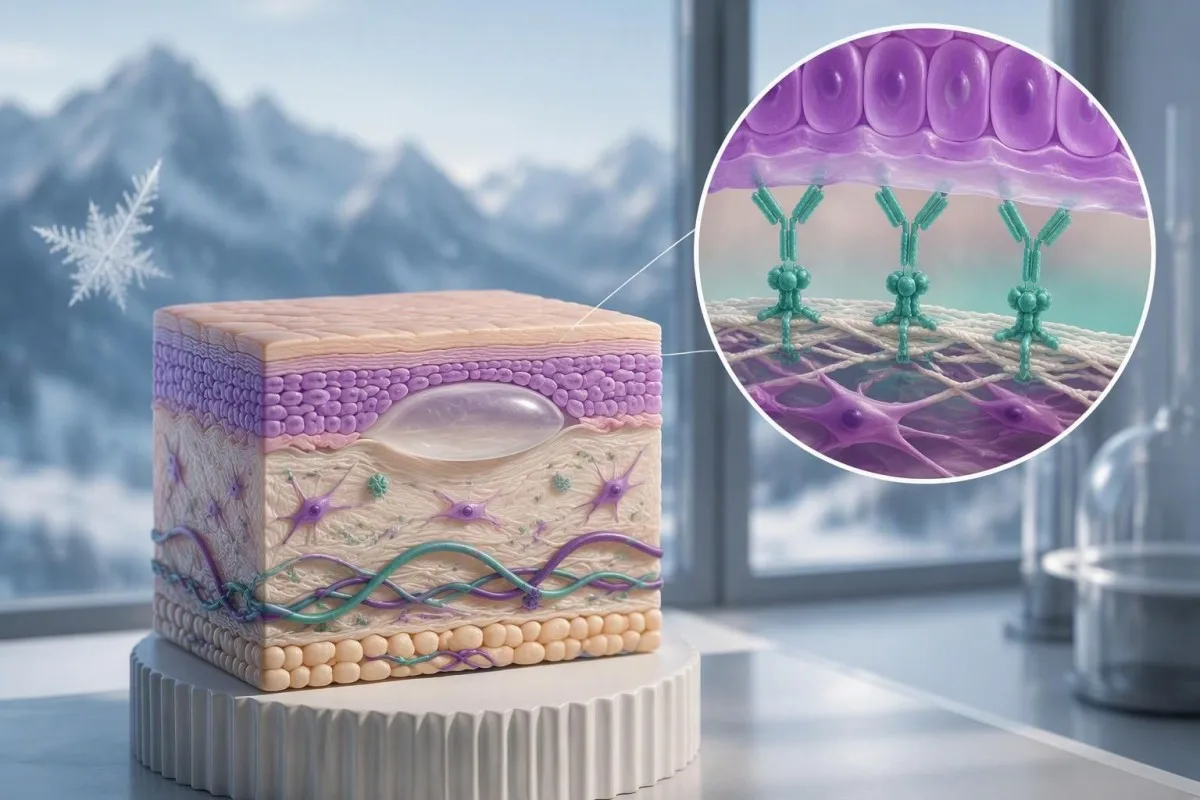
BP180陽性という結果は自己免疫性皮膚疾患を支持しますが、この数値だけでは診断を確定できません。症状、使用した測定法、適切に採取された皮膚検体によって、次の対応が決まります。.

要点
- BP180抗体陽性 とは、測定法でBP180という標的に対する抗体が検出されたことを意味しますが、それだけで水疱性類天疱瘡が確定するわけではありません。.
- 検査室のカットオフ値 は異なります。一部のBP180測定法では約9 U/mL、他の測定法では約20 U/mLが用いられます。ご自身の検査結果に記載された基準範囲を確認してください。.
- 低値陽性の結果 かゆみ、発疹、水疱がない場合は、抗体が偶然検出されたか、測定法で偽陽性となった可能性があり、皮膚疾患が確立しているとは限りません。.
- 非水疱性類天疱瘡 では水疱を伴わずに持続するかゆみが生じることがあります。専門施設での診断研究では、類天疱瘡343例中74例が非水疱性でした。.
- BP230抗体 は相補的な根拠となりますが、BP230抗体が陰性でも水疱性類天疱瘡は否定できません。.
- 直接蛍光抗体法 皮膚の抗体沈着を調べます。基底膜に沿った線状のIgGおよび/またはC3は、類天疱瘡疾患を支持します。.
- 皮膚検体2つ が採取されることがよくあります。1つは通常の顕微鏡検査用の病変部検体、もう1つは直接蛍光抗体法用に適切に選択した近傍の検体です。.
- 緊急性のある症状 には、眼の痛み、視力の変化、嚥下困難、広範囲の皮膚変化を伴う発熱、または急速に広がる水疱形成などがあります。別の抗体検査の結果を待たないでください。.
BP180陽性という結果で水疱性類天疱瘡が確定しますか?
いいえ。BP180抗体陽性という結果だけでは、水疱性類天疱瘡は確定しません。. 症状や皮膚所見が合致すれば診断を支持しますが、水疱がない状態での低値陽性は偶発的なことがあります。原因を確定するには、皮膚科医は皮膚生検と直接蛍光抗体法、場合によっては追加の抗体検査を必要とすることがよくあります。.
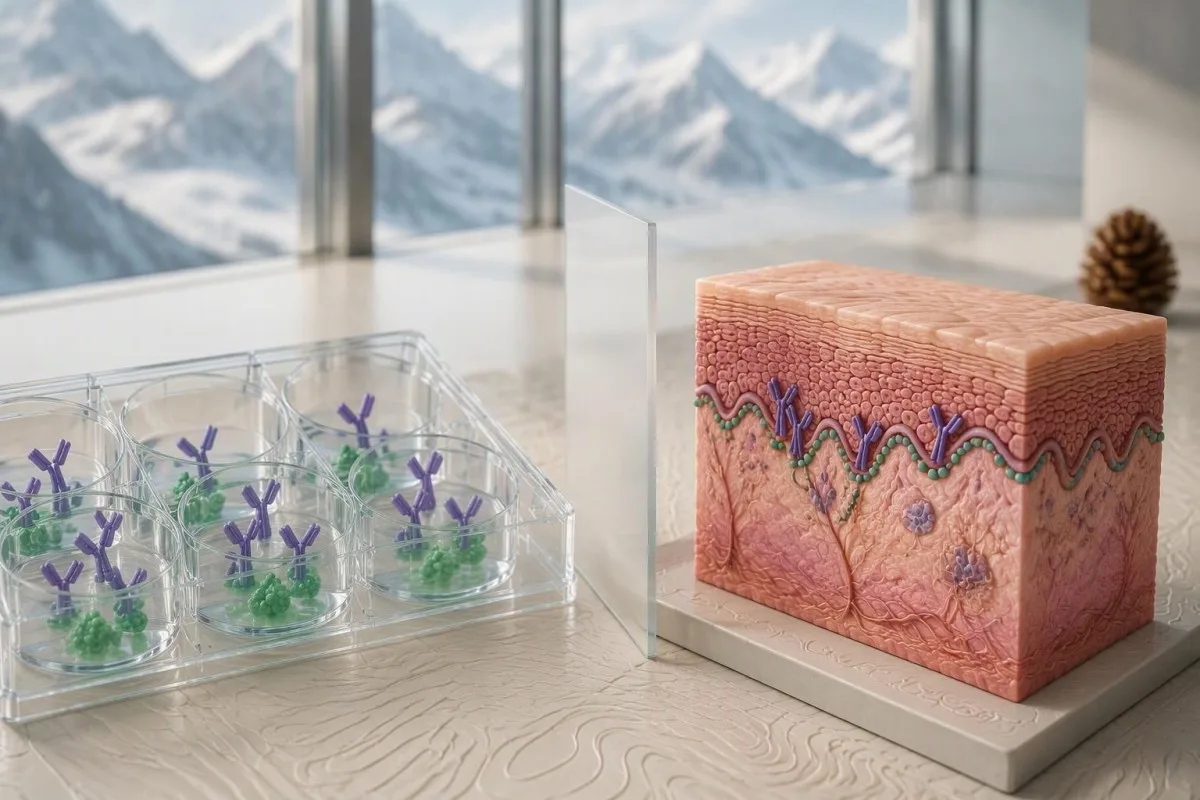
水疱性類天疱瘡の診断には、臨床所見と免疫病理学的所見の一致が必要です, 。検査値が1つ基準値外であるだけでは不十分です。2022年のEADVガイドラインでは、臨床像と適切な組織検査および循環抗体検査に基づく診断が示されています(Borradori et al., 2022)。実際に問うべきなのは、検出された抗体がその人の皮膚疾患を説明できるかどうかです。.
抗体検査陽性と活動性の自己免疫疾患は、異なる所見です。たとえば、仮に 12 U/mL のCA-125は という結果がある検査機関で陽性となったとしても、その結果がある無症状の人と、広範囲に強いかゆみを伴う緊満性水疱があり、同じ濃度を示す人とでは、診断の可能性が異なります。.
Kantestiは、検査機関の基準値と提供された情報に照らしてBP180の結果を説明する、AI血液検査アナライザーです。. 当社の説明では皮膚を診察したり、直接蛍光抗体法を実施したりすることはできません。当社の 会社概要 は、この教育的サポートを提供する組織を明らかにします。.
この結果は、病気を恒久的に示すラベルではなく、より具体的な質問をするきっかけと捉えてください。 陽性抗体結果 に関する当社のガイドでは、抗体の検出、疾患活動性、診断の確定がそれぞれ別の概念である理由を説明しています。.
BP180抗体検査では実際に何を測定していますか?
BP180抗体検査では通常、BP180(XVII型コラーゲンとも呼ばれる)の一部に対する血清IgGを測定します。. BP180はおよそ 180 kDaの タンパク質で、表皮を下部組織に固定する役割を担っています。多くの一般的な測定法では、タンパク質全体ではなくNC16A領域を検査します。.
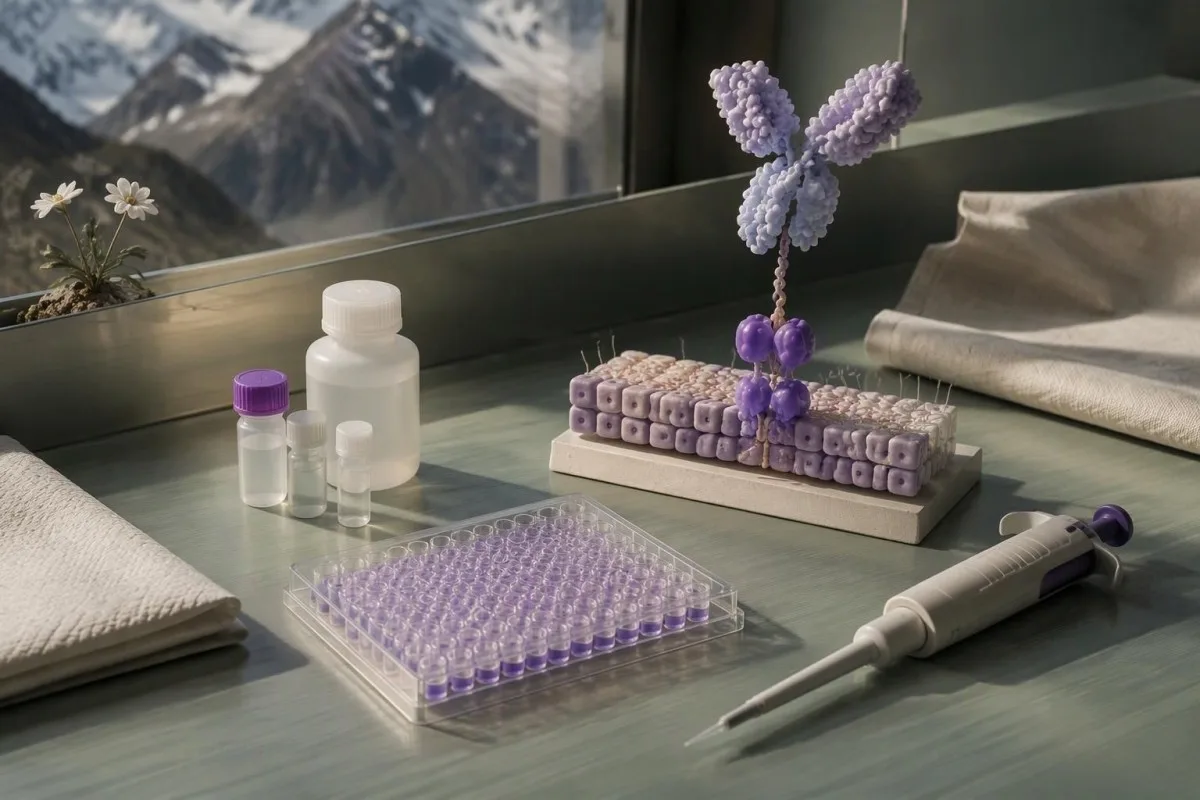
BP180は皮膚の構造タンパク質であり、血中濃度を測定する物質ではありません。. 検査報告書は通常、酵素結合免疫吸着測定法(ELISA)を用いて、このタンパク質に対する抗体を示します。 30 U/mL 未満 したがって、30という値は、皮膚タンパク質が30単位血中を循環しているという意味ではありません。.
の NC16Aドメイン 細胞膜に近いBP180の細胞外領域に位置し、古典的な水疱性類天疱瘡で抗体の標的となることが多い。この領域を検査することで実用的なアッセイが可能になる一方、死角も生じる。主に他の領域に向けられた抗体は検出されないことがある。.
数値で示される抗体濃度は、蛍光抗体法の抗体価と同じものではありません。 1:40 は希釈倍率における反応性を示す一方、 40 U/mL はアッセイで較正された濃度を示します。 定量検査と定性検査 の解説は、これらの報告形式の違いを見分けるのに役立ちます。.
報告書に BP180 NC16A IgG, 、別のBP180アッセイ、またはより広範な類天疱瘡パネルのいずれが記載されているか確認してください。これらは必ずしも同等の検査ではなく、IgG ELISAが陰性でも、他の抗体クラスや他の基底膜標的に関するすべての疑問に答えられるわけではありません。.
BP180抗体の弱陽性とはどの程度の結果ですか?
BP180の低陽性結果とは、使用した特定のアッセイのカットオフをわずかに上回る値です。. 低陽性の範囲に普遍的な基準はありません。検査機関によっては 9 U/mL, 付近を閾値としている一方、 20 U/mL, 付近を閾値とする検査機関もあり、較正方法や報告区分も異なります。.
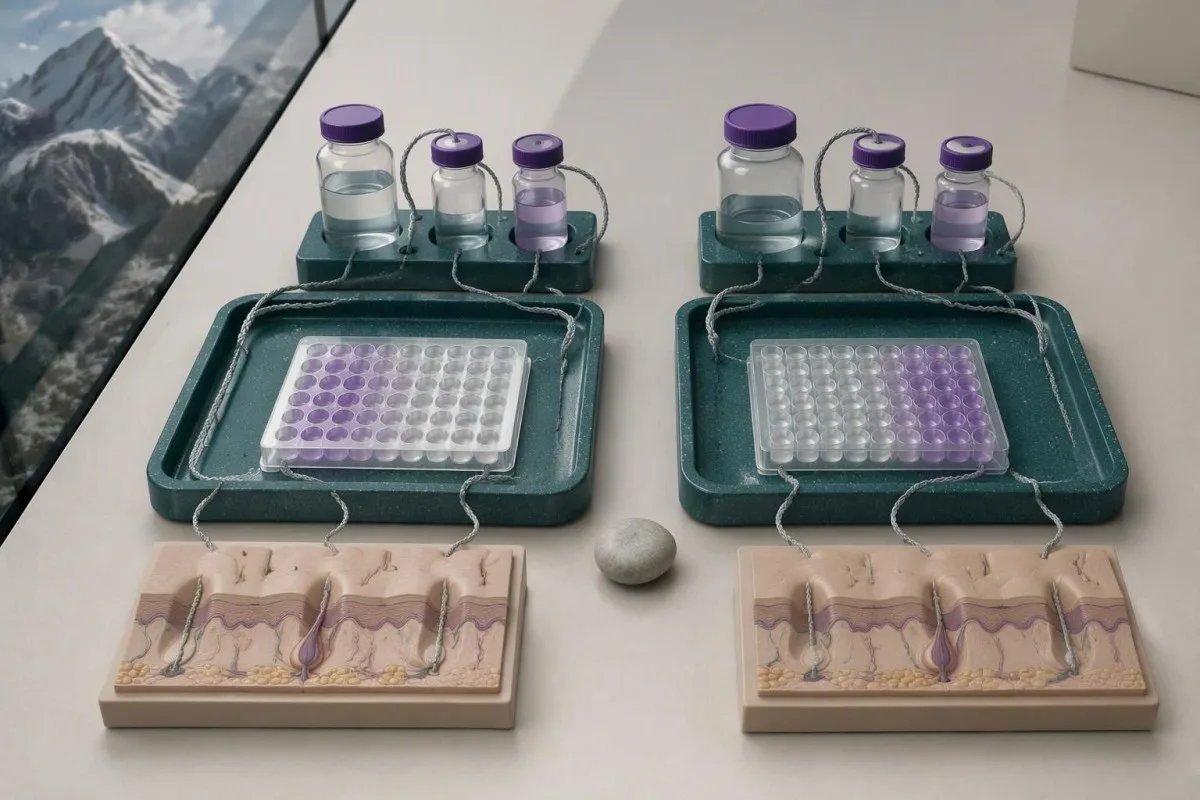
BP180アッセイの単位は、検査機関間で普遍的に標準化されていません。. 結果が 15 U/mL は、9 U/mLを採用する基準では陽性、20 U/mLを採用する基準では陰性となる可能性がありますが、これは2つ目のアッセイが疾患を見逃したことを示すものではありません。測定法や較正物質が異なる場合があるためです。.
カットオフ値は、アッセイの評価に用いられた集団において、感度と特異度のバランスを取るために設定されます。閾値を下げると、疾患のある人をより多く検出できる一方、疾患のない人もより多く特定することがあります。カットオフ値は検査機関が定める判定境界であり、皮膚に突然水疱ができ始める生物学的な境界点ではありません。.
Kantesti AIは、報告されたBP180値を付記された基準範囲と照らし合わせるのに役立ちます, が、 18 U/mL のみが示された切り抜き画像では、重要な情報が不足しています。検査名、単位、判定区分、検査機関のコメントを含めてください。一般的な 範囲外フラグ では、これらの詳細の代わりにはなりません。.
以下の例は、普遍的な重症度スケールではなく、考えられる2つの報告方針を示しています。. BP180抗体濃度だけで医学的緊急事態が定義されることはありません; 。緊急性は、皮膚病変の広がり、脱水、全身疾患、眼または気道の症状によって判断されます。.
| レベル | 範囲 | 意味 |
|---|---|---|
| 測定法Aの例:カットオフ値未満 | <9 U/mL | この例示的な検査室方針では陰性です。臨床的疑いが強い場合、疾患は否定されません。. |
| 測定法Aの例:カットオフ値以上 | ≥9 U/mL | この方針では陽性です。カットオフ値への近さと臨床所見が解釈に影響します。. |
| 測定法Bの例:カットオフ値未満 | <20 U/mL | 別の例示的な方針では陰性です。測定法間で直接換算しないでください。. |
| 測定法Bの例:カットオフ値以上 | ≥20 U/mL | この方針では陽性です。この数値だけでは診断も重症度も確定しません。. |
BP180陽性という結果が誤解を招くことがあるのはなぜですか?
検査前にその人が類天疱瘡である可能性が臨床的に低かった場合、BP180陽性の説得力は弱まります。. かなり正確な測定法であっても偽陽性は生じるため、無症状のスクリーニング対象集団と、特徴的な水疱を評価する専門外来とでは、結果の意味が異なります。.
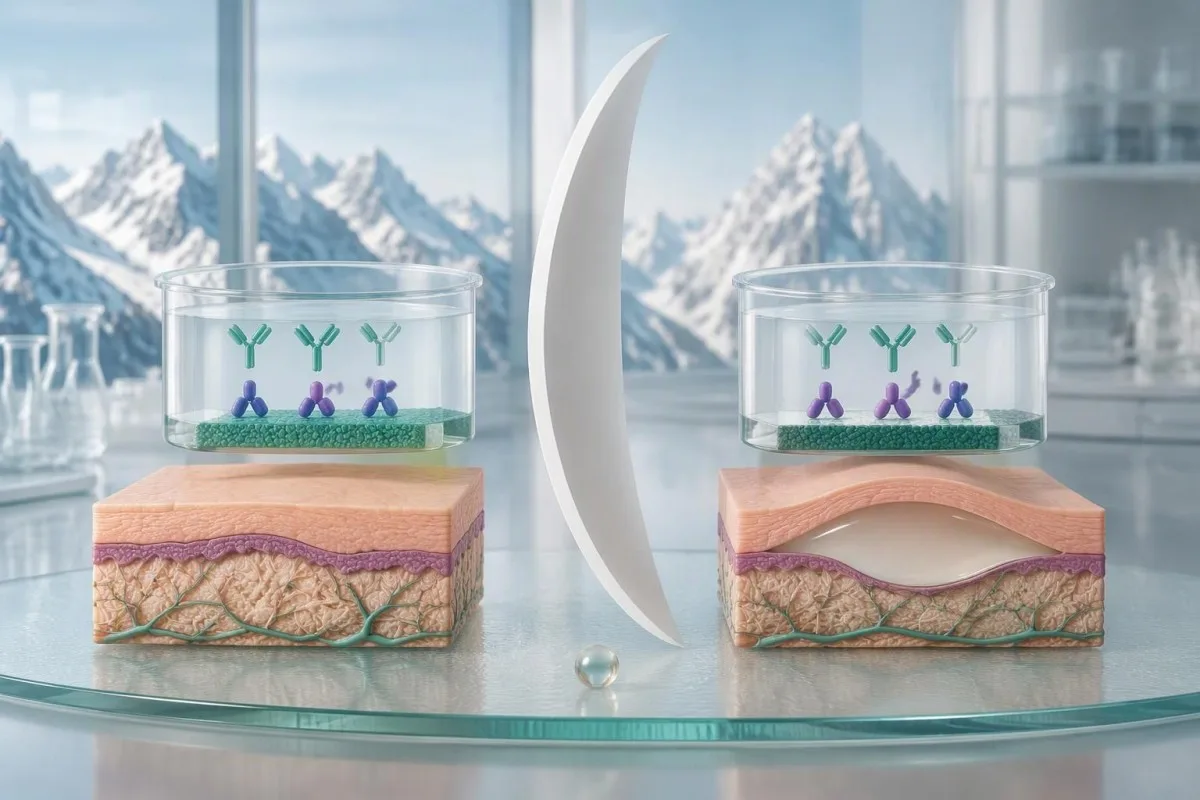
感度と特異度は、陽性結果を受けた後にあなた自身が疾患にかかっている確率と同じではありません。. その確率は、検査対象集団における疾患の有病率にも左右されます。この違いは、特定の皮膚所見を調べるためではなく、抗体パネルが広範に実施された場合に特に重要です。.
明らかに仮定上の測定法として、次を考えてください 感度90%、特異度95%, を、疾患確率が1%である1,000人に用いるとします。約 真陽性9件、偽陽性50件, が検出され、陽性的中率はおよそ15%となります。これらは説明のための仮定であり、あなたのBP180測定法の性能を示すものではありません。.
疾患確率が次の値である場合に、同じ仮定上の測定法を使用してください。 20%, and approximately 180 true positives and 40 false positives would occur per 1,000 tests. The positive predictive value becomes about 82%—a large change caused by clinical context, not by a different laboratory method.
These examples explain why a dermatologist may request tissue testing despite a positive result, or take characteristic symptoms seriously despite a negative one. Our discussion of MOG抗体の解釈 illustrates the same probability principle in another autoimmune condition, although its diagnostic criteria cannot be transferred to pemphigoid.
BP180陽性でも水疱がない場合はどうすればよいですか?
A low-positive BP180 result without blisters does not establish bullous pemphigoid or reliably predict future blistering. The next distinction is whether you have no skin symptoms at all, or persistent itching and an unexplained rash that could represent a nonbullous pemphigoid presentation.
Incidental BP180 antibody detection can occur without clinically established pemphigoid. Possible explanations include low-level autoreactivity and assay-related false positivity; there is no validated conversion rule that turns an isolated result of 11 U/mL into a percentage risk of developing blisters later.
A hypothetical person with 11 U/mL, no itching, no rash, and no mucosal symptoms usually needs a contextual review rather than automatic immunosuppressive treatment. The clinician should check why the assay was ordered, whether the result was unexpected, and whether a skin examination reveals findings the person had not recognized.
Persistent dryness and itching still deserve assessment because common explanations remain common. Eczema, medication effects, thyroid disease, and other causes may be more likely than pemphigoid; our dry skin testing guide explains why additional blood tests should follow symptoms rather than a blanket panel.
白血病を証明する no universal repeat-testing interval for an asymptomatic low-positive BP180 result. A clinician may choose observation, a repeat using the same method, or specialist review depending on the history; new persistent itching, urticarial plaques, or blisters should change that plan rather than waiting for a scheduled repeat.
水疱性類天疱瘡はかゆみだけで始まることがありますか?
Pemphigoid can present with persistent itching, eczema-like patches, urticarial plaques, or scratch-related changes without visible blisters. In a specialist diagnostic study, 74 of 343 pemphigoid cases—21.6%—were nonbullous, showing that the absence of blisters cannot independently exclude the disorder (Meijer et al., 2019).
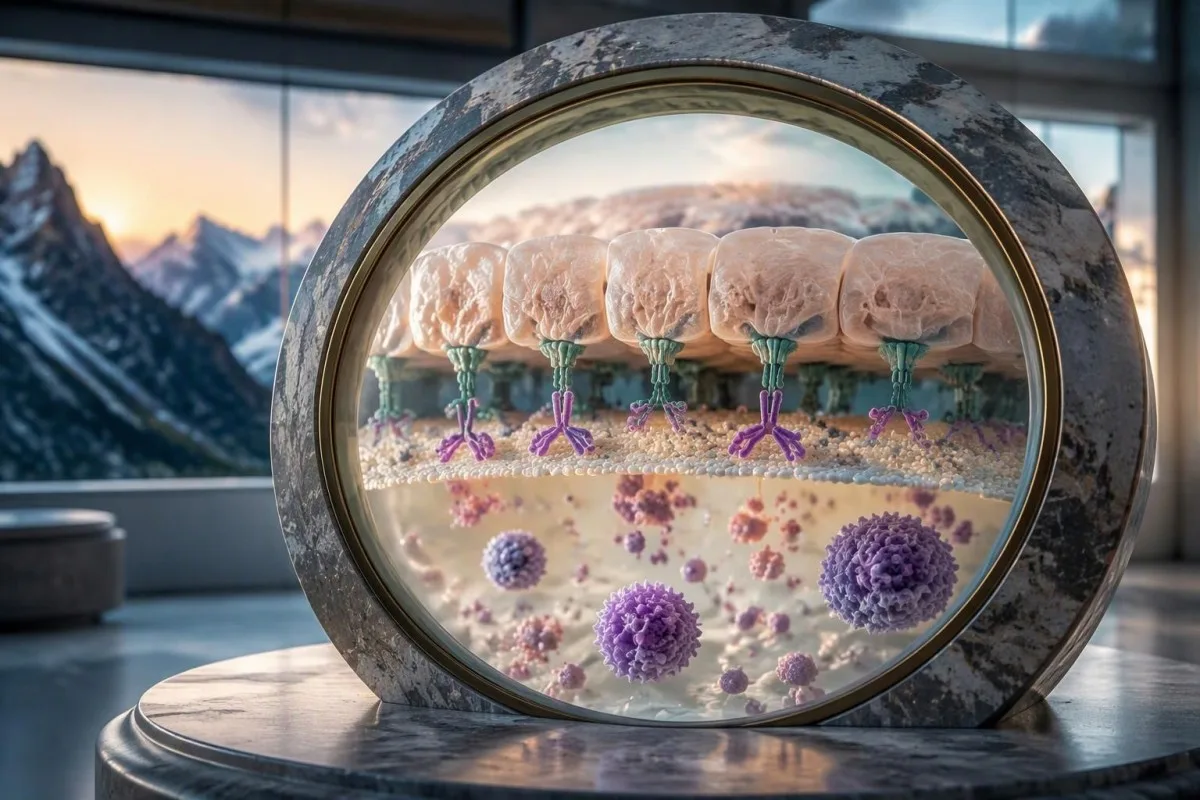
Nonbullous pemphigoid is not simply every itchy rash with a positive BP180 result. Diagnosis still needs compatible symptoms and appropriate immunopathological evidence; the 21.6% study figure came from a referred population and should not be interpreted as the probability that any person with itching has pemphigoid.
The symptom pattern often matters more than whether one small blister has appeared. Persistent, widespread itching in an older adult, especially with recurrent raised plaques or poor response to ordinary eczema care, warrants a dermatological assessment; our itchy skin laboratory guide separates skin-directed testing from tests for systemic causes.
Eosinophilia can accompany bullous pemphigoid, but it is neither required nor diagnostic. An absolute eosinophil count above approximately 0.5 × 10^9/L is often flagged in adults, yet allergy, medications, and parasites can produce the same finding; our guide to 高い好酸球数 explains those alternatives.
A dermatologist does not always need to wait for a blister before collecting a useful sample for direct immunofluorescence. In nonbullous disease, sample selection is tailored to the available rash and laboratory protocol; document the distribution and duration of itching, because a disappearing rash can make later assessment harder.
BP230抗体はBP180検査をどのように補完しますか?
BP230 antibodies provide complementary evidence for pemphigoid but cannot confirm or exclude bullous pemphigoid alone. BP230 is an approximately 230-kDa intracellular anchoring protein, whereas BP180 crosses the cell membrane; their different locations and antibody targets help explain why the two results can disagree.
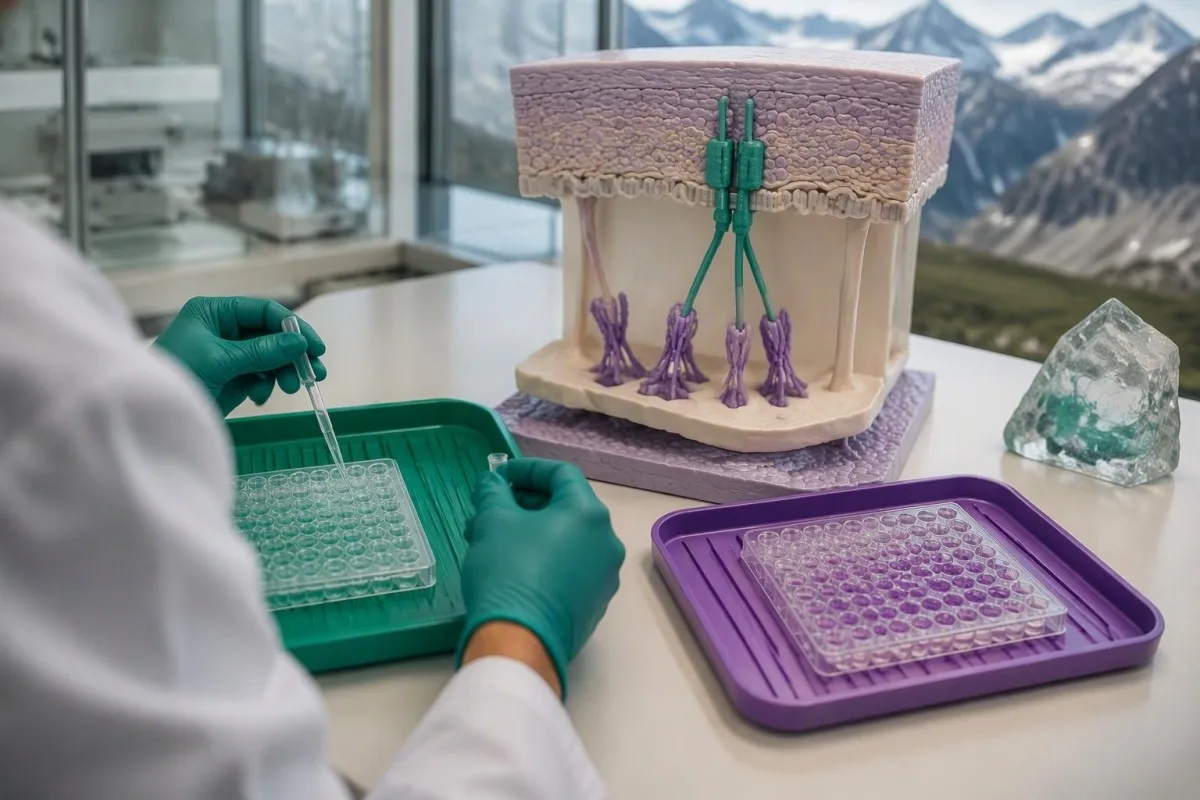
A negative BP230 antibody result does not cancel a positive BP180 result. Some people with confirmed pemphigoid have antibodies detectable against only one tested antigen, and each assay has its own sensitivity; interpreting the pair as a two-test pass-or-fail rule creates avoidable diagnostic errors.
仮に BP180 result of 45 U/mL with negative BP230 antibodies still warrants assessment if tense blisters and severe itching are present. Conversely, isolated low-positive BP230 antibodies without compatible findings are not enough to diagnose pemphigoid; a second positive marker strengthens a pattern only when the overall evidence fits.
Kantesti is an AI biomarker interpretation platform that can explain BP180 and BP230 antibodies as complementary findings rather than interchangeable scores. This is similar to the reasoning used for antibody panels in connective disease, but skin-specific tissue findings remain central to pemphigoid assessment.
Do not add BP180 and BP230 concentrations together, even if both are expressed in U/mL. They represent different antigen-specific measurements with different calibration systems; BP180 levels generally have a better-established relationship with disease activity than BP230 levels, but neither replaces examination.
直接蛍光抗体法を用いた皮膚生検が必要になる場合があるのはなぜですか?
Skin biopsy with direct immunofluorescence can show whether antibodies or complement are deposited at the skin's basement membrane. Dermatologists often collect two separate specimens because routine microscopy and direct immunofluorescence answer different questions and require different sample handling.
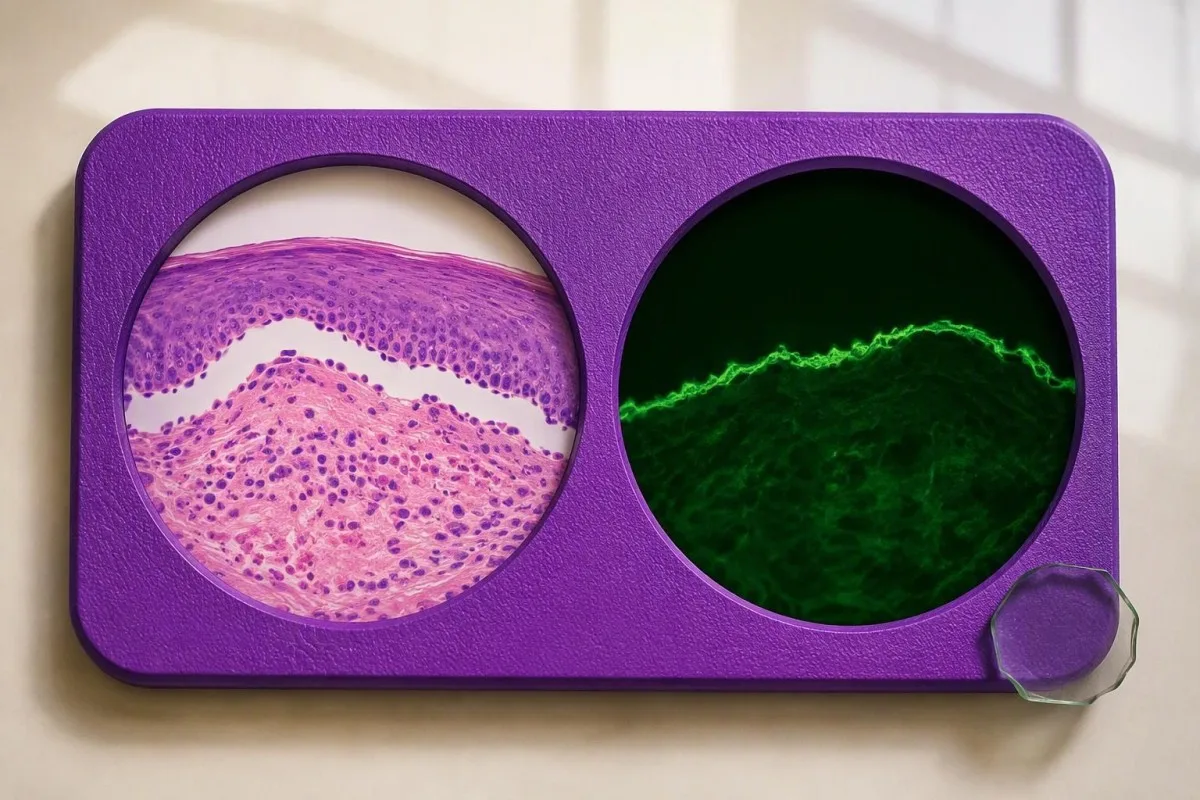
Routine histology examines tissue structure and inflammatory cells. A sample from a fresh blister or suitable affected area may show separation beneath the epidermis and eosinophils, but these features are not unique to bullous pemphigoid; the second sample looks for the immune-deposit pattern that helps classify the disorder.
For classic blistering presentations, the direct-immunofluorescence sample is commonly taken from appropriately selected skin near a fresh blister rather than its eroded center. A small 3–4-mm punch is often used, although technique and location depend on the case; sampling heavily damaged tissue can remove the structures the laboratory needs to examine.
The specimen for direct immunofluorescence must not be routinely placed in formalin. Laboratories generally require a dedicated transport medium or another explicitly agreed handling method, while the routine histology specimen commonly goes into formalin; ask whether the two containers have been prepared for their separate purposes.
In Meijer et al.'s 2019 diagnostic cohort, direct immunofluorescence had a sensitivity of 88.3%, so even this valuable test was not infallible. Kantesti's 臨床的妥当性に関する情報 concerns our interpretation methodology—not a claim that AI can reproduce skin immunofluorescence or establish its findings.
蛍光抗体法と塩分離試験が陽性の場合、何を意味しますか?
Linear IgG and/or C3 along the basement membrane on direct immunofluorescence supports a pemphigoid-spectrum disorder, but the pattern is not unique to bullous pemphigoid. Indirect immunofluorescence on salt-split skin can add evidence by showing where circulating antibodies bind relative to an experimentally created tissue separation.
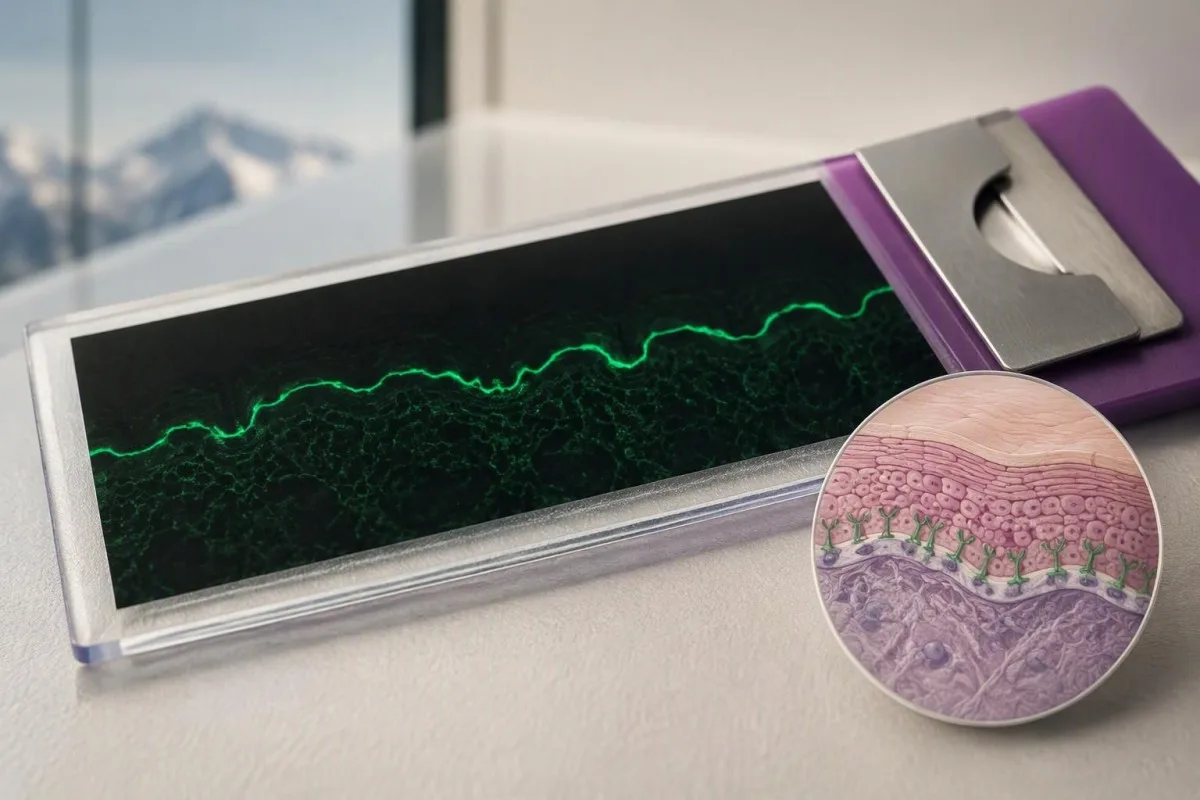
Direct and indirect immunofluorescence use different materials. Direct testing examines deposits already present in the person's skin, while indirect testing applies the person's serum to a laboratory substrate; a positive result in one test and a negative result in the other is therefore possible without a reporting error.
On salt-split skin, bullous pemphigoid antibodies commonly bind the epidermal side, often called the roof. Antibodies binding the dermal side, or floor, raise consideration of other disorders such as epidermolysis bullosa acquisita or anti-p200 pemphigoid, but binding location alone does not fully classify every case.
Meijer et al. reported 99.9% specificity for indirect immunofluorescence on salt-split skin in their 2019 diagnostic cohort. That high figure applies to that study and testing pathway; a negative result still cannot exclude pemphigoid because specificity describes false positives, not how many cases the test misses.
C3 detected in skin is not the same measurement as a serum C3 concentration. A normal circulating complement result does not negate local deposits at the basement membrane; our complement testing explanation helps prevent this common cross-test misunderstanding.
BP180、皮膚生検、症状の結果が一致しない場合はどうすればよいですか?
Discordant BP180 and skin-test results require a review of the clinical picture, assay target, sampling site, and specimen handling. A positive ELISA with negative direct immunofluorescence can reflect incidental antibodies or an uninformative skin sample; a negative NC16A ELISA can miss disease directed against other targets.
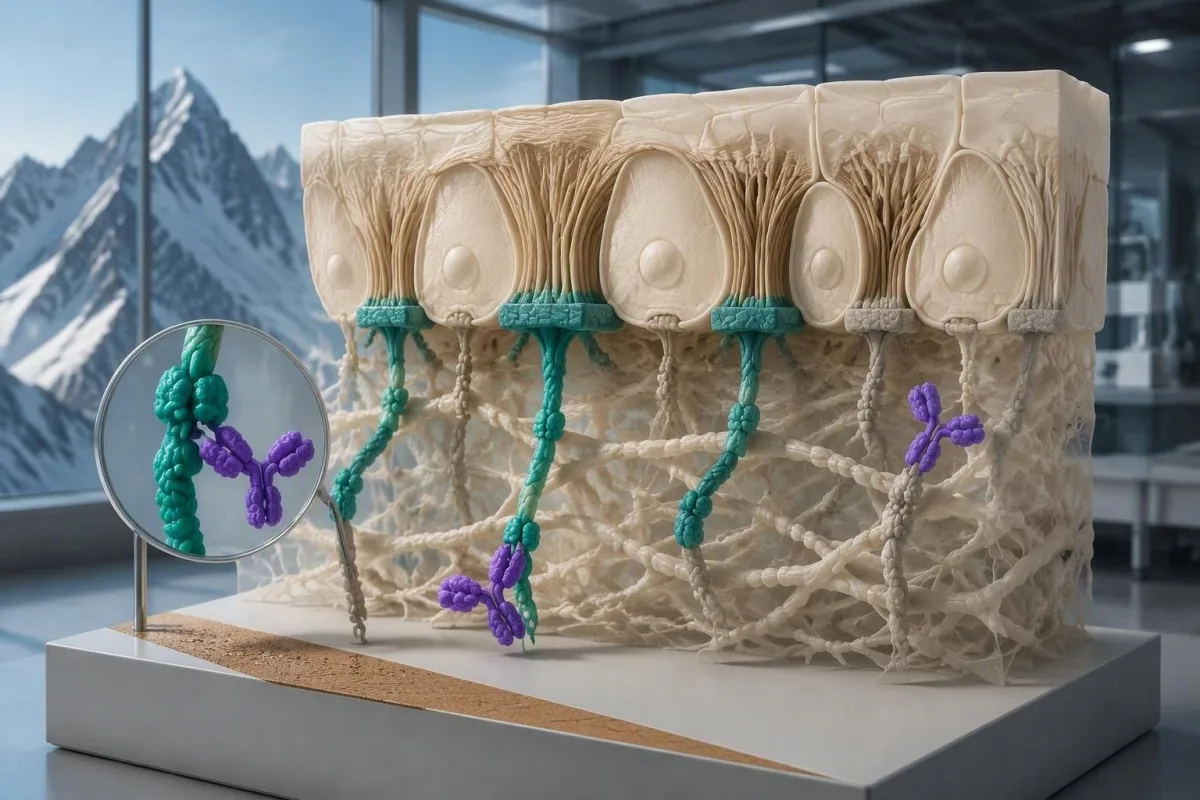
A negative direct-immunofluorescence result is less reassuring if the sample was poorly selected or incorrectly transported. Treatment before sampling may also influence findings, so clinicians need to know which creams or systemic medicines were used and where; never stop prescribed treatment solely to make a test more likely to turn positive.
A hypothetical person with characteristic new blisters, BP180 of 80 U/mL, and a negative direct-immunofluorescence specimen from an old eroded site may need repeat sampling. The same antibody result with no compatible skin findings demands a different investigation; the discrepancy does not have one automatic explanation.
A negative BP180 NC16A result does not exclude every form of pemphigoid. Further testing may include BP230 antibodies, indirect immunofluorescence, or specialized assays for other antigens; our guide to negative myasthenia antibody tests illustrates why a limited antigen panel cannot exclude an entire autoimmune disease category.
Repeat testing should address a specific uncertainty rather than create an endless sequence of panels. Ask whether the next investigation is checking the same antigen by another method, examining an additional antigen, or correcting a tissue-sampling problem; each strategy answers a different diagnostic question.
BP180陽性の類天疱瘡に似た他の疾患には何がありますか?
BP180 antibodies can occur in other pemphigoid-spectrum conditions, including mucous membrane pemphigoid and pemphigoid gestationis. Eczema, scabies, and drug-related eruptions can resemble early bullous pemphigoid clinically, while pemphigus involves different adhesion proteins and usually a different level of skin separation.
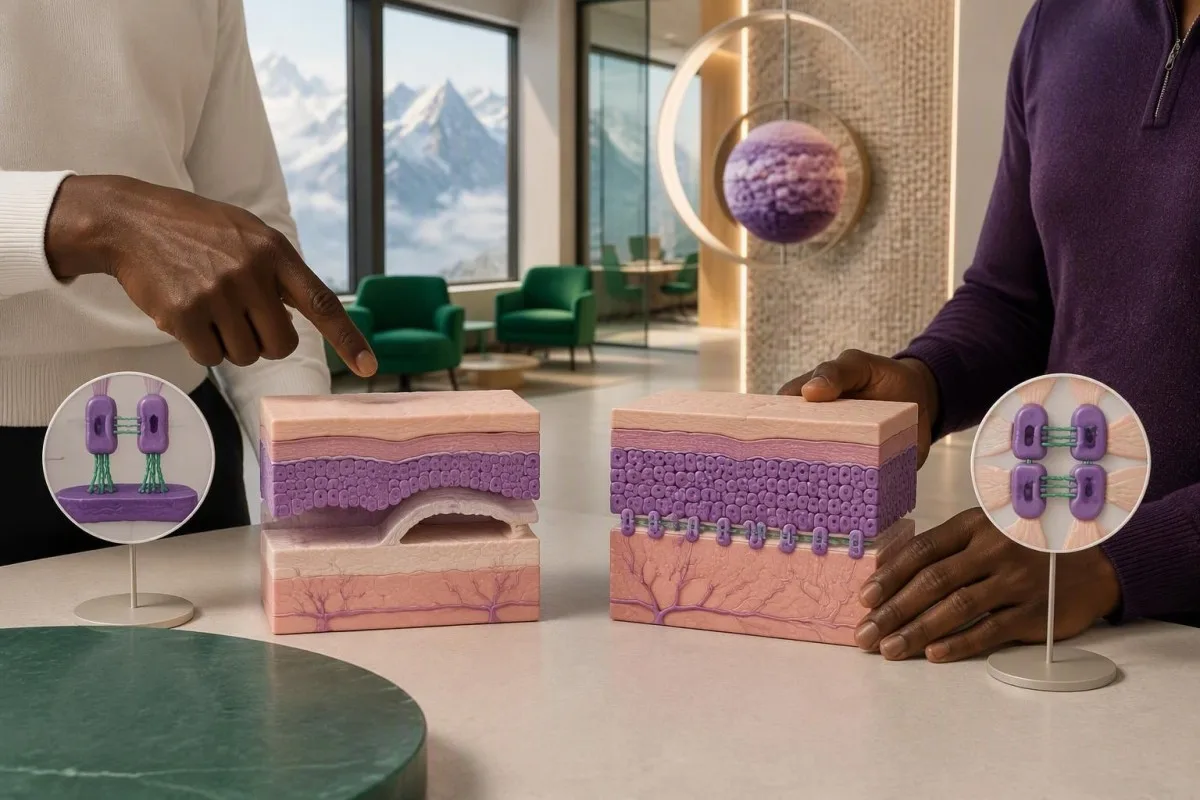
Bullous pemphigoid typically causes tense blisters because separation occurs beneath the epidermis. Pemphigus often produces more fragile blisters or erosions through loss of adhesion within the epidermis; our desmoglein antibody guide explains why BP180 testing cannot substitute for a pemphigus evaluation.
Predominantly mouth, eye, genital, or other mucosal involvement raises concern for mucous membrane pemphigoid, especially when scarring occurs. Eye pain, light sensitivity, or vision changes require urgent assessment because waiting for a repeat antibody concentration can delay treatment of a sight-threatening process.
Pemphigoid gestationis is associated with pregnancy and can produce BP180 antibodies. Pregnancy or recent childbirth therefore changes the interpretation of the same laboratory result; the distinction requires obstetric and dermatological coordination rather than assuming that every BP180-positive blistering disorder is classic older-adult bullous pemphigoid.
Scabies can cause intense itching and may coexist with an unrelated positive antibody result. Household itching, characteristic distribution, and burrows alter the differential; our scabies symptom guide is useful for that comparison, but neither household exposure nor BP180 positivity independently settles the diagnosis.
薬はBP180の解釈や治療方針の決定に影響しますか?
Medication history can change the likelihood and presentation of bullous pemphigoid, but a positive BP180 result alone is not a reason to stop a medicine. DPP-4 inhibitors used for diabetes and immune checkpoint inhibitors are recognized associations; treatment decisions depend on confirmed disease, severity, and the person's other health risks.
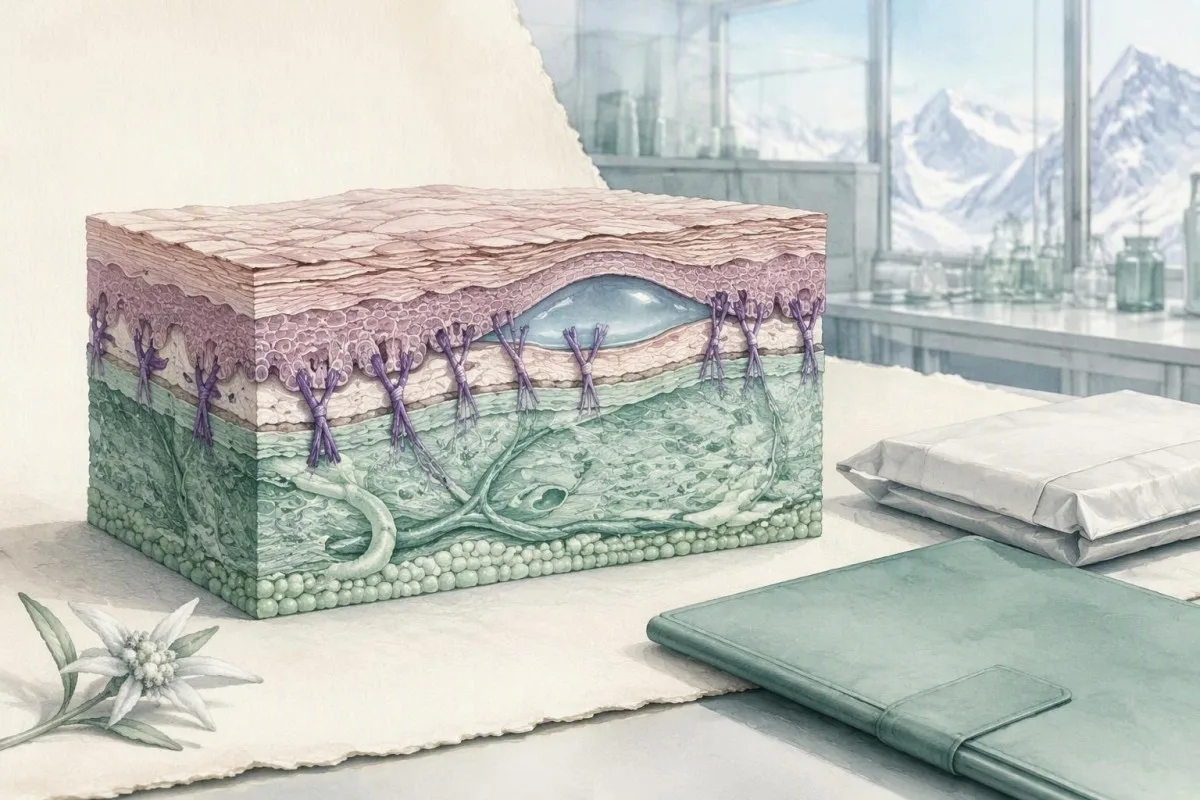
DPP-4 inhibitor-associated pemphigoid can have a less typical inflammatory presentation and may show limited NC16A reactivity. This is not universal, and exposure does not prove causation; bring a complete medicine list, including start dates, to a review using our senior medication effects guide as a preparation aid.
の 2022 EADV guideline recommends potent topical corticosteroids as a mainstay when feasible and discusses oral prednisone at approximately 0.5 mg/kg/day as an alternative in suitable circumstances (Borradori et al., 2022). These are clinician-directed treatment options for disease, not instructions to treat an isolated antibody result or begin steroids without assessment.
Systemic corticosteroids can create additional risks that are unrelated to the BP180 concentration. People with relevant residence or travel exposure may need assessment for Strongyloides before significant immunosuppression; our Strongyloides antibody explanation describes why an apparently unrelated parasite history can become a treatment-safety issue.
Kidney function, glucose, infection risk, and the ability to apply topical treatment may influence the choice of therapy more than whether BP180 is 40 or 80 U/mL。 私たちの 腎機能解釈ガイド covers supportive laboratory assessment, but renal markers do not confirm pemphigoid.
BP180値で病勢や回復をモニタリングできますか?
BP180 antibody levels can support monitoring in confirmed bullous pemphigoid, but they do not replace examination or determine treatment alone. Concentrations often track disease activity at a group level; individual patients can remain antibody-positive while their skin is controlled or experience symptoms without a proportionate rise.
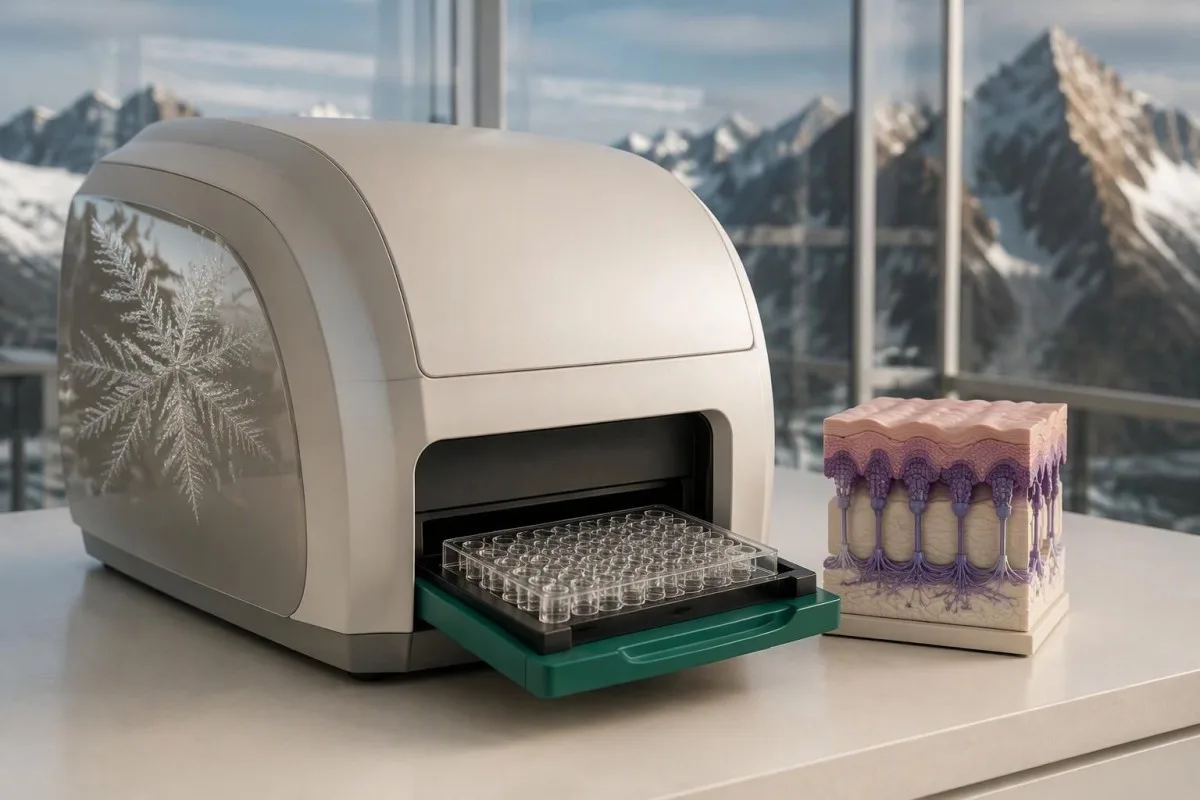
A falling BP180 concentration is most useful when it agrees with fewer new blisters and less itching. A hypothetical decline from 120 to 35 U/mL on the same assay supports an improving pattern, but it does not independently establish remission or justify stopping treatment.
An increase from 12 to 14 U/mL near a cutoff may reflect analytical or biological variation rather than a meaningful change in disease. There is no universal percentage increase that proves relapse across all BP180 assays; the method, timing, symptoms, and previous response need to be considered together.
Kantesti is an AI blood test interpretation platform that can organize serial BP180 results without treating a laboratory trend as a diagnosis. 私たちの AI技術の説明 describes the interpretation workflow; preserving each report's assay name and reference interval matters when comparing two or more measurements.
Changing laboratories can create an apparent rise or fall that is partly methodological. Our 薬剤安全性トレンドガイド explains why dates, doses, and laboratory context belong beside the numbers; photograph new skin findings and record new-blister counts when your dermatologist requests them.
再診時には何を持参し、どのエビデンスが該当しますか?
Bring the full BP180 report, any BP230 result, symptom photographs, and your complete medication list to follow-up. These four information groups help a clinician decide whether you need observation, additional serum testing, properly handled skin samples, or urgent assessment rather than another isolated antibody measurement.
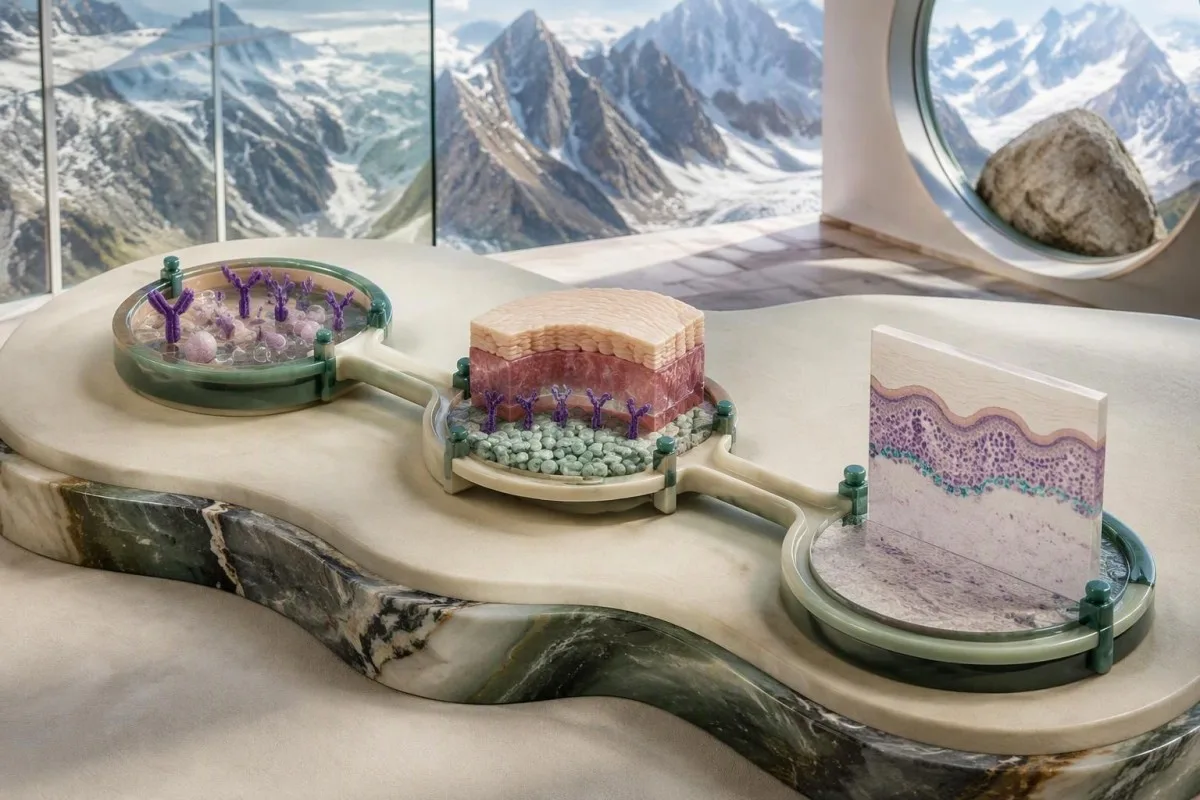
A useful report includes the exact assay name, numerical value, units, cutoff, and collection date. If a hypothetical BP180 result reads 16 U/mL, the missing cutoff may reverse whether it is considered positive; also request the actual histology and direct-immunofluorescence reports rather than relying on the phrase 'skin biopsy normal.'
New eye symptoms, swallowing difficulty, extensive rapidly spreading blisters, fever, or inability to maintain fluids need prompt clinical attention. Do not wait for a scheduled second test when those symptoms appear; supportive urinalysis can answer separate medical questions, as explained in our 尿検査の解釈ガイド, but it cannot establish a pemphigoid diagnosis.
Kantesti helps explain the distinctions between a flagged antibody result, a probable diagnosis, and confirmed disease. 私たちの 責任あるAIの原則 describe the boundaries of educational interpretation; only a clinician with access to your examination and appropriate investigations can decide whether a BP180抗体陽性 result represents active pemphigoid.
The directly relevant evidence here comes from the 2022 EADV guideline and the 2019 JAMA Dermatology diagnostic study. The two Zenodo publications listed below concern kidney-function and urinalysis interpretation and are included as background educational publications, not evidence that BP180 confirms bullous pemphigoid or that our AI has validated diagnostic accuracy for this condition.
よくある質問
BP180抗体検査が陽性なら、必ず水疱性類天疱瘡ということですか?
BP180抗体検査が陽性でも、水疱性類天疱瘡であると確定するわけではありません。検査機関によってカットオフ値は約9 U/mLの場合も約20 U/mLの場合もあるため、正確な測定法と基準範囲が重要です。症状に合致するかゆみや水疱があれば結果の意義は高まりますが、単独の低値陽性は偶発的な所見または偽陽性の可能性があります。診断を確定するには、皮膚生検と直接蛍光抗体法、および追加の抗体検査が必要となる場合があります。.
水疱がない場合、BP180の低値陽性という結果は何を意味しますか?
0 低値陽性のBP180の結果は、水疱を伴わない場合、偶発的な抗体検出、検査法に関連する偽陽性、または水疱を伴わずに発症する類天疱瘡を反映している可能性があります。たとえば、12 U/mLは9-U/mLのカットオフ値では陽性ですが、無症状の人が発症するかどうかを予測することはできません。持続するかゆみや原因不明の発疹がある場合は、水疱がなくても皮膚科での評価が望まれます。単独の低値陽性の結果だけに基づく、普遍的な再検査の間隔や治療の推奨はありません。.
BP180抗体が陰性でも、水疱性類天疱瘡の可能性はありますか?
0. 通常のNC16AアッセイでBP180抗体が陰性であっても、水疱性類天疱瘡が生じることがあります。このアッセイは約180 kDaのタンパク質の特定領域を検査するため、主に他の領域を標的とする抗体を検出できない場合があります。BP230検査、直接蛍光抗体法、間接蛍光抗体法により、追加の証拠が得られることがあります。皮膚所見から類天疱瘡が強く疑われる場合、血液検査が陰性でも評価を終えるべきではありません。.
BP230抗体陰性で水疱性類天疱瘡は否定されますか?
BP230抗体陰性でも水疱性類天疱瘡は否定できません。BP230は約230 kDaの細胞内アンカリングタンパク質であり、確定診断された患者の中には、これに対する検出可能な抗体を有さない人もいます。臨床所見および組織所見が一致する場合、BP230抗体陰性でもBP180陽性の結果は診断と矛盾しません。2つの抗体濃度を合算したり、2検査による確定診断の基準として扱ったりすべきではありません。.
類天疱瘡では、なぜ皮膚生検が2回必要になることがあるのですか?
通常の組織学的検査と直接免疫蛍光法では診断上異なる疑問に答えるため、皮膚生検は2検体必要となることがよくあります。一般に小さな3–4-mmパンチ生検が用いられますが、手技と採取部位は個々の症状に応じて皮膚科医が選択します。一方の検体では組織構造を調べ、もう一方では基底膜に沿った免疫沈着物を調べます。直接免疫蛍光法用の検体には、別途合意された輸送方法が必要であり、通常はホルマリンに入れないでください。.
BP180値が高いということは、私の類天疱瘡が重症であることを意味しますか?
A high BP180 level does not independently determine how severe pemphigoid is or whether it is an emergency. A result of 100 U/mL must be interpreted using that assay's cutoff and alongside the extent of skin involvement, itching, new blisters, and general health. Antibody levels often relate to disease activity, but individual results and symptoms can disagree. Eye pain, vision changes, difficulty swallowing, or rapidly spreading extensive blistering require prompt assessment regardless of the antibody concentration.
0 BP180抗体が陰性化してから治療を中止すべきですか?
臨床医が類天疱瘡の治療の減量または中止を検討する前に、BP180抗体が必ず陰性化する必要はありません。仮に120から35 U/mLに低下した場合、改善を示唆する可能性はありますが、判断は症状、新たな水疱の形成、診察所見、再発歴に基づきます。皮膚症状がコントロールされていても抗体が検出され続けることがあり、測定法を問わず一律に適用できる中止基準値はありません。抗体の推移だけを根拠に、処方された治療を変更しないでください。.
血液検査結果の見方を確認しましょう
検査報告書をアップロードすると、KantestiのAIが数秒で各バイオマーカーを平易な言葉で説明します。世界中で200万人以上が利用しています。.
参考文献
- Klein, T., Mitchell, S., & Weber, H. (2026). BUN/クレアチニン比の説明:腎機能検査ガイド。. Kantesti AI医学研究。. 掲載日
- Klein, T., Mitchell, S., & Weber, H. (2026). 尿中ウロビリノーゲン検査:完全尿検査ガイド2026。. Kantesti AI医学研究。. 掲載日
- Borradori L et al. (2022). Updated S2 K guidelines for the management of bullous pemphigoid initiated by the European Academy of Dermatology and Venereology (EADV). Journal of the European Academy of Dermatology and Venereology. 掲載日
- Meijer JM et al. (2019). Assessment of Diagnostic Strategy for Early Recognition of Bullous and Nonbullous Variants of Pemphigoid. JAMA Dermatology. 掲載日
- 200万以上分析対象の検査
- 127+国
- 100+言語
医療チームについて


E-E-A-T 信頼性シグナル
経験
医師主導による、検査結果解釈ワークフローの臨床レビュー。.
専門知識
臨床的な文脈においてバイオマーカーがどのように振る舞うかに焦点を当てた検査医学。.
権威
Thomas Klein医師による医学的レビュー。Sarah Mitchell医師およびHans Weber教授の協力。.
信頼性
アラームを減らすための明確なフォローアップ経路を備えた、エビデンスに基づく解釈。.
医療免責事項
この記事は教育目的のみを対象としており、医療助言を構成するものではありません。診断や治療の判断を行う際は、必ず有資格の医療提供者にご相談ください。.
公開 · 編集チームにお問い合わせください
Kantesti Ltdが発行。イングランドおよびウェールズで登録、会社番号. 17090423, 、英国ロンドン。.
