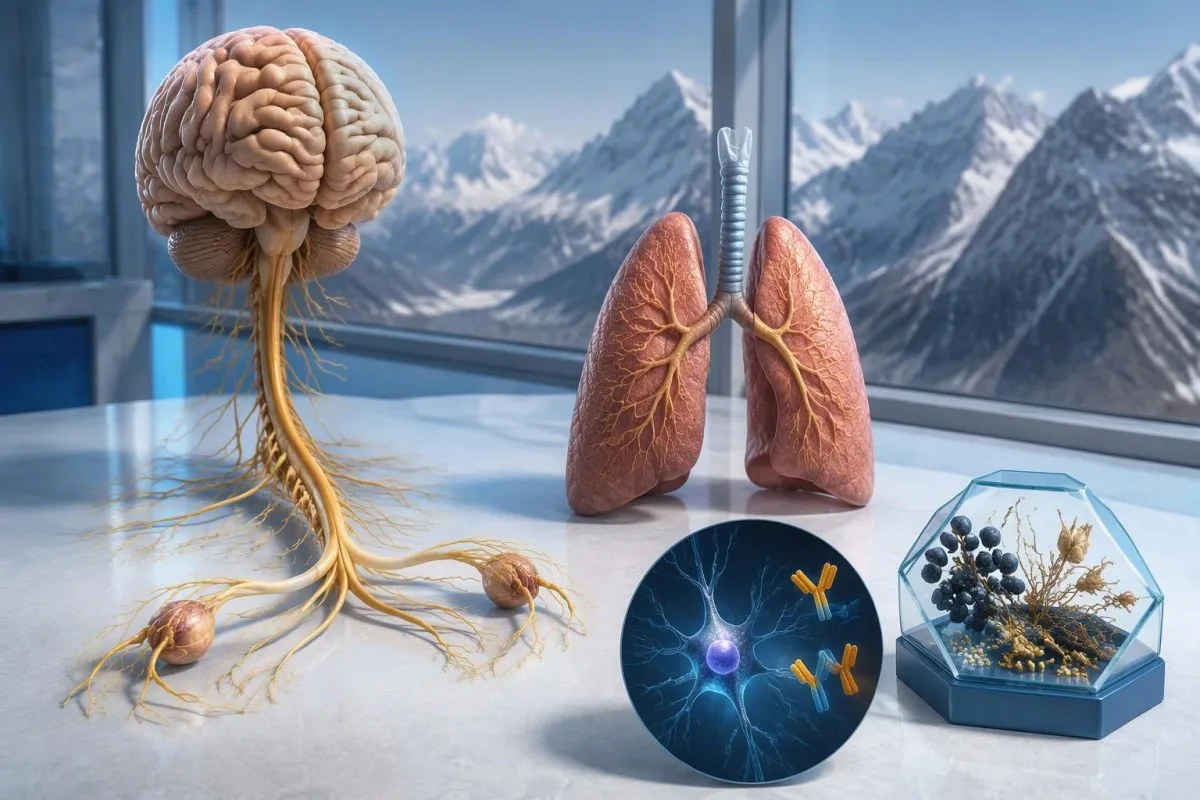
Tha toradh dearbhach airson an aghaidh-fheithich anti-Hu a’ togail dragh mu fhreagairt dìon-inntinn nearbhach co-cheangailte ri aillse, gu h-àraidh aillse sgamhain nan ceallan beaga, ach chan eil e a’ dearbhadh gu bheil aillse ann. Bidh dotairean a’ measadh nan comharraidhean, a’ dearbhadh toradh an obair-lann agus a’ cur measadh airson aillse air dòigh; dh’fhaodadh gum bi feum air sgrìonadh a-rithist fiù ’s ma tha a’ chiad sganaidhean àicheil.



- Anti-Hu / ANNA-1 ’na aghaidh-fheithich paraneoplastach le cunnart àrd, roinn a tha co-cheangailte ri aillse ann an còrr is 70% de bhuidhnean clionaigeach dearbhte — chan ann anns gach toradh sgrìonaidh nach deach a dhearbhadh.
- Dearbhadh aillse feumaidh e fianais air malignancy bhunasach, a’ gabhail a-steach sgrùdadh air maothran mar as trice; chan eil aon toradh dearbhach airson aghaidh-fheithich na fhianais den t-seòrsa sin.
- Dearbhadh an assay gu tric a’ cur dà dhòigh cho-phàirteach ri chèile: pàtran sònraichte de dhathadh maothran agus deuchainn a tha sònraichte don antigen.
- Comharraidhean nearbhach leithid call mothachaidh a tha a’ dol am miosad, dìth cothromachaidh, glacaidhean no mì-ghnìomhachd an t-siostaim nearbhaich fèin-riaghlaich, ag atharrachadh brìgh agus èiginn an toraidh.
- Ìomhaighean àicheil a’ ciallachadh nach deach aillse a lorg leis an sgrùdadh sin aig an àm sin; chan eil e a’ cur às don chomas gu bheil aillse beag ann nach gabh a lorg an toiseach.
- Sgrìonadh ath-aithriseach Thathar a’ moladh a dhèanamh gach 4–6 mìosan fad 2 bhliadhna nuair a tha feartan clionaigeach eanchainn le cunnart àrd an cois antibody le cunnart àrd, a rèir slatan-tomhais PNS 2021.
- Faireachas nas fhaide dh’fhaodadh seo a bhith iomchaidh do dh’euslaintich shònraichte; bha cohort anti-Hu ann an 2023 a’ toirt taic do bhith a’ beachdachadh air sgrìonadh nas fhaide na 2 bhliadhna, uaireannan suas ri 5 bliadhna.
- Comharraidhean èiginn gabhail a-steach duilgheadas ùr le anail, neo-chomas slugadh gu sàbhailte, laigse a tha a’ fàs nas miosa gu luath, a’ chiad ghlacaidh no easbhaidhean eanchainn obann.
Dè tha toradh dearbhach airson an aghaidh-fheithich anti-Hu a’ ciallachadh?
An antibody anti-Hu deimhinneach Tha an toradh a’ ciallachadh gun do lorg an obair-lann ath-ghnìomhachd an aghaidh phròtainean neuronaich Hu; chan eil e a’ dearbhadh aillse no sionndrom eanchainn leis fhèin. Tha 3 pàirtean ann an eadar-mhìneachadh: a bheil an toradh fìor, a bheil an taisbeanadh eanchainn a’ freagairt ris agus an gabh aillse co-cheangailte a lorg.
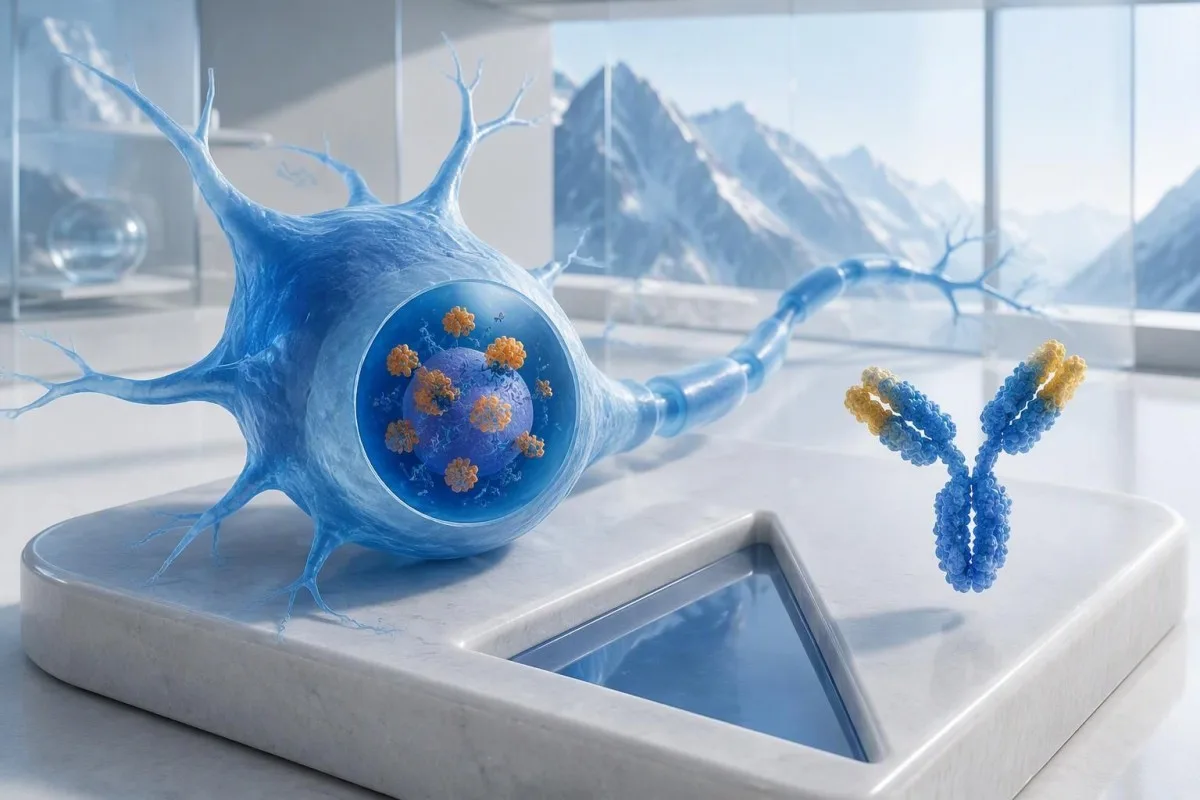
Tha anti-Hu air a sheòrsachadh mar antibody àrd-chunnairt co-cheangailte ri aillse, agus tha an roinn air a mìneachadh le co-cheangal ri aillse os cionn 70% ann an àireamhan clionaigeach buntainneach (Graus et al., 2021). Chan urrainnear an ceudad sin a chur gu fèin-obrachail air neach a tha fallain air dhòigh eile agus aig a bheil toradh lag, neo-dhearbhte air pannal: tha na h-euslaintich a chaidh a sgrùdadh, an dòigh deuchainn agus an taisbeanadh eanchainn uile a’ toirt buaidh air a’ choltachd.
Feumar measadh eadar-dhealaichte a dhèanamh air neach beachd-bharail 62-bliadhna aig a bheil mì-chothromachadh a tha a“ fàs nas miosa fad 8 seachdainean agus call mothachaidh neo-chothromach, seach air neach aig an do nochd an antibody gun dùil ann am pannal farsaing airson sgìths. Cha bu chòir innse do dh’aon seach aon dhiubh, ”Tha aillse ort,” stèidhichte air duilleag an obair-lann a-mhàin. Tha ar mìneachadh air toraidhean antibody dearbhach a’ cuideachadh le sgaradh a dhèanamh eadar comharra dìonachd agus breithneachadh crìochnaichte.
Tha Kantesti na Anailisiche deuchainn fala AI a chuidicheas le bhith a’ mìneachadh briathrachas aithisg anti-Hu, ach buinidh dearbhadh san obair-lann agus measadh aillse do na clionaigearan a tha gad làimhseachadh. Mar Thomas Klein, MD, Prìomh Oifigear Meidigeach aig Kantesti LTD, ’s e a’ chiad cheist a chuireadh mi dè thug ort an deuchainn shònraichte seo a dhèanamh—chan e dè cho eagallach ’s a tha a’ bhratach dhearg; ar buidheann agus misean clionaigeach a’ mìneachadh an eadar-dhealachaidh sin.
An e ANNA-1 an aon aghaidh-fheithich ri anti-Hu?
Mar as trice tha antibody ANNA-1 agus antibody anti-Hu a’ toirt iomradh air an aon teaghlach antibody. Tha ANNA-1 a’ seasamh airson antibody niùclasach an-aghaidh-neuronaich seòrsa 1; tha an sònrachadh Hu a’ toirt iomradh air na pròtainean neuronaich am broinn nan ceallan a dh’aithnicheas freagairt an t-siostaim dìon, seach air galar fa leth no ìre aillse.
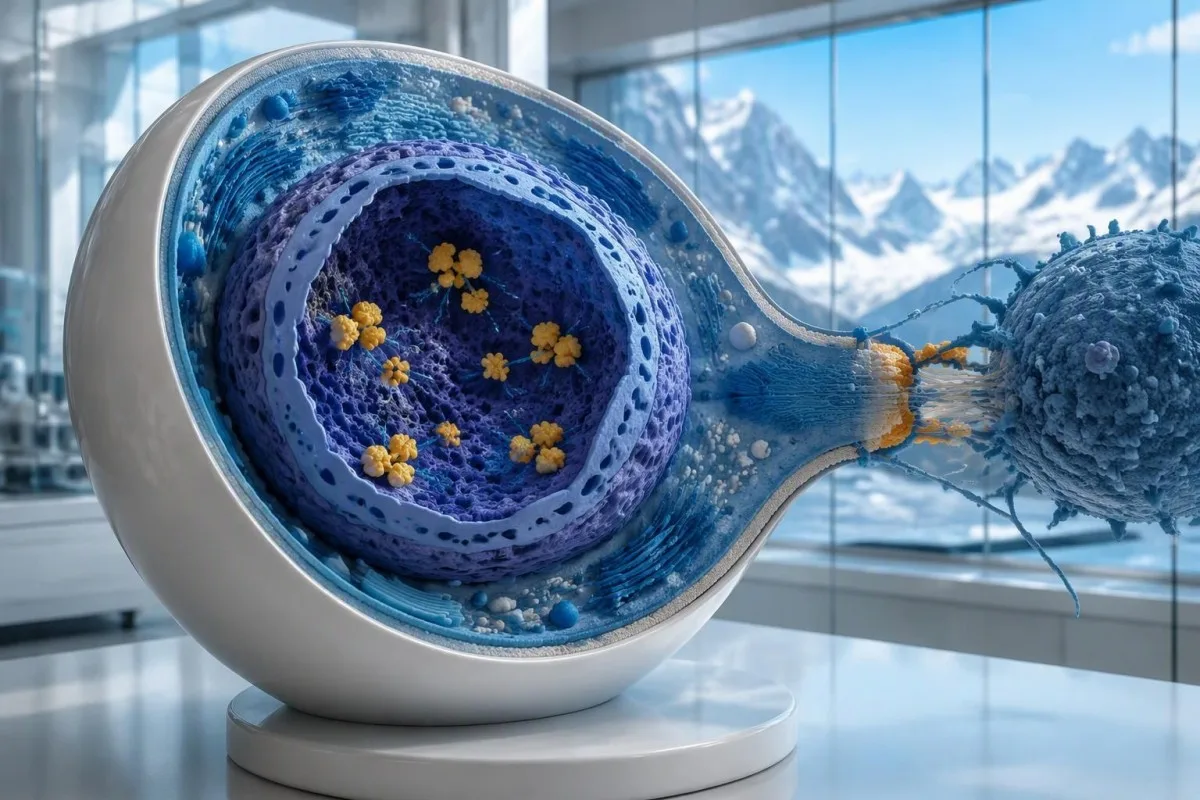
Tha pròtainean Hu nam pròtainean intracellularach a cheanglas ri RNA, agus tha e nas fheàrr anti-Hu a thuigsinn mar chomharradh air freagairt dìonachd anns a bheil ceallan T cytotoxic gu tric an sàs. Tha seo eadar-dhealaichte bho dhuilgheadasan far a bheil antibodies a’ ceangal ri pròtainean ruigsinneach air uachdar nan neuronan. Tha an diofar seo a’ mìneachadh carson nach cuir lùghdachadh ìrean antibody air ais gu earbsach dochann eanchainn anti-Hu a tha stèidhichte mar-thà, fiù nuair a tha titeran glè eadar-dhealaichte rim faicinn ann an 2 aithisg.
Chan eil aithisg a tha ag ràdh “ANNA-1 detected” co-ionann ri ANA dearbhach àbhaisteach, ged a tha na litrichean coltach ri chèile. ANA mar as trice tha e a’ ciallachadh antibodies niùclasach an-aghaidh a chleachdar ann am measadh ghalaran fèin-dìona siostamach, ach tha ANNA-1 a’ comharrachadh pàtran antibody neuronal. Cùm an dà ghiorrachadh sin air leth nuair a bhios tu a’ bruidhinn mu na toraidhean agad; tha ar stiùireadh briathrachais ANA a’ mìneachadh na deuchainn as aithnichte.
Gabhaidh anti-Hu a lorg ann an cuid de dhaoine le aillse sgamhain nan ceallan beaga aig nach eil sionndrom eanchainn aithnichte. Air an làimh eile, faodaidh comharraidhean eanchainn leantainn gu lorg antibody mus bi an aillse ri fhaicinn. ’S e dà shlighe clionaigeach eadar-dhealaichte a tha sin: chan innis an antibody do dhotair, leis fhèin, a bheil dochann ga dhèanamh air na nearbhan an-dràsta no càite am faodadh aillse bunaiteach a bhith.
Ciamar a bu chòir aithisg deuchainn an aghaidh-fheithich anti-Hu a leughadh?
An anti-Hu antibody test has no universal numerical cutoff that can be applied across laboratories. Read the specimen type, assay method, result category, laboratory reference interval and confirmation comments together; a dilution titer, band intensity and numerical index are 3 different ways of reporting reactivity.
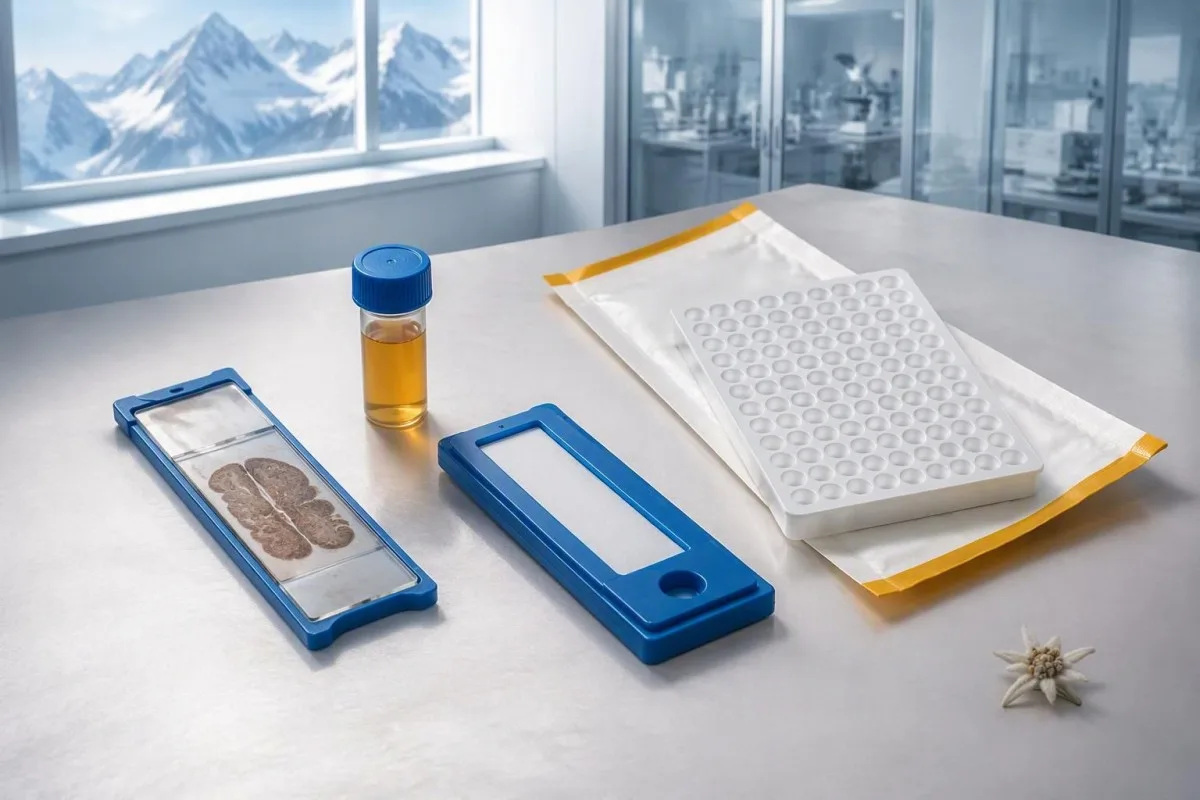
A hypothetical titer of 1:240 describes detectable reactivity after a particular dilution; it is not a cancer probability of 240, nor does it establish cancer stage. A numerical index from another method may use entirely different calibration. Our guide to toraidhean càileachdail an aghaidh toraidhean tomhasach explains why “positive” and “how much” answer different laboratory questions.
Weak or borderline reactivity deserves method-specific interpretation, particularly when a broad panel was ordered without a convincing neurological indication. Ask whether the laboratory observed the characteristic neuronal staining pattern and whether an antigen-specific confirmation was performed. Two tests using the same underlying strip technology may reproduce the same analytical problem; agreement is more informative when the methods are genuinely complementary.
Bring the complete report, not just a screenshot of the word positive. The 5 most useful details are the specimen, collection date, assay name, reported strength or titer and laboratory interpretation. Also list recent intravenous immunoglobulin and other immune treatments, because passive antibodies or treatment effects can complicate some serological results; your laboratory can advise whether that issue plausibly affects this particular finding.
Cuin a dh’fheumas toradh dearbhach anti-Hu dearbhadh?
Unexpected, weak or clinically discordant anti-Hu results should be reviewed for confirmation, preferably with an experienced neuroimmunology laboratory. The 2021 PNS criteria emphasize interpreting neuronal antibody testing alongside the phenotype and using appropriate confirmatory methods rather than accepting an isolated commercial-panel result as a diagnosis.
Tissue-based immunohistochemistry or immunofluorescence and an antigen-specific assay provide different information. The first identifies a characteristic distribution of neuronal staining; the second tests reactivity against the relevant antigen. Graus et al. (2021) describe these complementary approaches, with specialist reassessment particularly useful when 1 method gives a result that does not fit the clinical picture.
Repeating a sample can address collection errors or a transient analytical concern, but repeating the same kit is not always enough. In a hypothetical 45-year-old with no objective neurological findings and a faint isolated band, I would want the laboratory’s explanation before treating the report as established anti-Hu autoimmunity. Our GAD65 interpretation guide illustrates another antibody for which context and assay characteristics change meaning.
Confirmation and urgent assessment can happen in parallel. A person who develops seizures, substantial walking difficulty or progressive swallowing impairment should not wait several weeks for a reference-laboratory answer before receiving neurological care. The practical question is not “repeat or investigate?” but which of those 2 tasks can safely proceed together, given the symptoms and the initial laboratory evidence.
Dè na comharraidhean nearbhach a tha a’ cur barrachd dragh air daoine a thaobh anti-Hu?
Progressive sensory neuronopathy, encephalomyelitis, limbic encephalitis and marked autonomic dysfunction are recognized anti-Hu presentations. Symptoms can involve more than 1 part of the nervous system, so the pattern and speed of change are usually more informative than a single symptom such as tingling or fatigue.
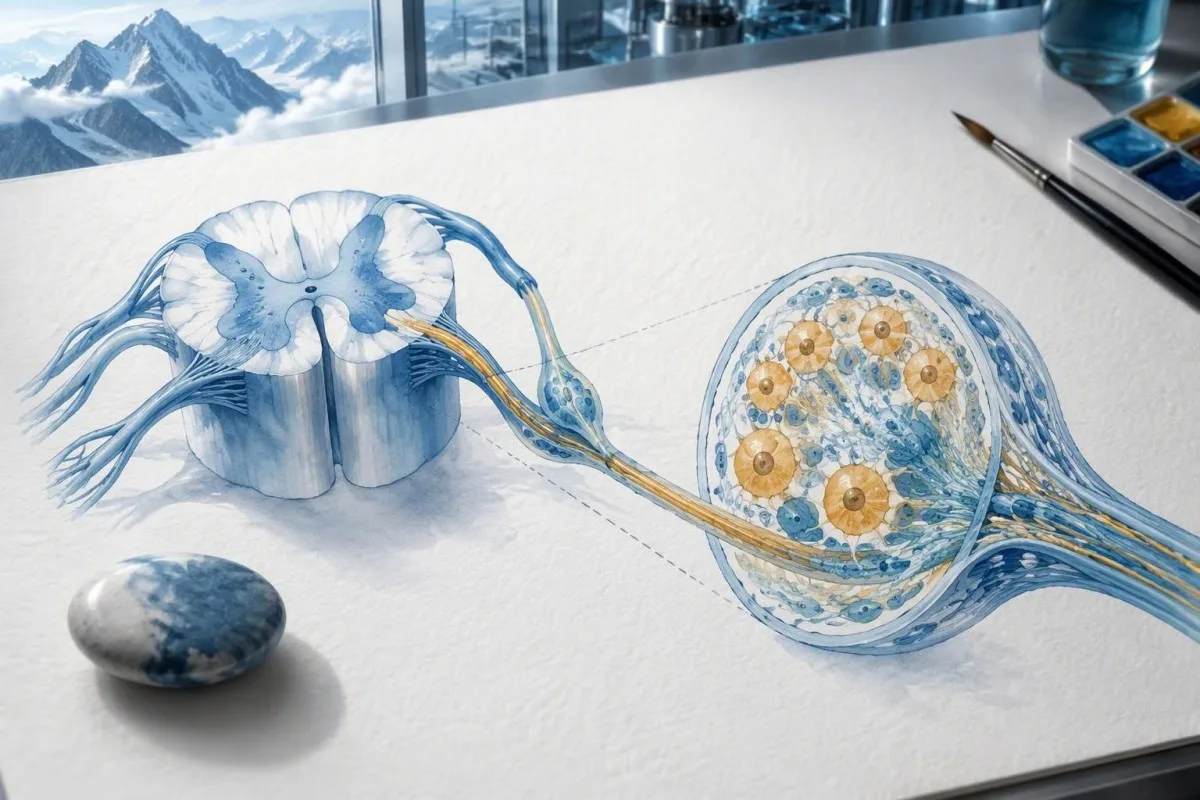
Sensory neuronopathy can cause asymmetric numbness, impaired position sense and sensory ataxia, sometimes involving the hands or trunk early rather than following a simple feet-first pattern. A patient may lose balance in the dark because vision had been compensating for reduced position feedback. That is different from the focal finger distribution discussed in our carpal tunnel symptom guide, although neither pattern can be diagnosed from description alone.
Anti-Hu autonomic involvement can affect gut movement, blood-pressure regulation and bladder function. Severe constipation, unexplained intestinal pseudo-obstruction or dizziness on standing becomes more relevant when accompanied by objective neurological abnormalities. Recording symptoms over 7 days can reveal combinations that otherwise get presented as separate stomach, balance and urinary complaints; sudden severe abdominal symptoms still require assessment for non-neurological emergencies.
New memory impairment, behavioral change or seizures may indicate central nervous system involvement, while rapid weakness has a broader emergency differential. The comharran rabhaidh laigse èiginneach in our neurological safety guide apply regardless of the antibody label. Call emergency services for new breathing difficulty, unsafe swallowing, a first seizure or sudden stroke-like symptoms rather than waiting for a scheduled follow-up.
Dè na deuchainnean nearbhach a dh’fhaodadh leantainn air toradh dearbhach?
Neurological follow-up may include examination, nerve conduction studies, MRI and cerebrospinal fluid testing, selected according to the symptoms. There is no mandatory battery for every anti-Hu-positive person; the purpose is to document which structures are affected and exclude other causes, not merely to collect additional positive tests.
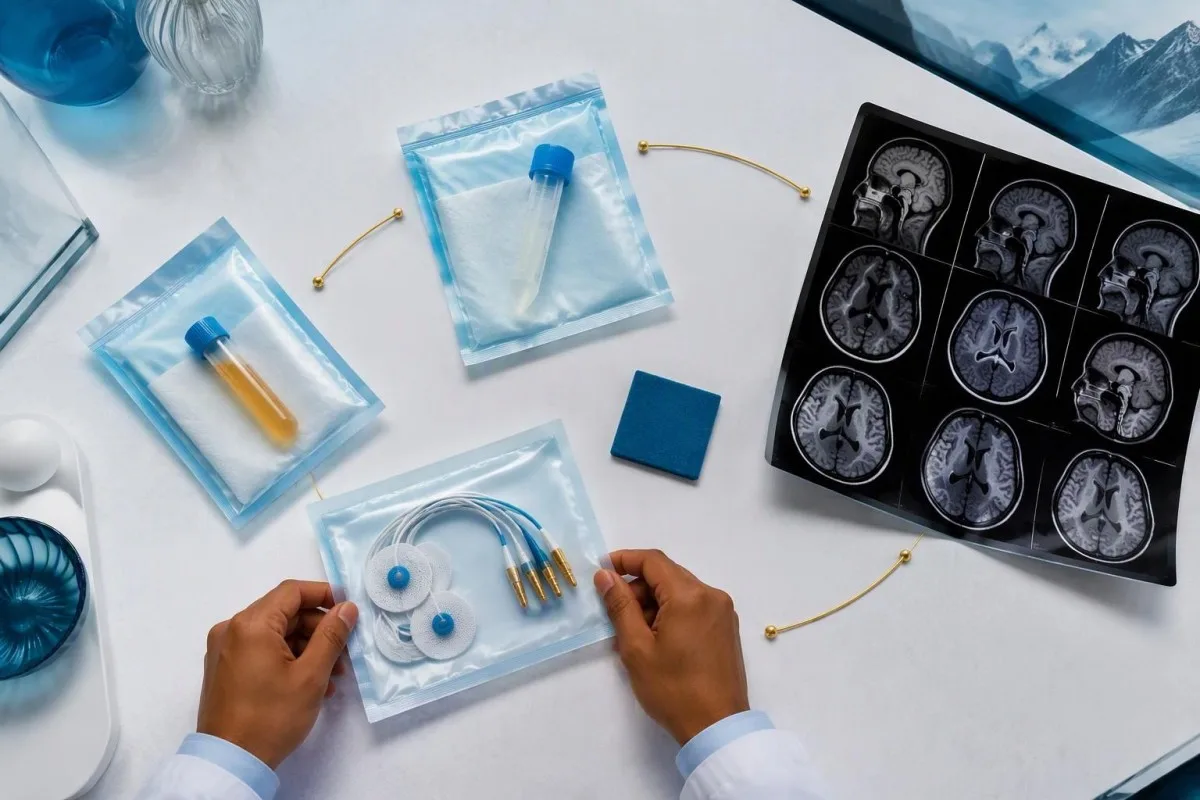
Nerve conduction studies can support a sensory neuronopathy pattern by showing reduced sensory responses across distributions that do not fit a single compressed nerve. Brain or spinal MRI addresses different questions, including structural disease and some inflammatory changes. A normal MRI does not exclude peripheral sensory ganglion involvement; these are 2 distinct anatomical compartments with different diagnostic tools.
Cerebrospinal fluid may show increased cells, protein or evidence of intrathecal immune activity, but none of those findings is specific to anti-Hu. A lumbar puncture is most useful when the neurological syndrome warrants it, rather than as an automatic response to 1 weak serum band. Our discussion of mìneachadh bannagan oligoclonal CSF explains why immune activity in spinal fluid does not identify a single disease.
Basic investigations still matter: glucose control, vitamin status, renal function and serum protein assessment can uncover treatable contributors to neuropathy. A clinician may request 2 or more of these alongside specialist testing, depending on the examination. The stiùireadh againn air measadh phròtainean san t-serum provides background, but normal routine blood work neither confirms nor excludes an anti-Hu-associated neurological process.
A bheil dearbhachd anti-Hu a’ dearbhadh sionndrom paraneoplastach?
A positive antibody alone does not confirm anti-Hu paraneoplastic syndrome. The PNS-Care approach combines the neurological phenotype, antibody risk category, cancer findings and follow-up; clinicians also check for direct cancer effects, treatment toxicity and unrelated neurological conditions before attributing symptoms to a paraneoplastic immune response.
Definite, probable and possible PNS are diagnostic categories, not cancer stages. The 2021 criteria use a structured scoring system rather than allowing 1 antibody to determine the whole diagnosis (Graus et al., 2021). A confirmed anti-Hu result with a strongly compatible syndrome remains clinically significant even before a cancer is identified, but clinicians should state clearly which parts of the assessment remain unresolved.
An older patient can have anti-Hu reactivity and a separate cause of numbness, such as diabetes, nutritional deficiency or a monoclonal protein disorder. Coexistence is possible; either-or reasoning can miss treatable disease. If serum protein studies reveal a band, our immunofixation result guide explains why that finding requires its own interpretation rather than being automatically folded into the anti-Hu diagnosis.
Tha Kantesti na àrd-ùrlar mìneachaidh deuchainn fala AI that can help organize these distinctions in a laboratory explanation, but it cannot assign a reliable PNS-Care diagnosis from a report alone. Our frèam dearbhaidh clionaigeach separates technical evaluation from clinical conclusions. In practice, I would document 3 separate judgments: confidence in the antibody, confidence in the neurological syndrome and the current evidence for cancer.
Ciamar a bhios dotairean a’ lorg aillse co-cheangailte ris?
Cancer evaluation usually prioritizes the chest because small-cell lung cancer is the strongest adult anti-Hu association. Doctors commonly begin with appropriate chest CT and may add FDG-PET/CT or targeted investigations if suspicion remains; the exact plan depends on age, symptoms, examination, smoking history and previous imaging.
The cancer association is substantial in established anti-Hu clinical cohorts. Villagrán-García et al. (2023) reported identified cancer in 349 of 466 patients, approximately 75%, in a specialist anti-Hu cohort. This is valuable evidence for taking confirmed, clinically relevant anti-Hu seriously; it is not a personalized prediction for an asymptomatic person with an unconfirmed positive screening strip.
A chest X-ray is not equivalent to a chest CT, and routine low-dose screening is not necessarily the correct examination for a suspected paraneoplastic syndrome. The clinician chooses the protocol and body regions based on the diagnostic question. Likewise, neurological symptoms do not automatically mean cancer has spread to the brain; our brain imaging warning-sign guide distinguishes structural investigation from immune-mediated disease.
A suspicious scan often leads to tissue sampling through a method chosen by respiratory or oncology specialists, such as bronchoscopic assessment of an accessible area. Imaging suspicion and cancer confirmation are 2 separate steps. Never-smoking status lowers the baseline probability of small-cell lung cancer but does not cancel a well-confirmed anti-Hu finding with a convincing neurological presentation; other cancers and non-cancer explanations still need consideration.
Carson a dh’fhaodas a’ chiad sganaidhean airson aillse a bhith àicheil?
Initial imaging can be negative because an associated cancer is still too small to detect, lies outside the examined area or is not readily visible with that technique. Neurological autoimmunity may precede cancer detection, so a negative scan reduces concern without necessarily ending follow-up in a high-risk clinical presentation.
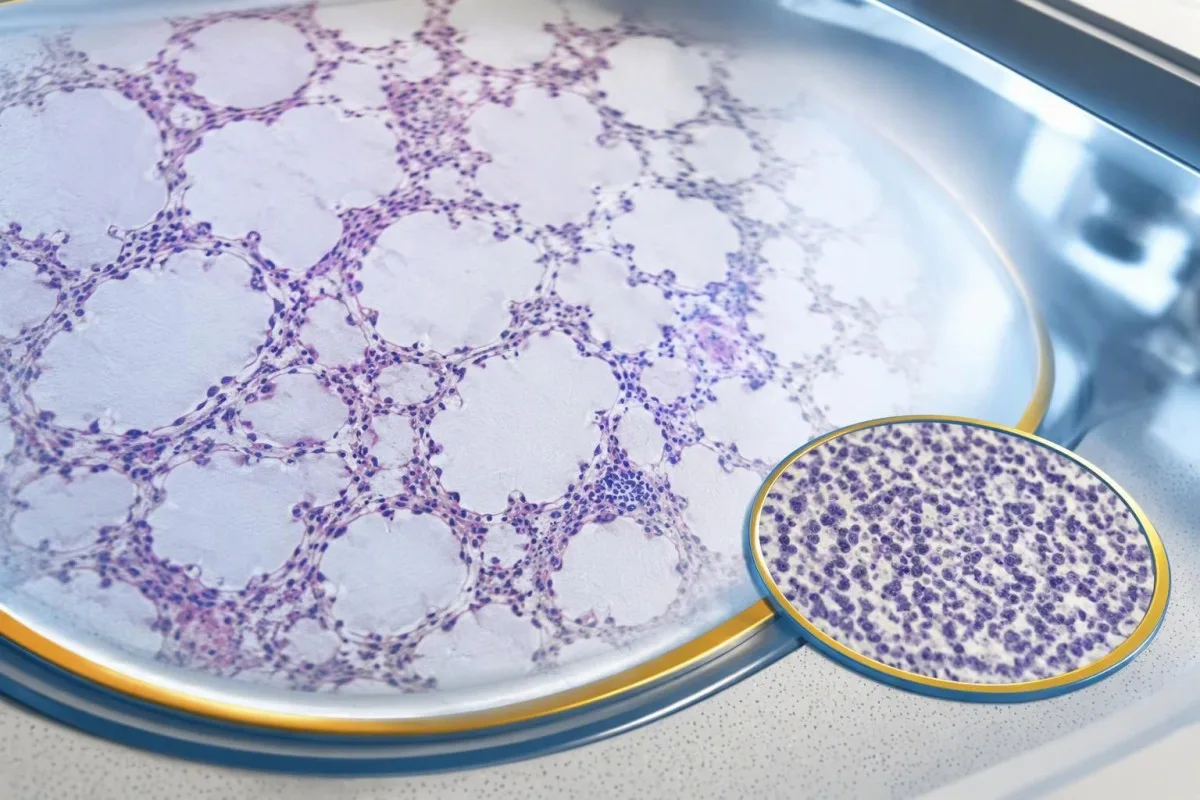
A negative scan is time-specific and method-specific. A normal chest CT performed on 1 date answers whether that examination identified a suspicious chest finding then; it does not guarantee that every possible associated cancer is absent indefinitely. Ask what was actually imaged, whether the protocol was suitable and whether the specialist recommends PET/CT or targeted investigation despite the initial result.
Villagrán-García et al. (2023) described cancers detected beyond the first 2 years in a minority of their anti-Hu cohort, supporting individualized longer surveillance. Their findings also support considering PET-based investigation when initial CT is unrevealing in an appropriate clinical context. This is an escalation decision for the treating team, not a reason to independently purchase repeated whole-body scans without weighing radiation, incidental findings and cost.
Neurological deterioration after negative imaging still needs reassessment. Cancer surveillance and neurological monitoring are 2 parallel tracks; one reassuring scan does not explain new loss of function. A marker such as neurofilament light chain may indicate neuronal injury in selected settings, but our NfL interpretation guide explains why it cannot establish anti-Hu disease, locate cancer or replace examination.
Dè cho fada ’s a bu chòir sgrìonadh airson aillse leantainn?
The 2021 PNS criteria recommend repeat cancer screening every 4–6 months for 2 years when a high-risk neurological phenotype accompanies a high-risk antibody. Longer surveillance may be appropriate for selected anti-Hu patients; the interval and duration should reflect confirmation, clinical evolution, initial investigations and individual cancer risk.

The 2-year schedule is not an instruction to scan every positive antibody result repeatedly. Graus et al. (2021) link that recommendation to the combination of high-risk phenotype and high-risk antibody. An incidental, weak result without a matching syndrome needs confirmation and individualized assessment first; repeating imaging mechanically can create incidental findings and unnecessary procedures without resolving the original uncertainty.
Older European guidance recommended longer surveillance. The EFNS task force advised repeating screening after 3–6 months and then every 6 months for up to 4 years in relevant antibody-positive paraneoplastic presentations (Titulaer et al., 2011). The 2023 anti-Hu cohort supported considering screening up to 5 years in selected patients, so a specialist may reasonably extend follow-up beyond the newer general 2-year framework.
Keep a dated plan stating the next examination, the clinician responsible and what symptoms should trigger earlier contact. Kantesti explanations can help you understand terminology, but the platform should not be treated as a scan-reminder service or substitute for that plan. Our guide to risk-based cancer screening addresses a different setting: routine prevention is not the same as investigating a possible paraneoplastic syndrome.
Dè an leigheas a tha na chuideachadh ann an galar nearbhach anti-Hu?
Treatment focuses on an identified cancer, selected immune therapy and symptom-directed rehabilitation. Anti-Hu-associated neurological disease often responds less predictably to immunotherapy than neuronal surface-antibody disorders because intracellular targets and T-cell-mediated injury are involved; treatment may aim to stabilize function rather than promise complete recovery.
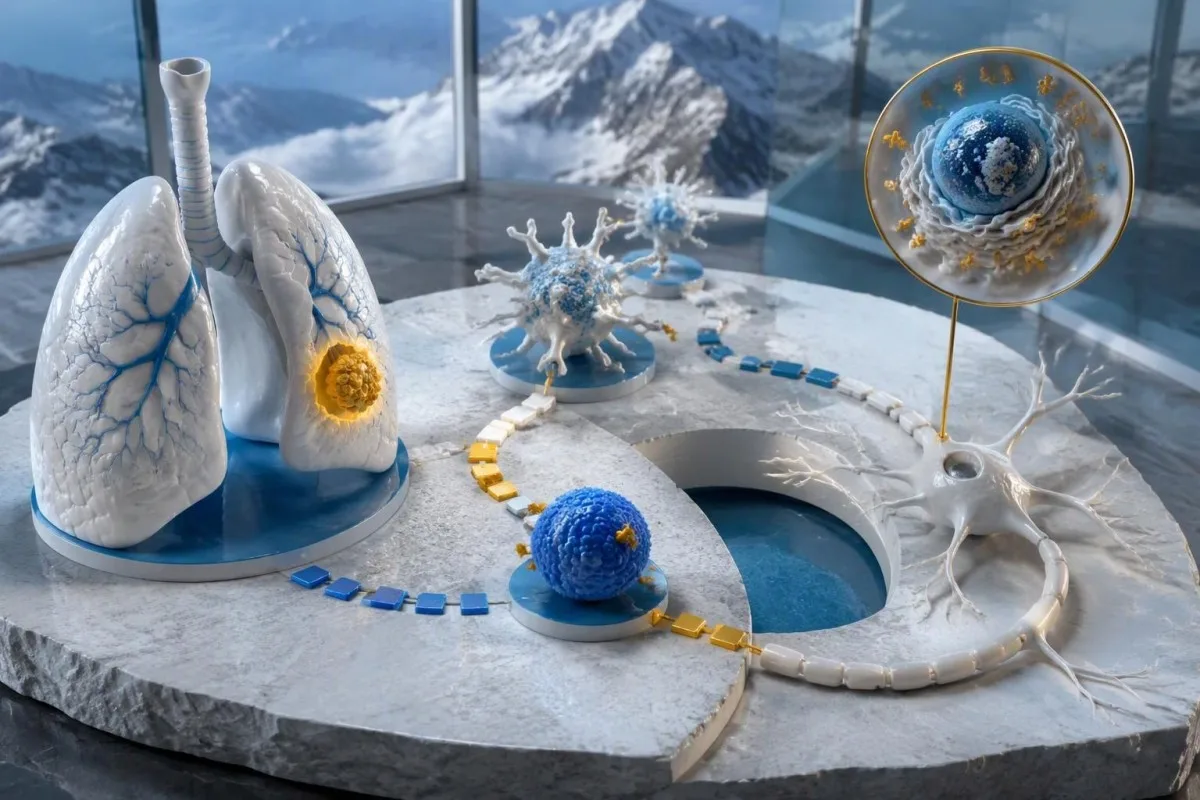
Treating an associated cancer is a central part of care, but established neurological injury may persist even when cancer treatment succeeds. Neurology and oncology teams may consider corticosteroids, intravenous immunoglobulin, plasma exchange or other immune treatments in selected situations. There is no single evidence-based dose or 1 universal regimen appropriate for everyone with anti-Hu positivity, especially without a confirmed clinical syndrome.
An antibody titer is not a dependable treatment target on its own. A lower number does not necessarily mean restored nerve function, and a persistent positive result does not by itself prove cancer progression. This differs from some surface-antibody disorders; our MOG antibody diagnosis guide explains another immune neurological condition, but its diagnostic rules and treatment expectations should not be transferred to anti-Hu.
Immune checkpoint cancer therapies deserve an explicit discussion when anti-Hu neurological disease is present, because they can provoke or worsen paraneoplastic neurological autoimmunity. This is a specialist risk-benefit decision, not an automatic prohibition based on 1 laboratory result. Tell the oncologist about previous neurological symptoms and confirmed neuronal antibodies before treatment decisions are finalized; coordinating the teams early can prevent avoidable misunderstanding.
Dè as urrainn dhut a dhèanamh gu sàbhailte fhad ’s a tha na sgrùdaidhean a’ dol air adhart?
While investigations continue, protect mobility, swallowing and medication safety rather than trying to lower anti-Hu antibodies with supplements. Use the neurological symptoms—not the appearance of the laboratory flag—to decide whether ordinary follow-up is sufficient or urgent care is needed; a new functional loss warrants contact before the next planned scan.

Position-sense loss increases fall risk, particularly in poor lighting or on uneven ground. A physiotherapist may recommend a suitable walking aid and individualized balance strategies; occupational therapy can address hand coordination and home hazards. A short 7-day record of falls, near-falls and walking changes is often more useful at review than the vague statement “my balance is worse,” but stop activities that feel unsafe.
Excess vitamin B6 can itself cause sensory neuropathy, making unsupervised high-dose nerve supplements particularly unhelpful during this assessment. Review every supplement and its daily dose in mg, including overlapping multivitamins and combination products. Our Stiùireadh sàbhailteachd B-iom-fhillte explains that problem; correcting a documented deficiency is different from taking progressively larger doses in the hope of treating anti-Hu autoimmunity.
Vitamin B12 deficiency can contribute to sensory and gait problems and may need investigation even when anti-Hu is confirmed. There is no universally interchangeable B12 cutoff: results in pg/mL agus pmol/L require their own laboratory context, sometimes with functional testing. Our treoir ath-sgrùdaidh B12 cuibheasach againn explains those next steps; new choking, breathing difficulty or rapid weakness should be assessed urgently instead of managed with vitamins.
Ciamar as urrainn do AI cuideachadh le mìneachadh sàbhailte a thoirt air aithisg anti-Hu?
AI can help explain report terminology and organize questions, but it cannot confirm anti-Hu specificity, diagnose paraneoplastic syndrome or rule out cancer. Safe interpretation preserves the original assay details and separates 3 issues: what the laboratory reported, what the result may mean and what a clinician has actually established.

Tha Kantesti na Inneal mion-sgrùdaidh deuchainn fala le cumhachd AI that can provide a plain-language explanation of uploaded laboratory information, including the distinction between an antibody screen and a confirmed clinical diagnosis. A rapid explanation—often around 60 seconds for report processing—is not a reference-laboratory assay. Our stiùireadh teicneòlais AI describes the interpretation workflow without making anti-Hu-specific diagnostic guarantees.
The complete source report should remain available for verification. An explanation should not silently replace “weakly reactive” with “confirmed,” drop the specimen type or invent a universal reference interval. Our guide to sgrùdadh a dhèanamh air mìneachaidhean meidigeach AI describes practical source checks; for this antibody, compare at least the assay wording, confirmation comment and collection date against the original document.
Kantesti cannot examine sensation, review tissue staining directly through a report explanation or establish that negative imaging has excluded a tiny cancer. Those are 3 different clinical capabilities, not features that follow from understanding laboratory language. Share the explanation with the treating team as a discussion aid, and do not delay urgent assessment while uploading documents or waiting for a second automated interpretation.
An ath choinneamh agad agus follaiseachd rannsachaidh
Bring the complete antibody report, a dated symptom history, previous imaging reports and a current medication list to your next appointment. Ask the clinician to clarify antibody confirmation, the neurological diagnosis and cancer surveillance separately; those 3 answers may have different levels of certainty and different follow-up dates.
A useful 1-page symptom history records onset, progression, sensory distribution, walking changes, memory problems and autonomic symptoms. Include prior cancer treatment and any recent immunoglobulin therapy, then ask who will coordinate neurology and oncology if both are involved. As Thomas Klein, MD, I would rather see a clear timeline than 20 disconnected screenshots; it makes discrepancies between the laboratory result and clinical course easier to spot.
Medical authorship is not a substitute for an individual neurological examination. Ar fiosrachadh bòrd comhairleachaidh meidigeach describes the clinicians associated with our work, while your own specialist determines the appropriate next investigation. As of 25 Dàmhair 2026, the recommendations discussed here draw on the 2021 international PNS criteria, the 2011 EFNS screening guidance and the 2023 anti-Hu cohort—not an invented 2026 guideline.
The 2 Figshare publications below are platform-related research references, not evidence validating anti-Hu diagnosis or cancer exclusion. Their supplied titles describe hantavirus triage deployment and a synthetic-case technical benchmark; neither title establishes anti-Hu-specific clinical performance. Because publication authors and dates were not supplied for verification, the citations use title-first APA formatting with “n.d.”; the ResearchGate and Academia.edu links are searches, not claims of verified publication copies.
Ceistean Bitheanta
A bheil toradh dearbhach airson antì-chorp anti-Hu a’ ciallachadh gu bheil aillse orm?
0 Chan eil toradh dearbhach air antibodies anti-Hu leis fhèin a’ dearbhadh gu bheil aillse ann. Tha anti-Hu na antibody àrd-chunnairt co-cheangailte ri aillse, agus chaidh aillse aithneachadh ann an 349 de 466 euslaintich ann an cohort speisealta anti-Hu ann an 2023, ach chan eil am figear sin a’ dearbhadh a’ chunnairt a tha an lùib toradh sgrìonaidh tubaisteach nach deach a dhearbhadh. Bidh dotairean a’ measadh nan comharraidhean eanchainn, a’ dearbhadh toraidhean obair-lann ris nach robh dùil agus a’ rannsachadh a bheil aillse fon bhun, le prìomhachas mar as trice ga thoirt don bhroilleach ann an inbhich. Mar as trice, feumar fianais fa leth chlionaigeach, bho dhealbhan agus bho fhigheagan gus aillse a dhearbhadh.
An e an aon rud a th’ ann an anti-Hu agus ANNA-1?
Mar as trice, bidh Anti-Hu agus ANNA-1 a’ comharrachadh an aon teaghlach de dh’anticorpan neuronal. Tha ANNA-1 a’ ciallachadh antìbod niùclasach an aghaidh nan niùronan seòrsa 1, agus tha Hu a’ toirt iomradh air na pròtanan niùronach taobh a-staigh nan ceallan a dh’aithnicheas an antìbod. Chan eil ANNA-1 co-ionann ri ANA àbhaisteach a thathar a’ cleachdadh ann an deuchainnean airson ghalaran fèin-dìon siostamach. Thoir sùil air dearbh fhaclan na deuchainn agus an dearbhaidh, oir faodaidh deuchainn-lannan an aon teaghlach de dh’anticorpan aithris ann an diofar chruthan.
Am faod deuchainn antibody anti-Hu a bhith dearbhach gu meallta?
Faodaidh deuchainn antibody anti-Hu ath-bhualadh meallta no neo-shònraichte a thoirt seachad, gu h-àraidh nuair nach eil toradh lag bhon sgrìonadh a’ freagairt ris an taisbeanadh eanchainneach. Mar as trice, thèid dearbhadh a dhèanamh le bhith a’ cleachdadh 2 dhòigh cho-phàirteach: pàtran sònraichte de dhathadh fhigheagan agus deuchainn shònraichte don antigen a tha air a mìneachadh le obair-lann eòlach. Dh’fhaodadh ath-dhèanamh an aon dòigh mhalairteach an aon duilgheadas anailiseach ath-aithris seach a fuasgladh. Tha feum fhathast air measadh ann an deagh àm ma tha comharraidhean eanchainneach a’ fàs nas miosa gu luath fhad ’s a thathar a’ feitheamh ri dearbhadh.
Dè cho tric a bu chòir sganaidhean a dhèanamh a-rithist ma tha anti-Hu deimhinneach?
Tha slatan-tomhais PNS 2021 a’ moladh sgrìonadh aillse ath-aithris gach 4–6 mìosan airson 2 bhliadhna nuair a tha phenotype eanchainneach àrd-chunnairt an cois antibody àrd-chunnairt. Chan eil an clàr-ama sin a’ buntainn gu fèin-obrachail ri gach toradh anti-Hu-dearbhach a lorgar gun dùil. Mhol seann stiùireadh EFNS sgrùdadh leantainneach suas ri 4 bliadhna, agus thug cohort anti-Hu ann an 2023 taic do bhith a’ beachdachadh air suas ri 5 bliadhna airson euslaintich a thèid a thaghadh. Bu chòir don eòlaiche agad modh an ìomhaigheachaidh, an t-eadar-ama, an ùine agus na comharraidhean a dh’fheumas ath-sgrùdadh nas tràithe a shònrachadh.
Am faod anti-Hu a bhith dearbhach nuair a tha sganaidhean CT agus PET àbhaisteach?
0 Cha bhi Anti-Hu àicheil nuair nach eil aillse air a lorg le ìomhaigheachd CT no PET. Dh’fhaodadh fèin-dìonachd eanchainnich a bhith ann mus lorgar aillse, agus tha sganaidh àicheil a’ nochdadh nan roinnean a chaidh an sgrùdadh, an dòigh-obrach agus an ceann-là, seach gealladh maireannach nach eil aillse ann. Airson taisbeanadh àrd-chunnairt a tha co-chòrdail ris, tha slatan-tomhais 2021 a’ moladh sgrìonadh a-rithist gach 4–6 mìosan airson 2 bhliadhna, agus obair leanmhainn nas fhaide fa leth airson cuid de dh’euslaintich anti-Hu. Bu chòir ath-bheachdan antibody nach deach a dhearbhadh agus mìneachaidhean nach eil co-cheangailte ri aillse ath-bheachdachadh cuideachd, seach gabhail ris gu bheil aillse neo-fhaicsinneach ann gu cinnteach.
A bheil ìsleachadh ìre an aghaidh-bodhaig anti-Hu a’ ciallachadh gu bheil an leigheas ag obair?
0 Tha lùghdachadh ann an ìre nan antibodies anti-Hu a’ dearbhadh gu earbsach gu bheil ath-bheothachadh eanchainneach air tachairt no gu bheil làimhseachadh an aillse air soirbheachadh. Aithnichidh anti-Hu pròtanan taobh a-staigh cheallan, agus bidh dochann eanchainneach co-cheangailte ris gu tric a’ gabhail a-steach uidheaman cheallan-T seach buaidh nan antibodies a-mhàin. Dh’fhaodadh dà thiotar bho dhà obair-lann eadar-dhealaichte a bhith do-dhèanta a choimeas cuideachd oir tha na dòighean eadar-dhealaichte. Bidh luchd-clionaigeach a’ measadh gnìomhachd, toraidhean sgrùdaidh, rannsachaidhean iomchaidh agus freagairt an aillse, seach a bhith a’ cleachdadh àireamh nan antibodies mar thargaid làimhseachaidh leis fhèin.
Faigh Mion-sgrùdadh Deuchainn Fala le Cumhachd AI an-diugh
Thig còmhla ri còrr is 2 mhillean neach air feadh an t-saoghail a tha a’ earbsa Kantesti airson mion-sgrùdadh sa bhad, ceart air deuchainnean obair-lann. Luchdaich suas na toraidhean deuchainn fala agad agus faigh mìneachadh coileanta air biomarcair 15,000+ ann an diogan.
📚 Foillseachaidhean Rannsachaidh le Iomraidhean
Klein, T., Mitchell, S., & Weber, H. (2026). Taic Co-dhùnaidh Clionaigeach Le Taic AI Ioma-chànanach airson Triàsadh Hantavirus Tràth: Dealbhadh, Dheimhinneachadh Innleadaireachd, agus Cur an sàs san t-Saoghal Fìor thairis air 50,000 Aithisg deuchainn fala eadar-theangaichte. Rannsachadh Leigheis AI Kantesti.
Klein, T., Mitchell, S., & Weber, H. (2026). Sgrùdadh Teicnigeach fèin-ghluasadach stèidhichte air Rubric a chaidh a chlàradh ro-làimh de Inneal Mìneachaidh Deuchainn Fala Kantesti air 100,000 cùis deuchainn fuadain. Rannsachadh Leigheis AI Kantesti.
📖 Iomraidhean Meidigeach Taobh a-muigh
Graus F et al. (2021). Updated Diagnostic Criteria for Paraneoplastic Neurologic Syndromes. Neurology: Neuroimmunology & Neuroinflammation.
Titulaer MJ et al. (2011). Screening for tumours in paraneoplastic syndromes: report of an EFNS Task Force. European Journal of Neurology.
Villagrán-García D et al. (2023). Revisiting anti-Hu paraneoplastic autoimmunity: phenotypic characterization and cancer diagnosis. Brain Communications.
⚕️ Àicheadh Meidigeach
Tha an artaigil seo dìreach airson adhbharan foghlaim agus chan eil e a’ dèanamh comhairle mheidigeach. Cuir fios an-còmhnaidh gu solaraiche cùram slàinte teisteanasach airson co-dhùnaidhean breithneachaidh is leigheis.
Comharran earbsa E-E-A-T
Eòlas
Lèirmheas clionaigeach air a stiùireadh le lighiche air sruthan-obrach mìneachaidh obair-lann.
Eòlas
Fòcas air leigheas obair-lann air mar a bhios bith-chomharraidhean (biomarkers) a’ giùlan ann an co-theacsa clionaigeach.
Ùghdarrasachd
Air a sgrìobhadh le Dr. Thomas Klein le ath-sgrùdadh le Dr. Sarah Mitchell agus Prof. Dr. Hans Weber.
Earbsachd
Mìneachadh stèidhichte air fianais le slighean leanmhainn soilleir gus dragh a lughdachadh.
