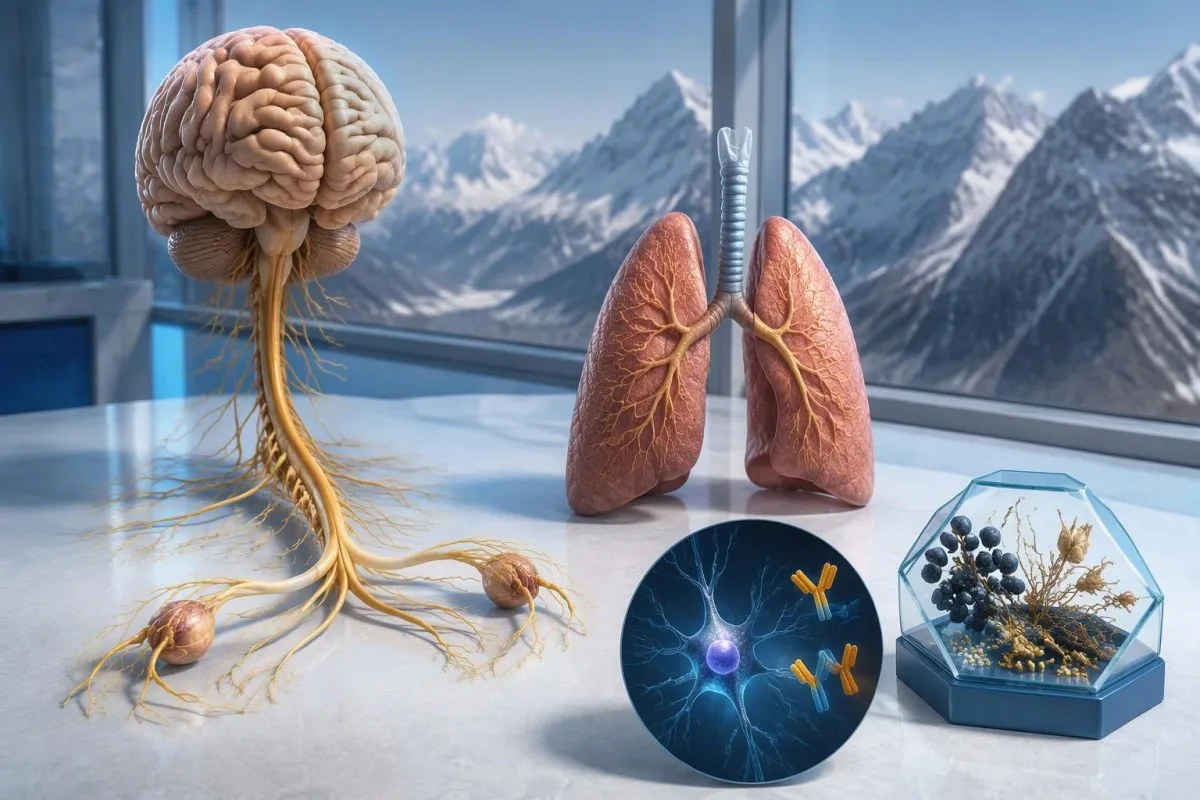
ئانتى-خۇ ئانتىتېلاسىنىڭ مۇسبەت چىقىشى راك بىلەن مۇناسىۋەتلىك نېرۋا سىستېمىسى ئىممۇنىتېت ئىنكاسىدىن، بولۇپمۇ كىچىك ھۈجەيرىلىك ئۆپكە راكىغا چېتىشلىق ئىنكاستىن ئەندىشە پەيدا قىلىدۇ، ئەمما راكقا دىياگنوز قويمايدۇ. دوختۇرلار كېسەللىك ئالامەتلىرىنى باھالايدۇ، تەجرىبىخانا نەتىجىسىنى جەزملەشتۈرىدۇ ۋە راكنى تەكشۈرۈشنى ئورۇنلاشتۇرىدۇ؛ دەسلەپكى سۈرەتلەش تەكشۈرۈشى مەنپىي بولغان تەقدىردىمۇ، تەكشۈرۈشنى قايتىلاشقا توغرا كېلىشى مۇمكىن.



- ئانتى-خۇ / ANNA-1 يۇقىرى خەۋپلىك پارانوپلاستىك ئانتىتېلا بولۇپ، مۇقىم دىياگنوز قويۇلغان كلىنىكىلىق گۇرۇپپىلارنىڭ 70%-دىن كۆپرەكىدە راك بىلەن مۇناسىۋەتلىك بولىدىغان تۈرگە كىرىدۇ—جەزملەشتۈرۈلمىگەن ھەر بىر تەكشۈرۈش نەتىجىسى بۇنىڭغا كىرمەيدۇ.
- راك دىياگنوزى تۈپتىكى يامان سۈپەتلىك ئۆسمىنىڭ بارلىقىغا ئىسپات تەلەپ قىلىدۇ، ئادەتتە توقۇلمىنى تەكشۈرۈشمۇ بۇنىڭغا كىرىدۇ؛ بىر قېتىملىق مۇسبەت ئانتىتېلا نەتىجىسى بۇنداق ئىسپات ئەمەس.
- تەكشۈرۈش ئۇسۇلىنى جەزملەشتۈرۈش كۆپىنچە ئۆزئارا تولۇقلايدىغان ئىككى خىل ئۇسۇلنى بىرلەشتۈرىدۇ: خاس توقۇلما بويىشىش ئەندىزىسى ۋە ئانتىگېنغا خاس تەكشۈرۈش.
- نېرۋا كېسەللىك ئالامەتلىرى مەسىلەن، تەدرىجىي سەزگۈ يوقىلىشى، تەڭپۇڭلۇقنىڭ بۇزۇلۇشى، تۇتقاقلىق ياكى ئاپتونوم نېرۋا ئىقتىدارىنىڭ بۇزۇلۇشى نەتىجىنىڭ ئەھمىيىتى ۋە جىددىيلىكىنى ئۆزگەرتىدۇ.
- سۈرەتلەش تەكشۈرۈشىنىڭ مەنپىي چىقىشى شۇ ۋاقىتتا شۇ تەكشۈرۈش ئارقىلىق راك بايقالمىغانلىقىنى بىلدۈرىدۇ؛ بۇ كىچىك، دەسلەپتە بايقىغىلى بولمايدىغان راكنىڭ بولۇش ئېھتىماللىقىنى يوققا چىقارمايدۇ.
- قايتا تەكشۈرۈش 2021-يىللىق PNS ئۆلچىمىگە ئاساسەن، خەۋپى يۇقىرى نېرۋا كېسەللىكلىرى فېنوتىپى خەۋپى يۇقىرى ئانتىتېلا بىلەن بىللە كۆرۈلسە، 2 يىل جەريانىدا ھەر 4–6 ئايدا بىر قېتىم تەكشۈرۈپ تۇرۇش تەۋسىيە قىلىنىدۇ.
- ئۇزاقراق نازارەت قىلىش تاللانغان بىمارلارغا مۇۋاپىق بولۇشى مۇمكىن؛ 2023-يىلدىكى anti-Hu تەتقىقات گۇرۇپپىسىنىڭ نەتىجىسى 2 يىلدىن ئارتۇق، بەزىدە 5 يىلغىچە تەكشۈرۈشنى داۋاملاشتۇرۇشنى ئويلىشىشنى قوللىدى.
- Emergency symptoms يېڭىدىن پەيدا بولغان نەپەس ئېلىش قىيىنچىلىقى، بىخەتەر يۇتالماسلىق، ئاجىزلىقنىڭ تېز ئېغىرلىشىشى، تۇنجى قېتىم تۇتقاقلىق تۇتۇش ياكى تۇيۇقسىز نېرۋا كەمتۈكلۈكلىرىنى ئۆز ئىچىگە ئالىدۇ.
ئانتى-خۇ ئانتىتېلاسىنىڭ مۇسبەت چىقىشى نېمىدىن دېرەك بېرىدۇ؟
بىر anti-Hu ئانتىتېلاسى مۇسبەت نەتىجە تەجرىبىخانىنىڭ Hu نېرۋا ئاقسىللىرىغا قارشى رېئاكسىيەنى بايقىغانلىقىنى بىلدۈرىدۇ؛ بۇ نەتىجە ئۆزلىكىدىن راك ياكى نېرۋا كېسەللىكلىرى ئۇنىۋېرسال كېسەللىكىنى جەزملەشتۈرمەيدۇ. چۈشەندۈرۈش 3 جەھەتنى ئۆز ئىچىگە ئالىدۇ: نەتىجىنىڭ ھەقىقىي ياكى ئەمەسلىكى، نېرۋا كېسەللىكلىرىنىڭ ئىپادىلىنىشىنىڭ ماس كېلىش-كەلمەسلىكى ۋە مۇناسىۋەتلىك راكنىڭ بايقىلىش-بايقالمىغانلىقى.
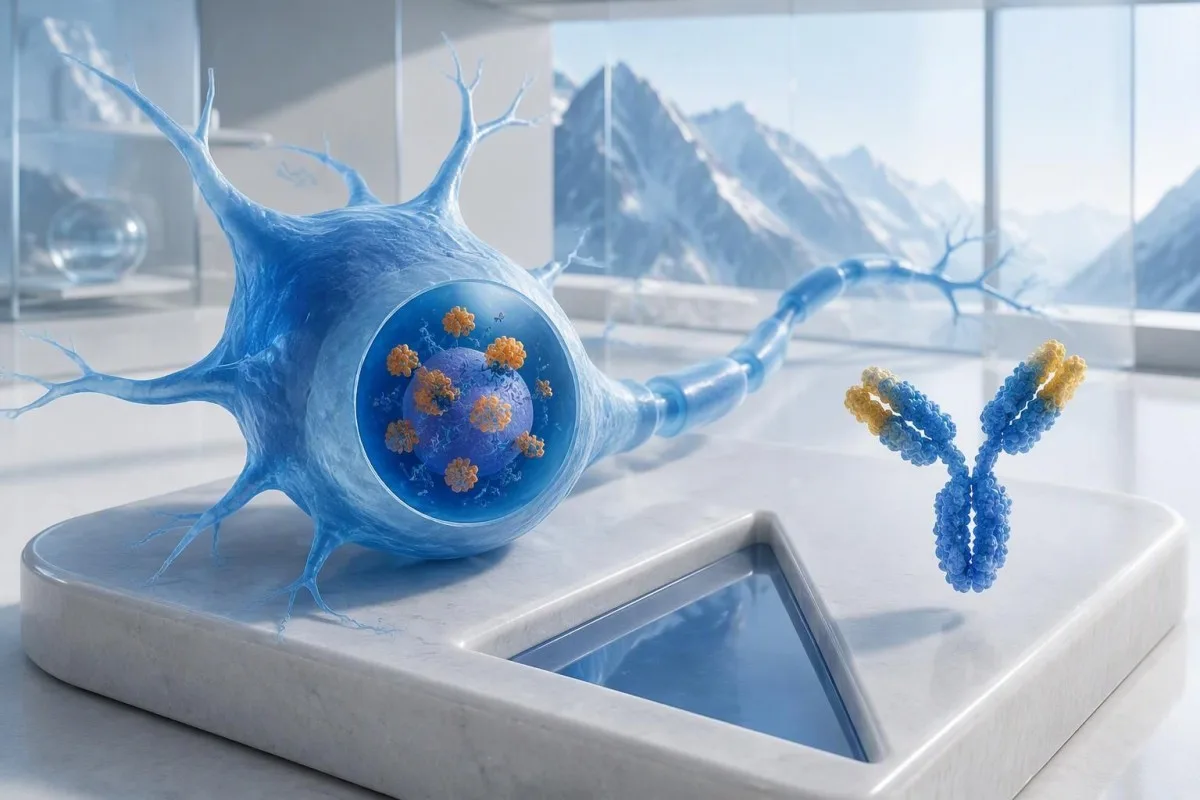
Anti-Hu راك خەۋپى يۇقىرى ئانتىتېلا دەپ تۈرگە ئايرىلىدۇ, ، بۇ تۈرگە ئايرىش مۇناسىۋەتلىك كلىنىكىلىق كىشىلەر توپىدا راك بىلەن باغلىنىش نىسبىتىنىڭ 70% دىن يۇقىرى بولۇشىغا ئاساسلىنىدۇ (Graus قاتارلىقلار، 2021). بۇ نىسبەتنى سالامەتلىكى ياخشى، ئەمما تەكشۈرۈش گۇرۇپپىسىنىڭ دەلىللەنمىگەن ئاجىز مۇسبەت نەتىجىسى چىققان ئادەمگە بىۋاسىتە تەدبىقلىغىلى بولمايدۇ: تەتقىق قىلىنغان بىمارلار، تەكشۈرۈش ئۇسۇلى ۋە نېرۋا كېسەللىكلىرىنىڭ ئىپادىلىنىشىنىڭ ھەممىسى ئېھتىماللىققا تەسىر كۆرسىتىدۇ.
تەڭپۇڭلۇقى 8 ھەپتىدىن بۇيان ناچارلىشىۋاتقان ۋە سەزگۈ يوقىلىشى بىر تەرەپتە كۆپرەك بولغان 62 ياشلىق تەسەۋۋۇردىكى بىمارغا، كەڭ كۆلەملىك ھارغىنلىق تەكشۈرۈشى جەريانىدا ئانتىتېلاسى تاسادىپىي بايقالغان كىشىگە قارىغاندا باشقىچە باھا بېرىش كېرەك. ھېچقايسىسىغا پەقەت تەجرىبىخانا نەتىجىسىگە قاراپلا “سىزدە راك بار” دېيىلمەسلىكى كېرەك. بىزنىڭ چۈشەندۈرۈشىمىز ئىجابىي ئانتىتېلا نەتىجىلىرى ئىممۇنىتېت بەلگىسىنى تاماملانغان دىياگنوزدىن ئايرىشقا ياردەم بېرىدۇ.
كانتېستى بىر AI قان تەكشۈرۈش ئانالىزچىسى anti-Hu دوكلاتىدىكى سۆزلەرنى چۈشەندۈرۈشكە ياردەم بېرەلەيدۇ، ئەمما تەجرىبىخانا نەتىجىسىنى دەلىللەش ۋە راكنى باھالاش سىزنى داۋالاۋاتقان كلىنىكلارنىڭ ۋەزىپىسىدۇر. Kantesti LTD نىڭ باش تېببىي ئەمەلدارى Thomas Klein، MD بولۇش سۈپىتىم بىلەن، مېنىڭ بىرىنچى سوئالىم قىزىل ئاگاھلاندۇرۇش بەلگىسىنىڭ قانچىلىك ئەندىشە پەيدا قىلىدىغانلىقى ئەمەس، بەلكى بۇ ئالاھىدە تەكشۈرۈشنى نېمە سەۋەبتىن قىلدۇرغانلىقى بولاتتى؛ بىزنىڭ تەشكىلاتىمىز ۋە كلىنىكىلىق ۋەزىپىمىز jiěshìle nàxiē chāyì.
ANNA-1 بىلەن ئانتى-خۇ ئوخشاش ئانتىتېلامۇ؟
ANNA-1 ئانتىتېلاسى ۋە anti-Hu ئانتىتېلاسى ئادەتتە بىر ئانتىتېلا ئائىلىسىنى كۆرسىتىدۇ. ANNA-1 «نېرۋا ھۈجەيرىسىگە قارشى يادرو ئانتىتېلاسىنىڭ 1-تىپى» دېگەننى بىلدۈرىدۇ؛ Hu نامى ئىممۇنىتېت ئىنكاسى تونۇيدىغان ھۈجەيرە ئىچىدىكى نېرۋا ئاقسىللىرىنى كۆرسىتىدۇ، ئايرىم بىر كېسەللىك ياكى راك باسقۇچىنى ئەمەس.
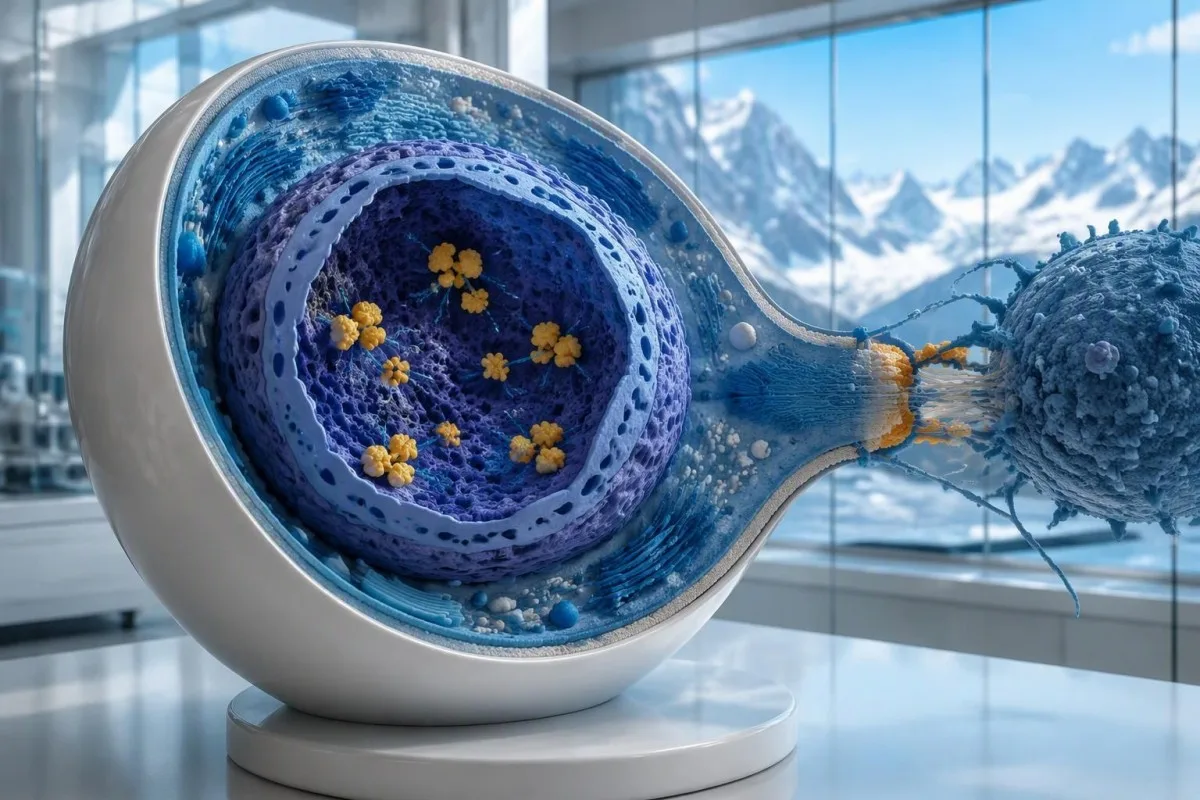
Hu ئاقسىللىرى ھۈجەيرە ئىچىدىكى RNA باغلايدىغان ئاقسىللاردۇر, ، anti-Hu نى كۆپىنچە زەھەرلىك T ھۈجەيرىلىرى قاتنىشىدىغان ئىممۇنىتېت ئىنكاسىنىڭ بەلگىسى دەپ چۈشىنىش ئەڭ مۇۋاپىق. بۇ نېرۋا ھۈجەيرىسىنىڭ يۈزىدىكى قول يەتكۈزگىلى بولىدىغان ئاقسىللارغا ئانتىتېلا باغلىنىدىغان قالايمىقانلىقلاردىن پەرقلىنىدۇ. بۇ پەرق نېمە ئۈچۈن ئانتىتېلا مىقدارىنىلا تۆۋەنلىتىشنىڭ، ھەتتا 2 دوكلاتتا تېتىرلار زور دەرىجىدە پەرقلىق بولسىمۇ، ئاللىقاچان شەكىللەنگەن anti-Hu نېرۋا زەخىملىنىشىنى ئىشەنچلىك ھالدا ئەكسىگە قايتۇرالمايدىغانلىقىنى چۈشەندۈرۈپ بېرىدۇ.
“ANNA-1 بايقالدى” دەپ يېزىلغان دوكلات، ھەرپلىرى ئوخشاپ كەتسىمۇ، ئادەتتىكى ANA مۇسبەت نەتىجىسى بىلەن ئوخشاش ئەمەس. ANA ئادەتتە سىستېمىلىق ئۆزلۈكىدىن ئىممۇنىتېت كېسەللىكلىرىنى باھالاشتا ئىشلىتىلىدىغان يادروغا قارشى ئانتىتېلالارنى كۆرسىتىدۇ، ھالبۇكى ANNA-1 نېرۋا ئانتىتېلاسى ئەندىزىسىنى كۆرسىتىدۇ. نەتىجىلىرىڭىزنى مۇزاكىرە قىلغاندا بۇ 2 قىسقارتىلمىنى بىر-بىرىدىن ئايرىپ ساقلاڭ؛ بىزنىڭ ANA ئاتالغۇلىرى قوللانمىسى كۆپچىلىككە تونۇشلۇق بولغان بۇ تەكشۈرۈشنى چۈشەندۈرىدۇ.
كىچىك ھۈجەيرىلىك ئۆپكە راكى بار، ئەمما تونۇغىلى بولىدىغان نېرۋا كېسەللىكلىرى ئۇنىۋېرسال كېسەللىكى يوق بەزى كىشىلەردە anti-Hu بايقىلىشى مۇمكىن. ئەكسىچە، نېرۋا كېسەللىكلىرىنىڭ ئالامەتلىرى راك كۆرۈنەرلىك بولۇشتىن بۇرۇن ئانتىتېلانىڭ بايقىلىشىغا سەۋەب بولۇشى مۇمكىن. بۇلار كلىنىكىلىق جەھەتتىن 2 پەرقلىق يولدۇر: ئانتىتېلانىڭ ئۆزىلا دوختۇرغا نېرۋىلارنىڭ ھازىر زەخىملىنىۋاتقان-زەخىملەنمەيۋاتقانلىقىنى ياكى يوشۇرۇن راكنىڭ قەيەردە بولۇشى مۇمكىنلىكىنى بىلدۈرمەيدۇ.
ئانتى-خۇ ئانتىتېلا تەكشۈرۈش دوكلاتىنى قانداق چۈشىنىش كېرەك؟
An anti-Hu antibody test has no universal numerical cutoff that can be applied across laboratories. Read the specimen type, assay method, result category, laboratory reference interval and confirmation comments together; a dilution titer, band intensity and numerical index are 3 different ways of reporting reactivity.
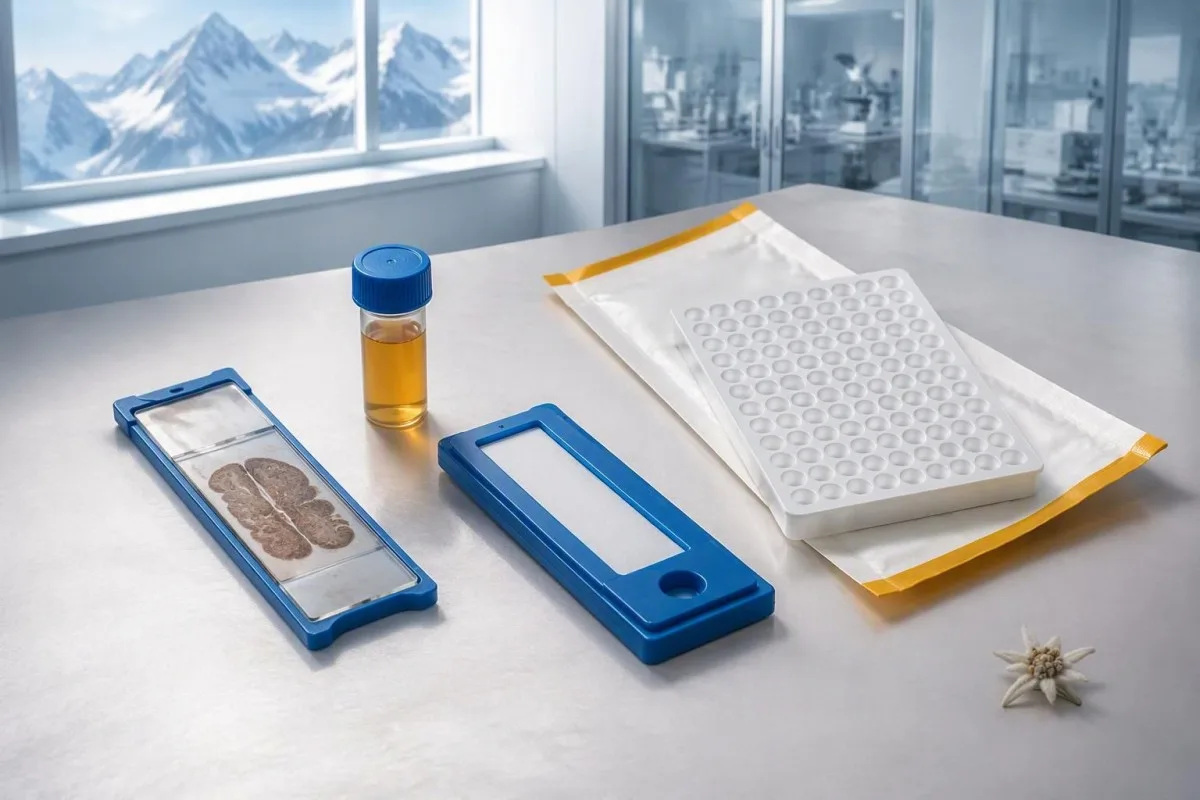
A hypothetical titer of 1:240 describes detectable reactivity after a particular dilution; it is not a cancer probability of 240, nor does it establish cancer stage. A numerical index from another method may use entirely different calibration. Our guide to سۈپەتكە قارىغاندا مىقدارلىق نەتىجىلەر explains why “positive” and “how much” answer different laboratory questions.
Weak or borderline reactivity deserves method-specific interpretation, particularly when a broad panel was ordered without a convincing neurological indication. Ask whether the laboratory observed the characteristic neuronal staining pattern and whether an antigen-specific confirmation was performed. Two tests using the same underlying strip technology may reproduce the same analytical problem; agreement is more informative when the methods are genuinely complementary.
Bring the complete report, not just a screenshot of the word positive. The 5 most useful details are the specimen, collection date, assay name, reported strength or titer and laboratory interpretation. Also list recent intravenous immunoglobulin and other immune treatments, because passive antibodies or treatment effects can complicate some serological results; your laboratory can advise whether that issue plausibly affects this particular finding.
ئانتى-خۇ نەتىجىسى مۇسبەت بولغاندا قاچان جەزملەشتۈرۈش كېرەك؟
Unexpected, weak or clinically discordant anti-Hu results should be reviewed for confirmation, preferably with an experienced neuroimmunology laboratory. The 2021 PNS criteria emphasize interpreting neuronal antibody testing alongside the phenotype and using appropriate confirmatory methods rather than accepting an isolated commercial-panel result as a diagnosis.
Tissue-based immunohistochemistry or immunofluorescence and an antigen-specific assay provide different information. The first identifies a characteristic distribution of neuronal staining; the second tests reactivity against the relevant antigen. Graus et al. (2021) describe these complementary approaches, with specialist reassessment particularly useful when 1 method gives a result that does not fit the clinical picture.
Repeating a sample can address collection errors or a transient analytical concern, but repeating the same kit is not always enough. In a hypothetical 45-year-old with no objective neurological findings and a faint isolated band, I would want the laboratory’s explanation before treating the report as established anti-Hu autoimmunity. Our GAD65 interpretation guide illustrates another antibody for which context and assay characteristics change meaning.
Confirmation and urgent assessment can happen in parallel. A person who develops seizures, substantial walking difficulty or progressive swallowing impairment should not wait several weeks for a reference-laboratory answer before receiving neurological care. The practical question is not “repeat or investigate?” but which of those 2 tasks can safely proceed together, given the symptoms and the initial laboratory evidence.
قايسى نېرۋا كېسەللىك ئالامەتلىرى ئانتى-خۇ نەتىجىسىنى تېخىمۇ ئەندىشىلىك قىلىدۇ؟
Progressive sensory neuronopathy, encephalomyelitis, limbic encephalitis and marked autonomic dysfunction are recognized anti-Hu presentations. Symptoms can involve more than 1 part of the nervous system, so the pattern and speed of change are usually more informative than a single symptom such as tingling or fatigue.
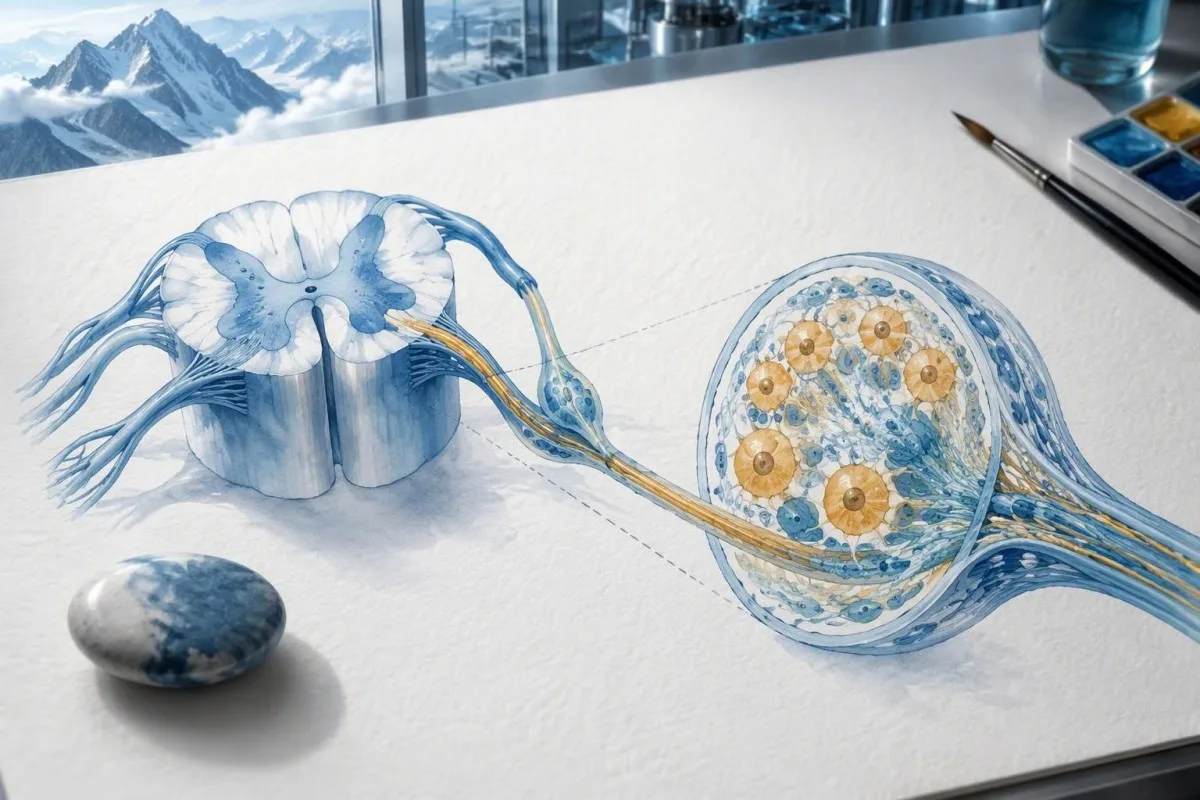
Sensory neuronopathy can cause asymmetric numbness, impaired position sense and sensory ataxia, sometimes involving the hands or trunk early rather than following a simple feet-first pattern. A patient may lose balance in the dark because vision had been compensating for reduced position feedback. That is different from the focal finger distribution discussed in our carpal tunnel symptom guide, although neither pattern can be diagnosed from description alone.
Anti-Hu autonomic involvement can affect gut movement, blood-pressure regulation and bladder function. Severe constipation, unexplained intestinal pseudo-obstruction or dizziness on standing becomes more relevant when accompanied by objective neurological abnormalities. Recording symptoms over 7 days can reveal combinations that otherwise get presented as separate stomach, balance and urinary complaints; sudden severe abdominal symptoms still require assessment for non-neurological emergencies.
New memory impairment, behavioral change or seizures may indicate central nervous system involvement, while rapid weakness has a broader emergency differential. The ئاجىزلىقنىڭ جىددىي ئاگاھلاندۇرۇش ئالامەتلىرى in our neurological safety guide apply regardless of the antibody label. Call emergency services for new breathing difficulty, unsafe swallowing, a first seizure or sudden stroke-like symptoms rather than waiting for a scheduled follow-up.
نەتىجە مۇسبەت چىققاندىن كېيىن قايسى نېرۋا تەكشۈرۈشى ئېلىپ بېرىلىشى مۇمكىن؟
Neurological follow-up may include examination, nerve conduction studies, MRI and cerebrospinal fluid testing, selected according to the symptoms. There is no mandatory battery for every anti-Hu-positive person; the purpose is to document which structures are affected and exclude other causes, not merely to collect additional positive tests.
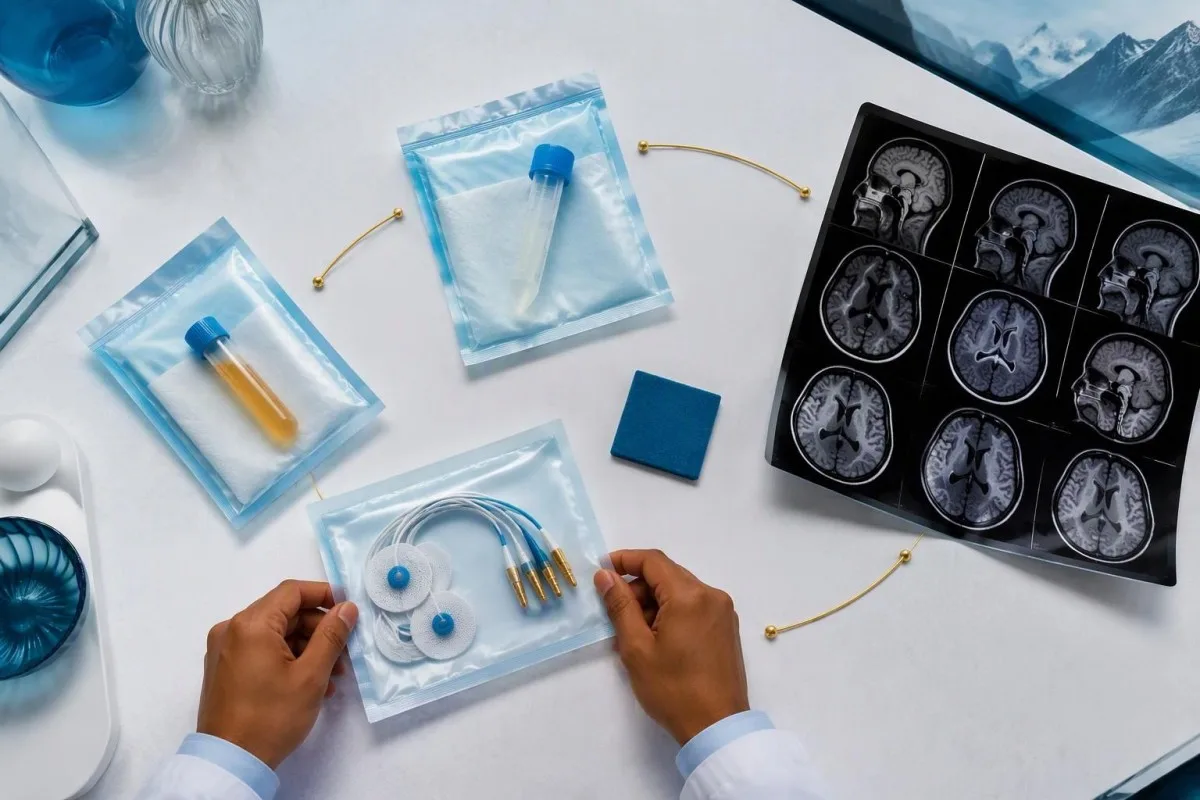
Nerve conduction studies can support a sensory neuronopathy pattern by showing reduced sensory responses across distributions that do not fit a single compressed nerve. Brain or spinal MRI addresses different questions, including structural disease and some inflammatory changes. A normal MRI does not exclude peripheral sensory ganglion involvement; these are 2 distinct anatomical compartments with different diagnostic tools.
Cerebrospinal fluid may show increased cells, protein or evidence of intrathecal immune activity, but none of those findings is specific to anti-Hu. A lumbar puncture is most useful when the neurological syndrome warrants it, rather than as an automatic response to 1 weak serum band. Our discussion of مېڭە-ئومۇرتقا سۇيۇقلۇقىدىكى ئولىگوكلونال بەلباغلارنى ئىزاھلاش قوللانمىمىز explains why immune activity in spinal fluid does not identify a single disease.
Basic investigations still matter: glucose control, vitamin status, renal function and serum protein assessment can uncover treatable contributors to neuropathy. A clinician may request 2 or more of these alongside specialist testing, depending on the examination. The قان زەردابى ئاقسىلىنى باھالاش يېتەكچىمىز provides background, but normal routine blood work neither confirms nor excludes an anti-Hu-associated neurological process.
ئانتى-خۇنىڭ مۇسبەت بولۇشى پارانوپلاستىك سىندرومغا جەزملەشتۈرۈش بېرەمدۇ؟
A positive antibody alone does not confirm anti-Hu paraneoplastic syndrome. The PNS-Care approach combines the neurological phenotype, antibody risk category, cancer findings and follow-up; clinicians also check for direct cancer effects, treatment toxicity and unrelated neurological conditions before attributing symptoms to a paraneoplastic immune response.
Definite, probable and possible PNS are diagnostic categories, not cancer stages. The 2021 criteria use a structured scoring system rather than allowing 1 antibody to determine the whole diagnosis (Graus et al., 2021). A confirmed anti-Hu result with a strongly compatible syndrome remains clinically significant even before a cancer is identified, but clinicians should state clearly which parts of the assessment remain unresolved.
An older patient can have anti-Hu reactivity and a separate cause of numbness, such as diabetes, nutritional deficiency or a monoclonal protein disorder. Coexistence is possible; either-or reasoning can miss treatable disease. If serum protein studies reveal a band, our immunofixation result guide explains why that finding requires its own interpretation rather than being automatically folded into the anti-Hu diagnosis.
كانتېستى بىر AI قان تەكشۈرۈش نەتىجىسىنى چۈشەندۈرۈش سۇپىسى that can help organize these distinctions in a laboratory explanation, but it cannot assign a reliable PNS-Care diagnosis from a report alone. Our كلىنىكىلىق تەكشۈرۈش رامكىسى بار بولۇپ، تەجرىبىخانا ئىزاھاتلىرى قانداق سىناق قىلىنىپ ۋە داۋالاش جەھەتتىن قانداق تەكشۈرۈلىدىغانلىقىنى چۈشەندۈرىدۇ. Kantesti نىڭ داۋالاش تەكشۈرۈش مودېلى بىزنىڭ separates technical evaluation from clinical conclusions. In practice, I would document 3 separate judgments: confidence in the antibody, confidence in the neurological syndrome and the current evidence for cancer.
دوختۇرلار مۇناسىۋەتلىك راكنى قانداق ئىزدەيدۇ؟
Cancer evaluation usually prioritizes the chest because small-cell lung cancer is the strongest adult anti-Hu association. Doctors commonly begin with appropriate chest CT and may add FDG-PET/CT or targeted investigations if suspicion remains; the exact plan depends on age, symptoms, examination, smoking history and previous imaging.
The cancer association is substantial in established anti-Hu clinical cohorts. Villagrán-García et al. (2023) reported identified cancer in 349 of 466 patients, approximately 75%, in a specialist anti-Hu cohort. This is valuable evidence for taking confirmed, clinically relevant anti-Hu seriously; it is not a personalized prediction for an asymptomatic person with an unconfirmed positive screening strip.
A chest X-ray is not equivalent to a chest CT, and routine low-dose screening is not necessarily the correct examination for a suspected paraneoplastic syndrome. The clinician chooses the protocol and body regions based on the diagnostic question. Likewise, neurological symptoms do not automatically mean cancer has spread to the brain; our brain imaging warning-sign guide distinguishes structural investigation from immune-mediated disease.
A suspicious scan often leads to tissue sampling through a method chosen by respiratory or oncology specialists, such as bronchoscopic assessment of an accessible area. Imaging suspicion and cancer confirmation are 2 separate steps. Never-smoking status lowers the baseline probability of small-cell lung cancer but does not cancel a well-confirmed anti-Hu finding with a convincing neurological presentation; other cancers and non-cancer explanations still need consideration.
دەسلەپكى راك سۈرەتلەش تەكشۈرۈشى نېمە ئۈچۈن مەنپىي چىقىشى مۇمكىن؟
Initial imaging can be negative because an associated cancer is still too small to detect, lies outside the examined area or is not readily visible with that technique. Neurological autoimmunity may precede cancer detection, so a negative scan reduces concern without necessarily ending follow-up in a high-risk clinical presentation.
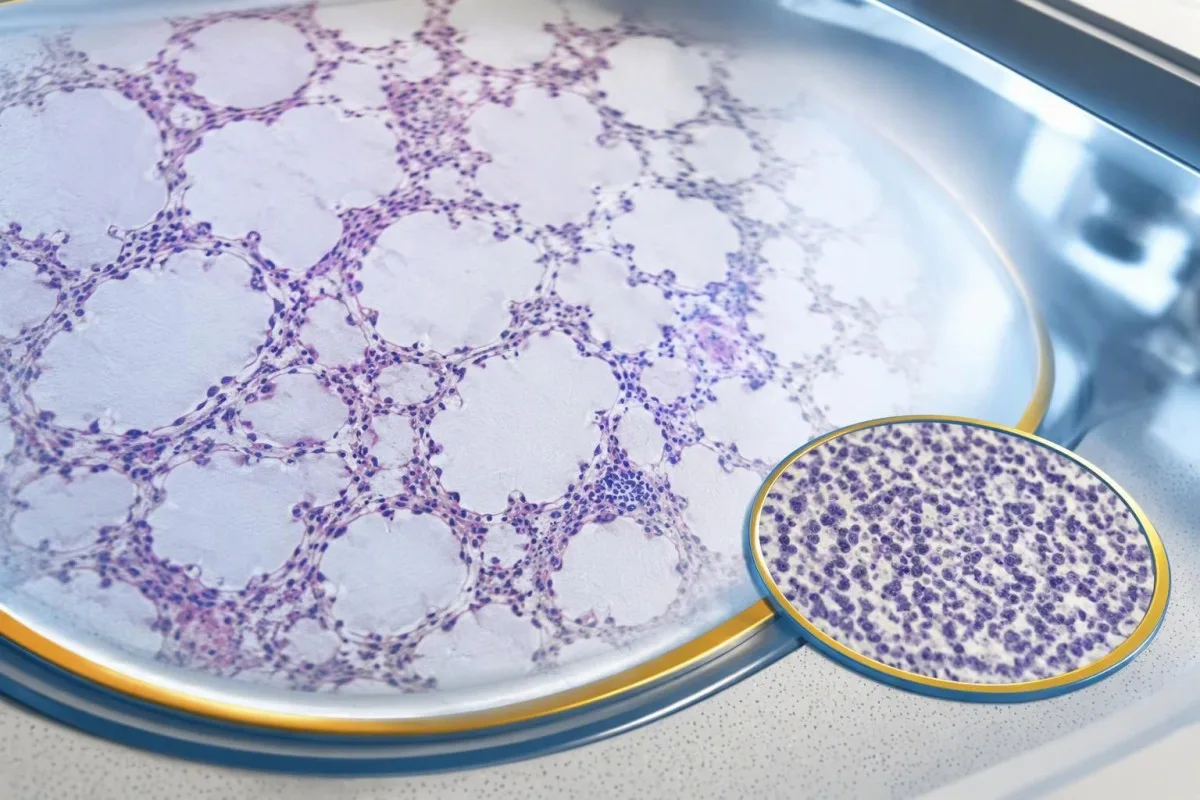
A negative scan is time-specific and method-specific. A normal chest CT performed on 1 date answers whether that examination identified a suspicious chest finding then; it does not guarantee that every possible associated cancer is absent indefinitely. Ask what was actually imaged, whether the protocol was suitable and whether the specialist recommends PET/CT or targeted investigation despite the initial result.
Villagrán-García et al. (2023) described cancers detected beyond the first 2 years in a minority of their anti-Hu cohort, supporting individualized longer surveillance. Their findings also support considering PET-based investigation when initial CT is unrevealing in an appropriate clinical context. This is an escalation decision for the treating team, not a reason to independently purchase repeated whole-body scans without weighing radiation, incidental findings and cost.
Neurological deterioration after negative imaging still needs reassessment. Cancer surveillance and neurological monitoring are 2 parallel tracks; one reassuring scan does not explain new loss of function. A marker such as neurofilament light chain may indicate neuronal injury in selected settings, but our NfL interpretation guide explains why it cannot establish anti-Hu disease, locate cancer or replace examination.
راك تەكشۈرۈشىنى قانچىلىك داۋاملاشتۇرۇش كېرەك؟
The 2021 PNS criteria recommend repeat cancer screening every 4–6 months for 2 years when a high-risk neurological phenotype accompanies a high-risk antibody. Longer surveillance may be appropriate for selected anti-Hu patients; the interval and duration should reflect confirmation, clinical evolution, initial investigations and individual cancer risk.

The 2-year schedule is not an instruction to scan every positive antibody result repeatedly. Graus et al. (2021) link that recommendation to the combination of high-risk phenotype and high-risk antibody. An incidental, weak result without a matching syndrome needs confirmation and individualized assessment first; repeating imaging mechanically can create incidental findings and unnecessary procedures without resolving the original uncertainty.
Older European guidance recommended longer surveillance. The EFNS task force advised repeating screening after 3–6 months and then every 6 months for up to 4 years in relevant antibody-positive paraneoplastic presentations (Titulaer et al., 2011). The 2023 anti-Hu cohort supported considering screening up to 5 years in selected patients, so a specialist may reasonably extend follow-up beyond the newer general 2-year framework.
Keep a dated plan stating the next examination, the clinician responsible and what symptoms should trigger earlier contact. Kantesti explanations can help you understand terminology, but the platform should not be treated as a scan-reminder service or substitute for that plan. Our guide to risk-based cancer screening addresses a different setting: routine prevention is not the same as investigating a possible paraneoplastic syndrome.
ئانتى-خۇ بىلەن مۇناسىۋەتلىك نېرۋا كېسەللىكىگە قايسى داۋالاش ياردەم بېرىدۇ؟
Treatment focuses on an identified cancer, selected immune therapy and symptom-directed rehabilitation. Anti-Hu-associated neurological disease often responds less predictably to immunotherapy than neuronal surface-antibody disorders because intracellular targets and T-cell-mediated injury are involved; treatment may aim to stabilize function rather than promise complete recovery.

Treating an associated cancer is a central part of care, but established neurological injury may persist even when cancer treatment succeeds. Neurology and oncology teams may consider corticosteroids, intravenous immunoglobulin, plasma exchange or other immune treatments in selected situations. There is no single evidence-based dose or 1 universal regimen appropriate for everyone with anti-Hu positivity, especially without a confirmed clinical syndrome.
An antibody titer is not a dependable treatment target on its own. A lower number does not necessarily mean restored nerve function, and a persistent positive result does not by itself prove cancer progression. This differs from some surface-antibody disorders; our MOG antibody diagnosis guide explains another immune neurological condition, but its diagnostic rules and treatment expectations should not be transferred to anti-Hu.
Immune checkpoint cancer therapies deserve an explicit discussion when anti-Hu neurological disease is present, because they can provoke or worsen paraneoplastic neurological autoimmunity. This is a specialist risk-benefit decision, not an automatic prohibition based on 1 laboratory result. Tell the oncologist about previous neurological symptoms and confirmed neuronal antibodies before treatment decisions are finalized; coordinating the teams early can prevent avoidable misunderstanding.
تەكشۈرۈشلەر داۋاملىشىۋاتقاندا بىخەتەر ھالدا نېمە قىلالايسىز؟
While investigations continue, protect mobility, swallowing and medication safety rather than trying to lower anti-Hu antibodies with supplements. Use the neurological symptoms—not the appearance of the laboratory flag—to decide whether ordinary follow-up is sufficient or urgent care is needed; a new functional loss warrants contact before the next planned scan.
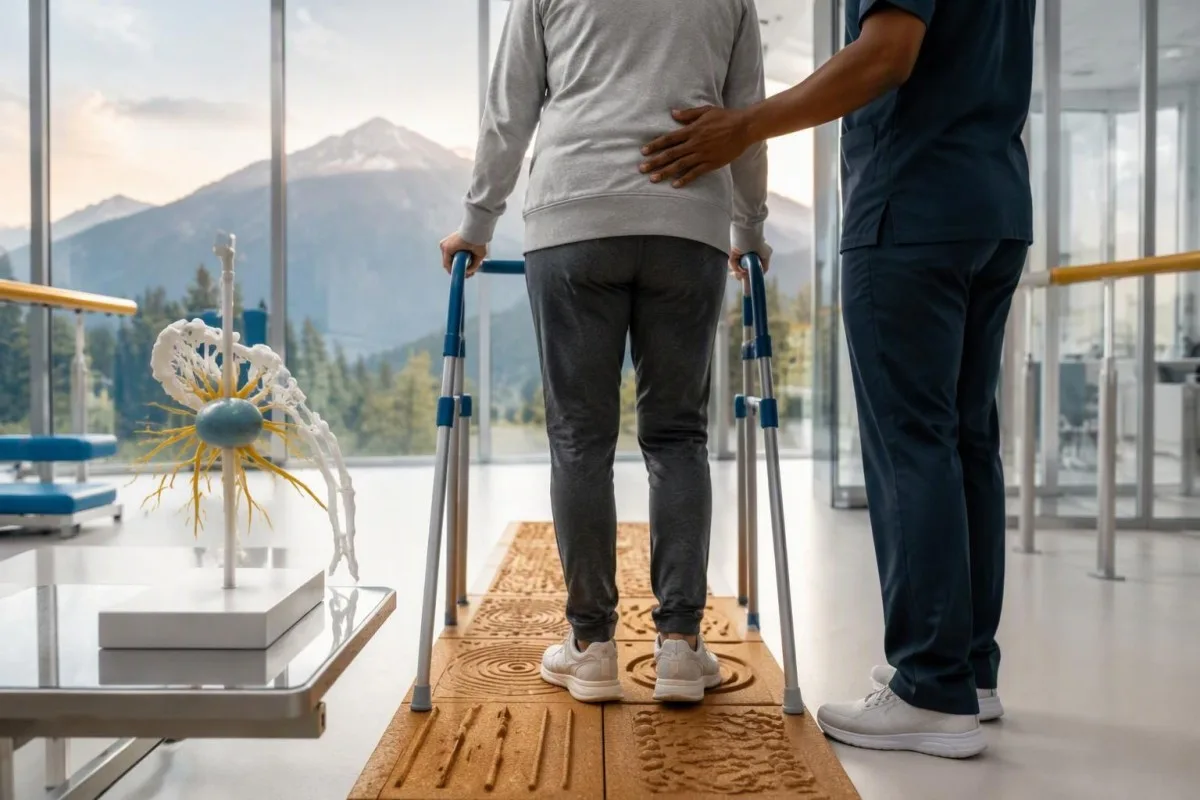
Position-sense loss increases fall risk, particularly in poor lighting or on uneven ground. A physiotherapist may recommend a suitable walking aid and individualized balance strategies; occupational therapy can address hand coordination and home hazards. A short 7-day record of falls, near-falls and walking changes is often more useful at review than the vague statement “my balance is worse,” but stop activities that feel unsafe.
Excess vitamin B6 can itself cause sensory neuropathy, making unsupervised high-dose nerve supplements particularly unhelpful during this assessment. Review every supplement and its daily dose in mg, including overlapping multivitamins and combination products. Our B-قوشۇمچە خەۋپسىزلىك قوللانمىسى explains that problem; correcting a documented deficiency is different from taking progressively larger doses in the hope of treating anti-Hu autoimmunity.
Vitamin B12 deficiency can contribute to sensory and gait problems and may need investigation even when anti-Hu is confirmed. There is no universally interchangeable B12 cutoff: results in pg/mL ۋە pmol/L require their own laboratory context, sometimes with functional testing. Our چېگرالىق B12 (B12) قايتىپ كېلىش قوللانمىسى explains those next steps; new choking, breathing difficulty or rapid weakness should be assessed urgently instead of managed with vitamins.
سۈنئىي ئەقىل ئانتى-خۇ دوكلاتىنى بىخەتەر چۈشەندۈرۈشكە قانداق ياردەم بېرەلەيدۇ؟
AI can help explain report terminology and organize questions, but it cannot confirm anti-Hu specificity, diagnose paraneoplastic syndrome or rule out cancer. Safe interpretation preserves the original assay details and separates 3 issues: what the laboratory reported, what the result may mean and what a clinician has actually established.

كانتېستى بىر AI ئارقىلىق قوزغىتىلغان قان تەكشۈرۈش تەھلىل قورالى that can provide a plain-language explanation of uploaded laboratory information, including the distinction between an antibody screen and a confirmed clinical diagnosis. A rapid explanation—often around 60 seconds for report processing—is not a reference-laboratory assay. Our AI تېخنىكىسى يېتەكچىسى describes the interpretation workflow without making anti-Hu-specific diagnostic guarantees.
The complete source report should remain available for verification. An explanation should not silently replace “weakly reactive” with “confirmed,” drop the specimen type or invent a universal reference interval. Our guide to سۈنئىي ئەقىلنىڭ داۋالاشقا ئائىت چۈشەندۈرۈشلىرىنى تەكشۈرۈش قوللانمىسى describes practical source checks; for this antibody, compare at least the assay wording, confirmation comment and collection date against the original document.
Kantesti cannot examine sensation, review tissue staining directly through a report explanation or establish that negative imaging has excluded a tiny cancer. Those are 3 different clinical capabilities, not features that follow from understanding laboratory language. Share the explanation with the treating team as a discussion aid, and do not delay urgent assessment while uploading documents or waiting for a second automated interpretation.
كېيىنكى ئۇچرىشىشىڭىز ۋە تەتقىقاتنىڭ ئاشكارىلىقى
Bring the complete antibody report, a dated symptom history, previous imaging reports and a current medication list to your next appointment. Ask the clinician to clarify antibody confirmation, the neurological diagnosis and cancer surveillance separately; those 3 answers may have different levels of certainty and different follow-up dates.
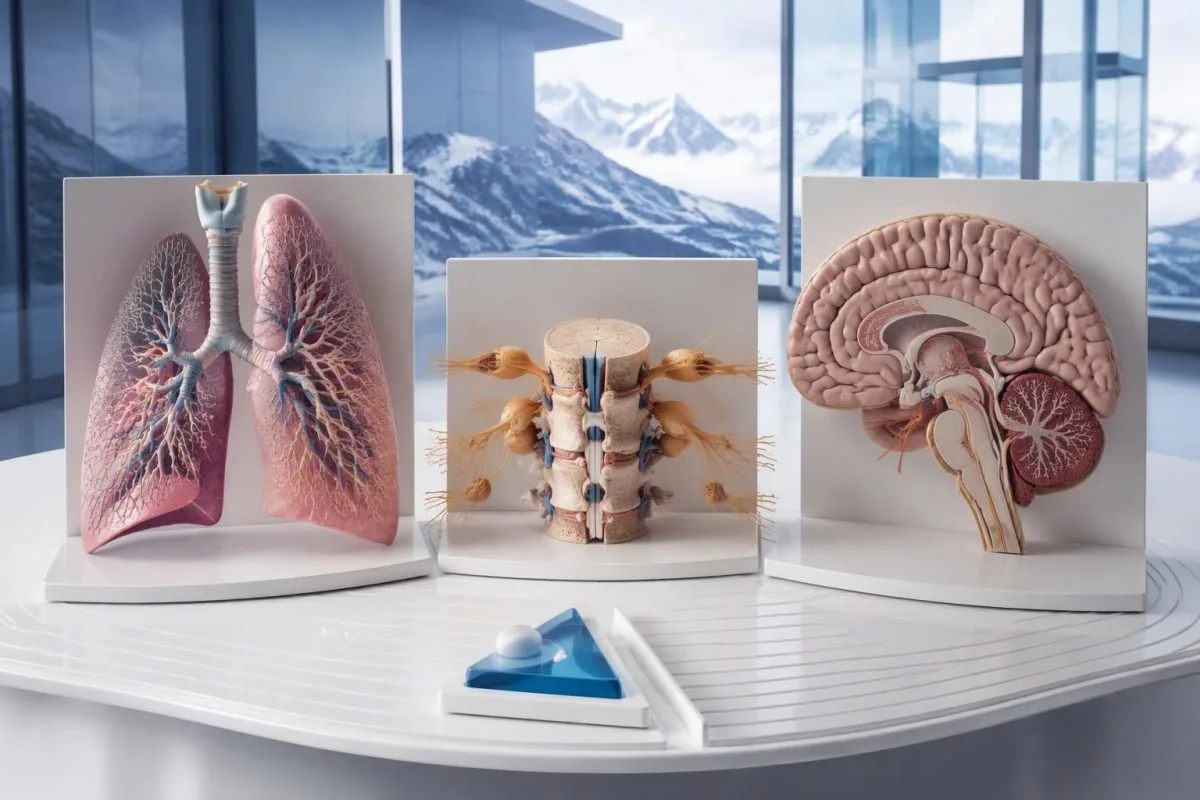
A useful 1-page symptom history records onset, progression, sensory distribution, walking changes, memory problems and autonomic symptoms. Include prior cancer treatment and any recent immunoglobulin therapy, then ask who will coordinate neurology and oncology if both are involved. As Thomas Klein, MD, I would rather see a clear timeline than 20 disconnected screenshots; it makes discrepancies between the laboratory result and clinical course easier to spot.
Medical authorship is not a substitute for an individual neurological examination. بىزنىڭ تېببىي مەسلىھەت بېرىش كومىتېتى ئۇچۇرلىرى describes the clinicians associated with our work, while your own specialist determines the appropriate next investigation. As of 2026-يىلى 25-ئۆكتەبىر, the recommendations discussed here draw on the 2021 international PNS criteria, the 2011 EFNS screening guidance and the 2023 anti-Hu cohort—not an invented 2026 guideline.
The 2 Figshare publications below are platform-related research references, not evidence validating anti-Hu diagnosis or cancer exclusion. Their supplied titles describe hantavirus triage deployment and a synthetic-case technical benchmark; neither title establishes anti-Hu-specific clinical performance. Because publication authors and dates were not supplied for verification, the citations use title-first APA formatting with “n.d.”; the ResearchGate and Academia.edu links are searches, not claims of verified publication copies.
دائىم سورايدىغان سوئاللار
Anti-Hu ئانتىتېلاسى مۇسبەت نەتىجە مېنىڭ راك كېسىلىگە گىرىپتار بولغانلىقىمنى بىلدۈرەمدۇ؟
0. ئانتى-خۇ ئانتىتېلاسىنىڭ مۇسبەت چىقىشى ئۆزلۈكىدىن راكقا دىياگنوز قويمايدۇ. ئانتى-خۇ راك بىلەن مۇناسىۋەتلىك، خەۋپى يۇقىرى ئانتىتېلا بولۇپ، 2023-يىلىدىكى ئانتى-خۇ بويىچە مەخسۇس تەتقىقات گۇرۇپپىسىدىكى 466 بىمارنىڭ 349ىدە راك بايقالغان، لېكىن بۇ سان تەكشۈرۈشتە تاسادىپىي بايقالغان ۋە جەزملەشتۈرۈلمىگەن نەتىجىنىڭ خەۋپىنى بەلگىلىمەيدۇ. دوختۇرلار نېرۋا كېسەللىكلىرىنىڭ كۆرۈنۈشلىرىنى باھالايدۇ، كۈتۈلمىگەن تەجرىبىخانا نەتىجىلىرىنى جەزملەشتۈرىدۇ ۋە يوشۇرۇن راكنى تەكشۈرىدۇ؛ چوڭلاردا ئادەتتە ئالدى بىلەن كۆكرەك قىسمىغا دىققەت قىلىدۇ. راك دىياگنوزى ئادەتتە كلىنىكىلىق، تەسۋىرلەش ۋە توقۇلما دەلىللىرىنىڭ ئايرىم-ئايرىم بولۇشىنى تەلەپ قىلىدۇ.
Anti-Hu بىلەن ANNA-1 بىر نەرسەمۇ؟
Anti-Hu ۋە ANNA-1 ئادەتتە ئوخشاش نېرۋا ھۈجەيرىسىگە قارشى ئانتىتېلا ئائىلىسىنى كۆرسىتىدۇ. ANNA-1 بولسا نېرۋا ھۈجەيرىسى يادروسىغا قارشى ئانتىتېلا 1-تىپ دېگەنلىك، Hu بولسا بۇ ئانتىتېلا تونۇيدىغان ھۈجەيرە ئىچىدىكى نېرۋا ئاقسىللىرىنى كۆرسىتىدۇ. ANNA-1 سىستېمىلىق ئۆزلۈكىدىن ئىممۇنىتېت تەكشۈرۈشىدە ئىشلىتىلىدىغان ئادەتتىكى ANA بىلەن ئوخشاش ئەمەس. تەجرىبىخانىلار ئوخشاش ئانتىتېلا ئائىلىسىنى ئوخشىمىغان شەكىلدە دوكلات قىلالايدىغانلىقى ئۈچۈن، كونكرېت تەكشۈرۈش ۋە جەزملەشتۈرۈش wording نى تەكشۈرۈڭ.
Hu غا قارشى ئانتىتېلا تەكشۈرۈشىدە يالغان مۇسبەت نەتىجە چىقىشى مۇمكىنمۇ؟
ئانتى-خۇ ئانتىتېلاسى تەكشۈرۈشى خاتا ياكى كونكرېت بولمىغان رېئاكسىيە نەتىجىسىنى پەيدا قىلىشى مۇمكىن، بولۇپمۇ دەسلەپكى تەكشۈرۈشنىڭ ئاجىز نەتىجىسى نېرۋا كېسەللىكلىرىنىڭ كۆرۈنۈشىگە ماس كەلمىگەندە. جەزملەشتۈرۈشتە ئادەتتە بىر-بىرىنى تولۇقلايدىغان ئىككى خىل ئۇسۇل قوللىنىلىدۇ: توقۇلمىدا كۆرۈلىدىغان خاس بويىلىش ئەندىزىسى ۋە تەجرىبىخانىسى تەجرىبىلىك خادىم تەرىپىدىن ئىزاھلانغان ئانتىگېنغا خاس تەكشۈرۈش. ئوخشاش سودا ئۇسۇلىنى قايتا ئىشلىتىش مەسىلىنى ھەل قىلىشنىڭ ئورنىغا ئوخشاش ئانالىز مەسىلىسىنى يەنە پەيدا قىلىشى مۇمكىن. دەلىللەش نەتىجىسىنى كۈتۈۋاتقان ۋاقىتتىمۇ، تېز تەرەققىي قىلىۋاتقان نېرۋا كېسەللىكلىرى ئالامەتلىرى يەنىلا ۋاقتىدا باھالاشنى تەلەپ قىلىدۇ.
ئەگەر anti-Hu مۇسبەت بولسا، سىكانلارنى قانچە قېتىم تەكرارلاش كېرەك؟
0] 2021-يىللىق PNS ئۆلچەملىرىدە، يۇقىرى خەتەرلىك نېرۋا خاراكتېرلىك كېسەللىك ئەھۋالى يۇقىرى خەتەرلىك ئانتىتېلا بىلەن بىللە كۆرۈلسە، 2 يىلغىچە ھەر 4–6 ئايدا بىر قېتىم راك تەكشۈرۈشىنى قايتا ئېلىپ بېرىش تەۋسىيە قىلىنىدۇ. بۇ تەكشۈرۈش جەدۋىلى ھەر قانداق تاسادىپىي بايقالغان anti-Hu مۇسبەت نەتىجىگە ئاپتوماتىك قوللىنىلمايدۇ. EFNS نىڭ كونا يېتەكچىسى 4 يىلغىچە كۆزىتىشنى تەۋسىيە قىلغان، 2023-يىللىق anti-Hu تەتقىقات گۇرۇپپىسى بولسا تاللانغان بىمارلاردا 5 يىلغىچە كۆزىتىشنى ئويلىشىشنى قوللىغان. مۇتەخەسسىسىڭىز تەسۋىرلەش ئۇسۇلى، ئارىلىقى، داۋاملىشىش مۇددىتى ۋە بالدۇرراق قايتا كۆرۈنۈشكە سەۋەب بولىدىغان ئالامەتلەرنى ئېنىق بەلگىلىشى كېرەك.
CT ۋە PET سىكانلىرى نورمال بولغاندا anti-Hu مۇسبەت چىقىشى مۇمكىنمۇ؟
CT ياكى PET تەكشۈرۈشىدە راك بايقالمىغان تەقدىردىمۇ، Anti-Hu مۇسبەت ھالەتتە تۇرۇشى مۇمكىن. نېرۋا سىستېمىسىدىكى ئۆزلۈكىدىن ئىممۇنىتېت ئىنكاسى راك بايقاشتىن بۇرۇن كۆرۈلۈشى مۇمكىن؛ سەلبىي تەكشۈرۈش نەتىجىسى راكنىڭ مەڭگۈ يوقلۇقىغا كاپالەت ئەمەس، بەلكى تەكشۈرۈلگەن رايونلار، قوللىنىلغان تېخنىكا ۋە تەكشۈرۈش ۋاقتىنى ئەكس ئەتتۈرىدۇ. خەۋپى يۇقىرى، ماس كېلىدىغان كلىنىكىلىق كۆرۈنۈشتە، 2021-يىللىق ئۆلچەملەر 2 يىلغىچە ھەر 4–6 ئايدا بىر قېتىم تەكشۈرۈشنى قايتىلاشنى، تاللانغان Anti-Hu بىمارلىرىدا بولسا شەخسكە خاسلاشتۇرۇلغان ئۇزۇنراق كۆزىتىشنى تەۋسىيە قىلىدۇ. جەزملەشتۈرۈلمىگەن ئانتىتېلا ئىنكاسچانلىقى ۋە راكتىن باشقا چۈشەندۈرۈشلەرنىمۇ قايتا ئويلىشىش كېرەك؛ كۆرۈنمەيدىغان راك چوقۇم بار دەپ پەرەز قىلىشقا بولمايدۇ.
Anti-Hu ئانتىتېلا مىقدارىنىڭ تۆۋەنلىشى داۋالاشنىڭ ئۈنۈم بېرىۋاتقانلىقىنى بىلدۈرەمدۇ؟
Anti-Hu ئانتىتېلاسىنىڭ سەۋىيەسىنىڭ تۆۋەنلىشى نېرۋا ئىقتىدارىنىڭ ئەسلىگە كەلگەنلىكىنى ياكى راكنى داۋالاشنىڭ مۇۋەپپەقىيەتلىك بولغانلىقىنى ئىشەنچلىك ئىسپاتلىمايدۇ. Anti-Hu ھۈجەيرە ئىچىدىكى ئاقسىللارنى تونۇيدۇ، ئۇنىڭغا مۇناسىۋەتلىك نېرۋا زەخىملىنىشىدە كۆپىنچە ئانتىتېلانىڭ تەسىرىلا ئەمەس، T ھۈجەيرە مېخانىزملىرىمۇ رول ئوينايدۇ. ئىككى خىل تەجرىبىخانىدا ئۆلچەنگەن تىتېرنىڭ ئۇسۇللىرى ئوخشىمىغاچقا، ئۇلارنى سېلىشتۇرغىلى بولماسلىقى مۇمكىن. كلىنىكىلىق دوختۇرلار ئانتىتېلا سانىنى يالغۇز داۋالاش نىشانى قىلىشنىڭ ئورنىغا، ئىقتىدار، تەكشۈرۈش نەتىجىلىرى، مۇناسىۋەتلىك تەكشۈرۈشلەر ۋە راكنىڭ داۋالاشقا بولغان ئىنكاسىنى باھالايدۇ.
بۈگۈنلا AI بىلەن قان تەكشۈرۈش تەھلىلى ئېلىڭ
دۇنيادىكى 2 مىليوندىن ئارتۇق ئىشلەتكۈچى Kantesti نى دەرھال، توغرا تەجرىبىخانا تەھلىلى ئۈچۈن ئىشەنچ قىلىدۇ. قان تەكشۈرۈش نەتىجىڭىزنى يوللاپ، 15,000+ بىئوماركىرلىرىنىڭ تولۇق چۈشەندۈرۈشىنى بىر نەچچە سېكۇنتتا ئېلىڭ.
📚 پايدىلىنىلغان تەتقىقات ئېلانلىرى
Klein, T., Mitchell, S., & Weber, H. (2026). 50000 مىقيۋىلىپ ىكىرلىگەن قان تەكشۇرۇشتىن پايدىلىنىپ ھانتاۋېرۇس دەسلەپكى بېكىتىش ئۈچۈن كۆپ خىل تىلدا سۈنئىي ئىدراك ياردىمىدە كىلىنىكىلىق قارار قوللاش: لايىھىلەش، قۇرۇلۇشنى ئىسپاتلاش، ۋە ئەمەلىي قوللىنىش. Kantesti AI Medical Research.
Klein, T., Mitchell, S., & Weber, H. (2026). Kantesti قان تەكشۈرۈش چۈشەندۈرۈش ماتورىنىڭ 100,000 دانە سۈنئىي سىناق ئەھۋالىدىكى ئالدىن تىزىمغا ئېلىنغان، Rubric-ئاساسلىق ئاپتوماتىك تېخنىكىلىق Benchmark. Kantesti AI Medical Research.
📖 تاشقى داۋالاش پايدىلىنىش ماتېرىياللىرى
Graus F et al. (2021). Updated Diagnostic Criteria for Paraneoplastic Neurologic Syndromes. Neurology: Neuroimmunology & Neuroinflammation.
Titulaer MJ et al. (2011). Screening for tumours in paraneoplastic syndromes: report of an EFNS Task Force. ياۋروپا نېرۋا كېسەللىكلىرى ژۇرنىلى.
Villagrán-García D et al. (2023). Revisiting anti-Hu paraneoplastic autoimmunity: phenotypic characterization and cancer diagnosis. Brain Communications.
⚕️ تېببىي ئەسكەرتىش
بۇ ماقالە پەقەت تەربىيە-ئوقۇتۇش مەقسىتى ئۈچۈن بولۇپ، داۋالاش مەسلىھەتىنى تەشكىل قىلمايدۇ. دىئاگنوز قويۇش ۋە داۋالاش قارارلىرى ئۈچۈن ھەمىشە لاياقەتلىك ساغلاملىق مۇلازىمىتى تەمىنلىگۈچى بىلەن مەسلىھەتلىشىڭ.
E-E-A-T ئىشەنچ سىگناللىرى
تەجرىبە
دوختۇر رەھبەرلىكىدىكى لابوراتورىيە تەبىرىنى چۈشەندۈرۈش خىزمەت ئېقىملىرىنى بالىياتقۇچلۇق تەكشۈرۈش.
مۇتەخەسسىسلىك
بىئوماركىرلارنىڭ كىلىنىكىلىق مۇھىتتا قانداق ھەرىكەت قىلىدىغانلىقىغا مەركەزلەشكەن لابوراتورىيە تېبابىتى.
ھوقۇقدارلىق
دوكتور توماس كلېين تەرىپىدىن يېزىلغان، دوكتور سارا ميتچېل ۋە پروف. دوكتور ھانس ۋېبېر تەرىپىدىن تەكشۈرۈلگەن.
ئىشەنچلىكلىك
ئاگاھلاندۇرۇشنى ئازايتىش ئۈچۈن ئېنىق كېيىنكى قەدەملەر بىلەن ئىسپات-ئاساسلىق تەبىر.
