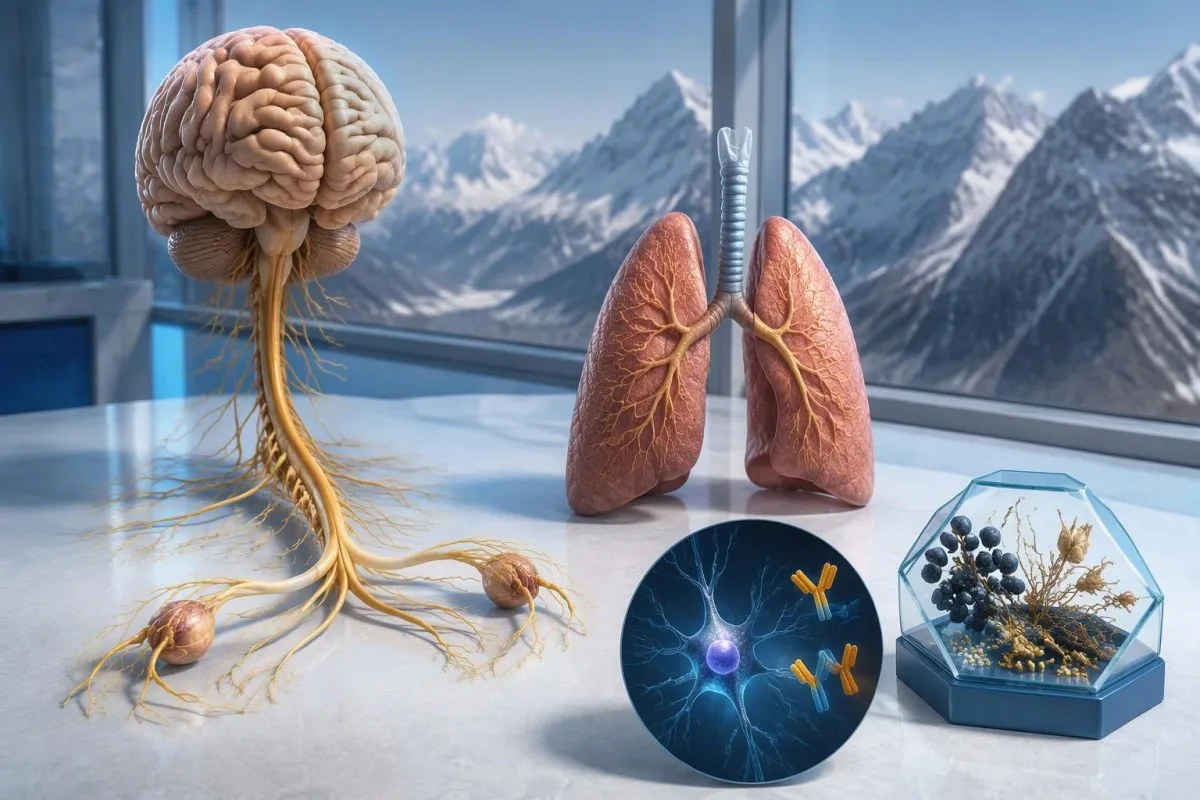
Anti-Hu антителасына уңай нәтиҗә яман шеш белән бәйле неврологик иммун җавап булу ихтималына, бигрәк тә үпкәнең вак күзәнәкле яман шешенә, игътибарны юнәлтә, ләкин яман шеш диагнозын куймый. Табиблар симптомнарны бәяли, лаборатория нәтиҗәсен раслый һәм яман шешне тикшерүне оештыра; беренче сканерлау нәтиҗәләре тискәре булса да, тикшерүне кабатлау кирәк булырга мөмкин.



- Anti-Hu / ANNA-1 — яман шеш белән бәйле югары куркынычлы паранеопластик антитела; клиник яктан расланган төркемнәрдә ул 70%тан артыграк очракта яман шеш белән бәйле, ләкин расланмаган һәр скрининг нәтиҗәсе турында бу сүз түгел.
- Яман шеш диагнозы төп яман шешнең булуына дәлил таләп итә, гадәттә тукыманы тикшерү дә керә; антителаның бер уңай нәтиҗәсе генә андый дәлил булып тормый.
- Анализны раслау еш кына бер-берсен тулыландыручы 2 ысулны берләштерә: тукыманы буяуның хас үрнәге һәм антигенга хас тест.
- Неврологик симптомнар мәсәлән, сизүнең әкренләп югалуы, тигезлек бозылуы, көзән җыеру яки автоном нерв системасы эшчәнлеге бозылуы нәтиҗәнең әһәмиятен һәм ашыгычлыгын үзгәртә.
- Тискәре визуаль тикшерү нәтиҗәсе ул тикшерү вакытында яман шеш табылмаган дигәнне аңлата; бу башта күреп булмый торган кечкенә яман шеш булу ихтималын юкка чыгармый.
- Кабат скрининг 2021 елгы PNS критерийләре буенча, югары куркынычлы неврологик фенотип югары куркынычлы антитәнчә белән бергә булганда, аны 2 ел дәвамында һәр 4–6 ай саен кабат үткәрү тәкъдим ителә.
- Озакрак күзәтү аерым пациентлар өчен урынлы булырга мөмкин; 2023 елгы anti-Hu когорты скринингны 2 елдан соң да, кайвакыт 5 елга кадәр дәвам итүне карарга кирәклеген күрсәтте.
- Ашыгыч симптомнар яңа сулыш алу кыенлыгын, йотуның куркынычсыз рәвештә мөмкин булмавын, хәлсезлекнең тиз көчәюен, беренче эпилептик өянәкне яки кинәт барлыкка килгән неврологик дефицитларны үз эченә ала.
Anti-Hu антителасына уңай нәтиҗә нәрсәне аңлата?
Бер anti-Hu антитәнчәсе уңай нәтиҗә лабораториянең Hu нейрональ аксымнарына каршы реактивлыкны ачыклавын аңлата; ул үзе генә яман шешне яки неврологик синдромны расламый. Нәтиҗәне аңлатуның 3 өлеше бар: нәтиҗә чынмы, неврологик күренешләр туры киләме һәм аңа бәйле яман шешне табып буламы.
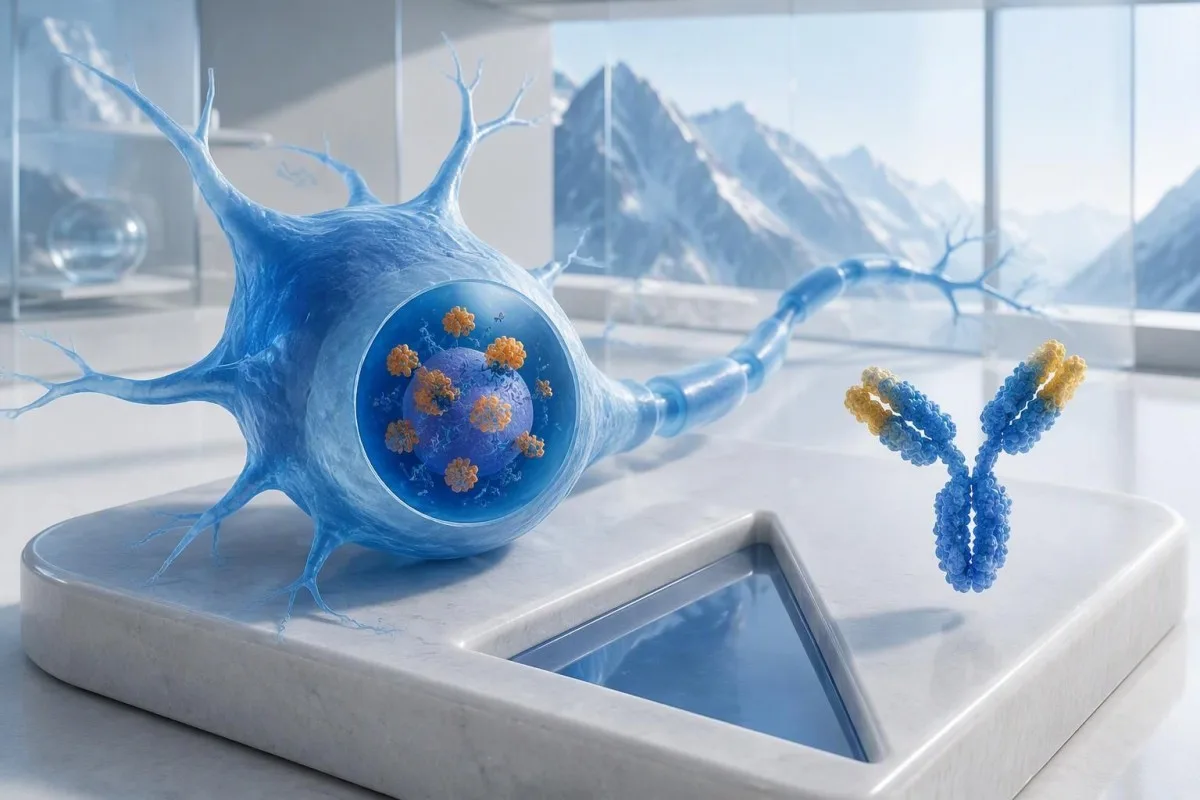
Anti-Hu яман шеш белән бәйле югары куркынычлы антитәнчә буларак классификацияләнә, бу категория тиешле клиник популяцияләрдә яман шеш белән бәйләнешнең 70% тан югары булуы белән билгеләнә (Graus һ.б., 2021). Бу процентны хәле яхшы булган, панель анализында зәгыйфь һәм расланмаган нәтиҗә чыккан кешегә генә күчереп булмый: тикшерелгән пациентлар, анализ ысулы һәм неврологик күренешләр — боларның барысы да ихтималлыкка йогынты ясый.
Хәлнең 8 атна дәвамында начараюы, тигезлек бозылуы һәм асимметрияле сизү югалуы булган, күз алдына китерелгән 62 яшьлек кешегә киң колачлы хәлсезлек панелендә антитәнчә очраклы рәвештә табылган кешегә караганда башкача бәя бирергә кирәк. Лаборатория нәтиҗәсе битенә карап кына берсенә дә “Сездә яман шеш” дип әйтергә ярамый. Безнең аңлатмабыз антителаларның уңай нәтиҗәләре иммун маркерны тәмам куелган диагноздан аерырга ярдәм итә.
Кантести - ЯИ анализы anti-Hu хисабындагы формулировканы аңлатырга ярдәм итә ала, әмма лаборатор раслау һәм яман шешне бәяләү сезне дәвалаучы клиницистлар эше. Kantesti LTD компаниясенең баш медицина хезмәткәре Thomas Klein, MD буларак, минем беренче соравым бу конкрет анализны ни сәбәпле билгеләү булыр иде — кызыл флагның никадәр куркыныч күренүе түгел; безнең оешма һәм клиник миссия бу аерманы аңлата.
ANNA-1 һәм anti-Hu бер үк антителамы?
ANNA-1 антитәнчәсе һәм anti-Hu антитәнчәсе, гомумән алганда, бер үк антитәнчә гаиләсенә карый. ANNA-1 — antineuronal nuclear antibody type 1 дигәнне аңлата; Hu атамасы аерым авыруга яки яман шеш стадиясенә түгел, иммун җавап таныган күзәнәк эчендәге нейрональ аксымнарга карый.
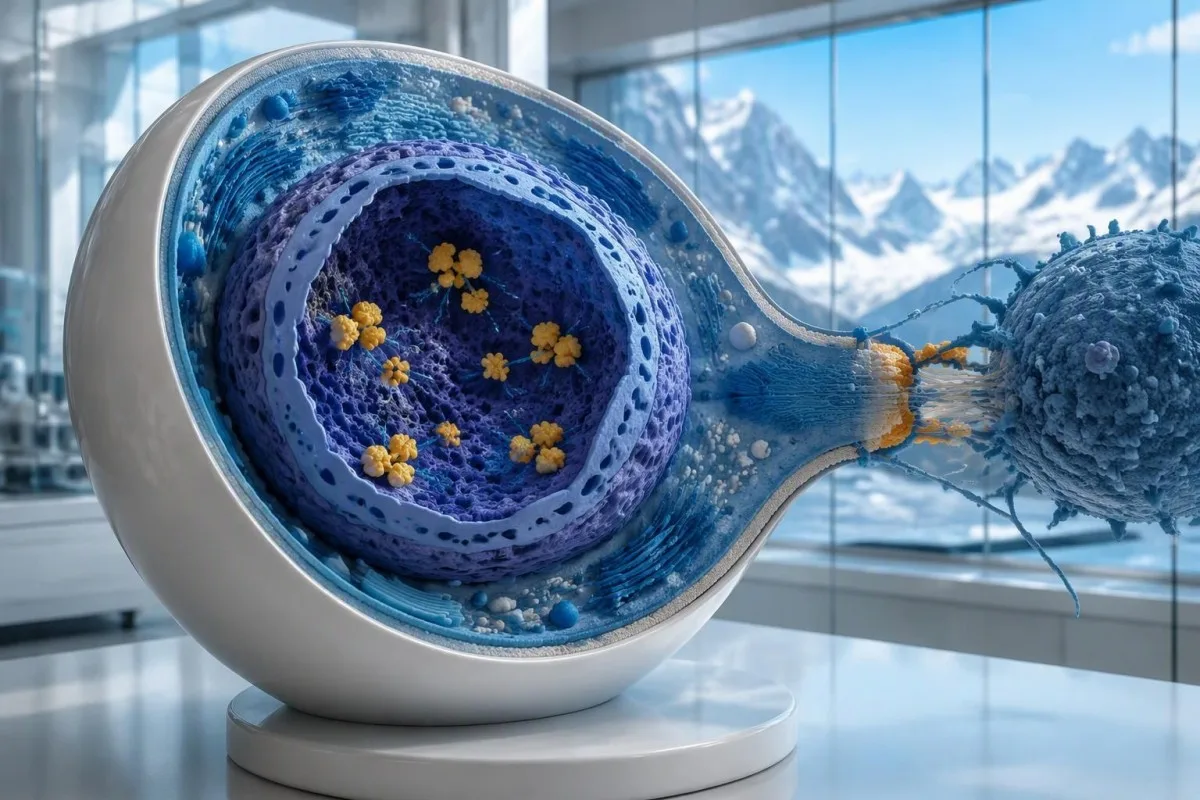
Hu аксымнары — күзәнәк эчендәге РНК бәйләүче аксымнар, ә anti-Hu антитәнчәсе иң яхшысы цитотоксик T күзәнәкләрен еш җәлеп итә торган иммун җавап маркеры буларак аңлашыла. Бу нейрон өслегендәге, ирешергә мөмкин булган аксымнарга антитәнчәләр бәйләнә торган авырулардан аерыла. Бу аерма антитәнчә дәрәҗәсен генә киметүнең, хәтта 2 хисапта титрлар нык аерылып торса да, инде урнашкан anti-Hu неврологик зарарын ни өчен ышанычлы рәвештә кире кайтармавын аңлата.
“ANNA-1 табылды” дигән хисап, хәрефләре охшаш булса да, гадәти уңай ANA нәтиҗәсе белән бер үк түгел. ANA гадәттә системалы аутоиммун авыруларны бәяләүдә кулланыла торган антинуклеар антитәнчәләрне аңлата, ә ANNA-1 нейрональ антитәнчә үрнәген күрсәтә. Нәтиҗәләрегез турында сөйләшкәндә бу 2 кыскартманы аерып карагыз; безнең ANA терминнары буенча белешмәлек күбрәк таныш булган анализны аңлата.
Anti-Hu кайбер кечкенә күзәнәкле үпкә яман шеше булган, әмма танырлык неврологик синдромы булмаган кешеләрдә ачыкланырга мөмкин. Киресенчә, неврологик симптомнар яман шеш күренә башлаганчы ук антитәнчә ачыклануга китерергә мөмкин. Болар — клиник яктан 2 төрле юл: антитәнчә генә табибка нервларның хәзер зарарлану-зарарланмавын яки төп яман шешнең кайда урнашкан булырга мөмкинлеген әйтми.
Anti-Hu антителасы анализы нәтиҗәсен ничек аңларга?
An anti-Hu antibody test has no universal numerical cutoff that can be applied across laboratories. Read the specimen type, assay method, result category, laboratory reference interval and confirmation comments together; a dilution titer, band intensity and numerical index are 3 different ways of reporting reactivity.
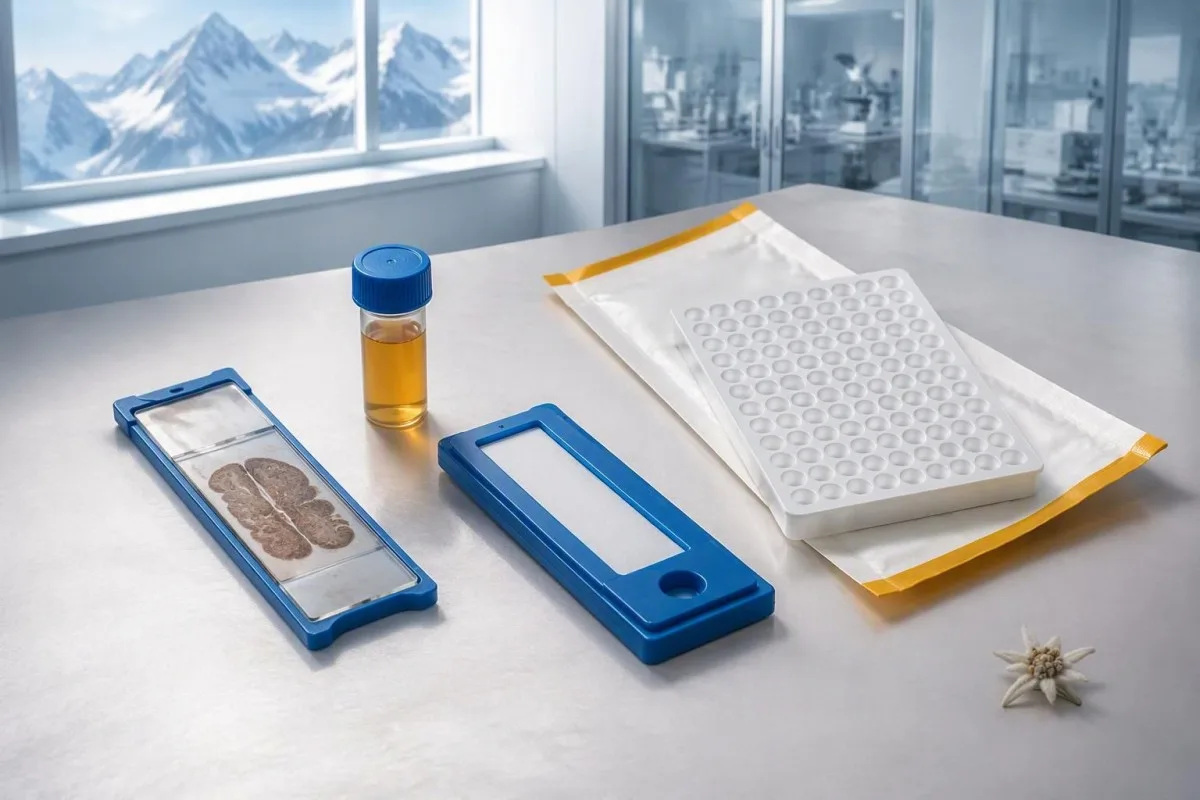
A hypothetical titer of 1:240 describes detectable reactivity after a particular dilution; it is not a cancer probability of 240, nor does it establish cancer stage. A numerical index from another method may use entirely different calibration. Our guide to сандыклы яки санлы нәтиҗәләр explains why “positive” and “how much” answer different laboratory questions.
Weak or borderline reactivity deserves method-specific interpretation, particularly when a broad panel was ordered without a convincing neurological indication. Ask whether the laboratory observed the characteristic neuronal staining pattern and whether an antigen-specific confirmation was performed. Two tests using the same underlying strip technology may reproduce the same analytical problem; agreement is more informative when the methods are genuinely complementary.
Bring the complete report, not just a screenshot of the word positive. The 5 most useful details are the specimen, collection date, assay name, reported strength or titer and laboratory interpretation. Also list recent intravenous immunoglobulin and other immune treatments, because passive antibodies or treatment effects can complicate some serological results; your laboratory can advise whether that issue plausibly affects this particular finding.
Уңай anti-Hu нәтиҗәсен кайчан расларга кирәк?
Unexpected, weak or clinically discordant anti-Hu results should be reviewed for confirmation, preferably with an experienced neuroimmunology laboratory. The 2021 PNS criteria emphasize interpreting neuronal antibody testing alongside the phenotype and using appropriate confirmatory methods rather than accepting an isolated commercial-panel result as a diagnosis.
Tissue-based immunohistochemistry or immunofluorescence and an antigen-specific assay provide different information. The first identifies a characteristic distribution of neuronal staining; the second tests reactivity against the relevant antigen. Graus et al. (2021) describe these complementary approaches, with specialist reassessment particularly useful when 1 method gives a result that does not fit the clinical picture.
Repeating a sample can address collection errors or a transient analytical concern, but repeating the same kit is not always enough. In a hypothetical 45-year-old with no objective neurological findings and a faint isolated band, I would want the laboratory’s explanation before treating the report as established anti-Hu autoimmunity. Our GAD65 interpretation guide illustrates another antibody for which context and assay characteristics change meaning.
Confirmation and urgent assessment can happen in parallel. A person who develops seizures, substantial walking difficulty or progressive swallowing impairment should not wait several weeks for a reference-laboratory answer before receiving neurological care. The practical question is not “repeat or investigate?” but which of those 2 tasks can safely proceed together, given the symptoms and the initial laboratory evidence.
Кайсы неврологик симптомнар anti-Hu нәтиҗәсен аеруча борчулы итә?
Progressive sensory neuronopathy, encephalomyelitis, limbic encephalitis and marked autonomic dysfunction are recognized anti-Hu presentations. Symptoms can involve more than 1 part of the nervous system, so the pattern and speed of change are usually more informative than a single symptom such as tingling or fatigue.
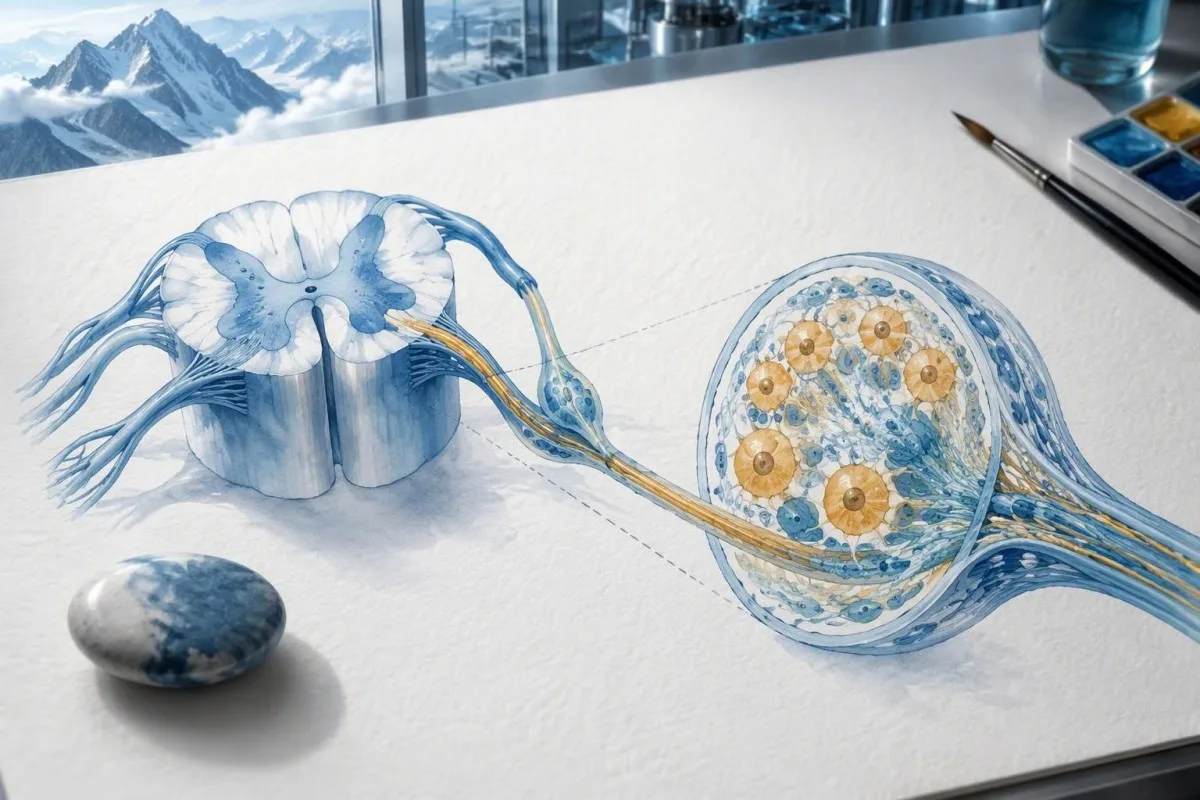
Sensory neuronopathy can cause asymmetric numbness, impaired position sense and sensory ataxia, sometimes involving the hands or trunk early rather than following a simple feet-first pattern. A patient may lose balance in the dark because vision had been compensating for reduced position feedback. That is different from the focal finger distribution discussed in our carpal tunnel symptom guide, although neither pattern can be diagnosed from description alone.
Anti-Hu autonomic involvement can affect gut movement, blood-pressure regulation and bladder function. Severe constipation, unexplained intestinal pseudo-obstruction or dizziness on standing becomes more relevant when accompanied by objective neurological abnormalities. Recording symptoms over 7 days can reveal combinations that otherwise get presented as separate stomach, balance and urinary complaints; sudden severe abdominal symptoms still require assessment for non-neurological emergencies.
New memory impairment, behavioral change or seizures may indicate central nervous system involvement, while rapid weakness has a broader emergency differential. The хәлсезлекнең ашыгыч игътибар таләп итүче билгеләре in our neurological safety guide apply regardless of the antibody label. Call emergency services for new breathing difficulty, unsafe swallowing, a first seizure or sudden stroke-like symptoms rather than waiting for a scheduled follow-up.
Уңай нәтиҗәдән соң нинди неврологик тикшерүләр үткәрелергә мөмкин?
Neurological follow-up may include examination, nerve conduction studies, MRI and cerebrospinal fluid testing, selected according to the symptoms. There is no mandatory battery for every anti-Hu-positive person; the purpose is to document which structures are affected and exclude other causes, not merely to collect additional positive tests.
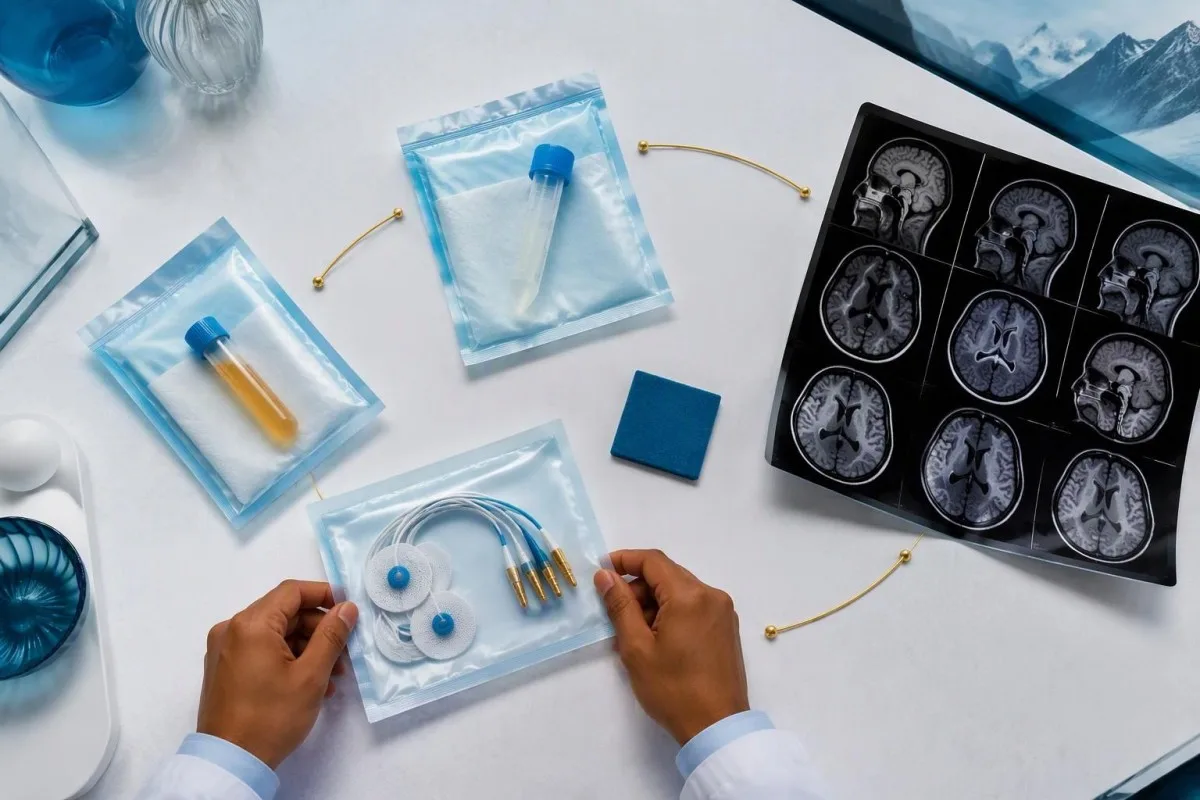
Nerve conduction studies can support a sensory neuronopathy pattern by showing reduced sensory responses across distributions that do not fit a single compressed nerve. Brain or spinal MRI addresses different questions, including structural disease and some inflammatory changes. A normal MRI does not exclude peripheral sensory ganglion involvement; these are 2 distinct anatomical compartments with different diagnostic tools.
Cerebrospinal fluid may show increased cells, protein or evidence of intrathecal immune activity, but none of those findings is specific to anti-Hu. A lumbar puncture is most useful when the neurological syndrome warrants it, rather than as an automatic response to 1 weak serum band. Our discussion of цереброспиналь сыеклыктагы олигоклональ полосалар нәтиҗәсен аңлату турындагы белешмәлек explains why immune activity in spinal fluid does not identify a single disease.
Basic investigations still matter: glucose control, vitamin status, renal function and serum protein assessment can uncover treatable contributors to neuropathy. A clinician may request 2 or more of these alongside specialist testing, depending on the examination. The кан сывороткасы протеиннарын бәяләү турында белешмәлек provides background, but normal routine blood work neither confirms nor excludes an anti-Hu-associated neurological process.
Anti-Hu уңайлылыгы паранеопластик синдромны раслыймы?
A positive antibody alone does not confirm anti-Hu paraneoplastic syndrome. The PNS-Care approach combines the neurological phenotype, antibody risk category, cancer findings and follow-up; clinicians also check for direct cancer effects, treatment toxicity and unrelated neurological conditions before attributing symptoms to a paraneoplastic immune response.
Definite, probable and possible PNS are diagnostic categories, not cancer stages. The 2021 criteria use a structured scoring system rather than allowing 1 antibody to determine the whole diagnosis (Graus et al., 2021). A confirmed anti-Hu result with a strongly compatible syndrome remains clinically significant even before a cancer is identified, but clinicians should state clearly which parts of the assessment remain unresolved.
An older patient can have anti-Hu reactivity and a separate cause of numbness, such as diabetes, nutritional deficiency or a monoclonal protein disorder. Coexistence is possible; either-or reasoning can miss treatable disease. If serum protein studies reveal a band, our immunofixation result guide explains why that finding requires its own interpretation rather than being automatically folded into the anti-Hu diagnosis.
Кантести - AI кан анализы нәтиҗәләрен аңлату платформасы that can help organize these distinctions in a laboratory explanation, but it cannot assign a reliable PNS-Care diagnosis from a report alone. Our клиник валидация фреймворкы бар separates technical evaluation from clinical conclusions. In practice, I would document 3 separate judgments: confidence in the antibody, confidence in the neurological syndrome and the current evidence for cancer.
Табиблар аңа бәйле яман шешне ничек эзли?
Cancer evaluation usually prioritizes the chest because small-cell lung cancer is the strongest adult anti-Hu association. Doctors commonly begin with appropriate chest CT and may add FDG-PET/CT or targeted investigations if suspicion remains; the exact plan depends on age, symptoms, examination, smoking history and previous imaging.
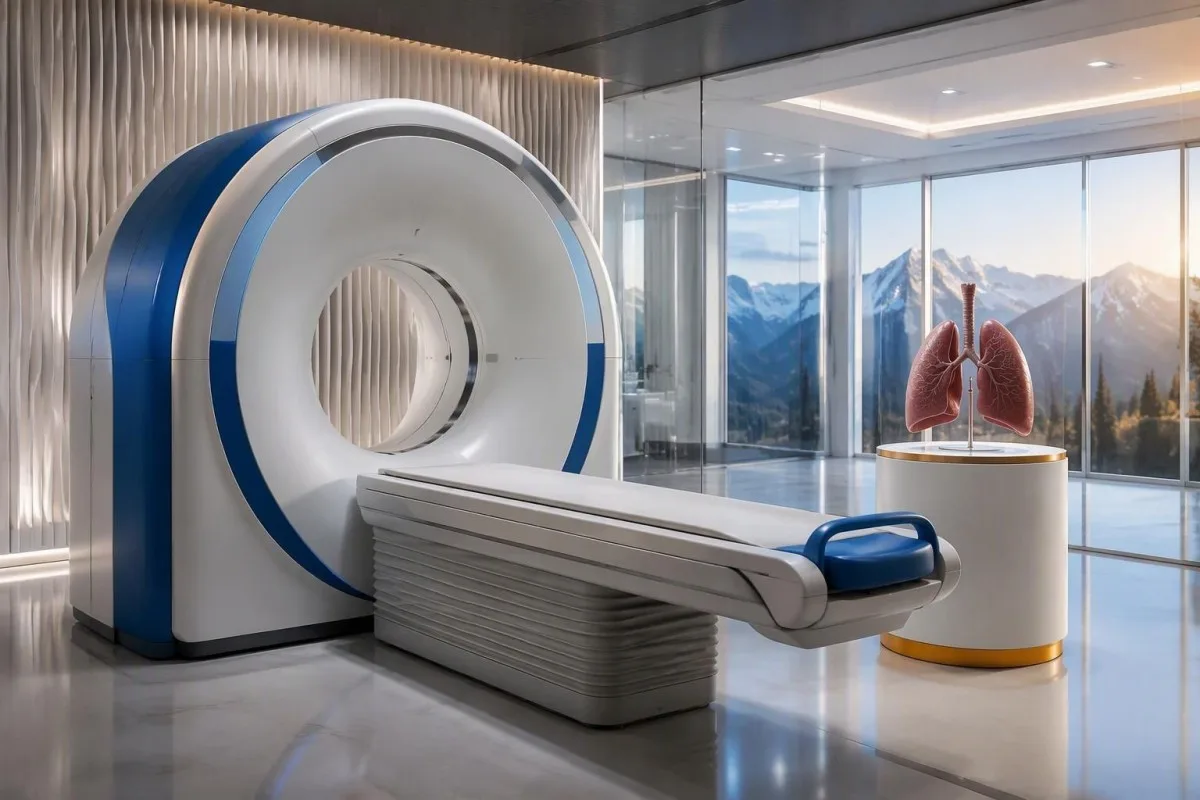
The cancer association is substantial in established anti-Hu clinical cohorts. Villagrán-García et al. (2023) reported identified cancer in 349 of 466 patients, approximately 75%, in a specialist anti-Hu cohort. This is valuable evidence for taking confirmed, clinically relevant anti-Hu seriously; it is not a personalized prediction for an asymptomatic person with an unconfirmed positive screening strip.
A chest X-ray is not equivalent to a chest CT, and routine low-dose screening is not necessarily the correct examination for a suspected paraneoplastic syndrome. The clinician chooses the protocol and body regions based on the diagnostic question. Likewise, neurological symptoms do not automatically mean cancer has spread to the brain; our brain imaging warning-sign guide distinguishes structural investigation from immune-mediated disease.
A suspicious scan often leads to tissue sampling through a method chosen by respiratory or oncology specialists, such as bronchoscopic assessment of an accessible area. Imaging suspicion and cancer confirmation are 2 separate steps. Never-smoking status lowers the baseline probability of small-cell lung cancer but does not cancel a well-confirmed anti-Hu finding with a convincing neurological presentation; other cancers and non-cancer explanations still need consideration.
Ни өчен беренче яман шеш сканерлары тискәре булырга мөмкин?
Initial imaging can be negative because an associated cancer is still too small to detect, lies outside the examined area or is not readily visible with that technique. Neurological autoimmunity may precede cancer detection, so a negative scan reduces concern without necessarily ending follow-up in a high-risk clinical presentation.
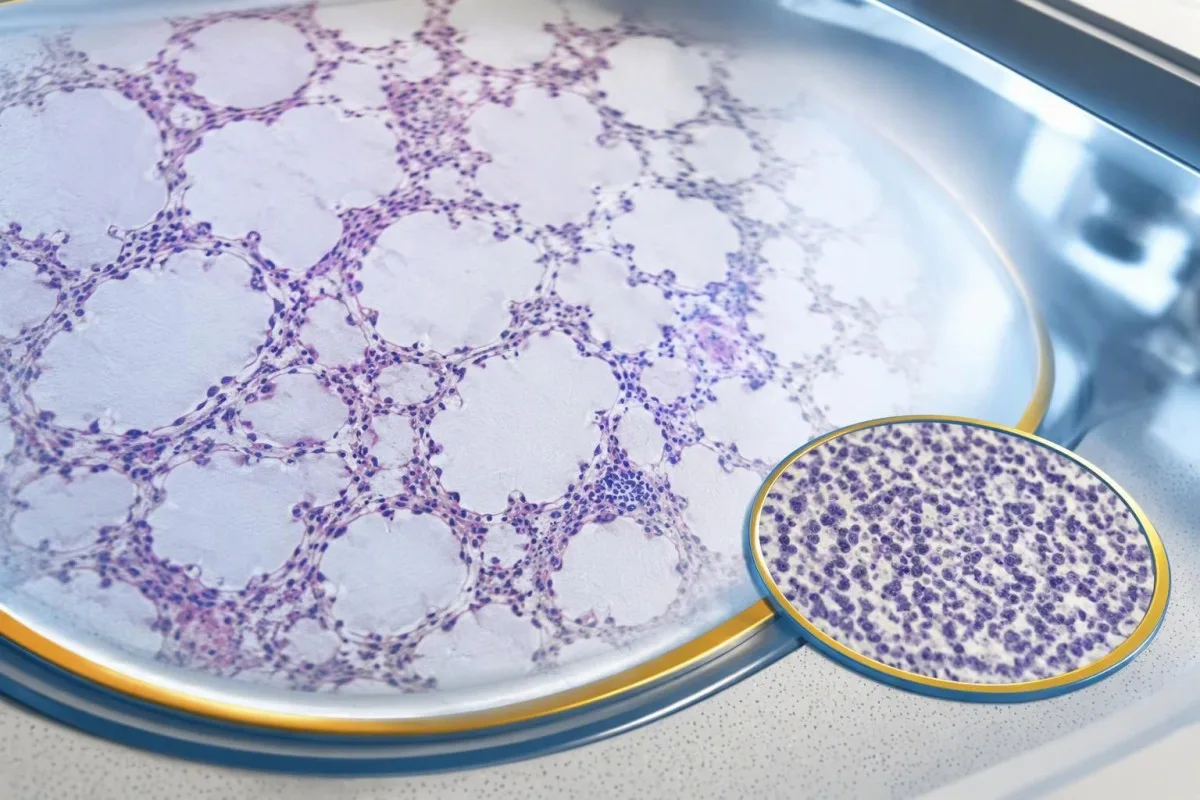
A negative scan is time-specific and method-specific. A normal chest CT performed on 1 date answers whether that examination identified a suspicious chest finding then; it does not guarantee that every possible associated cancer is absent indefinitely. Ask what was actually imaged, whether the protocol was suitable and whether the specialist recommends PET/CT or targeted investigation despite the initial result.
Villagrán-García et al. (2023) described cancers detected beyond the first 2 years in a minority of their anti-Hu cohort, supporting individualized longer surveillance. Their findings also support considering PET-based investigation when initial CT is unrevealing in an appropriate clinical context. This is an escalation decision for the treating team, not a reason to independently purchase repeated whole-body scans without weighing radiation, incidental findings and cost.
Neurological deterioration after negative imaging still needs reassessment. Cancer surveillance and neurological monitoring are 2 parallel tracks; one reassuring scan does not explain new loss of function. A marker such as neurofilament light chain may indicate neuronal injury in selected settings, but our NfL interpretation guide explains why it cannot establish anti-Hu disease, locate cancer or replace examination.
Яман шешне тикшерүне күпме дәвам итәргә кирәк?
The 2021 PNS criteria recommend repeat cancer screening every 4–6 months for 2 years when a high-risk neurological phenotype accompanies a high-risk antibody. Longer surveillance may be appropriate for selected anti-Hu patients; the interval and duration should reflect confirmation, clinical evolution, initial investigations and individual cancer risk.

The 2-year schedule is not an instruction to scan every positive antibody result repeatedly. Graus et al. (2021) link that recommendation to the combination of high-risk phenotype and high-risk antibody. An incidental, weak result without a matching syndrome needs confirmation and individualized assessment first; repeating imaging mechanically can create incidental findings and unnecessary procedures without resolving the original uncertainty.
Older European guidance recommended longer surveillance. The EFNS task force advised repeating screening after 3–6 months and then every 6 months for up to 4 years in relevant antibody-positive paraneoplastic presentations (Titulaer et al., 2011). The 2023 anti-Hu cohort supported considering screening up to 5 years in selected patients, so a specialist may reasonably extend follow-up beyond the newer general 2-year framework.
Keep a dated plan stating the next examination, the clinician responsible and what symptoms should trigger earlier contact. Kantesti explanations can help you understand terminology, but the platform should not be treated as a scan-reminder service or substitute for that plan. Our guide to risk-based cancer screening addresses a different setting: routine prevention is not the same as investigating a possible paraneoplastic syndrome.
Anti-Hu белән бәйле неврологик авыруны нинди дәвалау җиңеләйтә?
Treatment focuses on an identified cancer, selected immune therapy and symptom-directed rehabilitation. Anti-Hu-associated neurological disease often responds less predictably to immunotherapy than neuronal surface-antibody disorders because intracellular targets and T-cell-mediated injury are involved; treatment may aim to stabilize function rather than promise complete recovery.
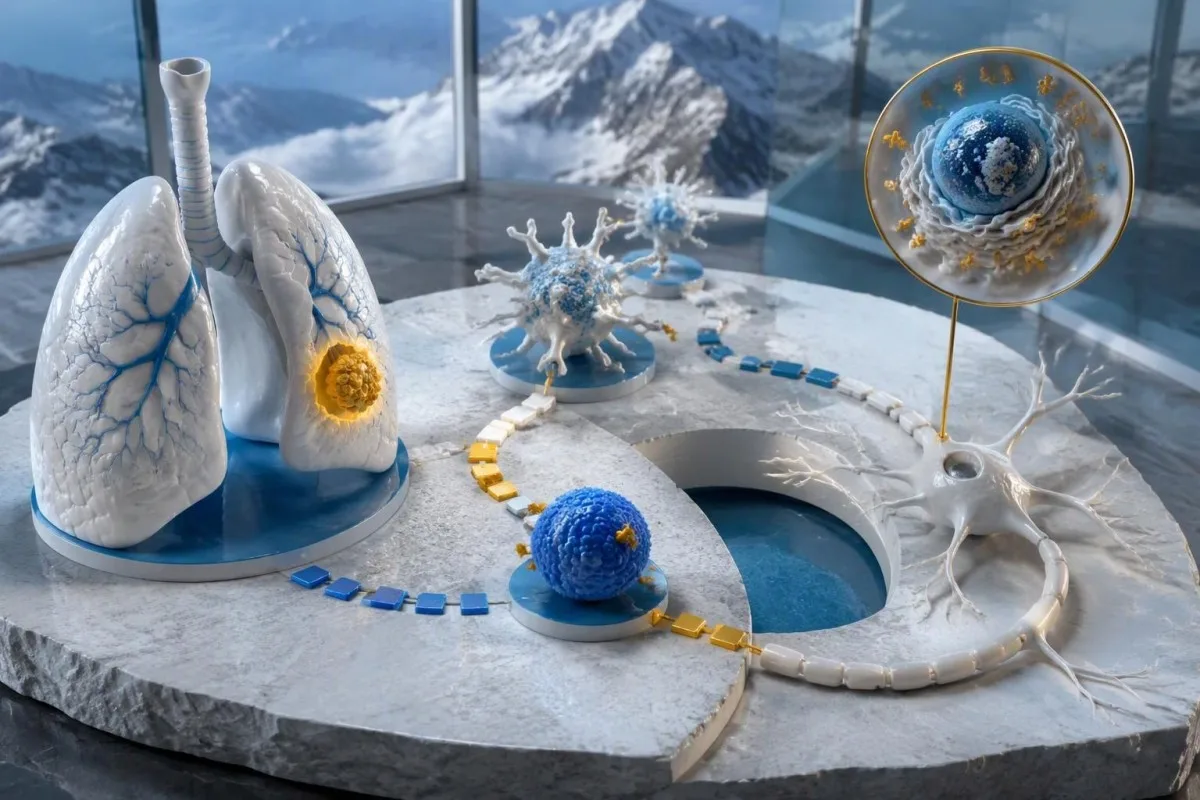
Treating an associated cancer is a central part of care, but established neurological injury may persist even when cancer treatment succeeds. Neurology and oncology teams may consider corticosteroids, intravenous immunoglobulin, plasma exchange or other immune treatments in selected situations. There is no single evidence-based dose or 1 universal regimen appropriate for everyone with anti-Hu positivity, especially without a confirmed clinical syndrome.
An antibody titer is not a dependable treatment target on its own. A lower number does not necessarily mean restored nerve function, and a persistent positive result does not by itself prove cancer progression. This differs from some surface-antibody disorders; our MOG antibody diagnosis guide explains another immune neurological condition, but its diagnostic rules and treatment expectations should not be transferred to anti-Hu.
Immune checkpoint cancer therapies deserve an explicit discussion when anti-Hu neurological disease is present, because they can provoke or worsen paraneoplastic neurological autoimmunity. This is a specialist risk-benefit decision, not an automatic prohibition based on 1 laboratory result. Tell the oncologist about previous neurological symptoms and confirmed neuronal antibodies before treatment decisions are finalized; coordinating the teams early can prevent avoidable misunderstanding.
Тикшерүләр дәвам иткәндә нәрсәләрне куркынычсыз рәвештә эшли аласыз?
While investigations continue, protect mobility, swallowing and medication safety rather than trying to lower anti-Hu antibodies with supplements. Use the neurological symptoms—not the appearance of the laboratory flag—to decide whether ordinary follow-up is sufficient or urgent care is needed; a new functional loss warrants contact before the next planned scan.
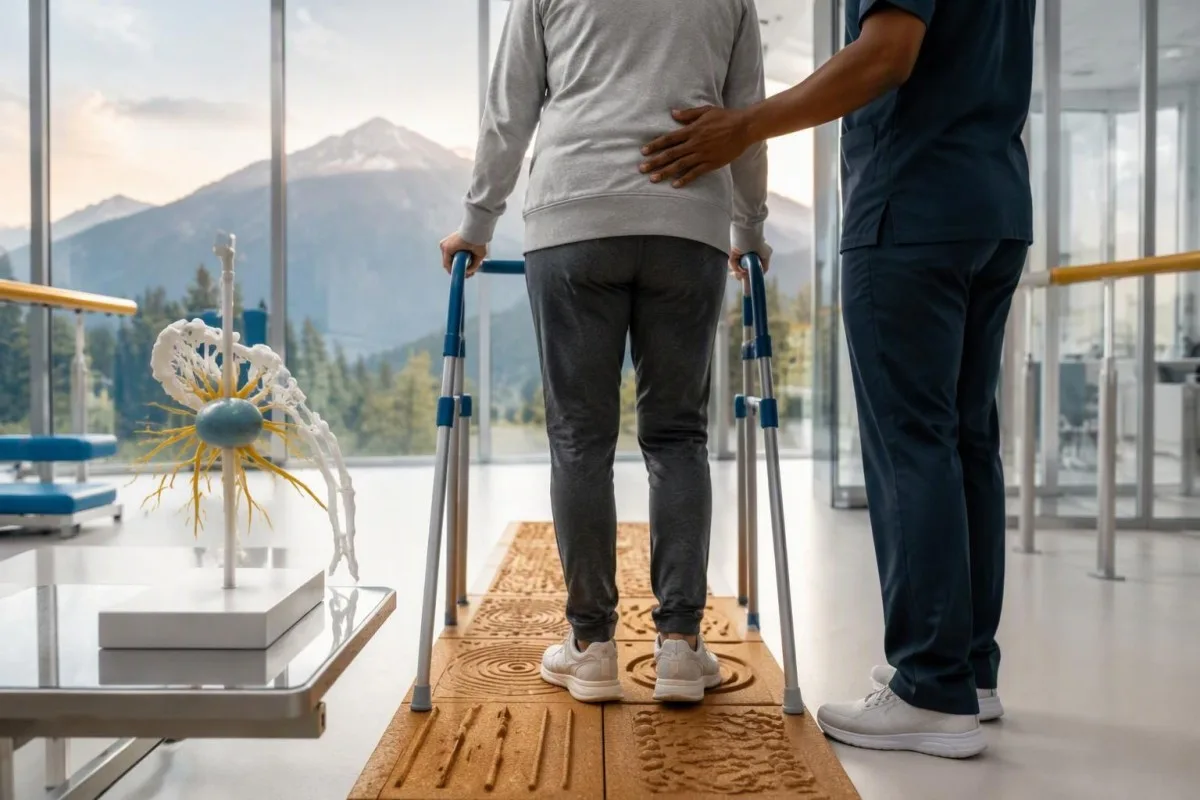
Position-sense loss increases fall risk, particularly in poor lighting or on uneven ground. A physiotherapist may recommend a suitable walking aid and individualized balance strategies; occupational therapy can address hand coordination and home hazards. A short 7-day record of falls, near-falls and walking changes is often more useful at review than the vague statement “my balance is worse,” but stop activities that feel unsafe.
Excess vitamin B6 can itself cause sensory neuropathy, making unsupervised high-dose nerve supplements particularly unhelpful during this assessment. Review every supplement and its daily dose in mg, including overlapping multivitamins and combination products. Our B-комплекс куркынычсызлык кулланмасы explains that problem; correcting a documented deficiency is different from taking progressively larger doses in the hope of treating anti-Hu autoimmunity.
Vitamin B12 deficiency can contribute to sensory and gait problems and may need investigation even when anti-Hu is confirmed. There is no universally interchangeable B12 cutoff: results in 1 пг/мл якынча 0.738 пмоль/л. һәм pmol/L require their own laboratory context, sometimes with functional testing. Our чик буе B12 тикшерүе буенча кулланма explains those next steps; new choking, breathing difficulty or rapid weakness should be assessed urgently instead of managed with vitamins.
Ясалма интеллект anti-Hu нәтиҗәсен куркынычсыз аңлатырга ничек ярдәм итә ала?
AI can help explain report terminology and organize questions, but it cannot confirm anti-Hu specificity, diagnose paraneoplastic syndrome or rule out cancer. Safe interpretation preserves the original assay details and separates 3 issues: what the laboratory reported, what the result may mean and what a clinician has actually established.
Кантести - AI нигезендәге кан анализы тикшерү коралы that can provide a plain-language explanation of uploaded laboratory information, including the distinction between an antibody screen and a confirmed clinical diagnosis. A rapid explanation—often around 60 seconds for report processing—is not a reference-laboratory assay. Our AI технологиясе буенча кулланма describes the interpretation workflow without making anti-Hu-specific diagnostic guarantees.
The complete source report should remain available for verification. An explanation should not silently replace “weakly reactive” with “confirmed,” drop the specimen type or invent a universal reference interval. Our guide to ясалма интеллектның медицина аңлатмаларын тикшерү турында белешмәлек describes practical source checks; for this antibody, compare at least the assay wording, confirmation comment and collection date against the original document.
Kantesti cannot examine sensation, review tissue staining directly through a report explanation or establish that negative imaging has excluded a tiny cancer. Those are 3 different clinical capabilities, not features that follow from understanding laboratory language. Share the explanation with the treating team as a discussion aid, and do not delay urgent assessment while uploading documents or waiting for a second automated interpretation.
Киләсе кабул итүегез һәм тикшеренүләрнең ачыклыгы
Bring the complete antibody report, a dated symptom history, previous imaging reports and a current medication list to your next appointment. Ask the clinician to clarify antibody confirmation, the neurological diagnosis and cancer surveillance separately; those 3 answers may have different levels of certainty and different follow-up dates.
A useful 1-page symptom history records onset, progression, sensory distribution, walking changes, memory problems and autonomic symptoms. Include prior cancer treatment and any recent immunoglobulin therapy, then ask who will coordinate neurology and oncology if both are involved. As Thomas Klein, MD, I would rather see a clear timeline than 20 disconnected screenshots; it makes discrepancies between the laboratory result and clinical course easier to spot.
Medical authorship is not a substitute for an individual neurological examination. Безнең медицина консультатив советы мәгълүматы describes the clinicians associated with our work, while your own specialist determines the appropriate next investigation. As of 2026 елның 25 октябре, the recommendations discussed here draw on the 2021 international PNS criteria, the 2011 EFNS screening guidance and the 2023 anti-Hu cohort—not an invented 2026 guideline.
The 2 Figshare publications below are platform-related research references, not evidence validating anti-Hu diagnosis or cancer exclusion. Their supplied titles describe hantavirus triage deployment and a synthetic-case technical benchmark; neither title establishes anti-Hu-specific clinical performance. Because publication authors and dates were not supplied for verification, the citations use title-first APA formatting with “n.d.”; the ResearchGate and Academia.edu links are searches, not claims of verified publication copies.
Еш бирелә торган сораулар
Anti-Hu антителосына уңай нәтиҗә миндә яман шеш бар дигәнне аңлатамы?
0 Анти-Hu антителасына уңай нәтиҗә генә яман шеш диагнозын кую өчен җитми. Anti-Hu — яман шеш белән бәйле югары куркыныч антитела, һәм 2023 елда анти-Hu буенча махсуслашкан төркемдәге 466 пациентның 349ында яман шеш ачыкланган, ләкин бу күрсәткеч очраклы рәвештә скрининг вакытында табылган һәм расланмаган нәтиҗә белән бәйле куркынычны билгеләми. Табиблар неврологик симптомнарны бәяли, көтелмәгән лаборатория нәтиҗәләрен раслый һәм төп яман шешне эзли; өлкәннәрдә, гадәттә, иң элек күкрәк куышлыгына игътибар итә. Яман шеш диагнозын кую өчен, гадәттә, аерым клиник, сурәтләү һәм тукыма тикшеренүләре дәлилләре кирәк.
Anti-Hu һәм ANNA-1 бер үк нәрсәме?
Anti-Hu һәм ANNA-1 гадәттә бер үк нейрональ антитәнчекләр гаиләсен билгели. ANNA-1 нейроннарга каршы 1-нче типтагы ядро антитәнчеген аңлата, ә Hu антитәнчек танып белгән күзәнәк эчендәге нейрональ аксымнарны белдерә. ANNA-1 системалы аутоиммун тикшерүләрдә кулланыла торган гадәти ANA белән бер үк түгел. Лабораторияләр бер үк антитәнчекләр гаиләсен төрле форматларда хәбәр итә алганлыктан, анализның төгәл төрен һәм раслау формулировкасын тикшерегез.
Anti-Hu антителасына анализ ялган уңай нәтиҗә бирә аламы?
Anti-Hu антителасына тест, бигрәк тә скрининг нәтиҗәсе зәгыйфь булып, неврологик күренешкә туры килмәгәндә, ялгыш нәтиҗә яки специфик булмаган реактивлык бирергә мөмкин. Раслау өчен, гадәттә, 2 тулыландыручы ысул кулланыла: тукымада хас буялу үрнәге һәм тәҗрибәле лаборатория белгече аңлаткан антигенга специфик анализ. Шул ук коммерция ысулын кабатлау, проблеманы хәл итү урынына, шул ук аналитик хатаны кабат китерергә мөмкин. Раслауны көткәндә дә, тиз көчәя барган неврологик симптомнарны кичекмәстән бәяләргә кирәк.
anti-Hu уңай булса, сканнарны ничә тапкыр кабатларга кирәк?
2021 елгы PNS критерийләре югары куркынычлы неврологик фенотип югары куркынычлы антитән белән бергә булганда, яман шешне скрининглауны 2 ел дәвамында һәр 4–6 ай саен кабатларга киңәш итә. Бу тәртип һәр очраклы anti-Hu уңай нәтиҗәсенә автоматик рәвештә кагылмый. EFNSның элеккеге күрсәтмәләре күзәтүне 4 елга кадәр дәвам итәргә киңәш иткән, ә 2023 елгы anti-Hu когорты сайлап алынган пациентлар өчен 5 елга кадәр күзәтүне карарга кирәклеген раслаган. Сезнең белгеч тикшерү ысулын, интервалын, дәвамлылыгын һәм иртәрәк кабат тикшерүне таләп итә торган симптомнарны билгеләргә тиеш.
КТ һәм ПЭТ сканерлары нормаль булганда, anti-Hu уңай булырга мөмкинме?
CT яки PET тикшерүләре яман шешне ачыкламаган очракта да, Anti-Hu уңай булып кала ала. Неврологик аутоиммунлык яман шеш ачыкланганчы ук башланырга мөмкин, ә тискәре скан нәтиҗәсе яман шешнең бөтенләй юклыгына даими гарантия бирми, ул тикшерелгән өлкәләрне, кулланылган ысулны һәм тикшерү датасын гына чагылдыра. Клиник күренеш югары куркынычка туры килгән очракта, 2021 елгы критерийлар буенча 2 ел дәвамында һәр 4–6 ай саен тикшерүне кабатлау тәкъдим ителә; anti-Hu уңай булган кайбер пациентларда күзәтүне шәхси үзенчәлекләрне исәпкә алып озаграк дәвам итәргә кирәк. Антитәнчекләрнең расланмаган реактивлыгын һәм яман шештән башка аңлатмаларны да яңадан карап чыгарга кирәк; күренми торган яман шеш һичшиксез бар дип фаразларга ярамый.
Анти-Hu антителаларының дәрәҗәсе кимүе дәвалауның нәтиҗәле булуын аңлатамы?
0. Anti-Hu антителалары дәрәҗәсенең кимүе неврологик торгызылуны яки яман шешне уңышлы дәвалауны ышанычлы рәвештә расламый. Anti-Hu күзәнәк эчендәге аксымнарны таный, ә аңа бәйле неврологик зарарлану еш кына антителаларның гына тәэсире белән түгел, ә Т-күзәнәк механизмнары белән бәйле. Тикшерү ысуллары төрле булу сәбәпле, төрле лабораторияләрдә алынган ике титрны да үзара чагыштыру мөмкин булмаска мөмкин. Табиблар антителалар санын аерым дәвалау максаты итеп куллану урынына, функцияне, тикшерү нәтиҗәләрен, тиешле тикшеренүләрне һәм яман шешнең дәвалауга җавабын бәяли.
Бүген үк AI белән эшләнгән кан анализы тикшерүе
Дөнья буенча 2 миллионнан артык кулланучы кушылыгыз: алар Kantestiны тиз һәм төгәл лаборатория анализы өчен ышана. Кан анализы нәтиҗәләрегезне йөкләгез һәм 15,000+ биомаркерларын секундлар эчендә тулы аңлатма белән алыгыз.
📚 Сылтама бирелгән тикшеренү басмалары
Klein, T., Mitchell, S., & Weber, H. (2026). Иртә Хантавирус триажы өчен күп телле AI ярдәме белән клиник карар кабул итү ярдәме: дизайн, инженер валидация һәм 50,000 аңлатылган кан анализы отчетлары буенча реаль дөньяда урнаштыру. Kantesti AI медицина тикшеренүе.
Klein, T., Mitchell, S., & Weber, H. (2026). Kantesti Кан анализын аңлату двигателе өчен 100 000 синтетик тест очрагы буенча алдан теркәлгән, рубрика нигезендәге автоматлаштырылган техник бенчмарк. Kantesti AI медицина тикшеренүе.
📖 Тышкы медицина белешмәләре
Graus F et al. (2021). Updated Diagnostic Criteria for Paraneoplastic Neurologic Syndromes. Neurology: Neuroimmunology & Neuroinflammation.
Titulaer MJ et al. (2011). Screening for tumours in paraneoplastic syndromes: report of an EFNS Task Force. European Journal of Neurology.
Villagrán-García D et al. (2023). Revisiting anti-Hu paraneoplastic autoimmunity: phenotypic characterization and cancer diagnosis. Brain Communications.
⚕️ Медицина кисәтүе
Бу мәкалә бары тик белем бирү максатларында гына һәм медицина киңәше булып тормый. Диагноз һәм дәвалау карарлары өчен һәрвакыт квалификацияле сәламәтлек саклау белгеченә мөрәҗәгать итегез.
E-E-A-T ышаныч сигналлары
Тәҗрибә
Табиб җитәкчелегендә лаборатория нәтиҗәләрен аңлату эш процессларын клиник тикшерү.
Белгечлек
Лаборатория медицинасы: биомаркерларның клиник контекстта үз-үзләрен тотышын аңлау.
Авторититет
Доктор Томас Кляйн тарафыннан язылган, доктор Сара Митчелл һәм профессор доктор Ханс Вебер тарафыннан тикшерелгән.
Ышанычлылык
Ачык күзәтү юллары белән куркуны киметү өчен дәлилләргә нигезләнгән аңлату.
