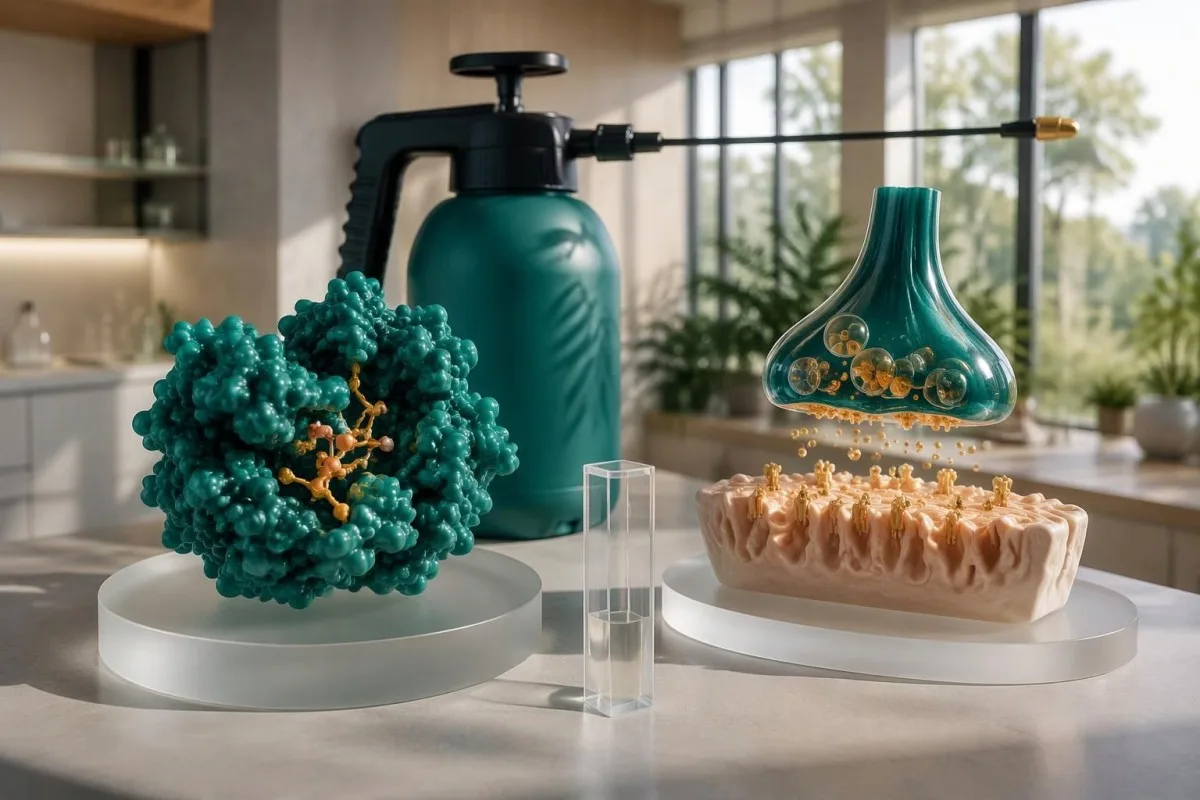
কীটনাশকৰ সংস্পৰ্শৰ পিছত অত্যধিক লেলা, ঘাম, বমি, চকুৰ মণি অতি সৰু হৈ যোৱা, পেশীৰ কঁপনি, দুৰ্বলতা বা উশাহ লোৱাত অসুবিধা—এইবোৰে বিষক্ৰিয়াৰ সংকেত দিব পাৰে। অৰ্গেন’ফছফেটৰ বিষক্ৰিয়াৰ সন্দেহ হ’লে জৰুৰীকালীন চিকিৎসা ল’ব লাগে—কলিনেষ্টেৰেজৰ ফলাফলৰ বাবে অপেক্ষা নকৰিব।

মূল কথাসমূহ
- তৎক্ষণাৎ কাৰ্য: লক্ষণসহ বিষক্ৰিয়াৰ সন্দেহ হ’লে UK-ত 999 বা 112, US-ত 911, অথবা আপোনাৰ স্থানীয় জৰুৰীকালীন নম্বৰত ফোন কৰক।
- উশাহ-প্ৰশাহৰ বিপদ: অৰ্গেন’ফছফেটে 3টা প্ৰক্ৰিয়াৰ জৰিয়তে উশাহ-প্ৰশাহত ব্যাঘাত জন্মাব পাৰে—শ্বাসনলীত স্ৰাৱ জমা হোৱা, শ্বাসনলী সংকুচিত হোৱা আৰু শ্বাস-প্ৰশ্বাসৰ পেশী দুৰ্বল হোৱা।
- আৰম্ভণিৰ লক্ষণ: সংস্পৰ্শৰ পিছত ঘাম, লেলা, চকুপানী, বমি, ডায়েৰিয়া, চকুৰ মণি সৰু হোৱা আৰু কঁপনিৰ কেইবাটাও লক্ষণ একেলগে দেখা দিলে অধিক চিন্তাজনক হৈ পৰে।
- সংস্পৰ্শৰ সময়: লক্ষণ প্ৰায়ে কেইমিনিটমানৰ পৰা কেইঘণ্টামানৰ ভিতৰত আৰম্ভ হয়, কিন্তু দূষিত কাপোৰ বা ছালৰ জৰিয়তে শোষিত হ’লে অসুস্থতা পলমকৈ দেখা দিব পাৰে।
- দুবিধ এনজাইমৰ পৰীক্ষা: ৰক্তকণিকাৰ এচিটাইলকলিনেষ্টেৰেজ আৰু প্লাজমাৰ বিউটাইৰিলকলিনেষ্টেৰেজে ৰোগনিৰ্ণয়ত সহায় কৰে; কোনোটোৱেই তাৎক্ষণিক ক্লিনিকেল মূল্যায়নৰ বিকল্প নহয়।
- ব্যক্তিগত ভিত্তিমাত্ৰা: 8,000 ৰ পৰা 3,200 U/L লৈ এক কাল্পনিক হ্ৰাসে 60% হ্ৰাস বুজায়, সাৰ্বজনীনভাৱে নিৰ্ধাৰিত কোনো গুৰুত্বৰ শ্ৰেণী নহয়।
- চকু দূষণমুক্ত কৰা: জৰুৰীকালীন সহায়ৰ ব্যৱস্থা কৰাৰ সময়ত উন্মুক্ত চকু পৰিষ্কাৰ কুহুমীয়া পানীৰে 15–20 মিনিট ধুই দিয়ক।
- পলমকৈ হোৱা দুৰ্বলতা: তীব্ৰ বিষক্ৰিয়াৰ প্ৰায় 24–96 ঘণ্টাৰ পিছত মধ্যৱৰ্তী ছিণ্ড্ৰ’ম হ’ব পাৰে; কিছুমান যৌগে প্ৰায় 1–3 সপ্তাহ পিছত পলমকৈ হোৱা স্নায়ুৰোগ সৃষ্টি কৰিব পাৰে।
কীটনাশকৰ সংস্পৰ্শৰ পিছত হোৱা কোনবোৰ লক্ষণত জৰুৰীকালীন সহায়ৰ প্ৰয়োজন?
কীটনাশকৰ সংস্পৰ্শৰ পিছত শ্বাসকষ্ট, অত্যধিক নিঃসৰণ, মাংসপেশীৰ কঁপনি, দুৰ্বলতা, বিভ্ৰান্তি, বা বাৰে বাৰে বমি হ’লে অৰ্গেন’ফছফেট বিষক্ৰিয়াৰ লক্ষণৰ বাবে জৰুৰীকালীন মূল্যায়ন কৰাব লাগে। UK-ত 999 বা 112, US-ত 911, অথবা আপোনাৰ স্থানীয় জৰুৰীকালীন নম্বৰত ফোন কৰক; পৰীক্ষাগাৰৰ নিশ্চিতকৰণলৈ অপেক্ষা নকৰিব।
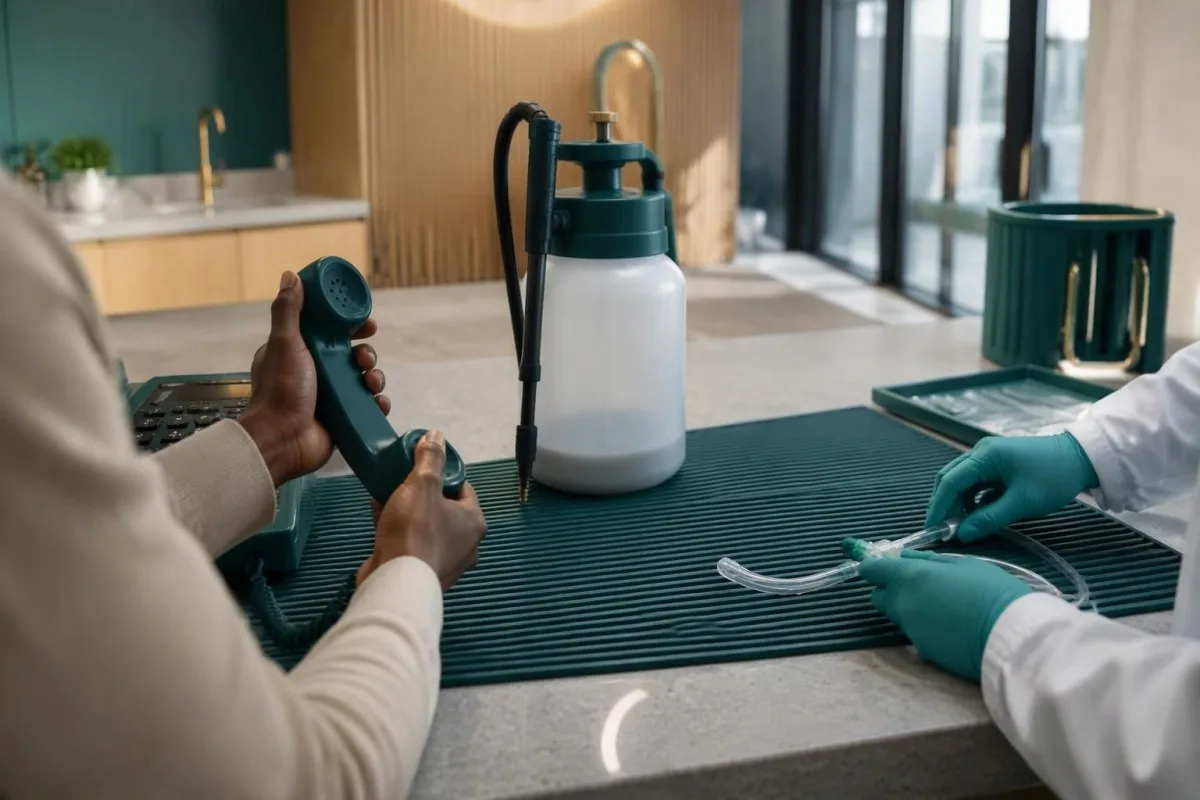
লক্ষণ দেখা দিয়াৰ আগতেই উল্লেখযোগ্য পৰিমাণে গিলি পেলালে জৰুৰী পৰামৰ্শ ল’ব লাগে। ঘনীভূত সামগ্ৰী, অজ্ঞাত পৰিমাণ, বা ইচ্ছাকৃতভাৱে গিলি পেলোৱাৰ ক্ষেত্ৰত এনে অনিশ্চয়তা থাকে যিটো ঘৰত নিৰাপদে সমাধান কৰিব নোৱাৰি; ফোন কৰাত পলম নকৰাকৈ, সকলো 4টা তথ্য গোটাবলৈ অপেক্ষা নকৰি, সামগ্ৰীৰ নাম, সংস্পৰ্শৰ পথ, আনুমানিক পৰিমাণ, আৰু সময় ডিছপেচাৰক জনাওক।
বিপজ্জনক সংমিশ্ৰণটো হ’ল শ্বাসনলীত আৰ্দ্ৰতা আৰু দুৰ্বলতা, কেৱল সৰু মণি বা পেটৰ অসুবিধা নহয়। অৰ্গেন’ফছফেটে 3টা পৃথক প্ৰক্ৰিয়াৰে শ্বাস-প্ৰশ্বাসত বাধা দিব পাৰে—নিঃসৰণ, ব্ৰংক’স্পাজম, আৰু মাংসপেশীৰ বিকলতা—সেয়েহে কোনো ব্যক্তি প্ৰথমতে সজাগ আৰু কথা ক’ব পৰা যেন লাগিলেও অৱনতি ঘটিব পাৰে।
অক্সিজেনৰ স্বাভাৱিক ৰিডিঙে ক্ৰমে বিকশিত হোৱা বিষক্ৰিয়া নুই নকৰে। উদাহৰণস্বৰূপে, স্প্ৰে’ লিক হোৱাৰ পিছত অক্সিজেন ছেচুৰেচন 97%, নতুনকৈ মাংসপেশীৰ কঁপনি, আৰু অস্বাভাৱিকভাৱে বেছি লেলাৱতি হোৱা এজন কাল্পনিক কৰ্মীৰো জৰুৰীকালীন মূল্যায়নৰ প্ৰয়োজন; অক্সিজেন ছেচুৰেচনে শ্বাস-প্ৰশ্বাসৰ মাংসপেশীৰ শক্তি জুখিব নোৱাৰে বা কীটনাশকৰ শোষণ অব্যাহত থাকিব নে নাই পূৰ্বানুমান কৰিব নোৱাৰে।
কান্টেষ্টি হৈছে এক... এ আই ব্লাড টেষ্ট এনালাইজাৰ চিকিৎসাজনিত সেৱাৰ পিছত পৰীক্ষাগাৰৰ ৰিপ’ৰ্ট বুজাই দিয়াৰ বাবে, জৰুৰীকালীন বিষক্ৰিয়া সেৱা নহয়। আমাৰ কোম্পানীৰ তথ্যই য়ে এই সঁজুলিৰ আঁৰৰ সংস্থাটোৰ বিষয়ে বৰ্ণনা কৰে; প্ৰায় 60 ছেকেণ্ড সময় লোৱা ৰিপ’ৰ্টৰ ব্যাখ্যাই কেতিয়াও জৰুৰীকালীন ফোন পিছুৱাই দিব নালাগে।
অৰ্গেন’ফছফেটৰ বিষক্ৰিয়াৰ কোনবোৰ লক্ষণ আটাইতকৈ স্বকীয়?
অৰ্গেন’ফছফেট বিষক্ৰিয়াত সাধাৰণতে ক’লিনাৰ্জিক লক্ষণৰ ধৰণ দেখা যায়: অত্যধিক লেলাৱতি, চকুপানী, ঘাম, বমি, ডায়েৰিয়া, সৰু মণি, শ্বাসনলীৰ নিঃসৰণ, মাংসপেশীৰ কঁপনি, আৰু দুৰ্বলতা। চিকিৎসকসকলে প্ৰতিটো লক্ষণ দেখা দিয়াৰ আশা কৰাৰ পৰিৱৰ্তে, পৰস্পৰ আংশিকভাৱে মিল থকা 3টা গোট—মাস্কাৰিনিক, নিক’টিনিক, আৰু কেন্দ্ৰীয় স্নায়ুতন্ত্ৰৰ প্ৰভাৱ—মূল্যায়ন কৰে।

মাস্কাৰিনিক প্ৰভাৱে সাধাৰণতে নিয়ন্ত্ৰিত নিঃসৰণক অত্যধিক কৰি তোলে। কেৱল নাকৰ পানী ওলোৱাটো নিৰ্দিষ্ট লক্ষণ নহয়, কিন্তু 1টা সংস্পৰ্শৰ ঘটনাৰ সময়ত চকুপানী, লেলাৱতি, ঘাম, ডায়েৰিয়া, আৰু বুকুত ভিজা শব্দ একেলগে দেখা দিলে উদ্বেগ যথেষ্ট বৃদ্ধি পায়; কীটনাশকৰ সংস্পৰ্শৰ পিছত হুইজিং হ’লে ইয়াক স্বয়ংক্ৰিয়ভাৱে সাধাৰণ হাঁপানিৰ লক্ষণ বুলি ধৰি ল’ব নালাগে.
নিক’টিনিক প্ৰভাৱত কংকালীয় মাংসপেশী আৰু স্বায়ত্তশাসিত স্নায়ুগ্ৰন্থি জড়িত থাকে। কাপোৰৰ তলত সৰু সৰু ঢৌৰ দৰে লৰচৰ, হাতৰ দুৰ্বলতা, বা মূৰ পোনকৈ ধৰি ৰখাত অসুবিধাই স্নায়ু-মাংসপেশীৰ জড়িততা সূচাব পাৰে; হৃদস্পন্দনৰ হাৰ লেহেমীয়া হোৱাৰ পৰিৱৰ্তে বেছি হ’ব পাৰে, সেয়েহে 1টা আপাতদৃষ্টিত আশ্বস্ত কৰা নাড়ীৰ মাপেও বিষক্ৰিয়া নুই নকৰে।
কেন্দ্ৰীয় প্ৰভাৱৰ ভিতৰত অস্থিৰতা, বিভ্ৰান্তি, খিঁচুনি আৰু চেতনা হ্ৰাস অন্তৰ্ভুক্ত। Peter et al. (2014)-ৰ পৰ্যালোচনাত ব্যাখ্যা কৰা হৈছে যে লক্ষণৰ শ্ৰেণীবিভাজন কিয় পৰস্পৰেৰে মিলি যায় আৰু ক্লিনিকেল তীব্ৰতাক কিয় এটা মাত্ৰ স্মৃতিসহায়ক সূত্ৰলৈ হ্ৰাস কৰিব নোৱাৰি; একেটা সংস্পৰ্শতে 3টা লক্ষণ-গোটৰ বিকাশৰ গতি বেলেগ বেলেগ হ’ব পাৰে।
চকুৰ মণি অতি সৰু হৈ যোৱাটো সহায়ক লক্ষণ, কিন্তু ই বাধ্যতামূলক নহয়। চকুত পোনপটীয়া সংস্পৰ্শই বিশেষভাৱে সৰু চকুৰ মণি বা দৃষ্টিশক্তি অস্পষ্ট কৰিব পাৰে, যি শৰীৰৰ আন অংশত বিষক্ৰিয়াৰ তীব্ৰতা প্ৰতিফলিত নকৰিবও পাৰে; পোহৰ, আন ঔষধ আৰু আগতে দিয়া atropine-এ চকুৰ মণিৰ আকাৰ সলনি কৰিব পাৰে; সমান সৰু হোৱা 2টা চকুৰ মণিয়ে অকলে ৰোগনিৰ্ণয় নিশ্চিত নকৰে।
কীটনাশকৰ বিষক্ৰিয়াৰ লক্ষণ কিমান সোনকালে আৰম্ভ হ’ব পাৰে?
অৰ্গেন’ফছফেটৰ লক্ষণ প্ৰায়ে কেইমিনিটমানৰ পৰা কেইঘণ্টামানৰ ভিতৰত আৰম্ভ হয়, কিন্তু ইয়াৰ সময়সীমা ৰাসায়নিক পদাৰ্থ, মাত্ৰা, প্ৰস্তুত প্ৰণালী আৰু সংস্পৰ্শৰ পথৰ ওপৰত নিৰ্ভৰ কৰে। ছালৰ মাজেৰে শোষণ শ্বাস-প্ৰশ্বাসৰ সৈতে ভিতৰলৈ যোৱা বা গিলি পেলোৱাতকৈ ধীৰ হ’ব পাৰে, আৰু কিছুমান যৌগে প্ৰথম 24 ঘণ্টাৰ পাছতো যথেষ্ট পলমকৈ বিষক্ৰিয়া ঘটাব পাৰে।
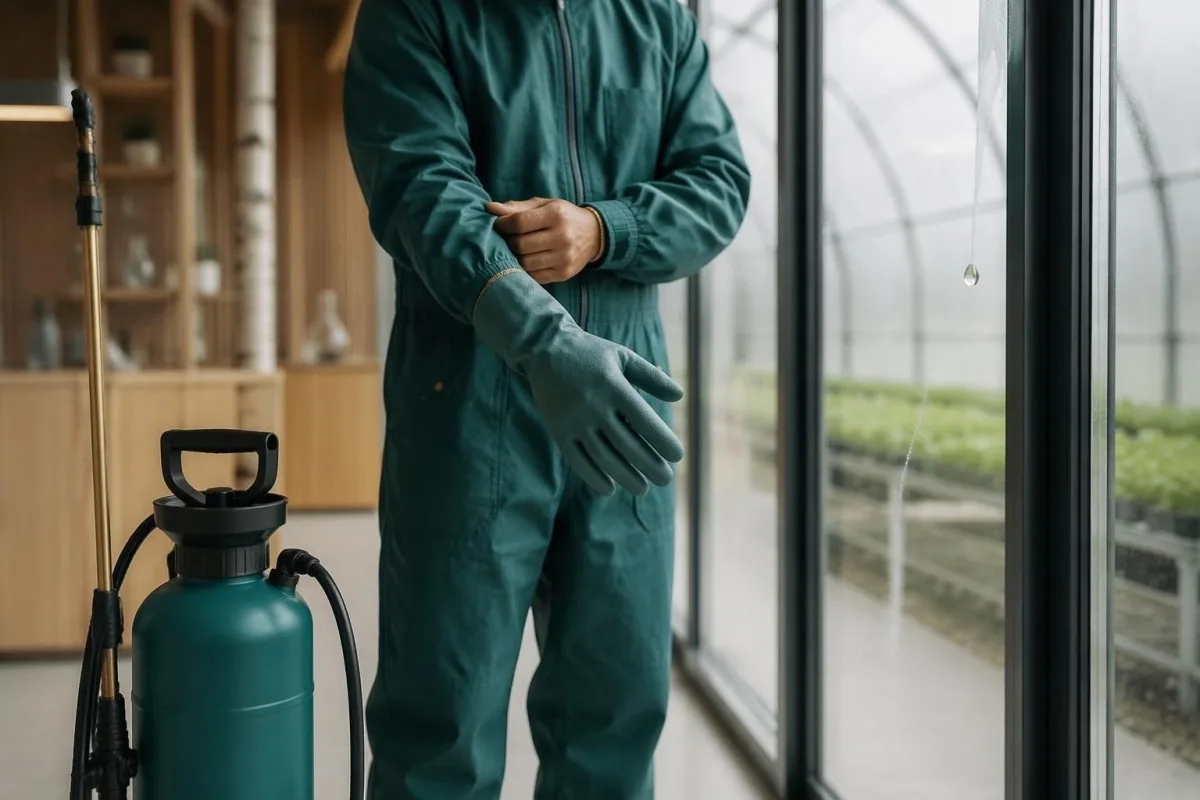
ছালত লাগি থকা কীটনাশকে ছটিওৱা বন্ধ হোৱাৰ পাছতো শৰীৰলৈ সোমাই থাকিব পাৰে। কীটনাশকত তিতি থকা হাতৰ আঁচল, লিক কৰা হাতমোজা বা দূষিত বুটে কেইবাঘণ্টালৈকে সংস্পৰ্শৰ উৎস হিচাপে কাম কৰিব পাৰে; দূষিত কাপোৰ নোখোলাকৈ কৰ্মস্থলীৰ পৰা ওলাই আহিলে শ্বাস-প্ৰশ্বাসৰ জৰিয়তে সংস্পৰ্শ বন্ধ হ’ব পাৰে, কিন্তু আন এটা পথেৰে যথেষ্ট পৰিমাণে শোষণ চলি থাকিব পাৰে।
সক্ৰিয় উপাদানৰ দৰেই প্ৰস্তুত প্ৰণালীৰো গুৰুত্ব আছে। পাতল কৰা স্প্ৰেৰ সৈতে কাল্পনিক 10 মিনিটৰ সংস্পৰ্শ ঘন দ্ৰব্য চম্ভালি কটোৱা 10 মিনিটৰ সমান নহয়, আৰু দ্ৰাৱকে জ্বলা-পোৰা বা হাওঁফাওঁলৈ সোমাই যোৱাৰ বিপদ বঢ়াব পাৰে; মূল লেবেলখনৰ ফটোৱে চিকিৎসকসকলক কীটনাশক আৰু ইয়াৰ প্ৰস্তুত প্ৰণালী দুয়োটা চিনাক্ত কৰাত সহায় কৰে।
আৰম্ভণিতে কোনো লক্ষণ নথকা সময়ছোৱা নিৰাপত্তাৰ প্ৰমাণ নহয়। কিছুমান অৰ্গেন’ফছফেটৰ বাবে বিপাকীয় সক্ৰিয়কৰণৰ প্ৰয়োজন হয়, আৰু চৰ্বিত দ্ৰৱণীয় যৌগসমূহ সময়ৰ লগে লগে শৰীৰৰ আন অংশলৈ পুনৰ বিতৰণ হ’ব পাৰে; নিৰ্দিষ্ট সামগ্ৰী আৰু ৰোগীৰ ক্লিনিকেল অৱস্থাৰ গতিপথৰ ওপৰত নিৰ্ভৰ কৰি—সকলোৰে বাবে একে সময়সীমা ধৰি নলৈ—জৰুৰীকালীন চিকিৎসা দলে 24–48 ঘণ্টা বা তাতোকৈ অধিক সময় পৰ্যবেক্ষণৰ পৰামৰ্শ দিব পাৰে।
সংস্পৰ্শৰ ইতিহাসে বিষক্ৰিয়াৰ কাৰণসমূহ পৃথক কৰাতো সহায় কৰে। বন্ধ সঁজুলি-ঘৰত কেইবাজনো লোকৰ মূৰৰ বিষ হ’লে, কীটনাশকৰ সংস্পৰ্শৰ লগতে ইঞ্জিনৰ ধোঁৱাৰ কথাও বিবেচনা কৰিব লাগে; আমাৰ কাৰ্বন মন’ক্সাইড পৰীক্ষাৰ নিৰ্দেশিকাত ব্যাখ্যা কৰা হৈছে যে কাৰ্বন মন’ক্সাইডৰ বাবে 2টা ক’লিনেষ্টেৰেজ পৰীক্ষাৰ যিকোনো এটাতকৈ বেলেগ ধৰণৰ পৰীক্ষাগাৰীয় জোখৰ প্ৰয়োজন।
জৰুৰীকালীন সেৱাৰ লোক আহি পোৱাৰ আগতে আপুনি কি কৰা উচিত?
নিৰাপদে আঁতৰি যাব পাৰিলেহে উৎসৰ পৰা আঁতৰি যাওক, জৰুৰীকালীন সেৱালৈ ফোন কৰক আৰু পুনৰ দূষিত হোৱা ৰোধ কৰক। উপযুক্ত সুৰক্ষা নোহোৱাকৈ কাকো উদ্ধাৰ কৰিবলৈ দূষিত স্থানত প্ৰৱেশ নকৰিব; সংস্পৰ্শলৈ অহা চকু পৰিষ্কাৰ কুহুমীয়া পানীৰে 15–20 মিনিট ধুই দিয়ক।
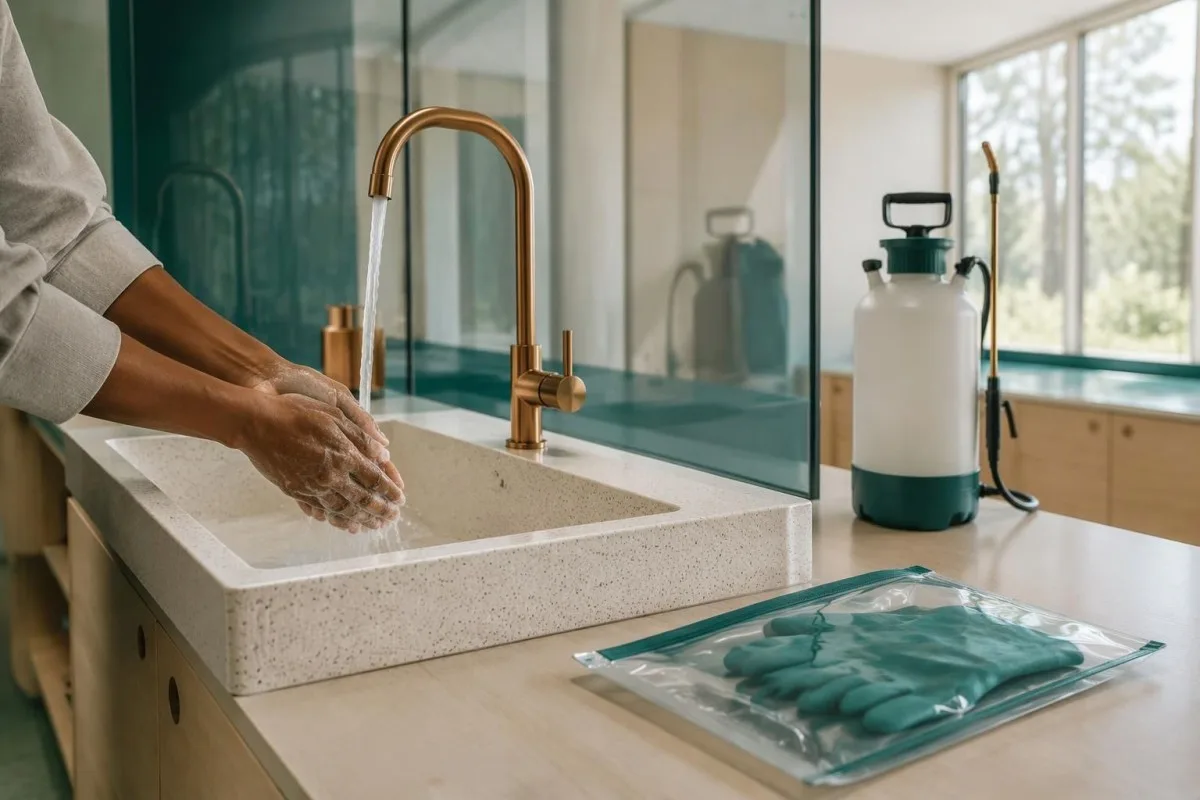
সহায়কাৰীক সুৰক্ষিত ৰাখিলে দ্বিতীয়জনৰ বিষক্ৰিয়া ৰোধ হয়। দূষিত কাপোৰ, তৰল কীটনাশক বা বমিৰ সৈতে পোনপটীয়া সংস্পৰ্শ এৰাই চলক, আৰু উপযুক্ত সুৰক্ষাৰ বিষয়ে জৰুৰীকালীন সেৱাৰ ফোন-গ্ৰহণকাৰীৰ নিৰ্দেশনা মানি চলক; সাধাৰণ পাতল পৰীক্ষামূলক হাতমোজাই সকলো কীটনাশকৰ প্ৰস্তুত প্ৰণালীৰ বিৰুদ্ধে নিৰ্ভৰযোগ্য সুৰক্ষা নিদিয়ে, সেয়ে কোনো 1 প্ৰকাৰৰ হাতমোজাকে সকলো পৰিস্থিতিতে নিৰাপদ বুলি ধৰি ল’ব নালাগে।
সহায় পোৱাত পলম নোহোৱাকৈ কৰিব পৰা হ’লে, দূষিত কাপোৰ খুলি 2টা বেগত বা আনৰ পৰা আঁতৰাই ৰাখি সুৰক্ষিতভাৱে বন্ধ কৰা পাত্ৰত থওক। সংস্পৰ্শলৈ অহা ছাল চাবোন আৰু যথেষ্ট পানীৰে ধুই দিয়ক, জোৰেৰে ঘঁহি নাথাকিব আৰু ব্লিচ, দ্ৰাৱক বা ৰাসায়নিক নিৰপেক্ষকাৰী দ্ৰব্য নলগাব; ইতিমধ্যে কৰা ধোৱাৰ বিষয়ে উদ্ধাৰকাৰীসকলক জনাওক।
বিষ-সম্পৰ্কীয় বিশেষজ্ঞই নিৰ্দিষ্টভাৱে নিৰ্দেশ নিদিলে বমি কৰাবলৈ চেষ্টা নকৰিব বা ঘৰুৱা দিহা, খাদ্য, পানীয় বা সক্ৰিয় কয়লা নিদিব। ব্যক্তিজনে সঁহাৰি নিদিয়া হ’লে বা স্বাভাৱিকভাৱে উশাহ লোৱা বন্ধ কৰিলে, জৰুৰীকালীন সেৱাৰ ফোন-গ্ৰহণকাৰীয়ে দিয়া পুনৰুজ্জীৱনৰ নিৰ্দেশনা মানি চলক; কীটনাশকৰ দূষণৰ কথা জনাওক, যাতে ফোন-গ্ৰহণকাৰীয়ে প্ৰথম কেইমিনিটমানত উদ্ধাৰকাৰীৰ সুৰক্ষাৰ ব্যৱস্থা কৰিব পাৰে।
গাড়ী বা জৰুৰীকালীন বিভাগলৈ খোলা বা লিক কৰা পাত্ৰ নিয়াৰ সলনি লেবেলখনৰ ফটো লৈ যাওক। ঘৰুৱা পালছ অক্সিমিটাৰত 98% দেখুওৱাটোৱে চিকিৎসা লোৱাত পলম কৰাৰ অনুমতি নিদিয়ে; আমাৰ শ্বাস-প্ৰশ্বাস পৰীক্ষাৰ সীমাবদ্ধতাসমূহে ব্যাখ্যা কৰে যে পৰীক্ষাগাৰীয় জোখ আৰু অক্সিজেনৰ জোখে শ্বাস-প্ৰশ্বাসৰ বিষয়ে পৃথক পৃথক প্ৰশ্নৰ উত্তৰ দিয়ে।
চিকিৎসালয়ত অৰ্গেন’ফছফেটৰ বিষক্ৰিয়া কেনেকৈ নিৰ্ণয় কৰা হয়?
অৰ্গেন’ফছফেট বিষক্ৰিয়াৰ ৰোগনিৰ্ণয় মূলতঃ ক্লিনিকেল: চিকিৎসকসকলে সংস্পৰ্শৰ ইতিহাস, ক’লিনাৰ্জিক লক্ষণৰ ধৰণ, শ্বাস-প্ৰশ্বাসৰ মূল্যায়ন আৰু পৰীক্ষা একেলগে বিবেচনা কৰে। ৰক্তকণিকাৰ এচিটাইলক’লিনএষ্টেৰেজ আৰু প্লাজমা ক’লিনএষ্টেৰেজে সহায়ক প্ৰমাণ দিয়ে, কিন্তু এই 2টা পৰীক্ষাৰ যিকোনো এটাৰ ফলাফল আহিবলৈ অপেক্ষা কৰি চিকিৎসা কৰিব নোৱাৰি।
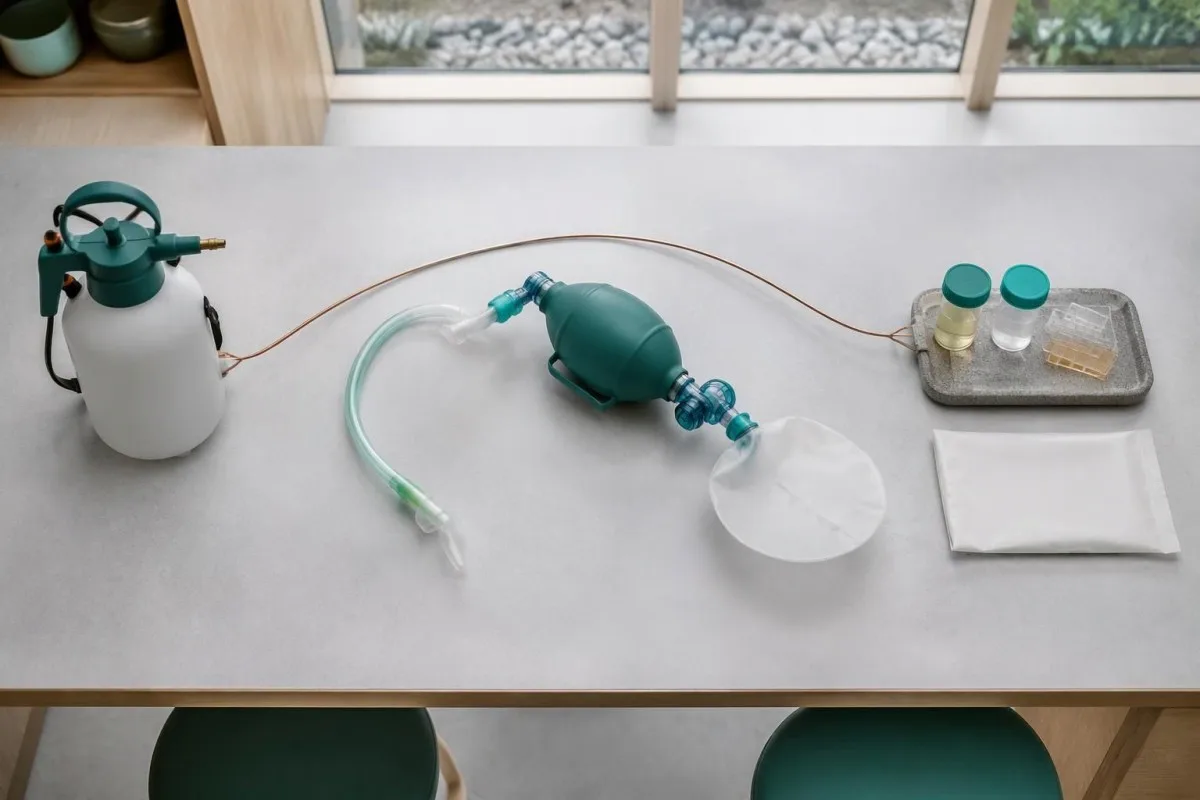
নিয়মীয়া টক্সিক’লজি পৰীক্ষাত অৰ্গেন’ফছফেট কীটনাশক নিৰ্ভৰযোগ্যভাৱে ধৰা নপৰে। মানক প্ৰস্ৰাৱৰ ড্ৰাগ পেনেলে সাধাৰণতে নিৰ্বাচিত ঔষধ বা বিনোদনমূলক দ্ৰব্য চিনাক্ত কৰে, কীটনাশকৰ এনজাইম-নিষেধ নহয়; একেদৰে, গধুৰ ধাতুৰ পৰীক্ষাই সংস্পৰ্শৰ এটা বেলেগ শ্ৰেণী জোখে আৰু প্ৰাসংগিক 2টা ক’লিনএষ্টেৰেজ পৰীক্ষাৰ সলনি ব্যৱহাৰ কৰিব নোৱাৰি।
পৰীক্ষাত কেৱল চকুৰ মণি আৰু নাড়ীৰ গতিৰ বাহিৰেও আন দিশ চোৱা হয়। চিকিৎসকসকলে শ্বাসনলীৰ নিঃসৰণ, উশাহ লোৱাৰ প্ৰচেষ্টা, বুকুৰ শব্দ, শক্তি, মানসিক অৱস্থা, ৰক্তচাপ আৰু ECGৰ ফলাফল মূল্যায়ন কৰে; নাড়ীৰ গতি 110 beats/min হোৱা ৰোগীৰো ক’লিনাৰ্জিক বিষক্ৰিয়া হ’ব পাৰে, কাৰণ হাইপ’ক্সিয়া, মানসিক চাপ আৰু নিক’টিনিক প্ৰভাৱে ধীৰ নাড়ীৰ গতিক প্ৰতিহত কৰিব পাৰে।
আন পৰীক্ষাবোৰে কীটনাশকটো কোনবিধ সেইটো প্ৰমাণ কৰাৰ পৰিৱৰ্তে জটিলতাসমূহ চিনাক্ত কৰে। তেজৰ গেছ, ইলেক্ট্ৰ’লাইট, গ্লুক’জ, বৃক্কৰ কাৰ্যক্ষমতা আৰু কেতিয়াবা বুকুৰ ইমেজিঙে বায়ু চলাচল, পানীশূন্যতা, শ্বাসনলীত বস্তু সোমোৱা আৰু বিকল্প ৰোগনিৰ্ণয়ৰ মূল্যায়নত সহায় কৰে; উদাহৰণস্বৰূপে, 70 mg/dLতকৈ কম গ্লুক’জে নিজাববীয়াকৈ বিভ্ৰান্তিৰ অৱদান আগবঢ়াব পাৰে আৰু ইয়াকো তৎক্ষণাত সংশোধন কৰিব লাগে।
Eddleston et al. (2008)-এ The Lancet-ত জৈৱৰাসায়নিক নিশ্চিতকৰণৰ বাবে অপেক্ষা কৰাৰ পৰিৱৰ্তে আগতীয়া পুনৰুজ্জীৱন আৰু ক্লিনিকেল ব্যৱস্থাপনাত গুৰুত্ব দিয়ে। আমাৰ ক্ষেত্ৰতো শিক্ষা আৰু জৰুৰী ক্লিনিকেল সিদ্ধান্তৰ মাজত একেই পাৰ্থক্য মানি চলা হয় চিকিৎসা বিষয়বস্তুৰ মানদণ্ড: 1টা ব্যাখ্যামূলক প্ৰতিবেদনে ৰোগীৰ শয্যাৰ কাষত কৰা পুনৰ্মূল্যায়নৰ সলনি হ’ব নোৱাৰে।
ৰক্তকণিকাৰ এচিটাইলকলিনেষ্টেৰেজ পৰীক্ষাই কি জোখে?
ৰক্তকণিকাৰ এচিটাইলক’লিনএষ্টেৰেজ পৰীক্ষাই ৰক্তকণিকাৰ আৱৰণত থকা, স্নায়ুৰ ছাইনেপ্ছত থকা এচিটাইলক’লিনএষ্টেৰেজৰ সৈতে সাদৃশ্য থকা এনজাইম এটাৰ সক্ৰিয়তা জোখে। কম সক্ৰিয়তাই ক’লিনএষ্টেৰেজ-নিষেধকৰ সংস্পৰ্শৰ সম্ভাৱনাক সমৰ্থন কৰে, কিন্তু এই বিশেষ পৰীক্ষাটো নিয়মীয়া CBCত জনোৱা ৰক্তকণিকাৰ গণনাৰ পৰা পৃথক।
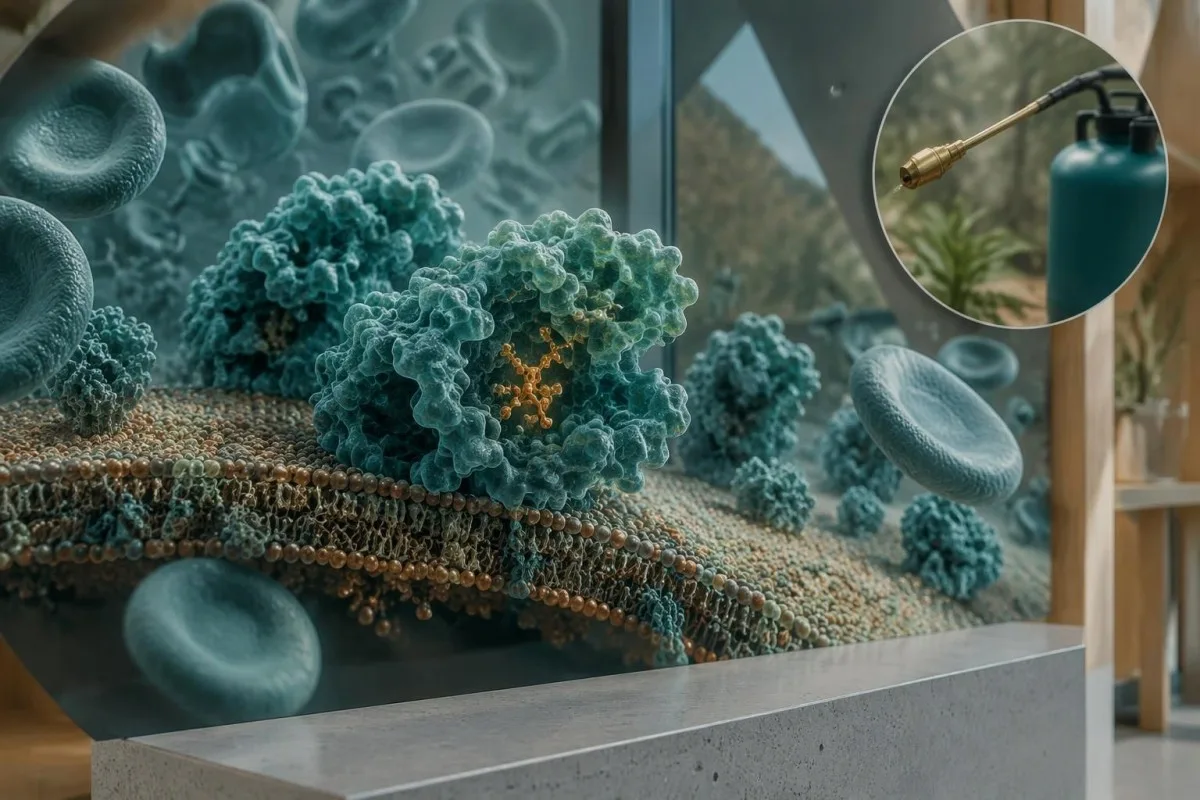
ৰক্তকণিকাৰ এচিটাইলক’লিনএষ্টেৰেজে সাধাৰণতে প্ৰাসংগিক স্নায়ৱিক এনজাইমৰ নিষেধকৰণ প্লাজমা বিউটায়ৰিলক’লিনএষ্টেৰেজতকৈ ভালদৰে প্ৰতিফলিত কৰে। অৱশ্যে, এই সম্পৰ্ক নিখুঁত নহয়: কীটনাশক, চিকিৎসাৰ সময়, পৰীক্ষাৰ পদ্ধতি আৰু ব্যক্তিগত জৈৱিক বৈশিষ্ট্যই ব্যাখ্যাত প্ৰভাৱ পেলায়; সেয়ে বেছলাইন স্তৰৰ 20% বুলি জনোৱা ফলাফলেও শ্বাসনলীৰ চিকিৎসা পৰিকল্পনা নিজাববীয়াকৈ নিৰ্ধাৰণ কৰিব নোৱাৰে।
পৰীক্ষাগাৰসমূহে ৰক্তকণিকাৰ সক্ৰিয়তা এই এককত জনাব পাৰে U/g hemoglobin, প্ৰতি পেকড-চেল ভলিউমৰ একক, বা পদ্ধতিনিৰ্ভৰ আন এককত। হাইপ’থেটিকেলভাৱে 12 U/g hemoglobin বুলি পোৱা ফলাফলক আন এটা পৰীক্ষাগাৰে U/Lত প্ৰকাশ কৰা ফলাফলৰ সৈতে পোনপটীয়াকৈ তুলনা কৰিব নোৱাৰি; এই দুটা বেলেগ হৰ, একেটা সংখ্যাৰ পৰস্পৰ-বদলযোগ্য ৰূপ নহয়।
AChEৰ সক্ৰিয়তা এচিটাইলক’লিন ৰিচেপ্টৰৰ এণ্টিবডী পৰীক্ষা নহয়। দ্য... মায়াস্থেনিয়াৰ তেজ পৰীক্ষাৰ নিৰ্দেশিকাই দুৰ্বলতাৰ এটা বেলেগ কাৰণৰ সৈতে জড়িত এণ্টিবডীৰ বিষয়ে আলোচনা কৰে; AChR এণ্টিবডী পেনেল কৰালে 2টা ক’লিনএষ্টেৰেজ সক্ৰিয়তা পৰীক্ষাৰ যিকোনো এটাৰ দৰে একেটা প্ৰশ্নৰ উত্তৰ নাপায়।
ক্লিনিকেলভাৱে আৰোগ্য হোৱাৰ পিছতো ৰক্তকণিকাৰ সক্ৰিয়তা কম হৈ থাকিব পাৰে, কাৰণ পূৰ্ণবয়স্ক ৰক্তকণিকাৰ আনুমানিক আয়ুস 120 দিন; অৱশ্যে, আৰোগ্য পুনঃসক্ৰিয়কৰণ আৰু নতুন কোষ উৎপাদনৰ ওপৰতো নিৰ্ভৰ কৰে। Kantesti AI-এ পিছত জনোৱা এককসমূহ বুজাই দিয়াত সহায় কৰিব পাৰে, কিন্তু কেৱল দীৰ্ঘস্থায়ী দমনেই চলি থকা শ্বাস-প্ৰশ্বাসৰ বিপদ প্ৰমাণ নকৰে বা নিজে চিকিৎসা কৰাৰ যুক্তি নিদিয়ে।
বিষক্ৰিয়া নোহোৱাকৈ প্লাজমা কলিনেষ্টেৰেজ কম কিয় হ’ব পাৰে?
প্লাজমা ক’লিনএষ্টেৰেজ বুলি সাধাৰণতে বিউটায়ৰিলক’লিনএষ্টেৰেজক বুজায়, যাক ছিউড’ক’লিনএষ্টেৰেজ বুলিও কোৱা হয়; ই যকৃতত উৎপন্ন হোৱা এনজাইম। Its activity may fall after organophosphate exposure, but liver dysfunction, inherited enzyme variants, pregnancy, poor nutrition, and some medicines can also lower it; 1 low value is not a standalone diagnosis.
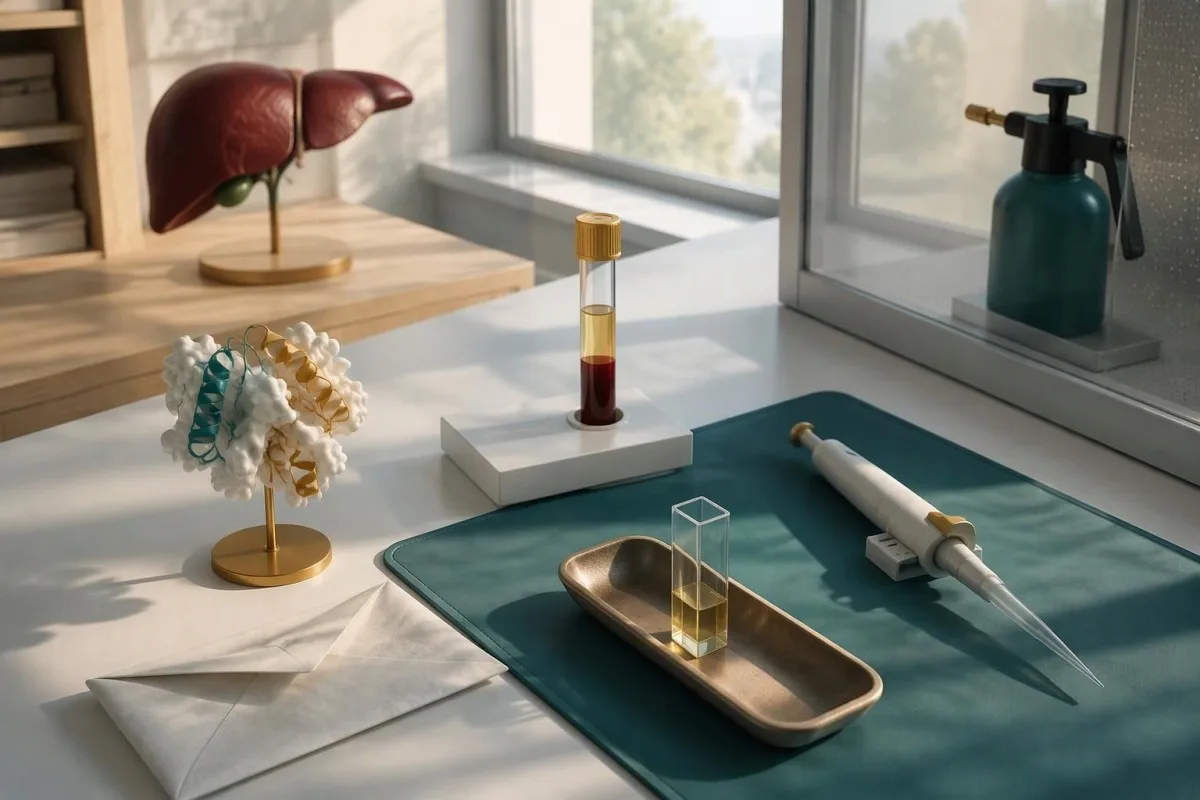
Plasma butyrylcholinesterase is often more accessible than red-cell acetylcholinesterase. The ease of testing makes it useful, but the depth of suppression does not reliably mirror severity for every pesticide; 2 people with the same plasma activity may have very different breathing, strength, and consciousness findings.
A low pre-existing level changes the interpretation of an exposure result. For example, a hypothetical adult with a stable activity near 3,000 U/L before and after an incident needs a different explanation from someone whose activity falls from 8,000 to 3,000 U/L; the history distinguishes persistent low production from a new decline.
Inherited butyrylcholinesterase deficiency has implications for anesthesia, not just pesticide interpretation. দ্য... dibucaine number explanation describes a test of enzyme inhibition characteristics rather than simply activity; low activity can prolong the action of certain anesthetic muscle relaxants, including succinylcholine.
A plasma result should therefore be read with at least 2 contexts: the acute exposure and the person's usual health. Liver tests, albumin, medication history, and any prior anesthesia-related prolonged paralysis may help explain a persistently low result; a clinician should decide which follow-up tests are needed rather than treating every low value as poisoning.
চিকিৎসকসকলে কলিনেষ্টেৰেজৰ ফলাফল আৰু স্বাভাৱিক ভিত্তিমান কেনেকৈ ব্যাখ্যা কৰে?
Cholinesterase testing is most informative when the current activity is compared with a reliable personal baseline using the same assay. There is no universal U/L cutoff that confirms or excludes poisoning across both enzyme tests, all laboratories, and all pesticide compounds.

Percentage reduction equals 100 × (baseline minus current activity) ÷ baseline. In a clearly hypothetical plasma example, a fall from 8,000 to 3,200 U/L gives 100 × 4,800 ÷ 8,000 = 60%; that describes biochemical change, not a validated rule saying a person has a particular clinical severity.
A population reference interval can hide a meaningful individual fall. A hypothetical worker whose activity decreases from 8,000 to 6,000 U/L has a 25% decline even if the second value remains inside the laboratory interval; our পৰীক্ষাৰ পূৰ্বে প্ৰস্তুতিৰ নিৰ্দেশিকাত explains why a usable comparison needs consistent methods and circumstances.
Sample timing and handling can change interpretation. If feasible without delaying care, clinicians obtain samples before oxime treatment and record the time of exposure, collection, and antidotes; 3 timestamps can help the laboratory evaluate apparent reactivation or disagreement between assays, while storage requirements must follow that laboratory's instructions.
কান্টেষ্টি হৈছে এক... AI তেজ পৰীক্ষাৰ ফলাফল প্লেটফৰ্ম that can explain supplied values, units, and reference intervals, but it cannot reconstruct a missing baseline. Our AI প্রযুক্তি গাইড provides context for that distinction; 2 enzyme results without exposure timing remain incomplete evidence.
কলিনেষ্টেৰেজৰ দ্বাৰা নিশ্চিত কৰাৰ আগতেই চিকিৎসা আৰম্ভ কৰাটো কিয় জৰুৰী?
Treatment starts before laboratory confirmation because respiratory failure can develop faster than cholinesterase results return. Clinicians act on the exposure and examination; there is no safe universal waiting period of 1, 6, or 24 hours when symptoms suggest acute poisoning.

Atropine treats dangerous muscarinic effects without needing an enzyme value first. Excess airway fluid and bronchospasm interfere with oxygen movement, while neuromuscular weakness requires separate assessment; waiting for a sample to reach a specialist laboratory can delay treatment of all 3 breathing mechanisms.
Some organophosphate-enzyme complexes undergo aging, a chemical change that makes oxime reactivation ineffective. The timing varies from minutes to many hours or longer depending on the compound, so a blanket 6-hour cutoff is misleading; early specialist input is more useful than assuming every pesticide follows the same biochemical clock.
A normal or borderline result does not automatically overrule a convincing clinical picture. Very early sampling, assay limitations, exposure type, or treatment can complicate interpretation; the clinical team may repeat 1 or both assays while continuing respiratory support and reassessing alternative diagnoses rather than withholding care.
Other poisoning tests also require timing-aware interpretation, but their rules cannot be transferred wholesale to organophosphates. Our ছেলিচাইলেট বিষক্ৰিয়াৰ সময়-সম্পৰ্কীয় নিৰ্দেশিকাই illustrates why 1 concentration can mislead; organophosphate care adds the separate problem that enzyme activity is not a direct pesticide concentration.
অৰ্গেন’ফছফেটৰ বিষক্ৰিয়াৰ বাবে কি কি জৰুৰীকালীন চিকিৎসা ব্যৱহাৰ কৰা হয়?
Hospital treatment combines airway support, oxygen or ventilation when needed, atropine, and specialist consideration of an oxime such as pralidoxime. An adult atropine starting dose of 1–3 mg intravenously appears in the Eddleston et al. (2008) review; dosing and repeat administration require monitored clinical care.
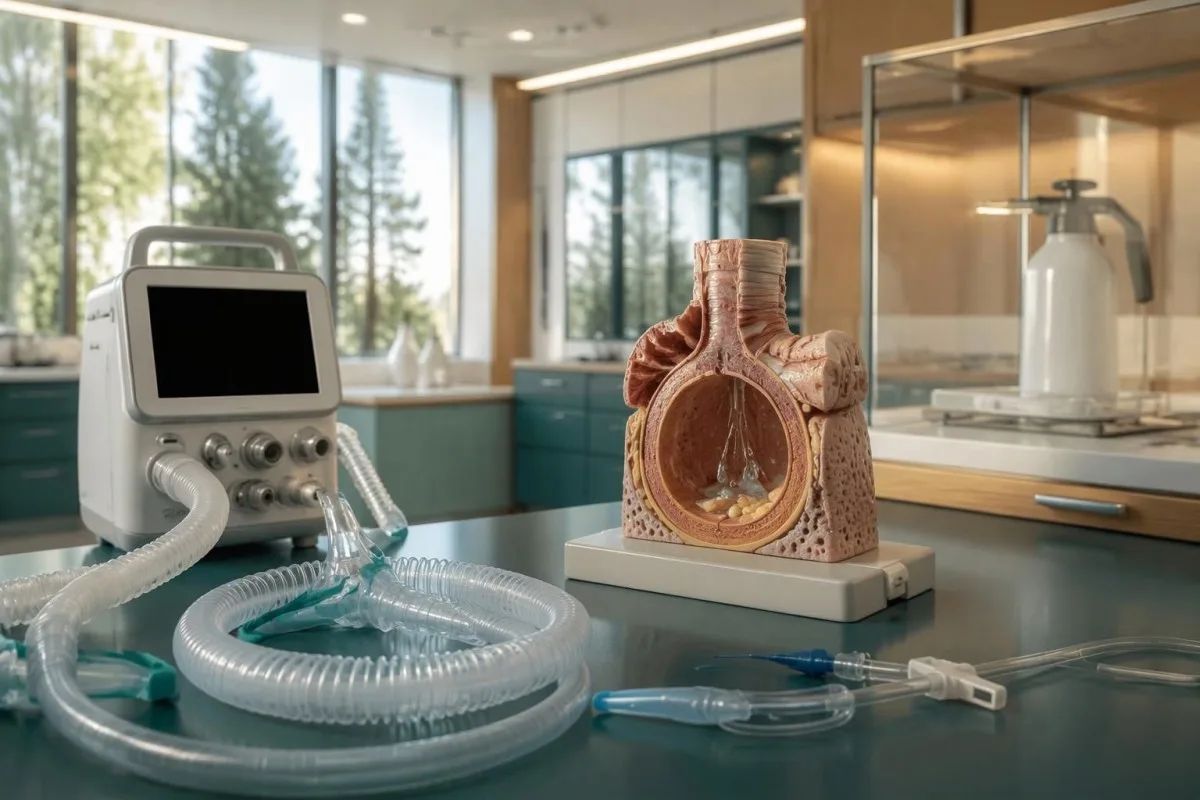
Atropine is titrated to clinical response, not a predetermined total dose. The 2008 Lancet review describes reassessment and dose doubling at intervals of about 3–5 minutes when required; improving chest secretions, oxygenation, and circulation matter more than forcing the pupils to dilate or the pulse to reach a particular number.
Ventilation may be needed even after secretions improve because atropine does not reliably reverse skeletal-muscle weakness. An arterial PaCO2 above 45 mmHg can indicate hypoventilation, although baseline lung disease and acid–base status matter; our ধমনীৰ ৰক্তৰ গেছৰ ব্যাখ্যাই separates ventilation from oxygen saturation.
Pralidoxime evidence is genuinely mixed and depends on the compound and clinical circumstances. Eddleston et al. (2009) conducted a randomized PLoS Medicine trial that did not establish improved survival with the studied regimen; this does not mean every oxime regimen is useless, but it explains why 1 universal treatment promise would be inaccurate.
Seizures may require benzodiazepines, and ongoing monitoring looks for aspiration, arrhythmias, and impaired perfusion. A lactate above 2 mmol/L can have several explanations and is not an organophosphate-specific marker; our lactate sampling guide explains why collection conditions also affect that complication-focused result.
বিষক্ৰিয়াৰ 24–96 ঘণ্টাৰ পিছত দুৰ্বলতা কিয় পুনৰ আহিব পাৰে?
Intermediate syndrome can cause neck, proximal limb, and respiratory muscle weakness roughly 24–96 hours after acute organophosphate poisoning. Certain organophosphates can also cause delayed neuropathy about 1–3 weeks later; these complications have different mechanisms and are not simply repeated diarrhea or sweating.

Improving saliva and chest secretions do not guarantee recovery of muscle function. A hypothetical patient who becomes unable to lift their head 48 hours after initial improvement needs immediate reassessment; intermediate syndrome can threaten breathing when the earlier muscarinic signs have largely settled (Peter et al., 2014).
Repeated bedside respiratory and strength assessments may be more informative than 1 reassuring plasma enzyme result. Neck flexion, shoulder and hip strength, cough effectiveness, swallowing, and respiratory measurements help clinicians detect evolving weakness; the treating team determines the assessment frequency according to severity and the specific pesticide.
Delayed neuropathy generally appears later than intermediate syndrome. New foot weakness, altered walking, tingling, or distal weakness over 1–3 weeks warrants medical evaluation; some compounds affect neuropathy target esterase pathways, which are not measured by either routine red-cell acetylcholinesterase or plasma butyrylcholinesterase activity.
Weakness after an exposure still deserves a broad differential diagnosis. Our দুৰ্বলতাৰ জৰুৰী সতৰ্কতামূলক লক্ষণ discuss another condition that can affect breathing; a new inability to walk, swallow, or breathe normally should trigger emergency care rather than waiting 24 hours for an outpatient repeat test.
আন কীটনাশকেও একেধৰণৰ লক্ষণ ঘটাব পাৰেনে?
Yes—carbamate pesticides can produce a similar cholinergic syndrome, while pyrethroids, solvents, and other chemicals cause different or overlapping symptoms. The active ingredient matters more than the word pesticide; 2 products used for the same pest can require different diagnostic and treatment approaches.
Carbamates also inhibit cholinesterase, but inhibition is generally more readily reversible. Their laboratory activity can recover more quickly, including during sample handling, so 1 near-normal result may not reflect the earlier clinical state; atropine may still be needed, while oxime decisions require product-specific toxicology advice.
Pyrethroid exposure can cause skin tingling, irritation, nausea, or neurological symptoms, particularly after substantial exposure. Those effects do not reliably produce the same enzyme suppression pattern as organophosphates; a hypothetical person with facial tingling but no excess secretions still needs product-based advice rather than assuming 2 symptom categories identify the chemical.
Some exposures impair oxygen carriage rather than inhibit cholinesterase. Selected pesticides or associated chemicals can cause methemoglobinemia, for which co-oximetry is relevant; our methemoglobin result guide explains why a pulse oximeter may remain near 85% despite a different underlying oxygen problem.
Alternative diagnoses include asthma, heat illness, hypoglycemia, opioid effects, and gastrointestinal infection. Exposure plus 3 cholinergic features is more suggestive than vomiting alone, but none of these combinations is a validated home diagnostic score; clinicians use the label, examination, and targeted testing to distinguish overlapping emergencies.
কোনবোৰ অনুসৰণমূলক পৰীক্ষা আৰু কৰ্মস্থলীৰ সাৱধানতা গুৰুত্বপূৰ্ণ?
Follow-up depends on symptoms, the pesticide involved, and how far enzyme activity has fallen from a personal baseline. Red-cell activity may remain depressed for weeks to months, so a single abnormal follow-up value does not by itself mean active poisoning or establish fitness to return to exposure.
Occupational monitoring thresholds are preventive rules, not emergency diagnosis cutoffs. Local programs may use different percentage declines for medical evaluation, removal from exposure, and return to work; a 25% decline in a hypothetical report must be interpreted under the applicable protocol, with occupational health input rather than a universal online rule.
Return-to-work decisions require more than a laboratory increase. Symptoms, strength, respiratory function, product handling, protective equipment, and the cause of the original leak all matter; 2 improving measurements do not make an unchanged exposure source safe, and contaminated gloves or clothing should be handled according to pesticide-specific guidance.
Meaningful trends require comparable methods and documented timing. আমাৰ ৰক্ত পৰীক্ষাৰ সময়ৰ গাইড explains why illness, treatment, and laboratory changes can create apparent trends; for cholinesterase monitoring, record the dates of exposure, collection, and antidotes alongside both enzyme names and units.
At Kantesti, we encourage readers to keep emergency records and baseline results available for clinician-led follow-up, not to use an AI interpretation as occupational clearance. Remove unnecessary identifiers before sharing reports and review our গোপনীয়তা আৰু তথ্য-নিৰ্দেশনা; 1 shared document should contain only information needed for its intended purpose.
জৰুৰীকালীন চিকিৎসাৰ পিছত গৱেষণাৰ উৎস আৰু নিৰাপদ AI ব্যাখ্যা
The organophosphate evidence cited here concerns clinical assessment, cholinesterase interpretation, delayed weakness, and antidote treatment—not AI-based emergency diagnosis. The 3 external medical publications listed below support those discussions; our 2 companion DOI resources address other laboratory topics and are not evidence for pesticide treatment.
Clinical reviews and trials answer different questions. Eddleston et al. (2008) describe acute management, Peter et al. (2014) review clinical patterns and delayed syndromes, and Eddleston et al. (2009) test 1 pralidoxime regimen; none supplies a universal cholinesterase number that safely overrides an emergency examination.
কান্টেষ্টি হৈছে এক... AI lab test interpretation service-ত that can help translate laboratory terminology after emergency assessment, but it cannot observe breathing or measure muscle strength. Our ক্লিনিকেল পদ্ধতিবিদ্যাৰ তথ্যই should be read alongside that limitation; 2 enzyme values alone cannot establish that home observation is safe.
Iron studies answer a different biochemical question from cholinesterase testing. আমাৰ iron panel explanation accompanies the first DOI resource below; iron concentration, transferrin saturation, and binding capacity are 3 related measurements, but none measures acetylcholinesterase inhibition or identifies the active ingredient in a pesticide.
Kantesti's second companion DOI publication concerns clotting tests, not poisoning confirmation. The clotting test guide discusses aPTT, D-dimer, and protein C—3 distinct tests that may be relevant to other clinical problems; their inclusion in our publication library must not be mistaken for direct organophosphate research.
সাধাৰণতে সোধা প্ৰশ্ন
অৰ্গেন’ফছফেট বিষক্ৰিয়াৰ প্ৰথম লক্ষণসমূহ কি?
অৰ্গেন’ফছফেট বিষক্ৰিয়াৰ প্ৰাৰম্ভিক লক্ষণসমূহৰ ভিতৰত অত্যধিক ঘাম ওলোৱা, লেলাৱতি, চকুপানী, বমি ভাব, বমি, ডায়েৰিয়া, চকুৰ মণি সৰু হোৱা আৰু পেশীৰ কঁপনি থাকিব পাৰে। লক্ষণসমূহ প্ৰায়ে কেইমিনিটৰ পৰা কেইঘণ্টাৰ ভিতৰতে আৰম্ভ হয়, কিন্তু ছালৰ জৰিয়তে শোষণ আৰু কিছুমান যৌগৰ বাবে অসুস্থতা ২৪ ঘণ্টাতকৈও অধিক পলমকৈ দেখা দিব পাৰে। সংস্পৰ্শ, নিঃসৰণ আৰু দুৰ্বলতাৰ একেলগীয়া উপস্থিতি যিকোনো এটা লক্ষণতকৈ অধিক চিন্তাৰ বিষয়। বিষক্ৰিয়াৰ সন্দেহ হ’লে এনজাইম পৰীক্ষাৰ বাবে অপেক্ষা নকৰি জৰুৰীকালীন মূল্যায়ন কৰাব লাগে।
কীটনাশকৰ সংস্পৰ্শলৈ অহাৰ পিছত কেতিয়া জৰুৰীকালীন সেৱালৈ ফোন কৰিব লাগে?
কীটনাশকৰ সংস্পৰ্শলৈ অহাৰ পিছত উশাহ লোৱাত অসুবিধা, অত্যধিক নিঃসৰণ, দুৰ্বলতা, পেশীৰ কঁপনি, বিভ্ৰান্তি, খিঁচুনি বা বাৰে বাৰে বমি হোৱাই বিষক্ৰিয়াৰ ইংগিত দিলে জৰুৰীকালীন সেৱালৈ ফোন কৰক। যথেষ্ট পৰিমাণে কীটনাশক খাই পেলালেও লক্ষণ দেখা দিয়াৰ আগতেই জৰুৰী পৰামৰ্শ লোৱা প্ৰয়োজন। UK-ত 999 বা 112, US-ত 911, অথবা আন ঠাইত আপোনাৰ স্থানীয় জৰুৰীকালীন নম্বৰত ফোন কৰক। 97% ৰিডিঙকে ধৰি স্বাভাৱিক অক্সিজেন ছেচুৰেচনে ক্ৰমবৰ্ধমান অৰ্গেন’ফছফেট বিষক্ৰিয়াৰ সম্ভাৱনা নাকচ নকৰে।
অৰ্গেন’ফছফেট বিষক্ৰিয়া নিৰ্ণয় কৰাত কোনবোৰ তেজৰ পৰীক্ষাই সহায় কৰে?
ৰেড-চেল এচিটাইলক’লিনএষ্টেৰেজ আৰু প্লাজমা বুটাইৰিলক’লিনএষ্টেৰেজ হৈছে অৰ্গেন’ফছফেট বিষক্ৰিয়াৰ নিদানত সহায় কৰিবলৈ ব্যৱহৃত ২টা মুখ্য এনজাইম-কাৰ্যকলাপৰ পৰীক্ষা। ৰেড-চেলৰ কাৰ্যকলাপে প্ৰাসংগিক স্নায়ৱিক এনজাইম-দমনৰ প্ৰতিফলন অধিক সঠিকভাৱে ঘটায়, আনহাতে প্লাজমাৰ কাৰ্যকলাপ দমনৰ বিষক্ৰিয়াৰ সৈতে সম্পৰ্ক নথকা কেইবাটাও কাৰণ আছে। এই দুয়োটা পৰীক্ষাৰ কোনোটোৱেই নিয়মীয়া CBC বা মানক প্ৰস্ৰাৱৰ ড্ৰাগ স্ক্ৰীনিং পৰীক্ষাৰ সমতুল্য নহয়। দুয়োটা পৰীক্ষাৰ ফলাফল পোৱাৰ আগতেই চিকিৎসকসকলে প্ৰয়োজনীয় জৰুৰী চিকিৎসা আৰম্ভ কৰে।
স্বাভাৱিক ক’লিনেষ্টেৰেজৰ ফলাফলে বিষক্ৰিয়া নুই কৰিব পাৰেনে?
A single normal cholinesterase result cannot reliably exclude poisoning when the exposure and examination are concerning. Timing, assay limitations, treatment, and the specific inhibitor can complicate interpretation of either of the 2 enzyme tests. A result within the population interval can also conceal a fall from a person's usual activity. Clinicians may repeat targeted testing while continuing treatment and investigating alternative diagnoses.
প্লাজমাৰ ক’লিনেষ্টেৰেজৰ মাত্ৰা কম হ’লেই সদায় কীটনাশকৰ বিষক্ৰিয়া বুজায় নেকি?
কম প্লাজমা ক'লিনেষ্টেৰেজৰ অৰ্থ সদায় কীটনাশকৰ বিষক্ৰিয়া নহয়, কাৰণ যকৃতৰ কাৰ্যক্ষমতাৰ বিসংগতি, বংশগত ভিন্নতা, গৰ্ভাৱস্থা, অপুষ্টি আৰু কিছুমান ঔষধে ইয়াৰ সক্ৰিয়তা হ্ৰাস কৰিব পাৰে। দীৰ্ঘদিনীয়া নিম্ন মানক নতুনকৈ হোৱা হ্ৰাসৰ পৰা পৃথক কৰিবলৈ ব্যক্তিগত ভিত্তিমূলক জোখ বিশেষভাৱে উপযোগী। ৮,০০০ৰ পৰা ৩,২০০ U/Lলৈ হোৱা এটা কাল্পনিক হ্ৰাসে 60% হ্ৰাস বুজায়, কিন্তু সেই শতাংশই নিজে নিজে ক্লিনিকেল গুৰুত্ব নিৰ্ধাৰণ নকৰে। লক্ষণ আৰু সংস্পৰ্শৰ ইতিহাসৰ ভূমিকা ব্যাখ্যাত কেন্দ্ৰীয় হৈ থাকে।
অৰ্গেন’ফছফেট বিষক্ৰিয়াই পলমকৈ দুৰ্বলতা সৃষ্টি কৰিব পাৰেনে?
অৰ্গেনোফছফেট বিষক্ৰিয়াই তীব্ৰ পৰ্যায়ৰ প্ৰায় ২৪–৯৬ ঘণ্টাৰ পিছত ডিঙি, অংগ-প্ৰত্যংগ আৰু শ্বাস-প্ৰশ্বাসৰ পেশীৰ দুৰ্বলতাসহ মধ্যৱৰ্তী ছিণ্ড্ৰ’মৰ সৃষ্টি কৰিব পাৰে। কিছুমান যৌগই প্ৰায় ১–৩ সপ্তাহৰ পিছত বিলম্বিত স্নায়ুজনিত ৰোগো সৃষ্টি কৰিব পাৰে। মূল ঘাম ওলোৱা আৰু নিঃসৰণ কমি যোৱাৰ পিছতো এই জটিলতাসমূহ দেখা দিব পাৰে। নতুনকৈ উশাহ লোৱাত অসুবিধা, গিলিবলৈ সমস্যা বা যথেষ্ট দুৰ্বলতা হ’লে পুনৰ পৰীক্ষাৰ ফলৰ বাবে অপেক্ষা নকৰি জৰুৰীভাৱে চিকিৎসকৰ পুনৰ মূল্যায়ন কৰোৱাটো প্ৰয়োজন।
আপোনাৰ তেজ পৰীক্ষাৰ ফলাফল কেনেকৈ পঢ়িব
আপোনাৰ পৰীক্ষাগাৰৰ প্ৰতিবেদন আপল’ড কৰক আৰু Kantesti-ৰ AI-এ কেইছেকেণ্ডৰ ভিতৰতে প্ৰতিটো বায়’মাৰ্কাৰ সহজ ভাষাত বুজাই দিয়ে। বিশ্বজুৰি 2 নিযুততকৈও অধিক লোকে ব্যৱহাৰ কৰে।.
তথ্যসূত্ৰ
- ক্লেইন, টি., মিচেল, এস., ও ওয়েবার, এইচ. (২০২৬)।. আইৰণ ষ্টাডিজ গাইড: TIBC, আইৰণ ছেচুৰেচন আৰু বাইণ্ডিং কেপাচিটি।. Kantesti AI চিকিৎসা গৱেষণা।. DOI
- ক্লেইন, টি., মিচেল, এস., ও ওয়েবার, এইচ. (২০২৬)।. aPTT-ৰ স্বাভাৱিক পৰিসৰ: D-Dimer, Protein C আৰু ৰক্ত-জমাট গঠনৰ নিৰ্দেশিকা।. Kantesti AI চিকিৎসা গৱেষণা।. DOI
- Eddleston M et al. (2008). Management of acute organophosphorus pesticide poisoning. The Lancet. DOI
- Peter JV et al. (2014). Clinical features of organophosphate poisoning: A review of different classification systems and approaches. Indian Journal of Critical Care Medicine. DOI
- Eddleston M et al. (2009). Pralidoxime in acute organophosphorus insecticide poisoning—A randomised controlled trial. PLoS Medicine. DOI
- ২M+বিশ্লেষণ কৰা পৰীক্ষাসমূহ
- 127+দেশসমূহ
- 100+ভাষাসমূহ
চিকিৎসা দলৰ বিষয়ে


E-E-A-T বিশ্বাস সংকেত
অভিজ্ঞতা
চিকিৎসক-নিৰ্দেশিত লেব ব্যাখ্যা কাৰ্যপ্ৰবাহৰ ক্লিনিকেল পৰ্যালোচনা।.
বিশেষজ্ঞতা
ক্লিনিকেল পৰিপ্ৰেক্ষিতত বায়’মাৰ্কাৰসমূহ কেনেকৈ আচৰণ কৰে—সেই বিষয়ে লেবৰেটৰী মেডিচিনৰ গুৰুত্ব।.
কৰ্তৃত্বশীলতা
ডাঃ Thomas Klein-এ চিকিৎসা পৰ্যালোচনা কৰিছে; ডাঃ Sarah Mitchell আৰু অধ্যাপক ডাঃ Hans Weber-ৰ অৱদান আছে।.
বিশ্বাসযোগ্যতা
স্পষ্ট অনুসৰণ পথৰ সৈতে প্ৰমাণ-ভিত্তিক ব্যাখ্যা—আতংক কমাবলৈ।.




চিকিৎসা-সম্পৰ্কীয় অস্বীকাৰোক্তি
এই লেখাটো কেৱল শিক্ষামূলক উদ্দেশ্যৰ বাবে, আৰু ই চিকিৎসাজনিত পৰামৰ্শ নহয়। ৰোগ নিৰ্ণয় আৰু চিকিৎসাৰ সিদ্ধান্তৰ বাবে সদায় যোগ্য স্বাস্থ্যসেৱা বিশেষজ্ঞৰ সৈতে পৰামৰ্শ কৰক।.
প্ৰকাশিত · সম্পাদকীয় দলৰ সৈতে যোগাযোগ কৰক
Kantesti Ltd-ৰ দ্বাৰা প্ৰকাশিত, ইংলেণ্ড আৰু ৱেলছত পঞ্জীয়নভুক্ত, কোম্পানী নং।. 17090423, লণ্ডন, যুক্তৰাজ্য।.
