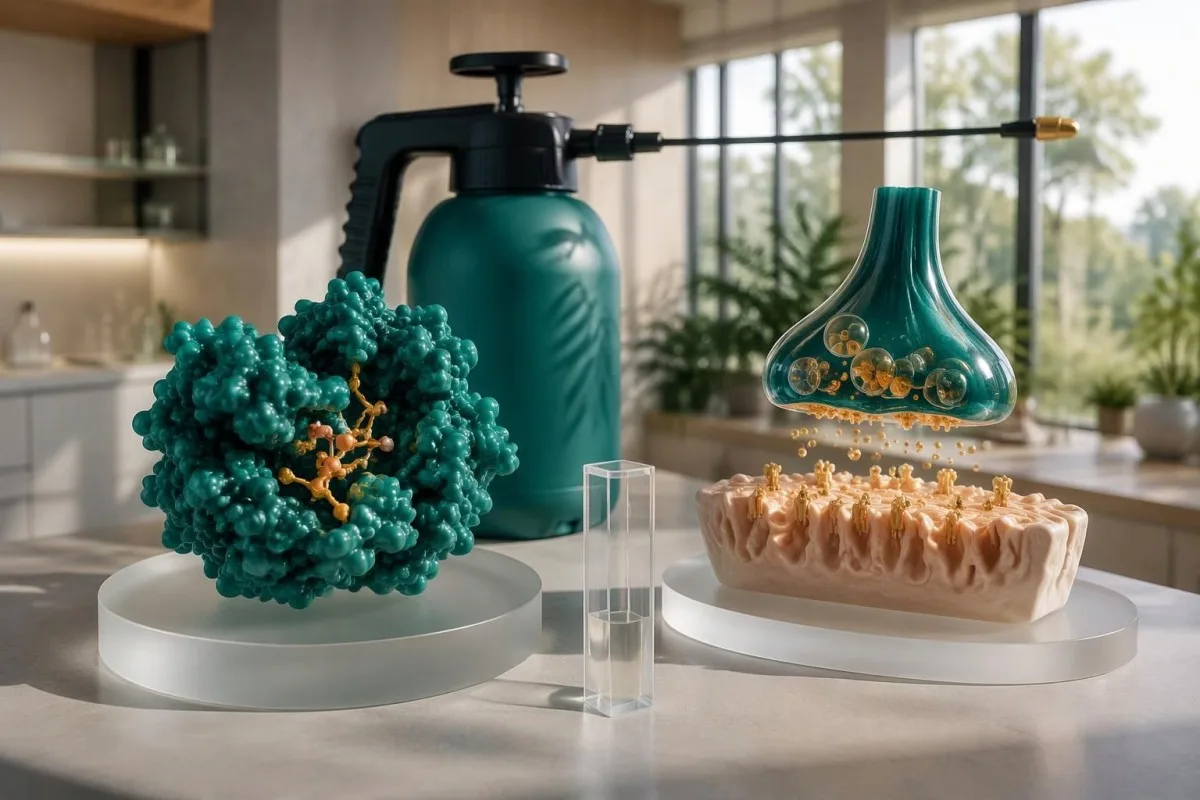
పురుగుమందుల ప్రభావానికి గురైన తర్వాత అధికంగా లాలాజలం కారడం, చెమట పట్టడం, వాంతులు, సూది మొనంత చిన్న కనుపాపలు, కండరాలు అదరడం, బలహీనత లేదా శ్వాస తీసుకోవడంలో ఇబ్బంది విషప్రయోగానికి సంకేతాలు కావచ్చు. ఆర్గానోఫాస్ఫేట్ విషప్రయోగం అనుమానమైతే అత్యవసర చికిత్స అవసరం—కోలినెస్టరేస్ ఫలితాల కోసం వేచి ఉండకండి.

ముఖ్యాంశాలు
- అత్యవసర చర్య: లక్షణాలతో కూడిన విషప్రయోగం అనుమానమైతే UKలో 999 లేదా 112కు, USలో 911కు లేదా మీ స్థానిక అత్యవసర నంబర్కు కాల్ చేయండి.
- శ్వాసకు ముప్పు: ఆర్గానోఫాస్ఫేట్లు 3 విధానాల ద్వారా శ్వాసకు ఆటంకం కలిగించవచ్చు—శ్వాసమార్గంలో స్రావాలు, శ్వాసమార్గం సంకుచితం కావడం, శ్వాస కండరాల బలహీనత.
- ప్రారంభ లక్షణాలు: ప్రభావానికి గురైన తర్వాత చెమట, లాలాజలం, కన్నీళ్లు, వాంతులు, విరేచనాలు, చిన్న కనుపాపలు, కండరాలు అదరడం—వీటిలో అనేకం ఒకేసారి కనిపిస్తే ఆందోళన మరింత పెరుగుతుంది.
- ప్రభావానికి గురైన సమయం: లక్షణాలు తరచుగా నిమిషాల నుంచి గంటల్లో మొదలవుతాయి, అయితే కలుషితమైన దుస్తులు లేదా చర్మం ద్వారా శోషణ జరిగితే అనారోగ్యం ఆలస్యంగా రావచ్చు.
- రెండు ఎంజైమ్ పరీక్షలు: ఎర్ర రక్తకణాల ఎసిటైల్కోలినెస్టరేస్, ప్లాస్మా బ్యూటిరిల్కోలినెస్టరేస్ పరీక్షలు నిర్ధారణకు తోడ్పడతాయి; ఈ రెండింటిలో ఏదీ తక్షణ వైద్యపరమైన అంచనాకు ప్రత్యామ్నాయం కాదు.
- వ్యక్తిగత ప్రాథమిక స్థాయి: 8,000 నుంచి 3,200 U/Lకి తగ్గడం అనేది ఊహాజనితంగా 60% తగ్గుదలను సూచిస్తుంది; ఇది అందరికీ వర్తించే తీవ్రతా వర్గం కాదు.
- కళ్లను కలుషితం నుంచి శుభ్రపరచడం: అత్యవసర సహాయం ఏర్పాటు చేస్తూనే, కలుషితమైన కళ్లను శుభ్రమైన గోరువెచ్చని నీటితో 15–20 నిమిషాల పాటు కడగండి.
- ఆలస్యంగా కనిపించే బలహీనత: తీవ్రమైన విషప్రయోగం జరిగిన సుమారు 24–96 గంటల తర్వాత మధ్యంతర సిండ్రోమ్ అభివృద్ధి చెందవచ్చు; కొన్ని సమ్మేళనాలు దాదాపు 1–3 వారాల తర్వాత ఆలస్య న్యూరోపతికి కారణమవుతాయి.
పురుగుమందుల ప్రభావానికి గురైన తర్వాత ఏ లక్షణాలు కనిపిస్తే అత్యవసర సహాయం అవసరం?
పురుగుమందులకు గురైన తర్వాత శ్వాస తీసుకోవడంలో ఇబ్బంది, అధిక స్రావాలు, కండరాలు అదరడం, బలహీనత, గందరగోళం లేదా పదేపదే వాంతులు ఉంటే, ఆర్గానోఫాస్ఫేట్ విషప్రయోగ లక్షణాలకు అత్యవసర వైద్య పరీక్ష అవసరం. UKలో 999 లేదా 112కి, USలో 911కి లేదా మీ స్థానిక అత్యవసర నంబర్కు కాల్ చేయండి; ప్రయోగశాల నిర్ధారణ కోసం వేచి ఉండకండి.
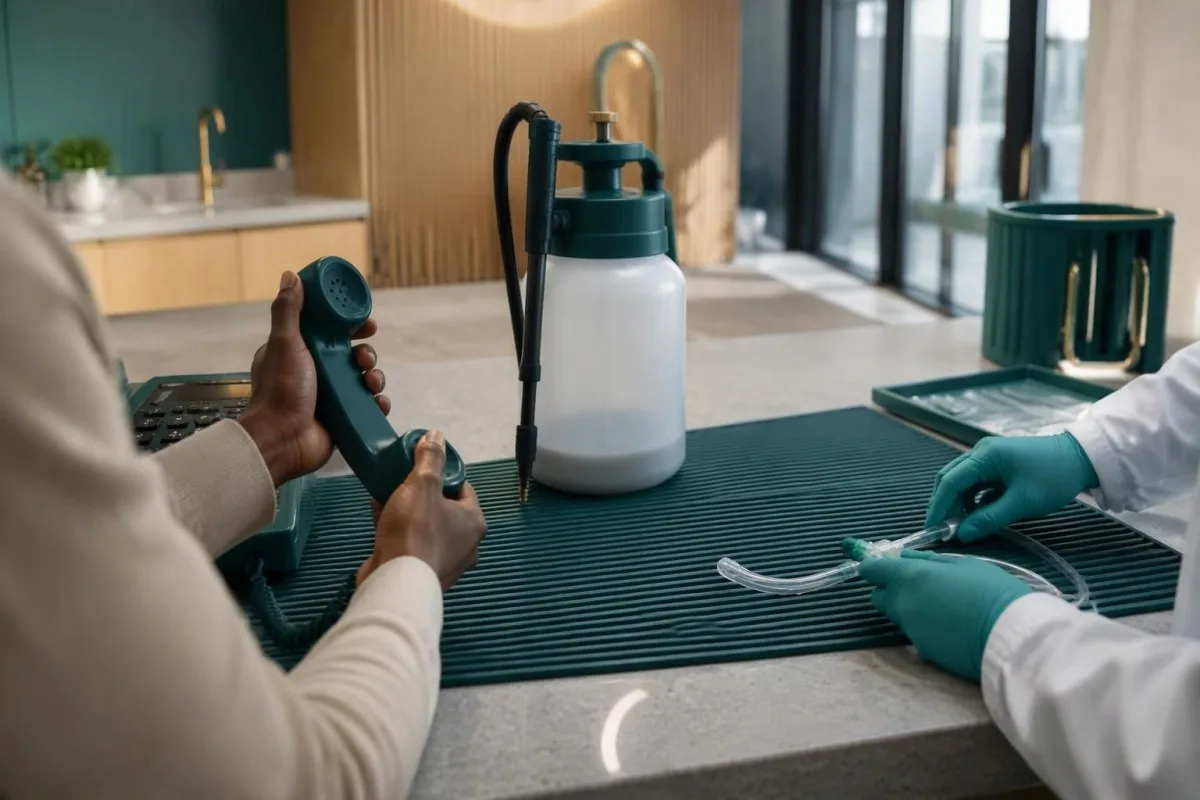
గణనీయమైన పరిమాణంలో మింగినట్లయితే, లక్షణాలు కనిపించకముందే అత్యవసర సలహా తీసుకోవాలి. అధిక సాంద్రత కలిగిన ఉత్పత్తి, తెలియని పరిమాణం లేదా ఉద్దేశపూర్వకంగా మింగడం వల్ల అనిశ్చితి ఏర్పడుతుంది; దాన్ని ఇంట్లో సురక్షితంగా పరిష్కరించలేరు. ఉత్పత్తి పేరు, శరీరంలోకి ప్రవేశించిన మార్గం, సుమారు పరిమాణం, సమయం—ఈ 4 వివరాలన్నింటినీ సేకరించడానికి కాల్ను ఆలస్యం చేయకుండా, వాటిని అత్యవసర కాల్ స్వీకరించే వ్యక్తికి తెలియజేయండి.
ప్రమాదకరమైన కలయిక తడిగా ఉన్న శ్వాసనాళాలు మరియు బలహీనత, ; కేవలం చిన్న కంటి పాప లేదా కడుపు నొప్పి మాత్రమే కాదు. ఆర్గానోఫాస్ఫేట్లు 3 వేర్వేరు విధానాల ద్వారా శ్వాసను దెబ్బతీయగలవు—స్రావాలు, బ్రోంకోస్పాసం, కండరాల వైఫల్యం—కాబట్టి మొదట అప్రమత్తంగా ఉండి మాట్లాడగలిగినప్పటికీ, వ్యక్తి పరిస్థితి క్షీణించవచ్చు.
ఆక్సిజన్ స్థాయి సాధారణంగా ఉన్నా, విషప్రయోగం క్రమంగా అభివృద్ధి చెందుతుండడాన్ని తోసిపుచ్చలేం. ఉదాహరణకు, స్ప్రే లీక్ తర్వాత ఆక్సిజన్ సంతృప్తత 97%గా ఉండి, కొత్తగా కండరాలు అదరడం, అసాధారణంగా ఎక్కువ లాలాజలం కారడం కనిపించే ఊహాజనిత కార్మికుడికి ఇంకా అత్యవసర వైద్య పరీక్ష అవసరం; ఆక్సిజన్ సంతృప్తత శ్వాస కండరాల బలాన్ని కొలవలేదు లేదా పురుగుమందు శరీరంలోకి ఇంకిపోవడం కొనసాగుతుందో లేదో అంచనా వేయలేదు.
కాంటెస్టి అనేది ఒక AI రక్త పరీక్ష విశ్లేషణకారి వైద్య సంరక్షణ తర్వాత ప్రయోగశాల నివేదికలను వివరించడానికి, అత్యవసర విషప్రయోగ సేవగా కాదు. మా కంపెనీ సమాచారం ఈ సాధనం వెనుక ఉన్న సంస్థను వివరిస్తుంది; సుమారు 60 సెకన్లు పట్టే నివేదిక వివరణ అత్యవసర కాల్ను ఎప్పుడూ ఆలస్యం చేయకూడదు.
ఆర్గానోఫాస్ఫేట్ విషప్రయోగంలో అత్యంత ప్రత్యేకమైన లక్షణాలు ఏవి?
ఆర్గానోఫాస్ఫేట్ విషప్రయోగం సాధారణంగా కోలినెర్జిక్ లక్షణాల సమూహాన్ని కలిగిస్తుంది: అధిక లాలాజలం, కన్నీళ్లు, చెమట, వాంతులు, విరేచనాలు, చిన్న కంటి పాపలు, శ్వాసనాళ స్రావాలు, కండరాలు అదరడం, బలహీనత. ప్రతి లక్షణం కనిపిస్తుందని ఆశించకుండా, వైద్యులు ఒకదానితో మరొకటి అతివ్యాప్తి చెందే 3 సమూహాలను—మస్కారినిక్, నికోటినిక్, కేంద్ర నాడీ వ్యవస్థ ప్రభావాలను—పరిశీలిస్తారు.

మస్కారినిక్ ప్రభావాల వల్ల సాధారణంగా నియంత్రణలో ఉండే స్రావాలు అధికమవుతాయి. ముక్కు కారడం ఒక్కటే నిర్దిష్ట లక్షణం కాదు; అయితే ఒకే పురుగుమందు పరిచయ ఘటనలో కన్నీళ్లు, లాలాజలం, చెమట, విరేచనాలు, ఛాతీలో తడిగా వినిపించే శబ్దం కలిసి కనిపిస్తే ఆందోళన బాగా పెరుగుతుంది; పురుగుమందు తగిలిన తర్వాత వచ్చే పిల్లికూతలను స్వయంచాలకంగా సాధారణ ఆస్తమా లక్షణాలుగా.
నికోటినిక్ ప్రభావాలు అస్థిపంజర కండరాలు, స్వయంచాలక నాడీ గాంగ్లియాలకు సంబంధించినవి. దుస్తుల కింద కనిపించే చిన్న అలల వంటి కదలికలు, చేతి బలహీనత లేదా తలను నిటారుగా ఉంచడంలో ఇబ్బంది నాడీ-కండరాల ప్రమేయాన్ని సూచించవచ్చు; గుండె వేగం తగ్గకుండా పెరగవచ్చు, కాబట్టి 1 సారి నాడి కొలత భరోసానిచ్చినట్లు కనిపించినా విషప్రయోగాన్ని తోసిపుచ్చలేం.
కేంద్ర ప్రభావాల్లో ఆందోళన, గందరగోళం, మూర్ఛలు, స్పృహ తగ్గడం ఉంటాయి. లక్షణాల వర్గీకరణలు ఎందుకు ఒకదానితో మరొకటి కలుస్తాయో, వైద్యపరమైన తీవ్రతను ఒకే జ్ఞాపకసూత్రానికి ఎందుకు కుదించలేమో Peter et al. (2014) సమీక్ష వివరిస్తుంది; ఒకే ఎక్స్పోజర్లో 3 లక్షణ సమూహాలు వేర్వేరు వేగాలతో అభివృద్ధి చెందవచ్చు.
సూది మొనల్లాంటి చిన్న కనుపాపలు ఉపయోగకరమైన సూచన, కానీ అవి తప్పనిసరిగా ఉండాల్సిన అవసరం లేదు. కంటికి నేరుగా ఎక్స్పోజర్ అయితే, ఇతర చోట్ల తీవ్రతను ప్రతిబింబించకుండానే కనుపాపలు మరీ చిన్నవిగా మారవచ్చు లేదా చూపు మసకబారవచ్చు; అలాగే వెలుతురు, ఇతర మందులు, గతంలో వాడిన అట్రోపిన్ కనుపాపల పరిమాణాన్ని మార్చగలవు; సమానంగా చిన్నగా ఉన్న 2 కనుపాపలు మాత్రమే రోగనిర్ధారణను నిర్ధారించవు.
పురుగుమందుల విషప్రయోగ లక్షణాలు ఎంత త్వరగా మొదలవుతాయి?
ఆర్గానోఫాస్ఫేట్ లక్షణాలు తరచుగా నిమిషాల నుంచి గంటల్లో ప్రారంభమవుతాయి, అయితే వాటి సమయం రసాయనం, మోతాదు, ఫార్ములేషన్, ఎక్స్పోజర్ మార్గంపై ఆధారపడి ఉంటుంది. చర్మం ద్వారా శోషణ, పీల్చడం లేదా మింగడం కంటే నెమ్మదిగా ఉండవచ్చు; కొన్ని సమ్మేళనాలు మొదటి 24 గంటలు దాటిన తర్వాత గణనీయమైన ఆలస్య విషప్రభావాన్ని కలిగించవచ్చు.
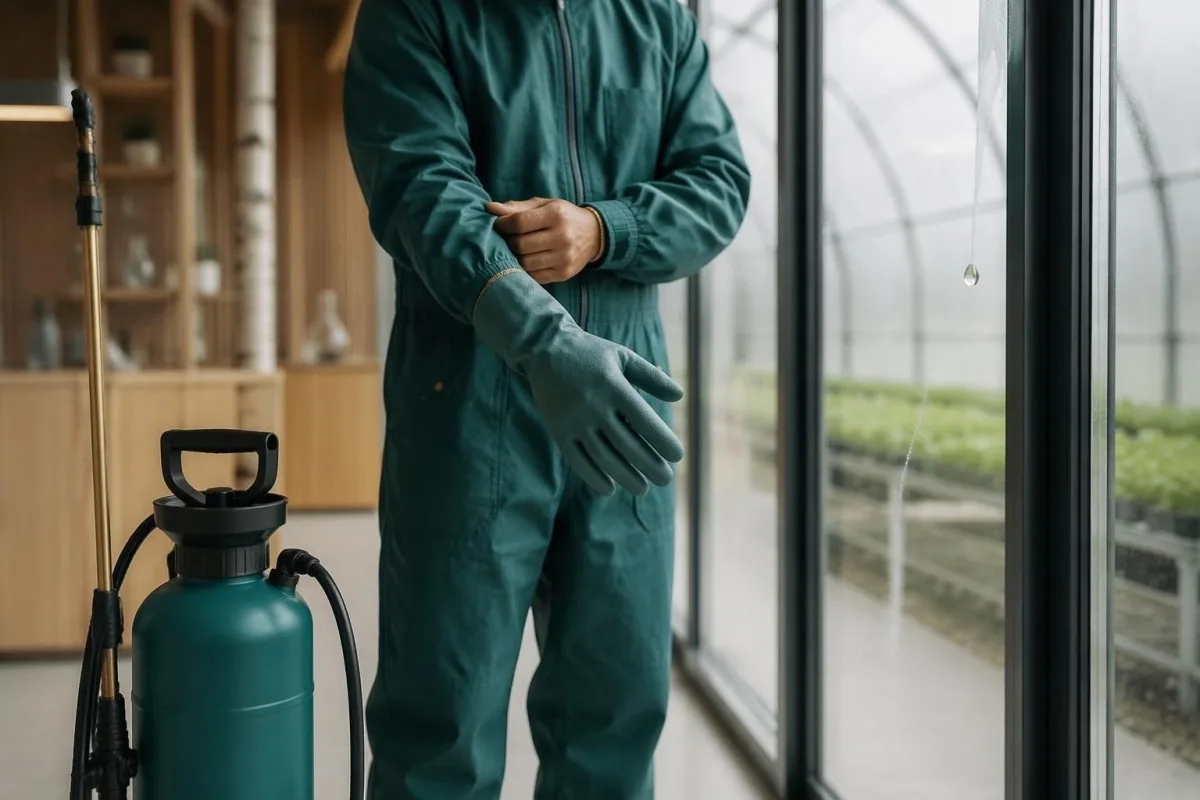
స్ప్రే చేయడం ఆపిన తర్వాత కూడా చర్మంపై కలుషితం పురుగుమందును శరీరంలోకి చేరవేయడం కొనసాగించవచ్చు. పూర్తిగా తడిసిన చేతి చొక్కా, కారుతున్న గ్లవ్ లేదా కలుషితమైన బూటు అనేక గంటల పాటు ఎక్స్పోజర్ నిల్వగా పనిచేయవచ్చు; కలుషితమైన దుస్తులు తొలగించకుండా పని ప్రదేశం నుంచి వెళ్లడం పీల్చడం ద్వారా ఎక్స్పోజర్ను ఆపినా, మరో మార్గం ద్వారా గణనీయమైన శోషణకు వీలు కల్పించవచ్చు.
క్రియాశీల పదార్థం ఎంత ముఖ్యమో, ఉత్పత్తి ఫార్ములేషన్ కూడా అంతే ముఖ్యం. పలుచన చేసిన స్ప్రేకు 10 నిమిషాల ఎక్స్పోజర్ అనేది గాఢమైన ద్రావణాన్ని 10 నిమిషాలు చేతబట్టడంతో సమానం కాదు; ద్రావకాలు చికాకు లేదా ఊపిరితిత్తుల్లోకి చేరే ప్రమాదాన్ని పెంచవచ్చు; అసలు లేబుల్ ఫోటో వైద్యులు పురుగుమందు, దాని ఫార్ములేషన్ రెండింటినీ గుర్తించడంలో సహాయపడుతుంది.
మొదట్లో లక్షణాలు కనిపించకపోవడం సురక్షితమని నిరూపించదు. కొన్ని ఆర్గానోఫాస్ఫేట్లకు జీవక్రియ ద్వారా క్రియాశీలత అవసరం, కొవ్వులో కరిగే సమ్మేళనాలు కాలక్రమేణా శరీరంలోని ఇతర భాగాలకు పునర్విభజితం కావచ్చు; నిర్దిష్ట ఉత్పత్తి, వైద్య పరిస్థితి ఆధారంగా, అందరికీ వర్తించే స్థిరమైన సమయపరిమితిని బట్టి కాకుండా 24–48 గంటలు లేదా అంతకంటే ఎక్కువసేపు పరిశీలన చేయాలని అత్యవసర వైద్య బృందాలు సూచించవచ్చు.
విషప్రయోగ విధానాలను వేరు చేయడంలో కూడా ఎక్స్పోజర్ చరిత్ర సహాయపడుతుంది. మూసివేసిన పరికరాల షెడ్లో పలువురికి తలనొప్పి రావడం, పురుగుమందు ఎక్స్పోజర్తో పాటు ఇంజిన్ పొగను కూడా పరిగణనలోకి తీసుకోవాలని సూచిస్తుంది; మా కార్బన్ మోనాక్సైడ్ పరీక్ష మార్గదర్శి 2 కోలినెస్టరేజ్ పరీక్షల్లో దేనికైనా భిన్నమైన ప్రయోగశాల కొలత కార్బన్ మోనాక్సైడ్కు ఎందుకు అవసరమో వివరిస్తుంది.
అత్యవసర సహాయకులు వచ్చేలోపు మీరు ఏమి చేయాలి?
సురక్షితంగా చేయగలిగితే మూలం నుంచి దూరంగా వెళ్లండి, అత్యవసర సేవలకు కాల్ చేయండి, మరింత కలుషితం కాకుండా నివారించండి. తగిన రక్షణ లేకుండా కలుషిత ప్రదేశంలోకి ప్రవేశించి ఎవరినీ రక్షించడానికి ప్రయత్నించవద్దు; ఎక్స్పోజర్కు గురైన కళ్లను శుభ్రమైన గోరువెచ్చని నీటితో 15–20 నిమిషాలు కడగాలి.
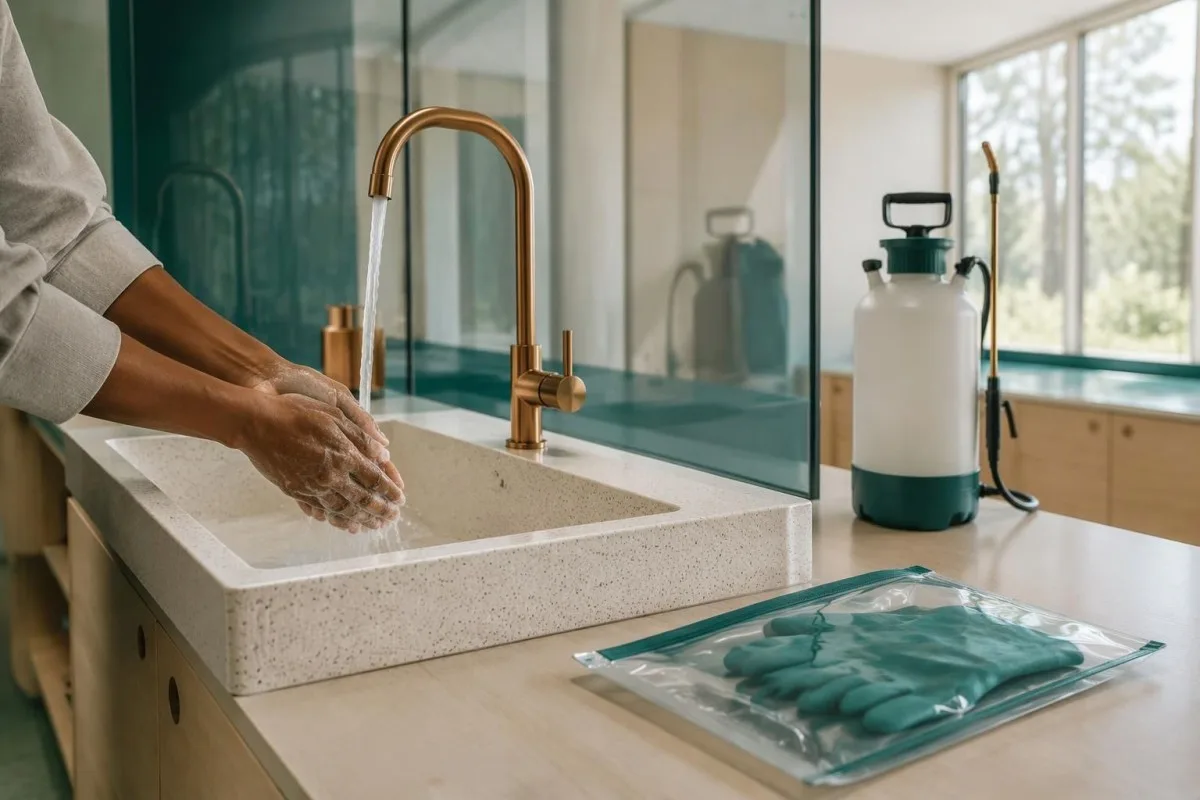
సహాయకుడిని రక్షించడం వల్ల రెండో విషప్రయోగం నివారించబడుతుంది. కలుషితమైన దుస్తులు, ద్రవరూప పురుగుమందు లేదా వాంతిని నేరుగా తాకవద్దు; తగిన రక్షణ గురించి డిస్పాచర్ సూచనలను పాటించండి; సాధారణ పలుచని పరీక్ష గ్లవ్లు ప్రతి పురుగుమందు ఫార్ములేషన్కూ విశ్వసనీయంగా నిరోధకత చూపవు, కాబట్టి ఏ 1 రకం గ్లవ్నూ అన్ని సందర్భాల్లో సురక్షితమని భావించకూడదు.
సహాయం అందించడంలో ఆలస్యం కలగకుండా సాధ్యమైతే, కలుషితమైన దుస్తులు తొలగించి వాటిని 2 సంచుల్లో లేదా ఇతరులకు దూరంగా, బాగా మూసిన పాత్రలో ఉంచండి. ఎక్స్పోజర్కు గురైన చర్మాన్ని సబ్బు, పుష్కలమైన నీటితో కడగండి; గట్టిగా రుద్దవద్దు; బ్లీచ్, ద్రావకాలు లేదా రసాయన నిర్వీర్యకాలను పూయవద్దు; ఇప్పటికే కడిగిన వివరాలను స్పందన సిబ్బందికి తెలియజేయండి.
విష నియంత్రణ నిపుణుడు ప్రత్యేకంగా సూచించనంతవరకు వాంతి చేయించవద్దు లేదా ఇంటి చిట్కాలు, ఆహారం, పానీయాలు లేదా యాక్టివేటెడ్ చార్కోల్ ఇవ్వవద్దు. వ్యక్తి స్పందించకపోతే లేదా సాధారణంగా శ్వాసించడం ఆపితే, అత్యవసర డిస్పాచర్ పునరుజ్జీవన సూచనలను పాటించండి; మొదటి నిమిషాల్లో రక్షకుల భద్రతను డిస్పాచర్ చూసుకునేలా పురుగుమందు కలుషితం గురించి తెలియజేయండి.
తెరిచిన లేదా కారుతున్న పాత్రను కారులోకి లేదా అత్యవసర విభాగంలోకి తీసుకెళ్లకుండా, లేబుల్ ఫోటోను తీసుకెళ్లండి. ఇంటి పల్స్ ఆక్సీమీటర్లో 98% అని చూపడం వల్ల చికిత్సను ఆలస్యం చేయవచ్చని కాదు; మా శ్వాస పరీక్ష పరిమితులు ప్రయోగశాల, ఆక్సిజన్ కొలతలు శ్వాసక్రియకు సంబంధించిన వేర్వేరు ప్రశ్నలకు ఎందుకు సమాధానం ఇస్తాయో వివరిస్తాయి.
ఆసుపత్రిలో ఆర్గానోఫాస్ఫేట్ విషప్రయోగాన్ని ఎలా నిర్ధారిస్తారు?
ఆర్గానోఫాస్ఫేట్ విషప్రభావ నిర్ధారణ ప్రధానంగా క్లినికల్ ఆధారితమైనది: వైద్యులు విషపదార్థ సంపర్క చరిత్ర, కోలినెర్జిక్ లక్షణాల సరళి, శ్వాసకోశ అంచనా, పరీక్ష ఫలితాలను కలిపి పరిశీలిస్తారు. ఎర్ర రక్తకణాల ఎసిటైల్కోలినెస్టరేజ్, ప్లాస్మా కోలినెస్టరేజ్ పరీక్షలు సహాయక ఆధారాలను అందిస్తాయి; అయితే ఈ 2 పరీక్షల్లో ఏదైనా ఫలితం వచ్చే వరకు చికిత్సను వాయిదా వేయలేరు.
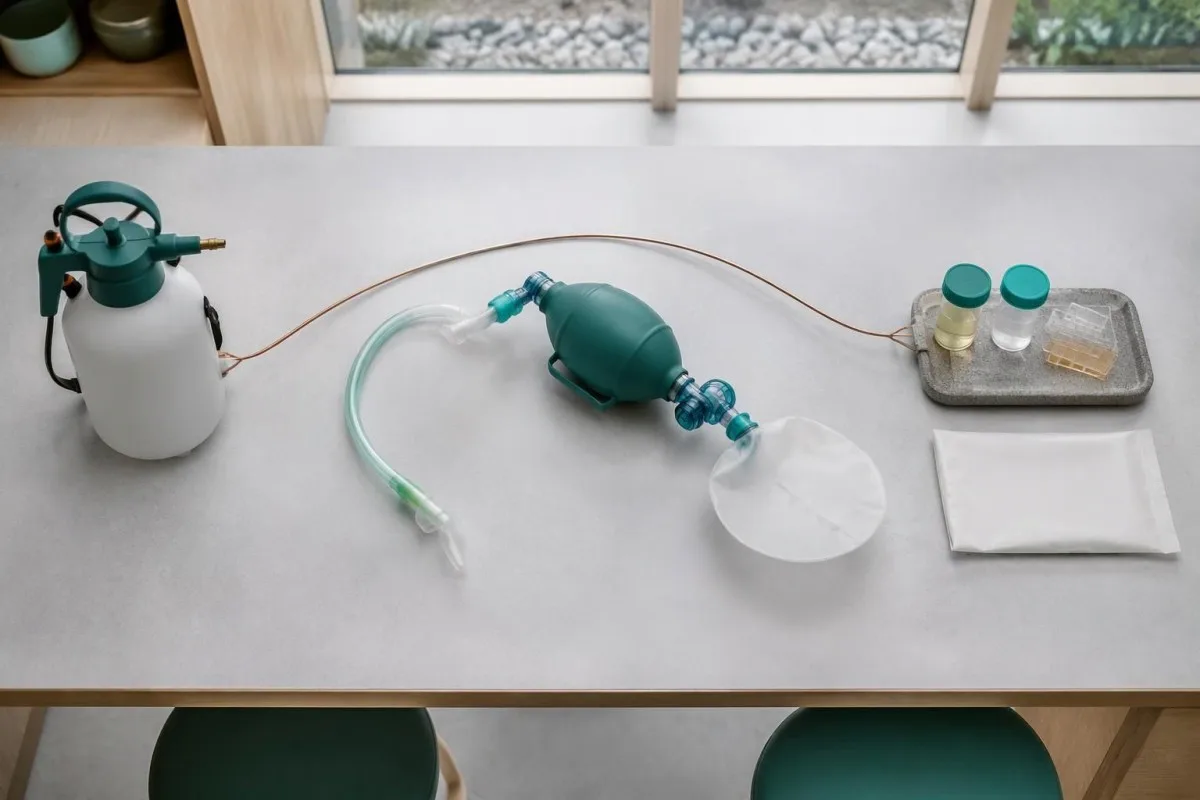
సాధారణ టాక్సికాలజీ స్క్రీనింగ్లో ఆర్గానోఫాస్ఫేట్ పురుగుమందులు విశ్వసనీయంగా గుర్తించబడవు. ప్రామాణిక మూత్ర మాదకద్రవ్య ప్యానెల్లు సాధారణంగా ఎంపిక చేసిన మందులు లేదా వినోదాత్మక పదార్థాలను గుర్తిస్తాయి; పురుగుమందుల వల్ల కలిగే ఎంజైమ్ నిరోధాన్ని కాదు; అదేవిధంగా, భారీ లోహాల పరీక్ష వేరొక సంపర్క వర్గాన్ని కొలుస్తుంది, సంబంధిత 2 కోలినెస్టరేజ్ పరీక్షలకు ప్రత్యామ్నాయం కాలేదు.
పరీక్షలో కంటి పాపిళ్లు, నాడి స్పందన మాత్రమే కాకుండా ఇతర అంశాలనూ పరిశీలిస్తారు. వైద్యులు శ్వాసమార్గ స్రావాలు, శ్వాసకోశ ప్రయత్నం, ఛాతీ శబ్దాలు, కండరాల బలం, మానసిక స్థితి, రక్తపోటు, ECG ఫలితాలను అంచనా వేస్తారు; నిమిషానికి 110 సార్లు నాడి స్పందన ఉన్న రోగికి కూడా కోలినెర్జిక్ విషప్రభావం ఉండవచ్చు, ఎందుకంటే ఆక్సిజన్ లోపం, ఒత్తిడి, నికోటినిక్ ప్రభావాలు నాడి స్పందనను నెమ్మదింపజేసే ప్రభావాన్ని ప్రతిఘటించవచ్చు.
ఇతర పరీక్షలు పురుగుమందు ఏదో నిరూపించడంకంటే, దాని వల్ల తలెత్తిన సమస్యలను గుర్తిస్తాయి. రక్త వాయువులు, ఎలక్ట్రోలైట్లు, గ్లూకోజ్, మూత్రపిండాల పనితీరు, కొన్నిసార్లు ఛాతీ ఇమేజింగ్—ఇవి శ్వాసక్రియ, నిర్జలీకరణం, శ్వాసమార్గంలోకి పదార్థం చేరడం, ప్రత్యామ్నాయ నిర్ధారణలను అంచనా వేయడంలో సహాయపడతాయి; ఉదాహరణకు, 70 mg/dL కంటే తక్కువ గ్లూకోజ్ స్వతంత్రంగా గందరగోళానికి దోహదం చేయవచ్చు, దానిని కూడా వెంటనే సరిచేయాలి.
Eddleston et al. (2008), The Lancetలో, జీవరసాయన నిర్ధారణ కోసం వేచి ఉండటంకంటే తక్షణ పునరుజ్జీవన చర్యలు, క్లినికల్ నిర్వహణకు ప్రాధాన్యం ఇస్తారు. మా వైద్య విషయాల ప్రమాణాలువిధానంలోనూ విద్యాపరమైన సమాచారం, అత్యవసర క్లినికల్ నిర్ణయాలను ఇదే విధంగా వేరు చేస్తాం: 1 వివరణాత్మక నివేదిక పడకవద్ద పునఃమూల్యాంకనానికి ప్రత్యామ్నాయం కాలేదు.
ఎర్ర రక్తకణాల ఎసిటైల్కోలినెస్టరేస్ పరీక్ష దేనిని కొలుస్తుంది?
ఎర్ర రక్తకణాల ఎసిటైల్కోలినెస్టరేజ్ పరీక్ష, నాడీ సినాప్స్లలోని ఎసిటైల్కోలినెస్టరేజ్ను పోలిన ఎంజైమ్ ఎర్ర రక్తకణాల పొరలపై ఎంత చురుకుగా ఉందో కొలుస్తుంది. తగ్గిన చురుకుదనం కోలినెస్టరేజ్ నిరోధక పదార్థానికి గురైనట్లు సూచిస్తుంది; అయితే ఈ ప్రత్యేక పరీక్ష, సాధారణ CBCలో నివేదించే ఎర్ర రక్తకణాల సంఖ్యకు వేరైనది.

ప్లాస్మా బ్యూటిరిల్కోలినెస్టరేజ్ కంటే, ఎర్ర రక్తకణాల ఎసిటైల్కోలినెస్టరేజ్ సాధారణంగా సంబంధిత నాడీ ఎంజైమ్ నిరోధాన్ని మరింత బాగా ప్రతిబింబిస్తుంది. అయితే, ఆ సంబంధం పరిపూర్ణమైనది కాదు: పురుగుమందు రకం, చికిత్స సమయం, పరీక్షా పద్ధతి, వ్యక్తిగత జీవశాస్త్ర లక్షణాలు ఫలితాల అర్థాన్ని ప్రభావితం చేస్తాయి; అందువల్ల, ప్రారంభ స్థాయిలో 20%గా నివేదించిన ఫలితం కూడా శ్వాసమార్గ చికిత్స ప్రణాళికను స్వతంత్రంగా నిర్ణయించలేదు.
ప్రయోగశాలలు ఎర్ర రక్తకణాల చురుకుదనాన్ని U/g హీమోగ్లోబిన్, ప్యాక్ చేసిన కణ పరిమాణానికి యూనిట్లు లేదా పద్ధతిని బట్టి వేరే యూనిట్లలో నివేదించవచ్చు. ఊహాత్మకంగా 12 U/g హీమోగ్లోబిన్ అనే ఫలితాన్ని, U/Lలో వ్యక్తీకరించిన మరో ప్రయోగశాల ఫలితంతో నేరుగా పోల్చలేరు; అవి ఒకే సంఖ్యను సూచించే పరస్పరం మార్చుకోదగిన రూపాలు కావు, 2 వేర్వేరు హారాలు.
AChE చురుకుదనం అనేది ఎసిటైల్కోలిన్ రిసెప్టర్ యాంటీబాడీ పరీక్ష కాదు. ది మయస్థీనియా రక్త పరీక్ష మార్గదర్శిని బలహీనతకు వేరే కారణంతో సంబంధం ఉన్న యాంటీబాడీల గురించి వివరిస్తుంది; AChR యాంటీబాడీ ప్యానెల్ చేయించడం, 2 కోలినెస్టరేజ్ చురుకుదనం పరీక్షల్లో ఏదైనా అడిగే ప్రశ్నకు సమాధానం ఇవ్వదు.
క్లినికల్గా కోలుకున్న తర్వాత కూడా ఎర్ర రక్తకణాల చురుకుదనం తగ్గి ఉండవచ్చు, ఎందుకంటే పరిపక్వ ఎర్ర రక్తకణాల ఆయుష్షు సుమారు 120 రోజులు; అయితే కోలుకోవడం, ఎంజైమ్ మళ్లీ క్రియాశీలం కావడం మరియు కొత్త కణాల ఉత్పత్తిపై కూడా ఆధారపడి ఉంటుంది. తర్వాత నివేదించిన యూనిట్లను వివరించడంలో Kantesti AI సహాయపడగలదు; కానీ చురుకుదనం తగ్గి ఉండటం ఒక్కటే, శ్వాసకోశ ప్రమాదం కొనసాగుతోందని నిరూపించదు లేదా స్వయంగా చికిత్స చేసుకోవడానికి సమర్థన కాదు.
విషప్రయోగం లేకుండానే ప్లాస్మా కోలినెస్టరేస్ స్థాయి ఎందుకు తక్కువగా ఉండవచ్చు?
ప్లాస్మా కోలినెస్టరేజ్ అంటే సాధారణంగా బ్యూటిరిల్కోలినెస్టరేజ్; దీనిని సూడోకోలినెస్టరేజ్ అని కూడా పిలుస్తారు. ఇది కాలేయం ఉత్పత్తి చేసే ఎంజైమ్. Its activity may fall after organophosphate exposure, but liver dysfunction, inherited enzyme variants, pregnancy, poor nutrition, and some medicines can also lower it; 1 low value is not a standalone diagnosis.
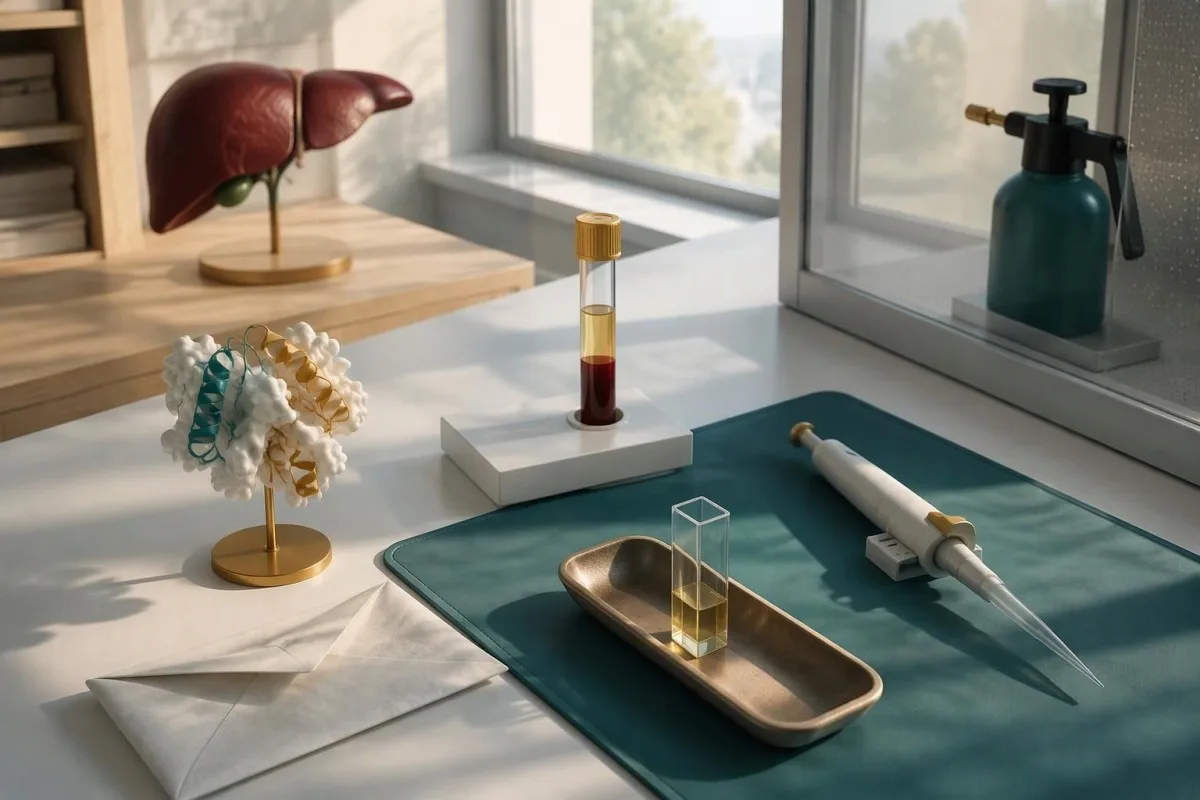
Plasma butyrylcholinesterase is often more accessible than red-cell acetylcholinesterase. The ease of testing makes it useful, but the depth of suppression does not reliably mirror severity for every pesticide; 2 people with the same plasma activity may have very different breathing, strength, and consciousness findings.
A low pre-existing level changes the interpretation of an exposure result. For example, a hypothetical adult with a stable activity near 3,000 U/L before and after an incident needs a different explanation from someone whose activity falls from 8,000 to 3,000 U/L; the history distinguishes persistent low production from a new decline.
Inherited butyrylcholinesterase deficiency has implications for anesthesia, not just pesticide interpretation. ది dibucaine number explanation describes a test of enzyme inhibition characteristics rather than simply activity; low activity can prolong the action of certain anesthetic muscle relaxants, including succinylcholine.
A plasma result should therefore be read with at least 2 contexts: the acute exposure and the person's usual health. Liver tests, albumin, medication history, and any prior anesthesia-related prolonged paralysis may help explain a persistently low result; a clinician should decide which follow-up tests are needed rather than treating every low value as poisoning.
వైద్యులు కోలినెస్టరేస్ ఫలితాలను, ప్రాథమిక స్థాయిలను ఎలా అర్థం చేసుకుంటారు?
Cholinesterase testing is most informative when the current activity is compared with a reliable personal baseline using the same assay. There is no universal U/L cutoff that confirms or excludes poisoning across both enzyme tests, all laboratories, and all pesticide compounds.

Percentage reduction equals 100 × (baseline minus current activity) ÷ baseline. In a clearly hypothetical plasma example, a fall from 8,000 to 3,200 U/L gives 100 × 4,800 ÷ 8,000 = 60%; that describes biochemical change, not a validated rule saying a person has a particular clinical severity.
A population reference interval can hide a meaningful individual fall. A hypothetical worker whose activity decreases from 8,000 to 6,000 U/L has a 25% decline even if the second value remains inside the laboratory interval; our ప్రాథమిక పరీక్షకు సిద్ధమయ్యే మార్గదర్శిని explains why a usable comparison needs consistent methods and circumstances.
Sample timing and handling can change interpretation. If feasible without delaying care, clinicians obtain samples before oxime treatment and record the time of exposure, collection, and antidotes; 3 timestamps can help the laboratory evaluate apparent reactivation or disagreement between assays, while storage requirements must follow that laboratory's instructions.
కాంటెస్టి అనేది ఒక AI రక్త పరీక్ష ఫలితాలు అర్థం ప్లాట్ఫారమ్ that can explain supplied values, units, and reference intervals, but it cannot reconstruct a missing baseline. Our AI సాంకేతిక మార్గదర్శకం provides context for that distinction; 2 enzyme results without exposure timing remain incomplete evidence.
కోలినెస్టరేస్ నిర్ధారణకు ముందే చికిత్స ఎందుకు ప్రారంభించాలి?
Treatment starts before laboratory confirmation because respiratory failure can develop faster than cholinesterase results return. Clinicians act on the exposure and examination; there is no safe universal waiting period of 1, 6, or 24 hours when symptoms suggest acute poisoning.

Atropine treats dangerous muscarinic effects without needing an enzyme value first. Excess airway fluid and bronchospasm interfere with oxygen movement, while neuromuscular weakness requires separate assessment; waiting for a sample to reach a specialist laboratory can delay treatment of all 3 breathing mechanisms.
Some organophosphate-enzyme complexes undergo aging, a chemical change that makes oxime reactivation ineffective. The timing varies from minutes to many hours or longer depending on the compound, so a blanket 6-hour cutoff is misleading; early specialist input is more useful than assuming every pesticide follows the same biochemical clock.
A normal or borderline result does not automatically overrule a convincing clinical picture. Very early sampling, assay limitations, exposure type, or treatment can complicate interpretation; the clinical team may repeat 1 or both assays while continuing respiratory support and reassessing alternative diagnoses rather than withholding care.
Other poisoning tests also require timing-aware interpretation, but their rules cannot be transferred wholesale to organophosphates. Our సాల్సిలేట్ విషప్రభావం సమయ నిర్ధారణ మార్గదర్శిని illustrates why 1 concentration can mislead; organophosphate care adds the separate problem that enzyme activity is not a direct pesticide concentration.
ఆర్గానోఫాస్ఫేట్ విషప్రయోగానికి ఏ అత్యవసర చికిత్సలు ఉపయోగిస్తారు?
Hospital treatment combines airway support, oxygen or ventilation when needed, atropine, and specialist consideration of an oxime such as pralidoxime. An adult atropine starting dose of 1–3 mg intravenously appears in the Eddleston et al. (2008) review; dosing and repeat administration require monitored clinical care.
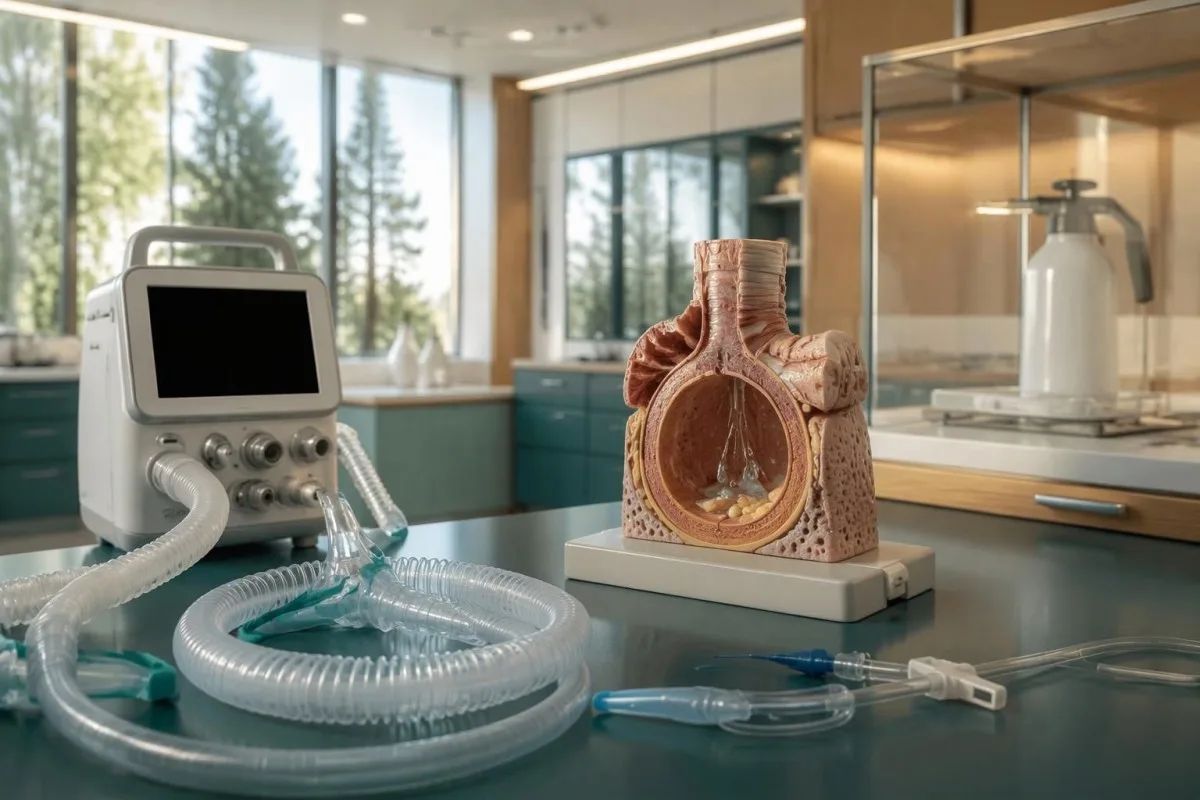
Atropine is titrated to clinical response, not a predetermined total dose. The 2008 Lancet review describes reassessment and dose doubling at intervals of about 3–5 minutes when required; improving chest secretions, oxygenation, and circulation matter more than forcing the pupils to dilate or the pulse to reach a particular number.
Ventilation may be needed even after secretions improve because atropine does not reliably reverse skeletal-muscle weakness. An arterial PaCO2 above 45 mmHg can indicate hypoventilation, although baseline lung disease and acid–base status matter; our ధమనుల రక్త వాయు పరీక్ష వివరణ separates ventilation from oxygen saturation.
Pralidoxime evidence is genuinely mixed and depends on the compound and clinical circumstances. Eddleston et al. (2009) conducted a randomized PLoS Medicine trial that did not establish improved survival with the studied regimen; this does not mean every oxime regimen is useless, but it explains why 1 universal treatment promise would be inaccurate.
Seizures may require benzodiazepines, and ongoing monitoring looks for aspiration, arrhythmias, and impaired perfusion. A lactate above 2 mmol/L can have several explanations and is not an organophosphate-specific marker; our lactate sampling guide explains why collection conditions also affect that complication-focused result.
విషప్రయోగం తర్వాత 24–96 గంటలకు బలహీనత ఎందుకు తిరిగి రావచ్చు?
Intermediate syndrome can cause neck, proximal limb, and respiratory muscle weakness roughly 24–96 hours after acute organophosphate poisoning. Certain organophosphates can also cause delayed neuropathy about 1–3 weeks later; these complications have different mechanisms and are not simply repeated diarrhea or sweating.

Improving saliva and chest secretions do not guarantee recovery of muscle function. A hypothetical patient who becomes unable to lift their head 48 hours after initial improvement needs immediate reassessment; intermediate syndrome can threaten breathing when the earlier muscarinic signs have largely settled (Peter et al., 2014).
Repeated bedside respiratory and strength assessments may be more informative than 1 reassuring plasma enzyme result. Neck flexion, shoulder and hip strength, cough effectiveness, swallowing, and respiratory measurements help clinicians detect evolving weakness; the treating team determines the assessment frequency according to severity and the specific pesticide.
Delayed neuropathy generally appears later than intermediate syndrome. New foot weakness, altered walking, tingling, or distal weakness over 1–3 weeks warrants medical evaluation; some compounds affect neuropathy target esterase pathways, which are not measured by either routine red-cell acetylcholinesterase or plasma butyrylcholinesterase activity.
Weakness after an exposure still deserves a broad differential diagnosis. Our బలహీనతకు సంబంధించిన అత్యవసర హెచ్చరిక సంకేతాలు discuss another condition that can affect breathing; a new inability to walk, swallow, or breathe normally should trigger emergency care rather than waiting 24 hours for an outpatient repeat test.
ఇతర పురుగుమందులు కూడా ఇలాంటి లక్షణాలను కలిగించగలవా?
Yes—carbamate pesticides can produce a similar cholinergic syndrome, while pyrethroids, solvents, and other chemicals cause different or overlapping symptoms. The active ingredient matters more than the word pesticide; 2 products used for the same pest can require different diagnostic and treatment approaches.
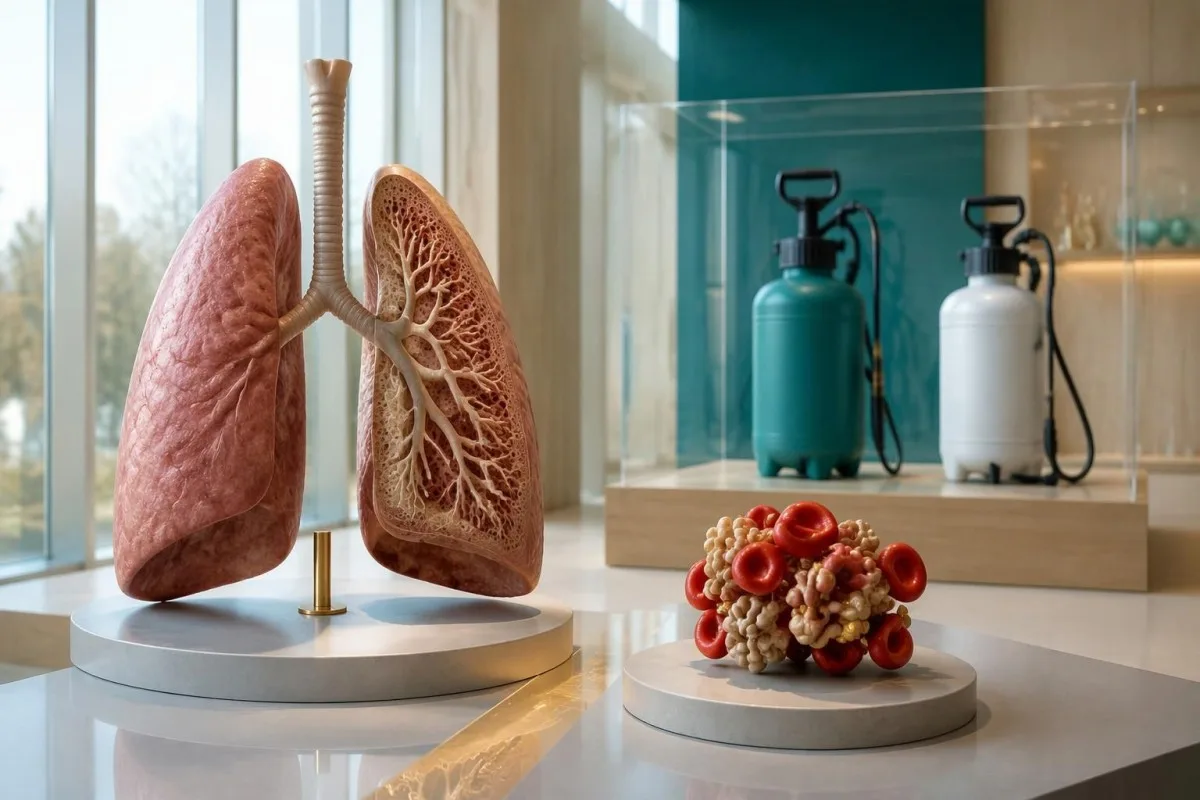
Carbamates also inhibit cholinesterase, but inhibition is generally more readily reversible. Their laboratory activity can recover more quickly, including during sample handling, so 1 near-normal result may not reflect the earlier clinical state; atropine may still be needed, while oxime decisions require product-specific toxicology advice.
Pyrethroid exposure can cause skin tingling, irritation, nausea, or neurological symptoms, particularly after substantial exposure. Those effects do not reliably produce the same enzyme suppression pattern as organophosphates; a hypothetical person with facial tingling but no excess secretions still needs product-based advice rather than assuming 2 symptom categories identify the chemical.
Some exposures impair oxygen carriage rather than inhibit cholinesterase. Selected pesticides or associated chemicals can cause methemoglobinemia, for which co-oximetry is relevant; our methemoglobin result guide explains why a pulse oximeter may remain near 85% despite a different underlying oxygen problem.
Alternative diagnoses include asthma, heat illness, hypoglycemia, opioid effects, and gastrointestinal infection. Exposure plus 3 cholinergic features is more suggestive than vomiting alone, but none of these combinations is a validated home diagnostic score; clinicians use the label, examination, and targeted testing to distinguish overlapping emergencies.
తదుపరి పరీక్షలు, కార్యాలయ భద్రతా జాగ్రత్తల్లో ఏవి ముఖ్యం?
Follow-up depends on symptoms, the pesticide involved, and how far enzyme activity has fallen from a personal baseline. Red-cell activity may remain depressed for weeks to months, so a single abnormal follow-up value does not by itself mean active poisoning or establish fitness to return to exposure.
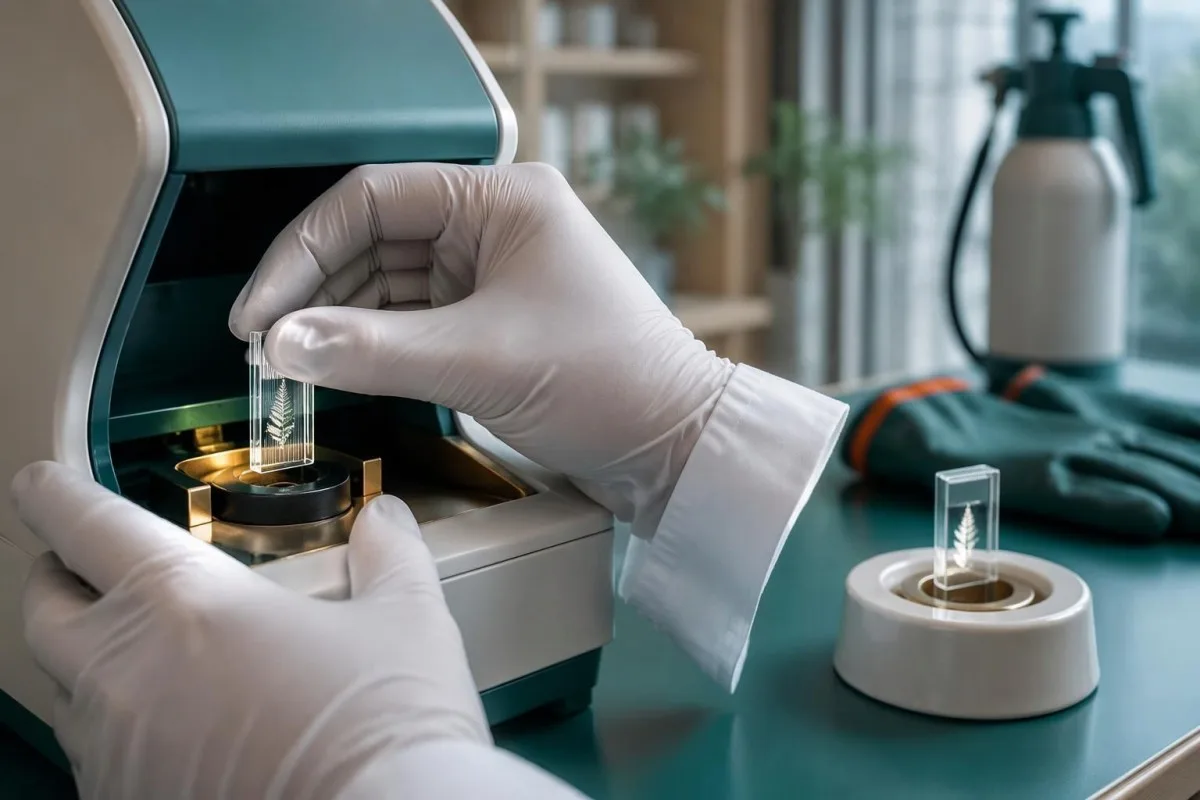
Occupational monitoring thresholds are preventive rules, not emergency diagnosis cutoffs. Local programs may use different percentage declines for medical evaluation, removal from exposure, and return to work; a 25% decline in a hypothetical report must be interpreted under the applicable protocol, with occupational health input rather than a universal online rule.
Return-to-work decisions require more than a laboratory increase. Symptoms, strength, respiratory function, product handling, protective equipment, and the cause of the original leak all matter; 2 improving measurements do not make an unchanged exposure source safe, and contaminated gloves or clothing should be handled according to pesticide-specific guidance.
Meaningful trends require comparable methods and documented timing. మా రక్త పరీక్ష టైమ్లైన్ గైడ్ explains why illness, treatment, and laboratory changes can create apparent trends; for cholinesterase monitoring, record the dates of exposure, collection, and antidotes alongside both enzyme names and units.
At Kantesti, we encourage readers to keep emergency records and baseline results available for clinician-led follow-up, not to use an AI interpretation as occupational clearance. Remove unnecessary identifiers before sharing reports and review our గోప్యత మరియు డేటా మార్గదర్శకత్వం; 1 shared document should contain only information needed for its intended purpose.
అత్యవసర చికిత్స తర్వాత పరిశోధన ఆధారాలు, సురక్షిత AI వివరణలు
The organophosphate evidence cited here concerns clinical assessment, cholinesterase interpretation, delayed weakness, and antidote treatment—not AI-based emergency diagnosis. The 3 external medical publications listed below support those discussions; our 2 companion DOI resources address other laboratory topics and are not evidence for pesticide treatment.
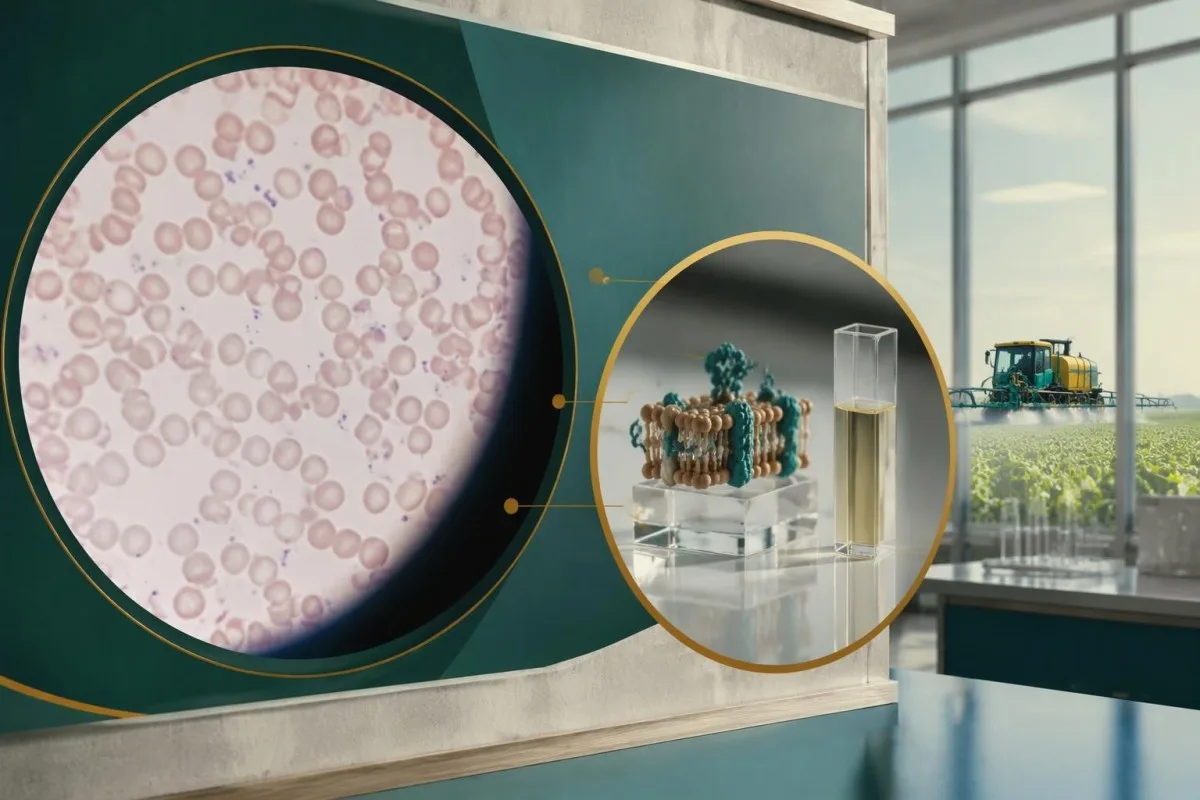
Clinical reviews and trials answer different questions. Eddleston et al. (2008) describe acute management, Peter et al. (2014) review clinical patterns and delayed syndromes, and Eddleston et al. (2009) test 1 pralidoxime regimen; none supplies a universal cholinesterase number that safely overrides an emergency examination.
కాంటెస్టి అనేది ఒక AI ల్యాబ్ టెస్ట్ ఇంటర్ప్రిటేషన్ సర్వీస్లో ప్రచురించబడతాయి that can help translate laboratory terminology after emergency assessment, but it cannot observe breathing or measure muscle strength. Our వైద్య పద్ధతి సమాచారం should be read alongside that limitation; 2 enzyme values alone cannot establish that home observation is safe.
Iron studies answer a different biochemical question from cholinesterase testing. మా iron panel explanation accompanies the first DOI resource below; iron concentration, transferrin saturation, and binding capacity are 3 related measurements, but none measures acetylcholinesterase inhibition or identifies the active ingredient in a pesticide.
Kantesti's second companion DOI publication concerns clotting tests, not poisoning confirmation. The clotting test guide discusses aPTT, D-dimer, and protein C—3 distinct tests that may be relevant to other clinical problems; their inclusion in our publication library must not be mistaken for direct organophosphate research.
తరచుగా అడిగే ప్రశ్నలు
ఆర్గానోఫాస్ఫేట్ విషప్రయోగం యొక్క తొలి లక్షణాలు ఏమిటి?
ప్రారంభ దశలో ఆర్గానోఫాస్ఫేట్ విషప్రయోగ లక్షణాల్లో అధికంగా చెమట పట్టడం, లాలాజలం కారడం, కన్నీళ్లు రావడం, వికారం, వాంతులు, విరేచనాలు, కనుపాపలు చిన్నవిగా మారడం, కండరాలు అదరడం ఉండవచ్చు. లక్షణాలు తరచుగా నిమిషాల నుంచి గంటల్లో ప్రారంభమవుతాయి, అయితే చర్మం ద్వారా శోషణం కావడం, కొన్ని సమ్మేళనాల వల్ల అనారోగ్యం 24 గంటలకు మించి ఆలస్యంగా మొదలవచ్చు. విషపదార్థానికి గురికావడం, స్రావాలు, బలహీనత కలగలిపి ఉండటం, ఏ ఒక్క లక్షణం కంటే ఎక్కువ ఆందోళన కలిగిస్తుంది. విషప్రయోగం జరిగి ఉండవచ్చని అనుమానిస్తే, ఎంజైమ్ పరీక్ష ఫలితాల కోసం వేచి ఉండకుండా అత్యవసర వైద్య పరీక్ష చేయించుకోవాలి.
పురుగుమందుల ప్రభావానికి గురైన తర్వాత అత్యవసర సేవలకు ఎప్పుడు కాల్ చేయాలి?
పురుగుమందుల ప్రభావానికి గురైన తర్వాత శ్వాస తీసుకోవడంలో ఇబ్బంది, అధిక స్రావాలు, బలహీనత, కండరాల మెలికలు, గందరగోళం, మూర్ఛలు లేదా పదేపదే వాంతులు విషప్రయోగాన్ని సూచిస్తే అత్యవసర సేవలకు కాల్ చేయండి. గణనీయమైన పరిమాణంలో పురుగుమందు తీసుకున్నా, లక్షణాలు కనిపించకముందే అత్యవసర వైద్య సలహా తీసుకోవాలి. UKలో 999 లేదా 112కు, USలో 911కు, లేదా ఇతర ప్రాంతాల్లో మీ స్థానిక అత్యవసర నంబర్కు కాల్ చేయండి. 97% రీడింగ్తో సహా సాధారణ ఆక్సిజన్ సంతృప్తి స్థాయి, అభివృద్ధి చెందుతున్న ఆర్గానోఫాస్ఫేట్ విషప్రభావాన్ని తోసిపుచ్చదు.
ఆర్గానోఫాస్ఫేట్ విషప్రయోగాన్ని నిర్ధారించడంలో ఏ రక్త పరీక్షలు సహాయపడతాయి?
ఆర్గానోఫాస్ఫేట్ విషప్రయోగ నిర్ధారణకు మద్దతుగా ఉపయోగించే 2 ప్రధాన ఎంజైమ్ కార్యకలాప పరీక్షలు ఎర్ర రక్తకణాల ఎసిటైల్కోలినెస్టరేస్ మరియు ప్లాస్మా బ్యూటిరిల్కోలినెస్టరేస్ పరీక్షలు. ఎర్ర రక్తకణాల ఎంజైమ్ కార్యకలాపం సంబంధిత నాడీ ఎంజైమ్ నిరోధాన్ని మరింత సన్నిహితంగా ప్రతిబింబిస్తుంది; కాగా, విషప్రయోగం కాని అనేక కారణాల వల్ల ప్లాస్మా ఎంజైమ్ కార్యకలాపం తగ్గవచ్చు. ఈ రెండు పరీక్షల్లో ఏదీ సాధారణ CBC లేదా ప్రామాణిక మూత్ర మాదకద్రవ్య పరీక్షకు సమానం కాదు. ఈ పరీక్షల్లో ఏదైనా ఫలితం వచ్చేలోపే వైద్యులు అవసరమైన అత్యవసర చికిత్సను ప్రారంభిస్తారు.
సాధారణ కోలినెస్టరేజ్ ఫలితం విషప్రయోగాన్ని తోసిపుచ్చగలదా?
A single normal cholinesterase result cannot reliably exclude poisoning when the exposure and examination are concerning. Timing, assay limitations, treatment, and the specific inhibitor can complicate interpretation of either of the 2 enzyme tests. A result within the population interval can also conceal a fall from a person's usual activity. Clinicians may repeat targeted testing while continuing treatment and investigating alternative diagnoses.
ప్లాస్మాలో కోలినెస్టరేస్ స్థాయి తక్కువగా ఉంటే అది ఎల్లప్పుడూ పురుగుమందుల విషప్రభావాన్ని సూచిస్తుందా?
ప్లాస్మాలో కోలినెస్టరేజ్ తక్కువగా ఉండటం అంటే ఎల్లప్పుడూ పురుగుమందుల విషప్రభావం అని కాదు; ఎందుకంటే కాలేయ పనితీరు దెబ్బతినడం, వంశపారంపర్య వైవిధ్యాలు, గర్భధారణ, పోషకాహార లోపం, కొన్ని మందులు దీని క్రియాశీలతను తగ్గించవచ్చు. వ్యక్తిగత ప్రాథమిక స్థాయి కొలతలు, చాలాకాలంగా విలువ తక్కువగా ఉండటాన్ని కొత్తగా తగ్గడంతో వేరు చేయడానికి ముఖ్యంగా ఉపయోగపడతాయి. 8,000 నుంచి 3,200 U/Lకు తగ్గినట్లు ఊహిస్తే, అది 60% తగ్గుదలను సూచిస్తుంది; అయితే ఆ శాతం ఒక్కటే వైద్యపరమైన తీవ్రతను నిర్ణయించదు. లక్షణాలు, విషప్రభావానికి గురైన చరిత్ర అర్థం చేసుకోవడంలో ఇప్పటికీ కీలకమైనవి.
ఆర్గానోఫాస్ఫేట్ విషప్రభావం వల్ల ఆలస్యంగా బలహీనత కలగవచ్చా?
ఆర్గానోఫాస్ఫేట్ విషప్రభావం వల్ల తీవ్రమైన దశ తర్వాత సుమారు 24–96 గంటలకు మెడ, అవయవాలు మరియు శ్వాసకోశ కండరాల బలహీనతతో కూడిన మధ్యంతర సిండ్రోమ్ రావచ్చు. కొన్ని సమ్మేళనాలు సుమారు 1–3 వారాల తర్వాత ఆలస్య నరాలవ్యాధికి కూడా కారణం కావచ్చు. మొదట్లో ఉన్న చెమటలు, స్రావాలు తగ్గిన తర్వాత కూడా ఈ సమస్యలు రావచ్చు. కొత్తగా శ్వాస తీసుకోవడంలో ఇబ్బంది, మింగడంలో సమస్యలు లేదా గణనీయమైన బలహీనత ఉంటే, మళ్లీ ప్రయోగశాల పరీక్ష ఫలితం కోసం వేచి ఉండకుండా అత్యవసరంగా వైద్య పునఃమూల్యాంకనం చేయించుకోవాలి.
మీ రక్త పరీక్ష ఫలితాలు ఎలా చదవాలో తెలుసుకోండి
మీ ల్యాబ్ నివేదికను అప్లోడ్ చేయండి; Kantesti యొక్క AI ప్రతి బయోమార్కర్ను సులభమైన భాషలో క్షణాల్లో వివరిస్తుంది. ప్రపంచవ్యాప్తంగా 2 మిలియన్లకు పైగా ప్రజలు ఉపయోగిస్తున్నారు.
ప్రస్తావనలు
- క్లైన్, టి., మిచెల్, ఎస్., & వెబర్, హెచ్. (2026). ఐరన్ పరీక్షల మార్గదర్శి: TIBC, ఐరన్ సాచురేషన్ & బైండింగ్ కెపాసిటీ. Kantesti AI వైద్య పరిశోధన. డిఓఐ
- క్లైన్, టి., మిచెల్, ఎస్., & వెబర్, హెచ్. (2026). aPTT సాధారణ పరిధి: D-Dimer, Protein C రక్త గడ్డకట్టే మార్గదర్శిని. Kantesti AI వైద్య పరిశోధన. డిఓఐ
- Eddleston M et al. (2008). Management of acute organophosphorus pesticide poisoning. ది లాన్సెట్. డిఓఐ
- Peter JV et al. (2014). Clinical features of organophosphate poisoning: A review of different classification systems and approaches. Indian Journal of Critical Care Medicine. డిఓఐ
- Eddleston M et al. (2009). Pralidoxime in acute organophosphorus insecticide poisoning—A randomised controlled trial. PLoS Medicine. డిఓఐ
- 2మి+విశ్లేషించిన పరీక్షలు
- 127+దేశాలు
- 100+భాషలు
వైద్య బృందం గురించి


E-E-A-T విశ్వాస సంకేతాలు
అనుభవం
వైద్యుడి నేతృత్వంలో ల్యాబ్ ఫలితాల అర్థం చేసుకునే వర్క్ఫ్లోలపై క్లినికల్ సమీక్ష.
నైపుణ్యం
క్లినికల్ సందర్భంలో బయోమార్కర్లు ఎలా ప్రవర్తిస్తాయో అనే దానిపై ల్యాబొరేటరీ మెడిసిన్ దృష్టి.
అధికారవాదం
డా. థామస్ క్లైన్ వైద్యపరంగా సమీక్షించారు; డా. సారా మిచెల్ మరియు ప్రొ. డా. హాన్స్ వెబర్ సహకారం అందించారు.
విశ్వసనీయత
ఆందోళనను తగ్గించేందుకు స్పష్టమైన తదుపరి చర్యల మార్గాలతో ఆధారిత (ఎవిడెన్స్-బేస్డ్) అర్థం చేసుకోవడం.




వైద్య నిరాకరణ ప్రకటన
ఈ వ్యాసం కేవలం విద్యా ప్రయోజనాల కోసం మాత్రమే; ఇది వైద్య సలహాగా పరిగణించబడదు. నిర్ధారణ మరియు చికిత్స నిర్ణయాల కోసం ఎల్లప్పుడూ అర్హత కలిగిన ఆరోగ్య సంరక్షణ నిపుణుడిని సంప్రదించండి.
ప్రచురించబడింది · సంపాదకీయ బృందాన్ని సంప్రదించండి
ఇంగ్లాండ్ మరియు వేల్స్లో నమోదైన Kantesti Ltd ద్వారా ప్రచురించబడింది, కంపెనీ నంబర్. 17090423, లండన్, యునైటెడ్ కింగ్డమ్.
