കീടനാശിനി സമ്പർക്കത്തിനു ശേഷം അമിതമായി ഉമിനീരൊഴുകുക, വിയർക്കുക, ഛർദ്ദിക്കുക, കൃഷ്ണമണികൾ സൂചിപോലെ ചെറുതാകുക, പേശികൾ തുടിക്കുക, ബലഹീനത, അല്ലെങ്കിൽ ശ്വസിക്കാൻ ബുദ്ധിമുട്ട് എന്നിവ വിഷബാധയുടെ സൂചനകളാകാം. ഓർഗാനോഫോസ്ഫേറ്റ് വിഷബാധ സംശയിക്കുന്നുവെങ്കിൽ അടിയന്തര ചികിത്സ ആവശ്യമാണ്—കോളിനെസ്റ്ററേസ് പരിശോധനാഫലം വരുന്നതുവരെ കാത്തിരിക്കരുത്.

പ്രധാന കാര്യങ്ങൾ
- അടിയന്തര നടപടി: ലക്ഷണങ്ങളോടുകൂടിയ വിഷബാധ സംശയിക്കുന്നുവെങ്കിൽ, UK-യിൽ 999 അല്ലെങ്കിൽ 112-ലേക്കോ, US-ൽ 911-ലേക്കോ, അല്ലെങ്കിൽ നിങ്ങളുടെ പ്രദേശത്തെ അടിയന്തര നമ്പറിലേക്കോ വിളിക്കുക.
- ശ്വസനാപകടം: ഓർഗാനോഫോസ്ഫേറ്റുകൾ 3 സംവിധാനങ്ങളിലൂടെ ശ്വസനത്തെ തടസ്സപ്പെടുത്താം—ശ്വാസവഴിയിലെ സ്രവങ്ങൾ, ശ്വാസവഴി ചുരുങ്ങൽ, ശ്വസനപേശികളുടെ ബലഹീനത.
- പ്രാരംഭ ലക്ഷണങ്ങൾ: സമ്പർക്കത്തിനു ശേഷം വിയർപ്പ്, ഉമിനീർ, കണ്ണുനീർ, ഛർദ്ദി, വയറിളക്കം, ചെറുകൃഷ്ണമണികൾ, പേശിത്തുടിപ്പ് എന്നിവയിൽ പലതും ഒരുമിച്ച് പ്രത്യക്ഷപ്പെടുമ്പോൾ കൂടുതൽ ആശങ്കപ്പെടണം.
- സമ്പർക്കം നടന്ന സമയം: ലക്ഷണങ്ങൾ പലപ്പോഴും മിനിറ്റുകൾക്കുള്ളിലോ മണിക്കൂറുകൾക്കുള്ളിലോ തുടങ്ങും; എന്നാൽ മലിനമായ വസ്ത്രങ്ങളിലൂടെയോ ചർമ്മത്തിലൂടെയോ ആഗിരണം നടക്കുന്നത് രോഗലക്ഷണങ്ങൾ വൈകി പ്രത്യക്ഷപ്പെടാൻ ഇടയാക്കാം.
- രണ്ട് എൻസൈം പരിശോധനകൾ: ചുവന്ന രക്താണുക്കളിലെ അസറ്റൈൽകോളിനെസ്റ്ററേസും പ്ലാസ്മ ബ്യൂട്ടിറൈൽകോളിനെസ്റ്ററേസും രോഗനിർണയത്തിന് സഹായിക്കുന്നു; ഇവയിലൊന്നും അടിയന്തര ക്ലിനിക്കൽ വിലയിരുത്തലിന് പകരമാകില്ല.
- വ്യക്തിഗത അടിസ്ഥാനനില: 8,000-ൽ നിന്ന് 3,200 U/L-ലേക്കുള്ള സങ്കൽപ്പിത കുറവ് 60% കുറവിനെ പ്രതിനിധീകരിക്കുന്നു; ഇത് സാർവത്രികമായി നിർവചിച്ചിട്ടുള്ള ഒരു തീവ്രതാ വിഭാഗമല്ല.
- കണ്ണിലെ മാലിന്യം നീക്കൽ: അടിയന്തരസഹായം ഏർപ്പാടാക്കുന്നതിനിടെ, സമ്പർക്കമുണ്ടായ കണ്ണുകൾ വൃത്തിയുള്ള ഇളംചൂടുവെള്ളം ഉപയോഗിച്ച് 15–20 മിനിറ്റ് കഴുകുക.
- വൈകിയുണ്ടാകുന്ന ബലഹീനത: വിഷബാധയുണ്ടായതിന് ശേഷമുള്ള ഏകദേശം 24–96 മണിക്കൂറിനുള്ളിൽ ഇന്റർമീഡിയറ്റ് സിൻഡ്രോം ഉണ്ടാകാം; ചില സംയുക്തങ്ങൾ ഏകദേശം 1–3 ആഴ്ചകൾക്കുശേഷം വൈകിയ ന്യൂറോപ്പതിക്ക് കാരണമാകാം.
കീടനാശിനി സമ്പർക്കത്തിനു ശേഷം ഉണ്ടാകുന്ന ലക്ഷണങ്ങൾക്ക് എപ്പോഴാണ് അടിയന്തര സഹായം വേണ്ടത്?
കീടനാശിനിയുമായി സമ്പർക്കമുണ്ടായതിനെ തുടർന്ന് ശ്വസനപ്രയാസം, അമിത സ്രവങ്ങൾ, പേശിവലിവുകൾ, ബലഹീനത, ആശയക്കുഴപ്പം, അല്ലെങ്കിൽ ആവർത്തിച്ചുള്ള ഛർദ്ദി ഉണ്ടാകുമ്പോൾ ഓർഗാനോഫോസ്ഫേറ്റ് വിഷബാധയുടെ ലക്ഷണങ്ങൾക്ക് അടിയന്തര പരിശോധന ആവശ്യമാണ്. യുകെയിൽ 999 അല്ലെങ്കിൽ 112-ലേക്കും, യുഎസിൽ 911-ലേക്കും, അല്ലെങ്കിൽ നിങ്ങളുടെ പ്രദേശത്തെ അടിയന്തര നമ്പറിലേക്കും വിളിക്കുക; ലബോറട്ടറി സ്ഥിരീകരണത്തിനായി കാത്തിരിക്കരുത്.
കാര്യമായ അളവിൽ ഉള്ളിൽ ചെന്നാൽ ലക്ഷണങ്ങൾ ഉണ്ടാകുന്നതിന് മുമ്പുതന്നെ അടിയന്തര ഉപദേശം തേടണം. സാന്ദ്രത കൂടിയ ഉൽപ്പന്നം, അറിയാത്ത അളവ്, അല്ലെങ്കിൽ മനഃപൂർവം ഉള്ളിൽ കഴിക്കൽ എന്നിവ വീട്ടിൽ സുരക്ഷിതമായി പരിഹരിക്കാനാകാത്ത അനിശ്ചിതത്വം സൃഷ്ടിക്കുന്നു; ഉൽപ്പന്നത്തിന്റെ പേര്, സമ്പർക്കമുണ്ടായ വഴി, ഏകദേശ അളവ്, സമയം എന്നിവ ഡിസ്പാച്ചറോട് പറയുക; ഈ 4 വിവരങ്ങളും ശേഖരിക്കാൻ കോൾ വൈകിക്കരുത്.
അപകടകരമായ സംയോജനം നനവുള്ള ശ്വാസവഴികളും ബലഹീനതയുമാണ്, ചെറിയ കൃഷ്ണമണി അല്ലെങ്കിൽ വയറിന് അസ്വസ്ഥത മാത്രമല്ല. ഓർഗാനോഫോസ്ഫേറ്റുകൾക്ക് 3 വ്യത്യസ്ത സംവിധാനങ്ങളിലൂടെ ശ്വസനം തടസ്സപ്പെടുത്താം—സ്രവങ്ങൾ, ബ്രോങ്കോസ്പാസം, പേശികളുടെ പ്രവർത്തനത്തകരാർ—അതിനാൽ തുടക്കത്തിൽ ജാഗ്രതയോടെയും സംസാരിക്കാൻ കഴിയുന്ന നിലയിലുമാണെന്ന് തോന്നിയാലും ഒരാളുടെ നില വഷളാകാം.
സാധാരണ ഓക്സിജൻ റീഡിങ് വിഷബാധ പുരോഗമിക്കുന്നത് തള്ളിക്കളയുന്നില്ല. ഉദാഹരണത്തിന്, സ്പ്രേ ചോർച്ചയ്ക്കുശേഷം ഓക്സിജൻ സാച്ചുറേഷൻ 97%, പുതുതായി പേശിവലിവുകൾ, അസാധാരണമാംവിധം കൂടുതലായ ഉമിനീർ എന്നിവയുള്ള ഒരു സങ്കൽപ്പിത തൊഴിലാളിക്ക് ഇപ്പോഴും അടിയന്തര പരിശോധന ആവശ്യമാണ്; ഓക്സിജൻ സാച്ചുറേഷൻ ശ്വസനപേശികളുടെ ശക്തി അളക്കാനോ കീടനാശിനിയുടെ തുടർന്നുള്ള ആഗിരണം പ്രവചിക്കാനോ കഴിയില്ല.
കാന്റേസ്റ്റി ഒരു AI രക്ത പരിശോധന അനലൈസർ ക്ലിനിക്കൽ പരിചരണത്തിനുശേഷം ലബോറട്ടറി റിപ്പോർട്ടുകൾ വിശദീകരിക്കുന്നതിനാണ്, അടിയന്തര വിഷബാധാ സേവനത്തിനല്ല. ഞങ്ങളുടെ കമ്പനി വിവരങ്ങൾ മെഡിക്കൽ AI ദൗത്യം, സർട്ടിഫിക്കേഷനുകൾ, ഉൽപ്പന്ന പരിധി എന്നിവയെക്കുറിച്ച് വിശദീകരിക്കുന്നു. പ്രായോഗിക വാഗ്ദാനം ലളിതമാണ്: വേഗത്തിലുള്ള വ്യാഖ്യാനം ഇപ്പോഴും സൂക്ഷ്മമായ വ്യാഖ്യാനമായിരിക്കണം. ഈ ഉപകരണത്തിന് പിന്നിലുള്ള സ്ഥാപനത്തെ വിവരിക്കുന്നു; ഏകദേശം 60 സെക്കൻഡ് എടുക്കുന്ന റിപ്പോർട്ട് വിശദീകരണം ഒരിക്കലും അടിയന്തര കോളിന് കാലതാമസം വരുത്തരുത്.
ഓർഗാനോഫോസ്ഫേറ്റ് വിഷബാധയുടെ ഏറ്റവും സവിശേഷമായ ലക്ഷണങ്ങൾ ഏതെല്ലാം?
ഓർഗാനോഫോസ്ഫേറ്റ് വിഷബാധ സാധാരണയായി ഒരു കോളിനർജിക് ലക്ഷണരീതിയുണ്ടാക്കുന്നു: അമിതമായ ഉമിനീർ, കണ്ണുനീർ, വിയർപ്പ്, ഛർദ്ദി, വയറിളക്കം, ചെറിയ കൃഷ്ണമണികൾ, ശ്വാസവഴിയിലെ സ്രവങ്ങൾ, പേശിവലിവുകൾ, ബലഹീനത. എല്ലാ ലക്ഷണങ്ങളും പ്രത്യക്ഷപ്പെടുമെന്ന് പ്രതീക്ഷിക്കുന്നതിനുപകരം, ഡോക്ടർമാർ പരസ്പരം അതിവ്യാപിക്കുന്ന 3 വിഭാഗങ്ങളായ മസ്കാരിനിക്, നിക്കോട്ടിനിക്, കേന്ദ്ര നാഡീവ്യൂഹ പ്രത്യാഘാതങ്ങൾ വിലയിരുത്തുന്നു.

സാധാരണ നിയന്ത്രിതമായ സ്രവങ്ങൾ അമിതമാകാൻ മസ്കാരിനിക് പ്രത്യാഘാതങ്ങൾ കാരണമാകുന്നു. മൂക്കൊലിപ്പ് മാത്രം പ്രത്യേകതയില്ലാത്ത ലക്ഷണമാണെങ്കിലും, ഒരു സമ്പർക്കസംഭവത്തിനിടെ കണ്ണുനീർ, ഉമിനീർ, വിയർപ്പ്, വയറിളക്കം, നെഞ്ചിൽ നനവുള്ള ശബ്ദം എന്നിവ ഒരുമിച്ച് ഉണ്ടാകുന്നത് ആശങ്ക ഗണ്യമായി വർധിപ്പിക്കുന്നു; കീടനാശിനിയുമായി സമ്പർക്കത്തിനുശേഷമുള്ള വീസിങ്ങിനെ സ്വതവേ സാധാരണ ആസ്ത്മ ലക്ഷണങ്ങളായി കണക്കാക്കരുത്.
നിക്കോട്ടിനിക് പ്രത്യാഘാതങ്ങൾ അസ്ഥിപേശികളെയും സ്വയംഭരണ ഗാംഗ്ലിയകളെയും ബാധിക്കുന്നു. വസ്ത്രത്തിനടിയിൽ കാണുന്ന ചെറിയ തരംഗസദൃശ ചലനങ്ങൾ, കൈയിലെ ബലഹീനത, അല്ലെങ്കിൽ തല നിവർത്തിപ്പിടിക്കാനുള്ള ബുദ്ധിമുട്ട് എന്നിവ ന്യൂറോമസ്കുലാർ പങ്കാളിത്തം സൂചിപ്പിക്കാം; ഹൃദയമിടിപ്പ് മന്ദഗതിയിലാകുന്നതിനുപകരം വേഗത്തിലാകാം, അതിനാൽ ഒരിക്കൽ ആശ്വാസം പകരുന്നതായി തോന്നുന്ന നാഡിമിടിപ്പ് അളവ് വിഷബാധ തള്ളിക്കളയുന്നില്ല.
Central effects include agitation, confusion, seizures, and reduced consciousness. The review by Peter et al. (2014) explains why symptom classifications overlap and why clinical severity cannot be reduced to a single mnemonic; 3 symptom groups may develop at different speeds in the same exposure.
Pinpoint pupils are helpful but not mandatory. Direct eye exposure can produce especially small pupils or blurred vision without reflecting the severity elsewhere, while lighting, other medicines, and prior atropine can alter pupil size; 2 equally small pupils do not establish the diagnosis by themselves.
കീടനാശിനി വിഷബാധയുടെ ലക്ഷണങ്ങൾ എത്ര പെട്ടെന്ന് തുടങ്ങാം?
Organophosphate symptoms often start within minutes to hours, but their timing depends on the chemical, dose, formulation, and exposure route. Skin absorption can be slower than inhalation or ingestion, and some compounds can cause substantial delayed toxicity beyond the first 24 hours.
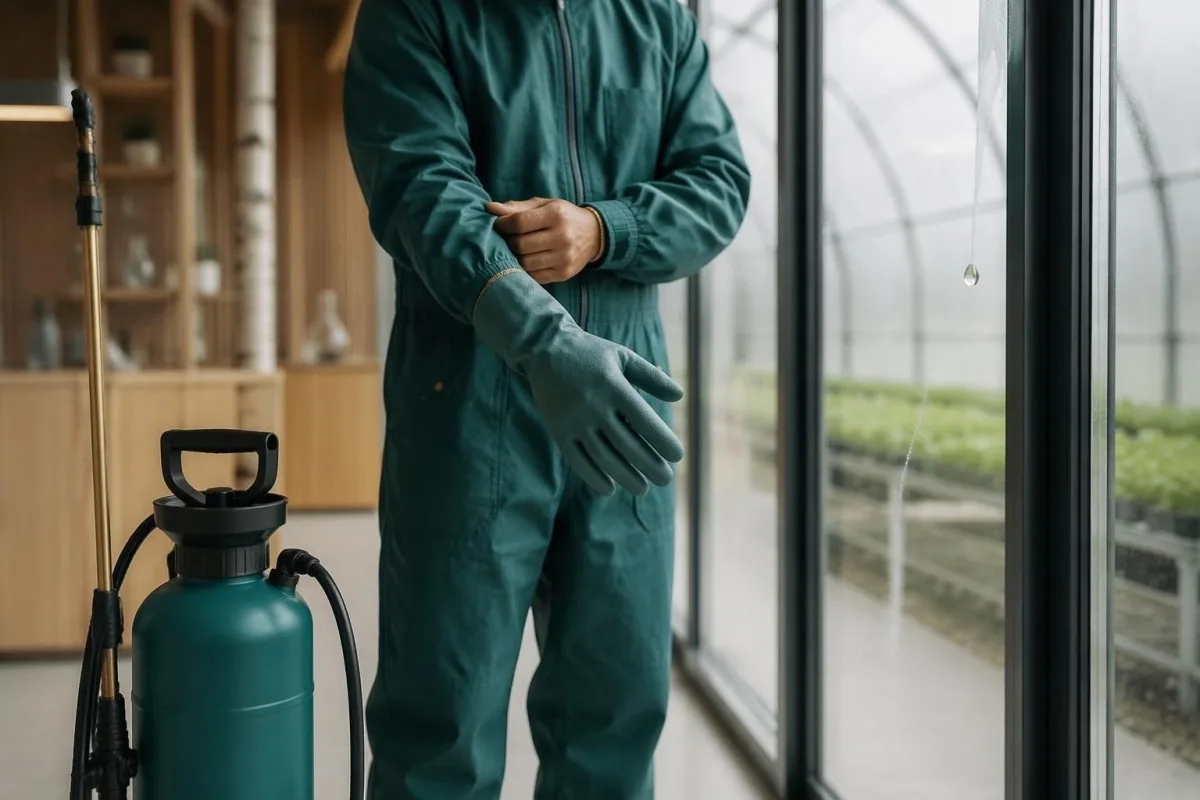
Skin contamination can continue delivering pesticide after spraying stops. A soaked sleeve, leaking glove, or contaminated boot can act as an exposure reservoir for several hours; leaving the work area without removing contaminated clothing may stop inhalation while allowing substantial absorption through another route.
The product formulation matters as much as the active ingredient. A hypothetical 10-minute exposure to diluted spray is not equivalent to 10 minutes handling concentrate, and solvents may add irritation or aspiration risk; a photograph of the original label helps clinicians identify both the pesticide and its formulation.
An initially symptom-free interval is not proof of safety. Some organophosphates require metabolic activation, and lipid-soluble compounds can redistribute over time; emergency teams may recommend observation extending into 24–48 hours or longer, depending on the specific product and clinical course rather than a universal stopwatch.
Exposure history also helps separate poisoning mechanisms. Several people developing headache in an enclosed equipment shed should prompt consideration of engine exhaust as well as pesticide exposure; our carbon monoxide test guide explains why carbon monoxide requires a different laboratory measurement from either of the 2 cholinesterase assays.
അടിയന്തര രക്ഷാപ്രവർത്തകർ എത്തുന്നതിനു മുമ്പ് നിങ്ങൾ എന്തുചെയ്യണം?
Move away from the source only if you can do so safely, call emergency services, and prevent further contamination. Do not enter a contaminated space to rescue someone without appropriate protection; exposed eyes should be rinsed with clean lukewarm water for 15–20 minutes.

Protecting the helper prevents a second poisoning. Avoid direct contact with contaminated clothing, liquid pesticide, or vomit, and follow dispatcher instructions about suitable protection; ordinary thin examination gloves are not reliably resistant to every pesticide formulation, so no 1 glove type should be assumed universally safe.
If feasible without delaying help, remove contaminated clothing and place it in 2 bags or a securely sealed container away from others. Wash exposed skin with soap and plenty of water, avoid vigorous scrubbing, and do not apply bleach, solvents, or chemical neutralizers; tell responders what washing has already occurred.
Do not induce vomiting or give home remedies, food, drinks, or charcoal unless a poison specialist specifically directs you. If the person becomes unresponsive or stops breathing normally, follow the emergency dispatcher's resuscitation instructions; identify pesticide contamination so the dispatcher can address rescuer safety during those first minutes.
Bring a label photograph rather than an open or leaking container into a car or emergency department. A reading of 98% on a home pulse oximeter is not permission to delay care; our breathing test limitations explain why laboratory and oxygen measurements answer different respiratory questions.
ആശുപത്രിയിൽ ഓർഗാനോഫോസ്ഫേറ്റ് വിഷബാധ എങ്ങനെ നിർണയിക്കുന്നു?
Organophosphate poisoning diagnosis is primarily clinical: clinicians combine exposure history, the cholinergic symptom pattern, respiratory assessment, and examination. Red-cell acetylcholinesterase and plasma cholinesterase provide supporting evidence, but treatment cannot depend on either of these 2 tests returning first.
A routine toxicology screen does not reliably detect organophosphate pesticides. Standard urine drug panels usually target selected medicines or recreational substances, not pesticide enzyme inhibition; similarly, heavy metal testing measures a different exposure category and cannot substitute for the 2 relevant cholinesterase assays.
The examination looks beyond pupils and pulse. Clinicians assess airway secretions, breathing effort, chest sounds, strength, mental status, blood pressure, and ECG findings; a patient with a pulse of 110 beats/min can still have cholinergic poisoning because hypoxia, stress, and nicotinic effects may counteract a slower pulse.
Other tests identify complications rather than prove the pesticide identity. Blood gases, electrolytes, glucose, kidney function, and sometimes chest imaging help assess ventilation, dehydration, aspiration, and alternative diagnoses; a glucose below 70 mg/dL, for example, can independently contribute to confusion and also needs prompt correction.
Eddleston et al. (2008), in The Lancet, emphasize early resuscitation and clinical management rather than waiting for biochemical confirmation. We follow the same separation between education and urgent clinical decisions in our മെഡിക്കൽ ഉള്ളടക്ക മാനദണ്ഡങ്ങൾ: 1 explanatory report cannot replace bedside reassessment.
ചുവന്ന രക്താണുക്കളിലെ അസറ്റൈൽകോളിനെസ്റ്ററേസ് പരിശോധന എന്താണ് അളക്കുന്നത്?
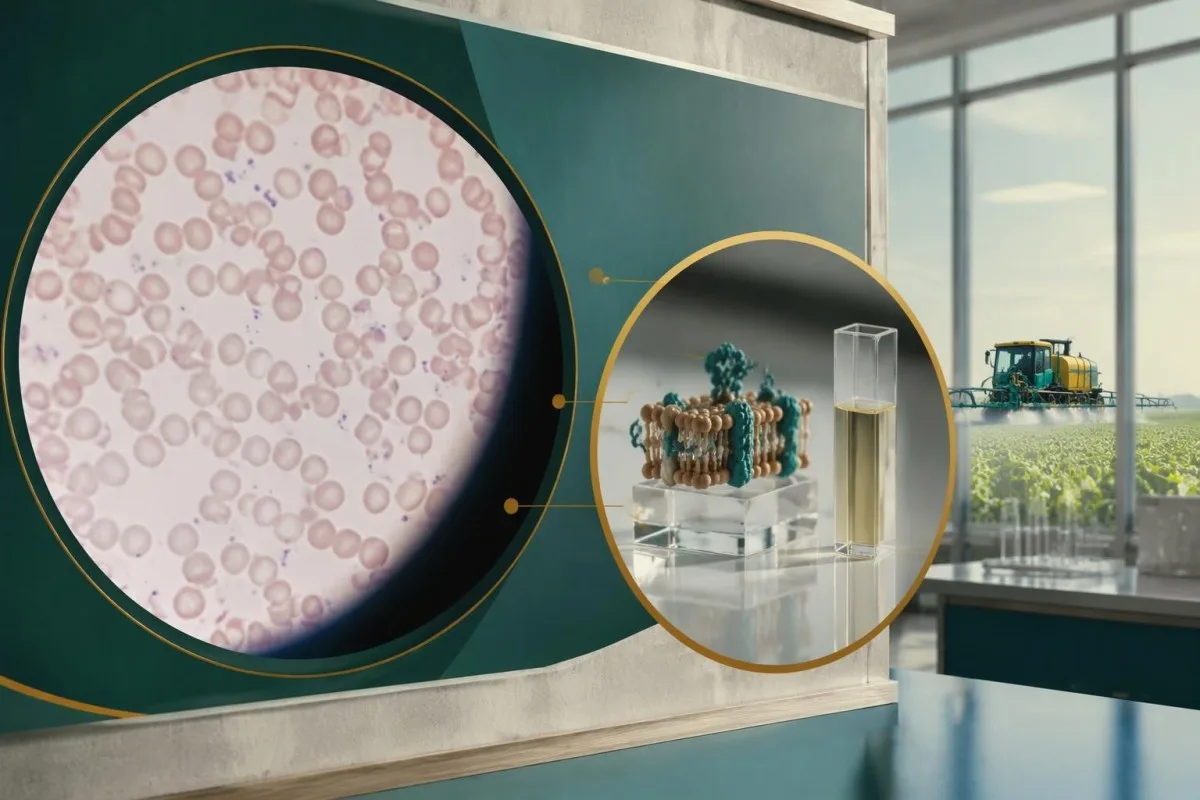
Red-cell acetylcholinesterase testing measures the activity of an enzyme on red-cell membranes that resembles acetylcholinesterase at nerve synapses. Reduced activity supports exposure to a cholinesterase inhibitor, but this specialized assay is separate from the red-cell count reported in a routine CBC.

Red-cell acetylcholinesterase generally tracks relevant neural enzyme inhibition better than plasma butyrylcholinesterase does. That relationship is imperfect, however: the pesticide, treatment timing, assay method, and individual biology affect interpretation, so even a result reported at 20% of baseline cannot independently determine an airway treatment plan.
Laboratories may report red-cell activity in U/g hemoglobin, units per packed-cell volume, or other method-specific units. A hypothetical result of 12 U/g hemoglobin cannot be compared directly with another laboratory's result expressed in U/L; those are 2 different denominators, not interchangeable versions of the same number.
AChE activity is not an acetylcholine receptor antibody test. ദി myasthenia blood test guide concerns antibodies associated with a different cause of weakness; ordering an AChR antibody panel would not answer the same question as either of the 2 cholinesterase activity assays.
Red-cell activity can remain depressed after clinical recovery because mature red cells have an approximate lifespan of 120 days, although recovery also depends on reactivation and new-cell production. Kantesti AI can help explain the reported units afterward, but persistent suppression alone does not establish ongoing respiratory danger or justify self-directed treatment.
വിഷബാധയില്ലാതെയും പ്ലാസ്മ കോളിനെസ്റ്ററേസ് കുറവായിരിക്കാവുന്നത് എന്തുകൊണ്ട്?
Plasma cholinesterase usually means butyrylcholinesterase, also called pseudocholinesterase, a liver-produced enzyme. Its activity may fall after organophosphate exposure, but liver dysfunction, inherited enzyme variants, pregnancy, poor nutrition, and some medicines can also lower it; 1 low value is not a standalone diagnosis.
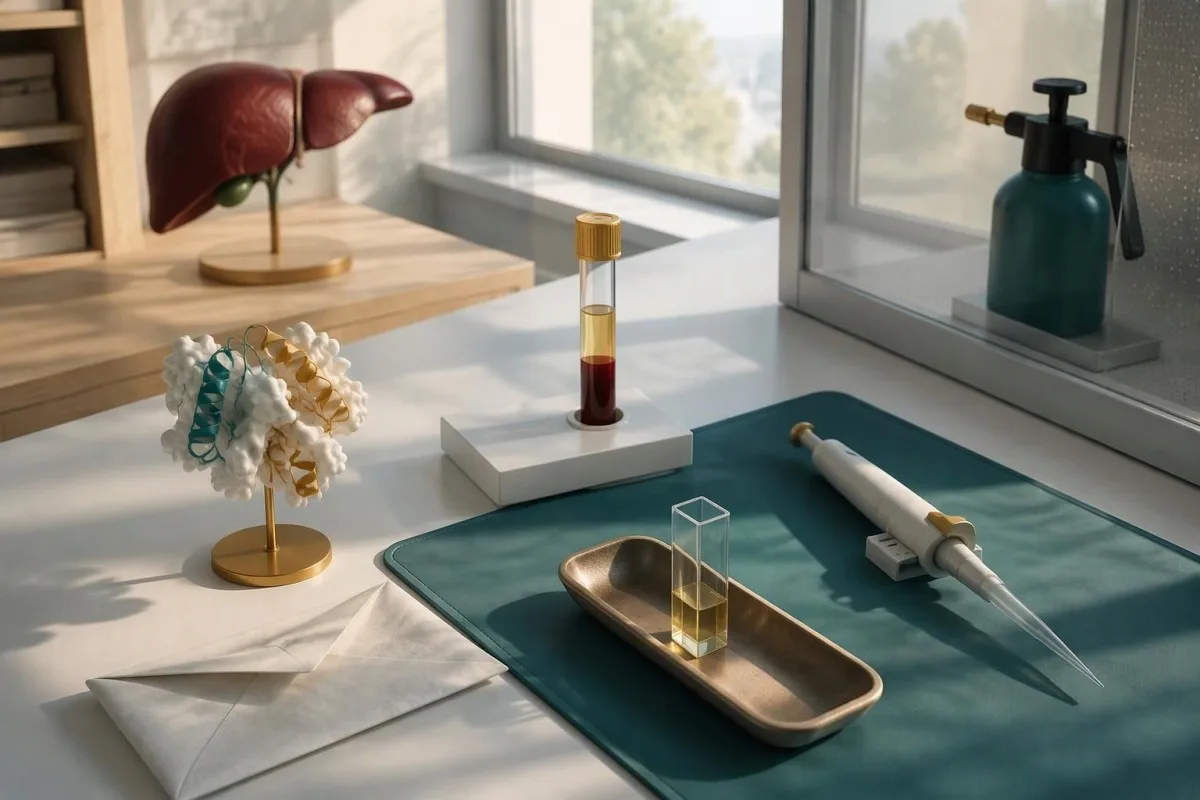
Plasma butyrylcholinesterase is often more accessible than red-cell acetylcholinesterase. The ease of testing makes it useful, but the depth of suppression does not reliably mirror severity for every pesticide; 2 people with the same plasma activity may have very different breathing, strength, and consciousness findings.
A low pre-existing level changes the interpretation of an exposure result. For example, a hypothetical adult with a stable activity near 3,000 U/L before and after an incident needs a different explanation from someone whose activity falls from 8,000 to 3,000 U/L; the history distinguishes persistent low production from a new decline.
Inherited butyrylcholinesterase deficiency has implications for anesthesia, not just pesticide interpretation. ദി dibucaine number explanation describes a test of enzyme inhibition characteristics rather than simply activity; low activity can prolong the action of certain anesthetic muscle relaxants, including succinylcholine.
A plasma result should therefore be read with at least 2 contexts: the acute exposure and the person's usual health. Liver tests, albumin, medication history, and any prior anesthesia-related prolonged paralysis may help explain a persistently low result; a clinician should decide which follow-up tests are needed rather than treating every low value as poisoning.
ഡോക്ടർമാർ കോളിനെസ്റ്ററേസ് പരിശോധനാഫലങ്ങളും അടിസ്ഥാന നിലകളും എങ്ങനെ വ്യാഖ്യാനിക്കുന്നു?
Cholinesterase testing is most informative when the current activity is compared with a reliable personal baseline using the same assay. There is no universal U/L cutoff that confirms or excludes poisoning across both enzyme tests, all laboratories, and all pesticide compounds.

Percentage reduction equals 100 × (baseline minus current activity) ÷ baseline. In a clearly hypothetical plasma example, a fall from 8,000 to 3,200 U/L gives 100 × 4,800 ÷ 8,000 = 60%; that describes biochemical change, not a validated rule saying a person has a particular clinical severity.
A population reference interval can hide a meaningful individual fall. A hypothetical worker whose activity decreases from 8,000 to 6,000 U/L has a 25% decline even if the second value remains inside the laboratory interval; our അടിസ്ഥാന പരിശോധനാ തയ്യാറെടുപ്പ് ഗൈഡ് explains why a usable comparison needs consistent methods and circumstances.
Sample timing and handling can change interpretation. If feasible without delaying care, clinicians obtain samples before oxime treatment and record the time of exposure, collection, and antidotes; 3 timestamps can help the laboratory evaluate apparent reactivation or disagreement between assays, while storage requirements must follow that laboratory's instructions.
കാന്റേസ്റ്റി ഒരു AI രക്ത പരിശോധന ഫലം മനസ്സിലാക്കൽ പ്ലാറ്റ്ഫോം that can explain supplied values, units, and reference intervals, but it cannot reconstruct a missing baseline. Our AI സാങ്കേതികവിദ്യ ഗൈഡ് provides context for that distinction; 2 enzyme results without exposure timing remain incomplete evidence.
കോളിനെസ്റ്ററേസ് പരിശോധനയിലൂടെ സ്ഥിരീകരിക്കുന്നതിനു മുമ്പേ ചികിത്സ തുടങ്ങേണ്ടത് എന്തുകൊണ്ട്?
Treatment starts before laboratory confirmation because respiratory failure can develop faster than cholinesterase results return. Clinicians act on the exposure and examination; there is no safe universal waiting period of 1, 6, or 24 hours when symptoms suggest acute poisoning.

Atropine treats dangerous muscarinic effects without needing an enzyme value first. Excess airway fluid and bronchospasm interfere with oxygen movement, while neuromuscular weakness requires separate assessment; waiting for a sample to reach a specialist laboratory can delay treatment of all 3 breathing mechanisms.
Some organophosphate-enzyme complexes undergo aging, a chemical change that makes oxime reactivation ineffective. The timing varies from minutes to many hours or longer depending on the compound, so a blanket 6-hour cutoff is misleading; early specialist input is more useful than assuming every pesticide follows the same biochemical clock.
A normal or borderline result does not automatically overrule a convincing clinical picture. Very early sampling, assay limitations, exposure type, or treatment can complicate interpretation; the clinical team may repeat 1 or both assays while continuing respiratory support and reassessing alternative diagnoses rather than withholding care.
Other poisoning tests also require timing-aware interpretation, but their rules cannot be transferred wholesale to organophosphates. Our സാലിസിലേറ്റ് വിഷബാധയുടെ സമയക്രമ മാർഗ്ഗദർശിക illustrates why 1 concentration can mislead; organophosphate care adds the separate problem that enzyme activity is not a direct pesticide concentration.
ഓർഗാനോഫോസ്ഫേറ്റ് വിഷബാധയ്ക്ക് ഏതെല്ലാം അടിയന്തര ചികിത്സകൾ നൽകുന്നു?
Hospital treatment combines airway support, oxygen or ventilation when needed, atropine, and specialist consideration of an oxime such as pralidoxime. An adult atropine starting dose of 1–3 mg intravenously appears in the Eddleston et al. (2008) review; dosing and repeat administration require monitored clinical care.
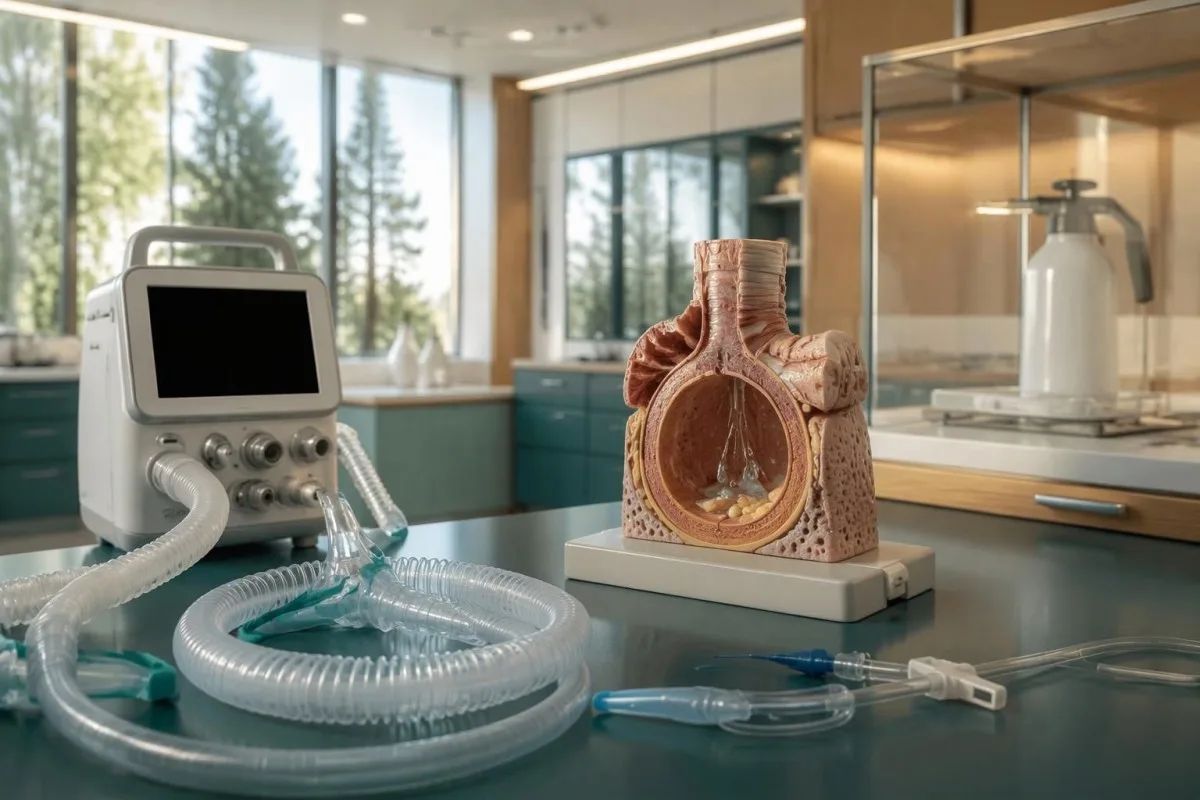
Atropine is titrated to clinical response, not a predetermined total dose. The 2008 Lancet review describes reassessment and dose doubling at intervals of about 3–5 minutes when required; improving chest secretions, oxygenation, and circulation matter more than forcing the pupils to dilate or the pulse to reach a particular number.
Ventilation may be needed even after secretions improve because atropine does not reliably reverse skeletal-muscle weakness. An arterial PaCO2 above 45 mmHg can indicate hypoventilation, although baseline lung disease and acid–base status matter; our ധമനീരക്ത വാതക പരിശോധനയുടെ വിശദീകരണം separates ventilation from oxygen saturation.
Pralidoxime evidence is genuinely mixed and depends on the compound and clinical circumstances. Eddleston et al. (2009) conducted a randomized PLoS Medicine trial that did not establish improved survival with the studied regimen; this does not mean every oxime regimen is useless, but it explains why 1 universal treatment promise would be inaccurate.
Seizures may require benzodiazepines, and ongoing monitoring looks for aspiration, arrhythmias, and impaired perfusion. A lactate above 2 mmol/L can have several explanations and is not an organophosphate-specific marker; our lactate sampling guide explains why collection conditions also affect that complication-focused result.
വിഷബാധയ്ക്ക് ശേഷം 24–96 മണിക്കൂറിനുള്ളിൽ ബലഹീനത വീണ്ടും വരാൻ സാധ്യതയുള്ളത് എന്തുകൊണ്ട്?
Intermediate syndrome can cause neck, proximal limb, and respiratory muscle weakness roughly 24–96 hours after acute organophosphate poisoning. Certain organophosphates can also cause delayed neuropathy about 1–3 weeks later; these complications have different mechanisms and are not simply repeated diarrhea or sweating.

Improving saliva and chest secretions do not guarantee recovery of muscle function. A hypothetical patient who becomes unable to lift their head 48 hours after initial improvement needs immediate reassessment; intermediate syndrome can threaten breathing when the earlier muscarinic signs have largely settled (Peter et al., 2014).
Repeated bedside respiratory and strength assessments may be more informative than 1 reassuring plasma enzyme result. Neck flexion, shoulder and hip strength, cough effectiveness, swallowing, and respiratory measurements help clinicians detect evolving weakness; the treating team determines the assessment frequency according to severity and the specific pesticide.
Delayed neuropathy generally appears later than intermediate syndrome. New foot weakness, altered walking, tingling, or distal weakness over 1–3 weeks warrants medical evaluation; some compounds affect neuropathy target esterase pathways, which are not measured by either routine red-cell acetylcholinesterase or plasma butyrylcholinesterase activity.
Weakness after an exposure still deserves a broad differential diagnosis. Our ബലഹീനതയെക്കുറിച്ചുള്ള അടിയന്തര മുന്നറിയിപ്പ് ലക്ഷണങ്ങൾ discuss another condition that can affect breathing; a new inability to walk, swallow, or breathe normally should trigger emergency care rather than waiting 24 hours for an outpatient repeat test.
മറ്റ് കീടനാശിനികളും സമാനമായ ലക്ഷണങ്ങൾ ഉണ്ടാക്കുമോ?
Yes—carbamate pesticides can produce a similar cholinergic syndrome, while pyrethroids, solvents, and other chemicals cause different or overlapping symptoms. The active ingredient matters more than the word pesticide; 2 products used for the same pest can require different diagnostic and treatment approaches.
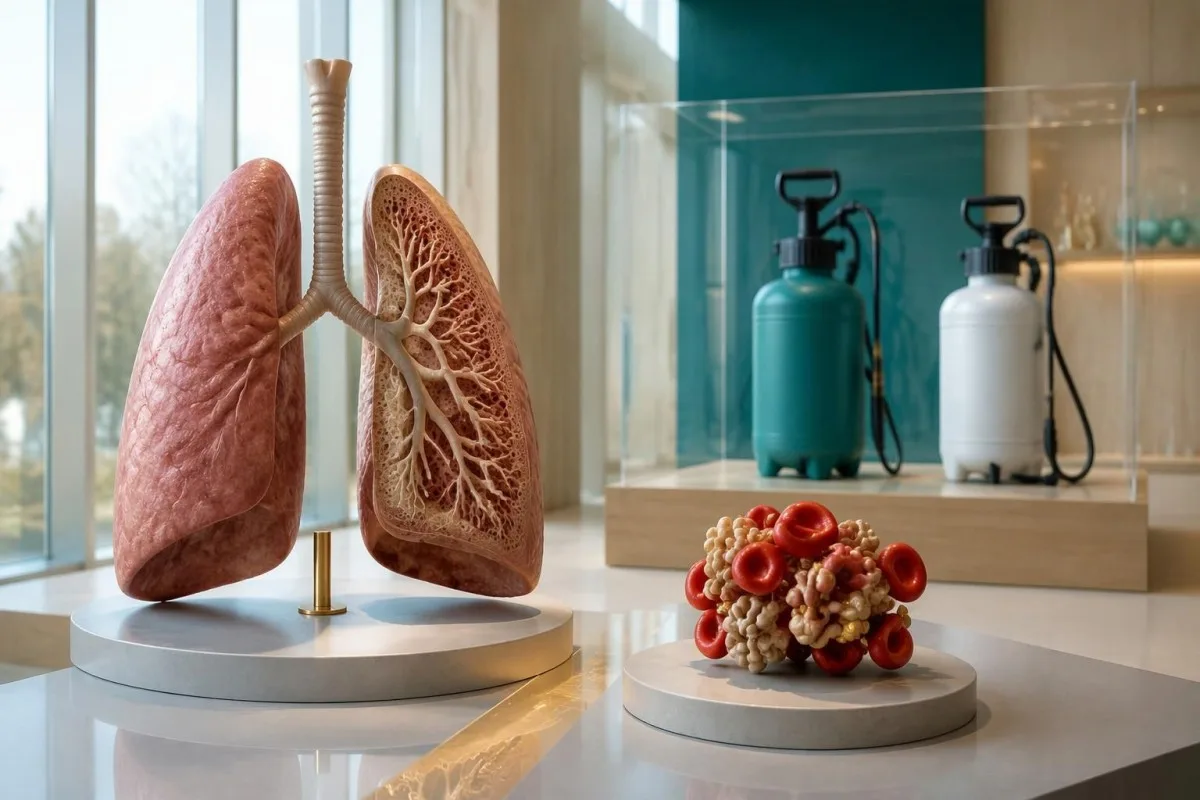
Carbamates also inhibit cholinesterase, but inhibition is generally more readily reversible. Their laboratory activity can recover more quickly, including during sample handling, so 1 near-normal result may not reflect the earlier clinical state; atropine may still be needed, while oxime decisions require product-specific toxicology advice.
Pyrethroid exposure can cause skin tingling, irritation, nausea, or neurological symptoms, particularly after substantial exposure. Those effects do not reliably produce the same enzyme suppression pattern as organophosphates; a hypothetical person with facial tingling but no excess secretions still needs product-based advice rather than assuming 2 symptom categories identify the chemical.
Some exposures impair oxygen carriage rather than inhibit cholinesterase. Selected pesticides or associated chemicals can cause methemoglobinemia, for which co-oximetry is relevant; our methemoglobin result guide explains why a pulse oximeter may remain near 85% despite a different underlying oxygen problem.
Alternative diagnoses include asthma, heat illness, hypoglycemia, opioid effects, and gastrointestinal infection. Exposure plus 3 cholinergic features is more suggestive than vomiting alone, but none of these combinations is a validated home diagnostic score; clinicians use the label, examination, and targeted testing to distinguish overlapping emergencies.
തുടർപരിശോധനകളും ജോലിസ്ഥലത്തെ മുൻകരുതലുകളും സംബന്ധിച്ച് എന്താണ് ശ്രദ്ധിക്കേണ്ടത്?
Follow-up depends on symptoms, the pesticide involved, and how far enzyme activity has fallen from a personal baseline. Red-cell activity may remain depressed for weeks to months, so a single abnormal follow-up value does not by itself mean active poisoning or establish fitness to return to exposure.
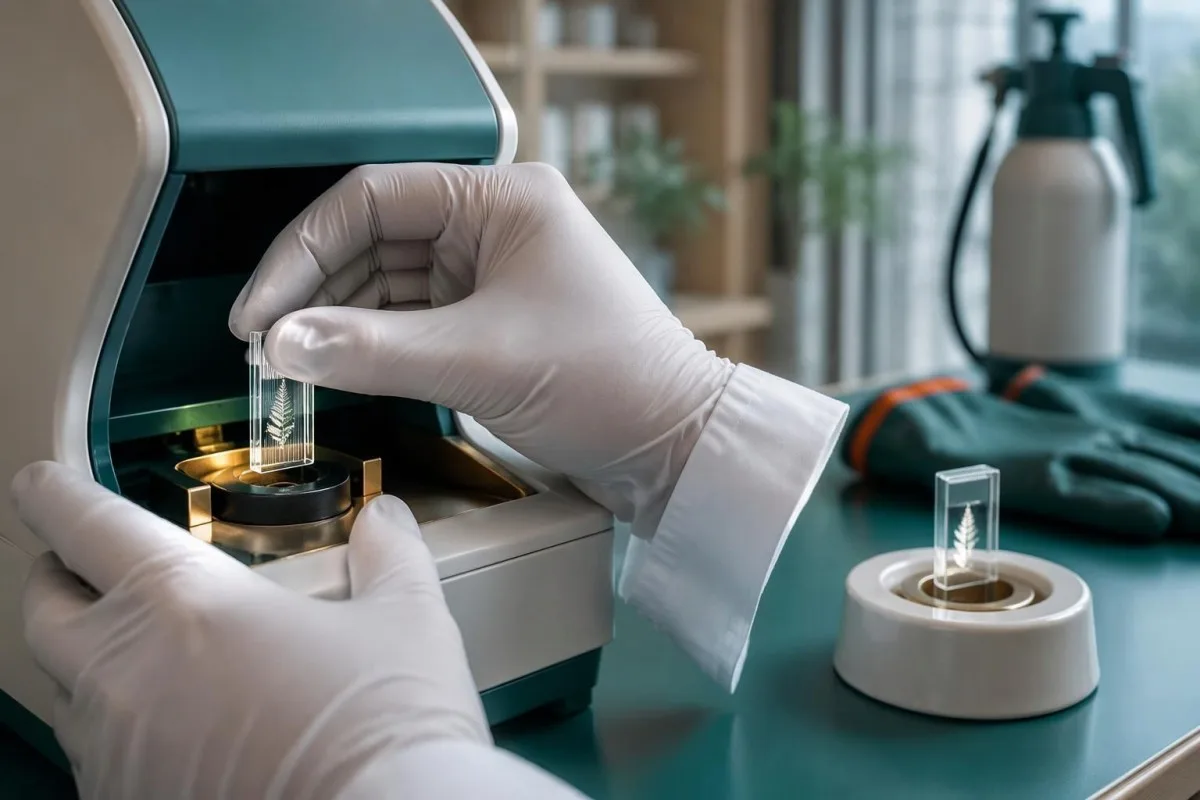
Occupational monitoring thresholds are preventive rules, not emergency diagnosis cutoffs. Local programs may use different percentage declines for medical evaluation, removal from exposure, and return to work; a 25% decline in a hypothetical report must be interpreted under the applicable protocol, with occupational health input rather than a universal online rule.
Return-to-work decisions require more than a laboratory increase. Symptoms, strength, respiratory function, product handling, protective equipment, and the cause of the original leak all matter; 2 improving measurements do not make an unchanged exposure source safe, and contaminated gloves or clothing should be handled according to pesticide-specific guidance.
Meaningful trends require comparable methods and documented timing. നമ്മുടെ രക്തപരിശോധന ടൈംലൈൻ ഗൈഡ് explains why illness, treatment, and laboratory changes can create apparent trends; for cholinesterase monitoring, record the dates of exposure, collection, and antidotes alongside both enzyme names and units.
At Kantesti, we encourage readers to keep emergency records and baseline results available for clinician-led follow-up, not to use an AI interpretation as occupational clearance. Remove unnecessary identifiers before sharing reports and review our സ്വകാര്യതയും ഡാറ്റാ മാർഗനിർദേശവും; 1 shared document should contain only information needed for its intended purpose.
അടിയന്തര ചികിത്സയ്ക്കു ശേഷമുള്ള ഗവേഷണ സ്രോതസ്സുകളും സുരക്ഷിതമായ AI വിശദീകരണങ്ങളും
The organophosphate evidence cited here concerns clinical assessment, cholinesterase interpretation, delayed weakness, and antidote treatment—not AI-based emergency diagnosis. The 3 external medical publications listed below support those discussions; our 2 companion DOI resources address other laboratory topics and are not evidence for pesticide treatment.
Clinical reviews and trials answer different questions. Eddleston et al. (2008) describe acute management, Peter et al. (2014) review clinical patterns and delayed syndromes, and Eddleston et al. (2009) test 1 pralidoxime regimen; none supplies a universal cholinesterase number that safely overrides an emergency examination.
കാന്റേസ്റ്റി ഒരു AI ലാബ് ടെസ്റ്റ് വ്യാഖ്യാന സേവനത്തിലാണ് that can help translate laboratory terminology after emergency assessment, but it cannot observe breathing or measure muscle strength. Our ക്ലിനിക്കൽ രീതിശാസ്ത്ര വിവരങ്ങൾ should be read alongside that limitation; 2 enzyme values alone cannot establish that home observation is safe.
Iron studies answer a different biochemical question from cholinesterase testing. നമ്മുടെ iron panel explanation accompanies the first DOI resource below; iron concentration, transferrin saturation, and binding capacity are 3 related measurements, but none measures acetylcholinesterase inhibition or identifies the active ingredient in a pesticide.
Kantesti's second companion DOI publication concerns clotting tests, not poisoning confirmation. The clotting test guide discusses aPTT, D-dimer, and protein C—3 distinct tests that may be relevant to other clinical problems; their inclusion in our publication library must not be mistaken for direct organophosphate research.
സാധാരണയായി ചോദിക്കുന്ന ചോദ്യങ്ങൾ
ഓർഗാനോഫോസ്ഫേറ്റ് വിഷബാധയുടെ ആദ്യ ലക്ഷണങ്ങൾ എന്തൊക്കെയാണ്?
ഓർഗാനോഫോസ്ഫേറ്റ് വിഷബാധയുടെ ആദ്യകാല ലക്ഷണങ്ങളിൽ അമിതമായ വിയർപ്പ്, ഉമിനീർ, കണ്ണുനീർ, ഓക്കാനം, ഛർദ്ദി, വയറിളക്കം, കൃഷ്ണമണികൾ ചെറുതാകൽ, പേശികൾ വിറയ്ക്കൽ എന്നിവ ഉൾപ്പെടാം. ലക്ഷണങ്ങൾ പലപ്പോഴും മിനിറ്റുകൾക്കുള്ളിലോ മണിക്കൂറുകൾക്കുള്ളിലോ തുടങ്ങും; എന്നാൽ ചർമ്മത്തിലൂടെയുള്ള ആഗിരണവും ചില സംയുക്തങ്ങളും രോഗലക്ഷണങ്ങൾ 24 മണിക്കൂറിലധികം വൈകിപ്പിക്കാം. സമ്പർക്കം, സ്രവങ്ങൾ, ബലഹീനത എന്നിവ ഒരുമിച്ചുണ്ടാകുന്നത് ഏതെങ്കിലും ഒരു ലക്ഷണം മാത്രമുള്ളതിനേക്കാൾ കൂടുതൽ ആശങ്കാജനകമാണ്. വിഷബാധ സംശയിക്കുന്നുവെങ്കിൽ എൻസൈം പരിശോധനയ്ക്കായി കാത്തിരിക്കാതെ അടിയന്തര വൈദ്യപരിശോധന തേടണം.
കീടനാശിനിയുമായുള്ള സമ്പർക്കത്തിന് ശേഷം എപ്പോഴാണ് അടിയന്തര സേവനങ്ങളെ വിളിക്കേണ്ടത്?
കീടനാശിനി സമ്പർക്കത്തിന് ശേഷം ശ്വാസതടസ്സം, അമിതമായ സ്രവങ്ങൾ, ബലഹീനത, പേശിവലിവ്, ആശയക്കുഴപ്പം, അപസ്മാരം, അല്ലെങ്കിൽ ആവർത്തിച്ചുള്ള ഛർദ്ദി എന്നിവ വിഷബാധയെ സൂചിപ്പിക്കുന്നുവെങ്കിൽ അടിയന്തര സേവനങ്ങളെ വിളിക്കുക. ഗണ്യമായ അളവിൽ അകത്തുചെന്നിട്ടുണ്ടെങ്കിൽ രോഗലക്ഷണങ്ങൾ പ്രത്യക്ഷപ്പെടുന്നതിന് മുമ്പുതന്നെ അടിയന്തര ഉപദേശം തേടണം. യുകെയിൽ 999 അല്ലെങ്കിൽ 112-ലേക്കും, യുഎസിൽ 911-ലേക്കും, മറ്റിടങ്ങളിൽ നിങ്ങളുടെ പ്രാദേശിക അടിയന്തര നമ്പറിലേക്കും വിളിക്കുക. 97% എന്ന റീഡിങ് ഉൾപ്പെടെ, ഓക്സിജൻ സാച്ചുറേഷൻ സാധാരണ നിലയിലാണെന്നത് ക്രമേണ വികസിച്ചുകൊണ്ടിരിക്കുന്ന ഓർഗാനോഫോസ്ഫേറ്റ് വിഷബാധയെ തള്ളിക്കളയുന്നില്ല.
ഓർഗാനോഫോസ്ഫേറ്റ് വിഷബാധ നിർണയിക്കാൻ സഹായിക്കുന്ന രക്തപരിശോധനകൾ ഏവയാണ്?
ഓർഗാനോഫോസ്ഫേറ്റ് വിഷബാധയുടെ രോഗനിർണയത്തെ പിന്തുണയ്ക്കാൻ ഉപയോഗിക്കുന്ന പ്രധാനപ്പെട്ട 2 എൻസൈം പ്രവർത്തന പരിശോധനകളാണ് ചുവന്ന രക്താണുക്കളിലെ അസറ്റൈൽകോളിൻഎസ്റ്ററേസും പ്ലാസ്മയിലെ ബ്യൂട്ടിറൈൽകോളിൻഎസ്റ്ററേസും. ചുവന്ന രക്താണുക്കളിലെ പ്രവർത്തനം പ്രസക്തമായ നാഡീ എൻസൈം നിരോധനത്തെ കൂടുതൽ കൃത്യമായി പ്രതിഫലിപ്പിക്കുമ്പോൾ, വിഷബാധയല്ലാത്ത പല കാരണങ്ങളാലും പ്ലാസ്മയിലെ പ്രവർത്തനം കുറയാം. ഈ പരിശോധനകളിലൊന്നും പതിവ് CBC-യ്ക്കോ സാധാരണ മൂത്ര മയക്കുമരുന്ന് പരിശോധനയ്ക്കോ തുല്യമല്ല. ഏതെങ്കിലും പരിശോധനാഫലം ലഭിക്കുന്നതിന് മുമ്പുതന്നെ ചികിത്സകർ ആവശ്യമായ അടിയന്തര ചികിത്സ ആരംഭിക്കുന്നു.
സാധാരണ കോളിനെസ്റ്ററേസ് ഫലം വിഷബാധയില്ലെന്ന് ഉറപ്പാക്കുമോ?
A single normal cholinesterase result cannot reliably exclude poisoning when the exposure and examination are concerning. Timing, assay limitations, treatment, and the specific inhibitor can complicate interpretation of either of the 2 enzyme tests. A result within the population interval can also conceal a fall from a person's usual activity. Clinicians may repeat targeted testing while continuing treatment and investigating alternative diagnoses.
പ്ലാസ്മ കോളിൻഎസ്റ്ററേസ് കുറഞ്ഞാൽ എല്ലായ്പ്പോഴും കീടനാശിനി വിഷബാധയാണെന്നാണോ അർത്ഥം?
പ്ലാസ്മയിലെ കൊളിനെസ്റ്ററേസിന്റെ അളവ് കുറവാണെന്നത് എല്ലായ്പ്പോഴും കീടനാശിനി വിഷബാധയെയാണ് സൂചിപ്പിക്കുന്നത് എന്നില്ല; കാരണം കരൾ പ്രവർത്തനത്തിലെ തകരാറുകൾ, പാരമ്പര്യമായി ലഭിച്ച വകഭേദങ്ങൾ, ഗർഭാവസ്ഥ, പോഷകാഹാരക്കുറവ്, ചില മരുന്നുകൾ എന്നിവ പ്രവർത്തനനിരക്ക് കുറയ്ക്കാം. ദീർഘകാലമായി നിലനിൽക്കുന്ന കുറഞ്ഞ അളവിനെ പുതിയ ഇടിവിൽ നിന്ന് വേർതിരിച്ചറിയാൻ വ്യക്തിഗത അടിസ്ഥാന അളവുകൾ പ്രത്യേകിച്ച് പ്രയോജനകരമാണ്. 8,000-ൽ നിന്ന് 3,200 U/L-ലേക്കുള്ള സാങ്കൽപ്പിക കുറവ് 60% കുറവിനെ പ്രതിനിധീകരിക്കുന്നു; എന്നാൽ ആ ശതമാനം മാത്രം രോഗത്തിന്റെ തീവ്രത നിർണയിക്കുന്നില്ല. ലക്ഷണങ്ങളും സമ്പർക്കചരിത്രവും വ്യാഖ്യാനത്തിന് നിർണായകമായി തുടരുന്നു.
ഓർഗാനോഫോസ്ഫേറ്റ് വിഷബാധ വൈകിയുള്ള ബലഹീനതയ്ക്ക് കാരണമാകുമോ?
ഓർഗാനോഫോസ്ഫേറ്റ് വിഷബാധയുടെ തീവ്രഘട്ടത്തിന് ഏകദേശം 24–96 മണിക്കൂറുകൾക്കുശേഷം കഴുത്തിലെയും കൈകാലുകളിലെയും ശ്വസനപേശികളിലെയും ബലഹീനതയോടുകൂടിയ ഇന്റർമീഡിയറ്റ് സിൻഡ്രോം ഉണ്ടാകാം. ചില സംയുക്തങ്ങൾ ഏകദേശം 1–3 ആഴ്ചകൾക്കുശേഷം വൈകിയുള്ള ന്യൂറോപ്പതിക്കും കാരണമാകാം. ആദ്യം ഉണ്ടായ വിയർപ്പും സ്രവങ്ങളും കുറഞ്ഞതിനുശേഷവും ഈ സങ്കീർണതകൾ ഉണ്ടാകാം. പുതിയതായി ശ്വാസതടസ്സം, വിഴുങ്ങാനുള്ള ബുദ്ധിമുട്ട്, അല്ലെങ്കിൽ ഗണ്യമായ ബലഹീനത എന്നിവയുണ്ടെങ്കിൽ, ലബോറട്ടറി പരിശോധനാഫലം വീണ്ടും ലഭിക്കുന്നതുവരെ കാത്തിരിക്കാതെ അടിയന്തരമായി വൈദ്യപരിശോധന തേടണം.
നിങ്ങളുടെ രക്ത പരിശോധന ഫലം എങ്ങനെ വായിക്കാം
നിങ്ങളുടെ ലാബ് റിപ്പോർട്ട് അപ്ലോഡ് ചെയ്യൂ; Kantesti-യുടെ AI ഓരോ ബയോമാർക്കറും നിമിഷങ്ങൾക്കുള്ളിൽ ലളിതമായ ഭാഷയിൽ വിശദീകരിക്കും. ലോകമെമ്പാടുമുള്ള 2 ദശലക്ഷത്തിലധികം ആളുകൾ ഉപയോഗിക്കുന്നു.
അവലംബം
- ക്ലൈൻ, ടി., മിച്ചൽ, എസ്., & വെബർ, എച്ച്. (2026). ഇരുമ്പ് പരിശോധനകളിലേക്കുള്ള വഴികാട്ടി: TIBC, ഇരുമ്പ് സാച്ചുറേഷൻ, ബന്ധന ശേഷി. Kantesti AI മെഡിക്കൽ ഗവേഷണം. ഡി.ഒ.ഐ.
- ക്ലൈൻ, ടി., മിച്ചൽ, എസ്., & വെബർ, എച്ച്. (2026). aPTT സാധാരണ പരിധി: D-Dimer, Protein C രക്തം കട്ടപിടിക്കൽ മാർഗ്ഗദർശിക. Kantesti AI മെഡിക്കൽ ഗവേഷണം. ഡി.ഒ.ഐ.
- Eddleston M et al. (2008). Management of acute organophosphorus pesticide poisoning. ദ ലാൻസെറ്റ്. ഡി.ഒ.ഐ.
- Peter JV et al. (2014). Clinical features of organophosphate poisoning: A review of different classification systems and approaches. Indian Journal of Critical Care Medicine. ഡി.ഒ.ഐ.
- Eddleston M et al. (2009). Pralidoxime in acute organophosphorus insecticide poisoning—A randomised controlled trial. PLoS Medicine. ഡി.ഒ.ഐ.
- 2മി+വിശകലനം ചെയ്ത പരിശോധനകൾ
- 127+രാജ്യങ്ങൾ
- 100+ഭാഷകൾ
മെഡിക്കൽ സംഘത്തെക്കുറിച്ച്


E-E-A-T വിശ്വാസ സൂചനകൾ
അനുഭവം
ലാബ് ഫലം വ്യാഖ്യാനിക്കുന്ന പ്രവാഹങ്ങളുടെ വൈദ്യനേതൃത്വത്തിലുള്ള ക്ലിനിക്കൽ അവലോകനം.
വൈദഗ്ദ്ധ്യം
ക്ലിനിക്കൽ സാഹചര്യത്തിൽ ബയോമാർക്കറുകൾ എങ്ങനെ പെരുമാറുന്നു എന്നതിൽ ലബോറട്ടറി മെഡിസിൻ കേന്ദ്രീകരിക്കുന്നു.
ആധികാരികത
ഡോ. തോമസ് ക്ലൈൻ മെഡിക്കൽ അവലോകനം നടത്തി; ഡോ. സാറാ മിച്ചലിന്റെയും പ്രൊഫ. ഡോ. ഹാൻസ് വെബറിന്റെയും സംഭാവനകളോടെ.
വിശ്വാസ്യത
അലാറം കുറയ്ക്കാൻ വ്യക്തമായ തുടർനടപടി മാർഗങ്ങളോടെയുള്ള തെളിവാധിഷ്ഠിത വ്യാഖ്യാനം.






മെഡിക്കൽ നിരാകരണ അറിയിപ്പ്
ഈ ലേഖനം വിദ്യാഭ്യാസ ആവശ്യങ്ങൾക്കായി മാത്രമാണ്; ഇത് മെഡിക്കൽ ഉപദേശം എന്ന നിലയിൽ കണക്കാക്കരുത്. രോഗനിർണയത്തിനും ചികിത്സാ തീരുമാനങ്ങൾക്കും വേണ്ടി എപ്പോഴും യോഗ്യതയുള്ള ആരോഗ്യപരിചരണ വിദഗ്ധനെ സമീപിക്കുക.
പ്രസിദ്ധീകരിച്ചത് · എഡിറ്റോറിയൽ സംഘവുമായി ബന്ധപ്പെടുക
Kantesti Ltd പ്രസിദ്ധീകരിച്ചത്, ഇംഗ്ലണ്ടിലും വെയിൽസിലും രജിസ്റ്റർ ചെയ്തിരിക്കുന്നു, കമ്പനി നമ്പർ. 17090423, ലണ്ടൻ, യുണൈറ്റഡ് കിംഗ്ഡം.
