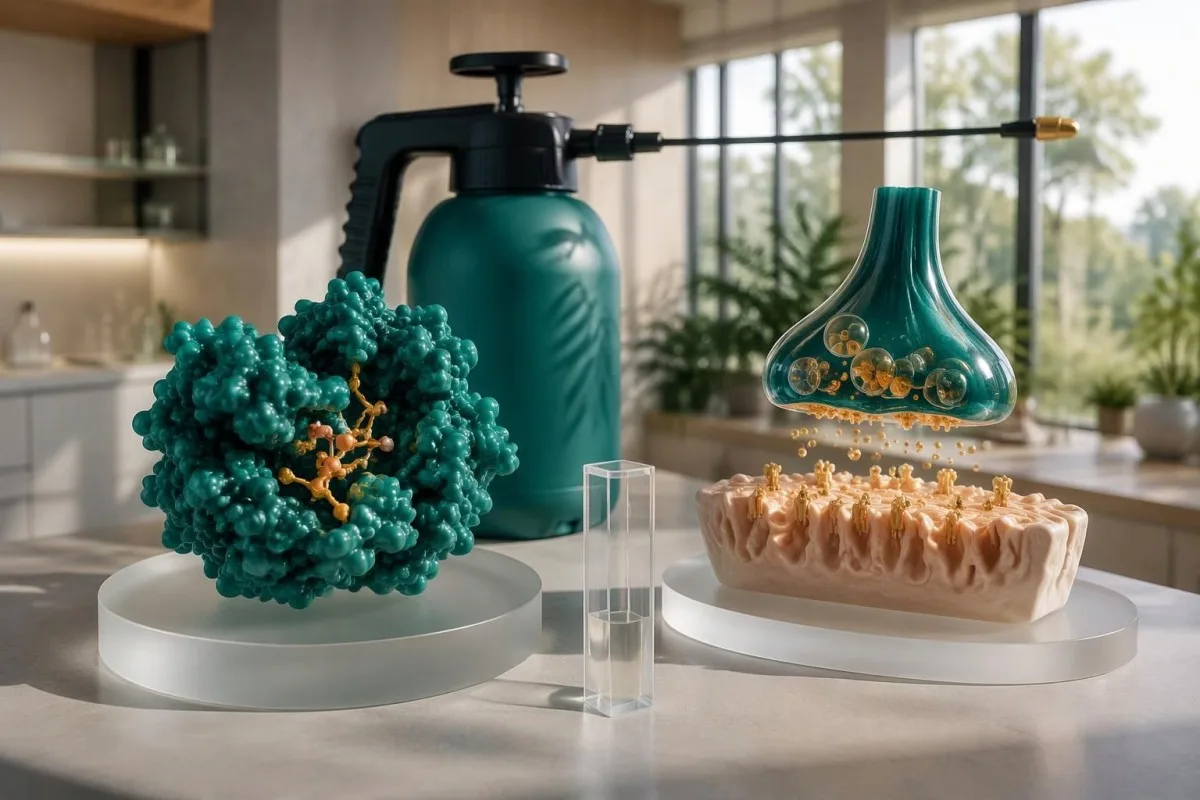
Пестициддердин таасирине кабылгандан кийин шилекейдин көп бөлүнүшү, тердөө, кусуу, каректин чекиттей болуп кичирейиши, булчуңдардын тартылышы, алсыздык же дем алуунун кыйындашы уулануунун белгиси болушу мүмкүн. Органофосфаттардан ууланууга шек жаралса, шашылыш медициналык жардам керек — холинэстеразанын жыйынтыгын күтпөңүз.

Негизги жыйынтыктар
- Шашылыш аракет: Белгилери бар ууланууга шек жаралса, Улуу Британияда 999 же 112, АКШда 911 же жергиликтүү шашылыш жардам номерине чалыңыз.
- Дем алуунун бузулуу коркунучу: Органофосфаттар дем алууну 3 механизм аркылуу бузушу мүмкүн — дем алуу жолдорундагы суюктуктун көбөйүшү, дем алуу жолдорунун тарышы жана дем алуу булчуңдарынын алсыздыгы.
- Эрте белгилер: Таасирге кабылгандан кийин тердөө, шилекейдин бөлүнүшү, көз жаш агуу, кусуу, ич өтүү, каректердин кичирейиши жана булчуңдардын тартылышы сыяктуу бир нече белги чогуу байкалса, бул көбүрөөк тынчсыздандырат.
- Таасирге кабылуу убактысы: Белгилер көп учурда бир нече мүнөттөн бир нече саатка чейин башталат, бирок булганган кийим же тери аркылуу сиңиши оорунун кечирээк башталышына алып келиши мүмкүн.
- Эки ферменттик текшерүү: Эритроциттердеги ацетилхолинэстераза жана плазмадагы бутирилхолинэстераза диагноз коюуга жардам берет; алардын бири да тез арада клиникалык баалоонун ордун баса албайт.
- Жеке баштапкы деңгээл: 8,000ден 3,200 U/Lге чейин гипотетикалык төмөндөө 60% азайууну билдирет, бул жалпыга бирдей аныкталган оордук категориясы эмес.
- Көздү зыянсыздандыруу: Шашылыш жардам чакырылып жатканда, зат тийген көздөрдү 15–20 мүнөт таза жылымык суу менен чайкаңыз.
- Кечигип пайда болгон алсыздык: Аралык синдром курч уулануудан болжол менен 24–96 саат өткөндөн кийин өнүгүшү мүмкүн; айрым кошулмалар болжол менен 1–3 жума өткөн соң кечиккен нейропатияга алып келиши мүмкүн.
Пестициддердин таасирине кабылгандан кийин кайсы белгилер шашылыш жардамды талап кылат?
Органофосфат менен уулануунун белгилери, пестицид тийгенден кийин дем алуу кыйындаса, бөлүнүп чыккан суюктуктар көбөйсө, булчуңдар тартылса, алсыздык, аң-сезимдин чаташуусу же кайра-кайра кусуу пайда болсо, шашылыш медициналык баалоону талап кылат. Улуу Британияда 999 же 112, АКШда 911 же жергиликтүү шашылыш жардам номерине чалыңыз; лабораториялык тастыктоону күтпөңүз.
Олуттуу өлчөмдө жутуп алуу белгилер пайда боло электе эле шашылыш кеңеш алууну талап кылат. Концентрацияланган каражат, белгисиз өлчөм же атайылап жутуу үй шартында коопсуз аныктоого мүмкүн болбогон белгисиздикти жаратат; диспетчерге каражаттын атын, тийүү жолун, болжолдуу өлчөмүн жана убактысын айтыңыз, бирок бул 4 маалыматтын баарын чогултуу үчүн чалууну кечиктирбеңиз.
Кооптуу айкалыш — нымдуу дем алуу жолдору жана алсыздык, жөн гана каректин кичирейиши же ашказандын бузулушу эмес. Органофосфаттар 3 өзүнчө механизм аркылуу дем алууну начарлатышы мүмкүн — бөлүнүп чыккан суюктуктар, бронхоспазм жана булчуңдардын иштен чыгышы; ошондуктан адам башында сергек көрүнүп, сүйлөй алса да, абалы начарлашы мүмкүн.
Кычкылтектин нормалдуу көрсөткүчү уулануунун күчөп жатканын жокко чыгарбайт. Мисалы, чачыраткычтан агып кеткенден кийин кычкылтекке каныгуусу 97%, булчуңдары жаңыдан тартылып, шилекейи адаттан тыш көп бөлүнгөн кызматкер шашылыш медициналык баалоодон өтүшү керек; кычкылтекке каныгуу дем алуу булчуңдарынын күчүн өлчөй албайт жана пестициддин организмге сиңүүсү улана берерин алдын ала айта албайт.
Кантести - бул AI кан анализи анализатору клиникалык жардам көрсөтүлгөндөн кийин лабораториялык жыйынтыктарды түшүндүрүүгө арналган, шашылыш уулануу кызматы эмес. Биздин компания тууралуу маалымат бул куралдын артында турган уюмду сүрөттөйт; болжол менен 60 секундда даярдалган жыйынтык түшүндүрмөсү шашылыш жардамга чалууну эч качан кечиктирбеши керек.
Органофосфаттардан уулануунун кайсы белгилери өзгөчө мүнөздүү?
Органофосфат менен уулануу адатта холинергиялык көрүнүштөрдү жаратат: шилекейдин, жаштын, тердин, кусуунун жана ич өткөктүн көбөйүшү, каректердин кичирейиши, дем алуу жолдорунда суюктуктардын топтолушу, булчуңдардын тартылышы жана алсыздык. Дарыгерлер бардык белгилердин пайда болушун күтпөстөн, бири-бирин кайталаган 3 топту — мускариндик, никотиндик жана борбордук нерв системасынын таасирлерин — баалашат.

Мускариндик таасирлер адатта көзөмөлдөнүп турган суюктуктардын бөлүнүшүн күчөтөт. Мурундун бүтүшү же агышы гана мүнөздүү эмес, бирок 1 жолу пестицид тийгенден кийин көздөн жаш агуу, шилекейдин бөлүнүшү, тердөө, ич өткөк жана көкүрөктөн нымдуу үн бир убакта пайда болсо, бул олуттуу тынчсызданууну жаратат; пестицид тийгенден кийинки кырылдоону автоматтык түрдө астманын кадимки белгилерине.
таандык кылууга болбойт. Никотиндик таасирлер скелет булчуңдарына жана вегетативдик ганглийлерге тиешелүү. Кийимдин астындагы майда толкун сымал кыймылдар, колдун алсыздыгы же башты тик кармоонун кыйындашы нерв-булчуң системасы жабыркаганын билдириши мүмкүн; жүрөктүн согушу жай эмес, тез болушу мүмкүн, ошондуктан тамырдын кагышын 1 жолу өлчөп, жакшы көрүнгөн көрсөткүч алуу ууланууну жокко чыгарбайт.
Central effects include agitation, confusion, seizures, and reduced consciousness. The review by Peter et al. (2014) explains why symptom classifications overlap and why clinical severity cannot be reduced to a single mnemonic; 3 symptom groups may develop at different speeds in the same exposure.
Pinpoint pupils are helpful but not mandatory. Direct eye exposure can produce especially small pupils or blurred vision without reflecting the severity elsewhere, while lighting, other medicines, and prior atropine can alter pupil size; 2 equally small pupils do not establish the diagnosis by themselves.
Пестициддерден уулануунун белгилери канчалык тез башталышы мүмкүн?
Organophosphate symptoms often start within minutes to hours, but their timing depends on the chemical, dose, formulation, and exposure route. Skin absorption can be slower than inhalation or ingestion, and some compounds can cause substantial delayed toxicity beyond the first 24 hours.
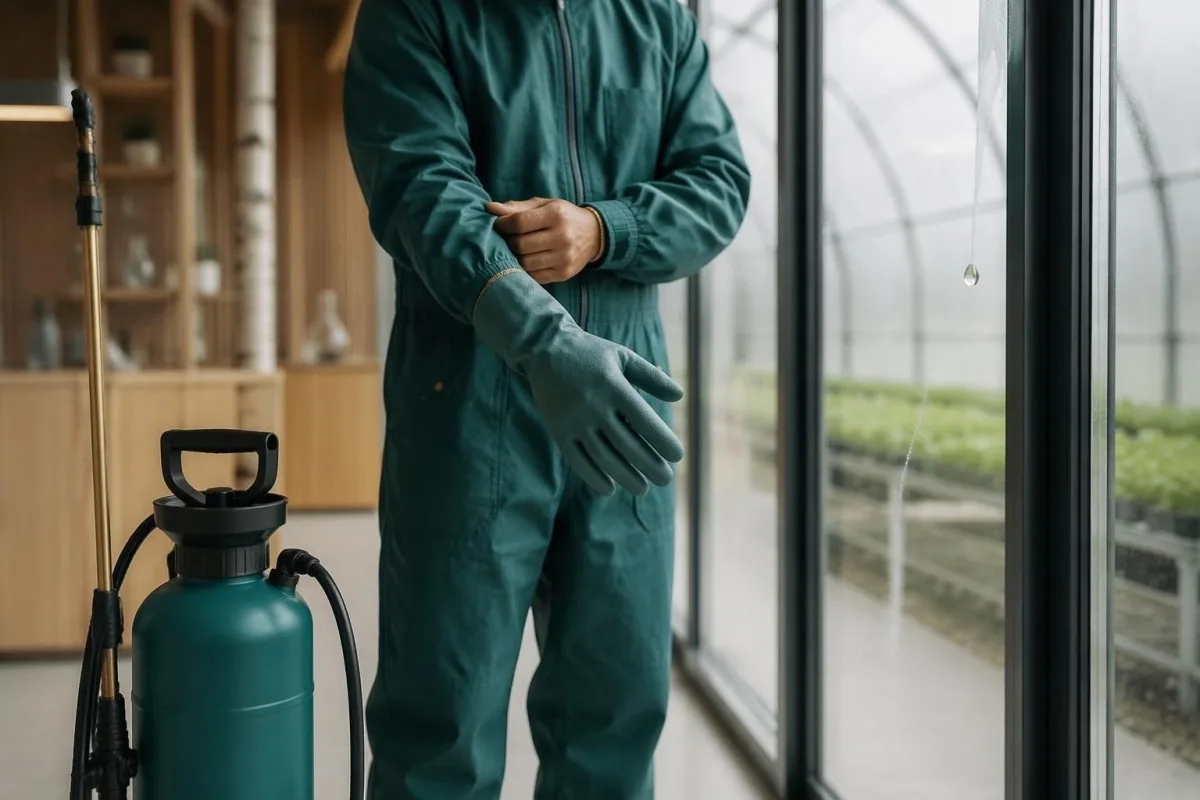
Skin contamination can continue delivering pesticide after spraying stops. A soaked sleeve, leaking glove, or contaminated boot can act as an exposure reservoir for several hours; leaving the work area without removing contaminated clothing may stop inhalation while allowing substantial absorption through another route.
The product formulation matters as much as the active ingredient. A hypothetical 10-minute exposure to diluted spray is not equivalent to 10 minutes handling concentrate, and solvents may add irritation or aspiration risk; a photograph of the original label helps clinicians identify both the pesticide and its formulation.
An initially symptom-free interval is not proof of safety. Some organophosphates require metabolic activation, and lipid-soluble compounds can redistribute over time; emergency teams may recommend observation extending into 24–48 hours or longer, depending on the specific product and clinical course rather than a universal stopwatch.
Exposure history also helps separate poisoning mechanisms. Several people developing headache in an enclosed equipment shed should prompt consideration of engine exhaust as well as pesticide exposure; our carbon monoxide test guide explains why carbon monoxide requires a different laboratory measurement from either of the 2 cholinesterase assays.
Тез жардам кызматкерлери келгенге чейин эмне кылуу керек?
Move away from the source only if you can do so safely, call emergency services, and prevent further contamination. Do not enter a contaminated space to rescue someone without appropriate protection; exposed eyes should be rinsed with clean lukewarm water for 15–20 minutes.

Protecting the helper prevents a second poisoning. Avoid direct contact with contaminated clothing, liquid pesticide, or vomit, and follow dispatcher instructions about suitable protection; ordinary thin examination gloves are not reliably resistant to every pesticide formulation, so no 1 glove type should be assumed universally safe.
If feasible without delaying help, remove contaminated clothing and place it in 2 bags or a securely sealed container away from others. Wash exposed skin with soap and plenty of water, avoid vigorous scrubbing, and do not apply bleach, solvents, or chemical neutralizers; tell responders what washing has already occurred.
Do not induce vomiting or give home remedies, food, drinks, or charcoal unless a poison specialist specifically directs you. If the person becomes unresponsive or stops breathing normally, follow the emergency dispatcher's resuscitation instructions; identify pesticide contamination so the dispatcher can address rescuer safety during those first minutes.
Bring a label photograph rather than an open or leaking container into a car or emergency department. A reading of 98% on a home pulse oximeter is not permission to delay care; our breathing test limitations explain why laboratory and oxygen measurements answer different respiratory questions.
Ооруканада органофосфаттардан уулануу кантип аныкталат?
Organophosphate poisoning diagnosis is primarily clinical: clinicians combine exposure history, the cholinergic symptom pattern, respiratory assessment, and examination. Red-cell acetylcholinesterase and plasma cholinesterase provide supporting evidence, but treatment cannot depend on either of these 2 tests returning first.
A routine toxicology screen does not reliably detect organophosphate pesticides. Standard urine drug panels usually target selected medicines or recreational substances, not pesticide enzyme inhibition; similarly, heavy metal testing measures a different exposure category and cannot substitute for the 2 relevant cholinesterase assays.
The examination looks beyond pupils and pulse. Clinicians assess airway secretions, breathing effort, chest sounds, strength, mental status, blood pressure, and ECG findings; a patient with a pulse of 110 beats/min can still have cholinergic poisoning because hypoxia, stress, and nicotinic effects may counteract a slower pulse.
Other tests identify complications rather than prove the pesticide identity. Blood gases, electrolytes, glucose, kidney function, and sometimes chest imaging help assess ventilation, dehydration, aspiration, and alternative diagnoses; a glucose below 70 mg/dL, for example, can independently contribute to confusion and also needs prompt correction.
Eddleston et al. (2008), in The Lancet, emphasize early resuscitation and clinical management rather than waiting for biochemical confirmation. We follow the same separation between education and urgent clinical decisions in our медициналык мазмундун стандарттары: 1 explanatory report cannot replace bedside reassessment.
Эритроциттердеги ацетилхолинэстеразаны текшерүү эмнени өлчөйт?
Red-cell acetylcholinesterase testing measures the activity of an enzyme on red-cell membranes that resembles acetylcholinesterase at nerve synapses. Reduced activity supports exposure to a cholinesterase inhibitor, but this specialized assay is separate from the red-cell count reported in a routine CBC.

Red-cell acetylcholinesterase generally tracks relevant neural enzyme inhibition better than plasma butyrylcholinesterase does. That relationship is imperfect, however: the pesticide, treatment timing, assay method, and individual biology affect interpretation, so even a result reported at 20% of baseline cannot independently determine an airway treatment plan.
Laboratories may report red-cell activity in U/g hemoglobin, units per packed-cell volume, or other method-specific units. A hypothetical result of 12 U/g hemoglobin cannot be compared directly with another laboratory's result expressed in U/L; those are 2 different denominators, not interchangeable versions of the same number.
AChE activity is not an acetylcholine receptor antibody test. The myasthenia blood test guide concerns antibodies associated with a different cause of weakness; ordering an AChR antibody panel would not answer the same question as either of the 2 cholinesterase activity assays.
Red-cell activity can remain depressed after clinical recovery because mature red cells have an approximate lifespan of 120 days, although recovery also depends on reactivation and new-cell production. Kantesti AI can help explain the reported units afterward, but persistent suppression alone does not establish ongoing respiratory danger or justify self-directed treatment.
Эмне үчүн уулануу болбосо да плазмадагы холинэстеразанын деңгээли төмөн болушу мүмкүн?
Plasma cholinesterase usually means butyrylcholinesterase, also called pseudocholinesterase, a liver-produced enzyme. Its activity may fall after organophosphate exposure, but liver dysfunction, inherited enzyme variants, pregnancy, poor nutrition, and some medicines can also lower it; 1 low value is not a standalone diagnosis.
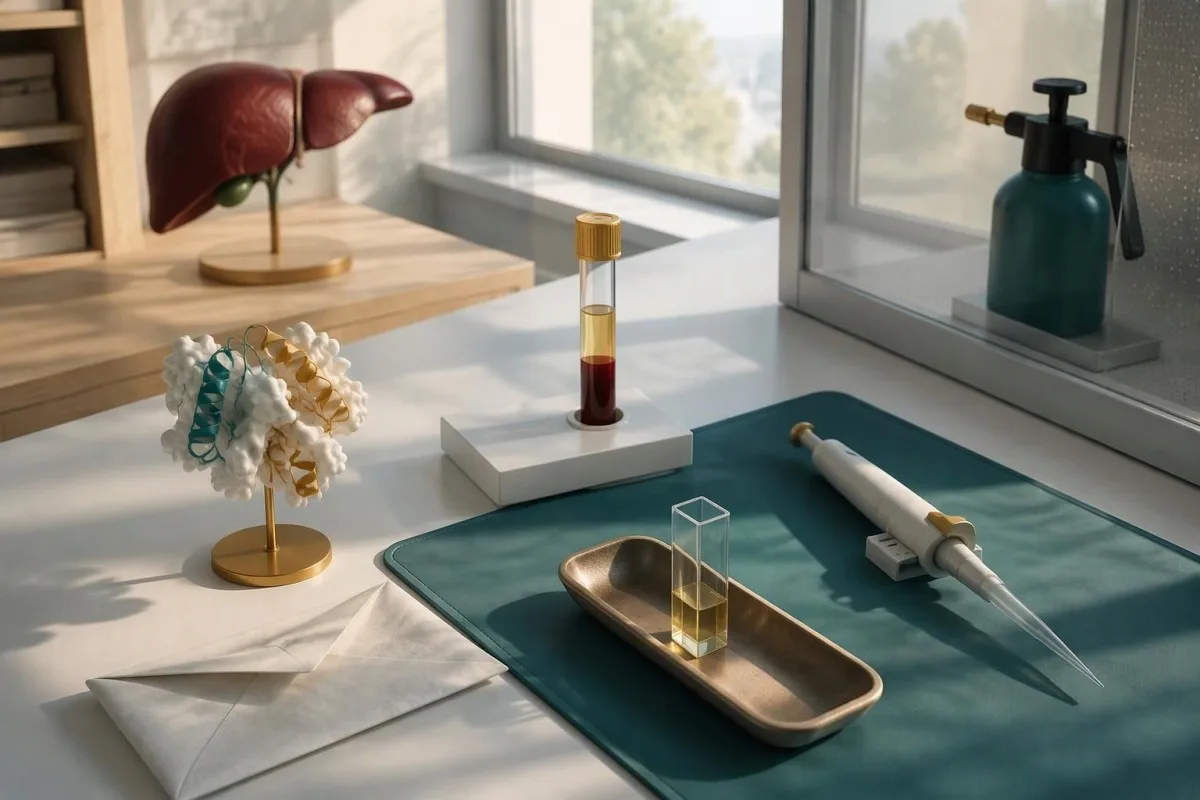
Plasma butyrylcholinesterase is often more accessible than red-cell acetylcholinesterase. The ease of testing makes it useful, but the depth of suppression does not reliably mirror severity for every pesticide; 2 people with the same plasma activity may have very different breathing, strength, and consciousness findings.
A low pre-existing level changes the interpretation of an exposure result. For example, a hypothetical adult with a stable activity near 3,000 U/L before and after an incident needs a different explanation from someone whose activity falls from 8,000 to 3,000 U/L; the history distinguishes persistent low production from a new decline.
Inherited butyrylcholinesterase deficiency has implications for anesthesia, not just pesticide interpretation. The dibucaine number explanation describes a test of enzyme inhibition characteristics rather than simply activity; low activity can prolong the action of certain anesthetic muscle relaxants, including succinylcholine.
A plasma result should therefore be read with at least 2 contexts: the acute exposure and the person's usual health. Liver tests, albumin, medication history, and any prior anesthesia-related prolonged paralysis may help explain a persistently low result; a clinician should decide which follow-up tests are needed rather than treating every low value as poisoning.
Дарыгерлер холинэстеразанын жыйынтыктарын жана баштапкы деңгээлдерин кантип чечмелешет?
Cholinesterase testing is most informative when the current activity is compared with a reliable personal baseline using the same assay. There is no universal U/L cutoff that confirms or excludes poisoning across both enzyme tests, all laboratories, and all pesticide compounds.

Percentage reduction equals 100 × (baseline minus current activity) ÷ baseline. In a clearly hypothetical plasma example, a fall from 8,000 to 3,200 U/L gives 100 × 4,800 ÷ 8,000 = 60%; that describes biochemical change, not a validated rule saying a person has a particular clinical severity.
A population reference interval can hide a meaningful individual fall. A hypothetical worker whose activity decreases from 8,000 to 6,000 U/L has a 25% decline even if the second value remains inside the laboratory interval; our баштапкы тестке даярдануу боюнча колдонмобуз explains why a usable comparison needs consistent methods and circumstances.
Sample timing and handling can change interpretation. If feasible without delaying care, clinicians obtain samples before oxime treatment and record the time of exposure, collection, and antidotes; 3 timestamps can help the laboratory evaluate apparent reactivation or disagreement between assays, while storage requirements must follow that laboratory's instructions.
Кантести - бул AI кан анализинин жыйынтыгы платформасы that can explain supplied values, units, and reference intervals, but it cannot reconstruct a missing baseline. Our AI технология боюнча колдонмо provides context for that distinction; 2 enzyme results without exposure timing remain incomplete evidence.
Эмне үчүн холинэстеразанын жыйынтыгы тастыкталганга чейин дарылоону баштоо зарыл?
Treatment starts before laboratory confirmation because respiratory failure can develop faster than cholinesterase results return. Clinicians act on the exposure and examination; there is no safe universal waiting period of 1, 6, or 24 hours when symptoms suggest acute poisoning.

Atropine treats dangerous muscarinic effects without needing an enzyme value first. Excess airway fluid and bronchospasm interfere with oxygen movement, while neuromuscular weakness requires separate assessment; waiting for a sample to reach a specialist laboratory can delay treatment of all 3 breathing mechanisms.
Some organophosphate-enzyme complexes undergo aging, a chemical change that makes oxime reactivation ineffective. The timing varies from minutes to many hours or longer depending on the compound, so a blanket 6-hour cutoff is misleading; early specialist input is more useful than assuming every pesticide follows the same biochemical clock.
A normal or borderline result does not automatically overrule a convincing clinical picture. Very early sampling, assay limitations, exposure type, or treatment can complicate interpretation; the clinical team may repeat 1 or both assays while continuing respiratory support and reassessing alternative diagnoses rather than withholding care.
Other poisoning tests also require timing-aware interpretation, but their rules cannot be transferred wholesale to organophosphates. Our салицилаттан уулануу убактысы боюнча колдонмобуз illustrates why 1 concentration can mislead; organophosphate care adds the separate problem that enzyme activity is not a direct pesticide concentration.
Органофосфаттардан ууланганда кандай шашылыш дарылоо ыкмалары колдонулат?
Hospital treatment combines airway support, oxygen or ventilation when needed, atropine, and specialist consideration of an oxime such as pralidoxime. An adult atropine starting dose of 1–3 mg intravenously appears in the Eddleston et al. (2008) review; dosing and repeat administration require monitored clinical care.
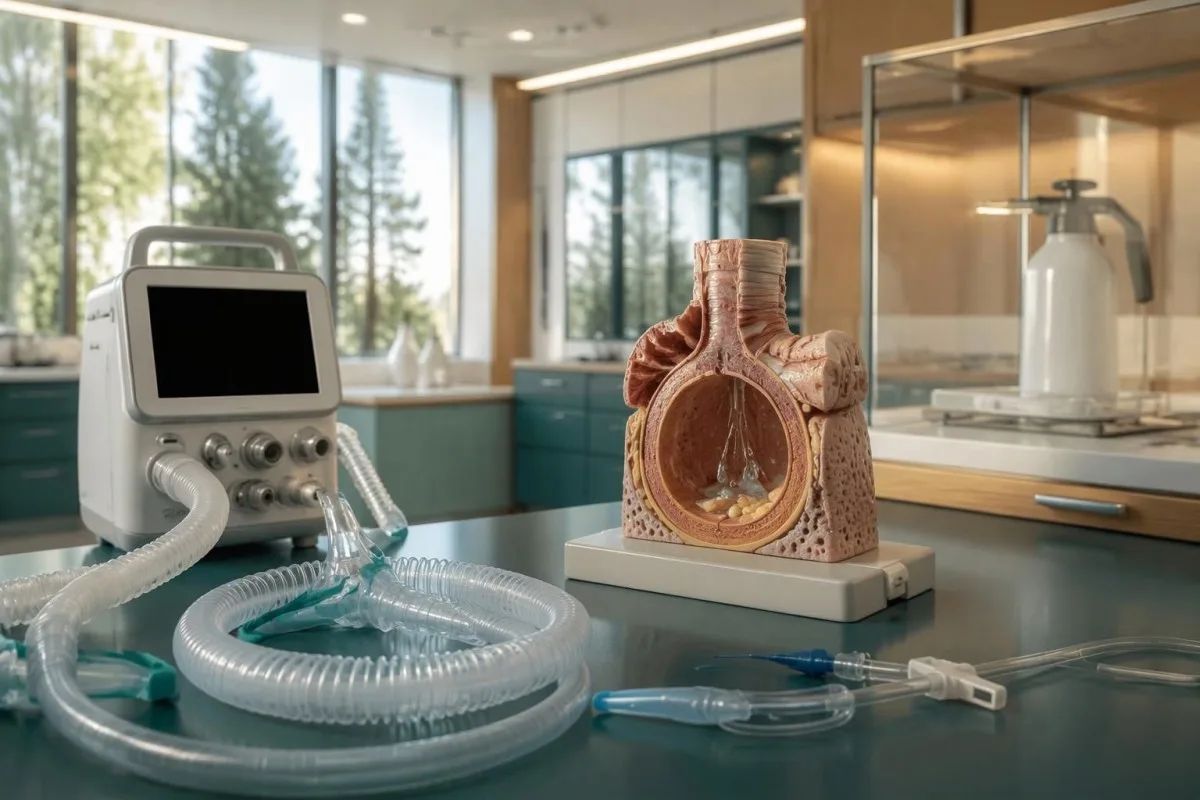
Atropine is titrated to clinical response, not a predetermined total dose. The 2008 Lancet review describes reassessment and dose doubling at intervals of about 3–5 minutes when required; improving chest secretions, oxygenation, and circulation matter more than forcing the pupils to dilate or the pulse to reach a particular number.
Ventilation may be needed even after secretions improve because atropine does not reliably reverse skeletal-muscle weakness. An arterial PaCO2 above 45 mmHg can indicate hypoventilation, although baseline lung disease and acid–base status matter; our артериялык кандагы газдардын анализин түшүндүрүүчү материалыбыз separates ventilation from oxygen saturation.
Pralidoxime evidence is genuinely mixed and depends on the compound and clinical circumstances. Eddleston et al. (2009) conducted a randomized PLoS Medicine trial that did not establish improved survival with the studied regimen; this does not mean every oxime regimen is useless, but it explains why 1 universal treatment promise would be inaccurate.
Seizures may require benzodiazepines, and ongoing monitoring looks for aspiration, arrhythmias, and impaired perfusion. A lactate above 2 mmol/L can have several explanations and is not an organophosphate-specific marker; our lactate sampling guide explains why collection conditions also affect that complication-focused result.
Уулануудан 24–96 саат өткөндөн кийин алсыздык эмне үчүн кайра пайда болушу мүмкүн?
Intermediate syndrome can cause neck, proximal limb, and respiratory muscle weakness roughly 24–96 hours after acute organophosphate poisoning. Certain organophosphates can also cause delayed neuropathy about 1–3 weeks later; these complications have different mechanisms and are not simply repeated diarrhea or sweating.

Improving saliva and chest secretions do not guarantee recovery of muscle function. A hypothetical patient who becomes unable to lift their head 48 hours after initial improvement needs immediate reassessment; intermediate syndrome can threaten breathing when the earlier muscarinic signs have largely settled (Peter et al., 2014).
Repeated bedside respiratory and strength assessments may be more informative than 1 reassuring plasma enzyme result. Neck flexion, shoulder and hip strength, cough effectiveness, swallowing, and respiratory measurements help clinicians detect evolving weakness; the treating team determines the assessment frequency according to severity and the specific pesticide.
Delayed neuropathy generally appears later than intermediate syndrome. New foot weakness, altered walking, tingling, or distal weakness over 1–3 weeks warrants medical evaluation; some compounds affect neuropathy target esterase pathways, which are not measured by either routine red-cell acetylcholinesterase or plasma butyrylcholinesterase activity.
Weakness after an exposure still deserves a broad differential diagnosis. Our алсыздыкка байланыштуу шашылыш эскертүүчү белгилер discuss another condition that can affect breathing; a new inability to walk, swallow, or breathe normally should trigger emergency care rather than waiting 24 hours for an outpatient repeat test.
Башка пестициддер да ушуга окшош белгилерди жаратышы мүмкүнбү?
Yes—carbamate pesticides can produce a similar cholinergic syndrome, while pyrethroids, solvents, and other chemicals cause different or overlapping symptoms. The active ingredient matters more than the word pesticide; 2 products used for the same pest can require different diagnostic and treatment approaches.
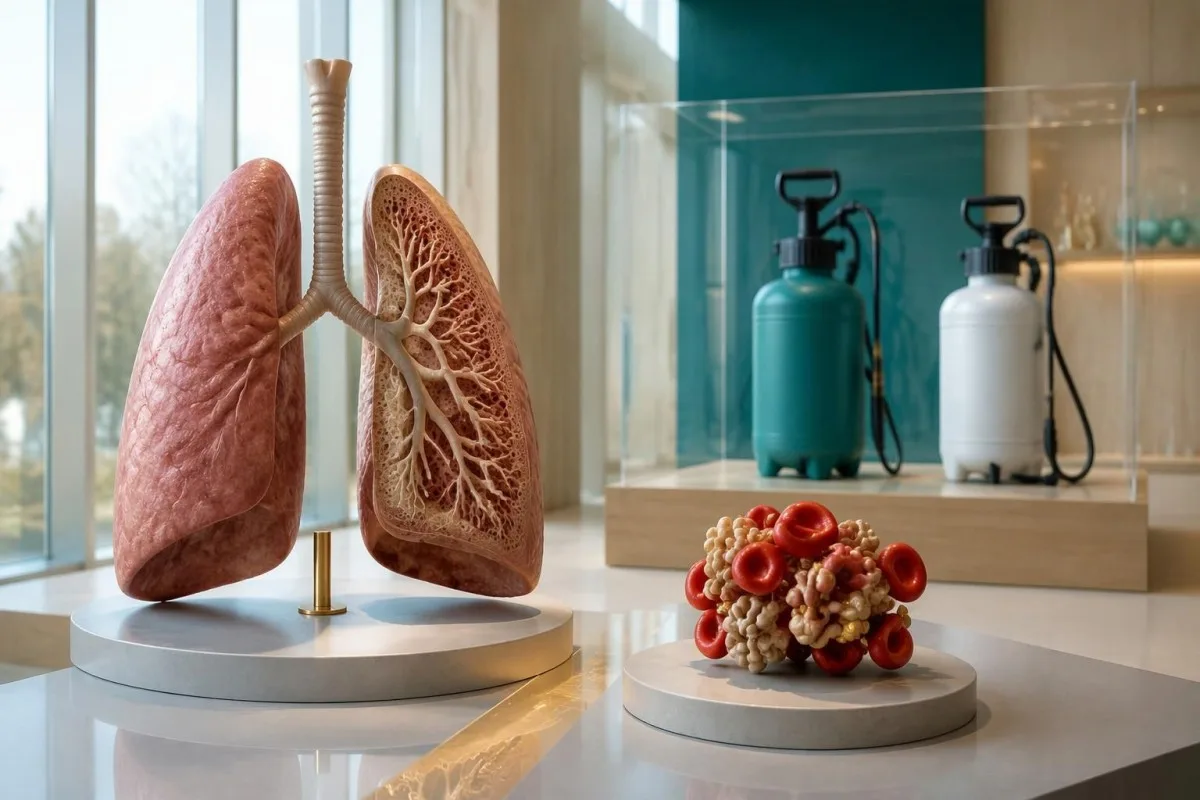
Carbamates also inhibit cholinesterase, but inhibition is generally more readily reversible. Their laboratory activity can recover more quickly, including during sample handling, so 1 near-normal result may not reflect the earlier clinical state; atropine may still be needed, while oxime decisions require product-specific toxicology advice.
Pyrethroid exposure can cause skin tingling, irritation, nausea, or neurological symptoms, particularly after substantial exposure. Those effects do not reliably produce the same enzyme suppression pattern as organophosphates; a hypothetical person with facial tingling but no excess secretions still needs product-based advice rather than assuming 2 symptom categories identify the chemical.
Some exposures impair oxygen carriage rather than inhibit cholinesterase. Selected pesticides or associated chemicals can cause methemoglobinemia, for which co-oximetry is relevant; our methemoglobin result guide explains why a pulse oximeter may remain near 85% despite a different underlying oxygen problem.
Alternative diagnoses include asthma, heat illness, hypoglycemia, opioid effects, and gastrointestinal infection. Exposure plus 3 cholinergic features is more suggestive than vomiting alone, but none of these combinations is a validated home diagnostic score; clinicians use the label, examination, and targeted testing to distinguish overlapping emergencies.
Кайсы кошумча текшерүүлөр жана жумуш ордундагы сактык чаралары маанилүү?
Follow-up depends on symptoms, the pesticide involved, and how far enzyme activity has fallen from a personal baseline. Red-cell activity may remain depressed for weeks to months, so a single abnormal follow-up value does not by itself mean active poisoning or establish fitness to return to exposure.
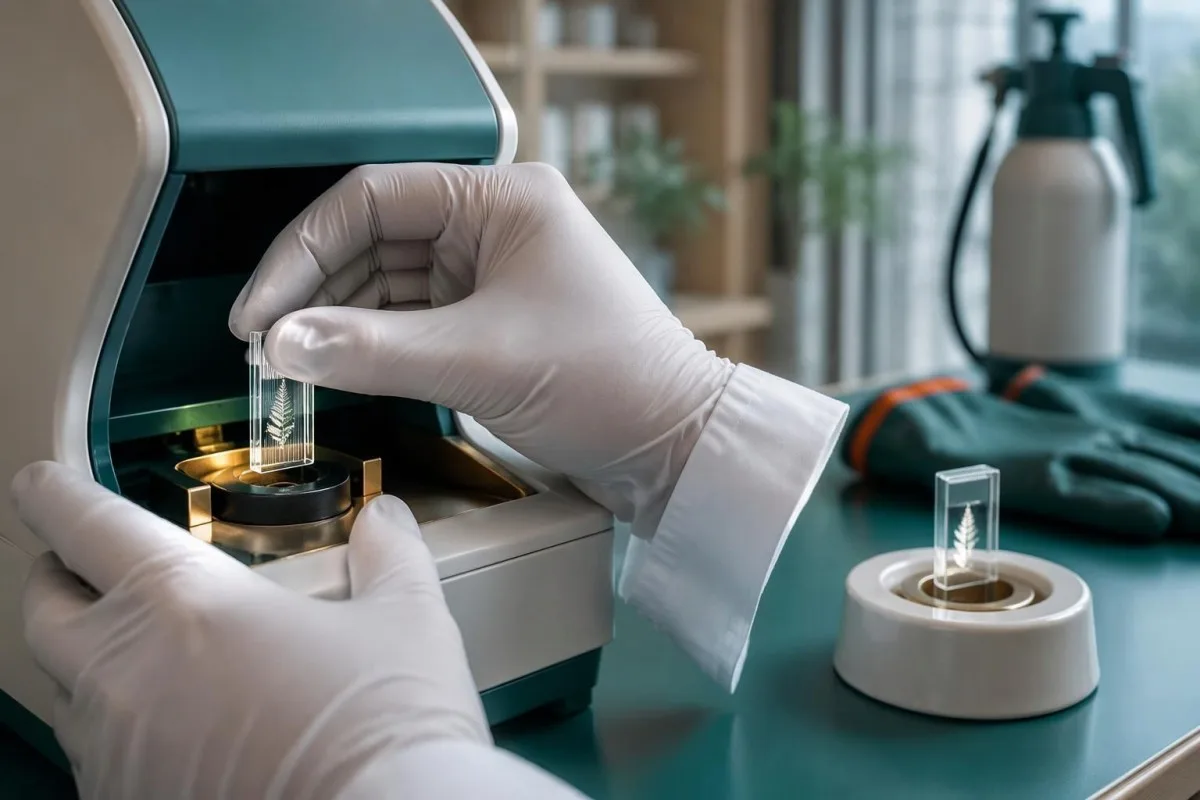
Occupational monitoring thresholds are preventive rules, not emergency diagnosis cutoffs. Local programs may use different percentage declines for medical evaluation, removal from exposure, and return to work; a 25% decline in a hypothetical report must be interpreted under the applicable protocol, with occupational health input rather than a universal online rule.
Return-to-work decisions require more than a laboratory increase. Symptoms, strength, respiratory function, product handling, protective equipment, and the cause of the original leak all matter; 2 improving measurements do not make an unchanged exposure source safe, and contaminated gloves or clothing should be handled according to pesticide-specific guidance.
Meaningful trends require comparable methods and documented timing. Биздин кан анализинин убакыт тилкеси боюнча колдонмо explains why illness, treatment, and laboratory changes can create apparent trends; for cholinesterase monitoring, record the dates of exposure, collection, and antidotes alongside both enzyme names and units.
At Kantesti, we encourage readers to keep emergency records and baseline results available for clinician-led follow-up, not to use an AI interpretation as occupational clearance. Remove unnecessary identifiers before sharing reports and review our купуялык жана маалыматтар боюнча колдонмо; 1 shared document should contain only information needed for its intended purpose.
Шашылыш жардамдан кийинки изилдөө булактары жана коопсуз AI түшүндүрмөлөрү
The organophosphate evidence cited here concerns clinical assessment, cholinesterase interpretation, delayed weakness, and antidote treatment—not AI-based emergency diagnosis. The 3 external medical publications listed below support those discussions; our 2 companion DOI resources address other laboratory topics and are not evidence for pesticide treatment.
Clinical reviews and trials answer different questions. Eddleston et al. (2008) describe acute management, Peter et al. (2014) review clinical patterns and delayed syndromes, and Eddleston et al. (2009) test 1 pralidoxime regimen; none supplies a universal cholinesterase number that safely overrides an emergency examination.
Кантести - бул AI лабораториялык тест чечмелөө кызматы аркылуу жарыяланат that can help translate laboratory terminology after emergency assessment, but it cannot observe breathing or measure muscle strength. Our клиникалык методология тууралуу маалымат should be read alongside that limitation; 2 enzyme values alone cannot establish that home observation is safe.
Iron studies answer a different biochemical question from cholinesterase testing. Биздин iron panel explanation accompanies the first DOI resource below; iron concentration, transferrin saturation, and binding capacity are 3 related measurements, but none measures acetylcholinesterase inhibition or identifies the active ingredient in a pesticide.
Kantesti's second companion DOI publication concerns clotting tests, not poisoning confirmation. The clotting test guide discusses aPTT, D-dimer, and protein C—3 distinct tests that may be relevant to other clinical problems; their inclusion in our publication library must not be mistaken for direct organophosphate research.
Көп берилүүчү суроолор
Органофосфаттар менен уулануунун алгачкы белгилери кандай?
Органофосфаттар менен уулануунун алгачкы белгилерине ашыкча тердөө, шилекейдин жана жаштын көп бөлүнүшү, жүрөк айлануу, кусуу, ич өтүү, каректердин кичирейиши жана булчуңдардын тырышып-тартылышы кирет. Белгилер көбүнчө бир нече мүнөттөн бир нече саатка чейин пайда болот, бирок зат териге сиңгенде жана айрым кошулмаларда оорунун белгилери 24 сааттан кийин да башталышы мүмкүн. Уулануучу затка кабылуу, суюктуктардын бөлүнүшү жана алсыздык бир эле белгиге караганда көбүрөөк тынчсыздандырат. Ууланууга шек болсо, ферменттерди текшерүүнүн жыйынтыгын күтпөстөн тез арада медициналык жардамга кайрылуу зарыл.
Пестицидге уулангандан кийин тез жардамды качан чакырышым керек?
Пестицидге кабылгандан кийин дем алуу кыйындаса, бөлүнүп чыккан суюктуктар көбөйсө, алсыздык, булчуңдардын түйүлүшү, аң-сезимдин чаташуусу, талма же кайра-кайра кусуу ууланууну көрсөтсө, тез жардам чакырыңыз. Көп өлчөмдө жутуп алганда, белгилер пайда боло электе эле шашылыш медициналык кеңеш алуу зарыл. Улуу Британияда 999 же 112, АКШда 911 же башка жерлерде жергиликтүү тез жардам номерине чалыңыз. Кычкылтекке каныгуу көрсөткүчүнүн, анын ичинде 97% болушу, органофосфаттык уулануунун күчөп жатканын жокко чыгарбайт.
Органофосфаттардан ууланууну аныктоого кайсы кан анализдери жардам берет?
Эритроциттердин ацетилхолинэстеразасы менен плазманын бутирилхолинэстеразасы — фосфорорганикалык кошулмалардан уулануу диагнозун аныктоого жардам берүү үчүн колдонулган ферменттик активдүүлүктүн 2 негизги тести. Эритроциттердеги активдүүлүк нерв системасындагы тиешелүү ферменттин бөгөттөлүшүн тагыраак чагылдырат, ал эми плазмадагы активдүүлүк ууланууга байланышпаган бир нече себептен төмөндөшү мүмкүн. Бул тесттердин бири да кадимки CBC же стандарттуу заарадагы баңгизаттарды аныктоо тестине барабар эмес. Дарыгерлер бул тесттердин жыйынтыктары чыга электе эле зарыл шашылыш дарылоону башташат.
Холинэстеразанын көрсөткүчү нормалдуу болсо, уулануу жокко чыгарылабы?
A single normal cholinesterase result cannot reliably exclude poisoning when the exposure and examination are concerning. Timing, assay limitations, treatment, and the specific inhibitor can complicate interpretation of either of the 2 enzyme tests. A result within the population interval can also conceal a fall from a person's usual activity. Clinicians may repeat targeted testing while continuing treatment and investigating alternative diagnoses.
Плазмадагы холинэстеразанын төмөн болушу дайыма эле пестицидден ууланууну билдиреби?
Плазмадагы холинэстеразанын төмөн болушу дайыма эле пестицидден ууланууну билдирбейт, анткени боордун функциясынын бузулушу, тукум кууп өткөн варианттар, кош бойлуулук, начар тамактануу жана айрым дары-дармектер ферменттин активдүүлүгүн төмөндөтүшү мүмкүн. Узак убакыттан бери төмөн болгон көрсөткүчтү жаңы төмөндөөдөн айырмалоодо адамдын жеке баштапкы көрсөткүчтөрүн өлчөө өзгөчө пайдалуу. Көрсөткүчтүн шарттуу түрдө 8,000 U/Lден 3,200 U/Lге чейин төмөндөшү 60% азайууну билдирет, бирок бул пайыз клиникалык оордукту өз алдынча аныктабайт. Симптомдор жана таасирге кабылуу тарыхы чечмелөөдө негизги мааниге ээ.
Органофосфаттар менен уулануу кечигип пайда болгон алсыздыкты жаратышы мүмкүнбү?
Органофосфаттар менен уулануу курч фазадан болжол менен 24–96 саат өткөндөн кийин моюндун, бут-колдун жана дем алуу булчуңдарынын алсыздыгы менен коштолгон ортоңку синдромго алып келиши мүмкүн. Айрым кошулмалар болжол менен 1–3 жумадан кийин байкалган нейропатияны да пайда кылышы мүмкүн. Бул татаалдашуулар алгачкы тердөө жана секрециялар басаңдагандан кийин да пайда болушу мүмкүн. Дем алуунун кыйындашы, жутуунун бузулушу же олуттуу алсыздык пайда болсо, лабораториялык анализди кайталап тапшырууну күтпөстөн, шашылыш түрдө медициналык кайра баалоодон өтүү керек.
Кан анализинин жыйынтыгын түшүндүрүп алыңыз
Лабораториялык отчетуңузду жүктөңүз, ошондо Kantestiтин AI функциясы ар бир биомаркерди жөнөкөй тил менен бир нече секундда түшүндүрөт. Дүйнө жүзү боюнча 2 миллиондон ашык адам колдонгон.
Шилтемелер
- Klein, T., Mitchell, S., & Weber, H. (2026). Темир көрсөткүчтөрү боюнча колдонмо: TIBC, темирдин каныккандыгы жана байланыш жөндөмдүүлүгү. Kantesti AI медициналык изилдөөлөр. DOI
- Klein, T., Mitchell, S., & Weber, H. (2026). aPTT нормалдуу диапазону: D-Dimer, Protein C жана кандын уюшу боюнча колдонмо. Kantesti AI медициналык изилдөөлөр. DOI
- Eddleston M et al. (2008). Management of acute organophosphorus pesticide poisoning. The Lancet. DOI
- Peter JV et al. (2014). Clinical features of organophosphate poisoning: A review of different classification systems and approaches. Indian Journal of Critical Care Medicine. DOI
- Eddleston M et al. (2009). Pralidoxime in acute organophosphorus insecticide poisoning—A randomised controlled trial. PLoS Medicine. DOI
- 2M+Талданган тесттер
- 127+Өлкөлөр
- 100+Тилдер
Медициналык топ жөнүндө


E-E-A-T ишеним сигналдары
Тажрыйба
Дарыгер жетектеген лабораториялык чечмелөө иш процесстерин клиникалык кароо.
Экспертиза
Биомаркерлер клиникалык контекстте кандай жүрөрүнө лабораториялык медицина багыты.
Авторитеттүүлүк
Доктор Томас Кляйн медициналык жактан карап чыккан, доктор Сара Митчелл жана профессор доктор Ханс Вебердин салымдары менен.
Ишенимдүүлүк
Тынчсызданууну азайтуу үчүн так кийинки кадамдар менен далилге негизделген чечмелөө.





Медициналык эскертүү
Бул макала билим берүү максатында гана жана медициналык кеңеш болуп саналбайт. Диагноз коюу жана дарылоо чечимдери үчүн дайыма квалификациялуу саламаттыкты сактоо адисине кайрылыңыз.
Жарыяланды · Редакциялык топко кайрылыңыз
Kantesti Ltd тарабынан жарыяланган, Англия жана Уэльсте катталган, компаниянын №. 17090423, Лондон, Улуу Британия.
