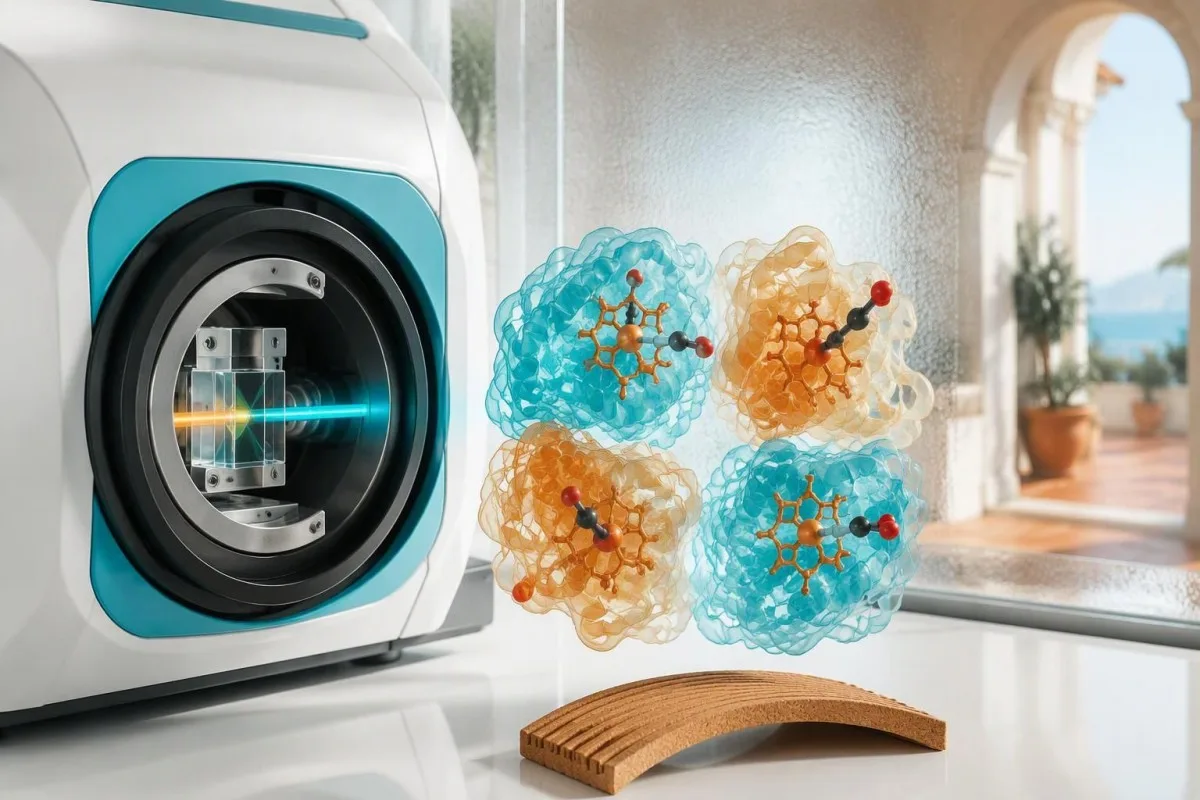
কাৰ্বক্সিহিম’গ্ল’বিন পৰীক্ষাই হিম’গ্ল’বিনৰ সৈতে সংযুক্ত কাৰ্বন মন’ক্সাইডৰ পৰিমাণ জোখে। ধূমপানে ফলাফল বৃদ্ধি কৰিব পাৰে, আনহাতে নমুনা লোৱাত পলম হোৱা বা অক্সিজেন দিয়াৰ ফলত ই কমিব পাৰে; স্বাভাৱিক ফলাফল বা পালছ অক্সিমিটাৰৰ স্বাভাৱিক পাঠে বিষক্ৰিয়া হোৱা নাই বুলি নিশ্চিত কৰিব নোৱাৰে।.


- তৎক্ষণাৎ মূল্যায়ন (Emergency assessment) শতাংশতকৈ এই কথাটোৱেই আগতে আহে: মূৰৰ বিষ, মূৰ ঘূৰোৱা, বমি, বিভ্ৰান্তি, বুকুৰ বিষ বা ঢলি পৰাৰ সৈতে সম্ভাৱ্য সংস্পৰ্শ ঘটিলে জৰুৰী চিকিৎসা সহায় ল’ব লাগে।.
- কাৰ্বক্সিহিম’গ্ল’বিন পৰীক্ষাৰ ফলাফলত কাৰ্বন মন’ক্সাইড বহন কৰা হিম’গ্ল’বিনৰ শতাংশ প্ৰকাশ পায়; এই পৰীক্ষাই মগজু বা হৃদযন্ত্ৰৰ ক্ষতি পোনপটীয়াকৈ নোজোখে।.
- ধূমপান নকৰা লোকৰ ফলাফল সাধাৰণতে 2%-ৰ তলত থাকে; ইতিহাসৰ সৈতে মিল থাকিলে ধূমপান নকৰা লোকৰ 2% বা তাতকৈ অধিক ফলাফলক সংস্পৰ্শৰ সমৰ্থক বুলি CDC-য়ে গণ্য কৰে।.
- ধূমপানৰ সৈতে জড়িত বৃদ্ধি প্ৰায়ে 3–8%-ৰ আশে-পাশে থাকে, যদিও মান ভিন্ন হয়; ধূমপায়ীৰ ক্ষেত্ৰত 9%-ৰ ওপৰৰ মাত্ৰাই কাৰ্বন মন’ক্সাইডৰ সংস্পৰ্শৰ বিষয়ে অতিৰিক্ত উদ্বেগৰ জোৰাল সমৰ্থন কৰে।.
- নমুনা লোৱাত পলম হ’লে আগৰ সৰ্বোচ্চ মাত্ৰাটো ধৰা নপৰিব পাৰে, কাৰণ সংস্পৰ্শ বন্ধ হোৱাৰ পিছত কোঠাৰ বতাহত কাৰ্বক্সিহিম’গ্ল’বিনৰ অৰ্ধ-আয়ুস সাধাৰণতে প্ৰায় 4–6 ঘণ্টা।.
- অক্সিজেন চিকিৎসা উচ্চ ঘনত্বৰ অক্সিজেন দিলে অৰ্ধ-জীৱন প্ৰায় 60–90 মিনিটলৈ হ্ৰাস পায়, সেয়ে যথেষ্ট সংস্পৰ্শৰ পিছতো চিকিৎসালয়ত পোৱা ফল কম হ’ব পাৰে।.
- পাল্ছ অক্সিমেট্ৰি কাৰ্বন মন’ক্সাইড বিষক্ৰিয়াৰ সময়ত 98–100% দেখুৱাব পাৰে, কাৰণ মানক 2-তৰংগদৈৰ্ঘ্যৰ যন্ত্ৰই কাৰ্বক্সিহিম’গ্ল’বিন আৰু অক্সিহিম’গ্ল’বিনৰ মাজত নিৰ্ভৰযোগ্যভাৱে পাৰ্থক্য কৰিব নোৱাৰে।.
- হাইপাৰবাৰিক পৰামৰ্শ প্ৰায় 25–30%-ৰ ওপৰত উপযুক্ত হ’ব পাৰে, কিন্তু স্নায়ৱিক লক্ষণ, হৃদযন্ত্ৰৰ ক্ষতি, চেতনা হেৰুৱা আৰু গৰ্ভাৱস্থাৰ গুৰুত্ব সংখ্যাটোৰ তুলনাত অধিক হ’ব পাৰে।.
কাৰ্বক্সিহিম’গ্ল’বিন পৰীক্ষাই প্ৰকৃততে কি জোখে?
A কাৰ্বক্সিহিম’গ্ল’বিন পৰীক্ষা কাৰ্বন মন’ক্সাইডৰ সৈতে সংযুক্ত হিম’গ্ল’বিনৰ শতাংশ জোখে, সাধাৰণতে পৰীক্ষাগাৰত কো-অক্সিমেট্ৰি ব্যৱহাৰ কৰি। উচ্চ ফলাফলে সংস্পৰ্শৰ সমৰ্থন কৰে, কিন্তু ধূমপানে ভিত্তিমূল্য বৃদ্ধি কৰে আৰু অক্সিজেন বা পলমকৈ নমুনা ল’লে ৰিডিং কমে; বিষক্ৰিয়াৰ সন্দেহ হ’লে 2%-তকৈ কম ফলাফল বা স্বাভাৱিক পাল্ছ অক্সিমিটাৰ থাকিলেও লক্ষণৰ ভিত্তিত জৰুৰী মূল্যায়ন আৱশ্যক।.
কাৰ্বক্সিহিম’গ্ল’বিন (Carboxyhemoglobin), সংক্ষেপে COHb, সম্পূৰ্ণ তেজ গণনাত থকা হিম’গ্ল’বিনৰ ঘনত্বৰ সৈতে একে জোখ নহয়: 12% ফলাফলৰ অৰ্থ হ’ল জোখা হিম’গ্ল’বিনৰ প্ৰায় 12% COHb হিচাপে আছে, হিম’গ্ল’বিনৰ ঘনত্ব 12% কমি গৈছে বুলি নহয়। আমাৰ হিম’গ্ল’বিন আৰু হেমাট’ক্ৰিটৰ তুলনাত সেই পৃথক পাৰ্থক্যটো বুজাইছে।.
কাৰ্বন মন’ক্সাইডে অক্সিজেনতকৈ প্ৰায় 200–250 গুণ অধিক দৃঢ়ভাৱে হিম’গ্ল’বিনৰ সৈতে বান্ধ খায় আৰু বাকী অক্সিজেনখিনি কলাবোৰলৈ মুক্ত কৰাটোও কঠিন কৰি তোলে। Rose আৰু সহকৰ্মীসকলে মাইট’কণ্ড্ৰিয়াৰ কাৰ্য আৰু প্ৰদাহজনিত পথসমূহৰ ওপৰত হোৱা অতিৰিক্ত প্ৰভাৱৰ বৰ্ণনা কৰিছে, যিয়ে শতাংশ কমি অহাৰ অৰ্থ মগজু আৰু হৃদযন্ত্ৰ সুস্থ হৈ উঠিছে বুলি কিয় নহ’ব পাৰে সেয়া বুজিবলৈ সহায় কৰে (Rose et al., 2017)।.
কান্টেষ্টি হৈছে এক... এ আই ব্লাড টেষ্ট এনালাইজাৰ যিয়ে পৰীক্ষাগাৰৰ ৰেফাৰেন্স পৰিসৰৰ সৈতে প্ৰকাশিত COHb শতাংশ বুজিবলৈ সহায় কৰিব পাৰে; আমাৰ বায়োমার্কার পরিভাষা নির্দেশিকা অধিক বিস্তৃত প্ৰসংগ আগবঢ়ায়। মই Thomas Klein, MD, Kantesti-ৰ মুখ্য চিকিৎসা বিষয়া, আৰু মোৰ পদ্ধতি 3টা প্ৰশ্নৰে আৰম্ভ হয়: সংস্পৰ্শ ক’ত হৈছিল, কি লক্ষণ দেখা দিছিল আৰু অক্সিজেন কেতিয়া আৰম্ভ হৈছিল—ৰিপ’ৰ্টত ৰঙা সতৰ্কচিহ্ন আছে নে নাই, সেয়া নহয়।.
ফলাফল পোৱাৰ আগতে কোনবোৰ লক্ষণত জৰুৰী চিকিৎসা লাগে?
লক্ষণসহ সম্ভাৱ্য কাৰ্বন মন’ক্সাইডৰ সংস্পৰ্শৰ বাবে জৰুৰী মূল্যায়ন প্ৰয়োজন, COHb ফলাফল যিয়েই নহওক। মূৰৰ বিষ, মূৰ ঘূৰণি, বমি ভাব, বমি, অস্বাভাৱিক দুৰ্বলতা, বিভ্ৰান্তি, উশাহ-নিশাহৰ কষ্ট, বুকুৰ বিষ বা অজ্ঞান হোৱা চিন্তাজনক; আনকি পাল্ছ অক্সিমিটাৰৰ 99% ৰিডিঙেও এই লক্ষণসমষ্টিটো নিৰাপদ বুলি নিশ্চিত কৰিব নোৱাৰে।.
সন্দেহযুক্ত পৰিৱেশৰ পৰা ওলাই মুক্ত বতাহত থাকি জৰুৰী সেৱালৈ ফোন কৰক—UK-ত 999 বা 112, US-ত 911, অথবা অন্য ঠাইত আপোনাৰ স্থানীয় নম্বৰ। যন্ত্ৰটো পৰীক্ষা কৰিবলৈ, এলাৰ্ম বন্ধ কৰিবলৈ বা সামগ্ৰী আনিবলৈ পুনৰ ভিতৰলৈ নাযাব, আৰু মূৰ ঘূৰালে বা বিভ্ৰান্ত হ’লে নিজে গাড়ী নচলাব; উদ্ধাৰকাৰীসকলে আন এজন লোকক বিপদত নেপেলোৱাকৈ অট্টালিকাটো পৰীক্ষা কৰিব পাৰে।.
একেটা কোঠাত 2জন লোকৰ মূৰৰ বিষ বা বমি ভাব হ’লে, দুটা অসংলগ্ন মাইগ্ৰেইনতকৈ একে পৰিৱেশজনিত কাৰণ বহুত বেছি সম্ভৱ হয়। বাহিৰত লক্ষণ কমি যোৱা আৰু ভিতৰত পুনৰ দেখা দিয়াটো আন এটা সূত্ৰ, কিন্তু লক্ষণ কমিলেই ঘৰটো নিৰাপদ বুলি নিশ্চিত নহয়: ব্যক্তিজনে সাময়িকভাৱে ভাল অনুভৱ কৰিলেও কাৰ্বন মন’ক্সাইডৰ সংস্পৰ্শ অব্যাহত থাকিব পাৰে।.
সংস্পৰ্শৰ পিছত বুকুৰ বিষ হ’লে কেৱল আন এটা COHb জোখ নহয়, হৃদযন্ত্ৰৰ মূল্যায়ন প্ৰয়োজন; আমাৰ জৰুৰী বুকুৰ বিষ পৰীক্ষাৰ নিৰ্দেশিকাই ECG আৰু ট্ৰ’প’নিনে কিয় পৃথক প্ৰশ্নৰ উত্তৰ দিয়ে সেয়া বুজাইছে। জেনেৰেটৰ ব্যৱহাৰৰ পিছত বুকুত চাপ অনুভৱ কৰা এজন কাল্পনিক 52 বছৰীয়া লোকৰ কথা বিবেচনা কৰক: অক্সিজেন দিয়াৰ পিছত COHb 4% পোৱা গ’লেও মায়’কাৰ্ডিয়ামৰ ক্ষতিৰ অনুসন্ধান কৰাৰ প্ৰয়োজন নোহোৱা নহয়।.
কাৰ্বক্সিহিম’গ্ল’বিনৰ কোনবোৰ মাত্ৰাই CO-ৰ সংস্পৰ্শৰ সমৰ্থন কৰে?
ধূমপান নকৰা লোকৰ ক্ষেত্ৰত কাৰ্বক্সিহিম’গ্ল’বিন সাধাৰণতে 2%-তকৈ কম হয়, আনহাতে ধূমপানে ভিত্তিমূল্য বেছি কৰিব পাৰে। CDC-ৰ মতে, ধূমপান নকৰা লোকৰ 2% বা ধূমপায়ীৰ 9%-তকৈ অধিক ফলাফলে, সংস্পৰ্শৰ ইতিহাসৰ সৈতে মিলিলে, কাৰ্বন মন’ক্সাইড বিষক্ৰিয়াৰ দৃঢ় সমৰ্থন কৰে; এইবোৰ ৰোগ নিৰ্ণয়ৰ সূত্ৰ, তীব্ৰতাৰ মাত্ৰা নহয় (CDC, 2024)।.
A laboratory reference interval and an emergency decision threshold serve different purposes: some laboratories list a nonsmoker upper limit near 1.5%, while others allow approximately 2–3%. A printed normal flag therefore cannot substitute for the clinical history; our out-of-range results explanation describes why reference intervals are not universal safety boundaries.
High carboxyhemoglobin levels establish that more hemoglobin is carrying carbon monoxide, but a result of 18% does not predict a particular symptom set or guarantee a better outcome than 28%. Exposure duration, age, anemia, underlying cardiac disease, and oxygen given before sampling all weaken a simple percentage-to-severity relationship.
The approximately 25–30% range is commonly used as one reason to discuss hyperbaric treatment, not as a line below which emergency care is unnecessary. A symptomatic nonsmoker at 6% may need substantial investigation, whereas an otherwise stable smoker at 6% needs careful source and timing assessment rather than an automatic poisoning label.
ধূমপায়ীৰ কাৰ্বক্সিহিম’গ্ল’বিনৰ মাত্ৰা কেনেকৈ ব্যাখ্যা কৰিব লাগে?
Carboxyhemoglobin levels in smokers are often around 3–8%, but smoking intensity, inhalation depth, and time since the last cigarette create substantial variation. Values approaching or exceeding 10% can occur with smoking, yet a symptomatic smoker must still be assessed for an additional environmental exposure.
Combustion produces carbon monoxide; nicotine itself is not the cause of an elevated COHb percentage. Cigarettes, cigars, combustible cannabis, and charcoal-heated waterpipes can contribute, whereas nicotine replacement without combustion does not create the same exposure mechanism—so asking only whether someone uses nicotine can misclassify a result of 7%.
A single cigarette count cannot reliably predict COHb because 10 cigarettes smoked across a day are not equivalent to intensive smoking immediately before collection. This is a timing problem, similar in principle—but not in detection window—to our PEth sampling and exposure guide; COHb usually changes over hours, not weeks.
Persistent smoking-related carbon monoxide exposure can also contribute to a higher hemoglobin concentration over time, but that CBC finding does not quantify today's COHb; see our mildly elevated hemoglobin discussion. If a smoker has a COHb result of 8% and their nonsmoking partner has 5% with similar headaches, the household pattern should outweigh the temptation to blame tobacco alone.
নমুনা লোৱাত পলম হ’লে সংস্পৰ্শৰ মাত্ৰা কমকৈ অনুমান হ’ব পাৰে কিয়?
Carboxyhemoglobin falls after exposure stops, so a sample collected several hours later can underestimate the earlier level. Its room-air elimination half-life is commonly about 4–6 hours, although ventilation, continued exposure, and individual physiology alter that estimate (Rose et al., 2017).
A half-life means that the excess burden falls by roughly half over that interval under the assumed conditions; it is not the time required for complete clearance. In a simplified example starting at 20%, a 5-hour half-life would leave about 10% after 5 hours and 5% after 10 hours, ignoring baseline production and any new exposure.
The useful timestamp is when the person actually left the exposure, not just when they arrived at hospital: a 3-hour journey, an ambulance wait, and time receiving oxygen can all shift the reading. Our ৰক্ত পৰীক্ষাৰ সময়সূচী গাইড explains why chronology can carry more information than the difference between two flagged values.
Back-calculating a precise peak from one late sample is usually unreliable because the earlier concentration, oxygen delivery, breathing pattern, and ongoing source are unknown. A result of 1.8% measured the following morning cannot prove that exposure was trivial the previous evening, and it should never overrule a convincing history of collapse or confusion.
অক্সিজেন চিকিৎসাই পৰীক্ষাৰ ফলাফল কেনেকৈ সলনি কৰে?
High-concentration oxygen accelerates carbon monoxide elimination, often shortening the COHb half-life to approximately 60–90 minutes. Oxygen should not be delayed to obtain an untreated sample; clinicians document treatment timing and interpret the later percentage in that context.
An ambulance sample and a hospital sample taken 90 minutes apart may differ sharply even if both laboratories are accurate. Using a deliberately simplified 90-minute half-life, 20% would become approximately 10% after 90 minutes and 5% after 3 hours of effective high-concentration oxygen; that illustration is not a method for reconstructing an individual patient's peak.
The CDC recommends 100% oxygen until symptoms resolve, commonly for about 4–5 hours, with repeated neurological assessment rather than a percentage-only stopping rule (CDC, 2024). Oxygen delivery must be supervised because a prescribed concentration, mask fit, reservoir inflation, and the patient's ventilation are not interchangeable; an ordinary low-flow nasal cannula does not reproduce every high-concentration treatment assumption.
কান্টেষ্টি হৈছে এক... AI তেজ পৰীক্ষাৰ ফলাফল প্লেটফৰ্ম that can help explain why a post-treatment value differs from an earlier report, but our approximately 60-second interpretation is not emergency assessment. Our post-hospital result changes guide also separates biochemical improvement from clinical recovery—a distinction that matters when headache improves but memory or balance remains abnormal.
CO বিষক্ৰিয়াৰ সময়তো পালছ অক্সিমিটাৰৰ পাঠ স্বাভাৱিক হ’ব পাৰে কিয়?
Normal pulse oximetry cannot exclude carbon monoxide poisoning because standard 2-wavelength pulse oximeters cannot reliably separate carboxyhemoglobin from oxyhemoglobin. A display of 98–100% can therefore look reassuring while oxygen delivery to tissues is impaired.
Arterial oxygen pressure, or PaO2, may also remain normal because it measures dissolved oxygen rather than the proportion of hemoglobin blocked by carbon monoxide. A hypothetical PaO2 of 95 mmHg does not show that hemoglobin is carrying and releasing oxygen normally; our arterial blood gas interpretation guide explains the separate measurements.
A blood gas report may show an oxygen saturation calculated from PaO2 rather than one directly measured by co-oximetry, and the calculated number can miss abnormal hemoglobin species. Some analyzers also report functional saturation separately from fractional oxyhemoglobin, so a number near 99% must be read with the measurement method—not merely the label 'saturation.'
Specialized pulse CO-oximeters use additional wavelengths, but their readings are not reliable enough to rule out poisoning when symptoms and exposure suggest it. Another hemoglobin disorder produces a different pulse-oximetry pattern, described in our methemoglobin testing explanation; neither disorder should be diagnosed or dismissed from 1 fingertip reading.
শিৰাৰ পৰা লোৱা নমুনা যথেষ্ট নে, আৰু উপবাসে থাকিব লাগেনে?
Venous blood is usually suitable for measuring carboxyhemoglobin by co-oximetry, and fasting is not required. An arterial sample may still be needed to answer other respiratory or acid–base questions, but a 12-hour fast or an arterial puncture is not a prerequisite for exposure testing.
The request must specifically include COHb or co-oximetry: a complete blood count, routine chemistry panel, or ordinary blood gas without that capability does not automatically test for carbon monoxide. A report with 20 routine markers can therefore contain no useful exposure measurement, even when hemoglobin, glucose, and electrolytes are all normal.
Collection containers and handling requirements depend on the laboratory's validated analyzer, commonly using heparinized whole blood kept sealed and processed promptly. Our sample quality and hemolysis guide explains why a specimen warning requires laboratory input; clinicians should not invent a numerical correction for a COHb result of 6% from a compromised sample.
The request should carry 4 pieces of context: exposure-stop time, collection time, oxygen-start time, and recent combustible smoking history. If a report merely says 'COHb 3.2%' without those details, the percentage can be analytically correct while its clinical meaning remains uncertain—especially after pre-hospital treatment.
কাৰ্বন মন’ক্সাইডৰ বিষক্ৰিয়া নিৰ্ণয় কৰোঁতে আন কি কি কথা বিবেচনা কৰিব লাগে?
Carbon monoxide poisoning diagnosis combines exposure history, symptoms, examination, and COHb, rather than relying on one result. ECG, troponin, blood gas measurements, glucose, and lactate may identify complications or alternative explanations; their selection depends on the presentation, not a fixed 1-size-fits-all panel.
An elevated lactate can reflect impaired oxygen use, seizures, shock, or other illness, so a lactate of 5 mmol/L does not prove carbon monoxide exposure. Our lactate timing and handling guide explains an additional problem: specimen delays can distort a marker that clinicians are already interpreting in a complex emergency.
Troponin measures myocardial injury, not carbon monoxide binding, and a normal initial value does not settle every chest-pain evaluation. Our troponin interpretation and limits guide discusses that distinction; when COHb has fallen from 24% to 4%, an abnormal ECG or rising troponin still deserves attention rather than being dismissed as yesterday's exposure.
Fire exposure can involve several hazards at once, including airway injury and cyanide, while severe anemia or low glucose may worsen symptoms without producing high COHb. Carbon monoxide is odorless and colorless, so identifying 1 competing explanation—such as a viral illness—does not rule out a faulty heater when several occupants become unwell together.
গৰ্ভাৱস্থা, শৈশৱ আৰু হৃদৰোগে জৰুৰিতাৰ মাত্ৰা কিয় সলনি কৰে?
Pregnancy, childhood, anemia, and underlying cardiac disease can increase concern at a given COHb percentage. A maternal result of 5% after oxygen cannot establish fetal safety, and a child or adult with limited oxygen-delivery reserve may need urgent assessment despite a comparatively modest measured elevation.
Fetal hemoglobin binds carbon monoxide avidly, and fetal clearance can lag behind maternal clearance, so maternal improvement and a lower maternal COHb do not guarantee recovery in both patients. The CDC strongly favors hyperbaric oxygen during pregnancy, including less severe poisoning, although the treating team must obtain specialist advice rather than apply a universal 10% maternal cutoff (CDC, 2024).
Children may present with nonspecific vomiting, sleepiness, irritability, or poor feeding rather than describing a headache; 2 affected siblings should prompt a shared-exposure assessment. Our children's result interpretation limits explain why an adult reference interval and a reassuring automated comment are not substitutes for pediatric assessment.
Anemia reduces total oxygen-carrying capacity before any carbon monoxide is added, while coronary disease limits the heart's ability to compensate for reduced delivery. For example, COHb of 8% in someone with hemoglobin of 8 g/dL is not physiologically equivalent to 8% in someone with hemoglobin of 15 g/dL; the percentage alone hides that difference.
হাইপাৰবাৰিক অক্সিজেন কেতিয়া বিবেচনা কৰা হয়, আৰু ইয়াৰ উপকাৰৰ বিষয়ে কিমান নিশ্চিত?
Hyperbaric oxygen is considered for selected serious carbon monoxide exposures, including neurological impairment, loss of consciousness, cardiac involvement, severe acidosis, pregnancy, or COHb above approximately 25–30%. No single threshold decides treatment, and evidence about preventing delayed neurological problems remains mixed.
Hyperbaric oxygen can shorten COHb elimination to roughly 20–30 minutes under treatment conditions, but faster clearance is not automatically proof of better long-term outcomes. Clinicians must consider safe transfer, chamber availability, potential pressure-related complications, and whether another urgent problem requires treatment where the patient already is.
Weaver et al.'s randomized trial enrolled 152 patients and reported cognitive sequelae at 6 weeks in 25.0% of the hyperbaric group versus 46.1% of the comparison group (Weaver et al., 2002). That approximately 21-percentage-point difference came from a specific treatment protocol and study population; it should not be presented as a guaranteed benefit for every mild exposure.
Different trials and treatment protocols have produced inconsistent findings, as discussed by Rose et al. (2017), which is why honest counseling includes uncertainty rather than promising that a chamber prevents all later problems. Our মেডিকেল এডভাইজাৰী ব’ৰ্ড provides information about clinical oversight, but an urgent toxicology or hyperbaric consultation—not a website review—must guide an individual patient with 1 episode of collapse or persistent confusion.
লক্ষণ আৰু COHb-ৰ মাত্ৰা কমাৰ পিছত কি কৰা উচিত?
Follow-up is needed because delayed neurological symptoms can appear after apparent recovery, even when COHb has returned to baseline. The CDC recommends warning discharged patients about these problems and repeating medical and neurological assessment at approximately 2 weeks; new confusion, weakness, seizures, or chest pain needs earlier urgent care.
Delayed problems may include memory difficulty, reduced attention, personality change, altered walking, or new problems managing ordinary tasks, emerging over days to weeks. A COHb of 1% during that later period does not exclude an exposure-related complication because the test measures current carbon monoxide binding, not persistent injury from an earlier event.
Persistent breathlessness also needs reassessment rather than being assumed to be anxiety; our উশাহ চুটি-ছোৱাৰ পৰীক্ষাৰ নিৰ্দেশিকা describes why cardiac, pulmonary, and hematologic causes require different investigations. A practical discharge record should preserve at least 3 details: the earliest COHb, treatment received, and the planned follow-up date.
The source must be made safe before anyone returns: do not run a generator indoors, in a garage, or near openings, even with doors open. CDC prevention advice places portable generators at least 20 feet—about 6 metres—from doors, windows, and vents; working carbon monoxide alarms add protection but cannot replace appliance servicing or professional building clearance.
জৰুৰী চিকিৎসাৰ পিছত COHb প্ৰতিবেদন ব্যাখ্যা কৰাত AI-য়ে কেনেকৈ সহায় কৰিব পাৰে?
AI can help explain a documented COHb result after emergency assessment, but it cannot establish that a home is safe, examine neurological function, or rule out poisoning. A report showing 1.5% after 3 hours of oxygen needs a different explanation from the same percentage collected before treatment.
কান্টেষ্টি হৈছে এক... এআই-চালিত রক্ত পরীক্ষার বিশ্লেষণ সরঞ্জাম that accepts laboratory PDFs or photos and helps explain reported values alongside their reference intervals. Before sharing a document, check identifiers and permissions using our result upload privacy checklist; for this test, supplying 4 timing and exposure details is more useful than uploading only a cropped percentage.
Kantesti's role is education and follow-up support, not a carbon monoxide emergency service; our company and clinical mission describes the organization behind that work. If symptoms remain after a result falls from 16% to 2%, the useful next step is clinician reassessment—not repeated uploads until an interpretation sounds reassuring.
For readers checking how interpretation works, our AI ব্যাখ্যা প্ৰযুক্তি গাইডে explains the broader approach without making a COHb-specific emergency validation claim. My editorial rule as Thomas Klein, MD, is simple: 1 laboratory percentage should never overrule a convincing exposure history, ongoing symptoms, or a clinician's concern about brain or heart injury.
এই পৰামৰ্শৰ সমৰ্থনত কোনবোৰ গৱেষণা আছে, আৰু সংযুক্ত গাইডসমূহে কি সামৰি লৈছে?
The carbon monoxide advice here is supported by CDC clinical guidance, Rose et al.'s 2017 review, and Weaver et al.'s 2002 trial, listed separately below. As of October 20, 2026, the 2 additional Zenodo guides listed here are related educational publications—not carbon monoxide studies or evidence validating emergency AI triage.
Clinical guidance, randomized trials, reviews, and educational repositories answer different questions; a DOI identifies a publication but does not itself establish peer review or clinical effectiveness. Our technical and clinical validation overview should be read within its stated scope, and neither of the 2 Zenodo publications below establishes sensitivity for excluding carbon monoxide poisoning.
Kantesti. (n.d.). C3 C4 পৰিপূৰক তেজৰ পৰীক্ষা আৰু ANA টাইটাৰ গাইড. Zenodo. This publication concerns complement and autoimmune testing, not COHb; ResearchGate শিৰোনাম অনুসন্ধান আৰু Academia.edu টাইটেল সন্ধান are discovery links, not claims of verified repository copies, and the DOI is supplied in the publication list below.
Kantesti. (n.d.). নিপাহ ভাইৰাছৰ তেজ পৰীক্ষা: আগতীয়াকৈ ধৰা পেলোৱা আৰু নিদান গাইড ২০২৬. Zenodo. This publication concerns viral testing rather than carbon monoxide; ResearchGate প্ৰকাশনা সন্ধান আৰু Academia.edu প্ৰকাশন সন্ধান provide title-based discovery, while its DOI appears below and should not be interpreted as evidence for COHb treatment thresholds.
সঘনাই সোধা প্ৰশ্ন
স্বাভাৱিক কাৰ্বক্সিহিম’গ্লবিনৰ মাত্ৰা কিমান?
ধূমপান নকৰা লোকৰ ক্ষেত্ৰত কাৰ্বক্সিহিম’গ্ল’বিন সাধাৰণতে 2%-ৰ তলত থাকে, যদিও পৰীক্ষাগাৰৰ ৰেফাৰেন্স পৰিসৰ ভিন্ন হয়। ধূমপায়ীৰ ক্ষেত্ৰত প্ৰায়ে 3–8%-ৰ আশে-পাশে মান পোৱা যায়, যি শেহতীয়া দহনশীল ধঁপাত ব্যৱহাৰৰ ওপৰত নিৰ্ভৰ কৰি ভিন্ন হয়। ইতিহাসৰ সৈতে মিল থাকিলে, ধূমপান নকৰা লোকৰ ক্ষেত্ৰত 2% বা ধূমপায়ীৰ ক্ষেত্ৰত 9%-ৰ ওপৰৰ মানক CDC-য়ে সংস্পৰ্শৰ জোৰালো সমৰ্থন বুলি গণ্য কৰে। পলমকৈ নমুনা সংগ্ৰহ কৰাৰ পিছত বা অক্সিজেন দিয়াৰ পিছত পোৱা স্বাভাৱিক ফলাফলে আগতে হোৱা গুৰুত্বপূৰ্ণ সংস্পৰ্শ নুই নকৰে।.
ধূমপানে কাৰ্বক্সিহিম’গ্ল’বিনৰ মাত্ৰা বৃদ্ধি পাব পাৰেনে?
0 ধূমপানযোগ্য সামগ্ৰী জ্বলোৱাৰ ফলত কাৰ্বক্সিহিম’গ্ল’বিনৰ মাত্ৰা বৃদ্ধি পাব পাৰে, প্ৰায়ে প্ৰায় 3–8% লৈ আৰু কেতিয়াবা তাতকৈও অধিক। চিগাৰেট, চিগাৰ, জ্বলোৱা গাঞ্জা আৰু কয়লাৰে গৰম কৰা পানীৰ পাইপ—এই সকলোবোৰে কাৰ্বন মন’ক্সাইডৰ মাত্ৰাত অৰিহণা যোগাব পাৰে। জ্বলন নোহোৱাকৈ নিক’টিনৰ বিকল্প ব্যৱহাৰে একে প্ৰক্ৰিয়াৰ সৃষ্টি নকৰে। 8% ফলাফল থকা লক্ষণযুক্ত ধূমপায়ীৰ ক্ষেত্ৰতো আন এটা উৎসৰ বাবে মূল্যায়ন কৰাটো প্ৰয়োজন, বিশেষকৈ একেটা অট্টালিকাৰ আন লোক অসুস্থ হ’লে।.
পাল্ছ অক্সিমিটাৰৰ স্বাভাৱিক ৰিডিঙে কাৰ্বন মন’ক্সাইড বিষক্ৰিয়া নুই কৰিব পাৰেনে?
স্বাভাৱিক পাল্ছ অক্সিমিটাৰৰ ৰিডিঙে কাৰ্বন মন’ক্সাইড বিষক্ৰিয়া নোহোৱাটো নিশ্চিত কৰিব নোৱাৰে। মানক ২-তৰংগদৈৰ্ঘ্যৰ ডিভাইচে কাৰ্বক্সিহিম’গ্ল’বিন আৰু অক্সিহিম’গ্ল’বিনৰ মাজত নিৰ্ভৰযোগ্যভাৱে পাৰ্থক্য কৰিব নোৱাৰে, সেয়ে অক্সিজেন যোগান ব্যাহত হ’লেও 98–100% দেখুৱাব পাৰে। ধমনীয় অক্সিজেনৰ স্বাভাৱিক চাপেও বিষক্ৰিয়া নোহোৱাটো নিশ্চিত নকৰে, কাৰণ ই কাৰ্বন মন’ক্সাইড-সংযুক্ত হিম’গ্ল’বিনৰ সলনি দ্ৰৱীভূত অক্সিজেন জুখে। লক্ষণসহ সন্দেহজনক সংস্পৰ্শৰ ক্ষেত্ৰত জৰুৰী মূল্যায়ন আৰু উপযুক্ত পৰীক্ষাগাৰৰ কো-অক্সিমেট্ৰি কৰাটো প্ৰয়োজন।.
অক্সিজেনে কাৰ্বক্সিহিম’গ্লবিন কিমান সোনকালে হ্ৰাস কৰে?
0 উচ্চ-ঘনত্বৰ অক্সিজেনে সাধাৰণতে কাৰ্বক্সিহিম’গ্ল’বিনৰ অৰ্ধ-জীৱন প্ৰায় ৬০–৯০ মিনিটলৈ হ্ৰাস কৰে; ইয়াৰ বিপৰীতে, সংস্পৰ্শ শেষ হোৱাৰ পিছত সাধাৰণ বায়ু উশাহ ল’লে প্ৰায় ৪–৬ ঘণ্টা লাগে। এইবোৰ আনুমানিক মান, ব্যক্তিগতভাৱে শৰীৰৰ পৰা আঁতৰোৱাৰ সময় গণনা কৰাৰ উপায় নহয়। কেইবা ঘণ্টা অক্সিজেন লোৱাৰ পিছত সংগ্ৰহ কৰা নমুনাৰ মান আগৰ সৰ্বোচ্চ মানতকৈ বহু কম হ’ব পাৰে। চিকিৎসা নকৰা অৱস্থাৰ পৰীক্ষাৰ ফলাফল সংৰক্ষণ কৰিবলৈ অক্সিজেন দিয়াত পলম কৰিব নালাগে।.
কাৰ্বক্সিহিম’গ্ল’বিনৰ কিমান মাত্ৰাত হাইপাৰবাৰিক অক্সিজেনৰ প্ৰয়োজন হয়?
প্ৰায় 25–30%-ৰ ওপৰৰ কাৰ্বক্সিহিম’গ্ল’বিনৰ মাত্ৰা হাইপাৰবাৰিক অক্সিজেনৰ পৰামৰ্শ লোৱাৰ এটা সাধাৰণ কাৰণ, কিন্তু ই একমাত্ৰ মাপকাঠী নহয়। চেতনা হেৰুৱা, স্নায়ৱিক অক্ষমতা, হৃদযন্ত্ৰৰ আঘাত, তীব্ৰ এচিড’ছিছ, অথবা গৰ্ভাৱস্থাৰ ক্ষেত্ৰত কম মাত্ৰাতো বিশেষজ্ঞৰ বিবেচনা ন্যায্য হ’ব পাৰে। চিকিৎসাৰ প্ৰমাণ মিশ্ৰিত, আৰু সিদ্ধান্তসমূহ সময়, স্থানান্তৰৰ সুৰক্ষা আৰু চেম্বাৰৰ উপলব্ধতাৰ ওপৰতো নিৰ্ভৰ কৰে। 25%-তকৈ কম মানে লক্ষণযুক্ত সংস্পৰ্শক নিৰাপদ নকৰে।.
পলমকৈ কৰা তেজৰ পৰীক্ষাত কাৰ্বন মন’ক্সাইড বিষক্ৰিয়া ধৰা নপৰিব পাৰেনে?
পলমকৈ কৰা কাৰ্বক্সিহিম’গ্ল’বিন পৰীক্ষাই আগৰ সৰ্বোচ্চ মাত্ৰা ধৰা পেলাব নোৱাৰিব পাৰে, কাৰণ সংস্পৰ্শ বন্ধ হোৱাৰ পিছত মাত্ৰা কমি যায়। কোঠাৰ বতাহত ইয়াৰ অৰ্ধ-জীৱন সাধাৰণতে প্ৰায় ৪–৬ ঘণ্টা, আৰু উচ্চ-ঘনত্বৰ অক্সিজেনে ইয়াক অধিক দ্ৰুতভাৱে কমায়। পিছদিনা পুৱা পোৱা 1–2% ফলাফলে আগৰ সন্ধিয়া যথেষ্ট সংস্পৰ্শৰ কথা নুই কৰিব নোৱাৰে। সেয়েহে চিকিৎসকসকলে এটা পলমকৈ পোৱা ফলাফলৰ ওপৰত নিৰ্ভৰ নকৰি সংস্পৰ্শৰ ইতিহাস, লক্ষণ, চিকিৎসাৰ সময়ৰেখা আৰু পৰীক্ষাৰ ফলাফল বিবেচনা কৰে।.
আজিয়েই AI-চালিত তেজ পৰীক্ষাৰ বিশ্লেষণ লাভ কৰক
বিশ্বজুৰি ২ মিলিয়নতকৈ অধিক ব্যৱহাৰকাৰীয়ে বিশ্বাস কৰা Kantesti-ত যোগদান কৰক—তাৎক্ষণিক আৰু সঠিক লেব পৰীক্ষাৰ বিশ্লেষণৰ বাবে। আপোনাৰ তেজ পৰীক্ষাৰ ফলাফল আপলোড কৰক আৰু কেইছেকেণ্ডমানৰ ভিতৰতে 15,000+ বায়’মাৰ্কাৰৰ সম্পূৰ্ণ ব্যাখ্যা লাভ কৰক।.
📚 উদ্ধৃত গৱেষণা প্ৰকাশনা
Klein, T., Mitchell, S., & Weber, H. (2026)।. C3 C4 কমপ্লিমেন্ট ব্লাড টেষ্ট আৰু ANA টাইটাৰ গাইড.। Kantesti AI Medical Research.
Klein, T., Mitchell, S., & Weber, H. (2026)।. নিপাহ ভাইৰাছৰ তেজ পৰীক্ষা: আগতীয়াকৈ ধৰা পেলোৱা আৰু নিদান গাইড ২০২৬.। Kantesti AI Medical Research.
📖 বাহ্যিক চিকিৎসা সম্পৰ্কীয় উৎসসমূহ
Centers for Disease Control and Prevention (2024)।. Clinical Guidance for Carbon Monoxide Poisoning Following Disasters and Severe Weather. CDC Carbon Monoxide Poisoning Clinical Guidance.
⚕️ চিকিৎসা অস্বীকাৰ
এই লেখাটো কেৱল শিক্ষামূলক উদ্দেশ্যৰ বাবে, আৰু ই চিকিৎসাজনিত পৰামৰ্শ নহয়। ৰোগ নিৰ্ণয় আৰু চিকিৎসাৰ সিদ্ধান্তৰ বাবে সদায় যোগ্য স্বাস্থ্যসেৱা বিশেষজ্ঞৰ সৈতে পৰামৰ্শ কৰক।.
E-E-A-T বিশ্বাস সংকেত
অভিজ্ঞতা
চিকিৎসক-নিৰ্দেশিত লেব ব্যাখ্যা কাৰ্যপ্ৰবাহৰ ক্লিনিকেল পৰ্যালোচনা।.
বিশেষজ্ঞতা
ক্লিনিকেল পৰিপ্ৰেক্ষিতত বায়’মাৰ্কাৰসমূহ কেনেকৈ আচৰণ কৰে—সেই বিষয়ে লেবৰেটৰী মেডিচিনৰ গুৰুত্ব।.
কৰ্তৃত্বশীলতা
ড° থমাছ ক্লেইনৰ দ্বাৰা লিখিত; ড° ছাৰাহ মিচেল আৰু প্ৰফ. ড° হান্স ৱেবাৰৰ দ্বাৰা পৰ্যালোচনা।.
বিশ্বাসযোগ্যতা
স্পষ্ট অনুসৰণ পথৰ সৈতে প্ৰমাণ-ভিত্তিক ব্যাখ্যা—আতংক কমাবলৈ।.