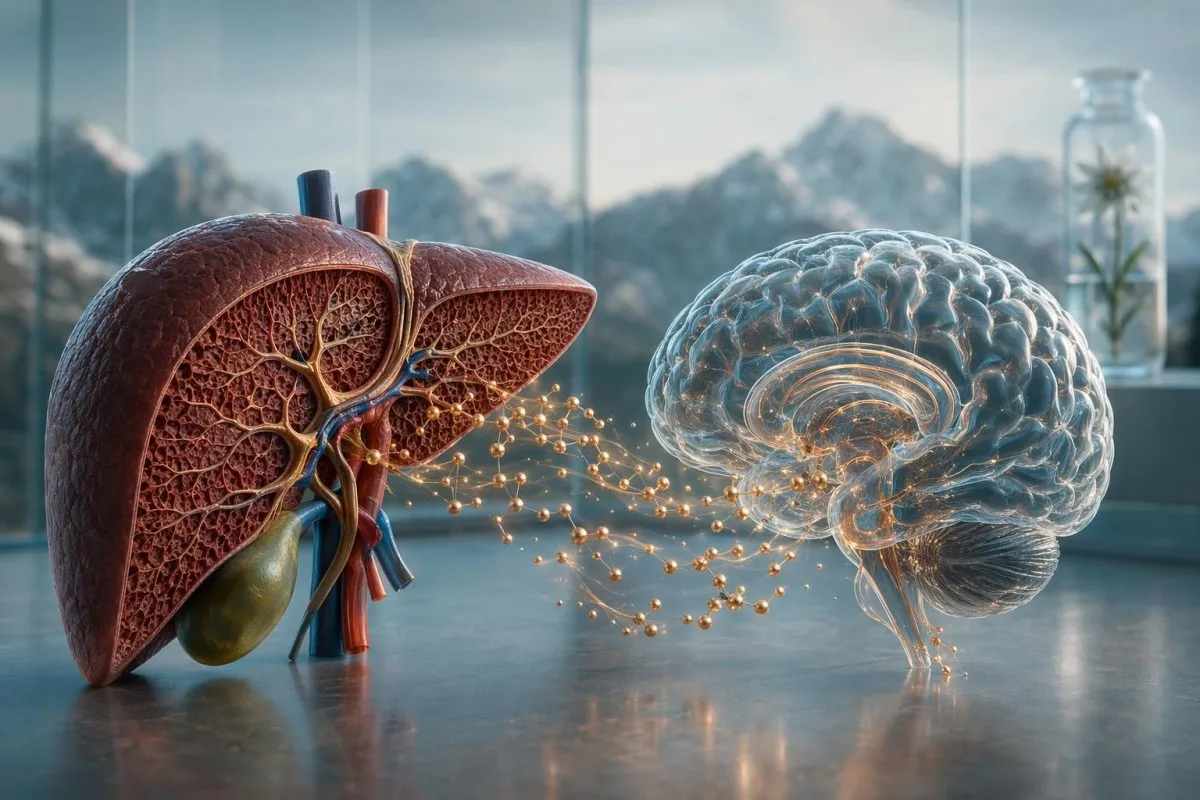
High ammonia is not a routine wellness flag. It is a time-sensitive clue that needs neurologic context, liver context, medication context, and sometimes a repeat sample handled correctly.


- High ammonia usually means impaired liver clearance, blood bypassing the liver, excess ammonia production, medication toxicity, inherited metabolism disease, seizure-related rise, or a mishandled sample.
- Adult reference range is commonly about 15-45 µmol/L, but labs vary; values above 80-100 µmol/L need prompt clinical context.
- Neurologic red flags include new confusion, marked sleepiness, vomiting, slurred speech, asterixis, seizure, or coma; these symptoms make ammonia a same-day emergency clue.
- Ammonia levels liver disease can support hepatic encephalopathy, but the 2014 AASLD/EASL guideline warns that ammonia alone does not grade or diagnose it.
- Medication triggers include valproate, topiramate with valproate, carbamazepine, salicylates, chemotherapy, and some nutrition regimens; liver enzymes may look normal.
- Seizure-related ammonia can rise transiently after a generalized tonic-clonic seizure and often falls within 2-8 hours if no ongoing cause exists.
- Sample handling matters: ammonia samples should be processed rapidly, often on ice, with minimal tourniquet time; delay at room temperature can create a false high result.
- Inherited urea cycle disorders may first appear in adulthood during infection, postpartum stress, high-protein intake, steroids, or fasting, not only in newborns.
High ammonia is a time-sensitive lab clue, not a diagnosis
If you are asking what does high ammonia mean, it means excess ammonia is circulating because the liver cannot clear it fast enough, blood is bypassing the liver, the body is producing too much, a drug or inherited metabolism problem is present, or the sample was mishandled. With confusion, severe drowsiness, repeated vomiting, seizure, slurred speech, or a flapping tremor, a high ammonia blood test should be treated as urgent the same day.
In clinic, I do not read ammonia like cholesterol or vitamin D. A value of 90 µmol/L in a sleepy patient with cirrhosis means something very different from 62 µmol/L in a well person whose sample sat warm for 45 minutes; that distinction is why abnormal values belong in a critical lab result workflow, not a casual inbox message.
Kantesti is an AI blood test analyzer that treats ammonia as a time-sensitive clue and checks whether the surrounding panel supports liver failure, kidney stress, medication effect, infection, or possible lab handling error. Our AI does not replace emergency care; it helps people notice the pattern fast enough to ask the right question.
As of June 14, 2026, the practical rule I give patients is simple: ammonia plus brain change is urgent. Ammonia without symptoms still deserves respect, but the first move is often to verify the number, review medications, and check liver, kidney, glucose, electrolytes, and clotting markers together.
Ammonia ranges: what counts as mild, high, or dangerous
Adult plasma ammonia is often reported as roughly 15-45 µmol/L, though some laboratories use 11-35 µmol/L or report in µg/dL. Values above 80-100 µmol/L are harder to dismiss, and values above 150-200 µmol/L with neurologic symptoms raise concern for cerebral edema, especially in acute liver failure or inherited metabolism disease.
The same number may look different across countries because ammonia can be reported in µmol/L or µg/dL. A rough conversion is 1 µmol/L equals about 1.7 µg/dL, so a result of 100 µmol/L is about 170 µg/dL; Kantesti's biomarker guide stores both unit patterns to reduce misreading.
Mild elevations are common enough that I ask how the tube was handled before I panic. A calm adult with 48-70 µmol/L, normal mental status, normal INR, and no liver history may need a carefully repeated test rather than an ambulance, while a confused patient at the same level can still be seriously unwell.
In Kantesti's real-world review of uploaded reports from 2M+ users, the most misleading ammonia results are isolated mild highs without a matching clinical story. The more concerning cluster is ammonia above 80 µmol/L plus rising bilirubin, low albumin, prolonged prothrombin time, or falling sodium.
When liver disease is the reason ammonia rises
Ammonia levels liver disease usually rise when damaged liver cells cannot convert ammonia into urea or when portal blood bypasses the liver through natural shunts or a TIPS procedure. Cirrhosis, acute liver failure, severe alcoholic hepatitis, viral hepatitis, and large portosystemic shunts can all produce hyperammonemia symptoms.
The 2014 AASLD/EASL hepatic encephalopathy guideline states that hepatic encephalopathy is a clinical diagnosis and that ammonia alone does not reliably grade severity (Vilstrup et al., 2014). I have seen alert patients with 110 µmol/L and deeply confused patients with 58 µmol/L, which is annoying but very real.
The liver pattern matters. Ammonia with INR above 1.5, rising bilirubin, low albumin under about 35 g/L, and a falling platelet count suggests loss of liver synthetic function, while isolated AST and ALT changes need a different read through AST and ALT patterns.
Portosystemic shunts are the quiet culprit people miss. After TIPS placement, roughly one quarter to one third of patients develop overt encephalopathy in many series, and their ammonia may rise even when transaminases are not dramatic.
Brain warning signs that make ammonia urgent
Hyperammonemia symptoms become urgent when ammonia affects the brain: new confusion, unusual sleepiness, reversed sleep-wake rhythm, personality change, slurred speech, poor coordination, asterixis, seizure, or coma. A person with these symptoms should not drive themselves to care, even if the ammonia number looks only moderately high.
Asterixis is the classic flapping hand tremor, but it is not specific to ammonia. It tells me the brain is under toxic-metabolic stress, and I then look for sodium under 130 mmol/L, glucose abnormalities, infection, kidney failure, sedatives, or a high carbon dioxide level.
Patients often describe early hepatic encephalopathy as fog, not confusion. That overlap is why I compare ammonia with sleep pattern, medication changes, and other reversible causes in our brain fog lab guide, especially when B12, thyroid, glucose, and sodium are also abnormal.
The dangerous scenario is a fast rise. Acute ammonia above 150-200 µmol/L can contribute to astrocyte swelling and cerebral edema, while chronic cirrhosis can sometimes tolerate higher numbers with less dramatic swelling because the brain adapts imperfectly over time.
Medication causes: valproate is the big one, but not the only one
Medication-related high ammonia most often involves valproate, especially with topiramate, carnitine deficiency, poor nutrition, kidney stress, or an underlying urea cycle vulnerability. The confusing part is that valproate-related hyperammonemia can occur with normal AST, ALT, bilirubin, and even a therapeutic valproate level.
I have seen valproate ammonia values jump above 100 µmol/L while the liver panel looked deceptively tidy. That is why any new lethargy, vomiting, tremor, or confusion after a dose change belongs in a structured medication monitoring conversation, not a wait-and-see plan.
Other triggers include carbamazepine, salicylates, certain chemotherapy regimens, asparaginase, 5-fluorouracil, and high-nitrogen parenteral nutrition. Topiramate combined with valproate is a classic pairing because it can interfere with ammonia handling through carbonic anhydrase and urea-cycle related pathways.
Treatment decisions are medical, not DIY. In hospital practice, clinicians may stop the trigger drug, give L-carnitine for selected valproate cases, correct dehydration, treat infection, and repeat ammonia within hours rather than days.
Seizures and intense exercise can create short-lived highs
A generalized tonic-clonic seizure can temporarily raise ammonia because intense muscle activity produces a nitrogen load faster than the body clears it. This seizure-related ammonia rise often improves within 2-8 hours, so timing of the blood draw is one of the most useful clues.
When a person arrives after a witnessed seizure, I expect lactate and sometimes ammonia to be high early. If ammonia falls quickly and the neurologic exam clears, the story is different from a patient whose ammonia remains above 100 µmol/L with worsening drowsiness.
Hard exercise can nudge ammonia too, particularly endurance events, heat stress, dehydration, and very high-intensity intervals. If CK, AST, and lactate are also shifted, our exercise lab guide helps separate muscle physiology from liver injury.
The practical recheck is simple but often skipped: rest, hydrate normally, avoid heavy training for 24-48 hours, and repeat the test with correct handling if the person is otherwise well. A persistent rise after that deserves a broader workup.
Inherited urea cycle problems can appear after childhood
Inherited urea cycle disorders can cause high ammonia when the body cannot safely convert nitrogen waste into urea. Although severe forms often present in newborns within 24-72 hours, milder forms may first appear in teenagers or adults during infection, fasting, postpartum stress, steroids, surgery, or a high-protein diet.
Häberle et al. published urea cycle disorder management guidance in Orphanet Journal of Rare Diseases, emphasizing rapid ammonia measurement and urgent metabolic treatment when unexplained encephalopathy is present (Häberle et al., 2012). In a sick infant, ammonia above 100-150 µmol/L is not a watch-and-wait result.
Adult presentations are the ones that get missed. I have seen a normal childhood history followed by sudden confusion after bariatric surgery, infection, or a crash diet; plasma amino acids and urine orotic acid then become more informative than another routine liver panel.
Newborn screening helps, but it does not catch every urea cycle disorder with equal reliability. Parents reviewing an abnormal screen can use our newborn screening guide to understand why some flags need hours-fast follow-up while others are routine repeats.
False high ammonia happens when the sample is handled badly
False high ammonia can happen when the sample is delayed, kept warm, drawn with prolonged tourniquet time, affected by fist clenching, or not separated quickly enough. A mildly high result without symptoms should often be repeated with strict handling before anyone labels it liver disease.
For ammonia, pre-analytic technique is not a minor detail. Many laboratories ask for a chilled laboratory sample, rapid transport, centrifugation within about 15-30 minutes, and analysis within roughly 60 minutes, because cells can continue generating ammonia after collection.
Kantesti is an AI lab test interpretation service that looks for pre-analytic flags when an ammonia result conflicts with the rest of the report. If ammonia is 55 µmol/L but INR, bilirubin, albumin, creatinine, sodium, and the neurologic story are all normal, our platform may prompt a handling-aware repeat rather than a frightening interpretation.
This is the same reasoning behind our lab error checks article. Lab errors are not common enough to ignore real illness, but ammonia is one of the markers where a bad sample can genuinely change the clinical message.
Kidney, gut, infection, and nutrition causes can mimic liver ammonia
Non-liver high ammonia can come from kidney failure, gastrointestinal bleeding, severe constipation, urease-producing urinary infection, high-protein parenteral nutrition, intense catabolism, and rare post-bariatric surgery states. These causes matter because liver enzymes may be normal or only mildly abnormal.
Kidneys normally help excrete ammonium, so renal failure can reduce clearance while acidosis increases nitrogen stress. When BUN is 30-60 mg/dL or creatinine is rising, I read ammonia beside hydration and kidney indices, including the BUN creatinine guide.
Gut ammonia production rises when protein sits in the bowel or blood is digested after an upper GI bleed. Severe constipation is not glamorous medicine, but in cirrhosis it can be the trigger that tips a patient from forgetful to frankly encephalopathic.
Clay and Hainline's Chest review on hyperammonemia in the ICU highlights that critical illness, infection, nutrition changes, and organ failure can produce dangerous non-hepatic hyperammonemia (Clay and Hainline, 2007). I still see that lesson missed when everyone waits for AST or ALT to explain the brain symptoms.
What doctors do when ammonia is high and symptoms are present
High ammonia with neurologic symptoms is managed as a medical urgency: clinicians stabilize airway and glucose, check for infection or bleeding, review medications, repeat ammonia correctly, and treat the suspected cause. The number matters, but the trend over hours often matters more.
In suspected hepatic encephalopathy, treatment often includes lactulose, commonly 20-30 g per dose adjusted to produce 2-3 soft stools daily after the acute phase. Rifaximin 550 mg twice daily is often used to reduce recurrence, but it is not a substitute for finding infection, bleeding, constipation, dehydration, or medication triggers.
For severe acute hyperammonemia, especially suspected urea cycle disease or acute liver failure, specialist teams may use intravenous glucose, stop protein temporarily, give arginine or nitrogen-scavenger therapy, and consider dialysis. A value above 200-300 µmol/L with worsening consciousness is not a home-monitoring situation.
If the result appears on a portal before a clinician calls, use the same logic as other same-day lab results: symptoms first, then number, then cause. New confusion, seizure, or inability to stay awake should bypass routine messaging.
Labs that make an ammonia result easier to interpret
A high ammonia blood test should be interpreted with liver enzymes, bilirubin, albumin, INR or prothrombin time, kidney markers, glucose, sodium, acid-base status, infection markers, and medication levels when relevant. Ammonia in isolation is one of the easiest tests to overread.
For liver context, I want AST, ALT, alkaline phosphatase, GGT if available, total and direct bilirubin, albumin, platelet count, and INR. A direct bilirubin rise has a different implication from an indirect pattern, which is why the bilirubin pattern guide is often more useful than the total bilirubin alone.
For brain-risk context, I look at sodium, glucose, calcium, magnesium, arterial or venous blood gas, lactate, and renal function. A sodium of 122 mmol/L can cause confusion by itself, and correcting that diagnosis matters as much as lowering ammonia.
For cause-finding, add blood cultures when infection is suspected, urinalysis for urease-producing organisms, stool or endoscopy workup if GI bleeding is possible, valproate level when relevant, and plasma amino acids plus urine orotic acid if a urea cycle disorder is on the table.
How Kantesti AI reads ammonia in the full panel
Kantesti reads ammonia by checking whether the result agrees with the wider pattern: liver synthetic failure, cholestasis, renal impairment, seizure physiology, medication risk, or sample-handling mismatch. A single ammonia value is never treated as a stand-alone diagnosis in our interpretation logic.
Kantesti is an AI biomarker interpretation platform that reads ammonia beside liver enzymes, INR, bilirubin, albumin, kidney markers, electrolytes, and medication context when users provide it. Our neural network can process an uploaded PDF or photo in about 60 seconds, but emergency symptoms still require human emergency care first.
The value of AI here is triage language. Kantesti AI can say that ammonia of 68 µmol/L with normal mental status and a likely warm sample is a repeat-and-review pattern, while ammonia of 92 µmol/L with INR prolongation and low albumin is a clinician-now pattern.
For readers who want the methodology rather than marketing claims, our technology guide explains how rules, statistical context, and physician-reviewed safety prompts are combined. I prefer this hybrid style because pure number matching misses too many real patients.
When to repeat the test and what not to do at home
Repeat ammonia testing is reasonable for mild, symptom-free elevations when sample handling is uncertain, but it is unsafe to delay care when neurologic symptoms are present. A repeat should be done with correct technique, usually after rest and without heavy exercise for 24-48 hours.
Do not start a severe protein restriction by yourself. Short-term protein holding is sometimes used in hospital for metabolic emergencies, but long-term underfeeding worsens muscle loss, and muscle is one of the body's backup ammonia-processing tissues.
Bring a medication list, supplement list, alcohol history, constipation history, recent seizure history, and timing of the draw. That level of detail helps separate a real ammonia trend from ordinary blood test variability.
My personal threshold as Thomas Klein, MD, is conservative: any ammonia result plus new confusion, unusual sleepiness, repeated vomiting, or seizure gets same-day medical review. For a well adult with 50-70 µmol/L, I usually want a properly handled repeat and paired liver-kidney-clotting labs rather than a label.
Evidence, clinical review, and Kantesti research notes
The evidence base for ammonia interpretation is strongest for hepatic encephalopathy and urea cycle disorders, and weaker for isolated mild outpatient elevations. That is why physician review and transparent references matter more for ammonia than for many routine chemistry markers.
Thomas Klein, MD, reviews ammonia content with the same caution I use in practice: a number is a clue, not a patient. Kantesti's doctors and advisors are listed through our medical advisory board, and our technical safety approach is documented in clinical validation.
Kantesti research publications are not a replacement for AASLD/EASL or metabolic society guidance, but they show how we structure diagnostic reasoning across lab panels. Related publication pages include our Nipah testing guide and our hematology markers guide, both written to make complex lab patterns readable without flattening the uncertainty.
Kantesti LTD. (2026). Nipah Virus Blood Test: Early Detection & Diagnosis Guide 2026. Zenodo. https://doi.org/10.5281/zenodo.18487418. ResearchGate. Academia.edu.
Kantesti LTD. (2026). B Negative Blood Type, LDH Blood Test & Reticulocyte Count Guide. Figshare. https://doi.org/10.6084/m9.figshare.31333819. ResearchGate. Academia.edu.
Frequently Asked Questions
What does high ammonia mean on a blood test?
High ammonia on a blood test means ammonia is accumulating because clearance is reduced, production is increased, blood is bypassing the liver, a medication or inherited metabolism problem is present, or the sample was mishandled. Adult reference ranges are commonly about 15-45 µmol/L, but each lab sets its own range. A result above 80-100 µmol/L needs prompt clinical context, and any result with confusion, seizure, marked drowsiness, or vomiting should be treated as urgent.
Can high ammonia happen with normal liver enzymes?
Yes, high ammonia can occur with normal AST and ALT, especially with valproate, topiramate-valproate combination therapy, urea cycle disorders, portosystemic shunts, severe constipation, kidney failure, or sample-handling error. Liver enzymes measure cell injury, while ammonia reflects nitrogen handling and clearance. A normal ALT does not rule out clinically important hyperammonemia.
What ammonia level is dangerous?
An ammonia level above 150-200 µmol/L is potentially dangerous, particularly if it rises quickly or occurs with neurologic symptoms. Values above 80-100 µmol/L are not automatically critical, but they should not be ignored when there is cirrhosis, acute liver injury, medication risk, or altered mental status. In newborns and suspected urea cycle disorders, even moderate elevations can require urgent metabolic assessment.
What are the most important hyperammonemia symptoms?
The most important hyperammonemia symptoms are new confusion, unusual sleepiness, reversed sleep-wake rhythm, slurred speech, vomiting, poor coordination, asterixis, seizure, and coma. Mild brain fog can occur early, but sudden drowsiness or seizure is much more concerning. Symptoms matter because ammonia numbers do not perfectly predict brain risk.
Can an ammonia blood test be falsely high?
Yes, an ammonia blood test can be falsely high if the sample is delayed, kept warm, drawn with prolonged tourniquet time, affected by fist clenching, or not separated and analyzed quickly. Many labs prefer rapid transport, often on ice, centrifugation within about 15-30 minutes, and analysis within roughly 60 minutes. A mild isolated high result in a well person often deserves a carefully handled repeat.
How are ammonia levels liver disease related?
Ammonia levels in liver disease rise when damaged liver tissue cannot convert ammonia into urea or when portal blood bypasses liver detoxification through shunts. High ammonia can support hepatic encephalopathy, but the 2014 AASLD/EASL guideline states that hepatic encephalopathy remains a clinical diagnosis. Doctors interpret ammonia alongside INR, bilirubin, albumin, sodium, kidney function, infection markers, and the neurologic exam.
Should I lower protein if my ammonia is high?
You should not start severe protein restriction on your own for high ammonia. In acute metabolic emergencies, clinicians may temporarily stop protein while giving glucose and specialist treatments, but chronic underfeeding can worsen muscle loss and reduce the body's ability to buffer ammonia. A safe plan depends on the cause, the ammonia level, symptoms, and whether liver disease or an inherited metabolism disorder is suspected.
Can constipation raise ammonia in someone with cirrhosis?
Yes. Constipation can allow more ammonia to be produced and absorbed in the gut, which may worsen hepatic encephalopathy in people with significant liver disease. Follow your clinician’s bowel plan, and seek urgent care for confusion, unusual sleepiness, or vomiting.
Get AI-Powered Blood Test Analysis Today
Join over 2 million users worldwide who trust Kantesti for instant, accurate lab test analysis. Upload your blood test results and receive comprehensive interpretation of 15,000+ biomarkers in seconds.
📚 Referenced Research Publications
Klein, T., Mitchell, S., & Weber, H. (2026). Nipah Virus Blood Test: Early Detection & Diagnosis Guide 2026. Kantesti AI Medical Research.
Klein, T., Mitchell, S., & Weber, H. (2026). B Negative Blood Type, LDH Blood Test & Reticulocyte Count Guide. Kantesti AI Medical Research.
📖 External Medical References
⚕️ Medical Disclaimer
This article is for educational purposes only and does not constitute medical advice. Always consult a qualified healthcare provider for diagnosis and treatment decisions.
E-E-A-T Trust Signals
Experience
Physician-led clinical review of lab interpretation workflows.
Expertise
Laboratory medicine focus on how biomarkers behave in clinical context.
Authoritativeness
Written by Dr. Thomas Klein with review by Dr. Sarah Mitchell and Prof. Dr. Hans Weber.
Trustworthiness
Evidence-based interpretation with clear follow-up pathways to reduce alarm.