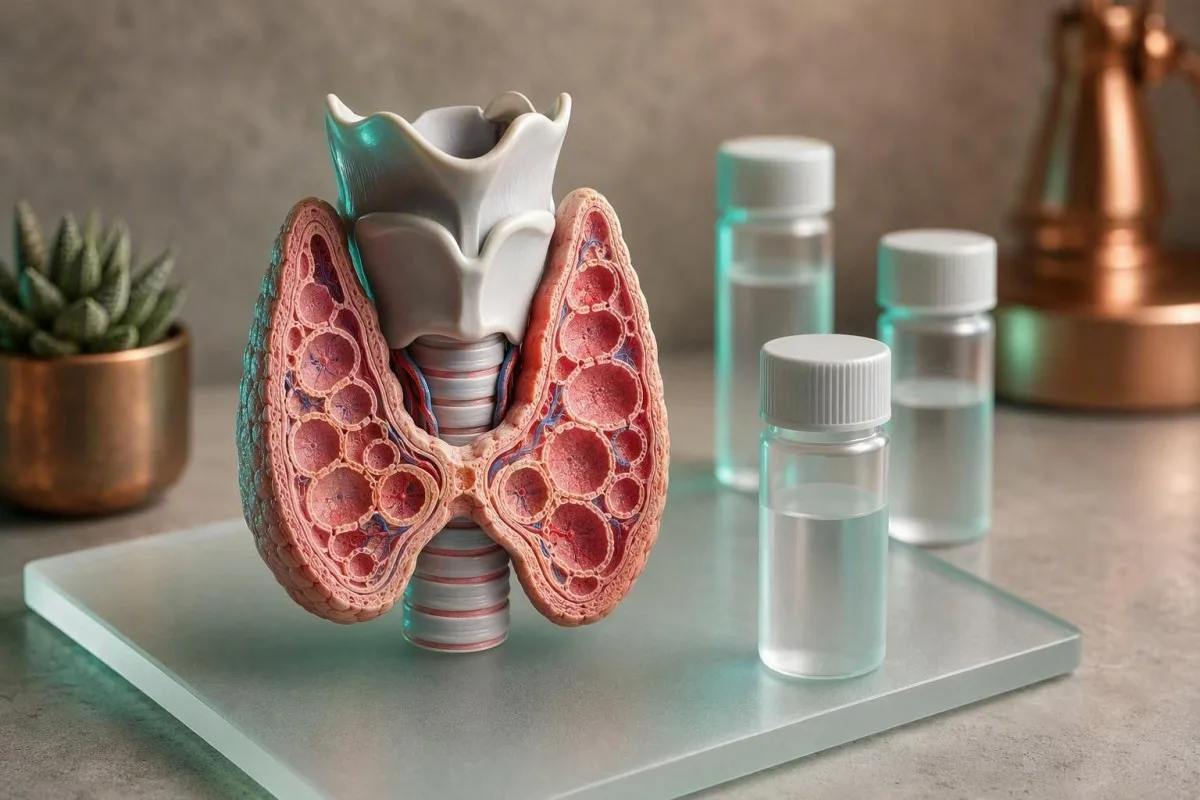
زیادہ تر لوگوں کو بار بار تھائرائیڈ پینلز کی ضرورت نہیں ہوتی ہے۔ صحیح وقفہ اس بات پر منحصر ہے کہ آیا آپ کا TSH نارمل ہے، آپ حاملہ ہیں، آپ میں علامات ہیں، یا آپ کی لیووتھائروکسین کی خوراک حال ہی میں تبدیل ہوئی ہے۔.


- نارمل TSH عام طور پر ہر 1-5 سال سے زیادہ بار بار کرنے کی ضرورت نہیں ہوتی ہے جب تک کہ علامات، حمل، دوائیں، یا نئے خطرے کے عوامل سامنے نہ آئیں۔.
- لیووتھائروکسین کی تبدیلیوں کے بعد, ، 6-8 ہفتوں کے بعد TSH کو دہرائیں کیونکہ پٹیوٹری فیڈ بیک کو مستحکم ہونے میں وقت لگتا ہے۔.
- حمل ان لوگوں میں جنہیں پہلے سے ہائپوتھائراڈیزم ہے، تصدیق کے وقت اور حمل کے وسط تک عام طور پر ہر 4 ہفتے بعد TSH ٹیسٹنگ کی ضرورت ہوتی ہے۔.
- مستحکم علاج شدہ ہائپوتھائراڈیزم کی عام طور پر ہر 6-12 مہینوں میں نگرانی کی جاتی ہے، نہ کہ ماہانہ۔.
- 10 mIU/L سے زیادہ TSH عام طور پر کلینیکل تشخیص اور علاج کے بحث کی ضرورت ہوتی ہے، یہاں تک کہ جب فری T4 رینج میں رہے۔.
- بایوٹین سپلیمنٹس کچھ تھائرائیڈ امیونوایس کو خراب کر سکتا ہے؛ کم از کم 2 دن کے لیے ہائی ڈوز بائیوٹن کو روکنا ایک دانشمندانہ احتیاط ہے۔.
- TPO اینٹی باڈیز مستقبل میں ہائپوتھائراڈیزم کی پیش گوئی کرتے ہیں لیکن لیووتھائروکسین کو ایڈجسٹ کرنے کے لیے سیریل پیمائش کی ضرورت نہیں ہے۔.
- فوری جائزہ (Urgent assessment) شدید دھڑکن، سینے میں درد، الجھن، نمایاں سانس کی قلت، یا گردن کے تیزی سے بڑھنے والے ورم کے لیے ضروری ہے۔.
تھائرائیڈ ٹیسٹ کو دہرانے کا فیصلہ کا شیڈول
تھائیرائڈ کی سطح کی جانچ کتنی بار کی جائے اس کا انحصار کلینیکل صورتحال پر ہے: نارمل اسکریننگ کے بعد ہر 1-5 سال بعد، خوراک میں تبدیلی کے 6-8 ہفتوں بعد، جب تھائیرائیڈ کی بیماری معلوم ہو تو ابتدائی حمل کے دوران ہر 4 ہفتوں بعد، اور جب ہائپوتھائیرائڈزم علاج پر مستحکم ہو تو ہر 4-6 مہینوں بعد۔. جلد ٹیسٹ کرنا صرف اس وقت مفید ہوتا ہے جب کوئی نتیجہ حقیقت پسندانہ طور پر دیکھ بھال کو تبدیل کر سکے۔.
بغیر تھائیرائڈ کی تشخیص اور نارمل ٹی ایس ایچ, والے بالغ کے لیے، اگر کوئی نئی علامات یا خطرے کے عوامل نہ ہوں تو عام طور پر 1-5 سال کے وقفے سے دوبارہ ٹیسٹ کرنا کافی ہوتا ہے۔ وسیع وقفہ مختلف قومی اسکریننگ پالیسیوں کی عکاسی کرتا ہے۔ آبادی میں معمول کی اسکریننگ سے امریکی پریوینٹیو سروسز ٹاسک فورس (USPSTF, 2015) کے لیے بے علامات بالغوں کے لیے اس کی توثیق کے لیے کوئی واضح فائدہ نہیں دکھایا گیا ہے۔.
سالانہ ٹیسٹنگ کے بجائے ایک عملی شیڈول زیادہ مفید ہے: ادویات یا تولیدی تبدیلیوں کے چند ہفتوں کے اندر، غیر معمولی صورتحال کے چند مہینوں کے اندر، اور صرف اس صورت میں جب کسی دائمی حالت کا فعال طور پر انتظام کیا جا رہا ہو تو سالانہ دوبارہ ٹیسٹ کریں۔ میری کلینک میں، سب سے عام قابل گریز غلطی خوراک کو تبدیل کرنے کے 10 دن بعد دوبارہ TSH کی جانچ کرنا ہے - تشویش بڑھ جاتی ہے، لیکن نتیجہ شاذ و نادر ہی سوال کا جواب دیتا ہے۔.
کنٹیسٹی ایک ہے۔ اے آئی بلڈ ٹیسٹ تجزیہ کار جو تھائیرائڈ کے نتائج کا موازنہ تاریخ شدہ پچھلے پینل سے کرتا ہے، جو ابتدائی، شور والے دوبارہ ٹیسٹ سے بامعنی رجحان کو الگ کرنے میں مدد کرتا ہے۔ اصل لیبارٹری، جمع کرنے کا وقت، خوراک، حمل کی حیثیت، اور سپلیمنٹس کو ہر نتیجہ کے ساتھ رکھیں؛ وہ تفصیلات ٹائم لائن کو کلینیکل طور پر قابل تشریح بناتی ہیں۔ جو ریکارڈ کرنے کے قابل سیاق و سباق کے لیے ہماری خون کے ٹیسٹ کا وقت کا رہنما دیکھیں۔.
جب نارمل TSH کو دہرایا جانا چاہئے
عام طور پر تھائیرائڈ کے خطرات کے بغیر ایک صحت مند بالغ میں سالانہ دوبارہ جانچ کی ضرورت نہیں ہوتی ہے۔ 1-5 سال کا وقفہ مناسب ہے۔. جب علامات مستقل ہوں، حمل کا منصوبہ بنایا جا رہا ہو، گردن کی تابکاری ہوئی ہو، یا تھائیرائڈ کے فنکشن کو متاثر کرنے والی ادویات شروع کی گئی ہوں تو جلد دوبارہ جانچ کریں۔.
زیادہ تر لیبارٹریز بالغوں کے ٹی ایس ایچ کو تقریباً 0.4-4.0 mIU/L کے درمیان رکھتی ہیں، حالانکہ اوپری حدود تقریباً 4.0 سے 4.5 mIU/L تک مختلف ہوتی ہیں۔ 2.1 mIU/L کی قدر 3.7 mIU/L سے فطری طور پر بہتر نہیں ہے۔ دونوں نارمل ہو سکتے ہیں اگر فری T4، علامات، اور کلینیکل سیاق و سباق متفق ہوں۔.
میں ٹائپ 1 ذیابیطس، سیلیک بیماری، تھائیرائیڈ سرجری، لیتھیم، امیڈارون، پٹیوٹری بیماری، یا مضبوط آٹوميون فیملی ہسٹری والے افراد میں جلدی دوبارہ ٹیسٹ کرتا ہوں۔ یہ گروہ عام طور پر تھکے ہوئے صحت مند شخص کے مقابلے میں زیادہ پری ٹیسٹ امکان رکھتے ہیں۔.
ایک نارمل TSH تھکاوٹ، بالوں کا جھڑنا، کم موڈ، یا وزن میں تبدیلی کی ہر وجہ کو رد نہیں کرتا۔ اگر علامات کی پیٹرن وسیع ہے، تو ڈاکٹر اکثر تھائیرائیڈ ٹیسٹ ہر چند ہفتوں میں کرنے کے بجائے CBC، فیرٹین، گلوکوز، گردے کے مارکر، اور کبھی کبھار B12 کا جائزہ لیتے ہیں۔ کم محرک خون کے ٹیسٹ جو وسیع تر تفریق کی وضاحت کرتا ہے۔.
نارمل نتائج کے ساتھ علامات: جب ٹیسٹنگ اب بھی مناسب ہو
نارمل TSH کے باوجود علامات برقرار رہنے یا بڑھنے پر 6-12 ہفتوں میں تھائیرائیڈ پینل کو دہرائیں، نہ کہ چند دن بعد۔. نیا tremor، گرمی کی عدم برداشت، آرام کے دوران تیز دل کی دھڑکن، گردن کے مسائل، ماہواری میں خلل، یا وزن میں غیر واضح تبدیلی زیادہ مخصوص نظرثانی کی مستحق ہے۔.
TSH دن کے دوران، لیبارٹریوں کے درمیان، اور بیماری سے صحت یابی کے دوران معمولی طور پر تبدیل ہو سکتا ہے۔ 2.0 سے 3.1 mIU/L تک کی تبدیلی عام حیاتیاتی تغیر ہو سکتی ہے، جبکہ 1.2 سے 8.6 mIU/L تک کا اضافہ مختلف ردعمل کا مستحق ہے؛ یہی وجہ ہے کہ ٹرینڈ کا سیاق و سباق ایک سنگل فلیگ سے زیادہ اہم ہے۔.
شدید بیماری کم T3 اور کبھی کبھار کم یا نارمل TSH پیدا کر سکتی ہے بغیر بنیادی تھائیرائیڈ ناکامی کے، ایک پیٹرن جسے اکثر غیر تھائیرائیڈ بیماری کہا جاتا ہے۔ ہسپتال میں داخل ہونے کے دوران ٹیسٹنگ ضروری ہو سکتی ہے، لیکن غیر ہنگامی آؤٹ پیشنٹ علامات کے لیے میں اکثر معمولی نتائج کو دائمی بیماری کے طور پر تشریح کرنے سے پہلے صحت یابی کے 4-8 ہفتوں بعد انتظار کرتا ہوں۔ بیماری کے دوران کم T3.
ڈاکٹر تھامس کلین کا عملی اصول سادہ ہے: جب جواب اگلے طبی فیصلے کو بدل دے تو ٹیسٹ کو دہرائیں۔ مستقل قبض اور ٹھنڈے سے عدم برداشت کے ساتھ نارمل TSH، CBC، فیرٹین، دواؤں کے جائزے، اور فری T4 کا باعث بن سکتا ہے؛ اسے خود بخود ماہانہ اینٹی باڈی پینل کا باعث نہیں بننا چاہیے۔.
لیووتھائروکسین کی تبدیلیوں کے بعد TSH کو کب دہرانا ہے
لیووتھائروکسین شروع کرنے، خوراک میں تبدیلی، یا فارمولیشن تبدیل کرنے کے 6-8 ہفتوں بعد TSH کو دہرائیں۔. لیووتھائروکسین کی نصف حیات تقریباً 7 دن ہوتی ہے، اور پٹیوٹری کو TSH آؤٹ پٹ کو ری سیٹ کرنے میں کئی ہفتے لگتے ہیں۔.
ایک عام خوراک کی ایڈجسٹمنٹ 12.5-25 مائیکرو گرام روزانہ ہے، خاص طور پر بوڑھے افراد یا کورونری بیماری والے افراد میں، حالانکہ تجویز کرنے والے معالج انفرادی طور پر اس کا تعین کرتے ہیں۔ 2 ہفتوں میں TSH کی جانچ غیر معمولی حالات میں کبھی کبھار مدد کر سکتی ہے، لیکن یہ معمول کی خوراک کے فیصلوں کے لیے بہت جلد ہے۔.
لیووتھائروکسین کو مستقل طور پر پانی کے ساتھ خالی پیٹ پر لیں، عام طور پر کھانے سے 30-60 منٹ پہلے، یا سونے کے وقت آخری کھانے کے کم از کم 3-4 گھنٹے بعد۔ کیلشیم، آئرن، میگنیشیم، اینٹاسڈ، بائل ایسڈ بائنڈرز، اور کچھ فائبر پروڈکٹس جب قریب ہی لیے جائیں تو جذب کو کم کر سکتے ہیں؛ خوراک کی ناکامی کبھی کبھار ٹائمنگ کا مسئلہ ہوتا ہے۔.
برانڈ یا مینوفیکچرر میں تبدیلی کچھ مریضوں کے لیے مؤثر نمائش کو بدل سکتی ہے، خاص طور پر ان لوگوں کے لیے جن میں اینڈوجینس تھائیرائیڈ فنکشن کم ہے۔ سوئچ کے بعد اسی دوبارہ جانچ کے وقفے کا استعمال کریں، جیسا کہ ہماری لیووتھائروکسین برانڈ سوئچ گائیڈ.
مستحکم ہائپوتھائراڈیزم کی نگرانی کیسے کریں
میں تفصیل سے بتایا گیا ہے کہ عام طور پر 6-12 مہینوں میں TSH جانچ کی ضرورت ہوتی ہے۔. بڑے وزن میں تبدیلی، حمل، معدے کی سرجری، باہمی عمل کرنے والی ادویات، یا قائل کرنے والی علامات کی واپسی کے بعد زیادہ کثرت سے جانچ مناسب ہے۔.
بنیادی ہائپوتھائیرائڈزم کے لیے علاج کیے جانے والے زیادہ تر غیر حاملہ بالغوں کے لیے، علاج کا ہدف لیبارٹری کے حوالہ وقفے کے اندر TSH ہوتا ہے نہ کہ مخصوص کم نارمل نمبر۔ متبادل تھراپی پر 0.1 mIU/L سے کم مسلسل دبا ہوا TSH، خاص طور پر 65 سال کی عمر کے بعد، ایٹریل فبریلیشن اور ہڈیوں کے نقصان کے خطرے سے وابستہ ہے۔.
TSH کے ساتھ فری T4 کی جانچ اس وقت مفید ہوتی ہے جب پٹیوٹری بیماری، مرکزی ہائپوتھائیرائڈزم، حمل، پابندی کے بارے میں غیر یقینی صورتحال، یا متضاد علامات موجود ہوں۔ مرکزی ہائپوتھائیرائڈزم میں، ناکافی ہارمون متبادل کے باوجود TSH نارمل یا کم ہو سکتا ہے، لہذا فری T4 - TSH نہیں - خوراک کی رہنمائی کرتا ہے۔.
کنٹیسٹی ایک ہے۔ AI خون کے ٹیسٹ کی رپورٹ کی تشریح جو TSH، فری T4، دوا میں تبدیلیوں، اور متعلقہ آئرن یا لپڈ کے نتائج کو ایک طول البلد منظر پر رکھتا ہے۔ یہ خاص طور پر مددگار ہے کیونکہ ایک نارمل TSH کے ساتھ کم مفت T4 عام ہاشیموٹو ہائپوتھائیرائڈزم سے مختلف طبی راستے کی ضرورت ہے۔.
بارڈر لائن ہائی TSH: دانشمندانہ دوبارہ جانچ کا شیڈول
4.5-10 mIU/L کے درمیان TSH، نارمل فری T4 کے ساتھ، دائمی ذیلی کلینیکل ہائپوتھائیرائڈزم کا لیبل لگانے سے پہلے عام طور پر 6-12 ہفتوں میں دوبارہ کیا جاتا ہے۔. جب TSH تیزی سے بڑھ رہا ہو، حمل موجود ہو، یا علامات نمایاں ہوں تو جلدی دوبارہ جانچ کریں۔.
وائرل بیماری، نیند میں خلل، لیبارٹری کی تغیر پذیری، یا شدید نظامی بیماری سے صحت یابی کے بعد عارضی TSH میں اضافہ ہو سکتا ہے۔ 6-12 ہفتوں کے بعد دوبارہ ٹیسٹ کروانے سے بہت سے مریضوں کو ایک معمولی نتیجے سے تشخیص ہونے سے بچایا جا سکتا ہے؛ اسسیس کے اختلافات کو کم کرنے کے لیے جہاں ممکن ہو اسی لیب کا استعمال کریں۔.
TSH اس حد سے اوپر ہے۔ 10 mIU/L وہ حد ہے جس پر زیادہ تر رہنما خطوط علاج پر بحث کو ترجیح دیتے ہیں کیونکہ ترقی اور قلبی ایسوسی ایشن زیادہ تشویشناک ہو جاتی ہیں۔ 2012 کے مشترکہ امریکن تھائیرائڈ ایسوسی ایشن اور امریکن ایسوسی ایشن آف کلینیکل اینڈو کرائنولوجسٹس رہنما اصول علامات، اینٹی باڈیز، عمر، اور قلبی تناظر کے مطابق 10 mIU/L سے نیچے انفرادی علاج کی سفارش کرتا ہے (Garber et al., 2012)۔.
TPO اینٹی باڈیز کا بہتر اندازہ لگایا جا سکتا ہے: مثبت اینٹی باڈیز ذیلی کلینیکل ہائپوتھائیرائڈزم کے بڑھنے کے امکانات کو بڑھاتی ہیں، لیکن اینٹی باڈی ٹائٹر کو دہرانے سے ہمیں یہ نہیں پتہ چلتا کہ لیووتھائروکسین کی خوراک درست ہے یا نہیں۔ ہمارا بارڈر لائن TSH گائیڈ ان عوامل کا احاطہ کرتا ہے جو فیصلے کو بدلتے ہیں۔.
ہاشموٹو کی بیماری: کیا نگرانی کرنی ہے اور کیا چھوڑنا ہے
ہاشموتو کی بیماری کی نگرانی بنیادی طور پر TSH اور، جب ضرورت ہو، فری T4 کے ساتھ کی جاتی ہے۔ TPO اینٹی باڈیز کی سیریل جانچ کی ضرورت نہیں ہے۔. مثبت TPO اینٹی باڈیز والا ایک یو تھائیرائڈ شخص عام طور پر سال میں ایک بار TSH کی ضرورت ہوتا ہے، یا حمل کے دوران جلد۔.
TPO اینٹی باڈیز بہت سے لوگوں میں آٹومیمون تھائیرائڈائٹس کے ساتھ موجود ہوتی ہیں اور دہائیوں تک مثبت رہ سکتی ہیں۔ گرتی ہوئی اینٹی باڈی کی قدروں کا قابل اعتماد مطلب یہ نہیں ہے کہ غدود صحت یاب ہو گیا ہے، اور بڑھتی ہوئی قدریں خود سے علاج کو تبدیل کرنے کا جواز پیش نہیں کرتی ہیں۔.
میں عام طور پر ایسے مریض دیکھتا ہوں جنہوں نے ماہانہ TPO اینٹی باڈی ٹیسٹ پر پیسہ خرچ کیا ہے جبکہ ان کا TSH 18 مہینوں سے تبدیل نہیں ہوا۔ کلینیکل طور پر مفید سوال یہ ہے کہ آیا تھائیرائڈ ہارمون کی پیداوار میں کمی ہو رہی ہے، نہ کہ مدافعتی پہچان میں اتار چڑھاؤ آیا ہے۔.
اگر TSH نارمل ہے لیکن اینٹی باڈیز مثبت ہیں، تو سالانہ TSH مناسب ڈیفالٹ ہے؛ اگر متعلقہ ہو تو حمل سے پہلے کی جانچ اور ابتدائی حمل کی جانچ شامل کریں۔ اس بارے میں مزید پڑھیں خطرہ ایک ہی TPO اینٹی باڈی کے نتیجے سے طے نہیں ہوتا، لیکن مثبت اینٹی باڈی ٹیسٹ کے لیے سیاق و سباق ضروری ہے؛ دیکھیں ہماری گائیڈ اور اپنی استعمال کریں۔ بایومارکر گائیڈ تاکہ آپ کی رپورٹ پر لیب کے نام سمجھ سکیں۔.
حمل اور قبل از حمل تھائرائیڈ ٹیسٹنگ
ہائپوتائیرائڈزم والے افراد کا TSH حمل کی تصدیق ہوتے ہی اور حمل کے وسط تک تقریباً ہر 4 ہفتے بعد، پھر کم از کم ایک بار 30 ہفتے کے قریب چیک کرایا جانا چاہئے۔. لیووتھائروکسین کی ضروریات عام طور پر حمل کے اوائل میں بڑھ جاتی ہیں، کبھی کبھی 20-30% تک۔.
2017 کی امریکن تھائیرائڈ ایسوسی ایشن حمل کے رہنما اصول TSH کی اوپری حوالہ حد تقریباً 4.0 mIU/L استعمال کرتا ہے جب کسی لیبارٹری میں حمل کے لیے مخصوص رینج نہیں ہوتی ہے، بجائے اس کے کہ پرانے عالمی کٹ آف کو لاگو کیا جائے۔ Trimester- اور assay-specific رینج کو ترجیح دی جاتی ہے کیونکہ thyroxine-binding globulin اور hCG تھائیرائڈ فزیولوجی کو تبدیل کرتے ہیں (Alexander et al., 2017)۔.
پہلے سے لیووتھائروکسین لینے والے مریضوں کو باقاعدہ اپوائنٹمنٹ کا انتظار کرنے کے بجائے مثبت ٹیسٹ کے فوراً بعد اپنی زچگی یا اینڈو کرائن ٹیم سے رابطہ کرنا چاہئے۔ کچھ معالجین نے قائم ہائپوتھائیرائڈزم کے لیے ہفتہ وار گولیوں میں فوری ایمپیرک اضافہ کا مشورہ دیا ہے، لیکن درست منصوبہ کو انفرادی بنانا ہوگا — خاص طور پر دل کی بیماری یا غیر یقینی تشخیص کے ساتھ۔.
ترسیل کے بعد، تھائیرائڈ کی ضروریات اکثر کئی ہفتوں میں حمل سے پہلے کی خوراک کی طرف لوٹ آتی ہیں، لہذا آپ کے معالج کے مشورے کے برخلاف، ترسیل کے 6 ہفتے بعد TSH کو دوبارہ جانچیں۔ حمل کی تشریح بھی ہمارے سے مستفید ہوتی ہے۔ فری T4 حمل گائیڈ.
جب ہائپر تھائراڈیزم کا شبہ ہو یا علاج کیا جا رہا ہو تو کتنی بار ٹیسٹ کرنا ہے
مشتبہ ہائپر تھائیرائڈزم کے لیے فوری TSH اور فری T4 جانچ کی ضرورت ہوتی ہے، اکثر فری T3 کے ساتھ؛ علاج شدہ ہائپر تھائیرائڈزم کو ابتدائی طور پر ہر 4-6 ہفتے بعد فری T4 اور T3 کی ضرورت ہو سکتی ہے۔. ہارمون کی سطح نارمل ہونے کے مہینوں تک TSH دب سکتا ہے، لہذا اسے علاج کے ابتدائی مراحل میں استعمال کیا جانے والا واحد مارکر نہیں ہونا چاہئے۔.
0.1 mIU/L سے کم TSH کی سطح، بلند فری T4 یا فری T3 کے ساتھ، واضح ہائپر تھائیرائڈیزم کی حمایت کرتی ہے اور اس کے لیے بروقت ڈاکٹر کی نظر ثانی کی ضرورت ہوتی ہے۔ Graves' disease میں جو اینٹی تھائیرائڈ دوا سے زیر علاج ہے، فری T4 اور کل یا فری T3 عام طور پر ہر 4-6 ہفتے بعد ابتدائی ایڈجسٹمنٹ کی رہنمائی کرتے ہیں۔.
تیز دل کی دھڑکن کی وضاحت کے لیے اکیلے تھائرائیڈ ٹیسٹ کا استعمال نہ کریں۔ مستقل طور پر 120 دھڑکن فی منٹ سے زیادہ آرام کی نبض، سینے میں درد، بے ہوشی، شدید سانس کی قلت، بے چینی کے ساتھ بخار، یا الجھن فوری طبی امداد کی ضرورت کا باعث بنتی ہے، کیونکہ شدید تھائروٹاکسیسس دل کے نظام کو غیر مستحکم کر سکتا ہے۔.
بایوٹین حساس ٹیسٹوں پر کم TSH اور بلند فری T4 یا T3 کے غلط نمونے پیدا کر سکتا ہے۔ ڈاکٹر کے مختلف ہدایات دینے کے علاوہ، تجربات سے کم از کم 48 گھنٹے پہلے، بالوں کے سپلیمنٹس میں عام طور پر روزانہ 5-10 ملی گرام استعمال ہونے والے ہائی ڈوز بایوٹین کو روکیں۔ ہمارا مضمون بلند فری T3 ٹیسٹ کی غلطیوں کے بارے میں بتاتا ہے کہ کیوں۔.
تھائرائیڈ کینسر یا تھائرائیڈ سرجری کے بعد ٹیسٹنگ
تھائیرائیڈ کے آپریشن یا تھائیرائیڈ کینسر کے علاج کے بعد، ٹیسٹنگ کی فریکوئنسی انفرادی ہوتی ہے اور خوراک کی ترتیب کے دوران ہر 6-12 ہفتوں سے لے کر مستحکم ہونے پر ہر 6-12 مہینوں تک ہوسکتی ہے۔. منتخب کینسر کے خطرے والے گروہوں میں TSH کے اہداف جان بوجھ کر کم رکھے جا سکتے ہیں، لہذا ہائپو تھائیرائڈیزم کے عام اہداف ہمیشہ لاگو نہیں ہوتے۔.
مکمل تھائیرائیڈ ہٹانے کے بعد، عمر بھر لیووتھائروکسین کی ضرورت ہوتی ہے، اور خوراک میں تبدیلی کے بعد TSH کا پہلا اندازہ عام طور پر 6-8 ہفتے بعد ہوتا ہے۔ فرق والے تھائیرائیڈ کینسر کی نگرانی میں تھائروگلوبولین اور تھائروگلوبولین اینٹی باڈیز شامل کیے جا سکتے ہیں، لیکن ان کا شیڈول پیتھالوجی اور دوبارہ ہونے کے خطرے پر منحصر ہوتا ہے۔.
تھائیرائیڈ کینسر کے بعد TSH کا دباؤ خود بخود غلطی نہیں ہے۔ کم خطرے والے مریضوں میں، جارحانہ دباؤ ایٹریل فیبریلیشن اور فریکچر کے خطرے کو بڑھا سکتا ہے، لہذا اینڈو کرائنولوجسٹ دوبارہ ہونے سے بچاؤ کو علاج کے نقصان کے خلاف متوازن کرتے ہیں نہ کہ ممکنہ کم ترین TSH کے حصول کے لیے۔.
پیتھالوجی، آپریشن کی رپورٹس، الٹراساؤنڈ کے نتائج، اور ہر پچھلے تھائروگلوبولین کا نتیجہ ماہر کے جائزہ کے لیے لائیں۔ Kantesti کے طویل مدتی ٹولز تاریخ شدہ لیبارٹری کی تاریخ کو منظم کر سکتے ہیں، لیکن طبی ہدف آپ کی کینسر ٹیم اور ہمارے میں بیان کردہ طبی طور پر جائزہ شدہ معیارات سے آنا چاہیے کلینیکل ویلیڈیشن کا طریقہ.
دوائیں اور سپلیمنٹس جو تھائرائیڈ کے جلد دوبارہ ٹیسٹ کے جواز پیش کرتے ہیں
لیتھیم، امیوڈارون، انٹرفیرون، مدافعتی چیک پوائنٹ انبیٹرز، آیوڈین کی نمائش، اور ہائی ڈوز بائیوٹین تھائیرائیڈ ٹیسٹ یا تھائیرائیڈ فنکشن کو تبدیل کر سکتے ہیں۔. دوبارہ ٹیسٹنگ کا وقفہ مشتبہ شدید ادویات سے متعلق تھائروٹاکسیسس کے لیے دنوں سے لے کر مستحکم نگرانی کے منصوبوں کے لیے 3-6 مہینوں تک ہوتا ہے۔.
لیتھیم تھائیرائیڈ ہارمون کے اخراج کو کم کر سکتا ہے اور عام طور پر علاج سے پہلے اور نفسیات اور پرائمری کیئر کے مشترکہ طور پر طے شدہ وقفوں پر TSH کے ساتھ مانیٹر کیا جاتا ہے، جو مستحکم ہونے پر اکثر ہر 6-12 مہینوں میں ہوتا ہے۔ امیوڈارون میں کافی آیوڈین ہوتا ہے اور یہ ہائپو یا ہائپر تھائیرائڈیزم کا سبب بن سکتا ہے۔ بنیادی اور وقتاً فوقتاً تھائیرائیڈ ٹیسٹنگ معیاری طبی مشق ہے۔.
آئرن اور کیلشیم براہ راست تھائیرائیڈ فنکشن کو تبدیل نہیں کرتے ہیں، لیکن جب خوراک کے قریب لیا جاتا ہے تو وہ لیووتھائروکسین کے جذب کو کم کر سکتے ہیں۔ انہیں کم از کم 4 گھنٹے کے فرق سے الگ کرنا ایک عملی نقطہ آغاز ہے، خاص طور پر ان لوگوں کے لیے جو آئرن کی کمی کا علاج بھی کر رہے ہیں؛ ہمارے گائیڈ کو دیکھیں آئرن سے بھرپور غذائیں.
گہرے سمندری سوادج یا مرتکز آیوڈین کی مصنوعات کے ساتھ بارڈر لائن TSH کا خود علاج کرنے سے گریز کریں۔ اضافی آیوڈین حساس لوگوں میں تھائیرائیڈ کی خرابی کو متحرک کر سکتا ہے، جبکہ عام غذائی آیوڈین کی ضرورتیں معمولی ہوتی ہیں۔ ہمارا آیوڈین فوڈز گائیڈ محفوظ خوراک پر مبنی تناظر فراہم کرتا ہے۔.
تھائرائیڈ کی سطحوں کی بہت زیادہ بار جانچ کیوں گمراہ کن ہو سکتی ہے
ہر چند دن یا ہفتوں میں TSH کی جانچ سے غلط الارم پیدا ہو سکتا ہے کیونکہ TSH میں حیاتیاتی تغیر ہوتا ہے اور یہ خوراک کی تبدیلیوں پر آہستہ آہستہ رد عمل ظاہر کرتا ہے۔. مستحکم پرائمری ہائپو تھائیرائڈیزم کے لیے، 6 مہینوں سے زیادہ بار بار جانچ سے نتائج بہتر ہونے کا امکان کم ہوتا ہے۔.
لالچ سمجھ میں آتی ہے: ایک شخص بیمار محسوس کرتا ہے، ایک نمبر دیکھتا ہے، اور یقین چاہتا ہے۔ پھر بھی بار بار پیمائشیں کٹ آف کے ارد گرد چھوٹی تبدیلیوں کے لیے مزید مواقع پیدا کرتی ہیں، خاص طور پر جب جمع کرنے کا وقت، حالیہ بیماری، روزہ رکھنے کی حالت، سپلیمنٹس، اور لیبارٹری کا طریقہ مختلف ہو۔.
TSH کا اخراج ایک سرکیڈین تال کی پیروی کرتا ہے اور رات اور صبح سویرے بلند ہونے کا رجحان رکھتا ہے۔ جب کسی رجحان کی نگرانی کر رہے ہوں، تو جہاں ممکن ہو اسی طرح کا نمونہ لینے کا وقت استعمال کریں اور جب تک کہ ڈاکٹر خاص طور پر خوراک کے بعد کی سطح نہ چاہے، فری T4 کی پیمائش سے فوراً پہلے لیووتھائروکسین نہ لیں۔.
کنٹیسٹی ایک ہے۔ اے آئی سے چلنے والا خون کے ٹیسٹ کا تجزیہ کا آلہ جو معمولی حد سے زیادہ والے نشان کو نیا تشخیص سمجھنے کے بجائے پچھلے نتائج کے خلاف تبدیلیوں کو نمایاں کرتا ہے۔ ایک پرسکون طریقہ کے لیے، ہمارے لیب چینج گائیڈ.
ہر فالو اپ میں کون سے تھائرائیڈ ٹیسٹ کا آرڈر دینا ہے
کے اصولوں کا استعمال کرتے ہوئے نتائج کا بالمقابل موازنہ کریں۔ TSH زیادہ تر بنیادی تھائرائیڈ کی خرابیوں کے لیے بہترین ابتدائی فالو اپ ٹیسٹ ہے، جبکہ abnormal TSH، حمل، مرکزی ہائپوتھائیرائڈزم، اور متضاد علامات کے لیے فری T4 شامل کیا جاتا ہے۔. فری T3، اینٹی باڈیز، تھائروگلوبولین، اور الٹراساؤنڈ ماہانہ معمول کے اضافے کے بجائے انتخابی ٹیسٹ ہیں۔.
TSH پٹیوٹری کے ردعمل کو ناپتا ہے، خود تھائرائیڈ ہارمون کو نہیں۔ فری T4 گردش کرنے والے دستیاب تھائروکسین کا تخمینہ لگاتا ہے، جبکہ فری T3 ہائپرتھائیرائڈزم کے شبے میں سب سے زیادہ مفید ہے کیونکہ کچھ مریضوں میں T3 پر مبنی بیماری ہوتی ہے جس میں نارمل فری T4 ہوتا ہے۔.
تھائرائیڈ الٹراساؤنڈ صرف abnormal TSH کے لیے اسکریننگ ٹیسٹ نہیں ہے۔ یہ قابل لمس گانٹھ، غیر متناسب غدود، دباؤ کی علامات، مشکوک لمف نوڈز، یا امیجنگ فالو اپ کی ضرورت والے معلوم گانٹھوں کے لیے سب سے زیادہ مفید ہے؛ نارمل خون کے ٹیسٹ تھائرائیڈ کے ساختی نتائج کو خارج نہیں کرتے ہیں۔.
ایک صفحہ کا نتیجہ کا خلاصہ ڈپلیکیٹ ٹیسٹنگ کو روک سکتا ہے اور اگلی ملاقات کو بہتر بنا سکتا ہے۔ ہمارا تھائرائیڈ ٹیسٹ ایبریشن گائیڈ عام مارکرز کی وضاحت کرتا ہے، اور Kantesti میڈیکل ایڈوائزری بورڈ سے ملیں۔ تعلیمی تشریح کے لیے کلینیکل ریویو کے معیارات کا جائزہ لیتا ہے۔.
اگلے منصوبہ بند تھائرائیڈ ٹیسٹ کے انتظار میں کب نہیں رہنا ہے
سینے میں درد، بے ہوشی، شدید سانس کی قلت، الجھن، 120 سے زیادہ آرام کرنے والی نبض، شدید بخار کے ساتھ بے چینی، یا گردن کی تیزی سے بڑھتی ہوئی سوجن ہونے کی صورت میں معمول کے تھائرائیڈ ٹیسٹنگ کا انتظار کرنے کے بجائے فوری طبی تشخیص حاصل کریں۔. ان علامات کے لیے کلینیکل امتحان، اہم علامات، اور بعض اوقات ECG یا امیجنگ کی ضرورت ہوتی ہے - صرف گھر کا شیڈول نہیں۔.
گردن کا تیزی سے بڑھنا، نئی آواز بیٹھ جانا، نگلنے میں دشواری، یا سانس لینے میں شور پیدا ہونا فوری تشخیص کا متقاضی ہے چاہے پچھلا TSH نارمل ہی کیوں نہ ہو۔ خون کے ٹیسٹ ہارمون کی فزیولوجی بیان کرتے ہیں؛ وہ ایئر وے کمپریشن، تھائرائیڈ نوڈول، یا بڑھتی ہوئی گردن کی ٹیومر کا قابل اعتماد اندازہ نہیں لگا سکتے۔.
ہلکی لیکن مستقل تشویش کے لیے، اپنے معالج کے ساتھ ایک مرکوز جائزہ بک کروائیں اور ادویات کی خوراک، سپلیمنٹ لیبل، حمل کی حیثیت، اور تاریخ شدہ نتائج ساتھ لائیں۔ ڈاکٹر تھامس کلین نے پایا ہے کہ یہ بنیادی تیاری اکثر دو بے کار انتہاؤں کو روکتی ہے: TSH نارمل ہونے کی وجہ سے علامات کو مسترد کرنا، یا ہر الگ لیبارٹری انحراف کو بڑھانا۔.
27 اگست 2026 تک، سب سے محفوظ تھائرائیڈ ٹیسٹنگ کا شیڈول فیصلہ پر مبنی رہتا ہے: جب تبدیل ہونے والا نتیجہ کیئر کو بدل سکتا ہے تو ٹیسٹ کریں۔ Kantesti AI نتیجہ کی تنظیم اور تعلیم میں مدد کرتا ہے، تشخیص یا ایمرجنسی triage میں نہیں؛ ہمارا اے آئی ٹیکنالوجی گائیڈ اس کا ارادہ کردہ کلینیکل سپورٹ کردار بیان کرتا ہے۔.
اکثر پوچھے گئے سوالات
اگر میری تھائیرائڈ کی سطح نارمل ہو تو مجھے کتنی بار جانچ کروانی چاہیے؟
عام طور پر، جن بالغوں میں TSH نارمل ہوتا ہے اور تھائرائیڈ کے کوئی خطرات نہیں ہوتے، انہیں ہر 1-5 سال بعد تھائرائیڈ ٹیسٹ کروانے کی ضرورت ہوتی ہے، نہ کہ ہر سال۔ علامات میں نئی شدت آنے، حمل کا منصوبہ بننے یا تصدیق ہونے، گردن میں شعاع ریزی ہونے، یا لیتھیم، ایمیوڈارون، یا تھائرائیڈ سے متعلق کوئی دوسری دوا شروع کرنے کی صورت میں جلد دوبارہ ٹیسٹ کرائیں۔ عام بالغ TSH ریفرنس وقفہ تقریباً 0.4-4.0 mIU/L ہوتا ہے، حالانکہ لیبارٹریز اپنی حدود مقرر کرتی ہیں۔ نارمل نتیجہ تھکاوٹ، وزن میں تبدیلی، یا بالوں کے گرنے کی غیر تھائرائیڈ وجوہات کو خارج نہیں کرتا۔.
لیووتیورونین تبدیل کرنے کے بعد TSH کا دوبارہ کب تجربہ کیا جانا چاہئے؟
لیووتھائیرونین شروع کرنے، روزانہ خوراک تبدیل کرنے، یا پروڈکٹ فارمولیشن تبدیل کرنے کے 6-8 ہفتے بعد عام طور پر TSH کا دوبارہ تجربہ کیا جانا چاہیے۔ لیووتھائیرونین کی نصف عمر تقریباً 7 دن ہوتی ہے، اور پٹیوٹری TSH فیڈ بیک کو نئے توازن تک پہنچنے میں کئی ہفتے لگتے ہیں۔ زیادہ تر خوراک کی تبدیلیاں روزانہ 12.5-25 مائیکروگرام ہوتی ہیں، حالانکہ عمر، جسمانی سائز، دل کی تاریخ، اور حمل منصوبے کو بدل دیتے ہیں۔ معمول کی ترتیب کی رہنمائی کے لیے 1-2 ہفتے میں جانچ عام طور پر بہت جلدی ہوتی ہے۔.
ہائپوتھائیرائڈزم کی نگرانی کتنی بار کرنی چاہیے؟
غیر فعل ہائپوتھائیرائڈزم کا علاج لیووتھائراکسن کی غیر تبدیل شدہ خوراک کے ساتھ عام طور پر ہر 6-12 مہینوں میں TSH کے ساتھ کیا جاتا ہے۔ 12.5-25 مائیکرو گرام خوراک میں تبدیلی، حمل، وزن میں نمایاں تبدیلی، معدے کی سرجری، یا کسی تعامل کرنے والی دوا کے متعارف کرانے کے بعد جلد ہی جانچ ہونی چاہیے۔ متبادل علاج پر 0.1 mIU/L سے کم TSH طبیب کے جائزے کا مستحق ہے کیونکہ طویل مدتی زیادہ مقدار میں استعمال سے ایٹریل فبریلیشن اور ہڈیوں کے نقصان کا خطرہ بڑھ سکتا ہے۔ پٹیوٹری بیماری یا مرکزی ہائپوتھائیرائڈزم کے امکان ہونے پر مفت T4 خاص طور پر مفید ہے۔.
حمل کے دوران تھائیرائڈ کی سطح کو کتنی بار جانچنا چاہیے؟
جن کا ہائپوٿائرائڈزم مستحکم ہو چکا ہے انہیں حمل کی تصدیق ہونے پر اور حمل کے 16-20 ہفتوں تک تقریباً ہر 4 ہفتے بعد، پھر 30 ہفتوں کے قریب کم از کم ایک بار TSH چیک کروانا چاہیے۔ حمل کے ابتدائی مراحل میں لیووتھائروکسین کی ضرورت عام طور پر 20-30% بڑھ جاتی ہے، حالانکہ درست ایڈجسٹمنٹ میٹرنٹی یا اینڈوکرائن ٹیم سے آنا چاہیے۔ جب کوئی مقامی حمل سے متعلق رینج دستیاب نہ ہو، تو 2017 امریکن تھائیرائیڈ ایسوسی ایشن کی گائیڈ لائن تقریباً 4.0 mIU/L کی اوپری TSH ریفرنس لمٹ استعمال کرتی ہے۔ حمل کے دوران خوراک میں تبدیلی کی صورت میں TSH کو عام طور پر ترسیل کے تقریباً 6 ہفتے بعد دوبارہ چیک کیا جانا چاہیے۔.
کیا TSH کا بار بار ٹیسٹ کروانا برا ہے؟
TSH کا بہت زیادہ جانچ کرنا گمراہ کن ہو سکتا ہے کیونکہ ہارمون حیاتیاتی طور پر مختلف ہوتا ہے اور علاج میں ایڈجسٹمنٹ کے بعد آہستہ آہستہ تبدیل ہوتا ہے۔ لیووتھائیرونین میں تبدیلی کے 10-14 دن بعد دوبارہ جانچ کرنے سے حتمی علاج کے اثر کی عکاسی کیے بغیر حرکت دکھائی دے سکتی ہے، جو 6-8 ہفتوں میں زیادہ واضح ہوتی ہے۔ مستقل طور پر زیر علاج ہائپوتائیرائڈزم سے شاذ و نادر ہی ماہانہ TSH جانچ سے فائدہ ہوتا ہے۔ رجحان کی نگرانی کے لیے اسی لیبارٹری اور اسی طرح کے نمونے جمع کرنے کا وقت استعمال کریں تاکہ قابل گریز تغیر کو کم کیا جا سکے۔.
کیا ہاشموٹو کی بیماری میں TPO اینٹی باڈیز کو دہرایا جانا چاہئے؟
ہاشیموتو کی بیماری میں عام طور پر تھائیرائیڈ پیروکسائیڈیس (TPO) اینٹی باڈی کی سطح کی دوبارہ جانچ کی ضرورت نہیں ہوتی ہے کیونکہ یہ لیووتھائروکسین کی خوراک کو ایڈجسٹ کرنے کی رہنمائی نہیں کرتی ہے۔ مثبت TPO اینٹی باڈی کا نتیجہ آٹومیون تھائیرائیڈائٹس کی حمایت کرتا ہے اور مستقبل میں ہائپوتھائیرائڈزم کے زیادہ خطرے کی پیش گوئی کرتا ہے، لیکن مفید فالو اپ مارکر TSH اور بعض اوقات فری T4 ہیں۔ مثبت TPO اینٹی باڈیز والے ایک یوتھائیرائڈ شخص کا TSH عام طور پر سالانہ چیک کیا جاتا ہے۔ حمل کا منصوبہ بننے یا تصدیق ہونے پر جانچ جلد کی جانی چاہئے۔.
آج ہی اے آئی سے طاقتور خون کے ٹیسٹ کا تجزیہ حاصل کریں
دنیا بھر میں 2M+ صارفین میں شامل ہوں جو فوری اور درست لیب ٹیسٹ تجزیے کے لیے Kantesti پر بھروسہ کرتے ہیں۔ اپنے خون کے ٹیسٹ کے نتائج اپلوڈ کریں اور چند سیکنڈ میں 15,000+ بایومارکرز کی جامع تشریح حاصل کریں۔.
📚 حوالہ دی گئی تحقیقی اشاعتیں
کلائن، ٹی.، مچل، ایس.، اور ویبر، ایچ. (2026). اے آئی بلڈ ٹیسٹ اینالائزر: 2.5M ٹیسٹ تجزیہ کیے گئے | عالمی صحت کی رپورٹ 2026.۔ Kantesti اے آئی میڈیکل ریسرچ۔.
کلائن، ٹی.، مچل، ایس.، اور ویبر، ایچ. (2026). RDW بلڈ ٹیسٹ: RDW-CV، MCV اور MCHC کے لیے مکمل گائیڈ.۔ Kantesti اے آئی میڈیکل ریسرچ۔.
📖 بیرونی طبی حوالہ جات
⚕️ میڈیکل ڈس کلیمر
یہ مضمون صرف تعلیمی مقاصد کے لیے ہے اور طبی مشورہ نہیں ہے۔ تشخیص اور علاج کے فیصلوں کے لیے ہمیشہ کسی مستند صحت کے ماہر سے رجوع کریں۔.
E-E-A-T اعتماد کے اشارے
تجربہ
معالج کی قیادت میں لیب تشریح کے ورک فلو کا کلینیکل جائزہ۔.
مہارت
لیبارٹری میڈیسن کا فوکس یہ کہ بایومارکرز کلینیکل سیاق میں کیسے برتاؤ کرتے ہیں۔.
مستندیت
ڈاکٹر تھامس کلائن نے لکھا، ڈاکٹر سارہ مچل اور پروف. ڈاکٹر ہانس ویبر نے نظرثانی کی۔.
امانت داری
شواہد پر مبنی تشریح واضح فالو اپ راستوں کے ساتھ تاکہ گھبراہٹ کم ہو۔.