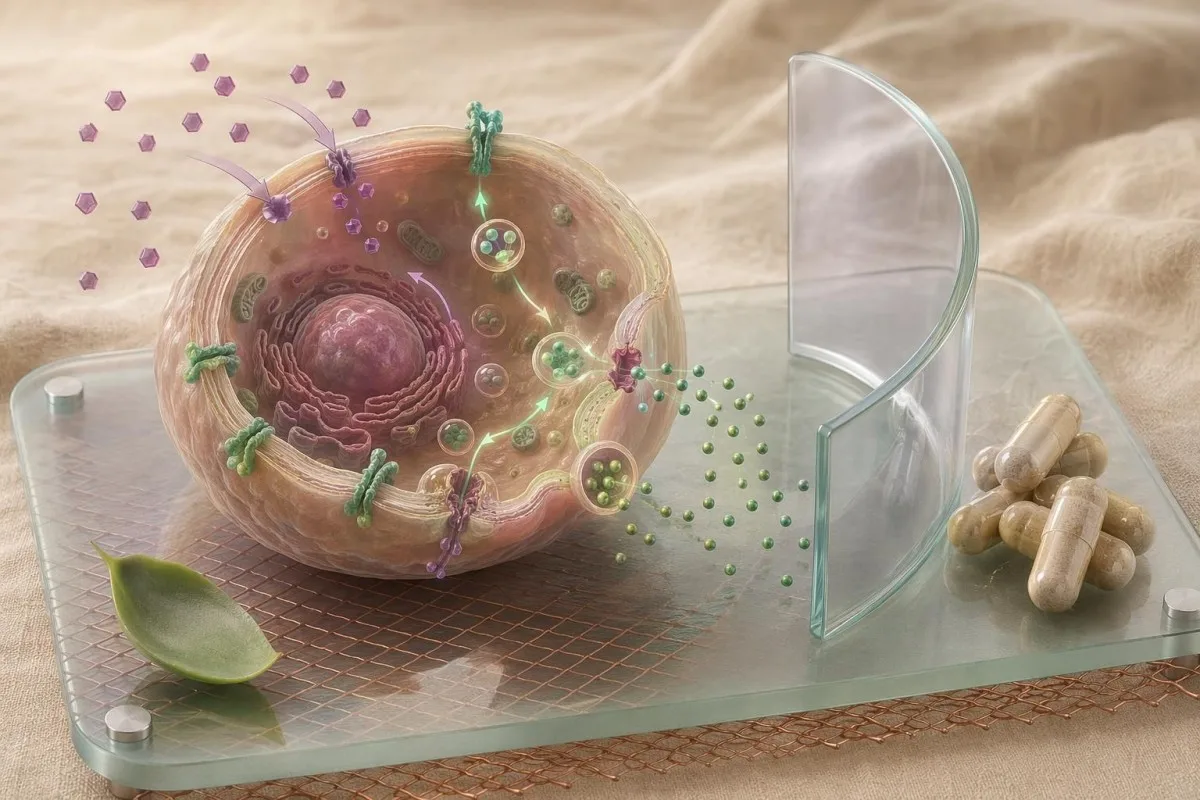
Some diabetes supplements can modestly improve glucose or nerve symptoms, but several raise hypoglycemia, liver, kidney, and drug-interaction risks. Here is how I sort the useful from the risky in clinic.


- No supplement replaces diabetes medication; an HbA1c of 6.5% or higher meets the lab threshold for diabetes and needs clinician-led care.
- Berberine at 500 mg two or three times daily may lower glucose in small trials, but it interacts with several medicines and should be avoided in pregnancy.
- Cinnamon supplement for diabetes has mixed evidence; Cassia cinnamon may contain coumarin, which can stress the liver at high intake.
- Alpha lipoic acid diabetes use is strongest for neuropathy symptoms, often 600 mg/day, not as a stand-alone glucose treatment.
- Hypoglycemia is glucose below 70 mg/dL; below 54 mg/dL is clinically significant and can be dangerous with insulin or sulfonylureas.
- Magnesium and vitamin D help most when a lab-confirmed deficiency exists; more is not better, especially with kidney disease.
- Chromium, bitter melon, gymnema, aloe, and high-dose green tea extract deserve extra caution because benefit is inconsistent and harm is plausible.
- Before-and-after labs should include HbA1c, fasting glucose, creatinine/eGFR, urine ACR, ALT/AST, lipids, B12 if on metformin, and potassium when relevant.
Which diabetes supplements have the best evidence?
Supplements for diabetes do not replace metformin, insulin, GLP-1 medicines, SGLT2 inhibitors, or a food plan, but a few can help selected patients. As of July 7, 2026, the best-supported options are berberine for modest glucose lowering, alpha-lipoic acid for diabetic neuropathy symptoms, psyllium fiber for post-meal glucose and LDL, and magnesium or vitamin D only when deficiency is documented.
I’m Thomas Klein, MD, Chief Medical Officer at Kantesti, and my practical rule is simple: if a product claims to “reverse diabetes” without medication review, I treat it as a safety risk. The American Diabetes Association Professional Practice Committee states that diabetes care should be individualized around glycemic targets, comorbidities, kidney function, cardiovascular risk, and hypoglycemia risk, not supplement promises alone (American Diabetes Association Professional Practice Committee, 2024).
Kantesti is an AI blood test interpretation platform that helps patients read HbA1c, fasting glucose, lipids, kidney markers, and liver enzymes in one clinical context. If you want the bigger 90-day glucose picture, our guide on improving HbA1c explains why HbA1c usually moves slowly over 8 to 12 weeks rather than overnight.
A normal fasting glucose is typically 70–99 mg/dL, prediabetes is 100–125 mg/dL, and diabetes is suggested by fasting glucose of 126 mg/dL or higher on repeat testing. HbA1c of 5.7–6.4% indicates prediabetes, while HbA1c of 6.5% or higher meets the laboratory threshold for diabetes when confirmed.
At Kantesti, our team sees a recurring pattern: patients often start three supplements at once, then cannot tell which one caused diarrhea, dizziness, ALT elevation, or low glucose. Our background as a UK health technology company is outlined on About Us, but the clinical point is old-fashioned medicine—change one variable, measure, then decide.
When should patients avoid self-treating high glucose?
Patients should avoid self-treating high glucose when glucose is repeatedly above 250–300 mg/dL, ketones are present, vomiting occurs, pregnancy is possible, or type 1 diabetes is known or suspected. In those settings, supplements can delay urgent care and the delay is the danger.
Random glucose of 200 mg/dL or higher with classic symptoms—excess thirst, frequent urination, weight loss, blurry vision—meets a diagnostic threshold for diabetes and needs medical assessment. For a patient-facing explanation of one-off high readings, see our guide to random glucose cutoffs.
The unsafe scenario I worry about is the person with new weight loss, dry mouth, glucose around 330 mg/dL, and nausea who tries cinnamon for a week. That could be severe insulin deficiency, and in type 1 diabetes or ketosis-prone diabetes, diabetic ketoacidosis can develop over hours to days.
Pregnancy changes the rules. A fasting glucose of 92 mg/dL or higher on an oral glucose tolerance test can matter in gestational diabetes pathways, and unsupervised berberine, bitter melon, gymnema, or high-dose cinnamon is not appropriate during pregnancy.
A second red flag is medication stacking. If a patient takes insulin or a sulfonylurea and adds berberine, gymnema, bitter melon, or high-dose alpha-lipoic acid, a glucose of 54 mg/dL or lower can occur quickly enough to cause confusion, falls, or seizures.
Does cinnamon supplement for diabetes lower HbA1c?
A cinnamon supplement for diabetes may slightly lower fasting glucose in some studies, but HbA1c results are inconsistent and the effect is usually too small to replace medication. The safety issue is Cassia cinnamon, which can contain coumarin and may be a poor choice in liver disease or when several liver-stressing products are used.
Allen et al. reported in Annals of Family Medicine that cinnamon use in type 2 diabetes was associated with reductions in fasting plasma glucose, total cholesterol, LDL-C, and triglycerides, but the meta-analysis did not show a statistically significant HbA1c improvement (Allen et al., 2013). That matters because HbA1c reflects roughly 2 to 3 months of glycation, while fasting glucose can shift from sleep, stress, and yesterday’s dinner.
Typical study doses range from about 1 to 6 grams of cinnamon powder daily or concentrated capsules around 500–2,000 mg/day. Cassia cinnamon is not the same as Ceylon cinnamon; the European tolerable daily intake for coumarin is commonly cited as 0.1 mg/kg/day, so a 70 kg adult would have a rough ceiling near 7 mg/day of coumarin.
I ask about cinnamon specifically when ALT, AST, or GGT rise after a new “glucose support” blend. If liver enzymes are already abnormal, our article on risky liver supplements is worth reading before taking concentrated cinnamon, green tea extract, kava, or multi-herb formulas.
Most patients find culinary cinnamon safer than capsules because the dose is naturally limited. The exception is someone spooning large amounts into coffee twice daily; that can quietly become a supplement-level exposure.
Is berberine one of the best supplements for diabetes?
Berberine is one of the more biologically plausible diabetes supplements, but “best” does not mean automatically safe. Small trials often use 500 mg two or three times daily with meals, and some show HbA1c reductions around 0.5–1.0 percentage points, yet drug interactions and pregnancy concerns limit casual use.
Berberine appears to influence AMPK signaling, gut microbiome composition, bile acid handling, and intestinal glucose absorption. That wide mechanism is exactly why I ask for a medication list before I say yes; broad biological effects rarely stay neatly inside one pathway.
The common clinical dose is 500 mg with the two largest meals, sometimes three meals, but gastrointestinal side effects are frequent at higher doses. Nausea, constipation, abdominal cramping, or loose stool can appear within 3 to 10 days, and many patients stop before any HbA1c change could be measured.
Berberine may affect CYP3A4, CYP2D6, and P-glycoprotein pathways, so I get cautious with transplant drugs, anticoagulants, antiarrhythmics, immunosuppressants, and some psychiatric medicines. Our dedicated review of berberine safety labs goes deeper into baseline ALT, creatinine, and medication checks.
I avoid berberine during pregnancy, breastfeeding, and infancy because bilirubin handling and neonatal safety are not areas for guesswork. If a patient is trying to conceive, the better plan is food, activity, HbA1c optimization, and clinician-supervised medication adjustment.
What does alpha lipoic acid do in diabetes?
Alpha lipoic acid diabetes use is strongest for neuropathy symptoms, especially burning, tingling, and electric-shock sensations, rather than large glucose reduction. Oral doses are often 600 mg/day, while some neuropathy trials used intravenous 600 mg/day under clinical supervision.
Mijnhout et al. found in a meta-analysis that alpha-lipoic acid improved symptomatic diabetic peripheral neuropathy, with the clearest signal in trials using 600 mg/day intravenously for several weeks (Mijnhout et al., 2012). Oral alpha-lipoic acid is easier to take, but absorption varies, and 1,200–1,800 mg/day tends to cause more nausea without reliably better results.
Alpha-lipoic acid can lower glucose modestly in some patients, so I am careful when it is combined with insulin, gliclazide, glipizide, glyburide, or other sulfonylureas. A fasting glucose of 65 mg/dL after adding alpha-lipoic acid is not “excellent control”; it is hypoglycemia until proven otherwise.
There is a rare but real syndrome called insulin autoimmune syndrome, where antibodies trigger unpredictable hypoglycemia after exposure to certain sulfur-containing compounds, including alpha-lipoic acid in susceptible people. It is uncommon, but I have learned not to dismiss recurrent sweating, tremor, or confusion just because a product is sold as a supplement.
Numbness is not always diabetic neuropathy. B12 deficiency from metformin, thyroid disease, kidney disease, alcohol use, and paraprotein disorders can mimic it, so our guide to nerve symptom labs is often the better first step.
Do magnesium, chromium, and vitamin D help diabetes?
Magnesium and vitamin D help diabetes management mainly when levels are low; chromium has weaker and less predictable evidence. Deficiency correction is medicine-adjacent, while taking high-dose minerals “just in case” can create kidney, calcium, or medication problems.
Serum magnesium is usually reported around 1.7–2.2 mg/dL, but it can look normal even when intracellular stores are low. People on long-term proton pump inhibitors, loop or thiazide diuretics, or with chronic diarrhea deserve a more careful look; our comparison of serum versus RBC magnesium explains why labs sometimes disagree.
The adult supplemental upper limit for magnesium from pills is often 350 mg/day of elemental magnesium because diarrhea and cramping rise above that dose. In chronic kidney disease, even ordinary magnesium supplements can accumulate, especially when eGFR falls below 30 mL/min/1.73 m².
Vitamin D deficiency is commonly defined as 25-OH vitamin D below 20 ng/mL, while many clinicians aim for at least 30 ng/mL in higher-risk patients. High-dose vitamin D without calcium and kidney monitoring can cause hypercalcemia; our vitamin D dose guide gives blood-level-based ranges.
Chromium picolinate is often sold at 200–1,000 mcg/day, but I rarely suggest it unless diet history or labs suggest a true issue. Case reports have linked high-dose chromium to kidney and liver injury, and the glucose benefit is too inconsistent for routine use in my practice.
Are fiber, omega-3, and probiotics safer options?
Psyllium fiber is often safer and more useful than many glucose-branded pills, while omega-3 helps triglycerides more than glucose and probiotics remain strain-specific. These are not magic, but they fit physiology better than most “pancreas detox” blends.
Psyllium 5–10 grams/day can blunt post-meal glucose by slowing carbohydrate absorption and may lower LDL cholesterol by about 5–10% in some patients. It should be separated from medicines by at least 2 hours because thick gel-forming fiber can reduce absorption of tablets.
Omega-3 EPA/DHA at 2–4 grams/day can lower triglycerides by roughly 20–30%, especially when baseline triglycerides are high. It does not reliably lower HbA1c, but if triglycerides are 250–500 mg/dL, the cardiovascular and pancreatitis-risk conversation changes; see our guide to omega-3 benefits.
Probiotics are not interchangeable. A product with Lactobacillus rhamnosus is not the same as one with Bifidobacterium lactis, and a “50 billion CFU” label tells you less than the strain, viability, and trial population.
The best supplements for diabetes often look boring: fiber, enough protein, correction of deficiency, and safe lipid support. If a product promises glucose control while ignoring sleep, muscle mass, post-meal walking, and carbohydrate quality, the marketing is doing more work than the molecule.
Which diabetes supplements can harm the liver or kidneys?
Green tea extract, aloe latex, high-dose cinnamon, chromium, multi-herb blends, and undisclosed “glucose support” formulas are the diabetes supplements I most often worry about for liver or kidney harm. Risk rises when baseline ALT, AST, bilirubin, creatinine, or urine albumin is already abnormal.
ALT and AST above about 3 times the lab upper limit, especially with fatigue, dark urine, pale stool, itching, or right-sided abdominal discomfort, should stop a supplement trial until reviewed. If you are starting any new product with a liver warning, our guide to liver tests before meds is directly relevant.
Kidney risk is quieter. Urine albumin-creatinine ratio above 30 mg/g, or 3 mg/mmol in many UK and European reports, suggests kidney stress even when creatinine still looks “normal.” Our urine ACR guide explains why early diabetic kidney disease is often found in urine before eGFR drops.
Kantesti AI flags combinations such as elevated creatinine plus high potassium plus magnesium supplementation because the pattern is more concerning than any one marker. That is the kind of clinical clustering patients miss when they only check whether each result sits inside a reference interval.
Hidden ingredients are another problem. Some imported or internet-purchased glucose products have been found to contain prescription-style hypoglycemic agents, steroids, or undeclared stimulants; a sudden HbA1c drop with repeated glucose readings below 70 mg/dL deserves investigation, not celebration.
Which diabetes medications interact with supplements?
Insulin and sulfonylureas create the highest hypoglycemia risk when combined with glucose-lowering supplements. Metformin, SGLT2 inhibitors, GLP-1 receptor agonists, blood pressure medicines, statins, anticoagulants, and thyroid medicines can also interact through absorption, kidney effects, liver metabolism, or dehydration.
Hypoglycemia is defined as glucose below 70 mg/dL, and clinically significant hypoglycemia is below 54 mg/dL. A patient taking gliclazide who adds berberine and skips lunch is in a different risk category from a patient taking metformin alone.
Metformin rarely causes hypoglycemia by itself, but it can lower B12 over time and gastrointestinal side effects can overlap with berberine, magnesium, or high-dose fiber. Our review of metformin follow-up labs covers B12, kidney function, and timing after initiation.
SGLT2 inhibitors deserve special caution because dehydration, low-carb dieting, fasting, vomiting, and acute illness can raise the risk of euglycemic ketoacidosis. A supplement that suppresses appetite or causes diarrhea can indirectly worsen that risk even if it never touches a glucose receptor.
Warfarin and other anticoagulants add a separate layer. Cinnamon extracts, omega-3 at high doses, turmeric-containing blends, vitamin K products, and multi-herb formulas can complicate bleeding or INR stability, so the prescriber needs to know the exact brand and dose.
What labs should be checked before and after supplements?
Before starting diabetes supplements, check HbA1c, fasting glucose or CGM patterns, kidney function, urine ACR, liver enzymes, lipids, B12 if using metformin, and electrolytes when kidney or blood pressure medicines are involved. Recheck safety labs in 6–12 weeks if the supplement can affect glucose, liver, kidneys, or minerals.
Kantesti is an AI-powered blood test analysis tool used by more than 2M people across 127 countries, and it reads diabetes-related biomarkers as patterns rather than isolated flags. Our technology guide explains how our AI handles units, reference ranges, and multi-marker context.
When Kantesti AI reads a supplement follow-up panel, the useful question is not only “Did HbA1c fall?” It is also “Did ALT rise from 22 to 61 IU/L, did creatinine drift upward, did triglycerides improve, and did fasting glucose fall enough to create lows?”
A fair supplement trial usually needs 8–12 weeks for HbA1c, 2–4 weeks for fasting glucose trends, and 6–8 weeks for liver or kidney safety checks after a risky product. Our supplement lab tracking checklist gives a practical before-and-after structure.
If you have a PDF or photo of recent labs and want a structured first-pass interpretation, the free blood test tool can help organize questions for your clinician. It is not a prescription engine; it is a way to make the next appointment sharper.
Who needs extra caution with diabetes supplements?
Pregnant people, children, older adults, patients with kidney disease, people with liver disease, and anyone using insulin or sulfonylureas need extra caution with diabetes supplements. These groups have narrower safety margins and less tolerance for glucose swings, dehydration, or dosing errors.
During pregnancy, I prefer lab-guided nutrition, folate or prenatal support when appropriate, and evidence-based gestational diabetes care—not berberine, bitter melon, gymnema, or concentrated cinnamon. Our pregnancy-focused guide to lab-guided supplement doses covers why pregnancy changes absorption, volume status, and safety thresholds.
Children are not small adults. A child with weight loss, thirst, bedwetting, and high glucose needs same-day diabetes evaluation because type 1 diabetes can progress quickly; our guide to child glucose ranges gives age-aware context.
Older adults have a different problem: falls. A glucose of 58 mg/dL at 2 a.m. after insulin plus a new supplement can cause a hip fracture, and the fracture may be more dangerous than a mildly elevated HbA1c.
After gestational diabetes, supplements should not replace scheduled postpartum screening. If you had gestational diabetes, our article on diabetes testing after pregnancy explains why HbA1c alone may miss early postpartum dysglycemia in some patients.
How should patients choose a safer supplement dose?
A safer supplement dose is the lowest dose that has human evidence, a clear monitoring plan, and no major interaction with your medicines or diagnoses. If the label hides doses inside a proprietary blend, I generally advise against it.
Look for the exact ingredient form, milligrams per serving, suggested frequency, and third-party contaminant testing. “Glucose balance complex” tells me almost nothing; “psyllium husk 5 g” or “alpha-lipoic acid 600 mg” gives me something I can monitor.
Do not start berberine, cinnamon extract, magnesium, chromium, and alpha-lipoic acid in the same week. Our timing guide on supplements not together explains why spacing minerals, fiber, thyroid medicine, antibiotics, and glucose drugs can prevent avoidable confusion.
Kantesti’s biomarker guide is useful when patients see unfamiliar units such as mmol/L, mg/dL, IU/L, µmol/L, or mg/mmol. A creatinine of 1.2 mg/dL and a creatinine of 106 µmol/L may describe a similar result, depending on the lab’s unit system.
My “one change” rule is not glamorous, but it works. Start one supplement, document dose and brand, record fasting and post-meal glucose for 2 weeks if relevant, then recheck objective labs on the timeline that matches the expected effect.
What symptoms mean supplements are not enough?
Supplements are not enough when symptoms suggest severe low glucose, severe high glucose, dehydration, ketoacidosis, liver injury, kidney injury, or allergic reaction. Confusion, fainting, repeated vomiting, chest pain, shortness of breath, glucose below 54 mg/dL, or glucose above 300 mg/dL with ketones needs urgent medical advice.
Low glucose symptoms include sweating, shaking, hunger, palpitations, anxiety, blurred vision, confusion, and in severe cases seizure or loss of consciousness. Our guide to hypoglycemia signs explains why symptoms can be absent in people with long-standing diabetes or repeated lows.
High glucose symptoms include thirst, frequent urination, fatigue, blurry vision, and unexplained weight loss. Vomiting, abdominal pain, fruity breath, deep breathing, or drowsiness raises concern for ketoacidosis even if a supplement was started with good intentions.
Liver warning signs are easy to miss early. Dark urine, pale stool, yellow eyes, severe itching, right-upper abdominal discomfort, or ALT/AST more than 3 times the upper limit should stop the supplement and trigger medical review.
Kidney warning signs are less specific: reduced urination, swelling, rising potassium, rising creatinine, or new eGFR below 60 mL/min/1.73 m² deserves caution. In my experience, the patient who brings a dated supplement list gets safer care than the patient who says “just vitamins.”
How to discuss diabetes supplements with your clinician
Bring your clinician the supplement name, ingredient form, dose, start date, glucose readings, and recent labs before asking whether to continue. Kantesti is an AI biomarker interpretation platform that can help organize those lab patterns, but final treatment decisions belong with your licensed clinician.
When I, Thomas Klein, MD, review a diabetes supplement plan, I want five items: HbA1c, fasting or CGM glucose pattern, kidney function, liver enzymes, and medication list. Without those, any confident answer is mostly theatre.
Ask three specific questions: “Could this lower my glucose too much?”, “Could this affect my kidneys or liver?”, and “When should I recheck labs?” Those questions usually produce better medical advice than asking whether a product is simply “natural.”
At Kantesti, our medical reviewers and advisors push for cautious interpretation because diabetes is a vascular, kidney, nerve, and eye-risk condition, not just a glucose number. You can read more about the physicians behind our review standards on the Medical Advisory Board.
If you feel dismissed or the supplement question is complex—transplant drugs, anticoagulants, pregnancy, kidney disease, recurrent lows—getting a blood test second opinion is reasonable. Bottom line: the right supplement may help a narrow problem, but the wrong one can turn a manageable glucose pattern into an avoidable emergency.
Frequently Asked Questions
What is the best supplement for diabetes?
There is no single best supplement for diabetes because benefit depends on the patient’s medications, HbA1c, kidney function, liver enzymes, diet, and deficiency status. Berberine has some glucose-lowering evidence at about 500 mg two or three times daily, alpha-lipoic acid has better evidence for neuropathy symptoms around 600 mg/day, and psyllium fiber 5–10 g/day can help post-meal glucose and LDL. None of these replaces prescribed diabetes treatment when HbA1c is 6.5% or higher.
Can cinnamon lower HbA1c in type 2 diabetes?
Cinnamon may modestly lower fasting glucose, but HbA1c results are inconsistent and the effect is usually small. Trials have used roughly 1–6 g/day of cinnamon powder or concentrated capsules, but Cassia cinnamon can contain coumarin, which may stress the liver at high intake. People with liver disease, pregnancy, warfarin use, or insulin-treated diabetes should ask a clinician before using cinnamon capsules.
Is berberine safe to take with metformin?
Berberine is sometimes taken with metformin, but it should not be treated as automatically safe. Both can cause gastrointestinal symptoms, and berberine may interact with drug-metabolism pathways such as CYP3A4 and P-glycoprotein. A cautious plan checks HbA1c, fasting glucose, creatinine/eGFR, ALT, AST, and the full medication list before starting 500 mg once or twice daily.
Does alpha-lipoic acid help diabetic neuropathy?
Alpha-lipoic acid has its strongest diabetes evidence for neuropathy symptoms such as burning, tingling, and electric-shock pain. Many oral products use 600 mg/day, while some clinical trials used intravenous 600 mg/day under supervision. It can occasionally contribute to low glucose, so people using insulin or sulfonylureas should monitor for readings below 70 mg/dL.
Which diabetes supplements can cause hypoglycemia?
Berberine, gymnema, bitter melon, high-dose cinnamon extract, and alpha-lipoic acid can increase hypoglycemia risk, especially when combined with insulin or sulfonylureas. Hypoglycemia is glucose below 70 mg/dL, and glucose below 54 mg/dL is clinically significant. Sweating, shaking, palpitations, confusion, or fainting after starting a supplement should be treated as a safety signal, not proof that the supplement is working.
What blood tests should I check before diabetes supplements?
Before starting diabetes supplements, check HbA1c, fasting glucose or CGM pattern, creatinine/eGFR, urine albumin-creatinine ratio, ALT, AST, lipids, and electrolytes when kidney or blood pressure medicines are used. B12 should be considered in people taking metformin, especially with numbness, anemia, or fatigue. Recheck relevant labs after 6–12 weeks if the supplement could affect glucose, liver, kidneys, or minerals.
When should I see a doctor instead of trying supplements?
Seek medical advice instead of trying supplements if glucose is repeatedly above 250–300 mg/dL, ketones are present, vomiting occurs, pregnancy is possible, or type 1 diabetes is suspected. Urgent help is also needed for confusion, fainting, seizure, chest pain, shortness of breath, or glucose below 54 mg/dL. Supplements can delay diagnosis of ketoacidosis, severe hypoglycemia, kidney injury, or liver injury.
Should I stop diabetes supplements before surgery or a procedure?
Tell the surgical team about every supplement as soon as a procedure is planned. Many clinicians advise stopping nonessential herbal products 1 to 2 weeks beforehand because they may affect glucose, bleeding, blood pressure, or anesthesia; do not stop prescribed diabetes medicines without specific instructions.
Get AI-Powered Blood Test Analysis Today
Join over 2 million users worldwide who trust Kantesti for instant, accurate lab test analysis. Upload your blood test results and receive comprehensive interpretation of 15,000+ biomarkers in seconds.
📚 Referenced Research Publications
Klein, T., Mitchell, S., & Weber, H. (2026). Women's Health Guide: Ovulation, Menopause & Hormonal Symptoms. Kantesti AI Medical Research.
Klein, T., Mitchell, S., & Weber, H. (2026). Multilingual AI Assisted Clinical Decision Support for Early Hantavirus Triage: Design, Engineering Validation, and Real-World Deployment Across 50,000 Interpreted Blood Test Reports. Kantesti AI Medical Research.
📖 External Medical References
American Diabetes Association Professional Practice Committee (2024). Standards of Care in Diabetes—2024. Diabetes Care.
⚕️ Medical Disclaimer
This article is for educational purposes only and does not constitute medical advice. Always consult a qualified healthcare provider for diagnosis and treatment decisions.
E-E-A-T Trust Signals
Experience
Physician-led clinical review of lab interpretation workflows.
Expertise
Laboratory medicine focus on how biomarkers behave in clinical context.
Authoritativeness
Written by Dr. Thomas Klein with review by Dr. Sarah Mitchell and Prof. Dr. Hans Weber.
Trustworthiness
Evidence-based interpretation with clear follow-up pathways to reduce alarm.