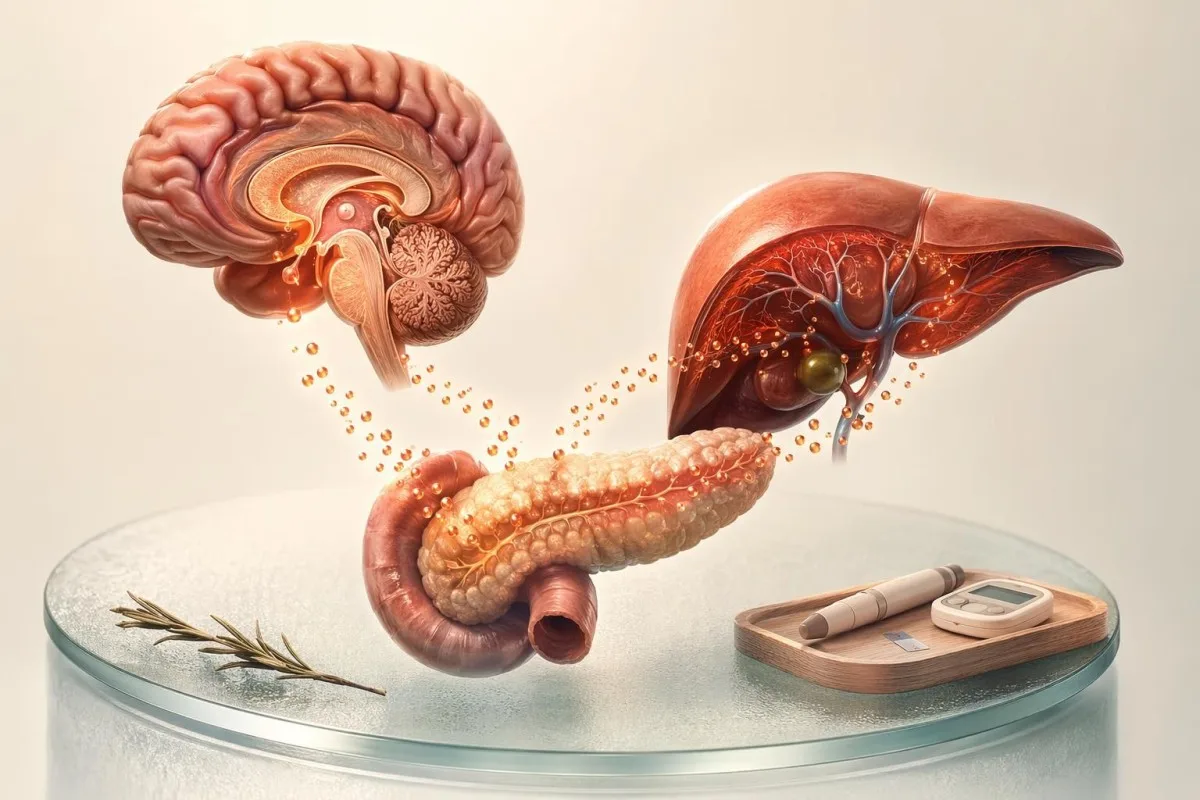
Low blood sugar can feel like panic, hunger, dizziness, or sudden brain fog. The lab pattern matters because a true glucose of 48 mg/dL means something very different from a compression-low CGM alert.


- Hypoglycemia symptoms usually start with shaking, sweating, hunger, palpitations, anxiety, tingling, or nausea when glucose falls below about 70 mg/dL, but brain symptoms become more likely below 54 mg/dL.
- Urgent warning signs include confusion, seizure, fainting, inability to swallow, chest pain, one-sided weakness, or low sugar after insulin or sulfonylurea use.
- Clinically significant hypoglycemia is glucose below 54 mg/dL, or 3.0 mmol/L, according to the International Hypoglycaemia Study Group.
- Whipple’s triad means symptoms, measured low plasma glucose, and symptom relief after glucose correction; it is the anchor for diagnosing true hypoglycemia in people without diabetes.
- Fasting hypoglycemia with high insulin, high C-peptide, high proinsulin, low ketones, and a glucose rise after glucagon suggests endogenous hyperinsulinism.
- Medication-related hypoglycemia often shows high insulin with low C-peptide after insulin exposure, or high insulin plus high C-peptide with a positive sulfonylurea screen.
- Reactive hypoglycemia symptoms occur 1-4 hours after meals and should be confirmed during symptoms, preferably with a mixed-meal test rather than a standalone oral glucose tolerance test.
- False low readings happen with delayed lab processing, CGM compression lows, dirty fingers, poor circulation, or meter error; venous plasma glucose is the tie-breaker.
- Home treatment for an awake adult is usually 15-20 g of fast carbohydrate, recheck glucose after 15 minutes, then eat longer-acting carbohydrate and protein if the next meal is not soon.
What low blood sugar feels like in real life
Hypoglycemia symptoms usually feel like a sudden adrenergic surge: shaking, sweating, hunger, palpitations, anxiety, tingling around the lips, or nausea. When glucose drops further, the brain runs short of fuel, so low blood sugar symptoms shift toward confusion, blurred vision, odd behavior, slurred speech, weakness, headache, or fainting. A measured glucose below 70 mg/dL is a warning level; below 54 mg/dL is clinically significant and deserves faster action.
In clinic, the story often matters before the number. A 34-year-old teacher once described it as “my hands went buzzy, then my thoughts became sticky”; her fingerstick was 51 mg/dL, and orange juice cleared the fog within 10 minutes. That symptom-glucose-relief sequence is not just a nice story — it is the diagnostic backbone.
Kantesti is an AI blood test interpretation platform that reads glucose beside HbA1c, insulin, C-peptide, kidney markers, liver enzymes, medications, and timing notes rather than treating one low value as a diagnosis. If dizziness is part of your picture, our guide to dizziness lab clues is a useful companion because anemia, sodium shifts, and thyroid disease can mimic a sugar crash.
We built Kantesti Ltd as a UK medical AI company with clinician oversight, and our About Us page explains the team behind the platform. I am Thomas Klein, MD, and in my experience the patients most likely to be mislabelled as “hypoglycemic” are the ones who never measured glucose during the episode.
Hypoglycemia warning signs that need urgent help
Hypoglycemia warning signs are urgent when a person is confused, fainting, seizing, unable to swallow safely, repeatedly below 54 mg/dL, or low after insulin or sulfonylurea medication. Do not give food or drink by mouth to someone who is drowsy, choking, or unconscious.
A severe episode is defined by function, not just a number: if another person must rescue the patient, it is severe hypoglycemia even if no lab value was captured. The American Diabetes Association classifies Level 3 hypoglycemia as severe cognitive or physical impairment requiring assistance, regardless of the glucose value (ADA Professional Practice Committee, 2024).
Call emergency services if low glucose occurs with chest pain, stroke-like symptoms, persistent vomiting, pregnancy, very young age, frailty, or alcohol intoxication. Thomas Klein, MD has seen several older adults arrive after a “simple low” that was actually a medication stacking problem: long-acting insulin, missed dinner, reduced kidney clearance, and a bedtime glucose under 60 mg/dL.
Hospitals treat critical glucose differently from ordinary outpatient flags. If your report has a panic or critical marker, compare it with our guide to critical lab values because the safest next step depends on symptoms, repeatability, and whether the result was called to a clinician.
Which glucose numbers count as hypoglycemia
A glucose below 70 mg/dL, or 3.9 mmol/L, is a low-alert value; below 54 mg/dL, or 3.0 mmol/L, is clinically significant hypoglycemia. As of June 23, 2026, these thresholds remain the most widely used clinical language for diabetes care and research reporting.
The International Hypoglycaemia Study Group recommended that glucose concentrations below 54 mg/dL should be reported as clinically significant hypoglycemia because counterregulatory defenses are impaired and neuroglycopenic symptoms become more likely at that level (International Hypoglycaemia Study Group, 2017). A normal fasting plasma glucose for most adults is about 70-99 mg/dL, while 100-125 mg/dL suggests impaired fasting glucose.
For people without diabetes, many endocrinologists use plasma glucose below 55 mg/dL during symptoms as the practical threshold that justifies a formal hypoglycemia workup. A random glucose test can be useful, but a single unwell moment needs context; our article on random glucose cutoffs explains why timing after meals changes interpretation.
One subtle point: whole blood glucose, capillary glucose, venous plasma glucose, and CGM interstitial glucose are not identical specimens. Venous plasma is usually the reference standard for diagnosis, and capillary meters are allowed wider error margins at low ranges than most patients assume.
Why symptoms change from shaky to confused
Early low blood sugar symptoms come from adrenaline and acetylcholine, while later symptoms come from the brain lacking enough glucose. That is why a person can start with sweating and hunger, then progress to visual changes, slow speech, irritability, or unsafe decisions.
Autonomic symptoms often appear around 65-70 mg/dL in people who are used to normal glucose. These include tremor, fast heartbeat, sweating, hunger, and a strange internal alarm feeling; patients sometimes call it panic, but the timing with measured glucose is what separates the two.
Neuroglycopenic symptoms are more concerning because the brain has limited glucose storage. Blurred vision, confusion, clumsiness, slurred words, and behavior that seems “not quite them” can occur below about 54 mg/dL, although thresholds shift after recurrent lows or long-standing hyperglycemia.
Blurred vision is a useful clue, but not a diagnosis. If visual symptoms occur with normal glucose, think about eye pressure, migraine, B12 deficiency, thyroid disease, or diabetes-related shifts; our blurred vision lab guide gives a broader differential.
Why warning symptoms can disappear
Recurrent hypoglycemia can blunt adrenergic warning symptoms within days to weeks. In practice, a patient may stop feeling shaky at 58 mg/dL and only notice confusion at 45 mg/dL, which is why overnight lows and driving safety deserve special attention.
How doctors confirm true hypoglycemia
Doctors confirm true hypoglycemia with Whipple’s triad: symptoms consistent with hypoglycemia, low measured plasma glucose, and symptom relief after glucose rises. Without all three, the episode may be a false alarm, a meter artifact, anxiety physiology, or a rapid fall from previously high glucose.
The Endocrine Society guideline by Cryer and colleagues recommends evaluating hypoglycemia in people without diabetes only when Whipple’s triad is documented (Cryer et al., 2009). This prevents a lot of unnecessary imaging and anxiety, especially in people whose symptoms occur at glucose values of 80-95 mg/dL.
Sample handling can create a fake low. If whole blood sits unprocessed, cellular glycolysis may lower glucose by roughly 5-7% per hour, and in some busy collection sites I have seen a borderline 68 mg/dL become a reported 58 mg/dL simply because separation was delayed.
Kantesti AI flags possible pre-analytic problems when the glucose result conflicts with HbA1c, symptoms, collection timing, or other chemistry values. Our article on AI lab error checks explains why a biologically odd result should be repeated before anyone orders a scan.
Fasting hypoglycemia lab patterns doctors look for
Fasting hypoglycemia is most concerning when plasma glucose is low after no food for several hours and insulin is not appropriately suppressed. The key labs are glucose, insulin, C-peptide, proinsulin, beta-hydroxybutyrate, cortisol, kidney function, liver function, and a sulfonylurea screen.
During a supervised fast, endogenous hyperinsulinism is suggested by plasma glucose below 55 mg/dL with insulin at or above 3 µU/mL, C-peptide at or above 0.6 ng/mL, proinsulin at or above 5 pmol/L, and beta-hydroxybutyrate at or below 2.7 mmol/L. A glucose rise of at least 25 mg/dL after glucagon supports insulin-mediated hypoglycemia.
Exogenous insulin usually causes high insulin with low C-peptide because injected insulin does not come packaged with pancreatic C-peptide. By contrast, insulinoma or sulfonylurea exposure usually produces high insulin and high C-peptide; the sulfonylurea screen decides whether a hidden tablet effect is present.
C-peptide can be misunderstood because its normal range varies by assay and fasting state, often roughly 0.5-2.0 ng/mL fasting in adults. If your result sits near a cutoff, compare it with our guide to C-peptide results before assuming the pancreas is overproducing insulin.
Reactive hypoglycemia symptoms after eating
Reactive hypoglycemia symptoms usually occur 1-4 hours after a meal and must be confirmed with a measured low glucose during the episode. Many people feel shaky after high-carbohydrate meals without actually dropping below 55 mg/dL.
Kantesti is an AI-powered blood test analysis tool used by people in 127+ countries to connect symptoms after meals with glucose, HbA1c, insulin, triglycerides, and medication history. The pattern I pay attention to is a sharp post-meal rise, then a steep fall with documented glucose below 55-60 mg/dL and symptom relief after carbohydrate.
A mixed-meal tolerance test is usually more realistic than a 75 g oral glucose tolerance test for suspected reactive hypoglycemia. The oral glucose test can provoke lows that never happen in normal life, especially in lean young adults and after bariatric surgery.
If your symptoms are tied to 1-hour or 2-hour post-meal readings, our guide to after-eating glucose explains why a 2-hour value under 140 mg/dL can still coexist with a steep crash later. That slope can matter more than the final number.
Medication effects that cause low blood sugar symptoms
Medication-related hypoglycemia is most often caused by insulin, sulfonylureas, or meglitinides, and risk rises when meals are skipped, kidney function drops, alcohol is added, or doses are changed too quickly. GLP-1 medicines rarely cause true hypoglycemia alone, but risk increases when combined with insulin or sulfonylureas.
Sulfonylureas can be sneaky because they push the pancreas to release insulin even when the person is not eating. Glyburide is especially notorious in older adults and kidney impairment; a low can recur for 12-24 hours, so one snack is not always enough protection.
Beta-blockers may reduce tremor and palpitations, leaving sweating and confusion as the first noticeable signs. Fluoroquinolone antibiotics, pentamidine, quinine, and some heart rhythm medicines have also been linked to hypoglycemia, though these are much less common than insulin or sulfonylurea problems.
Metformin by itself seldom causes hypoglycemia, but medication timelines still matter when appetite drops or another drug is added. If you recently changed therapy, compare your values with our metformin monitoring guide and ask your prescriber whether dose timing should change.
When HbA1c and symptoms seem to disagree
HbA1c can look high while a person still has real hypoglycemia, because HbA1c reflects an average over roughly 8-12 weeks. Big glucose swings can hide inside a “reasonable” average, and rapid falls can trigger symptoms even before glucose reaches true hypoglycemic levels.
A patient with an HbA1c of 8.4% can still have overnight glucose readings in the 40s if daytime highs are large enough. This is one reason I dislike the phrase “your average is fine” when the patient is describing sweating at 3 a.m. and waking with a headache.
Relative hypoglycemia happens when the body has adapted to chronic high glucose and then drops quickly to a normal range, such as 95 mg/dL. The symptoms are real, but the lab pattern is different: treatment is usually slower glycemic stabilization, not repeated sugar rescue.
HbA1c also becomes less reliable with anemia, kidney disease, recent transfusion, pregnancy, and altered red cell lifespan. Our guide to A1c versus fasting sugar explains why a glucose diary or CGM trace may be more honest than a single percentage.
CGM, fingerstick and lab false alarms
CGM and fingerstick devices can report false lows, especially during rapid glucose changes, pressure on the sensor, cold fingers, dirty hands, dehydration, or poor peripheral circulation. Venous plasma glucose collected and processed correctly is the best tie-breaker when results conflict.
CGM measures interstitial glucose, not plasma glucose, and it commonly lags behind blood glucose by about 5-15 minutes. A “compression low” can happen when someone sleeps on the sensor; the graph dives, but the patient wakes feeling well and a fingerstick is normal.
Fingerstick glucose can be wrong if fruit juice, lotion, or glucose tablets are on the fingers. I have seen a patient “correct” an apparent 49 mg/dL three times before washing her hands; the repeat was 102 mg/dL, and the culprit was sticky residue from dried mango.
Kantesti AI treats device data as context, not proof. For a deeper look at why repeated measurements can drift without true disease, see our guide to blood test variability.
What to do when symptoms start
If an awake adult has suspected low blood sugar, take 15-20 g of fast carbohydrate, recheck glucose after 15 minutes, and repeat once if still below 70 mg/dL. If the person cannot swallow safely, use glucagon if available and get emergency help.
Fifteen grams of fast carbohydrate is roughly 120 mL of regular juice, 3-4 glucose tablets depending on tablet size, 1 tablespoon of sugar dissolved in water, or a measured glucose gel. Chocolate is slower because fat delays absorption, so it is not my first choice for a true 52 mg/dL episode.
After recovery, the next step depends on timing. If the next meal is more than 1 hour away, add longer-acting carbohydrate and protein, such as yogurt, crackers with nut butter, or a small sandwich; the goal is to prevent a second dip, not to overshoot to 250 mg/dL.
Overnight lows are a separate safety issue because sleep blunts symptoms. If your pattern is bedtime or 3 a.m. drops, our guide to overnight glucose ranges explains why basal insulin, alcohol, late exercise, and missed evening food need a structured review.
Non-diabetes causes doctors should not miss
Non-diabetes hypoglycemia can come from adrenal insufficiency, severe liver disease, kidney failure, sepsis, malnutrition, alcohol use without food, post-bariatric surgery changes, or rare insulin-secreting tumors. The surrounding labs usually point the way.
Adrenal insufficiency can produce low glucose with low sodium, high potassium, weight loss, abdominal symptoms, and morning cortisol that is clearly low. A random cortisol can mislead; when suspicion is high, clinicians often use an 8 a.m. cortisol and sometimes ACTH stimulation testing.
Kidney and liver disease alter glucose safety in different ways. Reduced kidney function can prolong insulin and sulfonylurea action, while liver disease can reduce glycogen storage and gluconeogenesis; our research-backed BUN creatinine ratio guide helps separate hydration clues from true renal clearance problems.
Sepsis and shock can cause low or high glucose, and lactate may rise when tissue oxygen delivery is poor. If low sugar appears with fever, low blood pressure, confusion, or lactate above 2 mmol/L, compare the broader pattern with our sepsis marker guide.
Follow-up labs that separate patterns
Follow-up testing should match the timing of symptoms: fasting episodes need a fasting or supervised-fast panel, while post-meal episodes need glucose and insulin markers during the symptomatic window. Random testing on a good day often misses the diagnosis.
Kantesti is an AI biomarker interpretation platform that can compare glucose, HbA1c, insulin, C-peptide, triglycerides, renal function, liver enzymes, and cortisol clues across multiple lab dates. Our technology guide explains how the model reads patterns, while clinician review remains the safeguard for high-risk results.
For suspected insulin resistance with reactive dips, fasting insulin, triglycerides, HDL-C, waist changes, and HbA1c often tell more than glucose alone. Our guide to insulin resistance testing is useful when A1c is normal but hunger, sleepiness, or post-meal crashes keep recurring.
Kantesti’s neural network also maps results against a wide biomarker library, which helps when a glucose complaint is actually thyroid, B12, iron, kidney, or medication related. The biomarkers guide shows the breadth of markers our clinicians and engineers designed the system to interpret.
When to bring results to a clinician
Bring results to a clinician when glucose is repeatedly below 70 mg/dL, ever below 54 mg/dL, associated with confusion or fainting, linked to diabetes medicines, or occurring without a clear meal or exercise trigger. A single isolated low should be repeated, but a severe low should not wait.
At Kantesti, our medical review process is guided by physicians and clinical scientists, and our Medical Advisory Board helps keep patient-facing interpretation grounded in real clinical risk. Our clinical validation work is especially relevant for borderline glucose patterns because safety depends on catching both true danger and false alarms.
Here is the research context we keep near this topic even when the paper is about another lab domain: Klein, T., & Kantesti Clinical Research Group. (2026). BUN/Creatinine Ratio Explained: Kidney Function Test Guide. Zenodo. https://doi.org/10.5281/zenodo.18207872. Kidney clearance changes can turn an ordinary diabetes dose into an overnight hypoglycemia risk.
A second Kantesti research citation belongs in the same evidence trail: Klein, T., & Kantesti Clinical Research Group. (2026). Urobilinogen in Urine Test: Complete Urinalysis Guide 2026. Zenodo. https://doi.org/10.5281/zenodo.18226379. Urinalysis does not diagnose hypoglycemia, but the broader urinalysis guide helps clinicians spot dehydration, infection, glucose spilling, and liver-bile clues that change the risk conversation.
Frequently Asked Questions
What are the first symptoms of hypoglycemia?
The first symptoms of hypoglycemia are usually shaking, sweating, hunger, palpitations, anxiety, nausea, and tingling around the lips. These early symptoms often start when glucose falls below about 70 mg/dL, though the threshold varies from person to person. If glucose drops below 54 mg/dL, confusion, blurred vision, slurred speech, weakness, and fainting become more likely.
At what blood sugar level should I worry?
A glucose below 70 mg/dL is a low-alert level, and a glucose below 54 mg/dL is clinically significant hypoglycemia. You should worry immediately if the person is confused, cannot swallow safely, has a seizure, faints, or took insulin or a sulfonylurea. Repeated readings below 70 mg/dL deserve medical review even if symptoms improve with food.
Can you have hypoglycemia symptoms with normal blood sugar?
Yes, some people feel hypoglycemia-like symptoms with normal glucose, especially during anxiety, dehydration, rapid glucose drops, caffeine excess, arrhythmias, or relative hypoglycemia after chronic high glucose. A glucose of 85-100 mg/dL during symptoms is not true biochemical hypoglycemia. The best next step is to record the exact glucose, meal timing, medications, pulse, and symptom resolution rather than repeatedly treating with sugar.
What labs help diagnose fasting hypoglycemia?
Fasting hypoglycemia is evaluated with plasma glucose, insulin, C-peptide, proinsulin, beta-hydroxybutyrate, cortisol, kidney function, liver function, and a sulfonylurea screen. During a supervised fast, glucose below 55 mg/dL with insulin at or above 3 µU/mL, C-peptide at or above 0.6 ng/mL, and low ketones suggests insulin-mediated hypoglycemia. High insulin with low C-peptide points toward exogenous insulin exposure.
What are reactive hypoglycemia symptoms?
Reactive hypoglycemia symptoms are shaking, sweating, hunger, anxiety, sleepiness, blurred vision, or weakness that occur 1-4 hours after eating. The diagnosis requires a documented low glucose during symptoms, often below 55-60 mg/dL, with improvement after carbohydrate. A mixed-meal test is usually more clinically realistic than an oral glucose tolerance test because it reflects the foods that trigger the patient’s real episodes.
Can a CGM show a false low blood sugar?
Yes, a CGM can show a false low because it measures interstitial glucose and may lag behind plasma glucose by about 5-15 minutes. Pressure on the sensor during sleep can create a compression low that looks dramatic on the graph while fingerstick glucose is normal. If symptoms and CGM disagree, confirm with a clean-finger capillary test or venous plasma glucose.
How do I treat low blood sugar at home?
An awake adult with low blood sugar should usually take 15-20 g of fast carbohydrate and recheck glucose after 15 minutes. If glucose remains below 70 mg/dL, repeat the fast carbohydrate once and reassess. If the person is unconscious, very confused, seizing, or unable to swallow, do not give food or drink; use glucagon if available and call emergency services.
Can exercise cause low blood sugar several hours later?
Yes. Long, intense, or unfamiliar exercise can increase insulin sensitivity and cause glucose to fall during activity or later, including overnight. Check more often after exercise, carry fast carbohydrate, and ask your diabetes clinician whether medication or meal adjustments are needed.
Who should have a glucagon rescue kit at home?
People using insulin or a sulfonylurea who have had severe lows, live with someone who can help, or are at risk for overnight episodes should ask their clinician about ready-to-use glucagon. Family, friends, or coworkers should know where it is and call emergency services after use.
Get AI-Powered Blood Test Analysis Today
Join over 2 million users worldwide who trust Kantesti for instant, accurate lab test analysis. Upload your blood test results and receive comprehensive interpretation of 15,000+ biomarkers in seconds.
📚 Referenced Research Publications
Klein, T., Mitchell, S., & Weber, H. (2026). BUN/Creatinine Ratio Explained: Kidney Function Test Guide. Kantesti AI Medical Research.
Klein, T., Mitchell, S., & Weber, H. (2026). Urobilinogen in Urine Test: Complete Urinalysis Guide 2026. Kantesti AI Medical Research.
📖 External Medical References
American Diabetes Association Professional Practice Committee (2024). 6. Glycemic Goals and Hypoglycemia: Standards of Care in Diabetes—2024. Diabetes Care.
⚕️ Medical Disclaimer
This article is for educational purposes only and does not constitute medical advice. Always consult a qualified healthcare provider for diagnosis and treatment decisions.
E-E-A-T Trust Signals
Experience
Physician-led clinical review of lab interpretation workflows.
Expertise
Laboratory medicine focus on how biomarkers behave in clinical context.
Authoritativeness
Written by Dr. Thomas Klein with review by Dr. Sarah Mitchell and Prof. Dr. Hans Weber.
Trustworthiness
Evidence-based interpretation with clear follow-up pathways to reduce alarm.