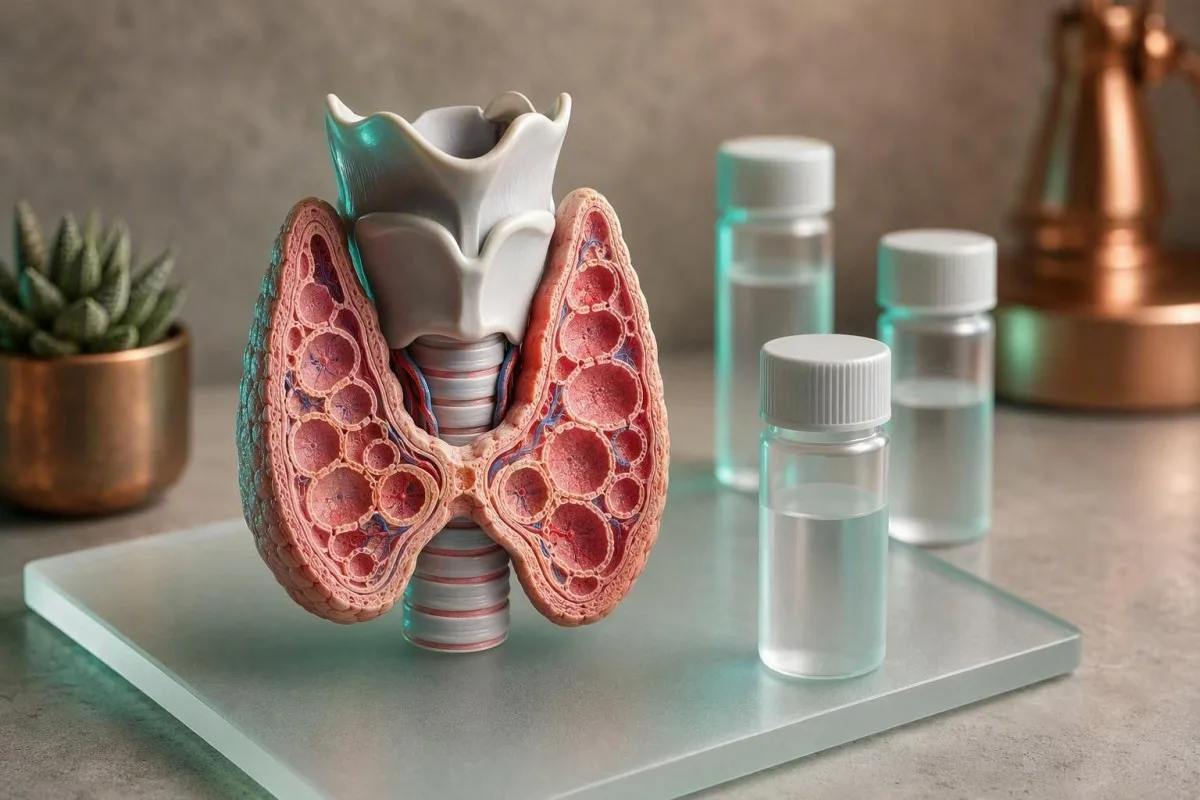
Većina ljudi ne treba česte преглед штитне жлезде. Правилни размак зависи од тога да ли је ваш TSH нормалан, да ли сте трудни, имате симптоме или је доза левотироксина недавно промењена.


- Нормалан ТСХ обично не треба понављати чешће од сваке 1-5 године, осим ако се не појаве симптоми, трудноћа, лекови или нови фактори ризика.
- Након промене левотироксина, поновити TSH након 6-8 недеља јер је хипофизној повратници потребно време да се стабилизује.
- Трудноћа захтева TSH тестирање при потврди и обично сваке 4 недеље током средине трудноће код особа са познатим хипотиреозом.
- Стабилна лечена хипотиреоза се обично прати сваких 6-12 месеци, а не месечно.
- TSH изнад 10 mIU/L обично оправдава клиничку процену и дискусију о лечењу, чак и када је слободни Т4 унутар опсега.
- суплементи биотина може искривити неке тироидни имунотестове; прекид високог уноса биотина најмање 2 дана је разумна мера предострожности.
- антитела на TPO предвиђају будућу хипотиреозу, али не захтевају серијско мерење за прилагођавање левотироксина.
- Потребна је хитна процена је потребно код јаких палпитација, бола у грудима, конфузије, значајне краткоће даха или брзог увећања врата.
Распоред за понављање прегледа штитне жлезде
Колико често треба проверавати ниво тироидне жлезде зависи од клиничке ситуације: сваких 1-5 година након нормалног скрининга, 6-8 недеља након промене дозе, сваке 4 недеље у раној трудноћи када је позната болест тироидне жлезде, и сваких 6-12 месеци када је хипотиреоза стабилна на лечењу. Раније тестирање је корисно само када резултат реално може променити негу.
За одраслу особу без дијагнозе тироидне жлезде и са нормалним ТСХ, понављање теста сваких 1-5 година је углавном довољно када нема нових симптома или фактора ризика. Широк интервал одражава различите националне политике скрининга; рутински скрининг целе популације није показао довољно јасну корист да би га Радна група за превентивне услуге САД (USPSTF, 2015) препоручила за асимптоматске одрасле особе.
Практичан распоред је кориснији од паушалних годишњих тестирања: поновити тест недељама након промене лекова или репродуктивног статуса, месецима након абнормалности, и годишње само када се хронично стање активно лечи. У мојој клиници, најчешћа грешка која се може избећи је провера TSH 10 дана након промене дозе — анксиозност расте, али резултат ретко одговара на питање.
Кантести је АИ анализатор крви који упоређује резултате тироидне жлезде са датумским претходним панелима, што помаже да се значајан тренд одвоји од раног, нејасног поновног тестирања. Чувајте оригиналну лабораторију, време узимања узорака, дозу, статус трудноће и суплементе поред сваког резултата; ти детаљи чине временску линију клинички тумачивом. Погледајте наше водич за време узимања крви за контекст који вреди забележити.
Када нормалан TSH треба поновити
Нормалан TSH обично не захтева годишњи поновни преглед код одрасле особе без фактора ризика за тироидну жлезду; интервал од 1-5 година је разуман. Поновити раније када су симптоми упорни, планирана је трудноћа, дошло је до зрачења врата, или су започети лекови који утичу на функцију тироидне жлезде.
Већина лабораторија поставља одрасле ТСХ отприлике око 0.4-4.0 mIU/L, иако горње границе варирају од око 4.0 до 4.5 mIU/L. Вредност од 2.1 mIU/L није суштински боља од 3.7 mIU/L; обе могу бити нормалне ако су слободни Т4, симптоми и клинички контекст у сагласности.
преиспитујем раније код особа са дијабетесом типа 1, целијакијом, претходном операцијом штитне жлезде, излагањем литијуму, излагањем амиодарону, болестима хипофизе или јаком породичном историјом аутоимуних болести. Те групе имају већу претходну вероватноћу него иначе здрава особа која се једноставно осећа уморно током тешког месеца.
Нормалан ТСХ не искључује сваки узрок умора, губитка косе, лошег расположења или промене тежине. Ако је образац симптома широк, лекари често процењују ЦБЦ, феритин, глукозу, бубрежне маркере, а понекад и Б12 уместо наручивања прегледа штитасте жлезде сваке неколико недеља; наш водич за testovi krvi за ниску мотивацију објашњава ту ширину диференцијала.
Симптоми са нормалним резултатима: када је тестирање и даље разумно
Поновите панел штитасте жлезде за 6-12 недеља када симптоми потрају или се промене упркос нормалном ТСХ, уместо да га понављате данима касније. Нови тремор, нетолеранција на топлоту, тахикардија у мировању, симптоми врата, менструални поремећаји или необјашњиве промене тежине оправдавају циљанији преглед.
ТСХ се може умерено мењати током дана, између лабораторија и током опоравка од болести. Промена са 2,0 на 3,1 mIU/L може бити обична биолошка варијација, док пораст са 1,2 на 8,6 mIU/L заслужује другачији одговор; ово је разлог зашто контекст тренда значи више од једне ознаке.
Акутна болест може произвести низак Т3 и повремено низак или нормалан ТСХ без примарног квара штитасте жлезде, образац који се често назива нетиреоидном болешћу. Тестирање током хоспитализације може бити неопходно, али за неургентне амбулантне симптоме често чекам 4-8 недеља након опоравка пре него што гранични резултат интерпретирам као хроничну болест; погледајте наше објашњење sniženi T3 tokom bolesti.
Практично правило др Томаса Клајна је једноставно: поновите тест када би одговор променио следећу клиничку одлуку. Нормалан ТСХ са упорним затвором и нетолеранцијом на хладноћу може подстаћи ЦБЦ, феритин, преглед лекова и слободни Т4; не би требало аутоматски да подстиче месечне панеле антитела.
Када поновити TSH након промене левотироксина
Поновите ТСХ 6-8 недеља након почетка левотироксина, промене дозе или промене формулације. Левотироксин има дуг полуживот од отприлике 7 дана, а хипофизи је потребно неколико недеља да подеси своју ТСХ производњу.
Типична корекција дозе је 12,5-25 микрограма дневно, посебно код старијих особа или особа са коронарном болешћу, иако лекар који прописује лек индивидуализује ово. Провера ТСХ након 2 недеље понекад може помоћи у необичним околностима, али је прерано за рутинске одлуке о дози.
Узимајте левотироксин доследно са водом на празан стомак, обично 30-60 минута пре хране, или пред спавање најмање 3-4 сата након последњег оброка. Калцијум, гвожђе, магнезијум, антики, везивачи жучних киселина и неки производи од влакана могу смањити апсорпцију када се узимају блиско заједно; наводни неуспех дозе је понекад проблем са тајмингом.
Промена бренда или произвођача може променити ефективно излагање код неких пацијената, посебно код оних са мало ендогене функције штитасте жлезде. Користите исти интервал поновног тестирања након промене, као што је детаљно описано у нашем водич за промену бренда левотироксина.
Колико често пратити стабилан хипотиреозу
Особе са стабилним примарним хипотиреозом на непромењеној дози обично захтевају ТСХ тестирање сваких 6-12 месеци. Чешће контроле су примерене након значајне промене тежине, трудноће, гастроинтестиналне операције, интеракције лекова или повратка убедљивих симптома.
За већину одраслих који нису трудни, који се лече од примарног хипотиреозе, циљ лечења је ТСХ у оквиру референтног интервала лабораторије, а не специфичан низак нормалан број. Перзистентно супримирани ТСХ испод 0,1 mIU/L на надокнадној терапији повезан је са ризиком од фибрилације преткоморја и губитка костију, посебно након 65. године.
Checking слободни T4 уз ТСХ је корисно када су присутне болести хипофизе, централни хипотиреоза, трудноћа, неизвесност придржавања или неусклађени симптоми. Код централног хипотиреозе, ТСХ може бити нормалан или низак упркос недовољној надокнади хормона, тако да слободни Т4 – не ТСХ – води дозирање.
Кантести је AI платформа за тумачење крвне слике који ставља ТСХ, слободни Т4, промене лекова и сродне резултате гвожђа или липида на један лонгитудинални поглед. То је посебно корисно јер ниском слободном Т4 са нормалним TSH захтева другачији клинички пут од обичне Хашимотове хипотиреозе.
Гранични високи TSH: разумни распоред понављања
ТСХ око 4,5-10 mIU/L са нормалним слободним Т4 се обично понавља за 6-12 недеља пре него што се означи хронични субоклинички хипотиреоза. Ponoviti ranije kada TSH brzo raste, postoji trudnoća ili su simptomi značajni.
Prolazno povišenje TSH može uslediti nakon virusne bolesti, poremećaja sna, laboratorijske varijabilnosti ili oporavka od teške sistemske bolesti. Ponovljeni test nakon 6-12 nedelja sprečava da se mnogi pacijenti dijagnostikuju na osnovu jednog graničnog rezultata; koristite istu laboratoriju gde je to moguće da biste minimizirali razlike u analizi.
TSH above 10 mIU/L je prag pri kojem većina smernica favorizuje diskusiju o lečenju jer progresija i kardiovaskularne povezanosti postaju zabrinjavajuće. Smernica Američkog tiroidnog udruženja i Američkog udruženja kliničkih endokrinologa iz 2012. preporučuje individualizaciju lečenja ispod 10 mIU/L prema simptomima, antitelima, starosti i kardiovaskularnom kontekstu (Garber et al., 2012).
TPO antitela mogu precizirati prognozu: pozitivna antitela povećavaju šansu da će subklinički hipotireoza napredovati, ali ponavljanje titra antitela ne govori nam da li je doza levotiroksina ispravna. Naš vodič za granični TSH pokriva faktore koji menjaju odluku.
Хашимото је болест: шта пратити, а шта прескочити
Hašimotova bolest se prati uglavnom pomoću TSH i, kada je potrebno, slobodnog T4; TPO antitela ne zahtevaju serijsko testiranje. Eutiroidna osoba sa pozitivnim TPO antitelima obično zahteva TSH jednom godišnje, ili ranije u trudnoći.
TPO antitela su prisutna kod mnogih ljudi sa autoimunim tiroiditisom i mogu ostati pozitivna decenijama. Opadajuće vrednosti antitela ne znače pouzdano da se žlezda oporavila, a rastuće vrednosti same po sebi ne opravdavaju promenu lečenja.
Često viđam pacijente koji su potrošili novac na mesečne testove TPO antitela, dok se njihov TSH nije promenio 18 meseci. Klinički korisno pitanje je da li proizvodnja hormona štitaste žlezde opada, a ne da li su imunološke prepoznatljivosti fluktuirale.
Ako je TSH normalan, ali su antitela pozitivna, godišnji TSH je razuman podrazumevani postupak; dodajte proveru pre začeća i rani test na trudnoću ako je relevantno. Pročitajte više o позитивна TPO антитела уз нормалан TSH i koristite naš biomarker guide da biste razumeli nazive laboratorijskih nalaza na vašem izveštaju.
Тестирање штитасте жлезде током трудноће и пре зачећа
Osobe sa poznatim hipotireozom treba da provere TSH čim se trudnoća potvrdi i otprilike svake 4 nedelje do sredine trudnoće, zatim najmanje jednom oko 30. nedelje. Potrebe za levotiroksinom se često povećavaju rano u trudnoći, ponekad za 20-30%.
Smernica Američkog tiroidnog udruženja iz 2017. za trudnoću koristi gornju referentnu granicu TSH od oko 4,0 mIU/L kada laboratorija nema opseg specifičan za trudnoću, umesto primene starijih univerzalnih graničnih vrednosti. Opsezi specifični za trimestar i analizu su poželjniji jer tireoglobulin koji vezuje tiroksin i hCG menjaju fiziologiju štitaste žlezde (Alexander et al., 2017).
Pacijenti koji već uzimaju levotiroksin treba da se jave svom timu za porođaj ili endokrinologiju odmah nakon pozitivnog testa, umesto da čekaju rutinski pregled. Neki kliničari savetuju neposredno empirijsko povećanje nedeljne doze tableta za utvrđeni hipotireozu, ali tačan plan mora biti individualizovan – posebno kod srčanih bolesti ili nejasne dijagnoze.
Nakon porođaja, potrebe za hormonima štitaste žlezde se često vraćaju na dozu pre trudnoće tokom nekoliko nedelja, pa ponovite TSH oko 6 nedelja posle porođaja, osim ako vaš lekar ne savetuje drugačije. Interpretacija trudnoće takođe ima koristi od našeg vodiča za slobodni T4 u trudnoći.
Колико често тестирати када се сумња на хипертиреозу или се лечи
Sumnja na hipertireozu zahteva hitno testiranje TSH i slobodnog T4, često sa slobodnim T3; lečeni hipertireoza može zahtevati slobodni T4 i T3 svake 4-6 nedelja u početku. TSH može ostati potisnut mesecima nakon normalizacije nivoa hormona, tako da ne bi trebalo da bude jedini marker korišćen rano u lečenju.
Низак TSH испод 0,1 mIU/L са повишеним слободним T4 или слободним T3 подржава очигледан хипертиреозу и захтева благовремени преглед код лекара. Код Гравесове болести која се лечи антитиреоидним лековима, слободни T4 и укупни или слободни T3 обично воде ране корекције сваке 4-6 недеља.
Немојте користити само преглед штитне жлезде да бисте објаснили убрзан рад срца. Одмарајући пулс који је доследно изнад 120 откуцаја у минути, бол у грудима, несвестица, тешка отежано дисање, грозница са узбуђењем или конфузија захтевају хитну помоћ, јер тешка тиреотоксикоза може дестабилизовати кардиоваскуларни систем.
Биотин може произвести погрешан образац ниског TSH и високог слободног T4 или T3 на осетљивим тестовима. Прекините високе дозе биотина, често 5-10 мг дневно у суплементима за косу, најмање 48 сати пре тестирања, осим ако лекар не да друга упутства; наш чланак о грешкама тестова високог слободног T3 објашњава зашто.
Тестирање након рака штитасте жлезде или операције штитасте жлезде
Након тироидектомије или лечења рака штитне жлезде, учесталост тестирања је индивидуализована и може се кретати од сваке 4-6 недеље током титрације дозе до сваких 6-12 месеци када је стабилно. Циљне вредности TSH могу бити намерно ниже у изабраним групама са ризиком од рака, тако да општи циљеви за хипотиреозу не важе увек.
Након комплетне тироидектомије, обично је потребан доживотни левотироксин, а прва процена TSH је генерално 6-8 недеља након промене дозе. Тироглобулин и антитела на тироглобулин могу се додати у надзор диференцираног карцинома штитне жлезде, али њихов распоред зависи од патологије и ризика од рецидива.
Супресиран TSH није аутоматски грешка након рака штитне жлезде. Код пацијената са нижим ризиком, агресивна супресија може повећати ризик од преткоморне фибрилације и прелома, тако да ендокринолози балансирају превенцију рецидива против штете од лечења, а не јуре најнижи могући TSH.
Донесите патолошке, оперативне извештаје, налазе ултразвука и сваки претходни резултат тироглобулина на преглед код специјалисте. longitudinalni алати Kantesti-а могу организовати дату лабораторијску историју, али клинички циљ треба да дође од вашег тима за рак и медицински прегледаних стандарда описаних у нашем pristup kliničkoj validaciji.
Лекови и суплементи који оправдавају ранији поновни преглед штитасте жлезде
Литијум, амиодарон, интерферон, инхибитори контролних тачака имунитета, излагање јоду и високе дозе биотина могу променити тестове штитне жлезде или функцију штитне жлезде. Интервал поновног тестирања креће се од дана за сумњу на тешку тиреотоксикозу повезану са лековима до 3-6 месеци за стабилне планове праћења.
Литијум може смањити ослобађање хормона штитне жлезде и обично се прати са TSH пре почетка лечења и у интервалима које заједнички одреде психијатрија и примарна здравствена заштита, често сваких 6-12 месеци када је стабилно. Амиодарон садржи значајну количину јода и може изазвати хипо- или хипертиреозу; основно и периодично тестирање штитне жлезде су стандардна клиничка пракса.
Гвожђе и калцијум директно не мењају функцију штитне жлезде, али могу смањити апсорпцију левотироксина када се узимају близу дозе. Разлагање их најмање 4 сата је практична полазна тачка, посебно за људе који такође лече недостатак гвожђа; погледајте наш водич за храну богату гвожђем.
Избегавајте самолечење граничног TSH са кељом или концентрованим производима од јода. Вишак јода може изазвати дисфункцију штитне жлезде код осетљивих особа, док су уобичајене потребе за јодом у исхрани скромне; наш водич за храну са јодом пружа сигурнији контекст заснован на храни.
Зашто пречесто тестирање нивоа штитасте жлезде може довести у заблуду
Тестирање TSH сваких неколико дана или недеља може створити лажне аларме јер TSH има биолошку варијацију и споро реагује на промене дозе. За стабилан примарни хипотиреозу, тестирање чешће од сваких 6 месеци ретко побољшава исходе.
Искушење је разумљиво: особа се не осећа добро, види број и жели сигурност. Ипак, понављана мерења стварају више прилика за мале померање око граничне вредности, посебно када се време узимања узорака, недавна болест, статус гладовања, суплементи и лабораторијска метода разликују.
Секреција TSH прати циркадијални ритам и има тенденцију да буде виша ноћу и рано ујутру. Када пратите тренд, користите слично време узимања узорака где је то могуће и немојте узимати левотироксин непосредно пре мерења слободног T4, осим ако лекар посебно не жели ниво после дозе.
Кантести је Алат за анализу крвних тестова уз помоћ AI који обележава промене у односу на претходне вредности, уместо да сваку малу марку ван опсега третира као нову дијагнозу. За смиренији метод, упоредите резултате раме уз раме користећи принципе из нашег водича за промене у лабораторији.
Које прегледе штитасте жлезде наручити при свакој контроли
TSH је најбољи први тест праћења за већину примарних поремећаја штитне жлезде, док се слободни Т4 додаје за абнормални TSH, трудноћу, централну хипотиреозу и дискордантне симптоме. Слободни Т3, антитела, тиреоглобулин и ултразвук су селективни тестови, а не рутински месечни додаци.
TSH мери одговор хипофизе, а не сам хормон штитне жлезде. Слободни Т4 процењује циркулишући доступни тироксин, док је слободни Т3 најкориснији када се сумња на хипертиреозу, јер неки пацијенти имају болест претежног Т3 са нормалним слободним Т4.
Ултразвук штитне жлезде није скрининг тест само за абнормални TSH. Најкориснији је за опипљив чвор, асиметричну жлезду, компресивне симптоме, сумњиве лимфне чворове или познате чворове којима је потребно снимање праћење; нормални крвни тестови не искључују структурне налазе штитне жлезде.
Једнострани резиме резултата може спречити дуплирано тестирање и побољшати следећу посету. Наш водич за скраћенице тестова штитне жлезде објашњава уобичајене маркере, а medicinski savetodavni odbor Kantesti надгледа стандарде клиничког прегледа за едукативну интерпретацију.
Када не чекати на следећи планирани преглед штитасте жлезде
Потражите хитну медицинску процену уместо да чекате рутинско тестирање штитне жлезде ако имате бол у грудима, несвестицу, тешкоћу дисања, конфузију, пулс у мировању изнад 120, високу температуру са узбуђењем или брзо погоршање отока врата. Ови симптоми захтевају клинички преглед, виталне знакове, а понекад и ЕКГ или снимање – не само распоред код куће.
Брзо увећање врата, нова промуклост, потешкоће са гутањем или бучно дисање захтевају хитну процену чак и ако је претходни TSH био нормалан. Крвни тестови описују физиологију хормона; они не могу поуздано проценити компресију дисајних путева, чвор штитне жлезде или растућу масу на врату.
За блаже, али упорне бриге, закажите фокусирани преглед код вашег лекара и понесите дозе лекова, етикете суплемената, статус трудноће и датуме резултата. Др. Томас Клајн је открио да ова основна припрема често спречава два бесцијелна екстрема: одбацивање симптома јер је TSH нормалан, или ескалација сваке изоловане лабораторијске девијације.
Од 27. августа 2026. године, најсигурнији распоред тестирања штитне жлезде остаје заснован на одлуци: тестирајте када промењени резултат може променити негу. Kantesti AI подржава организацију резултата и образовање, а не дијагнозу или тријажу хитних случајева; наш Vodič kroz AI tehnologiju објашњава наменску улогу клиничке подршке.
Често постављана питања
Колико често треба да проверавам ниво тироидне жлезде ако су нормални?
Одrasli sa normalnim TSH i bez faktora rizika za štitnu žlezdu obično zahtevaju ponovni preglede štitne žlezde samo svakih 1-5 godina, a ne svake godine. Ponovite ranije ako novi simptomi potraju, planirate ili potvrdite trudnoću, ste imali zračenje vrata, ili počnete da uzimate litijum, amiodaron, ili drugi lek relevantan za štitnu žlezdu. Tipičan referentni interval TSH za odrasle je oko 0.4-4.0 mIU/L, iako laboratorije postavljaju svoje granice. Normalan rezultat ne isključuje uzroke umora, promene težine ili gubitka kose koji nisu povezani sa štitnom žlezdom.
Kada ponovo proveriti TSH nakon promene levotiroksina?
TSH obično treba ponovo proveriti 6-8 nedelja nakon početka primene levotiroksina, promene dnevne doze ili promene formulacije proizvoda. Levotiroksin ima poluživot od oko 7 dana, a povratna sprega hipofiznog TSH-a zahteva nekoliko nedelja da bi se postigla nova ravnoteža. Većina promena doze je 12,5-25 mikrograma dnevno, mada starost, telesna masa, istorija bolesti srca i trudnoća menjaju plan. Testiranje posle 1-2 nedelje je obično prerano za usmeravanje rutinskog prilagođavanja.
Колико често треба пратити хипотиреозу?
Стабилан примарни хипотиреоидизам, који се лечи непромењеном дозом левотироксина, генерално се прати мерењем TSH сваких 6-12 месеци. Тестирање треба обавити раније након промене дозе од 12,5-25 микрограма, трудноће, значајне промене тежине, операције гастроинтестиналног тракта или увођења лека који ступа у интеракцију. TSH испод 0,1 mIU/L током супституционе терапије заслужује преглед код лекара јер продужено прекомерно лечење може повећати ризик од преткоморне фибрилације и губитка коштане масе. Слободни Т4 је посебно користан када је могуће обољење хипофизе или централни хипотиреоидизам.
Колико често треба проверавати ниво тиреоидних хормона током трудноће?
Osobe sa utvrđenom hipotireozom treba da provere TSH prilikom potvrde trudnoće i otprilike svake 4 nedelje do 16-20 nedelja gestacije, a zatim najmanje jednom oko 30 nedelja. Potrebe za levotiroksinom se obično povećavaju za 20-30% tokom rane trudnoće, iako bi tačno prilagođavanje trebalo da dođe od tima za porođaj ili endokrinologije. Kada lokalni opseg specifičan za trudnoću nije dostupan, smernica Američkog tiroidnog udruženja iz 2017. godine koristi gornju graničnu vrednost TSH od oko 4,0 mIU/L. TSH bi obično trebalo ponovo proveriti oko 6 nedelja nakon porođaja ako je doza promenjena tokom trudnoće.
Да ли је лоше проверавати TSH пречесто?
Пречесто тестирање TSH може бити погрешно јер хормон биолошки варира и споро се мења након подешававања терапије. Поновљени тест 10-14 дана након промене левотироксина може показати померање без одражавања коначног ефекта третмана, који је јаснији после 6-8 недеља. Стабилна третирана хипотиреоза ретко има користи од месечног тестирања TSH. Користите исту лабораторију и слично време прикупљања при праћењу тренда како бисте смањили непотребне варијације.
Да ли треба поновити ТПО антитела код Хашимотове болести?
Нивоима TPO антитела генерално није потребно понављање тестирања код Хашимотове болести јер не упућују на прилагођавање дозе левотироксина. Позитиван резултат TPO антитела потврђује аутоимуни тиреоидитис и предвиђа већи ризик од будуће хипотиреозе, али корисни маркери за праћење су TSH и понекад слободни T4. Еутиреозна особа са позитивним TPO антителима обично проверава TSH отприлике годишње. Тестирање треба да буде раније када је трудноћа планирана или потврђена.
Укључите AI анализу крвне слике данас
Придружите се више од 2 милиона корисника широм света који верују Kantesti-у за тренутну и прецизну анализу лабораторијских тестова. Отпремите своје резултате крвне слике и добијте свеобухватно тумачење 15,000+ биомаркера за неколико секунди.
📚 Референциране научне публикације
Klajn, T., Mičel, S., i Veber, H. (2026). AI анализа крвне слике: анализирано 2,5M тестова | Глобални здравствени извештај 2026. Kantesti AI Medical Research.
Klajn, T., Mičel, S., i Veber, H. (2026). RDW тест крви: Комплетан водич за RDW-CV, MCV и MCHC. Kantesti AI Medical Research.
📖 Спољне медицинске референце
⚕️ Медицинска одрицање одговорности
Овај чланак је само у образовне сврхе и не представља медицински савет. За одлуке о дијагнози и лечењу увек се консултујте са квалификованим здравственим радником.
Е-Е-А-Т сигнали поверења
Искуство
Клиничка ревизија процеса тумачења лабораторијских налаза коју води лекар.
Експертиза
Фокус на лабораторијску медицину: како се биомаркери понашају у клиничком контексту.
Ауторитативност
Написао др Томас Клајн, уз рецензију др Саре Мичел и проф. др Ханса Вебера.
Поузданост
Тумачење засновано на доказима, са јасним путевима праћења како би се смањила узнемиреност.