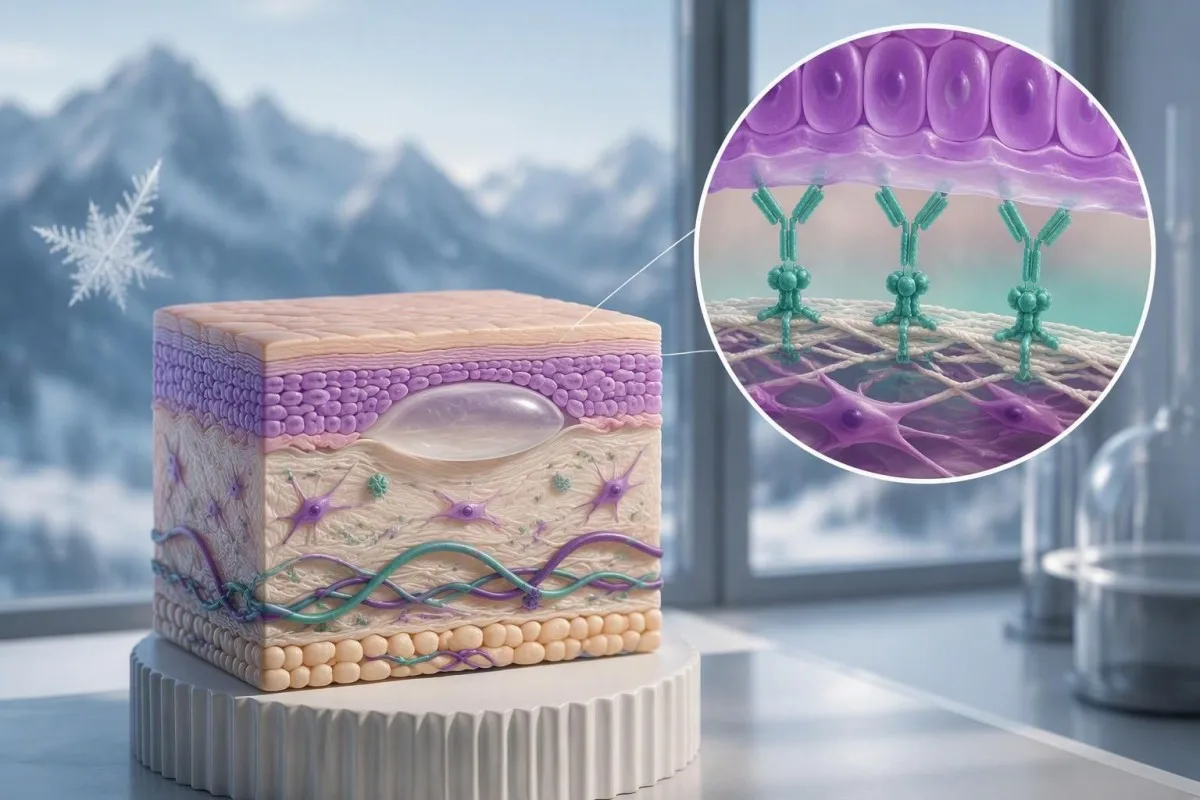
Një rezultat pozitiv për BP180 mbështet një çrregullim autoimun të lëkurës, por vetëm numri nuk mund të përcaktojë diagnozën. Simptomat, analiza e përdorur dhe mostrat e lëkurës të marra siç duhet përcaktojnë hapat e mëtejshëm.

Përfundimet kryesore
- Antitrupat BP180 pozitivë do të thotë se analiza zbuloi antitrupa kundër objektivit të saj BP180; kjo nuk e konfirmon vetvetiu pemfigoidin bulloz.
- Kufijtë laboratorikë ndryshojnë: disa analiza për BP180 përdorin afërsisht 9 U/mL, ndërsa të tjera afërsisht 20 U/mL. Shikoni intervalin e referencës të laboratorit tuaj.
- Rezultatet pozitive të ulëta pa kruarje, skuqje ose flluska mund të tregojë zbulim rastësor të antitrupave ose rezultat fals pozitiv të analizës—jo sëmundje të konfirmuar të lëkurës.
- Pemfigoidi jobulloz mund të shkaktojë kruarje të vazhdueshme pa flluska; 74 nga 343 rastet e pemfigoidit në një studim diagnostik të specializuar ishin jobulloze.
- Antitrupat BP230 ofrojnë prova plotësuese, por rezultati negativ për antitrupat BP230 nuk e përjashton pemfigoidin bulloz.
- Imunofluoreshenca direkte shqyrton depozitat e antitrupave në lëkurë; IgG lineare dhe/ose C3 përgjatë membranës bazale mbështet një çrregullim pemfigoid.
- Dy mostra të lëkurës merren shpesh: një mostër nga zona e prekur për mikroskopi rutinë dhe një mostër e përshtatshme nga afër për imunofluoreshencë direkte.
- Simptoma urgjente përfshijnë dhimbje në sy, ndryshime të shikimit, vështirësi në gëlltitje, temperaturë me ndryshime të përhapura të lëkurës ose flluska që përhapen me shpejtësi; mos prisni një rezultat tjetër të antitrupave.
A e konfirmon një rezultat pozitiv për BP180 pemfigoidin bulloz?
Jo—një rezultat pozitiv për antitrupat BP180 nuk e konfirmon vetë pemfigoidin bulloz. Ai e mbështet diagnozën kur simptomat dhe gjetjet në lëkurë përputhen, por një rezultat i ulët pozitiv pa flluska mund të jetë rastësor; dermatologëve shpesh u nevojitet biopsi e lëkurës me imunofluoreshencë direkte dhe nganjëherë analiza shtesë të antitrupave për të përcaktuar shkakun.
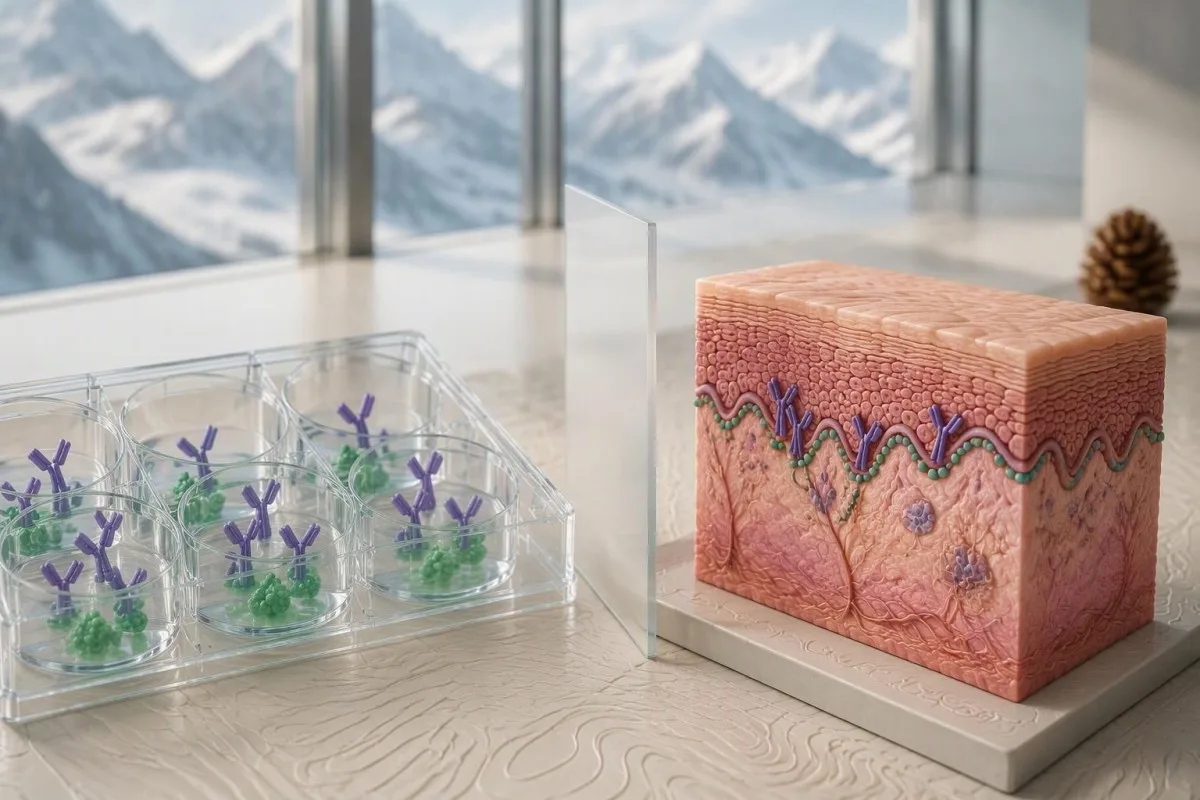
Diagnoza e pemfigoidit bulloz kërkon përputhje klinike dhe imunopatologjike, dhe jo thjesht një vlerë të vetme laboratorike të shënuar si jonormale. Udhëzuesi i EADV i vitit 2022 e përshkruan diagnozën përmes pamjes klinike dhe ekzaminimeve të përshtatshme të indeve dhe antitrupave qarkullues (Borradori et al., 2022); pyetja praktike është nëse antitrupat e zbuluar shpjegojnë gjendjen e lëkurës së personit.
Një test pozitiv i antitrupave dhe një sëmundje autoimune aktive janë gjetje të ndryshme. Për shembull, një rezultat hipotetik prej 12 U/mL mund të jetë pozitiv në një laborator, por një person asimptomatik me atë rezultat ka probabilitet diagnostik të ndryshëm nga dikush me flluska të përhapura, që kruhen dhe janë të tendosura, dhe me të njëjtin përqendrim.
Kantesti është një analizues i analizave të gjakut me IA që ndihmon në shpjegimin e rezultateve të BP180 së bashku me kufirin e laboratorit dhe informacionin që jepni. Shpjegimi ynë nuk mund ta ekzaminojë lëkurën tuaj ose të kryejë imunofluoreshencë direkte; faqja jonë sfondin e kompanisë identifikon organizatën që qëndron pas këtij shërbimi edukativ.
Trajtojeni rezultatin si një arsye për të bërë një pyetje më të saktë, dhe jo si një etiketë të përhershme sëmundjeje. Udhëzuesi ynë për rezultateve pozitive të antitrupave shpjegon pse zbulimi i antitrupave, aktiviteti i sëmundjes dhe konfirmimi diagnostik janë tri koncepte të ndara.
Çfarë mat në të vërtetë testi i antitrupave BP180?
Testi i antitrupave BP180 zakonisht mat IgG-në në serum të drejtuar kundër një pjese të BP180, i quajtur gjithashtu kolagjen i tipit XVII. BP180 është një proteinë prej afërsisht 180 kDa që merr pjesë në ankorimin e epidermës me indin poshtë saj; shumë analiza rutinë testojnë rajonin NC16A, dhe jo të gjithë proteinën.
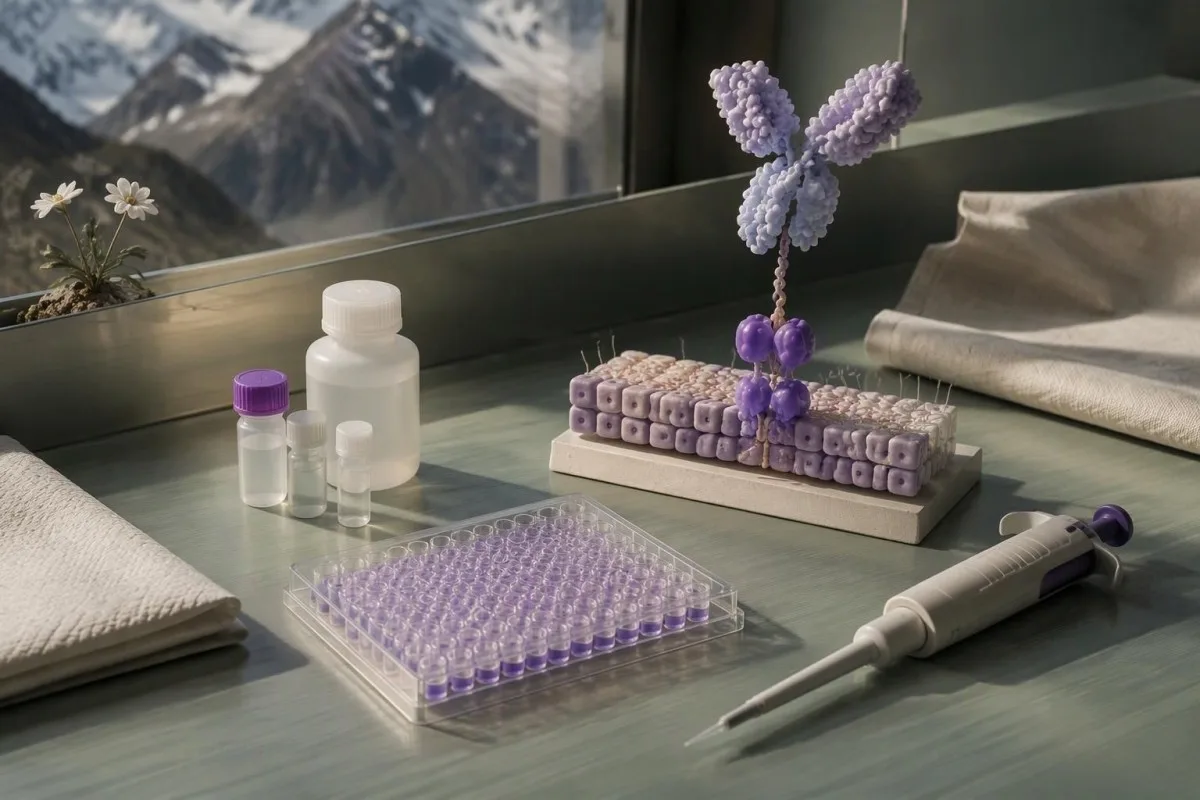
BP180 është një proteinë strukturore e lëkurës, jo një substancë përqendrimi i së cilës matet në gjak. Raporti përshkruan antitrupat kundër asaj proteine, zakonisht duke përdorur një analizë imunosorbente të lidhur me enzimën, ose ELISA; një vlerë prej 30 U/mL prandaj nuk do të thotë se në gjak qarkullojnë 30 njësi të proteinës së lëkurës.
I/E/Të/Të domeni NC16A ndodhet pranë membranës qelizore, në pjesën e jashtme të BP180, dhe është një objektiv i shpeshtë i antitrupave në pemfigoidin bulloz klasik. Testimi i këtij rajoni mundëson një analizë praktike, por krijon edhe një pikë të verbër: antitrupat e drejtuar kryesisht kundër rajoneve të tjera mund të mos zbulohen.
Një përqendrim numerik i antitrupave nuk është i këmbyeshëm me titrin e imunofluoreshencës. Një rezultat i shprehur si 1:40 përshkruan reaktivitetin në një hollim, ndërsa 40 U/mL përshkruan një përqendrim të kalibruar sipas analizës; shpjegimi ynë i testeve sasiore kundrejt atyre cilësore ndihmon në dallimin e këtyre formateve të raportimit.
Kontrolloni nëse raporti thotë IgG BP180 NC16A, një analizë tjetër për BP180 apo një panel më të gjerë për pemfigoidin. Këto nuk janë automatikisht teste të barasvlershme dhe një ELISA negative për IgG nuk u përgjigjet të gjitha pyetjeve për klasat e tjera të antitrupave apo objektivat e tjerë të membranës bazale.
Çfarë konsiderohet rezultat me pozitivitet të ulët për antitrupat BP180?
Një rezultat pak pozitiv për BP180 është një vlerë pak mbi kufirin e përcaktuar për analizën specifike të përdorur. Nuk ka interval universal për rezultatet pak pozitive: disa laboratorë përdorin një prag afër 9 U/mL, ndërsa të tjerë përdorin një prag afër 20 U/mL, me kalibrime dhe kategori raportimi të ndryshme.
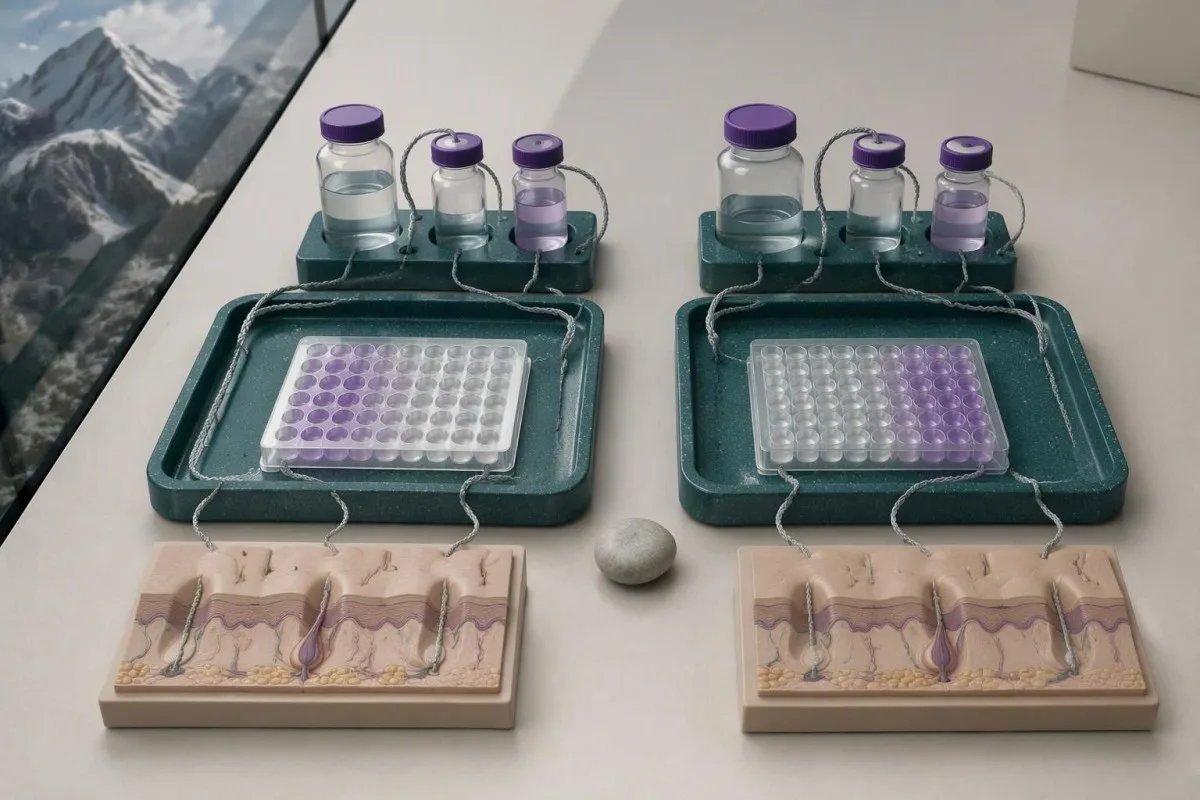
Njësitë e analizave për BP180 nuk janë të standardizuara në mënyrë universale mes laboratorëve. Një rezultat prej 15 U/mL mund të jetë pozitiv sipas një kriteri prej 9 U/mL dhe negativ sipas një kriteri prej 20 U/mL, por kjo nuk vërteton se analiza e dytë nuk e zbuloi sëmundjen; metodat dhe kalibruesit mund të jenë të ndryshëm.
Pragjet vendosin një ekuilibër mes ndjeshmërisë dhe specifikës te popullatat që përdoren për vlerësimin e analizës. Ulja e një pragu mund të zbulojë më shumë persona me sëmundjen, por edhe të identifikojë më shumë persona pa sëmundjen; pragu është një kufi vendimmarrjeje laboratorike, jo një pikë biologjike ku lëkura fillon papritur të krijojë flluska.
Kantesti AI mund të ndihmojë në krahasimin e një vlere të raportuar të BP180 me intervalin referues të dhënë, por një imazh i prerë që tregon vetëm 18 U/mL lë jashtë informacion thelbësor. Përfshini emrin e testit, njësitë, kategoritë e interpretimit dhe komentet e laboratorit; një shenjën “jashtë intervalit” i përgjithshëm nuk mund t’i zëvendësojë këto hollësi.
Shembujt më poshtë ilustrojnë dy politika të mundshme raportimi, jo një shkallë universale të ashpërsisë. Asnjë përqendrim i vetëm i antitrupave BP180 nuk përcakton një urgjencë mjekësore; përfshirja e gjerë e lëkurës, dehidrimi, sëmundja sistemike dhe simptomat e syve ose të rrugëve të frymëmarrjes përcaktojnë urgjencën.
| Niveli | Intervali | Çfarë do të thotë |
|---|---|---|
| Analiza A, shembull: nën pragun e përcaktuar | <9 U/mL | Negativ sipas kësaj politike laboratorike ilustruese; sëmundja nuk përjashtohet nëse dyshimi klinik mbetet i lartë. |
| Analiza A, shembull: në pragun e përcaktuar ose mbi të | ≥9 U/mL | Pozitiv sipas kësaj politike; afërsia me pragun e përcaktuar dhe gjetjet klinike ndikojnë në interpretim. |
| Analiza B, shembull: nën pragun e përcaktuar | <20 U/mL | Negativ sipas një politike tjetër ilustruese; mos i konvertoni drejtpërdrejt rezultatet ndërmjet sistemeve të analizave. |
| Analiza B, shembull: në pragun e përcaktuar ose mbi të | ≥20 U/mL | Pozitiv sipas kësaj politike; numri nuk përcakton në mënyrë të pavarur diagnozën ose ashpërsinë. |
Pse mund të jetë çorientues një rezultat pozitiv për BP180?
Një rezultat pozitiv për BP180 ka më pak peshë kur personi kishte pak gjasa klinike për pemfigoid para testimit. Edhe një analizë mjaft e saktë jep rezultate false pozitive, prandaj kuptimi i rezultatit ndryshon midis një popullate asimptomatike të testuar për depistim dhe një klinike specialistike që vlerëson flluska karakteristike.
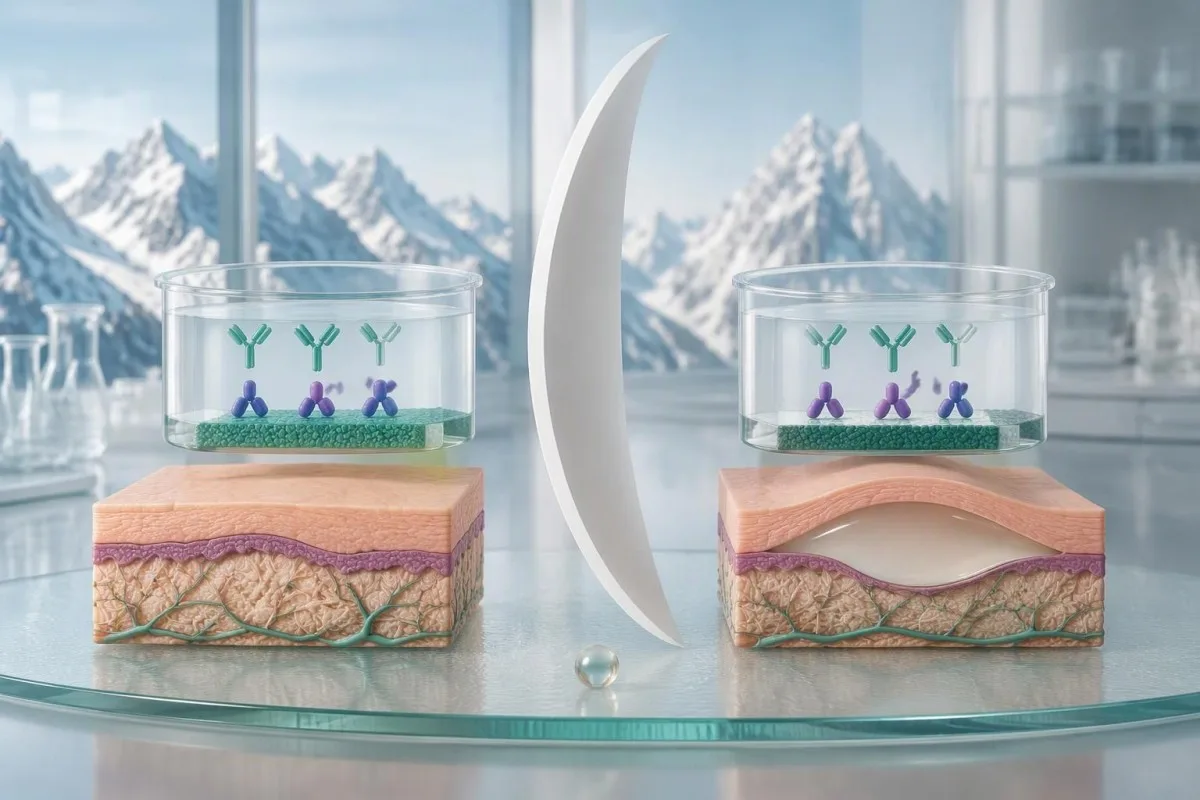
Ndjeshmëria dhe specifikueshmëria nuk janë e njëjta gjë me probabilitetin që ju personalisht të keni sëmundjen pas një rezultati pozitiv. Ky probabilitet varet edhe nga sa e zakonshme është gjendja në grupin e testuar; ky dallim ka më shumë rëndësi kur një panel antitrupash porositet gjerësisht dhe jo për të hetuar një model specifik të lëkurës.
Merrni parasysh një analizë qartësisht hipotetike me ndjeshmëri 90% dhe specifikueshmëri 95%, e përdorur te 1,000 persona, probabiliteti i sëmundjes te të cilët është 1%. Ajo do të identifikonte rreth 9 rezultate vërtet pozitive dhe 50 rezultate false pozitive, duke e bërë vlerën parashikuese pozitive afërsisht 15%; këto janë supozime mësimore, jo pretendime për performancën e analizës suaj BP180.
Përdorni të njëjtën analizë hipotetike kur probabiliteti i sëmundjes është 20%, and approximately 180 true positives and 40 false positives would occur per 1,000 tests. The positive predictive value becomes about 82%—a large change caused by clinical context, not by a different laboratory method.
These examples explain why a dermatologist may request tissue testing despite a positive result, or take characteristic symptoms seriously despite a negative one. Our discussion of interpretimin e antitrupave MOG illustrates the same probability principle in another autoimmune condition, although its diagnostic criteria cannot be transferred to pemphigoid.
Po sikur BP180 të jetë pozitiv, por të mos keni flluska?
A low-positive BP180 result without blisters does not establish bullous pemphigoid or reliably predict future blistering. The next distinction is whether you have no skin symptoms at all, or persistent itching and an unexplained rash that could represent a nonbullous pemphigoid presentation.

Incidental BP180 antibody detection can occur without clinically established pemphigoid. Possible explanations include low-level autoreactivity and assay-related false positivity; there is no validated conversion rule that turns an isolated result of 11 U/mL into a percentage risk of developing blisters later.
A hypothetical person with 11 U/mL, no itching, no rash, and no mucosal symptoms usually needs a contextual review rather than automatic immunosuppressive treatment. The clinician should check why the assay was ordered, whether the result was unexpected, and whether a skin examination reveals findings the person had not recognized.
Persistent dryness and itching still deserve assessment because common explanations remain common. Eczema, medication effects, thyroid disease, and other causes may be more likely than pemphigoid; our dry skin testing guide explains why additional blood tests should follow symptoms rather than a blanket panel.
Nuk ka no universal repeat-testing interval for an asymptomatic low-positive BP180 result. A clinician may choose observation, a repeat using the same method, or specialist review depending on the history; new persistent itching, urticarial plaques, or blisters should change that plan rather than waiting for a scheduled repeat.
A mund të fillojë pemfigoidi bulloz vetëm me kruarje?
Pemphigoid can present with persistent itching, eczema-like patches, urticarial plaques, or scratch-related changes without visible blisters. In a specialist diagnostic study, 74 of 343 pemphigoid cases—21.6%—were nonbullous, showing that the absence of blisters cannot independently exclude the disorder (Meijer et al., 2019).

Nonbullous pemphigoid is not simply every itchy rash with a positive BP180 result. Diagnosis still needs compatible symptoms and appropriate immunopathological evidence; the 21.6% study figure came from a referred population and should not be interpreted as the probability that any person with itching has pemphigoid.
The symptom pattern often matters more than whether one small blister has appeared. Persistent, widespread itching in an older adult, especially with recurrent raised plaques or poor response to ordinary eczema care, warrants a dermatological assessment; our itchy skin laboratory guide separates skin-directed testing from tests for systemic causes.
Eosinophilia can accompany bullous pemphigoid, but it is neither required nor diagnostic. An absolute eosinophil count above approximately 0.5 × 10^9/L is often flagged in adults, yet allergy, medications, and parasites can produce the same finding; our guide to numrat e lartë të eozinofileve explains those alternatives.
A dermatologist does not always need to wait for a blister before collecting a useful sample for direct immunofluorescence. In nonbullous disease, sample selection is tailored to the available rash and laboratory protocol; document the distribution and duration of itching, because a disappearing rash can make later assessment harder.
Si e plotësojnë antitrupat BP230 testimin për BP180?
BP230 antibodies provide complementary evidence for pemphigoid but cannot confirm or exclude bullous pemphigoid alone. BP230 is an approximately 230-kDa intracellular anchoring protein, whereas BP180 crosses the cell membrane; their different locations and antibody targets help explain why the two results can disagree.
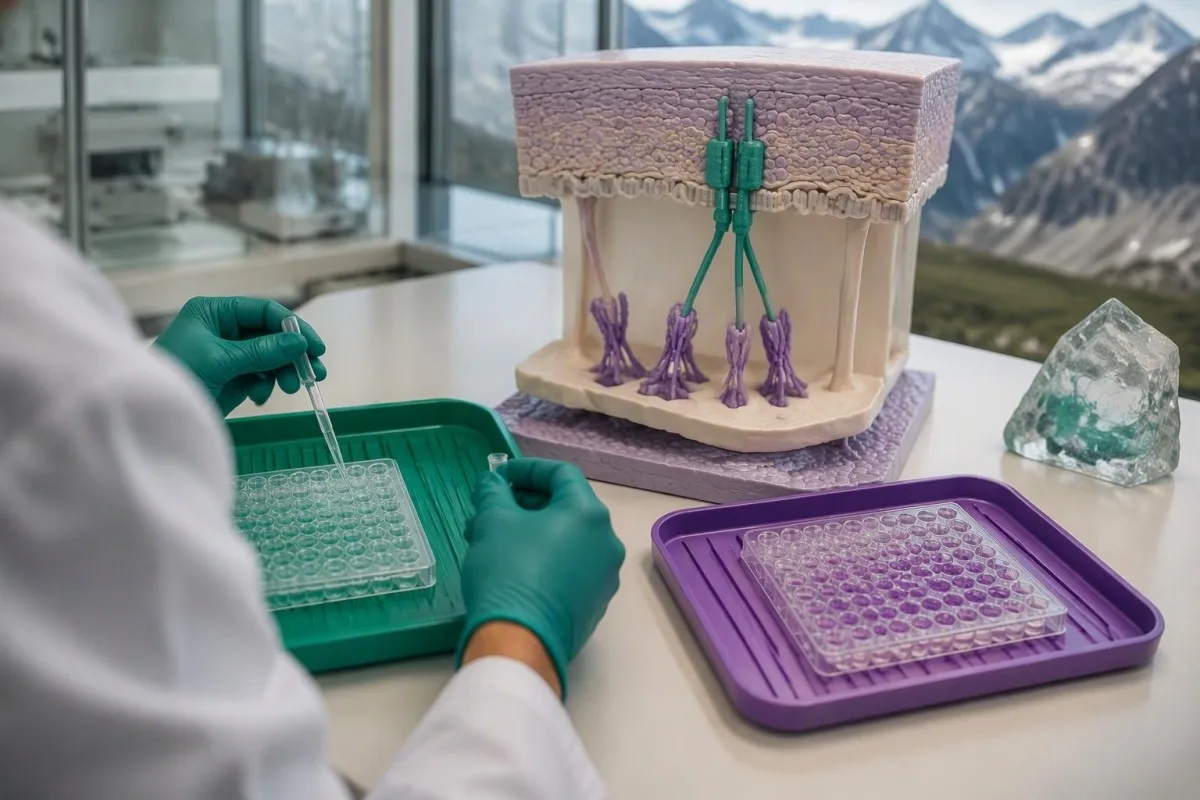
A negative BP230 antibody result does not cancel a positive BP180 result. Some people with confirmed pemphigoid have antibodies detectable against only one tested antigen, and each assay has its own sensitivity; interpreting the pair as a two-test pass-or-fail rule creates avoidable diagnostic errors.
Një person hipotetik BP180 result of 45 U/mL with negative BP230 antibodies still warrants assessment if tense blisters and severe itching are present. Conversely, isolated low-positive BP230 antibodies without compatible findings are not enough to diagnose pemphigoid; a second positive marker strengthens a pattern only when the overall evidence fits.
Kantesti is an AI biomarker interpretation platform that can explain BP180 and BP230 antibodies as complementary findings rather than interchangeable scores. This is similar to the reasoning used for antibody panels in connective disease, but skin-specific tissue findings remain central to pemphigoid assessment.
Do not add BP180 and BP230 concentrations together, even if both are expressed in U/mL. They represent different antigen-specific measurements with different calibration systems; BP180 levels generally have a better-established relationship with disease activity than BP230 levels, but neither replaces examination.
Pse mund t’ju nevojitet biopsi e lëkurës me imunofluoreshencë direkte?
Skin biopsy with direct immunofluorescence can show whether antibodies or complement are deposited at the skin's basement membrane. Dermatologists often collect two separate specimens because routine microscopy and direct immunofluorescence answer different questions and require different sample handling.
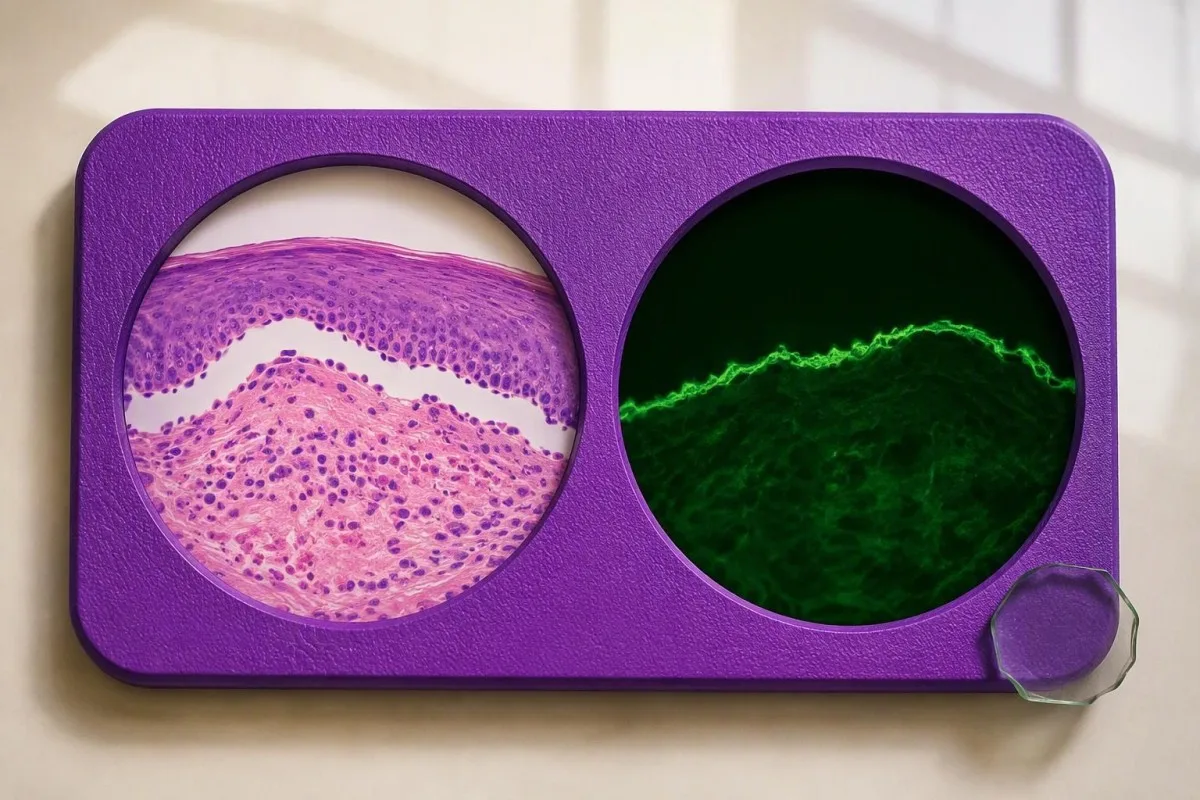
Routine histology examines tissue structure and inflammatory cells. A sample from a fresh blister or suitable affected area may show separation beneath the epidermis and eosinophils, but these features are not unique to bullous pemphigoid; the second sample looks for the immune-deposit pattern that helps classify the disorder.
For classic blistering presentations, the direct-immunofluorescence sample is commonly taken from appropriately selected skin near a fresh blister rather than its eroded center. A small 3–4-mm punch is often used, although technique and location depend on the case; sampling heavily damaged tissue can remove the structures the laboratory needs to examine.
The specimen for direct immunofluorescence must not be routinely placed in formalin. Laboratories generally require a dedicated transport medium or another explicitly agreed handling method, while the routine histology specimen commonly goes into formalin; ask whether the two containers have been prepared for their separate purposes.
In Meijer et al.'s 2019 diagnostic cohort, direct immunofluorescence had a sensitivity of 88.3%, so even this valuable test was not infallible. Kantesti's validimit klinik të Kantesti concerns our interpretation methodology—not a claim that AI can reproduce skin immunofluorescence or establish its findings.
Çfarë kuptimi kanë rezultatet pozitive të testeve të imunofluoreshencës dhe ndarjes me kripë?
Linear IgG and/or C3 along the basement membrane on direct immunofluorescence supports a pemphigoid-spectrum disorder, but the pattern is not unique to bullous pemphigoid. Indirect immunofluorescence on salt-split skin can add evidence by showing where circulating antibodies bind relative to an experimentally created tissue separation.
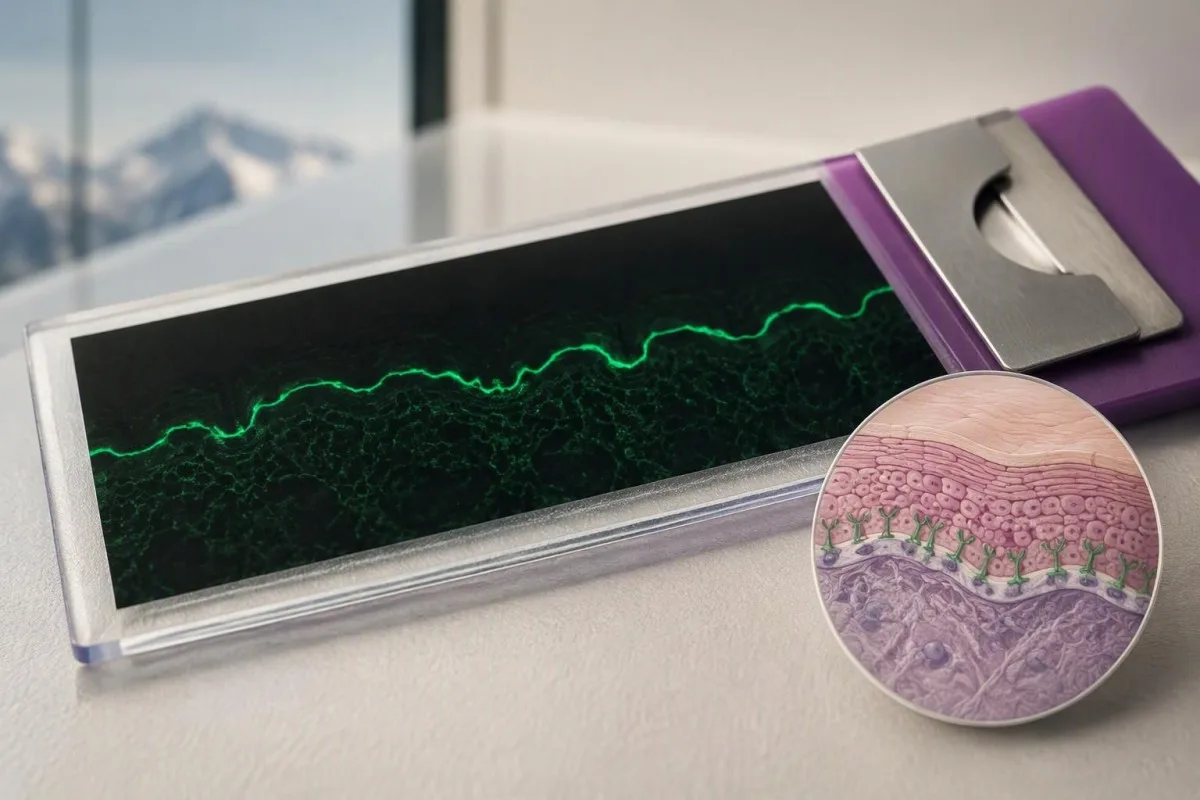
Direct and indirect immunofluorescence use different materials. Direct testing examines deposits already present in the person's skin, while indirect testing applies the person's serum to a laboratory substrate; a positive result in one test and a negative result in the other is therefore possible without a reporting error.
On salt-split skin, bullous pemphigoid antibodies commonly bind the epidermal side, often called the roof. Antibodies binding the dermal side, or floor, raise consideration of other disorders such as epidermolysis bullosa acquisita or anti-p200 pemphigoid, but binding location alone does not fully classify every case.
Meijer et al. reported 99.9% specificity for indirect immunofluorescence on salt-split skin in their 2019 diagnostic cohort. That high figure applies to that study and testing pathway; a negative result still cannot exclude pemphigoid because specificity describes false positives, not how many cases the test misses.
C3 detected in skin is not the same measurement as a serum C3 concentration. A normal circulating complement result does not negate local deposits at the basement membrane; our complement testing explanation helps prevent this common cross-test misunderstanding.
Po sikur BP180, biopsia e lëkurës dhe simptomat të mos përputhen?
Discordant BP180 and skin-test results require a review of the clinical picture, assay target, sampling site, and specimen handling. A positive ELISA with negative direct immunofluorescence can reflect incidental antibodies or an uninformative skin sample; a negative NC16A ELISA can miss disease directed against other targets.
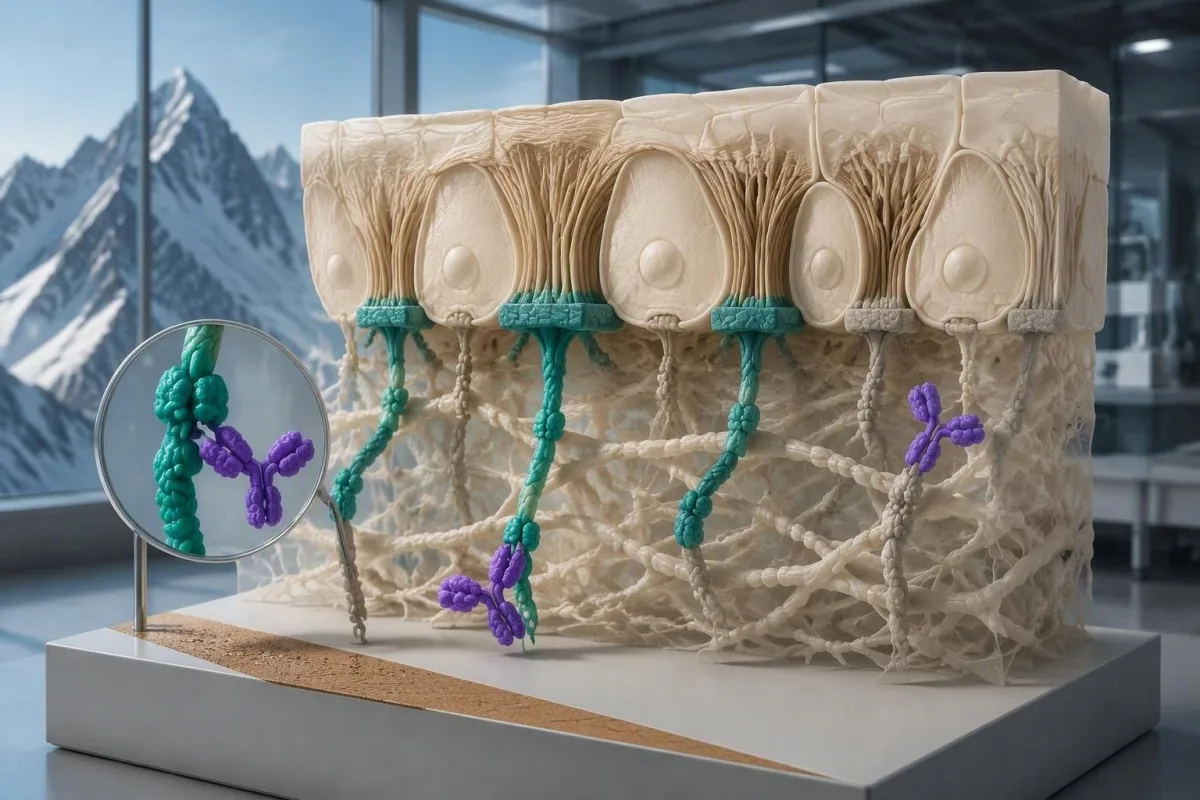
A negative direct-immunofluorescence result is less reassuring if the sample was poorly selected or incorrectly transported. Treatment before sampling may also influence findings, so clinicians need to know which creams or systemic medicines were used and where; never stop prescribed treatment solely to make a test more likely to turn positive.
A hypothetical person with characteristic new blisters, BP180 of 80 U/mL, and a negative direct-immunofluorescence specimen from an old eroded site may need repeat sampling. The same antibody result with no compatible skin findings demands a different investigation; the discrepancy does not have one automatic explanation.
A negative BP180 NC16A result does not exclude every form of pemphigoid. Further testing may include BP230 antibodies, indirect immunofluorescence, or specialized assays for other antigens; our guide to negative myasthenia antibody tests illustrates why a limited antigen panel cannot exclude an entire autoimmune disease category.
Repeat testing should address a specific uncertainty rather than create an endless sequence of panels. Ask whether the next investigation is checking the same antigen by another method, examining an additional antigen, or correcting a tissue-sampling problem; each strategy answers a different diagnostic question.
Cilat gjendje të tjera mund t’i ngjajnë pemfigoidit me BP180 pozitiv?
BP180 antibodies can occur in other pemphigoid-spectrum conditions, including mucous membrane pemphigoid and pemphigoid gestationis. Eczema, scabies, and drug-related eruptions can resemble early bullous pemphigoid clinically, while pemphigus involves different adhesion proteins and usually a different level of skin separation.
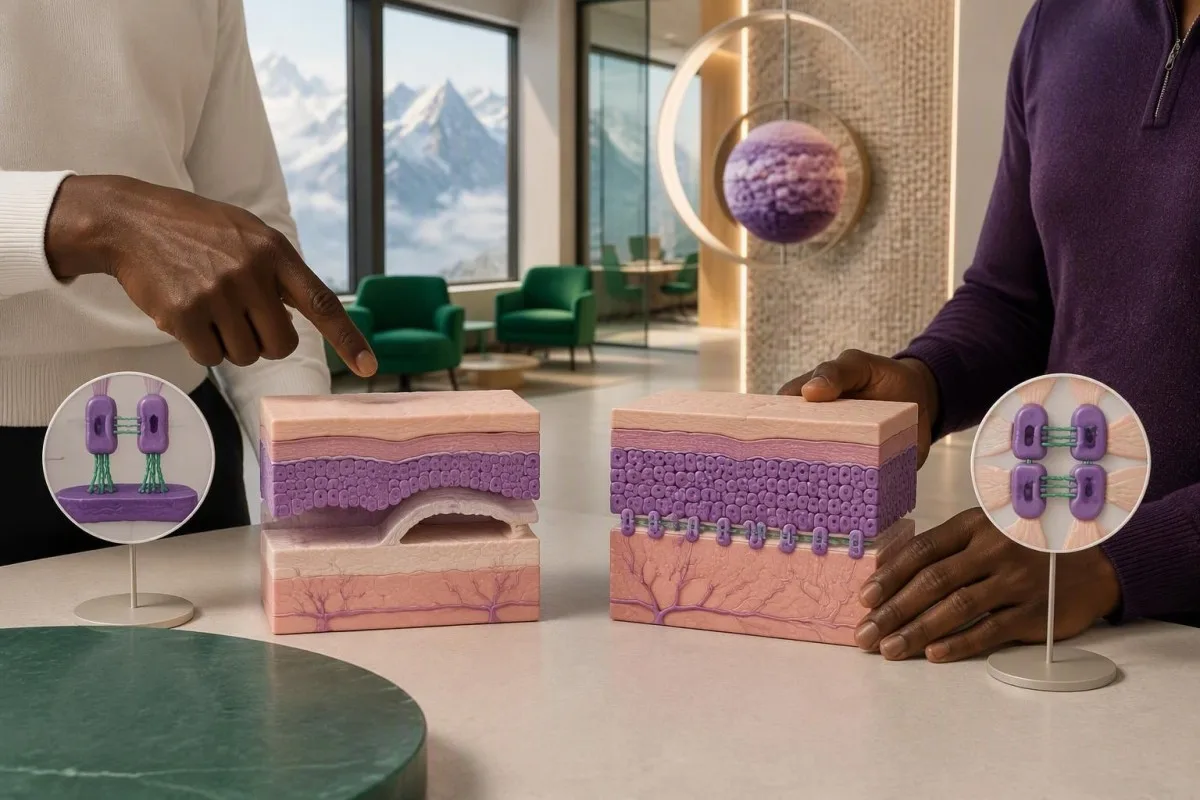
Bullous pemphigoid typically causes tense blisters because separation occurs beneath the epidermis. Pemphigus often produces more fragile blisters or erosions through loss of adhesion within the epidermis; our desmoglein antibody guide explains why BP180 testing cannot substitute for a pemphigus evaluation.
Predominantly mouth, eye, genital, or other mucosal involvement raises concern for mucous membrane pemphigoid, especially when scarring occurs. Eye pain, light sensitivity, or vision changes require urgent assessment because waiting for a repeat antibody concentration can delay treatment of a sight-threatening process.
Pemphigoid gestationis is associated with pregnancy and can produce BP180 antibodies. Pregnancy or recent childbirth therefore changes the interpretation of the same laboratory result; the distinction requires obstetric and dermatological coordination rather than assuming that every BP180-positive blistering disorder is classic older-adult bullous pemphigoid.
Scabies can cause intense itching and may coexist with an unrelated positive antibody result. Household itching, characteristic distribution, and burrows alter the differential; our scabies symptom guide is useful for that comparison, but neither household exposure nor BP180 positivity independently settles the diagnosis.
A i ndryshojnë barnat interpretimin e BP180 ose vendimet për trajtimin?
Medication history can change the likelihood and presentation of bullous pemphigoid, but a positive BP180 result alone is not a reason to stop a medicine. DPP-4 inhibitors used for diabetes and immune checkpoint inhibitors are recognized associations; treatment decisions depend on confirmed disease, severity, and the person's other health risks.

DPP-4 inhibitor-associated pemphigoid can have a less typical inflammatory presentation and may show limited NC16A reactivity. This is not universal, and exposure does not prove causation; bring a complete medicine list, including start dates, to a review using our senior medication effects guide as a preparation aid.
I/E/Të/Të 2022 EADV guideline recommends potent topical corticosteroids as a mainstay when feasible and discusses oral prednisone at approximately 0.5 mg/kg/day as an alternative in suitable circumstances (Borradori et al., 2022). These are clinician-directed treatment options for disease, not instructions to treat an isolated antibody result or begin steroids without assessment.
Systemic corticosteroids can create additional risks that are unrelated to the BP180 concentration. People with relevant residence or travel exposure may need assessment for Strongyloides before significant immunosuppression; our Strongyloides antibody explanation describes why an apparently unrelated parasite history can become a treatment-safety issue.
Kidney function, glucose, infection risk, and the ability to apply topical treatment may influence the choice of therapy more than whether BP180 is 40 or 80 U/mL. Ynë udhëzuesi ynë për interpretimin e funksionit të veshkave covers supportive laboratory assessment, but renal markers do not confirm pemphigoid.
A mund të përdoren nivelet e BP180 për të ndjekur aktivitetin e sëmundjes dhe shërimin?
BP180 antibody levels can support monitoring in confirmed bullous pemphigoid, but they do not replace examination or determine treatment alone. Concentrations often track disease activity at a group level; individual patients can remain antibody-positive while their skin is controlled or experience symptoms without a proportionate rise.
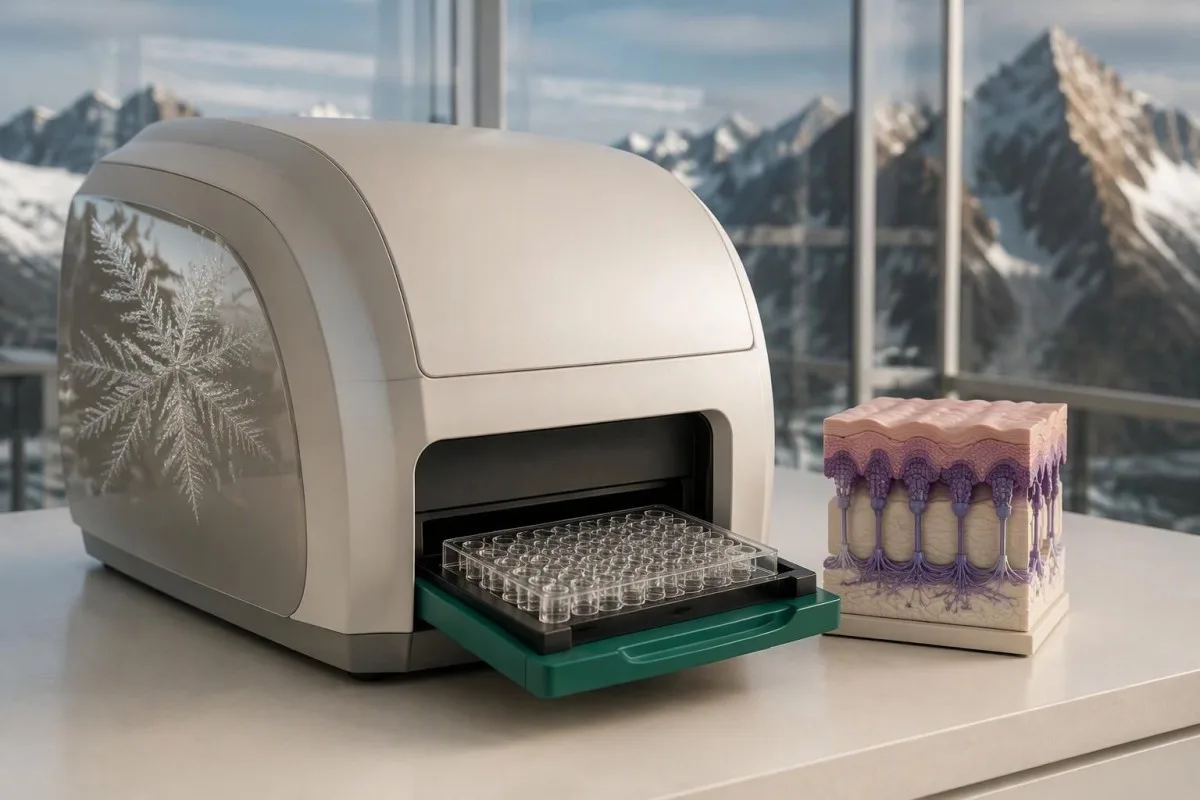
A falling BP180 concentration is most useful when it agrees with fewer new blisters and less itching. A hypothetical decline from 120 to 35 U/mL on the same assay supports an improving pattern, but it does not independently establish remission or justify stopping treatment.
An increase from 12 to 14 U/mL near a cutoff may reflect analytical or biological variation rather than a meaningful change in disease. There is no universal percentage increase that proves relapse across all BP180 assays; the method, timing, symptoms, and previous response need to be considered together.
Kantesti is an AI blood test interpretation platform that can organize serial BP180 results without treating a laboratory trend as a diagnosis. Tonë shpjegim i teknologjisë AI describes the interpretation workflow; preserving each report's assay name and reference interval matters when comparing two or more measurements.
Changing laboratories can create an apparent rise or fall that is partly methodological. Our udhëzuesi ynë për trendin e sigurisë së medikamenteve explains why dates, doses, and laboratory context belong beside the numbers; photograph new skin findings and record new-blister counts when your dermatologist requests them.
Çfarë duhet të merrni me vete në vizitën e kontrollit dhe cilat prova janë të vlefshme?
Bring the full BP180 report, any BP230 result, symptom photographs, and your complete medication list to follow-up. These four information groups help a clinician decide whether you need observation, additional serum testing, properly handled skin samples, or urgent assessment rather than another isolated antibody measurement.

A useful report includes the exact assay name, numerical value, units, cutoff, and collection date. If a hypothetical BP180 result reads 16 U/mL, the missing cutoff may reverse whether it is considered positive; also request the actual histology and direct-immunofluorescence reports rather than relying on the phrase 'skin biopsy normal.'
New eye symptoms, swallowing difficulty, extensive rapidly spreading blisters, fever, or inability to maintain fluids need prompt clinical attention. Do not wait for a scheduled second test when those symptoms appear; supportive urinalysis can answer separate medical questions, as explained in our udhëzues për interpretimin e analizës së urinës, but it cannot establish a pemphigoid diagnosis.
Kantesti helps explain the distinctions between a flagged antibody result, a probable diagnosis, and confirmed disease. Tonë parime të inteligjencës artificiale të përgjegjshme describe the boundaries of educational interpretation; only a clinician with access to your examination and appropriate investigations can decide whether a Antitrupat BP180 pozitivë result represents active pemphigoid.
The directly relevant evidence here comes from the 2022 EADV guideline and the 2019 JAMA Dermatology diagnostic study. The two Zenodo publications listed below concern kidney-function and urinalysis interpretation and are included as background educational publications, not evidence that BP180 confirms bullous pemphigoid or that our AI has validated diagnostic accuracy for this condition.
Pyetjet e bëra shpesh
A do të thotë një rezultat pozitiv i testit të antitrupave BP180 se kam patjetër pemfigoid bulloz?
Një rezultat pozitiv i testit për antitrupat BP180 nuk do të thotë patjetër se keni pemfigoid bulloz. Disa laboratorë përdorin një prag rreth 9 U/mL dhe të tjerë rreth 20 U/mL, ndaj testi specifik dhe intervali i referencës kanë rëndësi. Kruarja ose flluskat në përputhje me këtë diagnozë e bëjnë rezultatin më domethënës, ndërsa një rezultat i izoluar pozitiv me vlerë të ulët mund të jetë rastësor ose pozitiv i rremë. Për të vendosur diagnozën mund të nevojitet biopsi e lëkurës me imunofluoreshencë direkte dhe testime shtesë për antitrupa.
Çfarë do të thotë një rezultat pak pozitiv i BP180 nëse nuk kam flluska?
Një rezultat i ulët pozitiv për BP180 pa flluska mund të pasqyrojë zbulimin rastësor të antitrupave, një rezultat fals pozitiv të lidhur me analizën ose pemfigoidin që shfaqet pa flluska. Për shembull, 12 U/mL është pozitiv kur kufiri është 9 U/mL, por nuk mund të parashikojë nëse një person pa simptoma do të zhvillojë sëmundjen. Kruarja e vazhdueshme ose një skuqje e pashpjeguar meriton vlerësim dermatologjik edhe pa flluska. Nuk ka interval universal për përsëritjen e testimit ose rekomandim trajtimi bazuar vetëm në një rezultat të izoluar, të ulët pozitiv.
A mund të kem pemfigoid bulloz me antitrupa negativë ndaj BP180?
Pemfigoidi bulloz mund të shfaqet edhe kur analizat rutinë NC16A për antitrupat BP180 dalin negative. Analiza teston një rajon të caktuar të proteinës prej rreth 180 kDa dhe mund të mos zbulojë antitrupat e drejtuar kryesisht kundër rajoneve të tjera. Testimi për BP230, imunofluoreshenca direkte dhe imunofluoreshenca indirekte mund të japin prova shtesë. Një analizë negative e gjakut nuk duhet ta ndërpresë vlerësimin kur gjetjet në lëkurë sugjerojnë fort pemfigoid.
A e përjashtojnë pemfigoidin buloz antitrupat BP230 negativë?
Antitrupat negative ndaj BP230 nuk e përjashtojnë pemfigoidin buloz. BP230 është një proteinë ankoruese ndërqelizore me peshë rreth 230 kDa, dhe disa persona me sëmundje të konfirmuar nuk kanë antitrupa të zbulueshëm kundër saj. Një rezultat pozitiv për BP180 me antitrupa negativë ndaj BP230 mund të jetë ende në përputhje me diagnozën kur gjetjet klinike dhe indore përputhen. Përqendrimet e dy antitrupave nuk duhen mbledhur dhe as trajtuar si rregull konfirmimi me dy teste.
Pse ndonjëherë nevojiten dy biopsi të lëkurës për pemfigoidin?
Shpesh nevojiten dy biopsi të lëkurës, sepse histologjia rutinë dhe imunofluoreshenca direkte u përgjigjen pyetjeve të ndryshme diagnostikuese. Zakonisht përdoret një biopsi me grusht e vogël, 3–4 mm, megjithëse dermatologu zgjedh teknikën dhe vendin sipas paraqitjes klinike individuale. Një mostër shqyrton strukturën e indit, ndërsa tjetra kërkon depozitime imune përgjatë membranës bazale. Mostra për imunofluoreshencën direkte kërkon një mënyrë transporti të dakordësuar veçmas dhe nuk duhet vendosur zakonisht në formalinë.
A do të thotë një nivel i lartë i BP180 që pemfigoidi im është i rëndë?
A high BP180 level does not independently determine how severe pemphigoid is or whether it is an emergency. A result of 100 U/mL must be interpreted using that assay's cutoff and alongside the extent of skin involvement, itching, new blisters, and general health. Antibody levels often relate to disease activity, but individual results and symptoms can disagree. Eye pain, vision changes, difficulty swallowing, or rapidly spreading extensive blistering require prompt assessment regardless of the antibody concentration.
A duhet të bëhen negative antitrupat BP180 përpara se të ndërpritet trajtimi?
Antitrupat BP180 nuk duhet domosdoshmërisht të bëhen negativë para se një klinicist të marrë në konsideratë uljen ose ndërprerjen e trajtimit të pemfigoidit. Një rënie hipotetike nga 120 në 35 U/mL mund të mbështesë përmirësimin, por simptomat, shfaqja e flluskave të reja, ekzaminimi dhe historia e rikthimeve e udhëheqin vendimin. Antitrupat mund të mbeten të zbulueshëm kur gjendja e lëkurës është nën kontroll, dhe nuk ka një vlerë universale kufi për ndërprerjen, që të vlejë për të gjitha analizat. Mos e ndryshoni trajtimin e përshkruar vetëm bazuar në ecurinë e nivelit të antitrupave.
Merrni shpjegimin e rezultateve të analizave të gjakut
Ngarkoni raportin tuaj laboratorik dhe AI e Kantesti shpjegon çdo biomarker me gjuhë të thjeshtë brenda pak sekondash. Përdoret nga më shumë se 2 milionë njerëz në mbarë botën.
Referencat
- Klein, T., Mitchell, S., & Weber, H. (2026). Raportimi i Raportit BUN/Creatinine: Udhëzuesi i testimit të funksionit të veshkave. Kërkim mjekësor me Kantesti AI. DOI
- Klein, T., Mitchell, S., & Weber, H. (2026). Urobilinogeni në testin urin: Udhëzuesi i plotë i analizës urinare 2026. Kërkim mjekësor me Kantesti AI. DOI
- Borradori L et al. (2022). Updated S2 K guidelines for the management of bullous pemphigoid initiated by the European Academy of Dermatology and Venereology (EADV). Journal of the European Academy of Dermatology and Venereology. DOI
- Meijer JM et al. (2019). Assessment of Diagnostic Strategy for Early Recognition of Bullous and Nonbullous Variants of Pemphigoid. JAMA Dermatology. DOI
- 2M+Analizat e kryera
- 127+Vendet
- 100+Gjuhët
Rreth ekipit mjekësor


Sinjalet e Besimit E-E-A-T
Përvoja
Rishikim klinik i udhëhequr nga mjeku i flukseve të punës për interpretimin e analizave.
Ekspertizë
Fokus i mjekësisë laboratorike mbi mënyrën se si sillen biomarkerët në kontekstin klinik.
Autoritariteti
Rishikuar nga ana mjekësore nga Dr. Thomas Klein, me kontribute nga Dr. Sarah Mitchell dhe Prof. Dr. Hans Weber.
Besueshmëria
Interpretim i bazuar në prova, me rrugë të qarta për ndjekje për të reduktuar alarmin.

Mohim përgjegjësie mjekësore
Ky artikull është vetëm për qëllime edukative dhe nuk përbën këshilla mjekësore. Gjithmonë konsultohuni me një ofrues të kualifikuar të kujdesit shëndetësor për vendimet e diagnozës dhe trajtimit.
Botuar · Kontaktoni ekipin redaktues
Botuar nga Kantesti Ltd, e regjistruar në Angli dhe Uells, nr. i kompanisë. 17090423, Londër, Mbretëria e Bashkuar.
