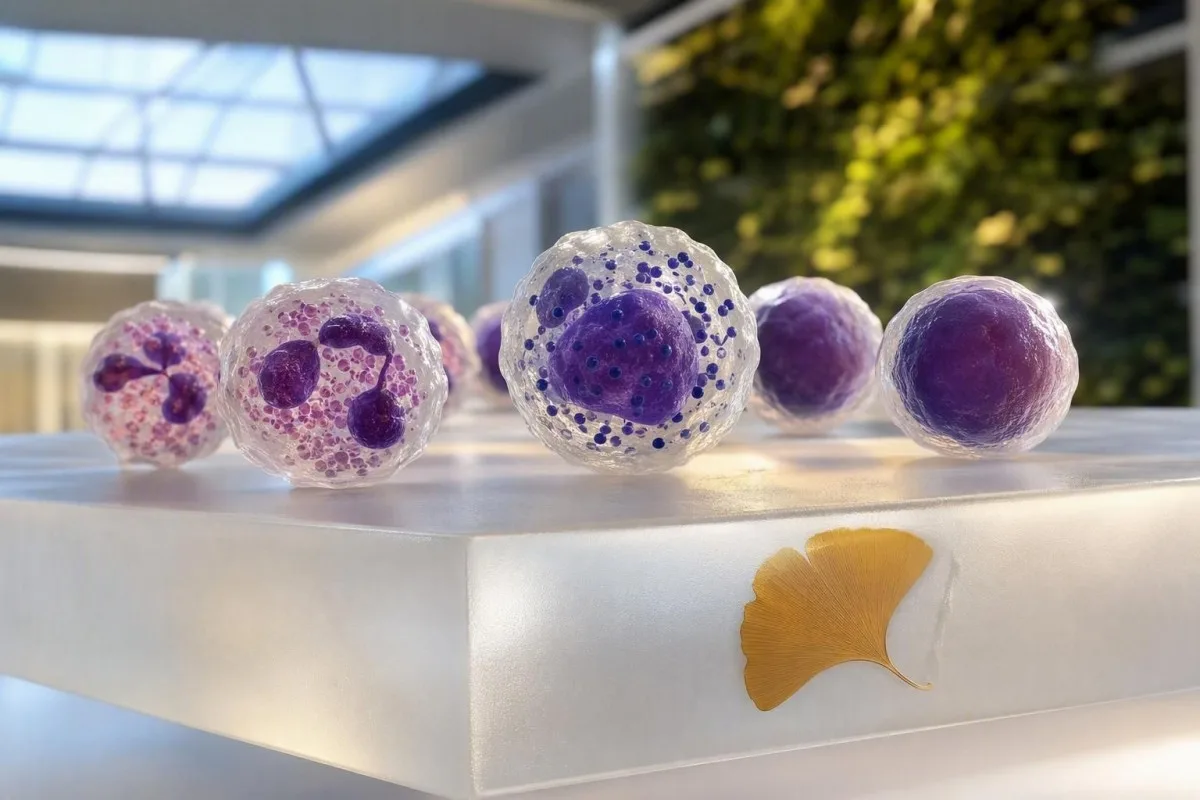
La màger part dels adults an de basofils absoluts de 0,00–0,10 × 10⁹/L (0–100/µL), mentre que lo percentatge es normalament de 0–1%. Un percentatge pauc insolit reflectís sovent de cambiaments en d'autras cellulas blancas ; lo comptatge absolut de basofils es lo resultat que guia normalament lo seguiment.


- Basofils absoluts son normalament de 0,00–0,10 × 10⁹/L (0–100/µL) pels adults e son mai clinicament utilas qu'un simple percentatge.
- Percentatge de basofils es comunament 0–1% de las cellulas blancas, mas pòt aumentar quand los neutròfils o los linfoctis baissan quitament se lo comptatge absolut es normal.
- Mainatges an sovent la meteissa limita superiora practica de 0,10 × 10⁹/L aprés la mainadissa, mas l'interval especific per edat del laboratòri a la prioritat.
- Un CBC repetit en 2–8 setmanas es rasonabla per una basofilia isolada e leugièra aprés una alèrgia, una infeccion o un cambiament de medicament.
- Basofilia persistenta superiora a 0,20 × 10⁹/L merita una revision per lo clinician, especialament amb de cellulas blancas elevadas, anèmia, esplenomegalia, o simptòmas constitucionals.
- revísió urgent es justificat per una leucocitosi marcada, pèrda de pes inexplicada, sudoracions nocturnas abondantas, febri, o sensacion de plenitud precòça jos las costèlas gauchas.
- Basofils nuls suls comptadors automatizats es frequent e generalament sens significacion clinica.
- Kantesti AI legís los basofils amassa amb los leucocits totals, los eosionofils, lo recòmpte de plaquetas, l'emoglobina, e los resultats precedents, a l'empara de considerar un sol signe de diagnostic.
Basofils absoluts contra percentatge de basofils
Los basofils absoluts de 0,00–0,10 × 10⁹/L son generalament normals pels adults, en temps que un percentatge de basofils de 0–1% es sonque una proporcion del recòmpte total de leucocits. Quand los dos son en desacòrd, los clinicians balhan generalament mai de pes al resultat absolut.
Un percentatge pòt semblar naut simplament que un autre tipe de leucocit siá bas. Per exemple, 1,5% basofils amb un recòmpte de leucocits de 3,0 × 10⁹/L produsís un comptatge absolut de sonque 0,045 × 10⁹/L — largament dins de divèrs intervals adults. Es per aquò qu'un signe de percentatge sol rarament conta tota l'istòria.
Lo calcul es simplifikat: leucocits totals × percentatge de basofils ÷ 100. Un recòmpte blanc de 12,0 × 10⁹/L e de basofils de 2% balha 0,24 × 10⁹/L, çò que representa una veritabla aumentacion. Per un contèxte mai larg, vejatz nòstre guida sus què inclou una CBC.
Kantesti es un Analizador de tèst de sang d'IA que convertís los procentatges en comptatges absoluts comparables clinicament quand lo rapòrt font balha un diferencial. D'après mon experiéncia, aquela conversion empacha un bon nombre d'alarma innecessària après un contraròtle de santat de rotina.
Perqué lo nombre absolut es mai constant
Los analysadors automatizats comptan de milièrs d'eveniments cellulars, mas los basofils son normalament rars — sovent mens d'1 sus 100 leucocits. De pichons desplaçaments analitics e biologics pòdon doncas muóver lo percentatge mai sensiblament que lo comptatge absolut.
Intervals de referéncia practics de basofils per edat
La màger part dels laboratòris utilisam un interval de referéncia absolut de basofils de 0,00–0,10 × 10⁹/L dempuèi l'enfança fins a l'adultesa, mas los intervals neonatals pòdon èsser mai amples. Utilizatz l'interval imprès jos vòstre resultat, perque las limitas de referéncia depenon de la metòda de l'analisador e de la populacion sana locala del laboratòri.
Pelos mainatges dins las primièras setmanas de vida, quauques laboratòris pediatrics acceptan de basofils absoluts fins a gaireben 0,20–0,40 × 10⁹/L. Lo sistèma immunitari neonatal s'adapta rapidament, de faiçon que los limits adults ne devon pas èsser impausats a un resultat de novenat sens un vejaire pediatric.
A partir de gaireben 1 an, divèrses servicis aplican una limita superiora practica pròcha de 0,10 × 10⁹/L, o 100/µL. Un resultat de 0,11 × 10⁹/L dins un mainatge que se desvolopa plan amb un recòmpte de leucocits total normal es generalament una question de repetission e de contèxte, pas una emergença.
CLSI EP28-A3c explican perqué los laboratòris establiscan o verifican lors pròpris intervals de referéncia puslèu que d'empruntar una gama universala (CLSI, 2010). Nòstre guida de las gamas d'edat dels neutrophils mòstra lo meteis principi per un autre comptatge diferencial.
Comprendre las unitats de basofils sus los rapòrts del Reialme Unit, dels Estats Units e internacionals
Un comptatge de basofils de 0.10 × 10⁹/L equival a 100/µL, de sòrta que los rapòrts que d'utilizan d'unitats diferentas pòdon descriure lo meteis resultat. Los sanguine fulles del Reialme Unit raportan sovent ×10⁹/L, pendent que los laboratòris dels Estats Units utilisan comunament de cellulas/µL o K/µL.
Per convertir ×10⁹/L en cellulas/µL, multiplicar per 1.000. Atal 0.05 × 10⁹/L es equivalent a 50/µL; 0.25 × 10⁹/L es equivalent a 250/µL. Un rapòrt que mòstra 0.0 pòt èsser arredondat a un decimal puèi que provar qu'i a literalament ges de basofils.
Una valor listada coma 0.2 K/µL es equivalent a 0.20 × 10⁹/L. Aquela distinction es importanta perque 0.21 e 0.2 K/µL son de mesuras completament diferentas. Los patients los mesclan regularament quand comparan los rapòrts de dos país.
Se vòstre rapòrt indica FBC en luòc de CBC, los compausants son largament los meteis; nòstre explicador de compte sanguin complet del Reialme Unit tradusís la terminologia comuna.
Perqué los comptatges de basofils aumentan o baissan
Una basofilia moderada acompanha lo mai sovent las alèrgias, las inflamacions cronicas, la recuperacion d'una infeccion, o un cambiament del sistèma immunitari relacionat amb de medicaments. Un bas BAI o zèro basofils es de costuma pas significatiu perque aquestas cellulas circulan en paucissimas quantitats.
Los basofils an de receptors per l'IgE e pòdon liberalar d'istamina e d'autres mediadors aprés una exposicion a un alergen. La rinita alèrgica de sason, l'urticària cronica, l'asma, e qualques malautiás de la pèl pòdon coincidir amb una leujaumenta, totun un comptatge normala empacha pas nimai conferma una d'aquestas.
L'ipotiroïdia, las malautiás inflamatòrias de l'intestin, los problèmas reumatologics, e qualques infeccions cronicas pòdon tanben èsser associats a una basofilia. La question utila es pas “quala malautiá causa aquò ?” mas “quals autres signes son presents ?”—la CRP, los eosinofils, los simptòmas, l'istorial de medicaments, e la trajectòria an totas lor importància.
Una augmentation de l'IgE e del comptatge d'eosinofils pòt suportar un perfil alergic, pendent que las demoradissas isoladas pòdon demandar una revision mai ampla; nòstre article sus las analisis de sang per las demoradissas de la pèl explica los limits practics de l'analisi de la CBC.
Quand devètz repetir un CBC per los basofils ?
Repetir una CBC en 2-8 setmanas per una leujaumenta isolada e moderada de basofils aprés un desencadenant temporari, a condicion que vos sentissatz plan e que lo rèsta del compte siá rasonable. Repetir mai lèu, de costuma dins los jorns a 2 setmanas, quand las cellulas blancas totalas son en augmentation o quand i a de linhadas de cellulas anormalas multiples.
Per un comptatge absolut de basofils de 0.11-0.20 × 10⁹/L aprés un refregat, una exacerbacion de la fèbre de fen, una vaccinacion, o un tractament cort de corticoïdes, preferisca sovent una repetida calma puslèu qu'una cascada d'analisis. Assagatz d'utilizar lo meteis laboratòri, e notatz la malautiá recenta, los medicaments nòus, los cambiaments del tabagisme, e l'exposicion als corticoïdes.
Ne tentatz pas d“” ameliorar » lo tipe abans un tèst de confirmacion. L'idratacion es sensata, mas los suplements, los antihistaminics, los corticosteroïdes e l'exercici d'endurança intens pòdon cambiar lo tipe diferencial mai larg. Nòstra cronología de análisis de sangre detalha los efèits comuns del moment.
Kantesti es un plataforma d’interpretacion d’analisi de sang d’AI que compara lo tipe diferencial actual amb los CBC precedents e marca una augmentacion constanta d'un biais diferent d'una marca unica. Una tendéncia sus 3-6 meses es sovent mai informativa qu'un simple punt decimal.
Cossí se preparar per un retest fiable de basofils
Lo tèst de basofils generalament requerís pas de jeun, mas un repetit CBC es mai interpretable quand non siatz malaut agudament e que las condicions de recòlta son similaras. Vesatz de fluids normals, de repapièrs ordinaris e un jorn de rotina en plaça de cambiaments extrèms.
Evitatz de planificar un tèst de confirmacion non urgent pendent una fèbre, una inflamacions alèrgica significativa, o lo jorn après un eveniment d'endurança inusitadament dur se lo but es d'establir una basa. Los ormonas de l'estressa agut e los desplaçaments de fluids pòdon moure divèrsas sossets de globuls blancs pendent d'oras a de jorns.
Ditz al mètge o al flebotomista dels corticosteroïdes sistemics, del liti, dels tractaments contenent de l'epinefrina, d'una terapia biologica recenta, e de tot suplement novèl. Los esteroïdes redusisson mai comunament los basofils e los eosinofils circulants, doncas un resultat “ normal ” mentre que los prenetz pòt pas representar vòstra basa non tractada.
La qualitat de l'esempi es totjorn importanta. Los esempis EDTA claudicats e l'analisi tardiua pòdon rendre los tipe differentials automatizats mens fiables; se divèrsas valors del CBC paréisson estranhas ensemble, reviratz quand un nòu espròva es necessari.
Modèls de CBC que rendent los basofils elevats mai significatius
La basofilia es mai preoccupanta quand los basofils absoluts depassan 0,20 × 10⁹/L e se produson amb de globuls blancs persistents above 11,0 × 10⁹/L, una anèmia, de cambiaments plaquetaris, o de cellulas imaturas. La combinason—pas los basofils sols—determina la rapiditat amb que los clinicicians investigan.
Un òme de 44 ans que revirèvi aviá de basofils de 0,28 × 10⁹/L, de globuls blancs de 16,4 × 10⁹/L, de plaquetas de 610 × 10⁹/L, e una saitatz primària. Aquela configuracion justifiquèt una via d'hematologia la meteissa semèna; lo resultat basofil individual ne faguèt pas lo diagnostic, mas foguèt un indici important.
La basofilia amb de neutrophils nautas e de simptòmas esplenics pòt aparéisser dins de neoplasias mieloproliferativas, inclusissent la leucèmia mieloida cronica. La European LeukemiaNet conselha de tèstes moleculars e d'una avaloracion especializada quand la configuracion clinica e sanguina suggerís aquela possibilitat (Hochhaus et al., 2020).
Un frotis periferic pòt destriar los verai cambiaments differentials de l'incertitud de l'analisador e pòt mostrar un desplaçament cap a l'esquèrra o de cellulas atypicas. Legissètz mai sus las vias del CBC per lo càncer del sang sens supausar qu'un tipe anormal significa càncer.
Simptòmas e resultats que demandan una atencion medicala prompta
Cercatz una avaloracion medicala urgenta per la basofilia amb fèbre, suors nocturnas abondantas, pèrda de pes inexplicada, equimosi novèla, d'esfòrça, fatiga severa, o plenetud de la part superiora esquèrra de l'abdomèn. Aqueles simptòmas son pas causats per un resultat basofil leugièrament elevat en si; signalan que lo quadre clinic mai larg demanda una avaloracion.
Un tipe total de globuls blancs superior a 30 × 10⁹/L, de valors en aumentacion rapida, o de granulocits imaturs visiblas sus un rapòrt devon èsser discutidas urgentament amb lo clinician prescriuent. Mal de cap sever, cambiament de vision, dolor toracica, o simptòmas neurologics demandan una avaloracion d'emergéncia indiferentament del tipe de basofils.
La màger part de las personas amb 0,11-0,20 × 10⁹/L de basofils e sens simptòmas ne demandan pas de soins d'emergéncia. Totun, aquò es un dels domenis ont lo contèxte es mai important que lo chifra, especialament se los resultats precedents èran 0,02 × 10⁹/L e lo tipe novèl es en augmentacion.
Se avetz tanben de dificultats respiratòrias o de palor, las valors d'emoglobina e plaquetàrias acompanhantas pòdon èsser mai importantas immediatament; vejatz nòstra guia de proves sanguínies per a la dispnea.
Qu'es çò que significan de basofils bas o un resultat de zèro
Un resultat de basofil de 0,00 × 10⁹/L es generalament normal e rarament demanda d'èsser repetit per si sol. Los basofils que pòdon èsser jos lo sèu de raportament de l'analizator que son de personas escassas en circulacion.
Lo stress agut, l'infeccion, la gravidesa, l'ipertiroïdie e lo tractament amb de corticosteroïdes que pòdon reduire temporàriament los basofils en circulacion. Pasmens, i a pas de sindròm de simptòmas reconeguda causada per de basofils abaishats isolats, a la diferéncia de la neutropenia clinicament significativa.
Lo problèma analitic es aisit de mancar: se son solament quauques basofils que son comptats, la variabilitat de prelevament correnta que pòt virar 0.01 × 10⁹/L en 0.00 × 10⁹/L sus un tir subsequent. Aquò es pas necessàriament un cambi biologic.
Lo conselh practic del Dr. Thomas Klein qu'es d'ignorar un distintiu de basofils abaishats quand lo rèsta del CBC es solid e i a pas de simptòmas pertinents. Nòstre guida dedicada que detalha basofils a zèro.
Basofils pendent la grossessa e a la fin de la vida
La gravidesa e lo vielhiment que non an pas un soli limit especific de basofils; lo interval del laboratòri de raportament e lo perfil complèt de globuls blancs que demòran la melhor referéncia. La gravidesa que qu'aumenta comunament los globuls blancs totals mejans los neutròfils, çò que pòt far que lo percentatge de basofils parega mai bas sens una veritabla reduccion de basofils.
Durant la gravidesa, un compte de globuls blancs totals de 12–15 × 10⁹/L que pòt èsser fisiologic, particularament mai tard en gestation, de sòrta que l'interpretacion basada sus lo percentatge devien encara mens fiaira. Un compte absolut de basofils que demòra preferible, mas los simptòmas preocupants que depassan totjorn un interval de referéncia.
A los adults màgers, un compte de basofils persistentament nòu que siá superior a 0.20 × 10⁹/L que merita atencion que lo deute medicamentós e los disordres de la medula que devien mai comuns amb l'edat. Aquò lo que ne fa pas un diagnostic; qu'abaissa simplament lo limit per mirar la tendéncia del CBC e lo frottis.
Per d'autres pèças d'interpretacion especificas de la gravidesa, consultar lista de senhals d’alarma de l’analisi de sang de la pregància.
Medicaments, alèrgias e fluctuacions de basofils
Los simptòmas d'alergia que pòdon coincidir amb de basofils leugièrament aumentats, mentre que los corticosteroïdes sistemics que los que los que los que los que los que los que los que los que los que los que los que los que los que los que los que los que los que los que los que los que los que los que los que los que los que los que los que los que los que los que los que los que los que los que los que los que los que los que los que los que los que los que los que los que los que los que los que los que los que los que los que los que los que los que los que los que los que los que los que los que los que los que los que los que los que los que los que los que los que los que los que los que los que los que los que los que los que los que los que los que los que los que los que los que los que los que los que los que los que los que los que los que los que los que los que los que los que los que los que los que los que los que los que los que los que los que los que los que los que los que los que los que los que los que los que los que los que los que los que los que los que los que los que los que los que los que los que los que los que los que los que los que los que los que los que los que los que los que los que los que los que los que los que los que los que los que los que los que los que los que los que los que los que los que los que los que los que los que los que los que los que los que los que los que los que los que los que los que los que los que los que los que los que los que los que los que los que los que los que los que los que los que los que los que los que los que los que los que los que los que los que los que los que los que los que los que los que los que los que los que los que los que los que los que los que los que los que los que los que los que los que los que los que los que los que los que los que los que los que los que los que los que los que los que los que los que los que los que los que los que los que los que los que los que los que los que los que los que los que los que los que los que los que los que los que los que los que los que los que los que los que los que los que los que los que los que los que los que los que los que los que los que los que los que los que los que los que los que los que los que los que los que los que los que los que los que los que los que los que los que los que los que los que los que los que los que los que los que los que los que los que los que los que los que los que los que los que los que los que los que los que los que los que los que los que los que los que los que los que los que los que los que los que los que los que los que los que los que los que los que los que los que los que los que los que los que los que los que los que los que los que los que los que los que los que los que los que los que los que los que los que los que los que los que los que los que los que los que los que los que los que los que los que los que los que los que los que los que los que los que los que los que los que los que los que los que los que los que los que los que los que los que los que los que los que los que los que los que los que los que los que los que los que los que los que los que los que los que los que los que los que los que los que los que los que los que los que los que los que los que los que los que los que los que los que los que los que los que los que los que los que los que los que los que los que los que los que los que los que los que los que los que los que los que los que los que los que los que los que los que los que los que los que los que los que los que los que los que los que los que los que los que los que los que los que los que los que los que los que los que los que los que los que los que los que los que los que los que los que los que los que los que los que los que los que los que los que los que los que los que los que los que los que los que los que los que los que los que los que los que los que los que los que los que los que los que los que los que los que los que los que los que los que los que los que los que los que los que los que los que los que los que los que los que los que los que los que los que los que los que los que los que los que los que los que los que los que los que los que los que los que los que los que los que los que los que los que los que los que los que los que los que los que los que los que los que los que los que los que los que los que los que los que los que los que los que los que los que los que los que los que los que los que los que los que los que los que los que los que los que los que los que los que los que los que los que los que los que los que los que los que los que los que los que los que los que los que los que los que los que los que los que los que los que los que los que los que los que los que los que los que los que los que los que los que los que los que los que los que los que los que los que los que los que los que los que los que los que los que los que los que los que los que los que los que los que los que los que los que los que los que los que los que los que los que los que los que los que los que los que los que los que los que los que los que los que los que los que los que los que los que los que los que los que los que los que los que los que los que los que los que los que los que los que los que los que los que los que los que los que los que los que los que los que los que los que los que los que los que los que los que los que los que los que los que los que los que los que los que los que los que los que los que los que los que los que los que los que los que los que los que los que los que los que los que los que los que los que los que los que los que los que los que los que los que los que los que los que los que los que los que los que los que los que los que los que los que los que los que los que los que los que los que los que los que los que los que los que los que los que los que los que los que los que los que los que los que los que los que los que los que los que los que los que los que los que los que los que los que los que los que los que los que los que los que los que los que los que los que los que los que los que los que los que los que los que los que los que los que los que los que los que los que los que los que los que los que los que los que los que los que los que los que los que los que los que los que los que los que los que los que los que los que los que los que los que los que los que los que los que los que los que los que los que los que los que los que los que los que los que los que los que los que los que los que los que los que los que los que los que los que los que los que los que los que los que los que los que los que los que los que los que los que los que los que los que los que los que los que los que los que los que los que los que los que los que los que los que los que los que los que los que los que los que los que los que los que los que los que los que los que los que los que los que los que los que los que los que los que los que los que los que los que los que los que los que los que los que los que los que los que los que los que los que los que los que los que los que los que los que los que los que los que los que los que los que los que los que los que los que los que los que los que los que los que los que los que los que los que los que los que los que los que los que los que los que los que los que los que los que los que los que los que los que los que los que los que los que los que los que los que los que los que los que los que los que los que los que los que los que los que los que los que los que los que los que los que los que los que los que los que los que los que los que los que los que los que los que los que los que los que los que los que los que los que los que los que los que los que los que los que los que los que los que los que los que los que los que los que los que los que los que los que los que los que los que los que los que los que los que los que los que los que los que los que los que los que los que los que los que los que los que los que los que los que los que los que los que los que los que los que los que los que los que los que los que los que los que los que los que los que los que los que los que los que los que los que los que los que los que los que los que los que los que los que los que los que los que los que los que los que los que los que los que los que los que los que los que los que los que los que los que los que los que los que los que los que los que los que los que los que los que los que los que los que los que los que los que los que los que los que los que los que los que los que los que los que los que los que los que los que los que los que los que los que los que los que los que los que los que los que los que los que los que los que los que los que los que los que los que los que los que los que los que los que los que los que los que los que los que los que los que los que los que los que los que los que los que los que los que los que los que los que los que los que los que los que los que los que los que los que los que los que los que los que los que los que los que los que los que los que los que los que los que los que los que los que los que los que los que los que los que los que los que los que los que los que los que los que los que los que los que los que los que los que los que los que los que los que los que los que los que los que los que los que los que los que los que los que los que los que los que los que los que los que los que los que los que los que los que los que los que los que los que los que los que los que los que los que los que los que los que los que los que los que los que los que los que los que los que los que los que los que los que los que los que los que los que los que los que los que los que los que los que los que los que los que los que los que los que los que los que los que los que los que los que los que los que los que los que los que los que los que los que los que los que los que los que los que los que los que los que los que los que los que los que los que los que los que los que los que los que los que los que los que los que los que los que los que los que los que los que los que los que los que los que los que los que los que los que los que los que los que los que los que los que los que los que los que los que los que los que los que los que los que los que los que los que los que los que los que los que los que los que los que los que los que los que los que los que los que los que los que los que los que los que los que los que los que los que los que los que los que los que los que los que los que los que los que los que los que los que los que los que los que los que los que los que los que los que los que los que los que los que los que los que los que los que los que los que los que los que los que los que los que los que los que los que los que los que los que los que los que los que los que los que los que los que los que los que los que los que los que los que los que los que los que los que los que los que los que los que los que los que los que los que los que los que los que los que los que los que los que los que los que los que los que los que los que los que los que los que los que los que los que los que los que los que los que los que los que los que los que los que los que los que los que los que los que los que los que los que los que los que los que los que los que los que los que los que los que los que los que los que los que los que los que los que los que los que los que los que los que los que los que los que los que los que los que los que los que los que los que los que los que los que los que los que los que los que los que los que los que los que los que los que los que los que los que los que los que los que los que los que los que los que los que los que los que los que los que los que los que los que los que los que los que los que los que los que los que los que los que los que los que los que los que los que los que los que los que los que los que los que los que los que los que los que los que los que los que los que los que los que los que los que los que los que los que los que los que los que los que los que los que los que los que los que los que los que los que los que los que los que los que los que los que los que los que los que los que los que los que los que los que los que los que los que los que los que los que los que los que los que los que los que los que los que los que los que los que los que los que los que los que los que los que los que los que los que los que los que los que los que los que los que los que los que los que los que los que los que los que los que los que los que los que los que los que los que los que los que los que los que los que los que los que los que los que los que los que los que los que los que los que los que los que los que los que los que los que los que los que los que los que los que los que los que los que los que los que los que los que los que los que los que los que los que los que los que los que los que los que los que los que los que los que los que los que los que los que los que los que los que los que los que los que los que los que los que los que los que los que los que los que los que los que los que los que los que los que los que los que los que los que los que los que los que los que los que los que los que los que los que los que los que los que los que los que los que los que los que los que los que los que los que los que los que los que los que los que los que los que los que los que los que los que los que los que los que los que los que los que los que los que los que los que los que los que los que los que los que los que los que los que los que los que los que los que los que los que los que los que los que los que los que los que los que los que los que los que los que los que los que los que los que los que los que los que los que los que los que los que los que los que los que los que los que los que los que los que los que los que los que los que los que los que los que los que los que los que los que los que los que los que los que los que los que los que los que los que los que los que los que los que los que los que los que los que los que los que los que los que los que los que los que los que los que los que los que los que los que los que los que los que los que los que los que los que los que los que los que los que los que los que los que los que los que los que los que los que los que los que los que los que los que los que los que los que los que los que los que los que los que los que los que los que los que los que los que los que los que los que los que los que los que los que los que los que los que los que los que los que los que los que los que los que los que los que los que los que los que los que los que los que los que los que los que los que los que los que los que los que los que los que los que los que los que los que los que los que los que los que los que los que los que los que los que los que los que los que los que los que los que los que los que los que los que los que los que los que los que los que los que los que los que los que los que los que los que los que los que los que los que los que los que los que los que los que los que los que los que los que los que los que los que los que los que los que los que los que los que los que los que los que los que los que los que los que los que los que los que los que los que los que los que los que los que los que los que los que los que los que los que los que los que los que los que los que los que los que los que los que los que los que los que los que los que los que los que los que los que los que los que los que los que los que los que los que los que los que los que los que los que los que los que los que los que los que los que los que los que los que los que los que los que los que los que los que los que los que los que los que los que los que los que los que los que los que los que los que los que los que los que los que los que los que los que los que los que los que los que los que los que los que los que los que los que los que los que los que los que los que los que los que los que los que los que los que los que los que los que los que los que los que los que los que los que los que los que los que los que los que los que los que los que los que los que los que los que los que los que los que los que los que los que los que los que los que los que los que los que los que los que los que los que los que los que los que los que los que los que los que los que los que los que los que los que los que los que los que los que los que los que los que los que los que los que los que los que los que los que los que los que los que los que los que los que los que los que los que los que los que los que los que los que los que los que los que los que los que los que los que los que los que los que los que los que los que los que los que los que los que los que los que los que los que los que los que los que los que los que los que los que los que los que los que los que los que los que los que los que los que los que los que los que los que los que los que los que los que los que los que los que los que los que los que los que los que los que los que los que los que los que los que los que los que los que los que los que los que los que los que los que los que los que los que los que los que los que los que los que los que los que los que los que los que los que los que los que los que los que los que los que los que los que los que los que los que los que los que los que los que los que los que los que los que los que los que los que los que los que los que los que los que los que los que los que los que los que los que los que los que los que los que los que los que los que los que los que los que los que los que los que los que los que los que los que los que los que los que los que los que los que los que los que los que los que los que los que los que los que los que los que los que los que los que los que los que los que los que los que los que los que los que los que los que los que los que los que los que los que los que los que los que los que los que los que los que los que los que los que los que los que los que los que los que los que los que los que los que los que los que los que los que los que los que los que los que los que los que los que los que los que los que los que los que los que los que los que los que los que los que los que los que los que los que los que los que los que los que los que los que los que los que los que los que los que los que los que los que los que los que los que los que los que los que los que los que los que los que los que los que los que los que los que los que los que los que los que los que los que los que los que los que los que los que los que los que los que los que los que los que los que los que los que los que los que los que los que los que los que los que los que los que los que los que los que los que los que los que los que los que los que los que los que los que los que los que los que los que los que los que los que los que los que los que los que los que los que los que los que los que los que los que los que los que los que los que los que los que los que los que los que los que los que los que los que los que los que los que los que los que los que los que los que los que los que los que los que los que los que los que los que los que los que los que los que los que los que los que los que los que los que los que los que los que los que los que los que los que los que los que los que los que los que los que los que los que los que los que los que los que los que los que los que los que los que los que los que los que los que los que los que los que los que los que los que los que los que los que los que los que los que los que los que los que los que los que los que los que los que los que los que los que los que los que los que los que los que los que los que los que los que los que los que los que los que los que los que los que los que los que los que los que los que los que los que los que los que los que los que los que los que los que los que los que los que los que los que los que los que los que los que los que los que los que los que los que los que los que los que los que los que los que los que los que los que los que los que los que los que los que los que los que los que los que los que los que los que los que los que los que los que los que los que los que los que los que los que los que los que los que los que los que los que los que los que los que los que los que los que los que los que los que los que los que los que los que los que los que los que los que los que los que los que los que los que los que los que los que los que los que los que los que los que los que los que los que los que los que los que los que los que los que los que los que los que los que los que los que los que los que los que los que los que los que los que los que los que los que los que los que los que los que los que los que los que los que los que los que los que los que los que los que los que los que los que los que los que los que los que los que los que los que los que los que los que los que los que los que los que los que los que los que los que los que los que los que los que los que los que los que los que los que los que los que los que los que los que los que los que los que los que los que los que los que los que los que los que los que los que los que los que los que los que los que los que los que los que los que los que los que los que los que los que los que los que los que los que los que los que los que los que los que los que los que los que los que los que los que los que los que los que los que los que los que los que los que los que los que los que los que los que los que los que los que los que los que los que los que los que los que los que los que los que los que los que los que los que los que los que los que los que los que los que los que los que los que los que los que los que los que los que los que los que los que los que los que los que los que los que los que los que los que los que los que los que los que los que los que los que los que los que los que los que los que los que los que los que los que los que los que los que los que los que los que los que los que los que los que los que los que los que los que los que los que los que los que los que los que los que los que los que los que los que los que los que los que los que los que los que los que los que los que los que los que los que los que los que los que los que los que los que los que los que los que los que los que los que los que los que los que los que los que los que los que los que los que los que los que los que los que los que los que los que los que los que los que los que los que los que los que los que los que los que los que los que los que los que los que los que los que los que los que los que los que los que los que los que los que los que los que los que los que los que los que los que los que los que los que los que los que los que los que los que los que los que los que los que los que los que los que los que los que los que los que los que los que los que los que los que los que los que los que los que los que los que los que los que los que los que los que los que los que los que los que los que los que los que los que los que los que los que los que los que los que los que los que los que los que los que los que los que los que los que los que los que los que los que los que los que los que los que los que los que los que los que los que los que los que los que los que los que los que los que los que los que los que los que los que los que los que los que los que los que los que los que los que los que los que los que los que los que los que los que los que los que los que los que los que los que los que los que los que los que los que los que los que los que los que los que los que los que los que los que los que los que los que los que los que los que los que los que los que los que los que los que los que los que los que los que los que los que los que los que los que los que los que los que los que los que los que los que los que los que los que los que los que los que los que los que los que los que los que los que los que los que los que los que los que los que los que los que los que los que los que los que los que los que los que los que los que los que los que los que los que los que los que los que los que los que los que los que los que los que los que los que los que los que los que los que los que los que los que los que los que los que los que los que los que los que los que los que los que los que los que los que los que los que los que los que los que los que los que los que los que los que los que los que los que los que los que los que los que los que los que los que los que los que los que los que los que los que los que los que los que los que los que los que los que los que los que los que los que los que los que los que los que los que los que los que los que los que los que los que los que los que los que los que los que los que los que los que los que los que los que los que los que los que los que los que los que los que los que los que los que los que los que los que los que los que los que los que los que los que los que los que los que los que los que los que los que los que los que los que los que los que los que los que los que los que los que los que los que los que los que los que los que los que los que los que los que los que los que los que los que los que los que los que los que los que los que los que los que los que los que los que los que los que los que los que los que los que los que los que los que los que los que los que los que los que los que los que los que los que los que los que los que los que los que los que los que los que los que los que los que los que los que los que los que los que los que los que los que los que los que los que los que los que los que los que los que los que los que los que los que los que los que los que los que los que los que los que los que los que los que los que los que los que los que los que los que los que los que los que los que los que los que los que los que los que los que los que los que los que los que los que los que los que los que los que los que los que los que los que los que los que los que los que los que los que los que los que los que los que los que los que los que los que los que los que los que los que los que los que los que los que los que los que los que los que los que los que los que los que los que los que los que los que los que los que los que los que los que los que los que los que los que los que los que los que los que los que los que los que los que los que los que los que los que los que los que los que los que los que los que los que los que los que los que los que los que los que los que los que los que los que los que los que los que los que los que los que los que los que los que los que los que los que los que los que los que los que los que los que los que los que los que los que los que los que los que los que los que los que los que los que los que los que los que los que los que los que los que los que los que los que los que los que los que los que los que los que los que los que los que los que los que los que los que los que los que los que los que los que los que los que los que los que los que los que los que los que los que los que los que los que los que los que los que los que los que los que los que los que los que los que los que los que los que los que los que los que los que los que los que los que los que los que los que los que los que los que los que los que los que los que los que los que los que los que los que los que los que los que los que los que los que los que los que los que los que los que los que los que los que los que los que los que los que los que los que los que los que los que los que los que los que los que los que los que los que los que los que los que los que los que los que los que los que los que los que los que los que los que los que los que los que los que los que los que los que los que los que los que los que los que los que los que los que los que los que los que los que los que los que los que los que los que los que los que los que los que los que los que los que los que los que los que los que los que los que los que los que los que los que los que los que los que los que los que los que los que los que los que los que los que los que los que los que los que los que los que los que los que los que los que los que los que los que los que los que los que los que los que los que los que los que los que los que los que los que los que los que los que los que los que los que los que los que los que los que los que los que los que los que los que los que los que los que los que los que los que los que los que los que los que los que los que los que los que los que los que los que los que los que los que los que los que los que los que los que los que los que los que los que los que los que los que los que los que los que los que los que los que los que los que los que los que los que los que los que los que los que los que los que los que los que los que los que los que los que los que los que los que los que los que los que los que los que los que los que los que los que los que los que los que los que los que los que los que los que los que los que los que los que los que los que los que los que los que los que los que los que los que los que los que los que los que los que los que los que los que los que los que los que los que los que los que los que los que los que los que los que los que los que los que los que los que los que los que los que los que los que los que los que los que los que los que los que los que los que los que los que los que los que los que los que los que los que los que los que los que los que los que los que los que los que los que los que los que los que los que los que los que los que los que los que los que los que los que los que los que los que los que los que los que los que los que los que los que los que los que los que los que los que los que los que los que los que los que los que los que los que los que los que los que los que los que los que los que los que los que los que los que los que los que los que los que los que los que los que los que los que los que los que los que los que los que los que los que los que los que los que los que los que los que los que los que los que los que los que los que los que los que los que los que los que los que los que los que los que los que los que los que los que los que los que los que los que los que los que los que los que los que los que los que los que los que los que los que los que los que los que los que los que los que los que los que los que los que los que los que los que los que los que los que los que los que los que los que los que los que los que los que los que los que los que los que los que los que los que los que los que los que los que los que los que los que los que los que los que los que los que los que los que los que los que los que los que los que los que los que los que los que los que los que los que los que los que los que los que los que los que los que los que los que los que los que los que los que los que los que los que los que los que los que los que los que los que los que los que los que los que los que los que los que los que los que los que los que los que los que los que los que los que los que los que los que los que los que los que los que los que los que los que los que los que los que los que los que los que los que los que los que los que los que los que los que los que los que los que los que los que los que los que los que los que los que los que los que los que los que los que los que los que los que los que los que los que los que los que los que los que los que los que los que los que los que los que los que los que los que los que los que los que los que los que los que los que los que los que los que los que los que los que los que los que los que los que los que los que los que los que los que los que los que los que los que los que los que los que los que los que los que los que los que los que los que los que los que los que los que los que los que los que los que los que los que los que los que los que los que los que los que los que los que los que los que los que los que los que los que los que los que los que los que los que los que los que los que los que los que los que los que los que los que los que los que los que los que los que los que los que los que los que los que los que los que los que los que los que los que los que los que los que los que los que los que los que los que los que los que los que los que los que los que los que los que los que los que los que los que los que los que los que los que los que los que los que los que los que los que los que los que los que los que los que los que los que los que los que los que los que los que los que los que los que los que los que los que los que los que los que los que los que los que los que los que los que los que los que los que los que los que los que los que los que los que los que los que los que los que los que los que los que los que los que los que los que los que los que los que los que los que los que los que los que los que los que los que los que los que los que los que los que los que los que los que los que los que los que los que los que los que los que los que los que los que los que los que los que los que los que los que los que los que los que los que los que los que los que los que los que los que los que los que los que los que los que los que los que los que los que los que los que los que los que los que los que los que los que los que los que los que los que los que los que los que los que los que los que los que los que los que los que los que los que los que los que los que los que los que los que los que los que los que los que los que los que los que los que los que los que los que los que los que los que los que los que los que los que los que los que los que los que los que los que los que los que los que los que los que los que los que los que los que los que los que los que los que los que los que los que los que los que los que los que los que los que los que los que los que los que los que los que los que los que los que los que los que los que los que los que los que los que los que los que los que los que los que los que los que los que los que los que los que los que los que los que los que los que los que los que los que los que los que los que los que los que los que los que los que los que los que los que los que los que los que los que los que los que los que los que los que los que los que los que los que los que los que los que los que los que los que los que los que los que los que los que los que los que los que los que los que los que los que los que los que los que los que los que los que los que los que los que los que los que los que los que los que los que los que los que los que los que los que los que los que los que los que los que los que los que los que los que los que los que los que los que los que los que los que los que los que los que los que los que los que los que los que los que los que los que los que los que los que los que los que los que los que los que los que los que los que los que los que los que los que los que los que los que los que los que los que los que los que los que los que los que los que los que los que los que los que los que los que los que los que los que los que los que los que los que los que los que los que los que los que los que los que los que los que los que los que los que los que los que los que los que los que los que los que los que los que los que los que los que los que los que los que los que los que los que los que los que los que los que los que los que los que los que los que los que los que los que los que los que los que los que los que los que los que los que los que los que los que los que los que los que los que los que los que los que los que los que los que los que los que los que los que los que los que los que los que los que los que los que los que los que los que los que los que los que los que los que los que los que los que los que los que los que los que los que los que los que los que los que los que los que los que los que los que los que los que los que los que los que los que los que los que los que los que los que los que los que los que los que los que los que los que los que los que los que los que los que los que los que los que los que los que los que los que los que los que los que los que los que los que los que los que los que los que los que los que los que los que los que los que los que los que los que los que los que los que los que los que los que los que los que los que los que los que los que los que los que los que los que los que los que los que los que los que los que los que los que los que los que los que los que los que los que los que los que los que los que los que los que los que los que los que los que los que los que los que los que los que los que los que los que los que los que los que los que los que los que los que los que los que los que los que los que los que los que los que los que los que los que los que los que los que los que los que los que los que los que los que los que los que los que los que los que los que los que los que los que los que los que los que los que los que los que los que los que los que los que los que los que los que los que los que los que los que los que los que los que los que los que los que los que los que los que los que los que los que los que los que los que los que los que los que los que los que los que los que los que los que los que los que los que los que los que los que los que los que los que los que los que los que los que los que los que los que los que los que los que los que los que los que los que los que los que los que los que los que los que los que los que los que los que los que los que los que los que los que los que los que los que los que los que los que los que los que los que los que los que los que los que los que los que los que los que los que los que los que los que los que los que los que los que los que los que los que los que los que los que los que los que los que los que los que los que los que los que los que los que los que los que los que los que los que los que los que los que los que los que los que los que los que los que los que los que los que los que los que los que los que los que los que los que los que los que los que los que los que los que los que los que los que los que los que los que los que los que los que los que los que los que los que los que los que los que los que los que los que los que los que los que los que los que los que los que los que los que los que los que los que los que los que los que los que los que los que los que los que los que los que los que los que los que los que los que los que los que los que los que los que los que los que los que los que los que los que los que los que los que los que los que los que los que los que los que los que los que los que los que los que los que los que los que los que los que los que los que los que los que los que los que los que los que los que los que los que los que los que los que los que los que los que los que los que los que los que los que los que los que los que los que los que los que los que los que los que los que los que los que los que los que los que los que los que los que los que los que los que los que los que los que los que los que los que los que los que los que los que los que los que los que los que los que los que los que los que los que los que los que los que los que los que los que los que los que los que los que los que los que los que los que los que los que los que los que los que los que los que los que los que los que los que los que los que los que los que los que los que los que los que los que los que los que los que los que los que los que los que los que los que los que los que los que los que los que los que los que los que los que los que los que los que los que los que los que los que los que los que los que los que los que los que los que los que los que los que los que los que los que los que los que los que los que los que los que los que los que los que los que los que los que los que los que los que los que los que los que los que los que los que los que los que los que los que los que los que los que los que los que los que los que los que los que los que los que los que los que los que los que los que los que los que los que los que los que los que los que los que los que los que los que los que los que los que los que los que los que los que los que los que los que los que los que los que los que los que los que los que los que los que los que los que los que los que los que los que los que los que los que los que los que los que los que los que los que los que los que los que los que los que los que los que los que los que los que los que los que los que los que los que los que los que los que los que los que los que los que los que los que los que los que los que los que los que los que los que los que los que los que los que los que los que los que los que los que los que los que los que los que los que los que los que los que los que los que los que los que los que los que los que los que los que los que los que los que los que los que los que los que los que los que los que los que los que los que los que los que los que los que los que los que los que los que los que los que los que los que los que los que los que los que los que los que los que los que los que los que los que los que los que los que los que los que los que los que los que los que los que los que los que los que los que los que los que los que los que los que los que los que los que los que los que los que los que los que los que los que los que los que los que los que los que los que los que los que los que los que los que los que los que los que los que los que los que los que los que los que los que los que los que los que los que los que los que los que los que los que los que los que los que los que los que los que los que los que los que los que los que los que los que los que los que los que los que los que los que los que los que los que los que los que los que los que los que los que los que los que los que los que los que los que los que los que los que los que los que los que los que los que los que los que los que los que los que los que los que los que los que los que los que los que los que los que los que los que los que los que los que los que los que los que los que los que los que los que los que los que los que los que los que los que los que los que los que los que los que los que los que los que los que los que los que los que los que los que los que los que los que los que los que los que los que los que los que los que los que los que los que los que los que los que los que los que los que los que los que los que los que los que los que los que los que los que los que los que los que los que los que los que los que los que los que los que los que los que los que los que los que los que los que los que los que los que los que los que los que los que los que los que los que los que los que los que los que los que los que los que los que los que los que los que los que los que los que los que los que los que los que los que los que los que los que los que los que los que los que los que los que los que los que los que los que los que los que los que los que los que los que los que los que los que los que los que los que los que los que los que los que los que los que los que los que los que los que los que los que los que los que los que los que los que los que los que los que los que los que los que los que los que los que los que los que los que los que los que los que los que los que los que los que los que los que los que los que los que los que los que los que los que los que los que los que los que los que los que los que los que los que los que los que los que los que los que los que los que los que los que los que los que los que los que los que los que los que los que los que los que los que los que los que los que los que los que los que los que los que los que los que los que los que los que los que los que los que los que los que los que los que los que los que los que los que los que los que los que los que los que los que los que los que los que los que los que los que los que los que los que los que los que los que los que los que los que los que los que los que los que los que los que los que los que los que los que los que los que los que los que los que los que los que los que los que los que los que los que los que los que los que los que los que los que los que los que los que los que los que los que los que los que los que los que los que los que los que los que los que los que los que los que los que los que los que los que los que los que los que los que los que los que los que los que los que los que los que los que los que los que los que los que los que los que los que los que los que los que los que los que los que los que los que los que los que los que los que los que los que los que los que los que los que los que los que los que los que los que los que los que los que los que los que los que los que los que los que los que los que los que los que los que los que los que los que los que los que los que los que los que los que los que los que los que los que los que los que los que los que los que los que los que los que los que los que los que los que los que los que los que los que los que los que los que los que los que los que los que los que los que los que los que los que los que los que los que los que los que los que los que los que los que los que los que los que los que los que los que los que los que los que los que los que los que los que los que los que los que los que los que los que los que los que los que los que los que los que los que los que los que los que los que los que los que los que los que los que los que los que los que los que los que los que los que los que los que los que los que los que los que los que los que los que los que los que los que los que los que los que los que los que los que los que los que los que los que los que los que los que los que los que los que los que los que los que los que los que los que los que los que los que los que los que los que los que los que los que los que los que los que los que los que los que los que los que los que los que los que los que los que los que los que los que los que los que los que los que los que los que los que los que los que los que los que los que los que los que los que los que los que los que los que los que los que los que los que los que los que los que los que los que los que los que los que los que los que los que los que los que los que los que los que los que los que los que los que los que los que los que los que los que los que los que los que los que los que los que los que los que los que los que los que los que los que los que los que los que los que los que los que los que los que los que los que los que los que los que los que los que los que los que los que los que los que los que los que los que los que los que los que los que los que los que los que los que los que los que los que los que los que los que los que los que los que los que los que los que los que los que los que los que los que los que los que los que los que los que los que los que los que los que los que los que los que los que los que los que los que los que los que los que los que los que los que los que los que los que los que los que los que los que los que los que los que los que los que los que los que los que los que los que los que los que los que los que los que los que los que los que los que los que los que los que los que los que los que los que los que los que los que los que los que los que los que los que los que los que los que los que los que los que los que los que los que los que los que los que los que los que los que los que los que los que los que los que los que los que los que los que los que los que los que los que los que los que los que los que los que los que los que los que los que los que los que los que los que los que los que los que los que los que los que los que los que los que los que los que los que los que los que los que los que los que los que los que los que los que los que los que los que los que los que los que los que los que los que los que los que los que los que los que los que los que los que los que los que los que los que los que los que los que los que los que los que los que los que los que los que los que los que los que los que los que los que los que los que los que los que los que los que los que los que los que los que los que los que los que los que los que los que los que los que los que los que los que los que los que los que los que los que los que los que los que los que los que los que los que los que los que los que los que los que los que los que los que los que los que los que los que los que los que los que los que los que los que los que los que los que los que los que los que los que los que los que los que los que los que los que los que los que los que los que los que los que los que los que los que los que los que los que los que los que los que los que los que los que los que los que los que los que los que los que los que los que los que los que los que los que los que los que los que los que los que los que los que los que los que los que los que los que los que los que los que los que los que los que los que los que los que los que los que los que los que los que los que los que los que los que los que los que los que los que los que los que los que los que los que los que los que los que los que los que los que los que los que los que los que los que los que los que los que los que los que los que los que los que los que los que los que los que los que los que los que los que los que los que los que los que los que los que los que los que los que los que los que los que los que los que los que los que los que los que los que los que los que los que los que los que los que los que los que los que los que los que los que los que los que los que los que los que los que los que los que los que los que los que los que los que los que los que los que los que los que los que los que los que los que los que los que los que los que los que los que los que los que los que los que los que los que los que los que los que los que los que los que los que los que los que los que los que los que los que los que los que los que los que los que los que los que los que los que los que los que los que los que los que los que los que los que los que los que los que los que los que los que los que los que los que los que los que los que los que los que los que los que los que los que los que los que los que los que los que los que los que los que los que los que los que los que los que los que los que los que los que los que los que los que los que los que los que los que los que los que los que los que los que los que los que los que los que los que los que los que los que los que los que los que los que los que los que los que los que los que los que los que los que los que los que los que los que los que los que los que los que los que los que los que los que los que los que los que los que los que los que los que los que los que los que los que los que los que los que los que los que los que los que los que los que los que los que los que los que los que los que los que los que los que los que los que los que los que los que los que los que los que los que los que los que los que los que los que los que los que los que los que los que los que los que los que los que los que los que los que los que los que los que los que los que los que los que los que los que los que los que los que los que los que los que los que los que los que los que los que los que los que los que los que los que los que los que los que los que los que los que los que los que los que los que los que los que los que los que los que los que los que los que los que los que los que los que los que los que los que los que los que los que los que los que los que los que los que los que los que los que los que los que los que los que los que los que los que los que los que los que los que los que los que los que los que los que los que los que los que los que los que los que los que los que los que los que los que los que los que los que los que los que los que los que los que los que los que los que los que los que los que los que los que los que los que los que los que los que los que los que los que los que los que los que los que los que los que los que los que los que los que los que los que los que los que los que los que los que los que los que los que los que los que los que los que los que los que los que los que los que los que los que los que los que los que los que los que los que los que los que los que los que los que los que los que los que los que los que los que los que los que los que los que los que los que los que los que los que los que los que los que los que los que los que los que los que los que los que los que los que los que los que los que los que los que los que los que los que los que los que los que los que los que los que los que los que los que los que los que los que los que los que los que los que los que los que los que los que los que los que los que los que los que los que los que los que los que los que los que los que los que los que los que los que los que los que los que los que los que los que los que los que los que los que los que los que los que los que los que los que los que los que los que los que los que los que los que los que los que los que los que los que los que los que los que los que los que los que los que los que los que los que los que los que los que los que los que los que los que los que los que los que los que los que los que los que los que los que los que los que los que los que los que los que los que los que los que los que los que los que los que los que los que los que los que los que los que los que los que los que los que los que los que los que los que los que los que los que los que los que los que los que los que los que los que los que los que los que los que los que los que los que los que los que los que los que los que los que los que los que los que los que los que los que los que los que los que los que los que los que los que los que los que los que los que los que los que los que los que los que los que los que los que los que los que los que los que los que los que los que los que los que los que los que los que los que los que los que los que los que los que los que los que los que los que los que los que los que los que los que los que los que los que los que los que los que los que los que los que los que los que los que los que los que los que los que los que los que los que los que los que los que los que los que los que los que los que los que los que los que los que los que los que los que los que los que los que los que los que los que los que los que los que los que los que los que los que los que los que los que los que los que los que los que los que los que los que los que los que los que los que los que los que los que los que los que los que los que los que los que los que los que los que los que los que los que los que los que los que los que los que los que los que los que los que los que los que los que los que los que los que los que los que los que los que los que los que los que los que los que los que los que los que los que los que los que los que los que los que los que los que los que los que los que los que los que los que los que los que los que los que los que los que los que los que los que los que los que los que los que los que los que los que los que los que los que los que los que los que los que los que los que los que los que los que los que los que los que los que los que los que los que los que los que los que los que los que los que los que los que los que los que los que los que los que los que los que los que los que los que los que los que los que los que los que los que los que los que los que los que los que los que los que los que los que los que los que los que los que los que los que los que los que los que los que los que los que los que los que los que los que los que los que los que los que los que los que los que los que los que los que los que los que los que los que los que los que los que los que los que los que los que los que los que los que los que los que los que los que los que los que los que los que los que los que los que los que los que los que los que los que los que los que los que los que los que los que los que los que los que los que los que los que los que los que los que los que los que los que los que los que los que los que los que los que los que los que los que los que los que los que los que los que los que los que los que los que los que los que los que los que los que los que los que los que los que los que los que los que los que los que los que los que los que los que los que los que los que los que los que los que los que los que los que los que los que los que los que los que los que los que los que los que los que los que los que los que los que los que los que los que los que los que los que los que los que los que los que los que los que los que los que los que los que los que los que los que los que los que los que los que los que los que los que los que los que los que los que los que los que los que los que los que los que los que los que los que los que los que los que los que los que los que los que los que los que los que los que los que los que los que los que los que los que los que los que los que los que los que los que los que los que los que los que los que los que los que los que los que los que los que los que los que los que los que los que los que los que los que los que los que los que los que los que los que los que los que los que los que los que los que los que los que los que los que los que los que los que los que los que los que los que los que los que los que los que los que los que los que los que los que los que los que los que los que los que los que los que los que los que los que los que los que los que los que los que los que los que los que los que los que los que los que los que los que los que los que los que los que los que los que los que los que los que los que los que los que los que los que los que los que los que los que los que los que los que los que los que los que los que los que los que los que los que los que los que los que los que los que los que los que los que los que los que los que los que los que los que los que los que los que los que los que los que los que los que los que los que los que los que los que los que los que los que los que los que los que los que los que los que los que los que los que los que los que los que los que los que los que los que los que los que los que los que los que los que los que los que los que los que los que los que los que los que los que los que los que los que los que los que los que los que los que los que los que los que los que los que los que los que los que los que los que los que los que los que los que los que los que los que los que los que los que los que los que los que los que los que los que los que los que los que los que los que los que los que los que los que los que los que los que los que los que los que los que los que los que los que los que los que los que los que los que los que los que los que los que los que los que los que los que los que los que los que los que los que los que los que los que los que los que los que los que los que los que los que los que los que los que los que los que los que los que los que los que los que los que los que los que los que los que los que los que los que los que los que los que los que los que los que los que los que los que los que los que los que los que los que los que los que los que los que los que los que los que los que los que los que los que los que los que los que los que los que los que los que los que los que los que los que los que los que los que los que los que los que los que los que los que los que los que los que los que los que los que los que los que los que los que los que los que los que los que los que los que los que los que los que los que los que los que los que los que los que los que los que los que los que los que los que los que los que los que los que los que los que los que los que los que los que los que los que los que los que los que los que los que los que los que los que los que los que los que los que los que los que los que los que los que los que los que los que los que los que los que los que los que los que los que los que los que los que los que los que los que los que los que los que los que los que los que los que los que los que los que los que los que los que los que los que los que los que los que los que los que los que los que los que los que los que los que los que los que los que los que los que los que los que los que los que los que los que los que los que los que los que los que los que los que los que los que los que los que los que los que los que los que los que los que los que los que los que los que los que los que los que los que los que los que los que los que los que los que los que los que los que los que los que los que los que los que los que los que los que los que los que los que los que los que los que los que los que los que los que los que los que los que los que los que los que los que los que los que los que los que los que los que los que los que los que los que los que los que los que los que los que los que los que los que los que los que los que los que los que los que los que los que los que los que los que los que los que los que los que los que los que los que los que los que los que los que los que los que los que los que los que los que los que los que los que los que los que los que los que los que los que los. Ni lo un ni l'autre tipe confirma un diagnostic d'alèrgia o provan qu'un medicament ne sia responsable.
Los antistaminics blocan principalament los recetors de l'istamina; normalizan pas de biais fiable una formula de basofils. Los glucocorticoides orals coma lo prednisolona e d'autres glucocorticoides sistemics pòdon redistribuir los leucocits, diminuissent sovent los eofinofils e los basofils tot en aumentant los neutròfils circulants.
Lo liti es un indici medicamentós mens comun mas util perque pòt aumentar la produccion de leucocits. Los medicaments biologics, la quimioterapia e los tractaments que modulan lo sistèma immunitari devon jamai èsser arrestats a causa d'un resultat de CBC unic: demandatz a l'equipa prescripenta cossí lo resultat s'intègra dins son plan de seguit.
Una formula de basofils auta acompanhada de sibilaments, d'urticàrias, d'enflamentacion del facial, o de deboleça devon èsser geridas coma un problèma de simptòma, pas un problèma de laboratòri. Nostre guida dels IgE nautas explica ont los marcaires d'alèrgia ajúdan e ont enganan.
Qu'es çò que los clinicians verifican aprés una basofilia persistenta
La basofilia absoluta persistenta incita generalament a repetir lo CBC, a revisar lo froti manual, a revisar los medicaments e los simptòmas, puèi a realizar de tests ciblats se la formula totala de leucocits o d'autras linhadas cellularas son anormalas. Los panels de càncer larges son pas la primièra etapa usuala per una pichona aumentacion isolada.
Lo primièr ponch de bifurcacion es de saber se lo resultat es isolat. Un emoglobina, plaquetas, formula de leucocits estables, e un froti normal sostenon fòrtament un plan conservator; una anemia, una trombocitòsi, una leucocitòsi, o una esplenomegàlia impelisson l'avaluacion dins una autra direccion.
Quand un desòrdre mieloproliferatiu es plausible, los clinicians pòdon demandar un test BCR::ABL1, un test JAK2, una lactato desidrogenasa, un urat, e una revision especializada. Valent et al. descrivon la basofilia persistenta coma un trobalh significatiu dins la classificacion dels neoplàsias basofilas e mieloidas (Valent et al., 2022).
Kantesti renet identifican combinasons que meritan revision mas non diagnostican leucemia a partir d'un CBC. Nostre manièra de validacion medica explica perqué la interpretacion del laboratòri devèm gardar una susvelhança clinica.
Cossí seguir los basofils sens reagir de tròp
Una tendéncia significativa dels basofils es un cambiament direccional persistent sus de CBC comparables, non un simple movement de 0,04 a 0,08 × 10⁹/L. Amb un limit de referéncia adult de 0,10 × 10⁹/L, los dos valors demòran dins la gama malgrat que sián numericament diferents.
Gardatz lo comptatge absolut, lo percentatge, los leucocits totals, los neutrophils, los eosinofils, l'emoglobina, las plaquetas, la data, una malautiá recenta e los medicaments après cada prelevament. Aquela pichona documentacion balha a vòstre clinician mai d'informacion utilisabla que de captures d'ecran de senhals d'alarma isolats.
Kantesti es un Outil d’analisi de sang amb IA utilisat dins 127+ païses per comparar los resultats del CBC longitudinalament tot en preservant l'interval declarat del laboratòri d'origina. Lo Dr. Thomas Klein recomanda de revisar almens dos resultats comparables abans d'atribuir un sens a un cambiament de diferencial limitrophe.
Una règla utila: se lo comptatge absolut demòra en dejós de 0,10 × 10⁹/L, lo comptatge de leucocits totals es estable, e vos sentissètz plan, un seguiment de rutina a vòstre pròche test sanguin previst es generalament sufisent. Utilizatz nòstre guida de diferéncia d’analisi de sang per jutjar se un cambiament es probablament real.
Pregontas a pausar a un rendetz-vos de seguiment
La melhor question de seguiment es “Qual es mon comptatge absolut de basofils, e qu'autra causa a cambiat sus lo CBC?” Aquela formulacion indirige la conversacion vèrs los variablas que modulan vertadièrament lo risc clinic.
Demandatz se lo comptatge es nòu, persistent, en augment, o probablament reactiu; se una revision de frota es necessària; e quand lo pròche CBC devriá èsser fach. Portatz una lista de las infeccions recentas, dels simptòmas d'alergia, dels medicaments, dels suplements, dels viatges, e de l'istorial familiar de malautiás del sang.
Se avètz un comptatge absolut per dessús 0,20 × 10⁹/L amb de leucocits totals elevats, demandatz se l'intervencion de l'ematologia es apropriada. Se lo comptatge es solament leugièrament per dessús la gama e isolat, demandatz qual cambiament déclenchariá un test mai precòç puslèu que d'assumir lo pitjor.
Los estandards educatius de Kantesti revisats per mètges son supervisats per nòstre Conselh Consultatiu Medical. A la data del 30 d'agost de 2026, l'apòche mai segur demòra simple: interpretar lo comptatge absolut, confirmar la persisténcia, e agir mai rapidament sonque quand lo patron larg el justifique.
Questions frequentas
Quin es lo taus de basofils normau chez los adults?
Lo interval de referéncia comun per los adults per las basofilas absolutas es de 0,00–0,10 × 10⁹/L, çò que balha 0–100 cellulas/µL. La màger part dels laboratòris rapòrtan un percentatge de basofilas de 0–11%, encara que lo percentatge pòsca èsser enganós quand lo tipe de globuls blancs globals se càmbia. L'interval de referéncia imprimit per vòstre laboratòri local a la primautat perque los metòdes e las populacions de referéncia localas son diferentas. Un resultat isolat de 0,11 × 10⁹/L merita generalament un contèxte o una repetida prevista puslèu qu'un servici d'urgéncia.
Los basofils 2% son-ils elevats?
Un percentatge de basofils del 2% es per dessús de molts intervals de percentatge de laboratòri, mas aquò es pas sufisent per jutjar lo risc sens lo recòmt total de globuls blancs. Amb de globuls blancs de 4.0 × 10⁹/L, 2% correspond a un recòmt absolut de basofils de 0.08 × 10⁹/L, que es sovent normal. Amb de globuls blancs de 15.0 × 10⁹/L, lo meteis 2% correspond a 0.30 × 10⁹/L e merita un examen clinic. Tòca sempre lo recòmt absolut de basofils abans d'interpretar lo percentatge.
Quand devèi repetir una CBC per basofils elevats?
Un repetit CBC en 2–8 setmanas es comunament razoable per una basofilia isolada leugèra d'aperaquí 0,11–0,20 × 10⁹/L aprèp una malautiá, una eslleracion alèrgica, o un cambiament de medicament. Repetir mai lèu quand la formula sanguina blanca totala es en augmentacion, lo taus de basofils es superior a 0,20 × 10⁹/L, o l'emoglobina e las plaquetas son tanben anormalas. Utilizar lo meteis laboratòri se possible perque los metòdes d'analisador e los intervals de referéncia varian. La fièbra, la pèrda de pes, las sudacions nocturnas, los ematòmas, o un sentiment de plenitud abdominal superiora esquèrra justifcan una revision medicala prompta en plaça d'esperar un novèl espleit de rotina.
Los basofils de zero son-los perilhoses?
Un comptador de basofils de 0,00 × 10⁹/L es generalament pas perilhós e demanda pas de seguiment se lo rèste del CBC es normal. Los basofils son de cellulas raras, de sòrta que un recampament automatizat de rutina pòt raportar zèro perqué lo nombre detectat es en dejós de l'arrondiment o de la precision de rapòrt. Los corticosteroïdes, l'estres agut, la pregnesa e las infeccions pòdon baissar temporàriament los basofils circulants. Los clinicians ne fan pas de diagnòstic d'immunoesdeficiéncia a partir de basofils bas isolats.
Las allergias pòdon causar un taus elevat de basofils?
Las patologias alergicass pòdon coexistir amb de basofils leugièrament elevats que los basofils participen a las responsas immunitàrias ligadas als IgE e liberan de mediadors coma l'istamina. Un tipe de basofils elevat provarà pas que l'alergia es la causa, e de nombrosas personas amb de simptòmas alergicass importants an de tipe de basofils normaus. Los tipes superiors a 0,20 × 10⁹/L que demòran aprés que los simptòmas alergicass se sián apasimats devon èsser revisats amb lo CBC complet. Los eosinofils, lo IgE total, los simptòmas de pèl, e l'exposicion als medicaments pòdon donar un contèxte mai util.
Quin tipe de basofils suggereix leucèmia?
Un sol recompte de basofils non diagnostica pas de leucèmia, mas una basofilia absoluta persistenta superiora a 0,20 × 10⁹/L amb leucocitosi, anèmia, anomalias plaquetàrias, granulòcits immaturs, o simptòmas esplenicas deurián provocar una avaliacion medicala. La basofilia pòt aparéisser dins la leucèmia mieloïda cronica e d'autres neòplasias mieloproliferativas, totun las causas reactivas demòran mai comunas per d'aumentacions isoladas leugièras. Los clinicians pòdon demandar un frotis e de tests moleculars especifics coma BCR::ABL1 sonque quand lo quadre larg o sosten. Una formula sanguina (CBC) totala normala e establa redutz considerablament lo nivèl d'inquietud.
Obtén uèi una analisi de sang amb IA
Joinhètz mai de 2 milions d’utilizaires al mond que confian en Kantesti per una analisi instantanèa e precisa dels analisis de laboratòri. Mandatz vòstres resultats analisi de sang e recebetz una interpretacion complèta de 15,000+ biomarcadors en segondas.
📚 Publicacions de recerca citadas
Klein, T., Mitchell, S., & Weber, H. (2026). Tip de sang B negatiu, guia d’analisi de sang LDH e de recompte de reticulocits. Kantesti IA Recèrca Medicala.
Klein, T., Mitchell, S., & Weber, H. (2026). Diarrèa après june, tacas negras dins las femèlas e guida GI 2026. Kantesti IA Recèrca Medicala.
📖 Referéncias mèdicas externes
Institut de Normas per a Estàndards Clíniques e de Laboratòri (2010). Definicion, Establiment e Verificacion dels Intervals de Referéncia dins lo Laboratòri Clinic. CLSI EP28-A3c.
⚕️ Avertiment medical
Aqueste article es solament per tòcas educatius e constituís pas de conselh medical. Consultatz totjorn un professional de la sant qualificat per las decisions de diagnostica e de tractament.
Senhals de confiança E-E-A-T
Experiéncia
Revisión clinica menada pel metge de las practicas d’interpretacion de las analisis.
Expertisa
Fòcus sus la medicina de laboratòri sus cossí los biomarcadors se comportan dins un contèxte clinic.
Autoritat
Escrich pel Dr. Thomas Klein amb revisión pel Dr. Sarah Mitchell e Prof. Dr. Hans Weber.
Fisança
Interpretacion basada sus d’evidéncias amb de camins de seguiment clars per reduzir l’alarmisme.