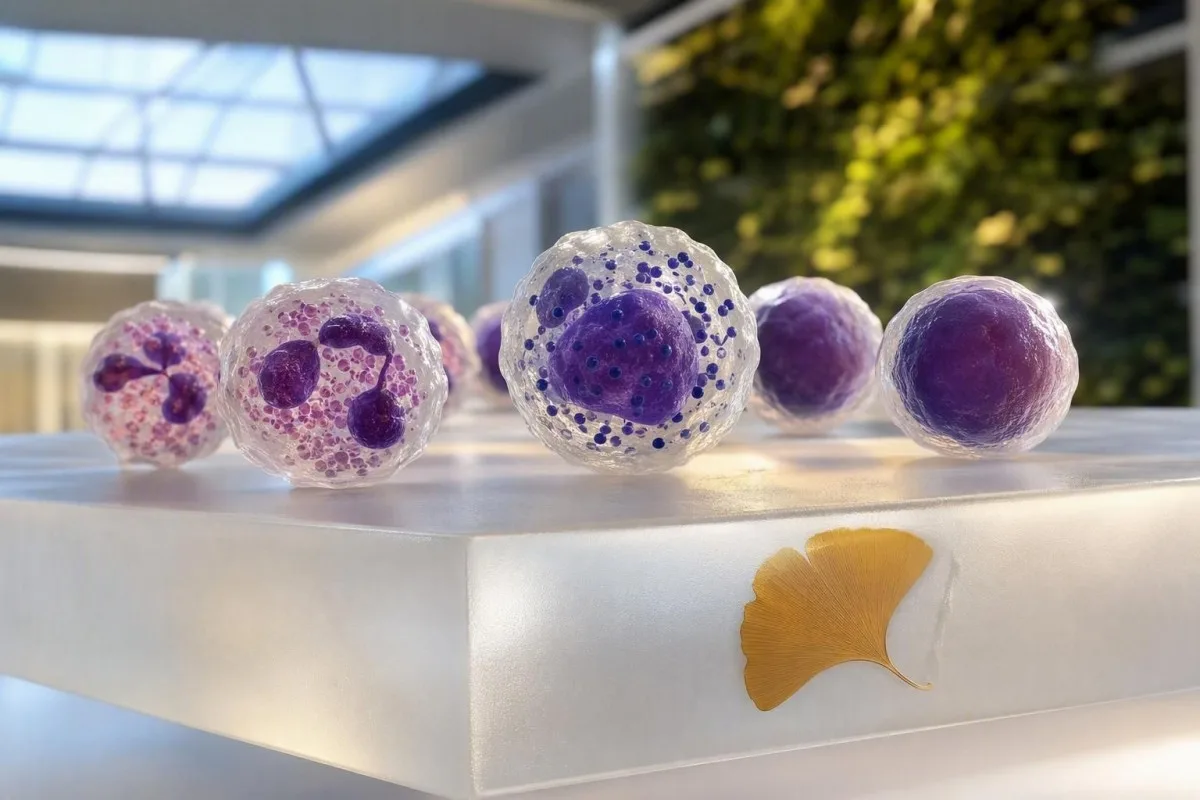
လူကြီးအများစုတွင် သွေးဖြူဥဆဲလ် (absolute basophils) 0.00–0.10 × 10⁹/L (0–100/µL) ရှိပြီး၊ ရာခိုင်နှုန်းမှာ ပုံမှန်အားဖြင့် 0–1% ရှိသည်။ အနည်းငယ်ပုံမှန်မဟုတ်သော ရာခိုင်နှုန်းသည် အခြားသော သွေးဖြူဥဆဲလ်များ၏ ပြောင်းလဲမှုများကို ထင်ဟပ်စေပြီး၊ သွေးဖြူဥဆဲလ် (absolute basophil count) အရေအတွက်သည် နောက်ဆက်တွဲ စစ်ဆေးမှုများကို လမ်းညွှန်ပေးသည့် ရလဒ်ဖြစ်သည်။.


- Absolute basophils လူကြီးများတွင် ပုံမှန်အားဖြင့် 0.00–0.10 × 10⁹/L (0–100/µL) ရှိပြီး ရာခိုင်နှုန်းတစ်ခုတည်းထက် ဆေးဘက်ဆိုင်ရာအရ ပိုမိုအသုံးဝင်သည်။.
- Basophil ရာခိုင်နှုန်း သွေးဖြူဥဆဲလ် (white cells) ၏ 0–1% အထိရှိလေ့ရှိသော်လည်း၊ အခြားသော သွေးဖြူဥဆဲလ် (neutrophils or lymphocytes) ပမာဏကျဆင်းနေချိန်တွင် အရေအတွက် (absolute count) ပုံမှန်ဖြစ်နေသော်လည်း မြင့်တက်လာနိုင်သည်။.
- ကလေးများ ကလေးသူငယ်ဘဝမှလွန်လျှင် 0.10 × 10⁹/L ၏ လက်တွေ့အပေါ်ကန့်သတ်ချက်ကို အသုံးပြုလေ့ရှိသော်လည်း၊ ဆေးရုံဓာတ်ခွဲခန်း၏ အသက်အရွယ်အလိုက် သတ်မှတ်ထားသော ကန့်သတ်ချက်သည် ဦးစားပေးဖြစ်သည်။.
- ထပ်မံ CBC စစ်ဆေးမှု ဓာတ်မတည့်မှု၊ ကူးစက်မှု သို့မဟုတ် ဆေးဝါးပြောင်းလဲမှုများကြောင့် သွေးဖြူဥဆဲလ် (basophilia) အနည်းငယ်မျှသာရှိပါက၊ ၂–၈ ပတ်အတွင်း ပြန်လည်စစ်ဆေးခြင်းသည် သင့်တင့်သည်။.
- နာတာရှည် သွေးဖြူဥဆဲလ်များ (Persistent basophilia) 0.20 × 10⁹/L ထက်မြင့်မားပါက ဆရာဝန်၏ စစ်ဆေးမှု ခံယူသင့်သည်၊ အထူးသဖြင့် သွေးဖြူဥများ၊ သွေးအားနည်းရောဂါ၊ သည်းခြေကြီးခြင်း သို့မဟုတ် အထွေထွေရောဂါလက္ခဏာများ ရှိနေပါက။.
- အရေးပေါ် ပြန်လည်စစ်ဆေးခြင်း အလွန်အမင်း သွေးဖြူဥများ မြင့်မားခြင်း၊ အကြောင်းရင်းမသိဘဲ ကိုယ်အလေးချိန်ကျဆင်းခြင်း၊ ညဘက်တွင် ချွေးများစွာထွက်ခြင်း၊ ဖျားနာခြင်း သို့မဟုတ် ဝမ်းဗိုက်ဘယ်ဘက်နံရိုးအောက်တွင် စောစီးစွာ ပြည့်အင့်နေခြင်းတို့အတွက် ပြန်လည်စစ်ဆေးခြင်းသည် လိုအပ်ပါသည်။.
- သုည သွေးဖြူဥဆဲလ် (Zero basophils) အလိုအလျောက် အသေးစိတ်ခွဲခြမ်းစိတ်ဖြာမှုတွင် အဖြစ်များပြီး ပုံမှန်အားဖြင့် ဆေးဘက်ဆိုင်ရာ အရေးပါမှု မရှိပါ။.
- Kantesti AI အခြေခံအရေအတွက်နှင့်အတူ ကျွမ်းကျင်ဆရာဝန်များသည် လက္ခဏာများကို အတည်ပြုပေးသော်လည်း အခြားရလဒ်များနှင့် နှိုင်းယှဉ်ပြီး အလုံးစုံ ရောဂါရှာဖွေခြင်းထက် တစ်ခုတည်းသော အချက်အလက်ကိုသာ အတည်မပြုပါ။.
သွေးဖြူဥဆဲလ် (Absolute basophils) နှင့် သွေးဖြူဥဆဲလ် ရာခိုင်နှုန်း (basophil percentage) နှိုင်းယှဉ်ချက်
အရွယ်ရောက်ပြီးသူများတွင် အခြေခံ ဘေဆိုဖေးလ် အရေအတွက် 0.00–0.10 × 10⁹/L သည် ပုံမှန်ဖြစ်သည်။, ဆိုလိုသည်မှာ ဘေဆိုဖေးလ် ရာခိုင်နှုန်း 0–1% သည် သွေးဖြူဥစုစုပေါင်း၏ တစ်စိတ်တစ်ပိုင်းသာဖြစ်သည်။ ဤနှစ်ခုကွဲပြားသောအခါ၊ ဆရာဝန်များသည် အခြေခံအရေအတွက်ကို ပို၍အလေးထားကြသည်။.
အခြားသွေးဖြူဥအမျိုးအစားတစ်ခု နည်းနေခြင်းကြောင့် ရာခိုင်နှုန်းသည် မြင့်မားနေပုံပေါ်နိုင်သည်။ ဥပမာအားဖြင့်၊ သွေးဖြူဥအရေအတွက် 3.0 × 10⁹/L ရှိပြီး ဘေဆိုဖေးလ် 1.5% ရှိပါက အခြေခံအရေအတွက် 0.045 × 10⁹/L သာဖြစ်ပြီး အရွယ်ရောက်ပြီးသူများ၏ ပုံမှန်ကြားကာလအတွင်း ရှိနေသည်။ ထို့ကြောင့် ရာခိုင်နှုန်းတစ်ခုတည်းက အလုံးစုံ အခြေအနေကို မဖော်ပြနိုင်ပါ။.
တွက်ချက်မှုမှာ ရိုးရှင်းပါသည်- သွေးဖြူဥစုစုပေါင်း × ဘေဆိုဖေးလ် ရာခိုင်နှုန်း ÷ 100။ သွေးဖြူဥအရေအတွက် 12.0 × 10⁹/L နှင့် ဘေဆိုဖေးလ် 2% ရှိပါက 0.24 × 10⁹/L ဖြစ်ပြီး ၎င်းသည် အမှန်တကယ် မြင့်မားနေခြင်းဖြစ်သည်။ အလုံးစုံ အခြေအနေအတွက်၊ ကျွန်ုပ်တို့၏လမ်းညွှန်ကိုကြည့်ပါ CBC မှာ ပါဝင်တာတွေ.
ကန်တက်စတီသည် AI သွေးစမ်းသပ်မှုခွဲခြမ်းစိတ်ဖြာ နှင့် ၎င်းသည် ခွဲခြမ်းစိတ်ဖြာ အစီရင်ခံစာမှ အချက်အလက်များရရှိပါက ရာခိုင်နှုန်းများကို ဆေးပညာဆိုင်ရာ နှိုင်းယှဉ်နိုင်သော အခြေခံအရေအတွက်သို့ ပြောင်းပေးသည်။ ကျွန်ုပ်အတွေ့အကြုံအရ၊ ဤတစ်ကြိမ် ပြောင်းလဲခြင်းသည် ပုံမှန်ကျန်းမာရေးစစ်ဆေးပြီးနောက် မလိုအပ်သော စိုးရိမ်မှုများကို အတော်အသင့် လျော့နည်းစေသည်။.
အခြေခံအရေအတွက် ဘာကြောင့် ပိုမိုတည်ငြိမ်နေသလဲ
အလိုအလျောက် ခွဲခြမ်းစိတ်ဖြာစက်များသည် ဆဲလ်ထောင်ပေါင်းများစွာကို ရေတွက်သော်လည်း ဘေဆိုဖေးလ်များသည် ပုံမှန်အားဖြင့် အလွန်နည်းပါးသည်- မကြာခဏဆိုသလို သွေးဖြူဥ ၁၀၀ လျှင် ၁ ခုထက် နည်းပါသည်။ ထို့ကြောင့် အလွန်သေးငယ်သော ခွဲခြမ်းစိတ်ဖြာရေးနှင့် ဇီဝကမ္မဗေဒဆိုင်ရာ အပြောင်းအလဲများသည် ရာခိုင်နှုန်းကို အခြေခံအရေအတွက်ထက် ပိုမိုထင်ရှားစွာ ပြောင်းလဲစေနိုင်သည်။.
အသက်အရွယ်အလိုက် လက်တွေ့ကျသော သွေးဖြူဥဆဲလ် ပုံမှန်အတိုင်းအတာများ
ဓာတ်ခွဲခန်းအများစုသည် ကလေးဘဝမှ အရွယ်ရောက်သည်အထိ အခြေခံ ဘေဆိုဖေးလ်၏ ပုံမှန်ကြားကာလ 0.00–0.10 × 10⁹/L ကို အသုံးပြုကြသည်။, သို့သော် မွေးကင်းစကလေးများအတွက် အကွာအဝေးသည် ပိုမိုကျယ်ပြန့်နိုင်သည်။ သင့်ကိုယ်ပိုင်ရလဒ်ဘေးတွင် ပုံနှိပ်ထားသည့်ကြားကာလကို အသုံးပြုပါ၊ အဘယ်ကြောင့်ဆိုသော် ပုံမှန်ကန့်သတ်ချက်များသည် ခွဲခြမ်းစိတ်ဖြာနည်းလမ်းနှင့် ဓာတ်ခွဲခန်း၏ ဒေသဆိုင်ရာ ကျန်းမာသောလူဦးရေပေါ်တွင် မူတည်နေသောကြောင့်ဖြစ်သည်။.
မွေးကင်းစကလေးများတွင် အသက်၏ပထမအပတ်အတွင်း၊ ကလေးဆေးဘက်ဆိုင်ရာ ဓာတ်ခွဲခန်းအချို့သည် အခြေခံ ဘေဆိုဖေးလ် 0.20–0.40 × 10⁹/L အထိ လက်ခံနိုင်သည်။ မွေးကင်းစကလေး၏ ကိုယ်ခံအားစနစ်သည် အလျင်အမြန် လိုက်လျောညီထွေဖြစ်နေသောကြောင့် အရွယ်ရောက်ပြီးသူများ၏ ကန့်သတ်ချက်များကို ကလေးဆေးဘက်ဆိုင်ရာ အကြံဉာဏ်မပါဘဲ မွေးကင်းစကလေးရလဒ်ကို အတင်းအကြပ် မပြုလုပ်သင့်ပါ။.
၁ နှစ်ခန့်မှစ၍ ဝန်ဆောင်မှုများစွာသည် 0.10 × 10⁹/L သို့မဟုတ် 100/µL အနီးတွင် လက်တွေ့အထက်ကန့်သတ်ချက်ကို အသုံးပြုကြသည်။ ကျန်းမာသောကလေးတစ်ဦးတွင် သွေးဖြူဥအရေအတွက် ပုံမှန်ဖြစ်ပြီး 0.11 × 10⁹/L ရလဒ်သည် အရေးပေါ်အခြေအနေမဟုတ်ဘဲ ပုံမှန်အားဖြင့် ပြန်လည်စစ်ဆေးခြင်းနှင့် အခြေအနေကို မေးမြန်းရန် ဖြစ်သည်။.
CLSI EP28-A3c သည် ဓာတ်ခွဲခန်းများသည် အများသူငှာ အကွာအဝေးကို ငှားရမ်းမည့်အစား ၎င်းတို့၏ကိုယ်ပိုင် ပုံမှန်ကြားကာလများကို မည်သို့တည်ထောင်သည် သို့မဟုတ် အတည်ပြုသည်ကို ရှင်းပြသည်။ ကျွန်ုပ်တို့၏ အသက်အလိုက် နယူထရိုဖေးလ် လမ်းညွှန် သည် အခြားခွဲခြမ်းစိတ်ဖြာ အရေအတွက်အတွက် တူညီသော မူကို ပြသသည်။.
UK၊ US နှင့် နိုင်ငံတကာ အစီရင်ခံစာများတွင် သွေးဖြူဥဆဲလ် ယူနစ်များကို နားလည်ခြင်း
ဘေ့ဆိုဖils အရေအတွက် 0.10 × 10⁹/L သည် 100/µL နှင့် ညီမျှသည်။, ထို့ကြောင့် မတူညီသော ယူနစ်များဖြင့် ထုတ်ပြန်သော အစီရင်ခံစာများသည် တူညီသော ရလဒ်ကို ဖော်ပြနိုင်သည်။ UK ၏ သွေးအရေအတွက် အစီရင်ခံစာများသည် ×10⁹/L ကို မကြာခဏ အသုံးပြုကြပြီး အမေရိကန် ဓာတ်ခွဲခန်းများကမူ cells/µL သို့မဟုတ် K/µL ကို အများဆုံး အသုံးပြုကြသည်။.
×10⁹/L ကို cells/µL သို့ ပြောင်းလဲရန်အတွက် 1,000 ဖြင့် မြှောက်ပါ။ ထို့ကြောင့် 0.05 × 10⁹/L သည် 50/µL နှင့် ညီမျှပြီး 0.25 × 10⁹/L သည် 250/µL နှင့် ညီမျှသည်။ 0.0 ဟု ဖော်ပြသော အစီရင်ခံစာသည် ဘေ့ဆိုဖils အလွန်နည်းပါးနေသည်ထက် တစ်ဆယ့်အထိ တိကျမှုရှိအောင် ဤသို့ပတ်လည်နေနိုင်သည်။.
0.2 K/µL ဟု ဖော်ပြထားသော တန်ဖိုးသည် 0.20 × 10⁹/L နှင့် ညီမျှသည်။ ထိုကွာခြားချက်သည် အရေးကြီးသည် အဘယ်ကြောင့်ဆိုသော် 0.2% နှင့် 0.2 K/µL သည် လုံးဝကွဲပြားခြားနားသော တိုင်းတာမှုများဖြစ်သည်။ လူနာများသည် နိုင်ငံနှစ်နိုင်ငံမှ အစီရင်ခံစာများကို နှိုင်းယှဉ်သောအခါ ၎င်းတို့ကို ပုံမှန် ရောထွေးလေ့ရှိသည်။.
သင့်အစီရင်ခံစာတွင် CBC အစား FBC ဟုဖော်ပြထားပါက၊ အစိတ်အပိုင်းများသည် အများအားဖြင့် တူညီနေပါသည်။ ကျွန်ုပ်တို့၏ UK သွေးအရေအတွက် ရှင်းလင်းချက် သည် အသုံးများသော အခေါ်အဝေါ်ကို ဘာသာပြန်ဆိုပေးပါသည်။.
သွေးဖြူဥဆဲလ် အရေအတွက် ဘာကြောင့် တက်လာ သို့မဟုတ် ကျဆင်းရသနည်း
ပေါ့ပါးသော ဘေ့ဆိုဖils တွင် အများအားဖြင့် ဓာတ်မတည့်မှု၊ နာတာရှည်ရောင်ရမ်းမှု၊ ကူးစက်မှုမှ ပြန်လည်ကောင်းမွန်လာခြင်း သို့မဟုတ် ဆေးဝါးကြောင့် ကိုယ်ခံအားပြောင်းလဲခြင်းတို့ ပါဝင်သည်။. အရေအတွက် နည်းပါးခြင်း သို့မဟုတ် ဘေ့ဆိုဖils မရှိခြင်းသည် ပုံမှန်အားဖြင့် အဓိပ္ပာယ်မရှိပေ။ အဘယ်ကြောင့်ဆိုသော် ဤဆဲလ်များသည် အလွန်နည်းပါးသော အရေအတွက်ဖြင့် လည်ပတ်နေသောကြောင့်ဖြစ်သည်။.
ဘေ့ဆိုဖils များသည် IgE အတွက် လက်ခံများကို ကိုင်ဆောင်ထားပြီး ဓာတ်မတည့်ပစ္စည်းနှင့် ထိတွေ့ပြီးနောက် ဟစ်စတမင်းနှင့် အခြားသော ဓာတ်ပစ္စည်းများကို ထုတ်လွှတ်နိုင်သည်။ ရာသီအလိုက် ဓာတ်မတည့်မှု rhinitis၊ နာတာရှည် urticaria၊ ပန်းနာရင်ကျပ်နှင့် အရေပြားရောဂါအချို့တို့သည် အနည်းငယ်တိုးလာခြင်းနှင့် ကြုံတွေ့ရနိုင်သော်လည်း ပုံမှန်အရေအတွက်သည် ၎င်းတို့အနက် မည်သည့်ရောဂါကိုမဆို အတည်ပြုရန် သို့မဟုတ် ငြင်းပယ်ရန် မဖြစ်နိုင်ပေ။.
Hypothyroidism၊ ရောင်ရမ်းသော အူသိမ်ကျဉ်းရောဂါ၊ အဆစ်အမြစ်ရောင်ရောဂါများနှင့် နာတာရှည်ကူးစက်မှုအချို့တို့သည်လည်း ဘေ့ဆိုဖils များခြင်းနှင့် ဆက်စပ်နေနိုင်သည်။ အသုံးဝင်သော မေးခွန်းမှာ “ဤရောဂါကို မည်သည့်ရောဂါက ဖြစ်စေသနည်း” ဟူ၍ မဟုတ်ဘဲ “အခြားသော အချက်ပြမှုများ မည်သည့်အရာများ ရှိနေသနည်း” ဟူ၍ ဖြစ်သည်။ CRP၊ eosinophils၊ လက္ခဏာများ၊ ဆေးဝါး သမိုင်းနှင့် တိုးတက်မှုအားလုံးသည် အရေးကြီးပါသည်။.
IgE နှင့် eosinophil အရေအတွက် တိုးလာခြင်းသည် ဓာတ်မတည့်မှုပုံစံကို အထောက်အကူပြုနိုင်ပြီး သီးခြား ယားယံခြင်းသည် ပိုမိုကျယ်ပြန့်သော ပြန်လည်သုံးသပ်မှု လိုအပ်နိုင်ပါသည်။ ပူလောင်သော အရေပြားအတွက် သွေးစစ်မှုများနှင့် ပတ်သက်သော ကျွန်ုပ်တို့၏ ဆောင်းပါး သည် CBC စစ်ဆေးမှု၏ လက်တွေ့ကန့်သတ်ချက်များကို ရှင်းပြသည်။ ပေါ့ပါးသော၊ သီးခြား ဘေ့ဆိုဖils တိုးလာခြင်းအတွက် 2–8 ပတ်အတွင်း CBC ကို ပြန်လည်စစ်ဆေးပါ၊ ယာယီ အကြောင်းရင်းတစ်ခု ဖြစ်ပေါ်ပြီးနောက်၊ သင်ကောင်းမွန်နေပြီး ကျန်ရှိသော အရေအတွက်မှာ အားရဖွယ်ဖြစ်ပါက။.
သွေးဖြူဥဆဲလ် (basophils) အတွက် CBC ကို မည်သည့်အချိန်တွင် ပြန်လည်စစ်ဆေးသင့်သနည်း
လုံးဝဖြူသွေးဥများ တိုးလာခြင်း သို့မဟုတ် ပုံမှန်မဟုတ်သော ဆဲလ်မျိုးကွဲများစွာ ရှိနေပါက ပိုမိုမြန်ဆန်စွာ၊ ပုံမှန်အားဖြင့် ရက်အနည်းငယ်မှ 2 ပတ်အတွင်း ပြန်လည်စစ်ဆေးပါ။. မှန်ကန်သော အချိန်ကာလ နှစ်ခု CBC များကို နှိုင်းယှဉ်ခြင်းသည် အခြေအနေတစ်ခု ဆက်လက်တည်ရှိနေမည့် အခြေအနေကို ရှင်းလင်းစေသည်။.
ပြန်လည်စစ်ဆေးမှု မပြုလုပ်မီ အရေအတွက်ကို "တိုးတက်အောင်" မလုပ်ဆောင်ပါနှင့်။ ရေဓာတ်ပြည့်ဝနေခြင်းသည် မှန်ကန်သည်၊ သို့သော် ဖြည့်စွက်စာများ၊ ဆန့်ကျင်ဘက်ဆေးများ၊ corticosteroids နှင့် ပြင်းထန်သော အားကစား လေ့ကျင့်ခန်းများသည် ကျယ်ပြန့်သော ကွဲပြားမှုကို ပြောင်းလဲနိုင်သည်။ ကျွန်ုပ်တို့၏.
ပြန်လည်စစ်ဆေးခြင်းမပြုမီ အရေအတွက်ကို “တိုးတက်အောင်” ကြိုးစားရန် မကြိုးစားပါနှင့်။ ရေဓာတ်ပြည့်ဝနေစေရန်မှာ ယုတ္တိရှိသော်လည်း ဖြည့်စွက်စာများ၊ ဆေးအ类၊ Corticosteroids နှင့် ပြင်းထန်သော ခံနိုင်ရည်လေ့ကျင့်ခန်းများသည် ကျယ်ပြန့်သော ကွဲပြားမှုကို ပြောင်းလဲစေနိုင်သည်။ ကျွန်ုပ်တို့၏ 血液檢查時間線指南 သည် အဖြစ်များသော အချိန်ကိုက်သက်ရောက်မှုများကို ဖော်ပြသည်။.
ကန်တက်စတီသည် AI သွေးစစ်ဆေးမှု ရလဒ် ပလက်ဖောင်း လက်ရှိ ကွဲပြားမှုအား ယခင် CBC များ နှင့် နှိုင်းယှဉ်ပြီး တစ်ကြိမ်တည်း ဖြစ်ပေါ်သော အလံထက် ပုံမှန် မြင့်တက်လာမှုကို ကွဲပြားစွာ အလံပြသည်။ ၃-၆ လအတွင်း ဖြစ်ပေါ်သော လမ်းကြောင်းသည် တစ်ခုတည်းသော ဒdecimal point ထက် အသိပေးမှု ပိုမိုများသည်။.
ယုံကြည်စိတ်ချရသော သွေးဖြူဥဆဲလ် ပြန်လည်စစ်ဆေးမှုအတွက် မည်သို့ပြင်ဆင်ရမည်နည်း
Basophil စမ်းသပ်မှုအတွက် ပုံမှန်အားဖြင့် အစာရှောင်ရန် မလိုအပ်သော်လည်း၊ ပြန်လည် CBC လုပ်ခြင်းသည် အရေးပေါ် မကျန်းမာနေချိန်တွင် နှင့် စုဆောင်းမှု အခြေအနေများသည် အလားတူ ဖြစ်နေချိန်တွင် ပိုမို နားလည်နိုင်မည် ဖြစ်သည်။. အစွန်းရောက်သော ပြောင်းလဲမှုများထက် ပုံမှန် အရည်များ၊ ပုံမှန် အစားအစာများ နှင့် ပုံမှန်နေ့ရက်ကို ရည်ရွယ်ပါ။.
အခြေခံအချက်အလက်ကို တည်ထောင်ရန် ရည်ရွယ်လျှင် ကိုယ်ပူခြင်း၊ ပြင်းထန်သော ဓာတ်မတည့်မှုများ ဖြစ်ခြင်း သို့မဟုတ် ပုံမှန်မဟုတ်သော ပြင်းထန်သော ကြံ့ခိုင်ရေး အားကစားပွဲပြီးနောက် တစ်ရက်အတွင်း အရေးမကြီးသော ပြန်လည်စစ်ဆေးမှုကို တခေတ်တည်း သတ်မှတ်ခြင်းကို ရှောင်ကြဉ်ပါ။ အရေးပေါ် ဟော်မုန်းများနှင့် အရည်ပြောင်းလဲမှုများသည် မိနစ်အနည်းငယ်မှ ရက်ပေါင်းများစွာအထိ ဆဲလ်အုပ်စုအမျိုးမျိုးကို ရွှေ့ပြောင်းနိုင်သည်။.
စနစ်ကျသော corticosteroid များ၊ lithium၊ epinephrine ပါဝင်သော ကုသမှုများ၊ မကြာသေးမီက ဇီဝကုထုံးများ နှင့် မည်သည့် ဖြည့်စွက်စာ အသစ်ကိုမဆို ဆရာဝန် သို့မဟုတ် သွေးထုတ်ယူသူအား ပြောပြပါ။ Steroids များသည် သွေးထဲရှိ basophils နှင့် eosinophils များကို ပိုမို လျော့နည်းစေသောကြောင့် ၎င်းတို့ကို သောက်သုံးနေစဉ် “ပုံမှန်” ရလဒ်သည် သင့် ကုသမှုမခံယူမီ အခြေခံအချက်အလက်ကို ကိုယ်စားမပြုနိုင်ပါ။.
နမူနာအရည်အသွေးသည် အရေးကြီးနေဆဲဖြစ်သည်။ Clotted EDTA နမူနာများနှင့် နောက်ကျကျန်နေသော ခွဲခြမ်းစိတ်ဖြာမှုများသည် အော်တိုမေတေ ကွဲပြားမှုများကို ယုံကြည်မှုနည်းစေနိုင်သည်။ CBC တန်ဖိုးအတော်များများ အတူတကွ ထူးဆန်းနေပုံရပါက ပြန်လည်သုံးသပ်ပါ။ ပြန်လည်ဆွဲထုတ်ရန် လိုအပ်သည့်အခါ.
မြင့်မားနေသော သွေးဖြူဥဆဲလ် (basophils) ကို ပိုမိုအရေးကြီးစေသည့် CBC ပုံစံများ
absolute basophils များသည် 0.20 × 10⁹/L ထက်ကျော်လွန်ပြီး ပုံမှန်မဟုတ်သော သွေးဖြူဥဆဲလ် ၁၁.၀ × 10⁹/L ထက် ပိုများခြင်း၊ သွေးအားနည်းခြင်း၊ platelet ပြောင်းလဲမှုများ သို့မဟုတ် မရင့်ကျက်သော ဆဲလ်များ နှင့် အတူ ဖြစ်ပေါ်ပါက Basophilia သည် ပိုမို စိုးရိမ်ဖွယ်ရာ ဖြစ်သည်။. ၎င်းသည် basophils သာမက အတူတကွ ဖြစ်ပေါ်မှုသည် ဆရာဝန်များ မည်မျှ လျင်မြန်စွာ စုံစမ်းစစ်ဆေးမည်ကို ဆုံးဖြတ်သည်။.
ကျွန်တော် စစ်ဆေးခဲ့သော အသက် ၄၄ နှစ်အရွယ် အမျိုးသားတစ်ဦးတွင် basophils 0.28 × 10⁹/L၊ သွေးဖြူဥ ၁၆.၄ × 10⁹/L၊ platelets ၆၁၀ × 10⁹/L နှင့် စောစီးစွာ အစာပြည့်ခြင်း ရှိခဲ့သည်။ ထိုပုံစံသည် အလားတူ အပတ်အတွင်း hematology လမ်းကြောင်းကို တောင်းဆိုခဲ့သည်။ တစ်ဦးချင်း basophil ရလဒ်သည် ရောဂါကို မဆုံးဖြတ်နိုင်သော်လည်း၊ ၎င်းသည် အရေးကြီးသော အရိပ်အမြွက် ဖြစ်သည်။.
မြင့်မားသော neutrophils နှင့် သရက်ရွက် လက္ခဏာများနှင့် အတူ Basophilia သည် myeloproliferative neoplasms များတွင် ဖြစ်ပွားနိုင်သည်၊ နာတာရှည် သွေးကင်ဆာ leukemia အပါအဝင်။ European LeukemiaNet သည် ဆေးဘက်ဆိုင်ရာ နှင့် သွေးအရေအတွက် ပုံစံသည် ထိုဖြစ်နိုင်ခြေကို မြှင့်တင်ပေးသည့်အခါ မော်လီကျူး စစ်ဆေးမှု နှင့် အထူးကု ဆန်းစစ်မှုကို အကြံပြုသည်။ (Hochhaus et al., 2020).
အ peripheral smear သည် အမှန်တကယ် ကွဲပြားသော ပြောင်းလဲမှုများကို analyzer မသေချာမှုမှ ခွဲခြားနိုင်ပြီး left shift သို့မဟုတ် atypical ဆဲလ်များကို ပြသနိုင်သည် ။ အကြောင်းအရာများ အကြောင်း ပိုမိုဖတ်ရှုပါ သွေးကင်ဆာ CBC လမ်းကြောင်းများ ပုံမှန်မဟုတ်သော အရေအတွက်သည် ကင်ဆာကို ဆိုလိုသည်ဟု မယူဆဘဲ.
လက္ခဏာများနှင့် အမြန်ဆုံး ဆေးကုသမှုခံယူရန် လိုအပ်သည့် ရလဒ်များ
ကိုယ်ပူခြင်း၊ ညဘက် ချွေးအလွန်ထွက်ခြင်း၊ အကြောင်းရင်းမသိဘဲ ကိုယ်အလေးချိန်ကျခြင်း၊ အသစ်အနာဖြစ်ခြင်း၊ အသက်ရှူမဝခြင်း၊ ပြင်းထန်သော ပင်ပန်းနွမ်းနယ်ခြင်း၊ သို့မဟုတ် ဝမ်းဗိုက်ဘယ်ဘက်အပေါ်ပိုင်း ပြည့်ခြင်း တို့ဖြင့် Basophilia အတွက် အရေးပေါ် ဆေးဘက်ဆိုင်ရာ ဆန်းစစ်မှုကို ရှာဖွေပါ။. ဤလက္ခဏာများသည် အနည်းငယ်မြင့်မားသော basophil ရလဒ်မှ ကိုယ်တိုင် မဖြစ်ပေါ်စေပါ ။ ၎င်းတို့သည် ကျယ်ပြန့်သော ဆေးဘက်ဆိုင်ရာ ပုံရိပ်ကို ဆန်းစစ်ရန် လိုအပ်ကြောင်း အရိပ်အမြွက် ဖြစ်သည်။.
စုစုပေါင်း သွေးဖြူဥ ၃၀ × 10⁹/L ထက် ပိုများခြင်း၊ အလျင်အမြန် တိုးလာသော တန်ဖိုးများ၊ သို့မဟုတ် အစီရင်ခံစာတွင် မရင့်ကျက်သော granulocytes များကို မြင်တွေ့ရခြင်းတို့သည် ညွှန်ကြားသူ ဆရာဝန်နှင့် အရေးပေါ် ဆွေးနွေးသင့်သည်။ ပြင်းထန်သော ခေါင်းကိုက်ခြင်း၊ အမြင်အာရုံ ပြောင်းလဲခြင်း၊ ရင်ဘတ်အောင့်ခြင်း သို့မဟုတ် အာရုံကြောဆိုင်ရာ လက္ခဏာများသည် basophil အရေအတွက် မည်သို့ပင်ဖြစ်စေ အရေးပေါ် ဆန်းစစ်မှု လိုအပ်သည်။.
0.11–0.20 × 10⁹/L basophils နှင့် လက္ခဏာများ မရှိသူ အများစုသည် အရေးပေါ်ကုသမှု မလိုအပ်ပါ။ သို့တိုင်၊ ၎င်းသည် အရေအတွက်ထက် အခြေအနေက ပိုအရေးကြီးသော နယ်ပယ်တစ်ခုဖြစ်သည်၊ အထူးသဖြင့် ယခင်ရလဒ်များသည် 0.02 × 10⁹/L ဖြစ်ပြီး ယခုအရေအတွက် တိုးလာနေပါက။.
အကယ်၍ သင့်တွင် အသက်ရှူမဝခြင်း သို့မဟုတ် ဖြူရော်ခြင်းများလည်း ရှိနေပါက၊ သက်ဆိုင်ရာ haemoglobin နှင့် platelet တန်ဖိုးများသည် ပိုမို ချက်ချင်း အရေးကြီးနိုင်သည် ။ ကျွန်ုပ်တို့၏ ကိုကြည့်ပါ سانس جي تڪليف بلڊ ٽيسٽ گائيڊ.
နည်းပါးသော သွေးဖြူဥဆဲလ် (basophils) သို့မဟုတ် သုည ရလဒ်၏ အဓိပ္ပါယ်
0.00 × 10⁹/L ၏ basophil ရလဒ်သည် ပုံမှန်အားဖြင့် ပုံမှန်ဖြစ်ပြီး တစ်ခုတည်းဖြင့် ပြန်လည်စစ်ဆေးရန် မကြာခဏ မလိုအပ်ပါ။. Basophils များသည် သဘာဝအတိုင်း သွေးလည်ပတ်မှုတွင် နည်းပါးသောကြောင့် analyzer ၏ အစီရင်ခံမှု ကန့်သတ်ချက်အောက်တွင် ရှိနေနိုင်သည် ။.
ပြင်းထန်သော ဖိစီးမှု၊ ကူးစက်ရောဂါ၊ ကိုယ်ဝန်ဆောင်ခြင်း၊ သိုင်းရွိုက်ဂလင်း အလွန်အကျွံအလုပ်လုပ်ခြင်း နှင့် ကိုယ်တွင်းသို့ ကော်တီကိုစเตရွိုက် (corticosteroid) ဆေးဝါးများဖြင့် ကုသခြင်းတို့သည် သွေးထဲရှိ ဘေ့ဆိုဖေးလ် (basophil) အရေအတွက်ကို ခေတ္တလျော့နည်းစေနိုင်သည်။ သို့သော် ဆိုးရွားသော နယူထရိုပီးနီးယား (neutropenia) ကဲ့သို့ ဘေ့ဆိုဖေးလ် (basophil) နည်းပါးခြင်းကြောင့် ဖြစ်ပေါ်လာသော ရောဂါလက္ခဏာ မရှိပါ။.
ခွဲခြမ်းစိတ်ဖြာမှု ပြဿနာမှာ မသိသာပေ။ ဘေ့ဆိုဖေးလ် (basophil) အနည်းငယ်ကိုသာ ရေတွက်မိပါက၊ ပုံမှန် နမူနာယူရာတွင် ဖြစ်ပေါ်သော ကွဲလွဲချက်ကြောင့် နောက်တစ်ကြိမ် နမူနာယူရာတွင် 0.01 × 10⁹/L မှ 0.00 × 10⁹/L သို့ ပြောင်းလဲသွားနိုင်သည်။ ထိုအရာသည် ဇီဝကမ္မဗေဒဆိုင်ရာ အပြောင်းအလဲ မဟုတ်ပါ။.
ဒေါက်တာသောမတ်စ် ကလင်း (Thomas Klein) ၏ အလေ့အကျင့်ကောင်းသည့် အကြံဉာဏ်မှာ CBC အားလုံးကောင်းမွန်ပြီး သက်ဆိုင်ရာ လက္ခဏာများ မရှိပါက ဘေ့ဆိုဖေးလ် (basophil) နည်းပါးနေသည့် အချက်ပြမှုကို လျစ်လျူရှုရန် ဖြစ်သည်။ ကျွန်ုပ်တို့၏ သီးသန့်လမ်းညွှန်တွင် ရှင်းပြထားပါသည်။ ဘေ့ဆိုဖေးလ် (basophils) သုည.
ကိုယ်ဝန်ဆောင်စဉ်နှင့် နောက်ပိုင်းဘဝတွင် သွေးဖြူဥဆဲလ် (Basophils)
ကိုယ်ဝန်ဆောင်ခြင်းနှင့် အသက်အရွယ်ကြီးရင့်ခြင်းတို့တွင် သီးသန့် ဘေ့ဆိုဖေးလ် (basophil) ကန့်သတ်ချက်မရှိပါ။ သတင်းပို့သည့် ဆေးခန်း၏ ကန့်သတ်ချက်နှင့် သွေးဖြူဥ အလုံးစုံပုံစံတို့သည် အကောင်းဆုံး ကိုးကားချက်အဖြစ် ရှိနေပါသေးသည်။. ကိုယ်ဝန်ဆောင်ခြင်းသည် နယူထရိုဖေးလ် (neutrophils) ကြောင့် သွေးဖြူဥ အလုံးစုံကို တိုးများစေလေ့ရှိပြီး၊ ဘေ့ဆိုဖေးလ် (basophil) အမှန်တကယ် နည်းပါးခြင်းမရှိဘဲ ဘေ့ဆိုဖေးလ် (basophil) ရာခိုင်နှုန်းကို နည်းပါးနေပုံပေါ်စေနိုင်သည်။.
ကိုယ်ဝန်ဆောင်နေစဉ်အတွင်း သွေးဖြူဥ အလုံးစုံ ၁၂-၁၅ × 10⁹/L သည် ဇီဝကမ္မဗေဒဆိုင်ရာ ဖြစ်နိုင်ပြီး၊ ကိုယ်ဝန်၏ နောက်ပိုင်းကာလတွင် ပို၍ အဖြစ်များသောကြောင့်၊ ရာခိုင်နှုန်းအပေါ် အခြေခံသည့် အနက်ဖွင့်ဆိုချက်သည် ပို၍ပင် ယုံကြည်စိတ်ချရမှု နည်းပါးလာသည်။ အမှန်တကယ် ဘေ့ဆိုဖေးလ် (basophil) အရေအတွက်သည် ပို၍ နှစ်သက်ဖွယ်ရာဖြစ်သော်လည်း၊ စိုးရိမ်ရသော လက္ခဏာများသည် ကိုးကားချက် ကန့်သတ်ချက်ကို ကျော်လွန်နေဆဲဖြစ်သည်။.
အသက်ကြီးသူများတွင် အသစ်တဖန် ဆက်လက်ဖြစ်ပေါ်နေသော ဘေ့ဆိုဖေးလ် (basophil) အရေအတွက် 0.20 × 10⁹/L ထက် ပိုများနေပါက အာရုံစိုက်ရန်ထိုက်တန်ပါသည်၊ အဘယ်ကြောင့်ဆိုသော် ဆေးဝါးအသုံးပြုမှုနှင့် အရိုးတွင်းခြင်ဆီဆိုင်ရာ ရောဂါများသည် အသက်အရွယ်နှင့်အတူ ပို၍ အဖြစ်များလာသောကြောင့်ဖြစ်သည်။ ထိုအရာသည် ရောဂါရှာဖွေရေး မဟုတ်ပါ။ ၎င်းသည် CBC အတောအတွင်း ပြောင်းလဲမှုနှင့် သွေးစစ်နမူနာကို ကြည့်ရှုရန်အတွက် အကန့်အသတ်ကို လျှော့ချပေးရုံသာ ဖြစ်သည်။.
ကိုယ်ဝန်နှင့် သက်ဆိုင်သော အခြား အနက်ဖွင့်ဆိုချက် အမှားများအတွက်၊ ပြန်လည်သုံးသပ်ပါ 경고 신호.
ဆေးဝါးများ၊ ဓာတ်မတည့်မှုများနှင့် သွေးဖြူဥဆဲလ် (basophil) ပြောင်းလဲမှုများ
ဓာတ်မတည့်မှု လက္ခဏာများသည် ဘေ့ဆိုဖေးလ် (basophil) အနည်းငယ် တိုးလာခြင်းနှင့် တိုက်ဆိုင်နိုင်ပြီး၊ သို့သော် သနစ်တလျှောက်လုံး ကိုယ်တွင်းသို့ ကော်တီကိုစเตရွိုက် (corticosteroid) များသည် ရက်အနည်းငယ်အတွင်း ၎င်းတို့ကို လျော့နည်းစေလေ့ရှိသည်။. မည်သည့်ပုံစံသည် ဓာတ်မတည့်မှု ရောဂါကို အတည်ပြုနိုင်သည်ဖြစ်စေ၊ ဆေးဝါးတစ်ခုကြောင့်ဖြစ်သည်ဟု သက်သေပြနိုင်သည်ဖြစ်စေ မရှိပါ။.
ဟစ်စတာမင်းကို တားဆီးသည့် ဆေးဝါးများသည် ဟစ်စတာမင်း (histamine) လက်ခံကိရိယာများကို အဓိက ပိတ်ဆို့ကြသည်။ ၎င်းတို့သည် ဘေ့ဆိုဖေးလ် (basophil) အရေအတွက်ကို ပုံမှန်ဖြစ်စေရန် တည်ငြိမ်စွာ မလုပ်ဆောင်ပါ။ ပါးစပ်မှ ပရက်ဒနစ်ဆိုလုန်း (prednisolone) နှင့် အခြား သနစ်တလျှောက်လုံး ဂလူးကိုကော်တီကိုစเตရွိုက် (glucocorticoids) များသည် သွေးဖြူဥ များကို ပြန်လည် ဖြန့်ဝေနိုင်ပြီး၊ အီအိုဆီနိုဖေးလ် (eosinophils) နှင့် ဘေ့ဆိုဖေးလ် (basophils) များကို လျှော့ချပေးကာ သွေးထဲရှိ နယူထရိုဖေးလ် (neutrophils) များကို တိုးများစေသည်။.
လစ်သီယမ် (Lithium) သည် အဖြစ်နည်းသော်လည်း အသုံးဝင်သော ဆေးဝါး သဲလွန်စ ဖြစ်သည်၊ အဘယ်ကြောင့်ဆိုသော် ၎င်းသည် သွေးဖြူဥ ထုတ်လုပ်မှုကို တိုးမြှင့်ပေးနိုင်သောကြောင့် ဖြစ်သည်။ ဇီဝဆေးဝါးများ၊ ကင်ဆာကုထုံးနှင့် ခုခံအားကို ထိန်းညှိသည့် ကုသမှုများကို CBC တစ်ကြိမ်ရလဒ်ကြောင့် မည်သည့်အခါမျှ ရပ်တန့်သင့်သည်မဟုတ်ပါ။ သတ်မှတ်ထားသော ဆရာဝန်အဖွဲ့ကို မေးမြန်းပါ၊ ရလဒ်သည် ၎င်းတို့၏ စောင့်ကြည့်ရေး အစီအစဉ်နှင့် မည်သို့ ကိုက်ညီသည်ကို သိရှိရမည်။.
ဝမ်းဗိုက်အောင့်ခြင်း၊ ယားယံခြင်း၊ မျက်နှာရောင်ရမ်းခြင်း သို့မဟုတ် မူးဝြေခင်းနှင့်အတူ ဘေ့ဆိုဖေးလ် (basophil) အရေအတွက် တိုးလာခြင်းကို ဆေးခန်း၏ ပြဿနာတစ်ခုအဖြစ် မဟုတ်ဘဲ လက္ခဏာပြဿနာအဖြစ် ကိုင်တွယ်သင့်သည်။ ကျွန်ုပ်တို့၏ IgE မြင့်မားခြင်း လမ်းညွှန် ဓာတ်မတည့်မှု အမှတ်အသားများသည် မည်သည့်နေရာတွင် အထောက်အကူပြုပြီး မည်သည့်နေရာတွင် လမ်းလွဲစေသည်ကို ရှင်းပြထားပါသည်။.
စိုးရိမ်ထိတ်လန့်မှုမရှိဘဲ သွေးဖြူဥဆဲလ် (basophils) ကို မည်သို့ခြေရာခံရမည်နည်း
အဆက်မပြတ်ဖြစ်ပေါ်နေသော အမှန်တကယ် ဘေ့ဆိုဖေးလ် (basophilia) သည် များသောအားဖြင့် CBC ထပ်မံစစ်ဆေးခြင်း၊ သွေးစစ်နမူနာကို လက်ဖြင့်စစ်ဆေးခြင်း၊ ဆေးဝါးနှင့် လက္ခဏာများကို ပြန်လည်သုံးသပ်ခြင်း၊ ထို့နောက် သွေးဖြူဥ အလုံးစုံ သို့မဟုတ် အခြားဆဲလ်လိုင်းများ ပုံမမှန်ပါက အထူးပြု စစ်ဆေးခြင်းတို့ကို အားပေးသည်။. ကင်ဆာနှင့် ဆက်စပ်သော အကျယ်စား စစ်ဆေးမှုများသည် အနည်းငယ် ကွဲပြားစွာ တိုးလာခြင်းအတွက် ပုံမှန် ပထမအဆင့် မဟုတ်ပါ။.
ပထမ ဦးစားပေး ဆုံးဖြတ်ချက်မှာ ရလဒ်သည် သီးခြားခွဲထုတ်၍ ရနိုင်သည်ဖြစ်စေ မဖြစ်သည်ကို ဆုံးဖြတ်ရန်ဖြစ်သည်။ တည်ငြိမ်သော ဟေမိုဂလိုဘင် (haemoglobin)၊ ပလေޓ်လက် (platelets)၊ သွေးဖြူဥ အရေအတွက်နှင့် ပုံမှန် သွေးစစ်နမူနာတို့သည် သတိနှင့် ဆောင်ရွက်သည့် အစီအစဉ်ကို ခိုင်မာစွာ ထောက်ခံပါသည်။ သွေးအားနည်းခြင်း၊ သွေးခဲများလွန်းခြင်း၊ သွေးဖြူဥ များလွန်းခြင်း သို့မဟုတ် အသည်းရောင်ခြင်းတို့သည် အကဲဖြတ်မှုကို အခြား ဦးတည်ချက်သို့ ပို့ဆောင်သည်။.
မိုင်လိုပရိုလီဖေးတစ် (myeloproliferative) ရောဂါဖြစ်နိုင်သည့်အခါ၊ ဆရာဝန်များသည် BCR::ABL1 စစ်ဆေးခြင်း၊ JAK2 စစ်ဆေးခြင်း၊ လတ်တေ (lactate dehydrogenase)၊ ယူရိတ် (urate) နှင့် အထူးပြု ဆရာဝန်၏ သုံးသပ်ချက်တို့ကို တောင်းဆိုနိုင်သည်။ Valent နှင့် အပေါင်းအပါးတို့သည် အဆက်မပြတ်ဖြစ်ပေါ်နေသော ဘေ့ဆိုဖေးလ် (basophilia) ကို ဘေ့ဆိုဖေးလ် (basophilic) နှင့် မိုင်လွိုက် (myeloid) ဆဲလ်များ၏ အ类ခွဲများတွင် အဓိပ္ပါယ်ရှိသော တွေ့ရှိချက်အဖြစ် ဖော်ပြထားပါသည်။ (Valent et al., 2022).
Kantesti ၏ အာရုံကြောကွန်ယက်သည် ပြန်လည်သုံးသပ်ထိုက်သည့် ပေါင်းစပ်မှုများကို ဖော်ထုတ်ပေးသော်လည်း CBC မှ လျူကီးမီးယား (leukaemia) ကို မရောဂါရှာဖွေပါ။ ကျွန်ုပ်တို့၏ medical validation ချဉ်းကပ်နည်း ဓာတ်ခွဲခန်း၏ ဓာတ်ခွဲရလဒ်များကို အနက်ဖွင့်ရာတွင် ဆေးဘက်ဆိုင်ရာ ကြီးကြပ်မှုကို ထိန်းသိမ်းရန် အဘယ်ကြောင့် လိုအပ်ကြောင်း ရှင်းပြသည်။.
basophil များကို လွန်ကဲစွာ တုံ့ပြန်ခြင်းမရှိဘဲ မည်သို့ခြေရာခံမည်နည်း
အဓိပ္ပါယ်ရှိသော ဘေဆိုဖီလ် ရေစီးကြောင်းသည် 0.04 မှ 0.08 × 10⁹/L သို့ တစ်ကြိမ်တည်း ရွေ့လျားခြင်းမဟုတ်ဘဲ၊ အလားတူ CBC များတစ်လျှောက် တည်မြဲနေသော ဦးတည်ချက်ပြောင်းလဲမှုဖြစ်သည်။. အရွယ်ရောက်သူများအတွက် အကိုးအကား ကန့်သတ်ချက် 0.10 × 10⁹/L ဖြင့်၊ ရေတွက်မှု ကွဲပြားနေသော်လည်း အဆိုပါတန်ဖိုးနှစ်ခုစလုံးသည် အကွာအဝေးအတွင်း ကျန်ရှိနေပါသည်။.
သွေးဆွဲပြီးတိုင်း အလုံးစုံရေတွက်မှု၊ ရာခိုင်နှုန်း၊ စုစုပေါင်း သွေးဖြူဥများ၊ နယူထရိုဖေးလ်၊ အီওဆီနိုဖေးလ်၊ ဟေမိုဂလိုဘင်၊ ပန်းချီ၊ ရက်စွဲ၊ မကြာသေးမီက ဖျားနာမှုနှင့် ဆေးဝါးများကို သိမ်းဆည်းပါ။ ဤအသေးစား မှတ်တမ်းသည် သင့်ဆရာဝန်အား ပြင်ပမှ အချက်ပြမှုများထက် ပိုမိုအသုံးဝင်သော အချက်အလက်များကို ပေးသည်။.
ကန်တက်စတီသည် AI-powered သွေးစစ်ဆေးမှု ခွဲခြမ်းစိတ်ဖြာ ကိရိယာ 127+ နိုင်ငံများတွင် CBC ရလဒ်များကို အလျားလိုက်နှိုင်းယှဉ်ရန်နှင့် မူရင်းဓာတ်ခွဲခန်း၏ ဖော်ပြထားသော ကြားကာလကို ထိန်းသိမ်းရန် အသုံးပြုသည်။ ဒေါက်တာ သောမတ်စ် ကလိုင်း က နယ်နိမိတ်ချင်းထိစပ်နေသော ကွဲပြားသောပြောင်းလဲမှုတစ်ခုကို အဓိပ္ပါယ်သတ်မှတ်ရန် မတိုင်မီ အလားတူ ရလဒ် အနည်းဆုံးနှစ်ခုကို ပြန်လည်သုံးသပ်ရန် အကြံပြုသည်။.
အသုံးဝင်သော နည်းဥပဒေ- အလုံးစုံရေတွက်မှု 0.10 × 10⁹/L အောက်တွင်ရှိနေပါက၊ စုစုပေါင်း သွေးဖြူဥအရေအတွက် တည်ငြိမ်နေပြီး သင်သည် ကောင်းမွန်စွာ ခံစားရပါက၊ သင်၏ နောက်အစီအစဉ်ရှိသော သွေးစစ်မှုတွင် ပုံမှန်နောက်ဆက်တွဲသည် အများအားဖြင့် လုံလောက်ပါသည်။ ကျွန်ုပ်တို့၏ သွေးစစ် (blood-test) ကွာခြားချက် လမ်းညွှန် (difference guide) အပြောင်းအလဲသည် ဖြစ်နိုင်ခြေရှိမရှိ ဆုံးဖြတ်ရန်။.
နောက်ဆက်တွဲ တွေ့ဆုံခန်းတွင် မေးမြန်းသင့်သည့် မေးခွန်းများ
အကောင်းဆုံး နောက်ဆက်တွဲမေးခွန်းမှာ “ကျွန်ုပ်၏ အလုံးစုံ ဘေဆိုဖေးလ် အရေအတွက် မည်မျှရှိပြီး CBC တွင် အခြား မည်သည့်အရာများ ပြောင်းလဲသွားသနည်း” ဖြစ်သည်။” ထိုစကားအသုံးအနှုန်းသည် ဆေးဘက်ဆိုင်ရာ အန္တရာယ်ကို တကယ်ပြောင်းလဲစေသော ကွဲပြားသော အရာများဆီသို့ ဆွေးနွေးမှုကို ဦးတည်စေသည်။.
ရေတွက်မှုသည် အသစ်၊ တည်မြဲ၊ တက်နေသည် သို့မဟုတ် ဖြစ်နိုင်ခြေရှိသော တုံ့ပြန်မှုရှိမရှိ၊ သုတ်ဆေး ပြန်လည်သုံးသပ်ရန် လိုအပ်မလား၊ နှင့် နောက် CBC ကို မည်သည့်အချိန်တွင် ယူသင့်သည်ကို မေးပါ။ မကြာသေးမီက ကူးစက်မှုများ၊ ဓာတ်မတည့်မှု လက္ခဏာများ၊ ဆေးဝါးများ၊ ဖြည့်စွက်စာများ၊ ခရီးသွားလာမှုများနှင့် သွေးရောဂါများ၏ မိသားစု ရာဇဝင်စာရင်းကို ယူလာပါ။.
အကယ်၍ သင့်တွင် အလုံးစုံ အရေအတွက် 0.20 × 10⁹/L ထက် ပိုနေပြီး စုစုပေါင်း သွေးဖြူဥများ မြင့်မားနေပါက၊ သွေးခဲဆိုင်ရာ အကြံဉာဏ်ကို ရယူသင့်မသင့် မေးမြန်းပါ။ အရေအတွက်သည် ကန့်သတ်ချက်ထက် အနည်းငယ်ပိုနေပြီး ပြင်ပမှ ဖြစ်နေပါက၊ အဆိုးဆုံးကို မယူဆဘဲ စောစီးစွာ စစ်ဆေးမှုကို လှုံ့ဆော်မည့် မည်သည့်ပြောင်းလဲမှုမျိုးကို မေးပါ။.
Kantesti ၏ ဆရာဝန်မှ ပြန်လည်သုံးသပ်ထားသော ပညာရေး အဆင့်များကို ကျွန်ုပ်တို့၏ ဆေးဘက်ဆိုင်ရာအကြံပေးဘုတ်အဖွဲ့. မှ ကြီးကြပ်ပါသည်။ ဩဂုတ်လ 30 ရက်၊ 2026 ရက်နေ့အထိ၊ အလုံခြုံဆုံး ချဉ်းကပ်နည်းသည် ရိုးရှင်းနေဆဲဖြစ်သည်- အလုံးစုံ ရေတွက်မှုကို အနက်ဖွင့်ပါ၊ တည်မြဲမှုကို အတည်ပြုပါ၊ နှင့် ကျယ်ပြန့်သော ပုံစံက တောင်းဆိုမှသာ ပိုမိုမြန်ဆန်စွာ ဆောင်ရွက်ပါ။.
အမေးများသောမေးခွန်းများ
လူကြီးများတွင် ပုံမှန် ဘေဆိုဖျူးအရေအတွက် ဘယ်လောက်လဲ။
လူကြီးများအတွက် သာမန်အကိုးအကား အကြိမ်ရေသည် အလုံးစုံ အေဘီအယ်လ်အယ်လ် (absolute basophils) 0.00–0.10 × 10⁹/L ဖြစ်ပြီး 0–100 ဆဲလ်/µL နှင့် ညီမျှသည်။ အများစုဓာတ်ခွဲခန်းများသည် 0–1% ၏ ဘေဆိုဖီးလ် ရာခိုင်နှုန်းကို အစီရင်ခံကြသည်၊ သို့သော် အလုံးစုံ သွေးဖြူဥ အရေအတွက် ပြောင်းလဲသောအခါ ရာခိုင်နှုန်းသည် မှားယွင်းစေနိုင်သည်။ သင့်ကိုယ်ပိုင်ဓာတ်ခွဲခန်းမှ ပုံနှိပ်ထားသော အကိုးအကား အကြိမ်ရေသည် အလေ့အထနှင့် ဒေသဆိုင်ရာ အကိုးအကား လူဦးရေ ကွဲပြားသောကြောင့် ဦးစားပေးသည်။ 0.11 × 10⁹/L ၏ တစ်ခုတည်းသော ရလဒ်သည် ပုံမှန်အားဖြင့် အရေးပေါ် စောင့်ရှောက်မှုထက် အခြေအနေ သို့မဟုတ် စီစဉ်ထားသော ထပ်ခါတလဲလဲ ထိုက်တန်သည်။.
2% ဘေ့ဆိုဖils များနေသလား။
2% ၏ basophil ရာခိုင်နှုန်းသည် ဓာတ်ခွဲခန်း အများစု၏ ရာခိုင်နှုန်း ကန့်သတ်ချက်ထက် မြင့်မားသော်လည်း၊ သင့်ဘဝ C.E. အားလုံး မခွဲခြားမီ အဖြူဥ သွေးအရေအတွက် အားလုံး မသိရပါ။ C.E. 4.0 × 10⁹/L ရှိသော အဖြူဥများနှင့် 2% သည် 0.08 × 10⁹/L ၏ အလုံးစုံ basophil အရေအတွက်နှင့် ညီမျှပြီး ယင်းမှာ ပုံမှန်ဖြစ်လေ့ရှိသည်။ C.E. 15.0 × 10⁹/L ရှိသော အဖြူဥများနှင့် တူညီသော 2% သည် 0.30 × 10⁹/L နှင့် ညီမျှပြီး ဆေးဘက်ဆိုင်ရာ ပြန်လည်စစ်ဆေးသင့်သည်။ ရာခိုင်နှုန်းကို အနက်ဖွင့်ဆိုရန် မတိုင်မီ အလုံးစုံ basophil အရေအတွက်ကို အမြဲရှာပါ။.
သွေးဖြူဥ၏ အခြေခံ အရေအတွက် (CBC) ကို အခြားအရာများထက် မြင့်မားနေလျှင် မည်မျှကြာ ကွာခြားပြီး ပြန်လည်ပြုလုပ်သင့်သနည်း။
0.11–0.20 × 10⁹/L ခန့်ရှိသော ပေါ့ပါးသော သီးခြား ဘေဆိုဖီးလီးယား (basophilia) ကို နာမကျန်းမှု၊ ဓာတ်မတည့်မှု ပြင်းထန်လာခြင်း သို့မဟုတ် ဆေးဝါး ပြောင်းလဲပြီးနောက် ၂–၈ ပတ်အတွင်း CBC ကို ပြန်လည်စစ်ဆေးခြင်းသည် ယေဘုယျအားဖြင့် သင့်လျော်ပါသည်။ သွေးဖြူဥစုစုပေါင်း တိုးလာပါက၊ ဘေဆိုဖီးလ် အရေအတွက် 0.20 × 10⁹/L ထက်များပါက သို့မဟုတ် ဟေမိုဂလိုဘင်နှင့် ပਲੇޓ် များလည်း ပုံမှန်မဟုတ်ပါက ပိုမိုစောလျင်စွာ ပြန်လည်စစ်ဆေးပါ။ တူညီသောဓာတ်ခွဲခန်းကို အသုံးပြုရန် ကြိုးစားပါ၊ အဘယ်ကြောင့်ဆိုသော် အကဲဖြတ်စက်နည်းလမ်းများနှင့် ကိုးကားချက် အကွာအဝေးများသည် ကွဲပြားပါသည်။ ကိုယ်ပူခြင်း၊ ကိုယ်အလေးချိန်ကျခြင်း၊ ညဘက် ချွေးထွက်ခြင်း၊ ထိခိုက်ဒဏ်ရာရခြင်း သို့မဟုတ် ဝမ်းဗိုက်ဘယ်ဘက်အပေါ်ပိုင်း ပြည့်နေခြင်းတို့ ဖြစ်ပေါ်ပါက ပုံမှန်ပြန်လည်စစ်ဆေးရန် စောင့်ဆိုင်းမည့်အစား အမြန်ဆုံး ဆေးဘက်ဆိုင်ရာ စစ်ဆေးမှု ခံယူသင့်ပါသည်။.
ဘေโซဖils သုည က အန္တရာယ် ကင်းပါသလား။
0.00 × 10⁹/L ရှိသော ဘေ့ဆိုဖิล (basophil) အရေအတွက်သည် များသောအားဖြင့် အန္တရာယ်မရှိသည့်အပြင် ကျန်ရှိသော CBC စစ်ဆေးမှုများ ပုံမှန်ဖြစ်ပါက နောက်ဆက်တွဲ လိုအပ်မှု မရှိပါ။ ဘေ့ဆိုဖils များသည် ရှားပါးသော ဆဲလ်များဖြစ်သောကြောင့် အလိုအလျောက်ပုံမှန် ခွဲခြားစစ်ဆေးမှုတွင် သုညဟု ဖော်ပြနိုင်သည်၊ အဘယ်ကြောင့်ဆိုသော် တွေ့ရှိရသော အရေအတွက်သည် ပတ်လည်သတ်မှတ်မှု သို့မဟုတ် ဖော်ပြမှု၏ တိကျမှုအောက်တွင် ကျဆင်းနေသောကြောင့် ဖြစ်သည်။ Corticosteroids များ၊ ပြင်းထန်သော ဖိစီးမှုများ၊ ကိုယ်ဝန်ဆောင်ခြင်းနှင့် ရောဂါပိုးများသည် လည်ပတ်နေသော ဘေ့ဆိုဖils များကို ယာယီ လျှော့ချနိုင်သည်။ ဆရာဝန်များသည် သီးခြား ဘေ့ဆိုဖils နည်းပါးခြင်းမှ ကိုယ်ခံအားချို့တဲ့မှုကို မစစ်ဆေးပါ။.
অ্যালার্জির কারণে কি বেসোফিল বেশি হতে পারে?
ဓာတ်မတည့်ခြင်းအခြေအနေများသည် အနည်းငယ်မြင့်မားသော ဘေဆာဖေးလ် (basophils) များနှင့် အတူ ဖြစ်ပွားနိုင်သည်။ အဘယ်ကြောင့်ဆိုသော ဘေဆာဖေးလ် (basophils) များသည် IgE- နှင့် ဆက်စပ်သော ကိုယ်ခံအား တုံ့ပြန်မှုများတွင် ပါဝင်ပြီး ဟစ်တာမင်း (histamine) ကဲ့သို့သော အလွှတ်စဉ်းများကို ထုတ်လွှတ်သည်။ ဘေဆာဖေးလ် (basophils) အရေအတွက် အလွန်များခြင်းသည် ဓာတ်မတည့်ခြင်း အကြောင်းရင်းခံ ဖြစ်သည်ဟု မဆိုလိုပါ။ ထို့အပြင် ဓာတ်မတည့်ခြင်း လက္ခဏာများ ပြင်းထန်စွာ ခံစားနေရသူများစွာ၏ ဘေဆာဖေးလ် (basophils) အရေအတွက်မှာ ပုံမှန် ဖြစ်ပါသည်။ ဓာတ်မတည့်ခြင်း လက္ခဏာများ သက်သာသွားပြီးနောက် 0.20 × 10⁹/L ထက် ပိုများသော အရေအတွက်ကို CBC အပါအဝင် အလုံးစုံ ကို စစ်ဆေးသင့်ပါသည်။ Eosinophils, total IgE, အရေပြား လက္ခဏာများ နှင့် ဆေးဝါးများ အသုံးပြုခဲ့မှု တို့သည် ပိုမို အသုံးဝင်သော အချက်အလက်များကို ပေးစွမ်းနိုင်ပါသည်။.
ဓာ耪耪耪耪耪耪耪耪耪耪耪耪耪耪耪耪耪耪耪耪耪耪耪耪耪耪耪耪耪耪耪耪耪耪耪耪耪耪耪耪耪耪耪耪耪耪耪耪耪耪耪耪耪耪耪耪耪耪耪耪耪耪耪耪耪耪耪耪耪耪耪耪耪耪耪耪耪耪耪耪耪耪耪耪耪耪耪耪耪耪耪耪耪耪耪耪耪耪耪耪耪耪耪耪耪耪耪耪耪耪耪耪耪耪耪耪耪耪耪耪耪耪耪耪耪耪耪耪耪耪耪耪耪耪耪耪耪耪耪耪耪耪耪耪耪耪耪耪耪耪耪耪耪耪耪耪耪耪耪耪耪耪耪耪耪耪耪耪耪耪耪耪耪耪耪耪耪耪耪耪耪耪耪耪耪耪耪耪耪耪耪耪耪耪耪耪耪耪耪耪耪耪耪耪耪耪耪耪耪耪耪耪耪耪耪耪耪耪耪耪耪耪耪耪耪耪耪耪耪耪耪耪耪耪耪耪耪耪耪耪耪耪耪耪耪耪耪耪耪耪耪耪耪耪耪耪耪耪耪耪耪耪耪耪耪耪耪耪耪耪耪耪耪耪耪耪耪耪耪耪耪耪耪耪耪耪耪耪耪耪耪耪耪耪耪耪耪耪耪耪耪耪耪耪耪耪耪耪耪耪耪耪耪耪耪耪耪耪耪耪耪耪耪耪耪耪耪耪耪耪耪耪耪耪耪耪耪耪耪耪耪耪耪耪耪耪耪耪耪耪耪耪耪耪耪耪耪耪耪耪耪耪耪耪耪耪耪耪耪耪耪耪耪耪耪耪耪耪耪耪耪耪耪耪耪耪耪耪耪耪耪耪耪耪耪耪耪耪耪耪耪耪耪耪耪耪耪耪耪耪耪耪耪耪耪耪耪耪耪耪耪耪耪耪耪耪耪耪耪耪耪耪耪耪耪耪耪耪耪耪耪耪耪耪耪耪耪耪耪耪耪耪耪耪耪耪耪耪耪耪耪耪耪耪耪耪耪耪耪耪耪耪耪耪耪耪耪耪耪耪耪耪耪耪耪耪耪耪耪耪耪耪耪耪耪耪耪耪耪耪耪耪耪耪耪耪耪耪耪耪耪耪耪耪耪耪耪耪耪耪耪耪耪耪耪耪耪耪耪耪耪耪耪耪耪耪耪耪耪耪耪耪耪耪耪耪耪耪耪耪耪耪耪耪耪耪耪耪耪耪耪耪耪耪耪耪耪耪耪耪耪耪耪耪耪耪耪耪耪耪耪耪耪耪耪耪耪耪耪耪耪耪耪耪耪耪耪耪耪耪耪耪耪耪耪耪耪耪耪耪耪耪耪耪耪耪耪耪耪耪耪耪耪耪耪耪耪耪耪耪耪耪耪耪耪耪耪耪耪耪耪耪耪耪耪耪耪耪耪耪耪耪耪耪耪耪耪耪耪耪耪耪耪耪耪耪耪耪耪耪耪耪耪耪耪耪耪耪耪耪耪耪耪耪耪耪耪耪耪耪耪耪耪耪耪耪耪耪耪耪耪耪耪耪耪耪耪耪耪耪耪耪耪耪耪耪耪耪耪耪耪耪耪耪耪耪耪耪耪耪耪耪耪耪耪耪耪耪耪耪耪耪耪耪耪耪耪耪耪耪耪耪耪耪耪耪耪耪耪耪耪耪耪耪耪耪耪耪耪耪耪耪耪耪耪耪耪耪耪耪耪耪耪耪耪耪耪耪耪耪耪耪耪耪耪耪耪耪耪耪耪耪耪耪耪耪耪耪耪耪耪耪耪耪耪耪耪耪耪耪耪耪耪耪耪耪耪耪耪耪耪耪耪耪耪耪耪耪耪耪耪耪耪耪耪耪耪耪耪耪耪耪耪耪耪耪耪耪耪耪耪耪耪耪耪耪耪耪耪耪耪耪耪耪耪耪耪耪耪耪耪耪耪耪耪耪耪耪耪耪耪耪耪耪耪耪耪耪耪耪耪耪耪耪耪耪耪耪耪耪耪耪耪耪耪耪耪耪耪耪耪耪耪耪耪耪耪耪耪耪耪耪耪耪耪耪耪耪耪耪耪耪耪耪耪耪耪耪耪耪耪耪耪耪耪耪耪耪耪耪耪耪耪耪耪耪耪耪耪耪耪耪耪耪耪耪耪耪耪耪耪耪耪耪耪耪耪耪耪耪耪耪耪耪耪耪耪耪耪耪耪耪耪耪耪耪耪耪耪耪耪耪耪耪耪耪耪耪耪耪耪耪耪耪耪耪耪耪耪耪耪耪耪耪耪耪耪耪耪耪耪耪耪耪耪耪耪耪耪耪耪耪耪耪耪耪耪耪耪耪耪耪耪耪耪耪耪耪耪耪耪耪耪耪耪耪耪耪耪耪耪耪耪耪耪耪耪耪耪耪耪耪耪耪耪耪耪耪耪耪耪耪耪耪耪耪耪耪耪耪耪耪耪耪耪耪耪耪耪耪耪耪耪耪耪耪耪耪耪耪耪耪耪耪耪耪耪耪耪耪耪耪耪耪耪耪耪耪耪耪耪耪耪耪耪耪耪耪耪耪耪耪耪耪耪耪耪耪耪耪耪耪耪耪耪耪耪耪耪耪耪耪耪耪耪耪耪耪耪耪耪耪耪耪耪耪耪耪耪耪耪耪耪耪耪耪耪耪耪耪耪耪耪耪耪耪耪耪耪耪耪耪耪耪耪耪耪耪耪耪耪耪耪耪耪耪耪耪耪耪耪耪耪耪耪耪耪耪耪耪耪耪耪耪耪耪耪耪耪耪耪耪耪耪耪耪耪耪耪耪耪耪耪耪耪耪耪耪耪耪耪耪耪耪耪耪耪耪耪耪耪耪耪耪耪耪耪耪耪耪耪耪耪耪耪耪耪耪耪耪耪耪耪耪耪耪耪耪耪耪耪耪耪耪耪耪耪耪耪耪耪耪耪耪耪耪耪耪耪耪耪耪耪耪耪耪耪耪耪耪耪耪耪耪耪耪耪耪耪耪耪耪耪耪耪耪耪耪耪耪耪耪耪耪耪耪耪耪耪耪耪耪耪耪耪耪耪耪耪耪耪耪耪耪耪耪耪耪耪耪耪耪耪耪耪耪耪耪耪耪耪耪耪耪耪耪耪耪耪耪耪耪耪耪耪耪耪耪耪耪耪耪耪耪耪耪耪耪耪耪耪耪耪耪耪耪耪耪耪耪耪耪耪耪耪耪耪耪耪耪耪耪耪耪耪耪耪耪耪耪耪耪耪耪耪耪耪耪耪耪耪耪耪耪耪耪耪耪耪耪耪耪耪耪耪耪耪耪耪耪耪耪耪耪耪耪耪耪耪耪耪耪耪耪耪耪耪耪耪耪耪耪耪耪耪耪耪耪耪耪耪耪耪耪耪耪耪耪耪耪耪耪耪耪耪耪耪耪耪耪耪耪耪耪耪耪耪耪耪耪耪耪耪耪耪耪耪耪耪耪耪耪耪耪耪耪耪耪耪耪耪耪耪耪耪耪耪耪耪耪耪耪耪耪耪耪耪耪耪耪耪耪耪耪耪耪耪耪耪耪耪耪耪耪耪耪耪耪耪耪耪耪耪耪耪耪耪耪耪耪耪耪耪耪耪耪耪耪耪耪耪耪耪耪耪耪耪耪耪耪耪耪耪耪耪耪耪耪耪耪耪耪耪耪耪耪耪耪耪耪耪耪耪耪耪耪耪耪耪耪耪耪耪耪耪耪耪耪耪耪耪耪耪耪耪耪耪耪耪耪耪耪耪耪耪耪耪耪耪耪耪耪耪耪耪耪耪耪耪耪耪耪耪耪耪耪耪耪耪耪耪耪耪耪耪耪耪耪耪耪耪耪耪耪耪耪耪耪耪耪耪耪耪耪耪耪耪耪耪耪耪耪耪耪耪耪耪耪耪耪耪耪耪耪耪耪耪耪耪耪耪耪耪耪耪耪耪耪耪耪耪耪耪耪耪耪耪耪耪耪耪耪耪耪耪耪耪耪耪耪耪耪耪耪耪耪耪耪耪耪耪耪耪耪耪耪耪耪耪耪耪耪耪耪耪耪耪耪耪耪耪耪耪耪耪耪耪耪耪耪耪耪耪耪耪耪耪耪耪耪耪耪耪耪耪耪耪耪耪耪耪耪耪耪耪耪耪耪耪耪耪耪耪耪耪耪耪耪耪耪耪耪耪耪耪耪耪耪耪耪耪耪耪耪耪耪耪耪耪耪耪耪耪耪耪耪耪耪耪耪耪耪耪耪耪耪耪耪耪耪耪耪耪耪耪耪耪耪耪耪耪耪耪耪耪耪耪耪耪耪耪耪耪耪耪耪耪耪耪耪耪耪耪耪耪耪耪耪耪耪耪耪耪耪耪耪耪耪耪耪耪耪耪耪耪耪耪耪耪耪耪耪耪耪耪耪耪耪耪耪耪耪耪耪耪耪耪耪耪耪耪耪耪耪耪耪耪耪耪耪耪耪耪耪耪耪耪耪耪耪耪耪耪耪耪耪耪耪耪耪耪耪耪耪耪耪耪耪耪耪耪耪耪耪耪耪耪耪耪耪耪耪耪耪耪耪耪耪耪耪耪耪耪耪耪耪耪耪耪耪耪耪耪耪耪耪耪耪耪耪耪耪耪耪耪耪耪耪耪耪耪耪耪耪耪耪耪耪耪耪耪耪耪耪耪耪耪耪耪耪耪耪耪耪耪耪耪耪耪耪耪耪耪耪耪耪耪耪耪耪耪耪耪耪耪耪耪耪耪耪耪耪耪耪耪耪耪耪耪耪耪耪耪耪耪耪耪耪耪耪耪耪耪耪耪耪耪耪耪耪耪耪耪耪耪耪耪耪耪耪耪耪耪耪耪耪耪耪耪耪耪耪耪耪耪耪耪耪耪耪耪耪耪耪耪耪耪耪耪耪耪耪耪耪耪耪耪耪耪耪耪耪耪耪耪耪耪耪耪耪耪耪耪耪耪耪耪耪耪耪耪耪耪耪耪耪耪耪耪耪耪耪耪耪耪耪耪耪耪耪耪耪耪耪耪耪耪耪耪耪耪耪耪耪耪耪耪耪耪耪耪耪耪耪耪耪耪耪耪耪耪耪耪耪耪耪耪耪耪耪耪耪耪耪耪耪耪耪耪耪耪耪耪耪耪耪耪耪耪耪耪耪耪耪耪耪耪耪耪耪耪耪耪耪耪耪耪耪耪耪耪耪耪耪耪耪耪耪耪耪耪耪耪耪耪耪耪耪耪耪耪耪耪耪耪耪耪耪耪耪耪耪耪耪耪耪耪耪耪耪耪耪耪耪耪耪耪耪耪耪耪耪耪耪耪耪耪耪耪耪耪耪耪耪耪耪耪耪耪耪耪耪耪耪耪耪耪耪耪耪耪耪耪耪耪耪耪耪耪耪耪耪耪耪耪耪耪耪耪耪耪耪耪耪耪耪耪耪耪耪耪耪耪耪耪耪耪耪耪耪耪耪耪耪耪耪耪耪耪耪耪耪耪耪耪耪耪耪耪耪耪耪耪耪耪耪耪耪耪耪耪耪耪耪耪耪耪耪耪耪耪耪耪耪耪耪耪耪耪耪耪耪耪耪耪耪耪耪耪耪耪耪耪耪耪耪耪耪耪耪耪耪耪耪耪耪耪耪耪耪耪耪耪耪耪耪耪耪耪耪耪耪耪耪耪耪耪耪耪耪耪耪耪耪耪耪耪耪耪耪耪耪耪耪耪耪耪耪耪耪耪耪耪耪耪耪耪耪耪耪耪耪耪耪耪耪耪耪耪耪耪耪耪耪耪耪耪耪耪耪耪耪耪耪耪耪耪耪耪耪耪耪耪耪耪耪耪耪耪耪耪耪耪耪耪耪耪耪耪耪耪耪耪耪耪耪耪耪耪耪耪耪耪耪耪耪耪耪耪耪耪耪耪耪耪耪耪耪耪耪耪耪耪耪耪耪耪耪耪耪耪耪耪耪耪耪耪耪耪耪耪耪耪耪耪耪耪耪耪耪耪耪耪耪耪耪耪耪耪耪耪耪耪耪耪耪耪耪耪耪耪耪耪耪耪耪耪耪耪耪耪耪耪耪耪耪耪耪耪耪耪耪耪耪耪耪耪耪耪耪耪耪耪耪耪耪耪耪耪耪耪耪耪耪耪耪耪耪耪耪耪耪耪耪耪耪耪耪耪耪耪耪耪耪耪耪耪耪耪耪耪耪耪耪耪耪耪耪耪耪耪耪耪耪耪耪耪耪耪耪耪耪耪耪耪耪耪耪耪耪耪耪耪耪耪耪耪耪耪耪耪耪耪耪耪耪耪耪耪耪耪耪耪耪耪耪耪耪耪耪耪耪耪耪耪耪耪耪耪耪耪耪耪耪耪耪耪耪耪耪耪耪耪耪耪耪耪耪耪耪耪耪耪耪耪耪耪耪耪耪耪耪耪耪耪耪耪耪耪耪耪耪耪耪耪耪耪耪耪耪耪耪耪耪耪耪耪耪耪耪耪耪耪耪耪耪耪耪耪耪耪耪耪耪耪耪耪耪耪耪耪耪耪耪耪耪耪耪耪耪耪耪耪耪耪耪耪耪耪耪耪耪耪耪耪耪耪耪耪耪耪耪耪耪耪耪耪耪耪耪耪耪耪耪耪耪耪耪耪耪耪耪耪耪耪耪耪耪耪耪耪耪耪耪耪耪耪耪耪耪耪耪耪耪耪耪耪耪耪耪耪耪耪耪耪耪耪耪耪耪耪耪耪耪耪耪耪耪耪耪耪耪耪耪耪耪耪耪耪耪耪耪耪耪耪耪耪耪耪耪耪耪耪耪耪耪耪耪耪耪耪耪耪耪耪耪耪耪耪耪耪耪耪耪耪耪耪耪耪耪耪耪耪耪耪耪耪耪耪耪耪耪耪耪耪耪耪耪耪耪耪耪耪耪耪耪耪耪耪耪耪耪耪耪耪耪耪耪耪耪耪耪耪耪耪耪耪耪耪耪耪耪耪耪耪耪耪耪耪耪耪耪耪耪耪耪耪耪耪耪耪耪耪耪耪耪耪耪耪耪耪耪耪耪耪耪耪耪耪耪耪耪耪耪耪耪耪耪耪耪耪耪耪耪耪耪耪耪耪耪耪耪耪耪耪耪耪耪耪耪耪耪耪耪耪耪耪耪耪耪耪耪耪耪耪耪耪耪耪耪耪耪耪耪耪耪耪耪耪耪耪耪耪耪耪耪耪耪耪耪耪耪耪耪耪耪耪耪耪耪耪耪耪耪耪耪耪耪耪耪耪耪耪耪耪耪耪耪耪耪耪耪耪耪耪耪耪耪耪耪耪耪耪耪耪耪耪耪耪耪耪耪耪耪耪耪耪耪耪耪耪耪耪耪耪耪耪耪耪耪耪耪耪耪耪耪耪耪耪耪耪耪耪耪耪耪耪耪耪耪耪耪耪耪耪耪耪耪耪耪耪耪耪耪耪耪耪耪耪耪耪耪耪耪耪耪耪耪耪耪耪耪耪耪耪耪耪耪耪耪耪耪耪耪耪耪耪耪耪耪耪耪耪耪耪耪耪耪耪耪耪耪耪耪耪耪耪耪耪耪耪耪耪耪耪耪耪耪耪耪耪耪耪耪耪耪耪耪耪耪耪耪耪耪耪耪耪耪耪耪耪耪耪耪耪耪耪耪耪耪耪耪耪耪耪耪耪耪耪耪耪耪耪耪耪耪耪耪耪耪耪耪耪耪耪耪耪耪耪耪耪耪耪耪耪耪耪耪耪耪耪耪耪耪耪耪耪耪耪耪耪耪耪耪耪耪耪耪耪耪耪耪耪耪耪耪耪耪耪耪耪耪耪耪耪耪耪耪耪耪耪耪耪耪耪耪耪耪耪耪耪耪耪耪耪耪耪耪耪耪耪耪耪耪耪耪耪耪耪耪耪耪耪耪耪耪耪耪耪耪耪耪耪耪耪耪耪耪耪耪耪耪耪耪耪耪耪耪耪耪耪耪耪耪耪耪耪耪耪耪耪耪耪耪耪耪耪耪耪耪耪耪耪耪耪耪耪耪耪耪耪耪耪耪耪耪耪耪耪耪耪耪耪耪耪耪耪耪耪耪耪耪耪耪耪耪耪耪耪耪耪耪耪耪耪耪耪耪耪耪耪耪耪耪耪耪耪耪耪耪耪耪耪耪耪耪耪耪耪耪耪耪耪耪耪耪耪耪耪耪耪耪耪耪耪耪耪耪耪耪耪耪耪耪耪耪耪耪耪耪耪耪耪耪耪耪耪耪耪耪耪耪耪耪耪耪耪耪耪耪耪耪耪耪耪耪耪耪耪耪耪耪耪耪耪耪耪耪耪耪耪耪耪耪耪耪耪耪耪耪耪耪耪耪耪耪耪耪耪耪耪耪耪耪耪耪耪耪耪耪耪耪耪耪耪耪耪耪耪耪耪耪耪耪耪耪耪耪耪耪耪耪耪耪耪耪耪耪耪耪耪耪耪耪耪耪耪耪耪耪耪耪耪耪耪耪耪耪耪耪耪耪耪耪耪耪耪耪耪耪耪耪耪耪耪耪耪耪耪耪耪耪耪耪耪耪耪耪耪耪耪耪耪耪耪耪耪耪耪耪耪耪耪耪耪耪耪耪耪耪耪耪耪耪耪耪耪耪耪耪耪耪耪耪耪耪耪耪耪耪耪耪耪耪耪耪耪耪耪耪耪耪耪耪耪耪耪耪耪耪耪耪耪耪耪耪耪耪耪耪耪耪耪耪耪耪耪耪耪耪耪耪耪耪耪耪耪耪耪耪耪耪耪耪耪耪耪耪耪耪耪耪耪耪耪耪耪耪耪耪耪耪耪耪耪耪耪耪耪耪耪耪耪耪耪耪耪耪耪耪耪耪耪耪耪耪耪耪耪耪耪耪耪耪耪耪耪耪耪耪耪耪耪耪耪耪耪耪耪耪耪耪耪耪耪耪耪耪耪耪耪耪耪耪耪耪耪耪耪耪耪耪耪耪耪耪耪耪耪耪耪耪耪耪耪耪耪耪耪耪耪耪耪耪耪耪耪耪耪耪耪耪耪耪耪耪耪耪耪耪耪耪耪耪耪耪耪耪耪耪耪耪耪耪耪耪耪耪耪耪耪耪耪耪耪耪耪耪耪耪耪耪耪耪耪耪耪耪耪耪耪耪耪耪耪耪耪耪耪耪耪耪耪耪耪耪耪耪耪耪耪耪耪耪耪耪耪耪耪耪耪耪耪耪耪耪耪耪耪耪耪耪耪耪耪耪耪耪耪耪耪耪耪耪耪耪耪耪耪耪耪耪耪耪耪耪耪耪耪耪耪耪耪耪耪耪耪耪耪耪耪耪耪耪耪耪耪耪耪耪耪耪耪耪耪耪耪耪耪耪耪耪耪耪耪耪耪耪耪耪耪耪耪耪耪耪耪耪耪耪耪耪耪耪耪耪耪耪耪耪耪耪耪耪耪耪耪耪耪耪耪耪耪耪耪耪耪耪耪耪耪耪耪耪耪耪耪耪耪耪耪耪耪耪耪耪耪耪耪耪耪耪耪耪耪耪耪耪耪耪耪耪耪耪耪耪耪耪耪耪耪耪耪耪耪耪耪耪耪耪耪耪耪耪耪耪耪耪耪耪耪耪耪耪耪耪耪耪耪耪耪耪耪耪耪耪耪耪耪耪耪耪耪耪耪耪耪耪耪耪耪耪耪耪耪耪耪耪耪耪耪耪耪耪耪耪耪耪耪耪耪耪耪耪耪耪耪耪耪耪耪耪耪耪耪耪耪耪耪耪耪耪耪耪耪耪耪耪耪耪耪耪耪耪耪耪耪耪耪耪耪耪耪耪耪耪耪耪耪耪耪耪耪耪耪耪耪耪耪耪耪耪耪耪耪耪耪耪耪耪耪耪耪耪耪耪耪耪耪耪耪耪耪耪耪耪耪耪耪耪耪耪耪耪耪耪耪耪耪耪耪耪耪耪耪耪耪耪耪耪耪耪耪耪耪耪耪耪耪耪耪耪耪耪耪耪耪耪耪耪耪耪耪耪耪耪耪耪耪耪耪耪耪耪耪耪耪耪耪耪耪耪耪耪耪耪耪耪耪耪耪耪耪耪耪耪耪耪耪耪耪耪耪耪耪耪耪耪耪耪耪耪耪耪耪耪耪耪耪耪耪耪耪耪耪耪耪耪耪耪耪耪耪耪耪耪耪耪耪耪耪耪耪耪耪耪耪耪耪耪耪耪耪耪耪耪耪耪耪耪耪耪耪耪耪耪耪耪耪耪耪耪耪耪耪耪耪耪耪耪耪耪耪耪耪耪耪耪耪耪耪耪耪耪耪耪耪耪耪耪耪耪耪耪耪耪耪耪耪耪耪耪耪耪耪耪耪耪耪耪耪耪耪耪耪耪耪耪耪耪耪耪耪耪耪耪耪耪耪耪耪耪耪耪耪耪耪耪耪耪耪耪耪耪耪耪耪耪耪耪耪耪耪耪耪耪耪耪耪耪耪耪耪耪耪耪耪耪耪耪耪耪耪耪耪耪耪耪耪耪耪耪耪耪耪耪耪耪耪耪耪耪耪耪耪耪耪耪耪耪耪耪耪耪耪耪耪耪耪耪耪耪耪耪耪耪耪耪耪耪耪耪耪耪耪耪耪耪耪耪耪耪耪耪耪耪耪耪耪耪耪耪耪耪耪耪耪耪耪耪耪耪耪耪耪耪耪耪耪耪耪耪耪耪耪耪耪耪耪耪耪耪耪耪耪耪耪耪耪耪耪耪耪耪耪耪耪耪耪耪耪耪耪耪耪耪耪耪耪耪耪耪耪耪耪耪耪耪耪耪耪耪耪耪耪耪耪耪耪耪耪耪耪耪耪耪耪耪耪耪耪耪耪耪耪耪耪耪耪耪耪耪耪耪耪耪耪耪耪耪耪耪耪耪耪耪耪耪耪耪耪耪耪耪耪耪耪耪耪耪耪耪耪耪耪耪耪耪耪耪耪耪耪耪耪耪耪耪耪耪耪耪耪耪耪耪耪耪耪耪耪耪耪耪耪耪耪耪耪耪耪耪耪耪耪耪耪耪耪耪耪耪耪耪耪耪耪耪耪耪耪耪耪耪耪耪耪耪耪耪耪耪耪耪耪耪耪耪耪耪耪耪耪耪耪耪耪耪耪耪耪耪耪耪耪耪耪耪耪耪耪耪耪耪耪耪耪耪耪耪耪耪耪耪耪耪耪耪耪耪耪耪耪耪耪耪耪耪耪耪耪耪耪耪耪耪耪耪耪耪耪耪耪耪耪耪耪耪耪耪耪耪耪耪耪耪耪耪耪耪耪耪耪耪耪耪耪耪耪耪耪耪耪耪耪耪耪耪耪耪耪耪耪耪耪耪耪耪耪耪耪耪耪耪耪耪耪耪耪耪耪耪耪耪耪耪耪耪耪耪耪耪耪耪耪耪耪耪耪耪耪耪耪耪耪耪耪耪耪耪耪耪耪耪耪耪耪耪耪耪耪耪耪耪耪耪耪耪耪耪耪耪耪耪耪耪耪耪耪耪耪耪耪耪耪耪耪耪耪耪耪耪耪耪耪耪耪耪耪耪耪耪耪耪耪耪耪耪耪耪耪耪耪耪耪耪耪耪耪耪耪耪耪耪耪耪耪耪耪耪耪耪耪耪耪耪耪耪耪耪耪耪耪耪耪耪耪耪耪耪耪耪耪耪耪耪耪耪耪耪耪耪耪耪耪耪耪耪耪耪耪耪耪耪耪耪耪耪耪耪耪耪耪耪耪耪耪耪耪耪耪耪耪耪耪耪耪耪耪耪耪耪耪耪耪耪耪耪耪耪耪耪耪耪耪耪耪耪耪耪耪耪耪耪耪耪耪耪耪耪耪耪耪耪耪耪耪耪耪耪耪耪耪耪耪耪耪耪耪耪耪耪耪耪耪耪耪耪耪耪耪耪耪耪耪耪耪耪耪耪耪耪耪耪耪耪耪耪耪耪耪耪耪耪耪耪耪耪耪耪耪耪耪耪耪耪耪耪耪耪耪耪耪耪耪耪耪耪耪耪耪耪耪耪耪耪耪耪耪耪耪耪耪耪耪耪耪耪耪耪耪耪耪耪耪耪耪耪耪
leukaemia ကို ဘယ်လိုမှ ခွဲခြားလို့ မရပါဘူး။ ဒါပေမယ့် အဆက်မပြတ် 0.20 × 10⁹/L ထက်များနေတဲ့ absolute basophilia ဟာ leukocytosis, anaemia, platelet abnormalities, immature granulocytes, ဒါမှမဟုတ် ဓါတ်ကူပစ္စည်းတွေနဲ့ ဆက်စပ်နေရင် ဆေးကုသမှု ခံယူသင့်ပါတယ်။ Basophilia ဟာ chronic myeloid leukaemia နဲ့ အခြား myeloproliferative neoplasms တွေမှာ ဖြစ်ပွားနိုင်ပေမယ့်၊ အနည်းငယ် သီးခြားမြင့်တက်မှုတွေအတွက်တော့ reactive causes ဟာ ပိုအဖြစ်များနေပါသေးတယ်။ ဆရာဝန်တွေအနေနဲ့ ကျယ်ပြန့်တဲ့ ပုံစံက ပံ့ပိုးမှသာ smear နဲ့ BCR::ABL1 လိုမျိုး targeted molecular testing ကို မှာယူနိုင်ပါတယ်။ ပုံမှန် total white count နဲ့ တည်ငြိမ်တဲ့ CBC ဟာ စိုးရိမ်ရတဲ့ အခြေအနေကို သိသိသာသာ ပြောင်းလဲစေပါတယ်။.
AI ပါဝါသုံး သွေးစစ်ဆေးမှု ရလဒ်ကို ယနေ့ စတင် ခွဲခြမ်းစိတ်ဖြာပါ
Kantesti ကို အချိန်မီ၊ တိကျသော ဓာတ်ခွဲခန်း စစ်ဆေးမှု ရလဒ်ခွဲခြမ်းစိတ်ဖြာမှုအတွက် ယုံကြည်သည့် ကမ္ဘာတစ်ဝန်း အသုံးပြုသူ 2 သန်းကျော်နှင့် ပူးပေါင်းပါ။ သင့် သွေးစစ်ဆေးမှု ရလဒ်များကို တင်ပြီး စက္ကန့်ပိုင်းအတွင်း 15,000+ biomarker များ၏ ပြည့်စုံသော အဓိပ္ပာယ်ဖတ်ချက်ကို ရယူပါ။.
📚 ကိုးကားထားသော သုတေသန ထုတ်ဝေမှုများ
Klein, T., Mitchell, S., & Weber, H. (2026). B Negative သွေးအမျိုးအစား၊ LDH သွေးစစ်ဆေးမှု & Reticulocyte Count လမ်းညွှန်. Kantesti AI Medical Research.
Klein, T., Mitchell, S., & Weber, H. (2026). အစာရှောင်ပြီးနောက် ဝမ်းလျှောခြင်း၊ ဝမ်းထဲတွင် အမည်းစက်များ ပေါ်လာခြင်းနှင့် အစာအိမ်နှင့်အူလမ်းကြောင်း လမ်းညွှန် ၂၀၂၆. Kantesti AI Medical Research.
📖 ပြင်ပ ဆေးဘက်ဆိုင်ရာ ကိုးကားချက်များ
Clinical and Laboratory Standards Institute (2010)။. ဆေးဘက်ဆိုင်ရာ ဓာတ်ခွဲခန်းတွင် အကိုးအကား ကန့်သတ်ချက်များကို သတ်မှတ်ခြင်း၊ တည်ထောင်ခြင်းနှင့် စစ်ဆေးခြင်း.။ CLSI EP28-A3c.
⚕️ ဆေးဘက်ဆိုင်ရာ ရှင်းလင်းချက်
ဤဆောင်းပါးသည် ပညာရေးဆိုင်ရာ ရည်ရွယ်ချက်အတွက်သာ ဖြစ်ပြီး ဆေးဘက်ဆိုင်ရာ အကြံဉာဏ် မဟုတ်ပါ။ ရောဂါရှာဖွေခြင်းနှင့် ကုသမှု ဆုံးဖြတ်ချက်များအတွက် အရည်အချင်းပြည့်မီသော ကျန်းမာရေးစောင့်ရှောက်မှုပေးသူနှင့် အမြဲတမ်း တိုင်ပင်ပါ။.
E-E-A-T ယုံကြည်မှု အချက်ပြများ
အတွေ့အကြုံ
ဆရာဝန်ဦးဆောင်သည့် ဓာတ်ခွဲခန်း အဓိပ္ပာယ်ဖတ်ခြင်း လုပ်ငန်းစဉ်များကို ပြန်လည်သုံးသပ်ခြင်း။.
ကျွမ်းကျင်မှု
biomarker များသည် ဆေးဘက်ဆိုင်ရာ အခြေအနေတွင် မည်သို့ ပြုမူနေသည်ကို အာရုံစိုက်သည့် ဓာတ်ခွဲခန်း ဆေးပညာ။.
အခွင့်အာဏာရှိခြင်း
ဒေါက်တာ Thomas Klein မှ ရေးသားပြီး ဒေါက်တာ Sarah Mitchell နှင့် ပါမောက္ခ ဒေါက်တာ Hans Weber တို့က ပြန်လည်သုံးသပ်ထားသည်။.
ယုံကြည်စိတ်ချရမှု
စိတ်ပူစရာများကို လျော့ချရန်အတွက် ရှင်းလင်းသော နောက်ဆက်တွဲ လမ်းကြောင်းများပါဝင်သည့် သက်သေအထောက်အထားအခြေပြု အဓိပ္ပာယ်ဖတ်ချက်။.