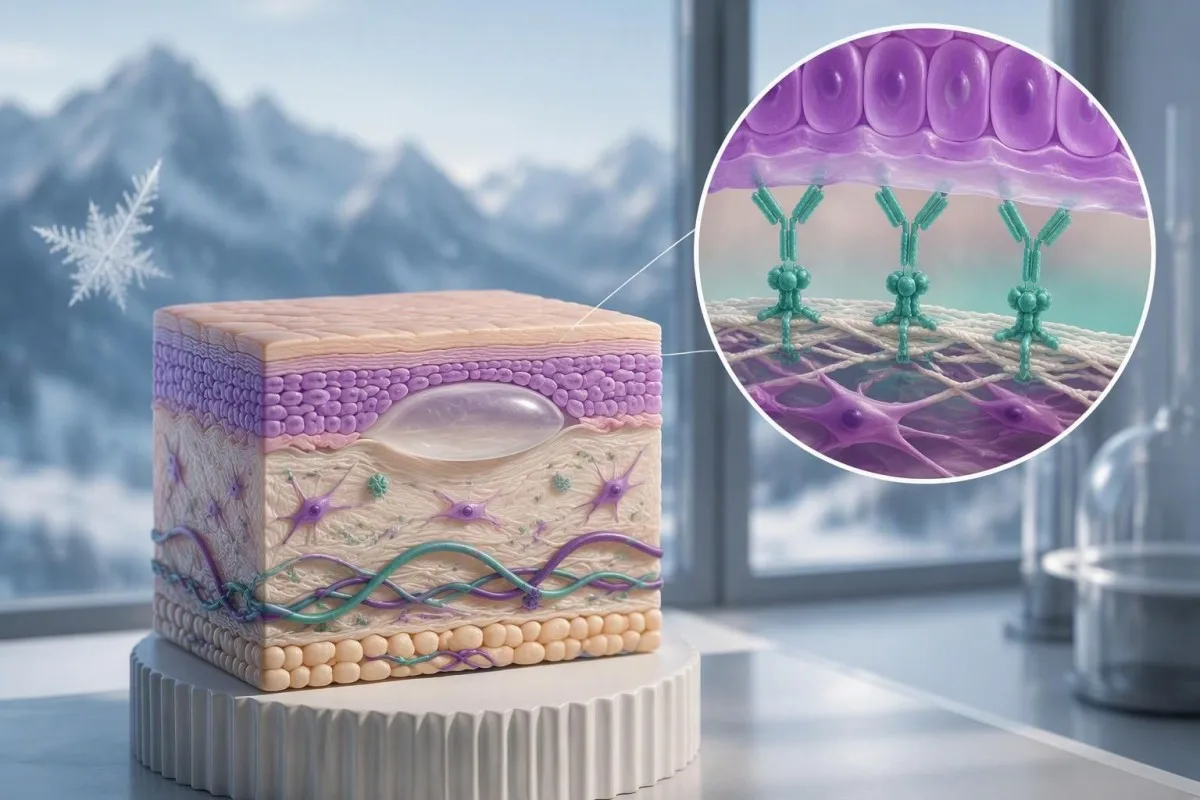
BP180 양성 결과는 자가면역성 피부 질환을 뒷받침하지만, 수치만으로 진단을 확정할 수는 없습니다. 다음 단계는 증상, 사용된 검사법, 올바르게 채취한 피부 검체에 따라 결정됩니다.

핵심 요점
- BP180 항체 양성 은 검사에서 BP180 표적에 대한 항체가 검출되었다는 뜻입니다. 이것만으로 수포성 유천포창이 확진되는 것은 아닙니다.
- 검사실 기준치 는 다릅니다. 일부 BP180 검사법은 약 9 U/mL를, 다른 검사법은 약 20 U/mL를 사용합니다. 본인 검사실의 참고 범위를 확인하세요.
- 낮은 양성 결과 가려움, 발진 또는 물집이 없는 경우에는 항체가 우연히 검출되었거나 검사에서 위양성이 나온 것일 수 있으며, 확립된 피부 질환을 의미하지는 않습니다.
- 비수포성 유천포창 은 물집 없이 지속적인 가려움증을 유발할 수 있습니다. 전문 진단 연구에서 유천포창 환자 343명 중 74명이 비수포성이었습니다.
- BP230 항체 는 보완적인 근거를 제공하지만, BP230 항체가 음성이라고 해서 수포성 유천포창을 배제할 수는 없습니다.
- 직접 면역형광검사 피부의 항체 침착을 검사하며, 기저막을 따라 선형으로 나타나는 IgG 및/또는 C3는 유천포창 질환을 뒷받침합니다.
- 피부 검체 2개 를 채취하는 경우가 흔합니다. 하나는 통상 현미경 검사용 병변 부위 검체이고, 다른 하나는 직접 면역형광 검사용으로 인접 부위에서 적절히 선택한 검체입니다.
- 응급 증상 눈 통증, 시력 변화, 삼키기 어려움, 광범위한 피부 변화와 동반된 발열 또는 빠르게 퍼지는 수포가 포함됩니다. 항체 검사 결과가 추가로 나올 때까지 기다리지 마세요.
BP180 양성 결과로 수포성 유천포창이 확진되나요?
아니요—BP180 항체 양성 결과만으로는 수포성 유천포창을 확진할 수 없습니다. 증상과 피부 소견이 부합하면 진단을 뒷받침하지만, 수포가 없는 상태에서 낮은 수치의 양성 결과는 우연히 나타난 것일 수 있습니다. 피부과 전문의는 원인을 확인하기 위해 직접 면역형광 검사를 포함한 피부 생검이 필요한 경우가 많으며, 때로는 추가 항체 검사도 필요합니다.
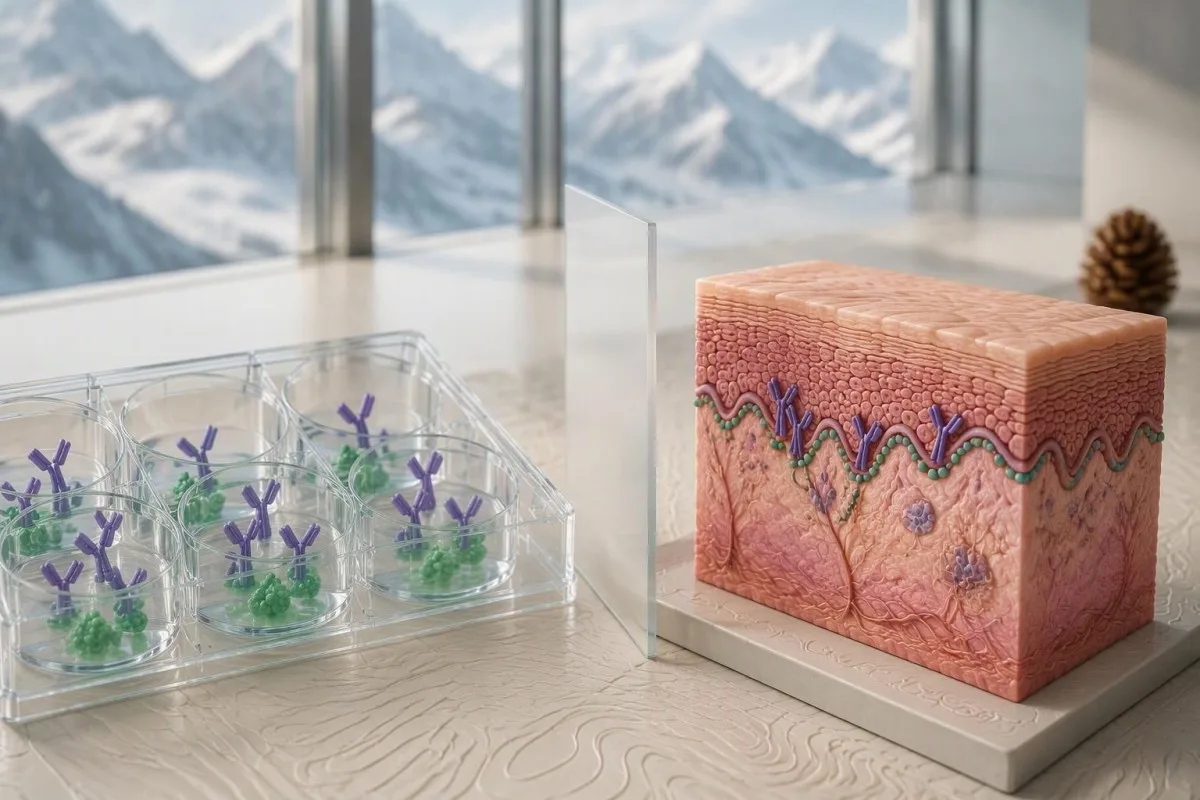
수포성 유천포창 진단에는 임상 소견과 면역병리학적 소견의 일치가 필요하며, 단순히 검사실에서 표시된 수치 하나만으로 진단하지 않습니다. 2022년 EADV 가이드라인은 임상 양상과 적절한 조직 및 순환 항체 검사를 통해 진단하도록 설명합니다(Borradori et al., 2022). 실제로 중요한 점은 검출된 항체가 해당 환자의 피부 상태를 설명하는지 여부입니다.
항체 검사 양성과 활동성 자가면역 질환은 서로 다른 소견입니다. 예를 들어, 가상의 결과인 12 U/mL의 CA-125는 는 한 검사실에서 양성일 수 있지만, 그 결과가 나온 무증상 환자와 광범위한 가려움증 및 팽팽한 수포가 있고 같은 농도를 보이는 환자는 진단 가능성이 다릅니다.
Kantesti는 검사실의 기준치와 귀하가 제공한 정보를 바탕으로 BP180 결과를 설명하는 데 도움을 주는 AI 혈액 검사 분석기입니다. 저희의 설명은 귀하의 피부를 검사하거나 직접 면역형광 검사를 수행할 수 없습니다. 저희 회사 소개 는 이러한 교육 지원을 제공하는 기관을 명시합니다.
이 결과를 영구적인 질병 진단으로 받아들이기보다 더 구체적인 질문을 할 계기로 삼으세요. 저희 가이드는 양성 항체 결과 항체 검출, 질병 활성도, 진단 확진이 서로 별개의 개념인 이유를 설명합니다.
BP180 항체 검사는 실제로 무엇을 측정하나요?
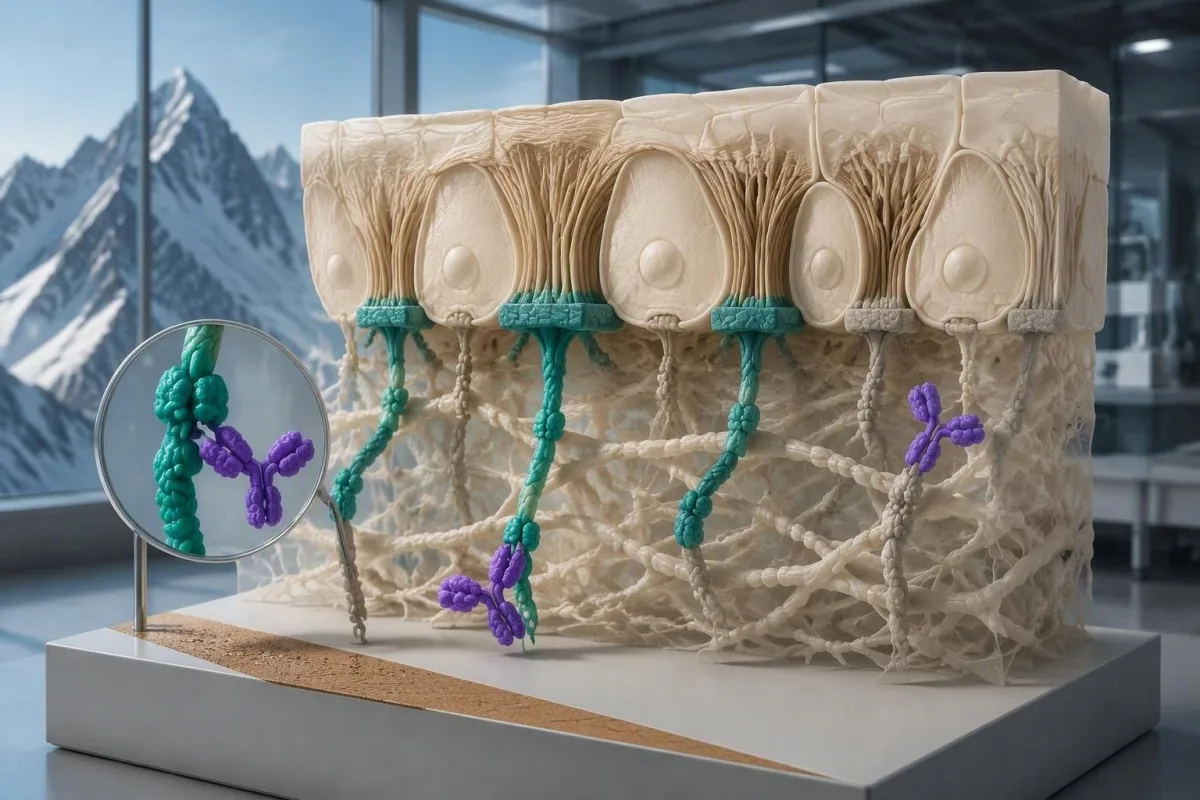
BP180 항체 검사는 일반적으로 제XVII형 콜라겐이라고도 하는 BP180의 일부를 표적으로 하는 혈청 IgG를 측정합니다. BP180은 대략 180-kDa 의 단백질로, 표피를 아래 조직에 고정하는 데 관여합니다. 많은 통상 검사에서는 단백질 전체가 아니라 NC16A 영역을 검사합니다.
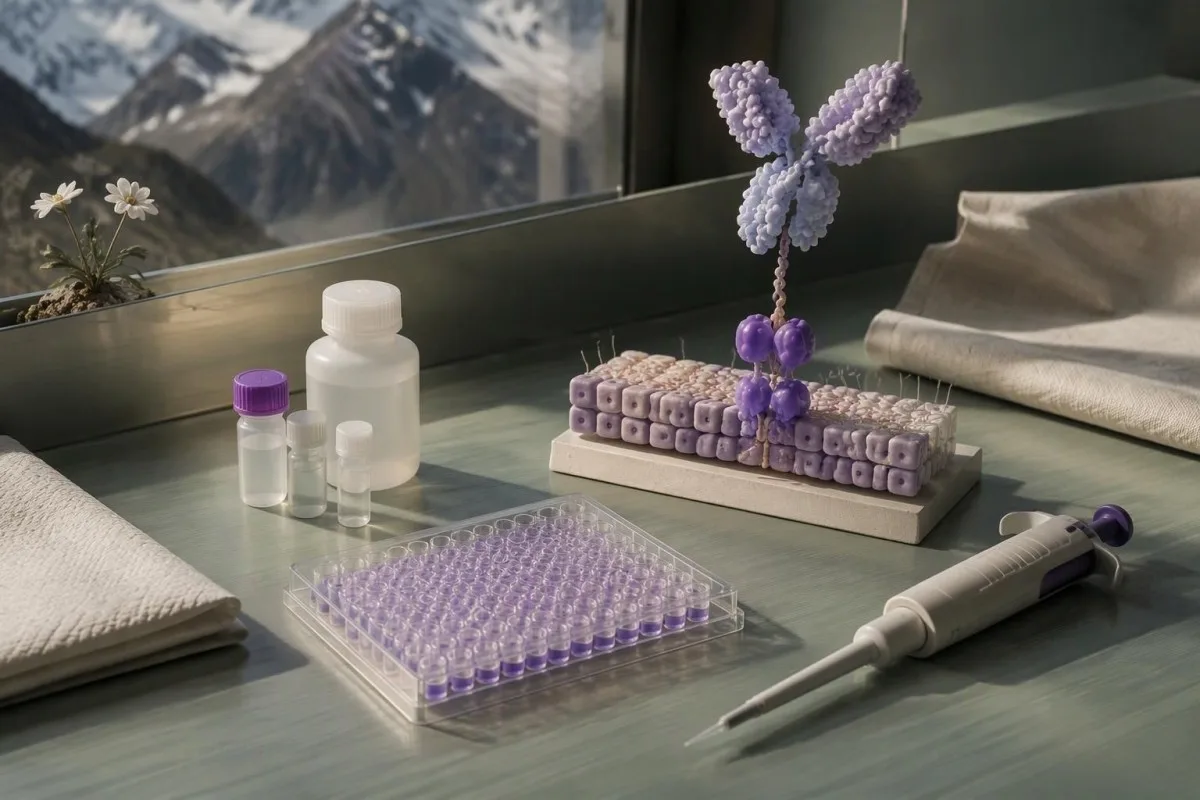
BP180은 피부의 구조 단백질이지, 혈중 농도를 측정하는 물질이 아닙니다. 검사 결과에는 해당 단백질에 대한 항체가 표시되며, 일반적으로 효소면역측정법(ELISA)을 사용합니다. 따라서 30 U/mL 라는 수치가 피부 단백질 30단위가 혈액 속을 순환한다는 뜻은 아닙니다.
그만큼 NC16A 도메인 BP180의 외부 부위에서 세포막 가까이에 위치하며, 전형적인 수포성 유천포창에서 흔한 항체 표적입니다. 이 부위를 검사하면 실용적인 검사가 가능하지만, 사각지대가 생깁니다. 다른 부위를 주로 표적으로 하는 항체는 검출되지 않을 수 있습니다.
수치로 표시된 항체 농도는 면역형광 역가와 서로 바꿔 쓸 수 없습니다. 다음과 같이 표시된 결과는 1:40 희석 배수에서의 반응성을 나타내는 반면, 40 U/mL 는 검사법에 맞춰 보정된 농도를 나타냅니다. 저희의 설명인 정량 검사와 정성 검사 는 이러한 보고 형식을 구분하는 데 도움이 됩니다.
보고서에 다음과 같이 적혀 있는지 확인하세요. BP180 NC16A IgG, 다른 BP180 검사 또는 보다 광범위한 유천포창 패널인지 확인하세요. 이 검사들은 자동으로 동등한 검사로 간주되지 않으며, IgG ELISA 음성 결과만으로 다른 항체 유형이나 다른 기저막 표적에 관한 모든 의문에 답할 수는 없습니다.
BP180 항체 결과에서 낮은 양성은 어느 정도를 의미하나요?
BP180 경계 양성 결과는 사용한 특정 검사법의 기준치를 약간 초과한 수치입니다. 보편적으로 통용되는 경계 양성 범위는 없습니다. 일부 검사실은 9 U/mL, 에 가까운 기준치를 사용하는 반면, 다른 검사실은 20 U/mL, 에 가까운 기준치를 사용하며, 보정 방법과 보고 범주도 서로 다릅니다.
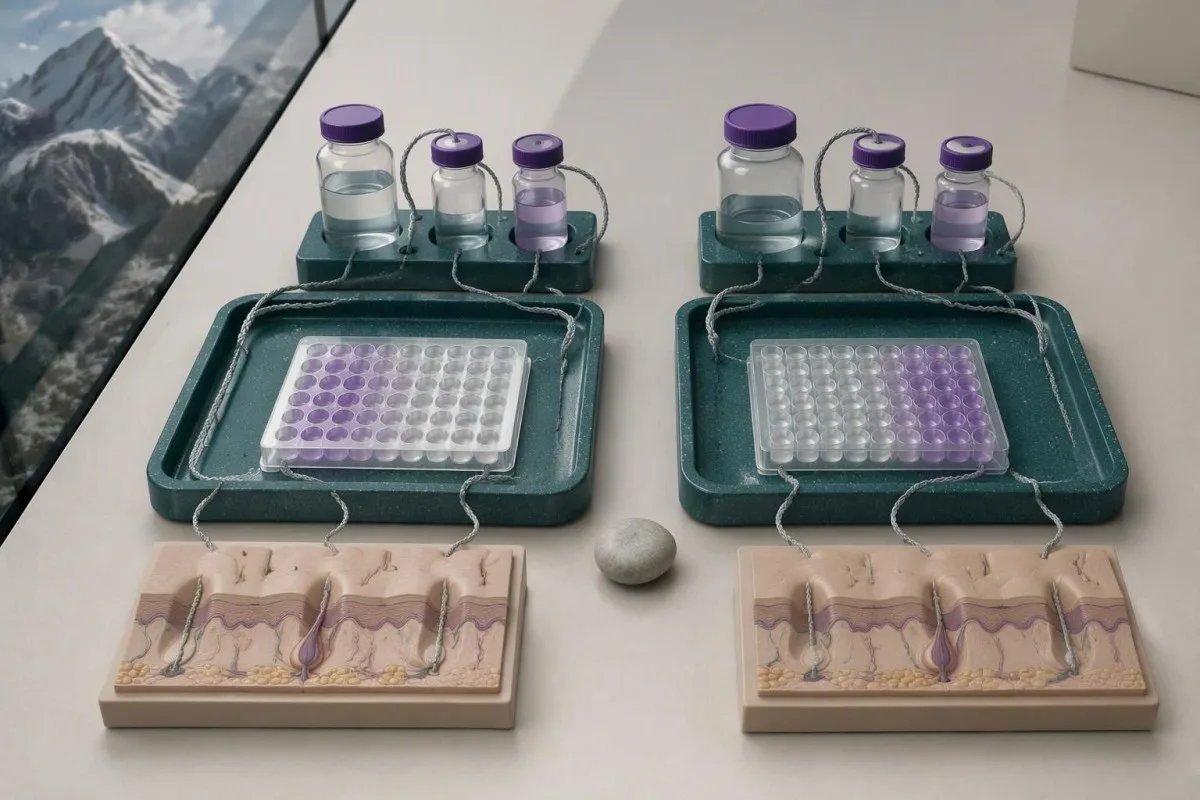
BP180 검사 단위는 검사실 간에 보편적으로 표준화되어 있지 않습니다.
의 결과 15 U/mL 는 9 U/mL 기준에서는 양성일 수 있고 20 U/mL 기준에서는 음성일 수 있지만, 그렇다고 두 번째 검사에서 질환을 놓쳤다고 단정할 수는 없습니다. 검사 방법과 보정 물질이 다를 수 있습니다.
기준치는 검사법을 평가하는 데 사용된 집단에서 민감도와 특이도의 균형을 맞춥니다. 기준치를 낮추면 질환이 있는 사람을 더 많이 검출할 수 있지만, 질환이 없는 사람도 더 많이 양성으로 판정될 수 있습니다. 기준치는 검사실의 판정 경계이지, 피부에 갑자기 물집이 생기기 시작하는 생물학적 지점이 아닙니다.
Kantesti AI는 보고된 BP180 수치를 함께 제공된 참고 범위와 비교하는 데 도움을 줄 수 있습니다., 하지만 다음 항목만 보이는 잘린 이미지로는 18 U/mL 중요한 정보가 빠져 있습니다. 검사명, 단위, 판정 범주, 검사실 의견을 포함하세요. 일반적인 범위 초과 플래그 으로는 이러한 세부 정보를 대신할 수 없습니다.
아래 예시는 보편적인 중증도 척도가 아니라 두 가지 가능한 보고 정책을 보여 줍니다. BP180 항체 농도만으로 의료 응급 상황이 정의되지는 않습니다; 광범위한 피부 침범, 탈수, 전신 질환, 눈 또는 기도 증상에 따라 긴급성이 결정됩니다.
| 수준 | 범위 | 의미 |
|---|---|---|
| 예시 검사 A: 기준치 미만 | <9 U/mL | 이 예시 검사실 정책에서는 음성입니다. 임상적 의심이 여전히 높은 경우 질환을 배제할 수 없습니다. |
| 예시 검사 A: 기준치 이상 | ≥9 U/mL | 이 정책에서는 양성입니다. 기준치와의 근접성 및 임상 소견이 해석에 영향을 미칩니다. |
| 예시 검사 B: 기준치 미만 | <20 U/mL | 다른 예시 정책에서는 음성입니다. 검사 시스템 간 결과를 직접 환산하지 마십시오. |
| 예시 검사 B: 기준치 이상 | ≥20 U/mL | 이 정책에서는 양성입니다. 수치만으로 진단이나 중증도가 확정되지는 않습니다. |
BP180 양성 결과는 왜 오해를 불러일으킬 수 있나요?
검사 전 수포성 유천포창의 임상적 가능성이 낮았던 경우 BP180 양성 결과의 설득력은 떨어집니다. 상당히 정확한 검사라도 위양성이 발생하므로, 무증상 선별검사 집단과 특징적인 물집을 평가하는 전문 진료소에서는 결과의 의미가 달라집니다.
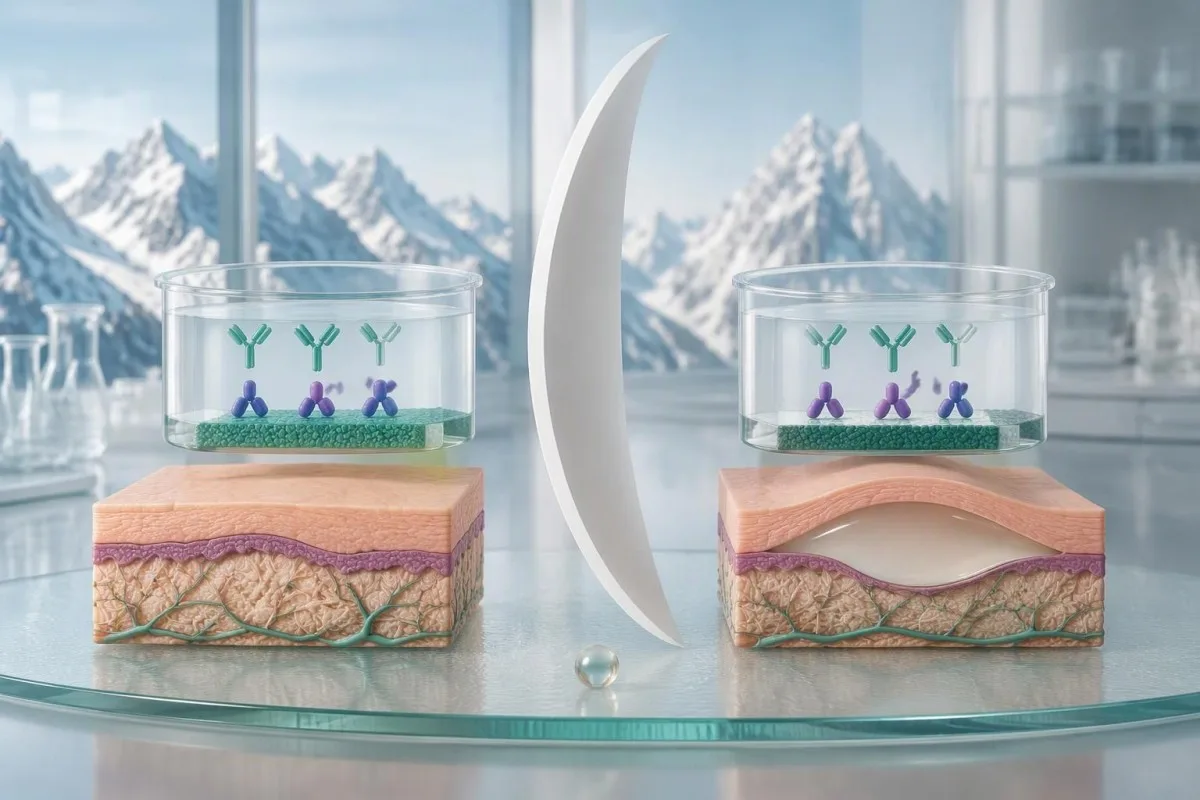
민감도와 특이도가 양성 결과를 받은 후 본인이 질환을 앓고 있을 확률과 같은 것은 아닙니다. 그 확률은 검사 대상 집단에서 해당 질환이 얼마나 흔한지에도 좌우됩니다. 항체 패널을 특정 피부 양상을 조사하기 위해서가 아니라 광범위하게 처방한 경우 이 차이가 가장 중요합니다.
명백히 가상의 검사를 다음과 같이 가정해 보겠습니다 90% 민감도 및 95% 특이도, 를 질환 확률이 1%인 1,000명에게 사용하면 약 진양성 9건과 위양성 50건, 이 나와 양성 예측도는 대략 15%입니다. 이는 교육을 위한 가정이지, BP180 검사 성능에 관한 주장이 아닙니다.
동일한 가상 검사를 질환 확률이인 경우에 사용하십시오. 20%, 그리고 검사 1,000건당 진양성 약 180건과 위양성 40건이 발생합니다. 양성 예측도는 약 82%로 높아집니다. 검사실 방법이 달라진 것이 아니라 임상적 맥락으로 인해 크게 달라지는 것입니다.
이러한 사례는 양성 결과가 나와도 피부과 전문의가 조직 검사를 요청하거나, 음성 결과에도 특징적인 증상을 중요하게 여길 수 있는 이유를 설명합니다. MOG 항체 해석 에 관한 논의도 다른 자가면역 질환에서 같은 확률 원리를 보여주지만, 그 진단 기준을 유천포창에 그대로 적용할 수는 없습니다.
BP180은 양성이지만 물집이 없다면 어떻게 해야 하나요?
수포가 없는 상태에서 BP180 결과가 낮은 양성으로 나왔다고 해서 수포성 유천포창이 확진되거나 향후 수포 발생을 신뢰성 있게 예측할 수 있는 것은 아닙니다. 다음으로 구분해야 할 점은 피부 증상이 전혀 없는지, 아니면 비수포성 유천포창으로 나타날 수 있는 지속적인 가려움과 원인 불명의 발진이 있는지입니다.
임상적으로 유천포창이 확진되지 않은 상태에서도 BP180 항체가 우연히 검출될 수 있습니다. 가능한 설명으로는 낮은 수준의 자가반응성과 검사법과 관련된 위양성이 있습니다. 단독 검사 결과인 11 U/mL 를 나중에 수포가 생길 위험률로 환산하는 검증된 환산 규칙은 없습니다.
가상으로 11 U/mL, 이고 가려움, 발진, 점막 증상이 없는 사람은 일반적으로 면역억제 치료를 자동으로 시작하기보다 맥락에 따른 검토가 필요합니다. 임상의는 검사를 의뢰한 이유, 결과가 예상 밖이었는지, 피부 검사에서 본인이 알아차리지 못한 소견이 있는지를 확인해야 합니다.
지속적인 건조감과 가려움도 평가받을 필요가 있습니다. 흔한 원인이 여전히 더 흔하기 때문입니다. 습진, 약물 효과, 갑상선 질환 및 기타 원인은 유천포창보다 가능성이 높을 수 있습니다. 당사의 건성 피부 검사 가이드 에서는 포괄적인 검사 패널을 일괄적으로 시행하기보다 증상에 따라 추가 혈액 검사를 해야 하는 이유를 설명합니다.
백혈병을 입증하는 무증상인 저양성 BP180 결과에 대해 보편적으로 적용되는 재검사 간격은 없습니다 . 병력에 따라 임상의는 경과 관찰, 동일한 방법을 사용한 재검사 또는 전문의 진료를 선택할 수 있습니다. 지속적인 가려움, 두드러기양 판 또는 수포가 새로 나타나면 예정된 재검사를 기다리지 말고 계획을 바꿔야 합니다.
수포성 유천포창은 가려움만으로 시작할 수 있나요?
유천포창은 눈에 보이는 수포 없이 지속적인 가려움, 습진 유사 반점, 두드러기양 판 또는 긁어서 생긴 변화로 나타날 수 있습니다. 전문의가 수행한 진단 연구에서, 유천포창 환자 343명 중 74명(21.6%)은 비수포성이었습니다, . 이는 수포가 없다는 사실만으로 해당 질환을 배제할 수 없음을 보여줍니다(Meijer et al., 2019).
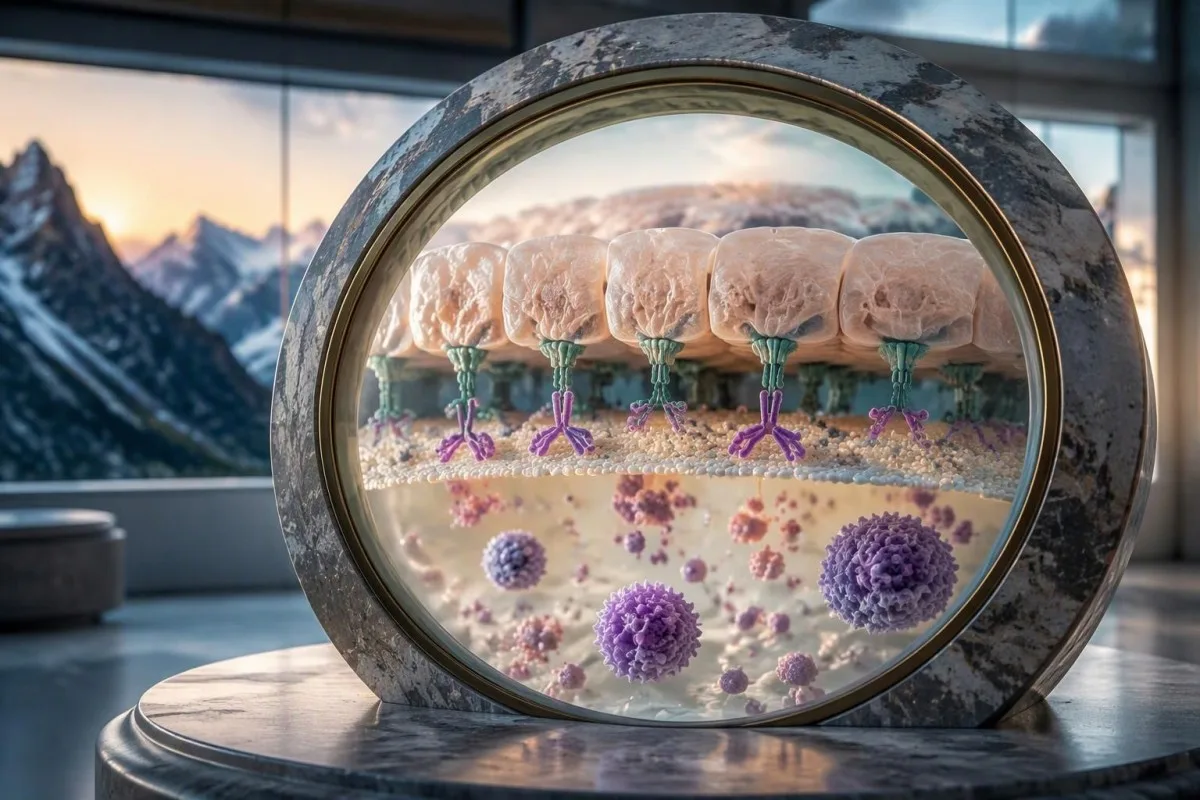
비수포성 유천포창은 BP180 양성 결과가 나온 가려운 발진이라면 무엇이든 해당하는 것은 아닙니다. 진단에는 여전히 증상 적합성과 적절한 면역병리학적 증거가 필요합니다. 해당 21.6% 해당 연구 수치는 의뢰된 환자군에서 나온 것이므로 가려움증이 있는 사람에게 유천포창이 있을 확률로 해석해서는 안 됩니다.
증상의 양상이 작은 물집 하나가 생겼는지보다 더 중요한 경우가 많습니다. 고령자에게 지속적이고 광범위한 가려움증이 있고, 특히 반복적으로 융기된 판이 나타나거나 일반적인 습진 관리에 잘 반응하지 않는다면 피부과 진료를 받아야 합니다. 저희의 가려운 피부 검사 안내서 는 피부에 초점을 맞춘 검사와 전신 원인을 찾기 위한 검사를 구분합니다.
호산구증가증은 수포성 유천포창에서 동반될 수 있지만, 반드시 나타나는 것도 아니며 진단적 소견도 아닙니다. 대략 0.5 × 10^9/L 를 초과하는 절대 호산구 수는 성인에게서 흔히 이상으로 표시되지만, 알레르기, 약물, 기생충도 같은 소견을 유발할 수 있습니다. 이러한 대안을 설명하는 저희 안내서는 높은 호산구 수치 을 참조하세요.
유용한 직접 면역형광 검체를 채취하기 위해 피부과 전문의가 반드시 물집이 생길 때까지 기다려야 하는 것은 아닙니다. 비수포성 질환에서는 현재 나타난 발진과 검사실 프로토콜에 맞춰 검체를 선택합니다. 가려움증의 분포와 지속 기간을 기록하세요. 발진이 사라지면 이후 평가가 더 어려워질 수 있기 때문입니다.
BP230 항체는 BP180 검사를 어떻게 보완하나요?
BP230 항체는 유천포창에 대한 보완적 근거를 제공하지만, 그것만으로 수포성 유천포창을 확진하거나 배제할 수는 없습니다. BP230은 대략 230-kDa 세포 내 고정 단백질, 인 반면, BP180은 세포막을 가로지릅니다. 두 단백질의 위치와 항체 표적이 서로 다르기 때문에 검사 결과가 일치하지 않을 수 있습니다.
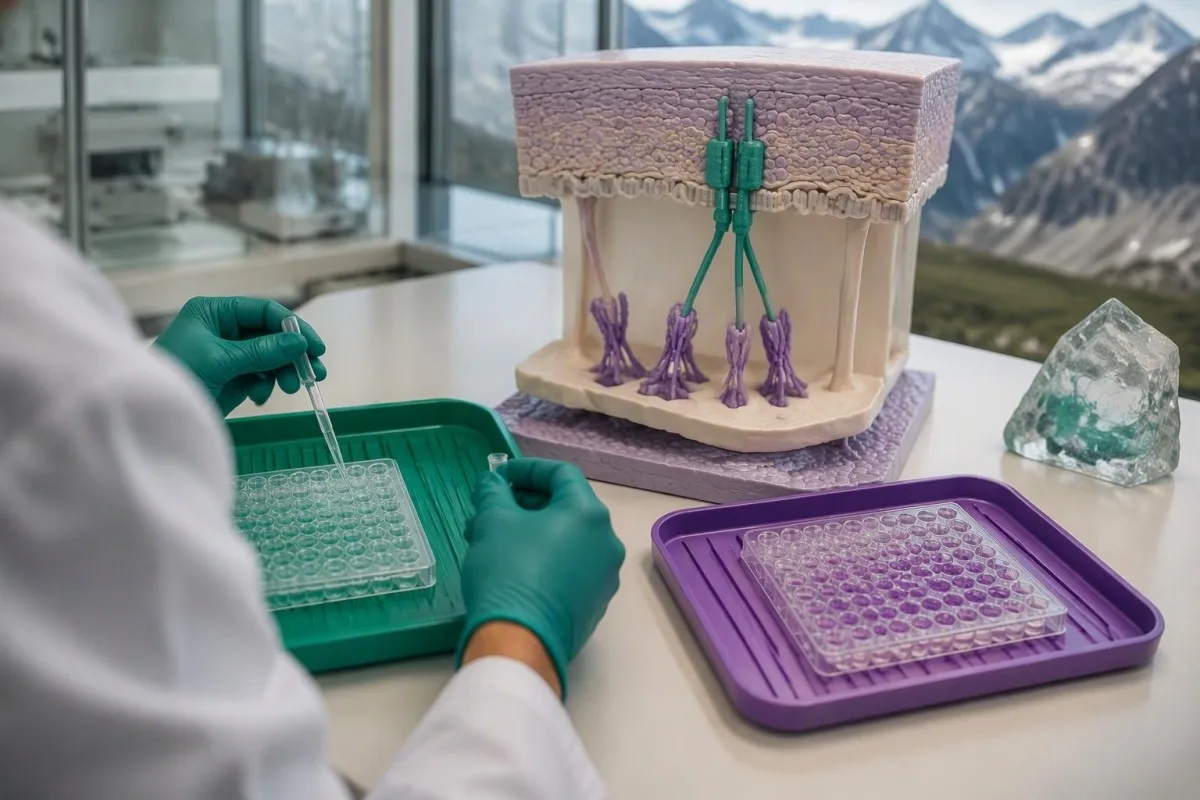
BP230 항체 음성 결과가 BP180 양성 결과를 무효화하지는 않습니다. 확진된 유천포창 환자 중에는 검사한 항원 가운데 하나에 대해서만 항체가 검출되는 경우가 있으며, 각 분석법의 민감도도 다릅니다. 두 결과를 통과 또는 실패를 판정하는 검사 조합으로 해석하면 피할 수 있는 진단 오류가 발생합니다.
가상의 BP180 결과 45 U/mL 이고 BP230 항체가 음성이더라도 팽팽한 물집과 심한 가려움증이 있다면 평가가 필요합니다. 반대로 임상 소견이 부합하지 않는 상태에서 BP230 항체만 낮은 수준으로 양성이면 유천포창을 진단하기에 충분하지 않습니다. 두 번째 표지자의 양성은 전체 근거가 부합할 때에만 해당 양상을 뒷받침합니다.
Kantesti는 BP180과 BP230 항체가 서로 대체할 수 있는 점수가 아니라 상호 보완적인 소견임을 설명할 수 있는 AI 바이오마커 해석 플랫폼입니다. 이는 결합조직 질환 항체 패널, 에 사용되는 추론과 유사하지만, 유천포창 평가에서는 피부 특이적 조직 소견이 여전히 핵심입니다.
BP180과 BP230 농도는 둘 다 U/mL. 로 표시되더라도 합산하지 마세요. 두 수치는 보정 체계가 서로 다른 항원 특이적 측정값입니다. BP180 수치는 일반적으로 BP230 수치보다 질병 활성도와의 연관성이 더 확립되어 있지만, 어느 쪽도 진찰을 대신할 수는 없습니다.
직접 면역형광검사를 위한 피부 생검이 필요한 이유는 무엇인가요?
직접 면역형광을 이용한 피부 생검으로 피부의 기저막에 항체 또는 보체가 침착되어 있는지 확인할 수 있습니다. Dermatologists often collect two separate specimens because routine microscopy and direct immunofluorescence answer different questions and require different sample handling.
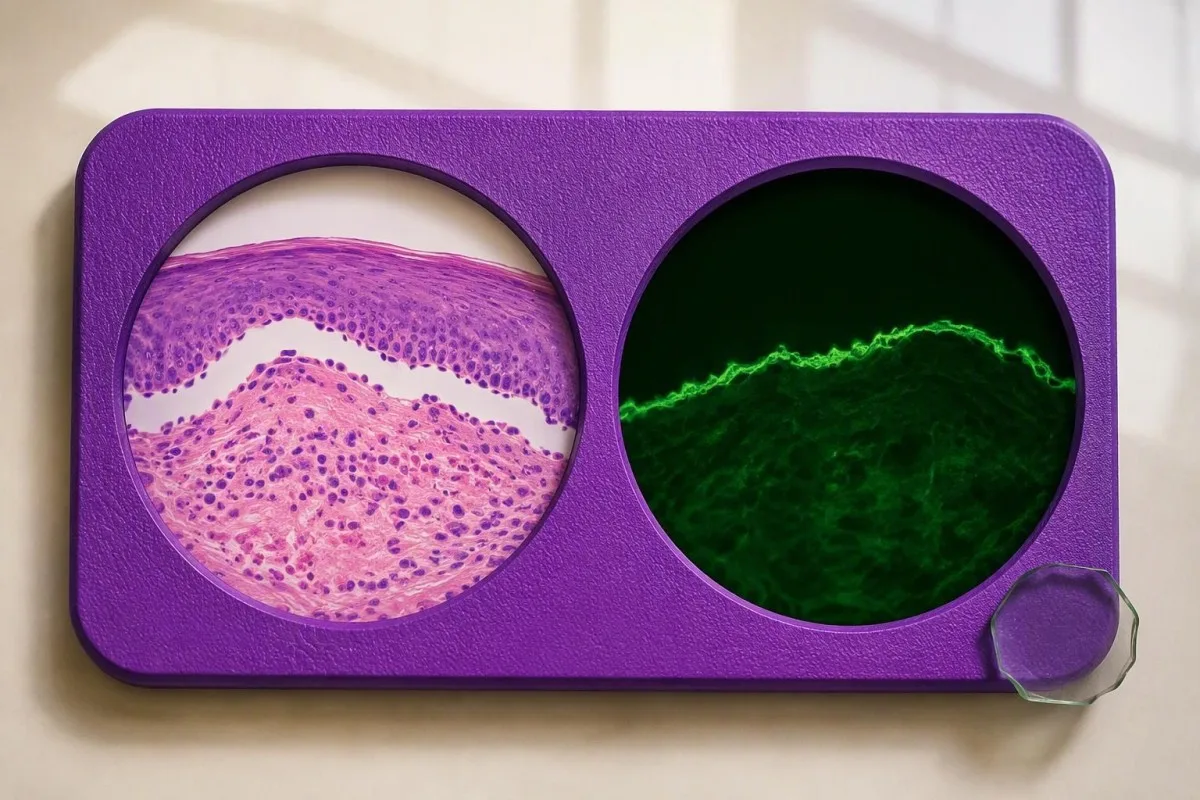
Routine histology examines tissue structure and inflammatory cells. A sample from a fresh blister or suitable affected area may show separation beneath the epidermis and eosinophils, but these features are not unique to bullous pemphigoid; the second sample looks for the immune-deposit pattern that helps classify the disorder.
For classic blistering presentations, the direct-immunofluorescence sample is commonly taken from appropriately selected skin near a fresh blister rather than its eroded center. A small 3–4-mm punch is often used, although technique and location depend on the case; sampling heavily damaged tissue can remove the structures the laboratory needs to examine.
The specimen for direct immunofluorescence must not be routinely placed in formalin. Laboratories generally require a dedicated transport medium or another explicitly agreed handling method, while the routine histology specimen commonly goes into formalin; ask whether the two containers have been prepared for their separate purposes.
In Meijer et al.'s 2019 diagnostic cohort, direct immunofluorescence had a sensitivity of 88.3%, so even this valuable test was not infallible. Kantesti's 임상적 타당성 정보 concerns our interpretation methodology—not a claim that AI can reproduce skin immunofluorescence or establish its findings.
면역형광검사와 염분 분할 검사가 양성이면 무엇을 의미하나요?
Linear IgG and/or C3 along the basement membrane on direct immunofluorescence supports a pemphigoid-spectrum disorder, but the pattern is not unique to bullous pemphigoid. Indirect immunofluorescence on salt-split skin can add evidence by showing where circulating antibodies bind relative to an experimentally created tissue separation.
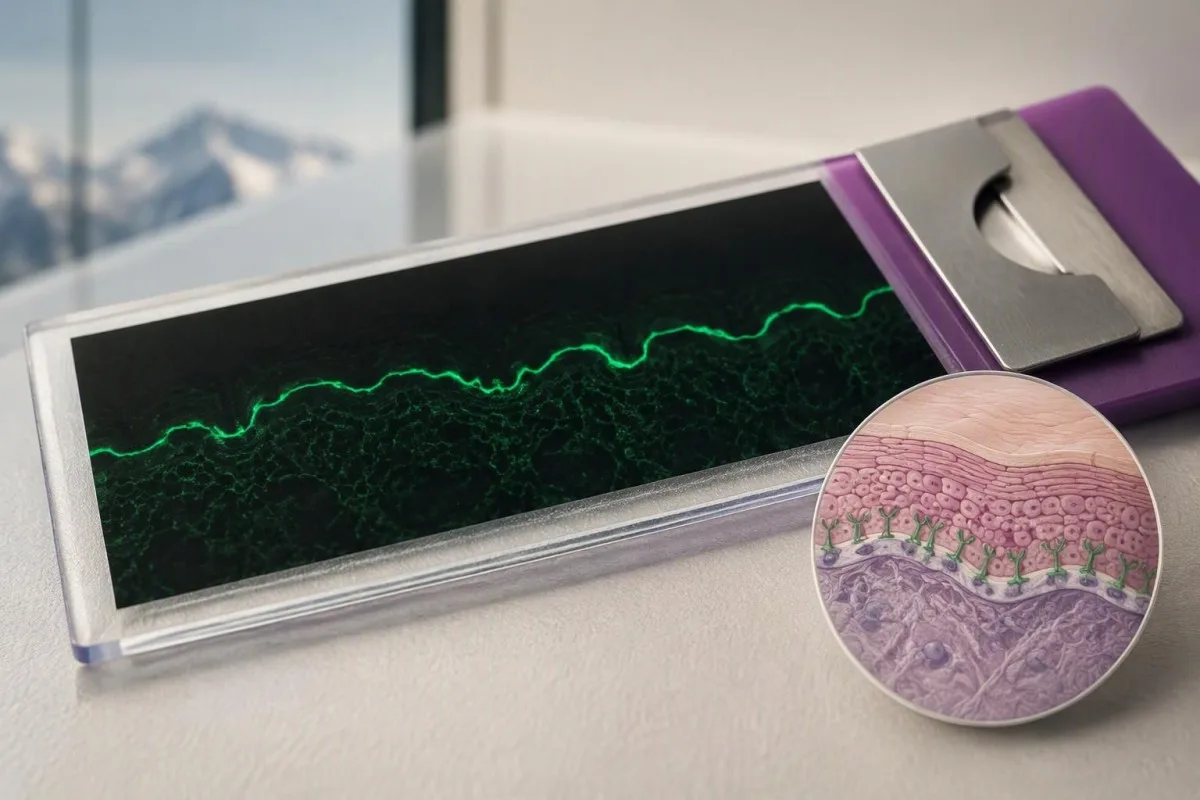
Direct and indirect immunofluorescence use different materials. Direct testing examines deposits already present in the person's skin, while indirect testing applies the person's serum to a laboratory substrate; a positive result in one test and a negative result in the other is therefore possible without a reporting error.
On salt-split skin, bullous pemphigoid antibodies commonly bind the epidermal side, often called the roof. Antibodies binding the dermal side, or floor, raise consideration of other disorders such as epidermolysis bullosa acquisita or anti-p200 pemphigoid, but binding location alone does not fully classify every case.
Meijer et al. reported 99.9% specificity for indirect immunofluorescence on salt-split skin in their 2019 diagnostic cohort. That high figure applies to that study and testing pathway; a negative result still cannot exclude pemphigoid because specificity describes false positives, not how many cases the test misses.
C3 detected in skin is not the same measurement as a serum C3 concentration. A normal circulating complement result does not negate local deposits at the basement membrane; our complement testing explanation helps prevent this common cross-test misunderstanding.
BP180, 피부 생검, 증상 결과가 서로 맞지 않으면 어떻게 하나요?
Discordant BP180 and skin-test results require a review of the clinical picture, assay target, sampling site, and specimen handling. A positive ELISA with negative direct immunofluorescence can reflect incidental antibodies or an uninformative skin sample; a negative NC16A ELISA can miss disease directed against other targets.
A negative direct-immunofluorescence result is less reassuring if the sample was poorly selected or incorrectly transported. Treatment before sampling may also influence findings, so clinicians need to know which creams or systemic medicines were used and where; never stop prescribed treatment solely to make a test more likely to turn positive.
A hypothetical person with characteristic new blisters, BP180 of 80 U/mL, and a negative direct-immunofluorescence specimen from an old eroded site may need repeat sampling. The same antibody result with no compatible skin findings demands a different investigation; the discrepancy does not have one automatic explanation.
A negative BP180 NC16A result does not exclude every form of pemphigoid. Further testing may include BP230 antibodies, indirect immunofluorescence, or specialized assays for other antigens; our guide to negative myasthenia antibody tests illustrates why a limited antigen panel cannot exclude an entire autoimmune disease category.
Repeat testing should address a specific uncertainty rather than create an endless sequence of panels. Ask whether the next investigation is checking the same antigen by another method, examining an additional antigen, or correcting a tissue-sampling problem; each strategy answers a different diagnostic question.
BP180 양성 유천포창과 유사할 수 있는 다른 질환은 무엇인가요?
BP180 antibodies can occur in other pemphigoid-spectrum conditions, including mucous membrane pemphigoid and pemphigoid gestationis. Eczema, scabies, and drug-related eruptions can resemble early bullous pemphigoid clinically, while pemphigus involves different adhesion proteins and usually a different level of skin separation.
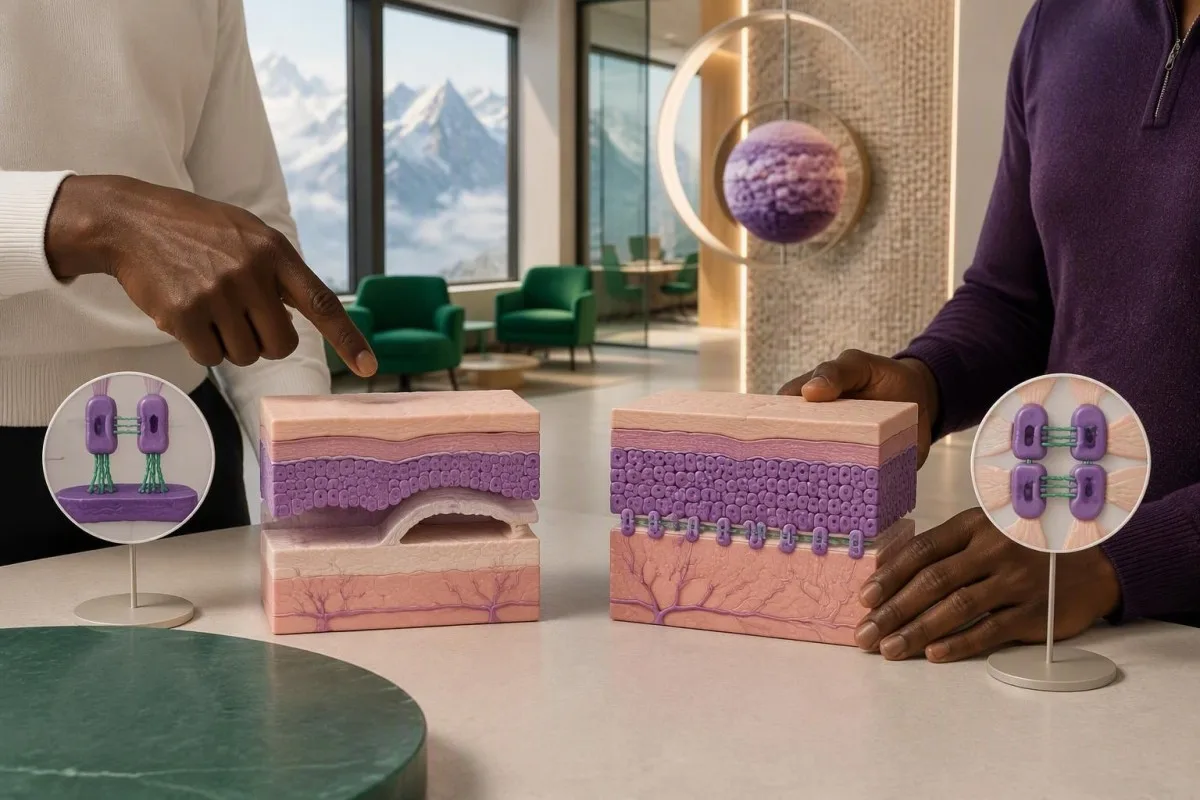
Bullous pemphigoid typically causes tense blisters because separation occurs beneath the epidermis. Pemphigus often produces more fragile blisters or erosions through loss of adhesion within the epidermis; our desmoglein antibody guide explains why BP180 testing cannot substitute for a pemphigus evaluation.
Predominantly mouth, eye, genital, or other mucosal involvement raises concern for mucous membrane pemphigoid, especially when scarring occurs. Eye pain, light sensitivity, or vision changes require urgent assessment because waiting for a repeat antibody concentration can delay treatment of a sight-threatening process.
Pemphigoid gestationis is associated with pregnancy and can produce BP180 antibodies. Pregnancy or recent childbirth therefore changes the interpretation of the same laboratory result; the distinction requires obstetric and dermatological coordination rather than assuming that every BP180-positive blistering disorder is classic older-adult bullous pemphigoid.
Scabies can cause intense itching and may coexist with an unrelated positive antibody result. Household itching, characteristic distribution, and burrows alter the differential; our scabies symptom guide is useful for that comparison, but neither household exposure nor BP180 positivity independently settles the diagnosis.
약물이 BP180 결과 해석이나 치료 결정에 영향을 주나요?
Medication history can change the likelihood and presentation of bullous pemphigoid, but a positive BP180 result alone is not a reason to stop a medicine. DPP-4 inhibitors used for diabetes and immune checkpoint inhibitors are recognized associations; treatment decisions depend on confirmed disease, severity, and the person's other health risks.
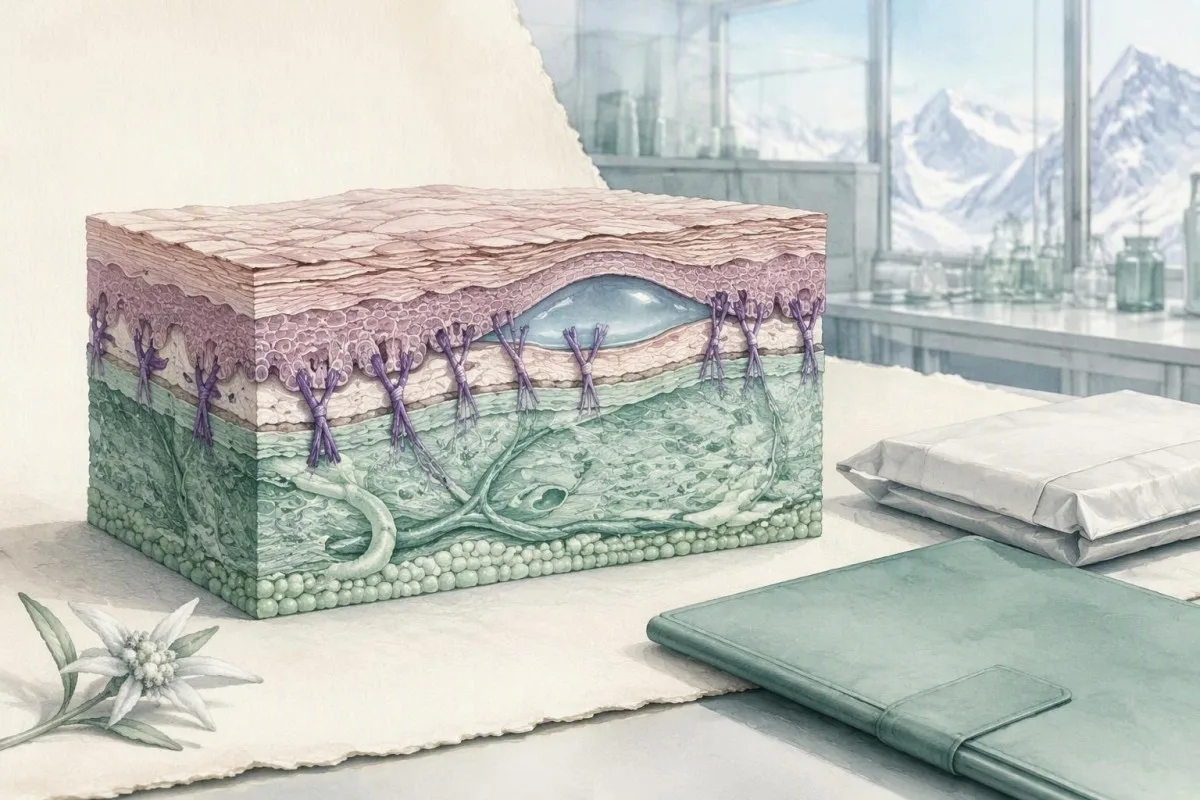
DPP-4 inhibitor-associated pemphigoid can have a less typical inflammatory presentation and may show limited NC16A reactivity. This is not universal, and exposure does not prove causation; bring a complete medicine list, including start dates, to a review using our senior medication effects guide as a preparation aid.
그만큼 2022 EADV guideline recommends potent topical corticosteroids as a mainstay when feasible and discusses oral prednisone at approximately 0.5 mg/kg/day as an alternative in suitable circumstances (Borradori et al., 2022). These are clinician-directed treatment options for disease, not instructions to treat an isolated antibody result or begin steroids without assessment.
Systemic corticosteroids can create additional risks that are unrelated to the BP180 concentration. People with relevant residence or travel exposure may need assessment for Strongyloides before significant immunosuppression; our Strongyloides antibody explanation describes why an apparently unrelated parasite history can become a treatment-safety issue.
Kidney function, glucose, infection risk, and the ability to apply topical treatment may influence the choice of therapy more than whether BP180 is 40 or 80 U/mL. 우리의 신장 기능 해석 가이드 covers supportive laboratory assessment, but renal markers do not confirm pemphigoid.
BP180 수치로 질병 활성도와 회복 상태를 모니터링할 수 있나요?
BP180 antibody levels can support monitoring in confirmed bullous pemphigoid, but they do not replace examination or determine treatment alone. Concentrations often track disease activity at a group level; individual patients can remain antibody-positive while their skin is controlled or experience symptoms without a proportionate rise.
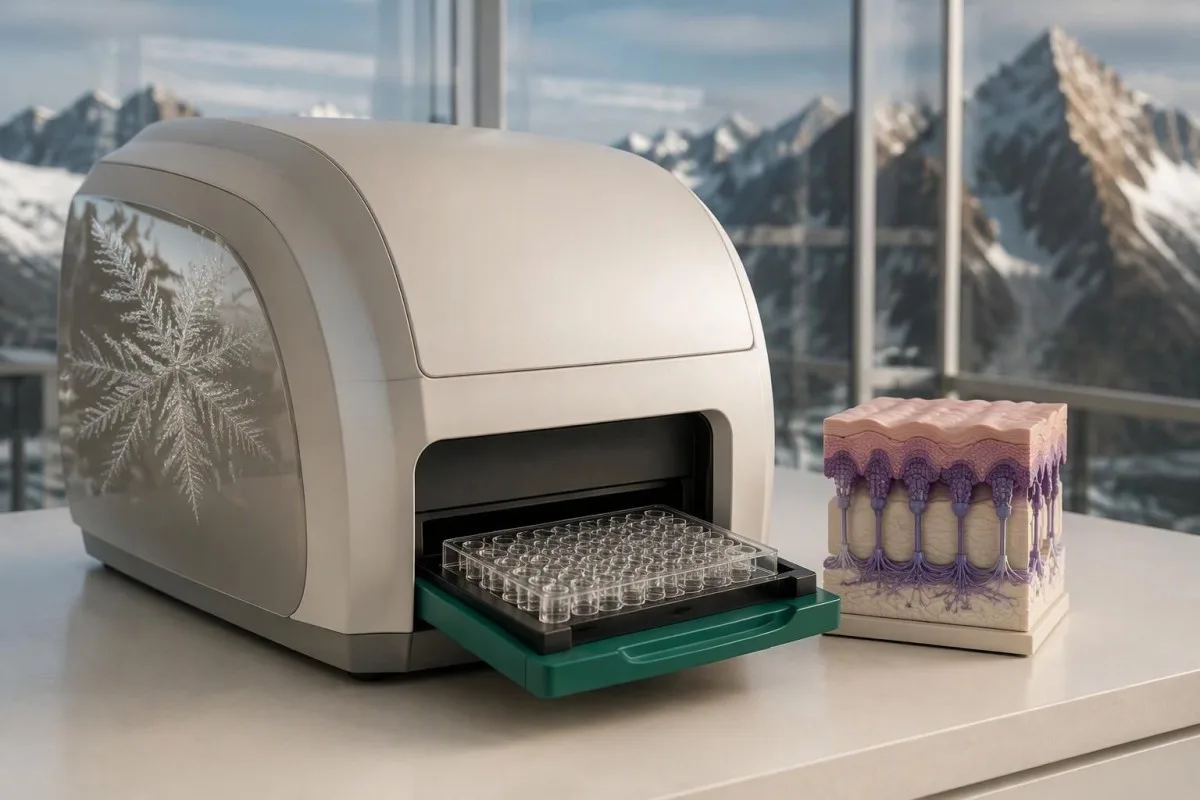
A falling BP180 concentration is most useful when it agrees with fewer new blisters and less itching. A hypothetical decline from 120 to 35 U/mL on the same assay supports an improving pattern, but it does not independently establish remission or justify stopping treatment.
An increase from 12 to 14 U/mL near a cutoff may reflect analytical or biological variation rather than a meaningful change in disease. There is no universal percentage increase that proves relapse across all BP180 assays; the method, timing, symptoms, and previous response need to be considered together.
Kantesti is an AI blood test interpretation platform that can organize serial BP180 results without treating a laboratory trend as a diagnosis. 우리의 AI 기술 설명 describes the interpretation workflow; preserving each report's assay name and reference interval matters when comparing two or more measurements.
Changing laboratories can create an apparent rise or fall that is partly methodological. Our 약물 안전 추세 가이드 explains why dates, doses, and laboratory context belong beside the numbers; photograph new skin findings and record new-blister counts when your dermatologist requests them.
추적 진료에 무엇을 가져가야 하며, 어떤 근거가 적용되나요?
Bring the full BP180 report, any BP230 result, symptom photographs, and your complete medication list to follow-up. These four information groups help a clinician decide whether you need observation, additional serum testing, properly handled skin samples, or urgent assessment rather than another isolated antibody measurement.
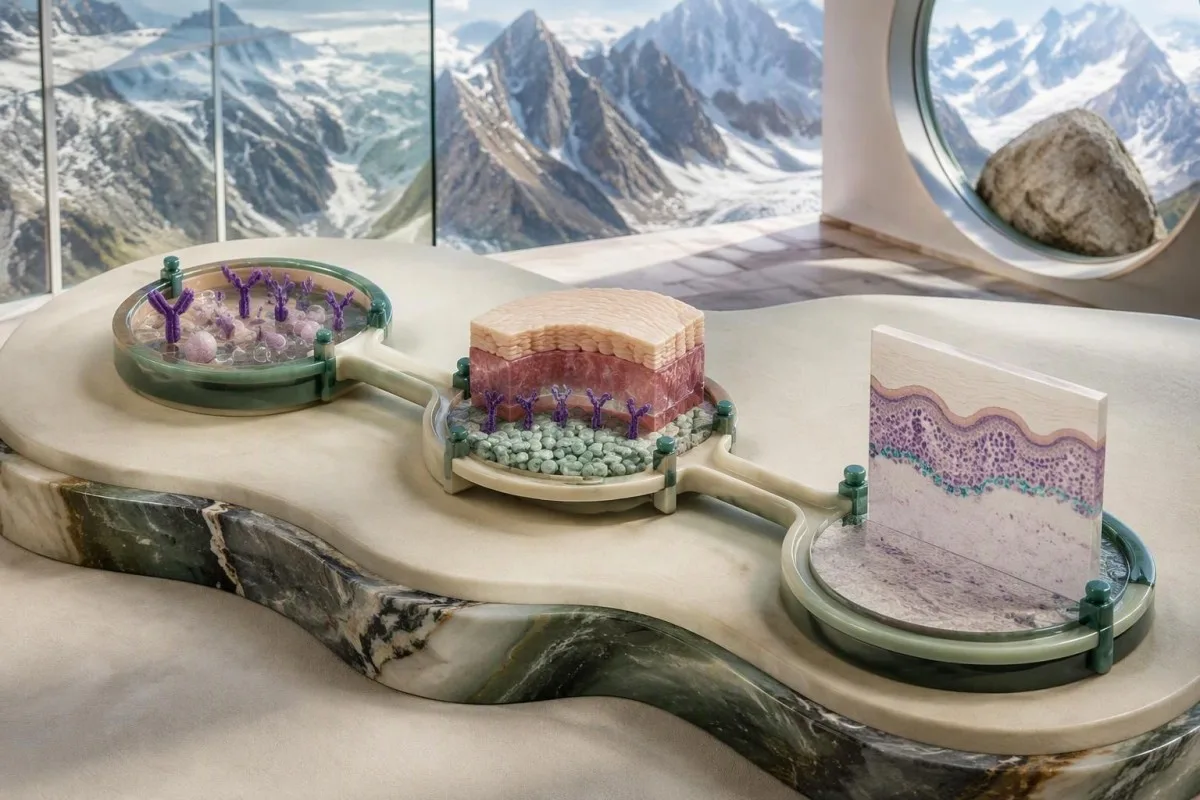
A useful report includes the exact assay name, numerical value, units, cutoff, and collection date. If a hypothetical BP180 result reads 16 U/mL, the missing cutoff may reverse whether it is considered positive; also request the actual histology and direct-immunofluorescence reports rather than relying on the phrase 'skin biopsy normal.'
New eye symptoms, swallowing difficulty, extensive rapidly spreading blisters, fever, or inability to maintain fluids need prompt clinical attention. Do not wait for a scheduled second test when those symptoms appear; supportive urinalysis can answer separate medical questions, as explained in our 요검사 해석 가이드, but it cannot establish a pemphigoid diagnosis.
Kantesti helps explain the distinctions between a flagged antibody result, a probable diagnosis, and confirmed disease. 우리의 책임감 있는 AI 원칙은 describe the boundaries of educational interpretation; only a clinician with access to your examination and appropriate investigations can decide whether a BP180 항체 양성 result represents active pemphigoid.
The directly relevant evidence here comes from the 2022 EADV guideline and the 2019 JAMA Dermatology diagnostic study. The two Zenodo publications listed below concern kidney-function and urinalysis interpretation and are included as background educational publications, not evidence that BP180 confirms bullous pemphigoid or that our AI has validated diagnostic accuracy for this condition.
자주 묻는 질문
BP180 항체 검사 양성이면 제가 반드시 수포성 유천포창에 걸렸다는 뜻인가요?
BP180 항체 검사 양성이 반드시 수포성 유천포창이 있다는 뜻은 아닙니다. 일부 검사실은 약 9 U/mL를 기준값으로 사용하고, 다른 검사실은 약 20 U/mL를 사용하므로 정확한 검사법과 참고 범위가 중요합니다. 가려움증이나 물집이 함께 있으면 검사 결과의 의미가 더 커지지만, 낮은 수치의 양성 결과만 단독으로 나타난 경우 우연한 소견이거나 위양성일 수 있습니다. 진단을 확립하려면 직접 면역형광검사를 포함한 피부 생검과 추가 항체 검사가 필요할 수 있습니다.
물집이 없는데 BP180 결과가 약양성이라는 것은 무엇을 의미하나요?
물집이 없는 상태에서 BP180 결과가 낮은 양성인 경우, 우연히 항체가 검출되었거나 검사법에 따른 위양성일 수 있고, 물집 없이 나타나는 유천포창일 수도 있습니다. 예를 들어, 12 U/mL는 9-U/mL 기준치에서 양성이지만 무증상인 사람이 질병에 걸릴지 예측할 수는 없습니다. 물집이 없더라도 가려움증이 지속되거나 원인을 알 수 없는 발진이 있으면 피부과 진료를 받아야 합니다. 단독으로 나타난 낮은 양성 결과만을 근거로 한 보편적인 재검사 간격이나 치료 권고는 없습니다.
BP180 항체 음성인데 수포성 유천포창일 수 있나요?
수포성 유천포창은 일상적인 NC16A 검사에서 BP180 항체가 음성으로 나와도 발생할 수 있습니다. 이 검사는 약 180-kDa 단백질의 특정 부위를 검사하며, 주로 다른 부위를 표적으로 하는 항체는 검출하지 못할 수 있습니다. BP230 검사, 직접 면역형광검사 및 간접 면역형광검사가 추가적인 근거를 제공할 수 있습니다. 피부 소견이 유천포창을 강하게 시사한다면 음성 혈액 검사 결과만으로 평가를 중단해서는 안 됩니다.
BP230 항체 음성이면 수포성 유천포창을 배제할 수 있나요?
BP230 항체가 음성이라고 해서 수포성 유천포창을 배제할 수는 없습니다. BP230은 약 230 kDa의 세포 내 고정 단백질이며, 질환이 확진된 일부 환자에게서는 이에 대한 항체가 검출되지 않습니다. 임상 소견과 조직 소견이 일치한다면 BP230 항체가 음성이더라도 BP180 검사 결과가 양성인 경우 진단에 부합할 수 있습니다. 두 항체 농도를 합산하거나 두 검사 결과가 모두 양성이어야 확진된다고 간주해서는 안 됩니다.
유천포창에서는 왜 때때로 피부 생검을 두 번 해야 하나요?
통상적인 조직검사와 직접 면역형광검사는 서로 다른 진단적 질문에 답하기 때문에 피부 생검이 두 번 필요한 경우가 많습니다. 일반적으로 작은 3–4-mm 펀치 생검을 시행하지만, 피부과 의사가 개별적인 임상 양상에 따라 기법과 부위를 선택합니다. 한 검체는 조직 구조를 확인하고, 다른 검체는 기저막을 따라 면역 침착물이 있는지 살펴봅니다. 직접 면역형광검체는 별도로 합의된 운송 방법을 사용해야 하며, 일반적으로 포르말린에 넣어서는 안 됩니다.
BP180 수치가 높으면 천포창이 심하다는 뜻인가요?
A high BP180 level does not independently determine how severe pemphigoid is or whether it is an emergency. A result of 100 U/mL must be interpreted using that assay's cutoff and alongside the extent of skin involvement, itching, new blisters, and general health. Antibody levels often relate to disease activity, but individual results and symptoms can disagree. Eye pain, vision changes, difficulty swallowing, or rapidly spreading extensive blistering require prompt assessment regardless of the antibody concentration.
치료를 중단하기 전에 BP180 항체가 음성이 되어야 하나요?
임상의가 천포창 치료를 감량하거나 중단하는 것을 고려하기 전에 BP180 항체가 반드시 음성이 될 필요는 없습니다. 가령 120에서 35 U/mL로 감소했다면 호전을 뒷받침할 수 있지만, 증상, 새 수포의 형성, 진찰 소견 및 재발 병력이 치료 결정의 기준이 됩니다. 피부 상태가 조절되고 있어도 항체가 검출될 수 있으며, 검사법 전반에 걸쳐 보편적으로 적용되는 중단 기준치는 없습니다. 항체 수치 변화만을 근거로 처방된 치료를 변경하지 마십시오.
혈액검사 결과 보는법
검사실 보고서를 업로드하면 Kantesti의 AI가 몇 초 안에 각 바이오마커를 쉬운 말로 설명합니다. 전 세계 200만 명 이상이 사용하고 있습니다.
참고 자료
- Klein, T., Mitchell, S., & Weber, H. (2026). BUN/크레아티닌 비율 설명: 신장 기능 검사 가이드. Kantesti AI 의학 연구. DOI
- Klein, T., Mitchell, S., & Weber, H. (2026). 소변 내 유로빌리노겐 검사: 2026년 완전 소변 분석 가이드. Kantesti AI 의학 연구. DOI
- Borradori L et al. (2022). Updated S2 K guidelines for the management of bullous pemphigoid initiated by the European Academy of Dermatology and Venereology (EADV). Journal of the European Academy of Dermatology and Venereology. DOI
- Meijer JM et al. (2019). Assessment of Diagnostic Strategy for Early Recognition of Bullous and Nonbullous Variants of Pemphigoid. JAMA Dermatology. DOI
- 200만+분석한 검사
- 127+국가
- 100+언어
의료진 소개


E-E-A-T 신뢰 신호
경험
의사가 주도하는 검사 해석 워크플로 임상 검토.
전문적 지식
임상 맥락에서 바이오마커가 어떻게 거동하는지에 대한 검사실 의학 중심.
권위
Thomas Klein 박사의 의학적 검토를 거쳤으며, Sarah Mitchell 박사와 Hans Weber 교수의 기여가 있었습니다.
신뢰성
경고를 줄이기 위한 명확한 후속 경로가 포함된 근거 기반 해석.
의학적 면책 조항
이 글은 교육 목적만을 위한 것이며 의학적 조언을 구성하지 않습니다. 진단 및 치료 결정에는 항상 자격을 갖춘 의료 전문가와 상담하세요.
게시됨 · 편집팀에 문의
Kantesti Ltd 발행, 잉글랜드 및 웨일스에 등록된 회사, 회사 번호. 17090423, 런던, 영국.
