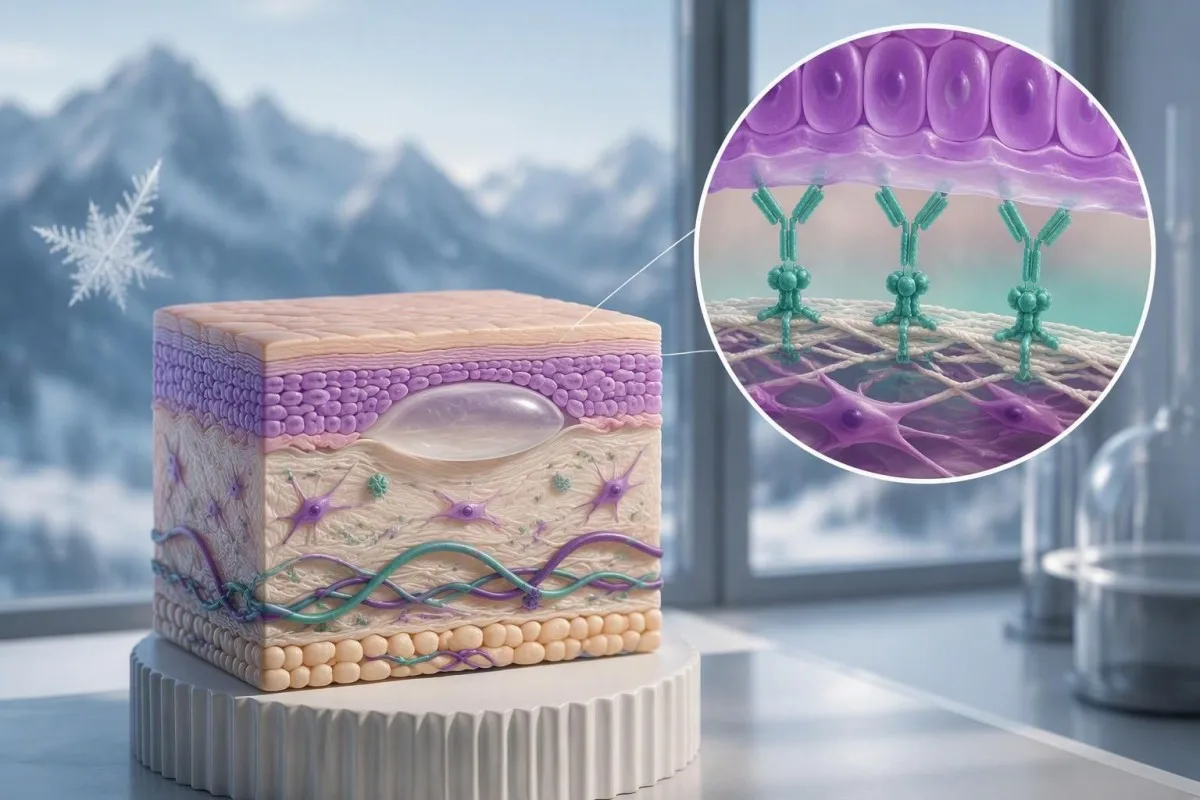
លទ្ធផល BP180 វិជ្ជមានគាំទ្រថាអាចមានជំងឺស្បែកអូតូអ៊ីម្យូន ប៉ុន្តែលេខនេះមិនអាចបញ្ជាក់រោគវិនិច្ឆ័យដោយខ្លួនឯងបានទេ។ រោគសញ្ញា វិធីធ្វើតេស្តដែលបានប្រើ និងសំណាកស្បែកដែលប្រមូលបានត្រឹមត្រូវ ជាអ្នកកំណត់ជំហានបន្ទាប់។.

ចំណុចសំខាន់ៗដែលត្រូវចងចាំ
- អង់ទីករ BP180 វិជ្ជមាន មានន័យថា តេស្តបានរកឃើញអង់ទីករប្រឆាំងនឹងគោលដៅ BP180 របស់វា; វាមិនអាចបញ្ជាក់ជំងឺពងបែកប៊ូលូសប៉េមហ្វីហ្គូអ៊ីតដោយខ្លួនឯងបានទេ។.
- កម្រិតកំណត់របស់មន្ទីរពិសោធន៍ ខុសៗគ្នា៖ តេស្ត BP180 ខ្លះប្រើកម្រិតប្រមាណ 9 U/mL ខណៈតេស្តផ្សេងទៀតប្រើប្រមាណ 20 U/mL។ សូមអានចន្លោះតម្លៃយោងរបស់មន្ទីរពិសោធន៍ដែលបានធ្វើតេស្តឱ្យអ្នក។.
- លទ្ធផលវិជ្ជមានកម្រិតទាប ដោយគ្មានរមាស់ កន្ទួល ឬពងបែក អាចបង្ហាញពីការរកឃើញអង់ទីករដោយចៃដន្យ ឬលទ្ធផលតេស្តវិជ្ជមានក្លែងក្លាយ—មិនមែនជាជំងឺស្បែកដែលបានបញ្ជាក់នោះទេ។.
- ជំងឺប៉េមហ្វីហ្គូអ៊ីតមិនមានពងបែក អាចបណ្តាលឱ្យរមាស់ជាប់រហូតដោយគ្មានពងបែក; ក្នុងករណីជំងឺប៉េមហ្វីហ្គូអ៊ីតចំនួន 343 ក្នុងការសិក្សាធ្វើរោគវិនិច្ឆ័យឯកទេស មាន 74 ករណីមិនមានពងបែក។.
- អង់ទីករ BP230 ផ្តល់ភស្តុតាងបន្ថែម ប៉ុន្តែអង់ទីករ BP230 អវិជ្ជមាន មិនអាចបដិសេធជំងឺពងបែកប៊ូលូសផេមហ្វីហ្គយដបានទេ។.
- Direct immunofluorescence ពិនិត្យប្រាក់កកអង់ទីករនៅក្នុងស្បែក; ការរកឃើញ IgG និង/ឬ C3 ជាបន្ទាត់តាមបណ្ដោយភ្នាសបាសមេន គាំទ្រការធ្វើរោគវិនិច្ឆ័យជំងឺក្នុងក្រុម pemphigoid។.
- សំណាកស្បែកពីរកន្លែង ត្រូវបានប្រមូលជាញឹកញាប់៖ សំណាកពីតំបន់ដែលរងផលប៉ះពាល់សម្រាប់ការពិនិត្យមីក្រូទស្សន៍ជាប្រចាំ និងសំណាកពីតំបន់ក្បែរនោះដែលជ្រើសរើសបានត្រឹមត្រូវសម្រាប់ការពិនិត្យអ៊ីម្យូនូហ្វ្លុយអរេសង់ដោយផ្ទាល់។.
- រោគសញ្ញាបន្ទាន់ រួមមាន ឈឺភ្នែក ការប្រែប្រួលចក្ខុវិស័យ ពិបាកលេប គ្រុនក្តៅរួមនឹងការប្រែប្រួលស្បែកយ៉ាងទូលំទូលាយ ឬពងបែករាលដាលយ៉ាងឆាប់រហ័ស; កុំរង់ចាំលទ្ធផលអង់ទីករមួយទៀត។.
តើលទ្ធផល BP180 វិជ្ជមានបញ្ជាក់ថាមានជំងឺពងបែកប៊ូលូសប៉េមហ្វីហ្គូអ៊ីតដែរឬទេ?
ទេ—លទ្ធផលអង់ទីករ BP180 វិជ្ជមាន មិនអាចបញ្ជាក់ជំងឺពងបែកប៊ូលូសផេមហ្វីហ្គយដដោយខ្លួនឯងបានទេ។. វាគាំទ្រការធ្វើរោគវិនិច្ឆ័យនៅពេលរោគសញ្ញា និងសញ្ញាលើស្បែកសមស្របគ្នា ប៉ុន្តែលទ្ធផលវិជ្ជមានកម្រិតទាប ដោយគ្មានពងបែក អាចជាការរកឃើញដោយចៃដន្យ; គ្រូពេទ្យជំនាញសើស្បែកជាញឹកញាប់ត្រូវការធ្វើកោសល្យវិច័យស្បែកជាមួយការពិនិត្យអ៊ីម្យូនូហ្វ្លុយអរេសង់ដោយផ្ទាល់ ហើយពេលខ្លះត្រូវធ្វើតេស្តអង់ទីករបន្ថែម ដើម្បីកំណត់មូលហេតុ។.
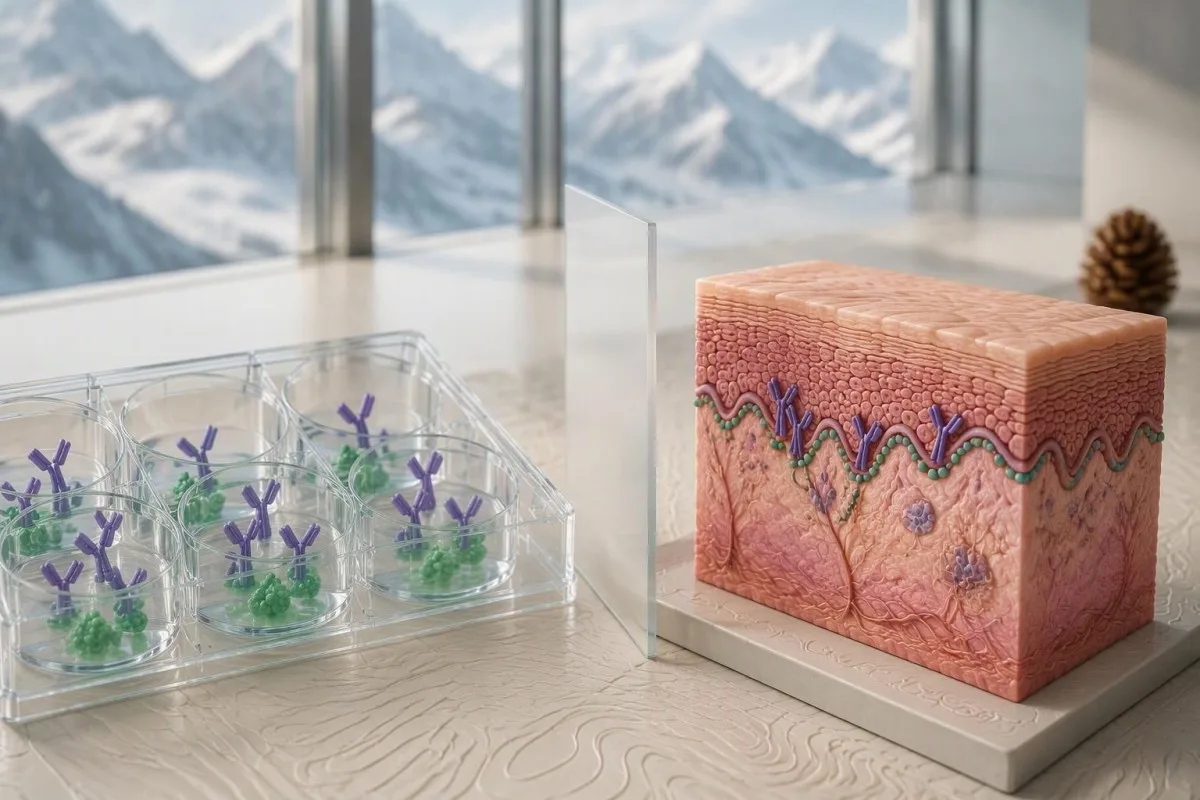
ការធ្វើរោគវិនិច្ឆ័យជំងឺពងបែកប៊ូលូសផេមហ្វីហ្គយដ តម្រូវឱ្យមានភាពស្របគ្នារវាងលក្ខណៈគ្លីនិក និងភាពស៊ីគ្នានៃលទ្ធផលអ៊ីម្យូនូប៉ាថូឡូស៊ី, មិនមែនគ្រាន់តែពឹងផ្អែកលើតម្លៃមន្ទីរពិសោធន៍តែមួយដែលត្រូវបានសម្គាល់នោះទេ។ គោលការណ៍ណែនាំ EADV ឆ្នាំ 2022 ពិពណ៌នាថា ការធ្វើរោគវិនិច្ឆ័យត្រូវផ្អែកលើរូបភាពគ្លីនិក និងការពិនិត្យជាលិកា ព្រមទាំងអង់ទីករក្នុងឈាមដែលសមស្រប (Borradori et al., 2022); សំណួរជាក់ស្តែងគឺថា តើអង់ទីករដែលបានរកឃើញអាចពន្យល់ពីស្ថានភាពស្បែករបស់បុគ្គលនោះបានឬអត់។.
តេស្តអង់ទីករវិជ្ជមាន និងជំងឺអូតូអ៊ីម្យូនដែលកំពុងសកម្ម គឺជាការរកឃើញពីរផ្សេងគ្នា។ ឧទាហរណ៍ លទ្ធផលសន្មត់មួយនៃ 12 U/mL អាចចេញលទ្ធផលវិជ្ជមាននៅក្នុងមន្ទីរពិសោធន៍មួយ ប៉ុន្តែអ្នកដែលគ្មានរោគសញ្ញា និងមានលទ្ធផលនោះ មានប្រូបាប៊ីលីតេនៃការធ្វើរោគវិនិច្ឆ័យខុសពីអ្នកដែលមានពងបែកតឹង រមាស់ និងរាលដាលទូលំទូលាយ ហើយមានកំហាប់ដូចគ្នា។.
Kantesti គឺជាឧបករណ៍វិភាគតេស្តឈាម AI ដែលជួយពន្យល់លទ្ធផល BP180 រួមជាមួយកម្រិតកាត់របស់មន្ទីរពិសោធន៍ និងព័ត៌មានដែលអ្នកផ្តល់។. ការពន្យល់របស់យើងមិនអាចពិនិត្យស្បែករបស់អ្នក ឬធ្វើការពិនិត្យអ៊ីម្យូនូហ្វ្លុយអរេសង់ដោយផ្ទាល់បានទេ; របស់យើង company background បញ្ជាក់អង្គភាពដែលនៅពីក្រោយការគាំទ្រផ្នែកអប់រំនេះ។.
ចាត់ទុកលទ្ធផលនេះជាមូលហេតុដើម្បីសួរសំណួរដែលជាក់លាក់ជាងមុន ជាជាងចាត់ទុកវាជាស្លាកជំងឺអចិន្ត្រៃយ៍។ មគ្គុទ្ទេសក៍របស់យើងស្តីពី លទ្ធផលអង់ទីករវិជ្ជមាន ពន្យល់ពីមូលហេតុដែលការរកឃើញអង់ទីករ សកម្មភាពជំងឺ និងការបញ្ជាក់រោគវិនិច្ឆ័យ គឺជាគោលគំនិតបីដាច់ដោយឡែកពីគ្នា។.
តើតេស្តអង់ទីករ BP180 វាស់អ្វីឱ្យប្រាកដ?
តេស្តអង់ទីករ BP180 ជាទូទៅវាស់ IgG ក្នុងសេរ៉ូមដែលតម្រង់ប្រឆាំងនឹងផ្នែកមួយនៃ BP180 ដែលហៅម្យ៉ាងទៀតថា កូឡាជែនប្រភេទ XVII។. BP180 គឺជា ប្រូតេអ៊ីនទំហំ 180-kDa ប្រហែល ដែលចូលរួមក្នុងការភ្ជាប់អេពីឌែមទៅនឹងជាលិកាខាងក្រោម; តេស្តជាប្រចាំជាច្រើនពិនិត្យតំបន់ NC16A របស់វា ជាជាងពិនិត្យប្រូតេអ៊ីនទាំងមូល។.
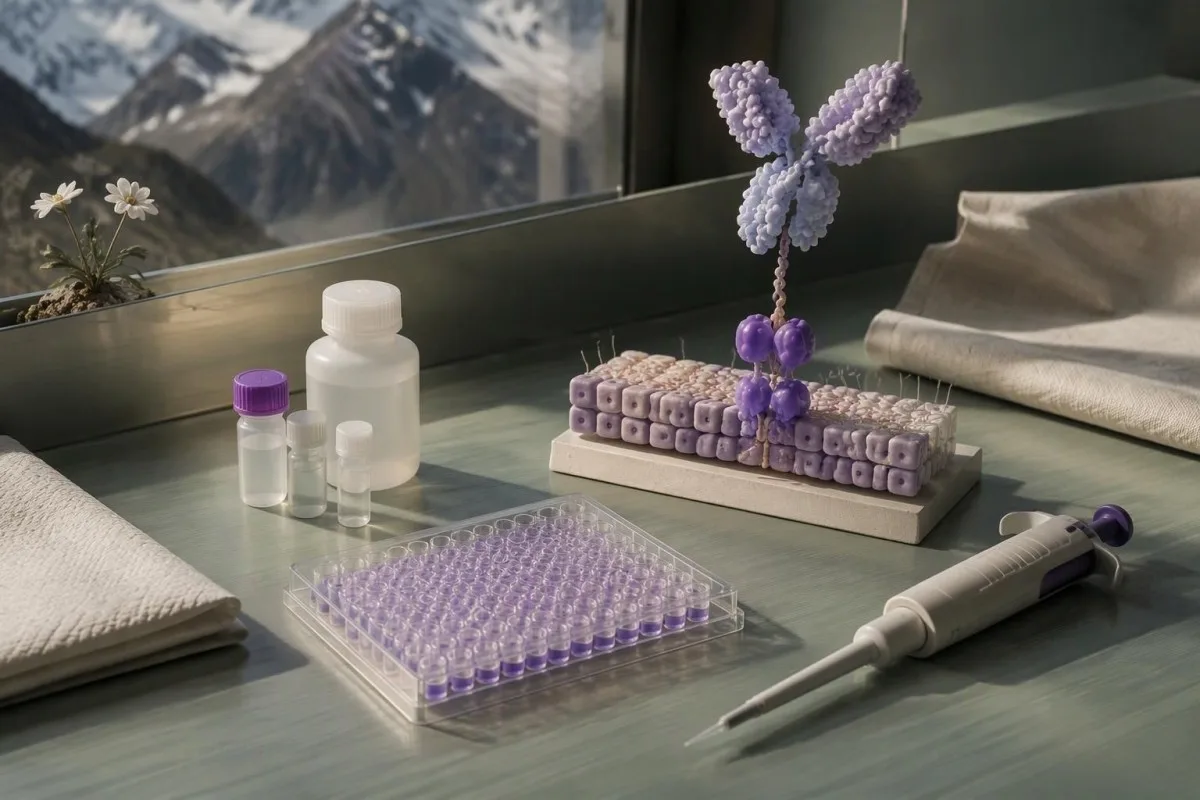
BP180 គឺជាប្រូតេអ៊ីនរចនាសម្ព័ន្ធរបស់ស្បែក មិនមែនជាសារធាតុដែលកំពុងវាស់កំហាប់ក្នុងឈាមនោះទេ។. របាយការណ៍ពិពណ៌នាអំពីអង់ទីករប្រឆាំងនឹងប្រូតេអ៊ីននោះ ដែលជាទូទៅប្រើតេស្តអង់ស៊ីម-អ៊ីម្យូនូស័របង់ស័រ ឬ ELISA; តម្លៃ 30 U/mL ដូច្នេះ មិនមានន័យថាមានប្រូតេអ៊ីនស្បែក 30 ឯកតាកំពុងចរាចរក្នុងឈាមនោះទេ។.
នេះ។ NC16A domain sits close to the cell membrane on the external portion of BP180 and is a frequent antibody target in classic bullous pemphigoid. Testing this region makes a practical assay possible, but it creates a blind spot: antibodies directed mainly against other regions may escape detection.
A numerical antibody concentration is not interchangeable with an immunofluorescence titer. A result expressed as 1:40 describes reactivity at a dilution, whereas 40 U/mL describes an assay-calibrated concentration; our explanation of quantitative versus qualitative tests helps distinguish these reporting formats.
Check whether the report says BP180 NC16A IgG, another BP180 assay, or a broader pemphigoid panel. These are not automatically equivalent tests, and a negative IgG ELISA does not answer every question about other antibody classes or other basement-membrane targets.
តើលទ្ធផលអង់ទីករ BP180 វិជ្ជមានកម្រិតទាបមានលក្ខណៈដូចម្តេច?
A low-positive BP180 result is a value just above the cutoff for the specific assay used. There is no universal low-positive range: some laboratories use a threshold near 9 U/mL, while others use one near 20 U/mL, with different calibrations and reporting categories.
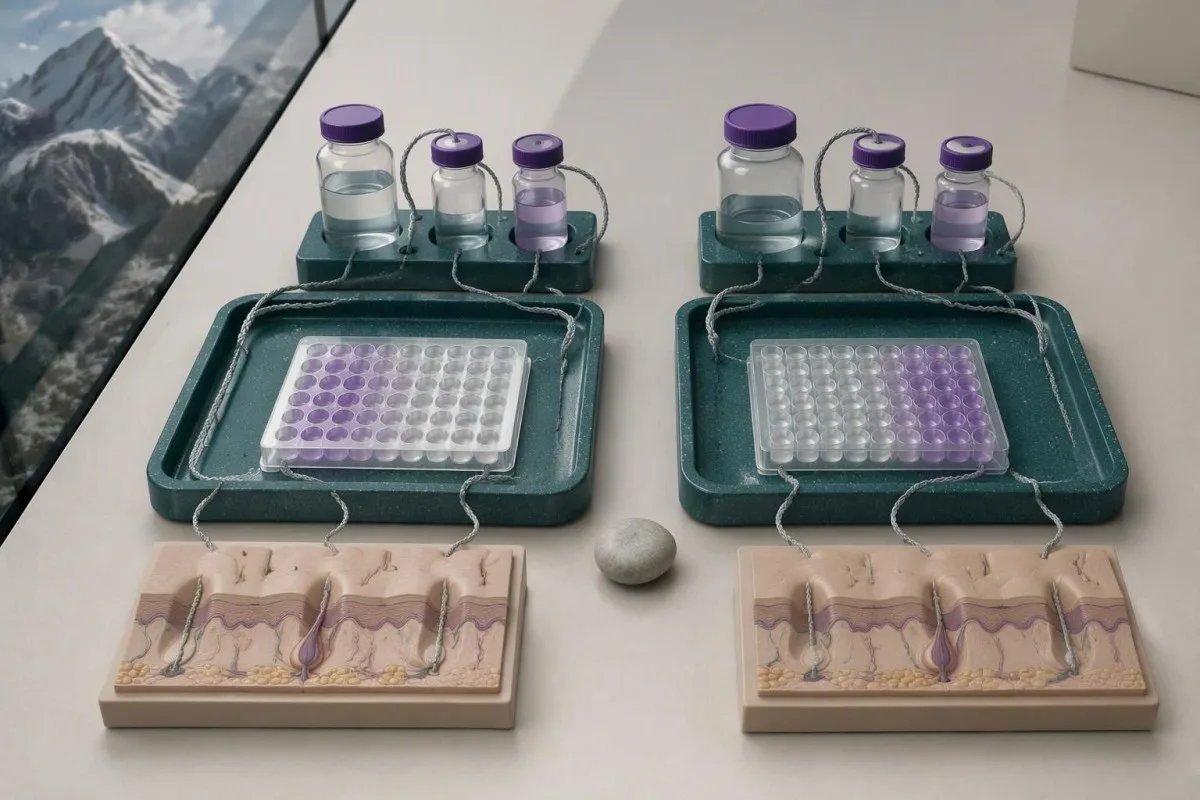
BP180 assay units are not universally standardized across laboratories. លទ្ធផលនៃ 15 U/mL could be positive under a 9-U/mL policy and negative under a 20-U/mL policy, but this does not establish that the second assay missed disease; the methods and calibrators may differ.
Cutoffs balance sensitivity against specificity in the populations used to evaluate the assay. Moving a threshold downward can detect more people with disease while also identifying more people without disease; the cutoff is a laboratory decision boundary, not a biological point where skin suddenly starts blistering.
Kantesti AI can help place a reported BP180 value beside its supplied reference interval, but a cropped image showing only 18 U/mL leaves crucial information missing. Include the test name, units, interpretation categories, and laboratory comments; a generic សញ្ញា “លើស/ក្រៅជួរ” cannot substitute for those details.
The examples below illustrate two possible reporting policies rather than a universal severity scale. No BP180 antibody concentration alone defines a medical emergency; extensive skin involvement, dehydration, systemic illness, and eye or airway symptoms determine urgency.
| កម្រិត | ចន្លោះ | អត្ថន័យ |
|---|---|---|
| Example assay A: below cutoff | <9 U/mL | Negative under this illustrative laboratory policy; disease is not excluded if clinical suspicion remains high. |
| Example assay A: at or above cutoff | ≥9 U/mL | Positive under this policy; proximity to the cutoff and clinical findings affect interpretation. |
| Example assay B: below cutoff | <20 U/mL | Negative under a different illustrative policy; do not directly convert between assay systems. |
| Example assay B: at or above cutoff | ≥20 U/mL | Positive under this policy; the number does not independently establish diagnosis or severity. |
ហេតុអ្វីបានជាលទ្ធផល BP180 វិជ្ជមានអាចបំភាន់បាន?
A positive BP180 result is less convincing when the person had little clinical likelihood of pemphigoid before testing. Even a reasonably accurate assay produces false positives, so the meaning of the result changes between an asymptomatic screening population and a specialist clinic evaluating characteristic blisters.
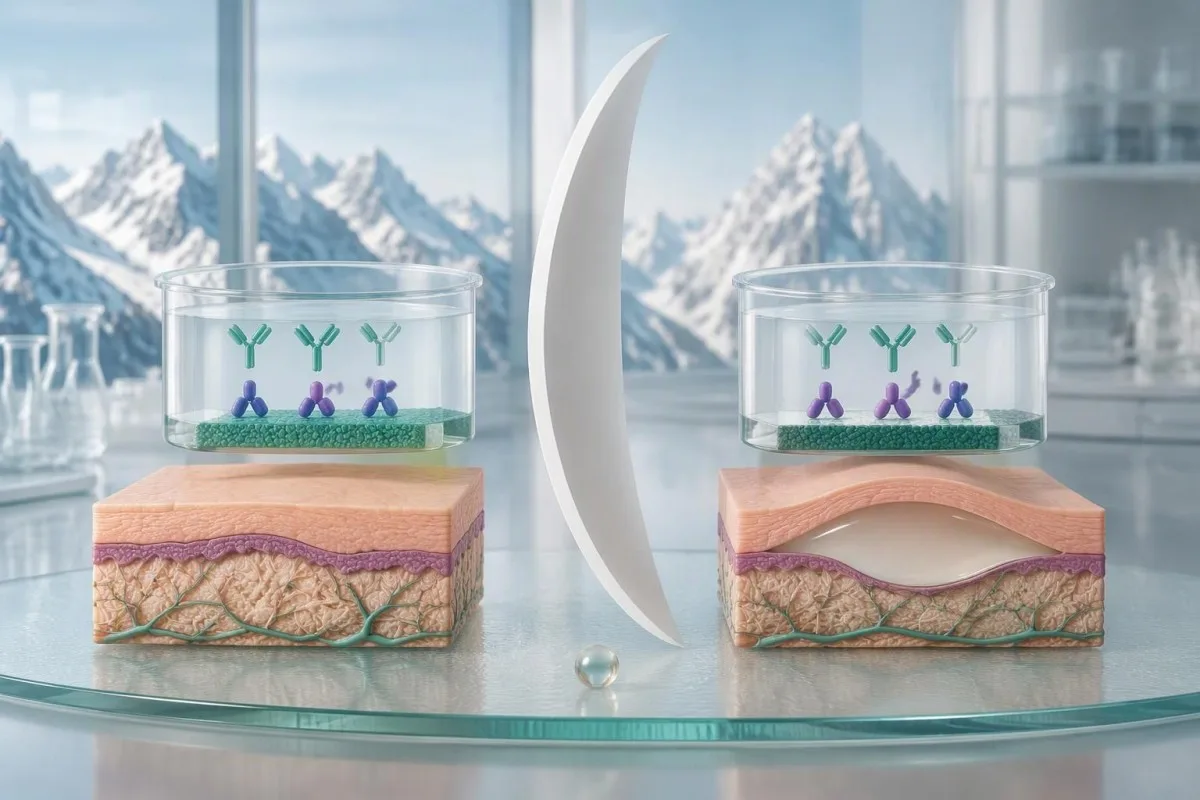
Sensitivity and specificity do not equal the probability that you personally have disease after a positive result. That probability also depends on how common the condition is in the tested group; this distinction matters most when an antibody panel was ordered broadly rather than to investigate a specific skin pattern.
Consider a clearly hypothetical assay with 90% sensitivity and 95% specificity, used in 1,000 people whose disease probability is 1%. It would identify about 9 true positives and 50 false positives, making the positive predictive value roughly 15%; these are teaching assumptions, not performance claims for your BP180 assay.
Use the same hypothetical assay where disease probability is 20%, and approximately 180 true positives and 40 false positives would occur per 1,000 tests. The positive predictive value becomes about 82%—a large change caused by clinical context, not by a different laboratory method.
These examples explain why a dermatologist may request tissue testing despite a positive result, or take characteristic symptoms seriously despite a negative one. Our discussion of ការបកស្រាយអង្គបដិប្រាណ MOG illustrates the same probability principle in another autoimmune condition, although its diagnostic criteria cannot be transferred to pemphigoid.
តើធ្វើដូចម្តេច បើ BP180 វិជ្ជមាន ប៉ុន្តែអ្នកមិនមានពងបែក?
A low-positive BP180 result without blisters does not establish bullous pemphigoid or reliably predict future blistering. The next distinction is whether you have no skin symptoms at all, or persistent itching and an unexplained rash that could represent a nonbullous pemphigoid presentation.
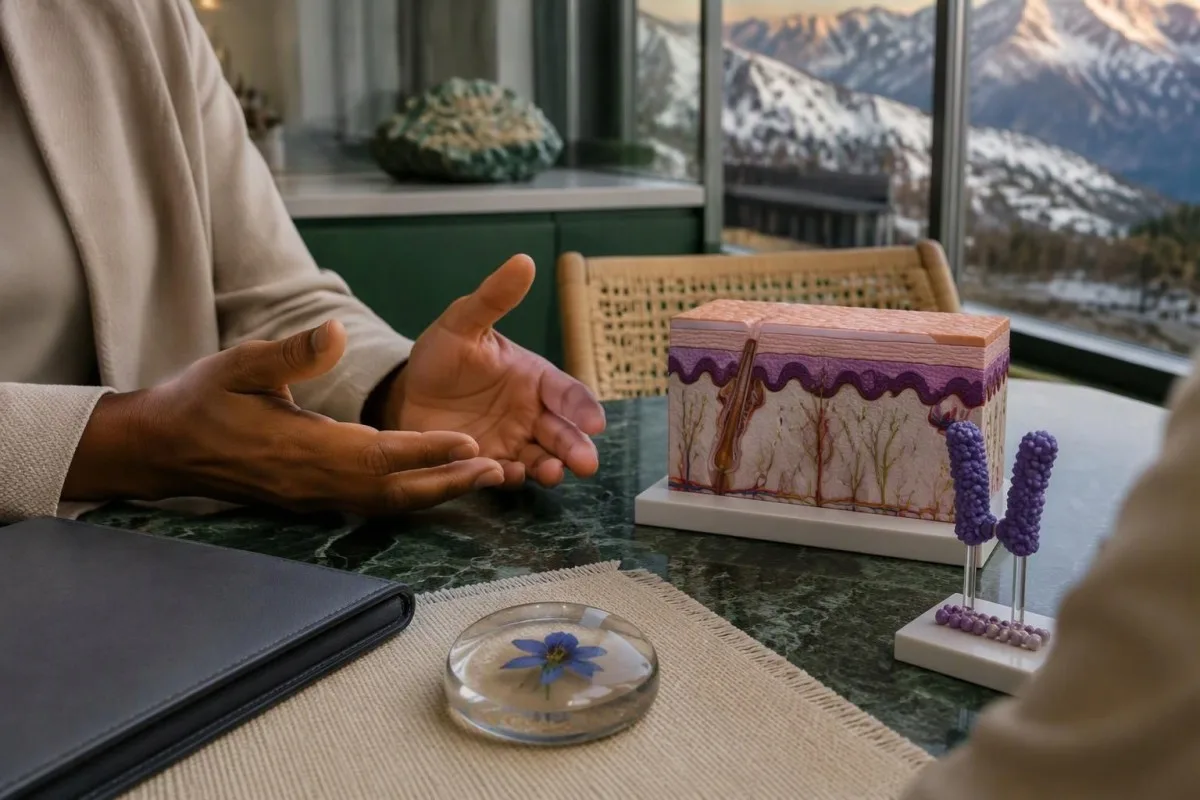
Incidental BP180 antibody detection can occur without clinically established pemphigoid. Possible explanations include low-level autoreactivity and assay-related false positivity; there is no validated conversion rule that turns an isolated result of 11 U/mL into a percentage risk of developing blisters later.
A hypothetical person with 11 U/mL, no itching, no rash, and no mucosal symptoms usually needs a contextual review rather than automatic immunosuppressive treatment. The clinician should check why the assay was ordered, whether the result was unexpected, and whether a skin examination reveals findings the person had not recognized.
Persistent dryness and itching still deserve assessment because common explanations remain common. Eczema, medication effects, thyroid disease, and other causes may be more likely than pemphigoid; our dry skin testing guide explains why additional blood tests should follow symptoms rather than a blanket panel.
មាន no universal repeat-testing interval for an asymptomatic low-positive BP180 result. A clinician may choose observation, a repeat using the same method, or specialist review depending on the history; new persistent itching, urticarial plaques, or blisters should change that plan rather than waiting for a scheduled repeat.
តើជំងឺពងបែកប៊ូលូសប៉េមហ្វីហ្គូអ៊ីតអាចចាប់ផ្តើមដោយមានតែរមាស់ដែរឬទេ?
Pemphigoid can present with persistent itching, eczema-like patches, urticarial plaques, or scratch-related changes without visible blisters. In a specialist diagnostic study, 74 of 343 pemphigoid cases—21.6%—were nonbullous, showing that the absence of blisters cannot independently exclude the disorder (Meijer et al., 2019).

Nonbullous pemphigoid is not simply every itchy rash with a positive BP180 result. Diagnosis still needs compatible symptoms and appropriate immunopathological evidence; the 21.6% study figure came from a referred population and should not be interpreted as the probability that any person with itching has pemphigoid.
The symptom pattern often matters more than whether one small blister has appeared. Persistent, widespread itching in an older adult, especially with recurrent raised plaques or poor response to ordinary eczema care, warrants a dermatological assessment; our itchy skin laboratory guide separates skin-directed testing from tests for systemic causes.
Eosinophilia can accompany bullous pemphigoid, but it is neither required nor diagnostic. An absolute eosinophil count above approximately 0.5 × 10^9/L is often flagged in adults, yet allergy, medications, and parasites can produce the same finding; our guide to ចំនួន eosinophil ខ្ពស់ explains those alternatives.
A dermatologist does not always need to wait for a blister before collecting a useful sample for direct immunofluorescence. In nonbullous disease, sample selection is tailored to the available rash and laboratory protocol; document the distribution and duration of itching, because a disappearing rash can make later assessment harder.
តើអង់ទីករ BP230 ជួយបំពេញបន្ថែមការធ្វើតេស្ត BP180 យ៉ាងដូចម្តេច?
BP230 antibodies provide complementary evidence for pemphigoid but cannot confirm or exclude bullous pemphigoid alone. BP230 is an approximately 230-kDa intracellular anchoring protein, whereas BP180 crosses the cell membrane; their different locations and antibody targets help explain why the two results can disagree.
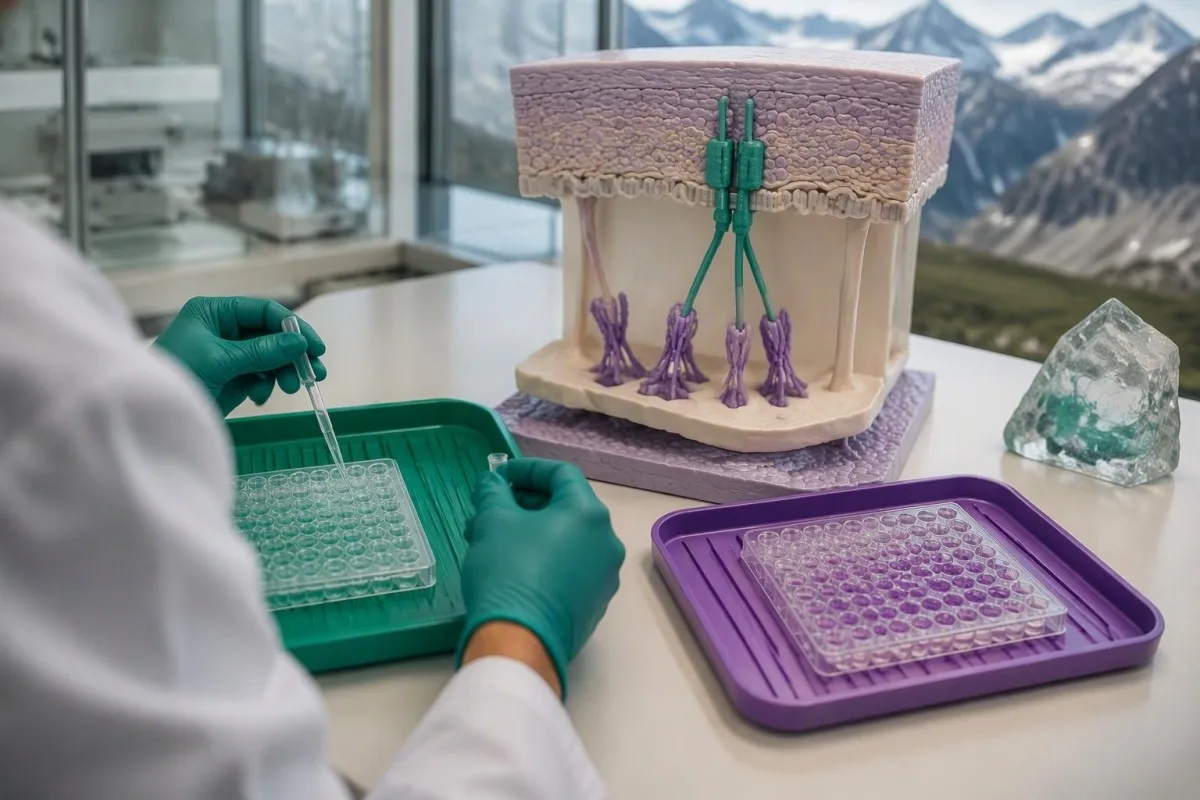
A negative BP230 antibody result does not cancel a positive BP180 result. Some people with confirmed pemphigoid have antibodies detectable against only one tested antigen, and each assay has its own sensitivity; interpreting the pair as a two-test pass-or-fail rule creates avoidable diagnostic errors.
ឧទាហរណ៍សន្មត BP180 result of 45 U/mL with negative BP230 antibodies still warrants assessment if tense blisters and severe itching are present. Conversely, isolated low-positive BP230 antibodies without compatible findings are not enough to diagnose pemphigoid; a second positive marker strengthens a pattern only when the overall evidence fits.
Kantesti is an AI biomarker interpretation platform that can explain BP180 and BP230 antibodies as complementary findings rather than interchangeable scores. This is similar to the reasoning used for antibody panels in connective disease, but skin-specific tissue findings remain central to pemphigoid assessment.
Do not add BP180 and BP230 concentrations together, even if both are expressed in U/mL. They represent different antigen-specific measurements with different calibration systems; BP180 levels generally have a better-established relationship with disease activity than BP230 levels, but neither replaces examination.
ហេតុអ្វីបានជាអ្នកអាចត្រូវការការធ្វើកោសល្យវិច័យស្បែកជាមួយនឹងការធ្វើតេស្តអ៊ីម្យូនហ្វ្លូរ៉េសង់ដោយផ្ទាល់?
Skin biopsy with direct immunofluorescence can show whether antibodies or complement are deposited at the skin's basement membrane. Dermatologists often collect two separate specimens because routine microscopy and direct immunofluorescence answer different questions and require different sample handling.
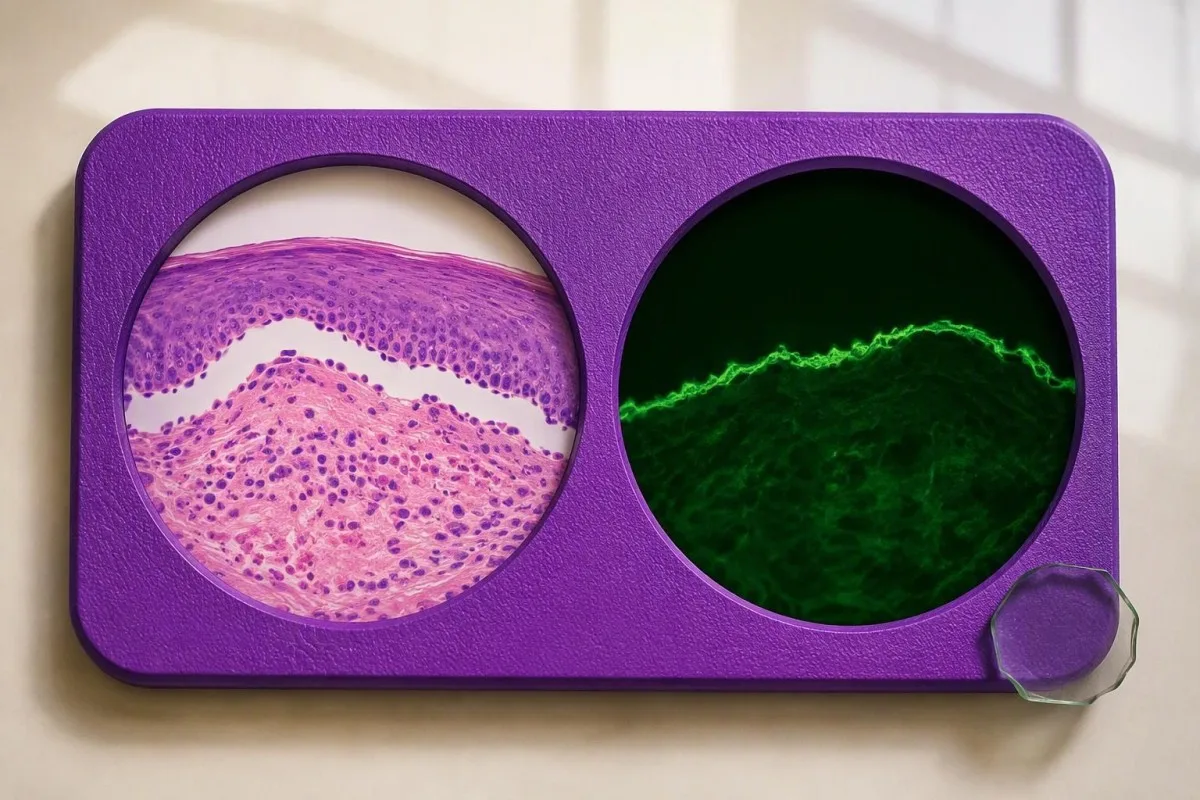
Routine histology examines tissue structure and inflammatory cells. A sample from a fresh blister or suitable affected area may show separation beneath the epidermis and eosinophils, but these features are not unique to bullous pemphigoid; the second sample looks for the immune-deposit pattern that helps classify the disorder.
For classic blistering presentations, the direct-immunofluorescence sample is commonly taken from appropriately selected skin near a fresh blister rather than its eroded center. A small 3–4-mm punch is often used, although technique and location depend on the case; sampling heavily damaged tissue can remove the structures the laboratory needs to examine.
The specimen for direct immunofluorescence must not be routinely placed in formalin. Laboratories generally require a dedicated transport medium or another explicitly agreed handling method, while the routine histology specimen commonly goes into formalin; ask whether the two containers have been prepared for their separate purposes.
In Meijer et al.'s 2019 diagnostic cohort, direct immunofluorescence had a sensitivity of 88.3%, so even this valuable test was not infallible. Kantesti's ข้อมูลการยืนยันทางคลินิก concerns our interpretation methodology—not a claim that AI can reproduce skin immunofluorescence or establish its findings.
តើលទ្ធផលអ៊ីម្យូនហ្វ្លូរ៉េសង់ និងតេស្តបំបែកដោយអំបិលដែលវិជ្ជមានមានន័យដូចម្តេច?
Linear IgG and/or C3 along the basement membrane on direct immunofluorescence supports a pemphigoid-spectrum disorder, but the pattern is not unique to bullous pemphigoid. Indirect immunofluorescence on salt-split skin can add evidence by showing where circulating antibodies bind relative to an experimentally created tissue separation.
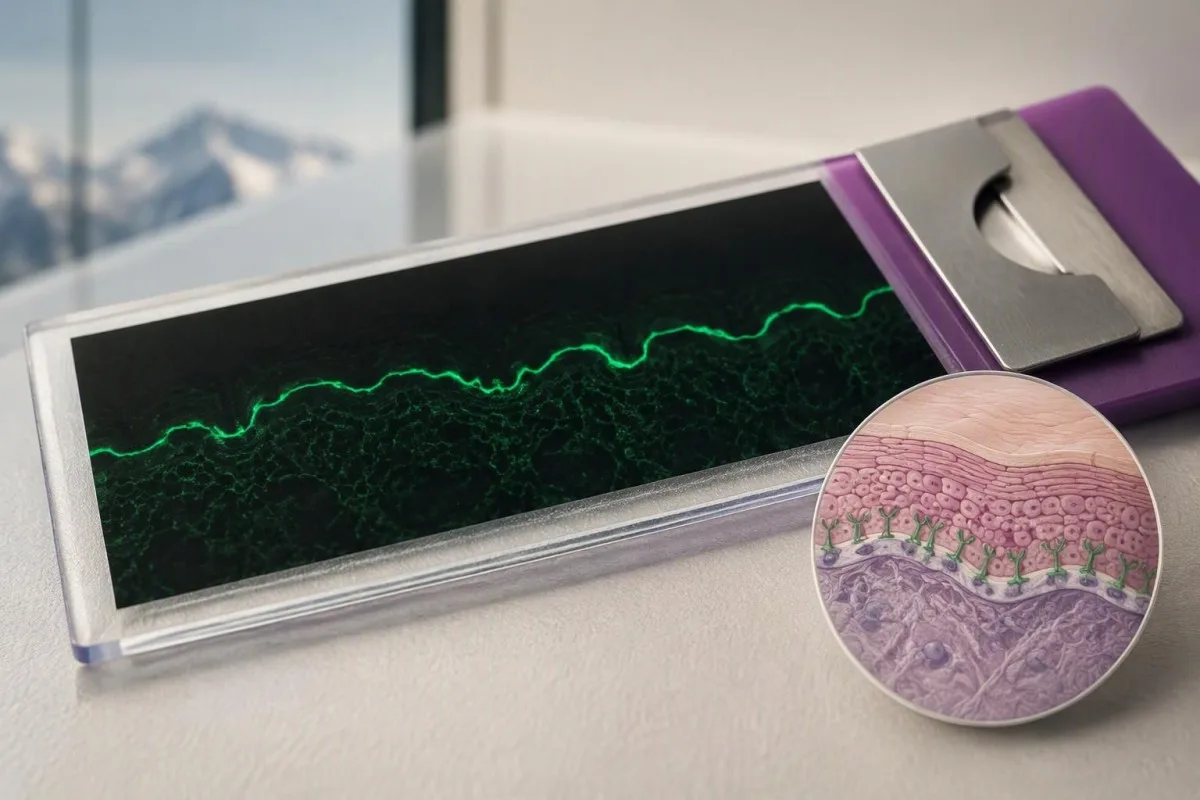
Direct and indirect immunofluorescence use different materials. Direct testing examines deposits already present in the person's skin, while indirect testing applies the person's serum to a laboratory substrate; a positive result in one test and a negative result in the other is therefore possible without a reporting error.
On salt-split skin, bullous pemphigoid antibodies commonly bind the epidermal side, often called the roof. Antibodies binding the dermal side, or floor, raise consideration of other disorders such as epidermolysis bullosa acquisita or anti-p200 pemphigoid, but binding location alone does not fully classify every case.
Meijer et al. reported 99.9% specificity for indirect immunofluorescence on salt-split skin in their 2019 diagnostic cohort. That high figure applies to that study and testing pathway; a negative result still cannot exclude pemphigoid because specificity describes false positives, not how many cases the test misses.
C3 detected in skin is not the same measurement as a serum C3 concentration. A normal circulating complement result does not negate local deposits at the basement membrane; our complement testing explanation helps prevent this common cross-test misunderstanding.
តើធ្វើដូចម្តេច បើលទ្ធផល BP180 ការធ្វើកោសល្យវិច័យស្បែក និងរោគសញ្ញាមិនស្របគ្នា?
Discordant BP180 and skin-test results require a review of the clinical picture, assay target, sampling site, and specimen handling. A positive ELISA with negative direct immunofluorescence can reflect incidental antibodies or an uninformative skin sample; a negative NC16A ELISA can miss disease directed against other targets.
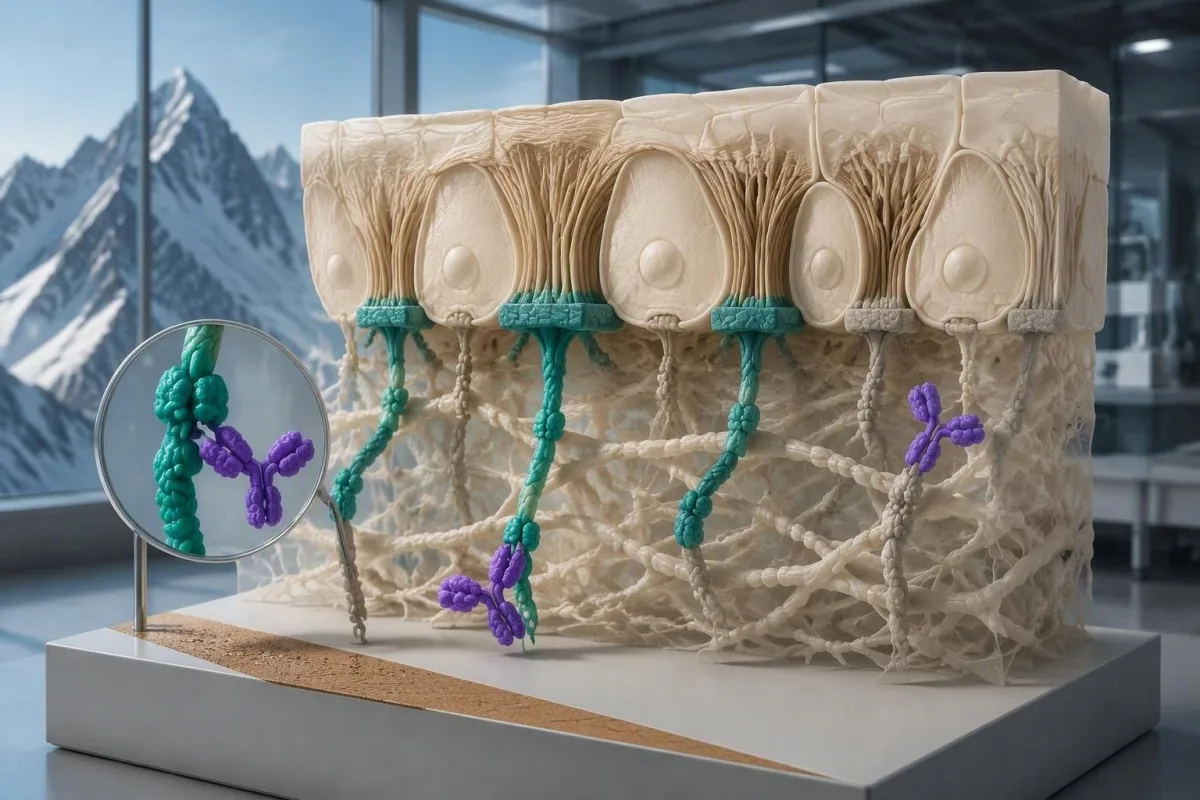
A negative direct-immunofluorescence result is less reassuring if the sample was poorly selected or incorrectly transported. Treatment before sampling may also influence findings, so clinicians need to know which creams or systemic medicines were used and where; never stop prescribed treatment solely to make a test more likely to turn positive.
A hypothetical person with characteristic new blisters, BP180 of 80 U/mL, and a negative direct-immunofluorescence specimen from an old eroded site may need repeat sampling. The same antibody result with no compatible skin findings demands a different investigation; the discrepancy does not have one automatic explanation.
A negative BP180 NC16A result does not exclude every form of pemphigoid. Further testing may include BP230 antibodies, indirect immunofluorescence, or specialized assays for other antigens; our guide to negative myasthenia antibody tests illustrates why a limited antigen panel cannot exclude an entire autoimmune disease category.
Repeat testing should address a specific uncertainty rather than create an endless sequence of panels. Ask whether the next investigation is checking the same antigen by another method, examining an additional antigen, or correcting a tissue-sampling problem; each strategy answers a different diagnostic question.
តើជំងឺអ្វីខ្លះទៀតអាចមើលទៅស្រដៀងនឹងជំងឺប៉េមហ្វីហ្គូអ៊ីតដែលមាន BP180 វិជ្ជមាន?
BP180 antibodies can occur in other pemphigoid-spectrum conditions, including mucous membrane pemphigoid and pemphigoid gestationis. Eczema, scabies, and drug-related eruptions can resemble early bullous pemphigoid clinically, while pemphigus involves different adhesion proteins and usually a different level of skin separation.
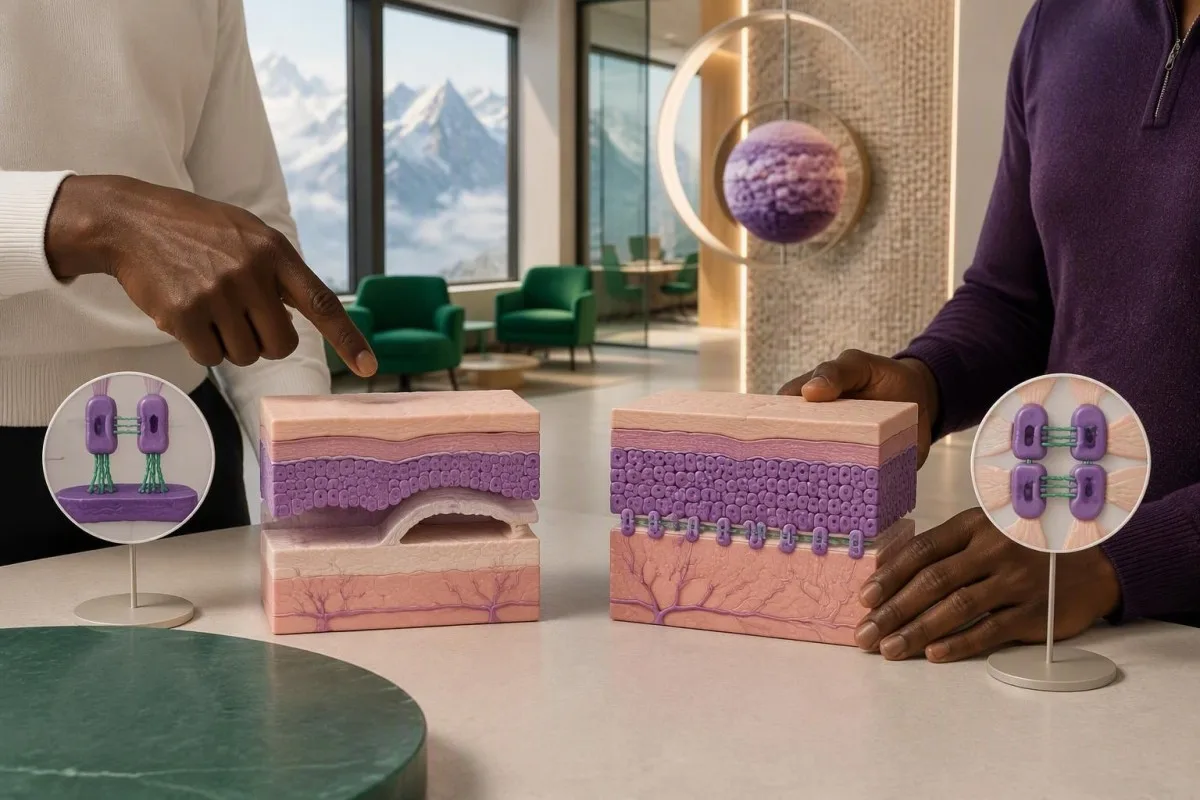
Bullous pemphigoid typically causes tense blisters because separation occurs beneath the epidermis. Pemphigus often produces more fragile blisters or erosions through loss of adhesion within the epidermis; our desmoglein antibody guide explains why BP180 testing cannot substitute for a pemphigus evaluation.
Predominantly mouth, eye, genital, or other mucosal involvement raises concern for mucous membrane pemphigoid, especially when scarring occurs. Eye pain, light sensitivity, or vision changes require urgent assessment because waiting for a repeat antibody concentration can delay treatment of a sight-threatening process.
Pemphigoid gestationis is associated with pregnancy and can produce BP180 antibodies. Pregnancy or recent childbirth therefore changes the interpretation of the same laboratory result; the distinction requires obstetric and dermatological coordination rather than assuming that every BP180-positive blistering disorder is classic older-adult bullous pemphigoid.
Scabies can cause intense itching and may coexist with an unrelated positive antibody result. Household itching, characteristic distribution, and burrows alter the differential; our scabies symptom guide is useful for that comparison, but neither household exposure nor BP180 positivity independently settles the diagnosis.
តើយ៉ាអាចផ្លាស់ប្តូរការបកស្រាយលទ្ធផល BP180 ឬការសម្រេចចិត្តព្យាបាលដែរឬទេ?
Medication history can change the likelihood and presentation of bullous pemphigoid, but a positive BP180 result alone is not a reason to stop a medicine. DPP-4 inhibitors used for diabetes and immune checkpoint inhibitors are recognized associations; treatment decisions depend on confirmed disease, severity, and the person's other health risks.

DPP-4 inhibitor-associated pemphigoid can have a less typical inflammatory presentation and may show limited NC16A reactivity. This is not universal, and exposure does not prove causation; bring a complete medicine list, including start dates, to a review using our senior medication effects guide as a preparation aid.
នេះ។ 2022 EADV guideline recommends potent topical corticosteroids as a mainstay when feasible and discusses oral prednisone at approximately 0.5 mg/kg/day as an alternative in suitable circumstances (Borradori et al., 2022). These are clinician-directed treatment options for disease, not instructions to treat an isolated antibody result or begin steroids without assessment.
Systemic corticosteroids can create additional risks that are unrelated to the BP180 concentration. People with relevant residence or travel exposure may need assessment for Strongyloides before significant immunosuppression; our Strongyloides antibody explanation describes why an apparently unrelated parasite history can become a treatment-safety issue.
Kidney function, glucose, infection risk, and the ability to apply topical treatment may influence the choice of therapy more than whether BP180 is 40 or 80 U/mL. របស់យើង។ មគ្គុទេសក៍បកស្រាយមុខងារតម្រងនោម covers supportive laboratory assessment, but renal markers do not confirm pemphigoid.
តើកម្រិត BP180 អាចប្រើតាមដានសកម្មភាពជំងឺ និងការជាសះស្បើយដែរឬទេ?
BP180 antibody levels can support monitoring in confirmed bullous pemphigoid, but they do not replace examination or determine treatment alone. Concentrations often track disease activity at a group level; individual patients can remain antibody-positive while their skin is controlled or experience symptoms without a proportionate rise.
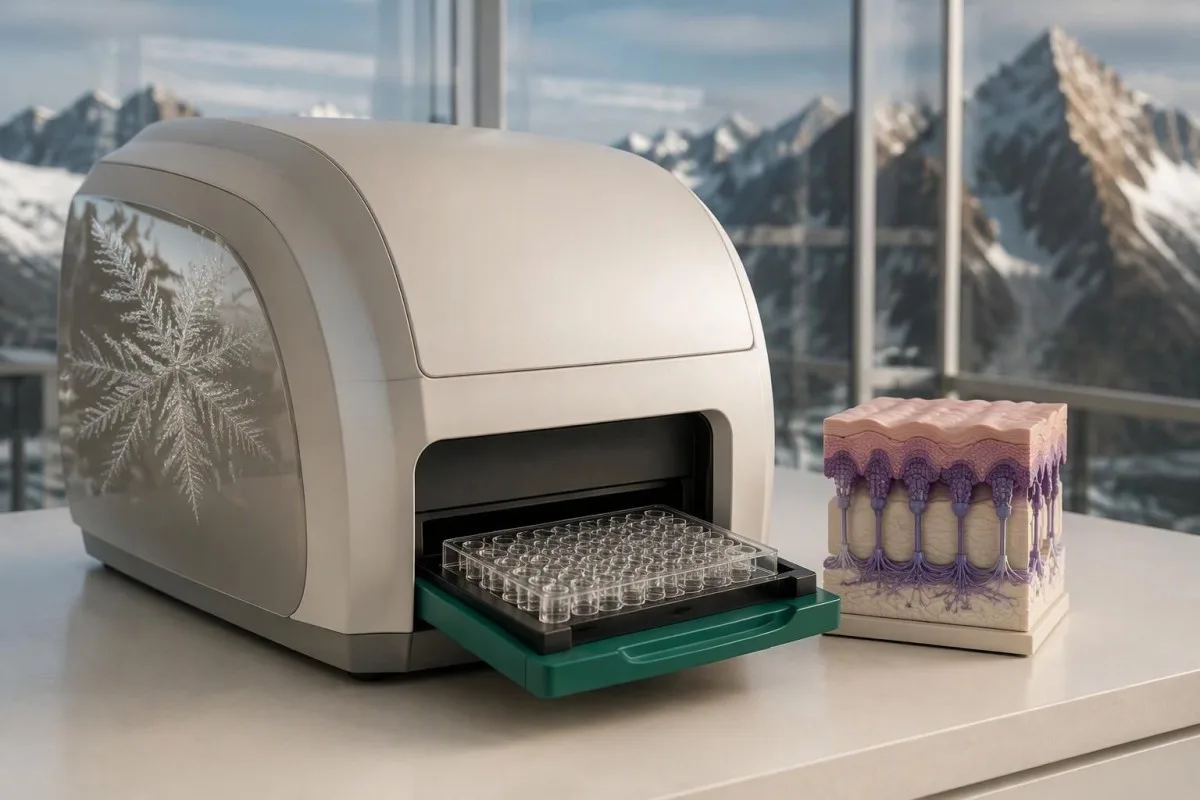
A falling BP180 concentration is most useful when it agrees with fewer new blisters and less itching. A hypothetical decline from 120 to 35 U/mL on the same assay supports an improving pattern, but it does not independently establish remission or justify stopping treatment.
An increase from 12 to 14 U/mL near a cutoff may reflect analytical or biological variation rather than a meaningful change in disease. There is no universal percentage increase that proves relapse across all BP180 assays; the method, timing, symptoms, and previous response need to be considered together.
Kantesti is an AI blood test interpretation platform that can organize serial BP180 results without treating a laboratory trend as a diagnosis. របស់យើង។ ការពន្យល់ពីបច្ចេកវិទ្យា AI describes the interpretation workflow; preserving each report's assay name and reference interval matters when comparing two or more measurements.
Changing laboratories can create an apparent rise or fall that is partly methodological. Our ការណែនាំអំពីនិន្នាការសុវត្ថិភាពថ្នាំ explains why dates, doses, and laboratory context belong beside the numbers; photograph new skin findings and record new-blister counts when your dermatologist requests them.
តើអ្នកគួរយកអ្វីទៅពេលតាមដានពិនិត្យ ហើយតើភស្តុតាងណាខ្លះពាក់ព័ន្ធ?
Bring the full BP180 report, any BP230 result, symptom photographs, and your complete medication list to follow-up. These four information groups help a clinician decide whether you need observation, additional serum testing, properly handled skin samples, or urgent assessment rather than another isolated antibody measurement.
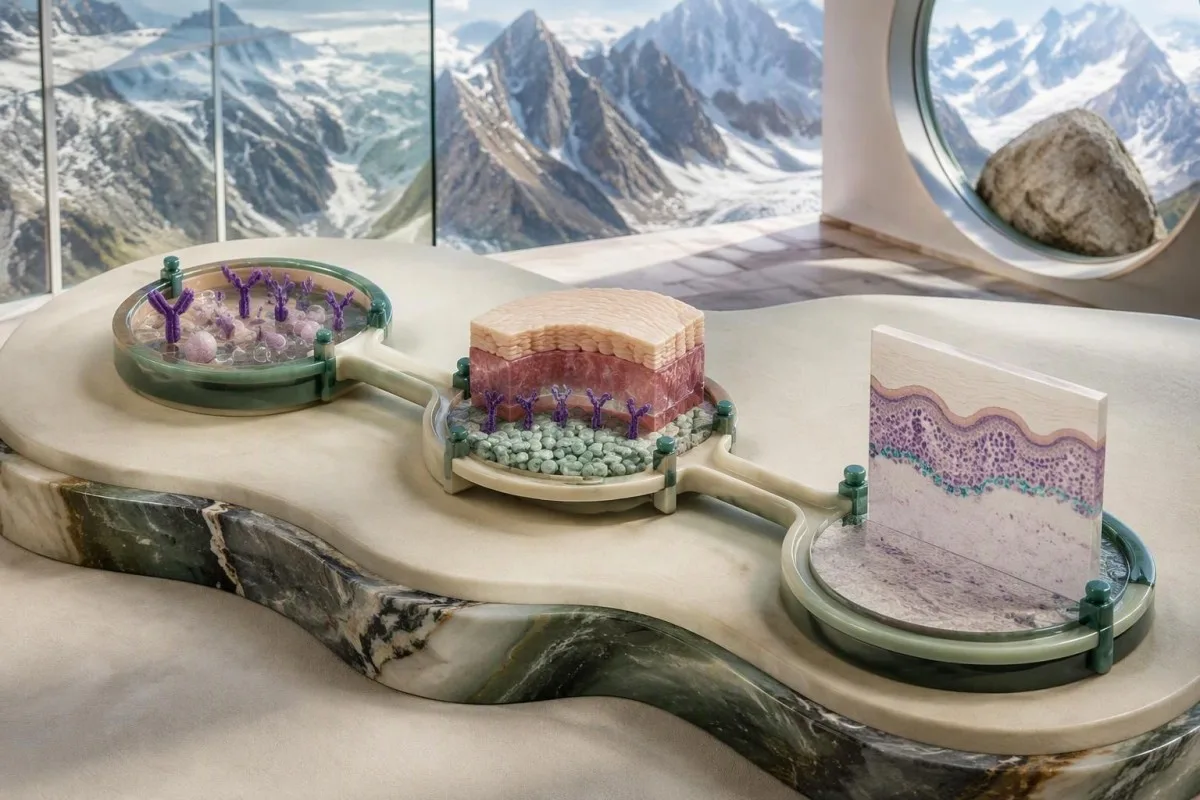
A useful report includes the exact assay name, numerical value, units, cutoff, and collection date. If a hypothetical BP180 result reads 16 U/mL, the missing cutoff may reverse whether it is considered positive; also request the actual histology and direct-immunofluorescence reports rather than relying on the phrase 'skin biopsy normal.'
New eye symptoms, swallowing difficulty, extensive rapidly spreading blisters, fever, or inability to maintain fluids need prompt clinical attention. Do not wait for a scheduled second test when those symptoms appear; supportive urinalysis can answer separate medical questions, as explained in our การตรวจปัสสาวะ (urinalysis) แบบครอบคลุม, but it cannot establish a pemphigoid diagnosis.
Kantesti helps explain the distinctions between a flagged antibody result, a probable diagnosis, and confirmed disease. របស់យើង។ AI ប្រកបដោយទំនួលខុសត្រូវរបស់យើង describe the boundaries of educational interpretation; only a clinician with access to your examination and appropriate investigations can decide whether a អង់ទីករ BP180 វិជ្ជមាន result represents active pemphigoid.
The directly relevant evidence here comes from the 2022 EADV guideline and the 2019 JAMA Dermatology diagnostic study. The two Zenodo publications listed below concern kidney-function and urinalysis interpretation and are included as background educational publications, not evidence that BP180 confirms bullous pemphigoid or that our AI has validated diagnostic accuracy for this condition.
សំណួរដែលគេច្រើនសួរ
តើលទ្ធផលតេស្តអង្គបដិប្រាណ BP180 វិជ្ជមានមានន័យថា ខ្ញុំប្រាកដជាមានជំងឺពងបែកស្បែកប៊ូលូស ប៉ឹមហ្វីហ្គូអ៊ីតឬ?
លទ្ធផលតេស្តអង្គបដិប្រាណ BP180 វិជ្ជមាន មិនមានន័យប្រាកដថាអ្នកមានជំងឺពងបែកប៊ូលូសទេ។ មន្ទីរពិសោធន៍ខ្លះប្រើកម្រិតកាត់ជិត 9 U/mL ហើយខ្លះទៀតជិត 20 U/mL ដូច្នេះវិធីធ្វើតេស្តជាក់លាក់ និងចន្លោះតម្លៃយោងមានសារៈសំខាន់។ ការរមាស់ ឬពងបែកដែលស្របនឹងជំងឺនេះធ្វើឱ្យលទ្ធផលនេះកាន់តែមានន័យ ខណៈលទ្ធផលវិជ្ជមានកម្រិតទាបតែមួយមុខ អាចជាការរកឃើញដោយចៃដន្យ ឬវិជ្ជមានក្លែងក្លាយ។ អាចត្រូវការធ្វើកោសល្យវិច័យស្បែកដោយប្រើវិធីសាស្ត្រអ៊ីម្យូនូហ្វ្លូរ៉េសង់ផ្ទាល់ និងតេស្តអង្គបដិប្រាណបន្ថែម ដើម្បីបញ្ជាក់រោគវិនិច្ឆ័យ។.
តើលទ្ធផល BP180 វិជ្ជមានកម្រិតទាបមានន័យដូចម្តេច ប្រសិនបើខ្ញុំគ្មានពងបែក?
លទ្ធផល BP180 វិជ្ជមានកម្រិតទាប ដោយគ្មានពងបែក អាចឆ្លុះបញ្ចាំងពីការរកឃើញអង់ទីករដោយចៃដន្យ លទ្ធផលវិជ្ជមានមិនពិតដែលទាក់ទងនឹងតេស្ត ឬជំងឺ pemphigoid ដែលកើតឡើងដោយគ្មានពងបែក។ ឧទាហរណ៍ 12 U/mL គឺវិជ្ជមានក្រោមកម្រិតកាត់ 9-U/mL ប៉ុន្តែមិនអាចព្យាករណ៍បានថា អ្នកគ្មានរោគសញ្ញានឹងកើតជំងឺឬអត់។ ការរមាស់ជាប់រហូត ឬកន្ទួលដែលមិនដឹងមូលហេតុ គួរត្រូវបានវាយតម្លៃដោយគ្រូពេទ្យជំនាញសើស្បែក ទោះគ្មានពងបែកក៏ដោយ។ មិនមានចន្លោះពេលធ្វើតេស្តឡើងវិញ ឬការណែនាំអំពីការព្យាបាលជាសកលណាមួយ ដែលផ្អែកតែលើលទ្ធផលវិជ្ជមានកម្រិតទាបតែមួយនោះទេ។.
តើខ្ញុំអាចមានជំងឺប៉េមហ្វីហ្គូអ៊ីតពងបែក ទោះបីលទ្ធផលអង់ទីករ BP180 អវិជ្ជមានក៏ដោយឬ?
ជំងឺពងបែកប៊ូលូសប៉េមហ្វីហ្គូអ៊ីតអាចកើតមាន ទោះបីលទ្ធផលអង់ទីករ BP180 អវិជ្ជមានក្នុងតេស្ត NC16A ដែលប្រើជាប្រចាំក៏ដោយ។ តេស្តនេះពិនិត្យតំបន់ជាក់លាក់មួយនៃប្រូតេអ៊ីនទំហំប្រហែល 180 kDa ហើយប្រហែលមិនអាចរកឃើញអង់ទីករដែលតម្រង់គោលដៅជាចម្បងទៅតំបន់ផ្សេងទៀតទេ។ ការធ្វើតេស្ត BP230 ការពិនិត្យអ៊ីម្យូនូហ្វ្លុយអរេសង់ដោយផ្ទាល់ និងការពិនិត្យអ៊ីម្យូនូហ្វ្លុយអរេសង់ដោយប្រយោល អាចផ្តល់ភស្តុតាងបន្ថែម។ លទ្ធផលតេស្តឈាមអវិជ្ជមានមិនគួរបញ្ចប់ការវាយតម្លៃទេ នៅពេលលទ្ធផលពិនិត្យស្បែកបង្ហាញយ៉ាងខ្លាំងថាជាជំងឺប៉េមហ្វីហ្គូអ៊ីត។.
តើអង់ទីករប្រឆាំង BP230 ដែលអវិជ្ជមាន អាចបដិសេធជំងឺពងបែកស្បែកប៊ូលូស ប៉េមហ្វីហ្គូអ៊ីតបានដែរឬទេ?
អង់ទីករ BP230 អវិជ្ជមានមិនអាចបដិសេធជំងឺពងបែក pemphigoid បានទេ។ BP230 គឺជាប្រូតេអ៊ីនតោងភ្ជាប់នៅក្នុងកោសិកា ដែលមានទំហំប្រហែល 230 kDa ហើយមនុស្សមួយចំនួនដែលមានជំងឺនេះដែលបានបញ្ជាក់ មិនមានអង់ទីករប្រឆាំងនឹងវាដែលអាចរកឃើញបានទេ។ លទ្ធផល BP180 វិជ្ជមាន ជាមួយនឹងអង់ទីករ BP230 អវិជ្ជមាន នៅតែអាចស្របនឹងការធ្វើរោគវិនិច្ឆ័យបាន នៅពេលលទ្ធផលគ្លីនិក និងជាលិកាស្របគ្នា។ កំហាប់អង់ទីករទាំងពីរមិនគួរត្រូវបានបូកបញ្ចូលគ្នា ឬចាត់ទុកជាវិធានបញ្ជាក់ដោយការធ្វើតេស្តពីរនោះទេ។.
ហេតុអ្វីបានជាពេលខ្លះត្រូវការធ្វើកោសល្យវិច័យស្បែកពីរដងសម្រាប់ជំងឺពេមភីហ្គូអ៊ីដ?
ជាញឹកញាប់ត្រូវធ្វើកោសល្យវិច័យស្បែកចំនួនពីរ ព្រោះការពិនិត្យជាលិកាសាស្ត្រជាប្រចាំ និងការពិនិត្យភាពស្វ័យភ្លឺផ្ទាល់ ឆ្លើយតបនឹងសំណួររោគវិនិច្ឆ័យខុសៗគ្នា។ ជាទូទៅ គេប្រើឧបករណ៍ចោះកាត់ទំហំតូច 3–4-mm ទោះបីជាគ្រូពេទ្យជំនាញសើស្បែកជាអ្នកជ្រើសរើសបច្ចេកទេស និងទីតាំងតាមការបង្ហាញរោគសញ្ញារបស់បុគ្គលម្នាក់ៗក៏ដោយ។ សំណាកមួយពិនិត្យរចនាសម្ព័ន្ធជាលិកា ខណៈសំណាកមួយទៀតពិនិត្យរកកំណកភាពស៊ាំតាមបន្ទាត់ភ្នាសបាត។ សំណាកសម្រាប់ការពិនិត្យភាពស្វ័យភ្លឺផ្ទាល់ត្រូវការវិធីដឹកជញ្ជូនដែលបានព្រមព្រៀងដោយឡែក ហើយមិនគួរដាក់ក្នុង formalin ជាប្រចាំទេ។.
តើកម្រិត BP180 ខ្ពស់មានន័យថាជំងឺពេមហ្វីហ្គូអ៊ីតរបស់ខ្ញុំធ្ងន់ធ្ងរឬទេ?
A high BP180 level does not independently determine how severe pemphigoid is or whether it is an emergency. A result of 100 U/mL must be interpreted using that assay's cutoff and alongside the extent of skin involvement, itching, new blisters, and general health. Antibody levels often relate to disease activity, but individual results and symptoms can disagree. Eye pain, vision changes, difficulty swallowing, or rapidly spreading extensive blistering require prompt assessment regardless of the antibody concentration.
តើអង្គបដិប្រាណ BP180 គួរតែក្លាយជាអវិជ្ជមាន មុនពេលបញ្ឈប់ការព្យាបាលដែរឬទេ?
អង់ទីករប្រឆាំង BP180 មិនចាំបាច់តែងតែត្រូវអវិជ្ជមានទេ មុនពេលគ្រូពេទ្យពិចារណាកាត់បន្ថយ ឬបញ្ឈប់ការព្យាបាលជំងឺពែម្ភីហ្គូអ៊ីត។ ការថយចុះតាមការសន្មតពី 120 ទៅ 35 U/mL អាចជាសញ្ញាបង្ហាញពីភាពប្រសើរឡើង ប៉ុន្តែរោគសញ្ញា ការកើតពងបែកថ្មី ការពិនិត្យ និងប្រវត្តិការកើតឡើងវិញ គឺជាកត្តាណែនាំការសម្រេចចិត្ត។ អង់ទីករអាចនៅតែអាចរកឃើញបាន ទោះបីជាស្បែកស្ថិតក្រោមការគ្រប់គ្រងក៏ដោយ ហើយមិនមានកម្រិតកាត់ផ្តាច់ជាសកលសម្រាប់ការបញ្ឈប់ការព្យាបាលដែលអនុវត្តបានលើគ្រប់តេស្តទាំងអស់ទេ។ កុំផ្លាស់ប្តូរការព្យាបាលដែលបានចេញវេជ្ជបញ្ជា ដោយផ្អែកតែលើនិន្នាការអង់ទីករប៉ុណ្ណោះ។.
ទទួលបានការពន្យល់អំពីលទ្ធផលពិនិត្យឈាមរបស់អ្នក
បង្ហោះរបាយការណ៍មន្ទីរពិសោធន៍របស់អ្នក ហើយ AI របស់ Kantesti នឹងពន្យល់ជីវសញ្ញានីមួយៗជាភាសាសាមញ្ញ ក្នុងរយៈពេលត្រឹមតែប៉ុន្មានវិនាទី។ មនុស្សជាង 2 លាននាក់នៅទូទាំងពិភពលោកបានប្រើប្រាស់។.
ឯកសារយោង
- Klein, T., Mitchell, S., & Weber, H. (2026)។. អំពីអត្រា BUN/Creatinine: មគ្គុទេសក៍តេស្តមុខងារជំងឺមហារីក។. ការស្រាវជ្រាវវេជ្ជសាស្ត្រ AI របស់ Kantesti។. ក្រសួងអប់រំយុវជន និងកីឡា
- Klein, T., Mitchell, S., & Weber, H. (2026)។. ការតេស្ត Urobilinogen នៅក្នុងទឹកនោម: មគ្គុទេសក៍ពេញលេញនៃការវិភាគទឹកនោម 2026. ការស្រាវជ្រាវវេជ្ជសាស្ត្រ AI របស់ Kantesti។. ក្រសួងអប់រំយុវជន និងកីឡា
- Borradori L et al. (2022). Updated S2 K guidelines for the management of bullous pemphigoid initiated by the European Academy of Dermatology and Venereology (EADV). Journal of the European Academy of Dermatology and Venereology. ក្រសួងអប់រំយុវជន និងកីឡា
- Meijer JM et al. (2019). Assessment of Diagnostic Strategy for Early Recognition of Bullous and Nonbullous Variants of Pemphigoid. JAMA Dermatology. ក្រសួងអប់រំយុវជន និងកីឡា
- 2M+ការធ្វើតេស្តដែលបានវិភាគ
- 127+ប្រទេស
- 100+ភាសា
អំពីក្រុមវេជ្ជសាស្ត្រ


សញ្ញាទុកចិត្ត E-E-A-T
បទពិសោធន៍
ការពិនិត្យព្យាបាលដោយវេជ្ជបណ្ឌិតលើដំណើរការការបកស្រាយលទ្ធផលមន្ទីរពិសោធន៍។.
ជំនាញ
ផ្តោតលើវិទ្យាសាស្ត្រមន្ទីរពិសោធន៍ថា សញ្ញាសម្គាល់ (biomarkers) មានឥរិយាបថយ៉ាងដូចម្តេចក្នុងបរិបទព្យាបាល។.
ភាពមានសិទ្ធិអំណាច
បានពិនិត្យផ្នែកវេជ្ជសាស្ត្រដោយវេជ្ជបណ្ឌិត Thomas Klein ដោយមានការចូលរួមចំណែកពីវេជ្ជបណ្ឌិត Sarah Mitchell និងសាស្ត្រាចារ្យបណ្ឌិត Hans Weber។.
ភាពគួរឱ្យទុកចិត្ត
ការបកស្រាយដោយផ្អែកលើភស្តុតាង ជាមួយផ្លូវបន្តតាមដានច្បាស់លាស់ ដើម្បីកាត់បន្ថយការភ័យខ្លាច។.

សេចក្តីប្រកាសបដិសេធការទទួលខុសត្រូវផ្នែកវេជ្ជសាស្ត្រ
អត្ថបទនេះមានគោលបំណងសម្រាប់ការអប់រំប៉ុណ្ណោះ ហើយមិនមែនជាការផ្តល់ដំបូន្មានផ្នែកវេជ្ជសាស្ត្រទេ។ សូមពិគ្រោះជាមួយអ្នកផ្តល់សេវាសុខភាពដែលមានសមត្ថភាពជានិច្ច សម្រាប់ការសម្រេចចិត្តអំពីការធ្វើរោគវិនិច្ឆ័យ និងការព្យាបាល។.
បានបោះពុម្ភ · ទាក់ទងក្រុមនិពន្ធ
បោះពុម្ពផ្សាយដោយ Kantesti Ltd ដែលបានចុះបញ្ជីនៅប្រទេសអង់គ្លេស និងវែលស៍ លេខក្រុមហ៊ុន. 17090423, ទីក្រុងឡុងដ៍ ចក្រភពអង់គ្លេស។.
