
anti-Hu ანტისხეულზე დადებითი შედეგი აჩენს ეჭვს კიბოსთან დაკავშირებულ ნევროლოგიურ იმუნურ რეაქციაზე, განსაკუთრებით წვრილუჯრედოვან ფილტვის კიბოსთან კავშირში, თუმცა კიბოს დიაგნოზს არ ადგენს. ექიმები აფასებენ სიმპტომებს, ადასტურებენ ლაბორატორიულ შედეგს და ნიშნავენ კიბოს გამოკვლევას; შესაძლოა განმეორებითი სკრინინგიც გახდეს საჭირო მაშინაც კი, თუ პირველი გამოსახულებითი კვლევები უარყოფითია.



- Anti-Hu / ANNA-1 მაღალი რისკის პარანეოპლაზიური ანტისხეულია; დამკვიდრებული კლინიკური კოჰორტების 70%-ზე მეტში ის კიბოსთან ასოცირდება — თუმცა არა ყველა დაუდასტურებელ სკრინინგის შედეგში.
- კიბოს დიაგნოზი საჭიროებს ძირითადი ავთვისებიანი სიმსივნის არსებობის მტკიცებულებას, რაც ჩვეულებრივ ქსოვილის გამოკვლევასაც მოიცავს; მხოლოდ ერთი დადებითი ანტისხეულის შედეგი ასეთი მტკიცებულება არ არის.
- ანალიზის დადასტურება ხშირად მოიცავს ორ ურთიერთშემავსებელ მიდგომას: ქსოვილის შეღებვის დამახასიათებელ სურათსა და ანტიგენისთვის სპეციფიკურ ტესტს.
- ნევროლოგიური სიმპტომები როგორიცაა მგრძნობელობის პროგრესირებადი დაკარგვა, წონასწორობის დარღვევა, კრუნჩხვები ან ავტონომიური დისფუნქცია, ცვლის შედეგის მნიშვნელობასა და გადაუდებლობას.
- უარყოფითი გამოსახულებითი კვლევა ნიშნავს, რომ ამ გამოკვლევით იმ დროს კიბო არ გამოვლინდა; ეს არ გამორიცხავს მცირე, თავდაპირველად შეუმჩნეველი კიბოს არსებობის შესაძლებლობას.
- განმეორებითი სკრინინგი რეკომენდებულია ყოველ 4–6 თვეში 2 წლის განმავლობაში, როდესაც მაღალი რისკის ნევროლოგიურ ფენოტიპს თან ახლავს მაღალი რისკის ანტისხეული, 2021 წლის PNS კრიტერიუმების თანახმად.
- ხანგრძლივი მეთვალყურეობა შესაძლოა მიზანშეწონილი იყოს ცალკეული პაციენტებისთვის; anti-Hu-ის მქონე პაციენტთა 2023 წლის კოჰორტულმა კვლევამ მხარი დაუჭირა სკრინინგის 2 წელზე მეტხანს გაგრძელების განხილვას, ზოგჯერ 5 წლამდე.
- გადაუდებელი სიმპტომები მოიცავს სუნთქვის გაძნელების დაწყებას, უსაფრთხოდ ყლაპვის შეუძლებლობას, სისუსტის სწრაფ გაუარესებას, პირველ კრუნჩხვით შეტევას ან უეცარ ნევროლოგიურ დეფიციტს.
რას ნიშნავს anti-Hu ანტისხეულზე დადებითი შედეგი?
ერთი anti-Hu ანტისხეულზე დადებითი შედეგი ნიშნავს, რომ ლაბორატორიამ Hu-ის ნეირონული ცილების მიმართ რეაქტიულობა აღმოაჩინა; ის თავისთავად არ ადასტურებს კიბოს ან ნევროლოგიური სინდრომის არსებობას. ინტერპრეტაცია 3 საკითხს მოიცავს: ნამდვილია თუ არა შედეგი, შეესაბამება თუ არა მას ნევროლოგიური სურათი და შესაძლებელია თუ არა ასოცირებული კიბოს აღმოჩენა.
Anti-Hu კლასიფიცირებულია, როგორც კიბოსთან ასოცირებული მაღალი რისკის ანტისხეული, რომლის კატეგორიაც შესაბამის კლინიკურ პოპულაციებში კიბოსთან 70%-ზე მეტ ასოცირებას გულისხმობს (Graus და სხვ., 2021). ეს პროცენტული მაჩვენებელი უბრალოდ ვერ მიესადაგება სხვა მხრივ ჯანმრთელ ადამიანს, რომელსაც პანელური კვლევისას სუსტი, დაუდასტურებელი შედეგი აღმოაჩნდა: ალბათობაზე გავლენას ახდენს შესწავლილი პაციენტები, კვლევის მეთოდი და ნევროლოგიური სურათი.
8 კვირის განმავლობაში წონასწორობის გაუარესებისა და მგრძნობელობის ასიმეტრიული დაკარგვის მქონე 62 წლის ჰიპოთეტური პაციენტის შეფასება განსხვავებული უნდა იყოს იმ ადამიანის შეფასებისგან, რომელსაც ანტისხეული შემთხვევით აღმოაჩნდა დაღლილობის მიზეზების ფართო კვლევისას. არცერთ მათგანს მხოლოდ ლაბორატორიული პასუხის საფუძველზე არ უნდა უთხრან: “თქვენ კიბო გაქვთ”. ჩვენი განმარტება ანტისხეულებზე დადებითი შედეგების შესახებ გვეხმარება განვასხვაოთ იმუნური მარკერი საბოლოო დიაგნოზისგან.
კანტესტი არის AI სისხლის ტესტის ანალიზატორი , რაც anti-Hu-ის პასუხში გამოყენებული ფორმულირების განმარტებაში დაგეხმარებათ, თუმცა ლაბორატორიული დადასტურება და კიბოს შეფასება თქვენს მკურნალ ექიმებს ევალებათ. როგორც Thomas Klein, MD, Kantesti LTD-ის მთავარი სამედიცინო ოფიცერი, პირველ რიგში ვიკითხავდი, რამ განაპირობა სწორედ ამ ტესტის ჩატარება — და არა იმას, რამდენად საგანგაშოდ გამოიყურება წითელი ალამი; ჩვენი ორგანიზაცია და კლინიკური მისია ხსნის ამ განსხვავებას.
ANNA-1 იგივე ანტისხეულია, რაც anti-Hu?
ANNA-1 ანტისხეული და anti-Hu ანტისხეული, ზოგადად, ანტისხეულების ერთსა და იმავე ოჯახს აღნიშნავს. ANNA-1 ნიშნავს ანტინეირონულ ბირთვულ ანტისხეულს, ტიპი 1; სახელწოდება Hu კი აღნიშნავს იმ უჯრედშიდა ნეირონულ ცილებს, რომლებსაც იმუნური პასუხი ცნობს, და არა ცალკე დაავადებას ან კიბოს სტადიას.
Hu-ის ცილები უჯრედშიდა რნმ-შემაკავშირებელი ცილებია, და anti-Hu უმჯობესია გავიგოთ, როგორც იმუნური პასუხის მარკერი, რომელშიც ხშირად მონაწილეობენ ციტოტოქსიკური T უჯრედები. ეს განსხვავდება იმ დარღვევებისგან, რომლებშიც ანტისხეულები ნეირონების ზედაპირზე არსებულ, მისაწვდომ ცილებს უკავშირდება. ეს განსხვავება ხსნის, რატომ არ იწვევს ანტისხეულების დონის უბრალოდ დაქვეითება anti-Hu-ით გამოწვეული უკვე ჩამოყალიბებული ნევროლოგიური დაზიანების საიმედო უკუგანვითარებას, მაშინაც კი, როცა 2 პასუხში ტიტრების მაჩვენებლები მკვეთრად განსხვავდება.
პასუხში მითითებული “ANNA-1 აღმოჩენილია” იგივე არ არის, რაც რუტინული ANA დადებითი პასუხი, მიუხედავად ასოებს შორის მსგავსებისა. ანა ჩვეულებრივ ნიშნავს სისტემური აუტოიმუნური დაავადებების შესაფასებლად გამოყენებულ ანტინუკლეარულ ანტისხეულებს, მაშინ როცა ANNA-1 ნეირონული ანტისხეულის ტიპს განსაზღვრავს. შედეგების განხილვისას ეს 2 აბრევიატურა ერთმანეთისგან განასხვავეთ; ჩვენი ANA ტერმინოლოგიის გზამკვლევი უფრო ნაცნობ ტესტს განმარტავს.
Anti-Hu შესაძლოა აღმოაჩნდეს წვრილუჯრედოვანი ფილტვის კიბოს მქონე ზოგიერთ ადამიანს, რომელსაც ამოცნობადი ნევროლოგიური სინდრომი არ აქვს. საპირისპიროდ, ნევროლოგიურმა სიმპტომებმა შესაძლოა ანტისხეულის აღმოჩენა გამოიწვიოს, სანამ კიბო ხილული გახდება. ეს 2 განსხვავებული კლინიკური გზაა: მხოლოდ ანტისხეული ექიმს არ ეუბნება, ამჟამად ზიანდება თუ არა ნერვები და სად შეიძლება მდებარეობდეს ძირითადი კიბო.
როგორ უნდა წავიკითხოთ anti-Hu ანტისხეულების ტესტის ანგარიში?
An anti-Hu antibody test has no universal numerical cutoff that can be applied across laboratories. Read the specimen type, assay method, result category, laboratory reference interval and confirmation comments together; a dilution titer, band intensity and numerical index are 3 different ways of reporting reactivity.
A hypothetical titer of 1:240 describes detectable reactivity after a particular dilution; it is not a cancer probability of 240, nor does it establish cancer stage. A numerical index from another method may use entirely different calibration. Our guide to ხარისხობრივი და რაოდენობრივი შედეგები explains why “positive” and “how much” answer different laboratory questions.
Weak or borderline reactivity deserves method-specific interpretation, particularly when a broad panel was ordered without a convincing neurological indication. Ask whether the laboratory observed the characteristic neuronal staining pattern and whether an antigen-specific confirmation was performed. Two tests using the same underlying strip technology may reproduce the same analytical problem; agreement is more informative when the methods are genuinely complementary.
Bring the complete report, not just a screenshot of the word positive. The 5 most useful details are the specimen, collection date, assay name, reported strength or titer and laboratory interpretation. Also list recent intravenous immunoglobulin and other immune treatments, because passive antibodies or treatment effects can complicate some serological results; your laboratory can advise whether that issue plausibly affects this particular finding.
როდის საჭიროებს anti-Hu-ზე დადებითი შედეგი დადასტურებას?
Unexpected, weak or clinically discordant anti-Hu results should be reviewed for confirmation, preferably with an experienced neuroimmunology laboratory. The 2021 PNS criteria emphasize interpreting neuronal antibody testing alongside the phenotype and using appropriate confirmatory methods rather than accepting an isolated commercial-panel result as a diagnosis.
Tissue-based immunohistochemistry or immunofluorescence and an antigen-specific assay provide different information. The first identifies a characteristic distribution of neuronal staining; the second tests reactivity against the relevant antigen. Graus et al. (2021) describe these complementary approaches, with specialist reassessment particularly useful when 1 method gives a result that does not fit the clinical picture.
Repeating a sample can address collection errors or a transient analytical concern, but repeating the same kit is not always enough. In a hypothetical 45-year-old with no objective neurological findings and a faint isolated band, I would want the laboratory’s explanation before treating the report as established anti-Hu autoimmunity. Our GAD65 interpretation guide illustrates another antibody for which context and assay characteristics change meaning.
Confirmation and urgent assessment can happen in parallel. A person who develops seizures, substantial walking difficulty or progressive swallowing impairment should not wait several weeks for a reference-laboratory answer before receiving neurological care. The practical question is not “repeat or investigate?” but which of those 2 tasks can safely proceed together, given the symptoms and the initial laboratory evidence.
რომელი ნევროლოგიური სიმპტომები აჩენს anti-Hu-სთან დაკავშირებულ მეტ შეშფოთებას?
Progressive sensory neuronopathy, encephalomyelitis, limbic encephalitis and marked autonomic dysfunction are recognized anti-Hu presentations. Symptoms can involve more than 1 part of the nervous system, so the pattern and speed of change are usually more informative than a single symptom such as tingling or fatigue.

Sensory neuronopathy can cause asymmetric numbness, impaired position sense and sensory ataxia, sometimes involving the hands or trunk early rather than following a simple feet-first pattern. A patient may lose balance in the dark because vision had been compensating for reduced position feedback. That is different from the focal finger distribution discussed in our carpal tunnel symptom guide, although neither pattern can be diagnosed from description alone.
Anti-Hu autonomic involvement can affect gut movement, blood-pressure regulation and bladder function. Severe constipation, unexplained intestinal pseudo-obstruction or dizziness on standing becomes more relevant when accompanied by objective neurological abnormalities. Recording symptoms over 7 days can reveal combinations that otherwise get presented as separate stomach, balance and urinary complaints; sudden severe abdominal symptoms still require assessment for non-neurological emergencies.
New memory impairment, behavioral change or seizures may indicate central nervous system involvement, while rapid weakness has a broader emergency differential. The სისუსტის სასწრაფო გამაფრთხილებელი ნიშნების შესახებ in our neurological safety guide apply regardless of the antibody label. Call emergency services for new breathing difficulty, unsafe swallowing, a first seizure or sudden stroke-like symptoms rather than waiting for a scheduled follow-up.
რა ნევროლოგიური გამოკვლევები შეიძლება ჩატარდეს დადებითი შედეგის შემდეგ?
Neurological follow-up may include examination, nerve conduction studies, MRI and cerebrospinal fluid testing, selected according to the symptoms. There is no mandatory battery for every anti-Hu-positive person; the purpose is to document which structures are affected and exclude other causes, not merely to collect additional positive tests.
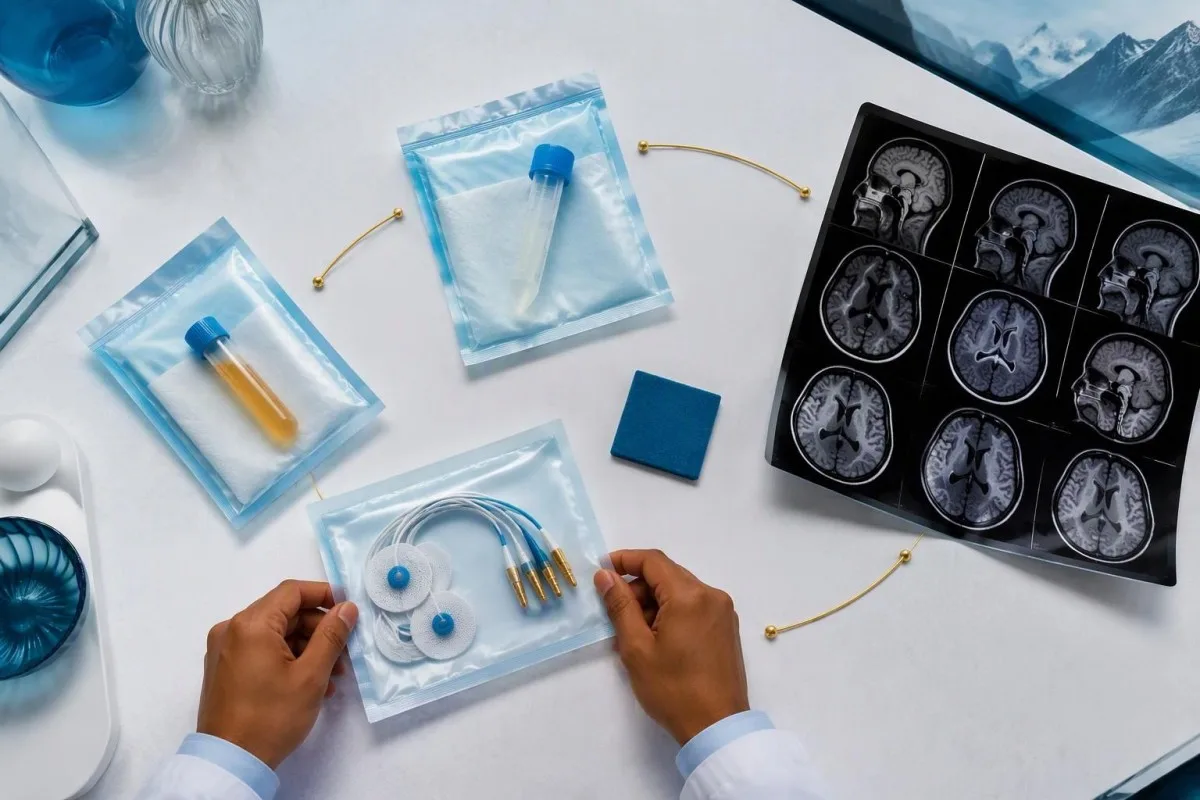
Nerve conduction studies can support a sensory neuronopathy pattern by showing reduced sensory responses across distributions that do not fit a single compressed nerve. Brain or spinal MRI addresses different questions, including structural disease and some inflammatory changes. A normal MRI does not exclude peripheral sensory ganglion involvement; these are 2 distinct anatomical compartments with different diagnostic tools.
Cerebrospinal fluid may show increased cells, protein or evidence of intrathecal immune activity, but none of those findings is specific to anti-Hu. A lumbar puncture is most useful when the neurological syndrome warrants it, rather than as an automatic response to 1 weak serum band. Our discussion of თავ-ზურგტვინის სითხის ოლიგოკლონური ზოლების განმარტების შესახებ explains why immune activity in spinal fluid does not identify a single disease.
Basic investigations still matter: glucose control, vitamin status, renal function and serum protein assessment can uncover treatable contributors to neuropathy. A clinician may request 2 or more of these alongside specialist testing, depending on the examination. The շիճուկային սպիտակուցների գնահատման ուղեցույցը provides background, but normal routine blood work neither confirms nor excludes an anti-Hu-associated neurological process.
ადასტურებს თუ არა anti-Hu-ზე დადებითი შედეგი პარანეოპლაზიურ სინდრომს?
A positive antibody alone does not confirm anti-Hu paraneoplastic syndrome. The PNS-Care approach combines the neurological phenotype, antibody risk category, cancer findings and follow-up; clinicians also check for direct cancer effects, treatment toxicity and unrelated neurological conditions before attributing symptoms to a paraneoplastic immune response.
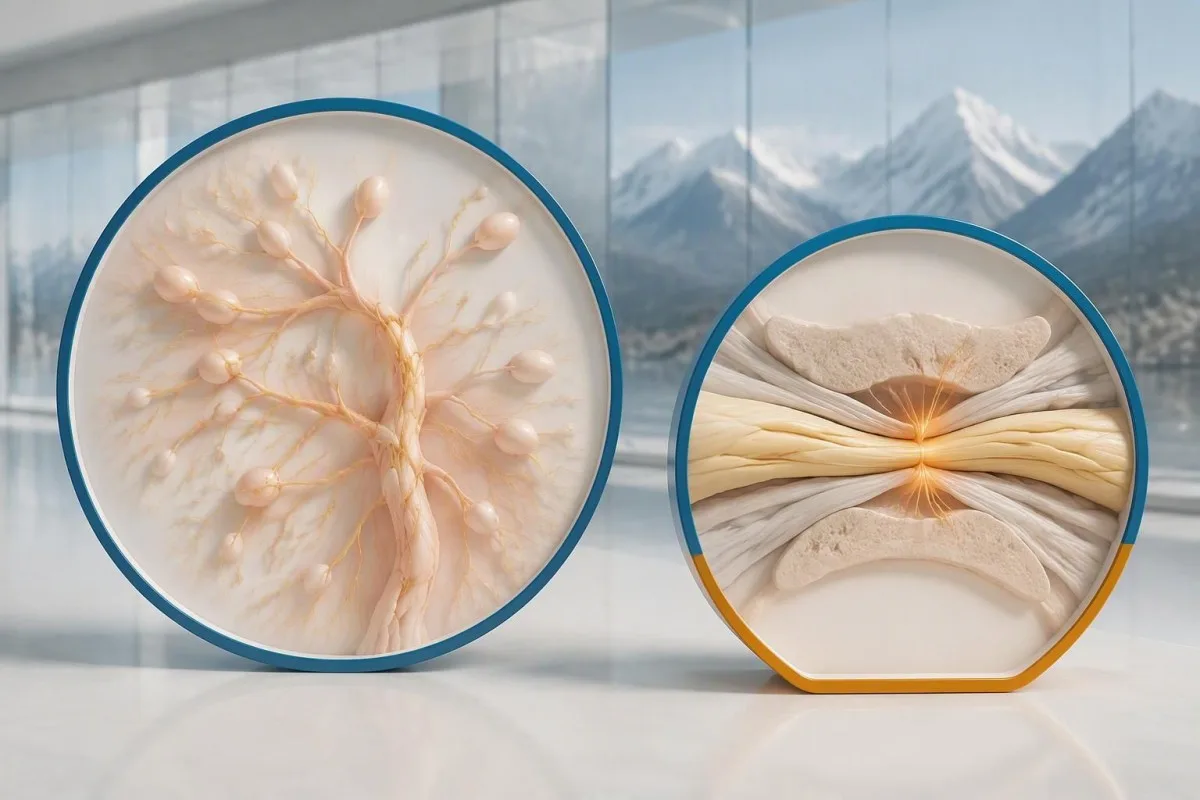
Definite, probable and possible PNS are diagnostic categories, not cancer stages. The 2021 criteria use a structured scoring system rather than allowing 1 antibody to determine the whole diagnosis (Graus et al., 2021). A confirmed anti-Hu result with a strongly compatible syndrome remains clinically significant even before a cancer is identified, but clinicians should state clearly which parts of the assessment remain unresolved.
An older patient can have anti-Hu reactivity and a separate cause of numbness, such as diabetes, nutritional deficiency or a monoclonal protein disorder. Coexistence is possible; either-or reasoning can miss treatable disease. If serum protein studies reveal a band, our immunofixation result guide explains why that finding requires its own interpretation rather than being automatically folded into the anti-Hu diagnosis.
კანტესტი არის AI სისხლის ანალიზის განმარტების პლატფორმა that can help organize these distinctions in a laboratory explanation, but it cannot assign a reliable PNS-Care diagnosis from a report alone. Our კლინიკურ ვალიდაციის ჩარჩოს separates technical evaluation from clinical conclusions. In practice, I would document 3 separate judgments: confidence in the antibody, confidence in the neurological syndrome and the current evidence for cancer.
როგორ ეძებენ ექიმები მასთან დაკავშირებულ კიბოს?
Cancer evaluation usually prioritizes the chest because small-cell lung cancer is the strongest adult anti-Hu association. Doctors commonly begin with appropriate chest CT and may add FDG-PET/CT or targeted investigations if suspicion remains; the exact plan depends on age, symptoms, examination, smoking history and previous imaging.
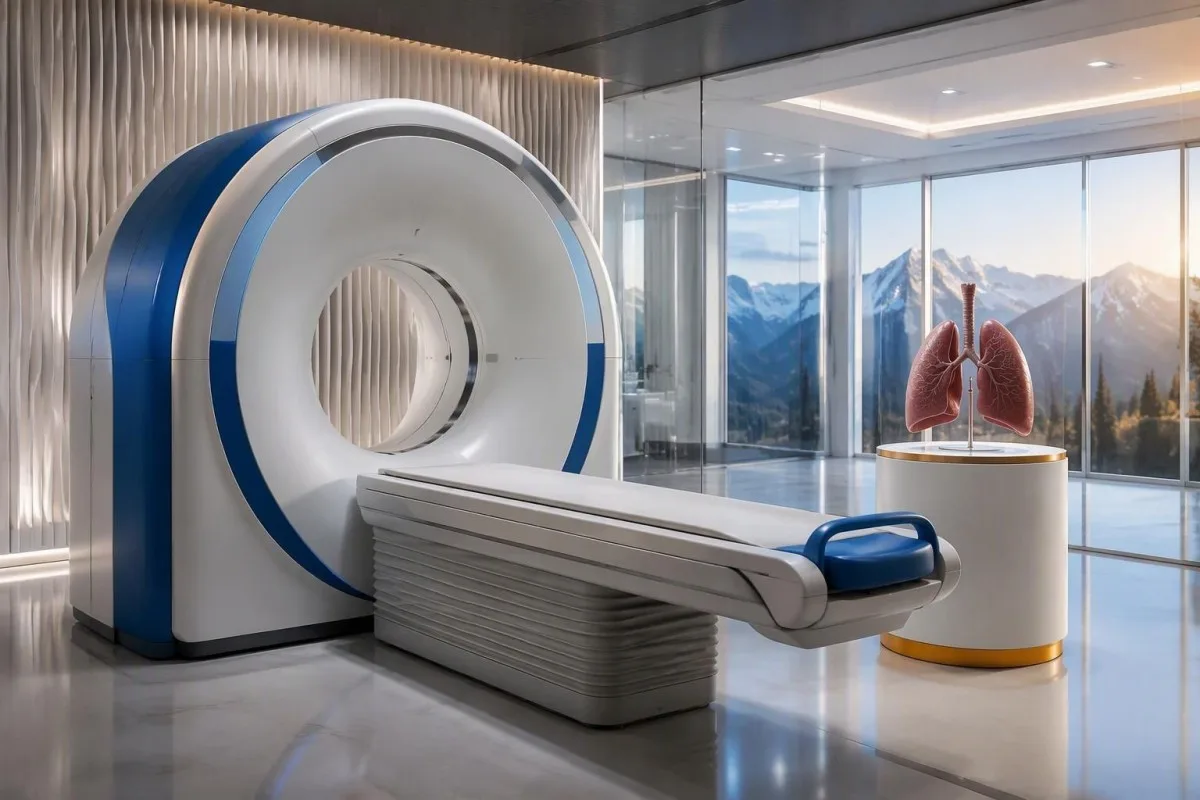
The cancer association is substantial in established anti-Hu clinical cohorts. Villagrán-García et al. (2023) reported identified cancer in 349 of 466 patients, approximately 75%, in a specialist anti-Hu cohort. This is valuable evidence for taking confirmed, clinically relevant anti-Hu seriously; it is not a personalized prediction for an asymptomatic person with an unconfirmed positive screening strip.
A chest X-ray is not equivalent to a chest CT, and routine low-dose screening is not necessarily the correct examination for a suspected paraneoplastic syndrome. The clinician chooses the protocol and body regions based on the diagnostic question. Likewise, neurological symptoms do not automatically mean cancer has spread to the brain; our brain imaging warning-sign guide distinguishes structural investigation from immune-mediated disease.
A suspicious scan often leads to tissue sampling through a method chosen by respiratory or oncology specialists, such as bronchoscopic assessment of an accessible area. Imaging suspicion and cancer confirmation are 2 separate steps. Never-smoking status lowers the baseline probability of small-cell lung cancer but does not cancel a well-confirmed anti-Hu finding with a convincing neurological presentation; other cancers and non-cancer explanations still need consideration.
რატომ შეიძლება კიბოს პირველი გამოსახულებითი კვლევები უარყოფითი იყოს?
Initial imaging can be negative because an associated cancer is still too small to detect, lies outside the examined area or is not readily visible with that technique. Neurological autoimmunity may precede cancer detection, so a negative scan reduces concern without necessarily ending follow-up in a high-risk clinical presentation.
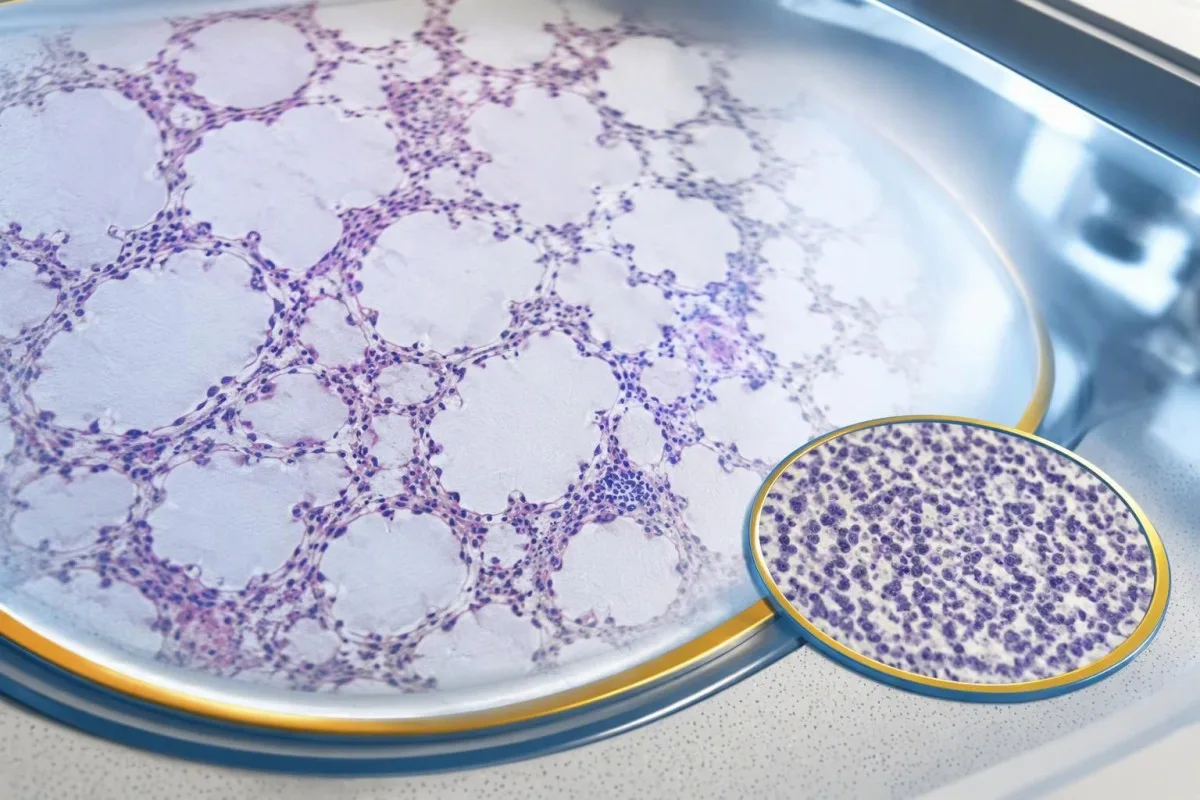
A negative scan is time-specific and method-specific. A normal chest CT performed on 1 date answers whether that examination identified a suspicious chest finding then; it does not guarantee that every possible associated cancer is absent indefinitely. Ask what was actually imaged, whether the protocol was suitable and whether the specialist recommends PET/CT or targeted investigation despite the initial result.
Villagrán-García et al. (2023) described cancers detected beyond the first 2 years in a minority of their anti-Hu cohort, supporting individualized longer surveillance. Their findings also support considering PET-based investigation when initial CT is unrevealing in an appropriate clinical context. This is an escalation decision for the treating team, not a reason to independently purchase repeated whole-body scans without weighing radiation, incidental findings and cost.
Neurological deterioration after negative imaging still needs reassessment. Cancer surveillance and neurological monitoring are 2 parallel tracks; one reassuring scan does not explain new loss of function. A marker such as neurofilament light chain may indicate neuronal injury in selected settings, but our NfL interpretation guide explains why it cannot establish anti-Hu disease, locate cancer or replace examination.
რამდენ ხანს უნდა გაგრძელდეს კიბოს სკრინინგი?
The 2021 PNS criteria recommend repeat cancer screening every 4–6 months for 2 years when a high-risk neurological phenotype accompanies a high-risk antibody. Longer surveillance may be appropriate for selected anti-Hu patients; the interval and duration should reflect confirmation, clinical evolution, initial investigations and individual cancer risk.

The 2-year schedule is not an instruction to scan every positive antibody result repeatedly. Graus et al. (2021) link that recommendation to the combination of high-risk phenotype and high-risk antibody. An incidental, weak result without a matching syndrome needs confirmation and individualized assessment first; repeating imaging mechanically can create incidental findings and unnecessary procedures without resolving the original uncertainty.
Older European guidance recommended longer surveillance. The EFNS task force advised repeating screening after 3–6 months and then every 6 months for up to 4 years in relevant antibody-positive paraneoplastic presentations (Titulaer et al., 2011). The 2023 anti-Hu cohort supported considering screening up to 5 years in selected patients, so a specialist may reasonably extend follow-up beyond the newer general 2-year framework.
Keep a dated plan stating the next examination, the clinician responsible and what symptoms should trigger earlier contact. Kantesti explanations can help you understand terminology, but the platform should not be treated as a scan-reminder service or substitute for that plan. Our guide to risk-based cancer screening addresses a different setting: routine prevention is not the same as investigating a possible paraneoplastic syndrome.
რა მკურნალობა ეხმარება anti-Hu-თან დაკავშირებულ ნევროლოგიურ დაავადებას?
Treatment focuses on an identified cancer, selected immune therapy and symptom-directed rehabilitation. Anti-Hu-associated neurological disease often responds less predictably to immunotherapy than neuronal surface-antibody disorders because intracellular targets and T-cell-mediated injury are involved; treatment may aim to stabilize function rather than promise complete recovery.

Treating an associated cancer is a central part of care, but established neurological injury may persist even when cancer treatment succeeds. Neurology and oncology teams may consider corticosteroids, intravenous immunoglobulin, plasma exchange or other immune treatments in selected situations. There is no single evidence-based dose or 1 universal regimen appropriate for everyone with anti-Hu positivity, especially without a confirmed clinical syndrome.
An antibody titer is not a dependable treatment target on its own. A lower number does not necessarily mean restored nerve function, and a persistent positive result does not by itself prove cancer progression. This differs from some surface-antibody disorders; our MOG antibody diagnosis guide explains another immune neurological condition, but its diagnostic rules and treatment expectations should not be transferred to anti-Hu.
Immune checkpoint cancer therapies deserve an explicit discussion when anti-Hu neurological disease is present, because they can provoke or worsen paraneoplastic neurological autoimmunity. This is a specialist risk-benefit decision, not an automatic prohibition based on 1 laboratory result. Tell the oncologist about previous neurological symptoms and confirmed neuronal antibodies before treatment decisions are finalized; coordinating the teams early can prevent avoidable misunderstanding.
რა შეგიძლიათ უსაფრთხოდ გააკეთოთ, სანამ გამოკვლევები გრძელდება?
While investigations continue, protect mobility, swallowing and medication safety rather than trying to lower anti-Hu antibodies with supplements. Use the neurological symptoms—not the appearance of the laboratory flag—to decide whether ordinary follow-up is sufficient or urgent care is needed; a new functional loss warrants contact before the next planned scan.

Position-sense loss increases fall risk, particularly in poor lighting or on uneven ground. A physiotherapist may recommend a suitable walking aid and individualized balance strategies; occupational therapy can address hand coordination and home hazards. A short 7-day record of falls, near-falls and walking changes is often more useful at review than the vague statement “my balance is worse,” but stop activities that feel unsafe.
Excess vitamin B6 can itself cause sensory neuropathy, making unsupervised high-dose nerve supplements particularly unhelpful during this assessment. Review every supplement and its daily dose in mg, including overlapping multivitamins and combination products. Our B-კომპლექსის უსაფრთხოების სახელმძღვანელო explains that problem; correcting a documented deficiency is different from taking progressively larger doses in the hope of treating anti-Hu autoimmunity.
Vitamin B12 deficiency can contribute to sensory and gait problems and may need investigation even when anti-Hu is confirmed. There is no universally interchangeable B12 cutoff: results in პგ/მლ-ში და პმოლ/ლ require their own laboratory context, sometimes with functional testing. Our საზღვრული B12-ის შემდგომი მართვის სახელმძღვანელო explains those next steps; new choking, breathing difficulty or rapid weakness should be assessed urgently instead of managed with vitamins.
როგორ შეუძლია AI-ს უსაფრთხოდ დაგეხმაროთ anti-Hu-ის ანგარიშის განმარტებაში?
AI can help explain report terminology and organize questions, but it cannot confirm anti-Hu specificity, diagnose paraneoplastic syndrome or rule out cancer. Safe interpretation preserves the original assay details and separates 3 issues: what the laboratory reported, what the result may mean and what a clinician has actually established.

კანტესტი არის AI-ზე დაფუძნებული სისხლის ანალიზის (blood test analysis) ხელსაწყო that can provide a plain-language explanation of uploaded laboratory information, including the distinction between an antibody screen and a confirmed clinical diagnosis. A rapid explanation—often around 60 seconds for report processing—is not a reference-laboratory assay. Our AI ტექნოლოგიის გზამკვლევი describes the interpretation workflow without making anti-Hu-specific diagnostic guarantees.
The complete source report should remain available for verification. An explanation should not silently replace “weakly reactive” with “confirmed,” drop the specimen type or invent a universal reference interval. Our guide to ხელოვნური ინტელექტის მიერ მოწოდებული სამედიცინო განმარტებების გადამოწმება describes practical source checks; for this antibody, compare at least the assay wording, confirmation comment and collection date against the original document.
Kantesti cannot examine sensation, review tissue staining directly through a report explanation or establish that negative imaging has excluded a tiny cancer. Those are 3 different clinical capabilities, not features that follow from understanding laboratory language. Share the explanation with the treating team as a discussion aid, and do not delay urgent assessment while uploading documents or waiting for a second automated interpretation.
თქვენი შემდეგი ვიზიტი და კვლევის გამჭვირვალობა
Bring the complete antibody report, a dated symptom history, previous imaging reports and a current medication list to your next appointment. Ask the clinician to clarify antibody confirmation, the neurological diagnosis and cancer surveillance separately; those 3 answers may have different levels of certainty and different follow-up dates.
A useful 1-page symptom history records onset, progression, sensory distribution, walking changes, memory problems and autonomic symptoms. Include prior cancer treatment and any recent immunoglobulin therapy, then ask who will coordinate neurology and oncology if both are involved. As Thomas Klein, MD, I would rather see a clear timeline than 20 disconnected screenshots; it makes discrepancies between the laboratory result and clinical course easier to spot.
Medical authorship is not a substitute for an individual neurological examination. ჩვენი სამედიცინო საკონსულტაციო საბჭოს ინფორმაცია describes the clinicians associated with our work, while your own specialist determines the appropriate next investigation. As of 2026 წლის 25 ოქტომბერი, the recommendations discussed here draw on the 2021 international PNS criteria, the 2011 EFNS screening guidance and the 2023 anti-Hu cohort—not an invented 2026 guideline.
The 2 Figshare publications below are platform-related research references, not evidence validating anti-Hu diagnosis or cancer exclusion. Their supplied titles describe hantavirus triage deployment and a synthetic-case technical benchmark; neither title establishes anti-Hu-specific clinical performance. Because publication authors and dates were not supplied for verification, the citations use title-first APA formatting with “n.d.”; the ResearchGate and Academia.edu links are searches, not claims of verified publication copies.
ხშირად დასმული კითხვები
ნიშნავს თუ არა anti-Hu ანტისხეულებზე დადებითი პასუხი, რომ სიმსივნე მაქვს?
ანტი-Hu ანტისხეულზე დადებითი პასუხი თავისთავად კიბოს დიაგნოზს არ ნიშნავს. ანტი-Hu კიბოსთან ასოცირებული მაღალი რისკის ანტისხეულია, ხოლო 2023 წელს ანტი-Hu-ს სპეციალიზებულ კოჰორტაში 466 პაციენტიდან 349-ს კიბო დაუდგინდა, თუმცა ეს მაჩვენებელი შემთხვევითი, დაუდასტურებელი სკრინინგული შედეგის რისკს არ განსაზღვრავს. ექიმები აფასებენ ნევროლოგიურ გამოვლინებებს, ადასტურებენ მოულოდნელ ლაბორატორიულ შედეგებს და იკვლევენ შესაძლო ფარულ კიბოს, როგორც წესი, ზრდასრულებში პირველ რიგში გულმკერდს ამოწმებენ. კიბოს დიაგნოზის დასმა, ჩვეულებრივ, ცალკე კლინიკურ, გამოსახულებით და ქსოვილოვან მტკიცებულებებს მოითხოვს.
ანტი-Hუ და ANNA-1 ერთი და იგივეა?
Anti-Hu და ANNA-1, როგორც წესი, ნეირონული ანტისხეულების ერთსა და იმავე ოჯახს აღნიშნავს. ANNA-1 ნიშნავს ანტინეირონულ ბირთვულ ანტისხეულს, ტიპი 1, ხოლო Hu აღნიშნავს უჯრედშიდა ნეირონულ ცილებს, რომლებსაც ეს ანტისხეული ამოიცნობს. ANNA-1 არ არის იგივე, რაც სისტემური აუტოიმუნური ტესტირებისას გამოყენებული რუტინული ANA. შეამოწმეთ ანალიზის ზუსტი მეთოდი და დადასტურების ფორმულირება, რადგან ლაბორატორიებმა შეიძლება ანტისხეულების ერთი და იგივე ოჯახი სხვადასხვა ფორმატით მიუთითონ.
შეიძლება anti-Hu ანტისხეულების ტესტის პასუხი ცრუ დადებითი იყოს?
ანტი-Hu ანტისხეულების ტესტმა შეიძლება შეცდომაში შემყვანი ან არასპეციფიკური რეაქცია აჩვენოს, განსაკუთრებით მაშინ, როდესაც სკრინინგის სუსტი შედეგი ნევროლოგიურ სურათს არ შეესაბამება. დადასტურებისთვის, როგორც წესი, გამოიყენება ორი ურთიერთშემავსებელი მიდგომა: ქსოვილის შეღებვის დამახასიათებელი სურათი და ანტიგენ-სპეციფიკური ანალიზი, რომელსაც გამოცდილი ლაბორატორია განმარტავს. იმავე კომერციული მეთოდის გამეორებამ შეიძლება იგივე ანალიტიკური პრობლემა კვლავ წარმოქმნას და არა აღმოფხვრას. სწრაფად პროგრესირებადი ნევროლოგიური სიმპტომები დადასტურების მოლოდინშიც დროულ შეფასებას საჭიროებს.
რამდენად ხშირად უნდა განმეორდეს სკანირება, თუ ანტი-Hu დადებითია?
2021 წლის PNS-ის კრიტერიუმები მაღალი რისკის ნევროლოგიური ფენოტიპისა და მაღალი რისკის ანტისხეულის თანაარსებობის შემთხვევაში კიბოს სკრინინგის 4–6 თვეში ერთხელ გამეორებას 2 წლის განმავლობაში გვირჩევს. ეს გრაფიკი ავტომატურად არ ვრცელდება anti-Hu-ზე დადებით ყველა შემთხვევით აღმოჩენილ შედეგზე. EFNS-ის უფრო ძველი რეკომენდაციები მეთვალყურეობას 4 წლამდე ითვალისწინებდა, ხოლო 2023 წელს ჩატარებული anti-Hu კოჰორტული კვლევა შერჩეული პაციენტებისთვის 5 წლამდე მეთვალყურეობის განხილვას უჭერდა მხარს. თქვენმა სპეციალისტმა უნდა განსაზღვროს გამოსახულებითი კვლევის მეთოდი, ინტერვალი, ხანგრძლივობა და ის სიმპტომები, რომლებიც უფრო ადრე მიმართვას მოითხოვს.
შეიძლება anti-Hu დადებითი იყოს, როდესაც კომპიუტერული ტომოგრაფიისა და PET-ის კვლევები ნორმალურია?
Anti-Hu შეიძლება დადებითი დარჩეს მაშინაც, როცა CT ან PET კვლევით კიბო არ გამოვლენილა. ნევროლოგიური აუტოიმუნიტეტი შესაძლოა კიბოს აღმოჩენას წინ უსწრებდეს, ხოლო უარყოფითი კვლევის შედეგი ასახავს გამოკვლეულ უბნებს, გამოყენებულ მეთოდს და ჩატარების თარიღს და არა მუდმივ გარანტიას, რომ კიბო არ არსებობს. მაღალი რისკის შესაბამისი კლინიკური სურათის შემთხვევაში, 2021 წლის კრიტერიუმები რეკომენდაციას უწევს განმეორებით სკრინინგს ყოველ 4–6 თვეში 2 წლის განმავლობაში, ხოლო შერჩეულ anti-Hu პაციენტებში — ინდივიდუალურად განსაზღვრულ, უფრო ხანგრძლივ მეთვალყურეობას. ასევე უნდა გადაიხედოს დაუდასტურებელი ანტისხეულების რეაქტიულობა და კიბოსგან განსხვავებული ახსნა-განმარტებები, ნაცვლად იმისა, რომ ვივარაუდოთ, თითქოს უხილავი კიბო ნამდვილად არსებობს.
ნიშნავს თუ არა ანტი-Hu ანტისხეულების დონის შემცირება, რომ მკურნალობა ეფექტიანია?
anti-Hu ანტისხეულების დონის კლება საიმედოდ არ ადასტურებს ნევროლოგიურ აღდგენას ან კიბოს წარმატებულ მკურნალობას. Anti-Hu ამოიცნობს უჯრედშიდა ცილებს, ხოლო მასთან დაკავშირებული ნევროლოგიური დაზიანება ხშირად T-უჯრედულ მექანიზმებს მოიცავს და არა მხოლოდ ანტისხეულების ზემოქმედებას. სხვადასხვა ლაბორატორიაში მიღებული ორი ტიტრი შეიძლება ასევე შეუდარებელი იყოს, რადგან მეთოდები განსხვავდება. კლინიცისტები აფასებენ ფუნქციას, გამოკვლევის შედეგებს, შესაბამის კვლევებსა და კიბოს მკურნალობაზე პასუხს, ნაცვლად იმისა, რომ ანტისხეულების მაჩვენებელი მკურნალობის დამოუკიდებელ სამიზნედ გამოიყენონ.
მიიღეთ AI-ით გაძლიერებული სისხლის ანალიზის განმარტება დღეს
შეუერთდით 2 მილიონზე მეტ მომხმარებელს მთელ მსოფლიოში, რომლებიც ენდობიან Kantesti-ს ლაბორატორიული ანალიზების მყისიერ და ზუსტ განმარტებაში. ატვირთეთ თქვენი სისხლის ანალიზის შედეგები და მიიღეთ 15,000+ ბიომარკერების ყოვლისმომცველი ინტერპრეტაცია წამებში.
📚 მითითებული კვლევითი პუბლიკაციები
კლაინი, ტ., მიტჩელი, ს., და ვებერი, ჰ. (2026). მრავალენოვანი AI-ით მხარდაჭერილი კლინიკური გადაწყვეტილების მხარდაჭერა ჰანტავირუსის ადრეული ტრიაჟისთვის: დიზაინი, ინჟინერული ვალიდაცია და რეალურ პირობებში განთავსება 50,000 ინტერპრეტირებული სისხლის ტესტის ანგარიშზე. Kantesti AI სამედიცინო კვლევა.
კლაინი, ტ., მიტჩელი, ს., და ვებერი, ჰ. (2026). Kantesti სისხლის ანალიზის ინტერპრეტაციის ძრავის ტექნიკური ავტომატიზებული ბენჩმარკი, რუბრიკაზე დაფუძნებული, წინასწარ რეგისტრირებული — 100,000 სინთეზური ტესტ-შემთხვევის საფუძველზე. Kantesti AI სამედიცინო კვლევა.
📖 გარე სამედიცინო წყაროები
Graus F et al. (2021). Updated Diagnostic Criteria for Paraneoplastic Neurologic Syndromes. Neurology: Neuroimmunology & Neuroinflammation.
Titulaer MJ et al. (2011). Screening for tumours in paraneoplastic syndromes: report of an EFNS Task Force. European Journal of Neurology.
Villagrán-García D et al. (2023). Revisiting anti-Hu paraneoplastic autoimmunity: phenotypic characterization and cancer diagnosis. Brain Communications.
⚕️ სამედიცინო პასუხისმგებლობის შეზღუდვა
ეს სტატია მხოლოდ საგანმანათლებლო მიზნებისთვისაა და არ წარმოადგენს სამედიცინო რჩევას. დიაგნოზისა და მკურნალობის გადაწყვეტილებებისთვის ყოველთვის მიმართეთ კვალიფიციურ ჯანდაცვის სპეციალისტს.
E-E-A-T სანდოობის სიგნალები
გამოცდილება
ექიმის ხელმძღვანელობით კლინიკური მიმოხილვა ლაბორატორიული ინტერპრეტაციის სამუშაო პროცესებზე.
ექსპერტიზა
ლაბორატორიული მედიცინის აქცენტი იმაზე, როგორ იქცევიან ბიომარკერები კლინიკურ კონტექსტში.
ავტორიტეტულობა
დაწერილია დოქტორ თომას კლაინის მიერ, მიმოხილვა: დოქტორ სარა მიტჩელისა და პროფესორ დოქტორ ჰანს ვებერის მიერ.
სანდოობა
მტკიცებულებებზე დაფუძნებული ინტერპრეტაცია, მკაფიო შემდგომი ნაბიჯებით, რათა შემცირდეს განგაშის დონე.
