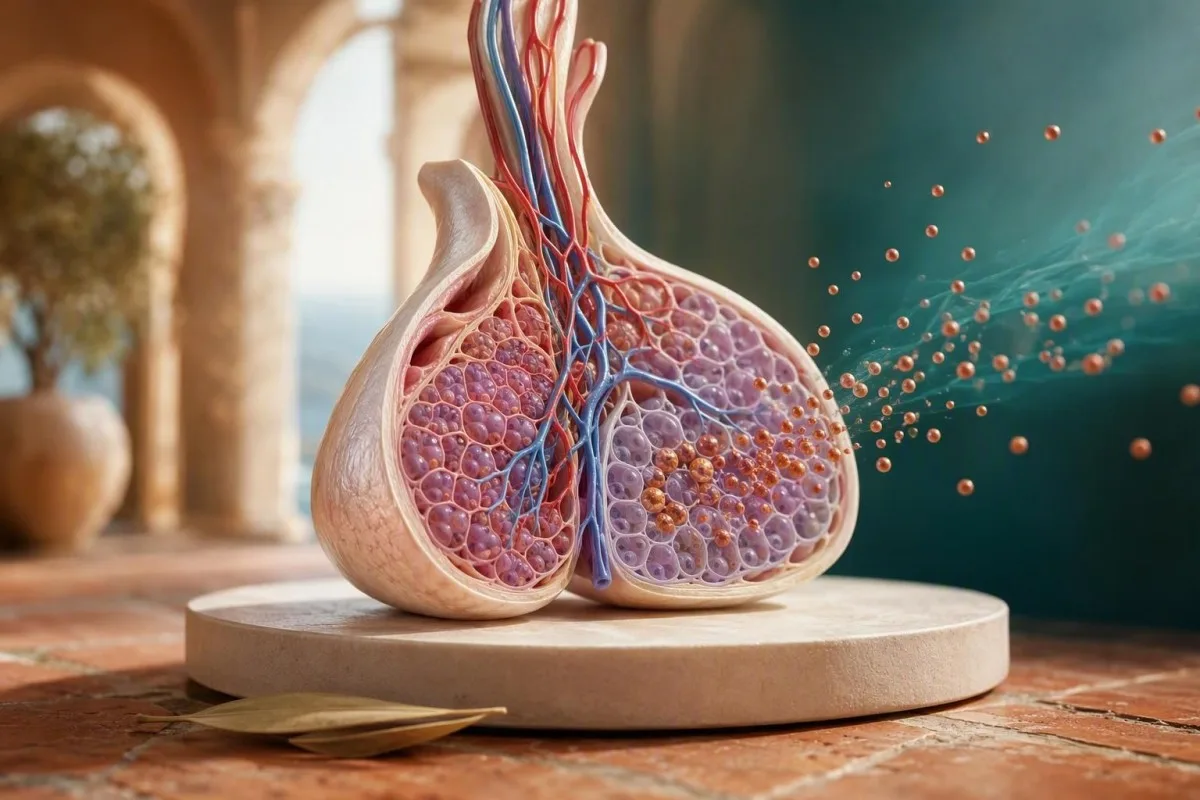
Un risultato di prolattina borderline è spesso temporaneo, ma le condizioni del test di ripetizione e il pattern dei sintomi determinano se può essere monitorato in sicurezza o necessita di una valutazione endocrinologica.


- Elevazione lieve di solito significa un risultato di prolattina appena sopra il limite superiore del laboratorio di riferimento, spesso inferiore a 50 ng/mL (circa 1.060 mIU/L).
- Ripeti prima quando la prolattina è compresa tra 20-50 ng/mL e non ci sono sintomi visivi, mal di testa intenso, o significative alterazioni del ciclo mestruale o della funzione sessuale.
- Il riposo conta poiché l'ansia da prelievo venoso, il sonno scarso, l'esercizio fisico, la stimolazione mammaria e una malattia acuta possono innalzare transitoriamente la prolattina.
- Revisione della terapia farmacologica è essenziale poiché antipsicotici, metoclopramide, domperidone, oppioidi, alcuni antidepressivi e verapamil possono elevare la prolattina.
- Test per la macroprolattina è particolarmente utile per un aumento persistente con pochi o nessun sintomo tipico; identifica complessi di prolattina biologicamente meno attivi.
- Livelli superiori a 100 ng/mL meritano una valutazione endocrinologica più rapida, sebbene i farmaci possano occasionalmente produrre valori in questo range.
- revisione urgente è necessaria per un nuovo mal di testa intenso, ridotta visione periferica, gravidanza con sintomi visivi, o improvviso cambiamento neurologico.
- Il contesto batte un numero: lo stato di gravidanza, la funzione tiroidea, la funzione renale, la tempistica dei farmaci e i valori precedenti alterano l'interpretazione.
Cosa significa solitamente un risultato di prolattina borderline
Significato di una prolattina leggermente elevata è solitamente un segnale temporaneo piuttosto che una prova di una condizione ipofisaria: un risultato inferiore a 50 ng/mL (circa inferiore a 1.060 mIU/L) merita comunemente un test ripetuto attentamente preparato. Sono il Dr. Thomas Klein e, nella revisione clinica, la combinazione del valore esatto, dei sintomi, dei farmaci, della possibilità di gravidanza e delle condizioni di campionamento conta molto più di un singolo segnale di laboratorio anomalo.
La maggior parte dei laboratori cita un intervallo di riferimento per adulti non in gravidanza di circa 4-23 ng/mL nelle donne E 3-15 ng/mL negli uomini, ma i metodi differiscono. Un valore di 27 ng/mL in una donna il cui limite superiore di laboratorio è 23 ng/mL è un risultato borderline della prolattina, non una diagnosi; le unità possono essere convertite approssimativamente come 1 ng/mL = 21,2 mIU/L.
I medici diventano più preoccupati quando l'elevazione è persistente, in aumento o accompagnata da amenorrea, galattorrea, infertilità, basso desiderio sessuale, difficoltà erettile, mal di testa o alterazione della vista periferica. Un valore superiore a 200 ng/mL è più suggestivo di un adenoma ipofisario secernente prolattina rispetto a un valore di 28 ng/mL, sebbene nessun valore di cut-off sostituisca la valutazione clinica.
Kantesti è un Analizzatore di analisi del sangue AI che pone un risultato di prolattina accanto a indizi tiroidei, renali, epatici, correlati alla gravidanza e ormonali sessuali piuttosto che trattare un segnale isolato come diagnosi. I lettori incerti sui segnali di laboratorio possono anche consultare la nostra guida a risultati fuori intervallo.
Perché i laboratori non sono d'accordo
Gli immunodosaggi della prolattina non sono intercambiabili: due laboratori possono riportare valori leggermente diversi dalla stessa persona nello stesso giorno. Utilizzare l'intervallo di riferimento stampato accanto al proprio risultato e, quando si monitora una tendenza, cercare di utilizzare lo stesso laboratorio; questo è anche il motivo per cui confrontare i risultati tra le visite richiede più attenzione di quanto la gente si aspetti.
Cause temporanee che possono far aumentare la prolattina
Stress, interruzione del sonno, esercizio fisico, stimolazione del capezzolo, attività sessuale e malattia acuta possono causare un aumento transitorio della prolattina. Un valore leggermente alto dopo un tragitto difficile o una notte insonne può normalizzarsi senza trattamento.
La prolattina viene rilasciata a impulsi e aumenta durante il sonno, con un picco che spesso si verifica nelle prime ore del mattino. Un campione prelevato subito dopo il risveglio, dopo un turno di notte o durante una procedura dolorosa può quindi essere meno rappresentativo di un campione a metà mattina a riposo.
Per la mia esperienza, un paziente ansioso di 31 anni con una prolattina di 34 ng/mL dopo tre ore di sonno spesso ha un risultato ripetuto normale alle 10 del mattino dopo essersi seduto tranquillamente. Un riposo seduto di 15-30 minuti prima della raccolta riduce l'effetto dello stress procedurale acuto, ed evitare esercizi fisici vigorosi per 24 ore è sensato.
Una recente febbre, convulsioni, lesione della parete toracica o persino stimolazione persistente del seno o del torace possono aumentare la prolattina. Se il tuo test ha seguito una malattia, confrontalo con i principi di tempistica nel nostro guida alla tempistica degli esami del sangue, piuttosto che presumere che il numero rifletta il tuo livello di base a lungo termine.
Come ripetere correttamente un test della prolattina
Ripetere la prolattina in una mattinata tranquilla, idealmente 2-3 ore dopo il risveglio e dopo 20-30 minuti di riposo seduto tranquillo. Il digiuno non è universalmente richiesto, ma un digiuno notturno può rendere più facile l'interpretazione di un pannello ripetuto quando vengono misurati anche glucosio o lipidi.
Per un test di ripetizione, evitare esercizi strenui, sesso, stimolazione mammaria ed esame non essenziale del torace per 24 ore prima. Non interrompere i farmaci prescritti da soli; invece, registra il nome del farmaco, la dose, l'ora dell'ultima dose e il motivo per cui è stato prescritto.
Una richiesta pratica al tuo medico è: ripetere la prolattina sierica, il test di gravidanza se pertinente, TSH e T4 libero, e la creatinina o eGFR quando la causa non è chiara. I test tiroidei sono importanti perché l'ipotiroidismo primario può aumentare l'ormone di rilascio della tireotropina e aumentare secondariamente la prolattina; vedi il nostro programma di ritest tiroideo.
La tempistica della ripetizione è solitamente 1-4 settimane per un risultato modesto inaspettato quando ci si sente bene, piuttosto che il giorno successivo. Una tendenza può essere catturata chiaramente con monitoraggio longitudinale di laboratorio, soprattutto se si salvano note su sonno, giorno del ciclo, malattia e farmaci.
Farmaci che comunemente causano un aumento lieve della prolattina
I farmaci bloccanti la dopamina sono tra le cause più comuni di elevazione persistente da lieve a moderata della prolattina. I principali responsabili sono gli antipsicotici e i farmaci anti-nausea come metoclopramide e domperidone.
La dopamina normalmente sopprime il rilascio di prolattina ipofisaria, quindi i farmaci che bloccano i recettori D2 della dopamina possono aumentare i livelli in modo sostanziale. Risperidone, amisulpride, aloperidolo, metoclopramide e domperidone sono esempi frequenti; oppioidi, verapamil e alcuni SSRI possono contribuire in modo più modesto.
I livelli correlati ai farmaci variano ampiamente: il risperidone può produrre prolattina al di sopra di 100 ng/mL, mentre un aumento associato agli SSRI può essere solo di 25-40 ng/mL. Il motivo per cui non interrompiamo semplicemente un farmaco è che la ricaduta di psicosi, nausea grave, dolore o depressione possono comportare un rischio immediato molto maggiore.
Kantesti AI è un servizio di interpretazione dei test del laboratorio di IA che richiede il contesto dei farmaci quando viene segnalato un risultato ormonale, ma la sua interpretazione non può sostituire il prescrittore che sa perché il farmaco è stato iniziato. Se sono presenti sintomi correlati agli ormoni, il nostro guida del pannello ormonale spiega quali risultati di accompagnamento i medici solitamente ispezionano.
Gravidanza, allattamento e fisiologiche variazioni normali
La gravidanza e l'allattamento possono innalzare la prolattina ben al di sopra degli intervalli di riferimento non gravidi e non vengono interpretati utilizzando il consueto intervallo 3-23 ng/mL. Un test di gravidanza è quindi un passo precoce ed essenziale per un aumento inspiegabile in chiunque possa essere incinta.
Durante la gravidanza, la prolattina aumenta comunemente in modo progressivo fino a 100-300 ng/mL nell'ultima fase della gestazione, e l'allattamento mantiene aumenti intermittenti. Il valore esatto non misura in modo affidabile la produzione di latte, quindi inseguire un numero in una persona che allatta è raramente utile.
Farmaci contenenti estrogeni e il normale ciclo mestruale possono dare un piccolo contributo, ma raramente spiegano da soli un aumento elevato e persistente. La tempistica del ciclo può anche complicare gli ormoni correlati come l'estradiolo e il progesterone; la nostra spiegazione della variabilità dell'estradiolo in menopausa mostra perché un singolo risultato di un ormone sessuale raramente risponde a tutto.
In una persona che cerca di concepire, l'iperprolattinemia persistente può interferire con l'ovulazione sopprimendo l'ormone di rilascio delle gonadotropine. Ciò è clinicamente rilevante anche quando il numero è solo 35-60 ng/mL, in particolare quando le mestruazioni sono diventate infrequenti.
Cause tiroidee, renali, epatiche e della parete toracica
L'ipotiroidismo primario, la ridotta clearance renale, le malattie epatiche croniche e la stimolazione della parete toracica possono aumentare la prolattina senza una crescita ipofisaria. Queste cause vengono solitamente individuate attraverso l'anamnesi e una piccola serie di test di laboratorio mirati prima che venga presa in considerazione l'imaging cerebrale.
L'ipotiroidismo primario conclamato mostra spesso TSH alto con T4 libero basso, e la correzione con levotiroxina può normalizzare la prolattina nel giro di settimane o mesi. L'ipotiroidismo centrale ha uno schema diverso, quindi un TSH normale non risolve sempre la questione quando il T4 libero è basso; leggi la nostra guida a FT4 bassa con TSH normale.
La malattia renale cronica può elevare la prolattina attraverso una ridotta clearance e una regolazione alterata della dopamina; un eGFR inferiore a 60 mL/min/1,73 m² rende questa spiegazione più plausibile. La malattia epatica è una spiegazione isolata meno comune, ma la disfunzione sintetica e le alterazioni degli ormoni sessuali possono contribuire.
L'herpes zoster al torace, la chirurgia toracica, le ustioni e l'irritazione meccanica persistente sono stati tutti collegati all'elevazione della prolattina perché l'input dei nervi sensoriali può stimolare il percorso riflesso. Questo è uno dei motivi per cui un medico chiede di un'eruzione cutanea o di un intervento chirurgico che sembra non correlato a un risultato ormonale.
Quando il test per la macroprolattina è il passo successivo sensato
Il test della macroprolattina è più utile quando la prolattina rimane elevata ma i sintomi sono assenti o sproporzionati rispetto al risultato. La macroprolattina è solitamente prolattina legata all'immunoglobulina e ha meno attività biologica perché raggiunge scarsamente i recettori.
Molti saggi di routine contano la macroprolattina come prolattina, creando un risultato apparentemente elevato in una persona con cicli regolari, assenza di galattorrea e assenza di sintomi di fertilità o sessuali. I laboratori eseguono comunemente uno screening con precipitazione con polietilenglicole; un basso recupero di prolattina monomerica supporta la macroprolattinemia.
La linea guida dell'Endocrine Society raccomanda di controllare la macroprolattina nell'iperprolattinemia asintomatica perché può prevenire imaging e trattamenti non necessari (Melmed et al., 2011). Le stime di prevalenza pubblicate variano notevolmente a seconda del saggio e della popolazione di riferimento, ma la macroprolattina compare in circa 10-25% delle persone valutate per prolattina elevata.
La macroprolattina non è un motivo per ignorare sintomi realmente presenti; una persona può avere macroprolattina più un altro disturbo endocrino. Per insidie dei dosaggi più ampie, il nostro articolo su test qualitativi versus quantitativi è un utile complemento.
Cosa controllano i medici quando l'aumento persiste
Un'elevazione persistente della prolattina dovrebbe essere confermata e valutata con un test di gravidanza quando pertinente, revisione dei farmaci, TSH/T4 libera, funzione renale e macroprolattina prima di presumere una patologia ipofisaria. Un risultato ripetuto nella stessa fascia è più informativo di un singolo risultato isolato.
Un'anamnesi mirata indaga sulla tempistica mestruale, secrezione di latte, libido, funzione erettile, infertilità, alterazioni visive, mal di testa, convulsioni, sintomi toracici e ogni sostanza prescritta, da banco e ricreativa. Nei miei 15 anni di pratica clinica, l'elenco dei farmaci è spesso l'indizio mancante, specialmente quando l'ordine di laboratorio è stato effettuato da un medico non familiare con una prescrizione psichiatrica o gastrointestinale.
Prolattina di 50-100 ng/mL con funzione tiroidea e renale normali, nessuna spiegazione farmacologica e assenza di macroprolattina di solito giustifica un consulto endocrinologico. La revisione della gestione clinica di Serri e colleghi enfatizza l'identificazione delle cause fisiologiche e farmacologiche prima dell'imaging (Serri et al., 2003).
Di Kantesti standard di validazione medica supportano l'interpretazione basata su pattern, ma i risultati anomali devono essere confermati attraverso un medico e il laboratorio di refertazione. Portare una cronologia concisa dei risultati è spesso più utile che ripetere un ampio pannello ormonale non mirato.
Quando preoccuparsi per la prolattina e richiedere una valutazione urgente
Nuovi sintomi visivi, un mal di testa grave o in rapido peggioramento, alterazioni neurologiche o un'elevazione marcata e persistente della prolattina richiedono una valutazione medica tempestiva. La risonanza magnetica viene generalmente considerata dopo l'esclusione di cause reversibili comuni o quando i sintomi suggeriscono una pressione vicino alle vie ottiche.
Una risonanza magnetica ipofisaria non è automaticamente necessaria per un singolo valore di 29 ng/mL dopo stress. È più ragionevole in caso di elevazione persistente inspiegata, prolattina superiore a 100 ng/mL, amenorrea o ipogonadismo, o sintomi di una massa ipofisaria; valori superiori a 200 ng/mL rendendo più probabile un prolattinoma.
Chiedere un parere clinico in giornata per mal di testa improvviso e intenso con disturbi visivi, vomito, confusione, debolezza o svenimento. Questi sintomi sono rari nell'iperprolattinemia lieve comune, ma sono importanti perché l'apoplessia ipofisaria e altre malattie neurologiche necessitano di un'esclusione urgente.
La perdita della visione periferica inizia spesso in modo subdolo, quindi le persone descrivono di sbattere contro gli stipiti delle porte piuttosto che una cecità evidente. La nostra revisione dettagliata di i sintomi di prolattina alta spiega quali combinazioni di sintomi non dovrebbero attendere un normale ritest.
Ciclo mestruale, fertilità e salute ossea: perché i sintomi cambiano il piano
La prolattina leggermente elevata è più importante quando interrompe il ciclo mestruale, l'ovulazione, la fertilità o l'esposizione agli estrogeni. L'ormone può sopprimere il segnale riproduttivo necessario per un'ovulazione regolare anche in assenza di una galattorrea marcata.
Oligomenorrea significa cicli più lunghi di 35 giorni, mentre amenorrea significa assenza di sanguinamento mestruale per 3 mesi in una persona precedentemente regolare; entrambi richiedono una valutazione clinica se la prolattina è elevata. Un test di gravidanza viene prima perché la gravidanza precoce è molto più comune di un disturbo ipofisario.
Bassi livelli di estrogeni per molti mesi possono ridurre la densità ossea, specialmente quando l'iperprolattinemia causa amenorrea. Il compito immediato non è iniziare integratori alla cieca, ma identificare la causa e ripristinare la corretta funzione ormonale; le donne che considerano un trattamento possono rivedere i test di base pre-HRT.
La galattorrea è una secrezione simile al latte non correlata a gravidanza o allattamento, ma non è né necessaria né sufficiente per un'elevata prolattina. Un risultato normale della prolattina non esclude una causa mammaria locale, e un risultato elevato non rende la secrezione automaticamente pericolosa.
Prolattina lievemente elevata negli uomini: gli indizi trascurati
Negli uomini, un'elevata prolattina persistente può abbassare la libido, compromettere le erezioni, ridurre il testosterone e occasionalmente influire sulla fertilità. Un risultato dovrebbe essere interpretato con un pannello di testosterone mattutino correttamente temporizzato, non solo dalla prolattina.
Per gli uomini con sintomi sessuali, i medici misurano spesso il testosterone totale tra le 7 e le 11 del mattino., con SHBG e testosterone libero calcolato quando necessario. La prolattina può sopprimere le gonadotropine, producendo LH e FSH bassi o inappropriatamente normali accanto a testosterone basso.
Un uomo di 42 anni con prolattina di 31 ng/mL e testosterone borderline basso può avere scarso sonno, obesità, effetto di farmaci o disfunzione ipofisaria—non esiste una scorciatoia univoca. La nostra spiegazione di testosterone libero basso mostra perché SHBG può cambiare radicalmente l'interpretazione di un valore totale.
Kantesti è un piattaforma di interpretazione dei biomarcatori AI che può confrontare la prolattina con il testosterone, LH, FSH, TSH e risultati precedenti, ma non dovrebbe mai essere utilizzata per diagnosticare una lesione ipofisaria. I sintomi persistenti meritano una discussione con il medico di base o con l'endocrinologo anche quando l'aumento della prolattina è modesto.
Problemi del dosaggio: biotina, effetto hook e un risultato fuorviante
L'interferenza di laboratorio è rara ma dovrebbe essere considerata quando il valore della prolattina contrasta nettamente con i sintomi o i risultati della risonanza magnetica. La biotina di solito interferisce maggiormente con altri test immunoenzimatici endocrini rispetto alla prolattina, tuttavia ogni integratore dovrebbe essere riportato nella storia clinica della richiesta di laboratorio.
L'effetto hook ad alto dosaggio può causare un risultato falsamente basso della prolattina quando un prolattinoma molto grande produce concentrazioni ormonali estremamente elevate che sovraccaricano un saggio a due siti. Se la risonanza magnetica mostra una grande massa ipofisaria ma la prolattina è solo leggermente elevata, il laboratorio può diluire il campione e ripetere il saggio.
Dosi di biotina di 5-10 mg al giorno—comune nei prodotti per capelli e unghie—può interferire con specifici saggi streptavidina-biotina. Informare il medico e il laboratorio riguardo agli integratori e seguire i consigli del laboratorio locale sul loro sospensione; la nostra guida agli integratori prima dei prelievi di sangue spiega perché questa non è una regola valida per tutti.
Gli anticorpi eterofili sono un'altra rara fonte di risultati immunoenzimatici fuorvianti, in particolare quando i valori sono discordanti con il quadro clinico. Ripetere il test in un altro laboratorio o utilizzare un metodo di saggio alternativo può risolvere l'incertezza senza sottoporre il paziente a scansioni non necessarie.
Situazioni speciali: adolescenti, menopausa e trattamento antipsicotico
L'età, lo stato menopausale e il motivo di un farmaco bloccante la dopamina alterano la soglia d'azione. Lo stesso valore di prolattina può significare cose diverse in un sedicenne con pubertà ritardata, una madre che allatta e un sessantaduenne che assume un trattamento antipsicotico.
Gli adolescenti necessitano di un'interpretazione endocrinologica pediatrica o adolescenziale perché la pubertà, l'instaurazione delle mestruazioni e la crescita alterano il contesto clinico. Il test della prolattina nei bambini è raramente uno screening di routine e dovrebbe essere collegato a uno specifico sintomo o a una domanda relativa ai farmaci.
Dopo la menopausa, un aumento della prolattina non è spiegato dalla normale variazione del ciclo, quindi i valori persistenti meritano una revisione attenta dei farmaci e dell'endocrinologia. I sintomi della menopausa possono sovrapporsi ai sintomi tiroidei e della prolattina; la nostra guida a FSH dopo la menopausa aiuta a separare i cambiamenti attesi dai pattern inattesi.
Per l'iperprolattinemia associata ad antipsicotici, la gestione deve essere condivisa con lo specialista della salute mentale. Le opzioni possono includere l'osservazione, la modifica della dose o il cambio di farmaci, ma gli agonisti dopaminergici come la cabergolina possono peggiorare i sintomi psichiatrici nelle persone suscettibili e non sono trattamenti aggiuntivi da prendere alla leggera.
Come registrare un trend della prolattina che il medico può utilizzare
Una tendenza utile della prolattina registra il risultato, il range di laboratorio, l'ora di raccolta, lo stato di sonno, ciclo o gravidanza, la malattia e i farmaci. Tre valori raccolti in condizioni diverse possono essere meno utili di due valori raccolti in modo coerente.
Annota le unità esatte perché ng/mL e mIU/L non sono direttamente comparabili senza conversione, e mantieni l'intervallo di riferimento del laboratorio. Nota se ti sei esercitato, a digiuno, allattato, avuto rapporti sessuali, assunto farmaci o dormito male nelle 24 ore precedenti.
Kantesti AI, un Strumento di analisi degli esami del sangue basato su AI, può organizzare rapporti storici ed evidenziare risultati che cambiano nei pannelli di laboratorio in circa 60 secondi, tuttavia il PDF originale e l'intervallo di laboratorio rimangono il record di origine. La nostra elenco di controllo per il tracciamento del risultato di laboratorio elenca i dettagli pratici che prevengono falsi allarmi di tendenza.
Se condividi i risultati con un familiare o un medico, mantieni il controllo del consenso e dell'accesso. Le persone che gestiscono i registri domestici possono utilizzare i nostri consigli su la condivisione sicura dei risultati familiari senza trasformare un risultato ormonale in una diagnosi familiare.
Un percorso pratico nel 2026 dopo un lieve risultato di prolattina
A partire dal 28 agosto 2026, un percorso pratico consiste nel confermare una lieve alterazione inaspettata una volta in condizioni standard, verificare cause reversibili, richiedere la macroprolattina quando l'elevazione persiste senza sintomi e indirizzare quando i livelli o i sintomi lo giustificano. Questo approccio evita sia scansioni MRI non necessarie che la mancata diagnosi di malattie endocrine.
Per la prolattina al di sotto 50 ng/mL, senza sintomi d'allarme e con un ovvio fattore scatenante temporaneo, ripetere tra 1-4 settimane dopo la normalizzazione del sonno e del riposo. Per valori persistenti di 50-100 ng/mL, rivedere farmaci, stato di gravidanza, TSH/T4 libera, eGFR e macroprolattina; per valori superiori a 100 ng/mL o sintomi preoccupanti, organizzare una valutazione endocrina più tempestiva.
La regola pratica del Dr. Thomas Klein è semplice: non cercare di abbassare la prolattina con integratori prima di sapere perché è aumentata. I nostri medici e revisori lavorano secondo gli standard descritti dal Comitato consultivo medico, e i lettori possono vedere come funziona l'interpretazione dei pattern nel nostro Guida alla tecnologia AI.
Per i lettori che esplorano metodologie di laboratorio correlate, le pubblicazioni Kantesti includono Guida agli studi sul ferro: TIBC, saturazione del ferro e capacità di legame E Intervallo normale aPTT: D-dimero, proteina C Guida alla coagulazione del sangue; queste non sono linee guida sulla prolattina, ma descrivono lo stesso principio di interpretazione di un valore di laboratorio nel suo contesto di test. I link alle pubblicazioni formali sono conservati di seguito per trasparenza.
Domande frequenti
Cosa significa un livello di prolattina borderline?
Un livello di prolattina borderline di solito significa che il risultato è solo leggermente superiore al limite di riferimento superiore del tuo laboratorio, spesso intorno a 25-50 ng/mL. Stress, esercizio fisico recente, scarso sonno, stimolazione del seno, malattia acuta e farmaci possono causare questo grado di elevazione. La maggior parte delle persone con un risultato borderline inaspettato e senza sintomi d'allarme dovrebbe ripetere il test in condizioni mattutine più tranquille prima di prendere in considerazione imaging o trattamento. L'intervallo di laboratorio e le unità, solitamente ng/mL o mIU/L, devono essere rivisti con il valore esatto.
Devo preoccuparmi se la mia prolattina è 30 ng/mL?
Un livello di prolattina di 30 ng/mL è leggermente elevato in molti range di laboratorio per adulti non in gravidanza e di solito non rappresenta un'emergenza di per sé. Un clinico prenderà in considerazione la gravidanza, i farmaci, il sonno, lo stress, la funzionalità tiroidea, la funzionalità renale, i sintomi e se il campione è stato raccolto dopo riposo. Ripetere il risultato entro 1-4 settimane è comunemente appropriato in assenza di cefalea grave, alterazioni visive o disfunzioni mestruali o sessuali significative. L'elevazione persistente può giustificare il test per la macroprolattina e una revisione endocrinologica.
L'ansia può aumentare la prolattina in un esame del sangue?
Sì, l'ansia intorno alla raccolta del campione può aumentare transitoriamente la prolattina poiché la prolattina risponde allo stress fisico ed emotivo. Sedersi tranquillamente per 20-30 minuti prima della raccolta e il test 2-3 ore dopo il risveglio rendono un risultato ripetuto più rappresentativo. Evitare esercizi fisici vigorosi, rapporti sessuali e stimolazione del seno per 24 ore riduce ulteriormente le variazioni evitabili. L'ansia da sola non dovrebbe essere considerata la causa di un risultato che rimane elevato su campioni ripetuti raccolti correttamente.
Quando si dovrebbe misurare la macroprolattina?
La macroprolattina dovrebbe essere presa in considerazione quando la prolattina rimane elevata ai test ripetuti ma i sintomi tipici sono assenti o lievi. La macroprolattina è costituita da prolattina legata all'immunoglobulina e i saggi di routine possono contarla nonostante la sua ridotta attività biologica. I laboratori utilizzano spesso la precipitazione con polietilenglicole per stimare la frazione monomerica attiva. I test possono prevenire inutili risonanze magnetiche ipofisarie o trattamenti, in particolare con valori persistenti nell'intervallo di 25-100 ng/mL.
Quale livello di prolattina suggerisce un tumore ipofisario?
Nessun singolo livello di prolattina diagnostica un tumore ipofisario, ma livelli persistenti superiori a 100 ng/mL aumentano la necessità di valutazione endocrina dopo aver escluso farmaci e altre cause. Livelli superiori a 200 ng/mL sono più suggestivi di un adenoma ipofisario secernente prolattina, sebbene i farmaci che bloccano la dopamina possano talvolta produrre marcate elevazioni. Le decisioni relative alla RM dipendono anche da mal di testa, sintomi visivi, disfunzioni mestruali o sessuali e dai risultati dei test tiroidei, di gravidanza, renali e di macroprolattina. Un livello di 25-40 ng/mL da solo è molto più spesso transitorio o secondario che un grande tumore ipofisario.
Posso abbassare la prolattina leggermente alta in modo naturale?
Non si dovrebbe tentare di trattare un'iperprolattinemia lieve con integratori prima di confermare il risultato e identificarne la causa. Migliorare il sonno, evitare esercizi intensi prima di un nuovo prelievo e ridurre lo stress evitabile possono aiutare a prevenire che un aumento temporaneo distorca il test, ma non trattano l'iperprolattinemia persistente correlata a farmaci, tiroide, reni o ipofisi. Non interrompere antipsicotici, farmaci anti-nausea, oppioidi o antidepressivi senza il parere del medico prescrittore. Il passo successivo più sicuro è un test ripetuto eseguito correttamente e una revisione clinica mirata.
Ottieni oggi l’analisi degli esami del sangue con IA (AI-Powered Blood Test Analysis)
Unisciti a oltre 2 milioni di utenti in tutto il mondo che si fidano di Kantesti per un’analisi istantanea e accurata degli esami di laboratorio. Carica i tuoi risultati analisi del sangue e ricevi un’interpretazione completa dei biomarcatori di 15,000+ in pochi secondi.
📚 Pubblicazioni di ricerca di riferimento
Klein, T., Mitchell, S., & Weber, H. (2026). Guida agli studi sul ferro: TIBC, saturazione del ferro e capacità di legame. Kantesti AI Medical Research.
Klein, T., Mitchell, S., & Weber, H. (2026). Intervallo normale aPTT: D-dimero, proteina C Guida alla coagulazione del sangue. Kantesti AI Medical Research.
📖 Riferimenti medici esterni
Serri O et al. (2003). Diagnosi e gestione dell'iperprolattinemia. CMAJ.
Gibney J et al. (2005). L'impatto sulla pratica clinica dello screening di routine per la macroprolattina. Journal of Clinical Endocrinology & Metabolism.
⚕️ Esclusione di responsabilità medica
Questo articolo ha solo scopo educativo e non costituisce consulenza medica. Consulta sempre un operatore sanitario qualificato per decisioni su diagnosi e trattamento.
Segnali di fiducia E-E-A-T
Esperienza
Revisione clinica guidata da un medico dei flussi di lavoro di interpretazione degli esami.
Competenza
Focus sulla medicina di laboratorio su come i biomarcatori si comportano nel contesto clinico.
autorevolezza
Scritto dal dott. Thomas Klein con revisione della dott.ssa Sarah Mitchell e del Prof. Dr. Hans Weber.
Affidabilità
Interpretazione basata su evidenze, con percorsi di follow-up chiari per ridurre l’allarme.