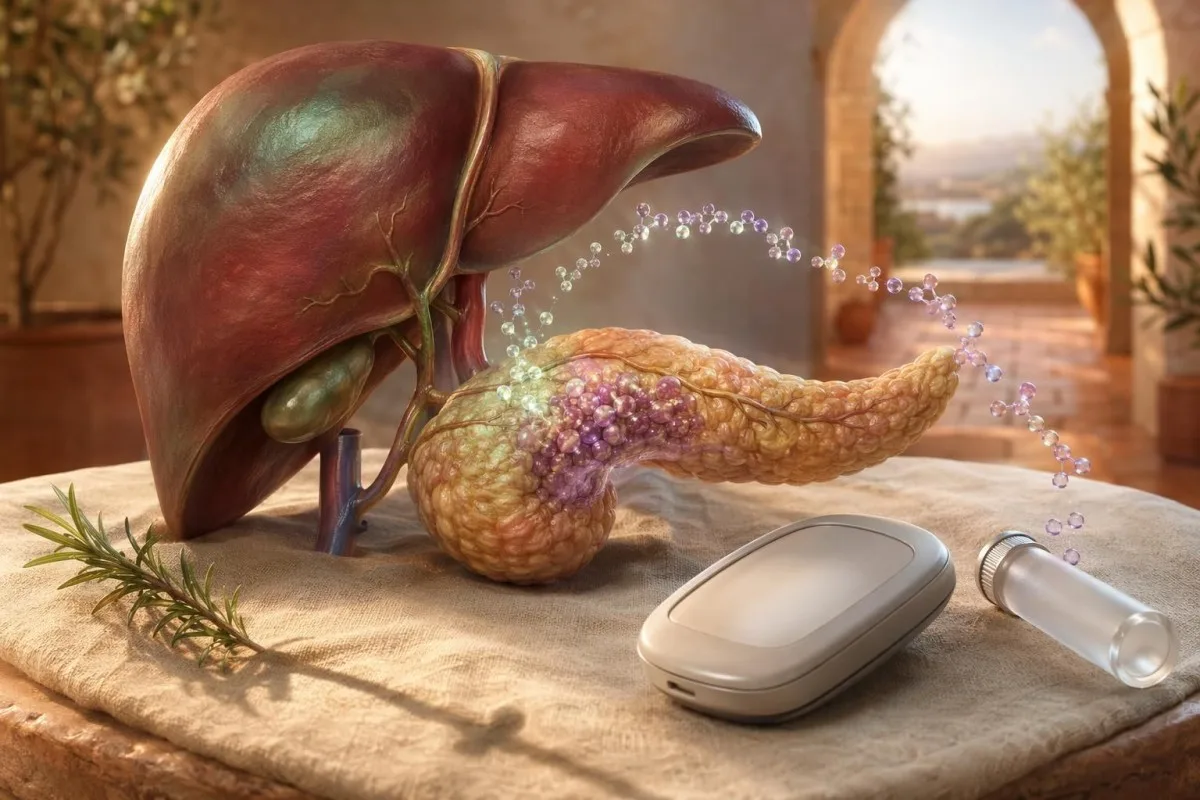
To lower fasting glucose before a blood test, spend 7–14 days on earlier dinners, better sleep, steady exercise and medication review — not dehydration, skipped medicines or extreme fasting.


- Normal fasting glucose is usually below 100 mg/dL, or 5.6 mmol/L, in adults.
- Prediabetes range is 100–125 mg/dL, or 5.6–6.9 mmol/L, and should usually be confirmed.
- Diabetes range is fasting glucose of 126 mg/dL, or 7.0 mmol/L, or higher on repeat testing.
- Dinner timing often matters: aim for the last calories 10–12 hours before the blood test and 3–4 hours before sleep.
- Exercise timing is safest as a 10–20 minute walk after dinner; very hard training within 24 hours can raise glucose in some people.
- Sleep loss can raise morning glucose through cortisol, sympathetic tone and worse insulin sensitivity.
- Alcohol reduction for 24–48 hours before testing is safer than using alcohol to force a lower number.
- Medication review should happen with a clinician; do not skip insulin, metformin, steroids or other prescribed medicines just to improve lab results.
Safe ways to lower fasting glucose before testing
The safest way how to lower fasting glucose before a blood test is to improve the 1–2 weeks before the draw: finish dinner earlier, sleep 7–9 hours, walk after meals, avoid alcohol, hydrate normally and review glucose-raising medicines with your clinician. Do not skip prescribed diabetes medication or fast for 18–24 hours to “beat” the lab.
As of July 4, 2026, most clinics define normal fasting plasma glucose as below 100 mg/dL, or below 5.6 mmol/L. The American Diabetes Association diagnostic thresholds remain the practical standard: 100–125 mg/dL suggests prediabetes, while 126 mg/dL or higher suggests diabetes if confirmed on another day (American Diabetes Association Professional Practice Committee, 2024).
Kantesti is an AI blood test interpretation platform that reads fasting glucose beside HbA1c, triglycerides, ALT, kidney markers and medication context, because a single morning value can mislead. A fasting glucose of 108 mg/dL with high triglycerides tells a different story from 108 mg/dL after a sleepless flight.
In my clinic, the worst advice usually comes from panic: a patient sees 112 mg/dL once, then tries a 24-hour fast, sauna and no medicines before the next blood test. That can cause hypoglycemia, dehydration or falsely odd blood test results; our guide to high glucose patterns explains when the number needs same-day care.
If you want the result interpreted in context, compare glucose with the broader panel rather than chasing one marker. Kantesti’s biomarker guide covers how glucose fits with insulin, C-peptide, HbA1c, liver enzymes and kidney function.
Why fasting glucose is often higher in the morning
Morning fasting glucose often runs high because the liver releases glucose between about 4 a.m. and 8 a.m. under the influence of cortisol, growth hormone and adrenaline. This dawn phenomenon is common in insulin resistance and can happen even when bedtime glucose looks reasonable.
The liver stores glucose as glycogen and releases it overnight so the brain has fuel. In insulin-sensitive people, insulin quietly restrains that release; in insulin resistance, the same liver signal can push fasting glucose from 92 mg/dL to 108–118 mg/dL without any midnight snack.
I see this pattern most often in people who say, “My evening readings are fine, but my blood test is always high.” A 44-year-old teacher in our review set had bedtime values near 103 mg/dL, then 6:30 a.m. readings near 121 mg/dL; her overnight glucose pattern made more sense than either single value.
The older idea called the Somogyi effect — rebound high glucose after an overnight low — is much less common than patients are told. If you use insulin or sulfonylureas, a 2–3 a.m. finger-stick or CGM trace is safer than guessing.
Fasting glucose is also more variable than HbA1c because it reflects one night of sleep, stress and liver output. A change from 97 to 106 mg/dL may be real, but I usually want repeat context before labeling a patient.
How long to fast for a reliable blood test
For fasting glucose, an 8–12 hour fast is usually the sweet spot: water is allowed, calories are not. Fasting longer than 14–16 hours does not reliably lower glucose and may raise it through counter-regulatory hormones in some people.
A short fast under 8 hours may capture the tail of dinner, especially after rice, pasta, dessert or a high-fat meal. A prolonged fast over 16 hours can increase cortisol, free fatty acids and hepatic glucose output, which is the opposite of what anxious patients expect.
If your appointment is at 8 a.m., most patients do best with the last calories between 8 p.m. and 10 p.m. the night before. I tell patients to keep water at the bedside and avoid “one tiny bite” of fruit, gum or a milky coffee, because even 30–50 calories can spoil the clean interpretation.
Some panels are less sensitive to fasting, but glucose and triglycerides still shift enough that the instructions matter. Our fasting blood test guide breaks down which results change after food and which usually do not.
Do not change your usual carbohydrate intake drastically for several days before a diagnostic test unless your clinician asked you to. A very low-carb week can lower fasting glucose, but it may also alter ketones, uric acid, LDL cholesterol and how an oral glucose tolerance test behaves.
Dinner timing and meal composition that can move the next result
Eating dinner 3–4 hours before sleep and 10–12 hours before the blood test is one of the most practical ways to improve fasting glucose. The best pre-lab dinner is boring in a good way: protein, fiber-rich vegetables, modest low-glycemic carbohydrates and minimal late dessert.
Late high-carbohydrate meals can keep glucose elevated for 6–8 hours in insulin-resistant adults. Late high-fat meals can be sneaky too; pizza, fried foods and creamy desserts may delay stomach emptying and create a second glucose rise after midnight.
A sensible dinner for many adults is 25–35 g protein, a large portion of non-starchy vegetables and about 30–45 g of carbohydrate from lentils, beans, oats, quinoa or whole grains. Patients who want food examples can use our low glycemic foods guide rather than guessing from marketing labels.
Please do not skip dinner if you use insulin, sulfonylureas or glinides. Hypoglycemia below 70 mg/dL is more dangerous tonight than a mildly high fasting glucose is tomorrow morning.
My practical rule is simple: make the night before the blood test a repeatable night, not a heroic one. If your next lab result improves after a normal early dinner, that change is clinically useful; if it improves after starvation, it teaches us almost nothing.
Exercise timing: what helps and what can backfire
A 10–20 minute walk after dinner often lowers overnight glucose more safely than a hard workout the night before a blood test. Regular exercise improves insulin sensitivity for 24–48 hours, but unfamiliar high-intensity exercise can temporarily raise glucose through adrenaline and cortisol.
Muscle contraction moves glucose into muscle partly through GLUT4 transporters, even when insulin action is imperfect. The Diabetes Care position statement by Colberg et al. recommends regular aerobic and resistance activity for people with diabetes, and the physiology applies to many insulin-resistant patients too (Colberg et al., 2016).
Hard training is different. A long run, CrossFit-style session or heavy leg day within 24 hours may raise fasting glucose, CK, AST and sometimes white cell count, which is why our exercise lab guide advises avoiding unusual workouts right before blood work.
If you already train daily, keep your usual pattern but avoid a personal-record attempt the night before. If you rarely exercise, start with walking after meals for 7–14 days; one patient dropped from 116 to 103 mg/dL after two weeks of 15-minute dinner walks, with no weight change at all.
Resistance training helps longer term, especially when it builds thigh and hip muscle. For next-week lab prep, though, consistency beats intensity.
Sleep, night shifts and the cortisol effect
Poor sleep can raise fasting glucose the next morning by increasing cortisol, sympathetic tone and insulin resistance. Most adults should aim for 7–9 hours of sleep for several nights before testing, not just one early bedtime.
In the classic Lancet sleep-debt study, Spiegel et al. found that restricted sleep impaired glucose tolerance and altered endocrine function in healthy young adults (Spiegel et al., 1999). The study was small, but in practice the effect is very real: two or three bad nights can move a fasting result by 5–15 mg/dL in susceptible patients.
Snoring, witnessed pauses in breathing and morning headaches matter because sleep apnea is strongly linked with insulin resistance. If fasting glucose, hematocrit and blood pressure all drift upward together, I often ask about sleep; our sleep apnea labs article covers the pattern.
Night-shift workers should not test after a 12-hour shift and then compare the result with a rested daytime baseline. A fairer plan is to book the blood test after your main sleep period, and our night shift labs guide explains how to log timing.
Melatonin, magnesium and sleep supplements are not glucose treatments. If you use them already and they are safe for you, keep timing consistent; do not start a new sedating supplement two nights before a lab appointment.
Alcohol, caffeine and hydration before the lab
Avoiding alcohol for 24–48 hours before a fasting glucose blood test is a safe, evidence-aligned choice. Hydrate normally with water, and avoid unusual caffeine intake on the morning of the test unless your clinician or lab specifically permits black coffee.
Alcohol is unpredictable for glucose. It can lower glucose overnight by blocking hepatic glucose production, then raise morning values indirectly by fragmenting sleep, increasing late snacking and worsening triglycerides.
Two to three drinks the evening before can also change GGT, triglycerides and blood pressure, so the lab panel may look metabolically noisier. If triglycerides are part of your concern, read our guide to alcohol and triglycerides before retesting.
Caffeine is more personal. In some people, strong coffee before testing raises glucose by 5–10 mg/dL through adrenaline; in daily coffee drinkers, the effect may be smaller, but I still prefer water-only when fasting glucose is the marker we are trying to understand.
Drink water, not a gallon. About 250–500 mL on waking is plenty for most adults; overhydration can dilute sodium, while dehydration can make veins harder to access and can make the whole metabolic panel look more stressed.
Medication and supplement review without unsafe changes
Medication review can lower fasting glucose over time, but do not stop or change prescribed medicines before a blood test without the prescriber’s advice. Steroids, thiazide diuretics, some antipsychotics, beta-agonists and high-dose niacin can all raise glucose.
Kantesti is an AI-powered blood test analysis tool used by people in 127+ countries, and medication context is one reason our analysis asks about metformin, steroids, GLP-1 medicines and kidney function. A glucose of 118 mg/dL means something different three days after a steroid injection than it does after six quiet months.
Metformin usually does not cause hypoglycemia by itself, so most patients take it as prescribed unless the clinician says otherwise. Our metformin lab timing guide explains why B12, eGFR and gastrointestinal tolerance also belong in the follow-up plan.
Steroid tablets, inhaled high-dose steroids and joint injections can raise glucose for 2–5 days, sometimes longer in diabetes. If the test is routine rather than urgent, ask whether to delay the blood test until the steroid effect has settled.
Do not start berberine, cinnamon capsules or high-dose chromium just to improve one lab result. Supplements can interact with diabetes medicines, anticoagulants and liver enzymes, which is why our medication monitoring checklist is more useful than a quick supplement experiment.
Stress, infection and poor timing can distort results
Acute illness, pain, recent vaccination, travel stress and poor sleep can raise fasting glucose by 10–30 mg/dL in some people. If the blood test is not urgent, wait until you are back to your usual baseline for at least several days.
Fever, dental pain, urinary symptoms and even a bad viral week increase counter-regulatory hormones. The liver’s job during stress is to release fuel, so a morning glucose of 122 mg/dL during illness may not represent your ordinary metabolic state.
I’m Thomas Klein, MD, and I have learned to ask one unglamorous question before diagnosing prediabetes: “Was this a normal week for you?” A bereavement, overnight flight or 3 a.m. childcare emergency can explain a borderline result better than any diet diary.
Cortisol excess is uncommon, but stress-pattern clues include higher glucose, higher blood pressure, sleep disruption and sometimes low eosinophils. Our guide to high cortisol clues explains when routine stress stops being a casual explanation.
Timing also matters after vaccination or surgery because inflammatory signals can shift glucose briefly. If the result will decide a diagnosis, repeat it when the body is quiet.
Lab-day checklist: safe steps from waking to draw
On lab morning, take only the steps that make the test accurate: water, prescribed medicines as directed, no calories, no unusual workout and a calm arrival. The best fasting glucose blood test reflects your real physiology, not a last-minute performance.
Wake up with enough time to avoid sprinting to the clinic. Ten minutes of rushing, parking stress and a tense sample collection can nudge adrenaline upward, especially in people who already have white-coat blood pressure.
Avoid nicotine, chewing gum, sweetened mouthwash swallowed by accident and flavored electrolyte drinks. Even “zero sugar” products can confuse the fasting story if they trigger appetite, caffeine exposure or gastrointestinal stress.
Sample handling matters more than many patients realize. If plasma is not separated promptly, glycolysis in the tube can lower measured glucose by roughly 5–7% per hour at room temperature, which means a delayed sample may falsely reassure rather than falsely alarm.
Many metabolic panels include glucose, electrolytes, kidney markers and liver enzymes, so fasting instructions can affect several lines of the report. Our CMP fasting guide explains why sodium, CO2 and creatinine context should not be ignored.
Checking at home: CGM and finger-stick context
Home glucose readings can explain a fasting lab result, but they are not identical to venous plasma glucose. Most regulated finger-stick meters are allowed to vary by about ±15% at common glucose levels, so trends matter more than one home number.
Capillary finger-stick glucose may run slightly different from venous lab glucose, particularly after meals or exercise. For fasting comparisons, use clean hands, the same meter and the same wake-up window for at least three mornings.
CGM readings lag behind plasma glucose by roughly 5–15 minutes because they measure interstitial fluid. Compression during sleep can create false lows, while a dawn rise from 5 a.m. to 8 a.m. may be very real; our CGM range guide explains the difference.
Kantesti AI trend analysis works best when patients record dinner time, sleep duration, exercise and alcohol exposure beside the lab result. Our clinical validation process is built around pattern recognition, not pretending that one glucose value can diagnose an entire metabolism.
A practical home log has four columns: bedtime glucose, wake glucose, sleep hours and last-calorie time. After 7 days, patterns usually become obvious.
If fasting glucose stays high, ask for the right follow-up labs
If fasting glucose remains above 100 mg/dL, the next useful tests are usually repeat fasting glucose, HbA1c, and sometimes fasting insulin, C-peptide or an oral glucose tolerance test. The right follow-up depends on whether the issue is insulin resistance, low insulin production or a temporary stress effect.
HbA1c reflects roughly 2–3 months of glycation and is reported as percent or mmol/mol. An HbA1c of 5.7–6.4% suggests prediabetes, while 6.5% or higher supports diabetes if confirmed; our A1c versus fasting guide covers discordant results.
Discordance is common. Iron deficiency, recent blood loss, kidney disease, hemoglobin variants and pregnancy can make HbA1c less reliable, which is why a normal A1c does not always cancel out repeated fasting glucose of 118–124 mg/dL.
Fasting insulin is useful but not standardized like glucose. Many labs report broad reference intervals around 2–20 µIU/mL, yet a fasting insulin above 10–12 µIU/mL with high triglycerides and waist gain often suggests early insulin resistance; our insulin resistance guide explains the pattern.
Kantesti is an AI biomarker interpretation platform that weighs glucose against HbA1c, insulin, C-peptide, triglycerides, ALT and eGFR rather than grading the patient from one line. That is closer to how I read a chart in clinic.
Special situations: diabetes, pregnancy and glucose-lowering medicines
People using insulin, sulfonylureas, GLP-1 medicines, SGLT2 inhibitors or pregnancy diabetes plans should not chase a lower fasting glucose before testing. In these groups, safety matters more than a tidy lab result, and medication instructions must come from the treating clinician.
Hypoglycemia is a glucose below 70 mg/dL, and clinically significant hypoglycemia is below 54 mg/dL. If you are on insulin or sulfonylureas, skipping food or changing doses can be dangerous; our hypoglycemia warning guide covers urgent symptoms.
Pregnancy testing has different targets and preparation rules. In gestational diabetes management, fasting targets are often below 95 mg/dL, but diagnostic oral glucose tolerance testing usually requires normal carbohydrate intake beforehand; our pregnancy glucose guide explains the timing.
SGLT2 inhibitors can increase ketone risk during fasting, dehydration or illness, even when glucose is not very high. If you feel nauseated, weak or unusually thirsty while fasting for labs, stop and contact your care team rather than pushing through.
Older adults and children also deserve caution. A 78-year-old on three glucose-lowering medicines and a teenager with type 1 diabetes should never be given the same “just fast longer” advice as a healthy adult.
What to do after the blood test result arrives
After the result arrives, interpret fasting glucose by range, symptoms, repeatability and related markers. A single value of 100–125 mg/dL usually calls for confirmation and lifestyle work; 126 mg/dL or higher usually needs repeat diagnostic testing unless symptoms make the diagnosis obvious.
If you have thirst, frequent urination, weight loss, vomiting, confusion or a random glucose near 200 mg/dL, do not wait for an app interpretation. Those symptoms need prompt medical care, especially if ketones, dehydration or infection are possible.
Kantesti’s neural network can help translate your lab results into plain language, but we still design it to respect clinical boundaries. Our technology guide explains how the system reads biomarker clusters rather than isolated flags.
I’m Thomas Klein, MD, and my view is that a good glucose plan should be boring enough to repeat: earlier dinner, regular walking, sleep repair, medication review and a retest date. Kantesti Ltd’s clinical approach is described on our about us page for readers who want to know who is behind the work.
Our doctors and advisors review medical safety standards because glucose interpretation sits in real life, not in a spreadsheet. You can read more about the physicians behind Kantesti on the medical advisory board page.
Frequently Asked Questions
How can I lower fasting glucose quickly before a blood test?
The safest short-term way to lower fasting glucose is to improve the 7–14 days before the blood test: finish dinner 10–12 hours before the draw, walk 10–20 minutes after meals, sleep 7–9 hours and avoid alcohol for 24–48 hours. Do not use extreme fasting, dehydration, sauna sessions or skipped medication to force a lower value. A fasting glucose below 100 mg/dL is usually normal, but the goal is an accurate result, not a disguised one.
What should I eat the night before a fasting glucose blood test?
The night before a fasting glucose blood test, most people do best with an early mixed meal containing protein, non-starchy vegetables and a modest low-glycemic carbohydrate portion of about 30–45 g. Avoid late desserts, large rice or pasta portions, fried foods and alcohol because they can affect overnight glucose for 6–8 hours. If you use insulin or sulfonylureas, do not skip dinner unless your clinician has given specific instructions.
Can drinking water lower fasting glucose before lab results?
Water does not directly lower fasting glucose like a medication, but normal hydration helps make the blood test more accurate and the sample collection easier. About 250–500 mL of water on the morning of the test is reasonable for most adults unless fluid restriction applies. Overhydration is not helpful and can disturb sodium, while dehydration may increase physiological stress.
Does exercise the night before lower fasting glucose?
Gentle exercise, especially a 10–20 minute walk after dinner, can improve overnight glucose handling and may lower the next morning’s fasting value. Very hard or unfamiliar exercise within 24 hours can backfire by raising adrenaline, cortisol, CK and sometimes glucose. If you already train regularly, keep the routine moderate and avoid unusually intense sessions before the blood test.
Why is my fasting glucose high but HbA1c normal?
Fasting glucose can be high with a normal HbA1c when the problem is mainly early-morning liver glucose release, poor sleep, stress or early insulin resistance. HbA1c reflects roughly 2–3 months, while fasting glucose reflects one night and one morning. Repeating fasting glucose, checking home morning trends and considering fasting insulin or an oral glucose tolerance test can clarify the pattern.
Should I skip diabetes medicine before a fasting glucose test?
Do not skip diabetes medicine before a fasting glucose test unless the prescribing clinician told you to. Insulin and sulfonylureas can cause hypoglycemia below 70 mg/dL if food and dosing are mismatched, while stopping other medicines can make results unsafe or misleading. Ask the lab or clinician for medicine-specific fasting instructions when scheduling the blood test.
How long should I fast to lower fasting glucose?
For an accurate fasting glucose result, fast for 8–12 hours with water only. Fasting longer than 14–16 hours is not a reliable way to lower fasting glucose and may raise it in some people through cortisol and liver glucose release. If your appointment is early morning, finish your last calories the previous evening and keep the routine normal.
Can I brush my teeth before a fasting glucose blood test?
Yes, brushing your teeth is usually fine if you do not swallow toothpaste or rinse. Avoid sugar-containing gum, mints, cough drops, flavored drinks, and supplements before the draw; plain water is the safest choice.
Get AI-Powered Blood Test Analysis Today
Join over 2 million users worldwide who trust Kantesti for instant, accurate lab test analysis. Upload your blood test results and receive comprehensive interpretation of 15,000+ biomarkers in seconds.
📚 Referenced Research Publications
Klein, T., Mitchell, S., & Weber, H. (2026). aPTT Normal Range: D-Dimer, Protein C Blood Clotting Guide. Kantesti AI Medical Research.
Klein, T., Mitchell, S., & Weber, H. (2026). Serum Proteins Guide: Globulins, Albumin & A/G Ratio Blood Test. Kantesti AI Medical Research.
📖 External Medical References
American Diabetes Association Professional Practice Committee (2024). 2. Diagnosis and Classification of Diabetes: Standards of Care in Diabetes—2024. Diabetes Care.
⚕️ Medical Disclaimer
This article is for educational purposes only and does not constitute medical advice. Always consult a qualified healthcare provider for diagnosis and treatment decisions.
E-E-A-T Trust Signals
Experience
Physician-led clinical review of lab interpretation workflows.
Expertise
Laboratory medicine focus on how biomarkers behave in clinical context.
Authoritativeness
Written by Dr. Thomas Klein with review by Dr. Sarah Mitchell and Prof. Dr. Hans Weber.
Trustworthiness
Evidence-based interpretation with clear follow-up pathways to reduce alarm.