El baix estat d'ànim persistent mereix una avaluació adequada de salut mental, juntament amb controls dirigits per a factors físics reversibles. Les proves de sang poden revelar factors; no diagnostiquen depressió.


- La seguretat primer: Els pensaments suïcides, la psicosi, l'agitació greu o la incapacitat per mantenir la seguretat necessiten atenció urgent de salut mental; els resultats de laboratori mai no han de retardar-la.
- CBC i ferritina: La ferritina per sota de 30 ng/mL sovint recolza la deficiència de ferro, fins i tot abans que caigui l'hemoglobina.
- Cribratge de tiroide: Una TSH elevada amb T4 lliure baixa indica hipotiroïdisme declarat i pot contribuir a la fatiga, el pensament lent i l'estat d'ànim baix.
- Vitamina B12: La B12 per sota de 180 pg/mL o 133 pmol/L sol ser deficient; els resultats limítrofs sovint necessiten proves d'àcid metilmalònic.
- Glucosa: Una HbA1c de 6,5 TP54T o superior compleix un llindar diagnòstic de diabetis quan es confirma, mentre que les fluctuacions de glucosa poden empitjorar l'energia i la concentració.
- Proves de ronyó i fetge: Una eGFR baixa, un sodi baix, un calci alt o una disfunció hepàtica poden alterar el son, la cognició, el maneig dels medicaments i l'estat d'ànim.
- No feu proves excessives: El cortisol, les hormones sexuals, els panels autoimmune amplis i les proves genètiques no són treballs de sang rutinaris per a l'estat d'ànim baix, tret que els símptomes hi apunten.
- Proper pas pràctic: Porteu els símptomes, els medicaments, l'historial menstrual, la dieta, el consum d'alcohol i els resultats previs a un metge; el patró és més important que un valor marcat.
El que realment pot revelar una anàlisi de sang per a l'estat d'ànim baix
A anàlisi de sang per a l'estat d'ànim baix pot identificar condicions mèdiques que imiten o agreugen la depressió, particularment anèmia, disfunció tiroïdal, deficiència de vitamines, trastorns de la glucosa, malalties renals o hepàtiques i alteracions electrolítiques. No pot confirmar ni excloure la depressió, que continua sent un diagnòstic clínic basat en símptomes, durada, funció i avaluació de seguretat.
A data de 12 de setembre de 2026, la pregunta útil no és “quina prova demostra que el meu estat d'ànim és mèdic?” sinó “quina condició reversible s'ajusta als meus símptomes i factors de risc?”. La guia de depressió de NICE recomana l'avaluació de la salut física, els medicaments, l'ús d'alcohol i substàncies, i el risc de suïcidi juntament amb els símptomes de salut mental (NICE, 2022). Un panel normal no fa que el malestar sigui menys real; simplement redueix el diagnòstic diferencial mèdic.
En els meus 15 anys de pràctica clínica, he vist pacients passar mesos culpant-se per l'esgotament que va resultar ser deficiència de ferro, hipotiroïdisme o diabetis mal controlada. També he vist resultats completament normals en persones amb depressió major greu. Ambdues situacions necessiten atenció, i cap s'ha de minimitzar.
Kantesti és una Analitzador de sang amb IA dissenyat per organitzar patrons de laboratori per a la discussió amb un metge, en lloc d'adjuntar una etiqueta psiquiàtrica a un resultat. Comenceu amb el guia de biomarcadors d'anàlisi de sang si les abreviatures d'un informe no són familiars.
Quan l'estat d'ànim baix és una emergència
Pensaments de suïcidi, un pla per fer-vos mal, sentir veus, nova paranoia, confusió severa, o diversos dies sense dormir i amb energia creixent requereixen una avaluació urgent de salut mental el mateix dia. Truqueu als serveis d'emergència o a una línia d'ajuda local, aneu a un departament d'emergències o demaneu a algú de confiança que us acompanyi; esperar els resultats de sang per a l'estat d'ànim baix no és segur.
1. CBC i estudis de ferro: fatiga abans que aparegui l'anèmia
La deficiència de ferro pot contribuir a la fatiga, la dificultat de concentració, la intolerància a l'exercici i l'estat d'ànim baix abans que es desenvolupi l'anèmia. Un hemograma complet, ferritina, transferrina saturada i CRP són les proves inicials més informatives quan la fatiga acompanya l'estat d'ànim baix.
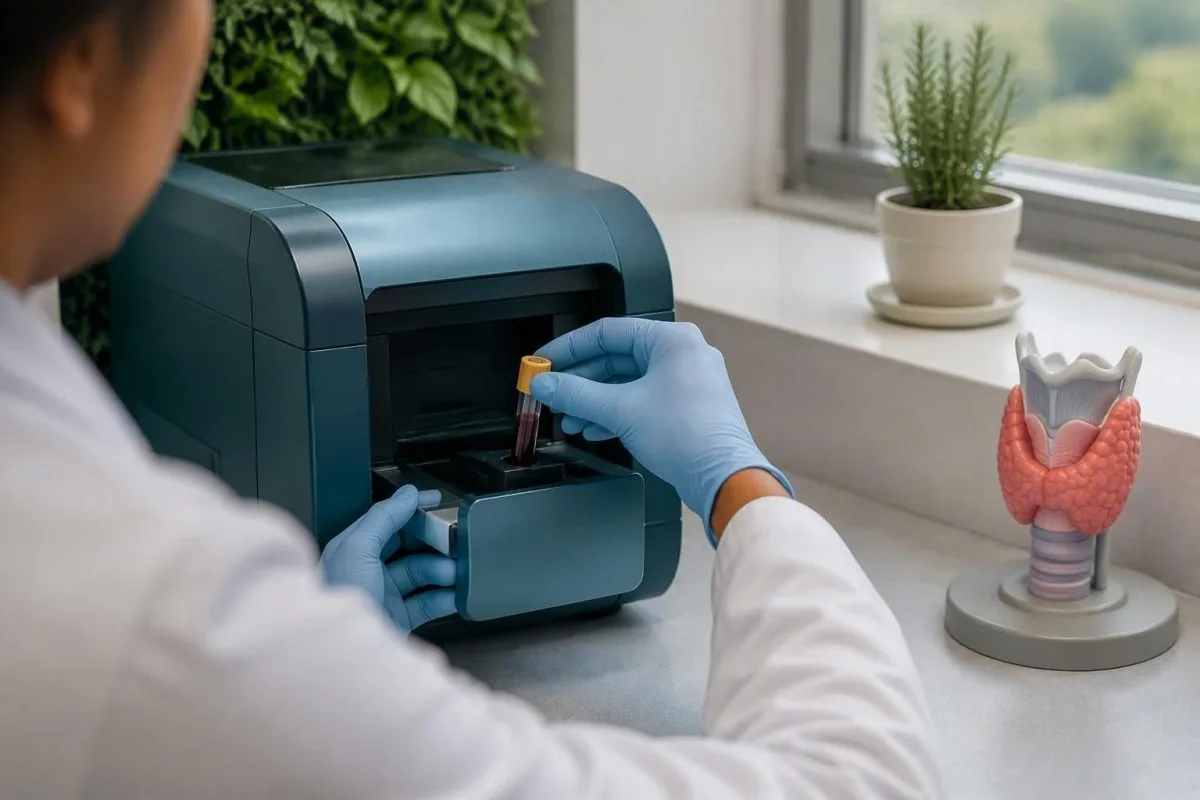
Ferritina per sota de 15 ng/mL és altament específica per a la manca de reserves de ferro, mentre que un valor per sota 30 ng/mL s'utilitza comunament en adults simptomàtics per donar suport a la deficiència de ferro. La ferritina també és una proteïna de fase aguda, de manera que un resultat de 60 ng/mL no exclou de manera fiable la deficiència durant infeccions, obesitat, malalties inflamatòries o exercici intens recent.
Hemoglobina per sota de 12,0 g/dL en dones adultes no embarassades o 13,0 g/dL en homes adults compleix els llindars comuns d'anèmia, però l'hemoglobina sola és un marcador tardà. Un MCV baix, una RDW en augment, una transferrina saturada per sota 20%, i una ferritina baixa formen un patró molt més convincent que el ferro sèric per si sol.
La revisió de Camaschella al NEJM descriu la fatiga i la reducció de la capacitat funcional com a característiques comunes de la deficiència de ferro, amb la causa de la deficiència que requereix investigació en lloc de suplementació automàtica (Camaschella, 2015). Períodes menstruals abundants, donació de sang, dietes restrictives, malaltia celíaca i pèrdua gastrointestinal són vies freqüents; la nostra guia sobre ferritina baixa abans de l'anèmia explica per què un “hemograma complet normal” pot ser enganyós.
2. Proves de tiroide: comproveu la TSH abans de culpar a l'estrès
L'hipotiroïdisme manifest és una causa mèdica reconeguda d'ànim baix, alentiment cognitiu, restrenyiment, intolerància al fred i fatiga. El cribratge tiroïdal de primera línia és la TSH amb T4 lliure quan la TSH és anòmala o la malaltia hipofisària és plausible.
Una TSH alta amb T4 lliure baixa indica hipotiroïdisme primari manifest i normalment mereix una discussió sobre el tractament. Els intervals de referència difereixen segons l'assaig, però la TSH és habitualment d'aproximadament 0,4-4,0 mUI/L; una TSH per sobre de 10 mIU/L és més rellevant clínicament que un augment borderline de 4,5 mIU/L, particularment quan es repeteix.
L'hipotiroïdisme subclínic significa TSH elevada amb T4 lliure normal. L'evidència que el tractament millora l'ànim amb elevacions modestes de la TSH és honestament mixta, especialment en adults grans, així que els símptomes, els anticossos tiroïdals, els plans de gravidesa i les proves repetides importen. Els suplements de biotina poden reduir falsament la TSH i augmentar la T4 lliure en alguns immunoassajos; deixeu la biotina a dosis altes durant almenys 48 hores si el laboratori ho indica.
Chaker et al. descriuen l'hipotiroïdisme com una condició sistèmica amb manifestacions neuropsiquiàtriques, tot i que la prova tiroïdal no hauria de ser una drecera per a una avaluació real de la depressió (Chaker et al., 2017). Per a la programació després de canvis de medicació, vegeu intervals de repetició de proves tiroïdals.
Un resultat que necessita una ruta diferent
La T4 lliure baixa amb una TSH normal o baixa pot indicar hipotiroïdisme central, malaltia no tiroïdal greu o interferència de l'assaig; no s'ha de descartar com a “tiroide normal”. Aquest patró mereix revisió clínica, especialment amb mal de cap, canvis visuals, baixa libido o altres símptomes hipofisaris.
3. Vitamina B12 i folat: els símptomes nerviosos canvien la urgència
La deficiència de vitamina B12 pot causar ànim baix, problemes de memòria, entumiment, desequilibri en la marxa i fatiga fins i tot sense anèmia. Provar la B12 amb CBC i considerar l'àcid metilmalònic o la homocisteïna quan el valor de B12 és borderline o els símptomes són neurològics.
Una B12 sèrum per sota de 180 pg/mL o 133 pmol/L generalment dóna suport a la deficiència, tot i que els punts de tall locals varien. Els resultats d'aproximadament 180-350 pg/mL poden ser indeterminats, i l'àcid metilmalònic augmenta quan el metabolisme dependent de B12 està alterat; la funció renal reduïda també pot elevar l'àcid metilmalònic.
La macrocitosi, normalment un MCV per sobre de 100 fL, pot apuntar cap a una deficiència de B12 o folat, però no és ni necessària ni específica. L'ús d'alcohol, malalties hepàtiques, hipotiroïdisme, reticulocitosi i medicaments també poden augmentar l'MCV. L'absència d'anèmia no descarta de manera segura la lesió nerviosa relacionada amb la B12.
Sóc especialment cautelós quan algú té formigueig, sensació de vibració reduïda, canvis en l'equilibri, ús de metformina, supressió àcida a llarg termini, dieta vegana, cirurgia gàstrica o exposició a òxid nitrós. No prengueu àcid fòlic solament per a sospita de deficiència de B12: pot corregir l'anèmia mentre el dany neurològic continua; revisar Proves de B12 versus folat amb un clínic.
4. Vitamina D: un factor, no una explicació autònoma
Un nivell baix de 25-hidroxivitamina D pot coexistir amb fatiga, dolors musculars, reducció de l'activitat a l'aire lliure i estat d'ànim baix, però rarament explica per si sola la depressió greu. Mesurar la 25-OH vitamina D en lloc de la prova activa de 1,25-dihidroxivitamina D per a l'avaluació de deficiència de rutina.
Una concentració de 25-OH vitamina D per sota 20 ng/mL (50 nmol/L) és considerada deficient per moltes autoritats, mentre que 20-29 ng/mL sovint es descriu com a insuficient. El llindar és objecte de debat: els grups centrats en ossos discrepen sobre si 20 o 30 ng/mL haurien de ser l'objectiu, i els llindars de tractament específics per a l'estat d'ànim no estan establerts.
La deficiència de vitamina D és més probable amb poca exposició solar, pell més fosca a latituds altes, roba que cobreix, obesitat, malabsorció, malaltia renal i certs medicaments antiepilèptics. La trampa clínica és assumir que un resultat baix ho explica tot; la pèrdua de son, el dol, l'ansietat, l'anèmia i la depressió hi coexisteixen comunament.
La majoria de pacients troben que la correcció millora els símptomes musculars o l'energia general gradualment durant setmanes, no de la nit al dia. L'excés de suplementació pot elevar el calci; un resultat alt de vitamina D mereix atenció quan apareixen nàusees, set, constipació o confusió.
La substitució raonable necessita supervisió
Per a la deficiència no complicada, els clínics utilitzen habitualment dosis diàries d'entre 800 i 2.000 IU, però els règims de càrrega depenen de la gravetat, l'embaràs, la funció renal, el nivell de calci i la guia local. Un resultat de 25-OH vitamina D superior a 150 ng/mL o 375 nmol/L genera preocupació per toxicitat i requereix revisió mèdica.
5. Glucosa i HbA1c: els descensos d'energia tenen patrons
La diabetis i la hipoglucèmia recurrent poden empitjorar el cansament, la concentració, el son i la irritabilitat, que es poden experimentar com un estat d'ànim baix. La glucosa en dejú i l'HbA1c són apropiats quan hi ha set, micció freqüent, canvi de pes, visió borrosa, tremolor o risc metabòlic.
Un HbA1c de 6,5% o més recolza la diabetis quan es confirma per proves repetides o una altra prova diagnòstica, mentre que 5.7-6.4% indica risc de diabetis augmentat segons els criteris dels EUA. L'HbA1c reflecteix aproximadament 8-12 setmanes d'exposició a la glucosa, però l'anèmia, les variants d'hemoglobina, la malaltia renal i les transfusions poden fer que sigui enganyós.
Una glucosa plasmàtica inferior a 70 mg/dL (3,9 mmol/L) és hipoglucèmia, però els símptomes importen: suor, tremolor, palpitacions, confusió i canvis de comportament durant un nivell baix documentat justifiquen una revisió. En persones sense diabetis, un resultat baix únic després d'un dejuni prolongat no és el mateix que un trastorn hipoglucèmic espontani verificat.
Quan reviso anàlisis de sang per estat d'ànim baix, pregunto què passa a les 11 del matí, després de l'exercici i dues hores després dels àpats. Menjars repetits rics en carbohidrats, alcohol sense menjar, medicaments per a la diabetis i subalimentació poden crear un patró reconeixible; vegeu causes de glucosa baixa.
Per què un glucosa en dejú normal pot passar per alt la història
La glucosa en dejú pot romandre normal al principi de la resistència a la insulina, mentre que l'HbA1c, els triglicèrids, el perímetre abdominal, l'apnea del son i els antecedents familiars indiquen risc. Per contra, l'HbA1c pot subestimar l'exposició a la glucosa quan els glòbuls vermells tenen una vida curta, de manera que els metges de vegades utilitzen fructosamina o monitorització de glucosa en lloc d'això.
6. Proves de ronyó, fetge i electròlits: la química passada per alt
La malaltia renal, la disfunció hepàtica, els desordres de sodi i els desequilibris de calci poden produir fatiga, alteracions del son, pensament lent o confusió que es solapa amb l'estat d'ànim baix. Un panel metabòlic bàsic, un panel hepàtic, un eGFR i una revisió de medicaments són més útils que proves aïllades de “benestar”.
Un eGFR per sota de 60 mL/min/1.73 m² durant almenys 3 mesos compleix un criteri per a la malaltia renal crònica, encara que un resultat únic pot caure temporalment després de deshidratació o malaltia aguda. Els símptomes urèmics solen aparèixer a nivells de filtració molt més baixos, però l'acumulació de medicaments i l'anèmia poden afectar el benestar abans.
El sodi per sota de 130 mmol/L pot causar mal de cap, nàusees, inestabilitat, confusió i fatiga marcada; sodi inferior a 120 mmol/L és sovint una emergència. Calci superior a 11,0 mg/dL (2,75 mmol/L) pot causar restrenyiment, set, canvis cognitius i estat d'ànim baix, especialment si puja ràpidament.
Kantesti és una servei d’interpretació de proves del laboratori d’IA que interpreta els resultats renals, hepàtics, electrolítics i CBC com un patró, inclosos els riscos relacionats amb els medicaments. Un canvi sobtat de l'eGFR necessita context de la hidratació i els valors previs, que el nostre guia de prova renal cobertes.
Els efectes dels medicaments poden ser la pista que falta
Els diürètics tiazídics poden augmentar el calci i disminuir el sodi, els ISRS poden contribuir a la hiponatrèmia, la metformina pot reduir la B12 amb el temps i alguns medicaments antiepilèptics afecten la vitamina D. Mai deixeu un medicament prescrit només per un resultat de laboratori; demaneu al prescriptor que valori el moment, la dosi i les alternatives més segures.
7. Inflamació, infecció i pistes autoimmune: prova selectivament
La CRP, l'ESR, les proves d'infecció i els anticossos autoimmune no són proves de cribratge de rutina per a l'estat d'ànim baix, però són útils quan les pistes físiques apunten a malaltia sistèmica. Febre, pèrdua de pes, inflor articular, erupció cutània, diarrea persistent, suors nocturnes o símptomes focals han de guiar aquesta branca de proves.
CRP per sota de 3 mg/L sovint es considera una inflamació de grau cardiovascular baixa, però els laboratoris utilitzen mètodes i rangs diferents. Una CRP de 30 mg/L pot reflectir infecció, activitat autoimmune, lesions teixidulars, obesitat o moltes altres condicions; no identifica una causa d'estat d'ànim baix i no pot diagnosticar “inflamació cerebral”.”
L'ESR augmenta lentament i cau lentament, fent-la menys útil per a un canvi sobtat de símptomes. Una CRP i ESR normals no exclouen totes les condicions inflamatòries, mentre que elevacions lleus i aïllades són comunes després d'infeccions, malalties dentals, exercici intens i un pes corporal més alt.
Veig més danys per panells d'anticossos indiscriminats que per proves dirigides: els resultats positius de baix nivell d'ANA són comuns i poden generar mesos d'ansietat. Si la ferritina és inesperadament alta amb elevació de la CRP, ferritina i CRP juntes són més informatius que qualsevol dels dos marcadors sols.
Quan un cribratge d'infeccions és sensat
El VIH, l'hepatitis, la serologia celíaca i altres proves d'infecció o malabsorció s'han de fer després d'exposició, símptomes gastrointestinals, patró d'anèmia, resultats hepàtics o historial clínic. Provar “tot” després d'un estat d'ànim baix ordinari sovint produeix falsos positius en lloc de respostes.
Un primer panell sensat per a fatiga persistent i estat d'ànim baix
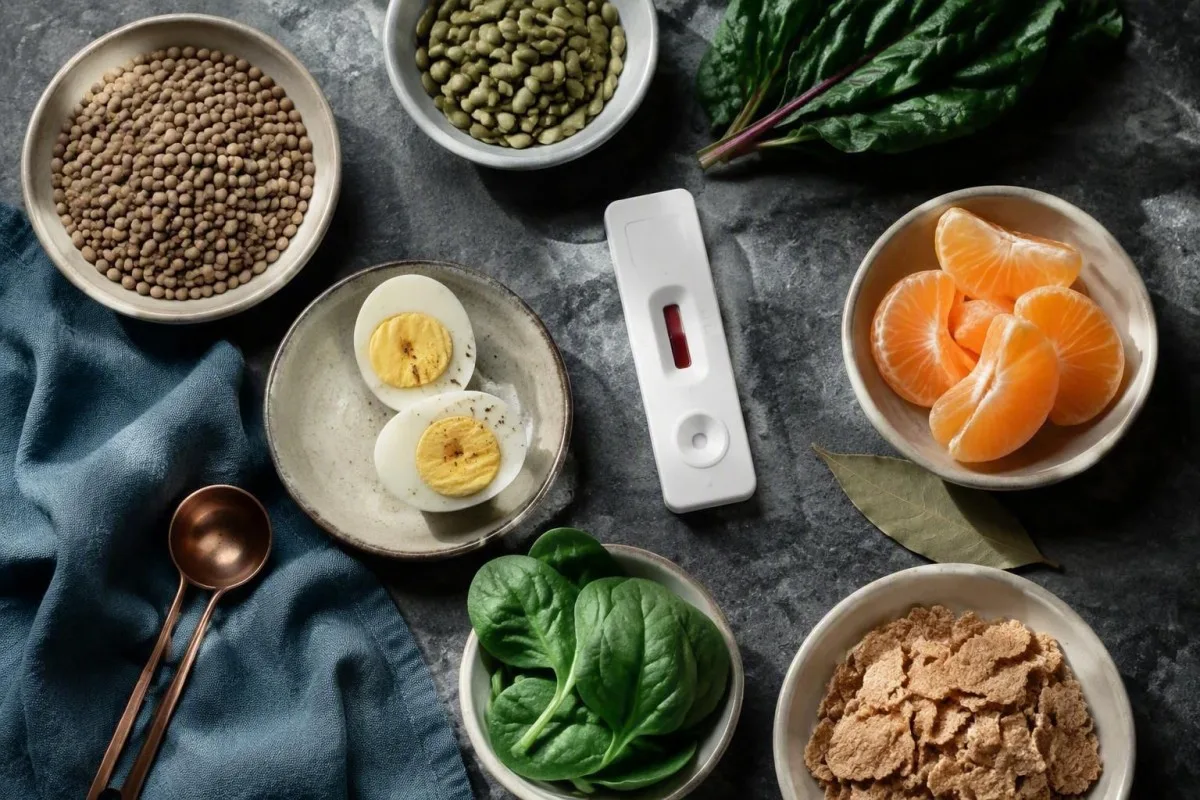
Per a l'estat d'ànim baix persistent amb fatiga, un primer panell enfocat normalment inclou CBC, ferritina amb saturació de transferrina, TSH, T4 lliure quan estigui indicat, B12, folat quan hi hagi risc, HbA1c o glucosa, funció renal, electròlits, proves hepàtiques i vitamina D quan el risc de deficiència sigui alt. El conjunt adequat és més petit en molta gent i més ampli en altres.
La possibilitat d'embaràs canvia la triatge immediatament: les proves d'embaràs, la ferritina, les proves de tiroide, l'avaluació de la glucosa i la revisió urgent dels medicaments poden tenir prioritat. En adults grans, la pèrdua de pes, els canvis intestinals, l'anèmia nova, la reducció de l'eGFR i els efectes dels medicaments mereixen més pes que les proves d'hormones sexuals.
Kantesti AI és una plataforma d’interpretació d’anàlisi de sang AI utilitzats a 127+ països per classificar els resultats en preguntes per a un metge, no per substituir la presa d'historial o l'examen. El nostre sistema pot ajudar a identificar context perdut com ara l'estat de dejuni, sagnat menstrual, suplements, exercici o malaltia recent; llegiu sobre com funciona la tecnologia.
La regla pràctica del Dr. Thomas Klein és senzilla: demanar una prova només quan un resultat pugui canviar el següent pas. Un panell ampli pot estar justificat amb símptomes multisistèmics, però el cortisol rutinari, les hormones sexuals, les proves d'intolerància alimentària, els metalls pesants i els marcadors tumorals generalment creen soroll en les anàlisis de sang per estat d'ànim baix.
Prepareu-vos perquè el resultat respongui a la pregunta
Registreu els suplements, especialment la biotina, la B12, el ferro, la vitamina D i la creatina; anoteu la darrera dosi i si heu fet dejuni. Eviteu exercici inusualment intens i excés d'alcohol durant 24-48 hores abans de proves no urgents, quan sigui possible, ja que tots dos poden canviar els resultats de AST, CK, glucosa, ferritina i sensibles a la hidratació.
Per què els panells d'hormones cortisol i sexuals rarament són de primera línia
Els cortisols aleatoris i els panells amplis d'hormones sexuals no solen explicar l'estat d'ànim baix persistent i no s'han d'utilitzar com a “proves generals de burnout”.” Esdevenen útils quan els símptomes suggereixen malaltia adrenal, disfunció menstrual, transició a la menopausa, hipogonadisme, malaltia hipofisària o efectes dels medicaments.
El cortisol té un fort ritme diari: una mostra a primera hora del matí és normalment molt més alta que una mostra al vespre, de manera que un valor no programat té un significat diagnòstic limitat. La sospita d'insuficiència adrenal s'avalua amb un cortisol ben programat i sovint proves de stimulació, no amb una puntuació “adrenal fatigue” en línia.
La testosterona varia amb l'hora del dia, malaltia aguda, son i proteïnes d'unió; en homes, la testosterona total del matí s'ha de repetir en almenys dues ocasions abans de diagnosticar la deficiència. L'estradiol i la progesterona varien al llarg del cicle menstrual, per això un sol valor no pot explicar els canvis d'ànim sense la cronologia del cicle.
Els símptomes que justifiquen les proves endocrines dirigides inclouen la pèrdua recent de pèl corporal, disfunció erèctil, amenorrea, galactorrea, sufocacions severes, estries violàcies, hematomes inexplicables o pressió arterial baixa persistent. El nostre guia de referència de cortisol explica per què l'hora de la recollida forma part del resultat.
La menopausa és clínica abans de ser bioquímica
En persones majors de 45 anys amb sufocacions i canvis de cicle típics, la menopausa sovint es diagnostica clínicament en lloc d'una sola prova de FSH. La malaltia tiroïdal, l'anèmia, els efectes dels medicaments i la depressió poden coexistir, de manera que tractar una etiqueta no hauria de ser el final de l'avaluació.
Reviseu medicaments, alcohol, substàncies i son abans d'afegir proves
Els efectes dels medicaments, l'alcohol, el cànnabis, els estimulants, els sedants i els trastorns del son són contribuidors reversibles comuns a l'estat d'ànim baix que cap panell sanguini estàndard pot capturar completament. Una cronologia de medicaments sovint produeix més que una ampolla addicional de mostra de laboratori.
Els betablocants, la isotretinoïna, els corticosteroides, alguns medicaments antiepilèptics, les teràpies basades en interferó, els sedants i els tractaments hormonals poden afectar l'ànim en persones susceptibles. Els ISRS, els diürètics i la carbamazepina poden reduir el sodi; els inhibidors de la bomba de protons i la metformina poden contribuir a la deficiència de B12 al llarg del temps.
L’alcohol pot reduir breument l’ansietat, però fragmenta el son i pot augmentar la GGT, la MCV, els triglicèrids i les enzims hepàtiques. Una GGT per sobre del límit superior del laboratori és inespecífica: pot reflectir alcohol, fetge gras, medicaments o colèstasi, per la qual cosa mai s’ha d’utilitzar com a prova d’ús d’alcohol.
L’apnea obstructiva del son pot semblar notablement a la depressió: son no reparador, poca concentració, canvis de libido i fatiga a la tarda, mentre que les proves de CE i de tiroide romanen normals. Si hi ha roncs, pauses presenciades, mal de cap al matí o hipertensió resistant, pregunteu per l’avaluació del son en lloc de perseguir suplements; son deficient i resultats de laboratori ofereixen un context útil.
Com els clínics llegeixen patrons en lloc de senyals d'alerta
Un sol resultat fora de rang poques vegades explica l’estat d’ànim baix; patrons coherents entre símptomes, resultats repetits i biomarcadors relacionats són més fiables. Els rangs de referència del laboratori descriuen on cau el 95% d’una població de referència, no una garantia personal de salut.

Una ferritina de 18 ng/mL amb baixa saturació de transferrina, menstruacions abundants, cames inquietes i fatiga és un cas més fort de deficiència de ferro que només la ferritina de 18. Per contra, una ferritina de 18 després d’una malaltia viral recent encara és prou baixa per investigar, però la CRP, la dieta, la pèrdua de sang i el moment de la repetició modelen la decisió.
El mateix principi s’aplica a les proves de tiroide: TSH 5,2 mIU/L després d’una setmana sense dormir pot merèixer una repetició, mentre que una TSH de 12 mIU/L amb T4 lliure baixa i restrenyiment és un senyal molt més clar. Els laboratoris difereixen en els assajos, per la qual cosa el seguiment del mateix laboratori i unitats redueix els canvis aparents falsos.
L’IA de LAPS compara tendències i marcadors relacionats per fer aquestes discussions menys fragmentades, però el nostre estàndard clínic és assenyalar la incertesa en lloc d’inventar la certesa. Apreneu per què un canvi entre anàlisis de sang pot ser variació biològica, variació de la recollida o un canvi real.
Un rang normal no és un objectiu de tractament
No intenteu empènyer cada biomarcador cap al mig d’un interval de referència. Per exemple, la dosi alta de ferro pot causar danys gastrointestinals i oscurir l’avaluació de la pèrdua de sang, mentre que un excés de vitamina D pot causar hipercalcèmia; el tractament ha de seguir el diagnòstic, els símptomes i les proves de seguiment.
Quan repetir proves, buscar una revisió del metge de capçalera o obtenir ajuda urgent
La repetició de les proves és adequada quan una anomalia lleu pot ser temporal, però els símptomes urgents prevalen sobre un pla d’espera i observació. Nova intenció suïcida, deliri, debilitat severa, dolor al pit, desmais, icterícia, femtes negres o confusió relacionada amb la glucosa requereixen ajuda mèdica urgent.
Una TSH lleugerament elevada amb T4 lliure normal es repeteix sovint en 6-12 setmanes, abans en embaràs o símptomes marcats. El moment del seguiment del ferro, B12 i vitamina D depèn del tractament i de la gravetat de base; els clínics reavaluïen comunament una CE i marcadors de ferro després de diverses setmanes en lloc de dies, ja que la recuperació dels glòbuls vermells triga temps.
Busqueu una revisió la mateixa setmana per a hemoglobina per sota de 10 g/dL, el sodi per sota de 130 mmol/L, un calci per sobre de 11,0 mg/dL, eGFR en ràpida disminució, bilirrubina amb icterícia, o glucosa en dejú en el rang diabètic més símptomes. Aquests són indicadors de triatge, no diagnòstics, i els serveis locals poden utilitzar diferents llindars.
Per a informes complexos, el sistema de LAPS enfocament de validació clínica emfatitza la comprovació de la font, la repetibilitat i l’escalada en lloc de la tranquil·litat d’un sol clic. El Dr. Thomas Klein recomana portar el PDF real, una llista de medicaments i un diari de símptomes d’una setmana a la cita.
Què escriure abans de la cita
Incloeu quan va començar l’estat d’ànim baix, la durada del son, el canvi d’apetit o de pes, el sagnat menstrual, l’ús d’alcohol i substàncies, antecedents familiars de tiroide o diabetis, infeccions recents, restriccions dietètiques i la dosi de cada medicament o suplement. Aquesta informació sovint canvia quin resultat “anormal” és clínicament rellevant.
Tractar l'estat d'ànim baix mentre s'estan comprovant les causes mèdiques
El suport de salut mental ha de començar quan el mal humor és persistent o incapacitant, fins i tot mentre les proves de sang estan pendents. La teràpia psicològica, el suport social, el tractament del son, la medicació quan sigui apropiada i la planificació de la seguretat no són opcions de reserva després de “laboratoris normals”; són atenció basada en l'evidència.

La depressió es defineix comunament per almenys 2 setmanes de mal humor o pèrdua d'interès acompanyats d'altres símptomes com ara canvis en el son, l'apetit, l'energia, la concentració, la culpa, psicomotors o suïcides. La gravetat depèn de l'impacte funcional i la seguretat, no de si l'informe de laboratori té senyals d'alerta.
Un factor físic pot ser real sense ser l'únic factor. Corregir la deficiència de B12 pot millorar la fatiga i la concentració mentre la teràpia aborda el dol, el trauma, l'aïllament o els símptomes depressius arrelats; la majoria dels pacients troben aquest plantejament combinat molt menys culpabilitzador.
Kantesti opera amb supervisió mèdica a través de la nostra consell assessor mèdic, i animem els lectors a utilitzar la interpretació de la IA com a preparació per a l'atenció clínica i de salut mental, no com a substitut d'aquesta. Si no podeu estar segur avui, utilitzeu els serveis d'emergència o un recurs de crisi del vostre país ara.
La conclusió per a les proves de sang per mal humor
Les proves de sang dirigides poden descobrir set categories valuoses: anèmia relacionada amb el ferro, disfunció tiroïdal, deficiència de B12 o folat, deficiència de vitamina D, trastorns de la glucosa, anomalies renals-hepàtiques-electrolítiques i malaltia inflamatòria o infecciosa guiada per símptomes. És una part d'una avaluació compassiva, mai un veredicte sobre si el vostre patiment és legítim.
Preguntes freqüents
Quines proves de sang hauria de demanar si tinc el tarannà baix i fatiga?
Una anàlisi de sang enfocada per mal humor i fatiga sovint inclou un CBC, ferritina amb saturació de transferrina, TSH, B12, HbA1c o glucosa, funció renal, electròlits i proves hepàtiques. La vitamina D és raonable quan l'exposició al sol és limitada, hi ha risc de malabsorció o hi ha dolors musculars coexistents. Una ferritina inferior a 30 ng/mL, una B12 inferior a 180 pg/mL i una TSH superior a l'interval de laboratori són exemples de resultats que necessiten context clínic. Aquestes proves identifiquen possibles factors mèdics; no diagnostiquen depressió.
Una anàlisi de sang pot diagnosticar la depressió?
No, cap anàlisi de sang pot diagnosticar depressió en l'atenció clínica rutinària. La depressió es diagnostica a partir de símptomes que duren almenys 2 setmanes, el seu efecte en la funció diària, l'historial psiquiàtric, l'examen i una avaluació de seguretat. Proves com TSH, ferritina, B12, glucosa, sodi i calci ajuden a identificar condicions que poden imitar o empitjorar els símptomes depressius. Els resultats de sang normals no descarten la depressió ni signifiquen que el tractament no sigui necessari.
El ferro baix pot causar ansietat i tristesa sense anèmia?
Sí, la deficiència de ferro pot causar fatiga, mala concentració, cames inquietes, menor tolerància a l'exercici i mal humor abans que l'hemoglobina sigui prou baixa per complir els criteris d'anèmia. Una ferritina inferior a 30 ng/mL sovint dóna suport a reserves de ferro esgotades, mentre que una saturació de transferrina inferior a 20% afegeix evidència de ferro insuficient disponible. La causa és important: el sagnat menstrual abundant, la pèrdua gastrointestinal, la baixa ingesta, la donació de sang i la malabsorció necessiten respostes diferents. No comenceu un tractament de ferro prolongat sense discutir el resultat i la causa amb un metge.
Quin resultat de la tiroide pot afectar l'estat d'ànim?
L'hipotiroïdisme manifest, definit per una TSH alta amb T4 lliure baixa, pot contribuir a la fatiga, el pensament lent, la intolerància al fred, el restrenyiment i els símptomes depressius. Molts laboratoris utilitzen un interval de referència de TSH al voltant de 0,4-4,0 mIU/L, però un resultat superior a 10 mIU/L generalment té més pes que una elevació límit. Una TSH lleugerament elevada amb T4 lliure normal sovint requereix proves repetides en 6-12 setmanes en lloc d'assumpcions immediates. La malaltia tiroïdal i la depressió poden coexistir, de manera que el tractament de la funció tiroïdal no substitueix l'avaluació de salut mental.
Hauria de fer proves de cortisol per a un estat d'ànim baix o esgotament?
Una anàlisi de cortisol aleatòria normalment no és útil per al mal humor ordinari o l'esgotament, ja que el cortisol canvia substancialment al llarg del dia i amb estrès agut, malaltia i son. Les proves dirigides són apropiades quan els símptomes suggereixen malaltia adrenal, com ara pressió arterial baixa persistent, pèrdua de pes inexplicable, canvi de pigmentació de la pell, debilitat severa o característiques similars a la de Cushing. Un cortisol d'hora al matí pot portar a proves de confirmació d'estimulació quan estigui clínicament indicat. Les proves comercials de “fatiga adrenal” no són un diagnòstic reconegut en la pràctica endocrina convencional.
Quan s'ha de tractar la tristesa com a urgent?
El mal humor necessita una avaluació urgent quan hi ha pensaments suïcides amb intenció o un pla, incapacitat per mantenir-se segur, psicosi, agitació severa, confusió nova o diversos dies de poc son amb energia inusualment alta o comportament de risc. Els símptomes de laboratori greus també mereixen atenció urgent, incloent sodi per sota de 120 mmol/L, confusió relacionada amb la glucosa, desmais, dolor al pit o debilitat que empitjora ràpidament. Poseu-vos en contacte amb els serveis d'emergència, un servei de crisi o un departament d'urgències en lloc d'esperar els resultats de les proves rutinàries. Demanar a una persona de confiança que es quedi amb tu és una mesura de seguretat immediata sensata.
Obteniu avui una anàlisi de sang amb IA
Uneix-te a més de 2 milions d’usuaris a tot el món que confien en Kantesti per a una anàlisi instantània i precisa de proves de laboratori. Pengeu els vostres resultats d’anàlisi de sang i rebeu una interpretació completa de biomarcadors 15,000+ en segons.
📚 Publicacions de recerca citades
Klein, T., Mitchell, S., & Weber, H. (2026). Prova de sang del virus Nipah: guia de detecció i diagnòstic precoç 2026. Kantesti Recerca mèdica amb IA.
Klein, T., Mitchell, S., & Weber, H. (2026). Guia de tipus de sang B negatiu, prova de sang de LDH i recompte de reticulòcits. Kantesti Recerca mèdica amb IA.
📖 Referències mèdiques externes
National Institute for Health and Care Excellence (2022). Depressió en adults: tractament i maneig. NICE Guideline NG222.
⚕️ Avís mèdic
Aquest article és només per a finalitats educatives i no constitueix assessorament mèdic. Consulteu sempre un professional sanitari qualificat per a decisions de diagnòstic i tractament.
Senyals de confiança E-E-A-T
Experiència
Revisió clínica liderada per metges dels fluxos de treball d’interpretació de laboratori.
Experiència
Enfocament en medicina de laboratori sobre com es comporten els biomarcadors en context clínic.
Autoritat
Escrit pel Dr. Thomas Klein amb revisió de la Dra. Sarah Mitchell i el Prof. Dr. Hans Weber.
Fiabilitat
Interpretació basada en l’evidència amb vies de seguiment clares per reduir l’alarma.