Uporna niska razina raspoloženja zaslužuje odgovarajuću procjenu mentalnog zdravlja, uz ciljane provjere reverzibilnih tjelesnih doprinosa. Krvne pretrage mogu otkriti doprinose; ne dijagnosticiraju depresiju.



- Sigurnost na prvom mjestu: Suicidalne misli, psihoza, jaka uznemirenost ili nemogućnost da ostanete sigurni trebaju hitnu skrb za mentalno zdravlje; laboratorijski rezultati nikada ne smiju to odgoditi.
- CBC i feritin: Feritin ispod 30 ng/mL često podupire nedostatak željeza, čak i prije nego što hemoglobin padne.
- Probir štitnjače: Povišen TSH s niskim slobodnim T4 ukazuje na klinički očitu hipotireozu i može doprinijeti umoru, usporenom razmišljanju i niskom raspoloženju.
- Vitamin B12: B12 ispod 180 pg/mL ili 133 pmol/L je obično nedovoljan; granični rezultati često zahtijevaju testiranje metilmalonične kiseline.
- Glukoza: HbA1c od 6.5% ili više ispunjava dijagnostički prag za dijabetes kada se potvrdi, dok fluktuacije glukoze mogu pogoršati energiju i koncentraciju.
- Testovi bubrega i jetre: Nizak eGFR, nizak natrij, visok kalcij ili disfunkcija jetre mogu utjecati na san, kogniciju, obradu lijekova i raspoloženje.
- Nemojte pretjerano testirati: Kortizol, spolni hormoni, široki autoimuni paneli i genetski testovi nisu rutinski krvni nalazi za nisko raspoloženje, osim ako simptomi ne ukazuju na to.
- Praktičan sljedeći korak: Odnesite simptome, lijekove, menstrualnu povijest, prehranu, konzumaciju alkohola i prethodne rezultate liječniku; obrazac je važniji od jedne istaknute vrijednosti.
Što krvna pretraga za nisko raspoloženje zapravo može otkriti
A krvni test za nisko raspoloženje može identificirati medicinska stanja koja oponašaju ili pogoršavaju depresiju, posebno anemiju, disfunkciju štitnjače, nedostatak vitamina, poremećaje glukoze, bolesti bubrega ili jetre i elektrolitske poremećaje. Ne može potvrditi niti isključiti depresiju, koja ostaje klinička dijagnoza utemeljena na simptomima, trajanju, funkciji i procjeni sigurnosti.
Od 12. rujna 2026. korisno je pitanje ne “koji test dokazuje da je moje raspoloženje medicinsko?” već “koja reverzibilna stanja odgovaraju mojim simptomima i čimbenicima rizika?” NICE smjernice za depresiju preporučuju procjenu tjelesnog zdravlja, lijekova, upotrebe alkohola i tvari te rizika od samoubojstva uz simptome mentalnog zdravlja (NICE, 2022). Normalan panel ne čini patnju manje stvarnom; jednostavno sužava medicinsku diferencijalnu dijagnozu.
U svojih 15 godina kliničke prakse vidio sam pacijente kako mjesece provode kriveći sebe za iscrpljenost koja se pokazala kao nedostatak željeza, hipotireoza ili loše kontroliran dijabetes. Također sam vidio potpuno normalne rezultate kod osoba sa teškom kliničkom depresijom. Oba se slučaja trebaju liječiti i nijedan se ne smije umanjiti.
Kantesti je Analizator krvnih testova s umjetnom inteligencijom dizajniran za organiziranje laboratorijskih obrazaca za raspravu s liječnikom, umjesto dodjeljivanja psihijatrijske oznake rezultatu. Počnite s Vodič za biomarkere u krvnim testovima ako su kratice na izvješću nepoznate.
Kada je nisko raspoloženje hitno
Misli o samoubojstvu, plan za nanošenje samoozljeđivanja, slušanje glasova, nova paranoja, jaka zbunjenost ili nekoliko dana bez sna i pojačana energija zahtijevaju hitnu procjenu mentalnog zdravlja istog dana. Nazovite hitnu pomoć ili lokalnu kriznu liniju, idite na odjel hitne pomoći ili zamolite nekoga kome vjerujete da ostane s vama; čekanje na krvne pretrage za nisko raspoloženje nije sigurno.
1. CBC i studije željeza: umor prije pojave anemije
Nedostatak željeza može doprinijeti umoru, oštećenoj koncentraciji, netoleranciji na vježbanje i niskom raspoloženju prije razvoja anemije. Kompletna krvna slika, feritin, transferinska saturacija i CRP najinformativniji su početni testovi kada se umor pridruži niskom raspoloženju.
Ferritin ispod 15 ng/mL je visoko specifičan za odsutnost zaliha željeza, dok je vrijednost ispod 30 ng/mL često se koristi kod simptomatskih odraslih osoba za potporu nedostatku željeza. Feritin je također protein akutne faze, tako da rezultat od 60 ng/mL ne isključuje pouzdano nedostatak tijekom infekcije, pretilosti, upalne bolesti ili nedavnog intenzivnog vježbanja.
Hemoglobin ispod 12,0 g/dL u odraslih žena koje nisu trudne ili 13,0 g/dL kod odraslih muškaraca zadovoljava uobičajene pragove anemije, ali sam hemoglobin je kasni marker. Nizak MCV, rastući RDW, transferinska saturacija ispod 20%, i nizak feritin čine mnogo uvjerljiviji obrazac od samog serumskog željeza.
Camaschellina recenzija u NEJM-u opisuje umor i smanjenu funkcionalnu sposobnost kao uobičajene značajke nedostatka željeza, pri čemu uzrok nedostatka zahtijeva istragu umjesto automatske suplementacije (Camaschella, 2015). Teška razdoblja, doniranje krvi, restriktivne dijete, celijakija i gastrointestinalni gubitak česti su putevi; naš vodič za niskog feritina prije anemije objašnjava zašto “normalna CBC” može dovesti u zabludu.
2. Pretrage štitnjače: provjerite TSH prije nego što krivite stres
Klinička hipotireoza je priznati medicinski uzrok niskog raspoloženja, kognitivnog usporavanja, zatvora, netolerancije na hladnoću i umora. Prva linija probira štitnjače je TSH s slobodnim T4 kada je TSH abnormalan ili je bolest hipofize vjerojatna.
Visoki TSH sa niskim slobodnim T4 ukazuje na kliničku primarnu hipotireozu i obično zaslužuje raspravu o liječenju. Referentni intervali se razlikuju po testu, ali TSH je uobičajeno oko 0,4-4,0 mIU/L; TSH iznad 10 mIU/L je klinički značajniji od graničnog porasta od 4,5 mIU/L, osobito kada se ponovi.
Subklinička hipotireoza znači povišeni TSH s normalnim slobodnim T4. Dokazi da liječenje poboljšava raspoloženje pri umjerenim povišenjima TSH-a su iskreno pomiješani, osobito kod starijih odraslih osoba, stoga su simptomi, antitijela štitnjače, planovi trudnoće i ponovljeno testiranje važni. Dodaci biotina mogu lažno sniziti TSH i povisiti slobodni T4 na nekim imunotestovima; prekinite visoke doze biotina najmanje 48 sati ako to laboratorij savjetuje.
Chaker i sur. opisuju hipotireozu kao sustavno stanje s neuropsihijatrijskim manifestacijama, iako testiranje štitnjače ne bi smjelo postati prečac za stvarnu procjenu depresije (Chaker et al., 2017.). Za vrijeme nakon promjena lijekova, pogledajte intervali ponovnog testiranja štitnjače.
Rezultat koji zahtijeva drugačiji put
Niska razina slobodnog T4 s normalnim ili niskim TSH-om može ukazivati na središnju hipotireozu, tešku ne-štitnjačnu bolest ili smetnje u testiranju; ne smije se odbaciti kao “normalna štitnjača”. Ovaj obrazac zaslužuje klinički pregled, osobito kod glavobolje, promjena vida, niskog libida ili drugih simptoma hipofize.
3. Vitamin B12 i folat: simptomi živaca mijenjaju hitnost
Nedostatak vitamina B12 može uzrokovati nisko raspoloženje, probleme s pamćenjem, utrnulost, nestabilnost u hodu i umor čak i bez anemije. Testirajte B12 s CBC-om i razmotrite metilmalonsku kiselinu ili homocistein kada je vrijednost B12 granična ili su simptomi neurološki.
Serumski B12 ispod 180 pg/mL ili 133 pmol/L općenito podupire nedostatak, iako se lokalni pragovi razlikuju. Rezultati od otprilike 180-350 pg/mL mogu biti neodređeni, a metilmalonska kiselina raste kada je metabolizam ovisan o B12 oštećen; smanjena bubrežna funkcija također može povisiti metilmalonsku kiselinu.
Makrocitoza, obično MCV iznad 100 fL, može ukazivati na nedostatak B12 ili folata, ali nije ni nužna ni specifična. Konzumacija alkohola, bolest jetre, hipotireoza, retikulocitoza i lijekovi također mogu povisiti MCV. Odsutnost anemije ne isključuje sigurno ozljedu živaca povezanu s B12.
Posebno sam oprezan kada netko ima trnce, smanjenu osjetljivost na vibracije, promjene ravnoteže, upotrebu metformina, dugotrajnu supresiju kiseline, veganstvo, želučanu operaciju ili izloženost dušikovom oksidu. Nemojte uzimati samo folnu kiselinu za sumnju na nedostatak B12: ona može ispraviti anemiju dok se neurološka oštećenja nastavljaju; pregled B12 nasuprot folatnoj pretrazi s liječnikom.
4. Vitamin D: doprinos, ne samostalno objašnjenje
Nizak 25-hidroksivitamin D može se javiti istovremeno s umorom, bolovima u mišićima, smanjenom aktivnošću na otvorenom i lošim raspoloženjem, ali rijetko sam objašnjava tešku depresiju. Mjerite 25-OH vitamin D umjesto testa aktivnog 1,25-dihidroksivitamina D za rutinsku procjenu nedostatka.
Koncentracija 25-OH vitamina D ispod 20 ng/mL (50 nmol/L) smatra se nedostatkom prema mnogim autoritetima, dok 20–29 ng/mL se često opisuje kao nedovoljan. Prag je osporavan: skupine fokusirane na kosti se ne slažu oko toga treba li cilj biti 20 ili 30 ng/mL, a pragovi liječenja specifični za raspoloženje nisu utvrđeni.
Nedostatak vitamina D je vjerojatniji uz malo izlaganja suncu, tamniju kožu na velikoj geografskoj širini, odjevne predmete koji pokrivaju tijelo, pretilost, malapsorpciju, bolest bubrega i određene lijekove protiv napadaja. Klinička zamka je pretpostavka da niski rezultat objašnjava sve; nesanica, tuga, tjeskoba, anemija i depresija često koegzistiraju s njim.
Većina pacijenata primjećuje da poboljšanje mišićnih simptoma ili opće energije postupno traje tjednima, a ne preko noći. Prekomjerno nadomjesno liječenje može povisiti kalcij; visoki rezultat vitamina D zaslužuje pažnju kada se pojave mučnina, žeđ, zatvor ili zbunjenost.
Razumno nadomjesno liječenje zahtijeva nadzor
Za nekomplicirani nedostatak, kliničari obično koriste dnevne doze od oko 800-2000 IU, ali režimi opterećenja ovise o težini, trudnoći, funkciji bubrega, razini kalcija i lokalnim smjernicama. Rezultat 25-OH vitamina D iznad 150 ng/mL ili 375 nmol/L izaziva zabrinutost zbog toksičnosti i zahtijeva medicinski pregled.
5. Glukoza i HbA1c: padovi energije imaju uzorke
Dijabetes i ponavljajuća hipoglikemija mogu pogoršati umor, koncentraciju, san i razdražljivost, što se može doživjeti kao loše raspoloženje. Post glukoze i HbA1c su prikladni kada su prisutni žeđ, često mokrenje, promjena težine, zamagljen vid, drhtavica ili metabolički rizik.
HbA1c od 6.5% ili više podržava dijabetes kada je potvrđen ponovljenim testiranjem ili drugim dijagnostičkim testom, dok 5.7-6.4% ukazuje povećan rizik od dijabetesa prema američkim kriterijumima. HbA1c odražava otprilike 8-12 nedelja izloženosti glukozi, ali anemija, hemoglobinopatije, bubrežna bolest i transfuzija mogu ga učiniti pogrešnim.
plazma glukoza ispod 70 mg/dL (3.9 mmol/L) je hipoglikemija, ipak simptomi su važni: znojenje, drhtanje, lupanje srca, konfuzija i promene u ponašanju tokom dokumentovanog niskog nivoa zahtevaju pregled. Kod osoba bez dijabetesa, jedan nizak rezultat nakon produženog gladovanja nije isto što i potvrđeni spontani hipoglikemijski poremećaj.
Kada pregledam krvne analize za loše raspoloženje, pitam šta se dešava u 11 ujutro, nakon vežbanja i dva sata nakon obroka. Ponavljani obroci bogati ugljenim hidratima, alkohol bez hrane, lekovi za dijabetes i nedovoljno goriva mogu stvoriti prepoznatljiv obrazac; vidi uzroci niske glukoze.
Zašto normalna glukoza natašte može promašiti priču
Glukoza natašte može ostati normalna rano u insulinskoj rezistenciji, dok HbA1c, trigliceridi, obim struka, apneja u snu i porodična anamneza ukazuju na rizik. Nasuprot tome, HbA1c može podceniti izloženost glukozi kada crvena krvna zrnca imaju skraćen životni vek, pa lekari ponekad koriste fruktozamin ili praćenje glukoze umesto toga.
6. Pretrage bubrega, jetre i elektrolita: zanemarena kemija
Bubrežna bolest, disfunkcija jetre, poremećaj elektrolita i neravnoteža kalcijuma mogu proizvesti zamor, poremećaj sna, usporeno razmišljanje ili konfuziju koja se preklapa sa lošim raspoloženjem. Osnovni metabolički panel, panel jetre, eGFR i pregled lekova su korisniji od izolovanih “wellness” testova.
eGFR ispod 60 mL/min/1.73 m² najmanje 3 meseca ispunjava jedan kriterijum za hroničnu bolest bubrega, iako jedan rezultat može privremeno pasti nakon dehidracije ili akutne bolesti. Uremijski simptomi obično nastaju pri mnogo nižim nivoima filtracije, ali nakupljanje lekova i anemija mogu uticati na dobrobit ranije.
Natrij ispod 130 mmol/L mogu uzrokovati glavobolju, mučninu, nestabilnost, konfuziju i izrazit zamor; natrijum ispod 120 mmol/L je često hitan slučaj. Kalcijum iznad 11.0 mg/dL (2.75 mmol/L) može uzrokovati zatvor, žeđ, kognitivne promene i loše raspoloženje, posebno ako brzo poraste.
Kantesti je usluzi za tumačenje laboratorijskih testova AI koji čita rezultate bubrega, jetre, elektrolita i CBC kao obrazac, uključujući rizike povezane sa lekovima. Nagla promena eGFR zahteva kontekst iz hidratacije i prethodnih vrednosti, koje naše vodič za testove bubrega pokriva.
Efekti lekova mogu biti skriveni trag
Tiazidni diuretici mogu povisiti kalcijum i sniziti natrijum, SSRI mogu doprineti hiponatremiji, metformin može dugoročno smanjiti B12, a neki lekovi protiv napada utiču na vitamin D. Nikada nemojte prekidati propisani lek samo na osnovu laboratorijskog rezultata; pitajte lekara koji je propisao lek da proceni vreme, dozu i sigurnije alternative.
7. Upale, infekcije i autoimuni tragovi: selektivno testiranje
CRP, ESR, testovi na infekcije i autoimuna antitela nisu rutinski skrining testovi za loše raspoloženje, ali su korisni kada fizički tragovi ukazuju na sistemsku bolest. Groznica, gubitak težine, oticanje zglobova, osip, uporni proliv, noćno znojenje ili fokalni simptomi treba da vode ovu granu testiranja.
CRP ispod 3 mg/L se često smatra niskim nivoom kardiovaskularne upale, ali laboratorije koriste različite metode i opsege. CRP od 30 mg/L može ukazivati na infekciju, autoimunu aktivnost, povredu tkiva, gojaznost ili mnoge druge uslove; ne identifikuje uzrok lošeg raspoloženja i ne može dijagnostikovati “upalu mozga”.”
ESR polako raste i polako opada, što ga čini manje korisnim za nagle promene simptoma. Normalan CRP i ESR ne isključuju svako upalno stanje, dok su blage izolirane elevacije česte nakon infekcija, bolesti zuba, intenzivnog vežbanja i veće telesne težine.
Vidim više štete od nerazaznatljivih panelnih testova antitela nego od ciljanog testiranja: niski pozitivni rezultati ANA su česti i mogu stvoriti mesece anksioznosti. Ako je feritin neočekivano visok uz povišenje CRP-a, feritin i CRP zajedno su informativniji od bilo kojeg pojedinačnog markera.
Kada je probir na infekcije smislen
HIV, hepatitis, serologija celijakije i drugi testovi na infekcije ili malapsorpciju trebali bi uslijediti nakon izloženosti, gastrointestinalnih simptoma, obrasca anemije, jetrenih nalaza ili kliničke povijesti. Testiranje “svega” nakon običnog lošeg raspoloženja često dovodi do lažnih pozitivnih rezultata, a ne do odgovora.
Razuman prvi panel za uporni umor i nisko raspoloženje
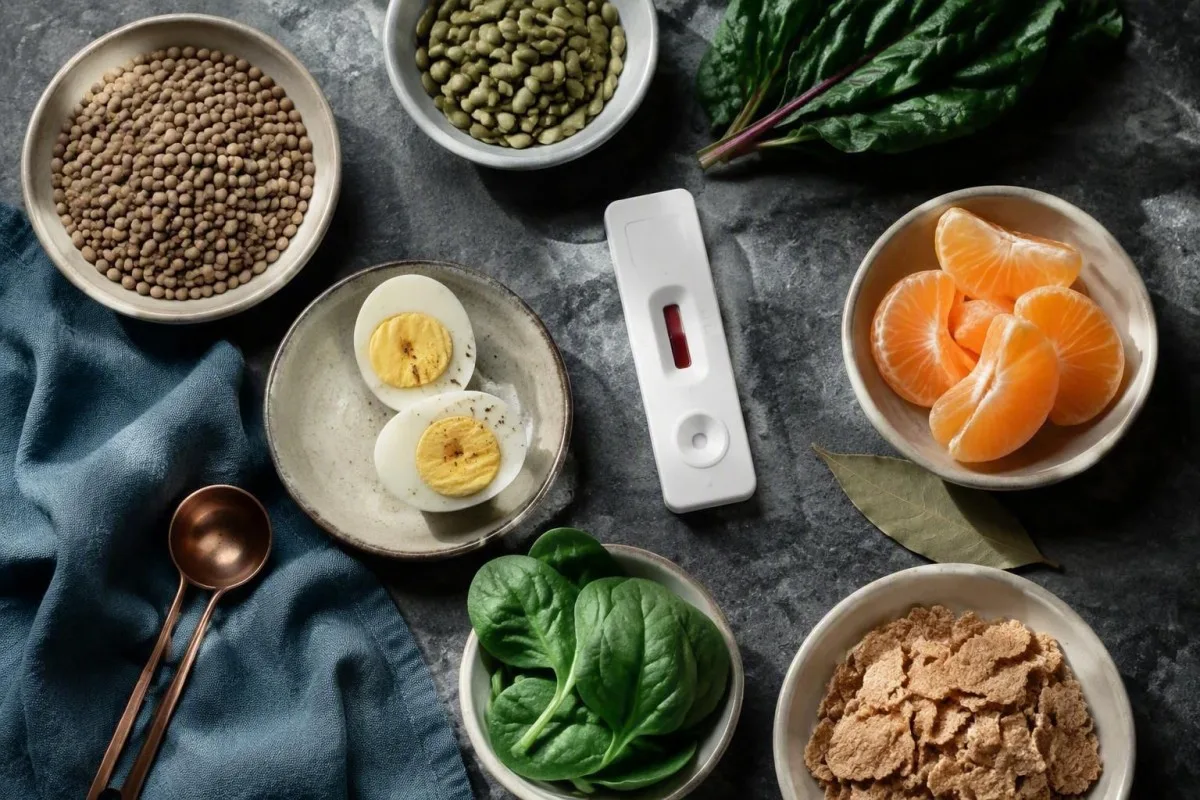
Za uporno loše raspoloženje s umorom, fokusirana prva ploča obično uključuje CBC, feritin sa saturacijom transferina, TSH, slobodni T4 kada je indicirano, B12, folat kada je prisutan rizik, HbA1c ili glukozu, bubrežnu funkciju, elektrolite, jetrene testove i vitamin D kada je rizik od nedostatka visok. Pravo set je manji kod mnogih ljudi, a širi kod drugih.
Mogućnost trudnoće odmah mijenja trijažu: testiranje na trudnoću, feritin, pretraga štitnjače, procjena glukoze i hitni pregled lijekova mogu imati prioritet. Kod starijih odraslih osoba, gubitak težine, promjene crijeva, nova anemija, smanjeni eGFR i učinci lijekova zaslužuju veću težinu nego testiranje spolnih hormona.
Kantesti AI je Platforma za tumačenje krvnih nalaza pomoću AI-a koristi se u zemljama 127+ za sortiranje rezultata u pitanja za kliničara, a ne za zamjenu uzimanja anamneze ili pregleda. Naš sustav može pomoći u identificiranju nedostajućeg konteksta kao što su status posta, menstrualno krvarenje, dodaci prehrani, tjelovježba ili nedavna bolest; pročitajte o kako tehnologija funkcionira.
Praktično pravilo dr. Thomasa Kleina je jednostavno: naručite test samo kada rezultat može promijeniti sljedeći korak. Široka ploča može biti opravdana kod multisistemskih simptoma, ali rutinski kortizol, spolni hormoni, testovi intolerancije na hranu, teški metali i tumorski markeri obično stvaraju šum u krvnim pretragama kod lošeg raspoloženja.
Pripremite se kako bi rezultat odgovorio na pitanje
Zabilježite suplemente, posebno biotin, B12, željezo, vitamin D i kreatin; navedite posljednju dozu i jeste li postili. Izbjegavajte neuobičajeno intenzivno vježbanje i prekomjerni alkohol 24-48 sati prije nehitnih testiranja gdje je moguće, jer oboje mogu promijeniti AST, CK, glukozu, feritin i rezultate osjetljive na hidrataciju.
Zašto panel kortizola i spolnih hormona rijetko bude prvi izbor
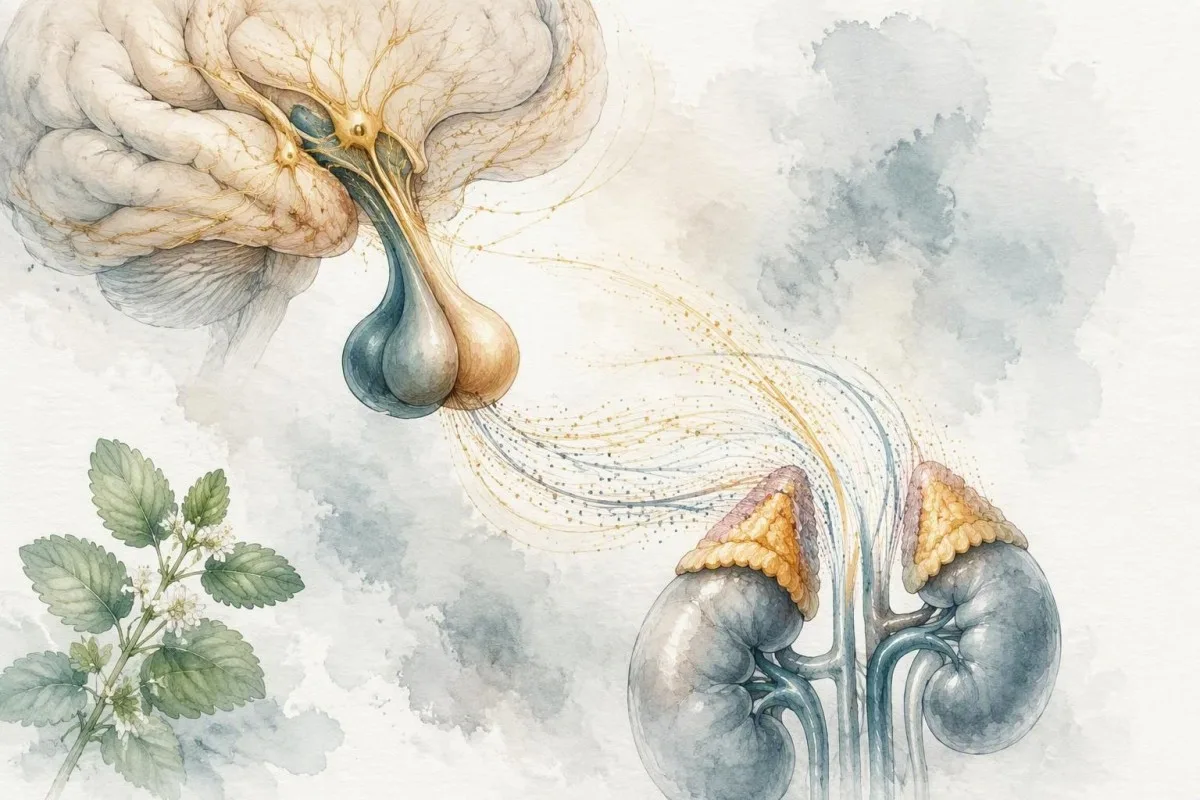
Nasumični kortizol i široke ploče spolnih hormona obično ne objašnjavaju uporno loše raspoloženje i ne bi se trebali koristiti kao opći “testovi izgaranja”.” Postaju korisni kada simptomi sugeriraju bolest nadbubrežne žlijezde, menstrualne disfunkcije, prijelaz menopauze, hipogonadizam, bolest hipofize ili učinke lijekova.
Kortizol ima snažan dnevni ritam: uzorak rano ujutro je normalno mnogo viši nego večernji, tako da vrijednost bez vremenskog određivanja ima ograničeno dijagnostičko značenje. Sumnja na insuficijenciju nadbubrežne žlijezde procjenjuje se pravilno vremenski određenim kortizolom i često testiranjem stimulacije, a ne online “ocjenom adrenalnog umora”.
Testosteron varira ovisno o dobu dana, akutnoj bolesti, snu i veznim proteinima; kod muškaraca, jutarnji ukupni testosteron treba ponoviti barem dva puta prije dijagnosticiranja nedostatka. Estradiol i progesteron variraju tijekom menstrualnog ciklusa, zbog čega jedna vrijednost ne može objasniti promjene raspoloženja bez vremenskog određivanja ciklusa.
Simptomi koji opravdavaju ciljano endokrino testiranje uključuju novi gubitak tjelesne dlake, erektilnu disfunkciju, amenoreju, galaktoreju, teške valunge, ljubičaste strije, neobjašnjive modrice ili uporno nizak krvni tlak. Naš vodiču za referentne vrijednosti kortizola objašnjava zašto je vrijeme prikupljanja dio rezultata.
Menopauza je klinička prije nego što je biokemijska
Kod osoba starijih od 45 godina s tipičnim valunzima i promjenama ciklusa, menopauza se često dijagnosticira klinički, a ne na temelju jednog FSH testa. Bolest štitnjače, anemija, učinci lijekova i depresija mogu koegzistirati, tako da liječenje jednog dijagnostičkog naziva ne smije završiti procjenu.
Pregledajte lijekove, alkohol, tvari i san prije dodavanja pretraga
Učinci lijekova, alkohol, kanabis, stimulansi, sedativi i poremećaji spavanja česti su reverzibilni doprinositelji lošem raspoloženju koje nijedan standardni krvni panel ne može u potpunosti obuhvatiti. Kronologija lijekova često daje više nego dodatna bočica laboratorijskog uzorka.
Beta-blokatori, izotretinoin, kortikosteroidi, neki lijekovi protiv napadaja, terapije temeljene na interferonu, sedativi i hormonski tretmani mogu utjecati na raspoloženje kod osjetljivih osoba. SSRI, diuretici i karbamazepin mogu sniziti natrij; inhibitori protonske pumpe i metformin mogu s vremenom doprinijeti nedostatku B12.
Alkohol može kratkotrajno smanjiti anksioznost, ali fragmentira san i može povisiti GGT, MCV, trigliceride i jetrene enzime. GGT iznad laboratorijske gornje granice je nespecifičan: može odražavati alkohol, masnu jetru, lijekove ili kolestazu, stoga se nikada ne smije koristiti kao dokaz upotrebe alkohola.
Opstruktivna apneja u snu može nalikovati depresiji — neobnavljajući san, slaba koncentracija, promjene libida i umor poslijepodne — dok CBC i pretraga štitnjače ostaju normalni. Ako postoje hrkanje, svjedočeni zastoji, jutarnja glavobolja ili rezistentna hipertenzija, pitajte o procjeni sna umjesto da tražite dodatke; loš san i laboratorijski rezultati nude koristan kontekst.
Kako kliničari čitaju obrasce umjesto crvenih zastavica
Jedan rezultat izvan raspona rijetko objašnjava loše raspoloženje; koherentni obrasci simptoma, ponovljeni rezultati i povezani biomarkeri pouzdaniji su. Laboratorijski referentni rasponi opisuju gdje pada 95% referentne populacije, a ne osobno jamstvo zdravlja.

Feritin od 18 ng/mL s niskom zasićenošću transferina, teškim menstruacijama, sindromom nemirnih nogu i umorom snažniji je slučaj nedostatka željeza od samog feritina 18. Nasuprot tome, feritin 18 nakon nedavne virusne bolesti i dalje je dovoljno nizak za istragu, ali CRP, prehrana, gubitak krvi i vrijeme ponavljanja oblikuju odluku.
Ista se načela primjenjuju na testiranje štitnjače: TSH 5,2 mIU/L nakon tjedna neprospavanog sna može zaslužiti ponavljanje, dok je TSH 12 mIU/L s niskim slobodnim T4 i zatvorom mnogo jasniji signal. Laboratoriji se razlikuju po analizi, stoga praćenje istog laboratorija i jedinica smanjuje lažne promjene.
Kantesti AI uspoređuje trendove i povezane markere kako bi ove rasprave bile manje fragmentirane, ali naš klinički standard je označiti nesigurnost umjesto izmišljanja sigurnosti. Saznajte zašto promjena između krvnih pretraga može biti biološka varijacija, varijacija uzorkovanja ili stvarna promjena.
Normalan raspon nije cilj liječenja
Nemojte pokušavati sve biomarkere pomaknuti prema sredini intervala referentnih vrijednosti. Na primjer, visoke doze željeza mogu uzrokovati gastrointestinalne ozljede i zamagliti procjenu gubitka krvi, dok prekomjerni vitamin D može uzrokovati hiperkalcemiju; liječenje treba slijediti dijagnozu, simptome i naknadno testiranje.
Kada ponoviti pretrage, potražiti pregled obiteljskog liječnika ili dobiti hitnu pomoć
Ponovljeno testiranje je prikladno kada je blaga abnormalnost privremena, ali hitni simptomi nadjačavaju plan čekanja i promatranja. Nova suicidalna namjera, delirij, jaka slabost, bol u prsima, nesvjestica, žutica, crna stolica ili zbunjenost povezana s glukozom zahtijevaju hitnu medicinsku pomoć.
Blago povišen TSH s normalnim slobodnim T4 često se ponavlja u 6-12 tjedana, ranije u trudnoći ili kod izraženih simptoma. Vrijeme naknadnog praćenja željeza, B12 i vitamina D ovisi o liječenju i početnoj težini; kliničari obično ponovno procjenjuju CBC i markere željeza nakon nekoliko tjedana, a ne dana, jer oporavak crvenih krvnih stanica traje.
Potražite pregled isti tjedan za hemoglobin ispod 10 g/dL, natrij ispod 130 mmol/L, kalcij iznad 11,0 mg/dL, eGFR koji brzo pada, bilirubin sa žuticom ili glukozu natašte u dijabetičkom rasponu plus simptomi. Ovo su upute za trijažu, a ne dijagnoze, a lokalne službe mogu koristiti drugačije pragove.
Za složena izvješća, Kantesti’s pristup kliničkoj validaciji naglašava provjeru izvora, ponovljivost i eskalaciju umjesto uvjeravanja jednim klikom. Dr. Thomas Klein preporučuje donošenje stvarnog PDF-a, popisa lijekova i dnevnik simptoma od tjedan dana na pregled.
Što zapisati prije pregleda
Uključite kada je započelo loše raspoloženje, trajanje sna, promjene apetita ili težine, menstrualno krvarenje, konzumacija alkohola i tvari, obiteljska povijest štitnjače ili dijabetesa, nedavne infekcije, prehrambena ograničenja i dozu svakog lijeka ili dodatka. Ove informacije često mijenjaju koji je “abnormalni” rezultat klinički relevantan.
Liječite nisko raspoloženje dok se provjeravaju medicinski uzroci
Podrška mentalnom zdravlju trebala bi započeti kada je niska razina raspoloženja uporna ili ometajuća, čak i dok se čekaju krvni nalazi. Psihološka terapija, socijalna podrška, liječenje poremećaja spavanja, lijekovi kada je prikladno i planiranje sigurnosti nisu rezervne opcije nakon “normalnih laboratorijskih nalaza”; to je skrb utemeljena na dokazima.

Depresija se obično definira s najmanje 2 tjedna niske razine raspoloženja ili gubitka interesa popraćenih drugim simptomima kao što su promjene u spavanju, apetitu, energiji, koncentraciji, krivnji, psihomotorici ili samoubilačkim mislima. Jačina ovisi o funkcionalnom utjecaju i sigurnosti, a ne o tome ima li laboratorijski nalaz crvenih zastavica.
Fizički uzrok može biti stvaran, a da nije jedini uzrok. Ispravljanje nedostatka vitamina B12 može poboljšati umor i koncentraciju, dok terapija liječi tugu, traumu, izolaciju ili ukorijenjene depresivne simptome; većina pacijenata smatra da je ovaj kombinirani pristup puno manje okrivljujući.
Kantesti djeluje pod nadzorom liječnika putem našeg medicinski savjetodavni odbor, i potičemo čitatelje da AI tumačenje koriste kao pripremu za, a ne zamjenu za, kliničku skrb i skrb za mentalno zdravlje. Ako se danas ne možete osigurati, koristite hitne službe ili krizni centar u svojoj zemlji odmah.
Zaključak za krvne pretrage kod niske razine raspoloženja
Ciljano testiranje krvi može otkriti sedam korisnih kategorija: anemija povezana sa željezom, disfunkcija štitnjače, nedostatak vitamina B12 ili folata, nedostatak vitamina D, poremećaji glukoze, abnormalnosti bubrega-jetre-elektrolita i upalna ili zarazna bolest vođena simptomima. To je jedan dio suosjećajne procjene, nikad presuda o tome je li vaša patnja legitimna.
Često postavljana pitanja
Koje krvne pretrage trebam zatražiti ako imam potištenost i umor?
Fokusirana krvna pretraga na nisko raspoloženje i umor često uključuje kompletnu krvnu sliku, feritin s transferinskom zasićenosti, TSH, B12, HbA1c ili glukozu, funkciju bubrega, elektrolite i jetrene pretrage. Vitamin D je razuman kada je izloženost suncu ograničena, postoji rizik od malapsorpcije ili postoje bolovi u mišićima. Feritin ispod 30 ng/mL, B12 ispod 180 pg/mL i TSH iznad laboratorijskog intervala primjeri su rezultata koji zahtijevaju klinički kontekst. Ove pretrage identificiraju moguće medicinske doprinose; ne dijagnosticiraju depresiju.
Može li krvni test dijagnosticirati depresiju?
Ne, nijedan krvni test ne može dijagnosticirati depresiju u rutinskoj kliničkoj praksi. Depresija se dijagnosticira na temelju simptoma koji traju najmanje 2 tjedna, njihovog utjecaja na dnevne funkcije, psihijatrijske povijesti, pregleda i procjene sigurnosti. Pretrage kao što su TSH, feritin, B12, glukoza, natrij i kalcij pomažu u identifikaciji stanja koja mogu oponašati ili pogoršati depresivne simptome. Normalni krvni nalazi ne isključuju depresiju niti znače da liječenje nije potrebno.
Može li nizak udio željeza uzrokovati tjeskobu i loše raspoloženje bez anemije?
Da, nedostatak željeza može uzrokovati umor, lošu koncentraciju, sindrom nemirnih nogu, smanjenu toleranciju na vježbanje i nisko raspoloženje prije nego što hemoglobin postane dovoljno nizak da zadovolji kriterije za anemiju. Feritin ispod 30 ng/mL često ukazuje na iscrpljene zalihe željeza, dok zasićenost transferina ispod 20% dodaje dokaze o nedovoljnoj dostupnosti željeza. Uzrok je važan: obilno menstrualno krvarenje, gubitak u gastrointestinalnom traktu, nizak unos, donacija krvi i malapsorpcija zahtijevaju različite odgovore. Nemojte započeti dugotrajno liječenje željezom bez razgovora o rezultatu i uzroku s liječnikom.
Koji nalaz štitnjače može utjecati na raspoloženje?
Jasna hipotireoza, definirana visokim TSH s niskim slobodnim T4, može doprinijeti umoru, sporom razmišljanju, netoleranciji na hladnoću, zatvoru i depresivnim simptomima. Mnogi laboratoriji koriste referentni interval TSH od oko 0,4-4,0 mIU/L, ali rezultat iznad 10 mIU/L općenito nosi veću težinu od graničnog povišenja. Blago povišeni TSH s normalnim slobodnim T4 često zahtijeva ponovno testiranje za 6-12 tjedana umjesto trenutnih pretpostavki. Bolest štitnjače i depresija mogu postojati istovremeno, stoga liječenje funkcije štitnjače ne zamjenjuje procjenu mentalnog zdravlja.
Trebam li testirati kortizol zbog niske razine raspoloženja ili izgaranja?
Nasumični test kortizola obično nije koristan za obično nisko raspoloženje ili izgaranje jer se kortizol znatno mijenja tijekom dana i kod akutnog stresa, bolesti i sna. Ciljano testiranje je prikladno kada simptomi ukazuju na bolest nadbubrežne žlijezde, kao što su uporni nizak krvni tlak, neobjašnjiv gubitak težine, promjena pigmentacije kože, jaka slabost ili značajke slične Cushingovoj bolesti. Jutarnji kortizol može dovesti do potvrdnih testova stimulacije kada je klinički indicirano. Komercijalno testiranje na “adrenalnu iscrpljenost” nije priznata dijagnoza u glavnoj endokrinoj praksi.
Kada nisko raspoloženje treba tretirati kao hitno?
Nisko raspoloženje zahtijeva hitnu procjenu kada postoje suicidalne misli s namjerom ili planom, nemogućnost da se ostane siguran, psihoza, jaka uznemirenost, nova zbunjenost ili nekoliko dana malo sna s neobično visokom energijom ili rizičnim ponašanjem. Teški laboratorijski simptomi također zahtijevaju hitnu skrb, uključujući natrij ispod 120 mmol/L, zbunjenost povezana s glukozom, nesvjesticu, bol u prsima ili brzo pogoršanje slabosti. Kontaktirajte hitnu službu, krizni centar ili hitnu pomoć umjesto čekanja rutinskih rezultata testova. Zamoliti pouzdanu osobu da ostane s vama je razumna neposredna sigurnosna mjera.
Isprobajte analizu krvne slike uz AI već danas
Pridružite se više od 2 milijuna korisnika diljem svijeta koji vjeruju Kantesti-u za trenutačnu i točnu analizu laboratorijskih nalaza. Prenesite svoje rezultate krvne slike i dobijte sveobuhvatno tumačenje 15,000+ biomarkera u sekundama.
📚 Referirane znanstvene publikacije
Klein, T., Mitchell, S., & Weber, H. (2026). Test krvi na virus Nipah: Vodič za rano otkrivanje i dijagnozu 2026.. Kantesti AI Medical Research.
Klein, T., Mitchell, S., & Weber, H. (2026). Vodič za krvnu grupu B negativnu, LDH test krvi i broj retikulocita. Kantesti AI Medical Research.
📖 Vanjske medicinske reference
Nacionalni institut za zdravlje i izvrsnost u skrbi (2022). Depresija kod odraslih: liječenje i upravljanje. NICE Smjernica NG222.
⚕️ Medicinska izjava o odricanju odgovornosti
Ovaj je članak samo u obrazovne svrhe i ne predstavlja medicinski savjet. Za odluke o dijagnozi i liječenju uvijek se posavjetujte s kvalificiranim pružateljem zdravstvenih usluga.
E-E-A-T signal(i) povjerenja
Iskustvo
Liječnički vođena klinička revizija radnih tokova tumačenja laboratorijskih nalaza.
Stručnost
Fokus laboratorijske medicine na to kako se biomarkeri ponašaju u kliničkom kontekstu.
Autoritativnost
Napisao dr. Thomas Klein, uz recenziju dr. Sarah Mitchell i prof. dr. Hans Weber.
Pouzdanost
Tumačenje utemeljeno na dokazima, s jasnim putovima praćenja kako bi se smanjila uzbuna.